Classics on the green
Many pretenders vie for the title, but the Pebble Beach Concours d’Elegance gets my vote as the biggest thing since sliced bread.
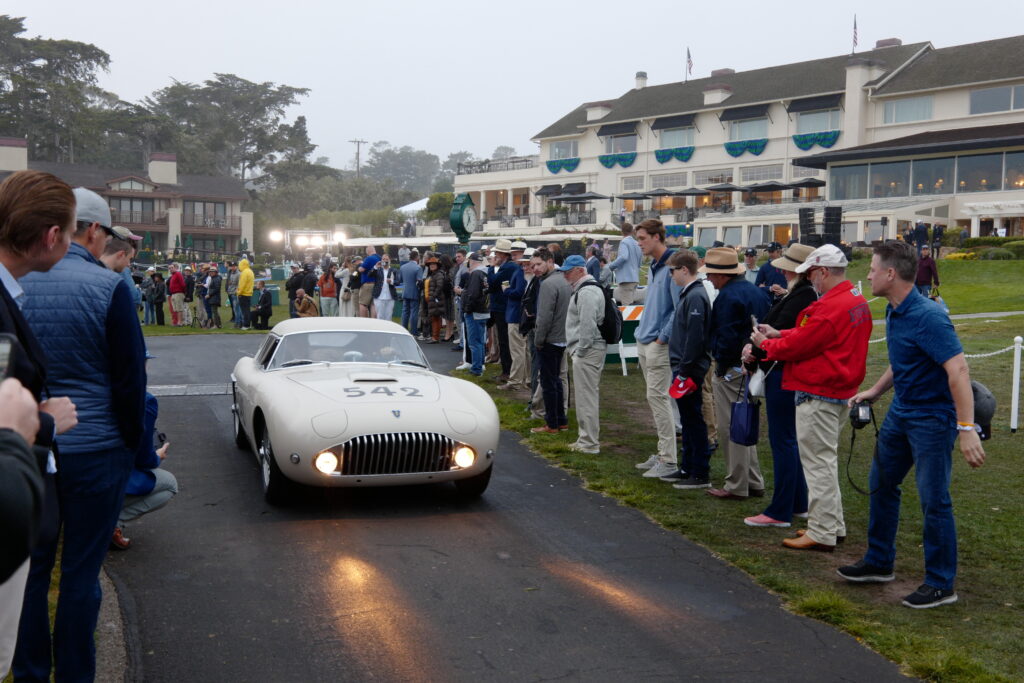
The 71st edition of the world’s pre-eminent and best-known concours event featured 28 classes, judged by a 180-strong jury, which also chose the recipients of 26 special awards.
The size of the event, the number of visitors, and, most mind-numbingly, the sheer number of amazing cars, is almost overwhelming. There are so many quality cars to gaze upon, and so many people gazing at those cars, that it is almost impossible to cover everything.
Notable among the many attractions were the centenary celebrations of the 24 Hours of Le Mans, an elegant Talbot-Lago Grand Sport, Hermann Graber’s Swiss-bodied cabriolets and coupés, the jewels of Otto Vu Italian V8s, early Alfa Romeos, Lincoln and its centenary, and cars with unorthodox propulsion systems.