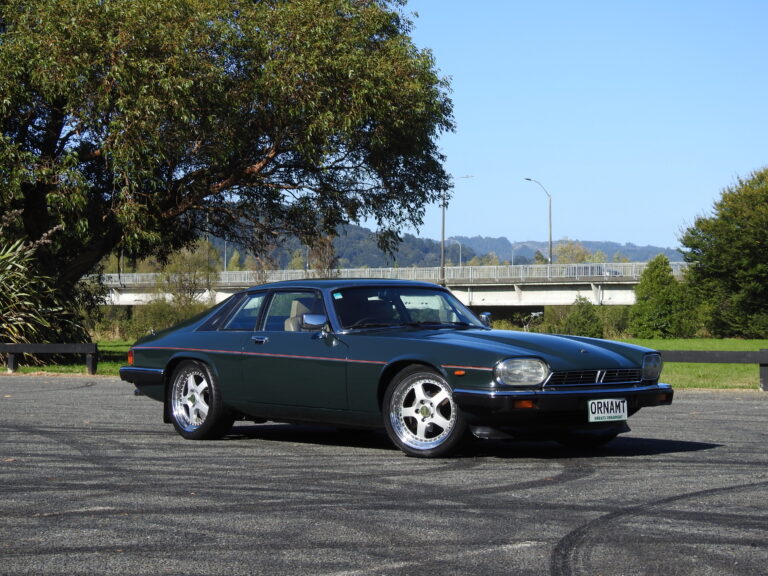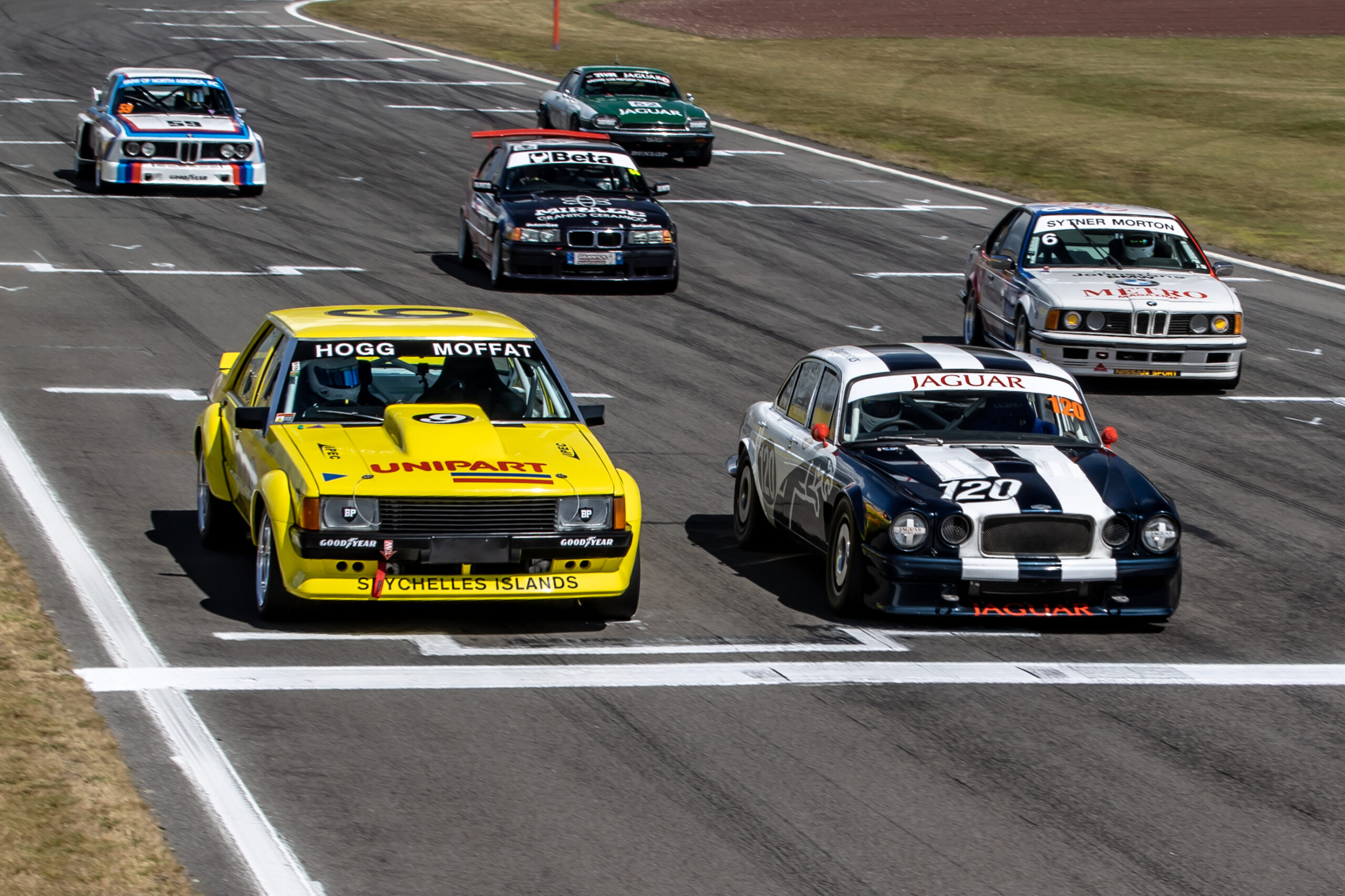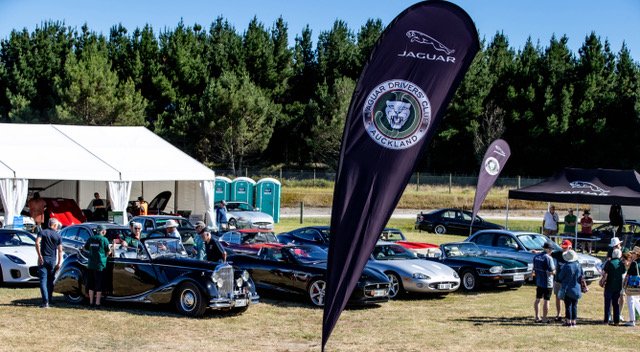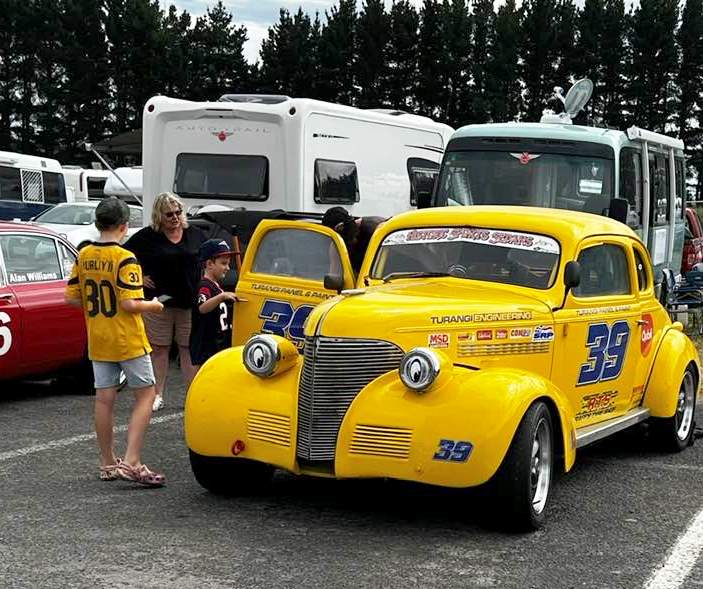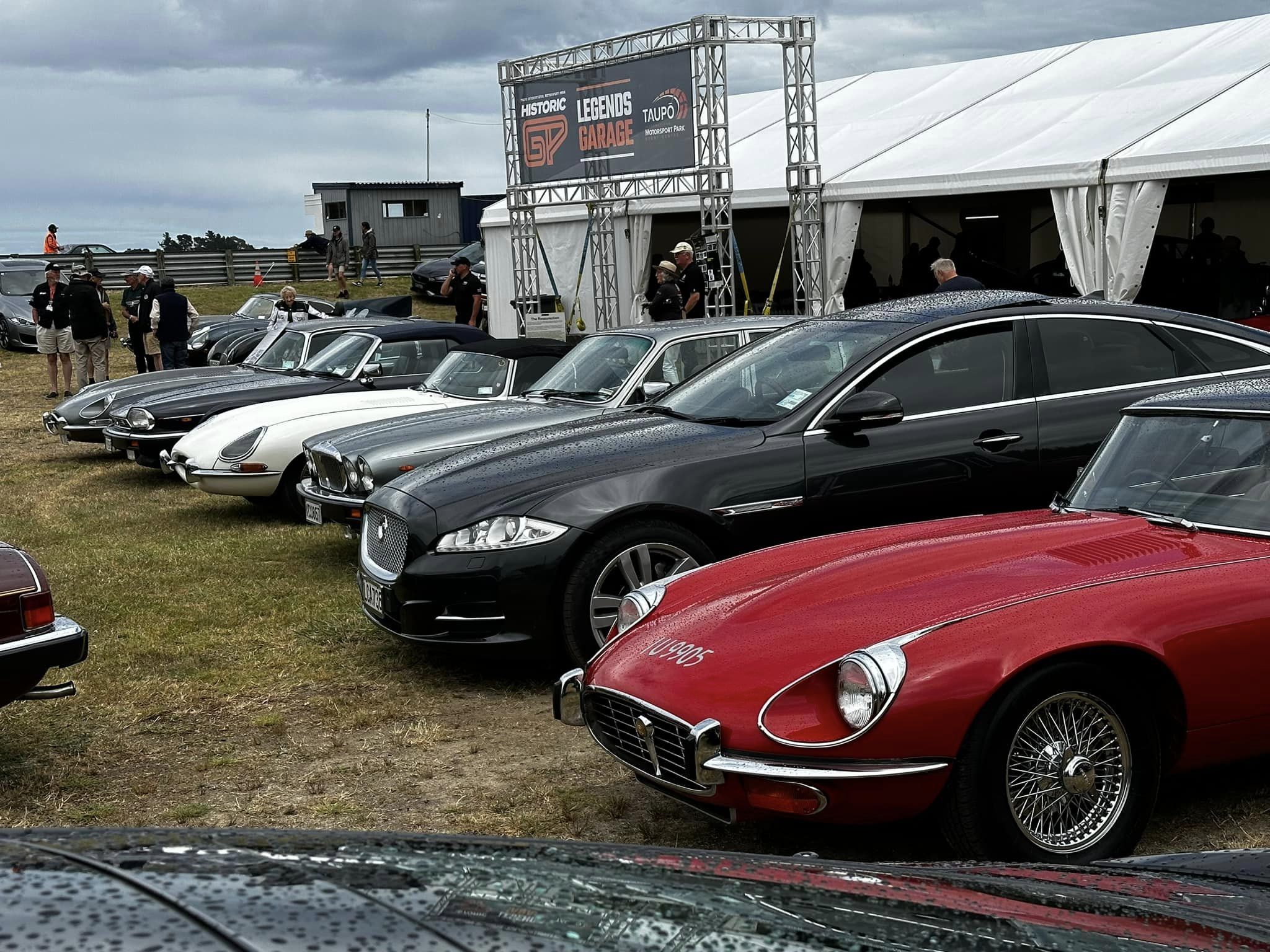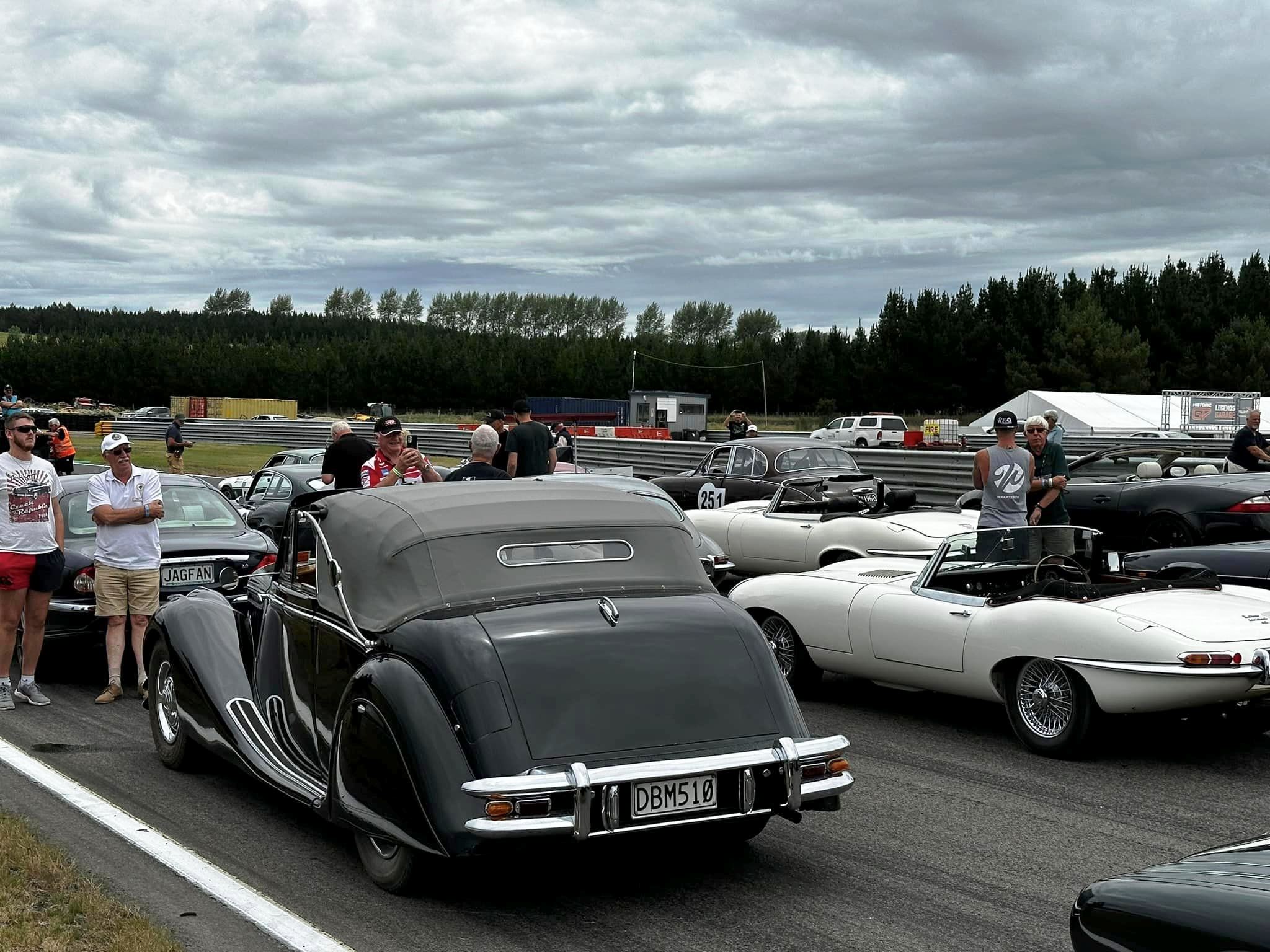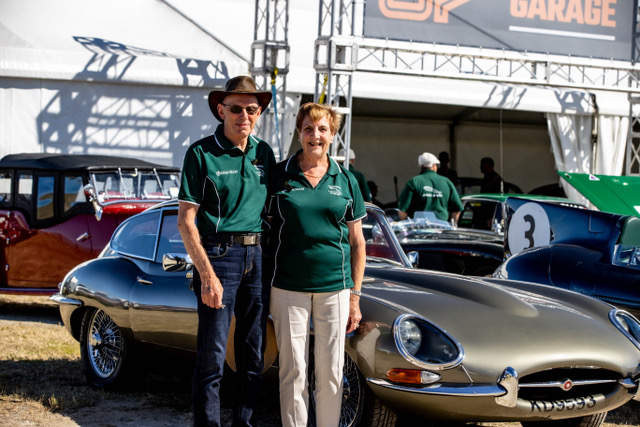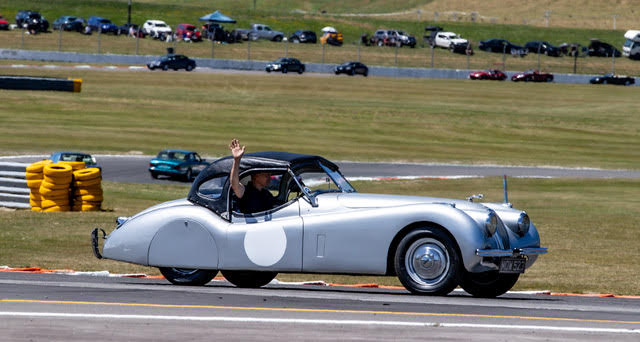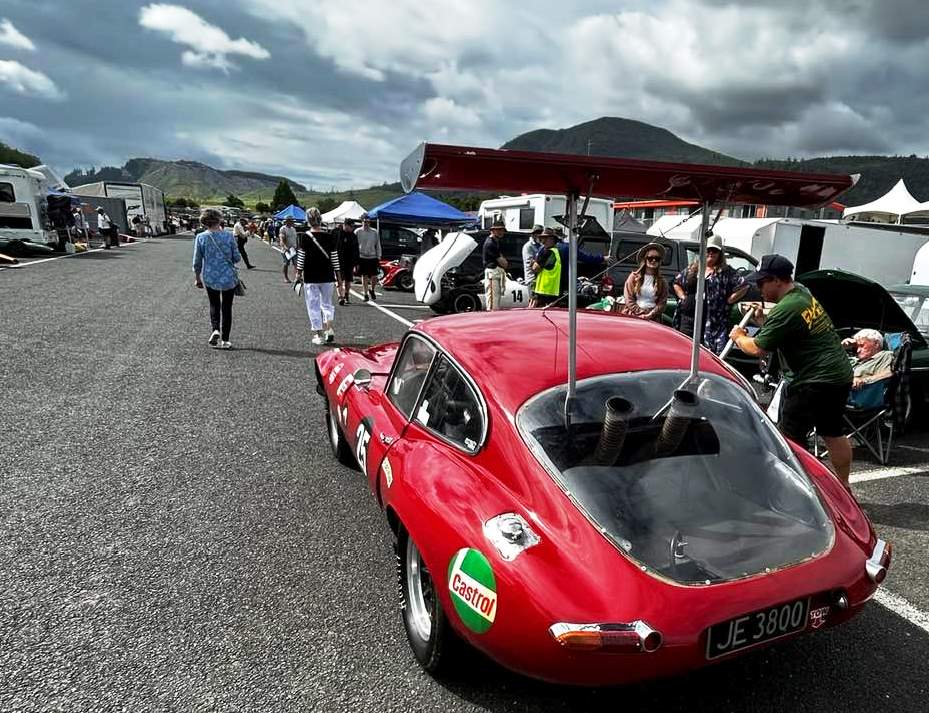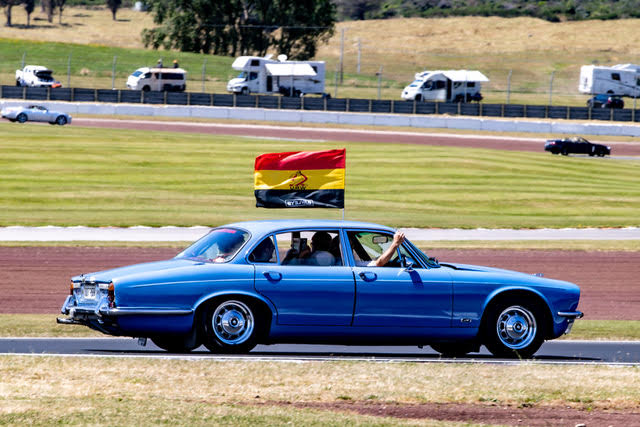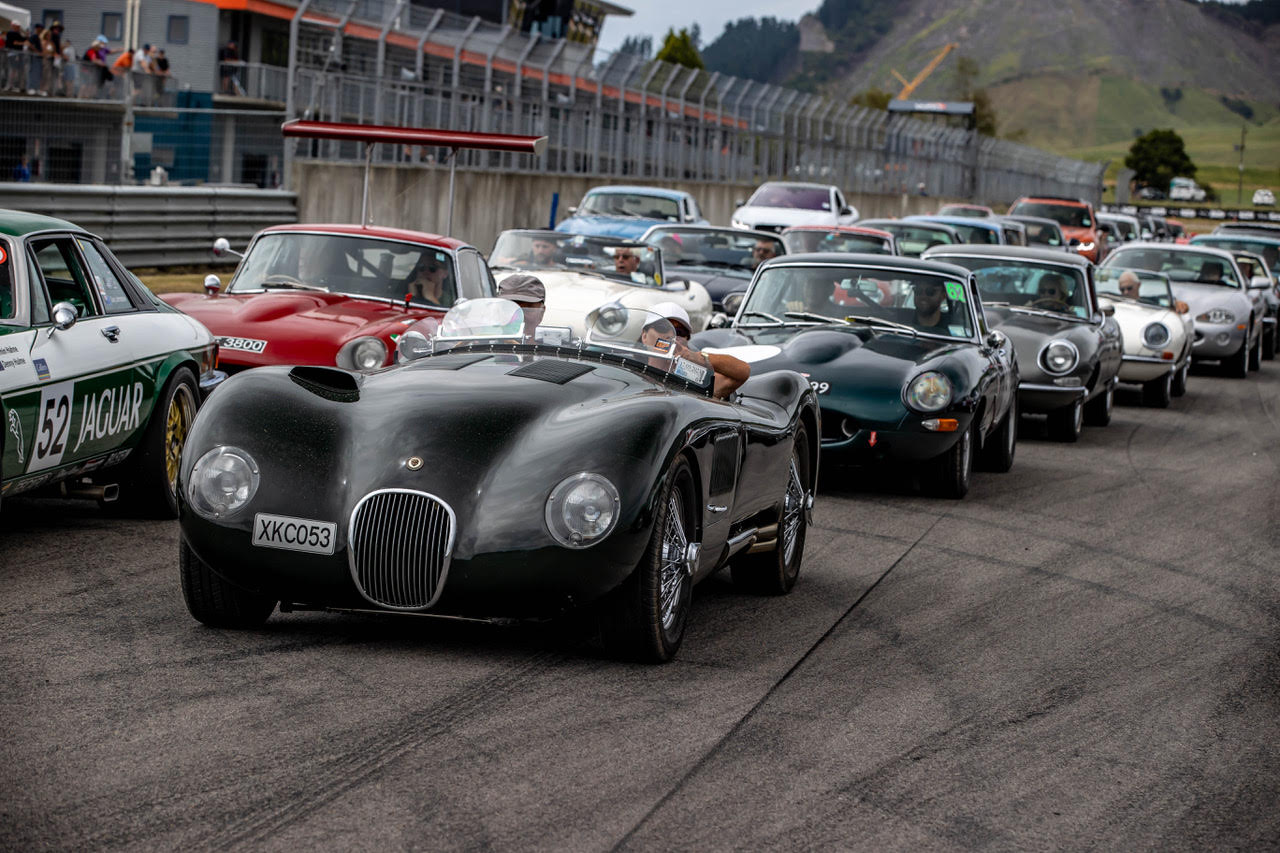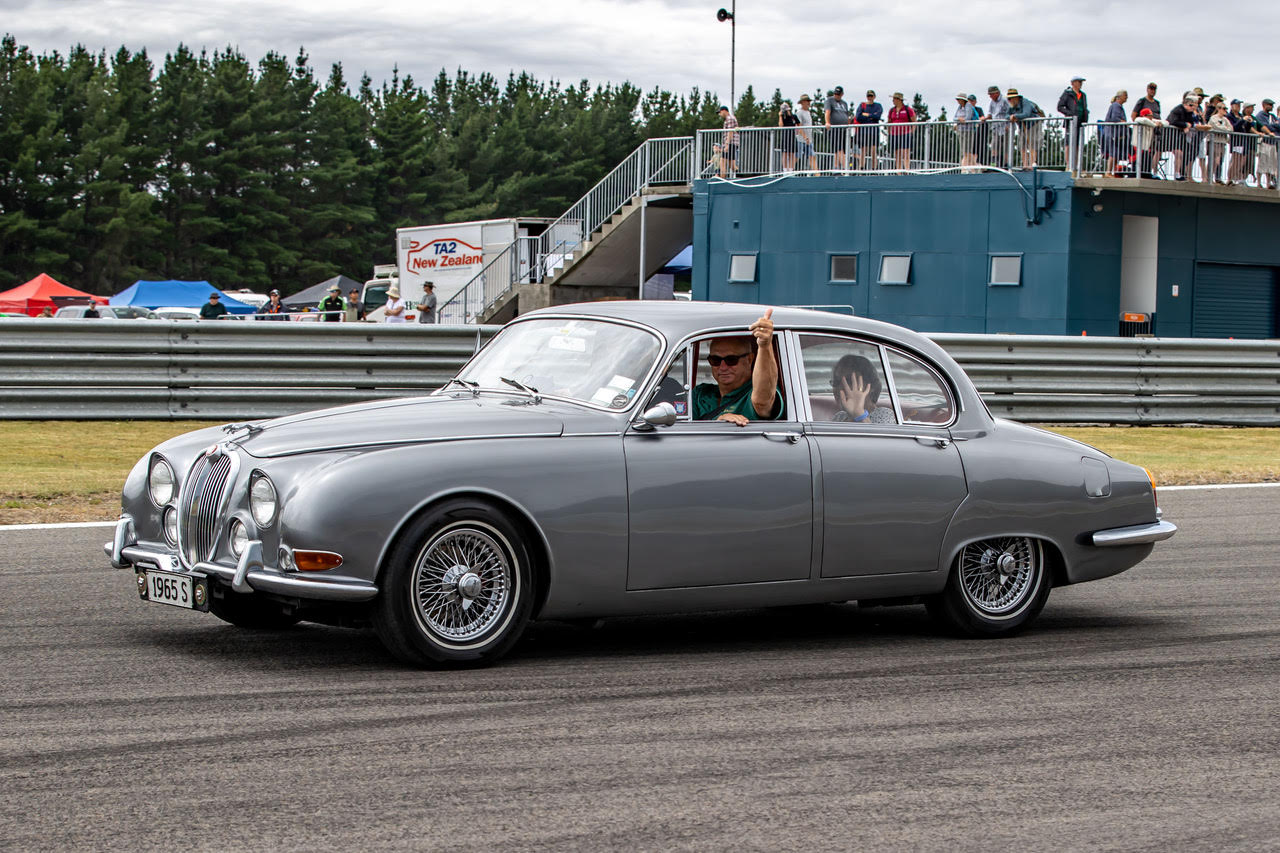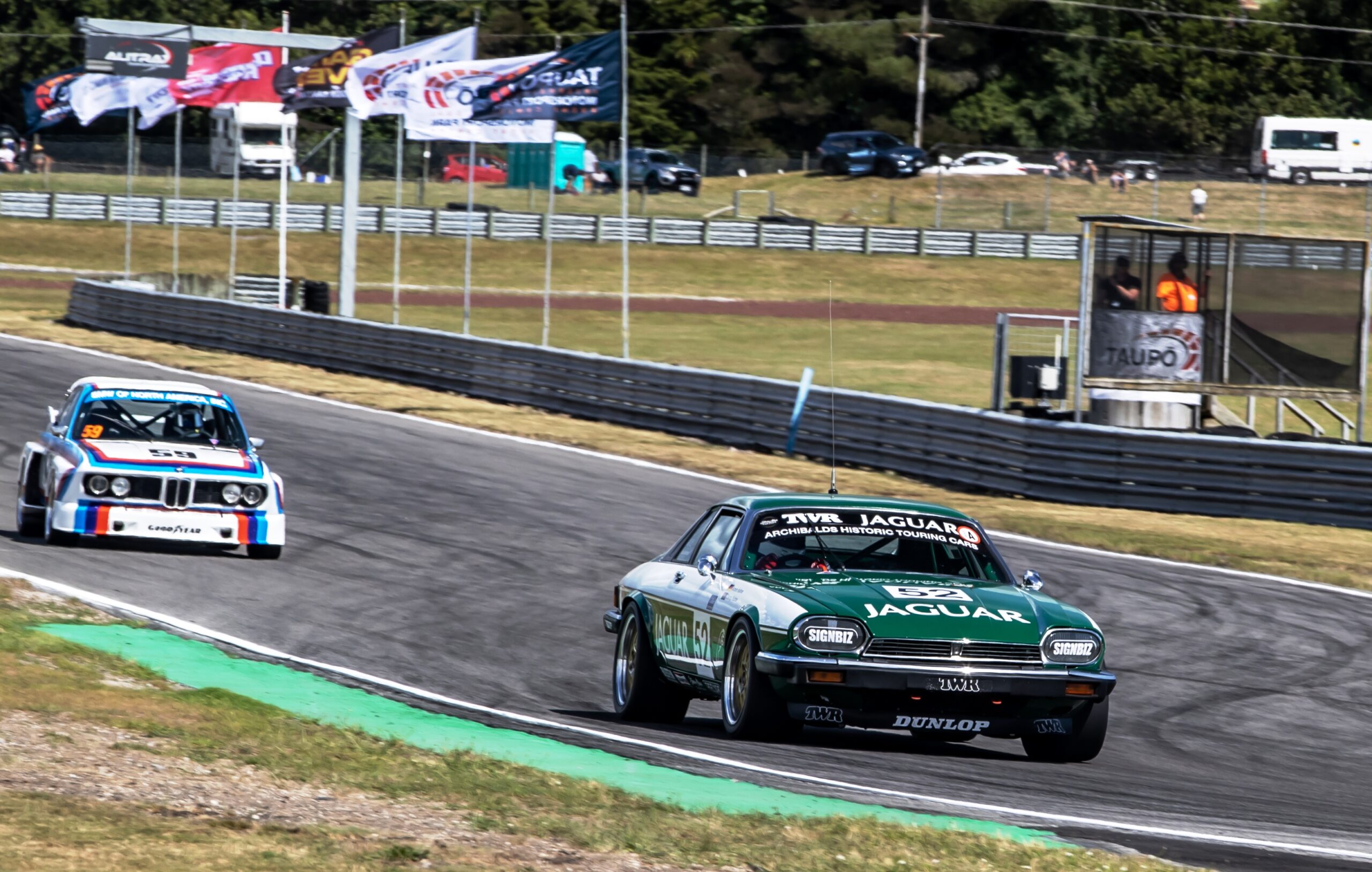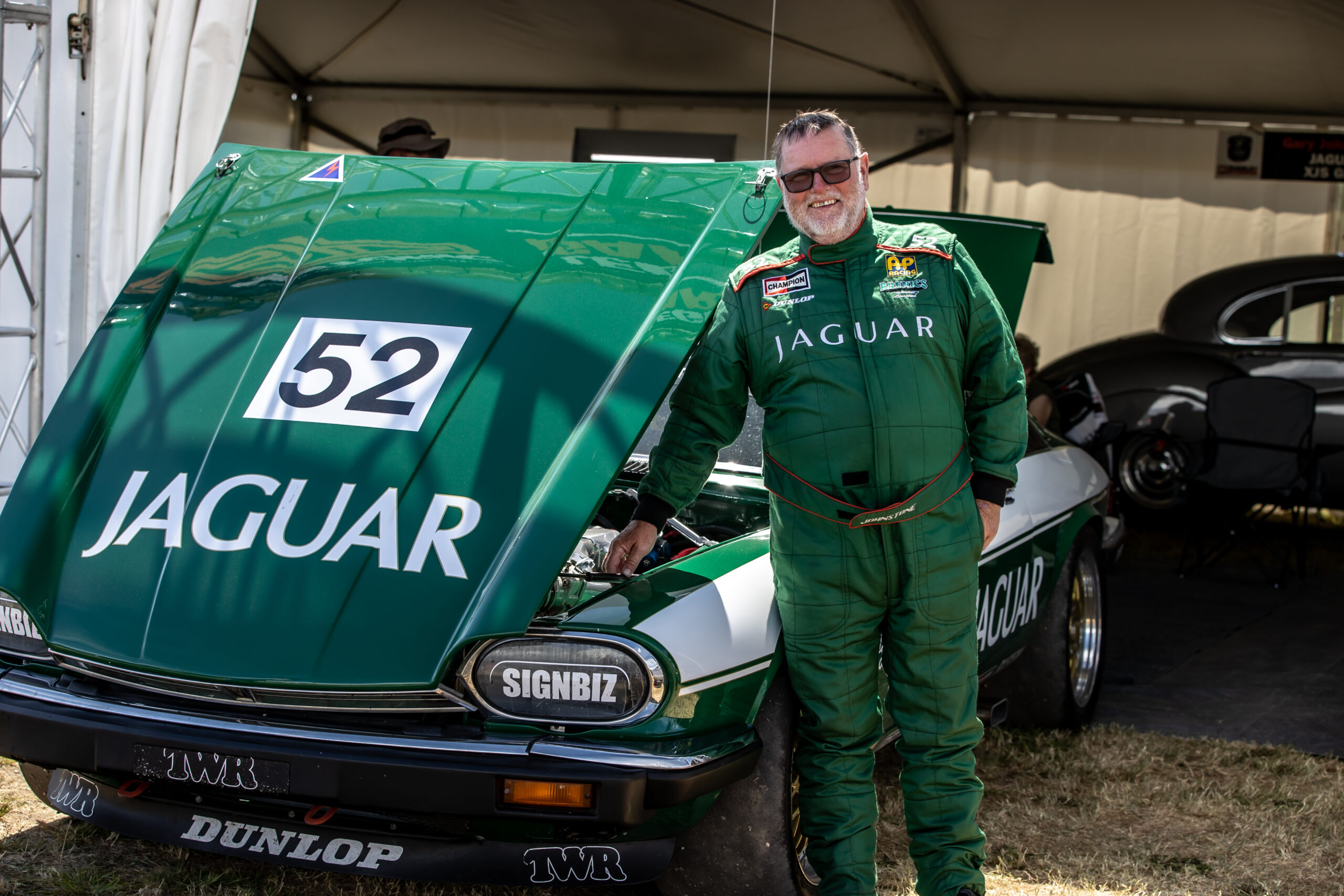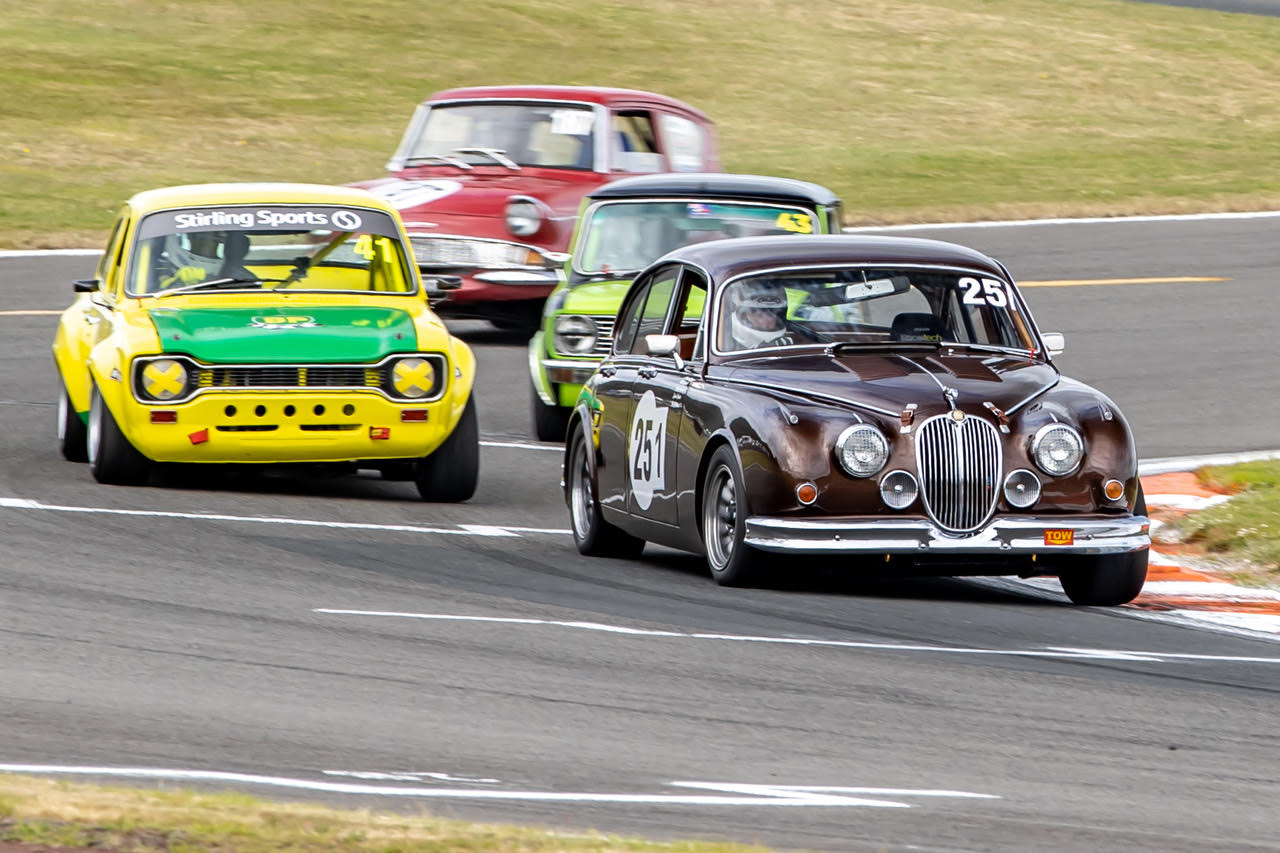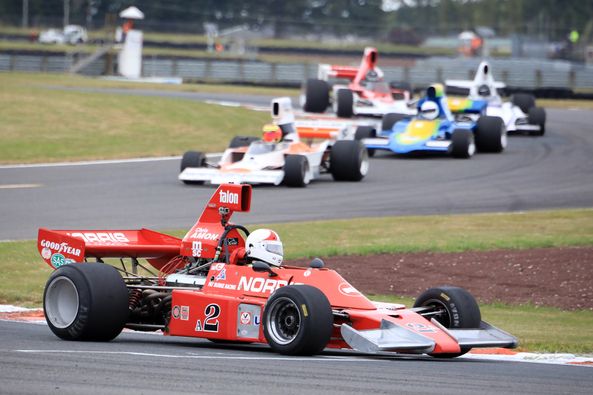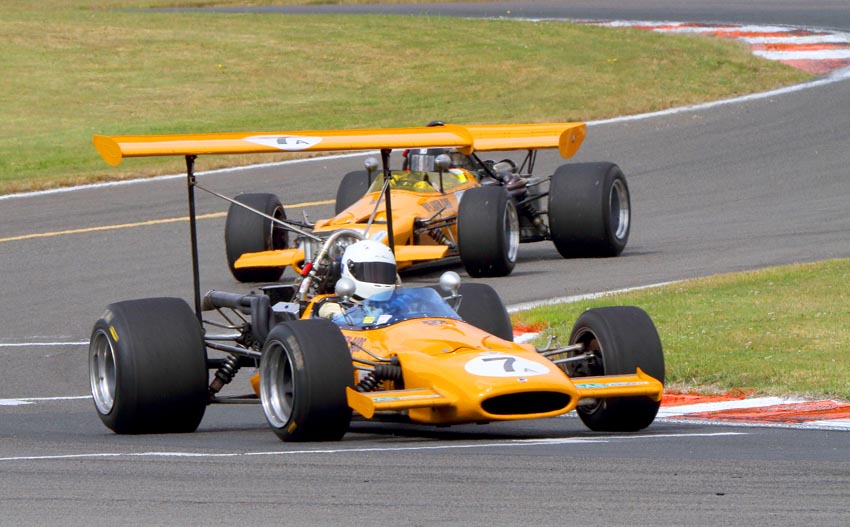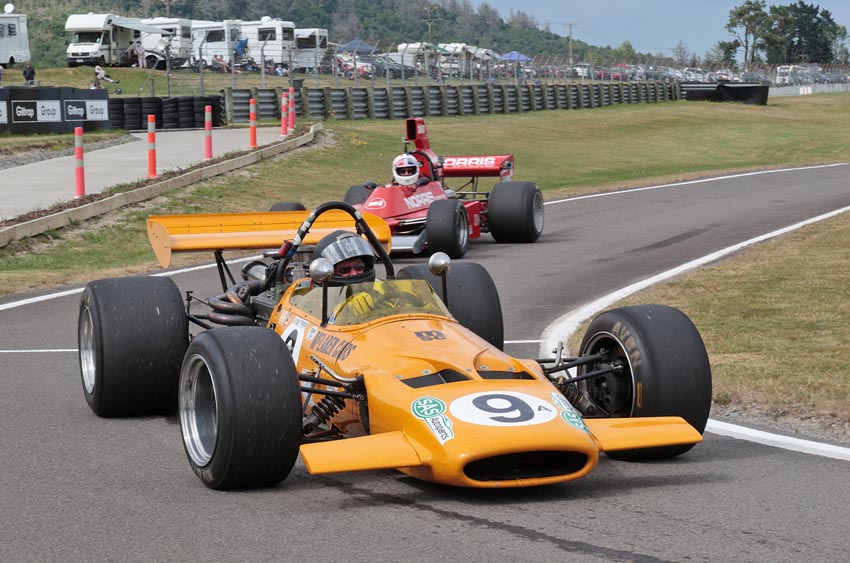
A prowl of Jaguars finally got to celebrate 101 years at the Taupo Classic, which also put on some spectacular historic racing
By Quinton Taylor
Photography: Chris Dillon, Matt Smith, Nigel Watts, Michael Fitzpatrick, Graeme Walker, Dean Wright, Chantell Smith
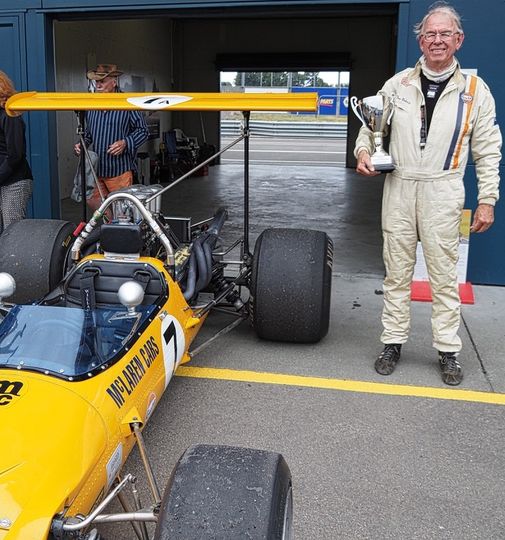
Historic Muscle Cars and Saloon Cars president Tony Roberts was delighted with the success of the sixth edition of Taupō International Motorsport Park’s Historic Grand Prix held over the weekend of 21–22 January 2023.
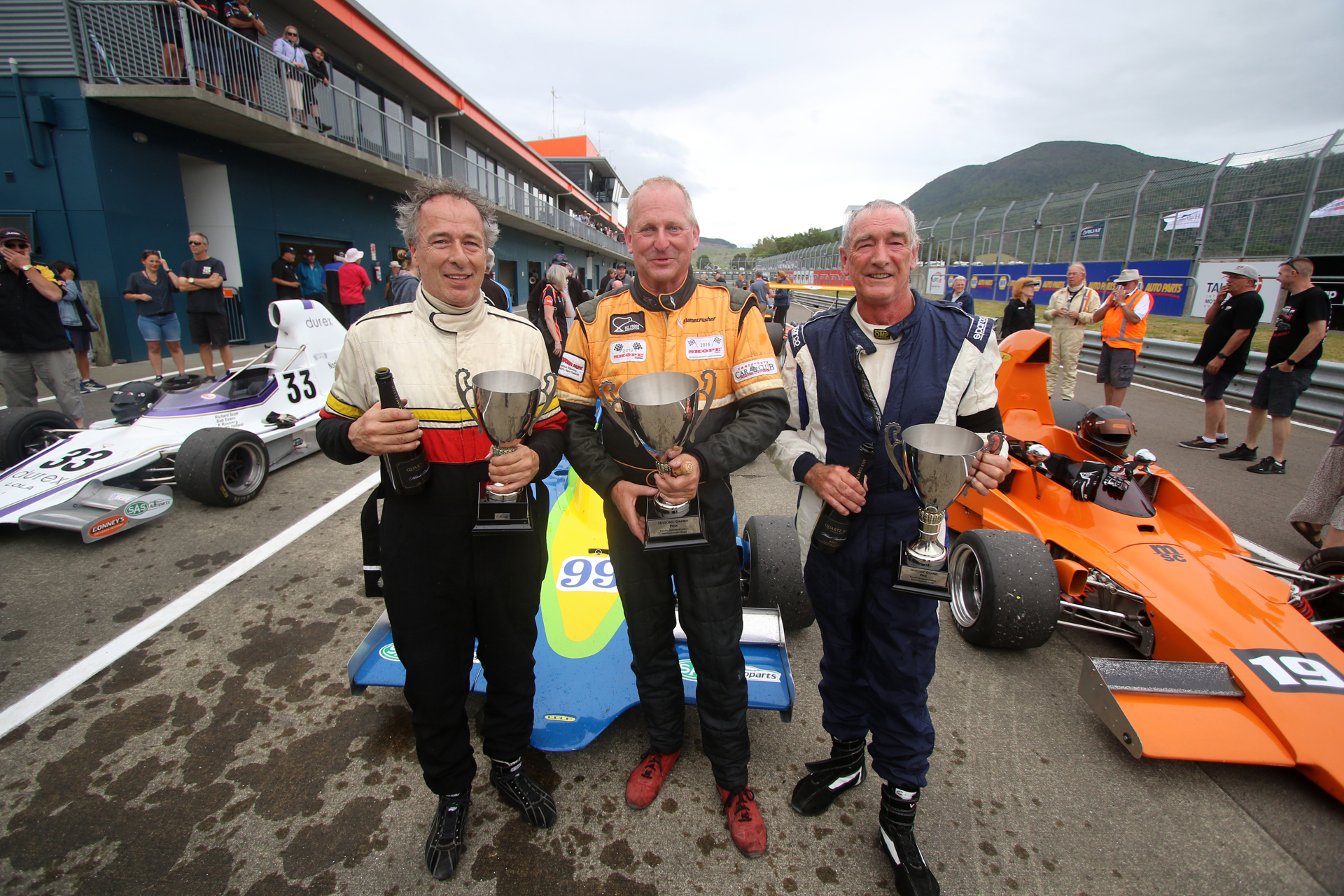
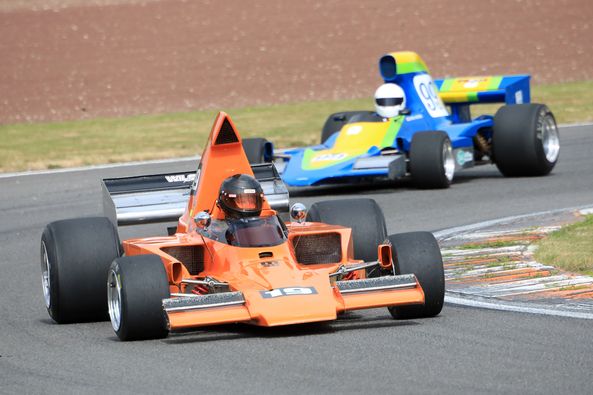
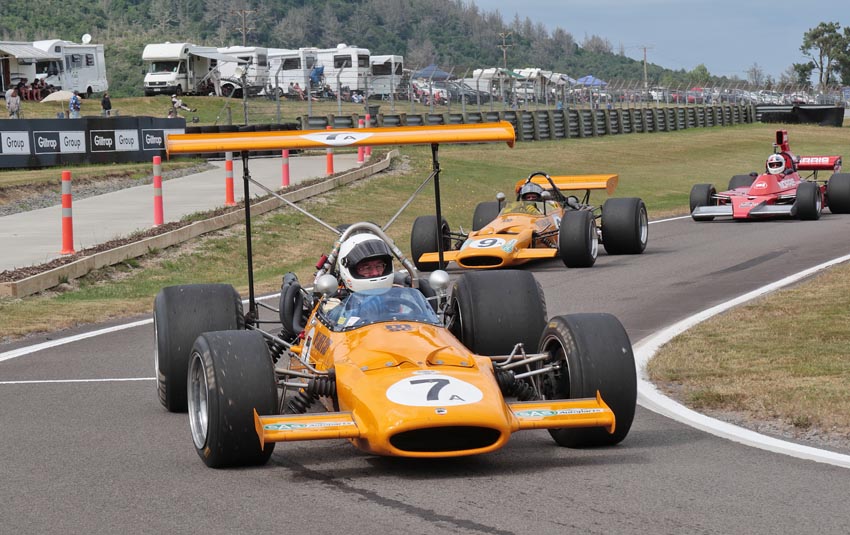
No doubt Tony would have been chuffed even without his win in Class A in the SAS Autoparts MSC F5000 Historic GP race driving his McLaren M10A, the feature race for the meeting. Taking top honours was Brett Willis, winner overall in his Lola T332, after finishing second and third in the first two races and winning the feature race.
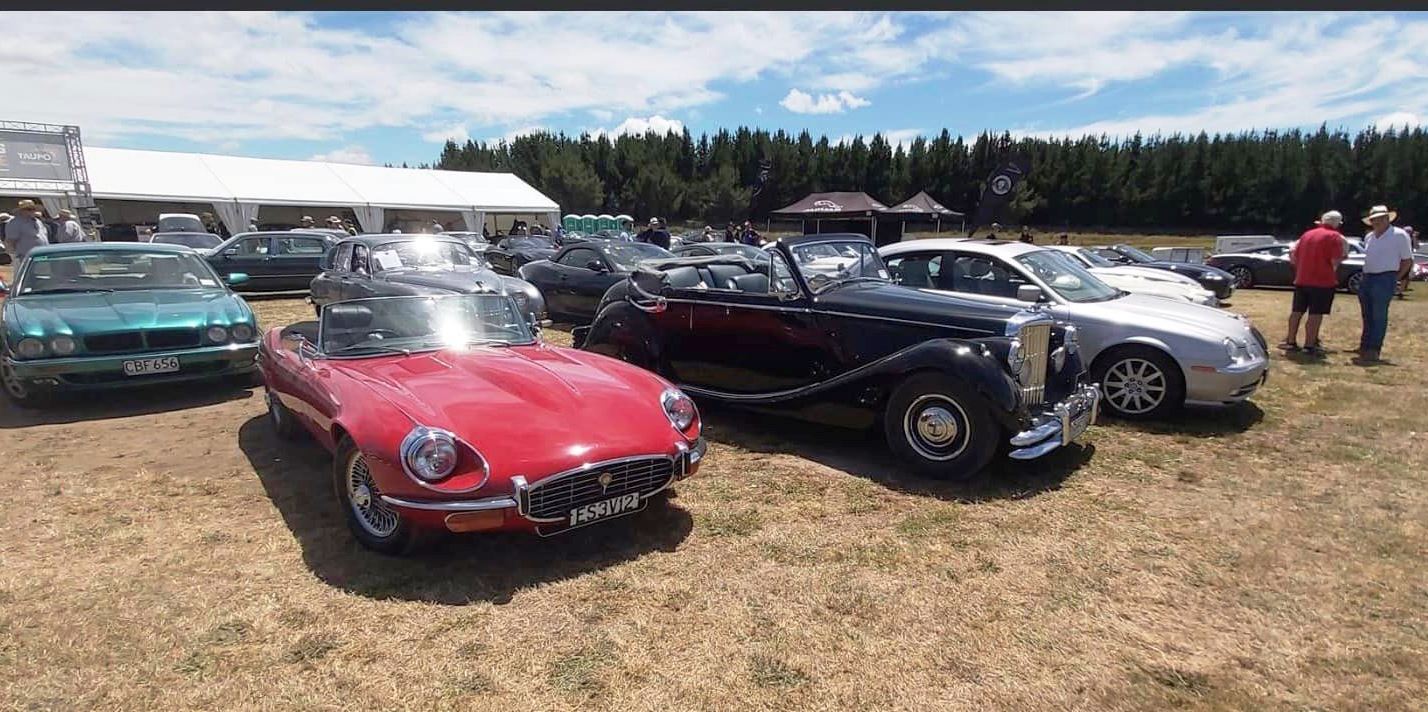
“The Historic Grand Prix was a cracker,” said Tony. “Eleven cars lined up for the HGP. It was a good event.” Tony says the event was “a hangover” that was kept on when Tony Quinn bought Taupo Raceway but it was combined with another legacy event, the Jaguar centenary celebration postponed in 2022 due to the Covid-19 restrictions, which added massively to the vehicular quality in the paddocks and the turnout on the weekend.
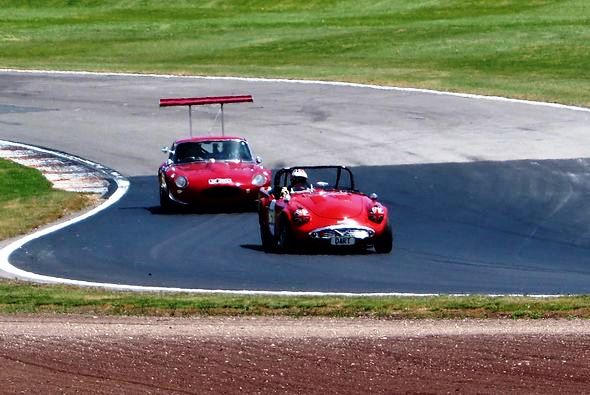
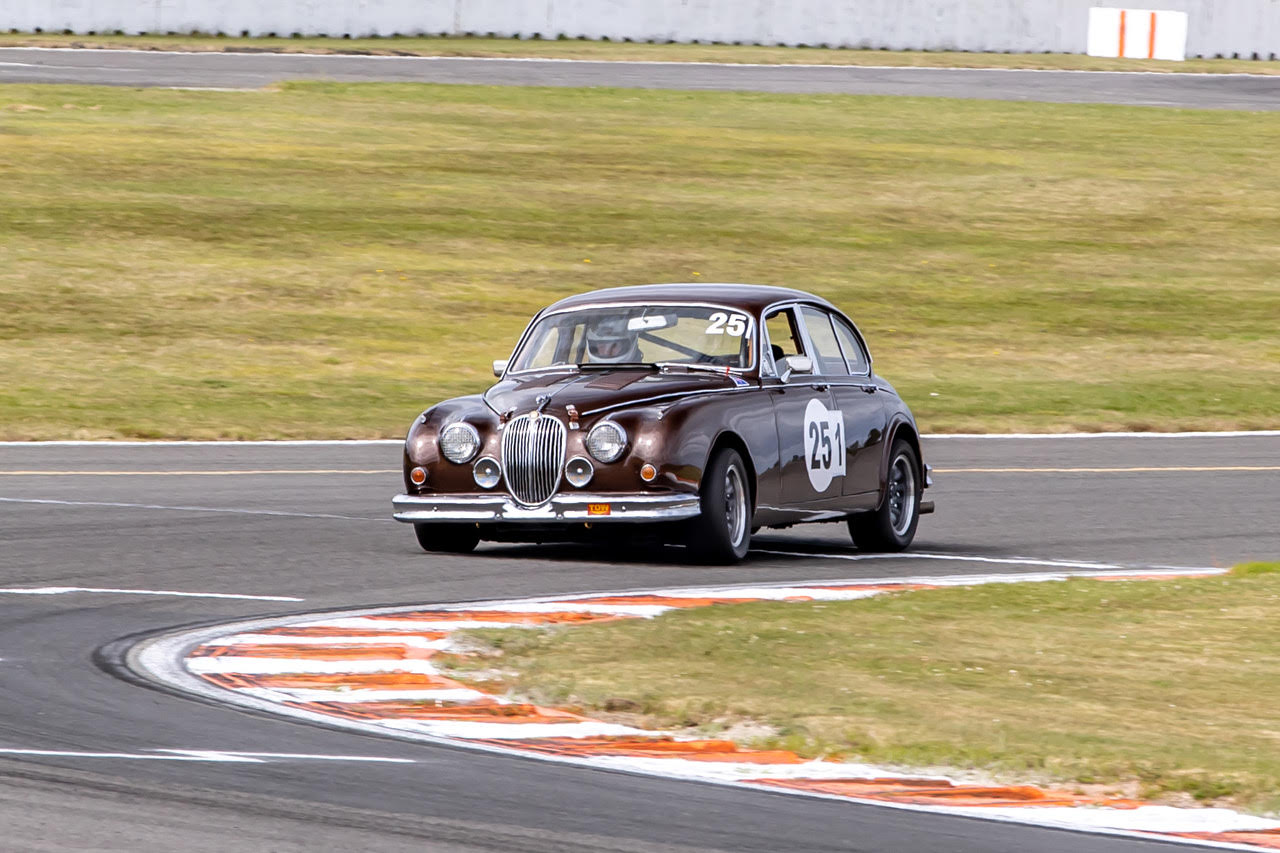
Jaguar enthusiasts from around the country headed to Taupo, including a South Island contingent with Kent Larsen racing the Wiseman/Larsen Jaguar E-Type and Bryan Ashworth having a fabulous run in the flying Daimler SP250 Dart. Bryan won the second race on the programme, the VCC’s Pre-66 Sports and Saloon cars Race 1 ahead of Kent, also triumphing in the second race in this category. Bryan completed a good day out notching up a third in the Jaguar Handicap Race 2, behind winner Robert Moston and Alan Williams.
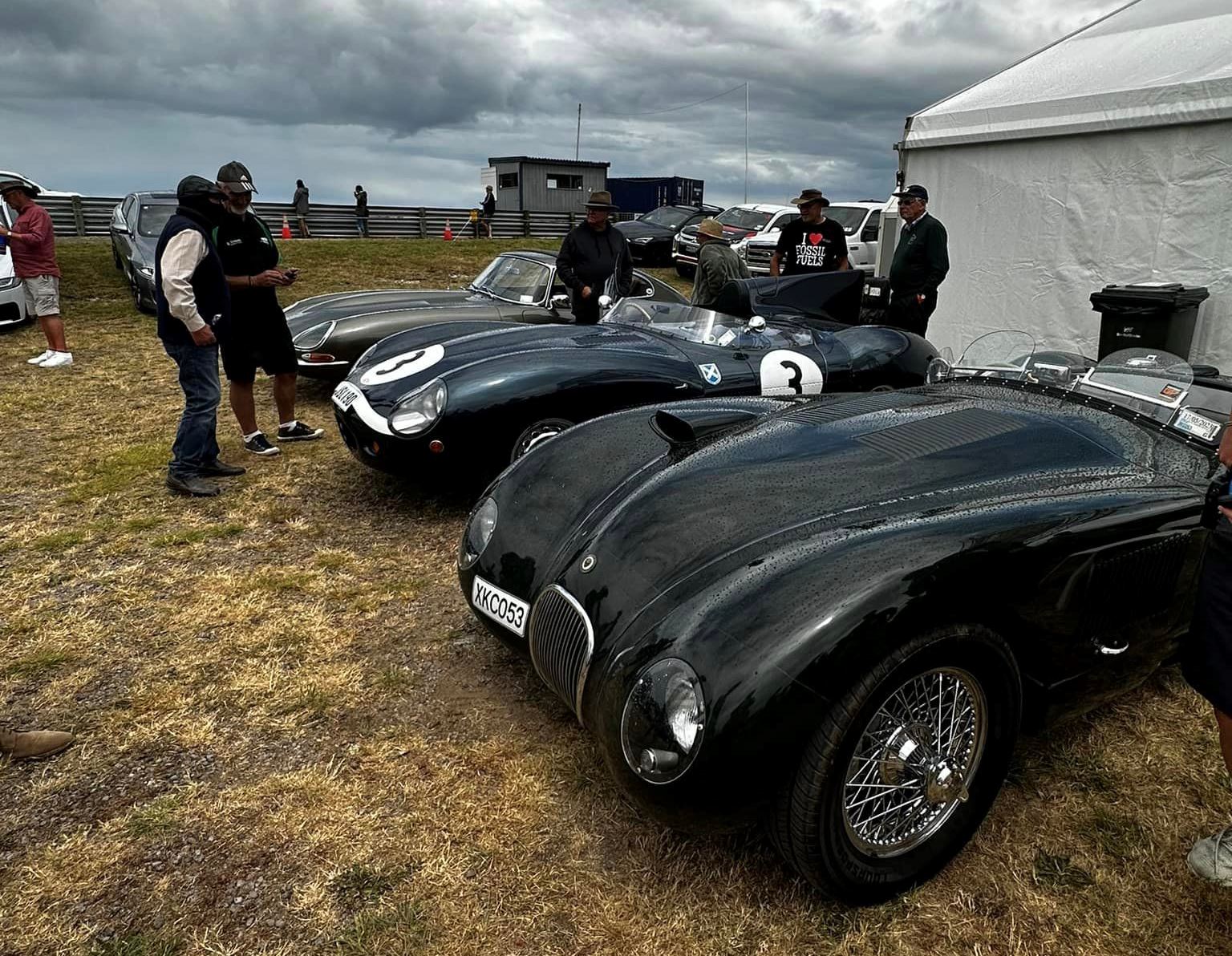
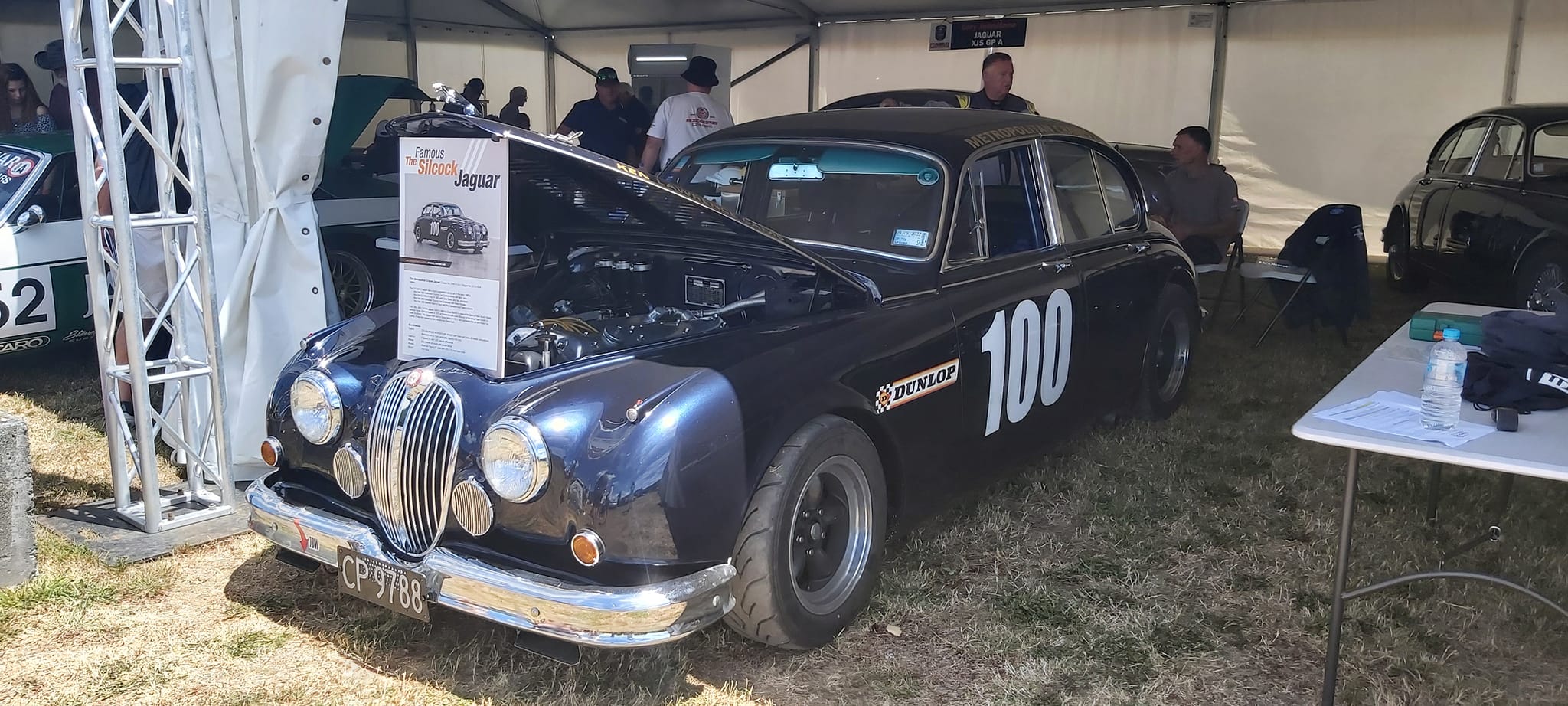
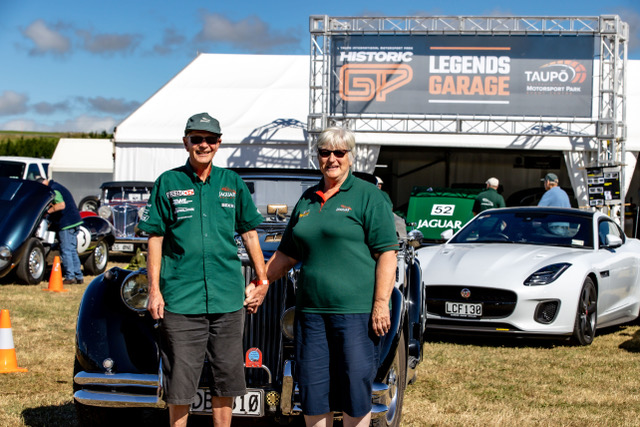
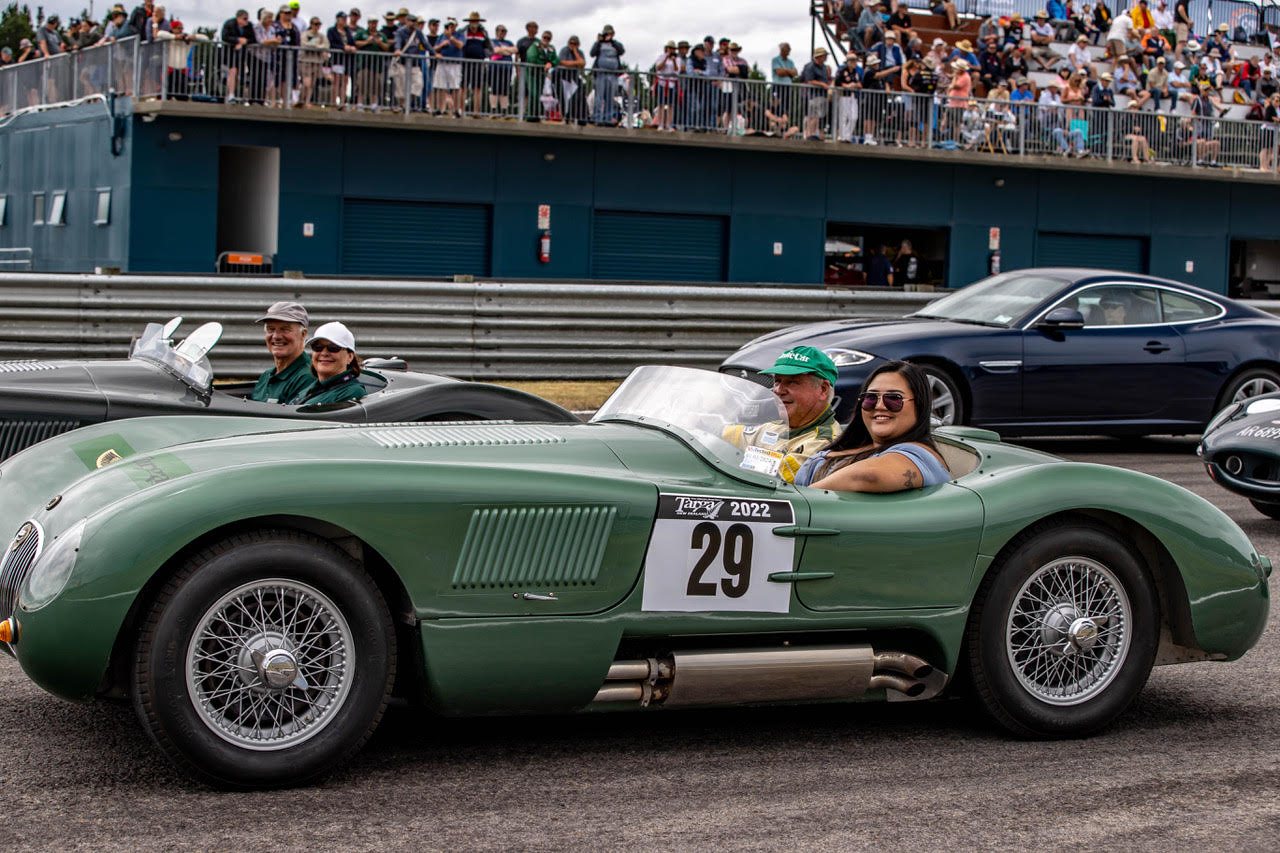
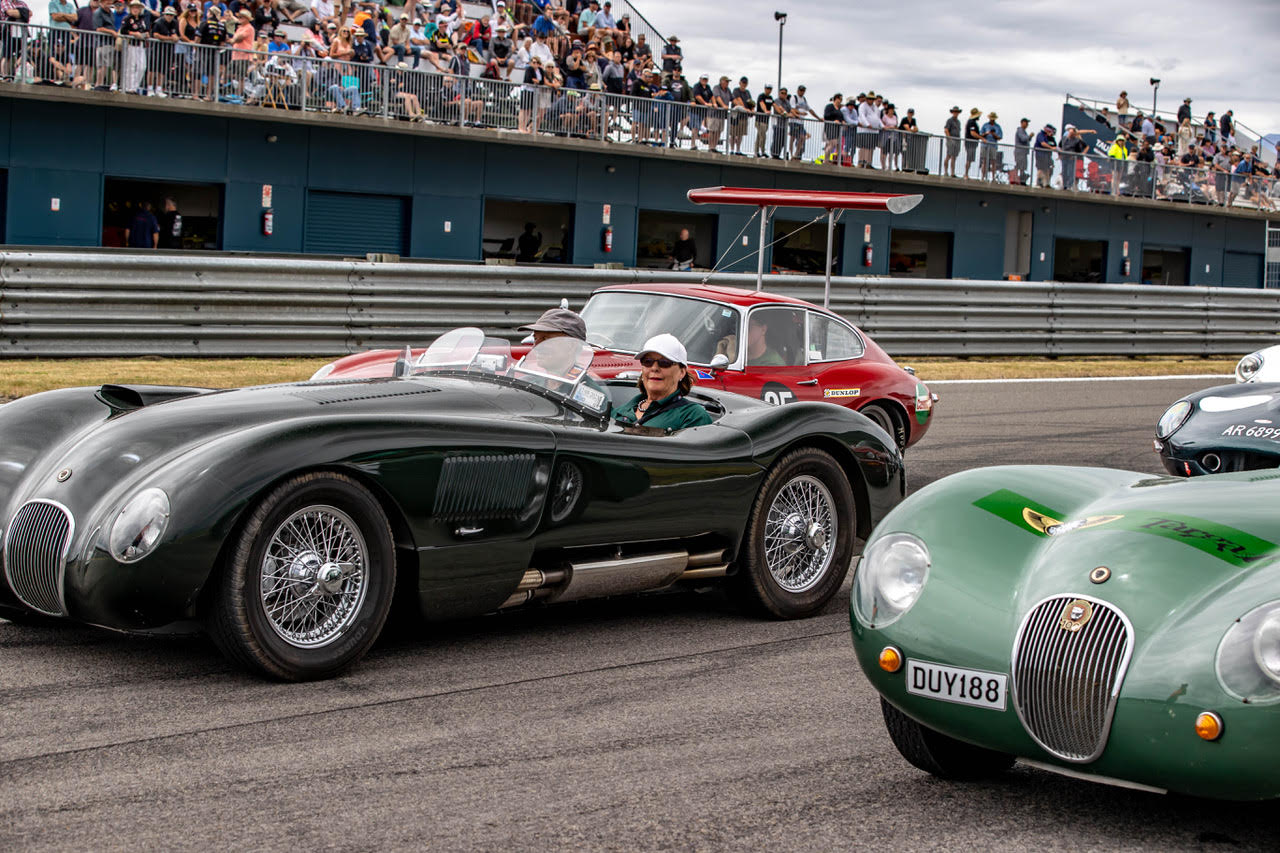
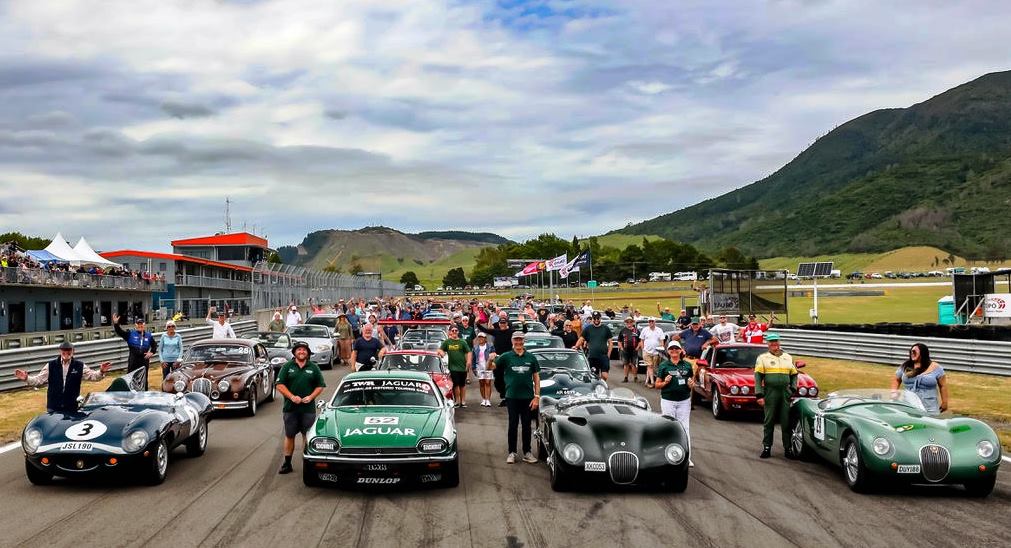
Finally unleashed for the postponed centenary, the event drew a great turnout of Jaguars. There was plenty to see with a lunchtime track parade of Jaguars, a stunning collection of classic Jaguars in the Legends Marquee including Colin Giltrap’s stunning XKSS and a chance to meet Greg Murphy and other icons of the sport in the Legends Garage.
The Taupo Classic is one of the highlights on the 2023 calendar and one of New Zealand’s leading classic race meetings. It featured eight different race categories in 25 races over the two days. Formula 5000, Historic Formula Ford/Formula Junior & Invited Historic Single-Seaters, Historic Muscle & Saloon Cars, Historic Sports Sedans & Invited Allcomers, Super V8s featuring TA2 and Tranzams, Heritage Touring Cars, Formula Open NZ and Hooters Vintage Race Series Pre-1966 Saloons & Sports cars.