

Think of it as a four-door Cooper

5 April, 2024

Mini man John Kelly has been seduced by the allure of a bigger car
By Quinton Taylor
Photography: Josh Kelly

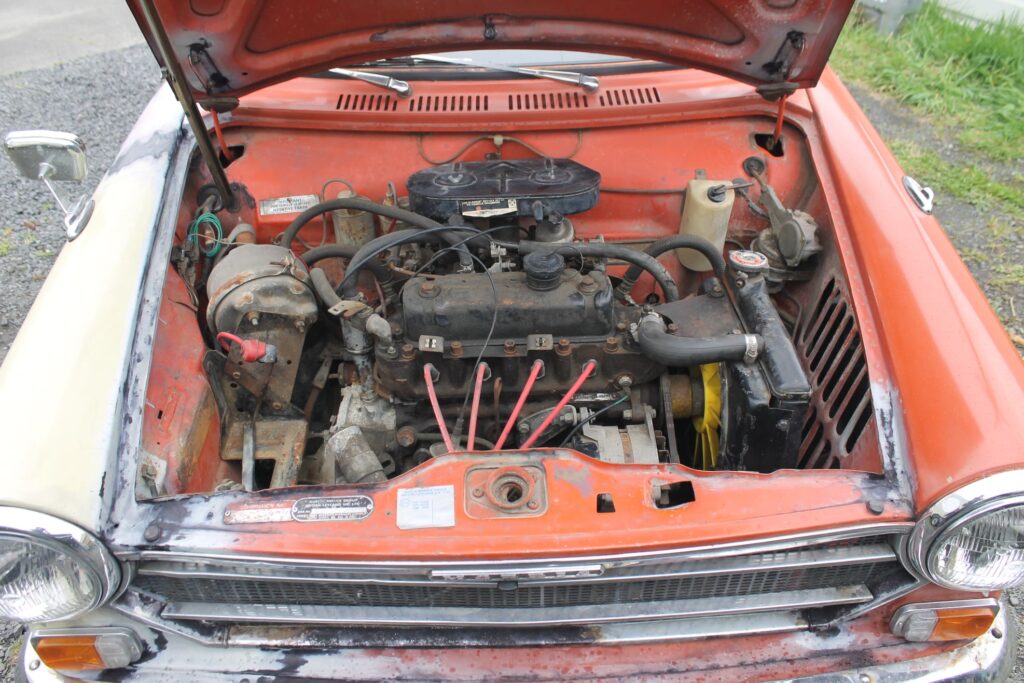
In pretty good shape after 24 years in storage
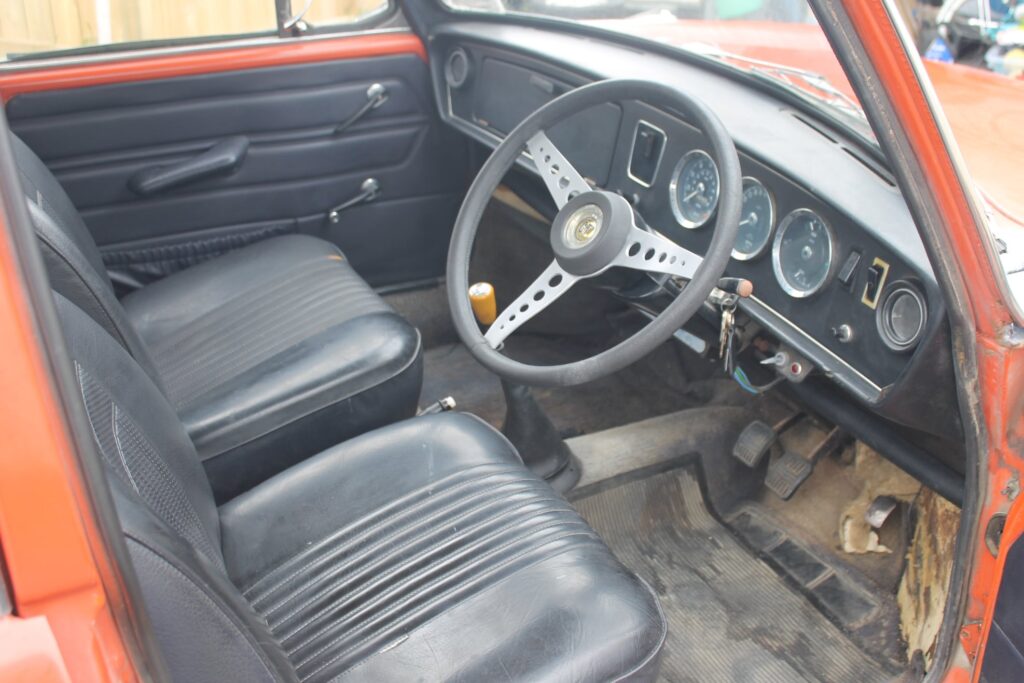
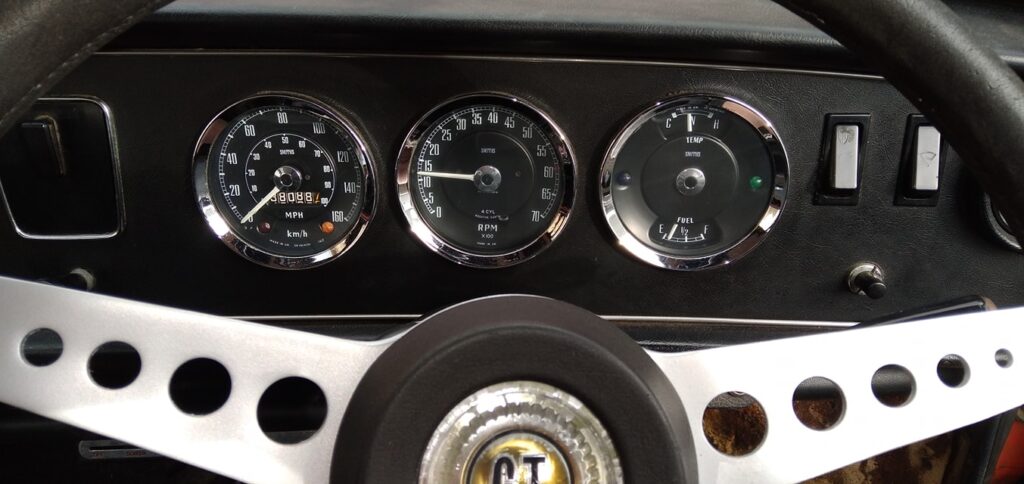
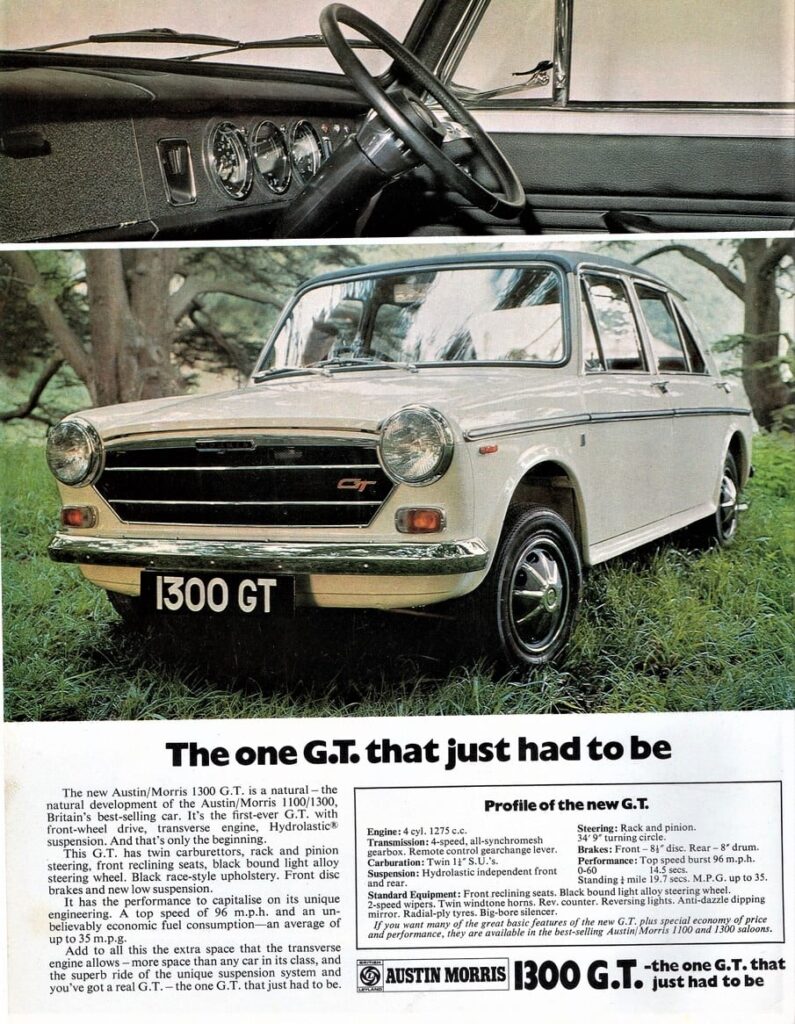
GT interior — lashings of black vinyl

New Zealand Mini Owners Club coordinator Josh Kelly of Dunedin loves his Minis. It’s a family affair.  Julie and Mike, Josh’s mum and dad, are just as keen, and they can usually all be found taking part in the club’s annual ‘Goodbye, Pork Pie’ charity run from the North of the country to the South.
But lately Josh’s young head has been turned by some other revolutionary BMC cars. He has picked up a couple of Austin and Morris 1100 and 1300s, which he started to restore — that was until an opportunity arose to buy a rare example stored in a shed.

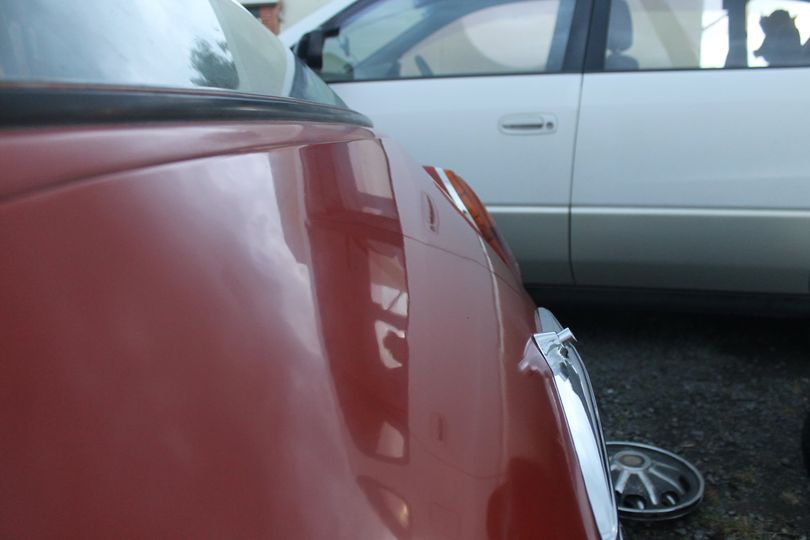
Rejuvenated paint
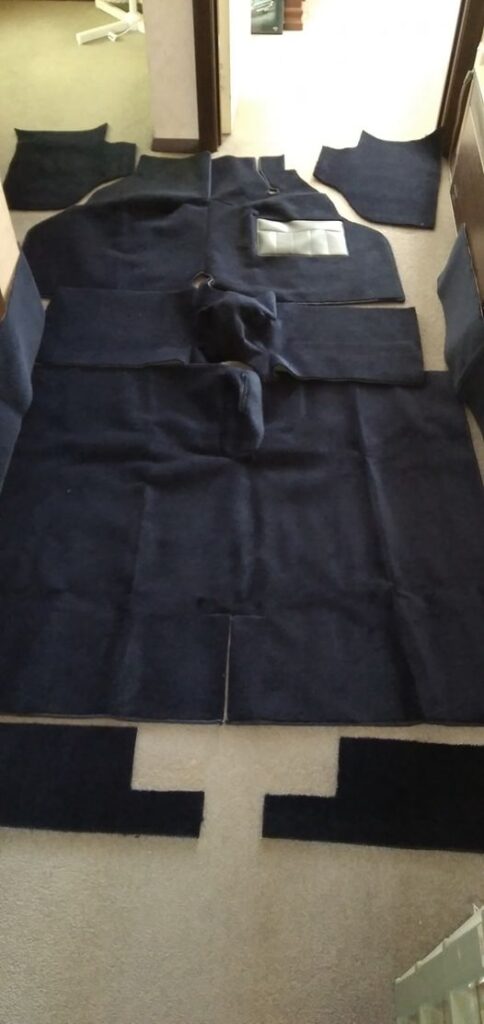
New carpets — luxury
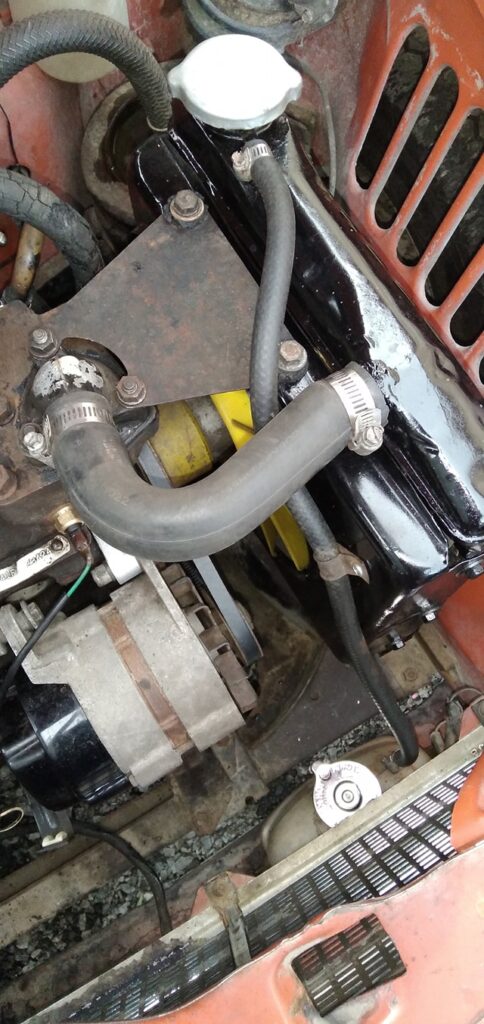
Electrics now sorted

Sure-fire investment
“It was a Morris 1300GT which had been stored in a garage in central Alexandra since 1998,” says Josh. The owner had bought it from his uncle in 1997 and still had the change of ownership papers for the car.
“It was crashed in 1997 and repaired, then, for some reason, it was never used again. It came up for sale, and a friend contacted me about it. It was a close thing, but I managed to buy it despite a lot of other people being interested in it.”
Thanks to Josh’s mum, Julie, the cash changed hands. She now has another ‘investment’ on her books while Josh works to get the car back on the road. Julie bought her Mini LE as an investment and still enjoys driving it. 
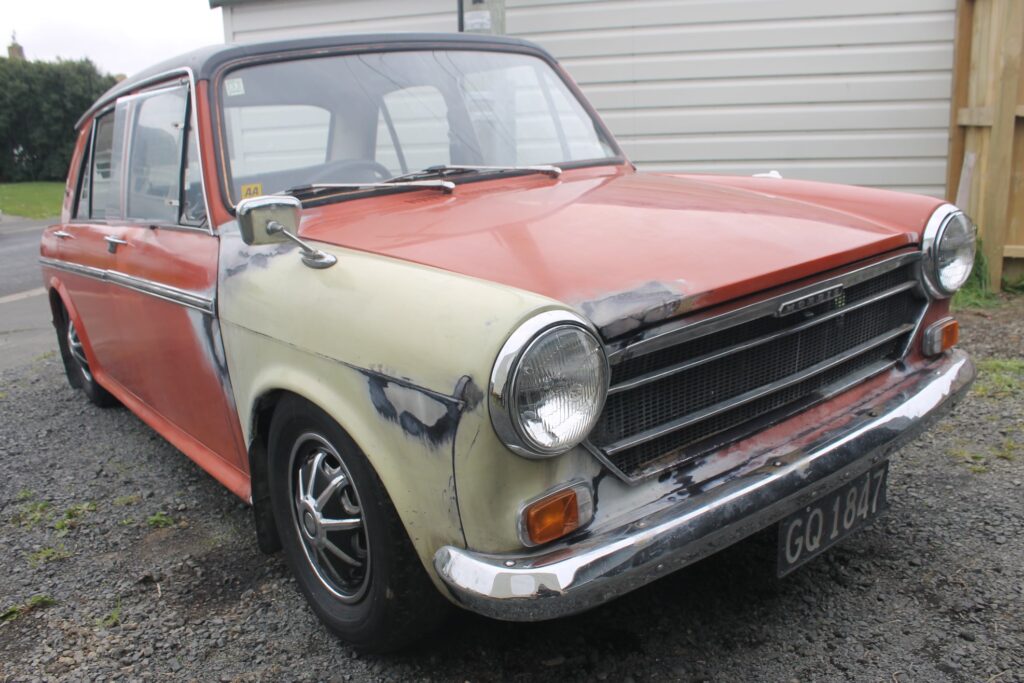
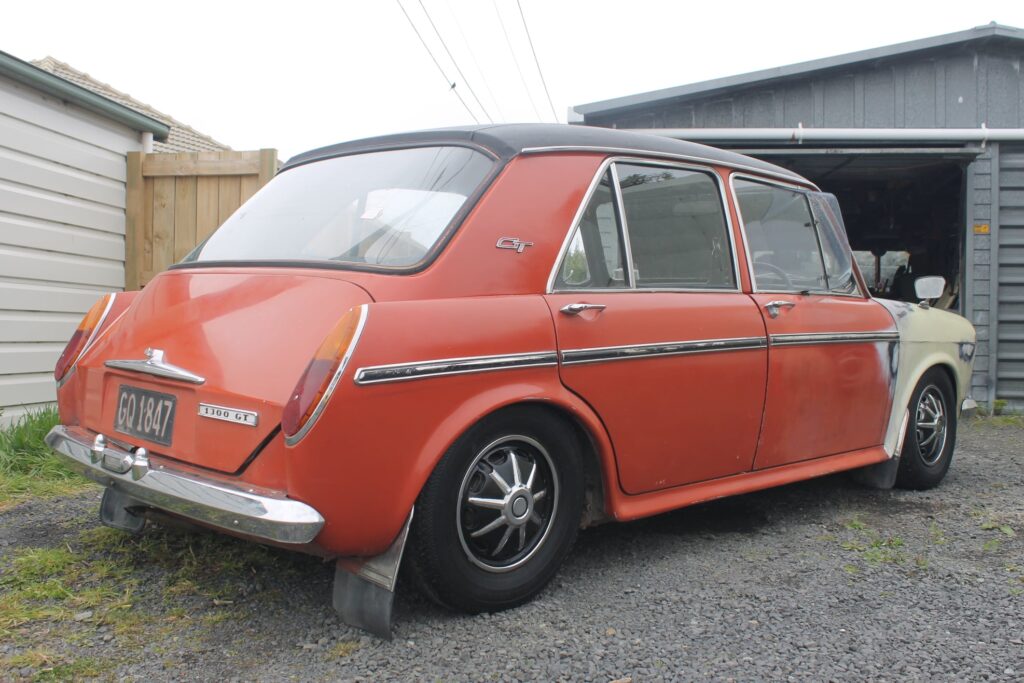
Sold by the Southland agents P H Vickery & Co Ltd in 1974, the little orange GT was imported fully built-up from Britain and not assembled here, like most other 1100 and 1300s.

Carburettors stripped and cleaned and a noisy water-pump replaced

Local history
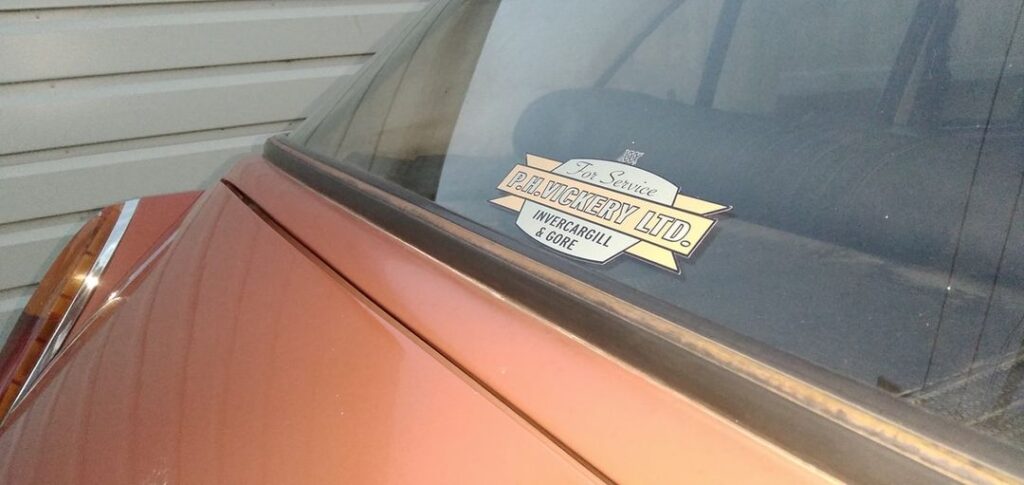
British Heritage have confirmed the car’s provenance. “We are just waiting on the certificate to arrive,” says Josh. “A friend has made a new P H Vickery sticker for the back window, too.”
Josh found the car was sold new to its first owner in Clifton in Western Southland. It went to a car dealer in Milton then to its next owner of some 20 years in Clinton, South Otago. In Alexandra, it was involved in an accident, requiring the replacement of the right-front mudguard.
“It seems it never went back on the road. The owner put it in a garage in 1998, and there it remained until we bought it.”
Josh trailered the Morris 1300GT home to Dunedin where it has undergone many hours of work. In mid-September, the fuel tank was cleaned and sludge was driven out of its lungs to the point where it ran just like it should.

A nice touch is a freshly reproduced P H Vickery dealer sticker

Pickled carburettors
“The owner owned a boat and used to put oil down the carburettors when the engine was due to be laid up for a period in his boats. He obviously did the same to the Morris. The exhaust pipe was full of it. I took the exhaust off and stood it on end to drain.”
Other than the right-front mudguard requiring paint, the rest of the car seemed to be in good condition, an impression verified after hours of cutting and polishing ended with a pleasing result. There is a small hole in the black vinyl roof which will be repaired. The vinyl roof may be replaced fully when the car is painted later.
A split in a rear brake hose has now been repaired and new rear-wheel brake cylinders have brought the brake system up to scratch.
The Tardis-like interior is in good condition, although efforts to dress up these GT models with more trim only seem to diminish the impression of space. The car’s four-wheel interconnected fluid suspension system, introduced on the Austin and Morris 1100s, make these cars technically interesting and recall the days when manufacturers were prepared to go out on a limb to win customers. Enthusiasts in Britain and locally who still know how to service these rather quirky suspension units are keeping many of these cars viable. This car could well be back on the road and adding to the 138,000km recorded on the odometer by the time this issue is published.

Mini language lesson
“People give me a bit of stick about buying a Morris 1300GT until I remind them that it is just a four-door Mini Cooper.” John says. “It has the same engine as a Mark III Mini-Cooper with 70bhp (53kW) and 1275cc, just like the Mini Cooper. So it goes well,” he says.
Josh is so pleased with the GT that his other 1100s and 1300s will be sold so he can concentrate on this one. It looks like he has found ‘the one’.
The NZTA register shows just 43 of these cars — 11 Morris and 32 Austin versions — still road-registered or registration on hold. A good one is a good thing indeed.

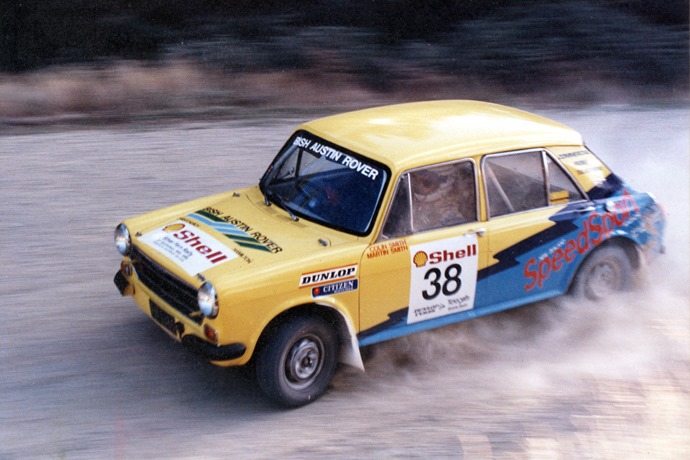
The Colin & Martin Smith 1300GT was no slouch on the 1990 Silver Fern Rally

NZ Classic Car magazine, July/August 2026 issue 406, on sale now

Rebirth of a brilliant Grand Tourer –1973 Datsun 240Z
How often do we long for that ultimate dream sports car, and that dream comes true? This is about one of the most influential Japanese cars of all time, a car that changed the sports car market.
This is about much more than the restoration of an iconic classic sports car, the 240Z. It’s about the culmination of a dream over many years and the friendships made. It’s about the people who helped and the professionals whose approach ensured that the dream became a reality, an attitude typical of the industry we call ‘classic restoration experts’.
It is no surprise that the outcome after a lengthy search by Conrad Van der Geest for the right Datsun 240Z culminated in a trophy for the best Japanese car at this year’s Caroline Bay Beach, Rock N’ Hop at Timaru.
Originally a roadworthy car in running order, it was left-hand-drive and had been driven for several years by its Timaru owner, as Conrad explains.
“A neighbour, Dave Barron, knew I was looking for one and introduced me to the owner. I had seen the car being driven around Timaru. It was unusual for one of these coming originally from California, so it was a really clean car instead of rusty, as they are prone to rust. The story goes that the grandfather passed it onto his grandson, who decided to sell it, and that’s when it came over here.”
Every issue comes with our FREE huge wall poster; this issue, it’s our cover car for this edition, a 1973 Datsun 240Z

The butterfly effect

The man on the mountain bike pedalled over, taking it all in. Gazing in wonderment at this small Japanese coupe with butterfly doors, he said, “Wow, I have never seen one of these before. What is it?” When I told him it was a Toyota, he nearly fell off his bike.
The Toyota Sera is unique amongst ’90s Japanese coupes. The Sera, which is Italian for ‘evening’, can trace its roots back to Toyota’s AXV-II concept car. Launched as part of a trio of Toyota concept cars at the 1987 Tokyo Motor Show, it shared its underpinnings with the P70 Toyota Starlet. The similarities ended there, thanks to the AXV-II’s low-slung and rounded coupe styling with butterfly doors. These doors were held upright by gas struts when fully open. Glass covered the upper section of the doors and the rear hatchback.
These features, much to everyone’s surprise, were carried over to the production Sera in 1990. Toyota marketed the Sera, which means ‘will be’ in Spanish and ‘princess’ in Hebrew, as a funky alternative to the much-loved MR2.