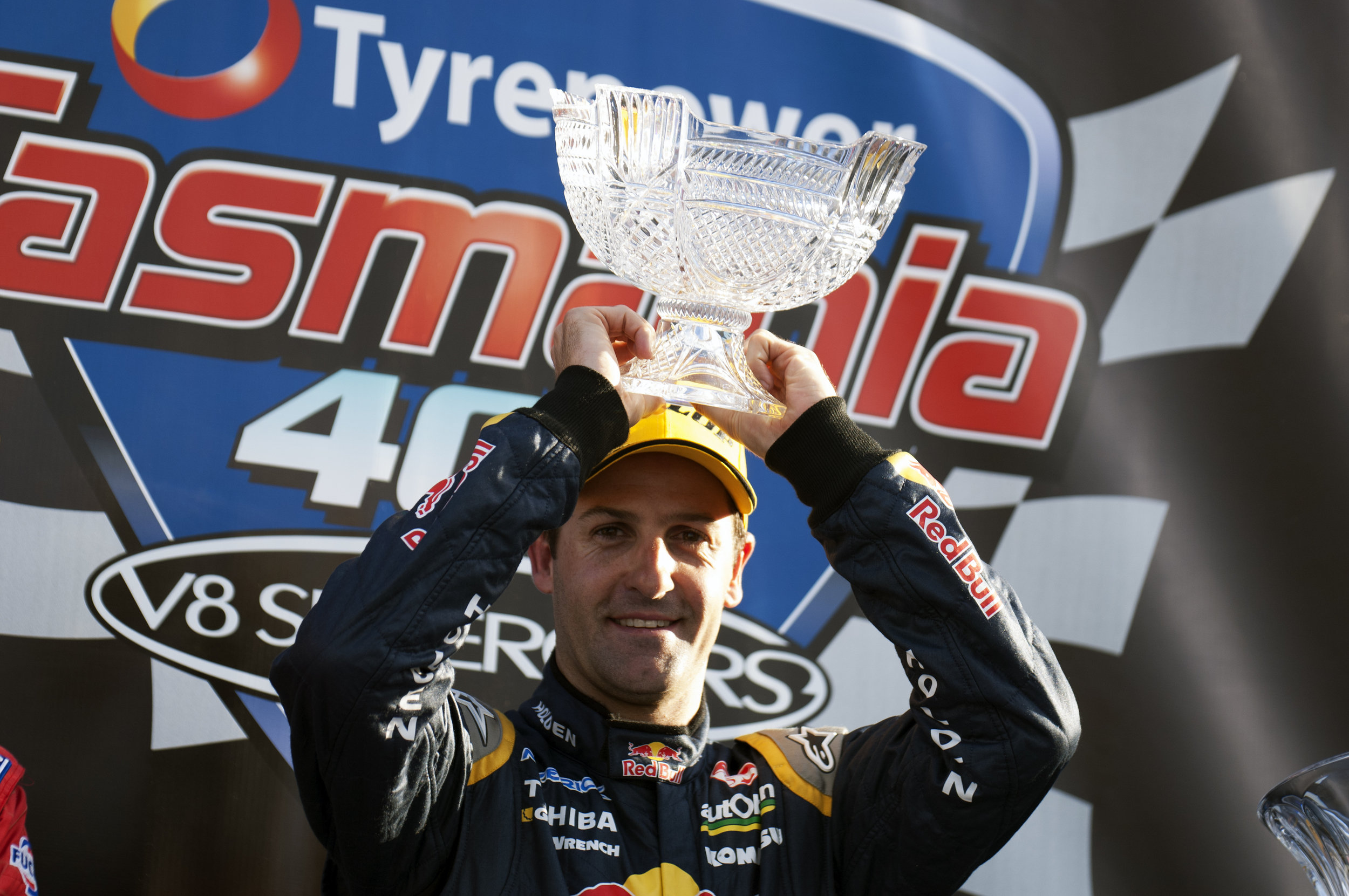
Race four and five of the Tyrepower Tasmania 400 have been taken out by Jamie Whincup, overcoming a weekend of controversial racing.
Throughout the first five laps of race four, racing was fairly standard and Lowndes, Whincup, and Courtney were in the lead. Lowndes was out to a 0.4s lead on the five-time champion, while Courtney was a further 2.1s down the road. Reaching lap 10 still saw Lowndes, Whincup, and Courtney leading, with Ingall and Winterbottom making up the top five. Shane Van Gisbergen received a mechanical black flag while T Kelly was forced to pit due to a broken right front suspension.
Rick Kelly ended up trapped in the sand which saw the first safety car of the event deployed. This dropped Nissan’s car count on the track from four down to two in quick succession. After the race restart, Jason Bright flipped at the Clipsal 500, however the cars managed to clear corner one with just a little pushing and shoving, again adopting the new restart method. Turn six of the same lap saw Lowndes become unstuck and pushed off the track by Whincup, which forced him out of the race lead and caused controversy amongst many. After investigation the incident was deemed legal and no further action was taken. By lap 30 the order was Whincup, Courtney, and Winterbottom leading with Ingall and McLaughlin closely following.
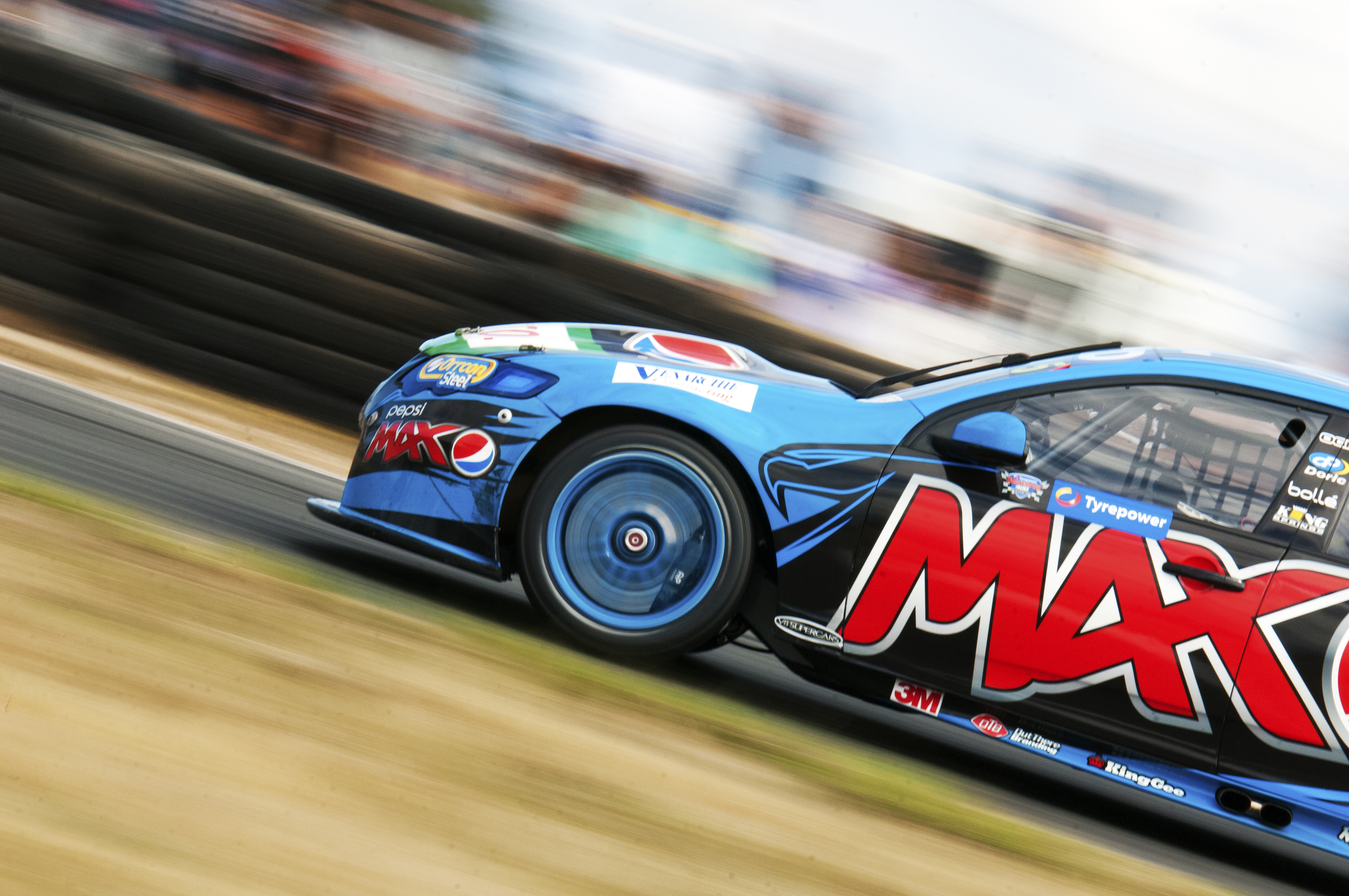
Winterbottom, who looked likely to make another podium appearance wasn’t settling for third, was right on the tail of Courtney with just 0.2s separating the pair. With just over 10 laps remaining, Whincup was consolidating his lead, being 2.5s ahead of Courtney in the HRT VF. With only two laps remaining, the top five hadn’t changed since lap 30 and Whincup continued his domination, taking race four of the season.
Race five had an altered start line with Lowndes being pushed to the back of the field due to an earlier steward’s decision. The 888 Holden had a sticker covering a safety hole that was deemed to have safety implications and could also give the Red Bull driver a slight aerodynamic advantage. Because of this his qualifying position was revoked.
With the reshuffled start grid, race five was underway and all were through T1 cleanly. The hairpin saw Will Davison in the Erebus Mercedes come unstuck and bogged after missing a gear and this ignited a safety car. The top order under the safety was Whincup, Winterbottom, and Coulthard.

The race restarted and the carnage and action carried on with Ingall being pushed wide at turn seven on lap seven, Wall spinning at turn four and a black flag PLP being issued for cars seven and 23 as they breeched the start rules on the safety car restart. Whincup, Winterbottom, and Coulthard lead in lap 15 with Lowndes on a charge gaining 15 spots since the start of the race.
Whincup continued to pull away from the others and gained a 2.1s lead over Coulthard in third with just over 20 laps to go in the 42 lap race. Dale Wood was off again at T6 but managed to come back from it with no issues and Lowndes was only 12s away fro the front in P6. Turn 6 claimed Rick Kelly again with the Nissan driver going off and also resulting in another safety car. This helped Lowndes’ charge and the race restarted on lap 38 with the same leading pack and left five laps for someone to know Whincup off his perch.
McLaughlin was holding fourth but was overtaken by Lowndes at T6, only to retake it on the next corner. On the final lap, Whincup was too good again and took the race. Winterbottom came in second and Kiwi Fabian Coulthard came in third.
Lowndes was off to a flying start in race six, pipping teammate Whincup on the start line and took first position at turn one. Pit lane was busy after the first lap with R Kelly, Whincup, Pye, Moffat, and Dahlgren deciding to get it out of the way, and at lap five the top order was Lowndes, McLaughlin, and Courtney. After lap 10 Whincup managed to get by Pye, both of which were on a different strategy to the rest of the field.
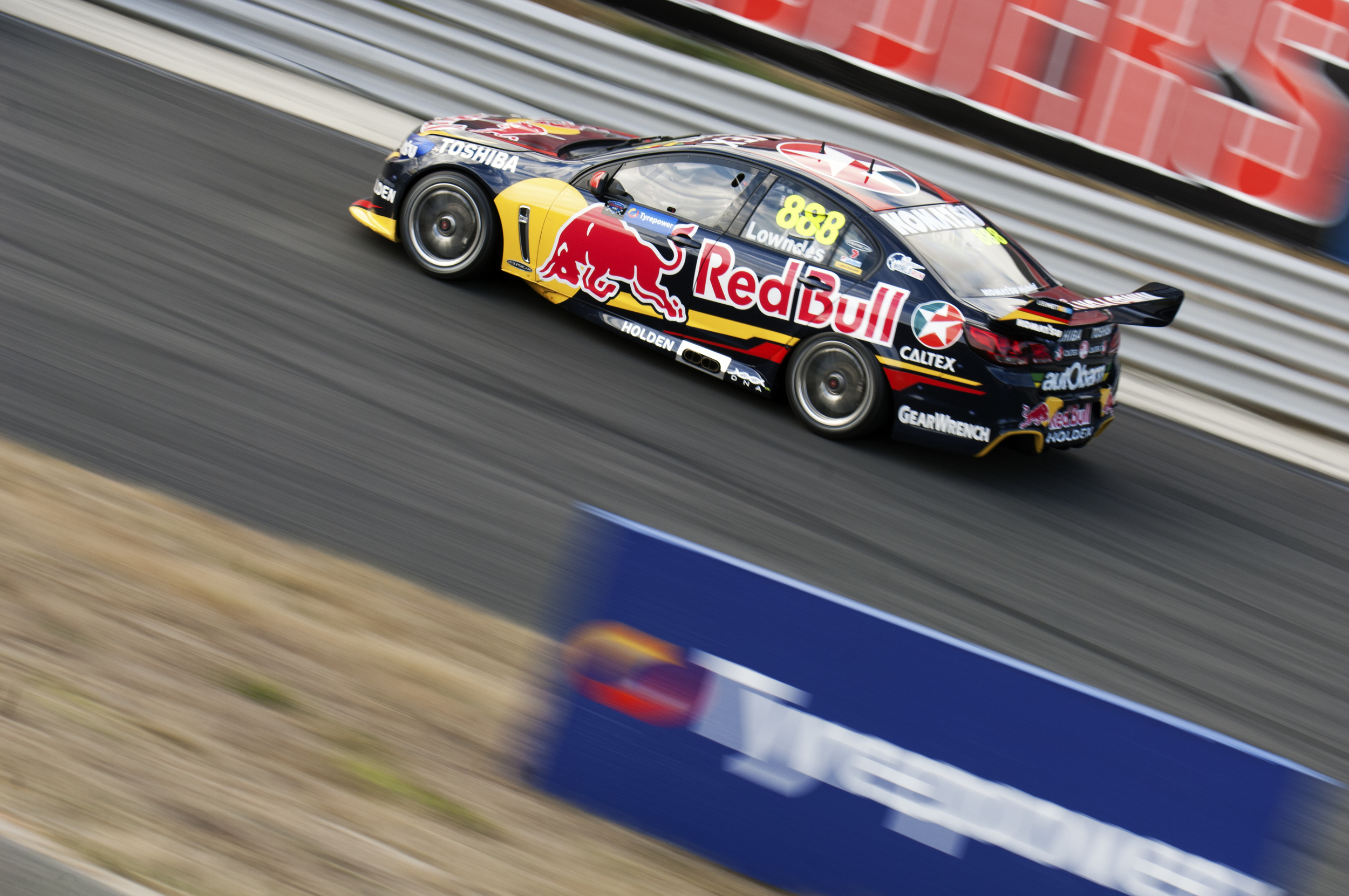
With almost half the field having pitted including Lowndes, the leading drivers at lap 20 were McLaughlin, Davison, and Coulthard in third. McLaughlin was next to pit and upon his exit he was locked in battle with race four and five winner Whincup. The Red Bull driver did come out on top on turn six having warmer tyres than the young Kiwi.
The order on lap 35 was Lowndes in first, Whincup in second, with McLaughlin, Courtney, and Van Gisbergen closing the top five. McLaughlin took his chance to pit, stopping for a splash of E85 on lap 43 with Courtney giving him a tap on exit, not impressing the Kiwi driver. With just over 30 laps to go, Wood left the track at turn two and rejoined at turn three without causing an incident. With Coulthard pitting, Lowndes to his chance to regain his lead.
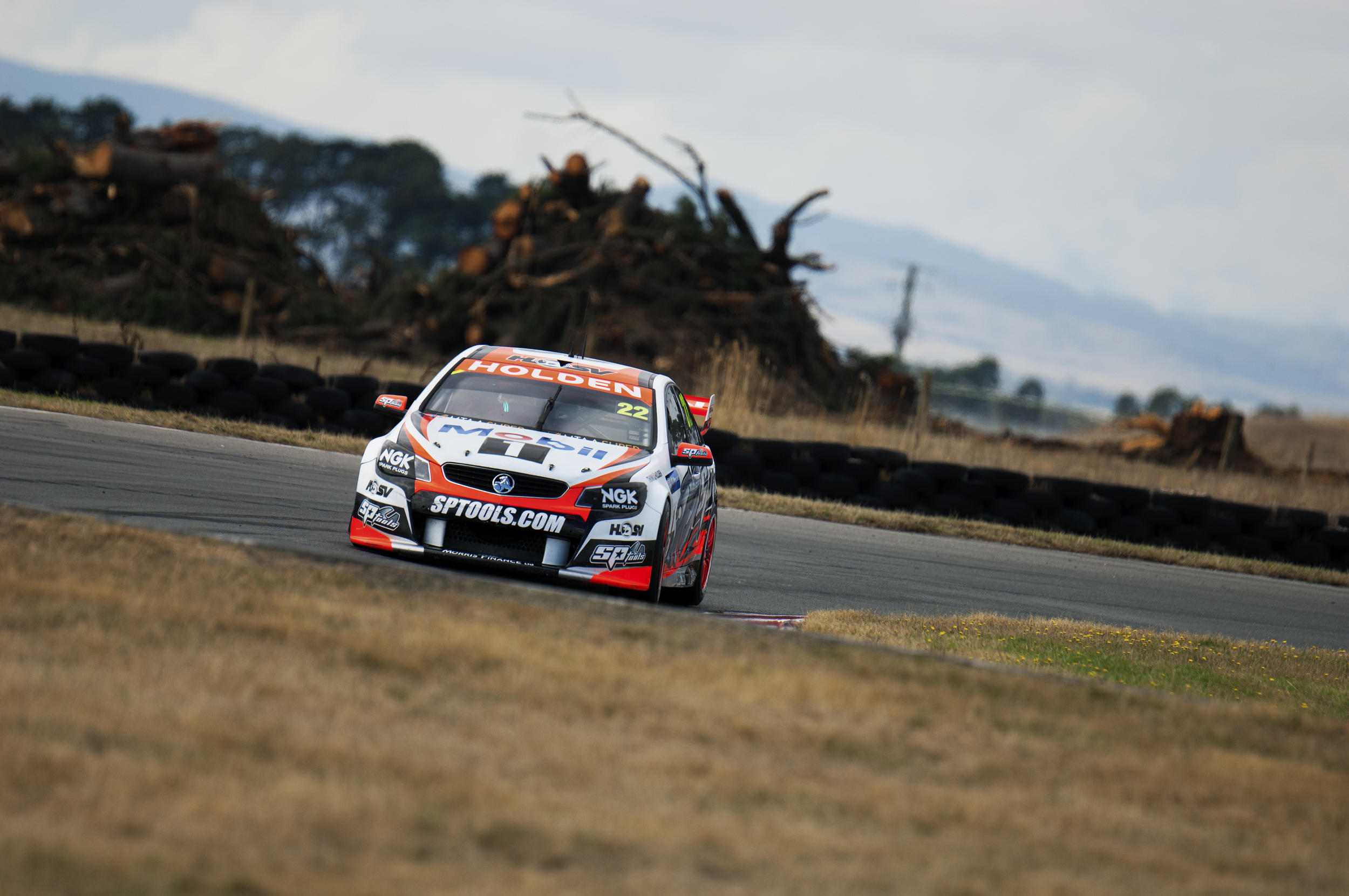
The front-runners for lap 62 were Lowndes, Whincup, and Courtney with Lowndes making his way to a 8.8s lead. With all three Kiwis battling in a pack and after many tense corners, Coulthard managed to pass Van Gisbergen and McLaughlin for P5. Davison was pushing hard with Courtney, only 0.7s out from a podium finish and the lap 70 top three hadn’t changed from 10 laps earlier.
With fewer than 10 laps remaining, Davison was under pressure from Coulthard, closing the gap between the two to 0.2s. But it was all for nothing when Coulthard’s brakes locked up on turn two dropping the gap back to 1.4s. At lap 80 of 84 the top three hadn’t changed and didn’t change until the end with the 888 driver claiming spectacular victory in race six. Red Bull Racing Australia have dominated the second round of the series and all eyes will be on them to see if they can do it again at Winton Raceway, set for this weekend.