Rare 1924 Rickenbacker to appear at Warbirds & Wheels

15 January, 2015

Wanaka’s remarkable Warbirds & Wheels museum has just gained another piece of history in the form of a rare 1924 Model C Rickenbacker Roadster. The museum was loaned the rare car by the family of the current owner, the late Ted Aitken, to enable car lovers worldwide the chance to view a piece of engineering beauty.

The car has been in New Zealand since the original owner purchased it from the Chicago factory in 1924, and has remained in Christchurch with various owners since. According to official records, it is the only Rickenbacker outside of the United States. Only 101 of the cars were produced, and this one is a right-hand drive — believed to be the only one of its kind made. The Rickenbacker features a 117-inch wheelbase, 58hp straight-six engine, and four wheel brakes — unusual for a car in 1924.
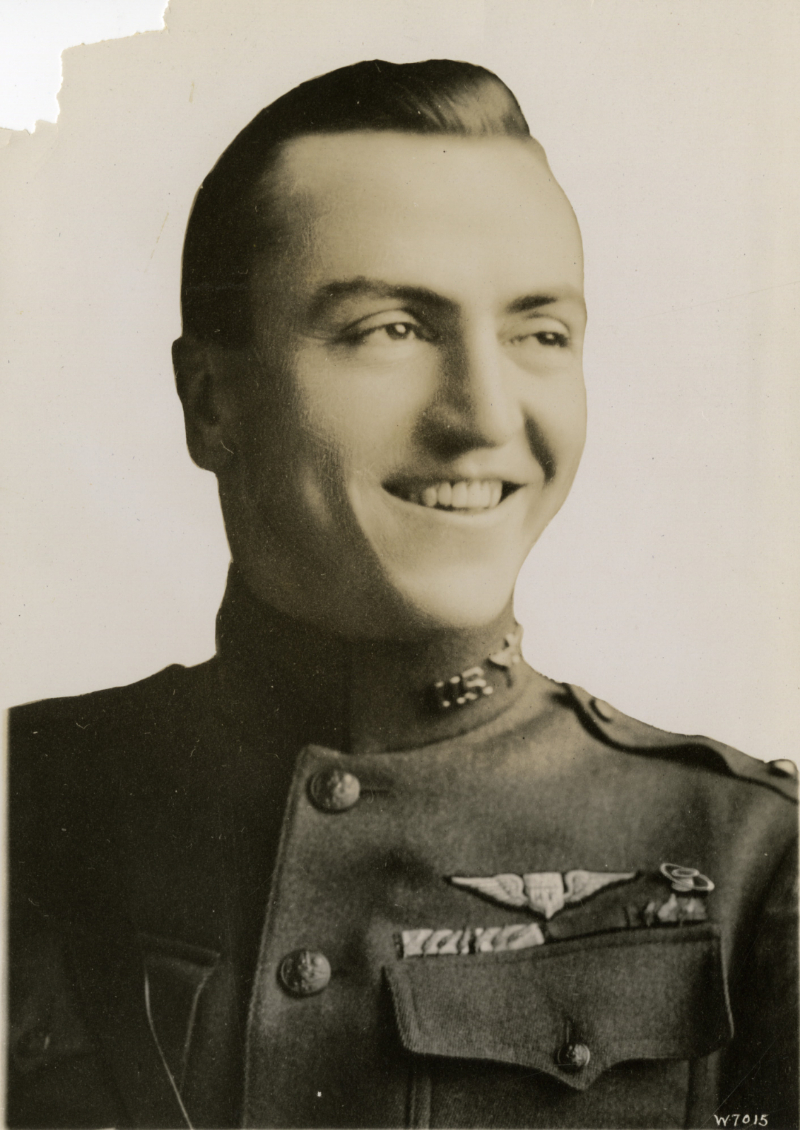
The car is also significant on account of its namesake Capt. Eddie Rickenbacker, who was an American fighter ace in World War I and Medal of Honor recipient. With 26 aerial victories, he was America’s most successful fighter ace in the war. He was also a race-car driver, automotive designer, government consultant in military matters, long-time head of Eastern Air Lines, and owner of the Indianapolis 500 Speedway. Quite the character, ‘Fast Eddie’ cheated death over 135 times and has been the subject of a number of books and movies, and even penned his own autobiography.

Showcased from January 2015, Warbirds & Wheels will continue to have the 1924 Model C Rickenbacker on display for the foreseeable future.
Range Rover CSK — the original SUV

The Range Rover, thanks to Charles Spencer King, went into production in 1970 boasting an iconic shape that would last until 1996. The vehicle that would create the SUV moniker came about because Rover decided it was time to add a bigger four-wheel-drive vehicle, one with a 100-inch wheelbase, to the model range. Land Rover made a 109-inch wheelbase model but the standard vehicle had a 88-inch wheelbase.
The new model would be more suitable for road use than the existing Land Rover, which was considered to be predominantly for rural use. To make sure it could cope on any road it came standard with the Rover 3.5-litre V8 engine. The body design was originally sketched by King and went into production with only a few minor touch-ups by the Rover styling team.
According to King, “The idea was to combine the comfort and on-road ability of a Rover saloon with the off-road ability of a Land Rover. Nobody was doing it.”

Ford’s Mustang – the endlessly hip American dream machine

Fifty or so years ago, the only place in New Zealand to see a Ford Mustang was on the racetrack. In a local market severely constrained by a lack of new motor vehicles, the new North American Ford was a dreamy icon boosted by considerable motorsport success.
Import licences for cars were limited, and if Kiwis travelled abroad, the amount of currency they could take with them was restricted. What’s more, those funds could not be used to buy a car for importation back home. Yet it was OK to spend the money on heavy drinking at a London pub, Gucci shoes, sable fur coats, and excessive stays at the Hôtel Martinez at Cannes in France.
However, any rare Mustang that landed on our shores would not be destined to pose around Auckland’s then trendy Queen Street on a Friday night but would more likely be found in the care of well-known racing drivers on the starting grid at local motor racing tracks.