



The Great River Road

4 July, 2025

While we have to make do with travelling locally in one of the world’s most spectacular countries, we can also enjoy some car-based armchair travel amid other cultures.
Take it away, Patrick

Words and photography by Patrick Harlow 

A few years ago my family, knowing my fondness for driving, gave me the book Unforgettable Road Trips: Thirty-Six Drives of a Lifetime by Martin Derrick.
Most of the road trips listed take less than a day in places like Scotland, Monaco, and Australia, plus one in New Zealand. Most of these places were too far to go just for a short drive but four of them would take several days. My interest was piqued, and those four drives were added to the bucket list. To date, I have done three of them: ‘Route 66’ (USA 21 days), ‘State Highway 6’ (NZ 10 days) and ‘The Great River Road’ (USA 22 days). You can drive all of them in less time, but you could also fly over them. We wanted a decent immersion in their charms. 
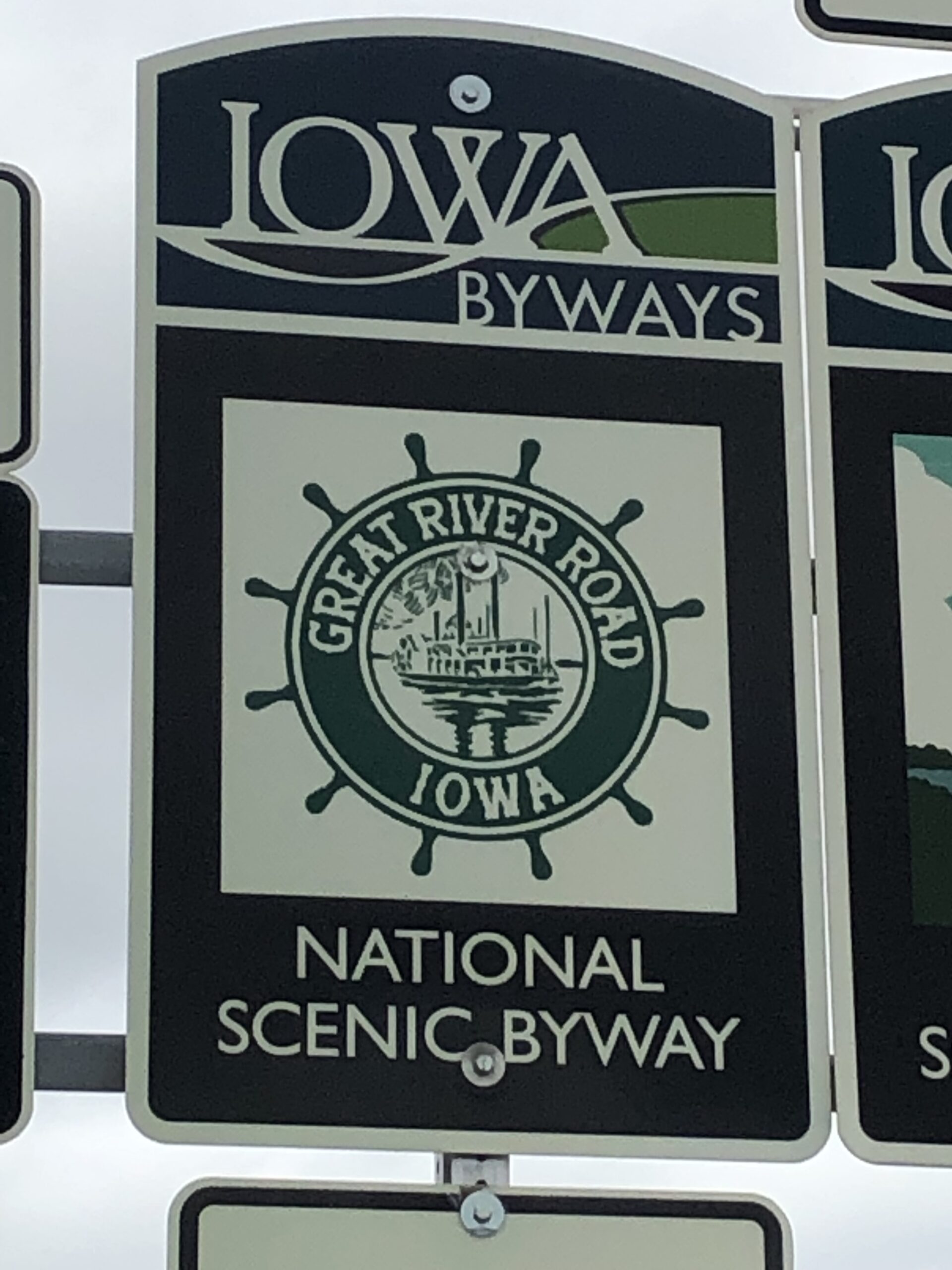
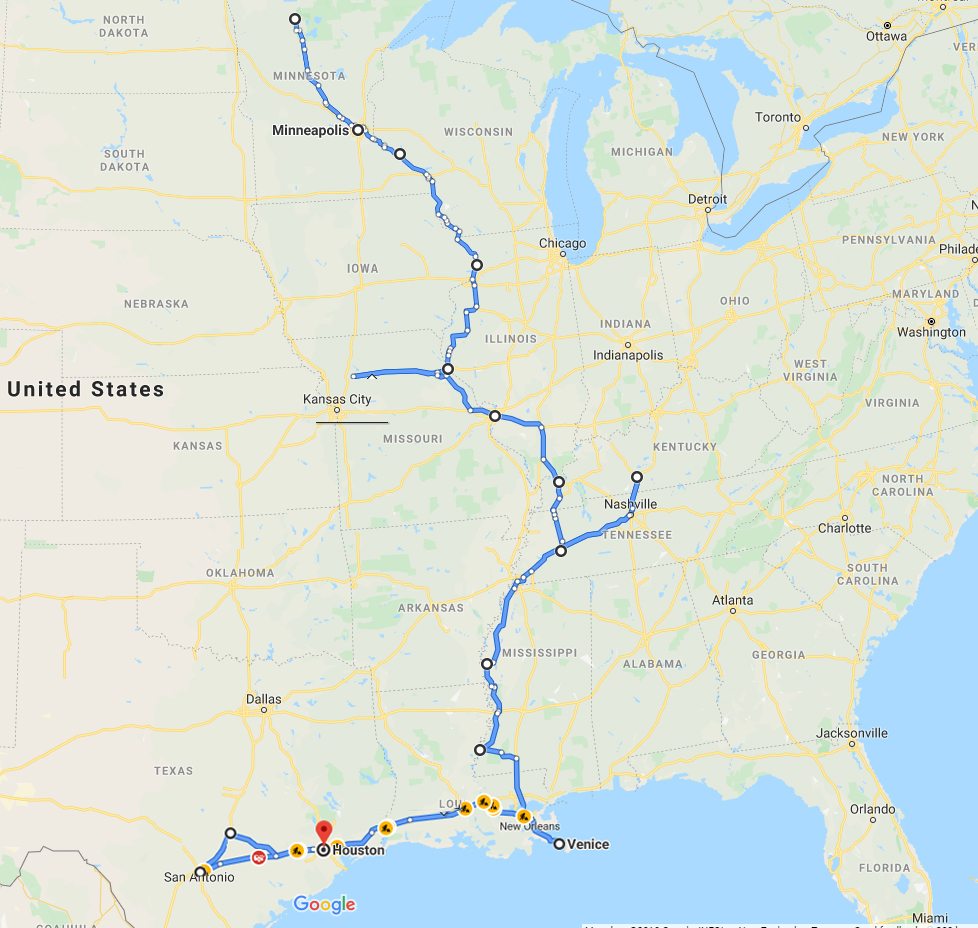
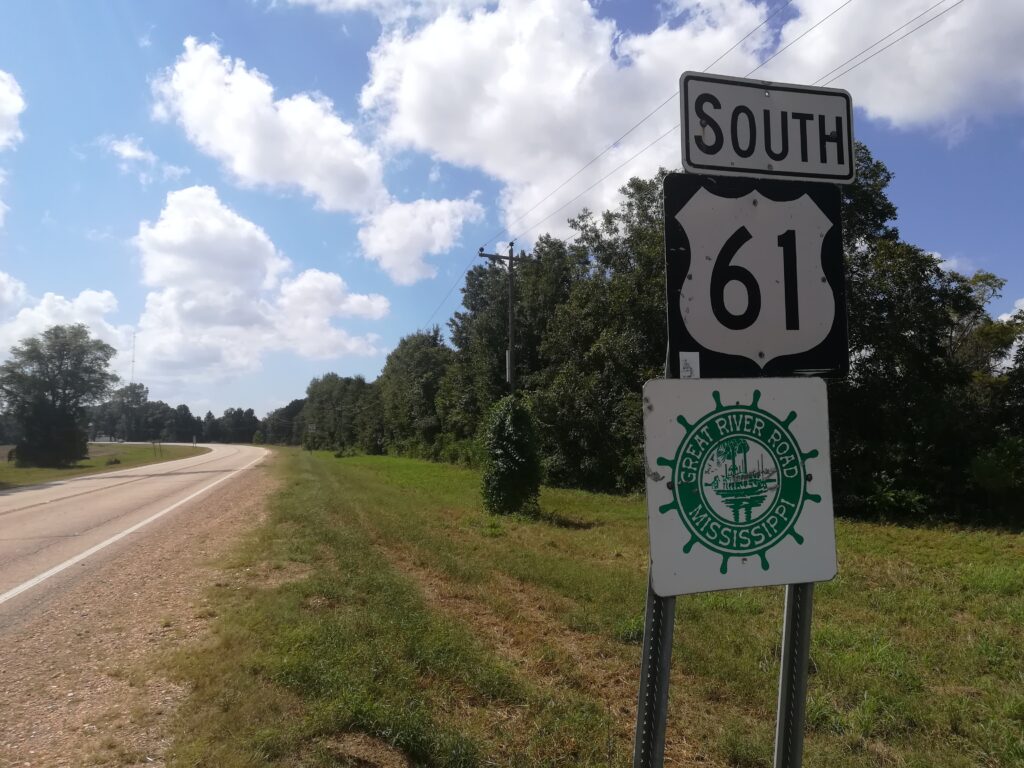
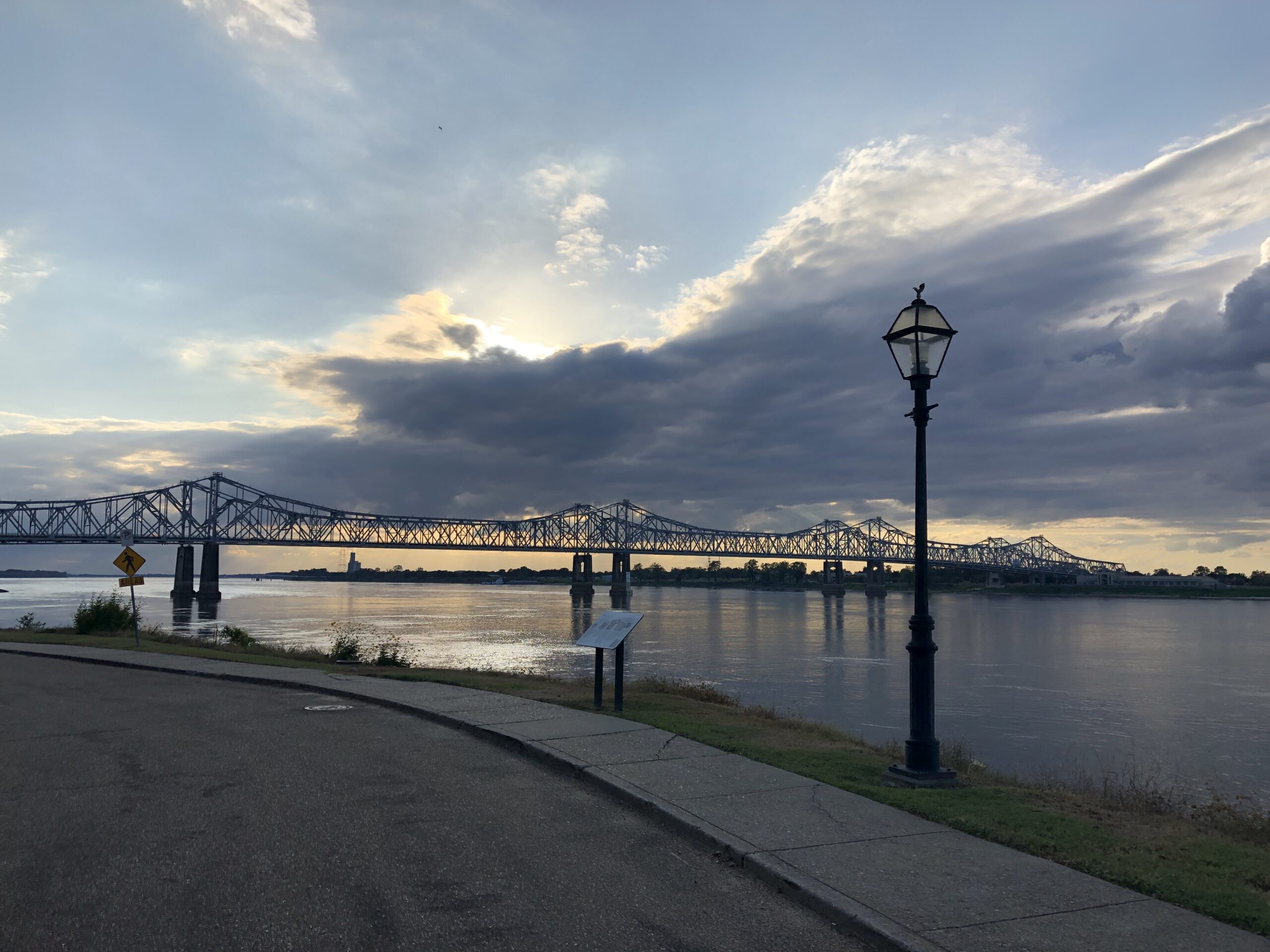
The great river referred to is the Mississippi. While the name conjures the Deep South, the river actually starts at the bottom of the Great Lakes, before emptying into the Gulf of Mexico about 3800km later. The great road is more of a concept than a specific strip of tarmac, as you can drive down either side of the river on various routes. Regardless of which side you drive, time should be kept aside for detours to places such as Nashville, which is famous for something or other.
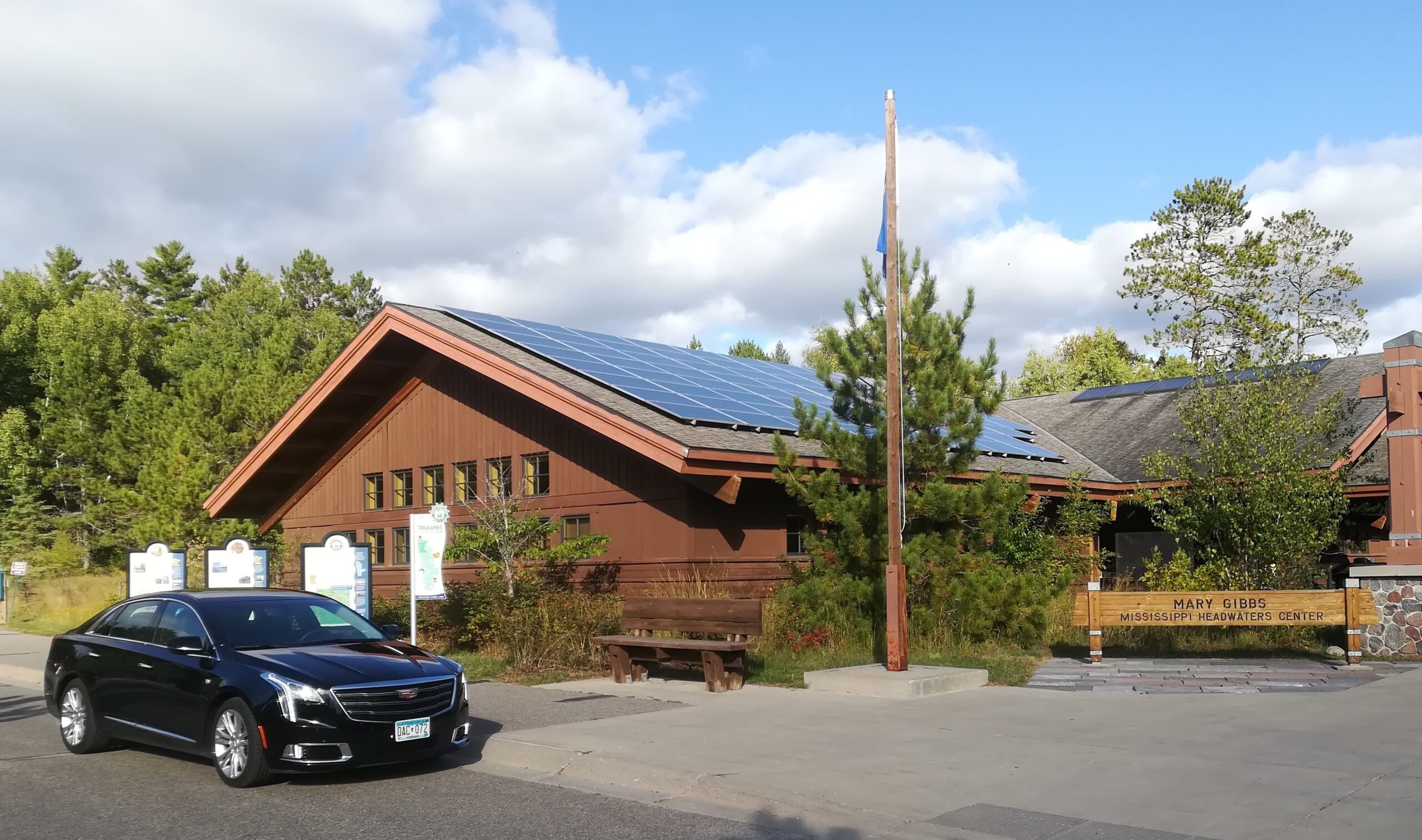
Conveniently, you can now get a direct non-stop flight from Auckland to Houston for a shortish hop to Minneapolis. Our trip started at the Alamo car rental company in Minneapolis. Our only requirement had been that the car was native to the USA. A 2019 Cadillac XTS had been put aside for us. The sales rep immediately tried to upsell, offering me a Cadillac SUV. This happened when I did Route 66 as well. Why would anybody want to tour this country in a truck? Being in the US, with its propensity for litigation, we had taken the full insurance package on the car. The second attempted upsell was breakdown insurance, which would cost an additional $7(US) a day. I asked him what the chances were of a Cadillac — one of the USA’s most prestigious brands — that was less than a year old, with fewer than 10,000kms on the clock, breaking down. He sheepishly replied, “I am supposed to ask that question.”

I must have 6
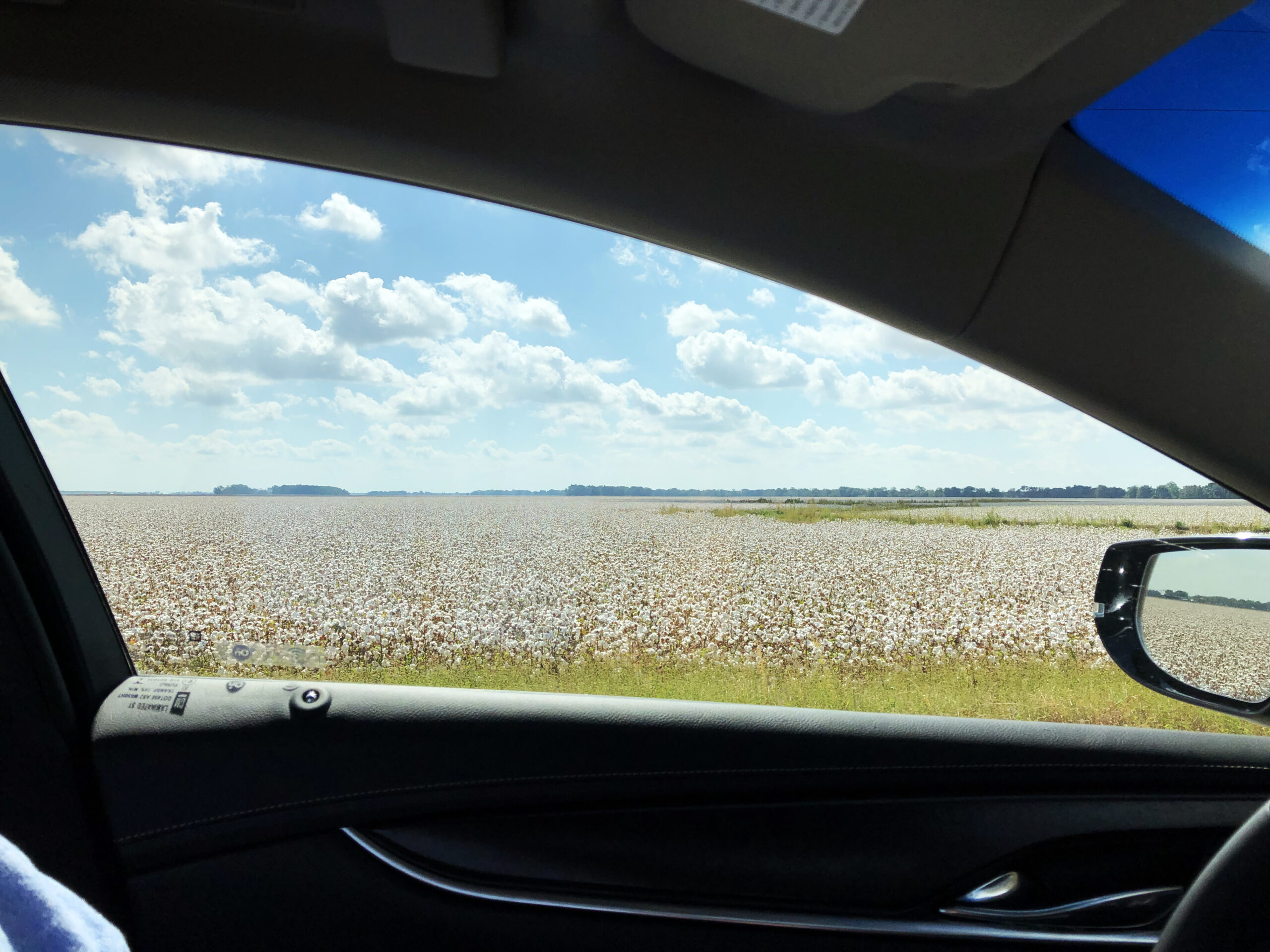
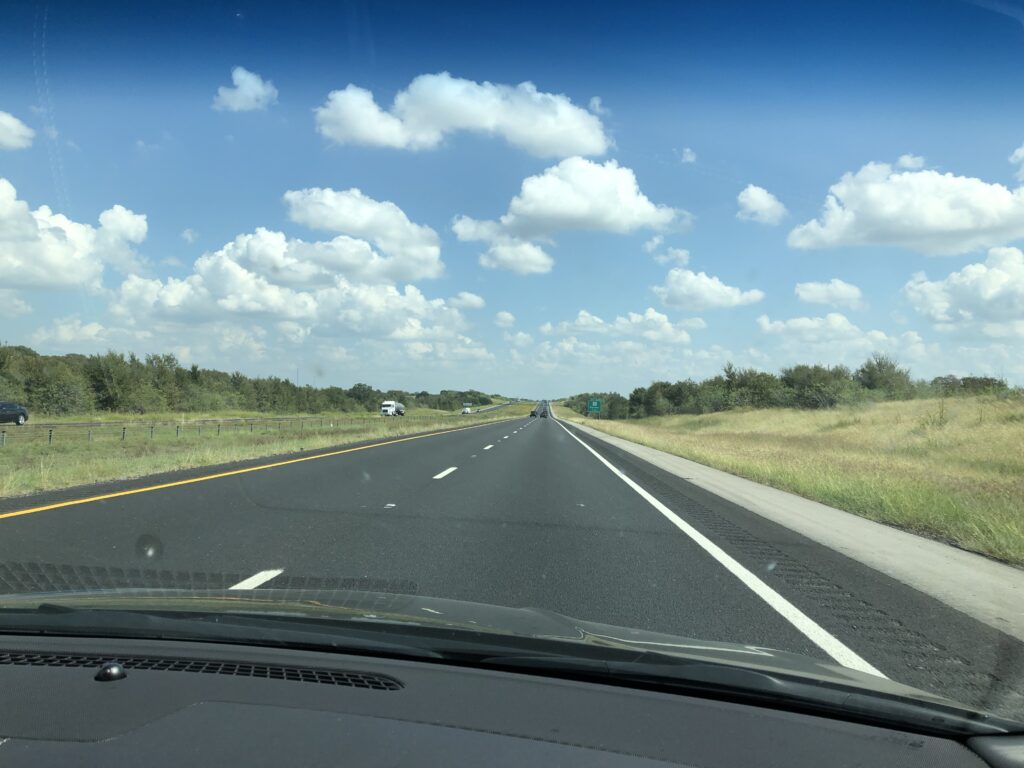
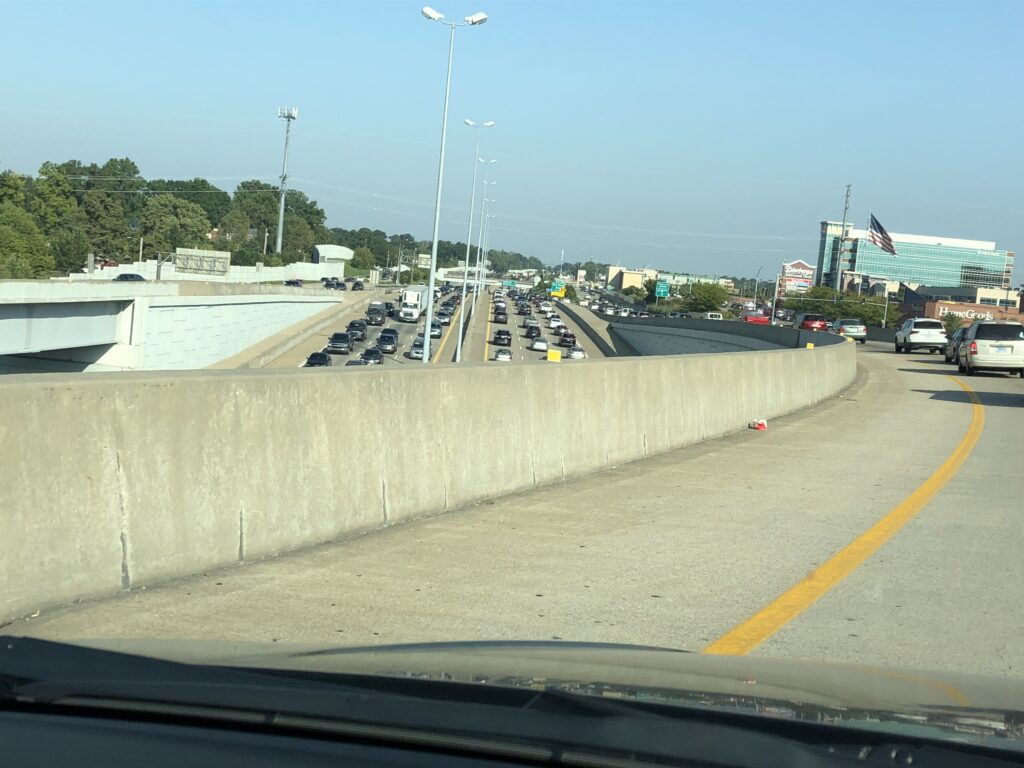
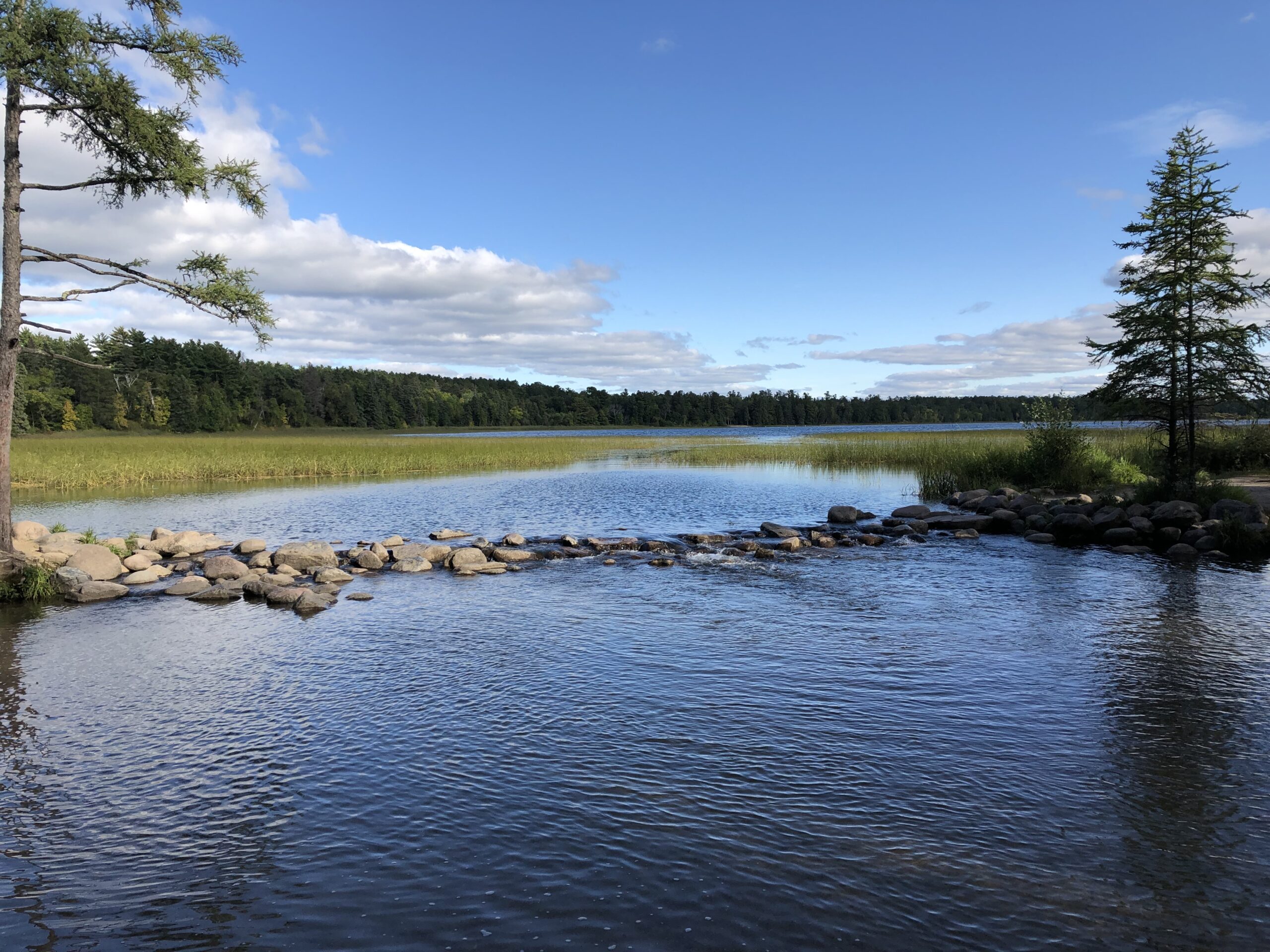
Having a modicum of faith, I decided to take the risk and did not tick the breakdown insurance box. Soon after, we were heading north to Lake Itasca to see where the Mississippi River begins. At its official start point, the river is only about six metres wide, and it is possible to walk across it. The roads on the trip south vary from busy interstates to miles and miles of empty backcountry roads. The scenery is very diverse, from cotton fields in the south to the cornfields of the Midwest. 
The people we met were all very friendly; they loved the Kiwi accent even though they frequently had no idea what we were saying. I got chatting to the curator of the privately owned Dahl Auto Museum in La Crosse, on the eastern side of the river. He asked me about my car interests and so on. Then he asked what car I drove back home, to which I replied, “A Mazda 6.” 
He paused for a moment, smiled, and then another moment went by while he pondered his reply. “Interesting, we don’t have that brand in the US,” he said. 
This was quite confusing as a sign on the door said the business was also a Mazda dealer and three Mazda 6 cars were clearly visible outside the window. When I pointed at the cars, he laughed and said, “Oh — a Mahz-duh! That’s a relief. I thought you said, ‘I must have sex’.” 
From then on, if anybody asked me what car I normally drove, I said, “A Japanese car.” 
Filling the car for the first time was a major concern. The Caddy had an 80-litre tank so we thought we might have to shell out around $120 for each tankful. But we had forgotten that this was the USA. The bill came to just $35.  

The essence of all that is charming
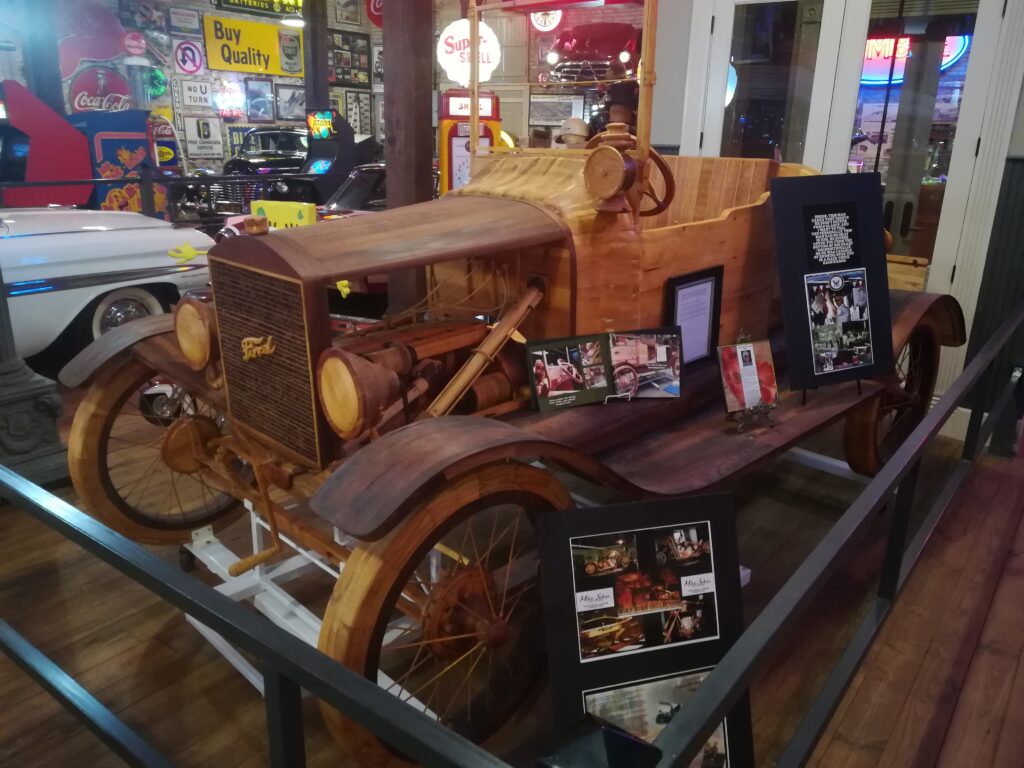
As we travelled south, we aimed to stay in towns with populations of less than 20,000 people. Generally, we had little idea where we would be stopping the next day, as we had not pre-booked anything except in New Orleans. Which was how we came to arrive in Hannibal, Missouri, a town that turned out to be quite the gem. Here we popped into another private museum called Karlocks Kars. Inside was an impressive collection of cars, jukeboxes, pinball machines, and other memorabilia, including a full-scale wooden Model T. 
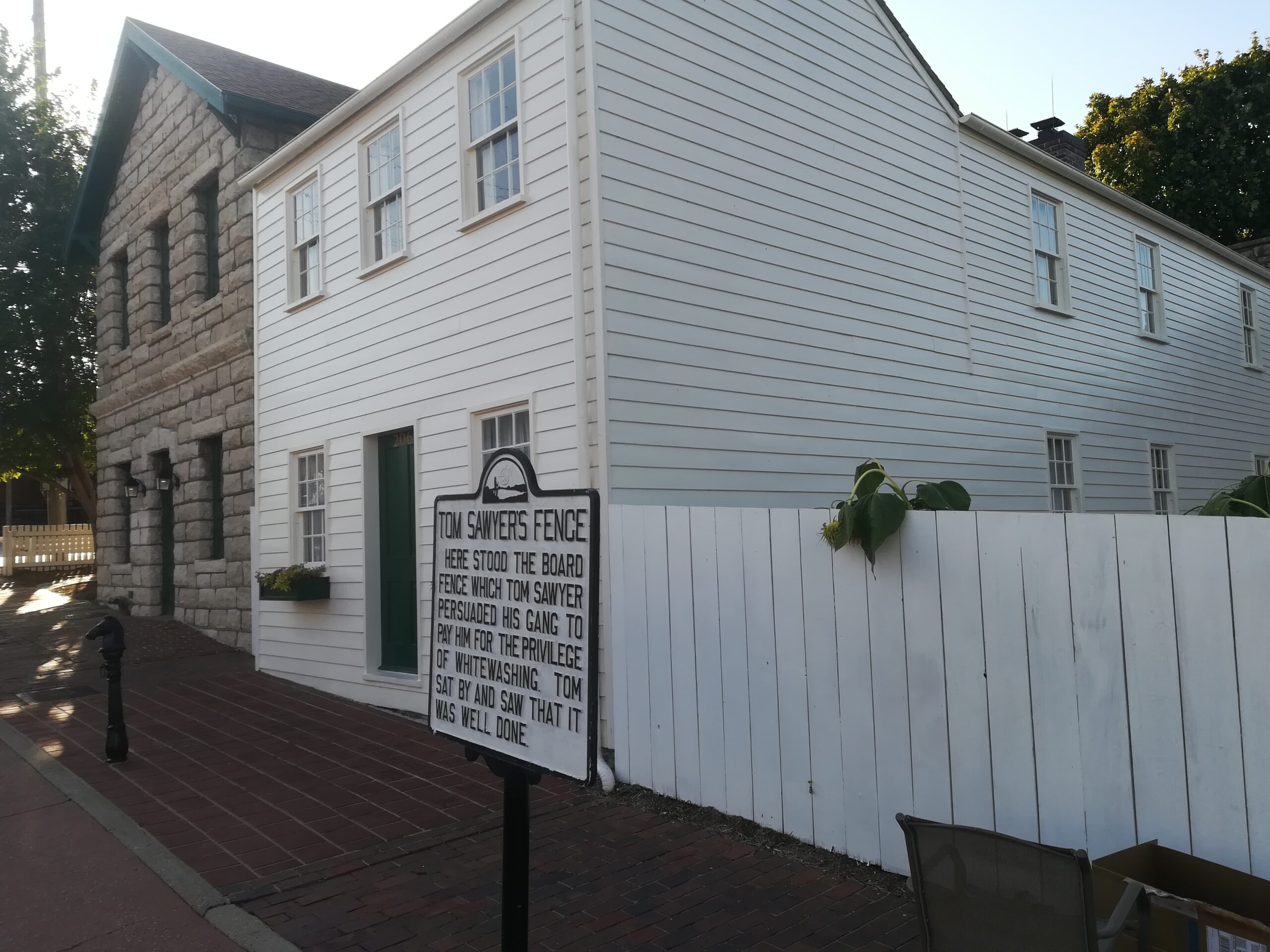
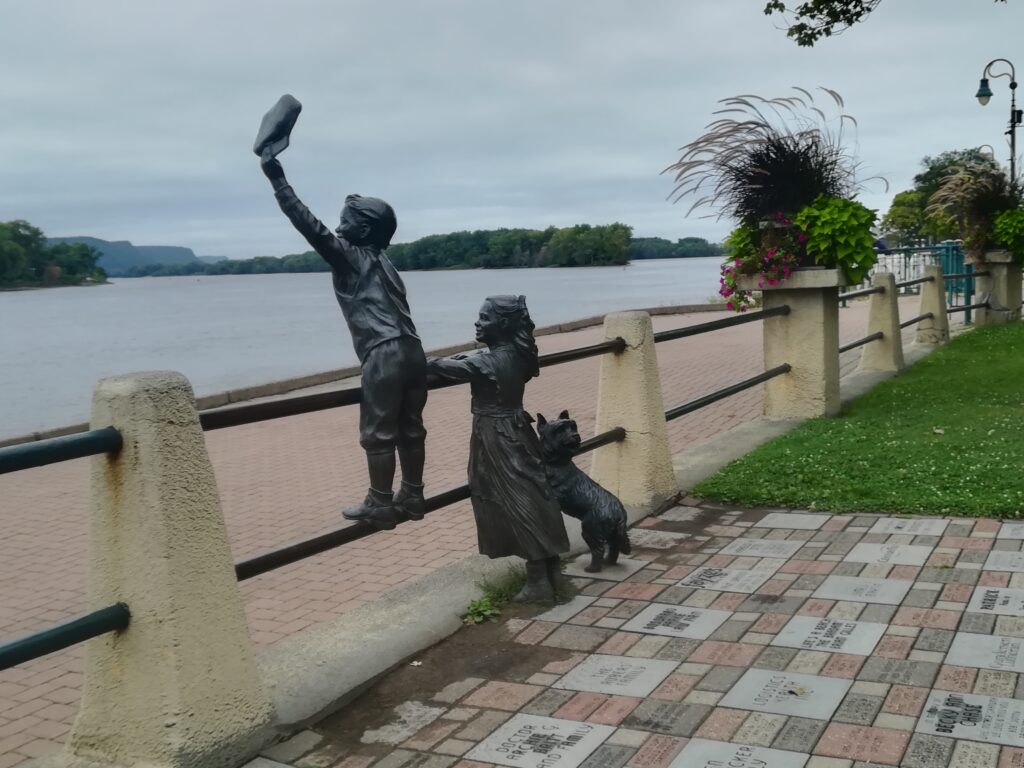
Just around the corner, we stumbled onto the house where Sam Clemens grew up. The first clue that you are on hallowed ground is the statue at the top of the main street, which features two boys, Tom Sawyer and Huck Finn. It was Sam Clemens who, under the pen name of Mark Twain, wrote of his adventures growing up in this quaint little Mississippi River town. 
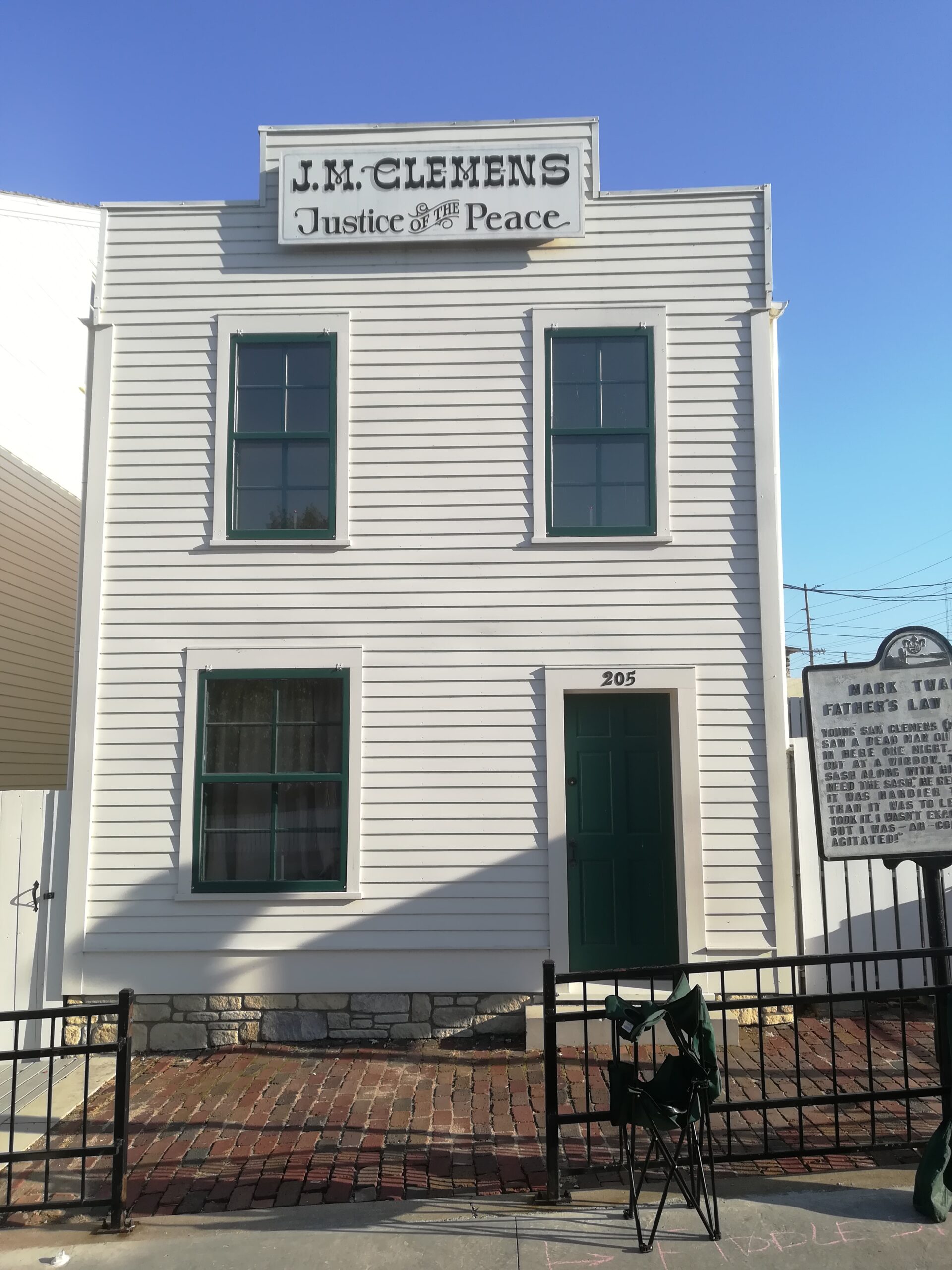
Not far from the whitewashed fence that Tom Sawyer convinced his gang to paint is Becky Thatcher’s house. Tom thought Becky “to be the essence of all that is charming in womanhood”. Her house was next to his father’s law office where, a sign advises, a pre-teen Sam Clemens saw a dead body on the floor one night. Sam decided to hightail it out the window, taking the sash with him. 
“I didn’t need the sash,” he recalled. “but it was handier to take it than it was to leave it. So I took it. I wasn’t exactly scared, but I was — ah — considerably agitated!”  
In the evening, we took a ride on the MV Mark Twain riverboat. We had dinner while listening to genuine live Mississippi jazz.
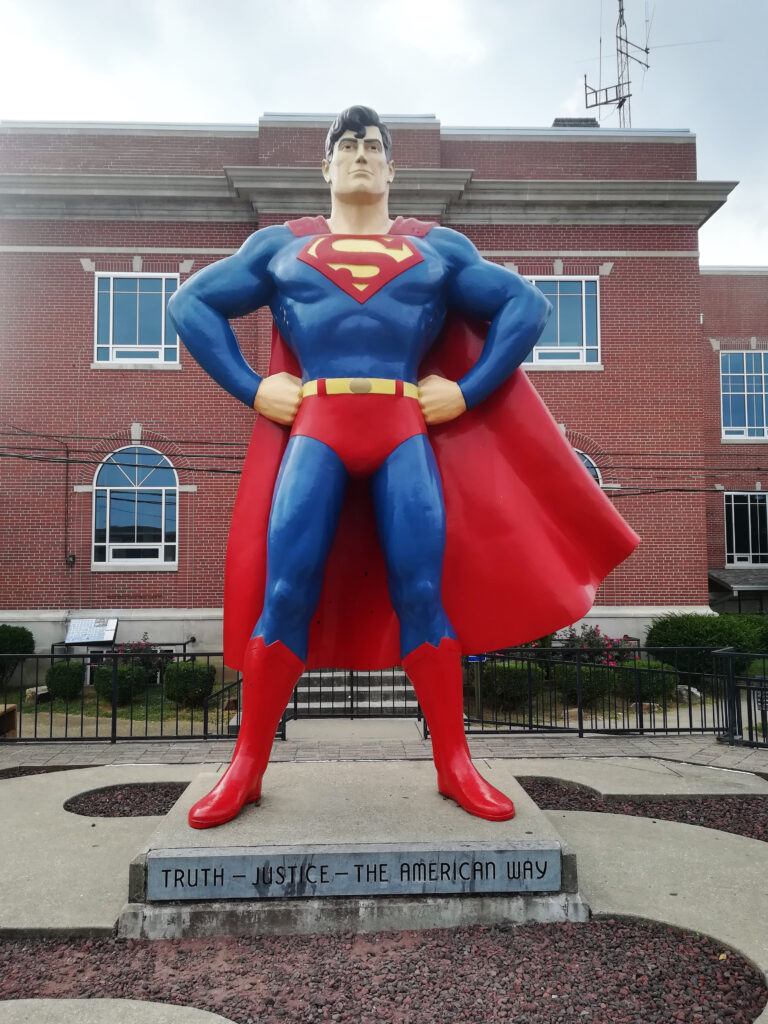
Occasionally, we deviated from the Great River Road to visit other places of interest. One of these was Metropolis in the state of Illinois. This is a small town of around 6500 residents with a town square near its centre. This square is different from others in that it has a 4.5m-tall, painted, bronze Superman statue. In 1972 Illinois State Legislature passed a resolution that declared this town to be the ‘Hometown of Superman’. It was hoped to build a multimillion-dollar Superman theme park in the town but it never eventuated. Not far from the Superman statue is the Superman museum, which is definitely worth the $5 entry fee.

Corvette calamity
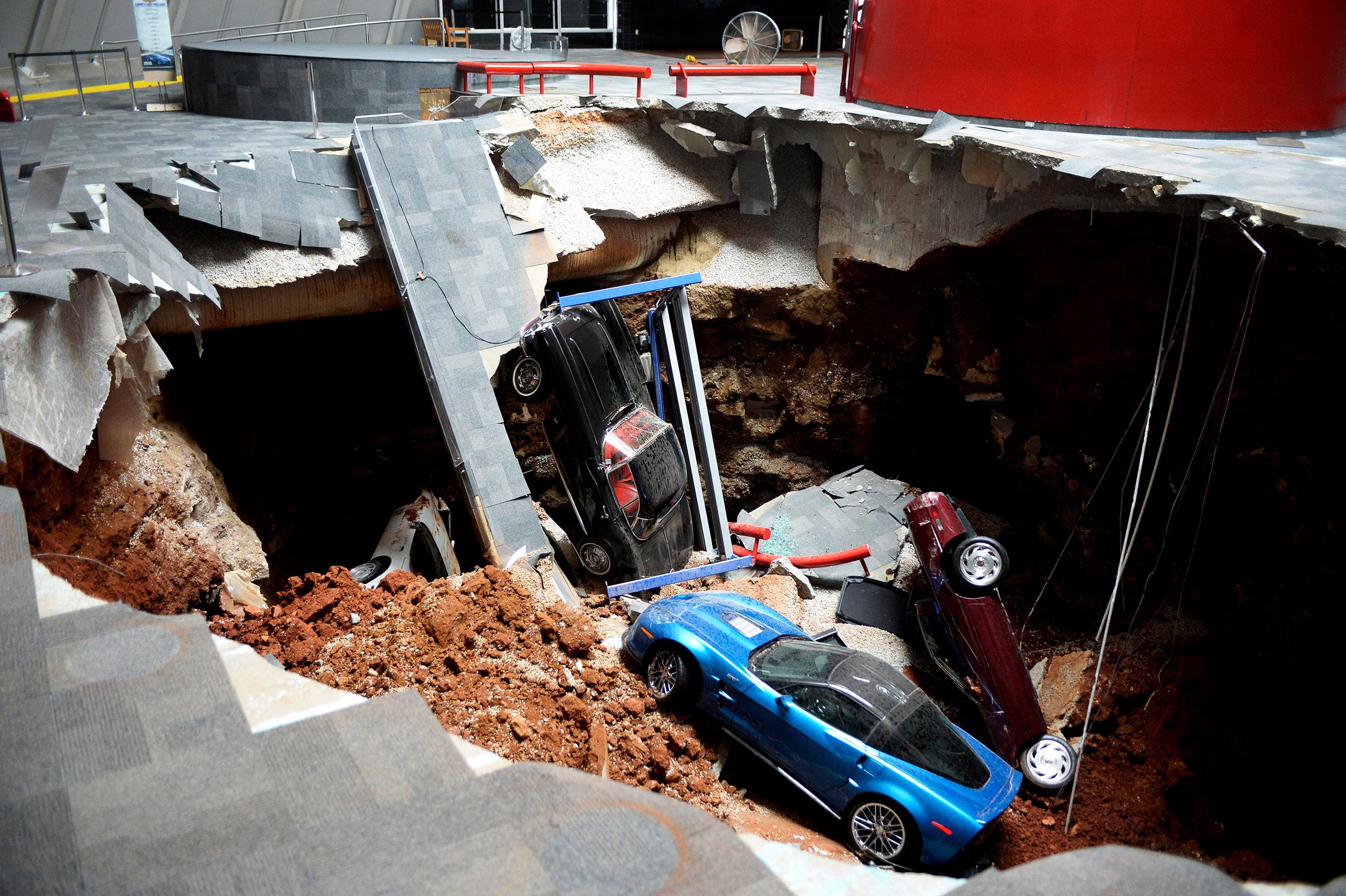
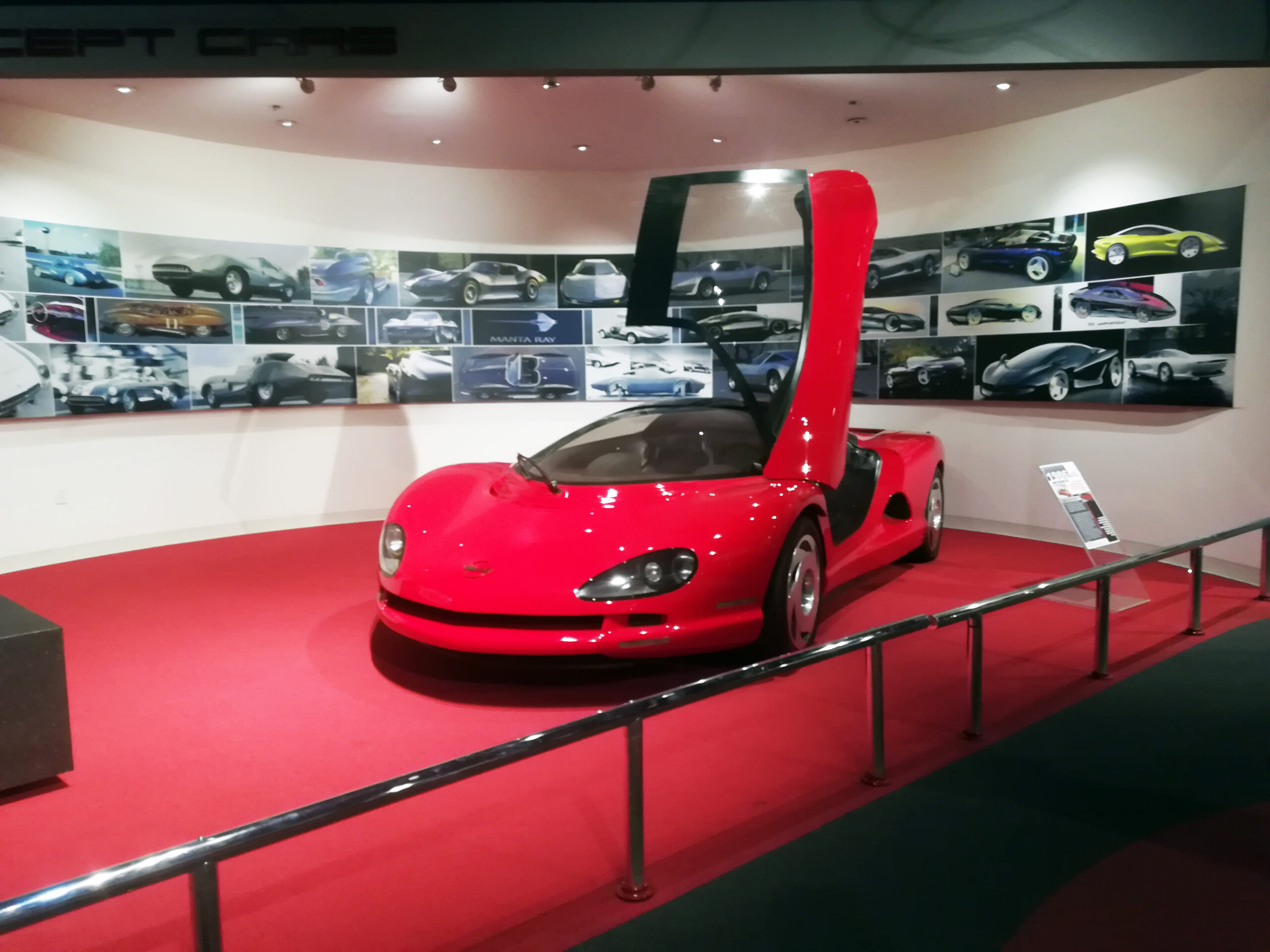
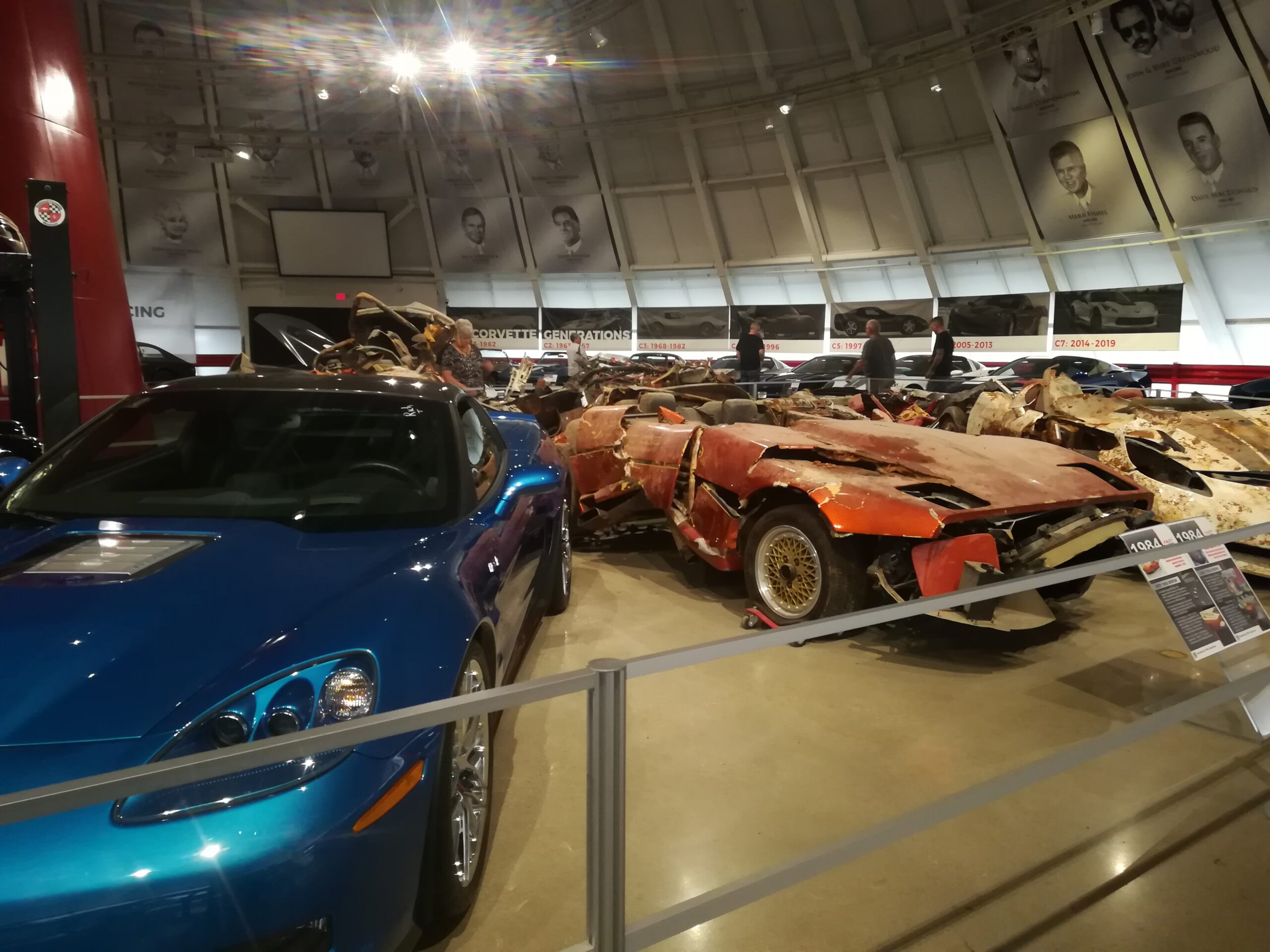
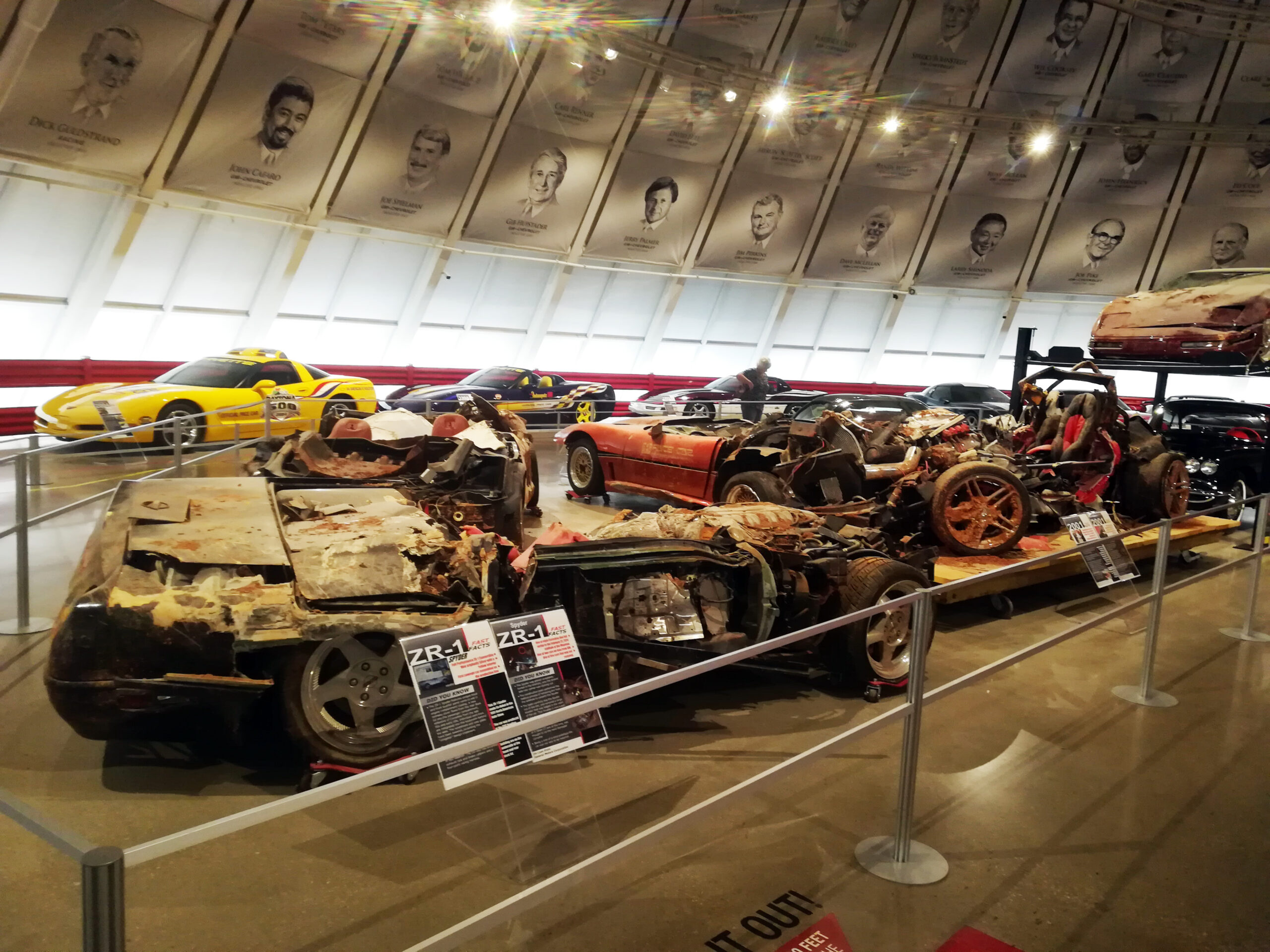
Our destination this day was 250km further east. The city of Bowling Green, Kentucky, is not famous for its lawn bowls, but instead it is the city where this country’s most famous sports car, the Chevrolet Corvette, has been built almost non-stop since 1981. We rolled into town anticipating a tour of the factory, but the GM workers were on strike and the factory was closed! We settled for the nearby National Corvette Museum, which gained worldwide attention in 2014 when a sinkhole opened up under its skydome, swallowing eight rare Corvettes. The hole has since been filled in and the three rarest cars were restored. The other cars remain unrestored and have been placed on a static display so visitors can see first hand why parking Corvettes over a sinkhole is a bad idea. It is one of two private museums in the world that claim to be dedicated to the Chevrolet car; the other is in Wezep in the Netherlands.
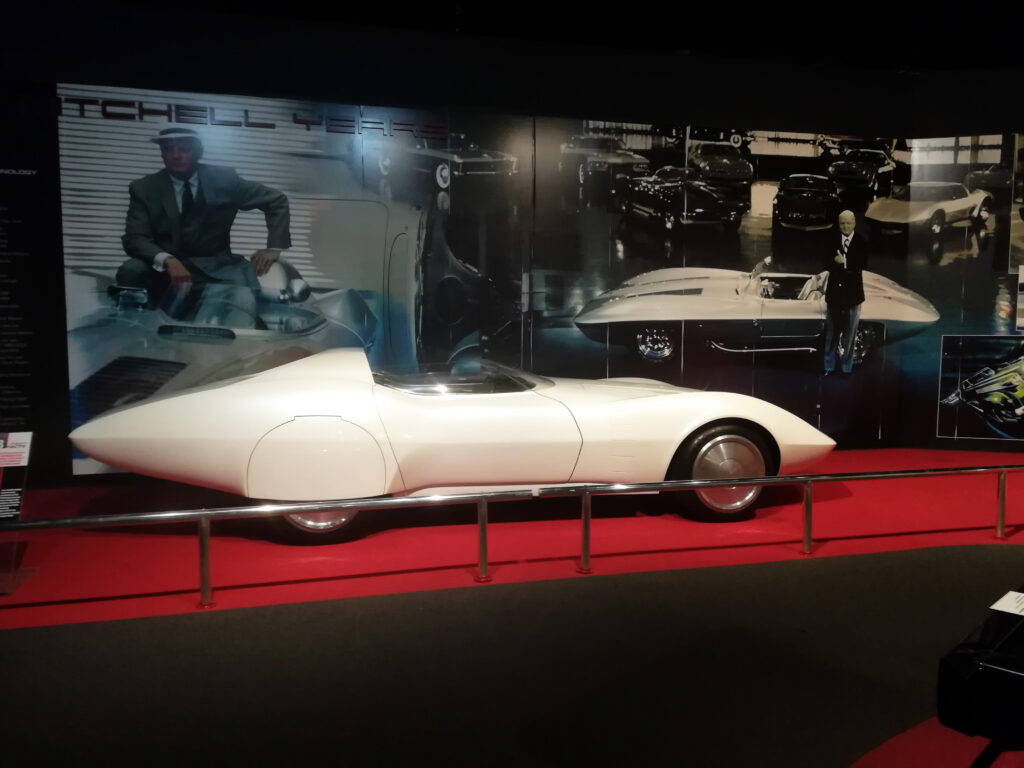
Chevrolet has produced the Corvette since 1953, and the National Corvette Museum has not only one of every model produced but also several show and concept cars, including the mid-engine Indy Corvette and the Mako Shark.
Sadly, there were no 2020 C8 Corvettes on show at that time, but there were several new C7 Corvettes with names displayed on the windscreen, waiting for their new owners to come and collect them. Before driving home, these owners would be treated like VIPs by the museum staff.
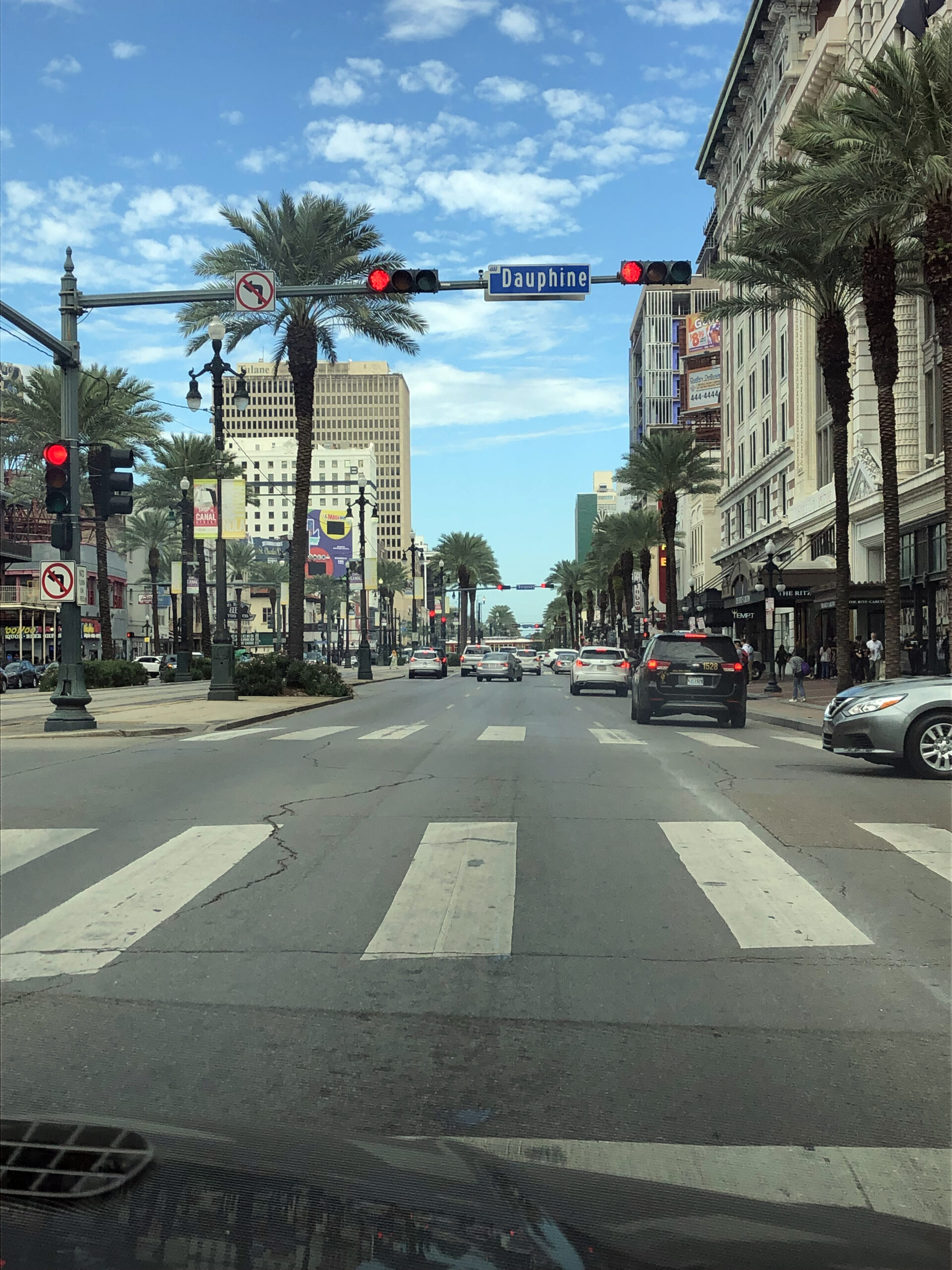
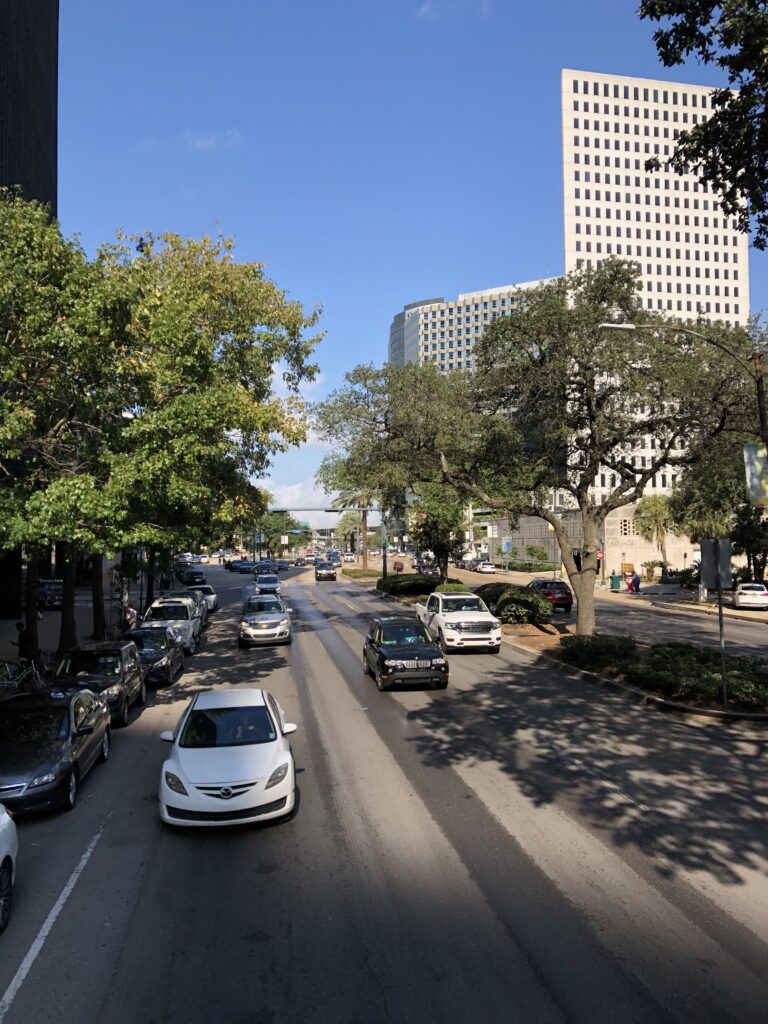
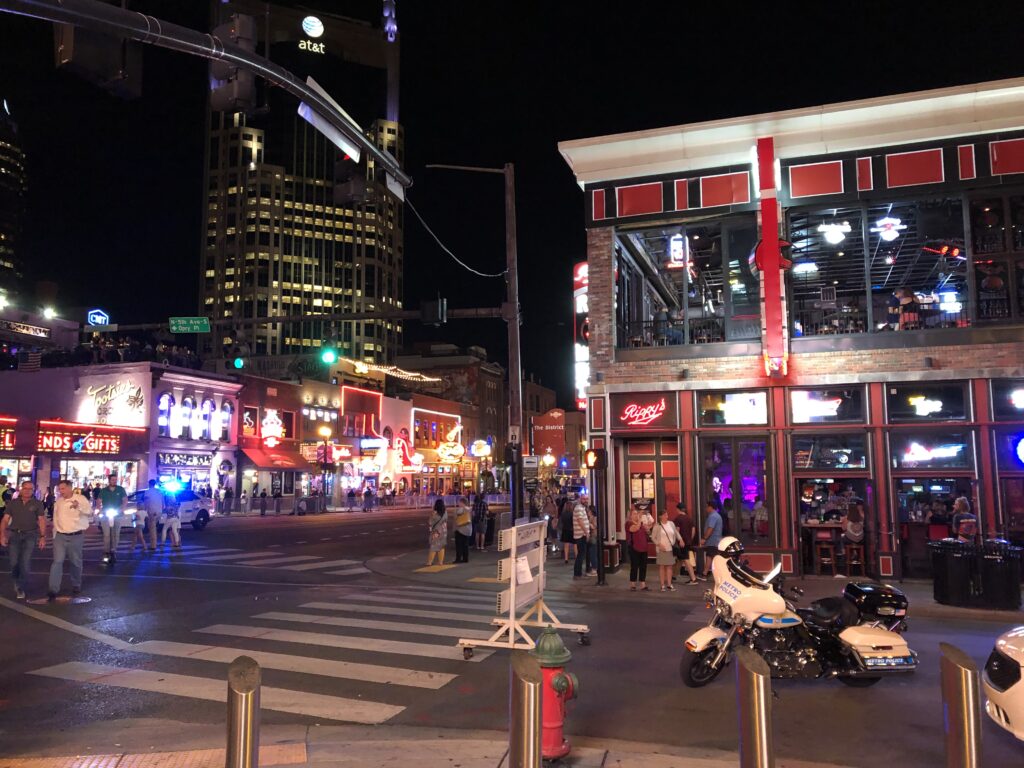
After Bowling Green, we drove to Nashville to have a look at ‘the home of country music’, before heading back to the Mississippi River road and Memphis, Tennessee, ‘the home of Elvis’. This was followed by a week in New Orleans, wandering the French Quarter, enjoying the live jazz ,and acquiring a taste for beignets, the Louisiana state doughnut. 

Not so great
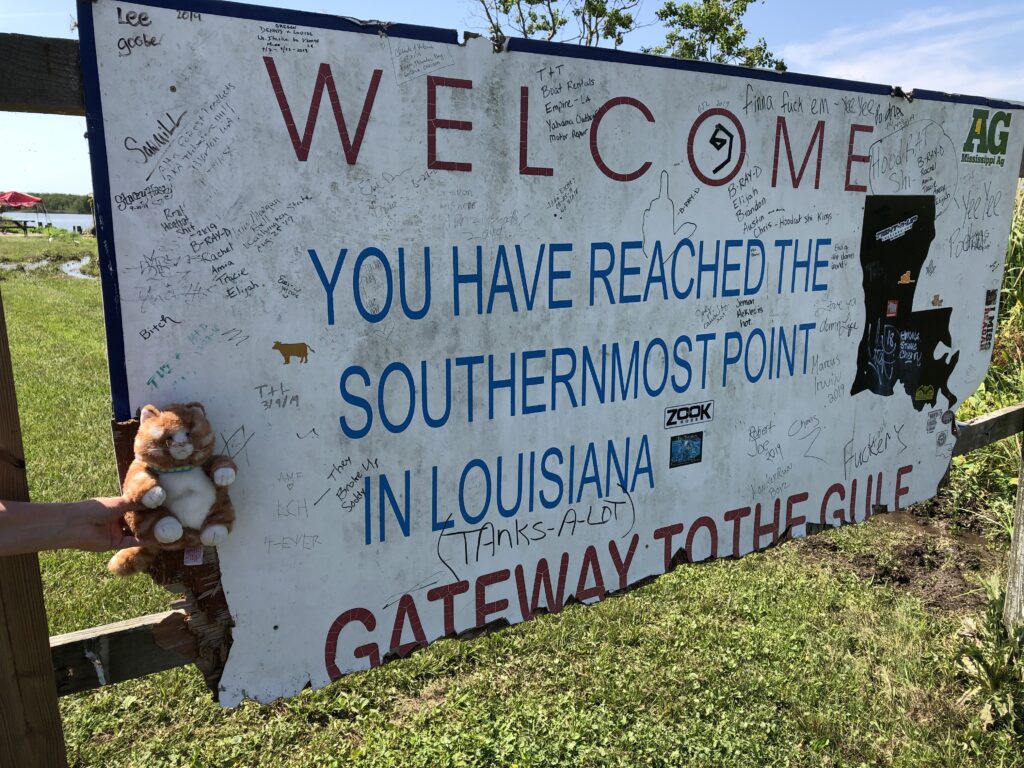
We took a day out of New Orleans to experience the Great River Road’s great anti-climax. Venice, Louisiana, is a small town of around 200 people. Just a few minutes south of Venice is the place where the water the Mississippi has collected on its journey through 10 states, and nearly half the USA, flows into the Gulf of Mexico.The journey of each drop which joined at the start takes about 90 days. Frankly, it hardly seemed worth the effort as nobody seemed to care about it. The only evidence that you have arrived at the mouth of one of the world’s great rivers is a graffitied beaten-up wooden sign that does not even mention the river. 
The Mississippi is actually the second longest river in the States as one of its tributaries, the Missouri River, is actually 160km longer, but they comprise the fourth longest river system in the world — yet nobody seems to think it worth a mention!
Anti-climax aside, sitting in the Changes Restaurant in Venice, beside the great river itself, we were quietly pleased to have completed one of the most unforgettable road trips in the world.
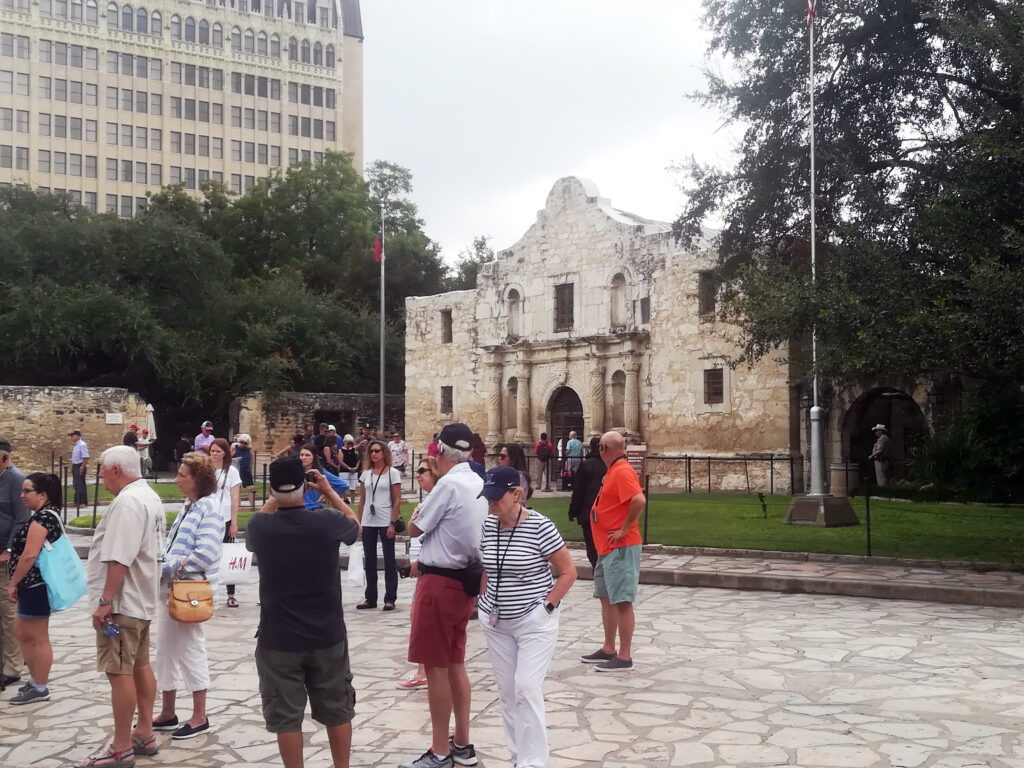
Including detours to Nashville and the Alamo, the Cadillac never missed a beat. We dropped it off at Houston airport with an additional 6000kms on the clock.

NZ Classic Car magazine, May/June 2026 issue 405, on sale now

Reincarnation of the snake
We are captivated by a top-quality sports car
The Shelby NZ build team at Matamata Panelworks has endured a long and challenging journey, culminating with the highly anticipated public unveiling of the 427SC and firing up of its sonorous V8 at the 2026 Ayrburn Classic Festival of Motoring in Queenstown on February 20. This is a New Zealand-built car with loads of character and potential.
The car is now back in Matamata, and I finally have an opportunity to get up close and personal with it. But before then, the question that must be asked is, “Why would ya?”
The first answer is easy, as mentioned in the last issue of New Zealand Classic Car (#404). It was a great way to use up all the surplus Mustang parts acquired while converting brand-new Mustangs into Shelbys. The unused new Mustang parts would be great in any kit car, but the 427SC in front of me cannot be classified as one.
This is not a kit car. The reality is that it is a high-quality, factory-made production car.
Possibly the second answer is because the CEO of Matamata Panelworks, Malcolm Sankey, wanted to build a replica of the car that is a distant relation to the Shelby Mustangs scattered around his showroom floor, a car created long before the first Mustang was even thought of, and the brainchild of Carroll Shelby back in the early ‘60s.

A tradesman’s estate — the Cortina GT Estate

The owner of our featured car, Rod Peat, used to rally a Cortina GT back when the words ‘rally’ and ‘trial’ were interchangeable. In times after that he could also be seen beside Mal Clark in various Targa NZ rallies, getting the famous Rover V8 or Lotus Cortina in spirited fashion around and over the various special stages that make up those events. After children, houses, and career, Rod decided it was time to own a GT again.
A search on the various systems available turned up a car Rod and probably most of us didn’t even know existed: a genuine Ford factory Cortina Estate GT.