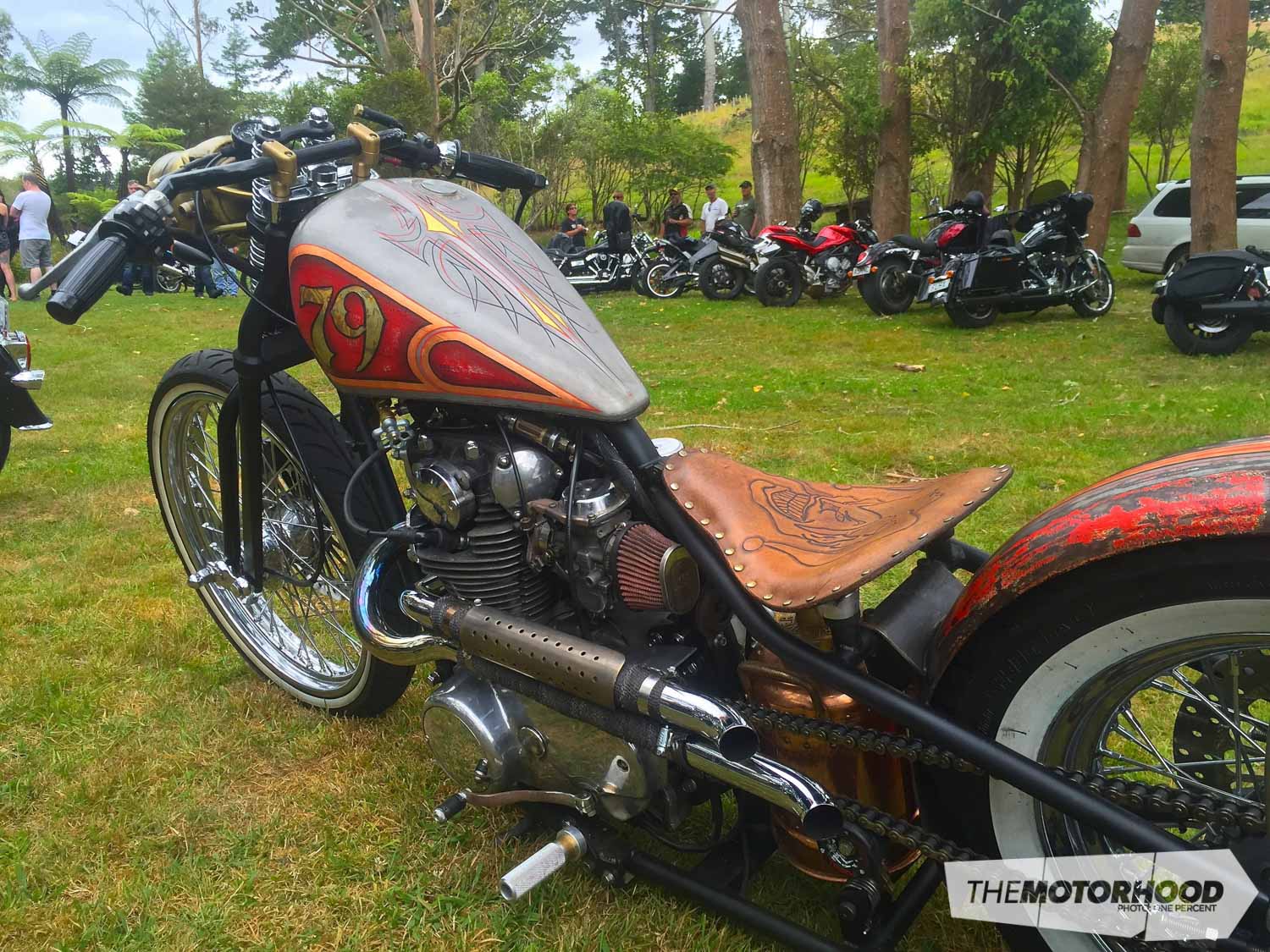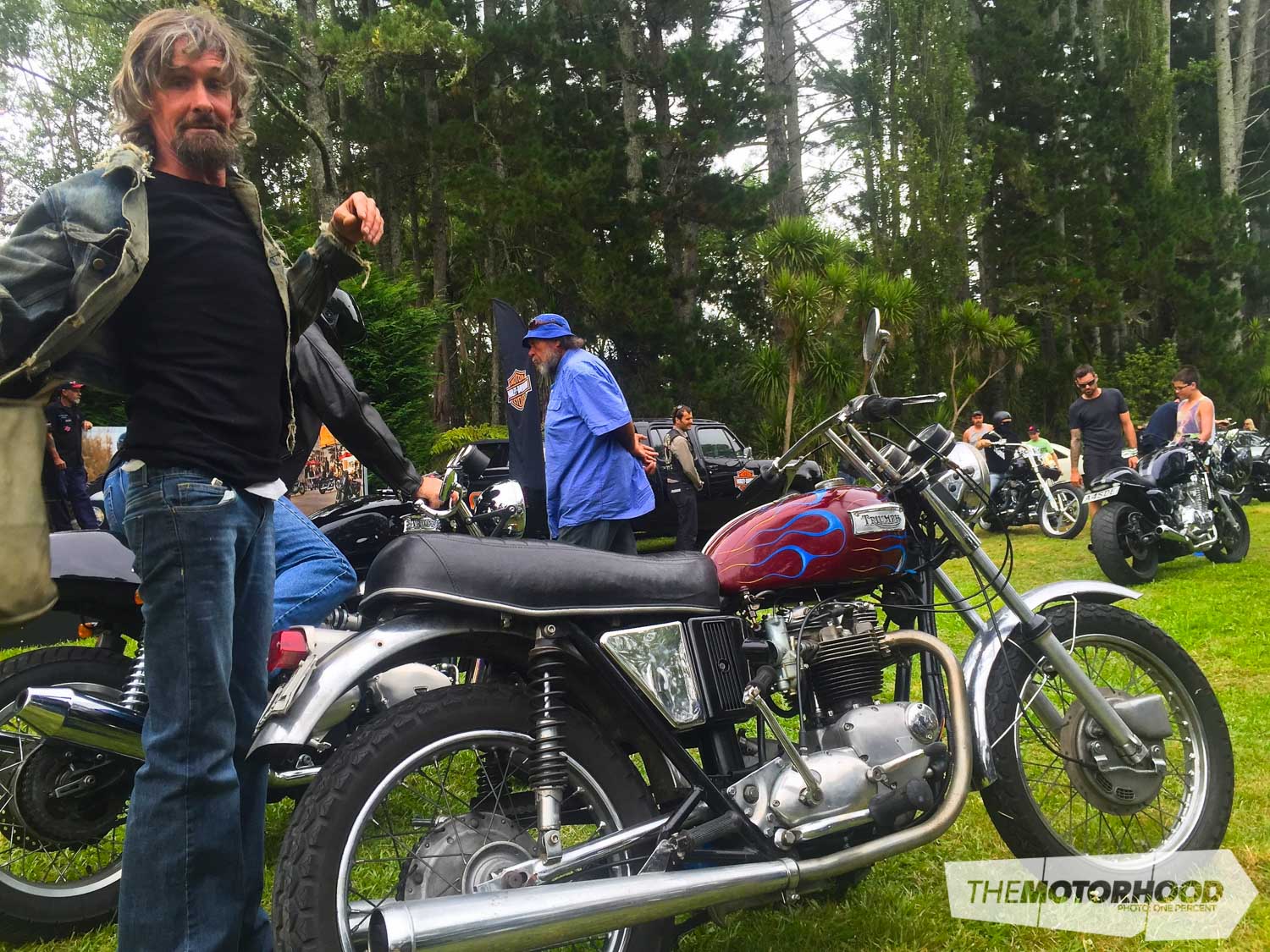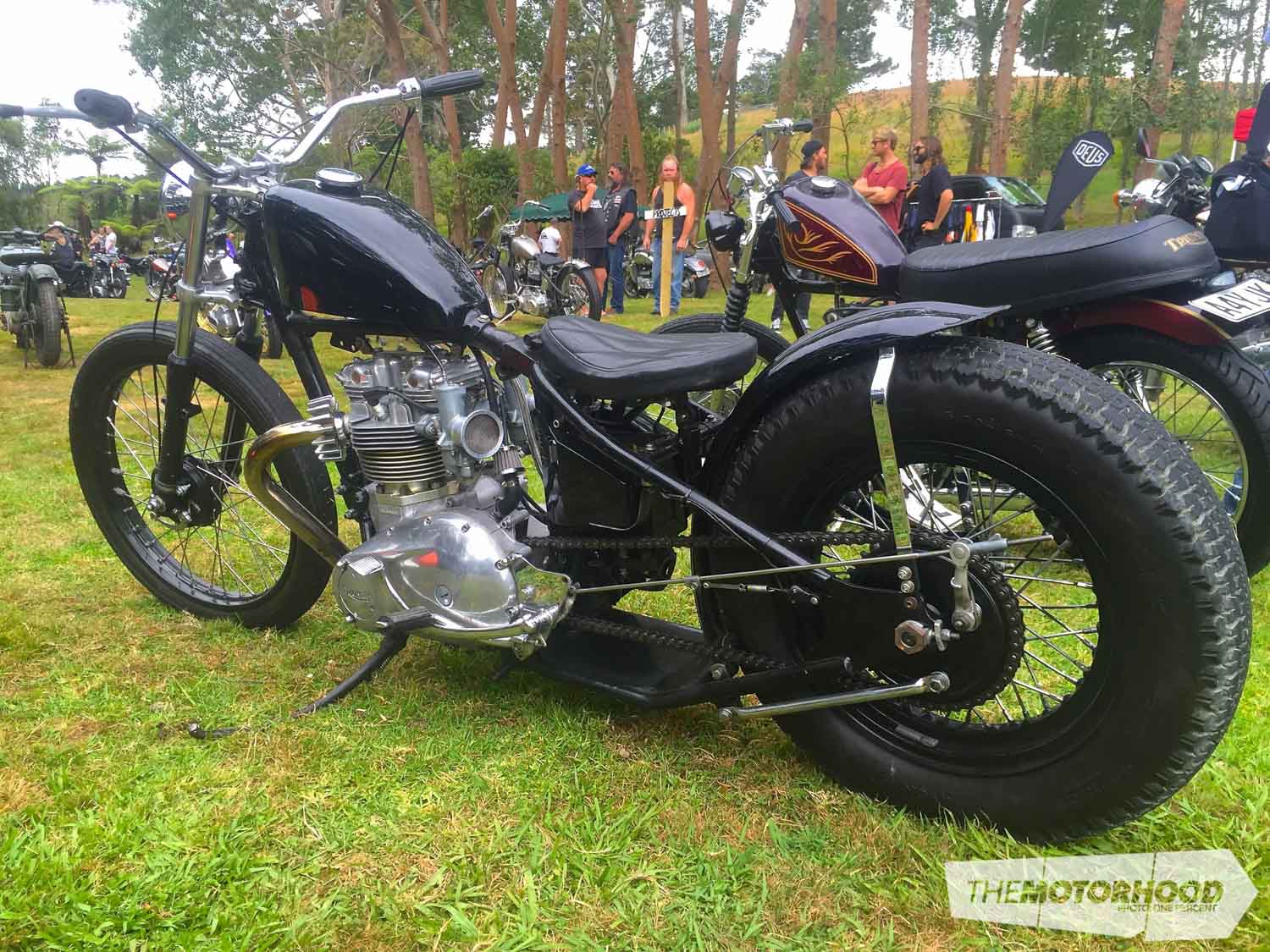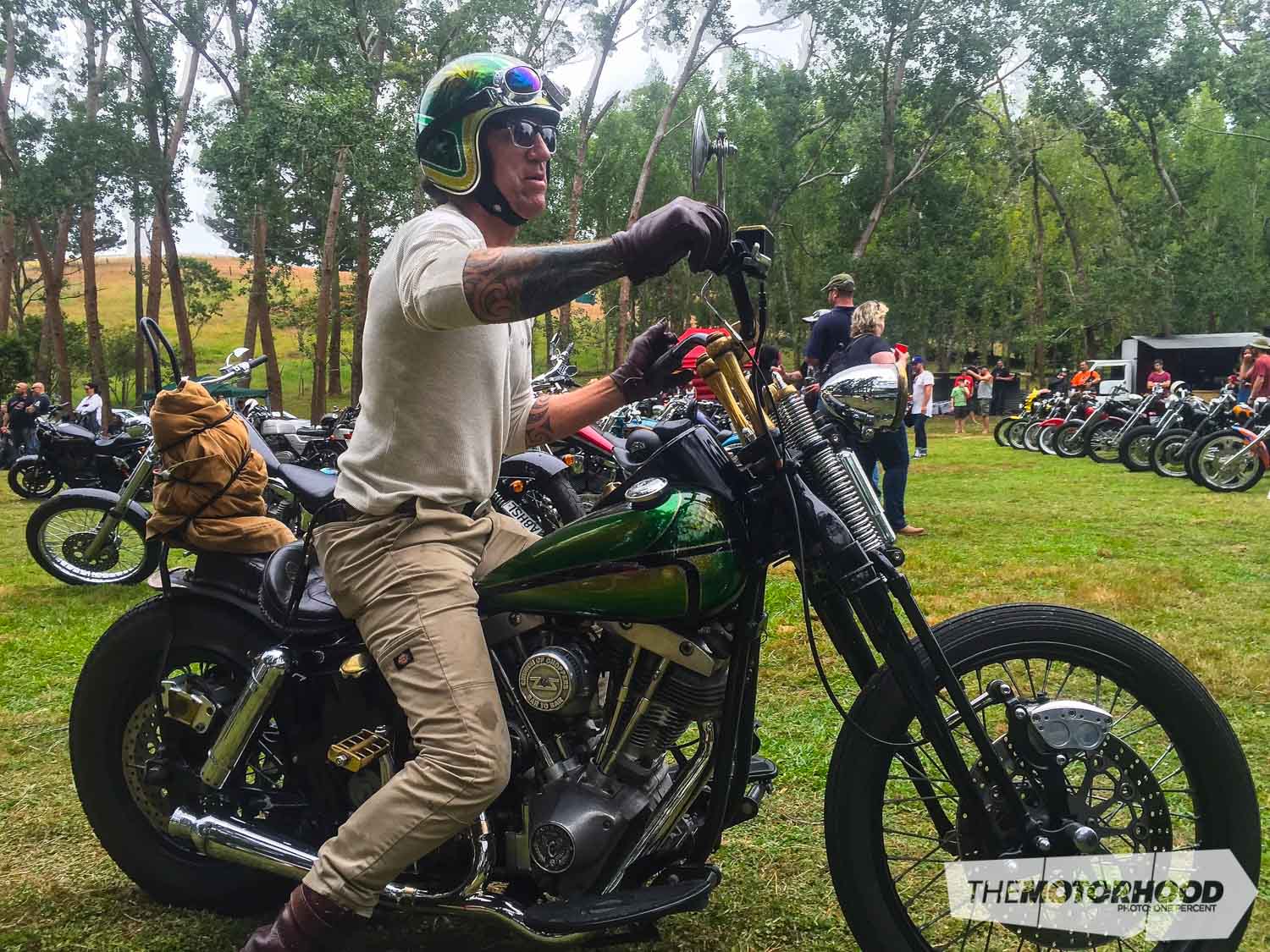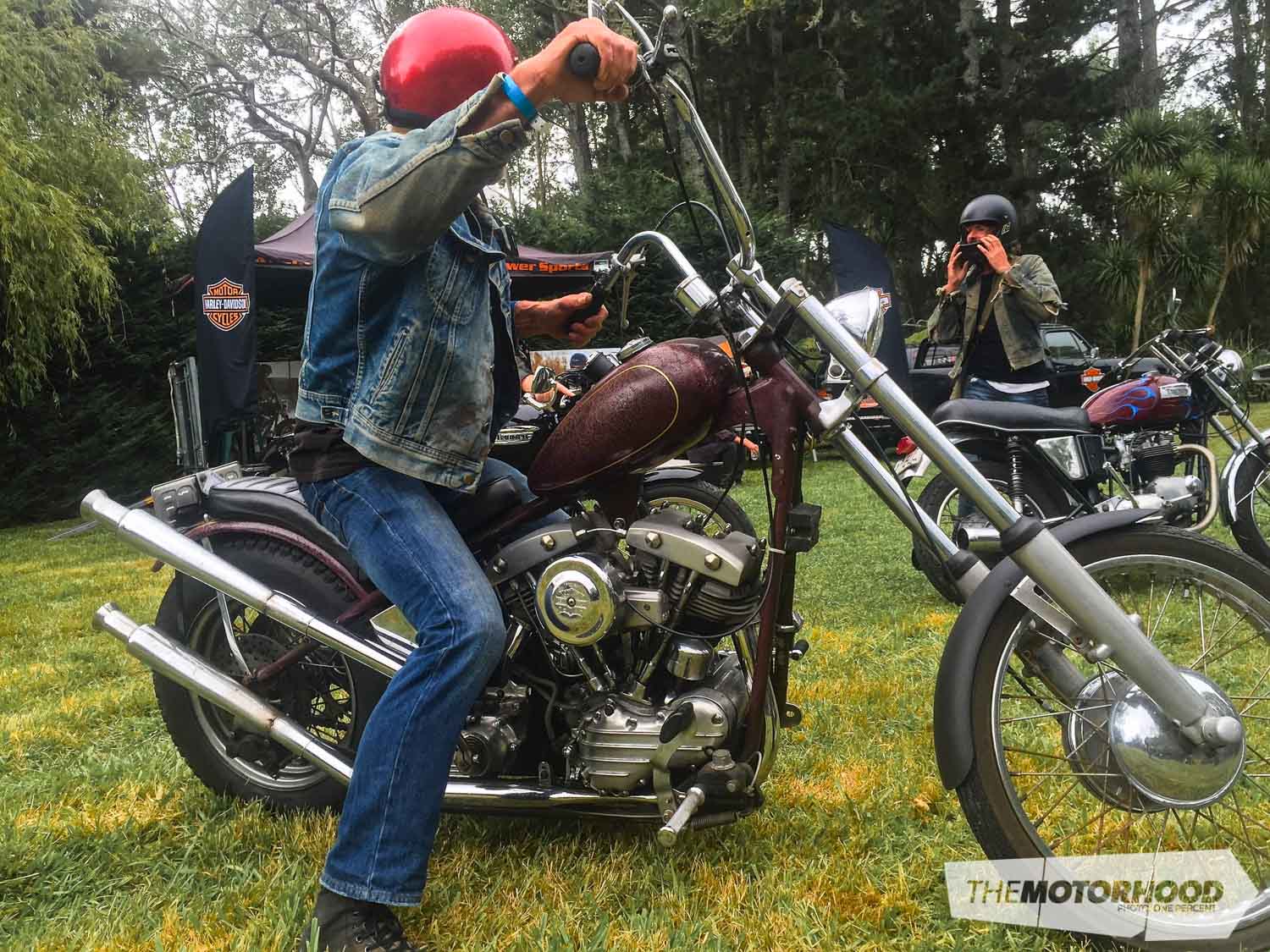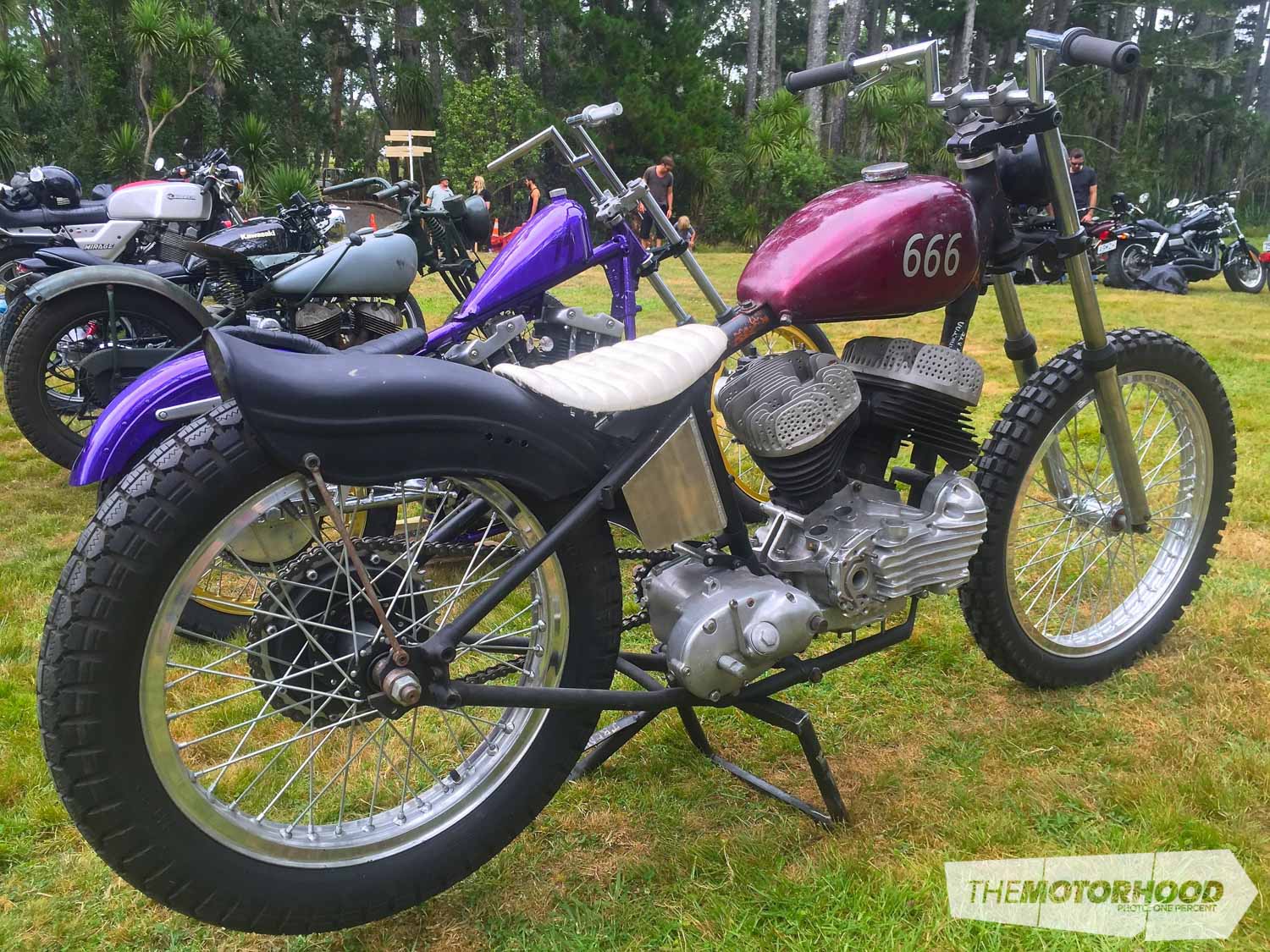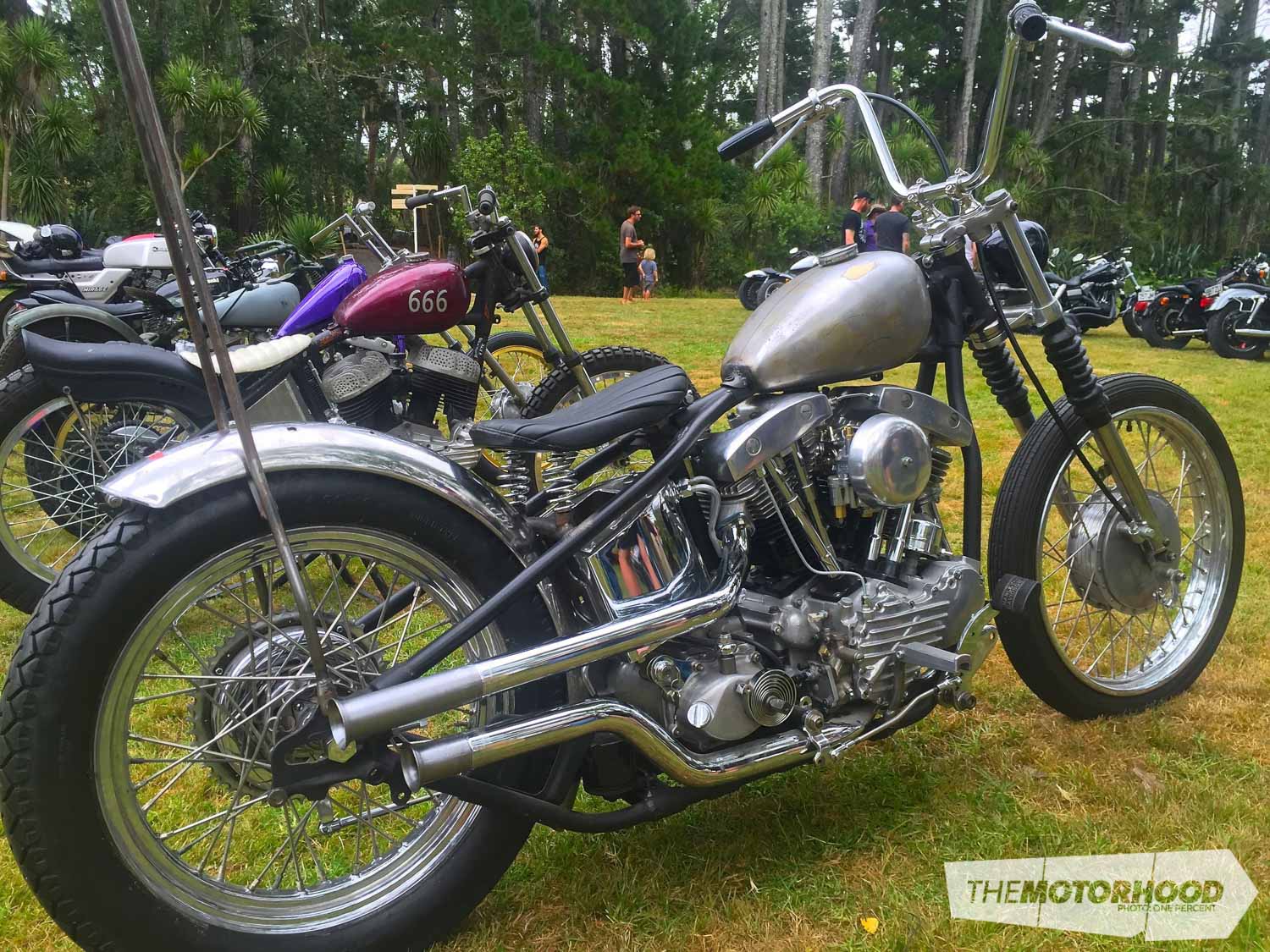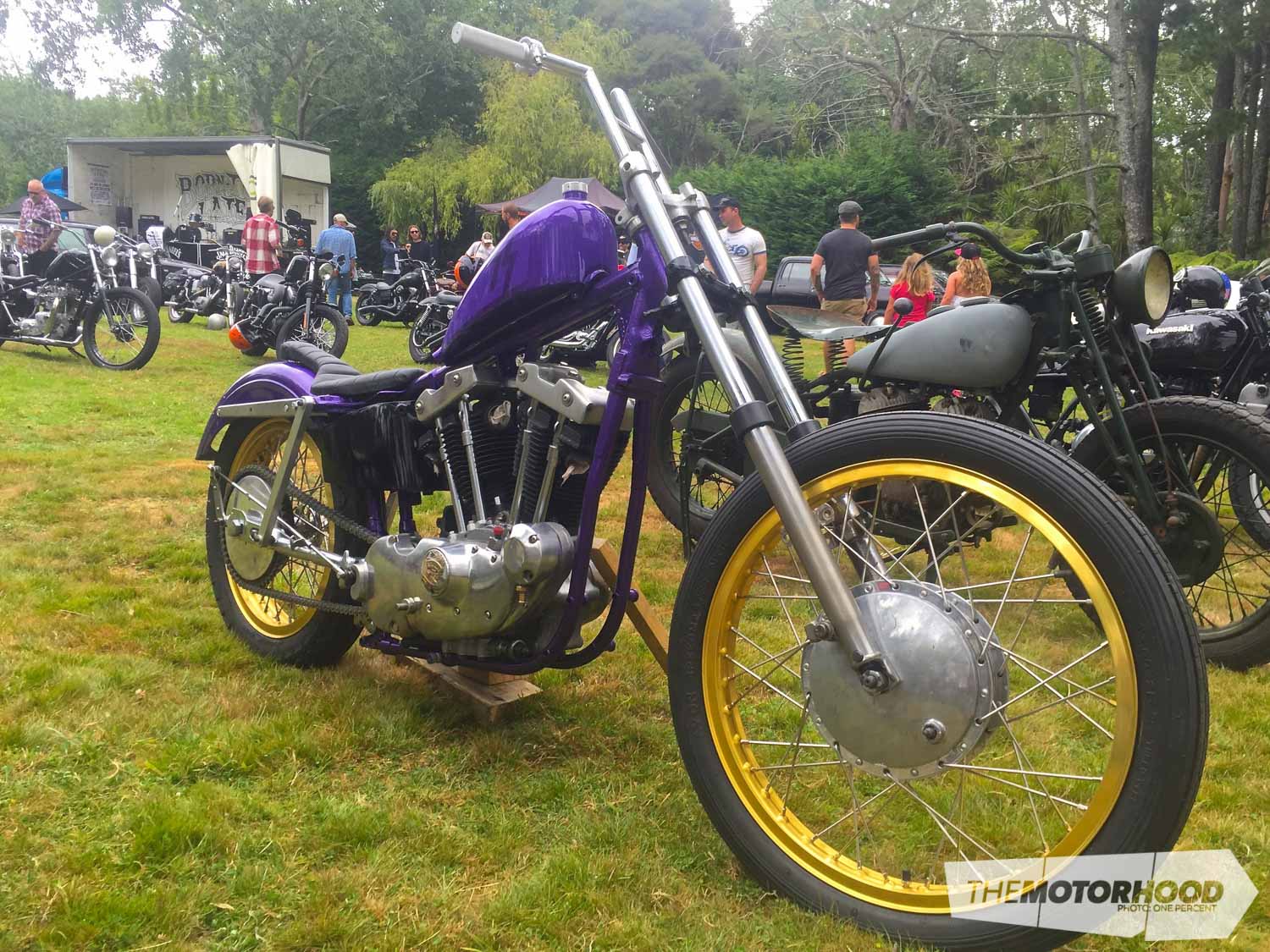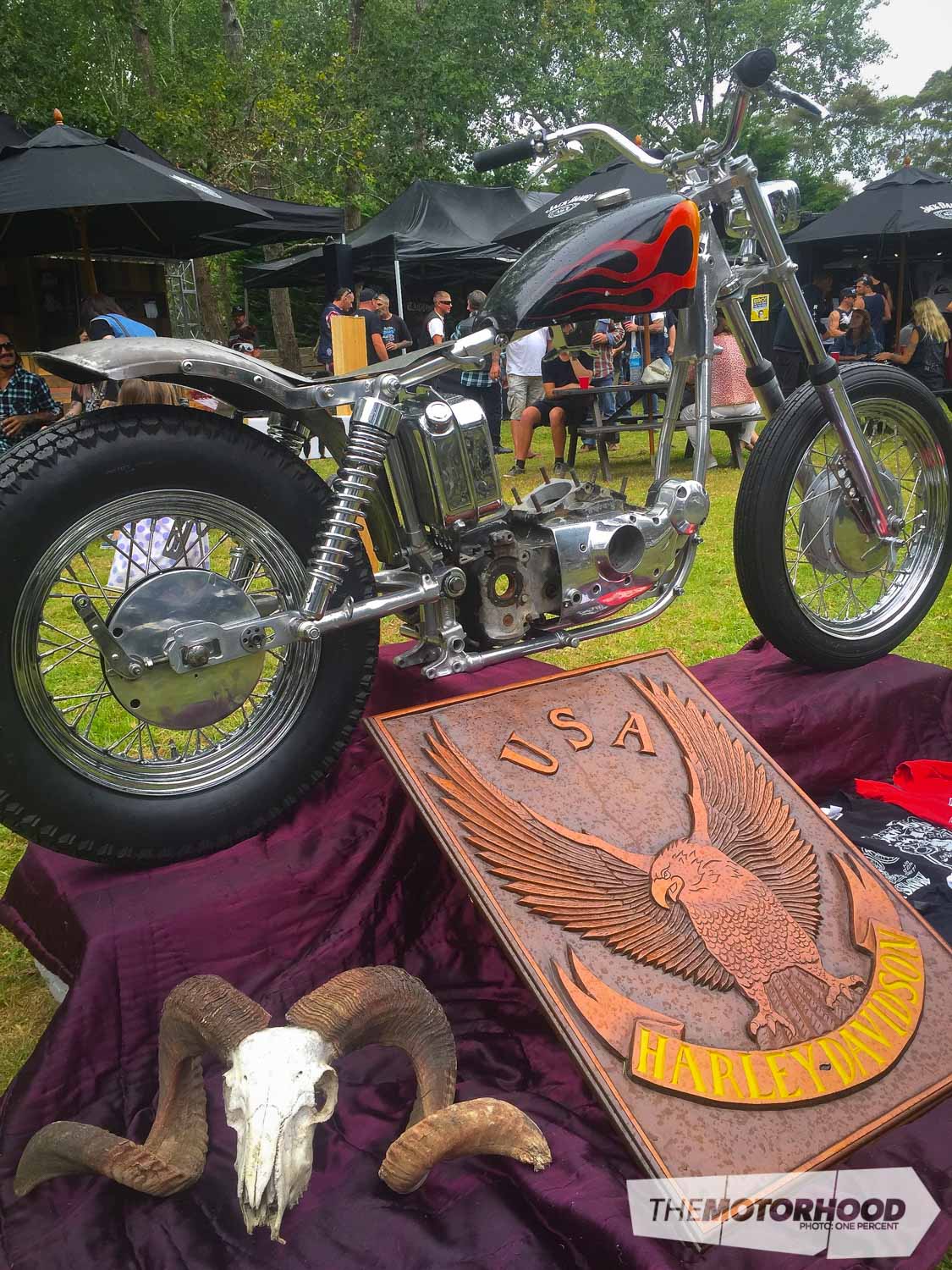
Five years seem to have passed by at a rapid rate when you realize that it’s been that long since the first Chopper Show event was held in a small car park in Auckland’s Eden Terrace. Back then there was really nothing like it — bikes were still allowed at Kumeu and the only other place you were going to find such a gathering of custom-built bikes was in the car park of the Hot Rod Blowout. Times had changed and the notion that if you had a Chopper or a badass Trumpy you probably also had a patch was no longer correct.
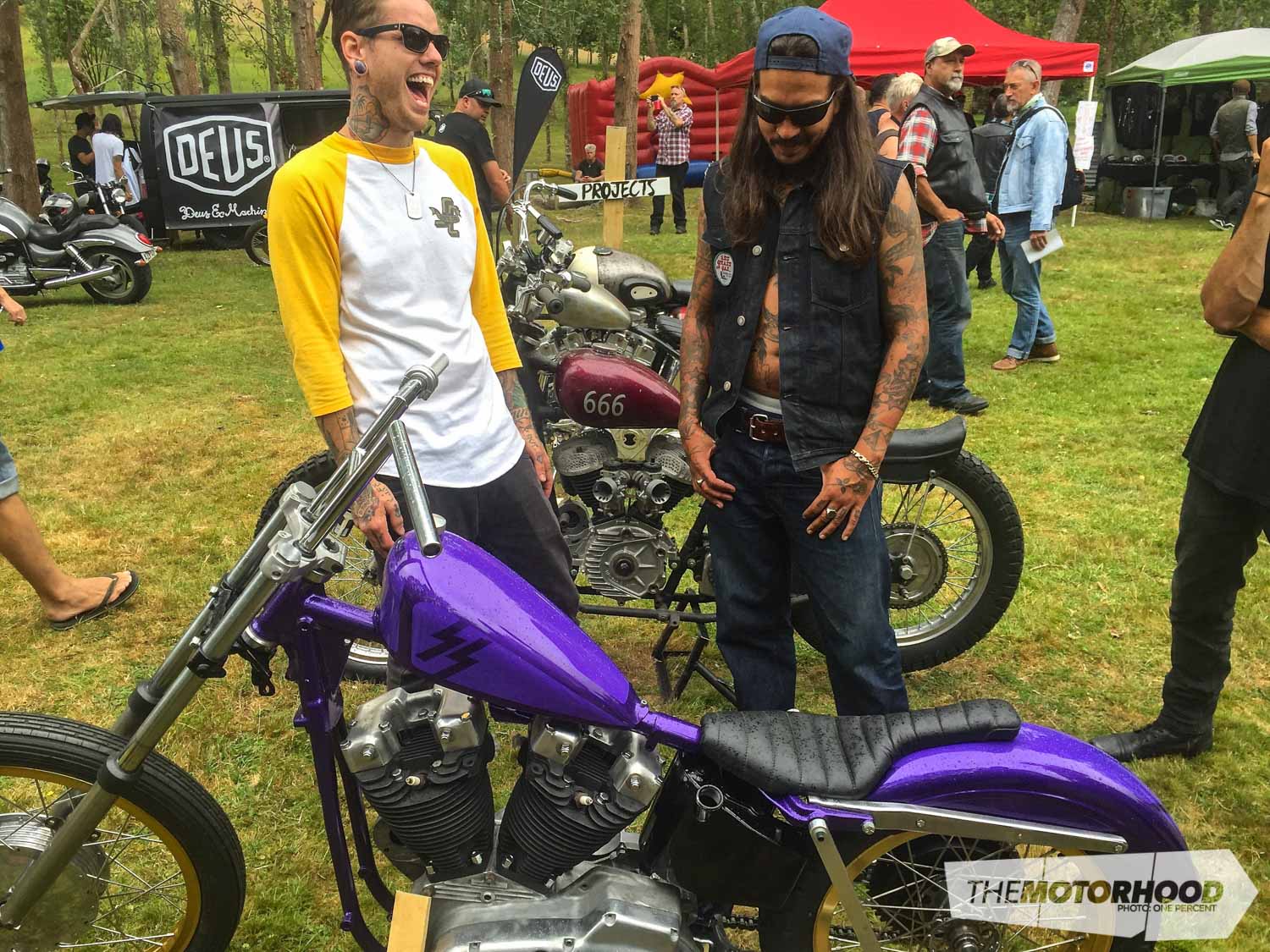
The new-wave of Chopper builders are the same guys who were (and in some cases still are) riding round at the skatepark on their BMX bikes and skateboards — and they still wear Vans. The initial conversation about putting on a gathering of like-minded munters and their Choppers, bobbers, unfinished projects, and British iron went something like (and our man Aaron Carson knows ’cause he was there) this…
“Be good if there was a cool bike show eh?”
“F*ck yea … should probably put one on.”
That first event was a shot in the arm – it was exciting, there was something in the air – other than weed and tyre smoke. There was an excitement and vibe that felt good – it had something to do with cool bikes, no fights, a shitty PA system, nasty rock n roll, a loveable lack of organization and difficulty in remembering the later parts of the days events.
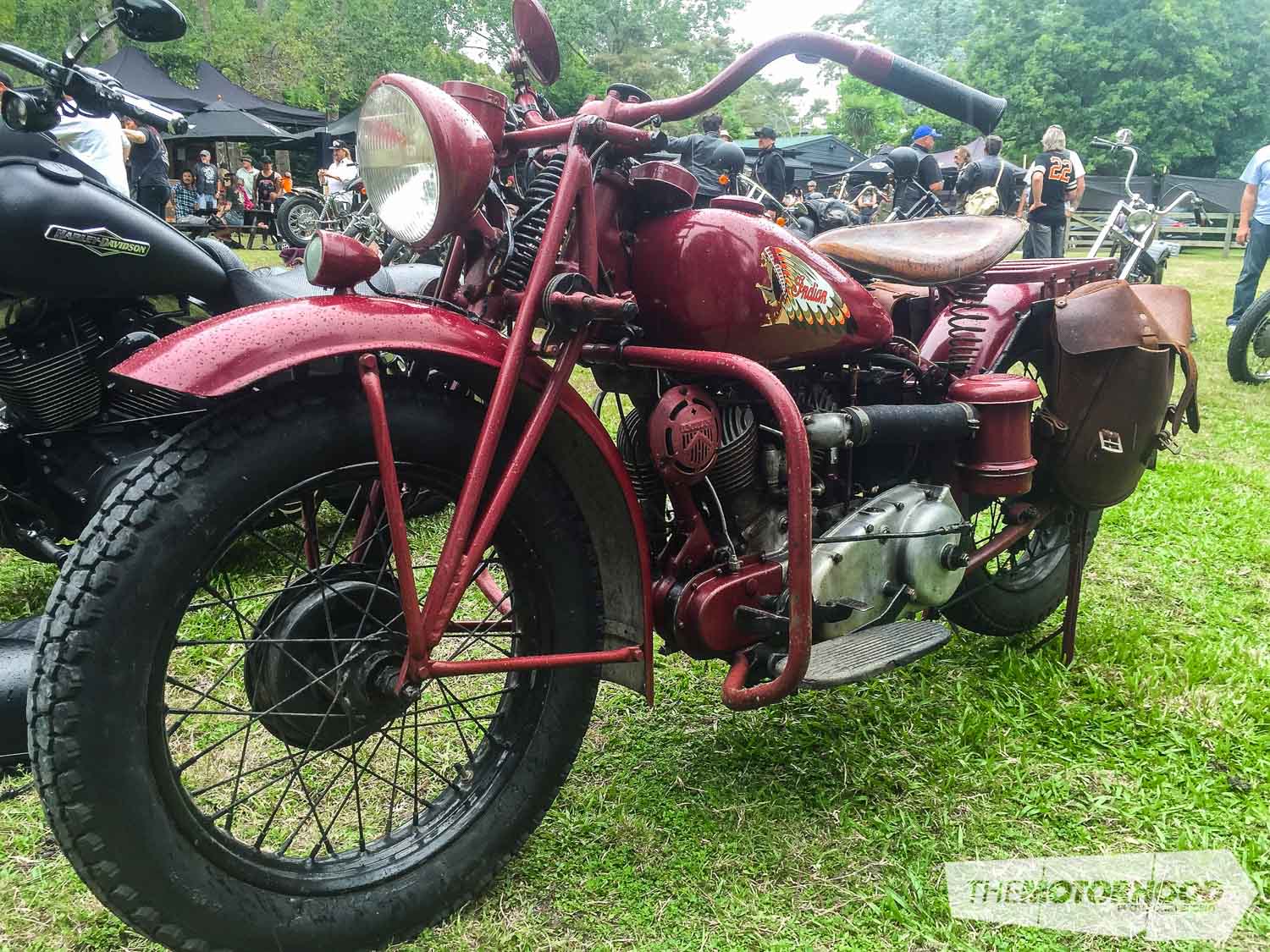
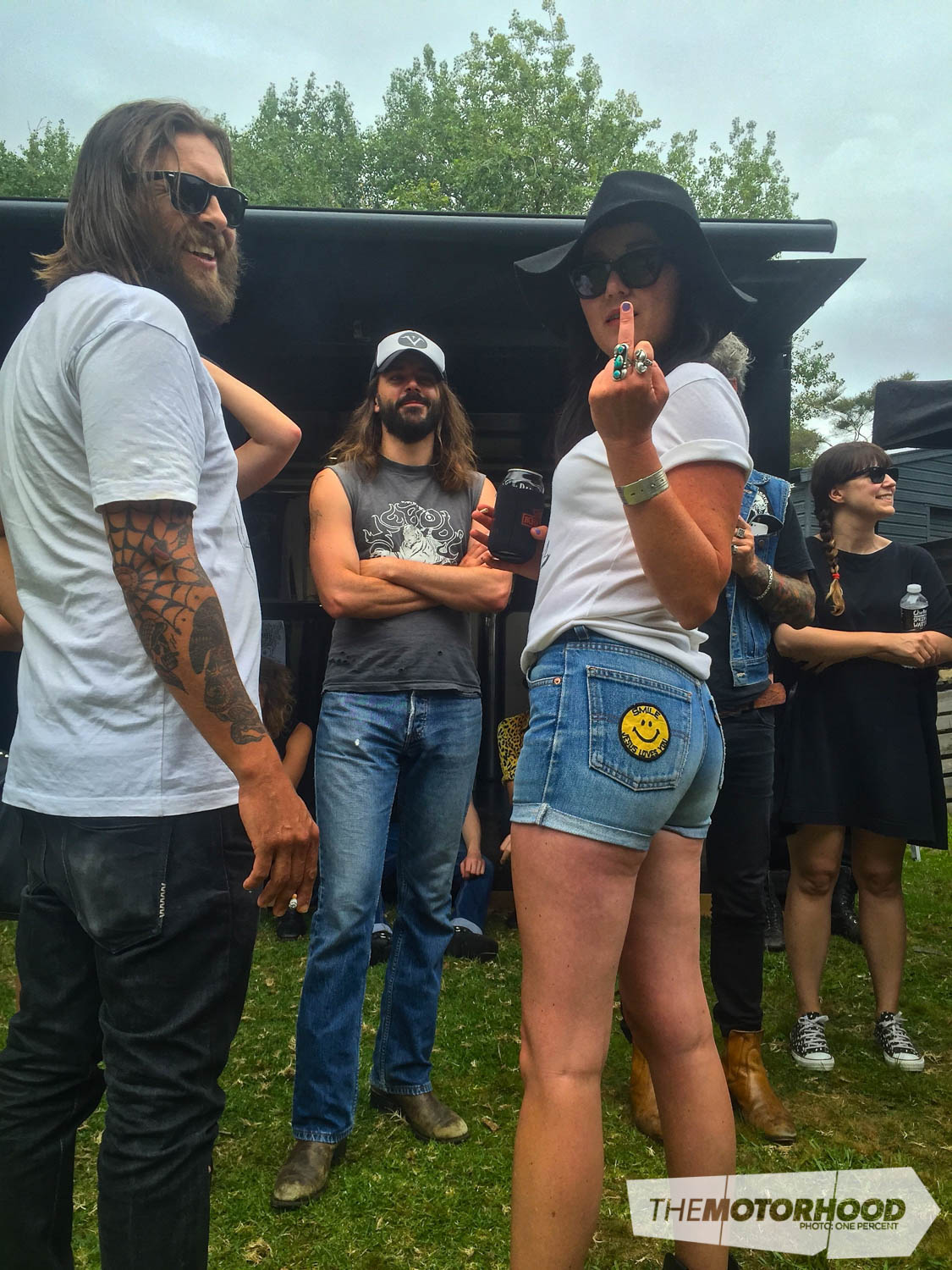
So there we were on January 17, 2015, five years down the track, at Born Too Late 5. For the first time the show was held in a country setting about 5kms down the road from the Kumeu Hot Rod Festival, which banned bikes a couple of years ago. Having the event on the same day as Kumeu and close to it was a stroke of genius. If you’re like us and appreciate bikes as well as cars it means you can get to both and still have a smug smile on your face knowing it’s a big middle finger to the Kumeu organizers for kicking out bikers.
What was Born Too Late 5 like? It was awesome. From the moment you turned off Awa Road, crossed over the small wooden bridge, and entered the paddock you could feel that this was something special. The land was resonating with good vibes and was surrounded by gently sloping banks and shady trees. It opened up like Valhalla as you crossed that bridge — shimmering and mysterious from outside and obviously the promised land upon arrival. This felt new but comfortably worn in — it was superbly organized but not oppressive.
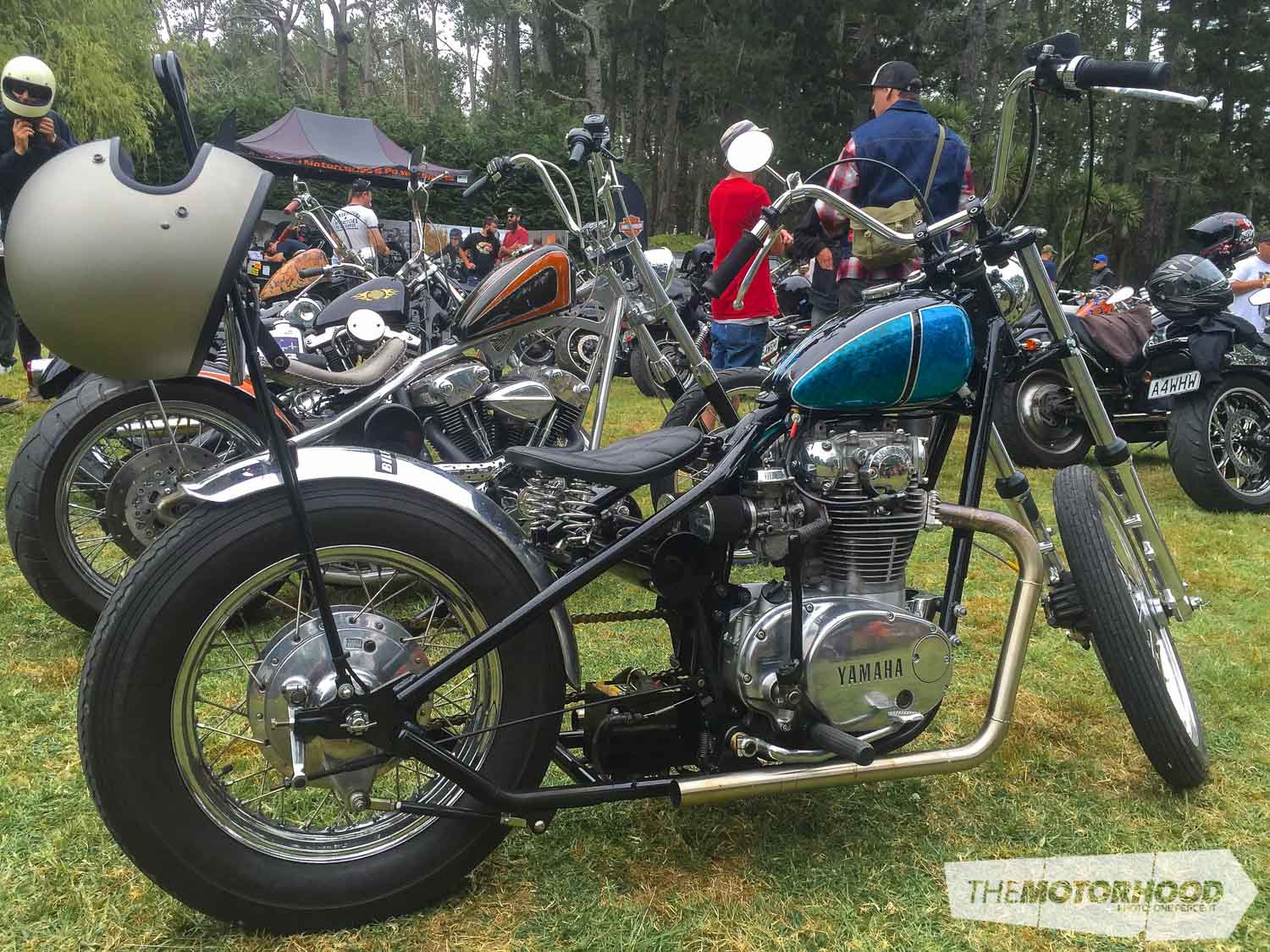
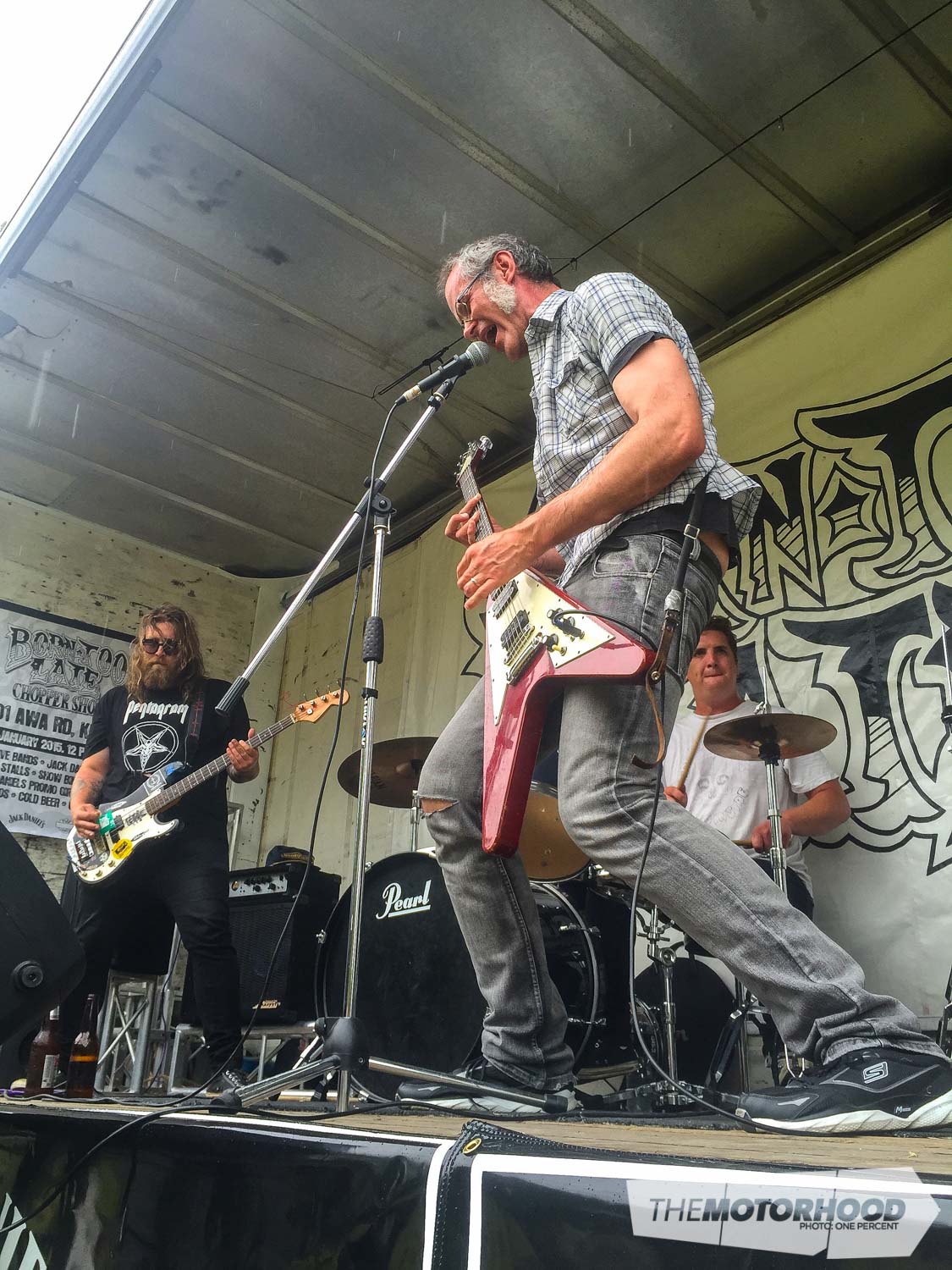
There was a stage with hand-picked bands (not some bullshit half-arsed cover band), DJs, a ‘proper’ bar, wood-fired pizza, sensible liaison with the police who made a visit, and possibly the most luxurious air-conditioned port-a-loos I’ve ever encountered. Having spent the previous 24 hours trying to avoid the Vietnam War-like ablutions at Kumeu it’s hard to explain how enjoyable this was. The event was, as you would expect due to the organizers being driven by a passion for motorcycles rather than cash, a very good time indeed. Parking for non-show bikes was easy and plentiful, it wasn’t over crowded and hardened bastards mingled comfortably with rock ‘n’ rollers, kale nibblers, and fancy ladies.
It felt like a well-curated motorcycle art exhibition held in a quality bourbon distillery managed by Keith Richard. Intriguing, inebriating, and just the right amount of shambles.
There were awards for Best Chopper, British, Project, American, Tattoos, Sexy Lady, and Sportster and other than the odd sprinkle of rain the weather was perfect. We loved this show — the only thing that could have made it better would have been if we didn’t have to leave. Hopefully next year (if it happens again) we might be able to camp out? Here’s hoping. Either way, if it’s on, we’ll be there!