Who’s running the numbers? New Zealand’s quickest street and drag cars

12 November, 2015


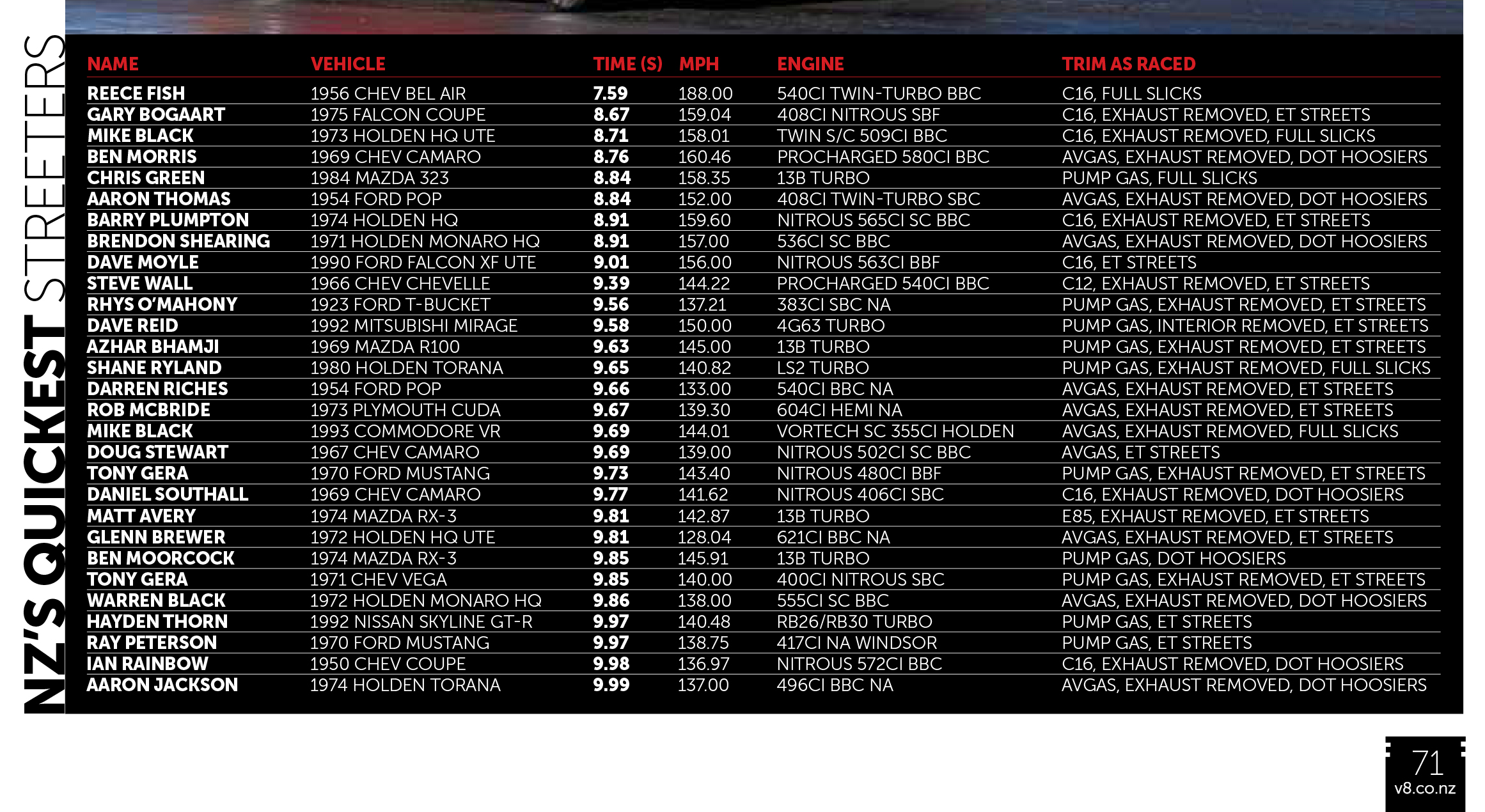
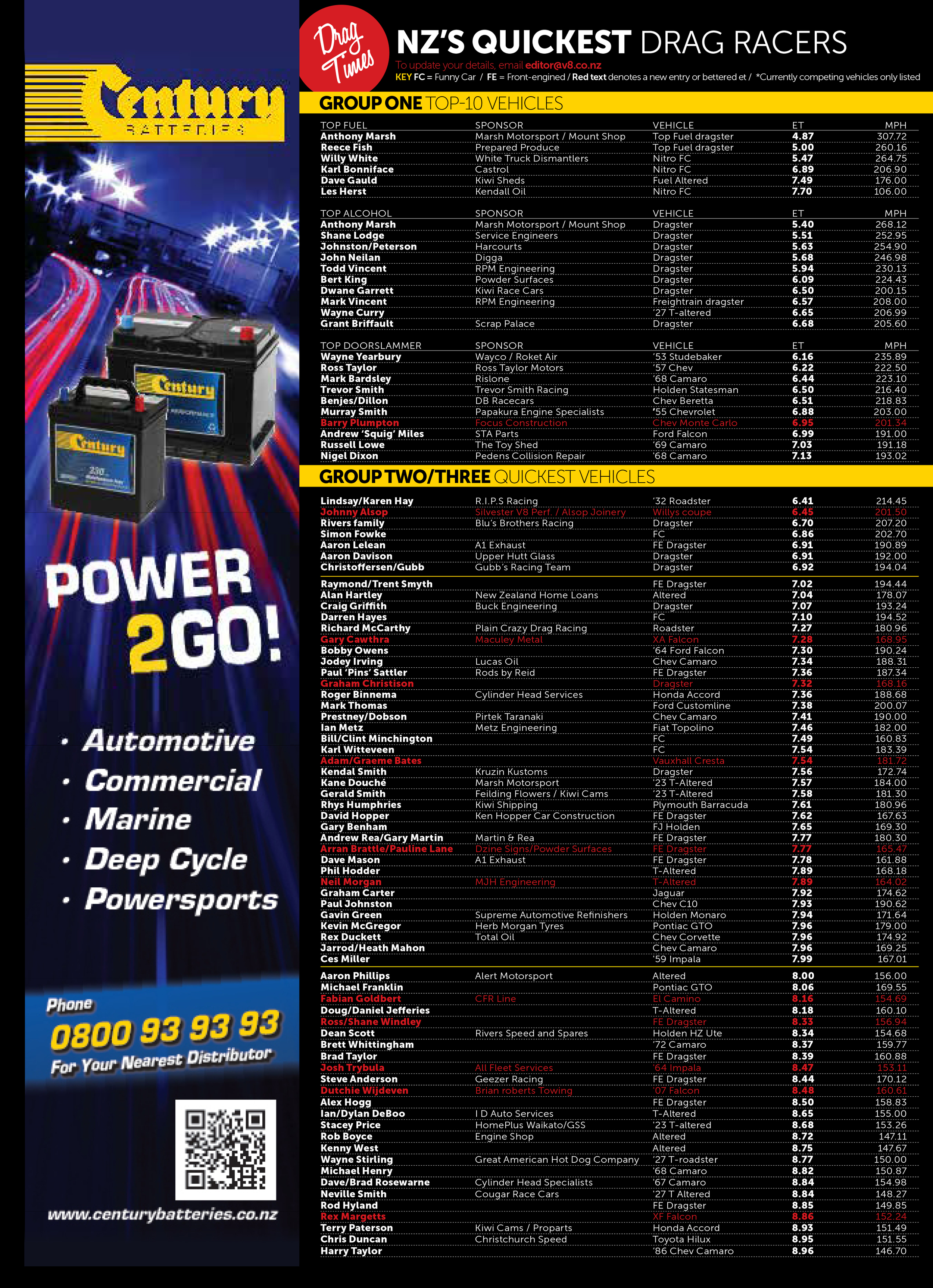
In every issue of NZV8 magazine we feature a list titled New Zealand’s Quickest Drag Racers (as seen below). The list isn’t so much one to celebrate historical achievements, but to give those who are currently competing the credit they deserve. As such, it’s updated on a monthly basis to not only include new entrants, but also to show which drivers have improved their PBs.

Included on the list is any V8-powered vehicle that runs 8.99 seconds or quicker, regardless of which class they race in. The only exception being streetcars, which fall into our separate Quickest Streetcars List, that we also run, assuming they meet the legal criteria. For the streetcar list, the time cut-off is 9.99 seconds or quicker, since nine seconds seems to be the new benchmark for what quantifies a quick streeter these days. You can see who’s currently on that list here.
As a general rule, we’ve always asked for drivers themselves to keep us informed of their times and progress, but we’ve also made an effort to hunt out the information as much as possible. However, that’s where we now need your help.

With so many new cars running into the eight- or nine-second zones, it’s now more important than ever to remove those no longer competing, to give those that are the room they require.

If you’re on the list, but have parked the car up for a few seasons, or sold it, we’d love to hear from you. Likewise, if you’re not on either list and should be, then please do let us know. The easiest way is by emailing [email protected]. Even if you’re not on the list, but have it on good authority that someone should/shouldn’t be, we’ll take your word for it. 

So get emailing!
More to the point

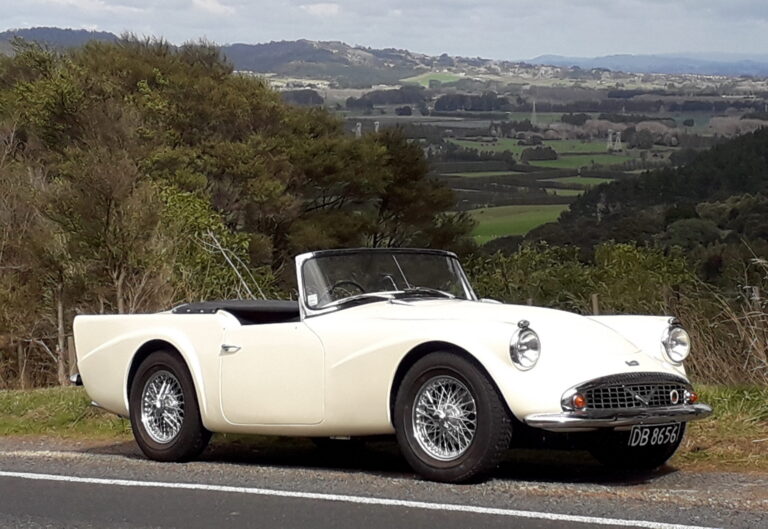
This Daimler SP252 is so rare, few people know it exists. It’s one of a kind. It’s the only surviving, in fact the only SP252 ever completed; the would-be successor to the SP250 Daimler Dart. It is also the last sports car to have been designed by Jaguar’s legendary founder, Sir William Lyons.
Perhaps one of the original Dart’s biggest problems was it’s somewhat-divisive looks. It certainly went well enough to win fans, although Sir William wasn’t among them. It crushed the opposition in the Bathurst six-hour race, finishing five laps ahead of anyone else, and it was snapped up by police forces in Britain, Australia, and New Zealand, as it was the fastest thing on the road.
So you’d think a stunning new body with the magic Lyons touch would have been a surefire success. Why this car never made it into production is still something of a mystery, as the official explanations barely stack up.

Polishing to perfection

The secret to a show-stopping finish is colour sanding, no matter which paint system you use. Even a good painter, no matter how experienced or talented — like my mate Bruce Haye, CEO at Ace Panel and Paint in Whitianga — can’t shoot to a perfect mirror finish. To get that level of perfection, you need to colour sand.
It used to be called ‘rubbing out’ or ‘cutting’, and it was done with pastes that came in cans. They worked — sort of — but the compounds really just rounded off imperfections instead of eliminating them, and they removed a lot of paint in the process. But now your new finish can be made flawless, thanks to microfine sandpapers that come in 1000, 1500, 2000, and even 2500 grit ranges, and Farecla G3 polish — available from automotive paint suppliers.