Some of you will remember a few months back when I sold my 1991 Mitsubishi GTO — a car that I have wanted since I was young — to replace it with something more suitable for track-day entertainment. Having owned a bunch of Hondas, I found it an easy option to revert back to the ‘H’ badge, as you just can’t beat the value for money. After looking at a few different examples, and tossing up between purchasing an EK9 Type R Civic or an EK4 SiR Civic, I decided to go with the latter. I just couldn’t justify forking out the extra coin for the Type R, as I really wanted to have a bit of money aside just in case something breaks — and to purchase a helmet and race suit.
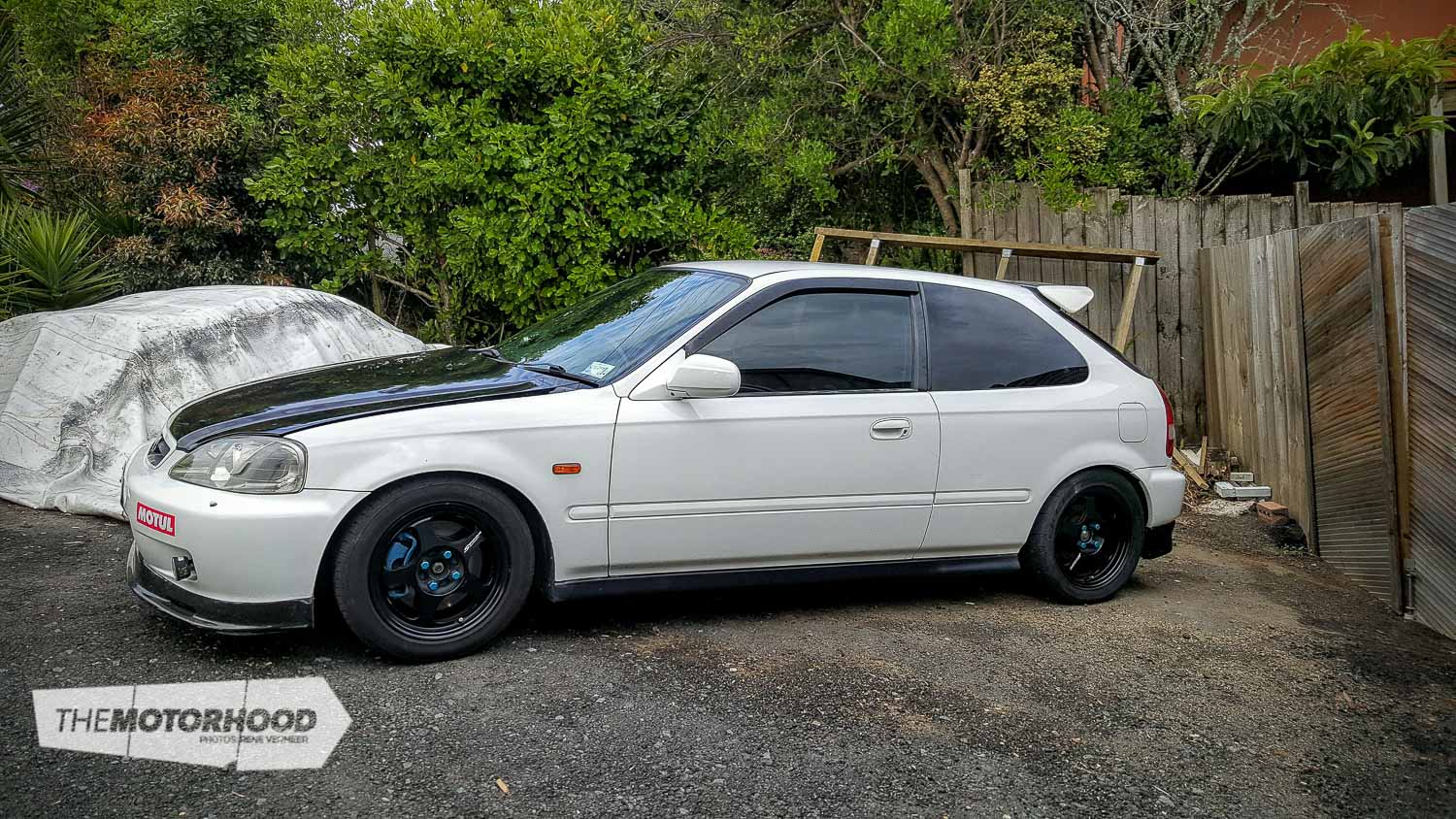
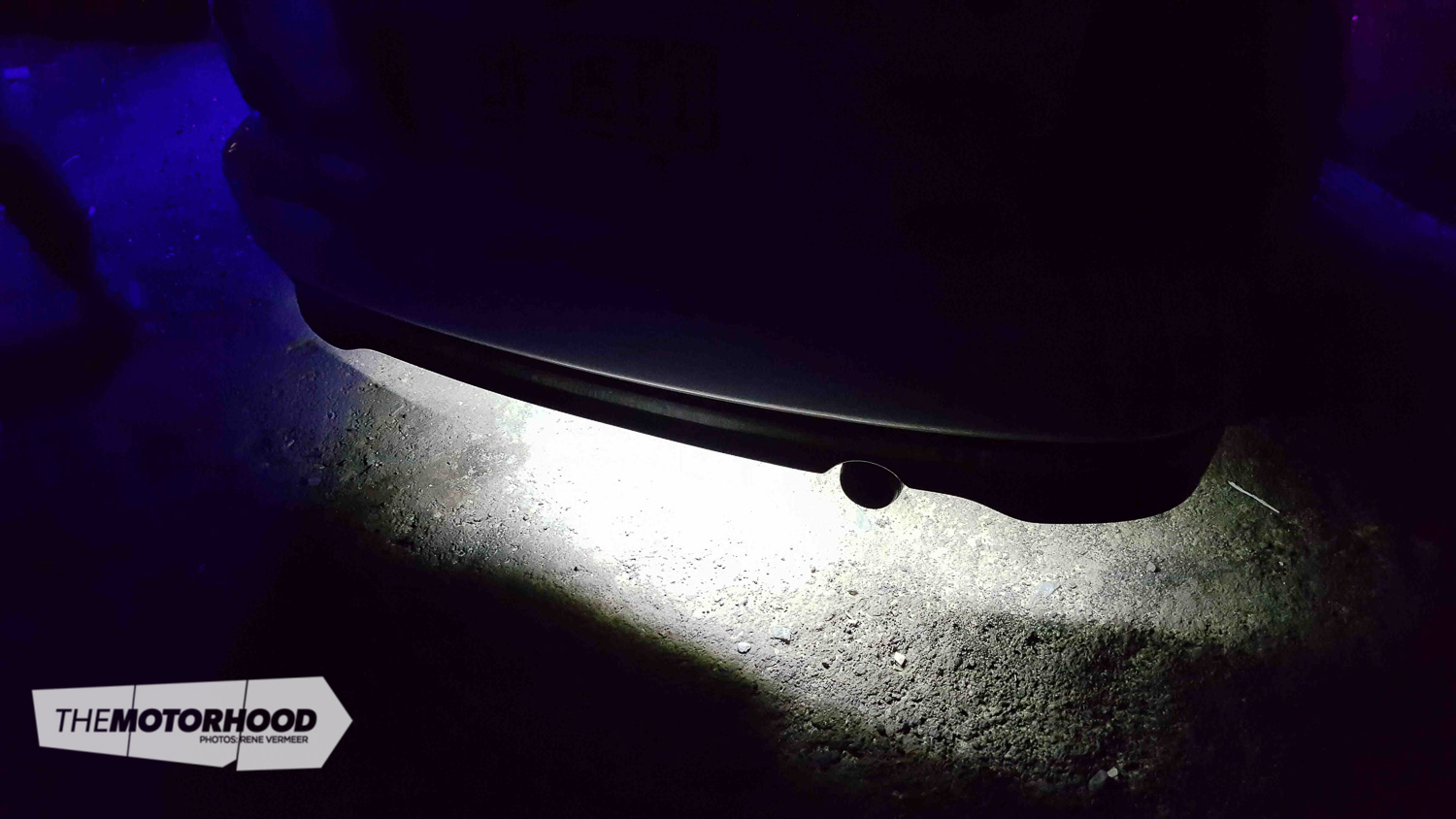
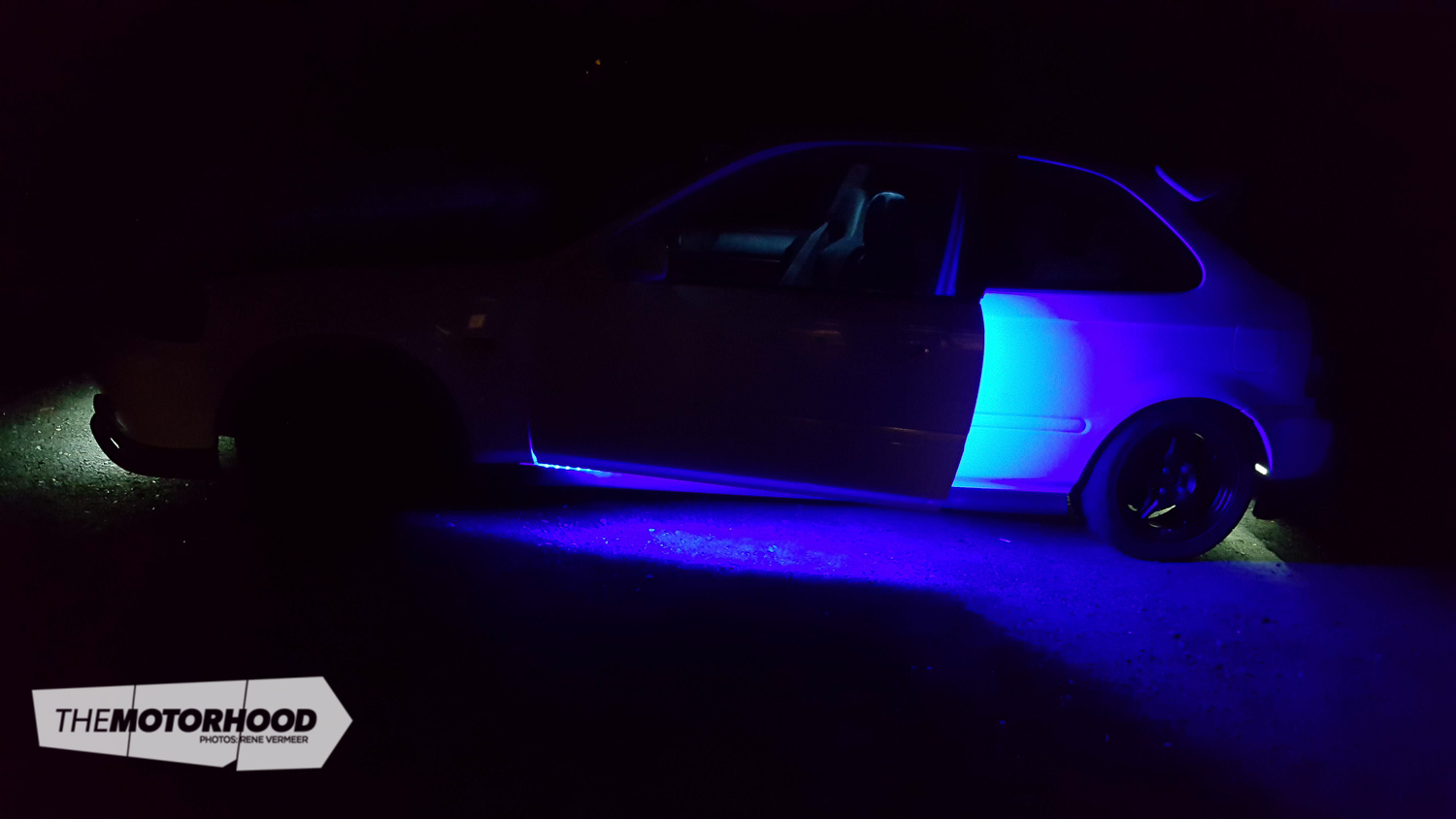
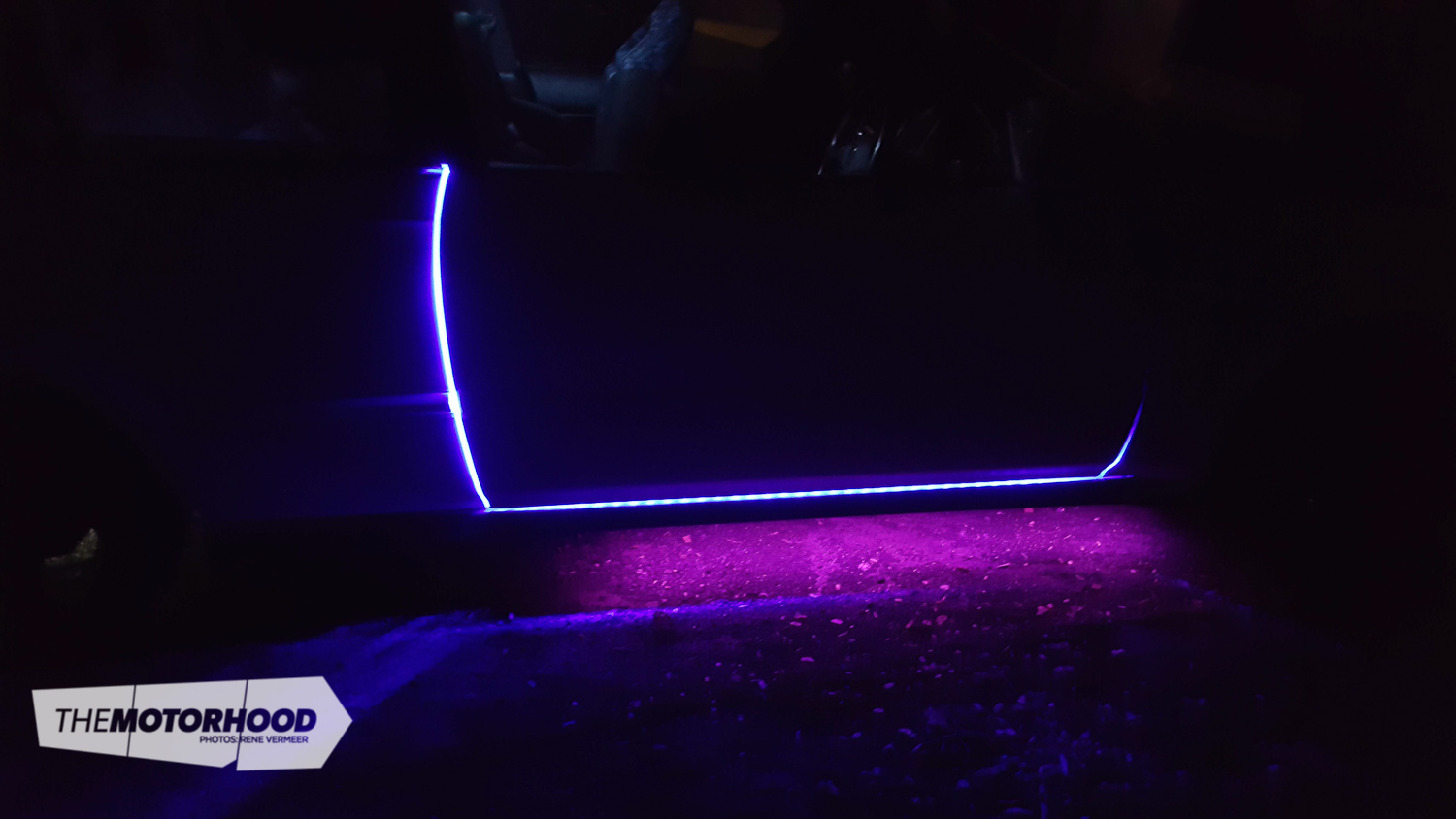
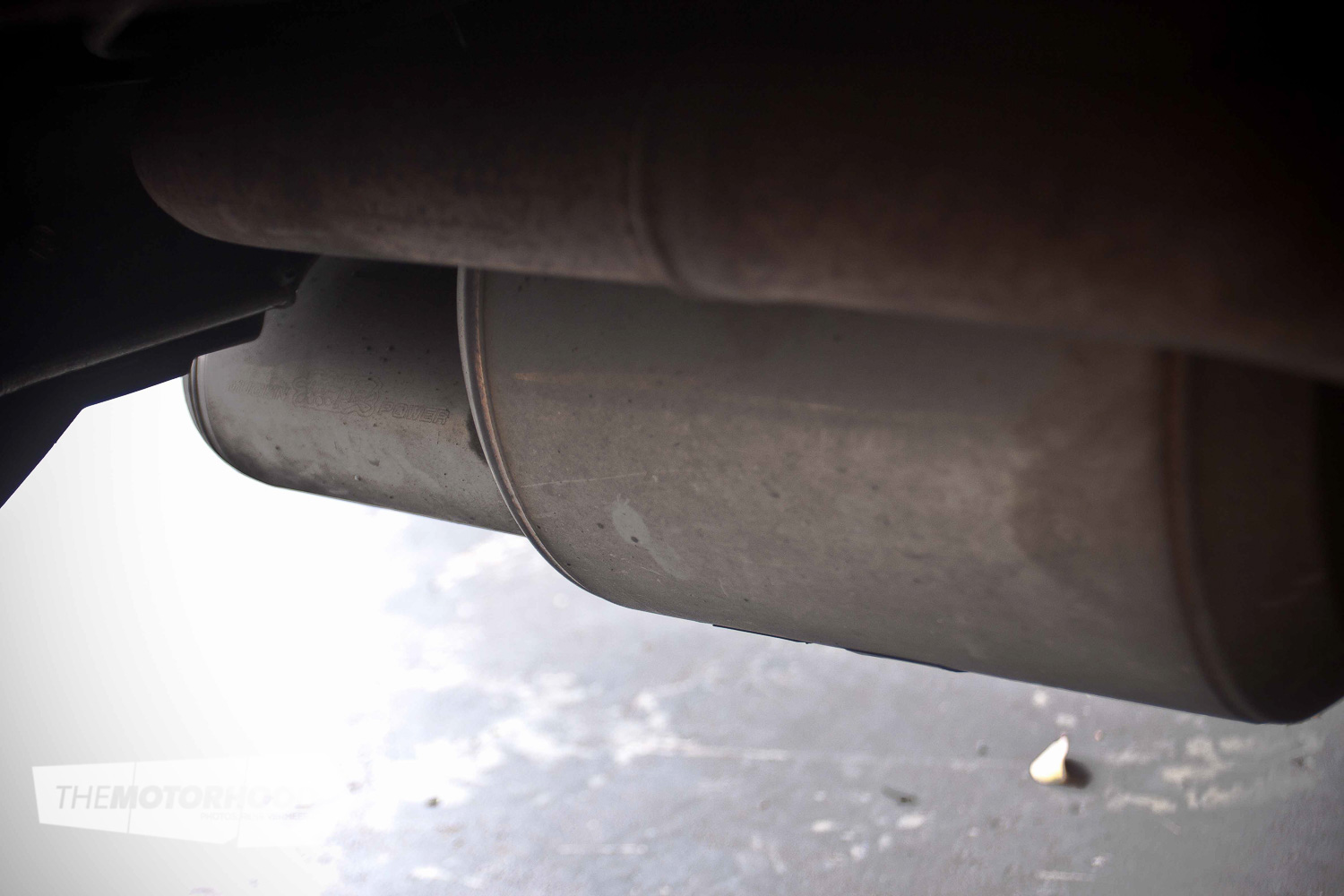
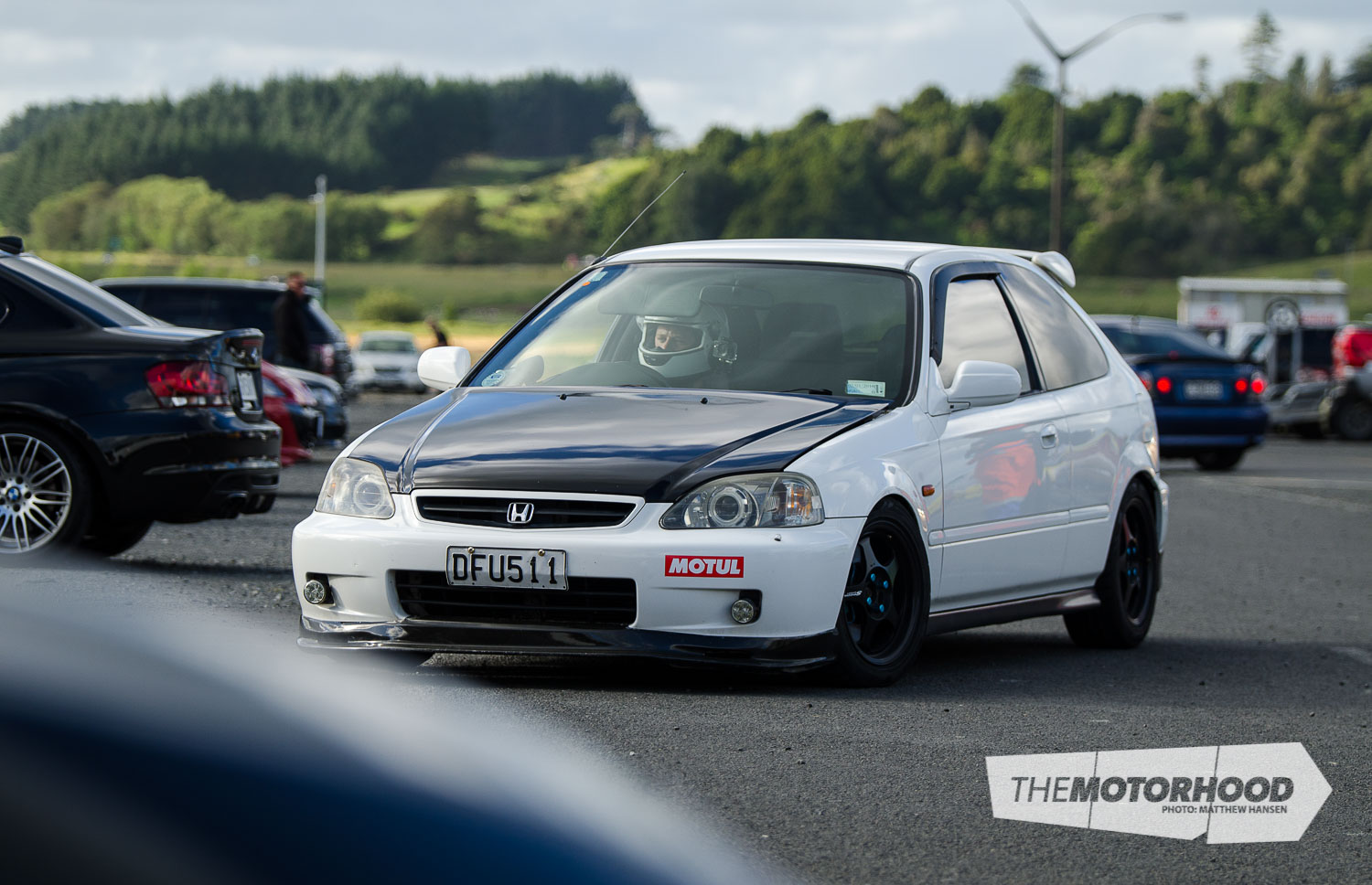
I ended up purchasing a 2000 Honda Civic SiR, which had a few tasteful upgrades, and some not so tasteful, such as the neon lights and decals. It did, however, come with upgraded brakes from a BB4 Prelude, RSR lowering springs, a large rear sway bar, various strut braces, and a rebuilt gearbox. Inside the cabin it came with a Recaro reclinable seat from an Accord Euro R CL7, a Type R gear knob, and a couple of useless gauges. The factory B16A2 engine is basically stock, except for Mugen 4-1 headers, a cat-back exhaust system, a Mugen twin-loop muffler, and a Venturi intake pipe with pod filter. With a factory redline of around 8500rpm, and 130kW (177hp) at the flywheel, it should do OK for now.
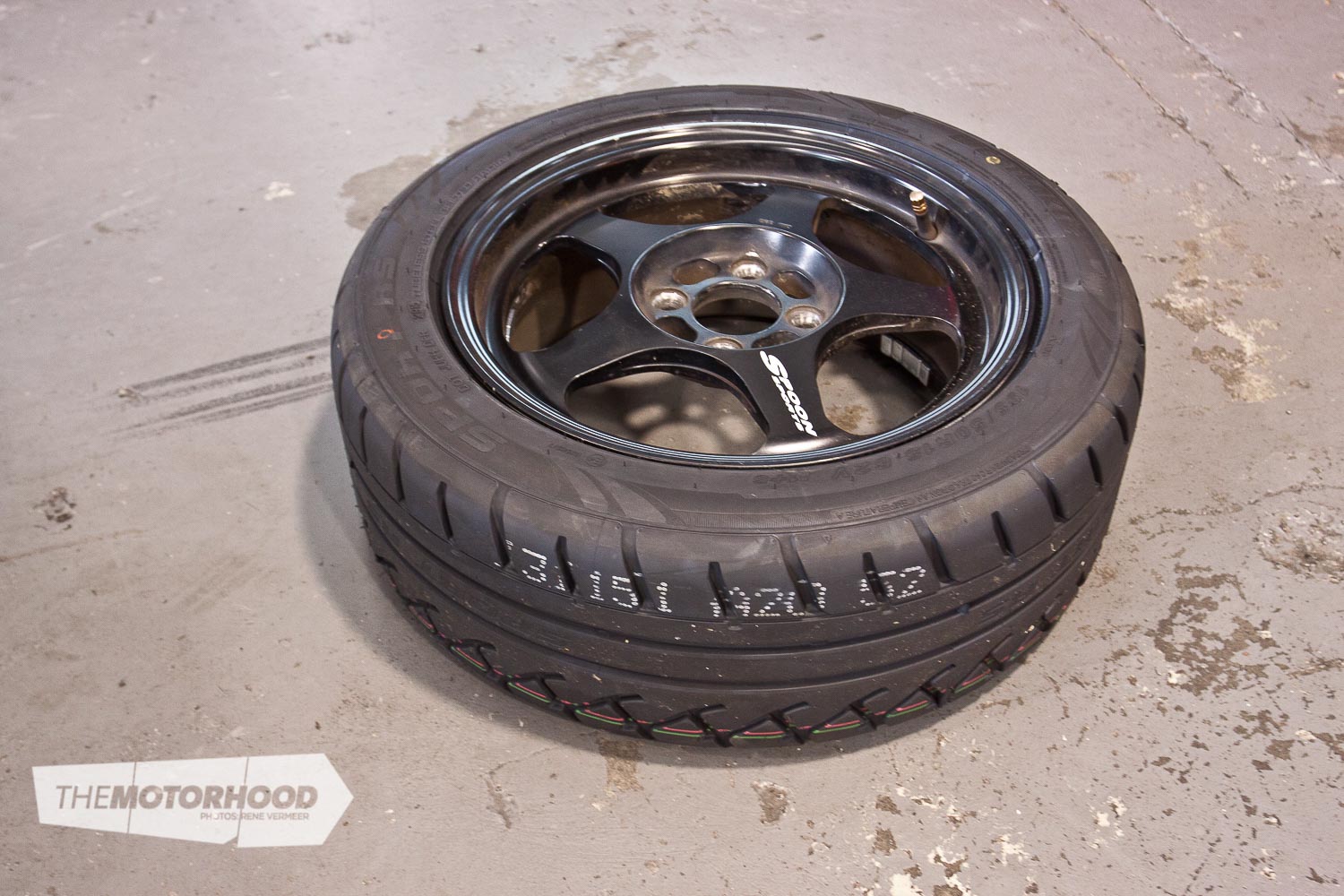
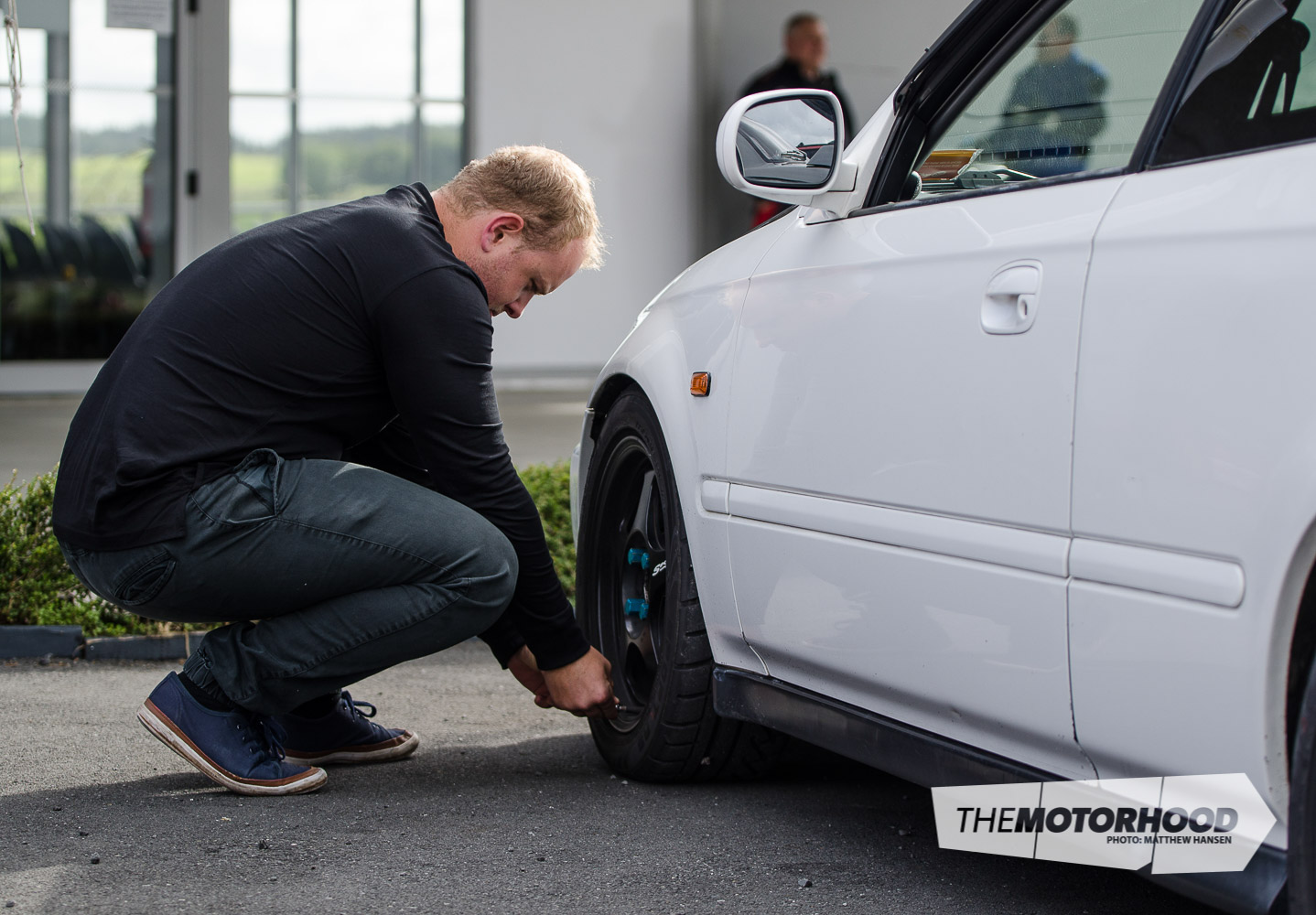
My first port of call was to replace the tyres it came fitted with, as I wasn’t sure on the age of them, and wanted a brand new set of rubber for peace of mind. It had 205/50R15 Toyo T1R tyres up front, and 205/50R15 Falken semi-slicks down the back. After speaking with a few Honda track-day enthusiasts, I was pointed in the direction of Henry, from a well-known Honda workshop, who sells and fits Westlake tyres. I purchased a set of 195/50R15 Westlake Sport RS tyres and was given advice about suitable road and track pressures.
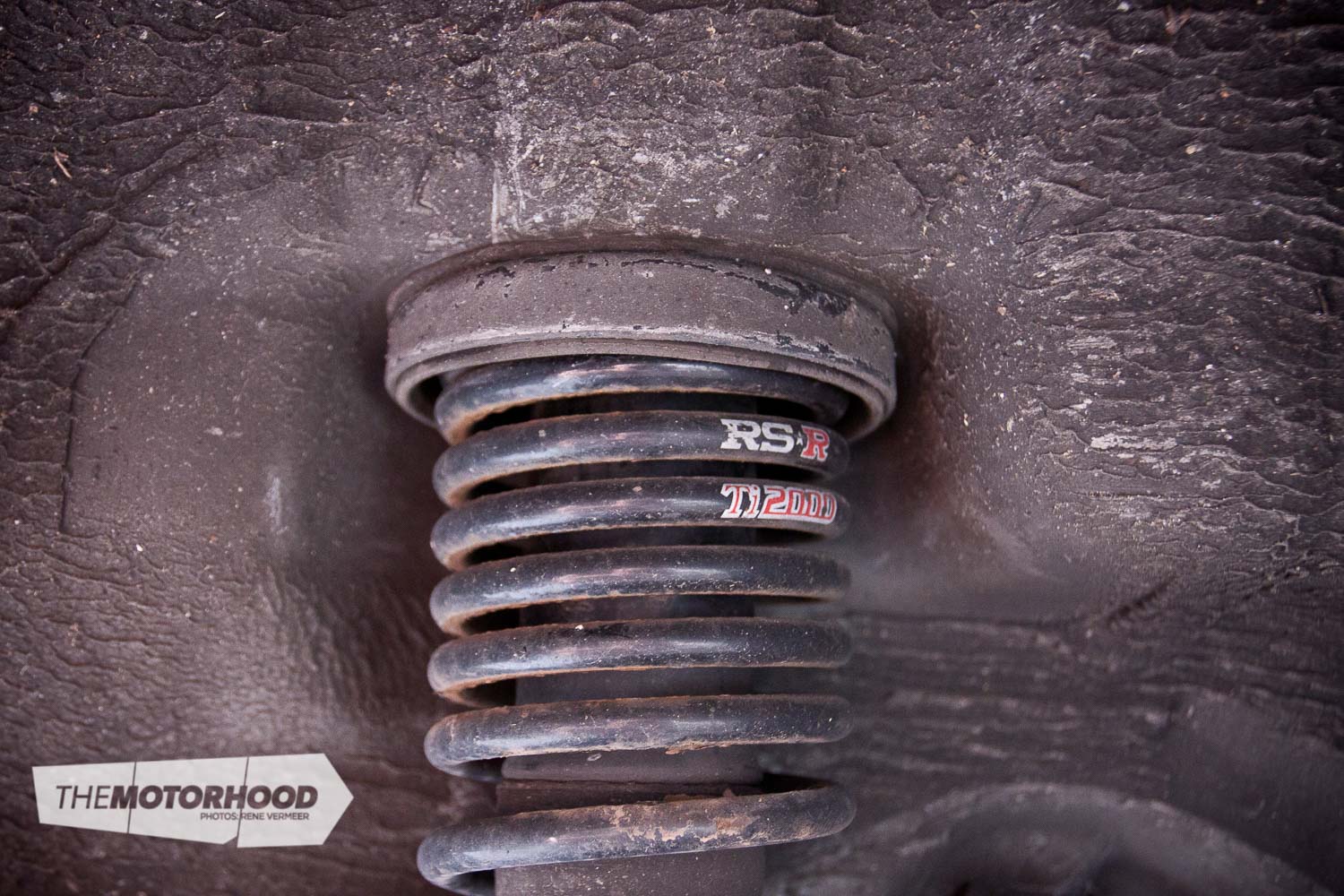
Having the vehicle at Henry’s workshop was a good chance for someone with a bit more Honda knowledge to have a good look over it. He instantly spotted the upgraded Prelude brakes, stainless steel brake lines, and Integra Type R front shock once the wheels were off.
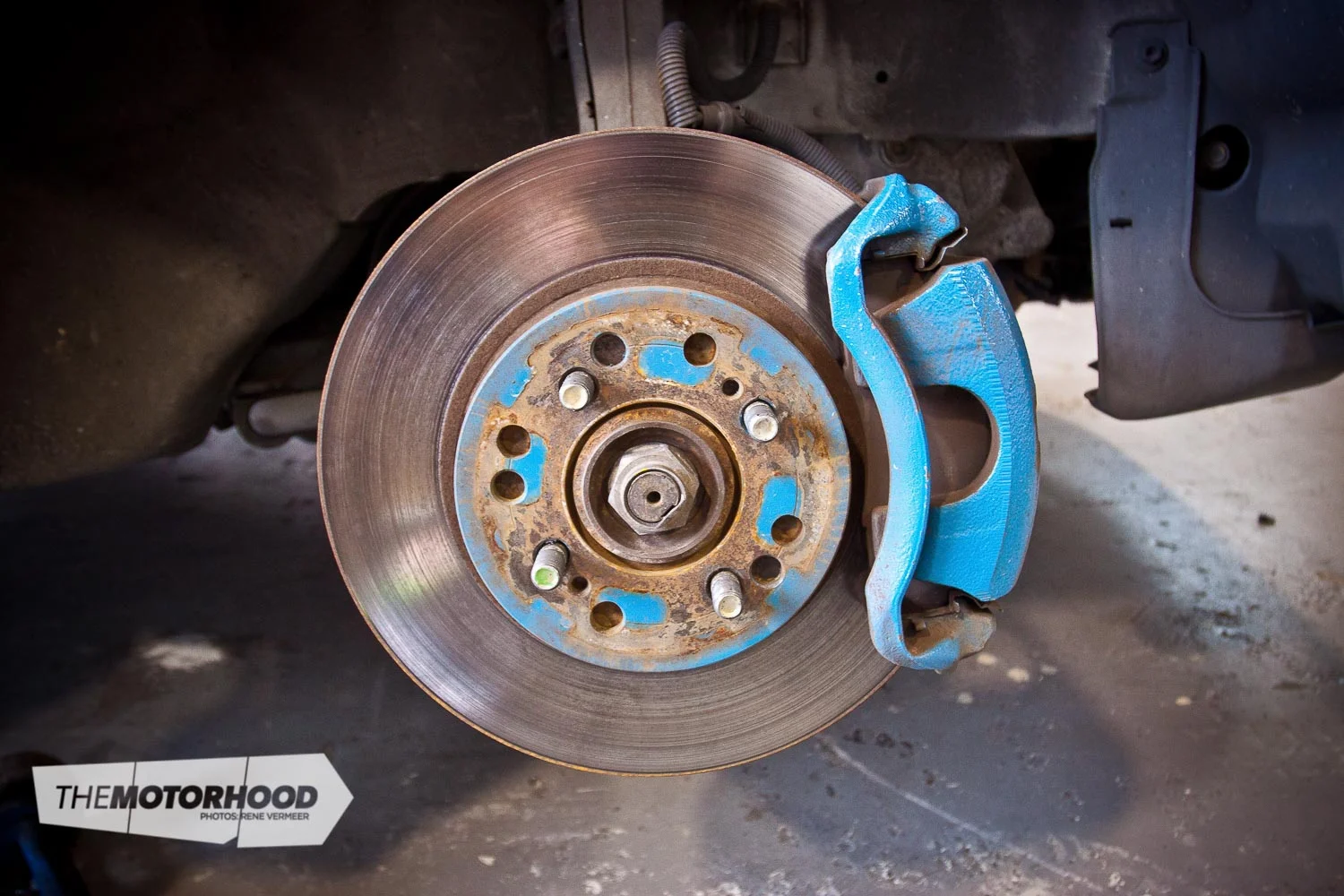
With the new tyres fitted, it was now time to upgrade the brake-pad compound and brake fluid. As my budget is limited, I spoke to Adam Plews at Speed Science about my options for an upgraded compound. At his recommendation, I chose the Hawk HP Plus pads, which are suitable for both street and track use.
Anyway, enough of that jargon, it’s track time! Just recently I was invited along to an Uncles Club track day, which is held every now and then at Hampton Downs Raceway, for drivers looking at taking a couple of hours off work one afternoon and punting their chosen toy around.
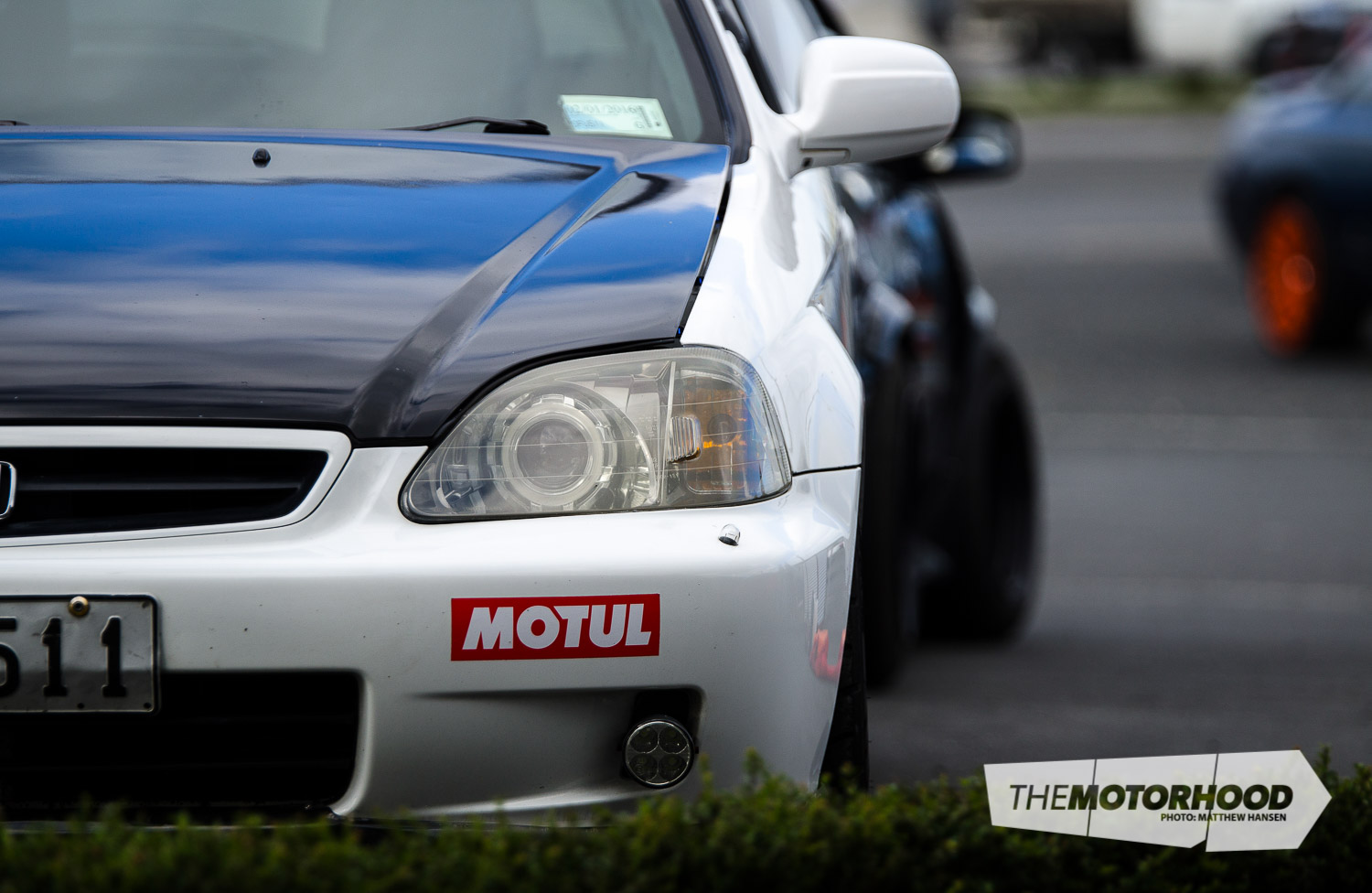
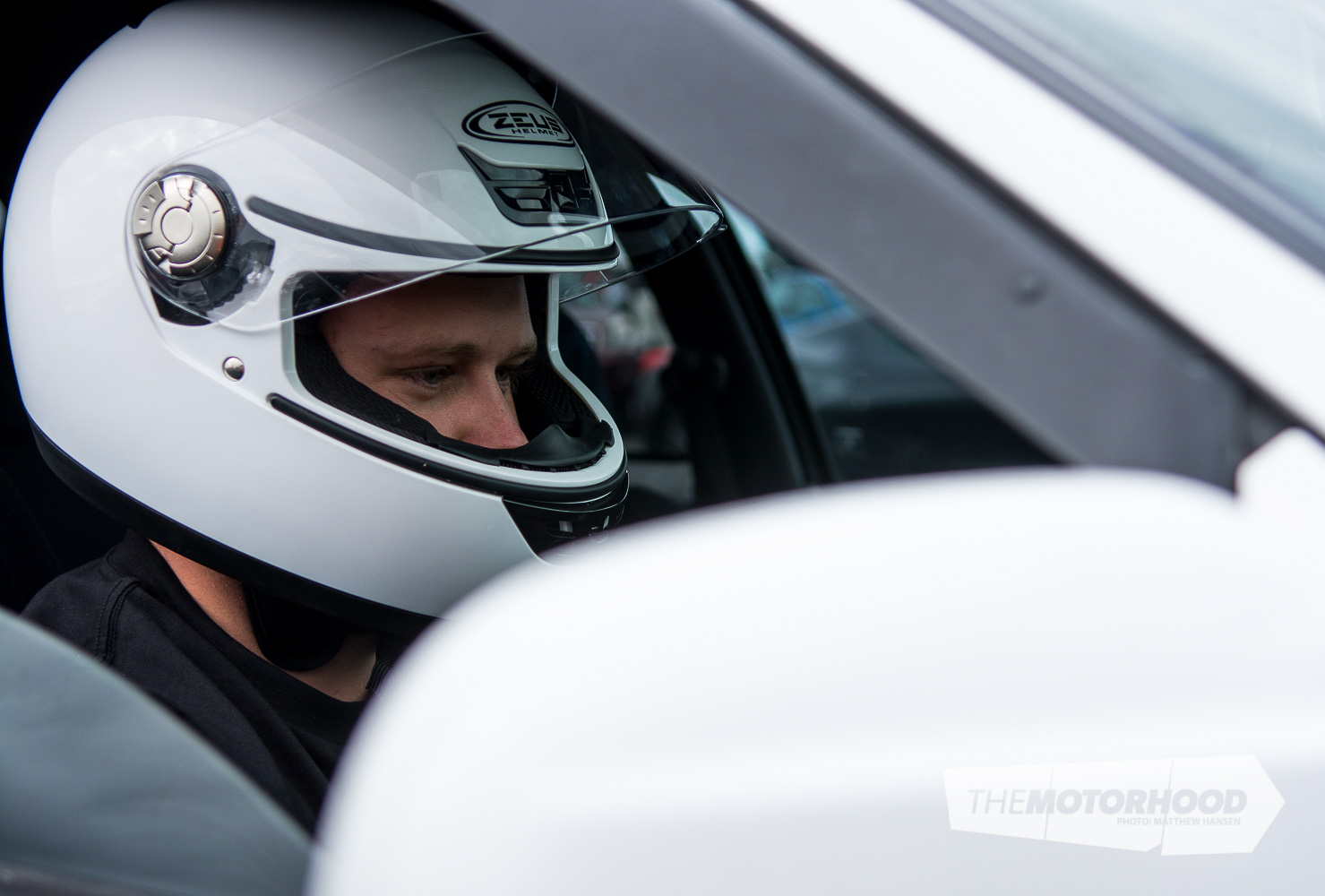
My Civic was ready and I had purchased a helmet from Speed Science, there really was no excuse. I got the afternoon off thanks to my superiors, and made my way down to Hampton Downs, with Matthew Hansen on board — both of us ready for action.
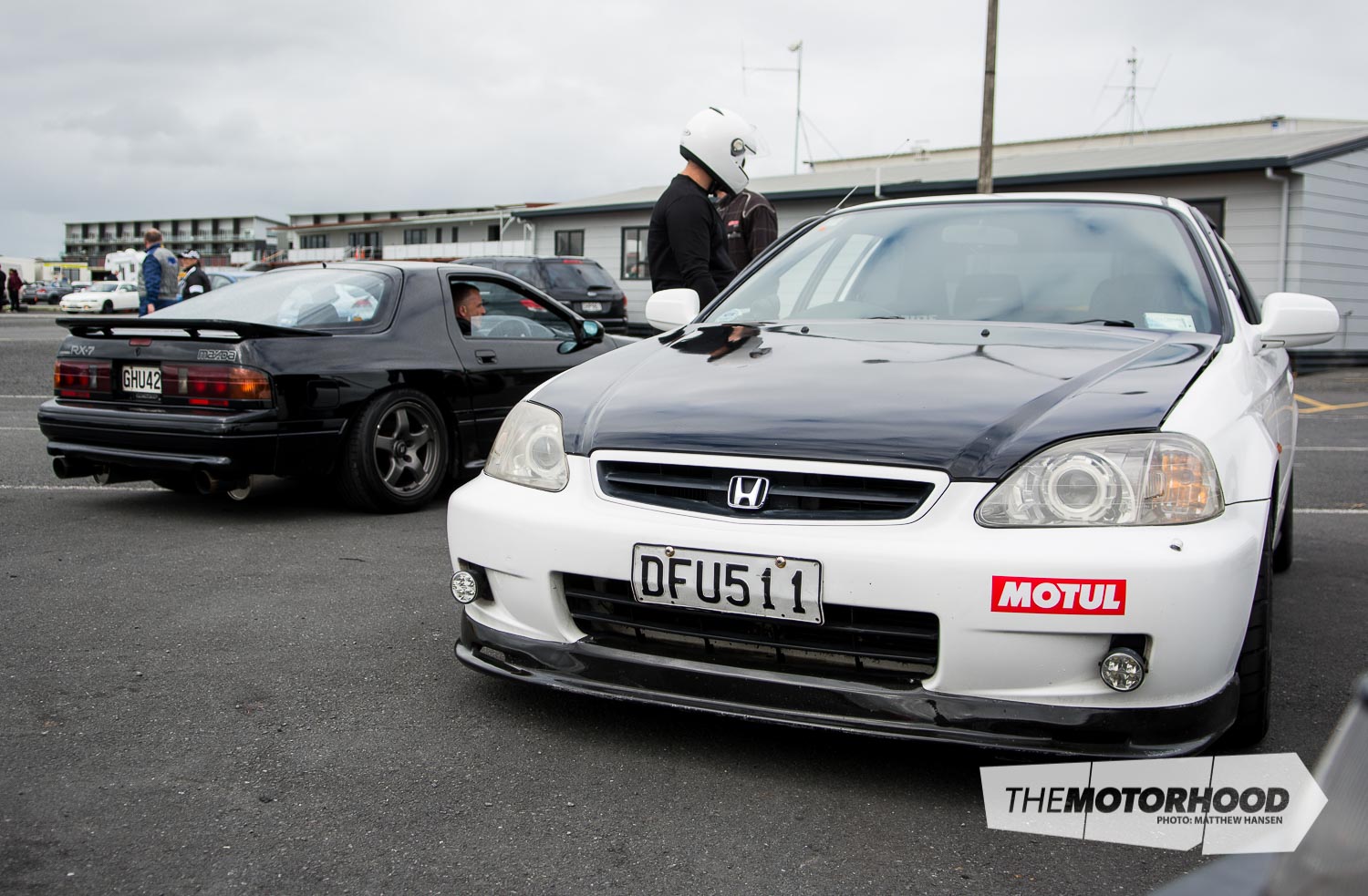
We got there in the nick of time, signed up, and attended drivers briefing. Only 20 minutes later, I was strapping on the helmet, and getting ready to head out.
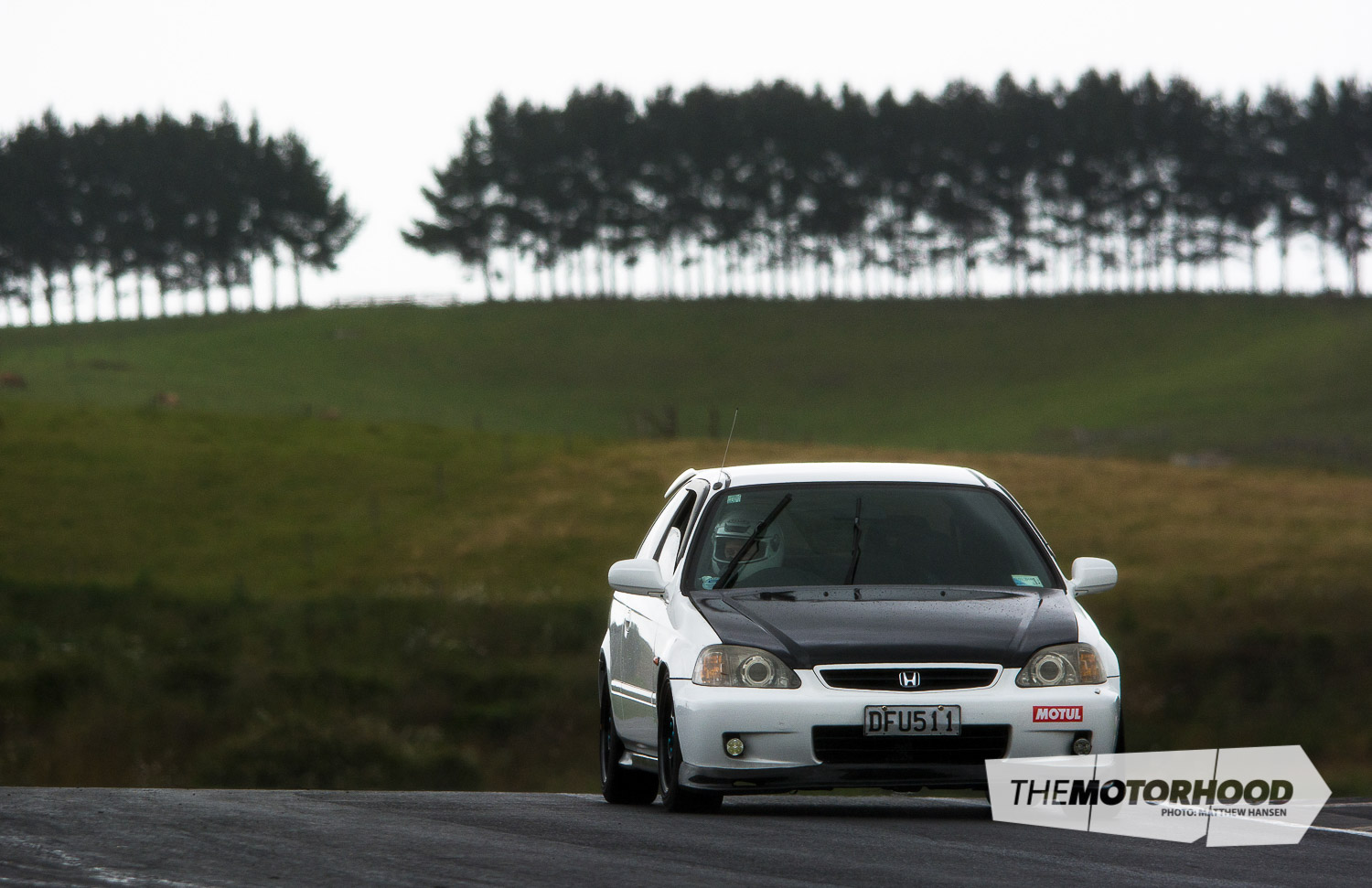
During the first session, the Westlake Sport RS tyres weren’t getting up to temperature, due to the excess of pressure. I didn’t have time to lower the pressures before the first session, so when I checked them when I came in, they were all sitting around 40psi! Much too high for this compound. I lowered each corner to 28psi, in the hope that they’d warm up to the recommended 32psi, and went back out for the next session.
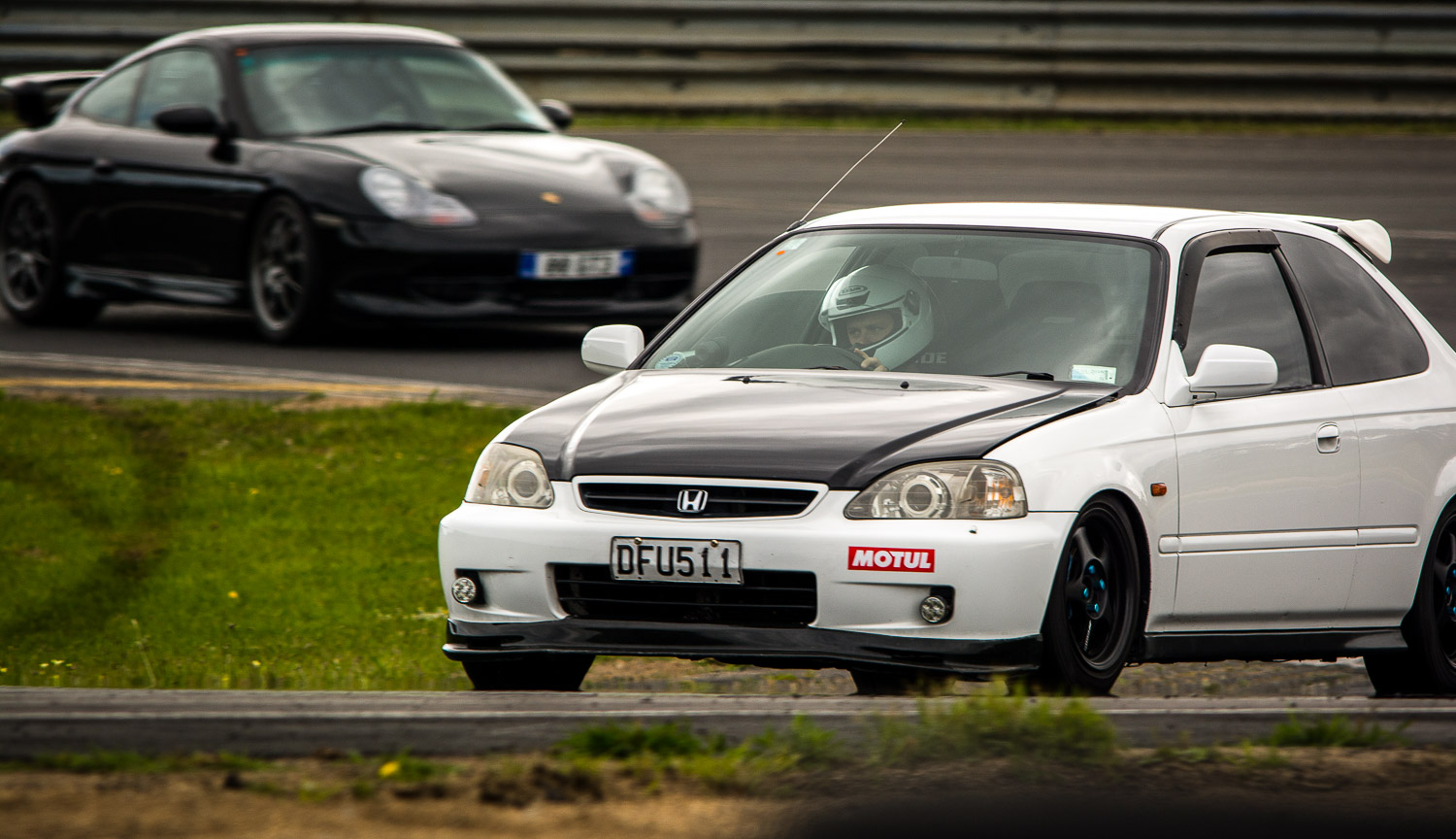
What a difference! Finally, the tyres were at the right temperature, and the EK was now gripping up nicely. During the first lap, the cold brakes and tyres did’t bring much confidence, but after two laps in, I was moving at a much faster pace, knowing the brakes would pull me up, and the tyres would hold.
I had numerous interesting moments in various sessions. In the video below, you’ll notice a white Mirage spinning out behind the Civic at 4:50. The Mirage owner was trying to hold the same speed as the Civic, but upon further inspection, I noticed the Mirage only had street tyres. I’m not sure I would want to go out without the assurance the semi-slicks provide. It happened again, with another Civic trying to hold my EK’s pace through the sweeper.
Another interesting incident was with a Porsche owner. I was passed down the front straight, which was fine, but then the Porsche pulled in front of the Civic and braked much earlier than I was going to brake — causing me to panic brake, nearly clip his rear bumper and almost get a wheel onto the grass — all at 170kph! I have it all on video, so I’ll upload it at some stage.

I did, however, have an absolute blast at Hampton Downs for my first track day. The car ran beautifully, the brakes and engine didn’t overheat, and the tyres provided me with more grip than I knew how to use. My recorded top speed in the Civic was 171kph, which wasn’t too bad for a little 1.6-litre!
Heading home, it was instantly evident my recently purchased Bride Brix seat is too small for me. So unfortunately it’s going to have to go up for sale sometime soon. It was perfect on the track, but during the three-hour commute to and from the circuit, it did give me some serious cramps. Made for a much slimmer human, I’m sure.
Words cannot describe how it finally felt to be out there getting amongst the action. It was so nice talking to the various vehicle owners after each session, and being surprised by a few sleepers at the same time — at one stage I got absolutely peeled by a madman in a Honda Fit RS, kitted out with semi-slicks and stripped interior. For those of you who attended, I’d love to hear your stories in the comments, and I’ll see you at the next one!