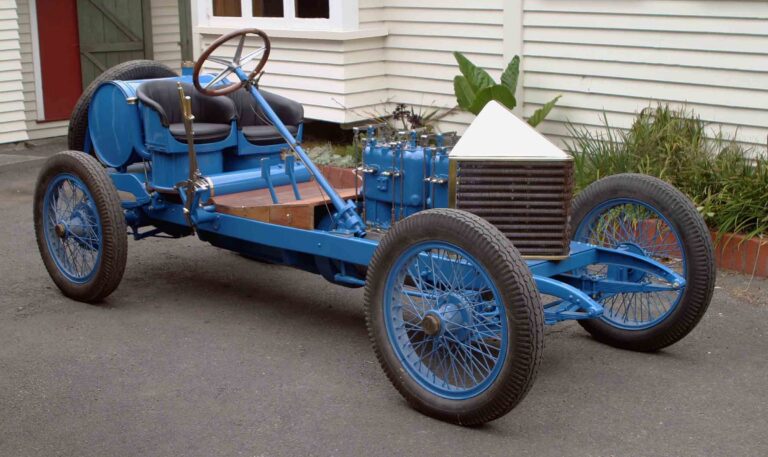
Prior to Christmas, Howden Ganley joined us at New Zealand Classic Car as we rolled his Lotus XI into our photo studio for the shoot that would eventually appear in the January edition of the magazine.
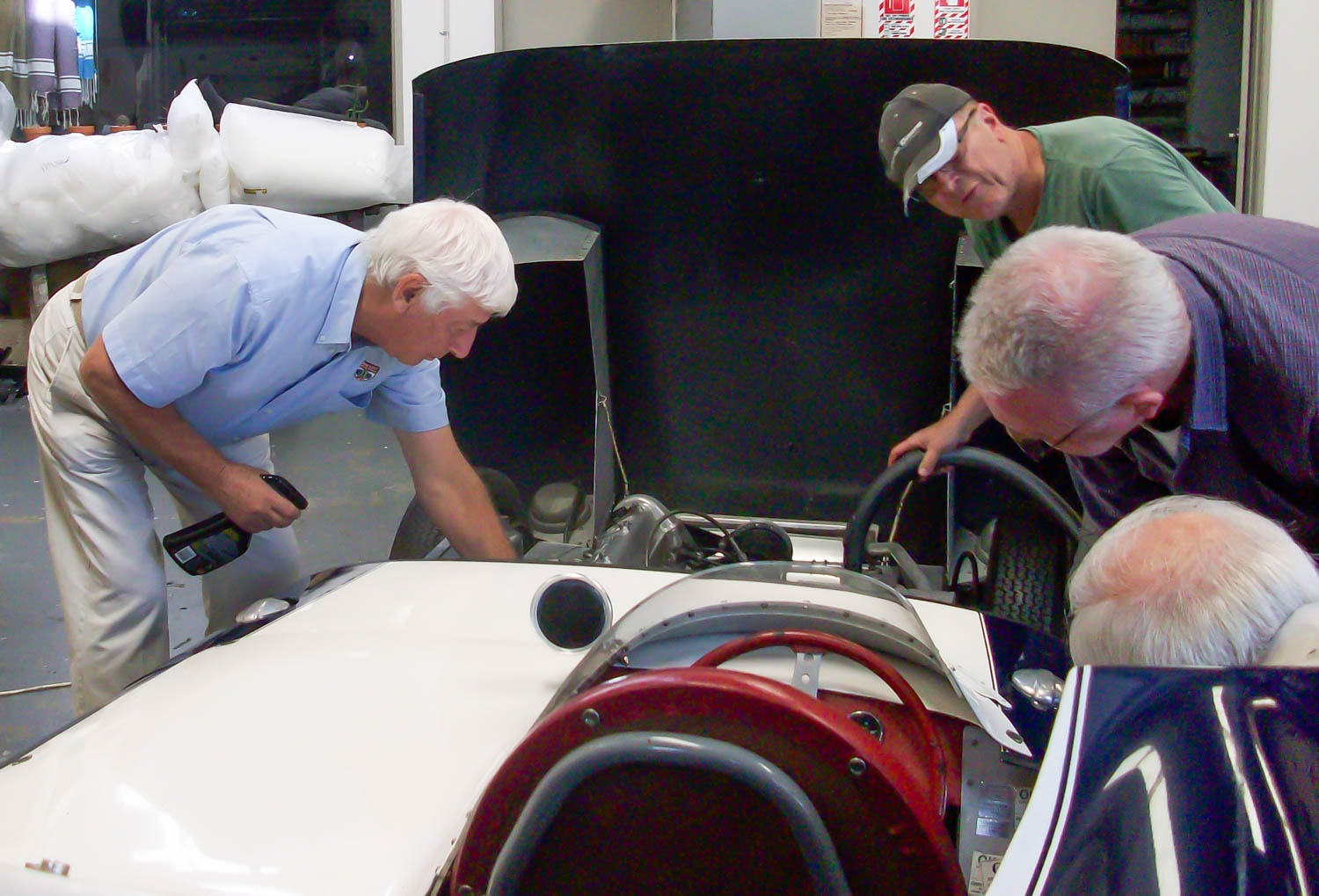
Howden (left) helps out as we polish up his Lotus XI for our photo shoot
Proving that he was not someone to adopt the airs and graces that we’d normally associate with today’s prima donna racers, and perhaps harking back to his beginnings as an F1 mechanic, Howden buckled down with the rest of the crew and, cleaning cloth in hand, helped out as we swept away the myriad cobwebs and dust that had accumulated on, and in, the Lotus during the lengthy period of storage in which it had languished prior to our photo shoot.
Howden also took time out to run through the text of our proposed feature on his Lotus, crossing out a few spurious ‘facts’ and adding in a little more detail to the history of the car that we’d pieced together. There was, of course, much more to the story of Howden and the Lotus XI than we covered — but that’s something that I wouldn’t discover until I read the relevant pages in his autobiography, The Road To Monaco.
That brings me further towards the present as, a few months later, and a week before he was due to jet back to his Californian home, I caught up with Howden at a small café in Pukekohe — a meeting we’d scheduled for me to collect a copy of that new autobiography with the intention of reviewing it for the March edition of New Zealand Classic Car.
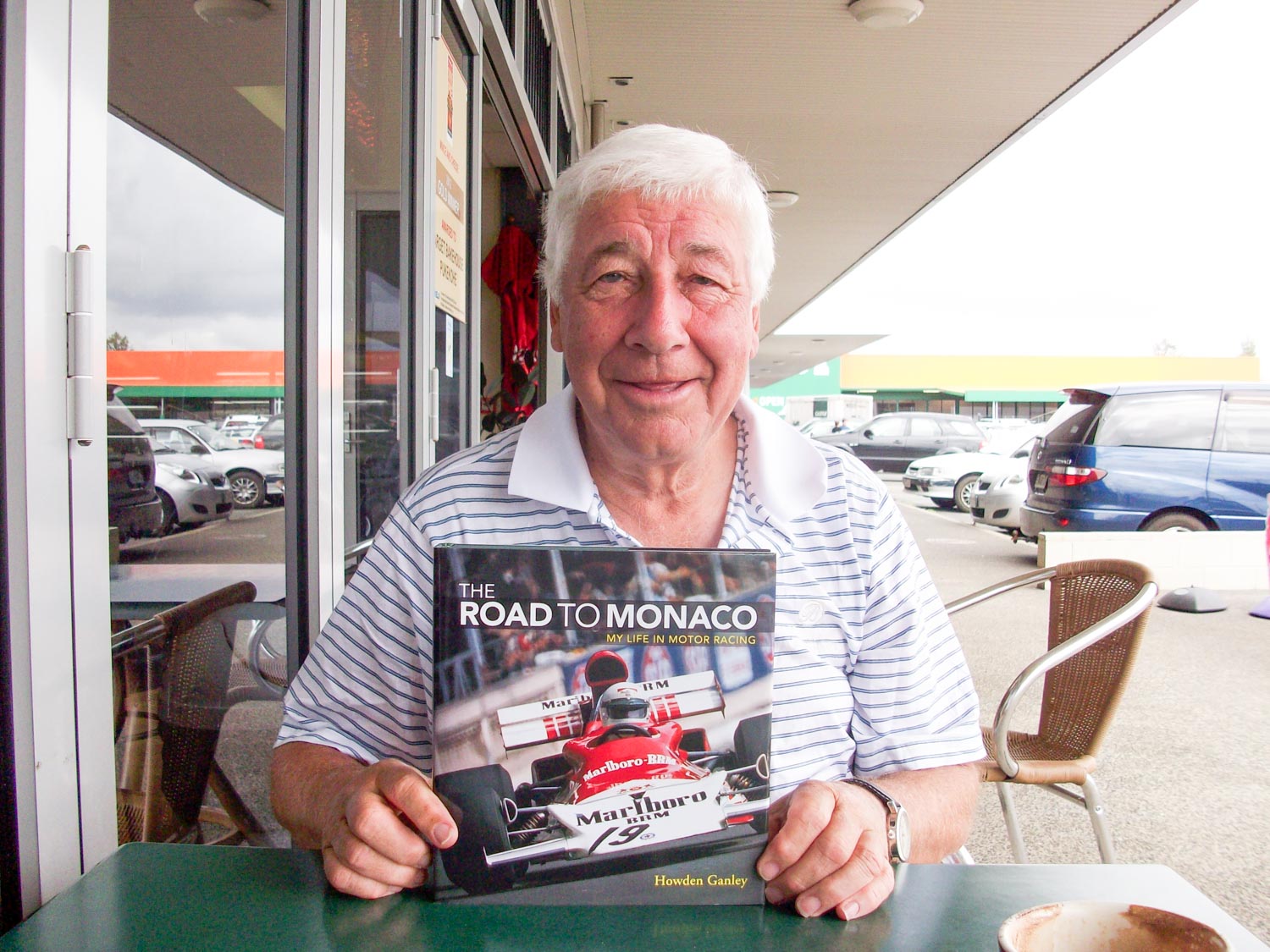
Over a leisurely cappuccino, we discussed motor racing, the recent Gulf Motor Festival run in his honour at Hampton Downs, talked about his fellow Kiwi racers such as Bruce McLaren, Denny Hulme, and Graham McRae, and then chatted about his more recent activities. A few days before we met up, Howden had travelled down to the South Island with Motorsport Flashback columnist Michael Clark to attend the Skope Classic race meeting at Ruapuna — although he hadn’t been participating in the event on the track, Howden had obviously enjoyed the weekend’s racing.
As we talked, I recalled that the first time I’d met the man that is usually referred to as ‘the other’ Kiwi F1 racer had been way back in early 2002. At that time, the magazine had been just about to embark on the printing of a major, three-part feature on Howden’s motorsport career, as written by Eoin Young, who had known Howden from his early racing days in New Zealand and, of course, when both men had ended up the with same boss, Bruce McLaren. The purpose of my meeting with Howden in 2002 was to grab a few photos of him as he looked then and to conduct a brief interview — material that I would later use in an editorial to preface Eoin Young’s three-part feature.
At the time of that first meeting with Howden I also very briefly met his wife, Judy. At the time I knew little about her, but after reading The Road To Monaco I was surprised to learn that Judy was, herself, an accomplished racing driver before she even met her future husband. She was also a top-notch golfer, a keen fly fisher, an amateur pilot, and had even once auditioned as a Playboy bunny. Adding to that, her stepbrother was none other than Hollywood legend, Clint Eastwood.
It’s all fascinating stuff and, of course, Howden tells the tale far better than I ever could, which is reason enough to rush out and buy his book before the limited number of copies printed runs out.
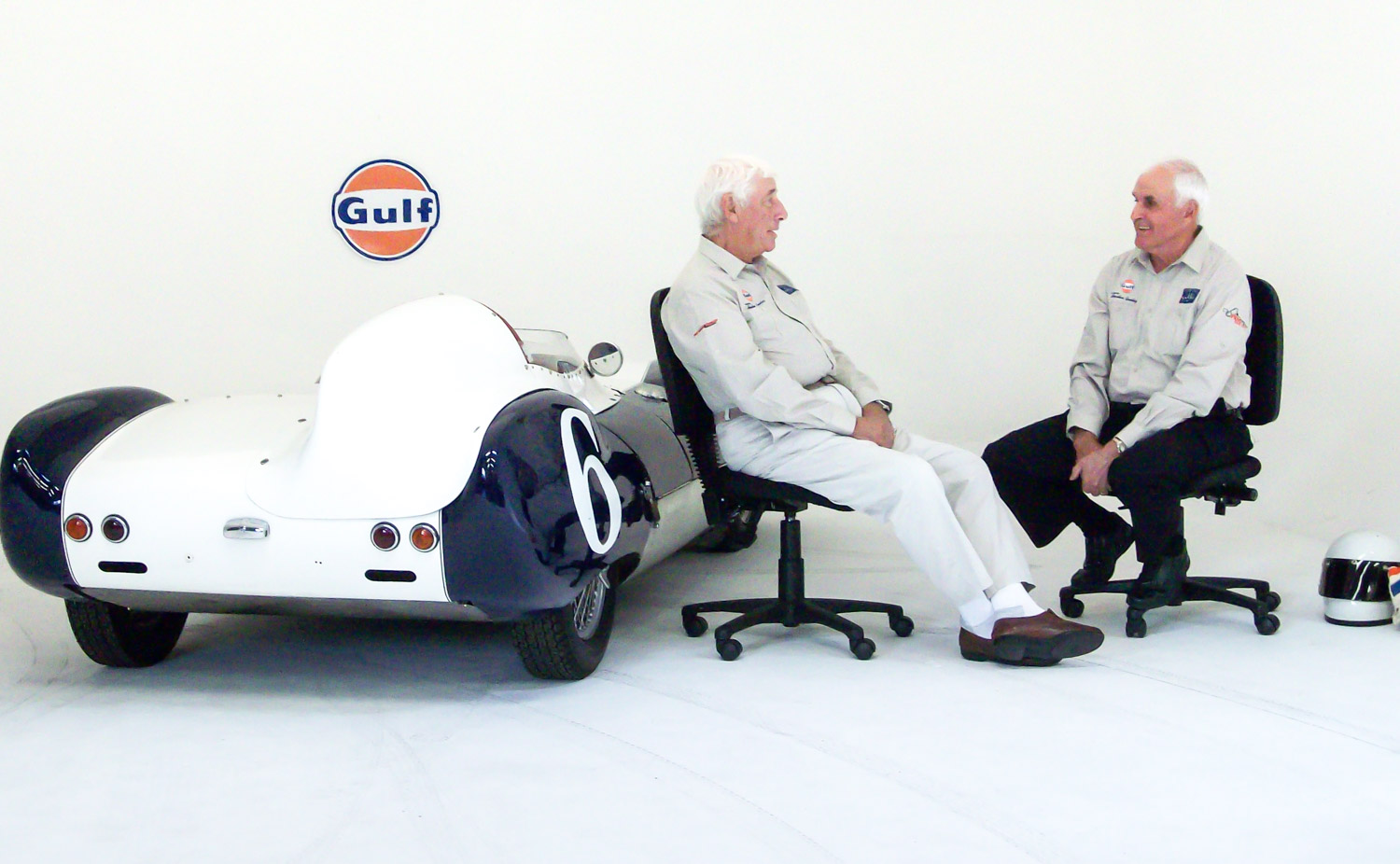
Howden discusses fast cars and motorsport with Jim Barclay (right), the director of the NZ Festival of Motor Racing
Having originally begun work on it back in 2005, Howden’s autobiography had a long gestation period and, initially, he wanted to call the book Just A Simply Country Boy, but Judy wouldn’t have that. Eventually, The Road To Monaco title would come about following discussions with Eoin Young and Michael Clark.
Sadly, two of the people who provided Howden with his main inspiration, and pushed him along with his book, wouldn’t live to see The Road To Monaco in print. Judy passed away in 2007, while Eoin died late last year. And, of course, that hasn’t even mentioned Howden’s great mentor from his early motor racing days — the late Bruce McLaren.
Howden penned a moving and fitting tribute to Judy, the final chapter in his book, while Eoin added his own personal element by contributing a foreword to The Road To Monaco, putting down his words only a few months before he passed away.
And, of course, one of the reasons Howden had attended this year’s Skope Classic was to join in with the official send-off for Eoin — who had requested that his ashes be scattered in front of the Bruce McLaren and Denny Hulme grandstands at Ruapuna.
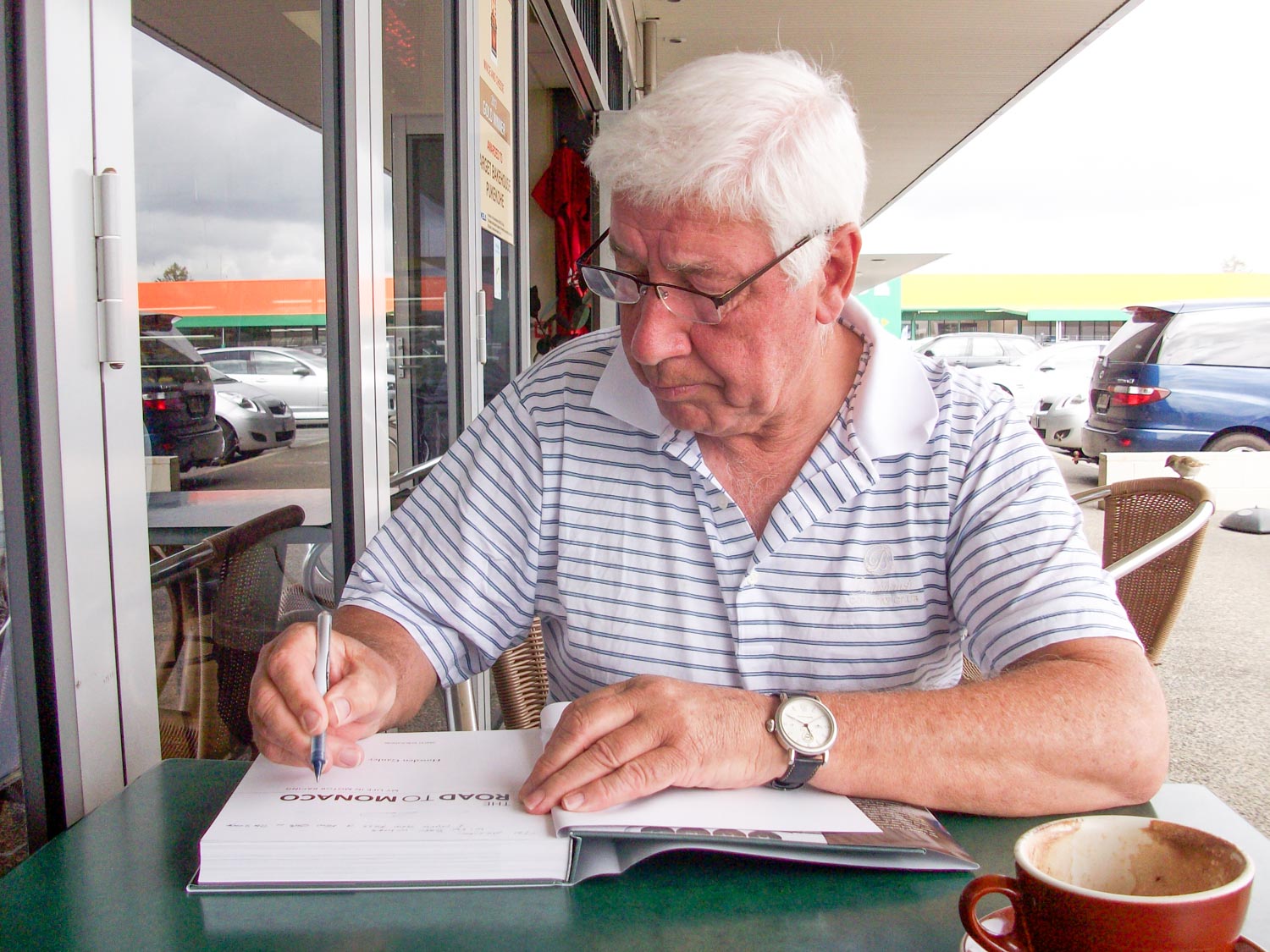
Just before we parted company for the third time, I got Howden to sign our review copy of his book. “I hope this fills a few gaps in the story,” were the words he added, and after reading The Road To Monaco from cover to cover, I can only say that Howden filled those gaps most enjoyably.
You can read a review of The Road To Monaco in the March 2015 edition of New Zealand Classic Car, which is on sale now.