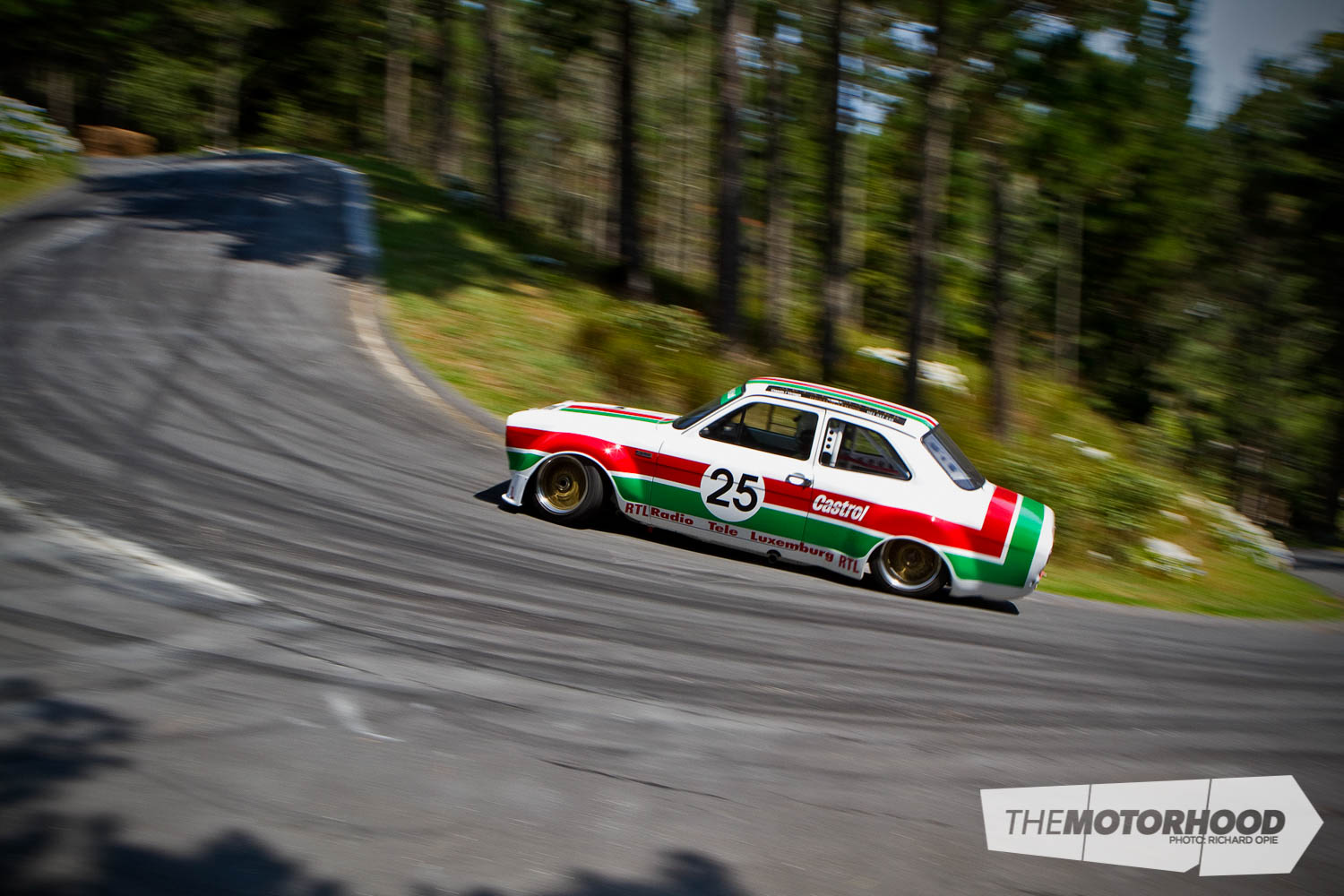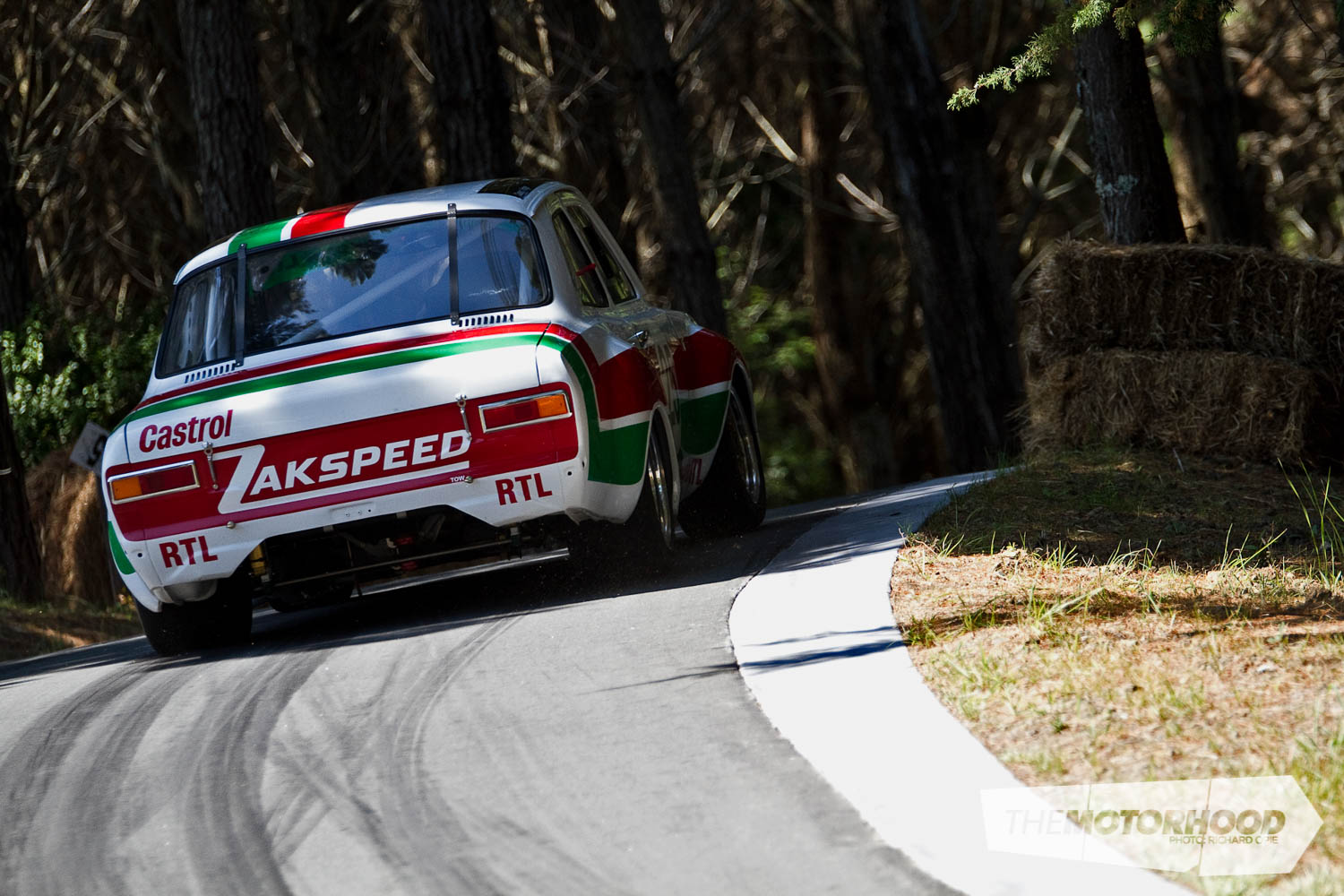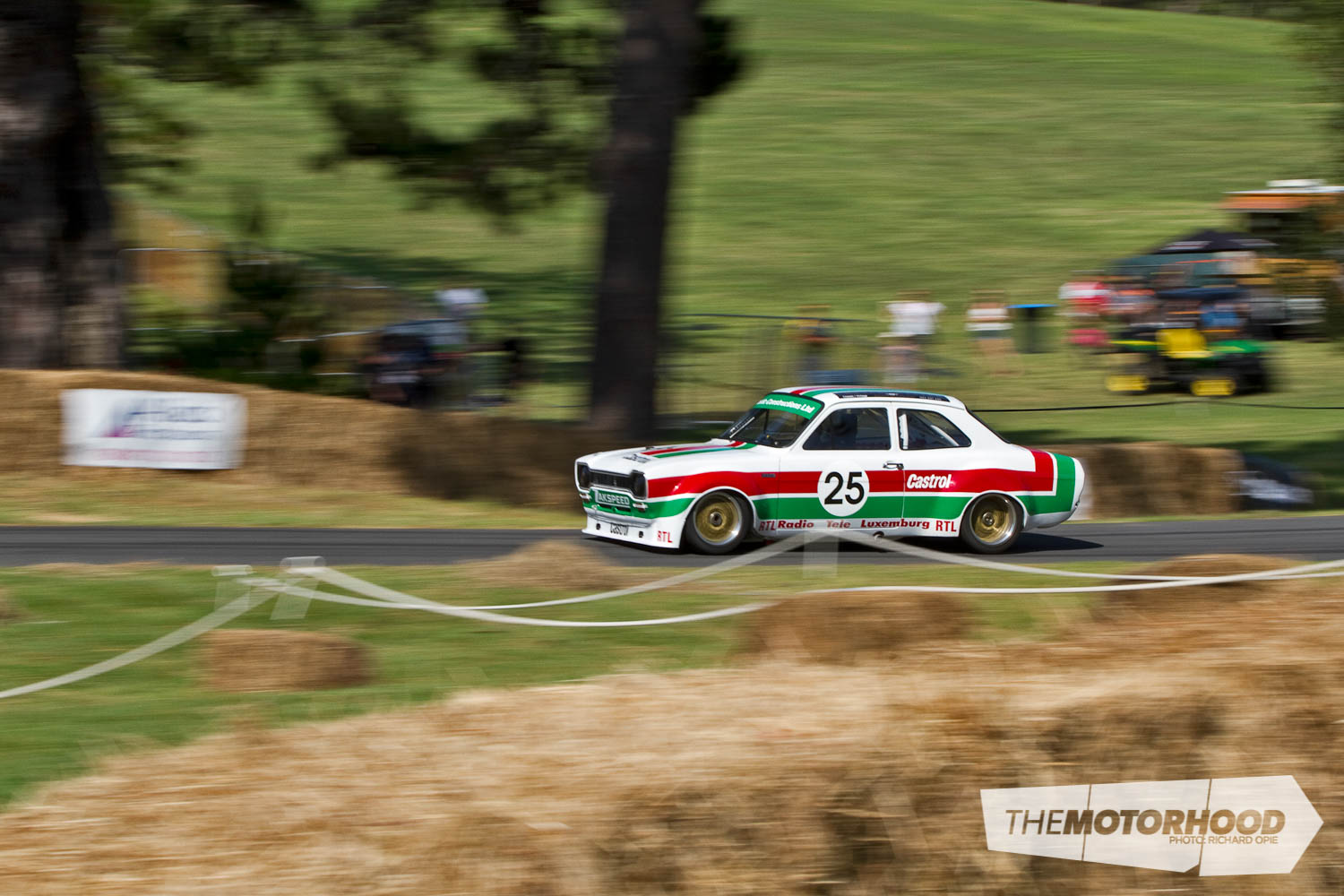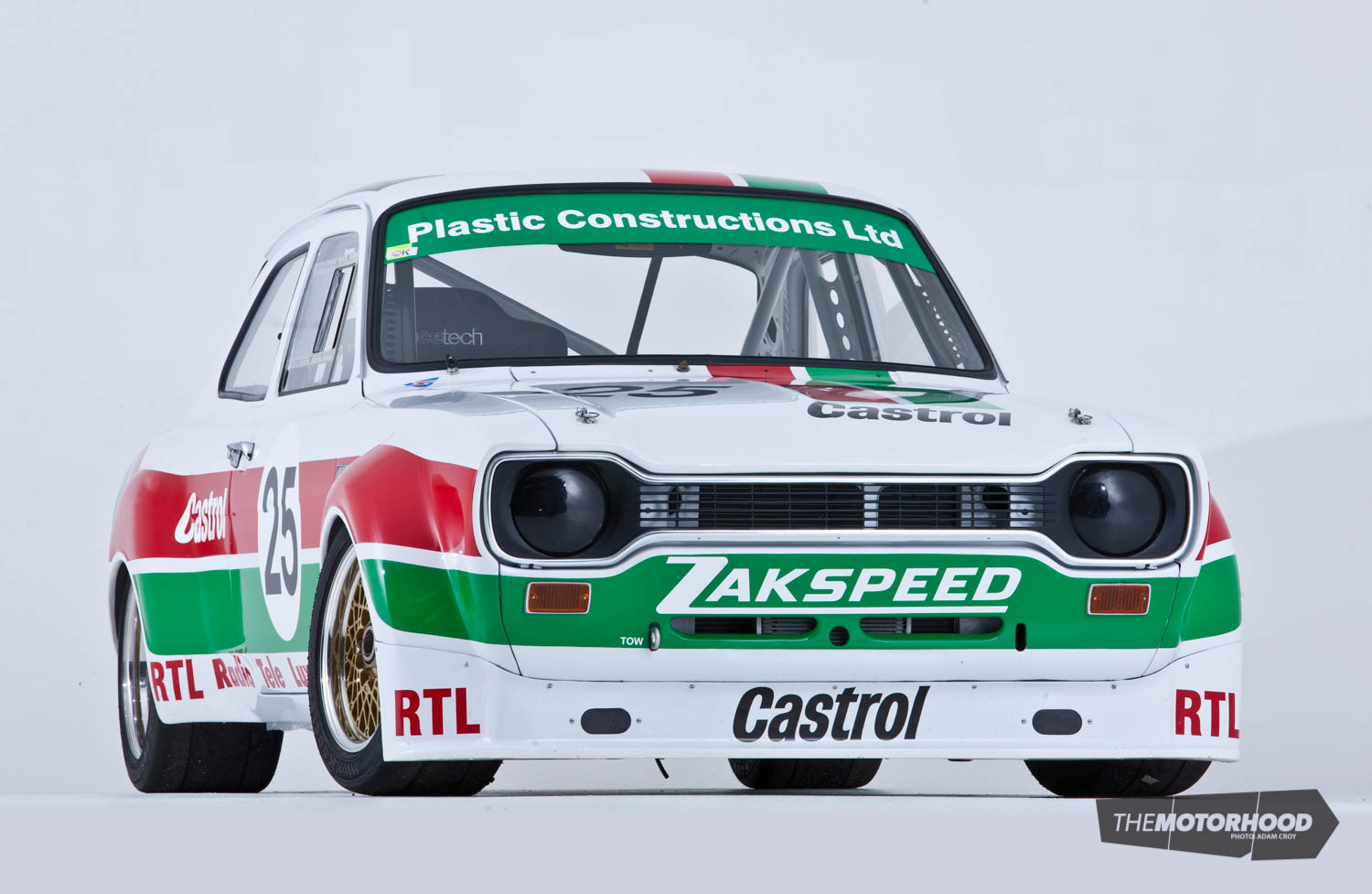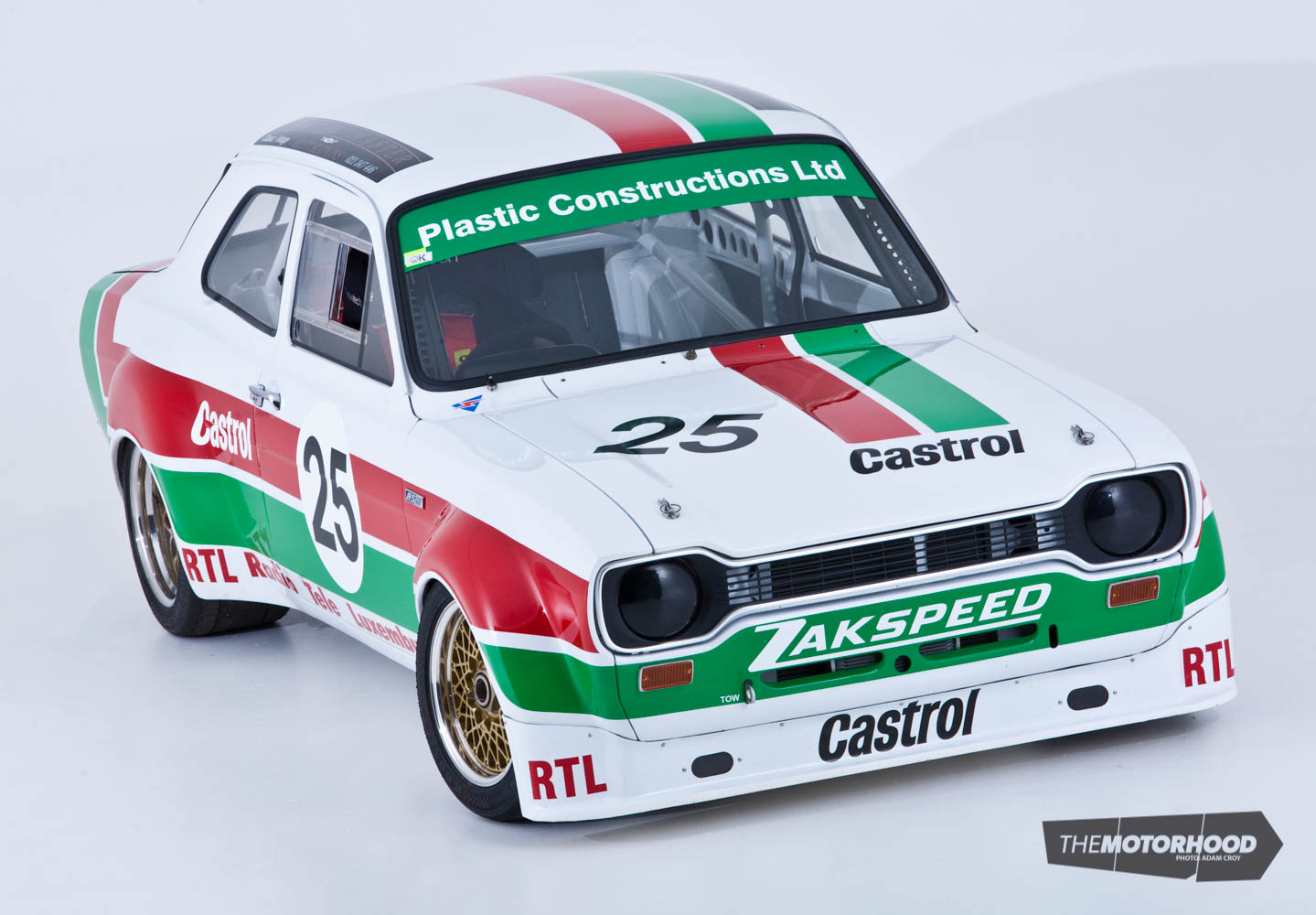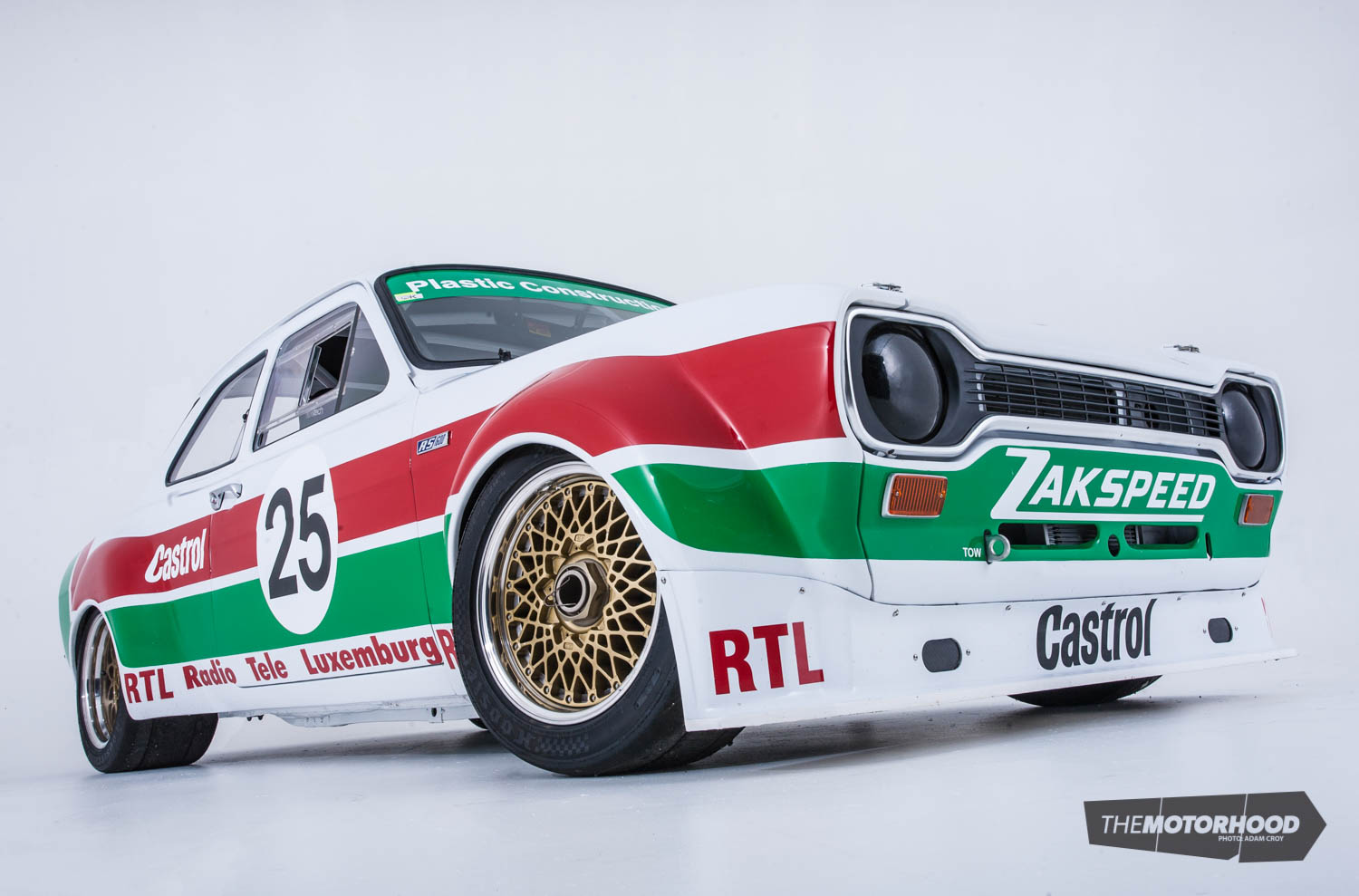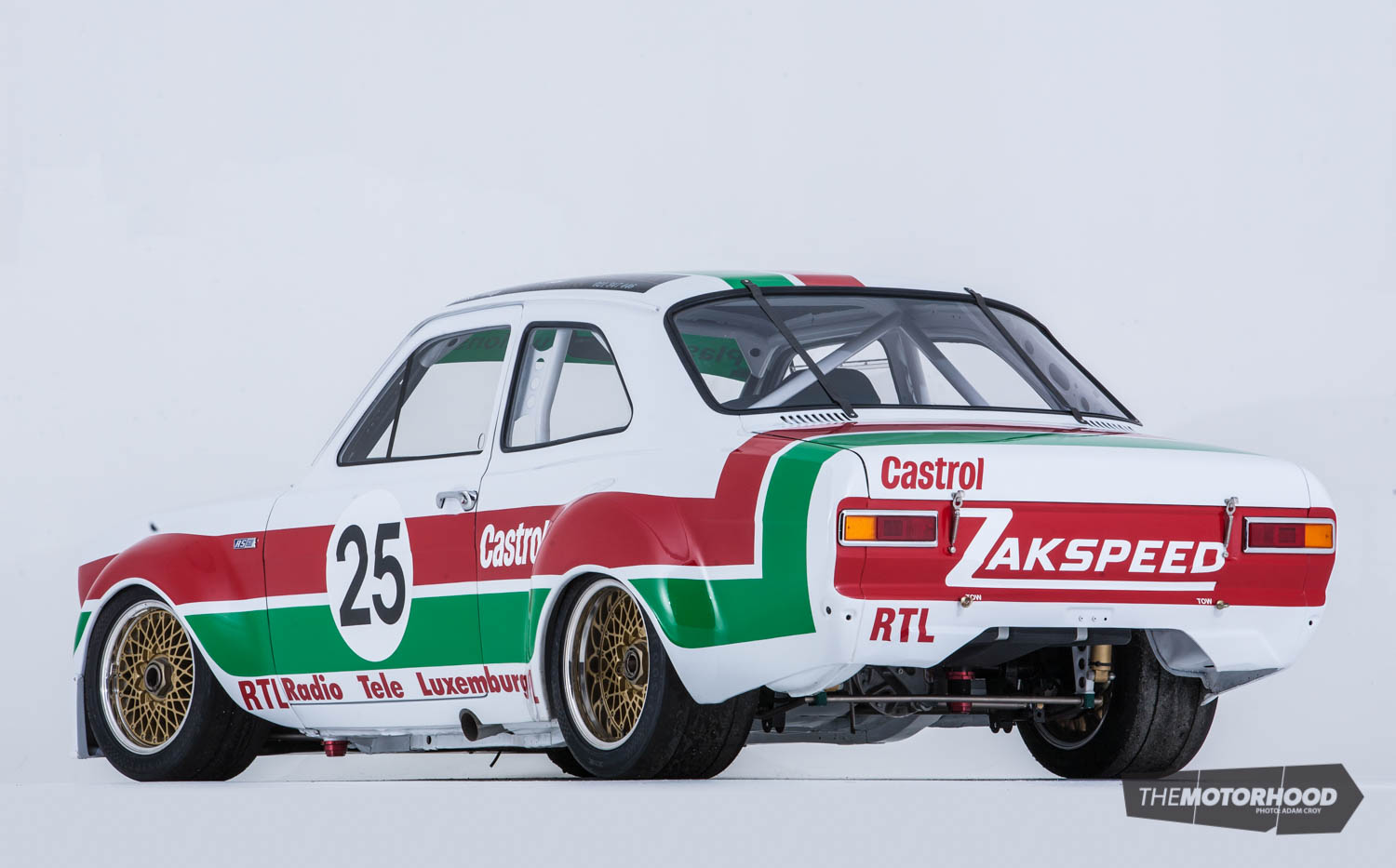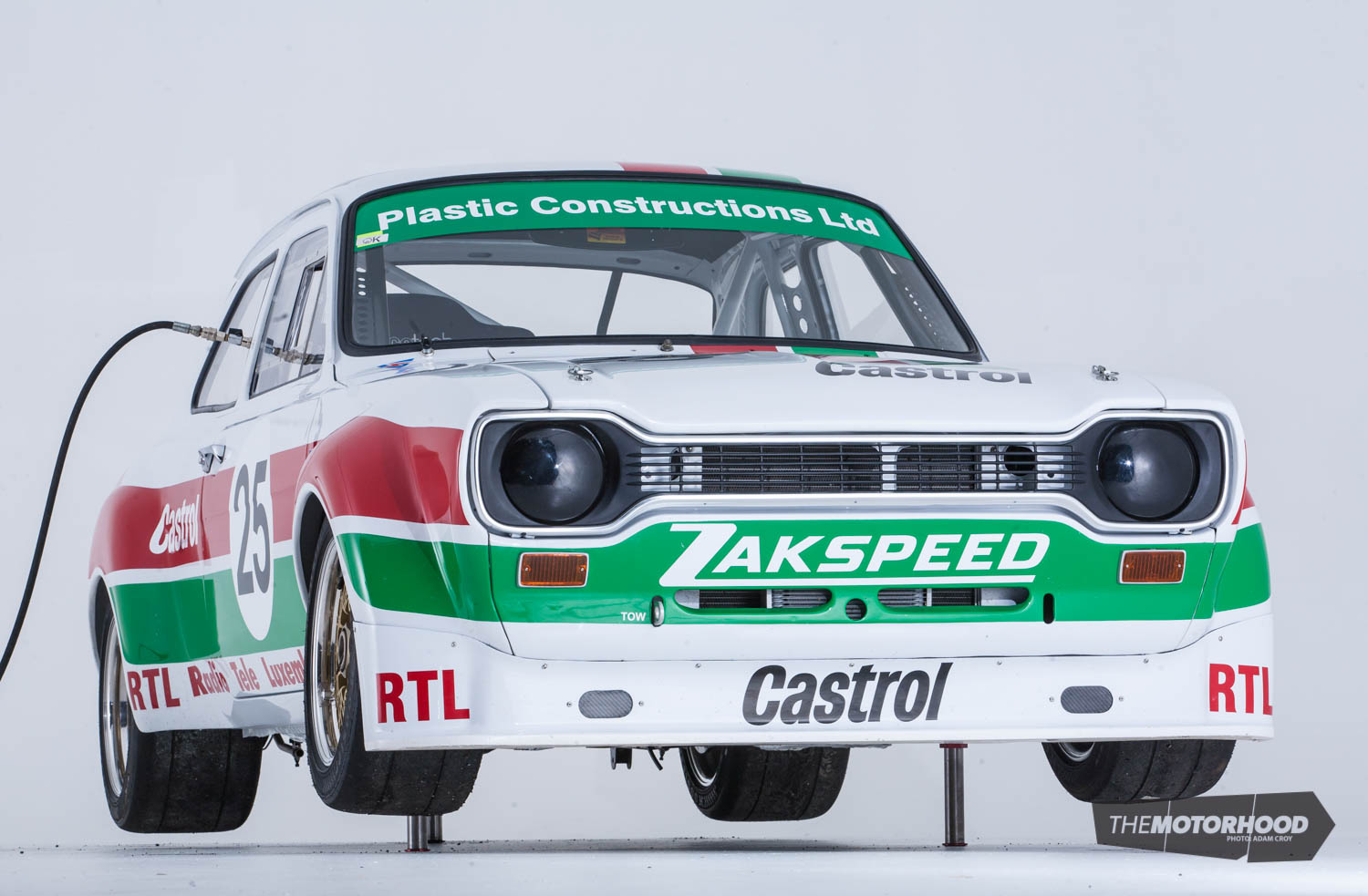
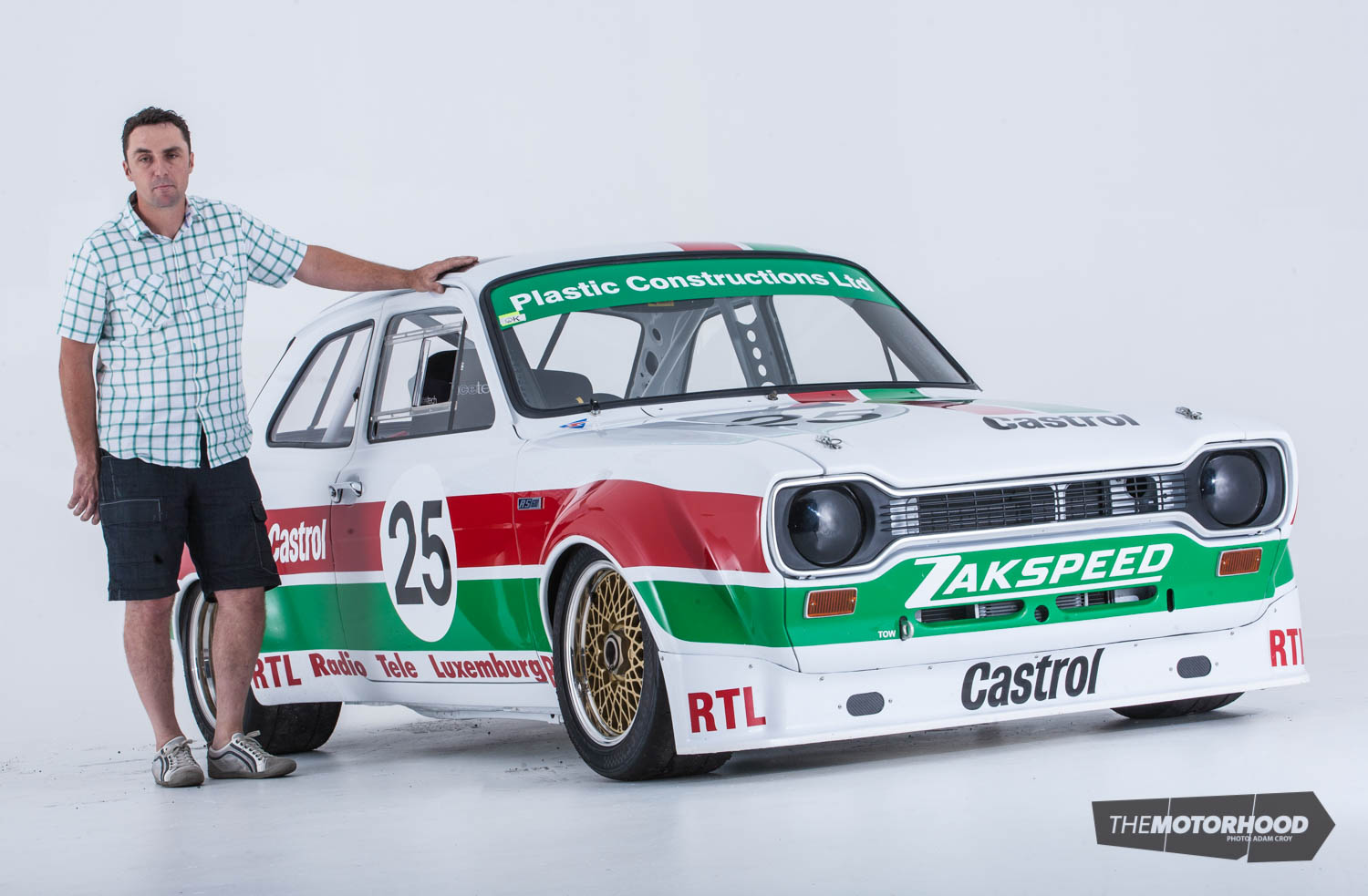
Paul McCarthy’s brilliant Ford Escort Zakspeed replica is the latest Kiwi creation to sign up to this year’s World Time Attack Challenge (WTAC) at Sydney Motorsport Park. It will be one of the headline acts in the WTAC’s Prep’d Motorsport Legends segment, alongside various key cars from the Australian Group A touring-car scene, and even a genuine Lancia 037 Rally.
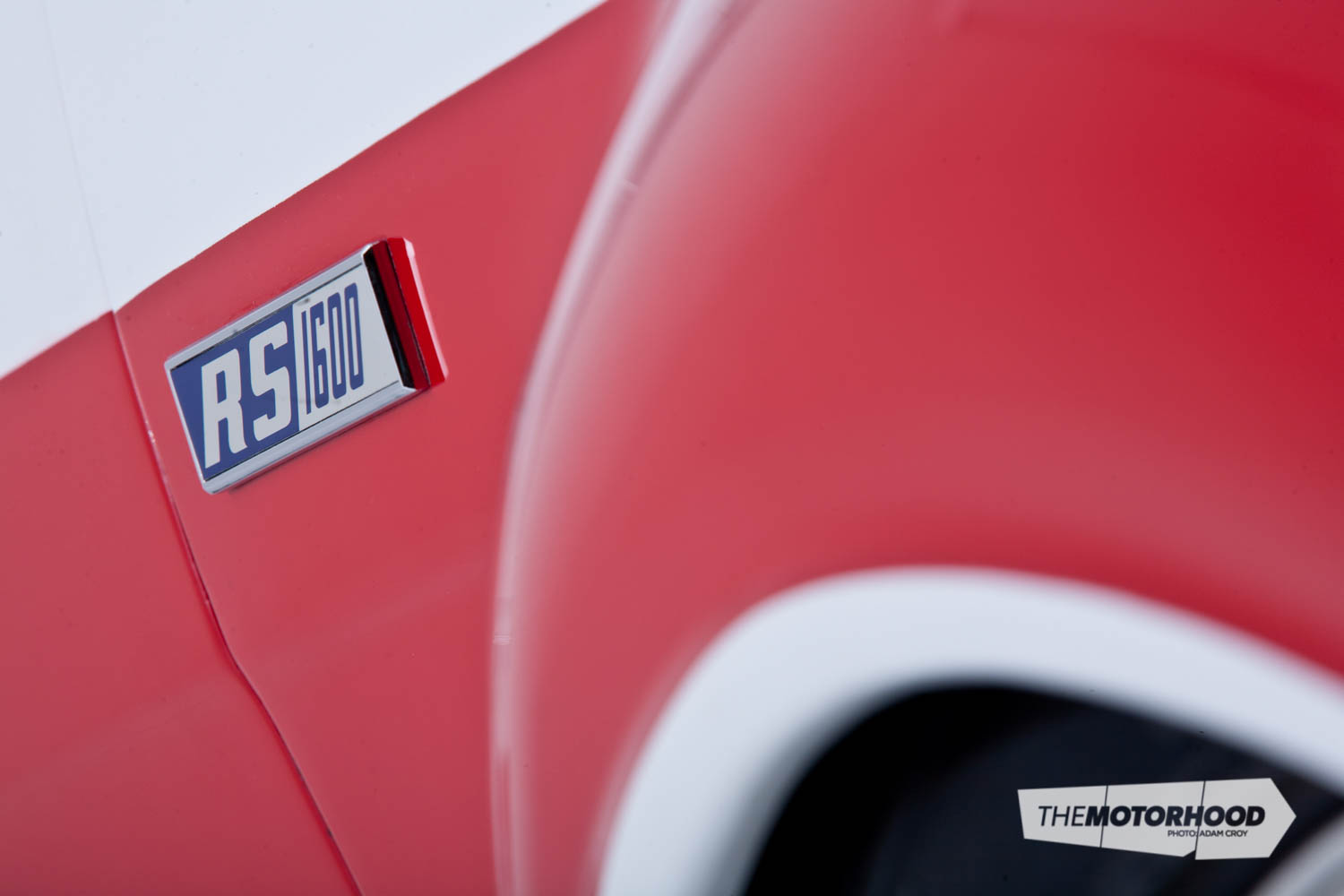
The Escort follows a long line of cars owned and/or built by the McCarthys. From Richard McCarthy Sr’s Lotus S4, to a Lotus 47 replica, which appeared on the cover of April 2000’s issue of New Zealand Classic Car, to a pair of Escorts — a Mexico and an RS1600 — Paul and his brother Richard Jr raced in various classic classes. Given the family’s association with the classic scene, it should come as no surprise that Paul’s white, red, and green beast is one of the cleanest you could hope to see.
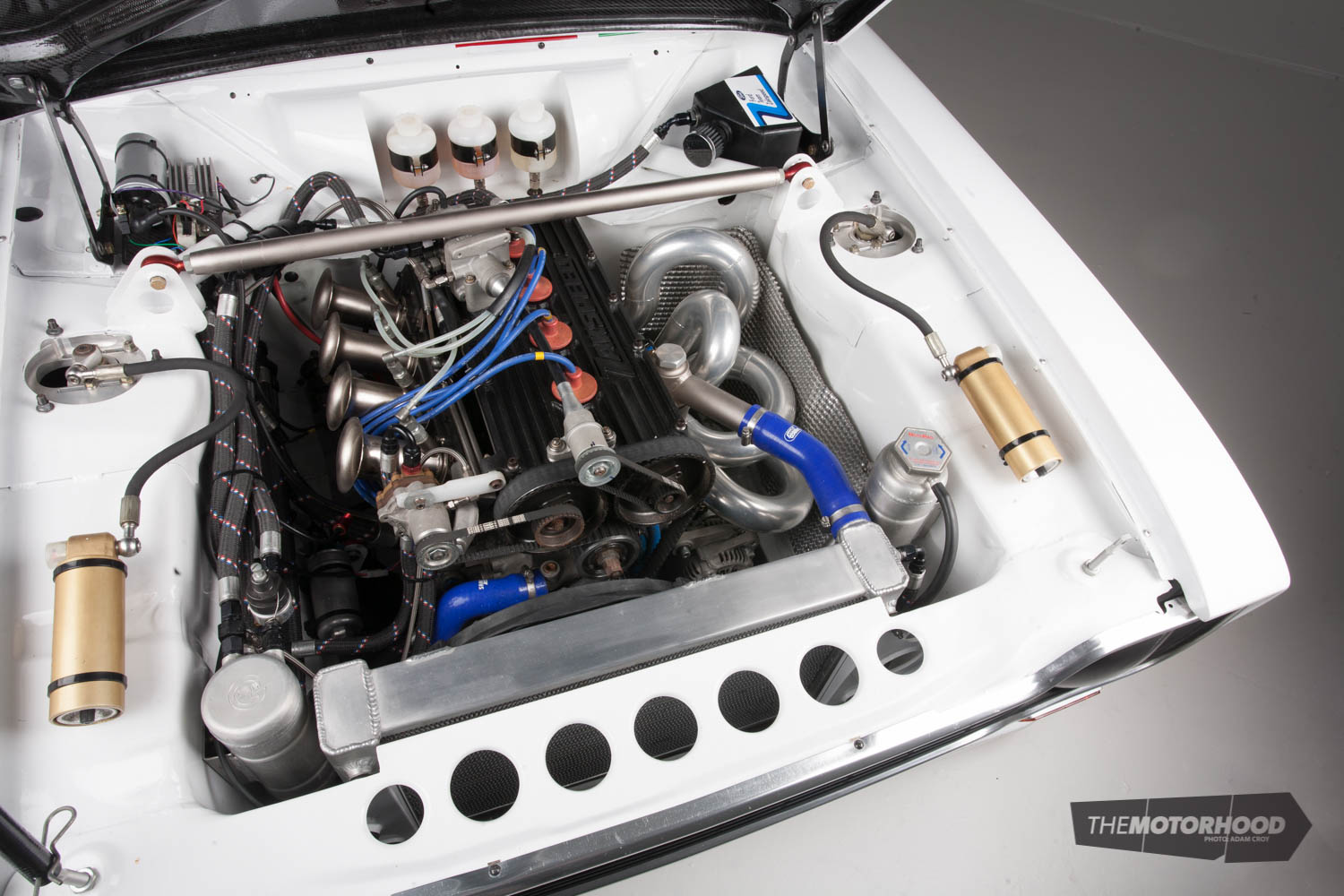
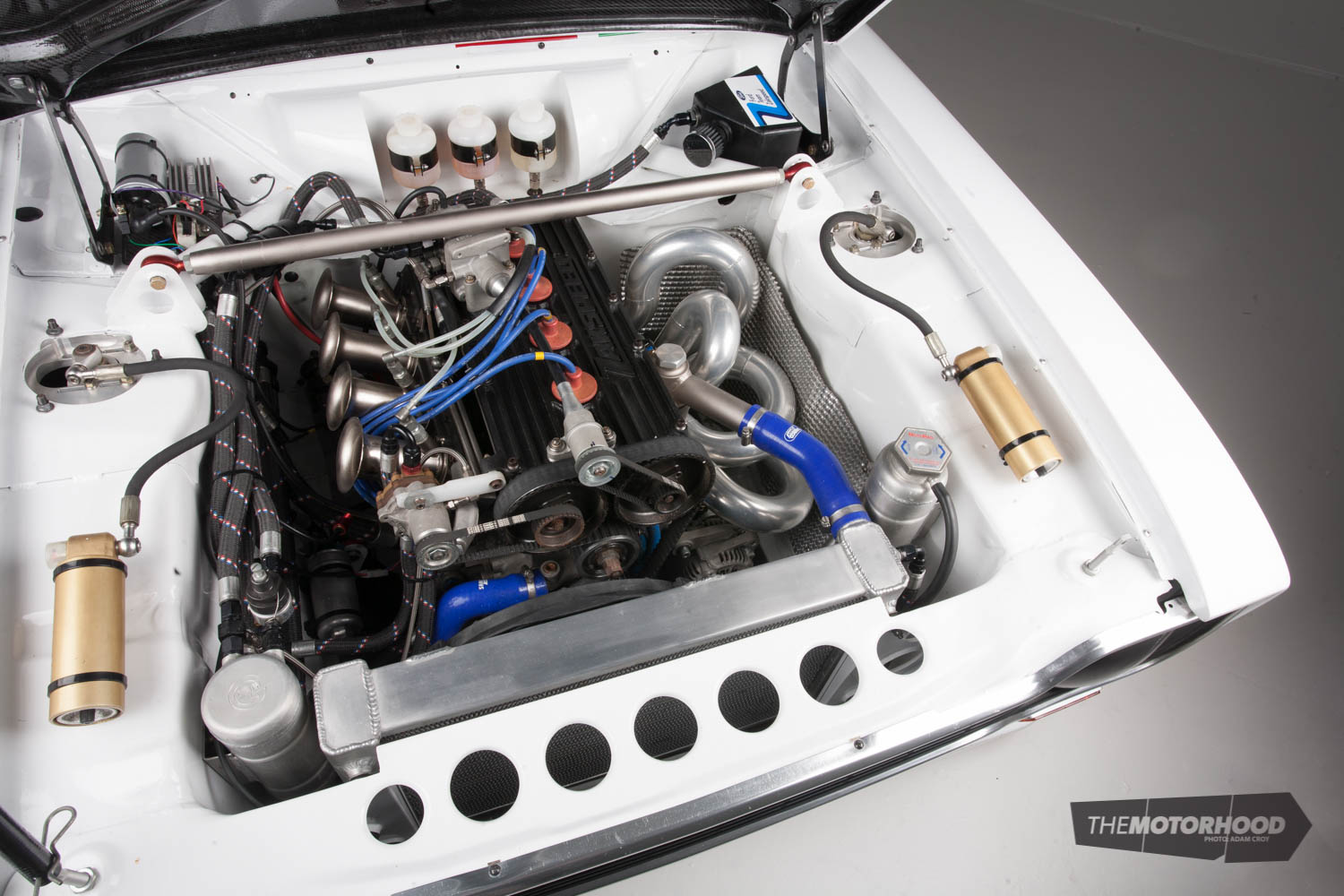
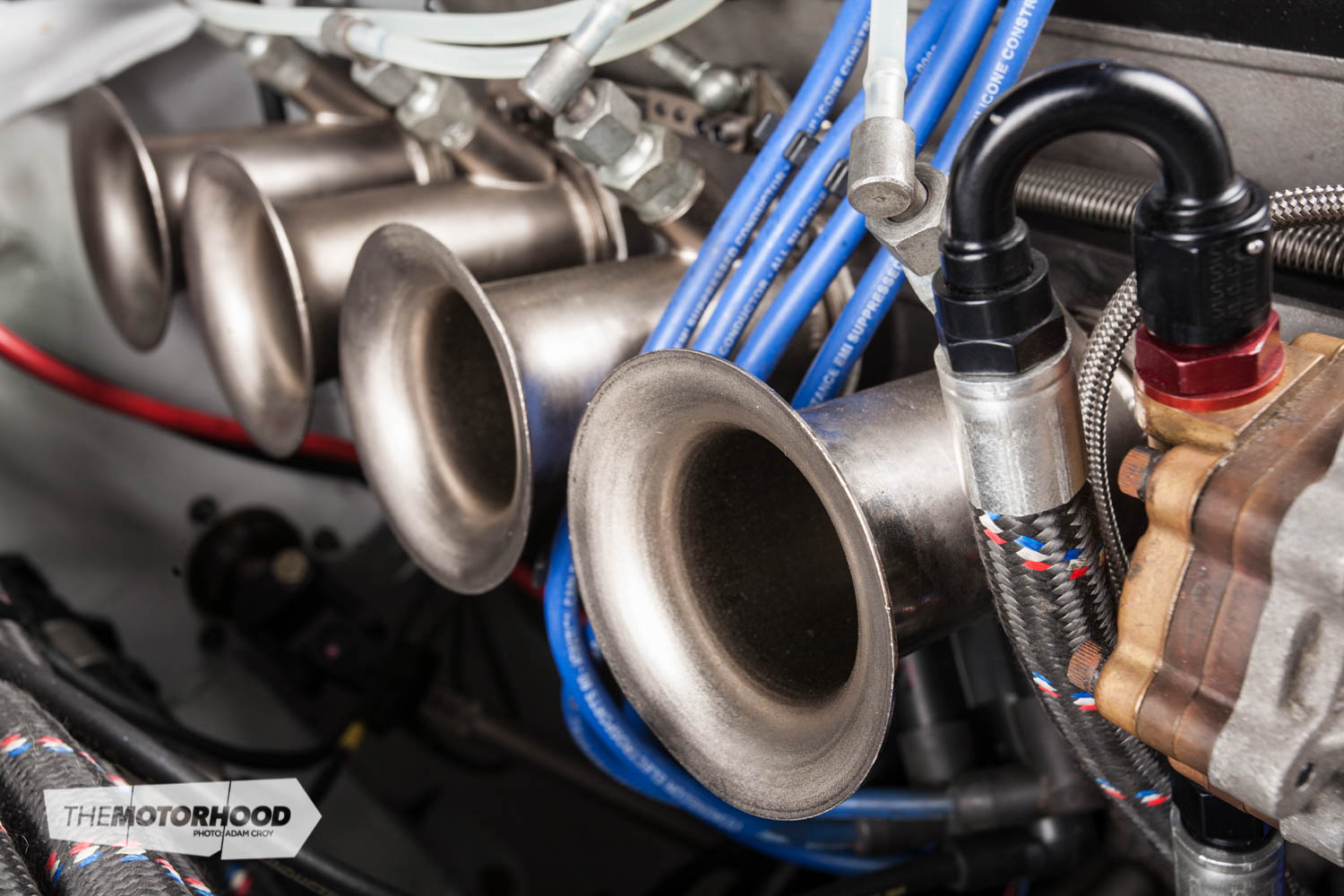
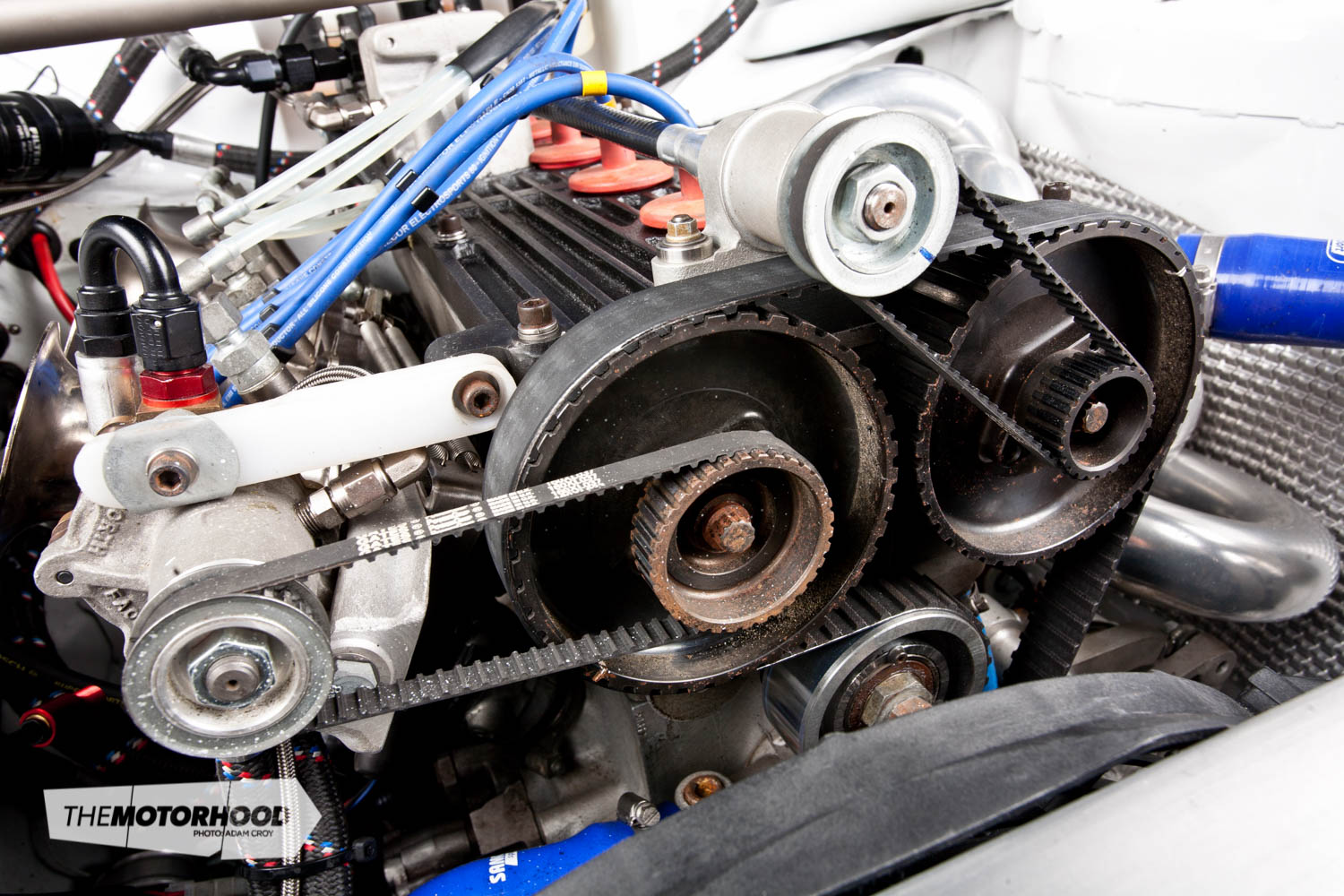
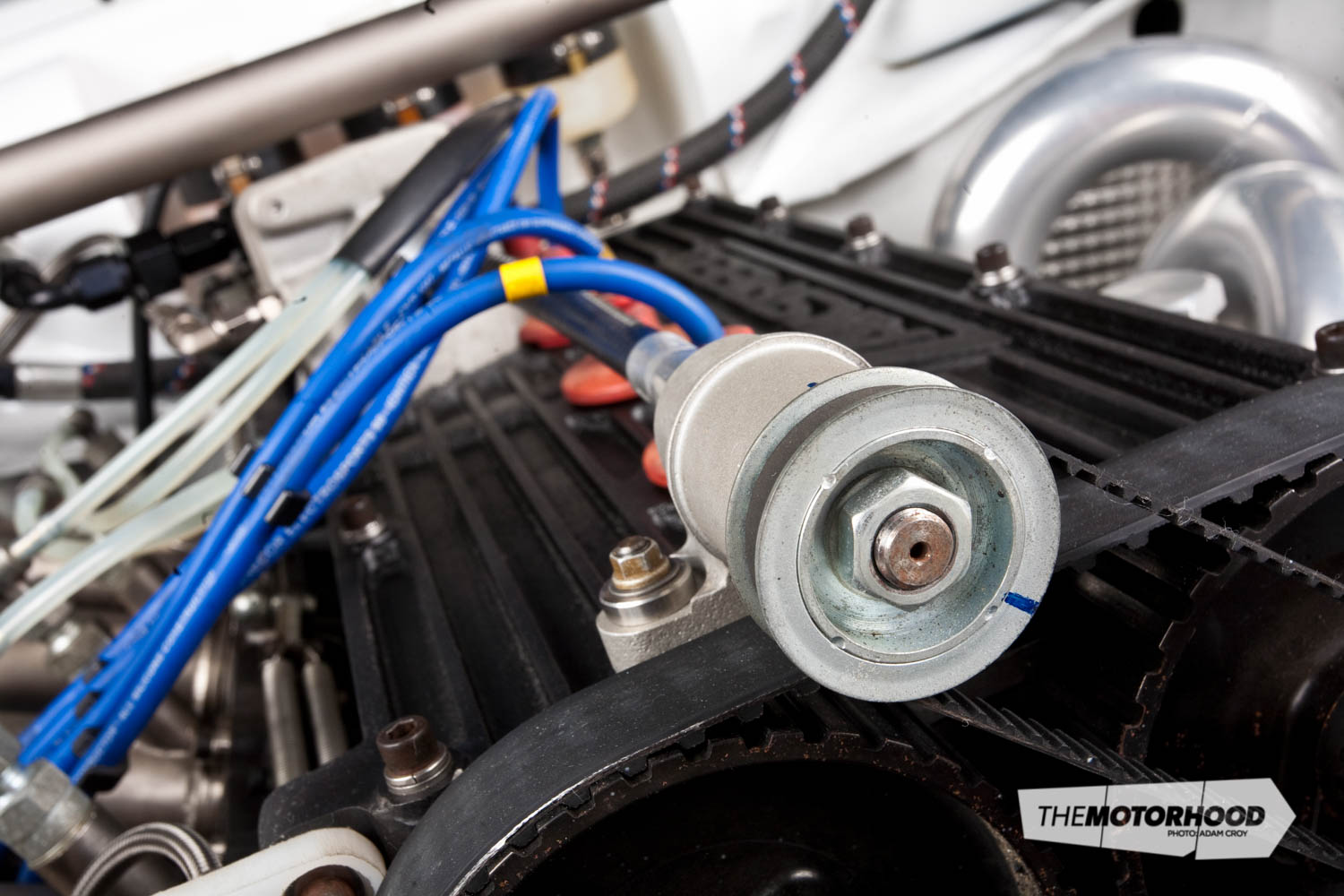
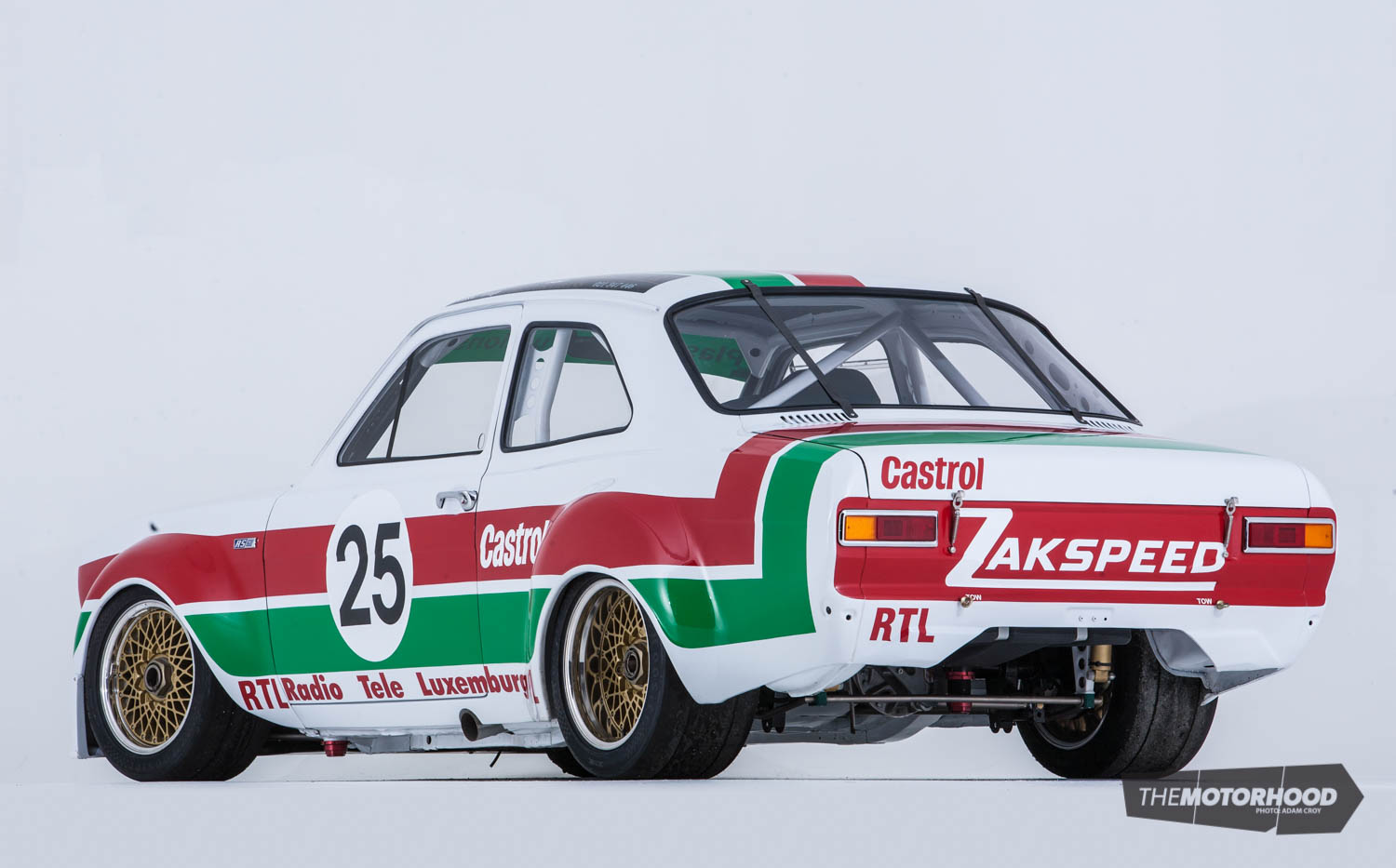
“Built to drive hard,” in Paul’s own words, the Zakspeed replica features an all-alloy Cosworth BDG engine, capable of revving to a mind-blowing 9500rpm. Built by Bruce Anderson, it was produced with accuracy in mind, with many of its components period-correct; the 8mm Lucas mechanical injection and Zakspeed cam covers among them.
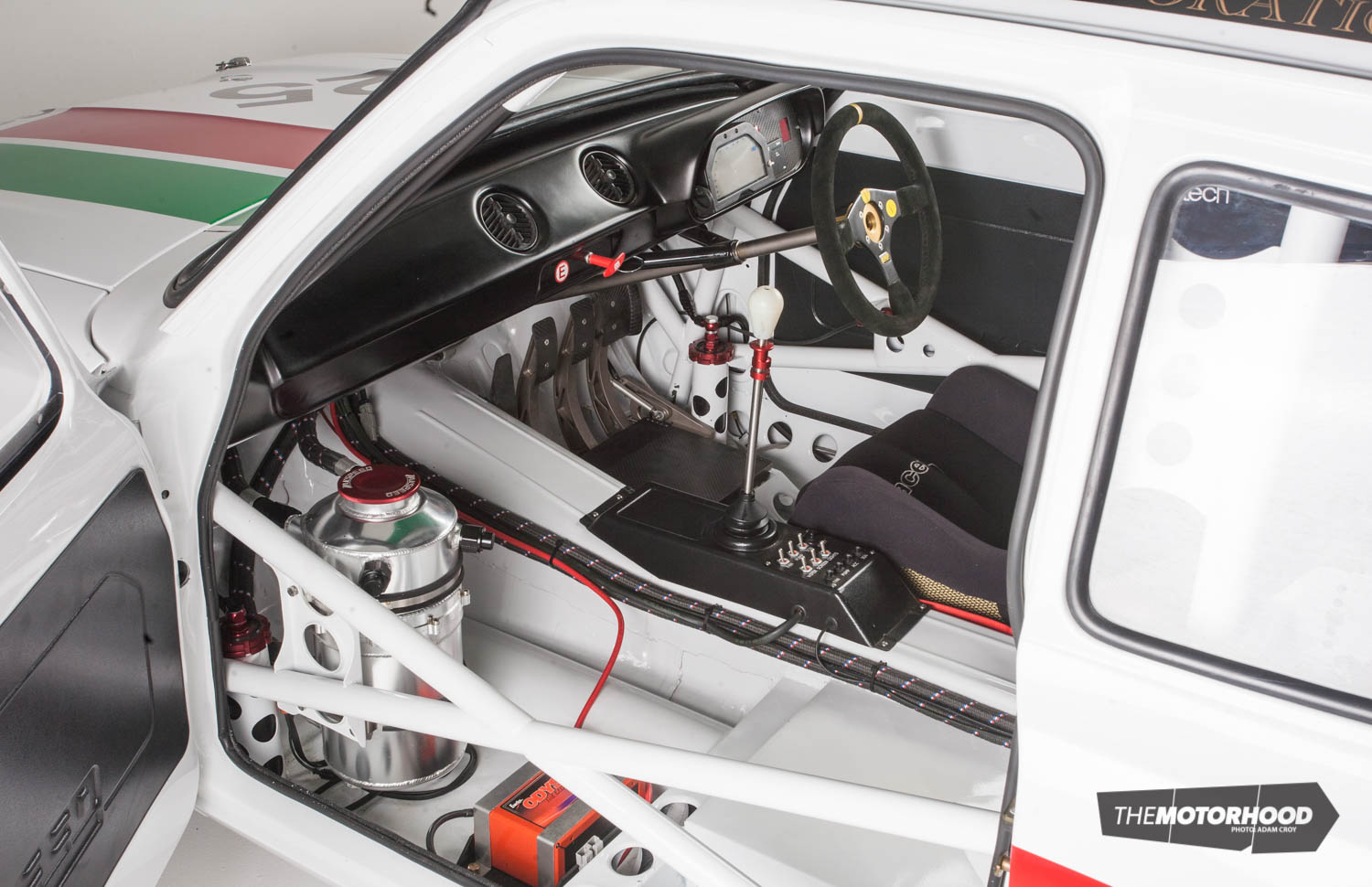
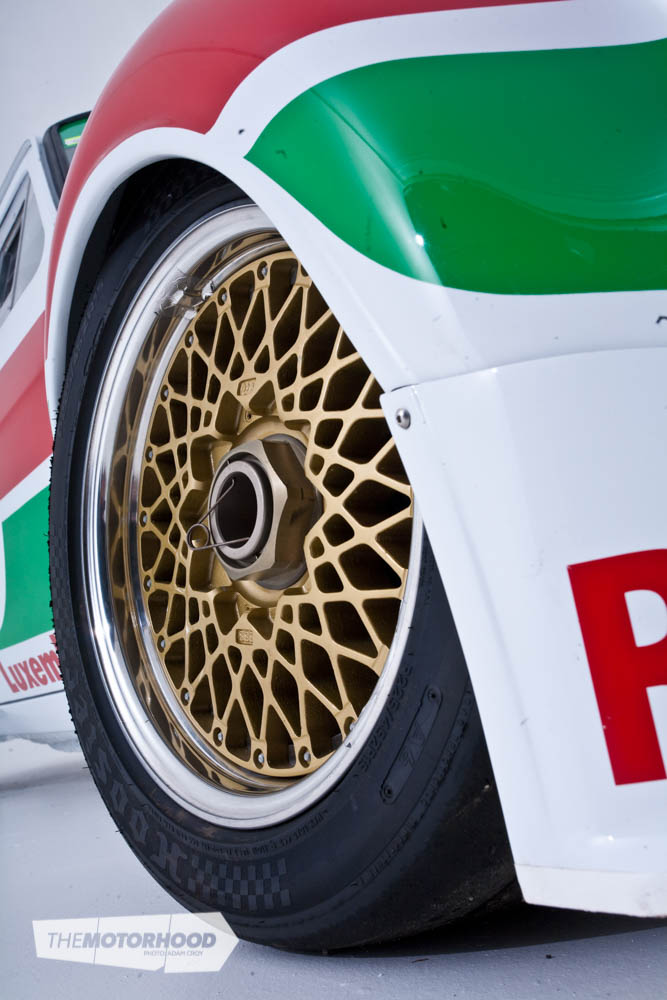
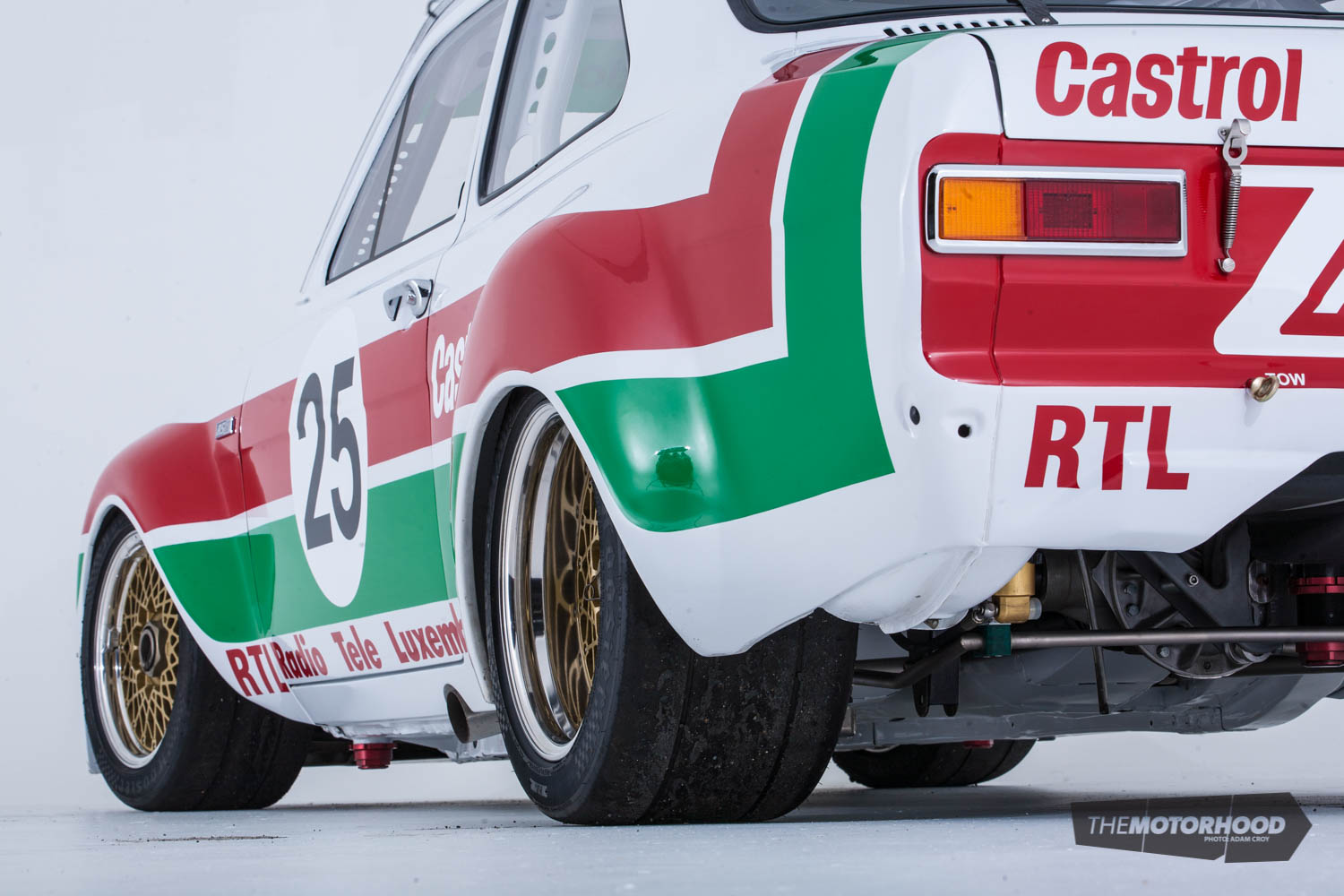
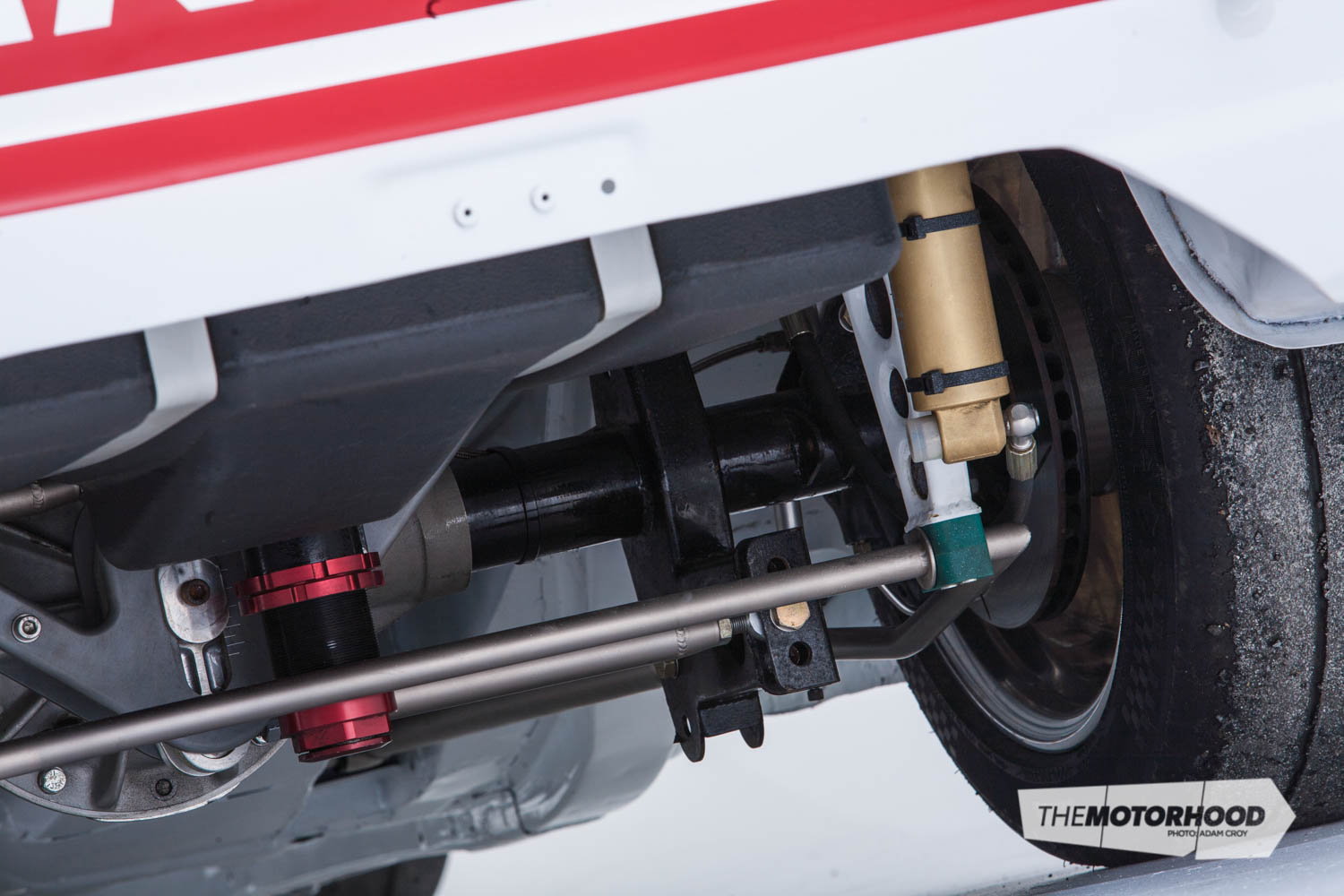
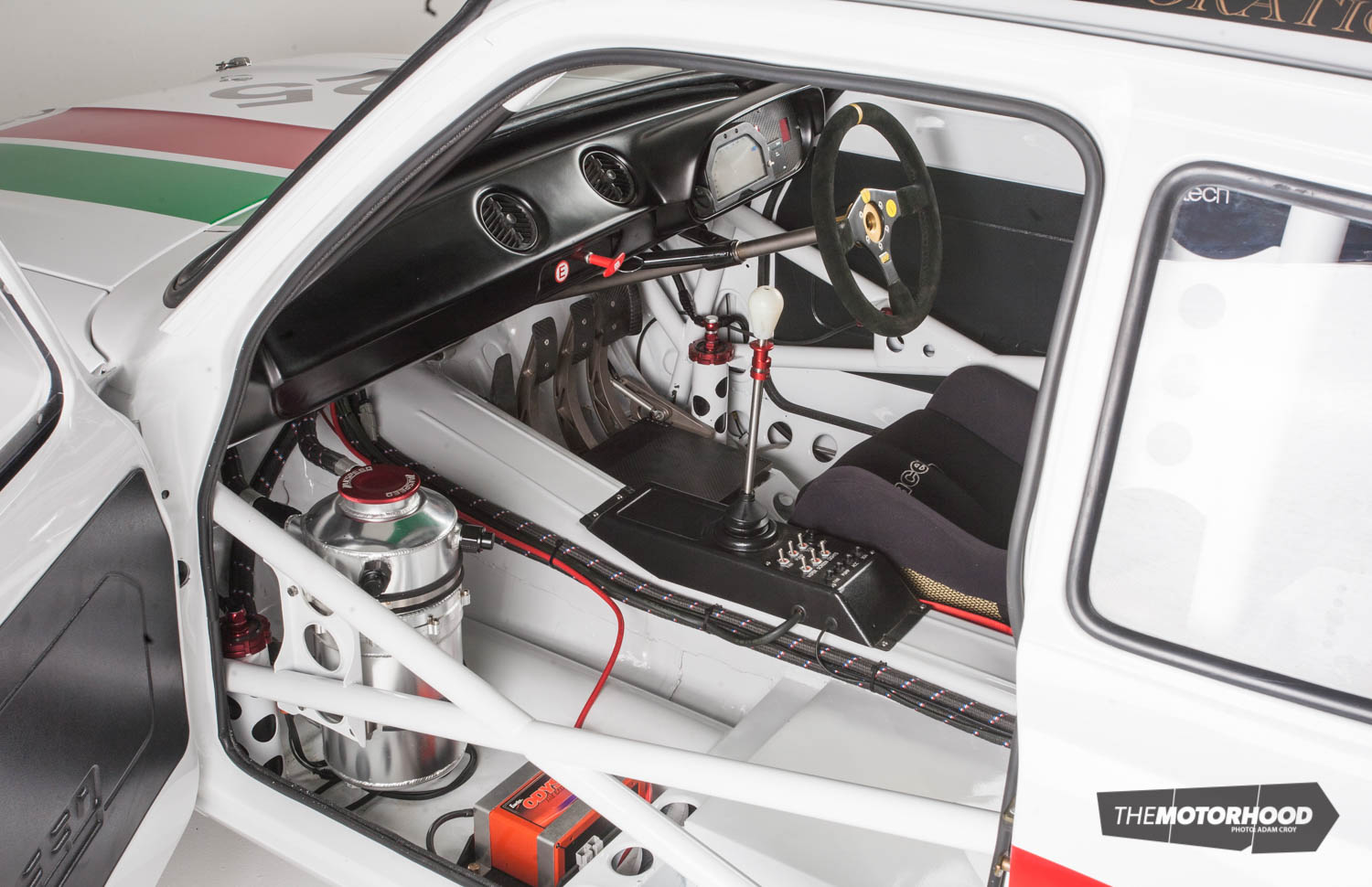
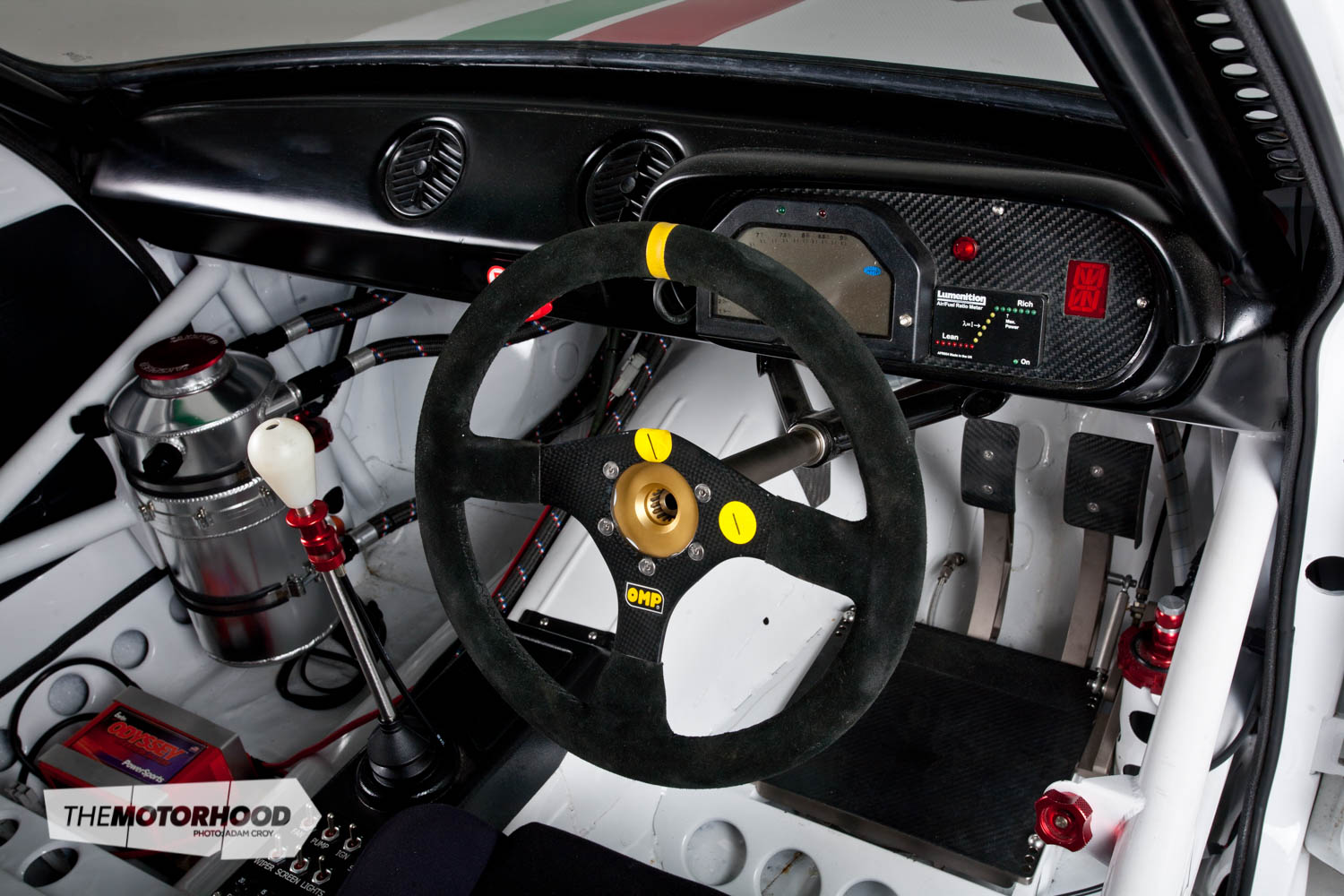
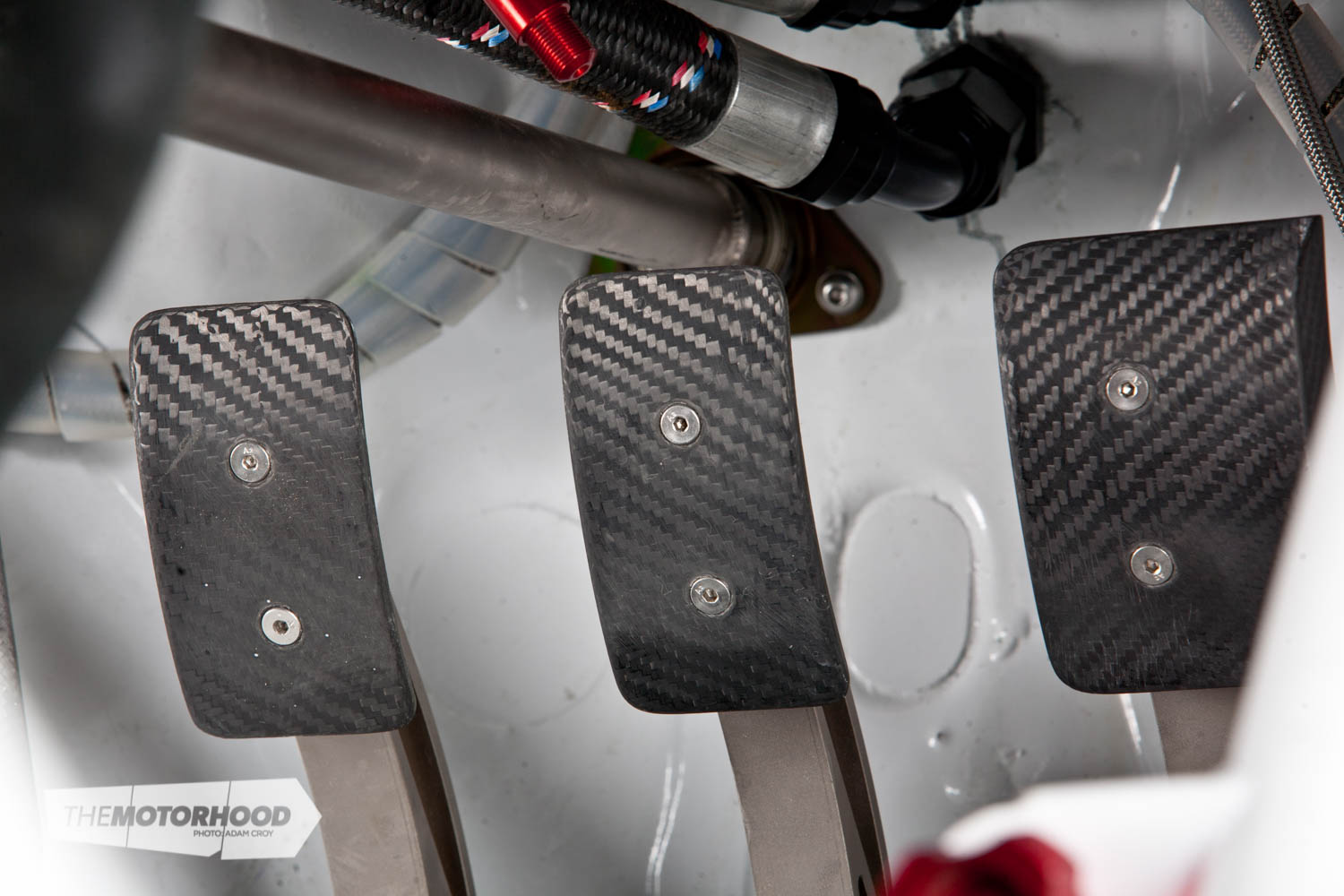
While the engine is a slaved-over love letter to Zakspeed history, other elements of the car have been fitted with current-day parts to fit Paul’s demands, including the six-speed sequential Quaife gearbox, and the Atlas, which was designed and fabricated from scratch. Conventional adjustable track-control arms, compression struts, and camber-adjusting plates at the front of the Escort help ensure that its cornering ability matches the shrill sound from its engine. AP Racing two-pot magnesium callipers, 305mm vented AP rotors for the front, and AP Racing two-pot alloys with vented AP rotors at the rear guarantee that the Escort stops as well.
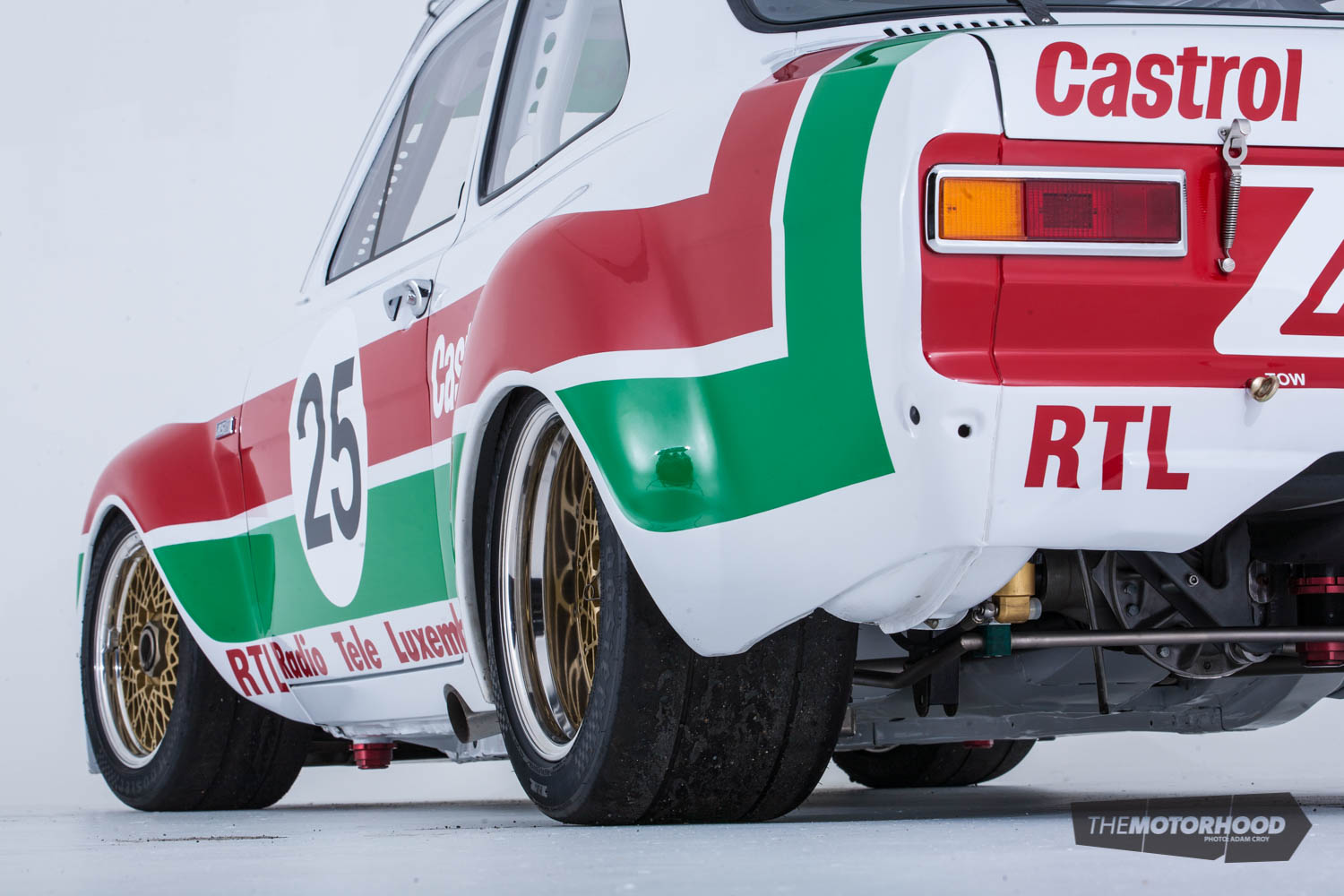
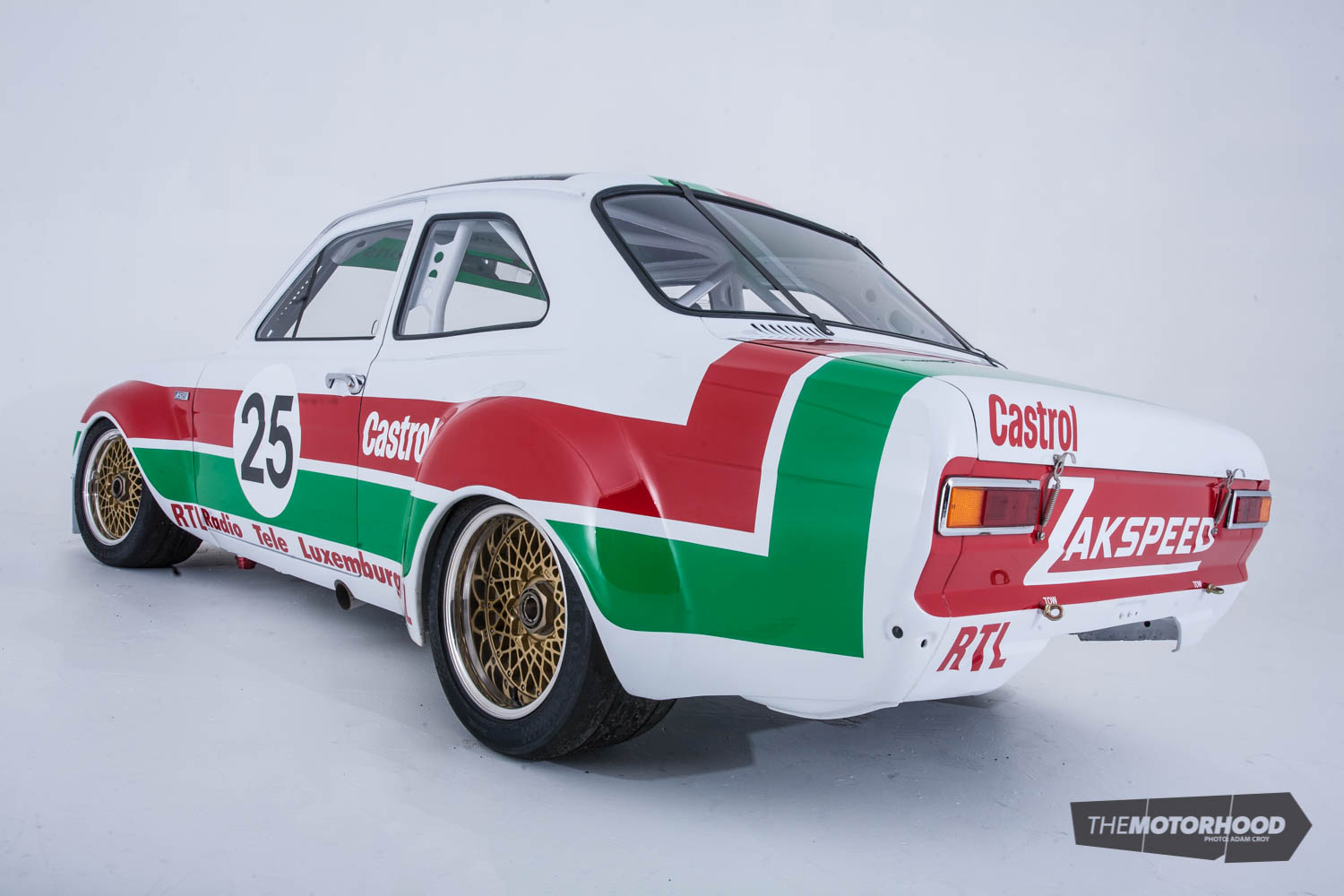
To complement the technical wizardry, the Escort has lightweight composite CRP/GRP/Kevlar panels, as well as panels produced in steel from Zakspeed’s own original moulds. Rounding off the look are the familiar Castrol white, green, and red — colours made famous by the likes of Dieter Glemser in the mid ’70s when Zakspeed Racing’s Ford Escorts tore up race tracks all over Europe in the Deutsche Rennsport Meisterschaft, also known as the DRM, and the prequel to today’s Deutsche Tourenwagen Masters (DTM).
Founded by Erich Zakowski in 1968, Zakspeed was one of the DRM’s leading outfits, fielding Ford’s factory charge through the mid ’70s and into the early ’80s. They went on to contest Formula 1 in 1985, exiting the championship’s revolving door in 1989. Their drivers over this period included touring-car royalty in the form of Bernd Schneider, Klaus Ludwig, and Klaus Niedzwiedz — as well as current Formula 1 commentator Martin Brundle.
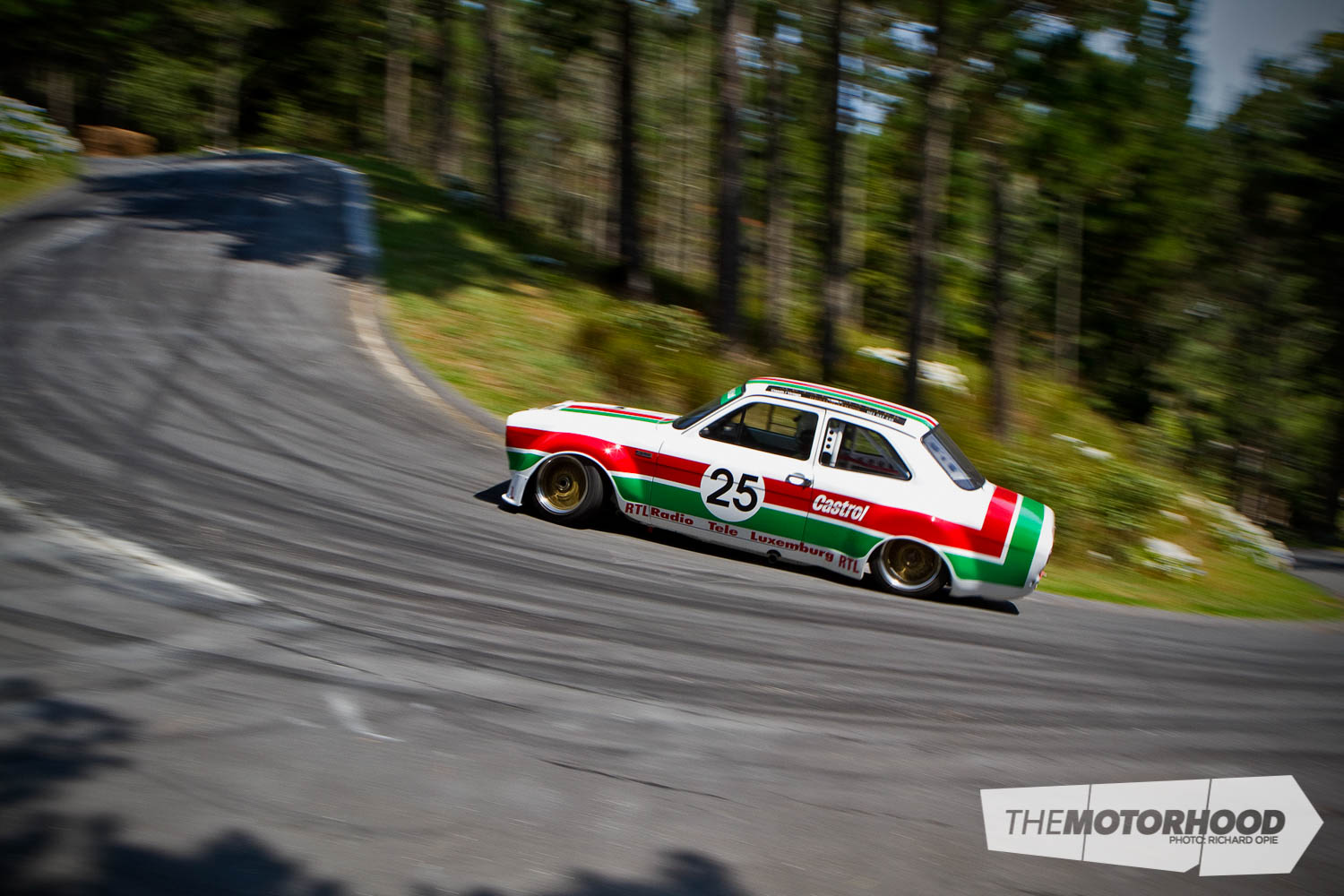
Paul’s Zakspeed replica rarely gets out, which makes its appearance at WTAC all the more significant. In one of its last outings at this year’s Leadfoot Festival in February, it won the pre-1975 class. It’s also seen miles at the Festival of Motor Racing at Hampton Downs, though that was two long years ago in 2013. Regardless, it is undoubtedly a fitting tribute to an incredible era in motorsport, and an exceptional way to showcase New Zealand’s building prowess on an international stage.
The 2015 World Time Attack Challenge will take place on October 16–17, with a who’s who of international time-attack racers and teams padding an event that is fast becoming unmissable for any race fan.