data-animation-override>
“If you’re planning on using a classic car to compete on Targa, one of Ford’s iconic Rallye Sport Escorts would have to be at the top of the list”
The Targa North Island event, held early in 2014 — with Targa cars competing through special stages between Auckland, Whitianga and Rotorua — was used by many competitors as a shakedown run prior to the major South Island event in October, 2014. And it was a very special event, as Targa New Zealand celebrated its twentieth anniversary. As cars assembled for that North Island Targa at the Simunovich Olive Estate — set amongst the Bombay Hills south of Auckland for all the usual pre-event formalities — I, as always, turned my attention to the car park and took the opportunity to wander around to see what was new — especially amongst the classic line-up.
In the back of my mind, I’d always wondered what car I would compete in if I was to tackle such an event — hypothetically of course, as my budget, nor my financial controller, would never allow me to indulge in such activities.
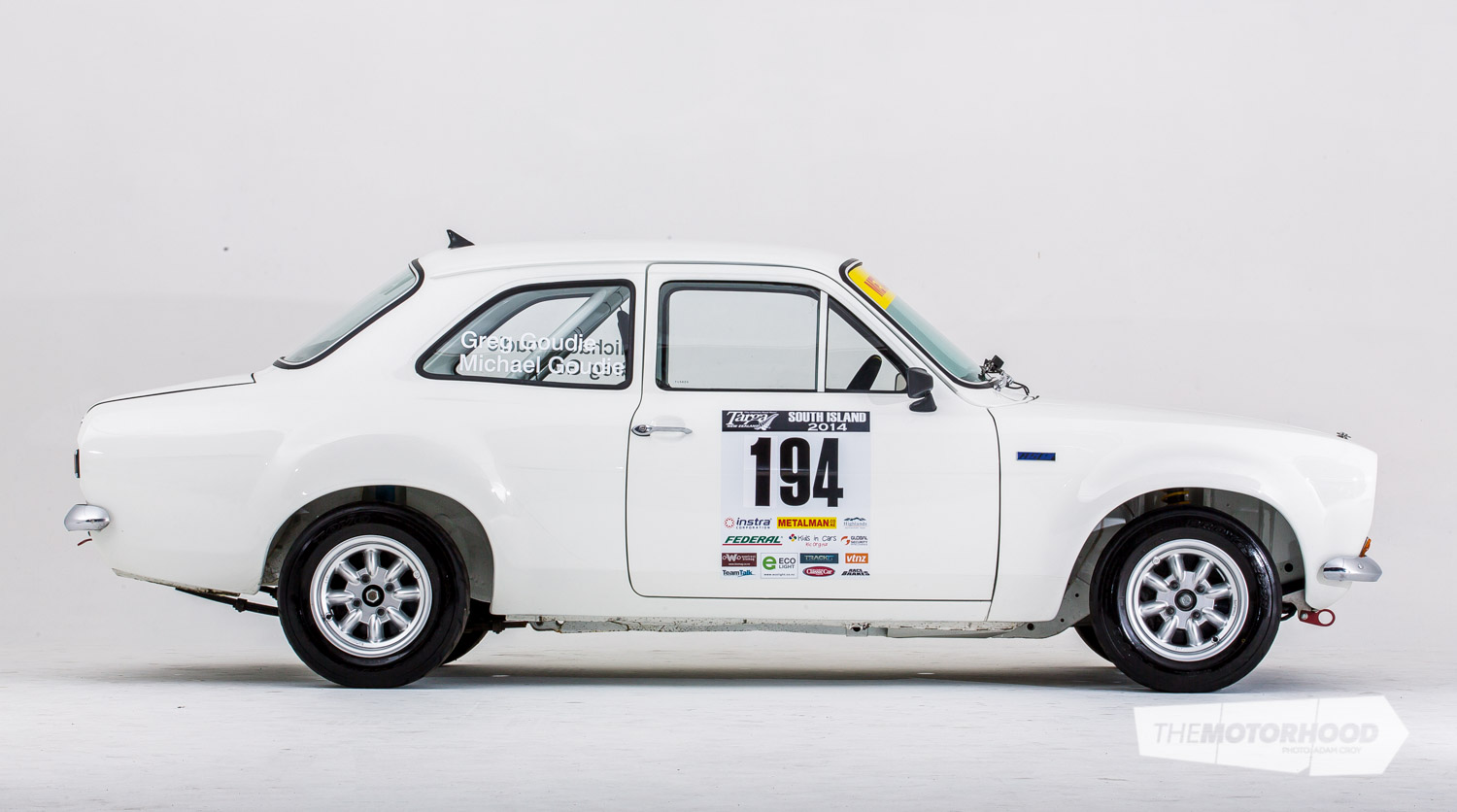
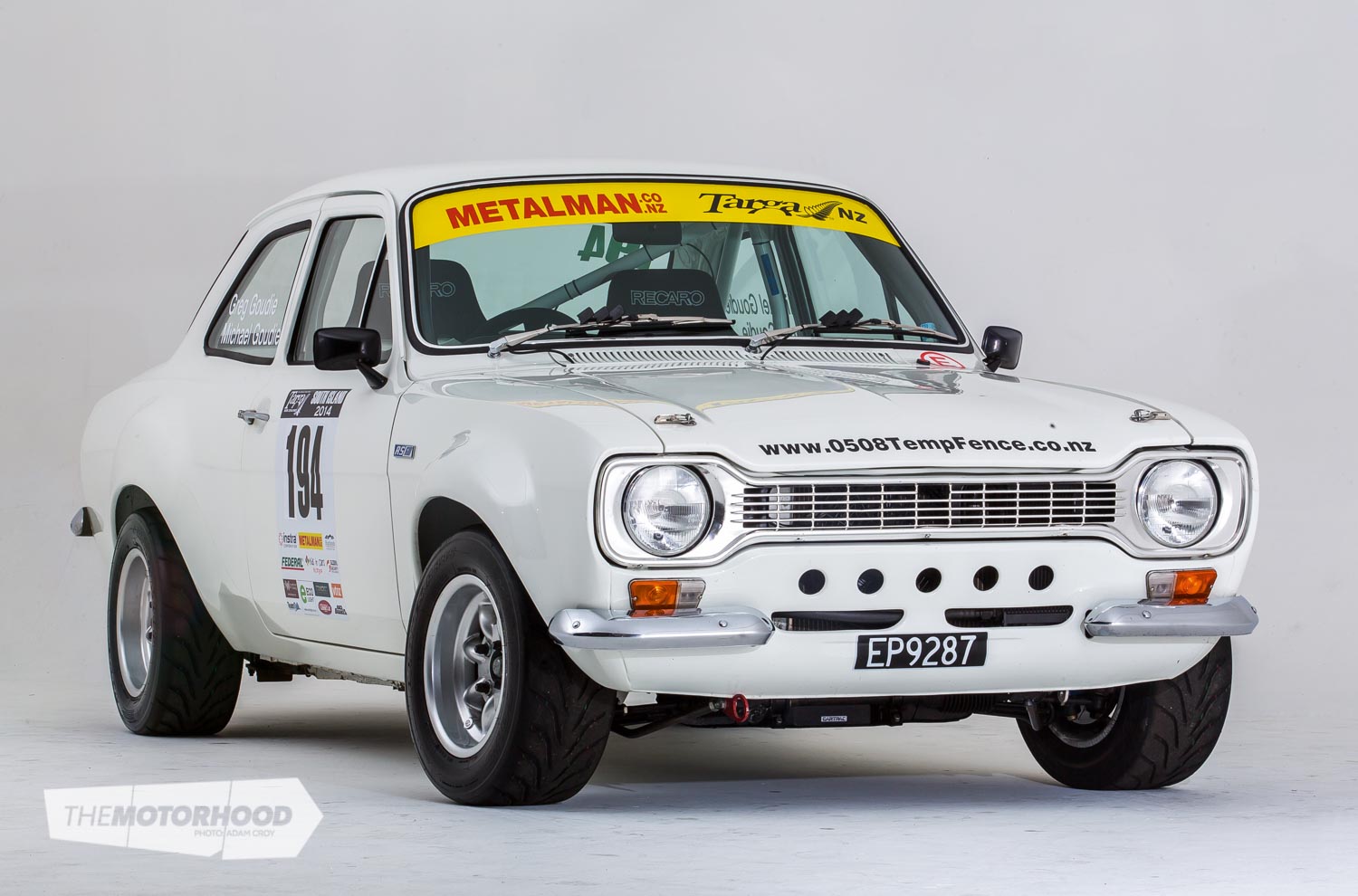
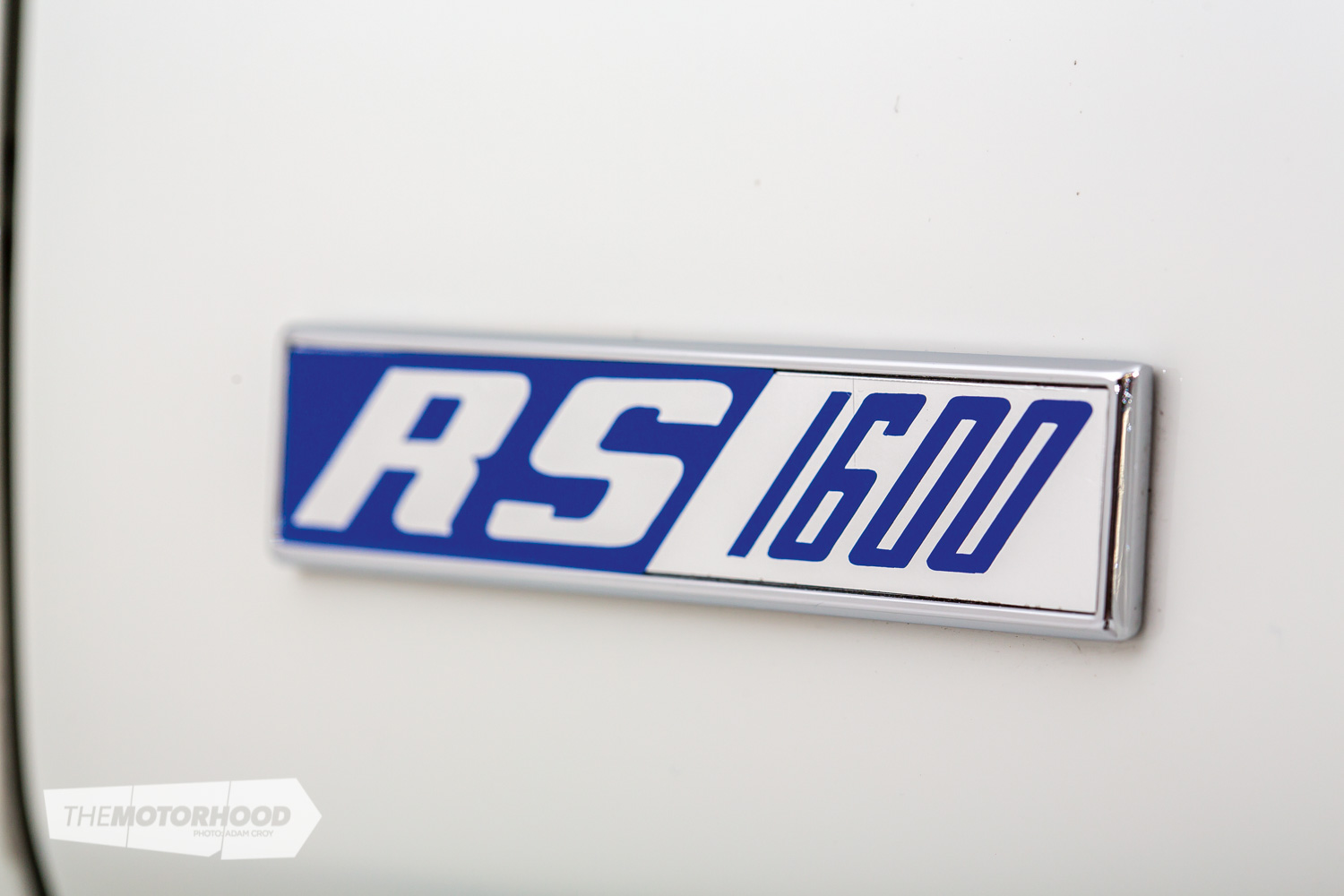
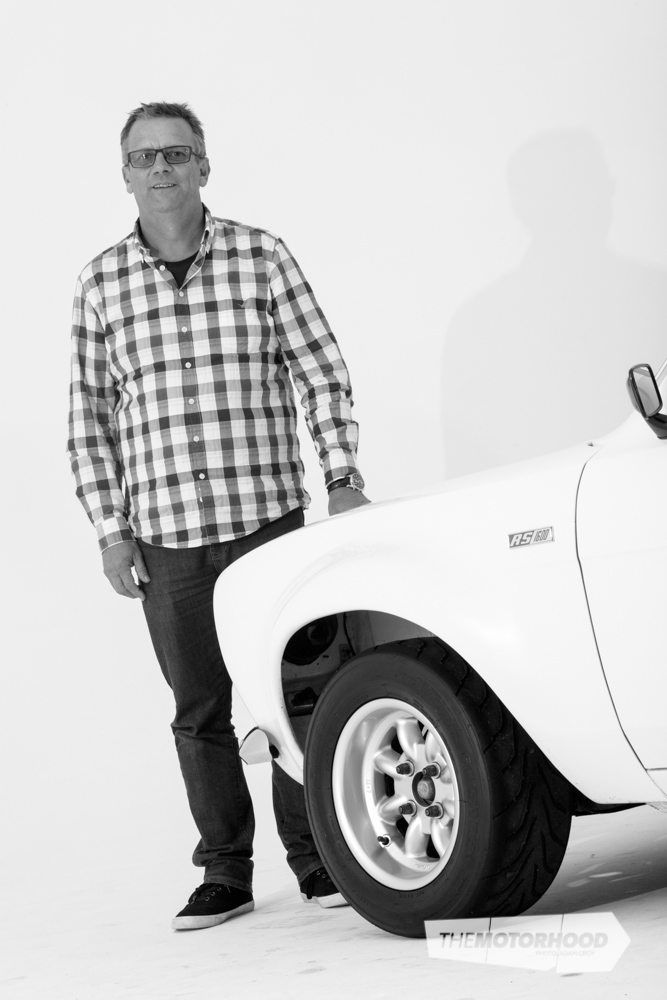
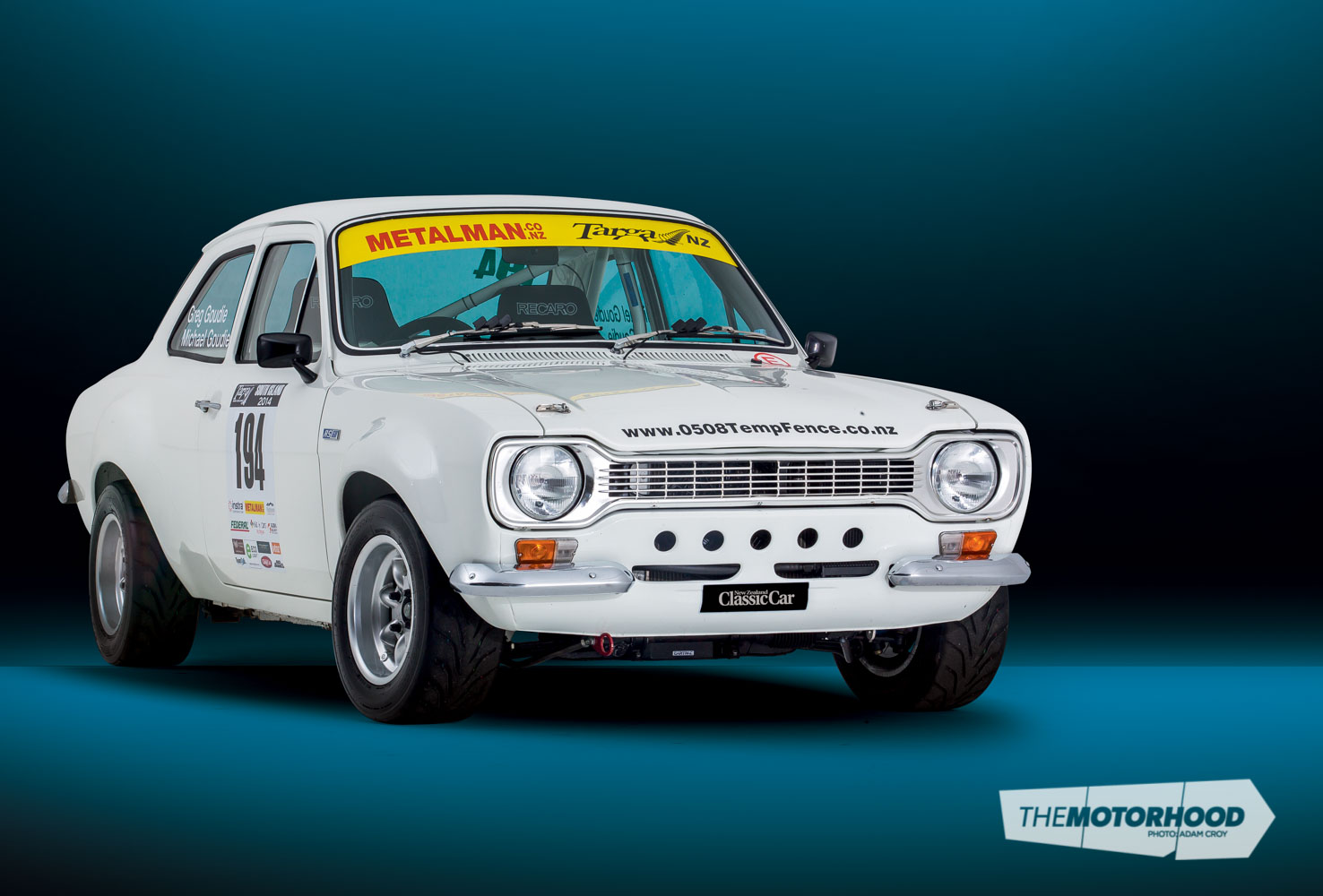
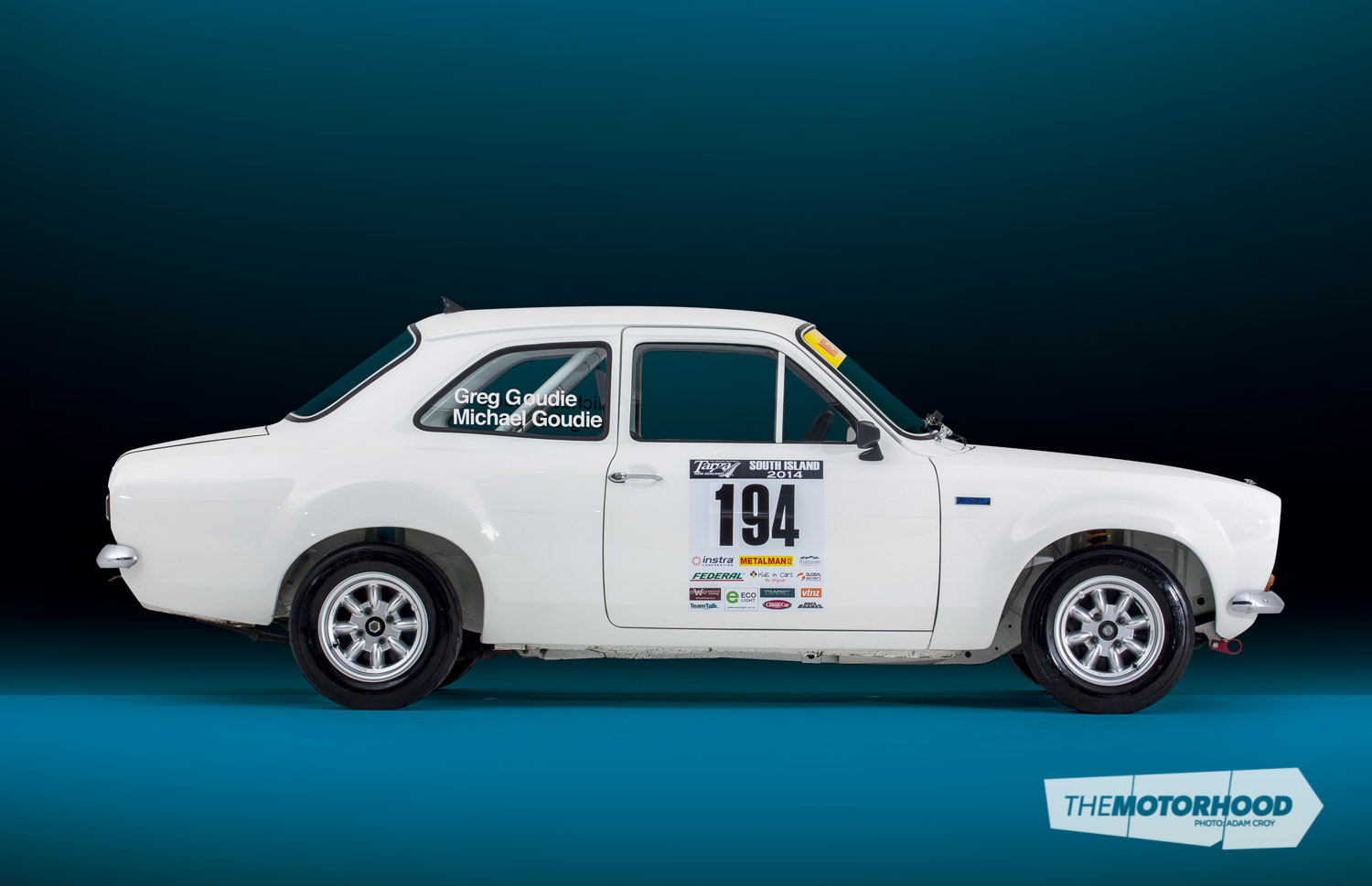
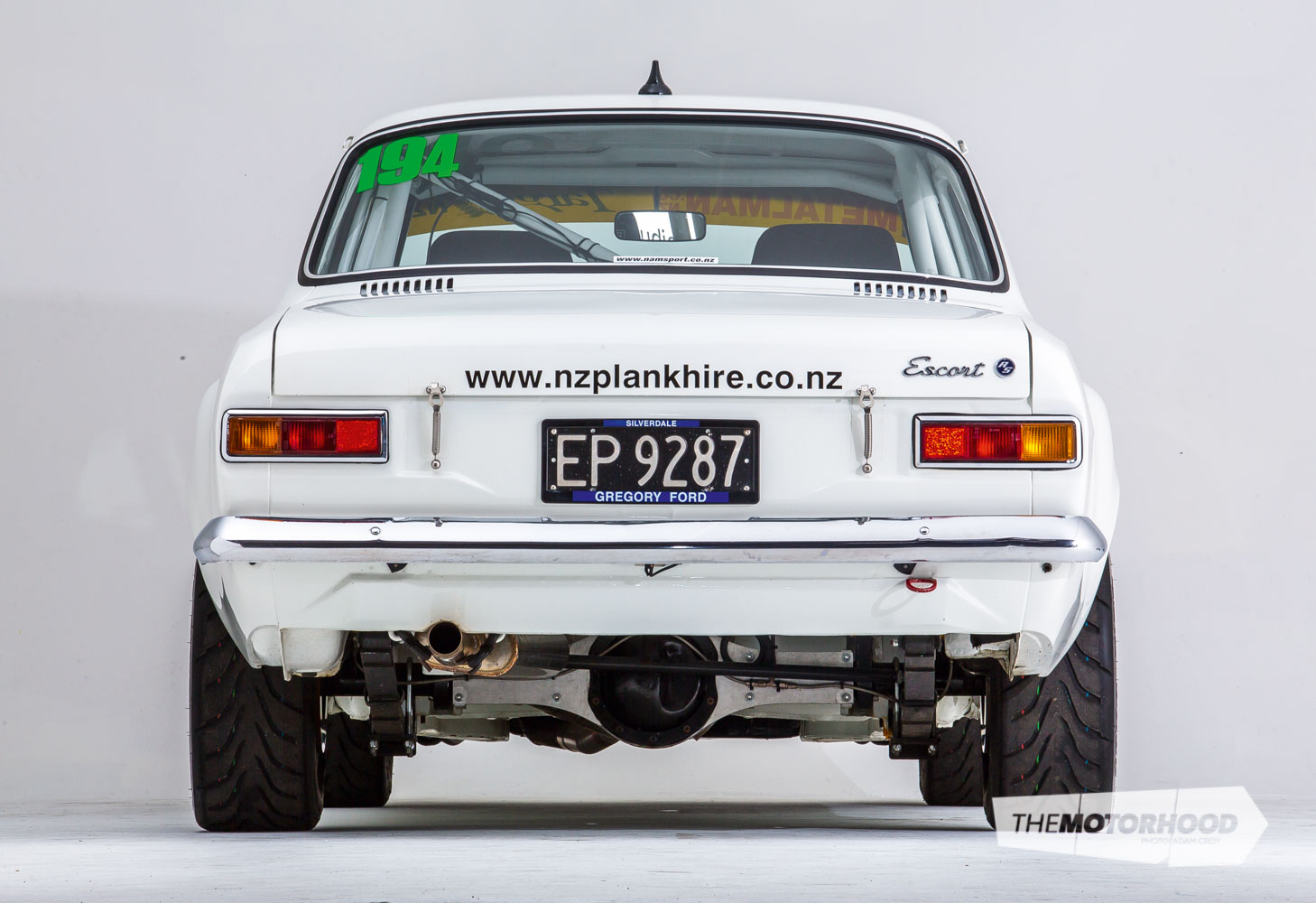
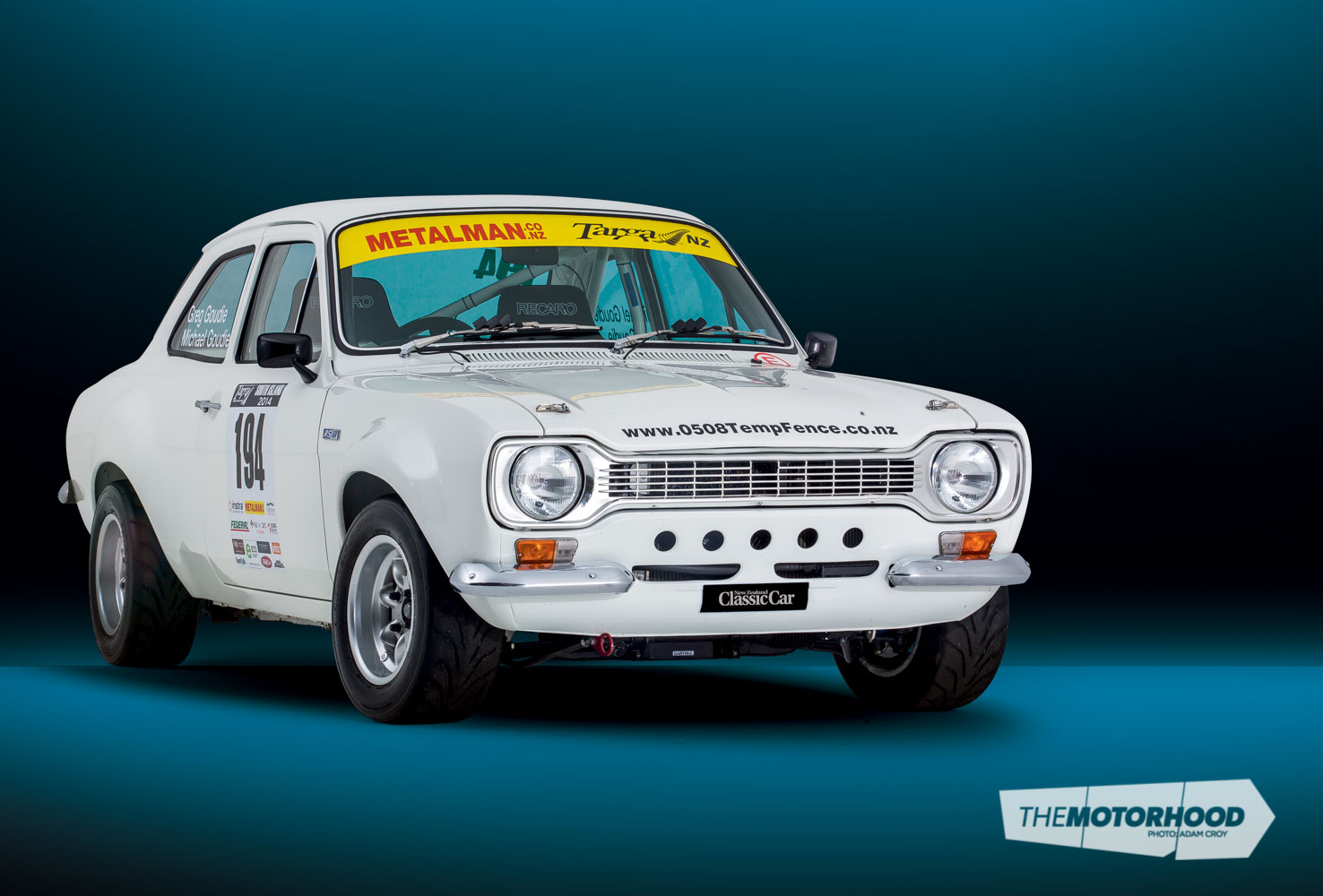
When I spotted Greg Goudie’s RS1600, I couldn’t resist the urge to take a closer look. Built by Neil Allport, this Escort was, in my eyes, undoubtedly the ideal car for such an event.
When I eventually had the opportunity to sit down with Greg to learn more about his background and why he chose to build this fine machine, it soon became abundantly clear why the Escort MkI was his preferred choice of car for such an event.
From karts to Escorts
Originally from Thames, his father was a Ford dealer and when Greg was a youngster, his father decided that yachting would be the ideal sport for him and his younger brother. With that in mind, he purchased two P-Class yachts for them to learn to sail in. From the outset, Greg was never that keen on sailing — he had his heart set on go-karting.
Eventually he was able to wear his father down, until he allowed him to sell the yacht and put the money towards a go-kart. Greg really enjoyed karting and stuck with it until he started working and subsequently bought his first Escort — a genuine twin-cam car that had, alas, been repowered with a 1600 OHV engine. The Escort became his daily driver and club-car; one he would take to Pukekohe for many club meetings.
Greg took a few gap years from motorsport after he got engaged and then married — ending up back in Thames with the same dealership where he’d started with his father.
After he’d been down there a few months, he arrived home with an Escort MkI rally car, much to his wife’s confusion.
It was a very basic car, and he competed in it over a number of years before progressing to a later Escort 1600 MkII. Greg told us that this was a fantastic car — one of his favourites, with its all-steel engine, built to Group 1 specs of the day, and originally driven by Shane Quinn from Palmerston North.
Greg competed in the MkII for a number of years, and while he was able to keep up with the BDA-powered cars, he could never beat them, so the goal was always to own a BDA one day. Greg eventually sold the MkII in 1986 and bought a Ford Laser, with the intention of competing in the then popular Ford Laser TX3i series.
Built by Allport
Greg also met Neil Allport at around the same time, as he was the recommended “go-to person” if you needed an engine rebuilt. When Greg embarked on his Laser project, the majority of cars were being built by one person, but he knew that by going down this path, his car would be nothing special. At that time, Neil Allport was doing a lot of production racing for Mazda and it was to Neil that Greg turned when he needed someone to build his Laser TX3i.
At the wheel of his Allport-prepared TX3i, Greg started the series very successfully, securing a number of lap records and wins, and accomplishing the finishing of the series, despite crashing out at Pukekohe. Greg raced the TX3i for a couple of years before moving onto a Group N Ford Sierra Cosworth, also built under the guidance of Neil; a car that he rallied over winter and raced over summers in 1991–92. The Ford didn’t prove to be a very successful gravel-rasher, rather being much more at home on a circuit.
Greg and Neil drove this car together and competed in the Nissan–Mobil series of 1991, and 1992 saw them racing at Pukekohe and Wellington in the Sierra. The first year was a clean sweep, winning Group N in both events and top ten finishes overall. The following year wasn’t quite as successful — it rained on the first lap in Wellington, causing a competitor to spin out, clipping Greg’s Sierra, although they did go on to win the next round at Pukekohe.
After a successful stint in the Sierra, Greg bought an Escort Cosworth, with the intention of building up a Group N Escort Cosworth rally car but, after calculating the budget for the first three years, he pulled the plug.
Greg then decided to buy a Laser TX3i 4WD, which Neil Allport built to Group A specs. Greg subsequently competed in many events at the wheel of the TX3i, including a category win on the 1996 Targa NZ, as well as many gravel events. Unfortunately, the Laser came to a sad ending. In 2002, Greg advertised the car for sale, but with little or no interest from potential buyers, he decided to compete in a few more events to give the car more of a public profile. He started by taking the Laser on a Northland Hillclimb — however, he didn’t return home with the Ford after writing it off on the final run of the day.
The Silver Fern Rally of 2006 prompted Greg’s next move to an Escort Mexico MkI. Together with Neil Allport, they each decided to build a MkI BDA, but Greg knew that he wasn’t going to get his one built in time to do the Silver Fern, so he purchased another car from Robert van Gisbergen, who just happened to have an Escort MkI that had been parked up for a number of years, less its engine. Allport built up an engine, finalized the preparation, and the Escort was ready to compete in the 2006 Silver Fern. Greg would go on to compete in many gravel events over the ensuing years. In 2011 he returned to Targa, eventually owning that Escort right up until one month before his current RS1600 went on the road earlier this year.
Rallye Sport 1600
The project that became our featured car, started in 2002, when Greg and Neil decided to go halves with a BDA-powered Escort MkI (whilst everything else was also going on) and began accumulating the necessary items for the project.
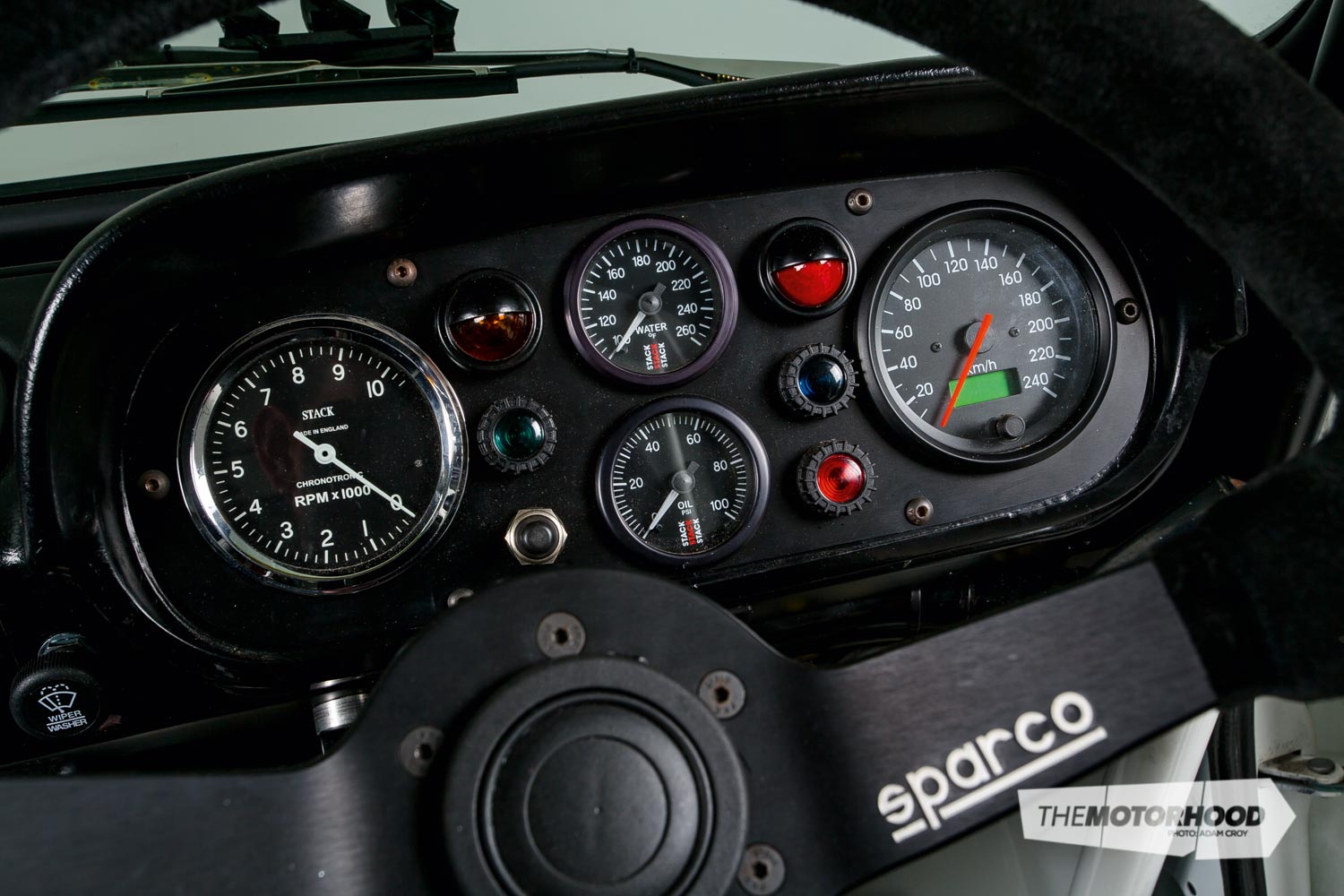
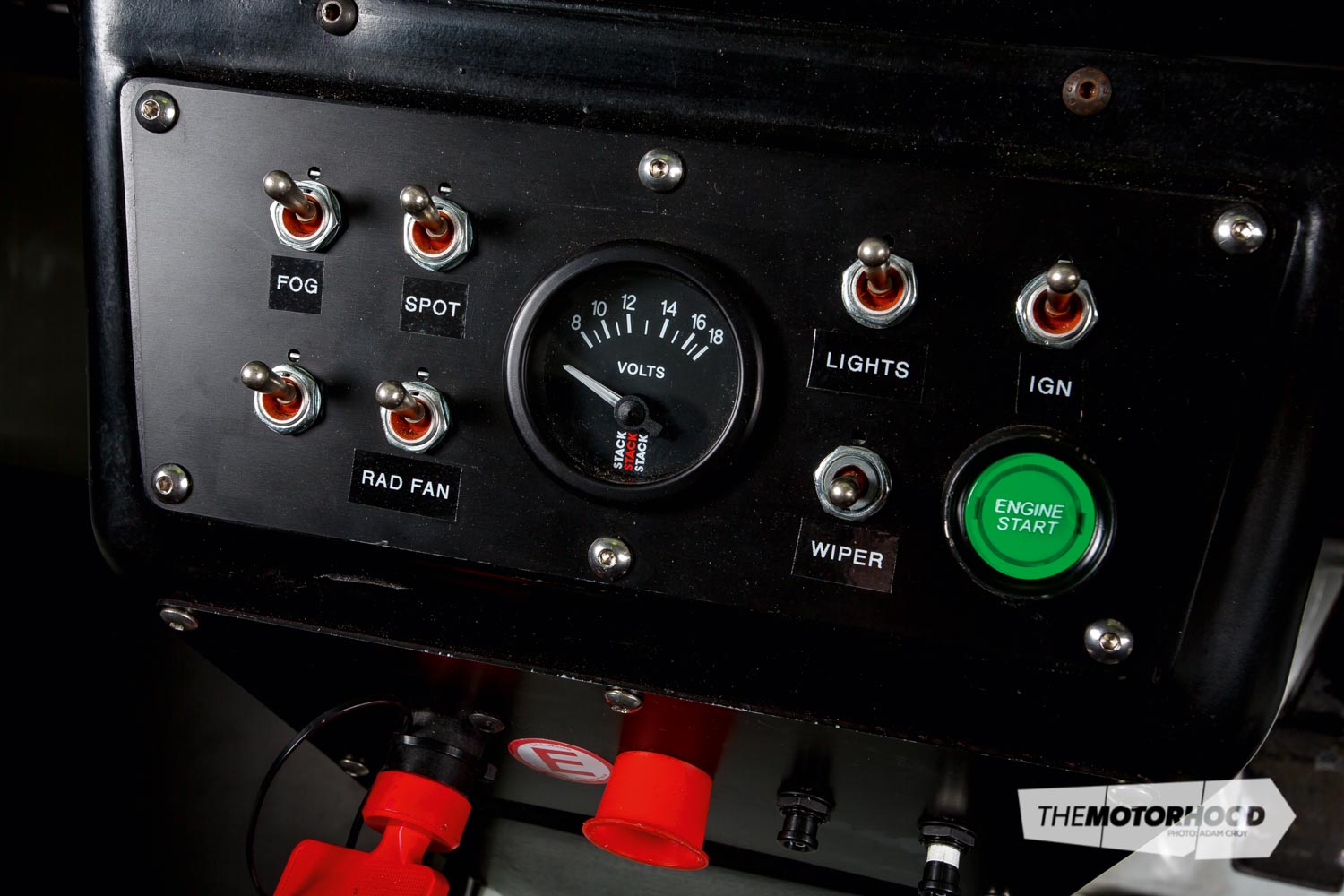
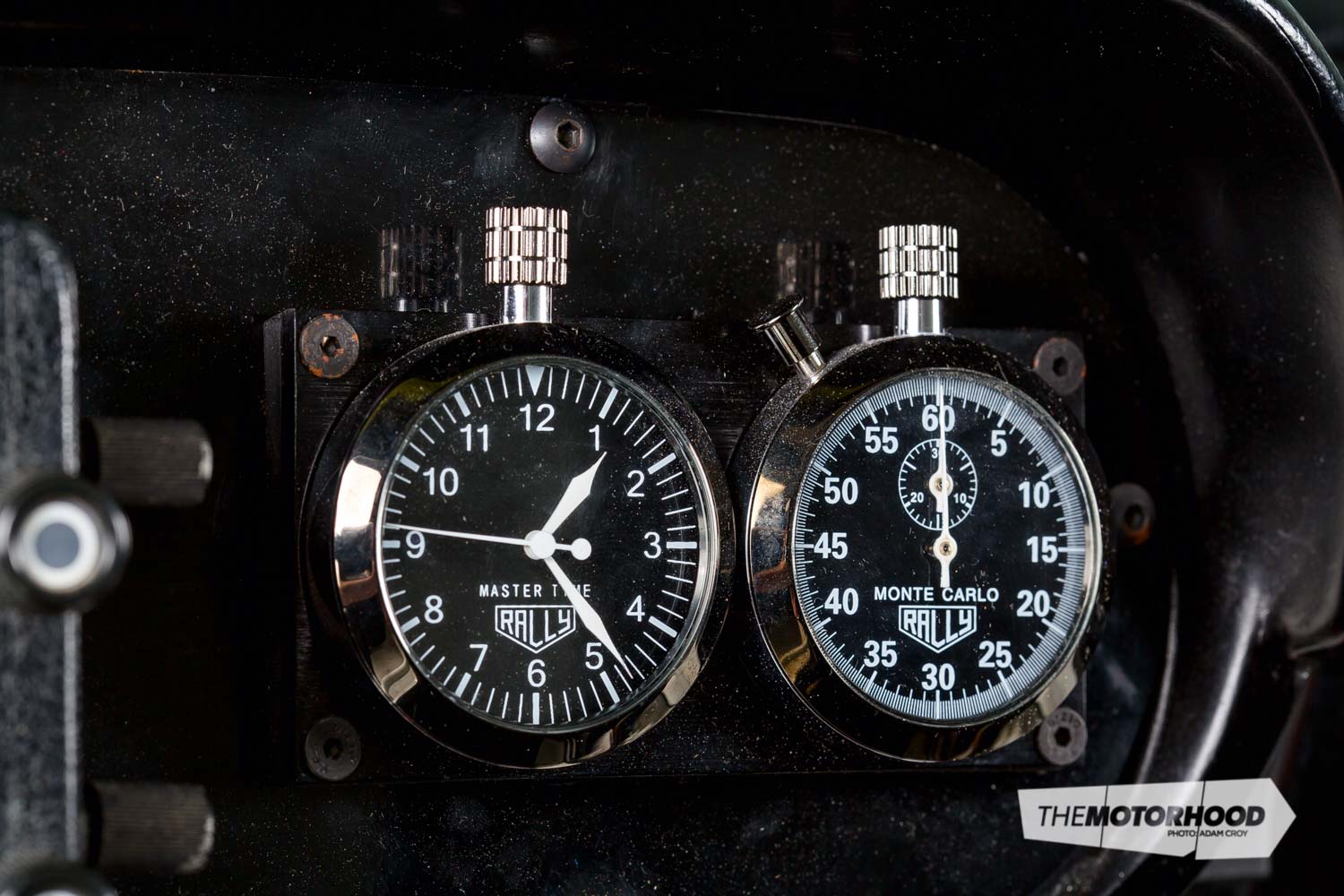
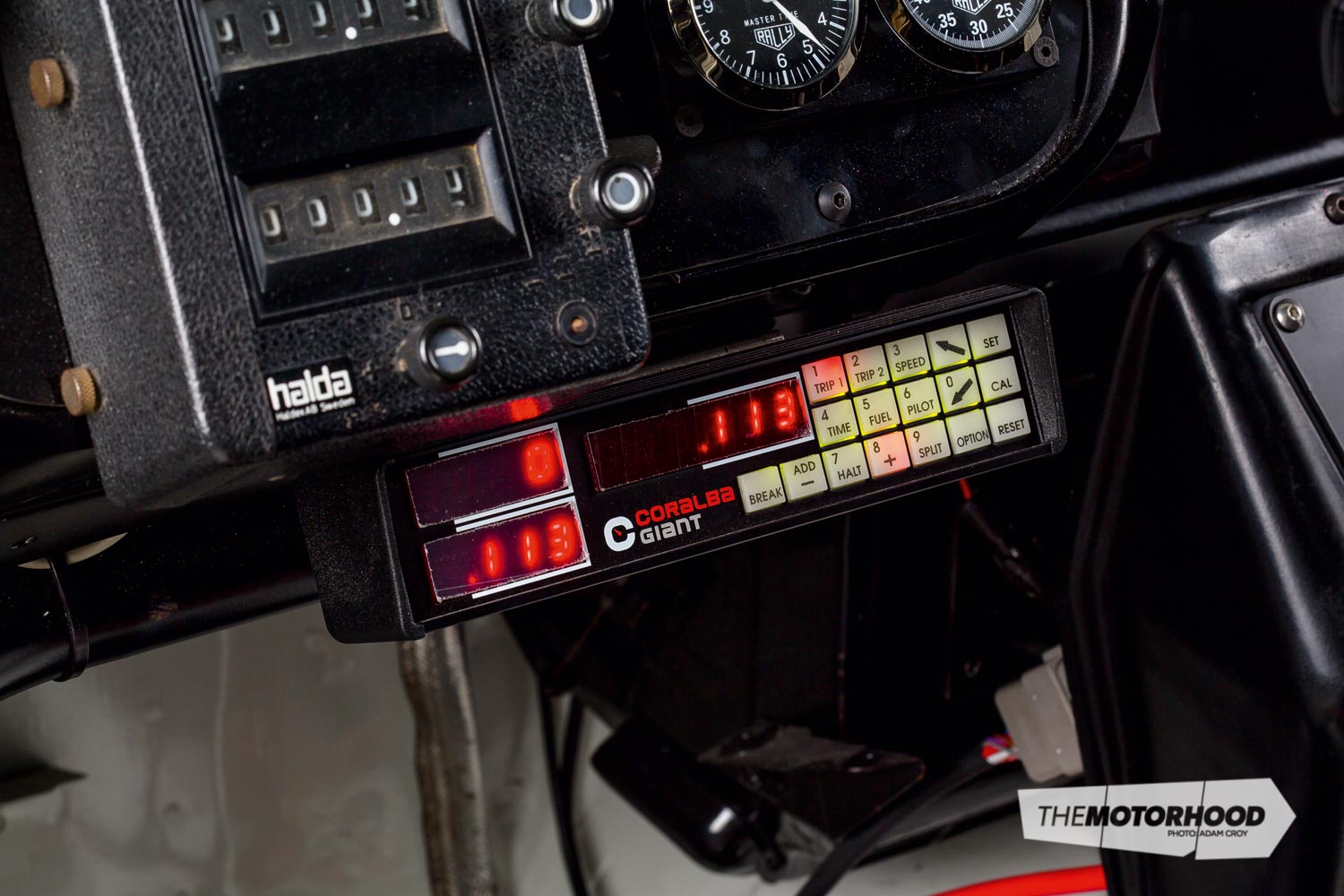
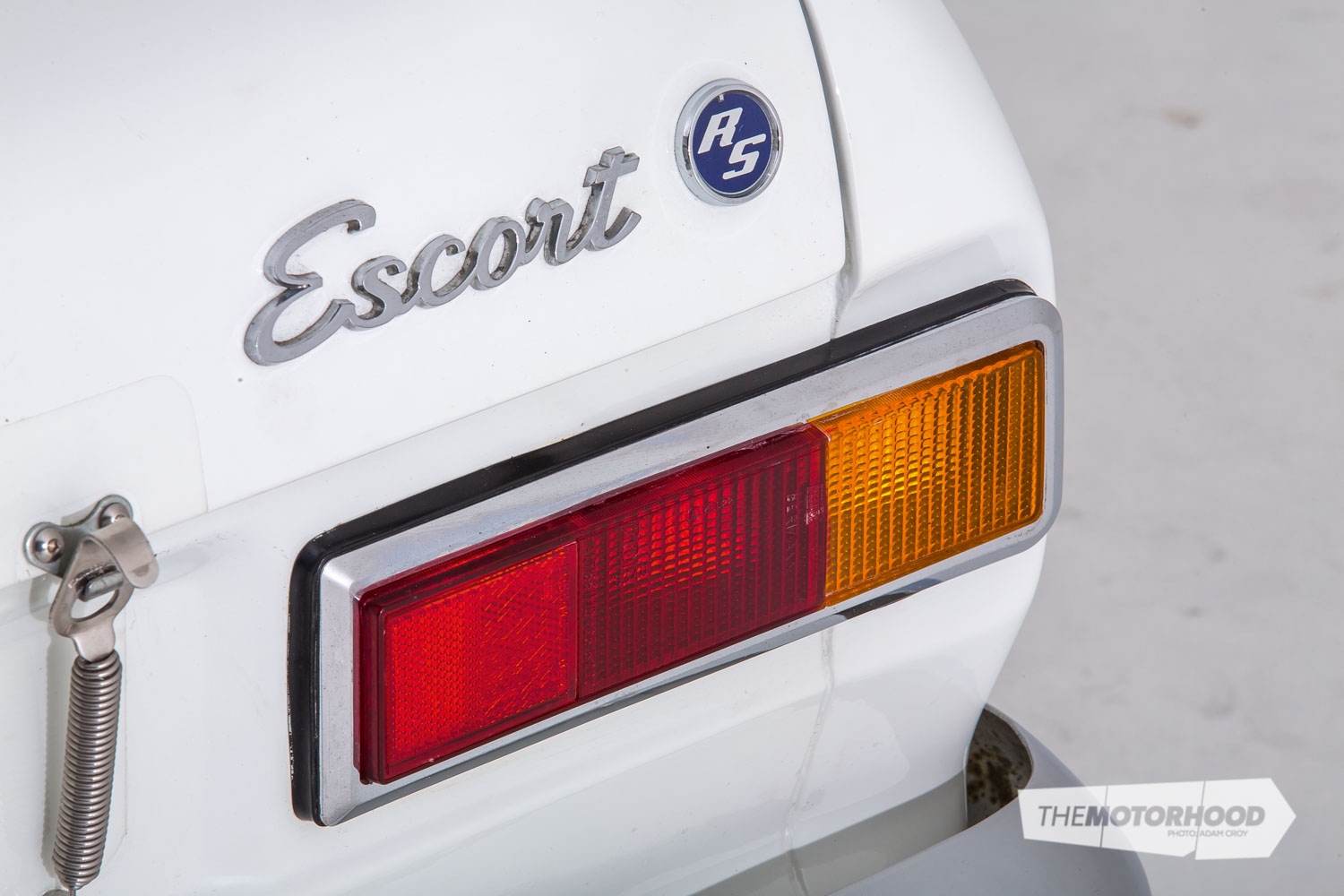
Twelve months into the project, Greg realised that it wasn’t going to work and, as already mentioned, they agreed to build one car each. Neil continued building his Escort, while Greg found another suitable, rust-free MkI that was still registered, with the original black and silver plates, with which to commence his build. Greg wanted his car built as a replica of the ’70s Ford Works Escorts in every regard, except for seats, belts and roll-cage, as they would need to comply with today’s safety regulations.
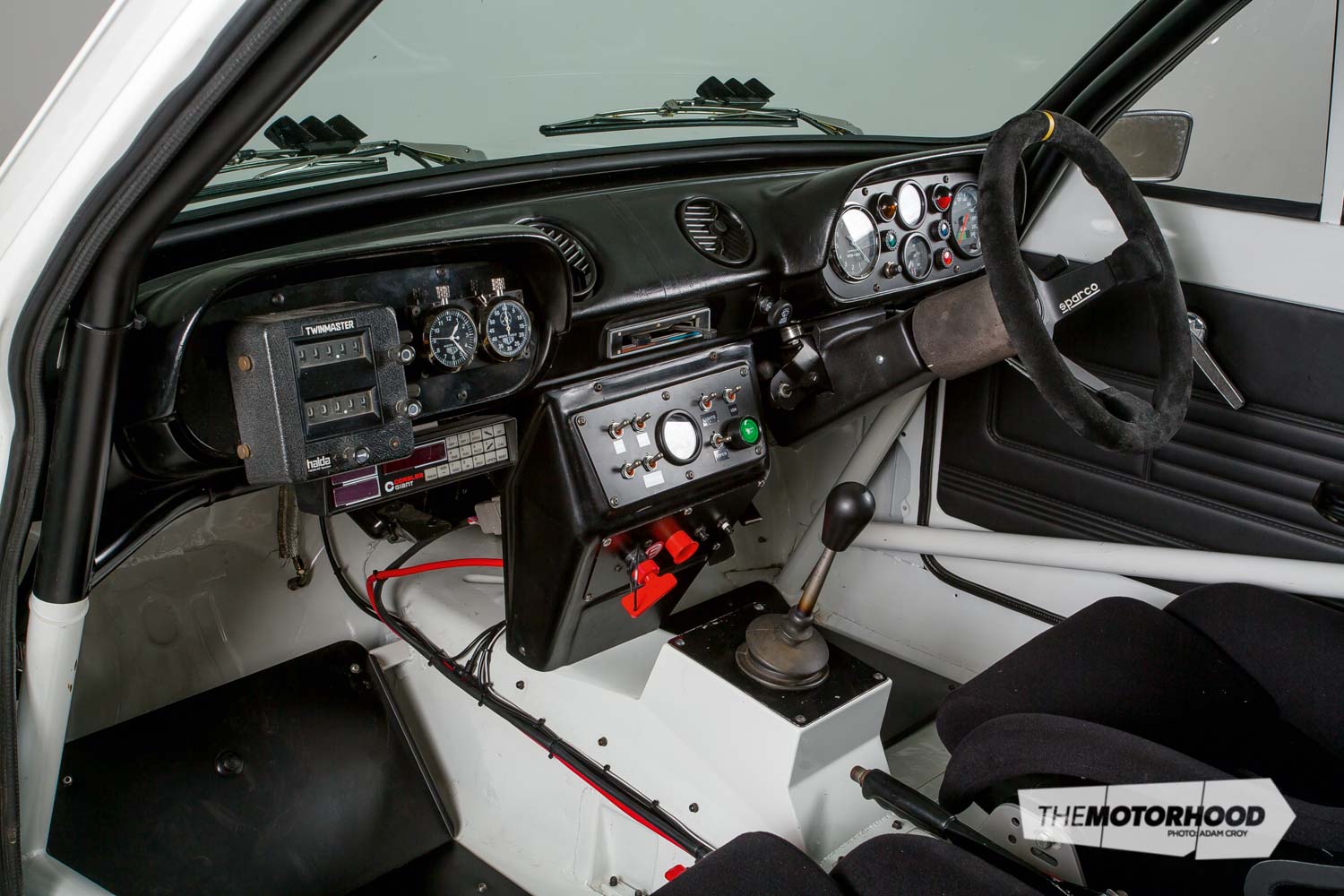
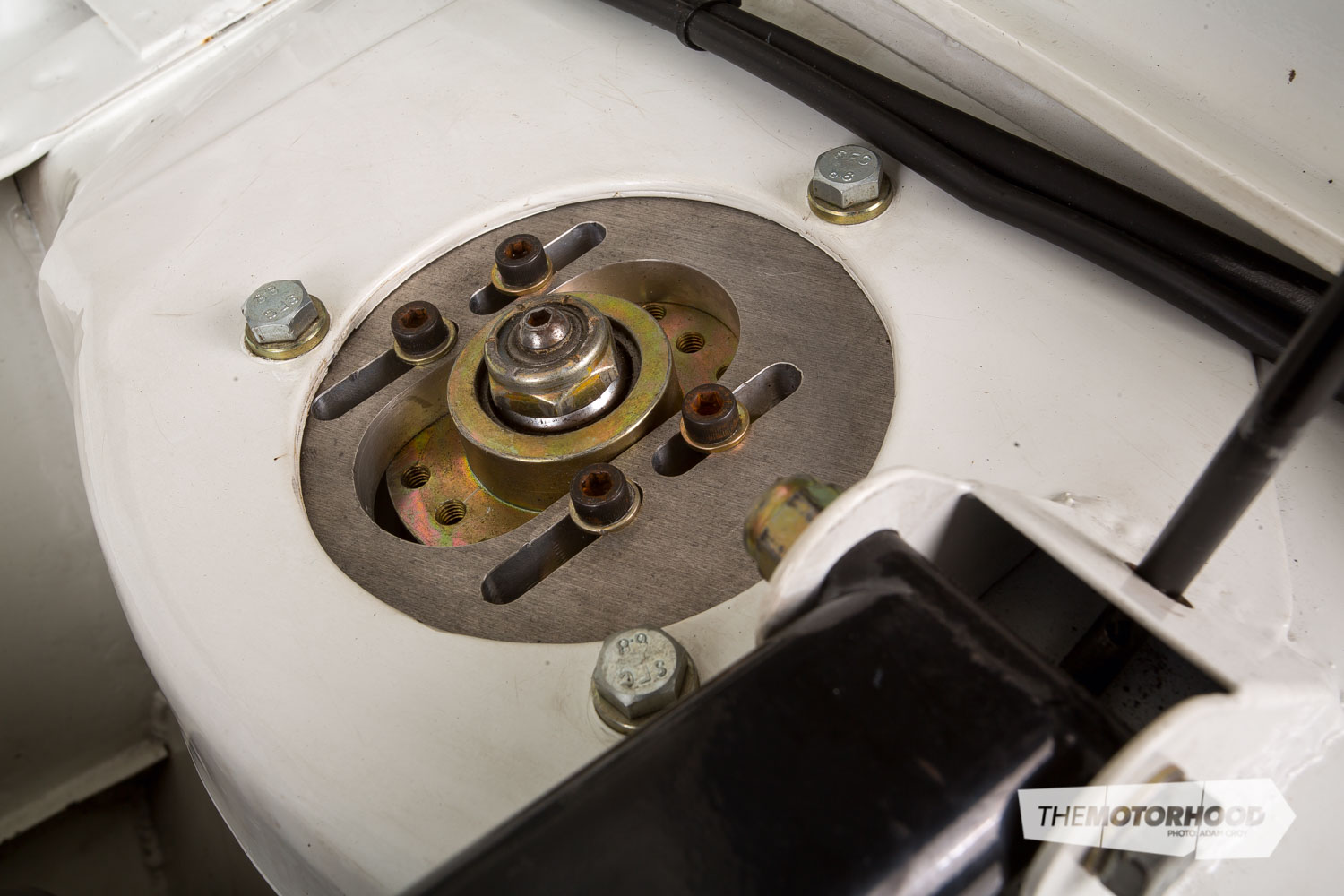
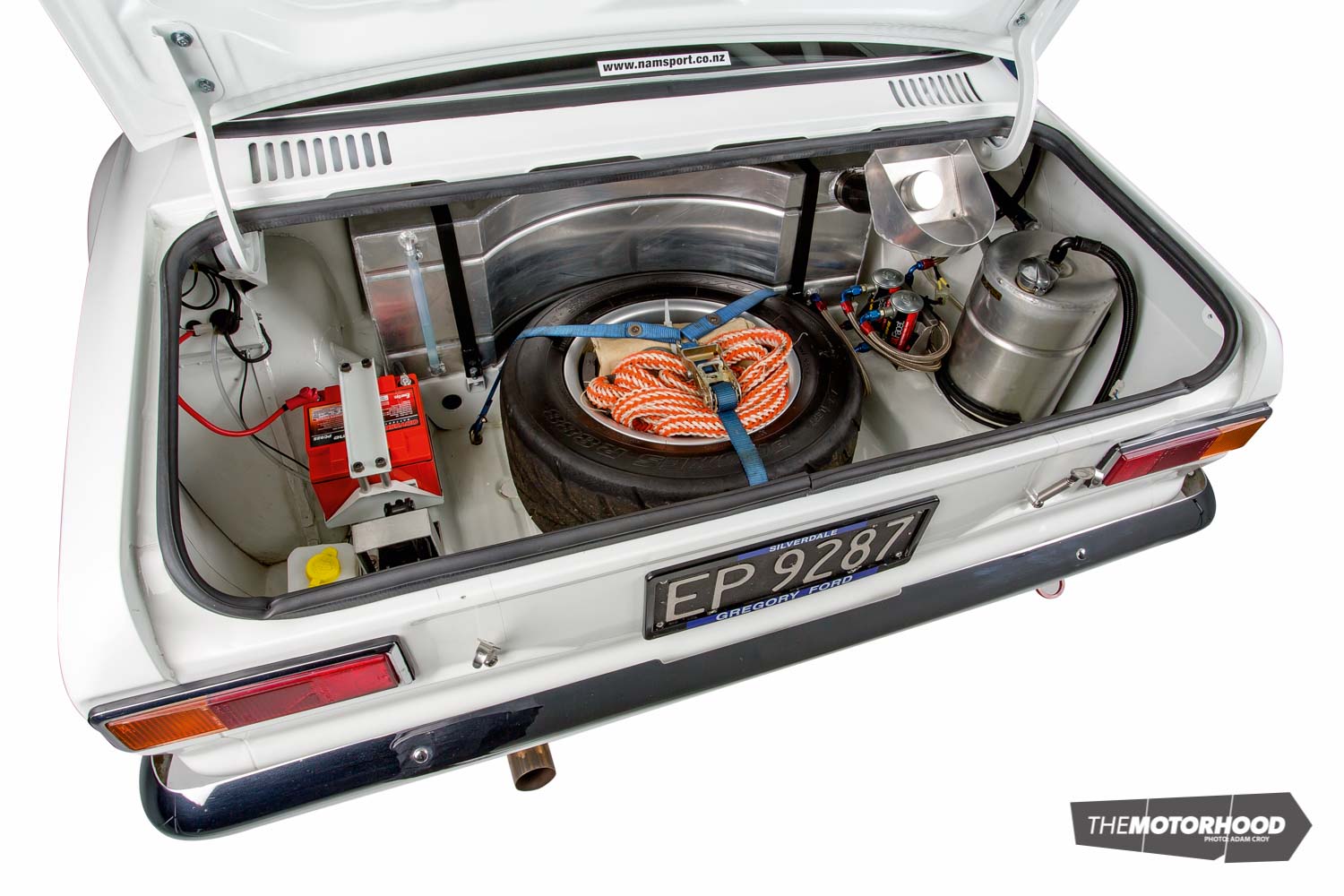
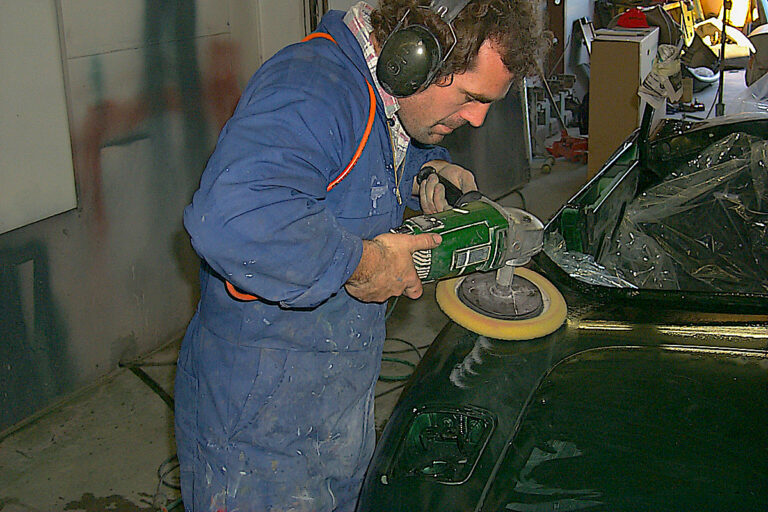
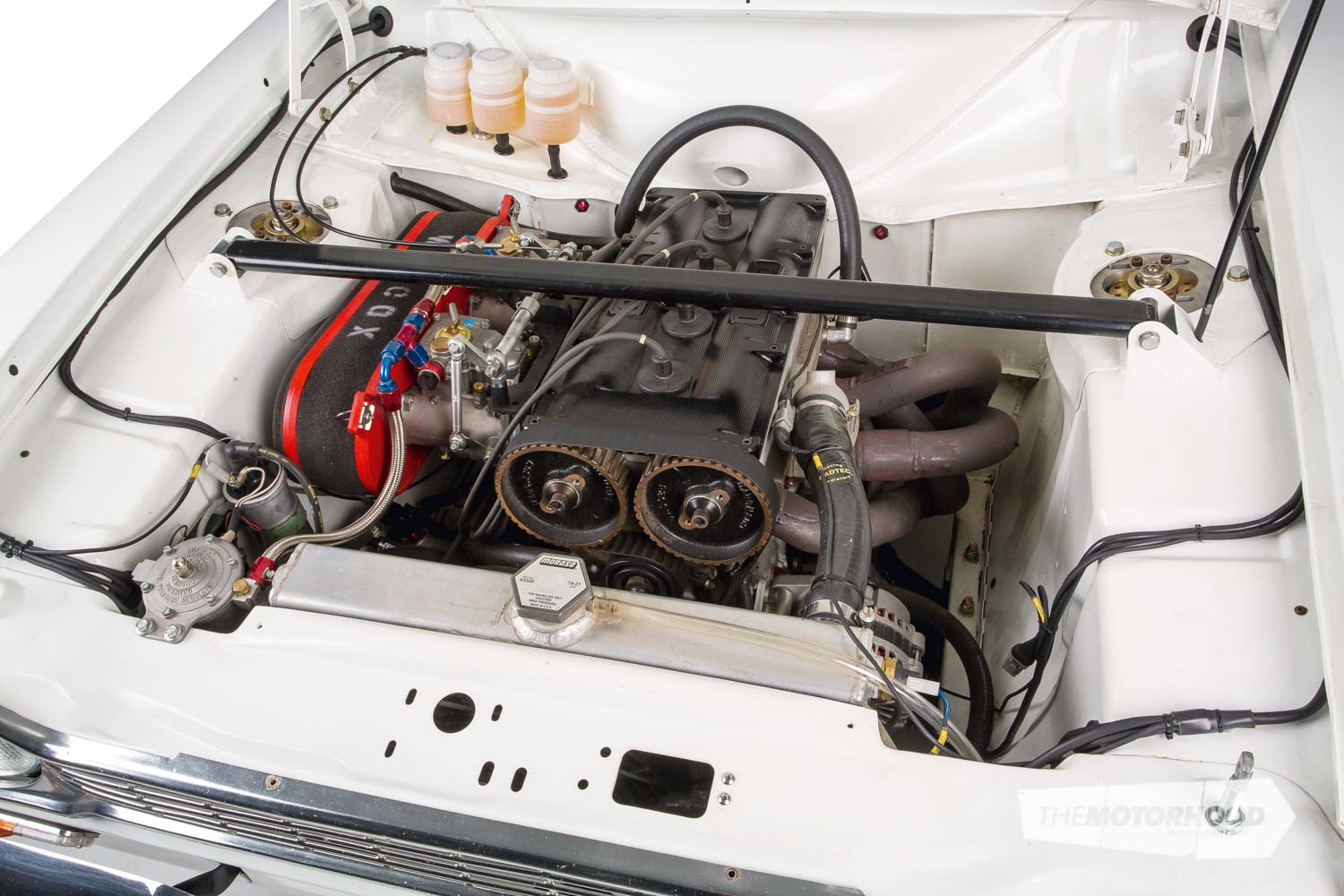
The Escort was completely stripped prior to being fully prepared; this would include such rallying niceties as steel wheel arches, extensive body seam-welding, lots of strengthening plates, new seat runners and competition fuel tank mounts. The body was then media blasted and painted by Woodhead Panel & Paint and reassembled, including new suspension, brakes, BDA engine, gearbox and differential components were all completed in Neil Allport’s workshop whilst Auckland Performance Tuning took care of the wiring loom.
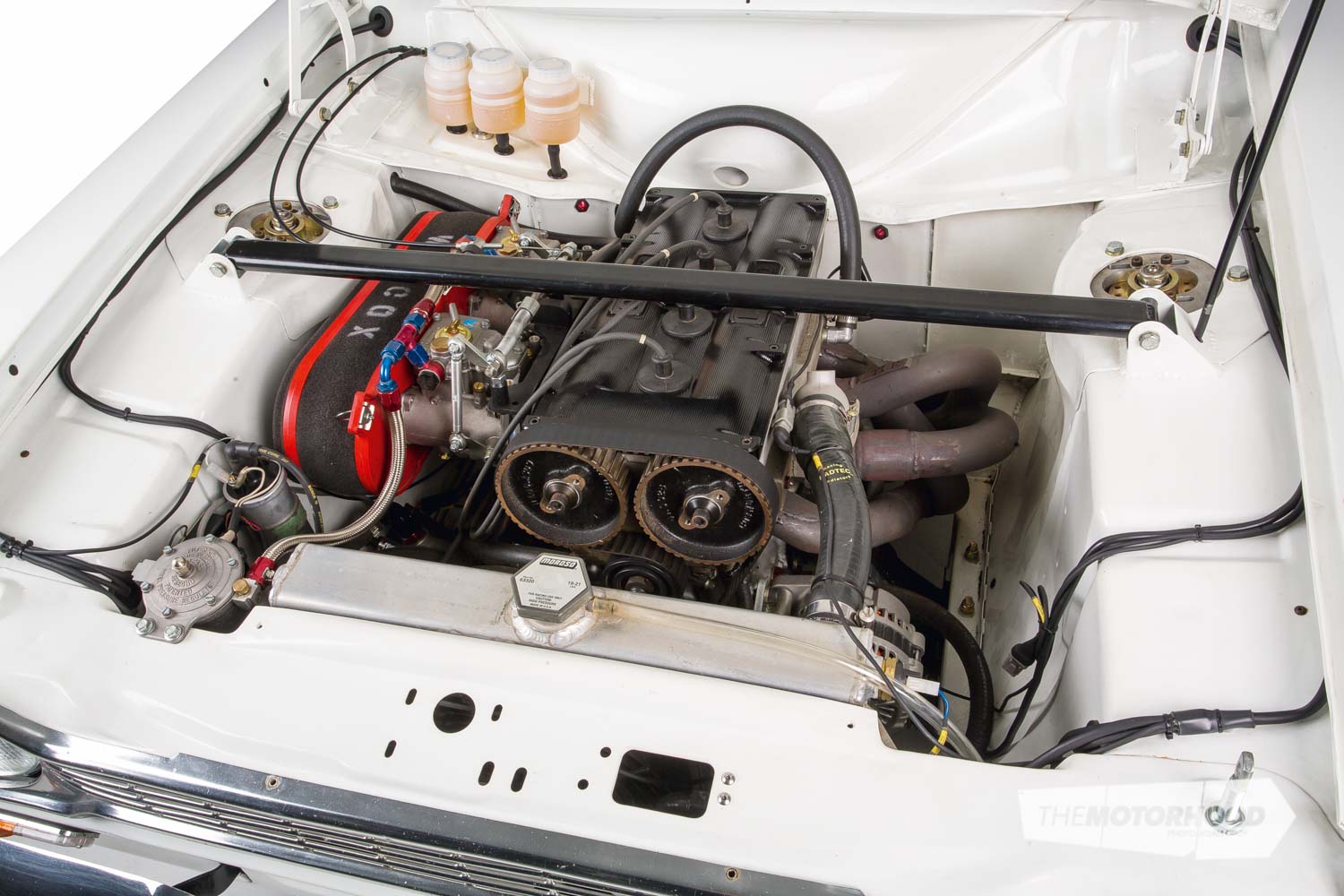
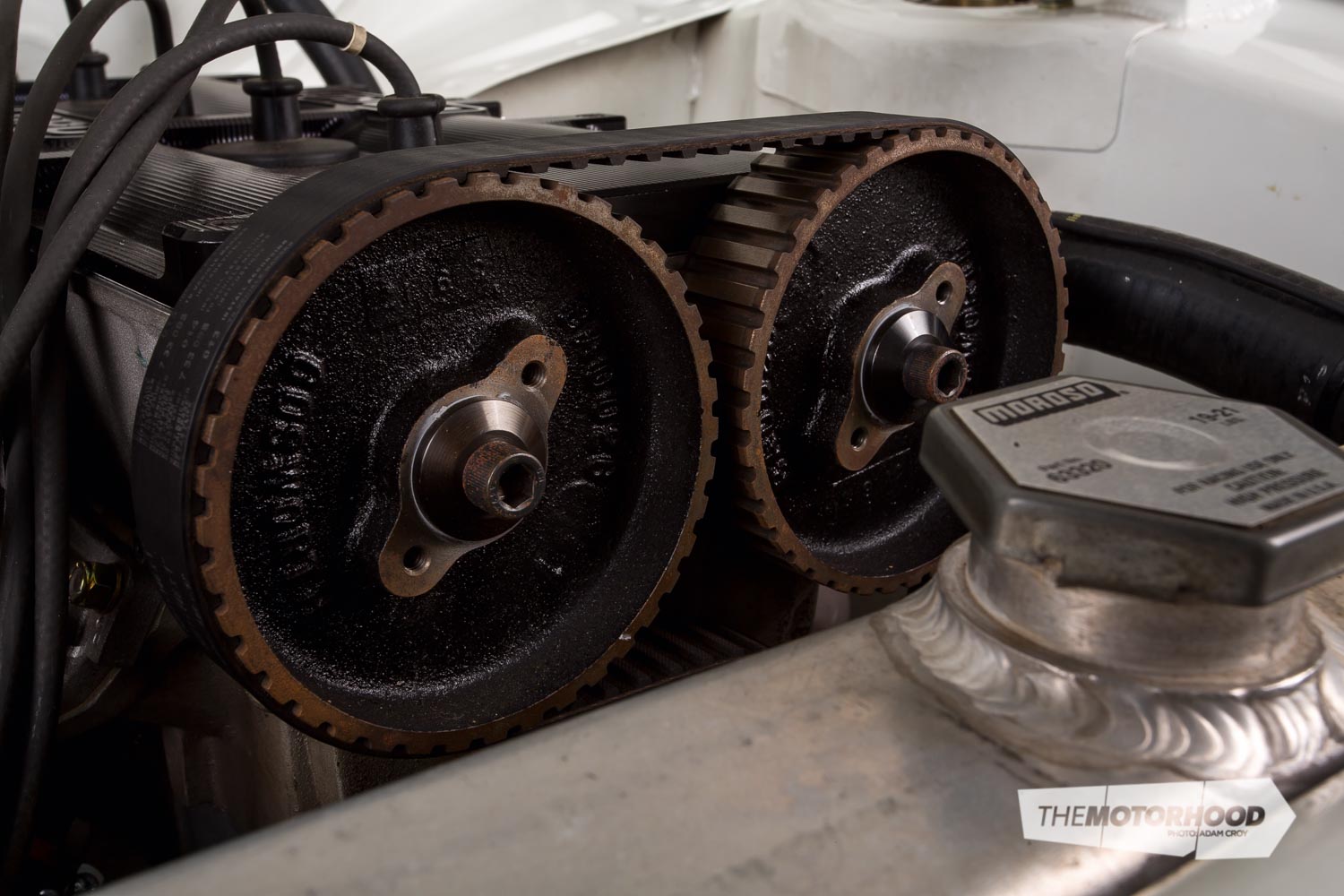
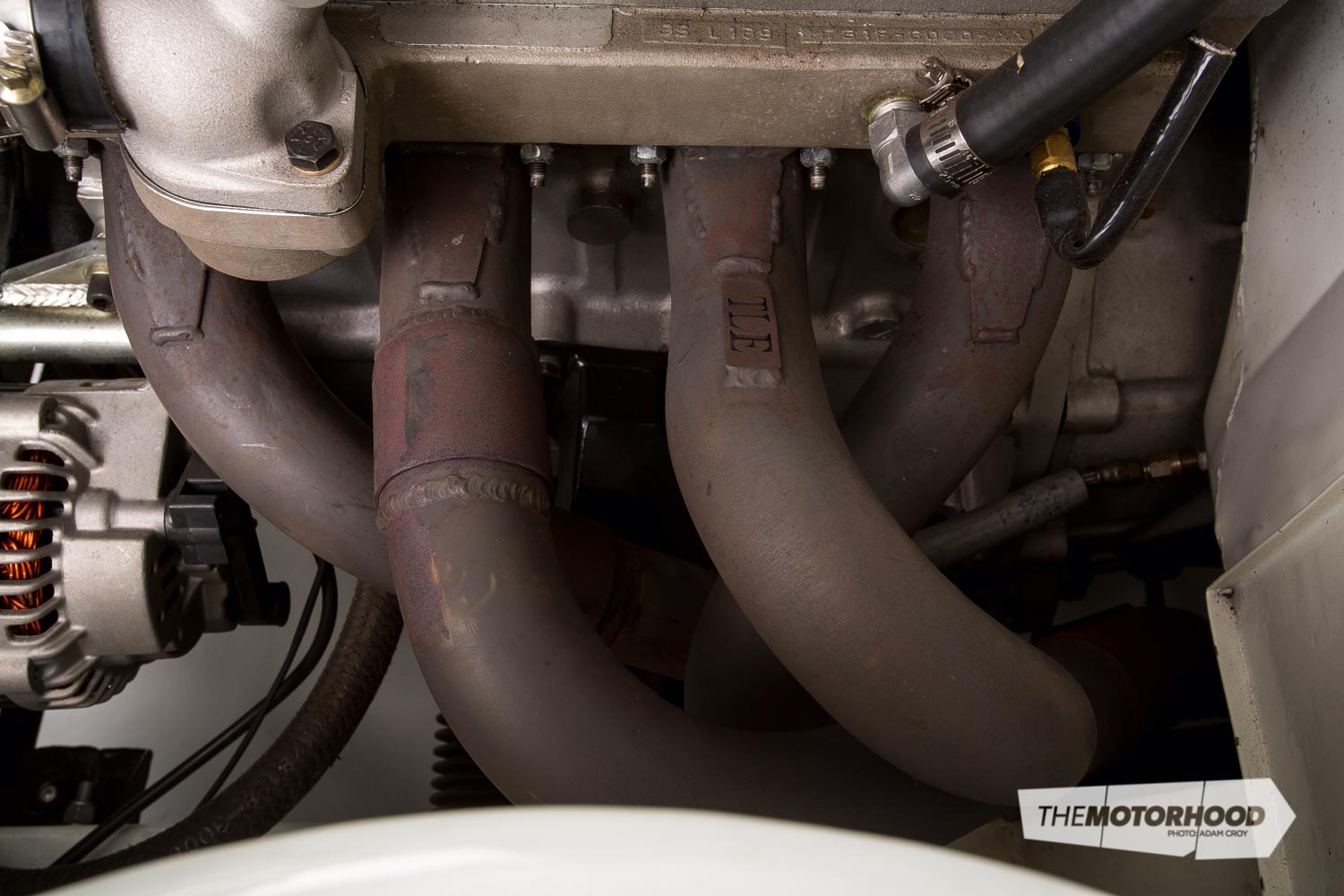
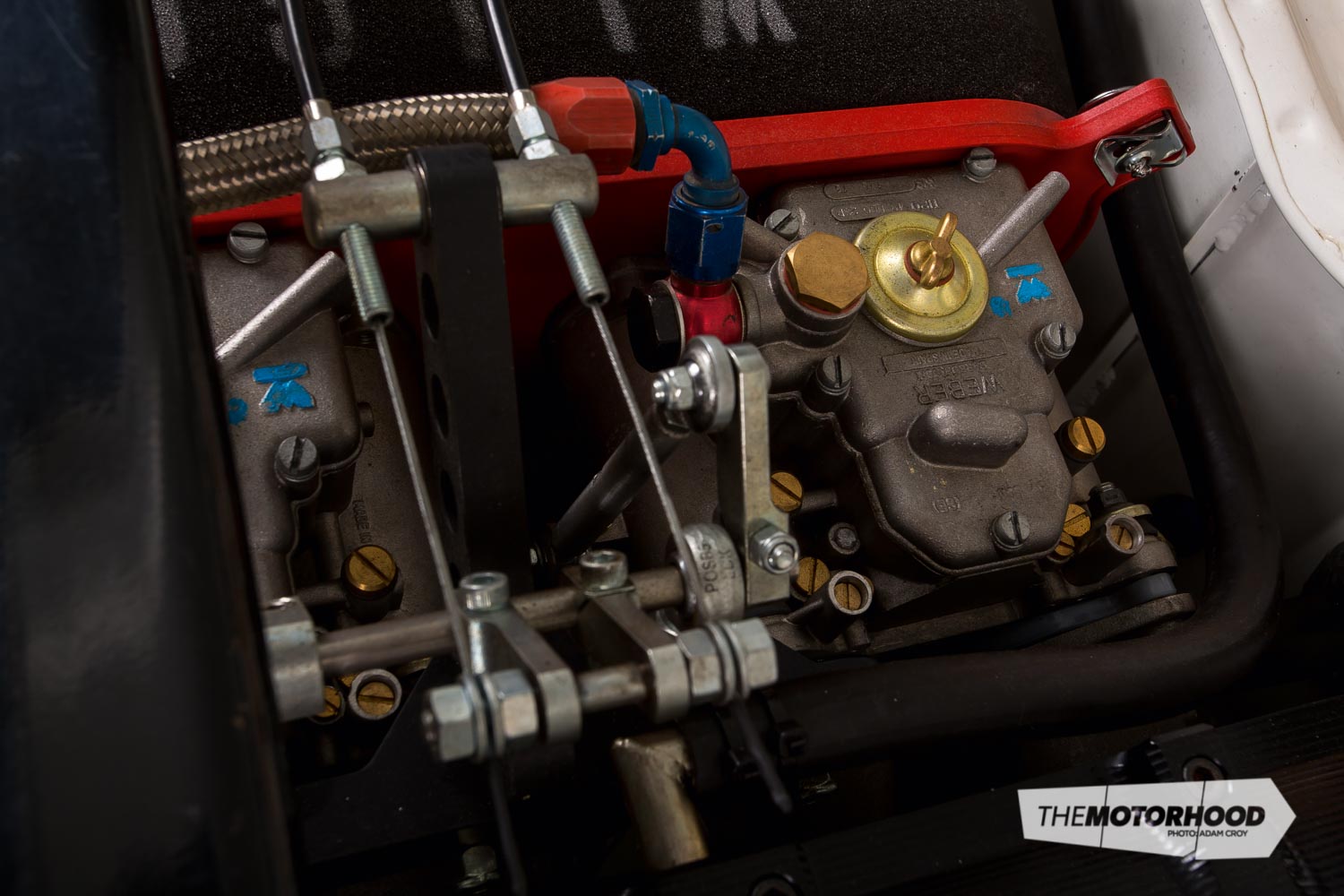
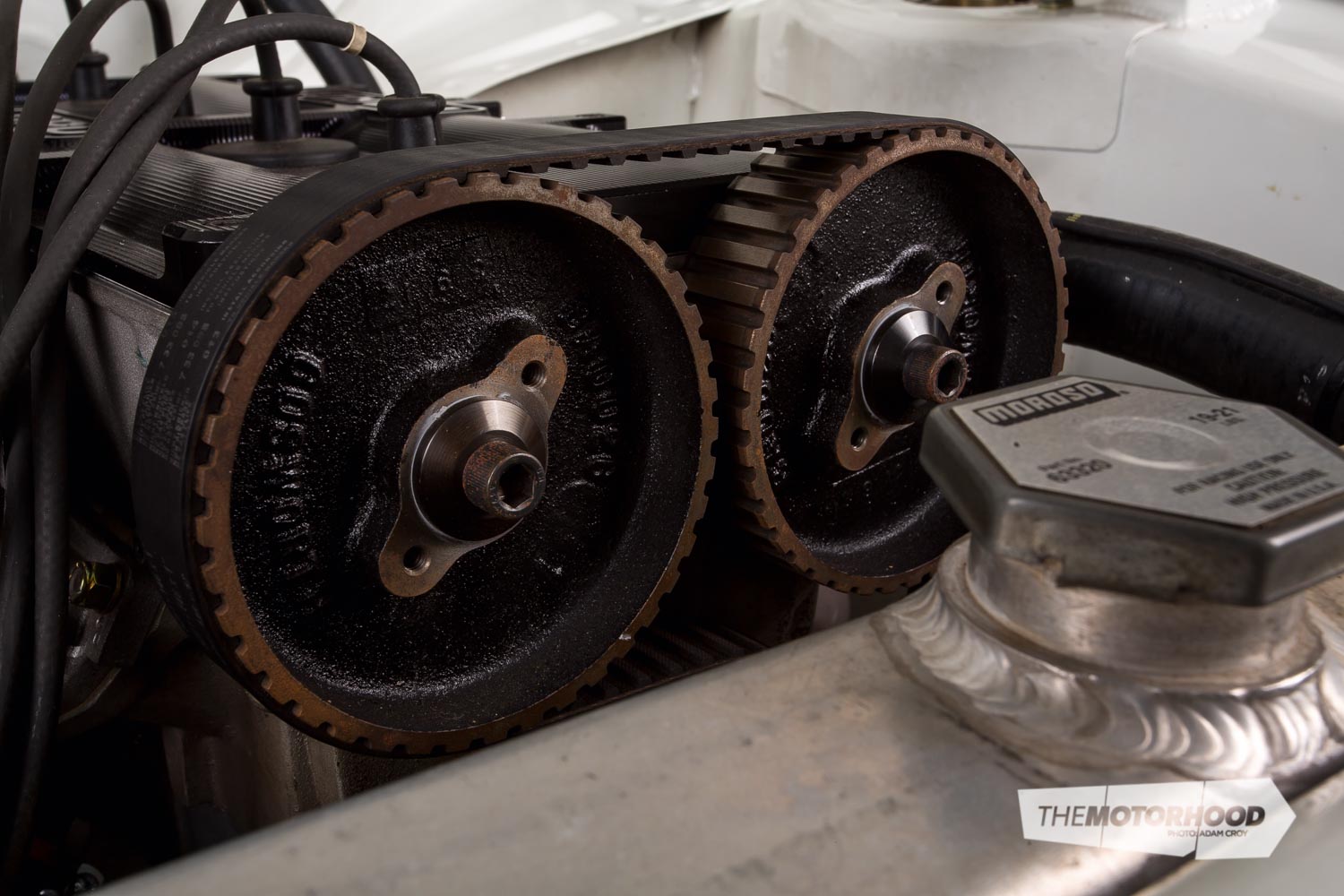
The car was built for Greg by Neil, as funds allowed, over a period of seven years with Neil personally building the Ford’s engine, gearbox and differential. The basis of the engine was a really good condition 2.0-litre BDA alloy block and head. Other vital parts were either bought new or as a kit.
It’s also important to note, that no attempt was made to re-engineer the car or its engine, suspension, brake and wheel sizes from how they were back in the day. Greg points out, that Ford spent more money on the development of these cars than he’d ever possess, and the car was a winner then — so, as with Neil Allport’s own car, they stuck with Ford’s original setup.
Firm focus
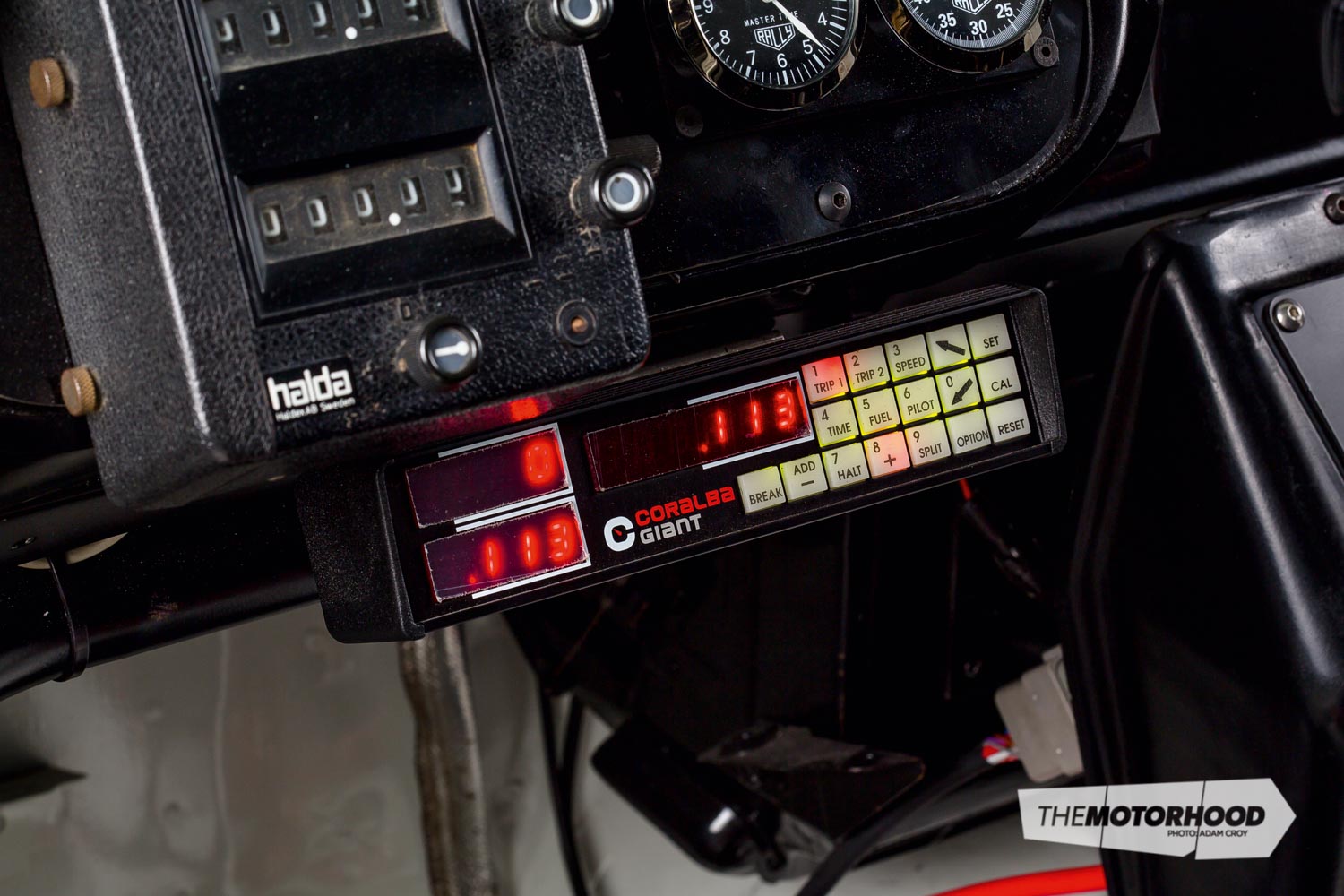
Greg’s car was completed literally the day before the start of the Targa NZ North Island in May this year. As with most new builds, pressure was on over the last few weeks with the car being run on Tuesday night, dyno-tuned on Wednesday, with Targa scrutineering on Thursday of the same week.
Greg’s first real drive in the car came when he was on the way to the start of Targa NI’s Special Stage One and reckons it was just a case of — “I guess we’ll sort out just what it does on the first few turns!”
As it turned out, that Special Stage One was a success, with Greg recording an overall time that placed him First in Class and second overall in the Classics. Sadly, after that, the team encountered an engine timing issue that sidelined them for the balance of the first day, and they didn’t rejoin until the start of day two, destroying any chances of a good overall result. The balance of the event was about getting a feel for the car and, once the timing issues had been resolved, Greg’s results over the next two days were great. The car performed faultlessly with a number of stage wins in the classic division.
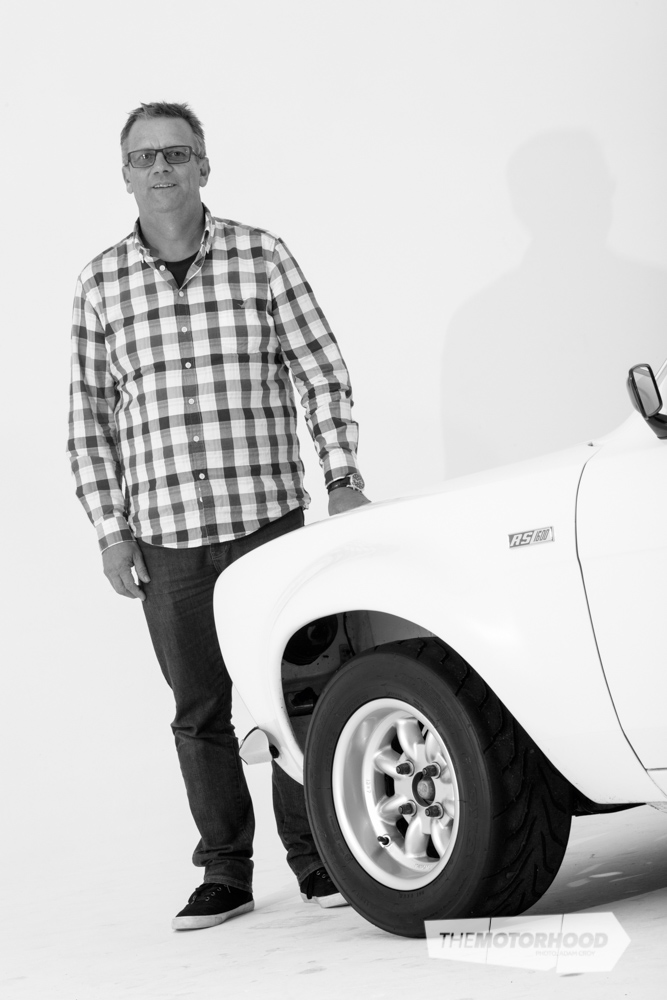
Since competing in the Targa New Zealand North Island, Greg has competed in one other event — the Taupo 2WD Rally — which he used as another shakedown in preparation for Targa South Island.
Greg had a great day at the Taupo event, where he was able to go head-to-head with Neil Allport in his identical car for a couple of laps. Sadly, the day was hampered slightly due to an engine miss throughout the bulk of the day. This has since been fixed by the team at Neil Allport’s — Greg and his crew have their sights firmly focused on the future. We wish them the best of luck!