Organizing a first-class rally is a sure-fire way to put pressure on yourself, especially since participants are likely to come back expecting at least the same standard at the next one.
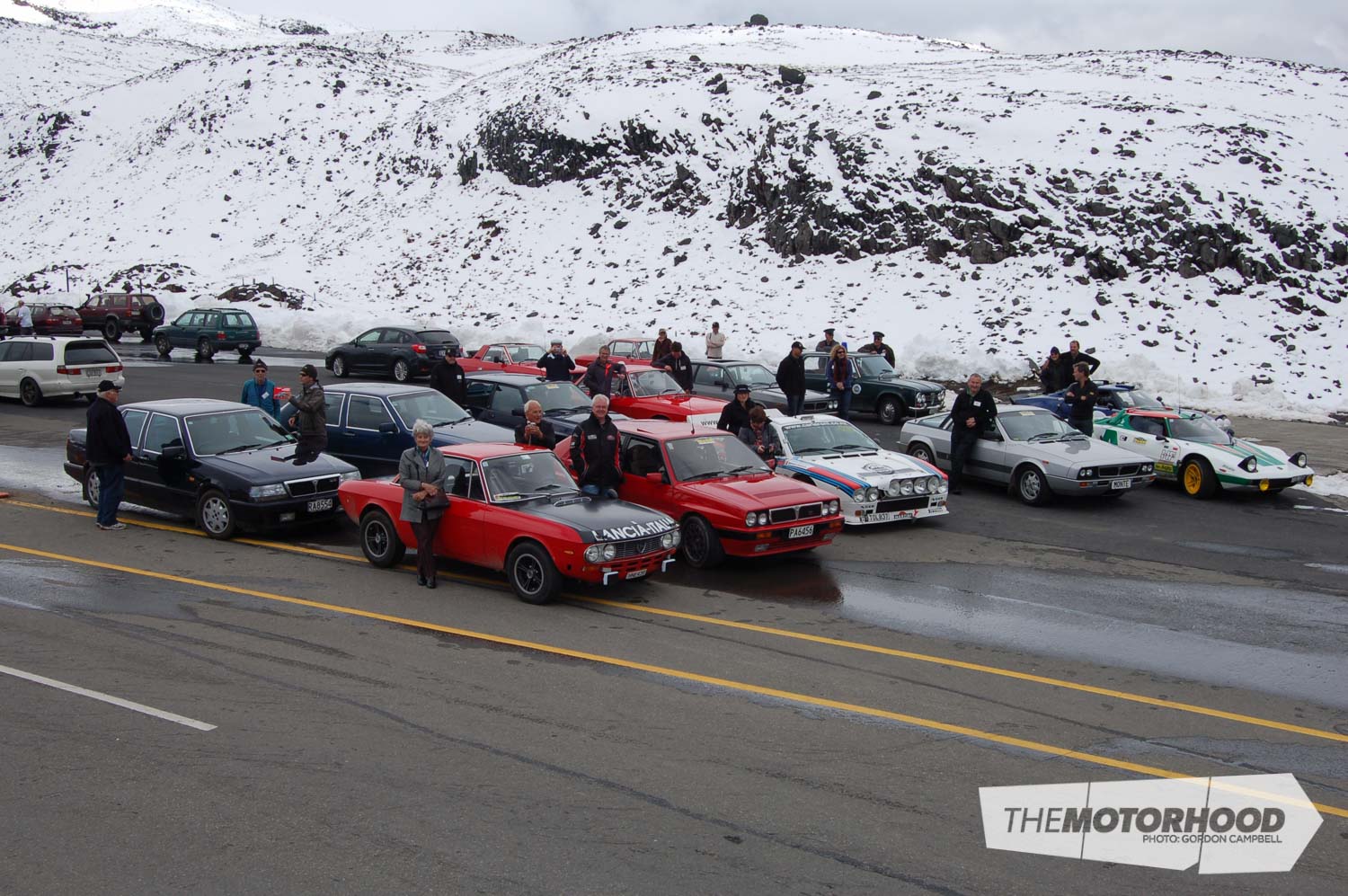
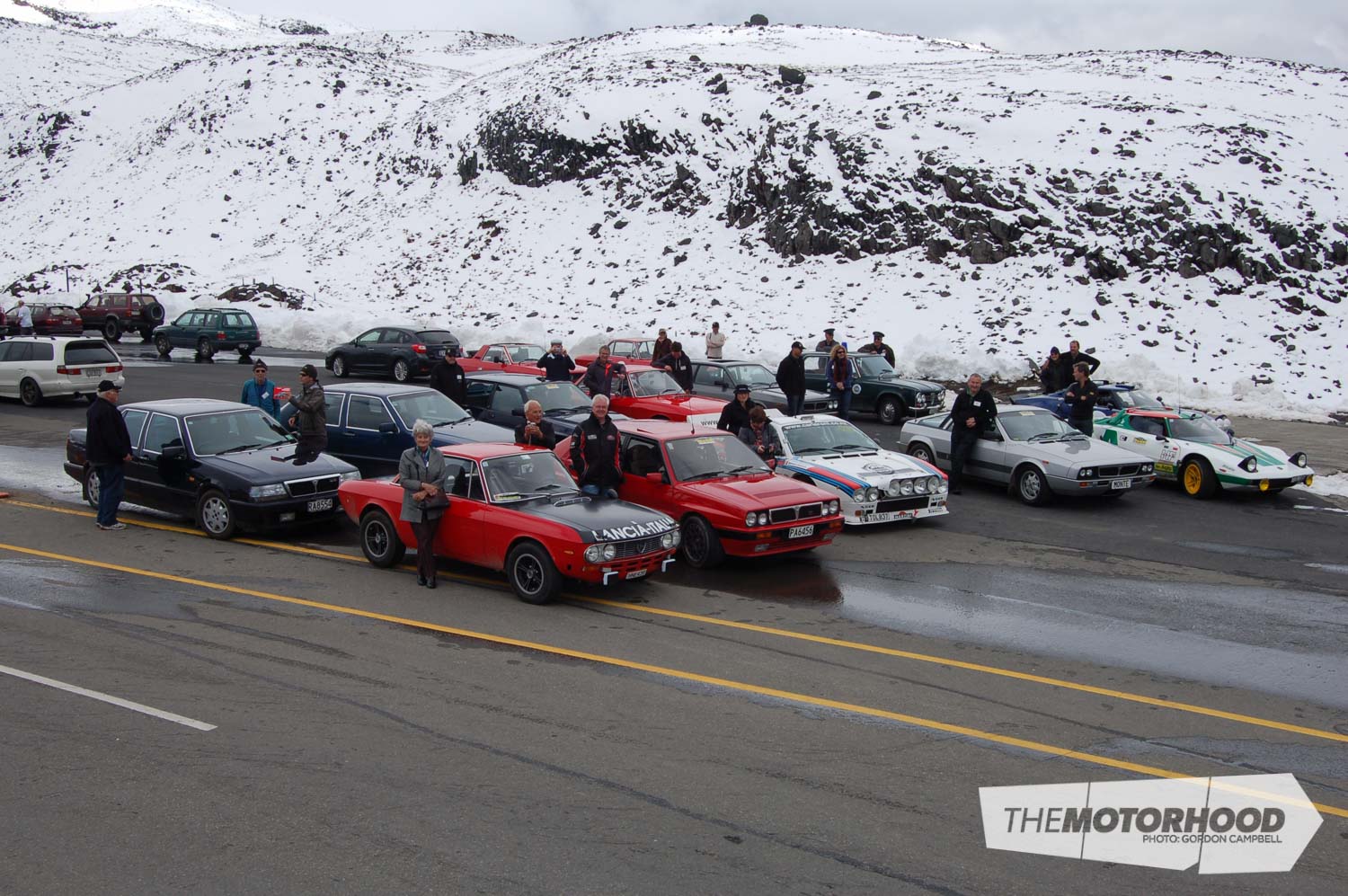
Those who returned for the fourth Giro de Vulcani on November 6–9, 2014 weren’t disappointed. It was a chance to see familiar faces and get acquainted with a few new ones at an event that fully met (some even said exceeded) the benchmark set by previous ones. Held every second year for a limited number of classic Italian cars, the Giro is meticulously organized by Carteroni, the Lancia specialist of Mangaweka. As its name implies, volcanoes are part of the itinerary.
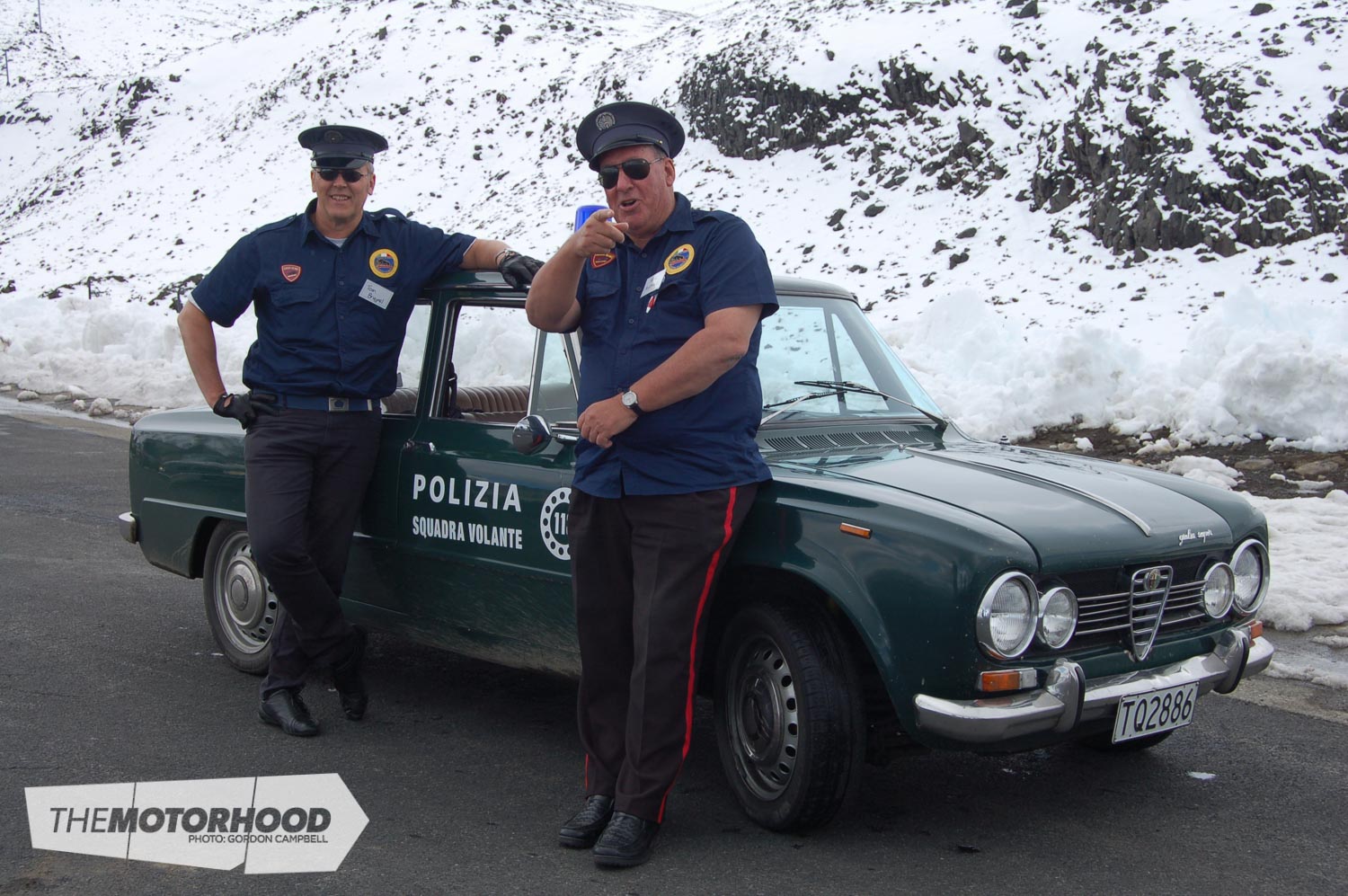
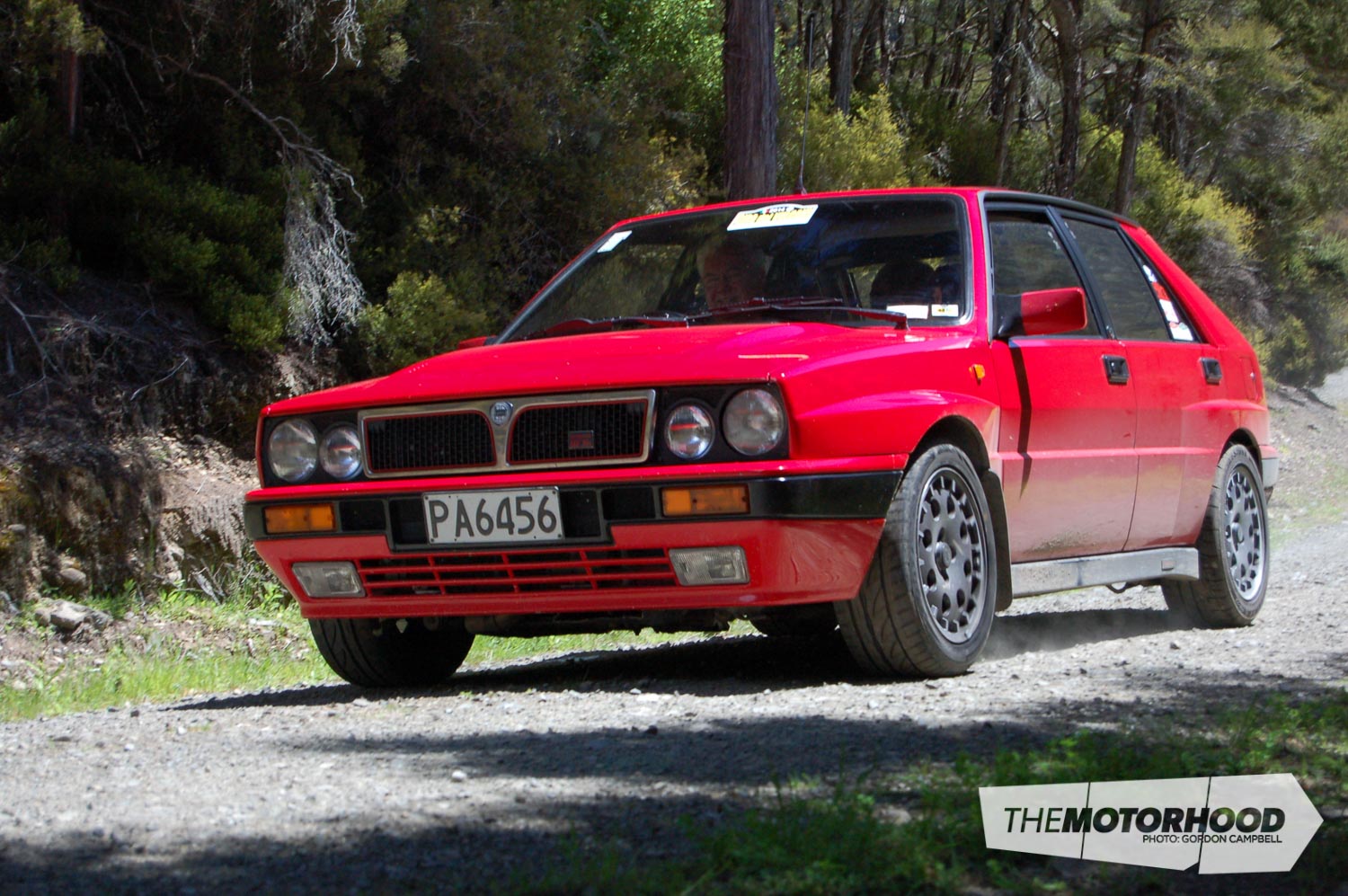
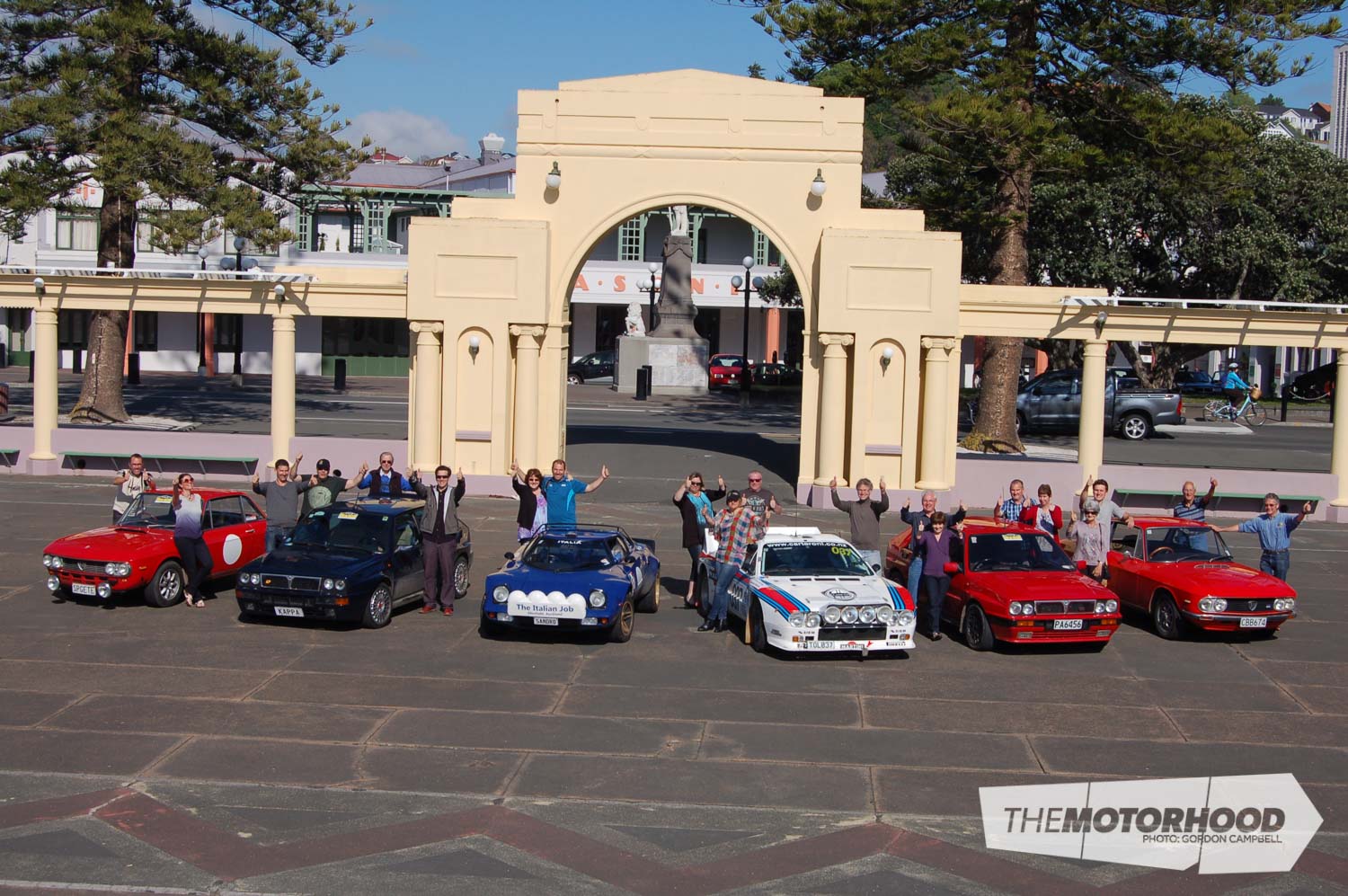
Furthest-travelled were David Lowe and his father, Peter. David had bought a Lancia Thema online from Dunedin, and he and Peter flew over from Sydney to collect it and take part in the Giro. From Christchurch were event stalwarts Geoff and Erica Tie, in their always immaculate Lancia Montecarlo. Fellow Christchurchian Tom Bruynel and his Alfa Romeo Guilia Super dressed in Italian police car livery were also in attendance. He was partnered in full police regalia by Mike Apthorp, and the pair succeeded in attracting a lot of attention. Others came from Auckland, Napier, and Wellington for the initial meet and greet at the Awastone Riverside Haven — a new establishment on the bank of the Rangitikei River near Mangaweka.
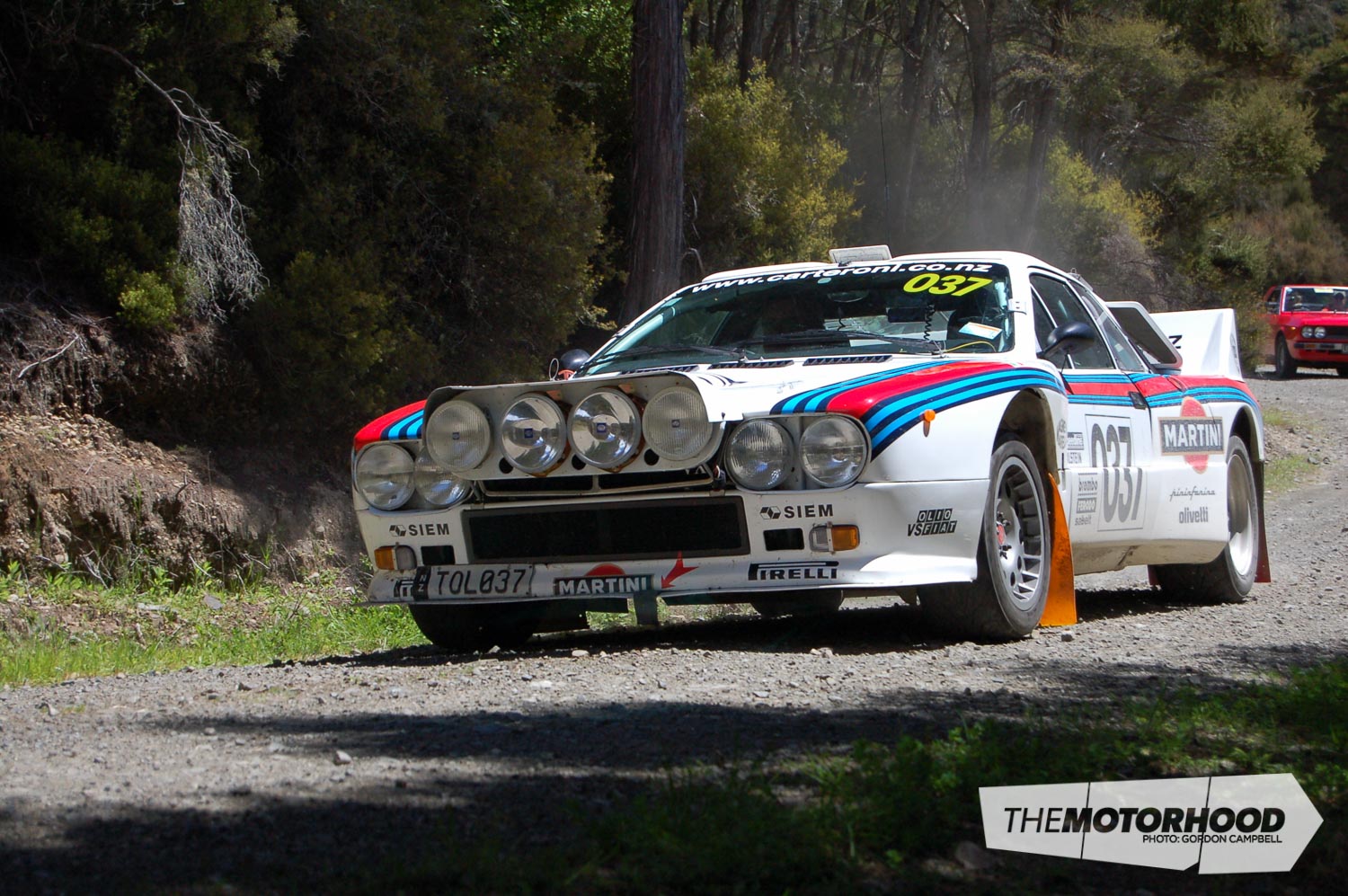
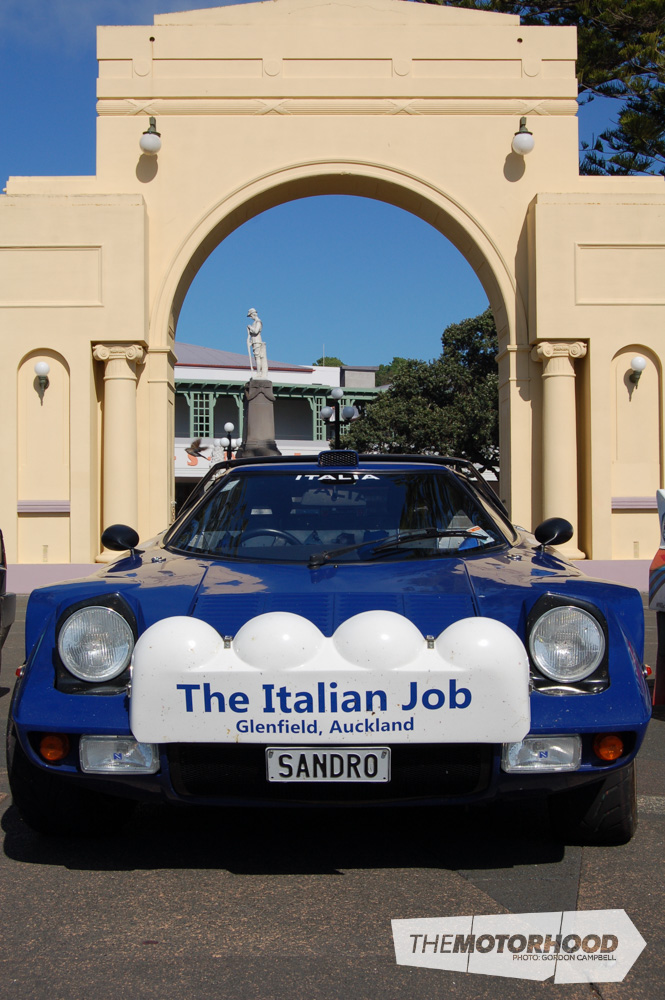
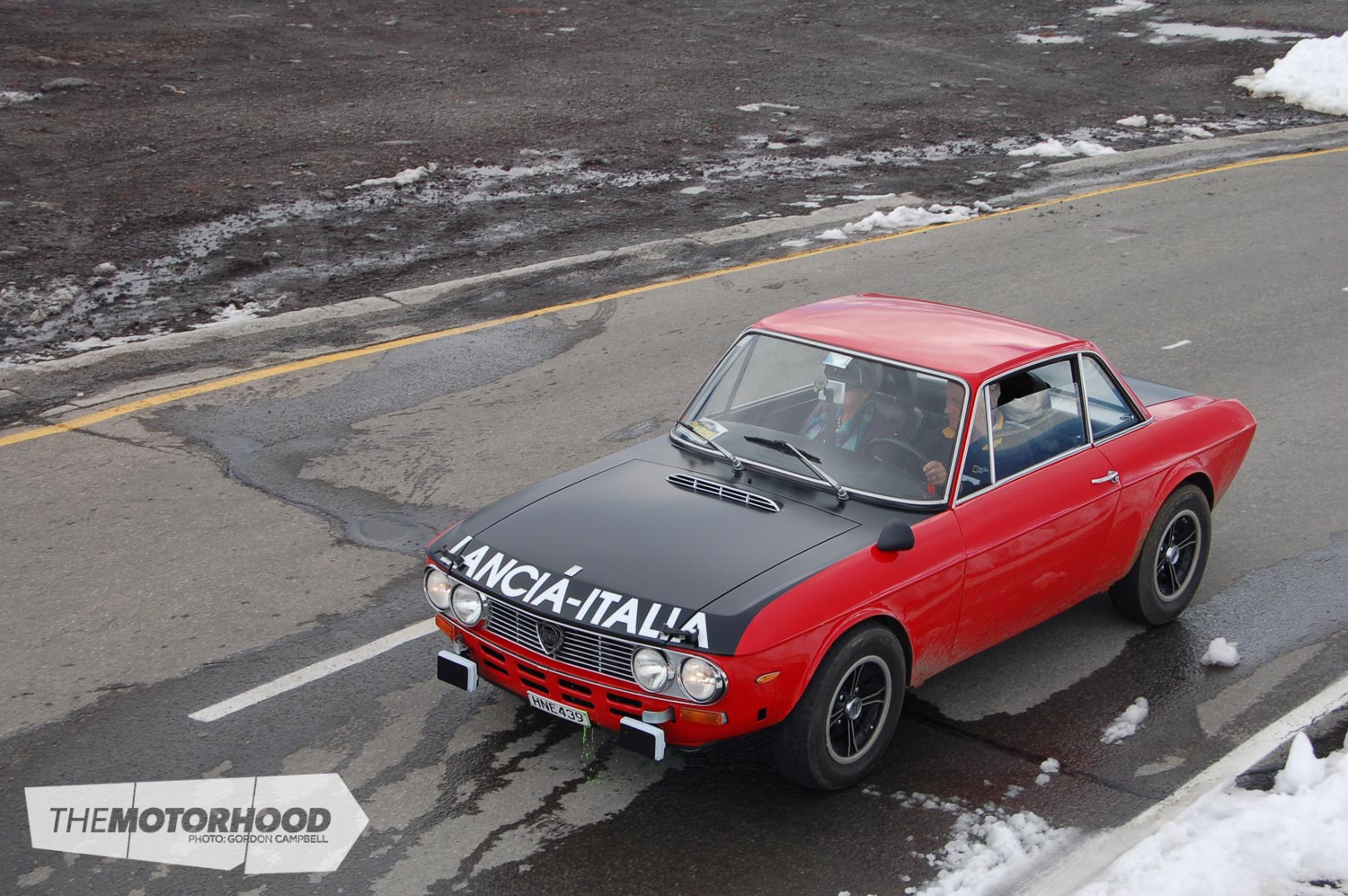
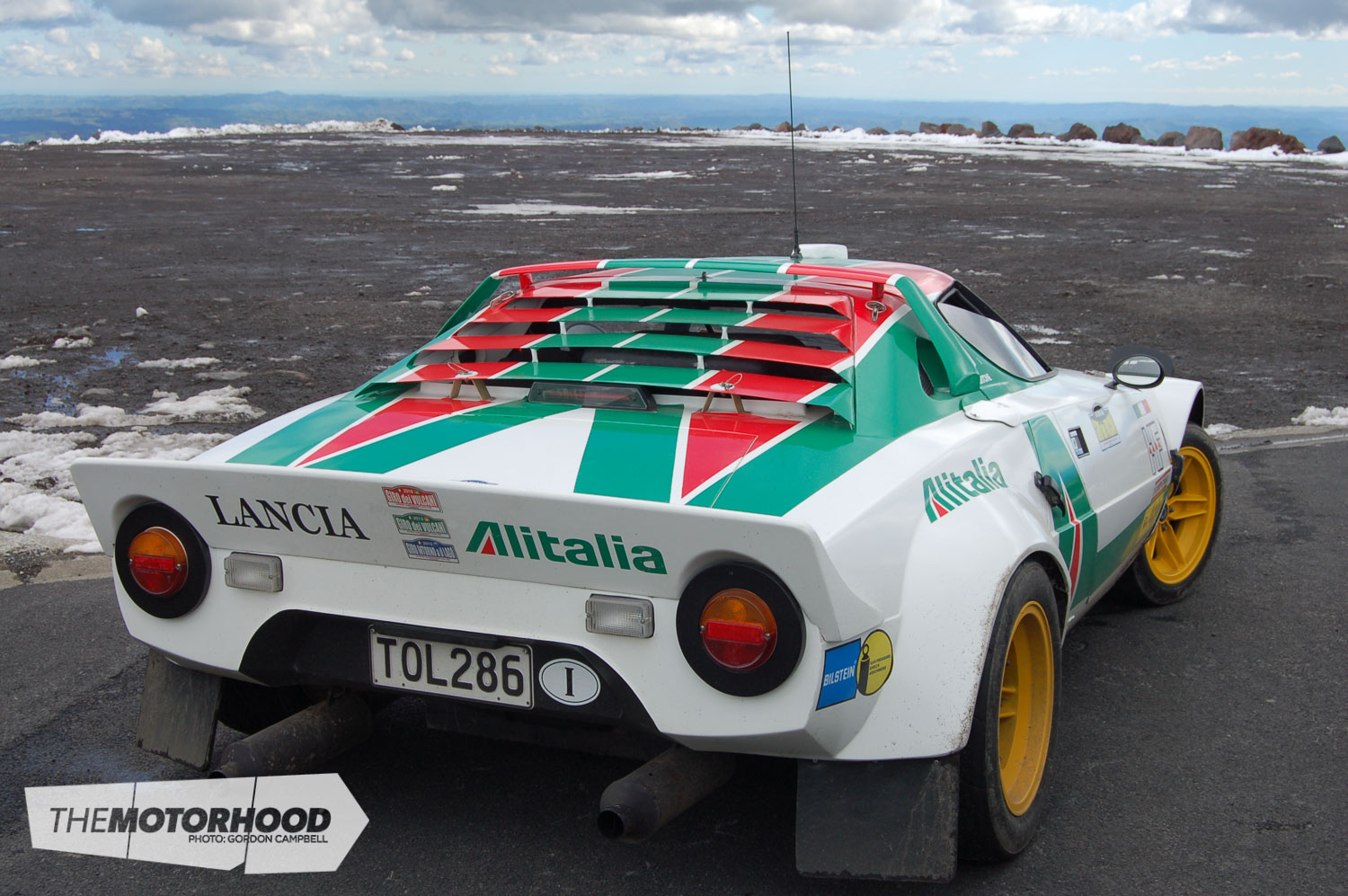
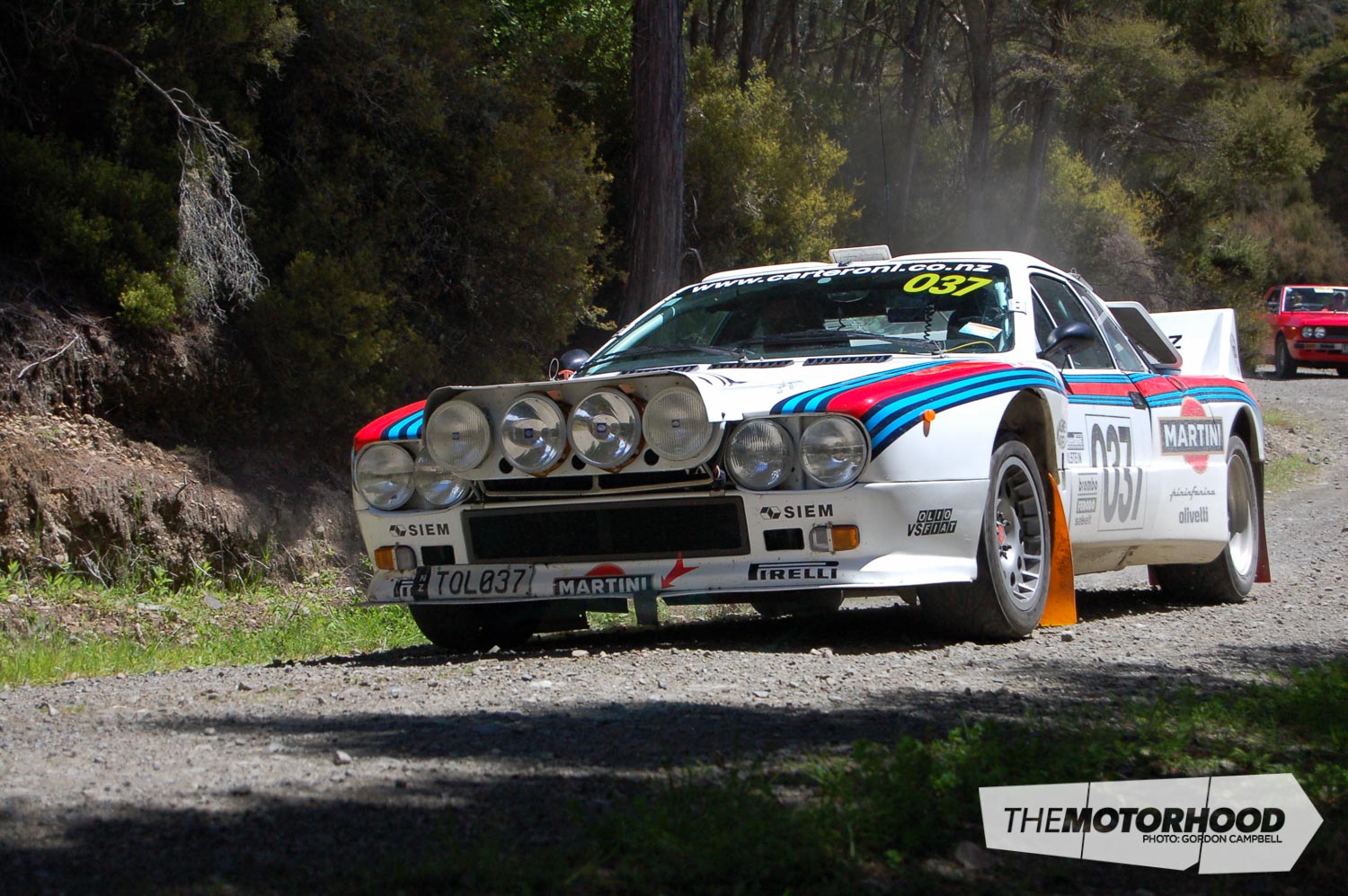
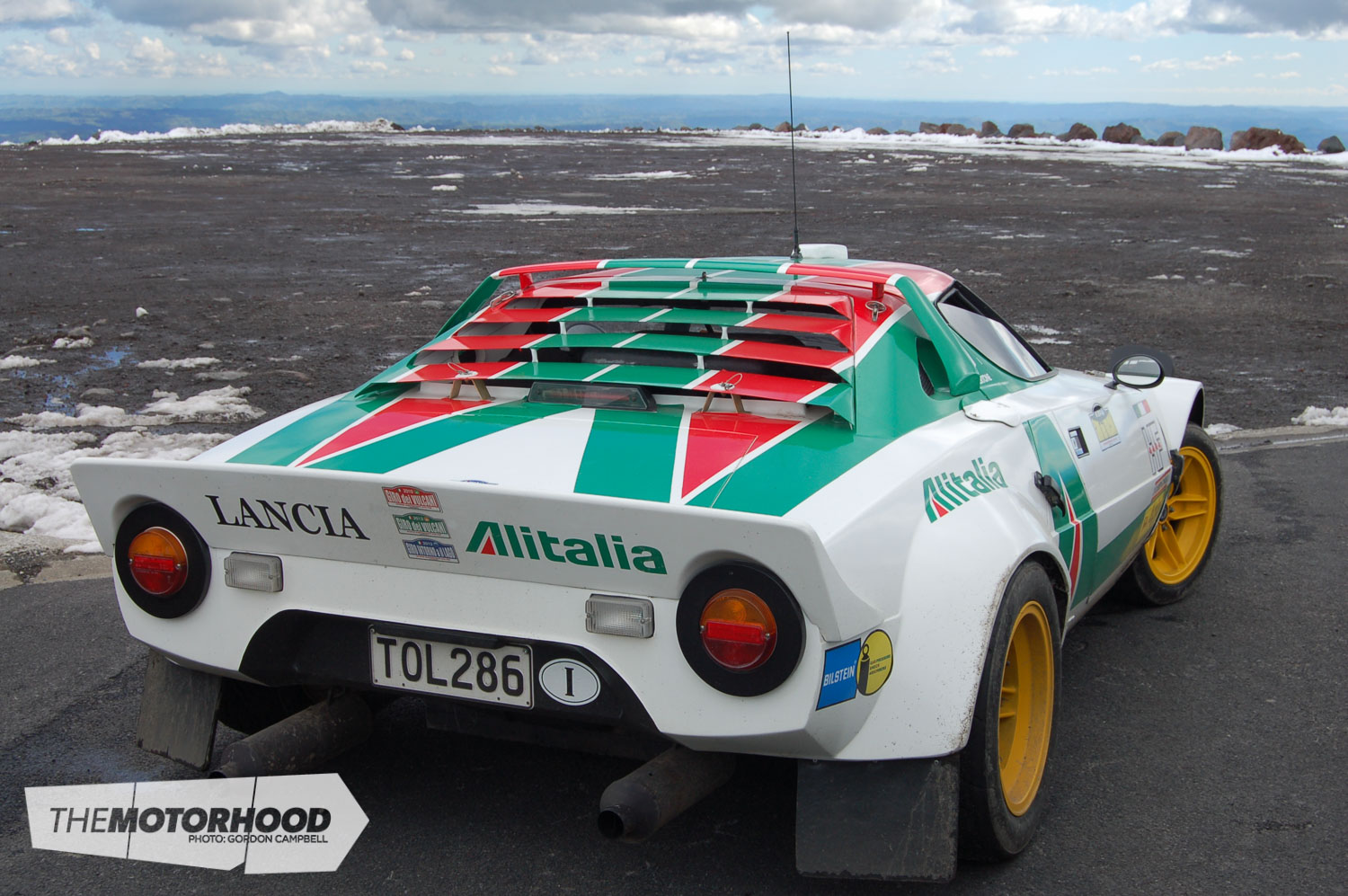
The cars were sent off from Carteroni’s Mangaweka headquarters at one-minute intervals with tulip instructions that guided them on loops around the superb and deserted Rangitikei back roads, prior to a leisurely lunch at Upokongaro, just north of Wanganui. A transport stage to Raetihi was followed by a tour to the Turoa ski field. The reactions were priceless as the Carteroni Lancia Rally 037, the Squadra Volante ‘police car’, and two Lancia Stratos recreations drove through Ohakune in convoy. A man bowed low several times as they passed, a woman tooted her horn and flashed her lights, while kids gave plenty of two-handed thumbs-up.
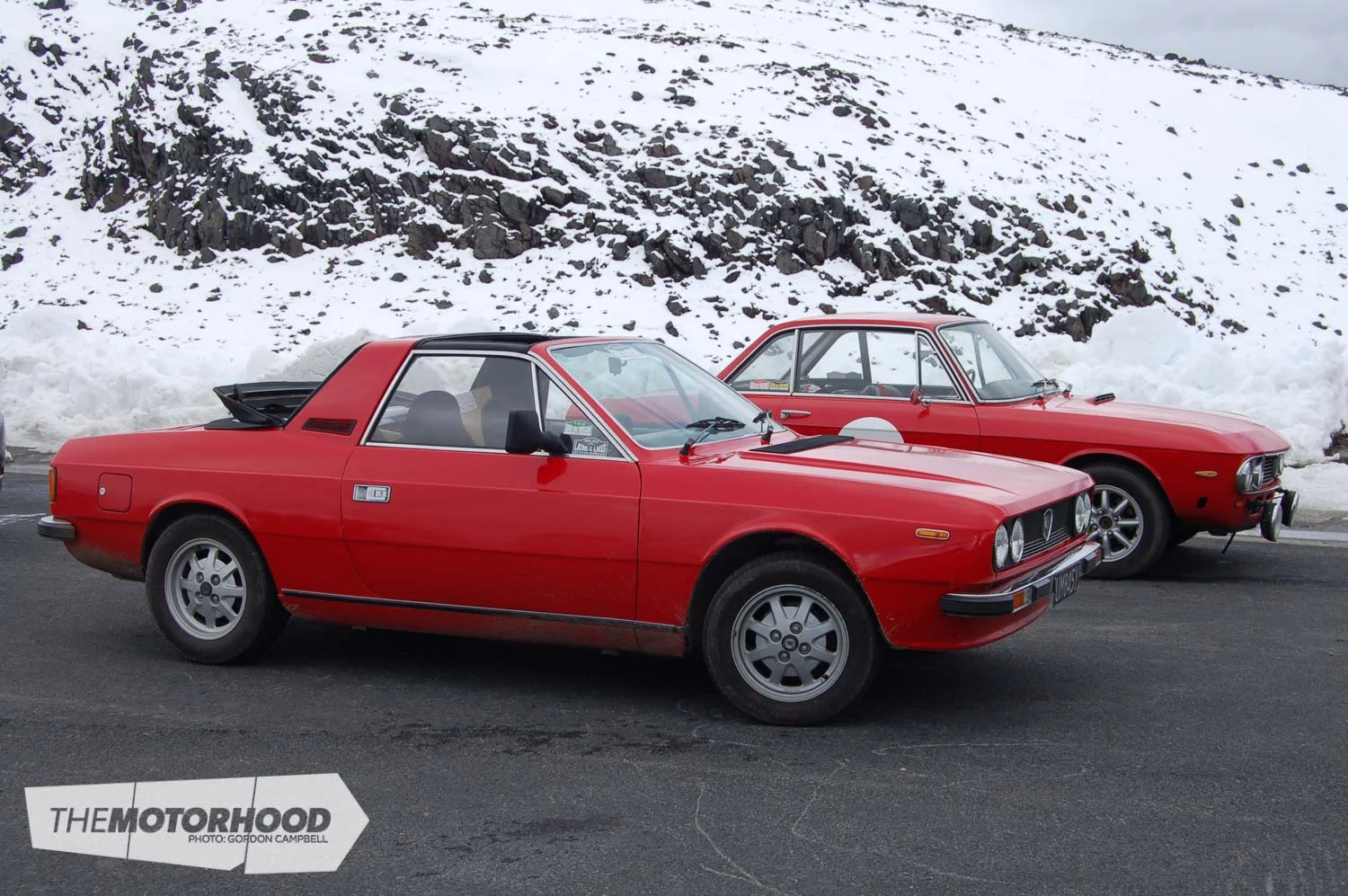
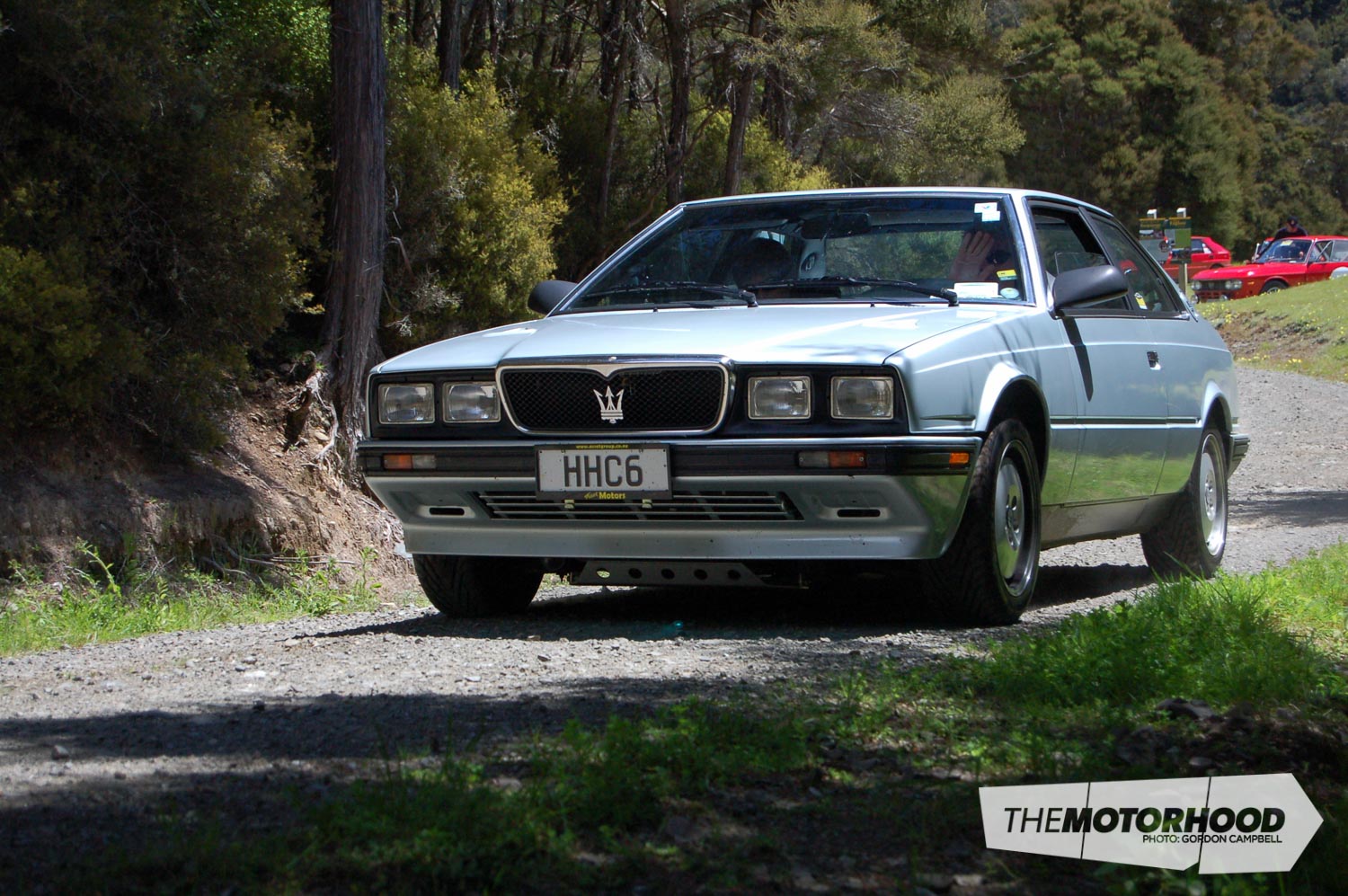
Back at the overnight stay at the Snowy Waters Lodge — the former Raetihi nurses’ home converted to a lodge by the lovely and very enthusiastic Sandy Waters — a fine roast dinner was served, complete with a hospital-themed whodunnit. This required the competitors to dress appropriately, some of them able to get into character with an almost disturbing degree of speed and skill. Locals Jerry and Jo Jordan joined the party in Carteroni’s own Lancia Beta Spider, along with Nick and Sharon Wilcox in their newly-acquired and gleaming Maserati 222.
Stunning views of Mount Ruapehu on a perfect morning set the scene for Saturday’s run via the Gentle Annie road from Taihape to Napier. Now sealed all the way, this road presents breathtaking vistas and Italian sports car heaven. There is little to match cresting a rise to see the road falling away in delicious curves down to the sparkling upper Rangitikei River, and sweeping away up the hill on the other side into the far distance.
Lunch was a picnic at the beautiful Kuripapango Department of Conservation campsite, followed by a relatively leisurely cruise over swooping roads to Hawkes Bay, and the overnight stop at the Masonic Art Deco Hotel on Napier’s Marine Parade. There was plenty of time to relax, or wander around the city centre, which was humming with activity for the benefit of a visiting cruise ship.
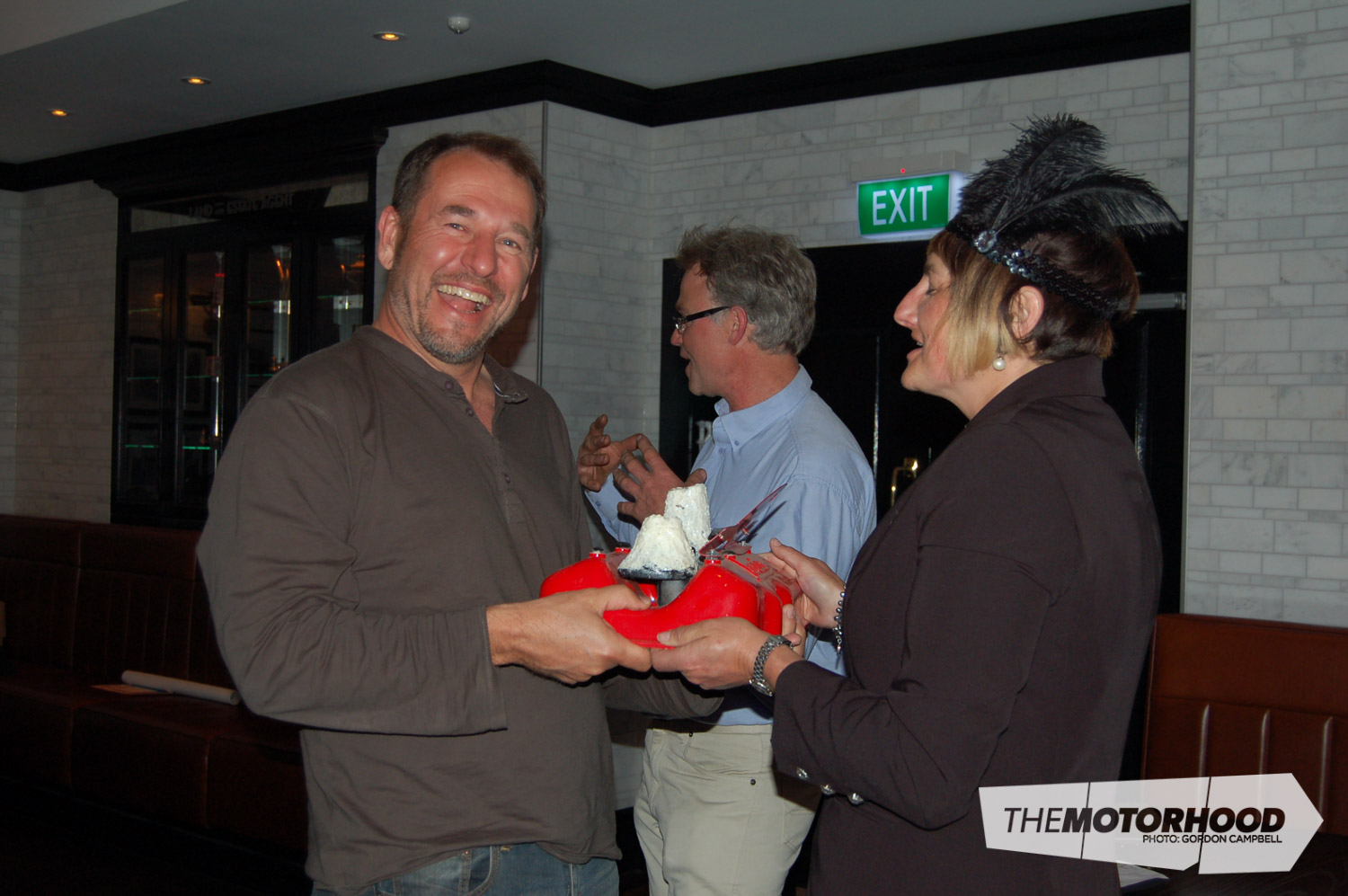
The Giro wound up with dinner at the Masonic and the usual anything but serious prize-giving. The coveted Engineering Excellence trophy was presented to John and Vanda Lis for their beautifully prepared Alfa Romeo V6-powered Lancia Stratos replica.
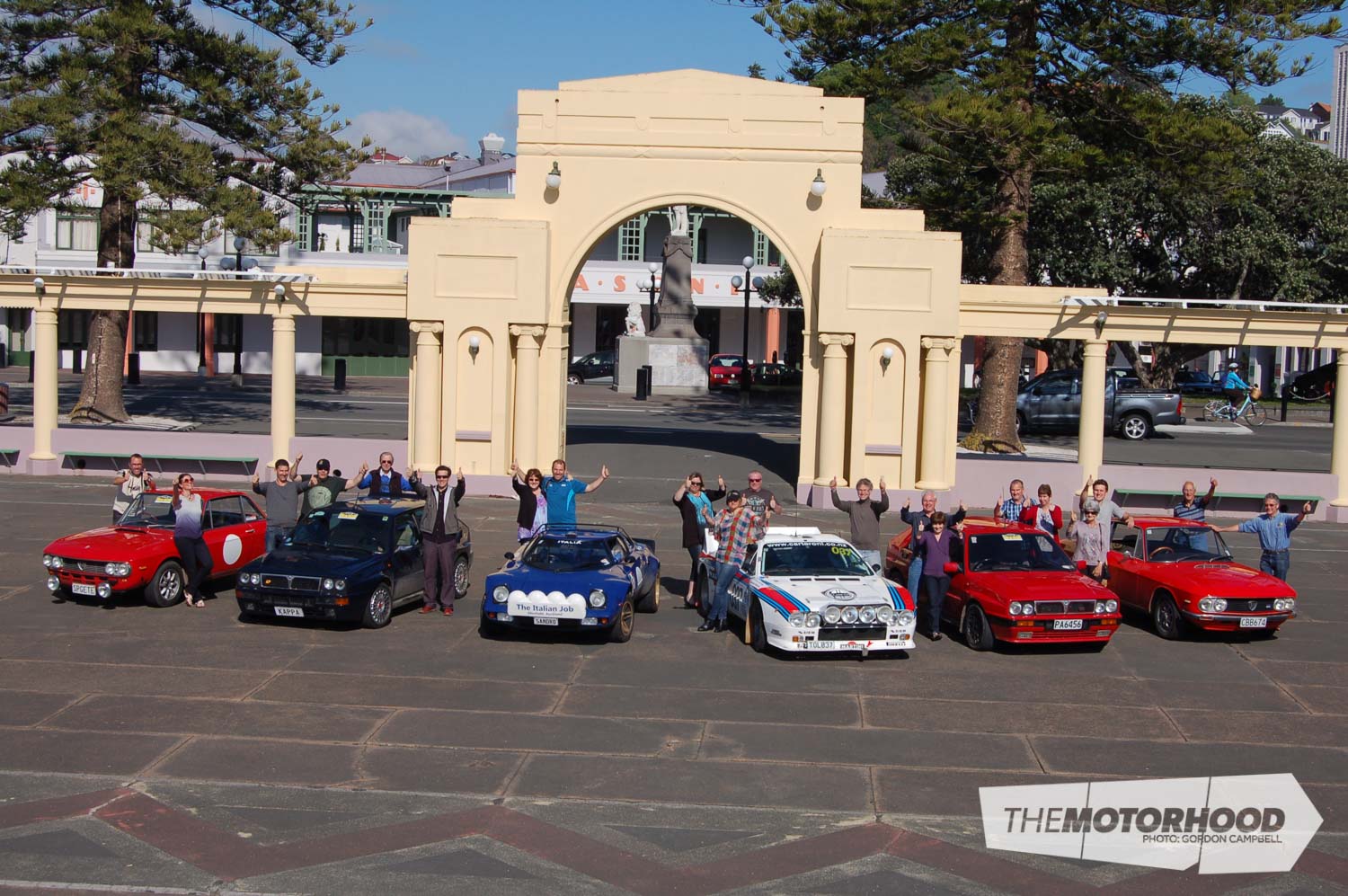
Great people, great cars, great food and accommodation, wonderful roads and scenery, all wrapped up with lots of fun — it really doesn’t get much better. Grazie mille Carteroni.