Right-hand drive Kiwi Mustangs officially on their way

27 August, 2015

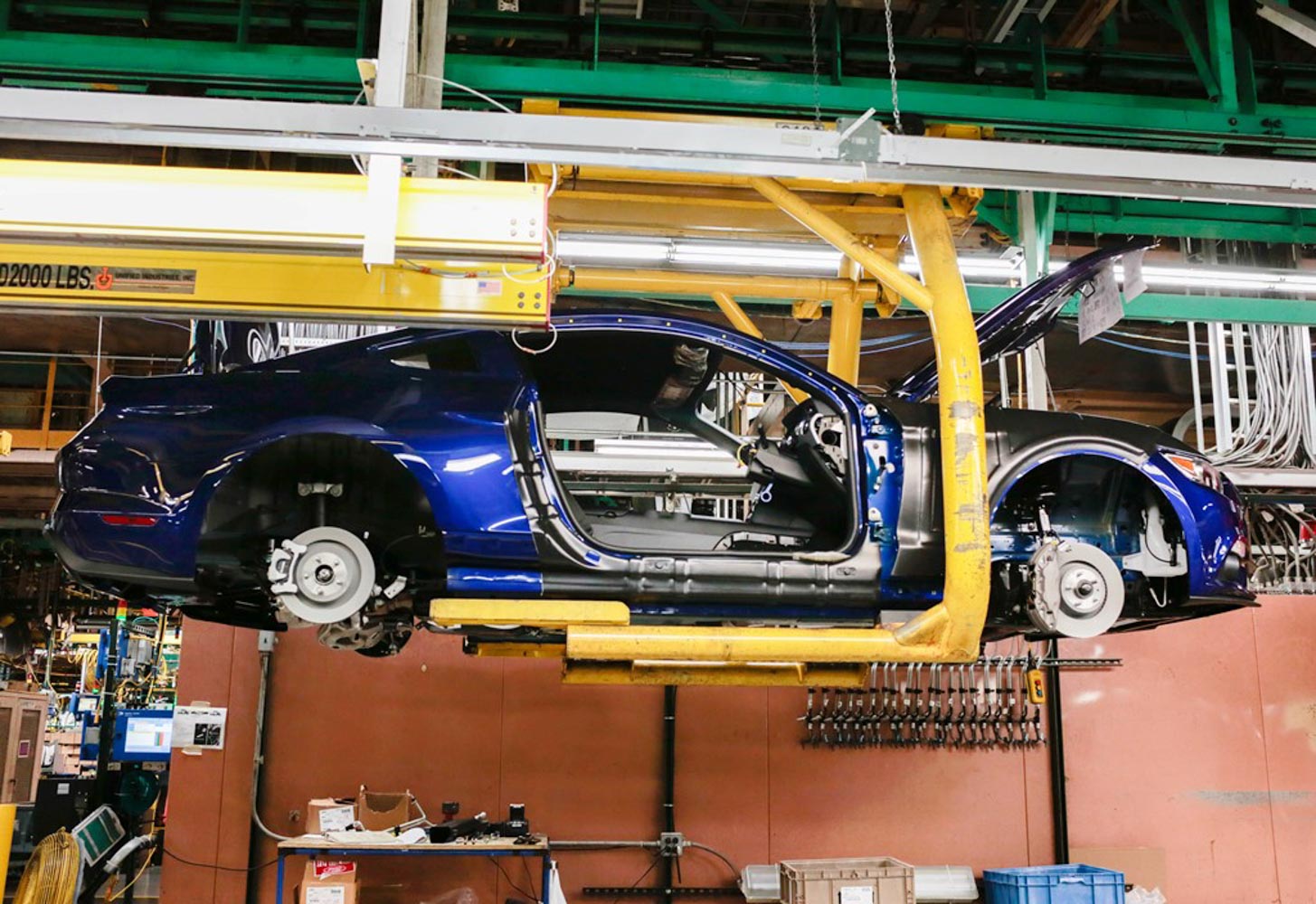
So far, 425 individuals from the land of the long white cloud have raised their hands and committed to purchasing the new Ford Mustang when they finally arrive on domestic soil. And those concerned will be excited to learn that the first Ford Mustangs slated for the New Zealand market have started to make their way down Ford’s factory Flatrock Assembly Plant production line in Michigan.

The pre-sales success should come as no surprise, as this is the first time the Mustang has ever been available to order as a right-hand drive vehicle. New Zealanders aren’t alone in their excitement for the arrival of the Pony, with the United Kingdom also buying them in their droves. Almost 2000 orders for the Mustang have been taken in the UK since January, 80 per cent of UK buyers ordering the 416PS 5.0-litre V8 engine over the more fuel-efficient EcoBoost variation.
Kiwi prices for the Mustang start at $56,990 for the six-speed automatic transmission Fastback — which features a high-performance 2.3-litre EcoBoost engine — to $76,990 for the range-topping six-speed automatic GT 5.0-litre V8 convertible. While we don’t know which version of the Mustang has been the most popular for Kiwi buyers, we do know that Race Red is so far the most popular colour — an interesting characteristic for a blue-oval product!

While the first UK deliveries of the Mustang are expected in November 2015, New Zealand’s estimated times are unknown. However, when they do eventually hit the homeland, we’ll be sure to take one for a spin!
Chrysler’s classy cruiser

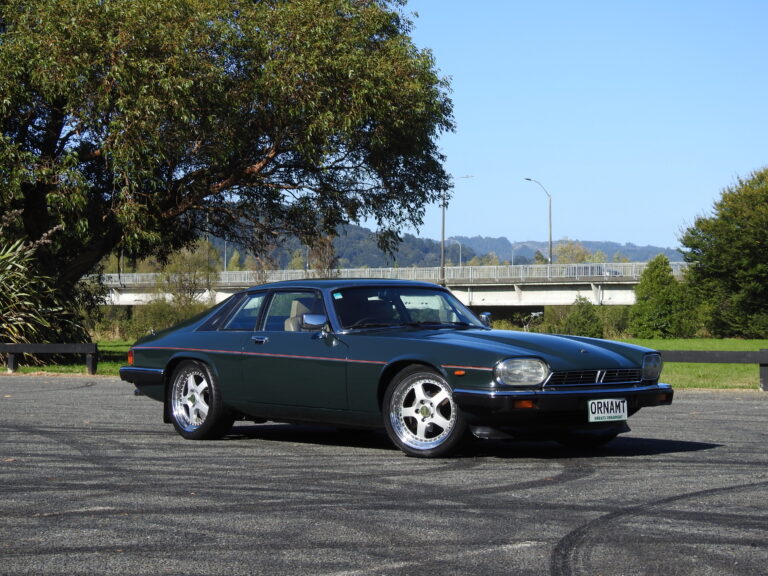
I first saw our feature car, a 1970 V8-powered Regal 770 hardtop, towing a trailer carrying the tidy Ford Anglia classic racing saloon in Broadspeed racing colours that has featured in these pages. The coupe is comparatively rare here, which means anyone contemplating purchasing one of these big two-doors is sure to see prices continue to climb. The latter Charger has claimed much of the Aussie Chrysler limelight, but the simpler and classier lines of this car, which appeared dated soon after its introduction, now have a more timeless appeal.
Former owner, Balclutha motor engineer, Mike Verdoner, remembers the car well. He believes it came from Dunedin originally.
“I’m not sure about the car’s history, but I bought it off its owner at Kaitangata. Unusually, it was advertised in the local newspaper, the Clutha Leader, which was a surprise as these usually go for a lot more money on the internet. I had it for quite a few years. It needed a little bit of work to tidy it up, so I had to decide whether to spend the money on it to do it up, which could have been twenty grand. Its value at the time was not like it is now, so I sold it to Ewan. It’s probably now worth three or four times what I sold it for.”

The Pininfarina 230 SL

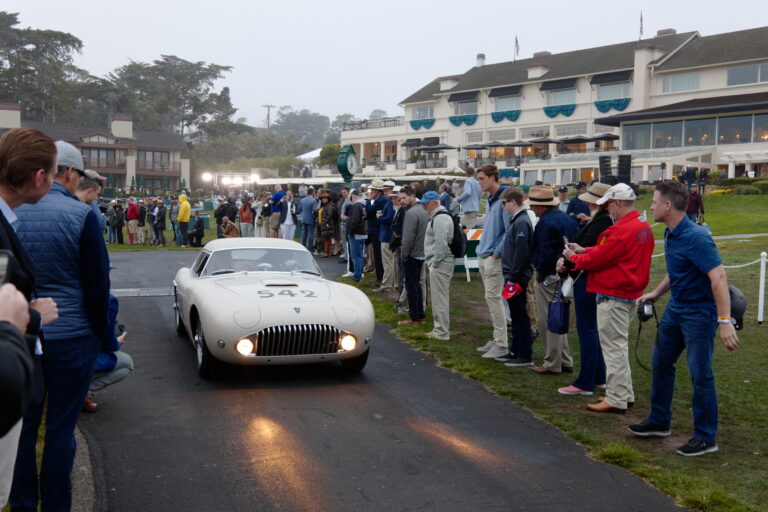
It’s October 1964, and imagine you’re an automotive journalist covering that year’s Paris Auto Show (Mondial de l’Automobile). As you approach the Pininfarina booth, you come across a car that looks a bit like the Mercedes-Benz 230 SL introduced the previous year at the Geneva Auto Show, a car then arriving at Mercedes-Benz dealerships around the world.
But looking closely, its styling and proportions seem to be a bit different. And it has a fixed roof, unlike the Pagoda-style greenhouse of the removable hardtop seen on the production 230 SL. While today, the styling of the W113, under the supervision of Head of Styling Friedrich Geiger, with lead designers Paul Bracq and Bela Barenyi, is considered a mid-century modern masterpiece, acceptance in-period was not universal. Some critics called out the concave design of its removable roof, which ultimately gave the car its “Pagoda” nickname.