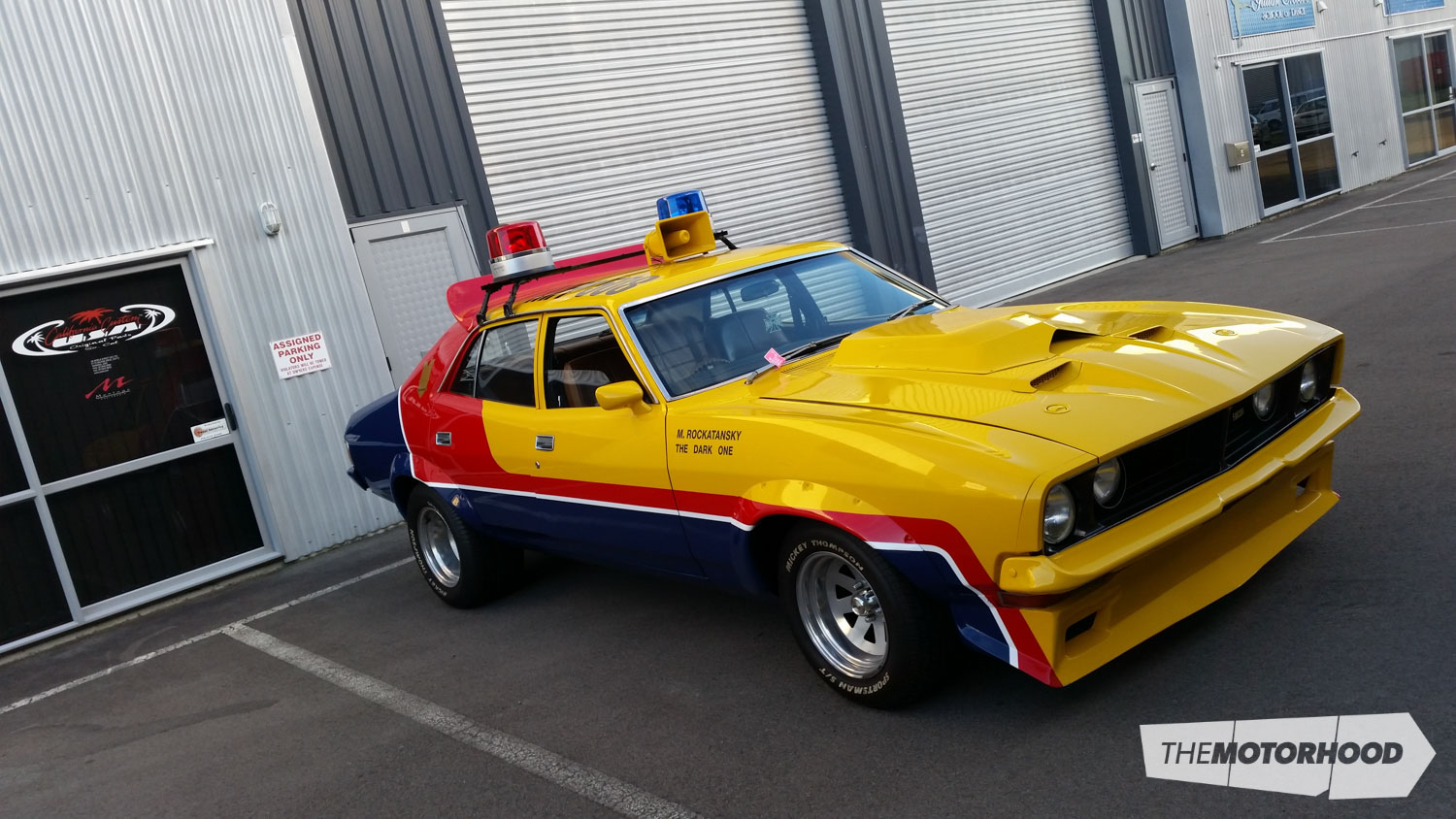

Every few weeks, we take more of an in-depth look at a car we’ve found — be it at an event, at the racetrack, or on the side of a road — in a feature we call the Weekly Motor Fix. This time around, we’ll share this awesome Mad Max Interceptor replica belonging to Jim Monserrat of Tauranga.
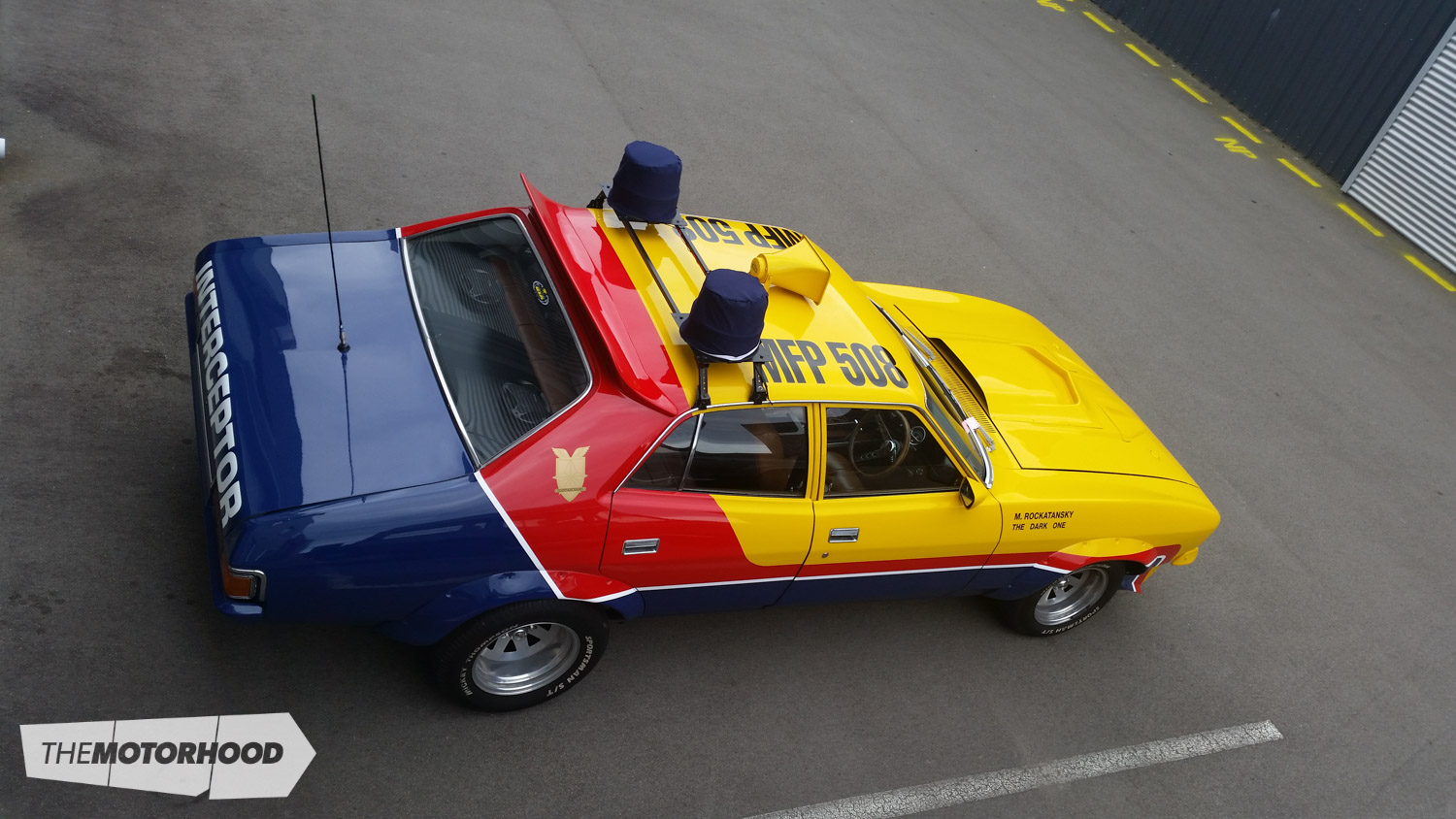
Before you all start crying that Mad Max’s Interceptor should be a black Falcon Coupe, perhaps a little history lesson is in order. The very first Mad Max movie, filmed in 1979, was what kick-started Mel Gibson’s career, and, for decades, it went down in the history books as the most profitable film ever made. It starred a bunch of XB Falcon sedans that belonged to the Main Force Patrol (MFP), all of which were known as Interceptors, as that was what they were set up to do — intercept the bad guys.
One of the key scenes of the movie saw a bunch of Interceptors chasing down a guy, who called himself the Night Rider, in a stolen HQ Monaro. That scene (as well as the movie in general) featured a bunch of crashes, filmed with the best special effects the late ’70s could muster …
Just as the black Falcon Coupe that we all generally associate the Mad Max name with has created a large fan base, there’s also a bunch of people who are fans of the MFP Interceptors.
One such person is Jim Monserrat, who has been in love with the cars since he first saw the movie many years ago. Being American born and bred, Ford Falcons weren’t a familiar car to Jim. But now, after living in New Zealand for nearly 13 years, he’s not only familiar with them, but he’s fostered a love for them.
Earlier this year he decided that now was the time to make his dream of owning one come true, and being that he works for US World Direct — who specialize in international vehicle shipping and right-hand drive conversions — the fact he’d need to look abroad to find one didn’t worry him in the slightest.
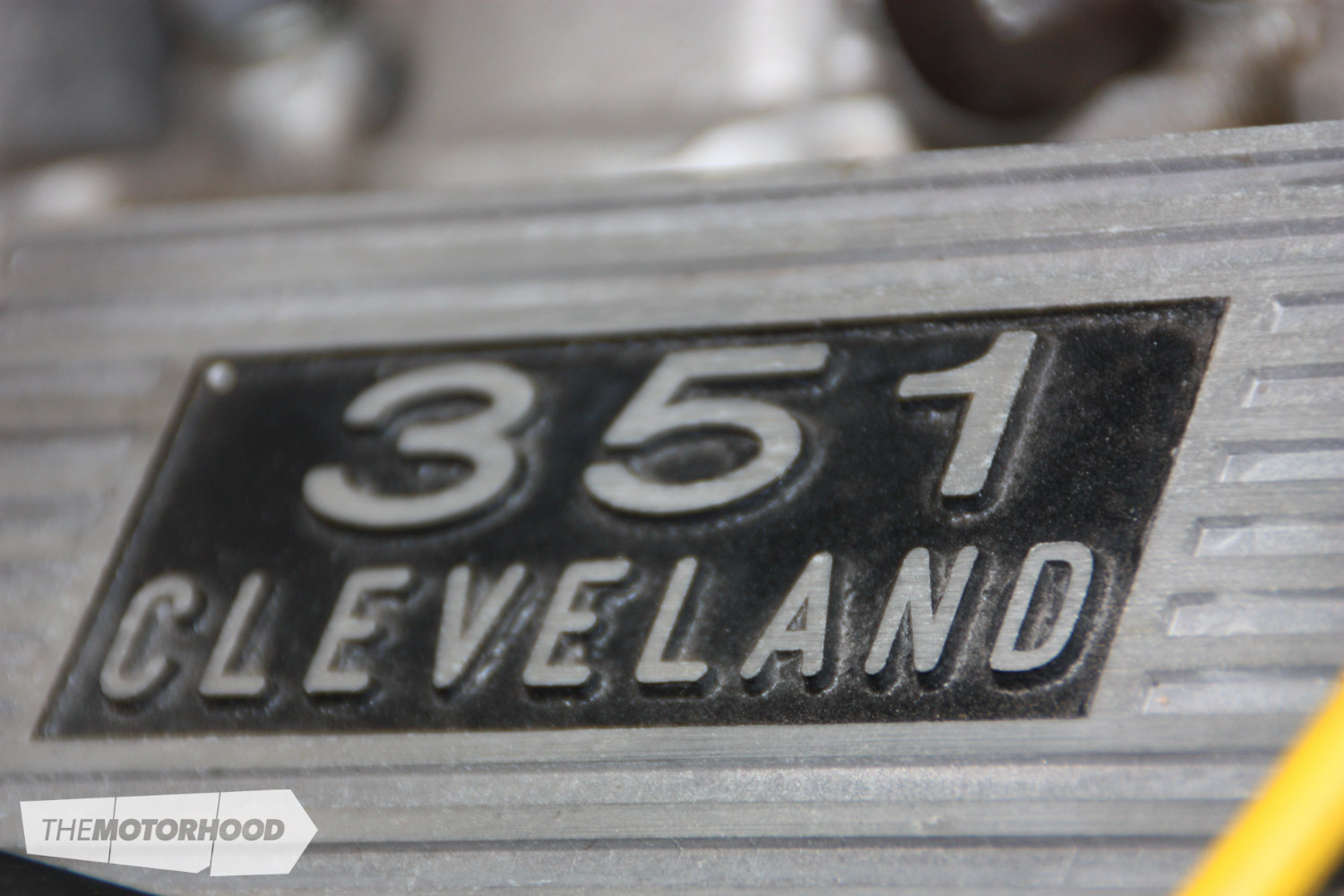
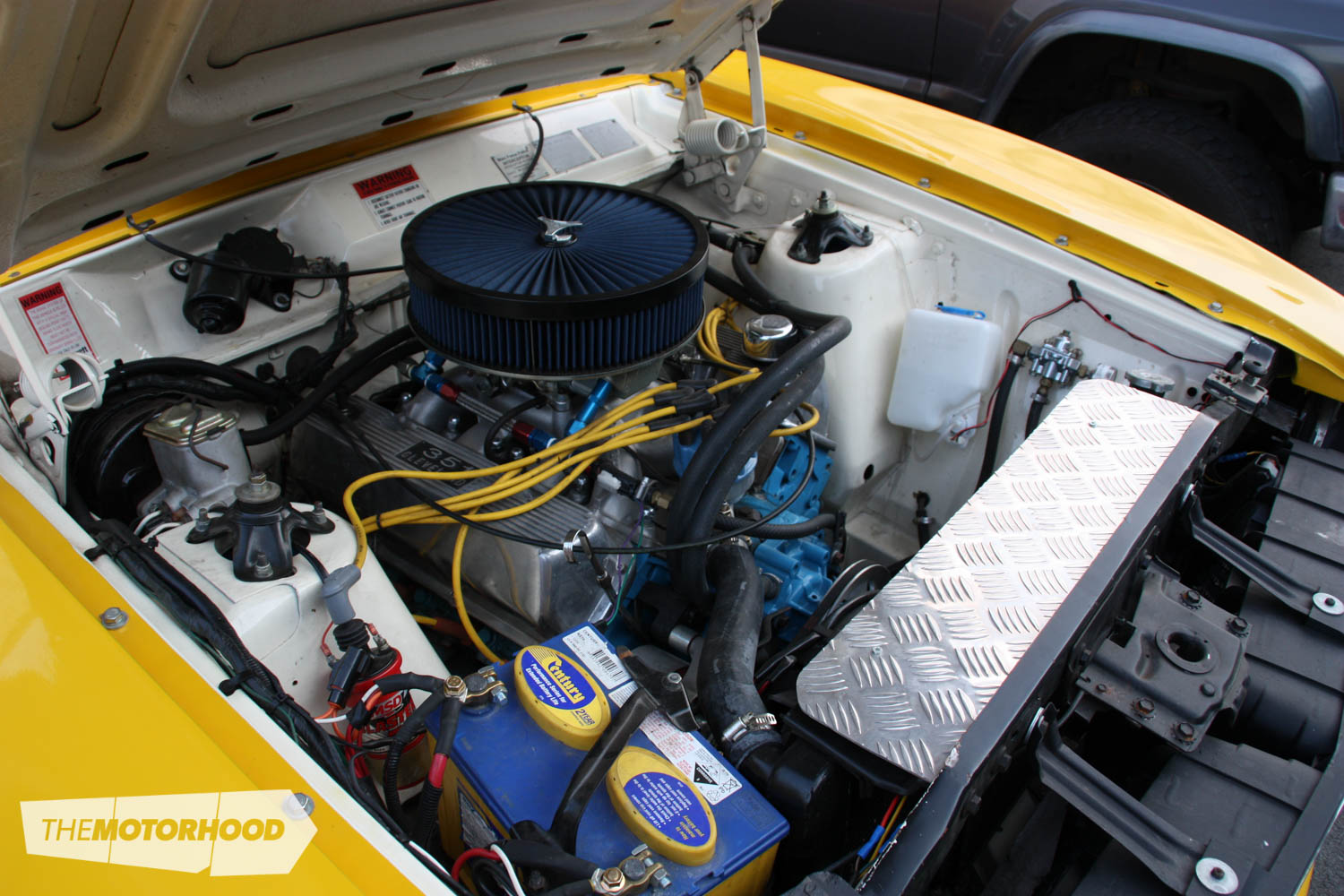
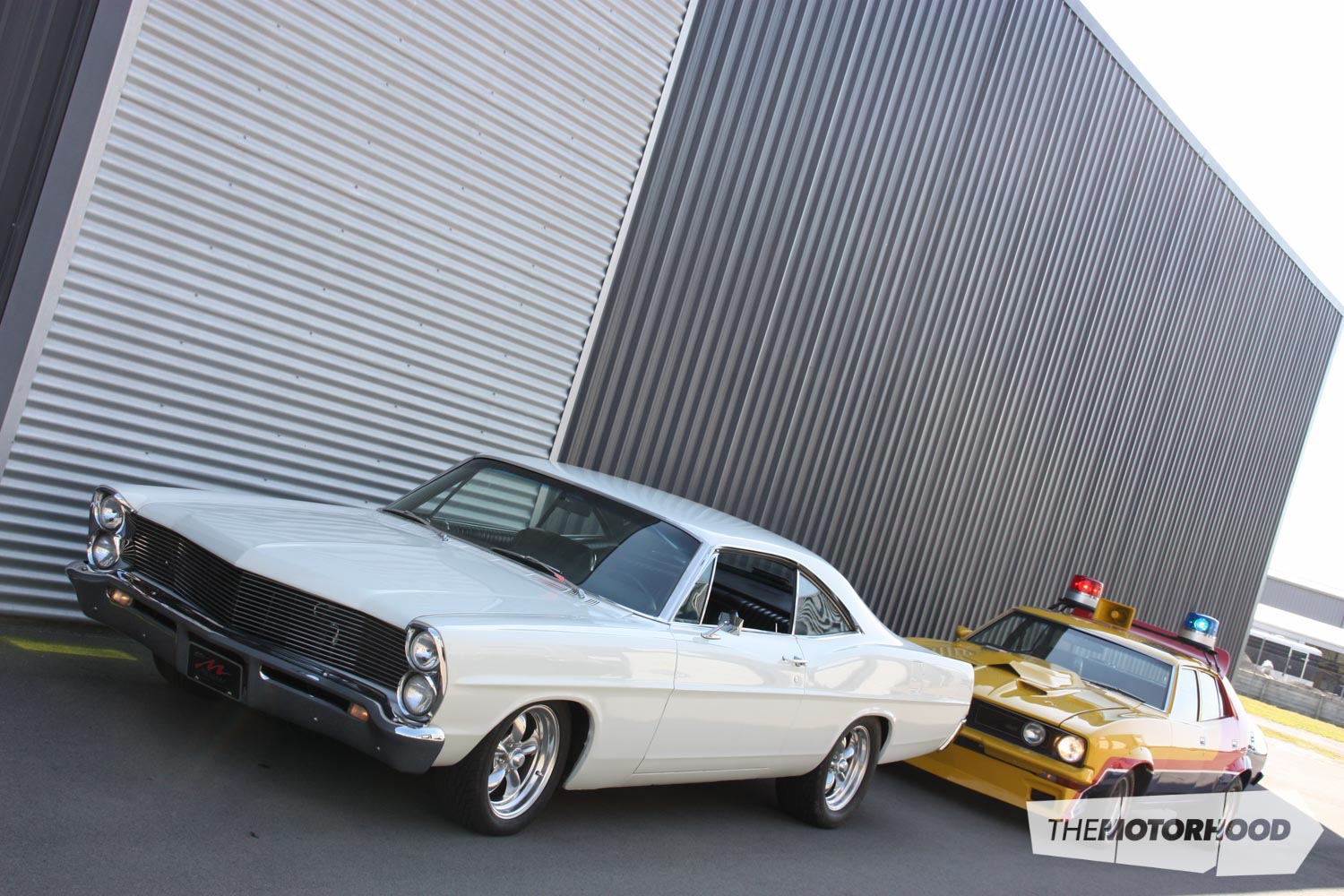
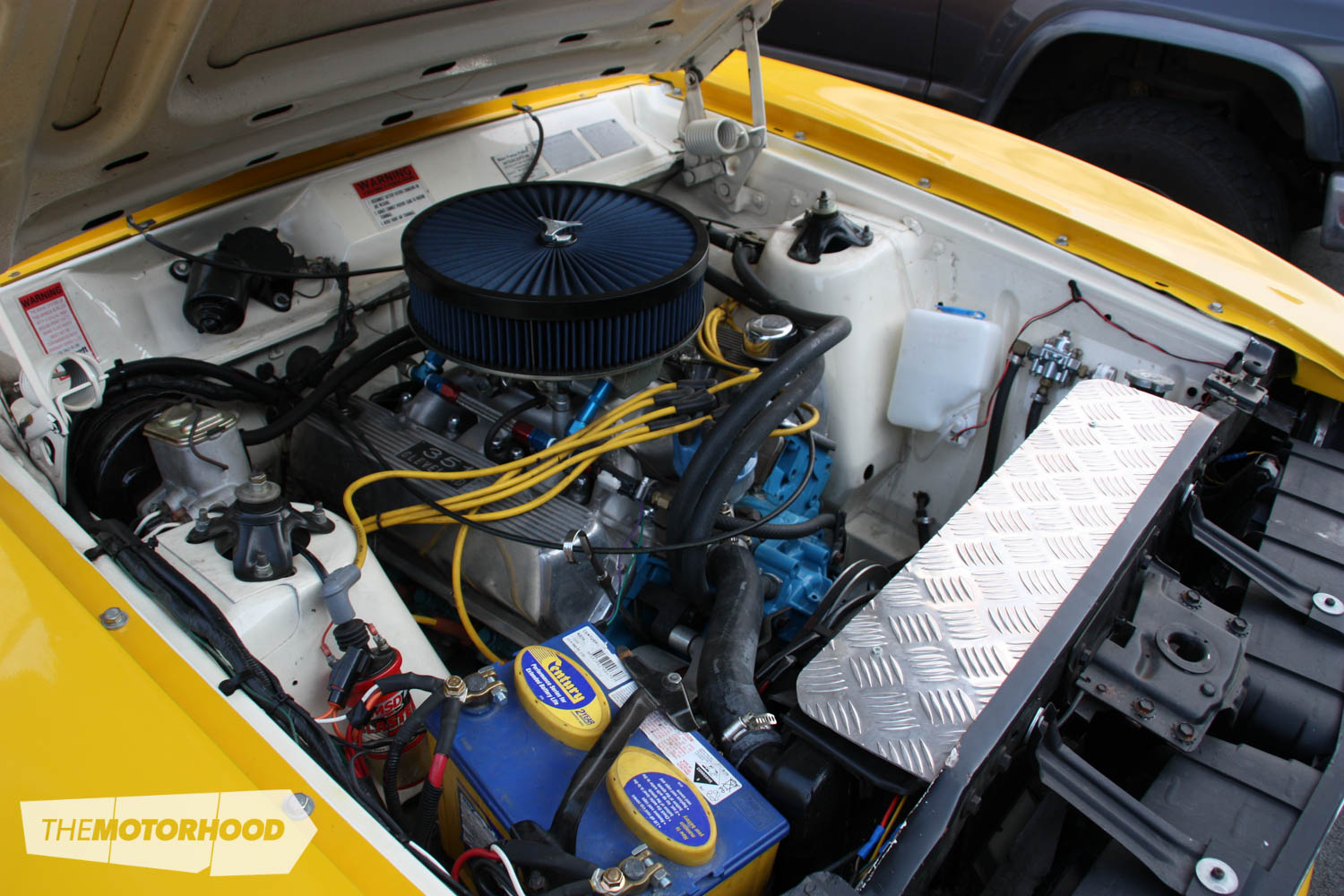
The car he found and recently imported was purchased from Perth, Western Australia, and was built in 2010–’11 as accurate to the film’s as possible. Originally a six-cylinder car, it now runs a 351ci Cleveland, backed with a C4 automatic and nine-inch diff.
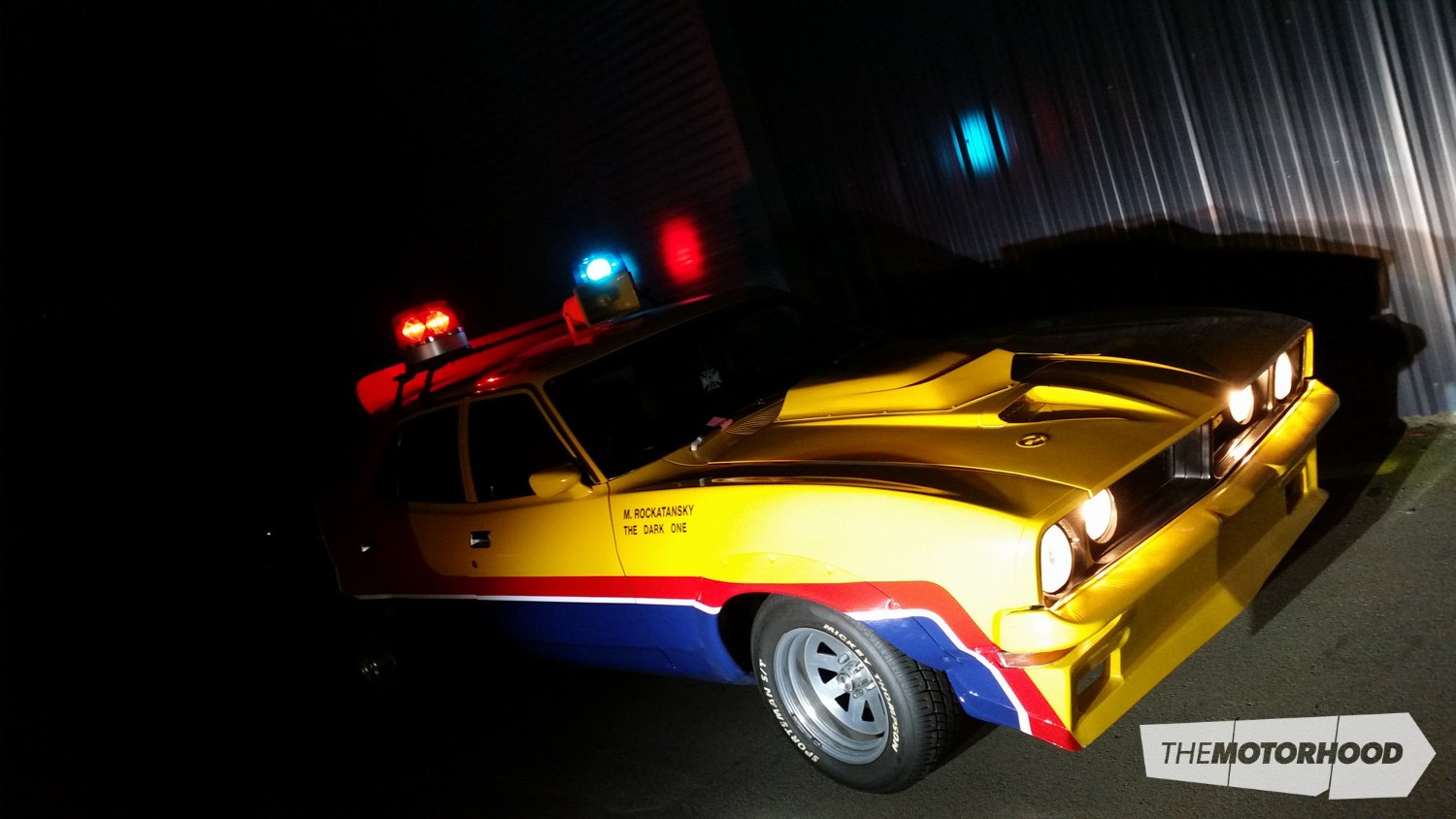
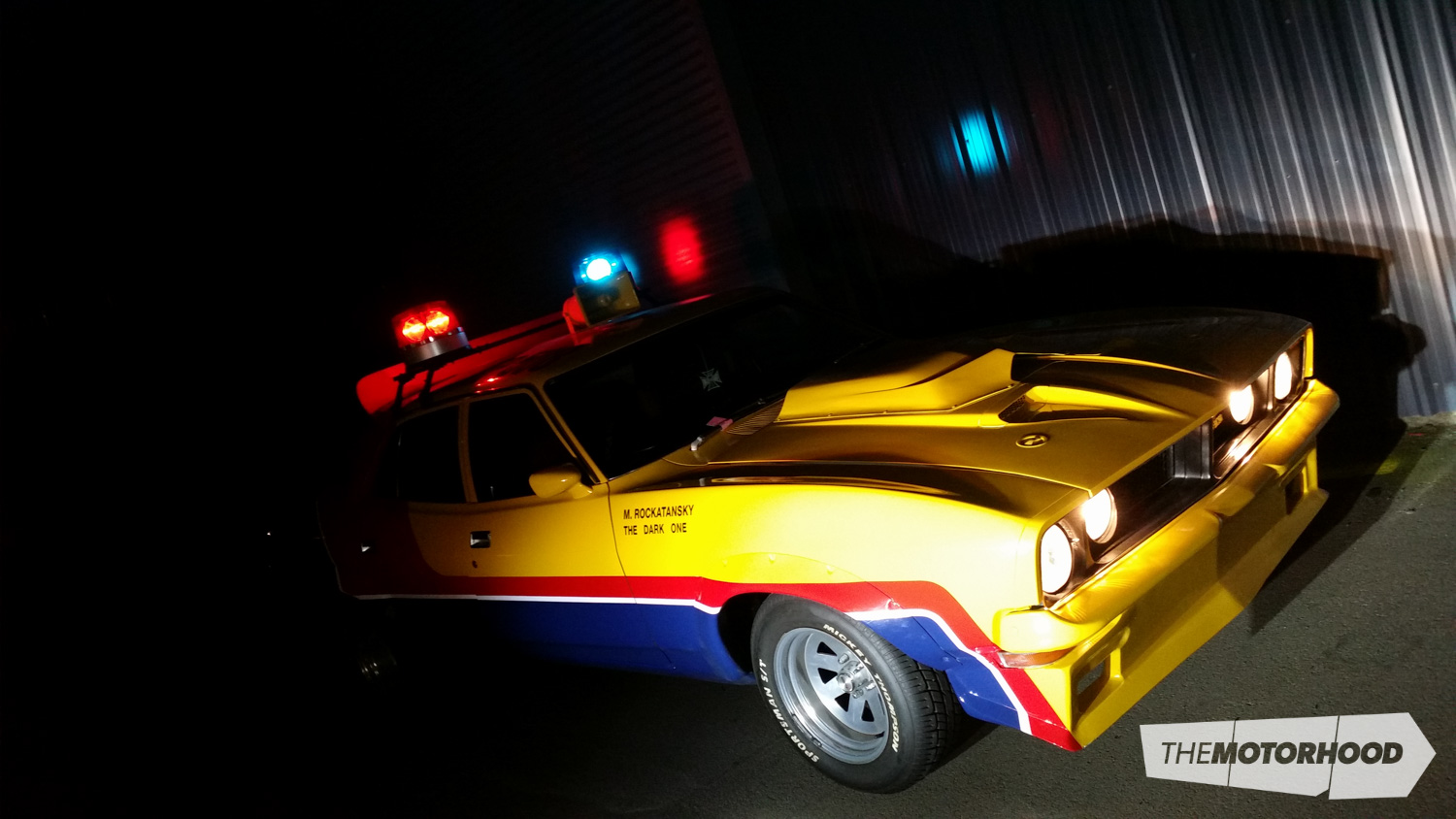
It wasn’t the engine that attracted Jim to it, but more so all the work that went into making it look as movie-accurate as possible, such as the full bodykit, which includes hood scoop, air dam, flared guards, and roof spoiler. While the bodykit isn’t too hard to locate, many other parts featured in the build can be a mission to find. These include the working roof lights on Jim’s example, which were produced in Missouri by a company called Peterson in the 1970s and 1980s. The wheels are also difficult to find genuine versions of, but thankfully the original builder of the car sourced perfect replicas. Items like these that are near impossible to find these days helped make the car’s purchase price worth it.
But it’s not just the outside of the car that is movie-accurate, as inside the builder has gone as far as creating an overhead console with two-way radio, as used by the MFP to help track down the Night Rider.
While Jim told us that purchasing the car wasn’t cheap, it was cheaper than the cost and difficulty involved in trying to build one, and he couldn’t be happier with it. The car is currently going through compliance, and, once legal, it’s sure to be seen regularly around Tauranga … We pity anyone in a black HQ Monaro that ends up in front of him, though, as those of us who’ve seen the movie know exactly how that’ll end!
Photos: Jim Monserrat