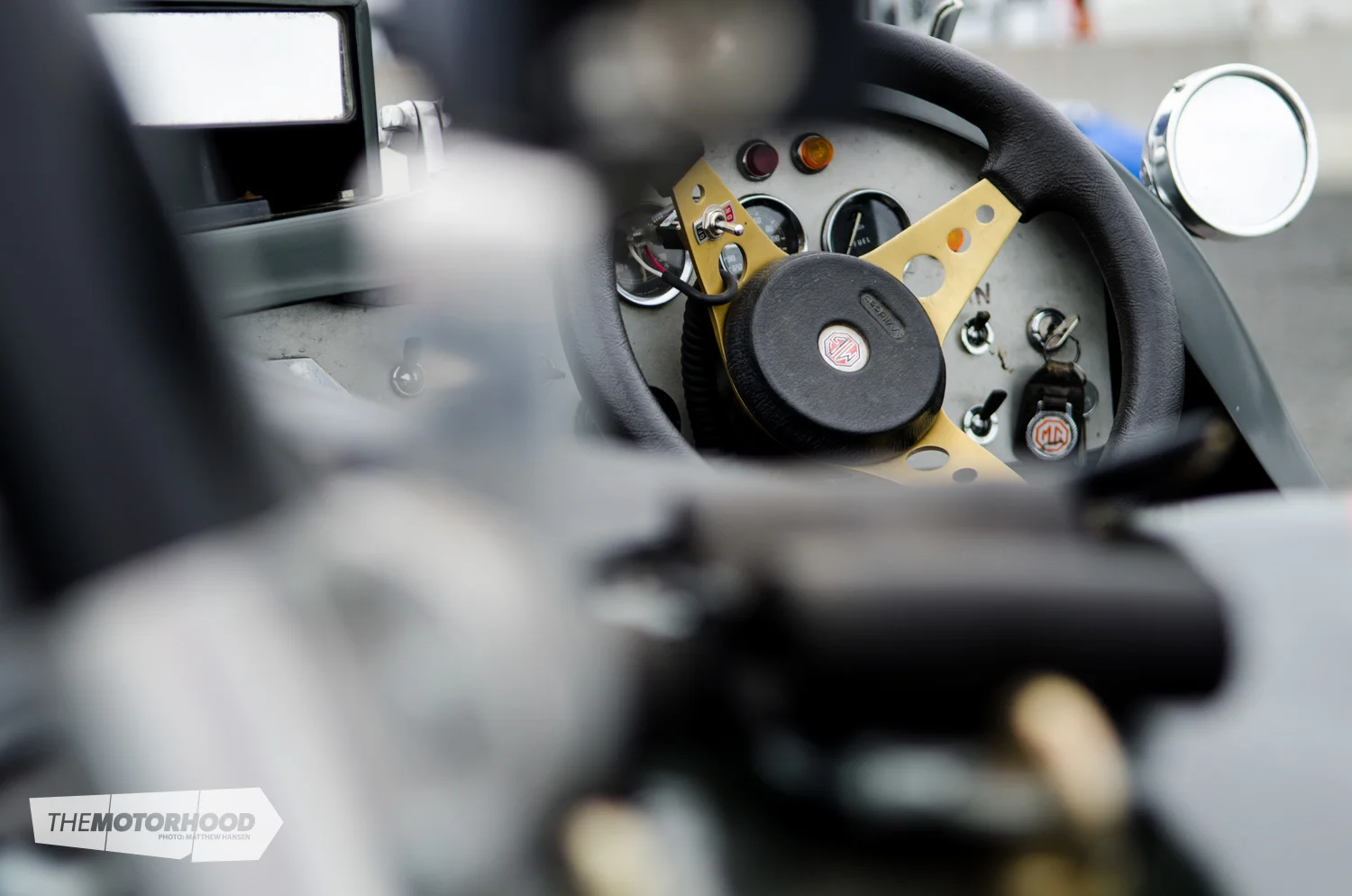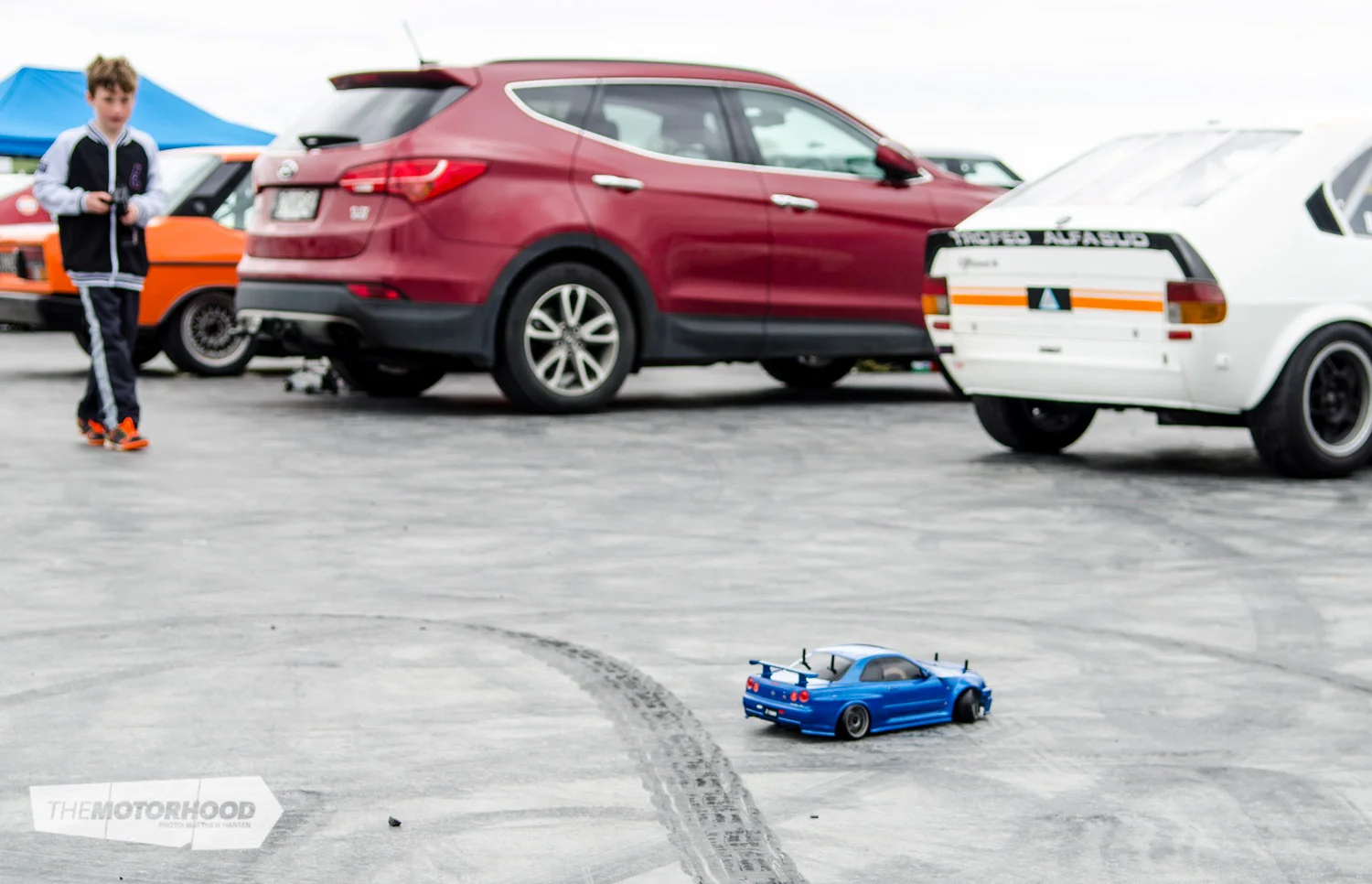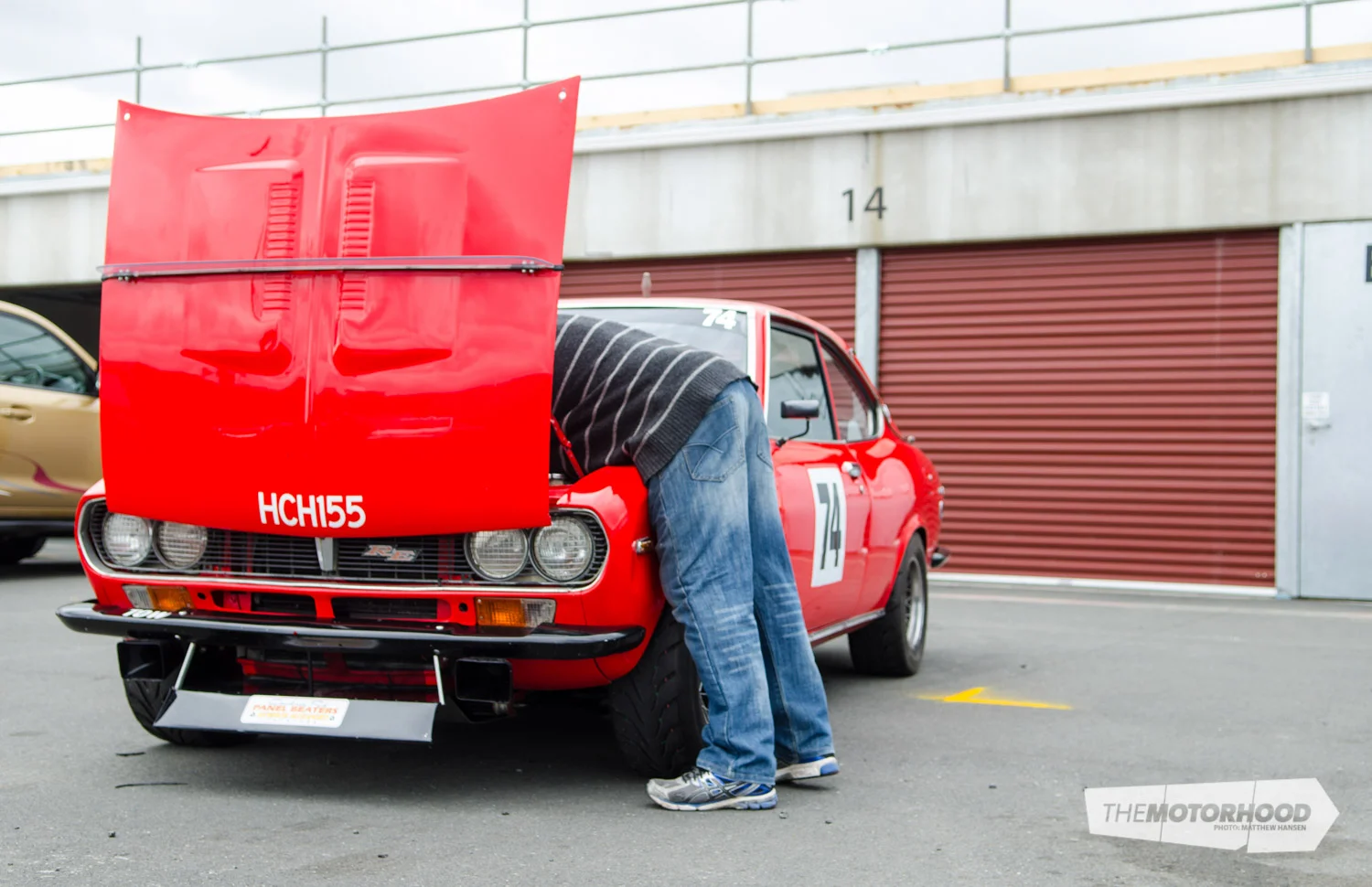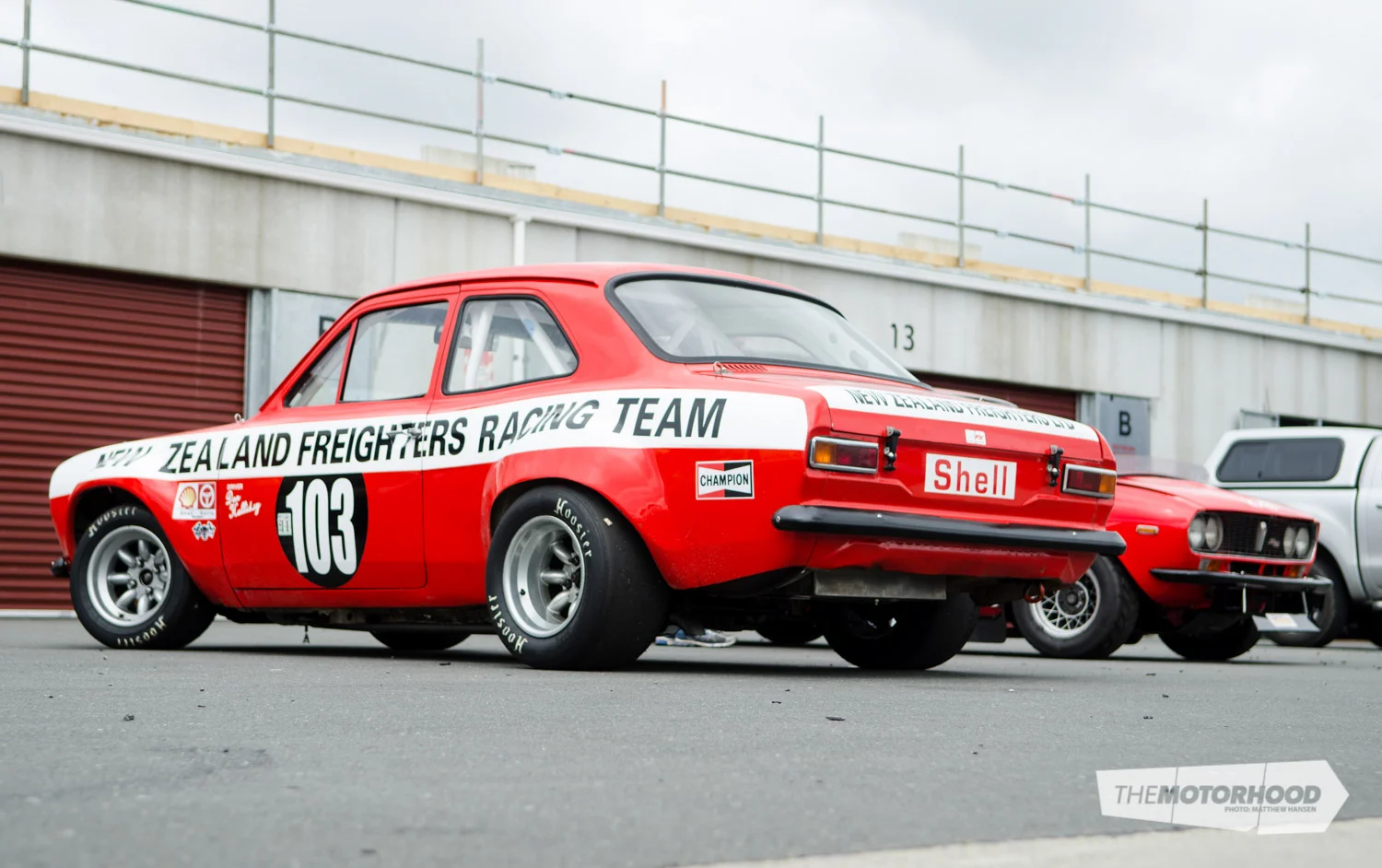
September’s an awkward month. It manages to be both deeply ingrained in the dreaded fruitlessness of the mid-year slog, but is still somehow close enough to December 25 for you to start stressing about what you’re getting mum for Christmas. But September is where you find the annual Historic Racing Classes (HRC) Icebreaker meeting at Hampton Downs Motorsport Park — an event that’s popular enough to distract anyone from the weight of a life buckled down with the month’s first-world problems. As an added bonus, it also acts as a yearly reminder that the upcoming circuit motorsport season is just around the corner.
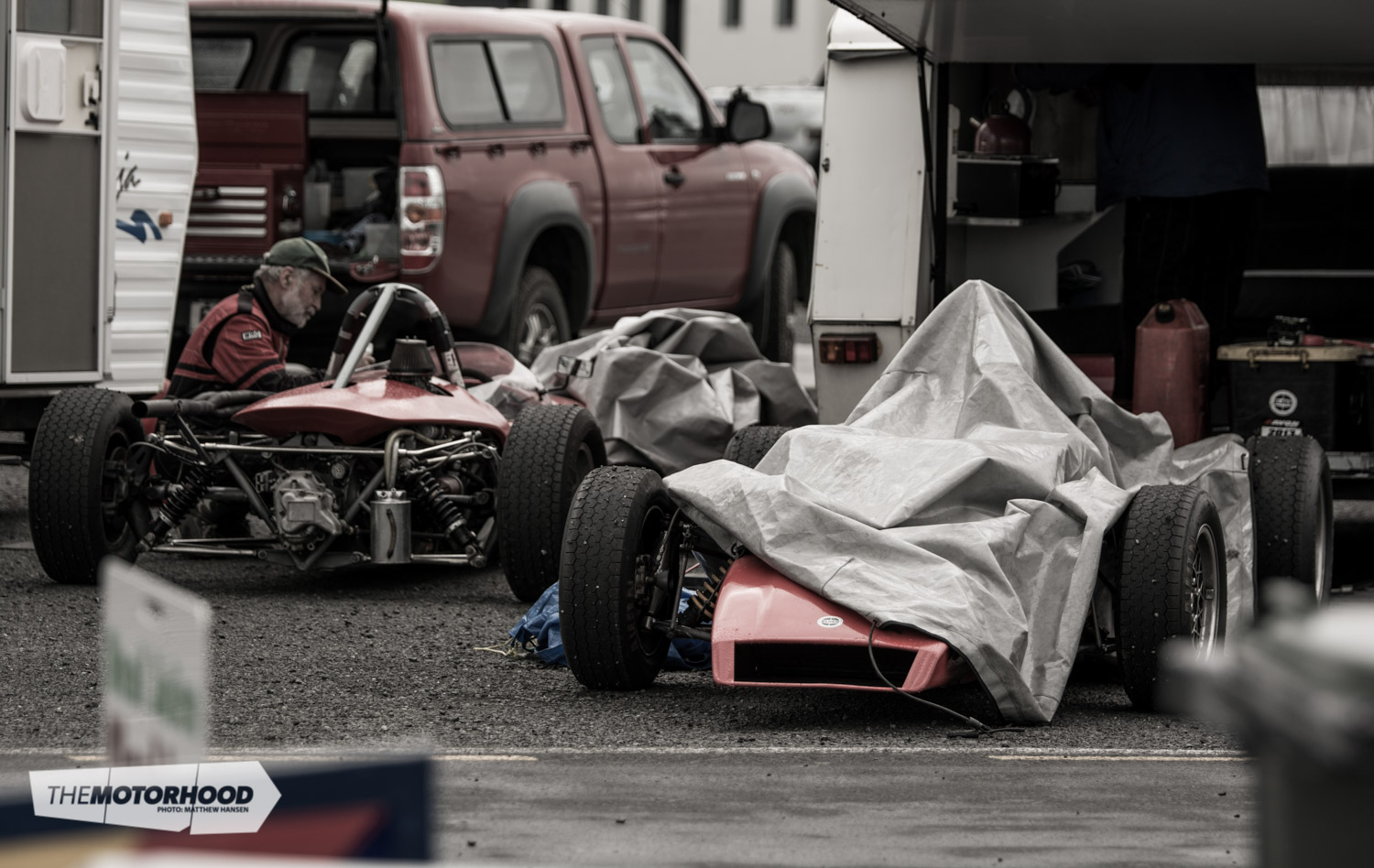
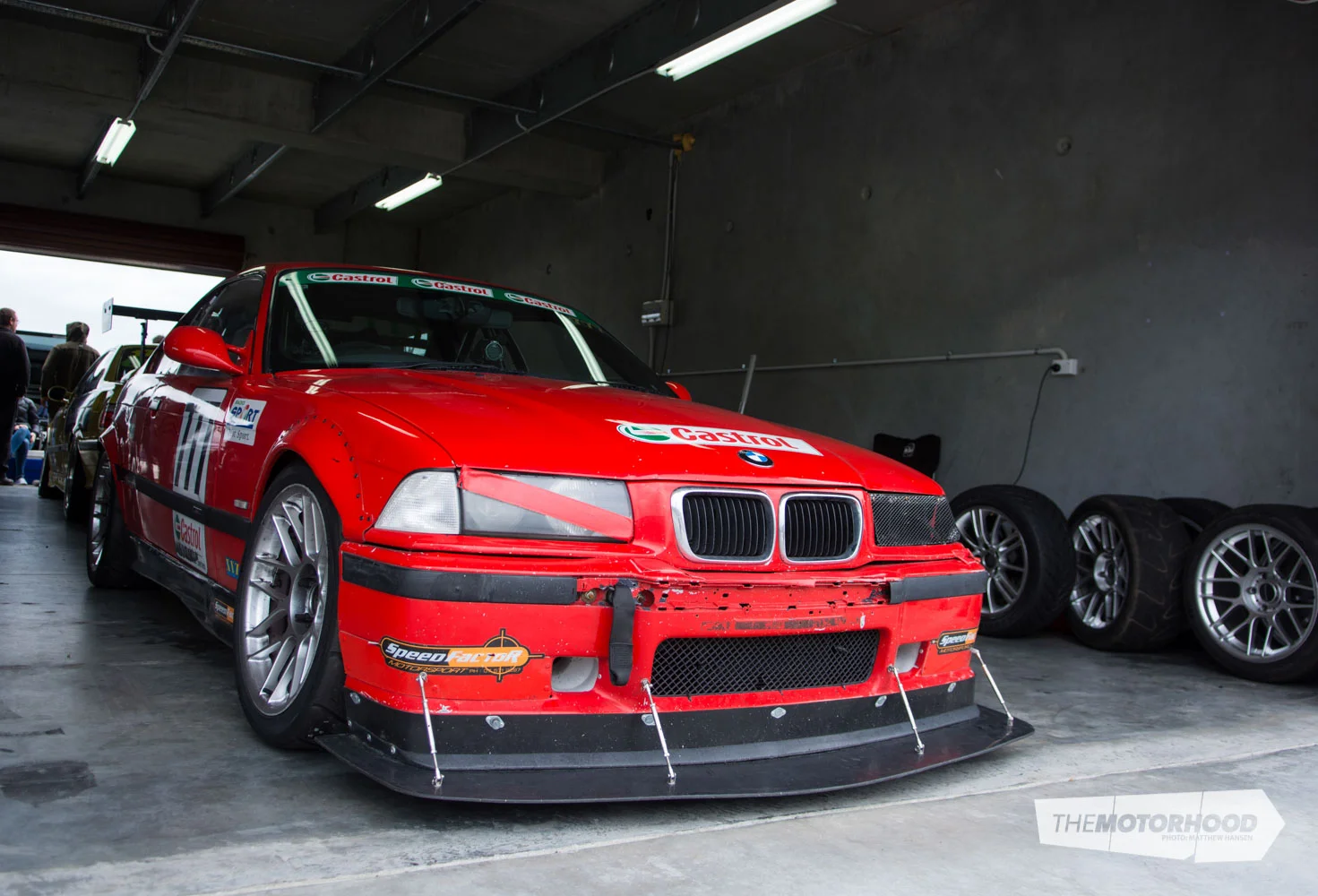
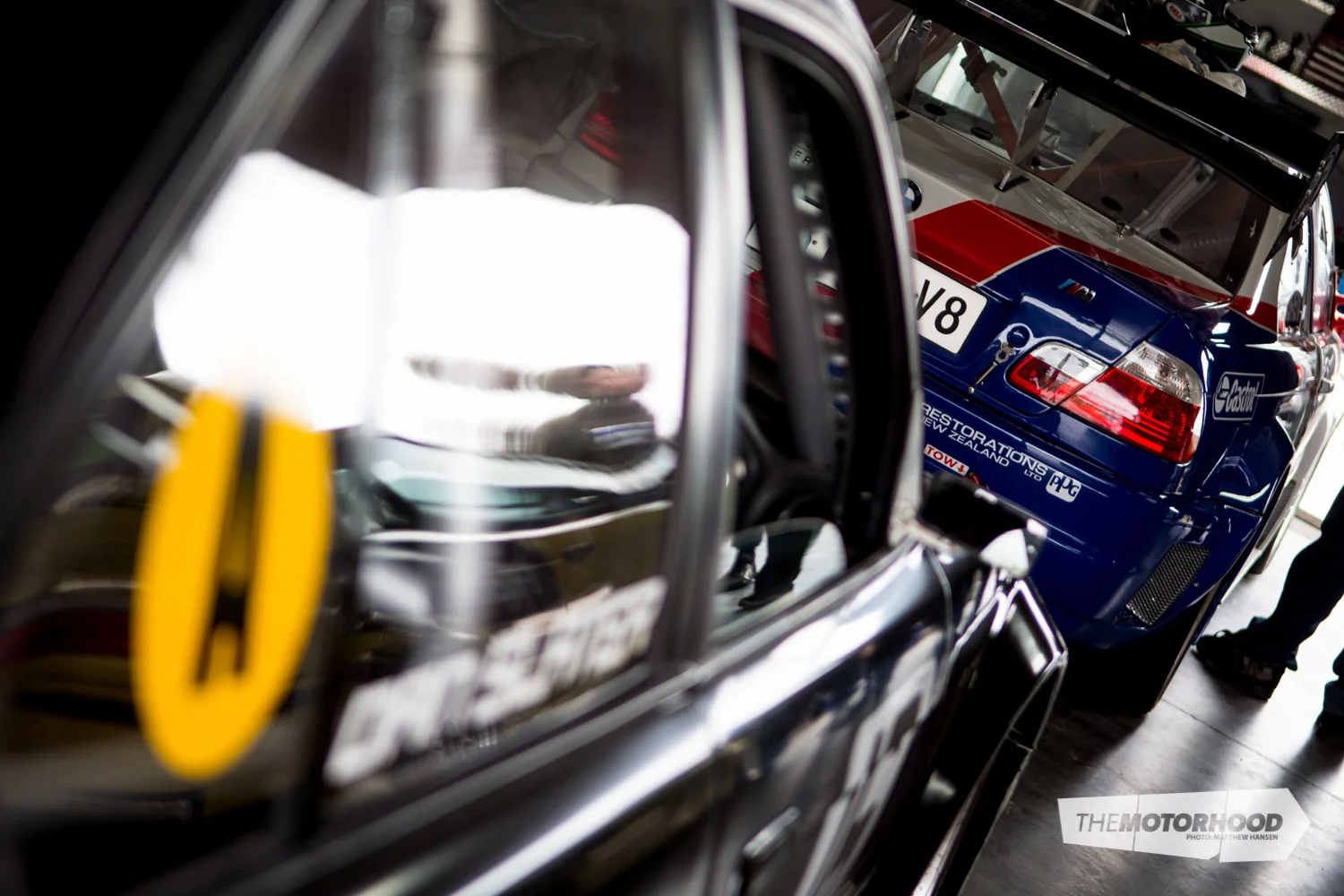
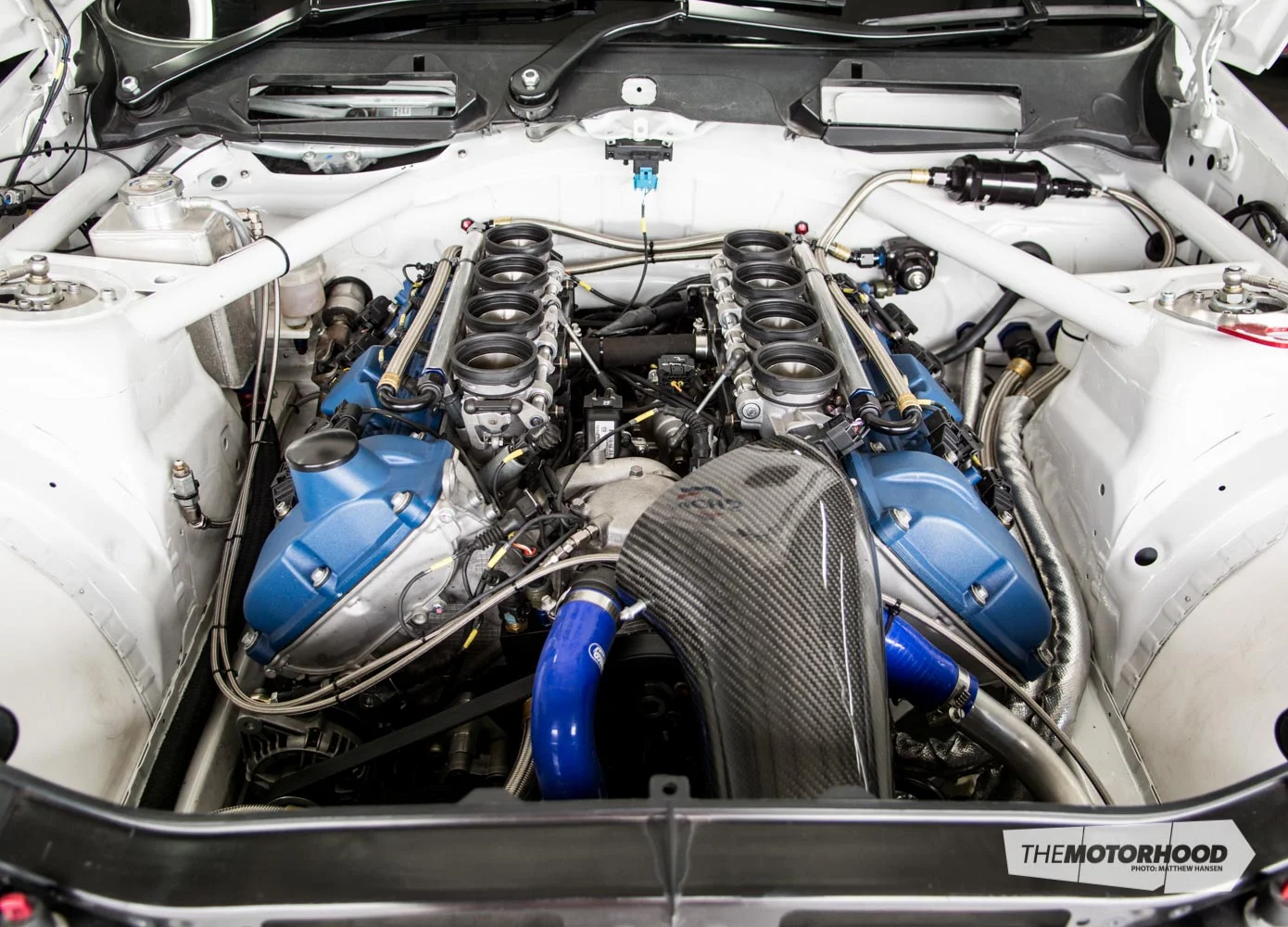
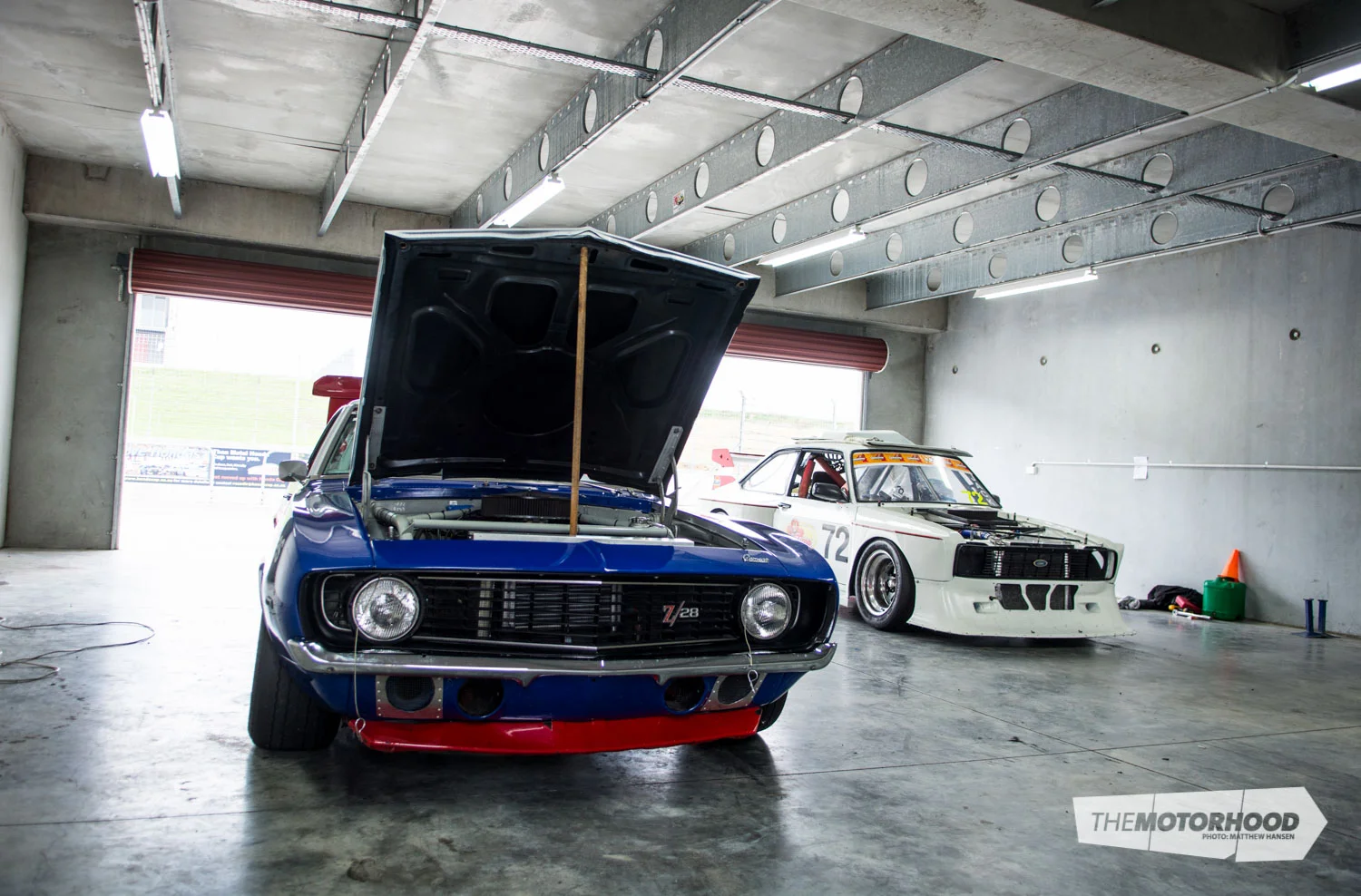
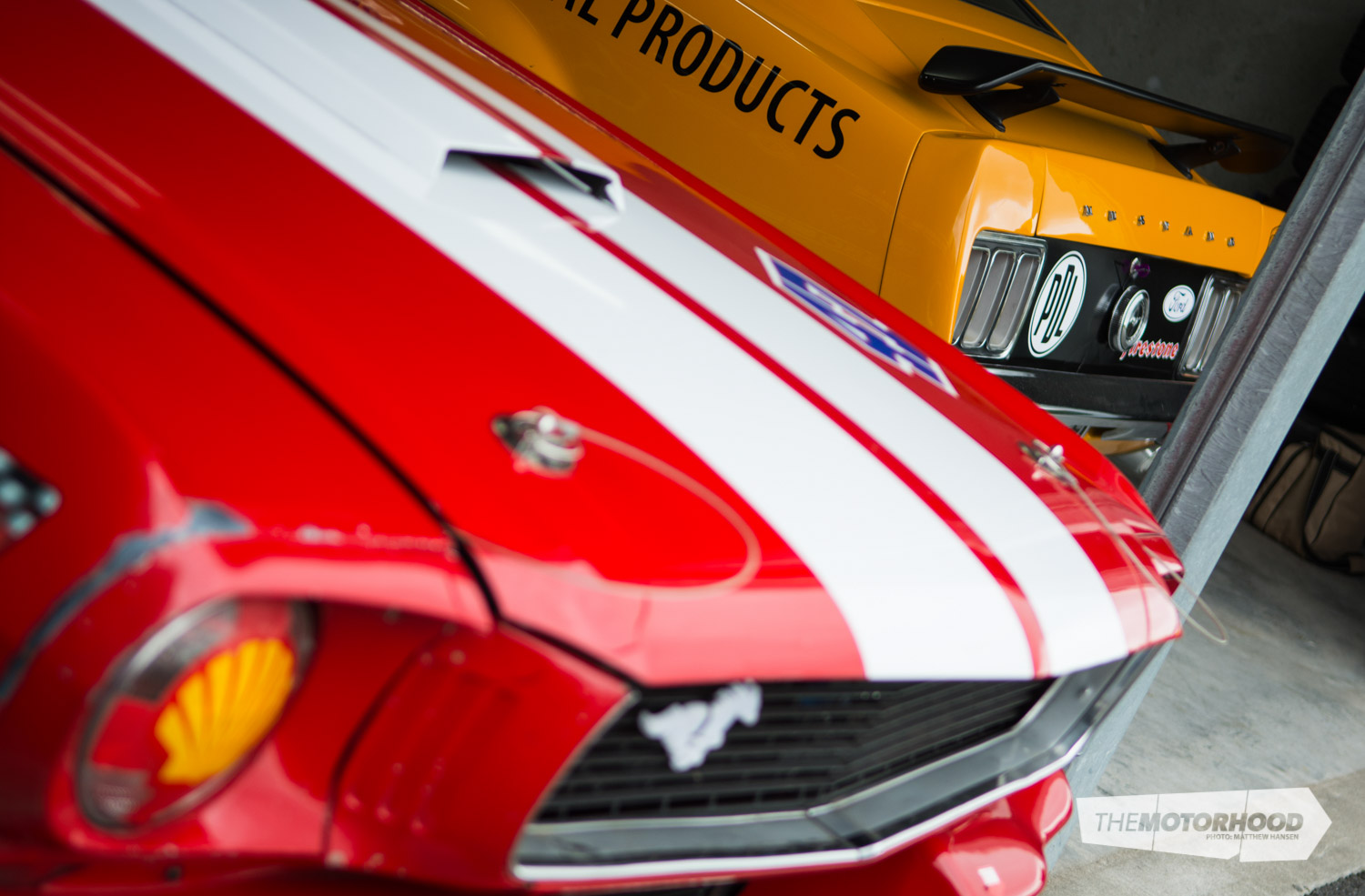
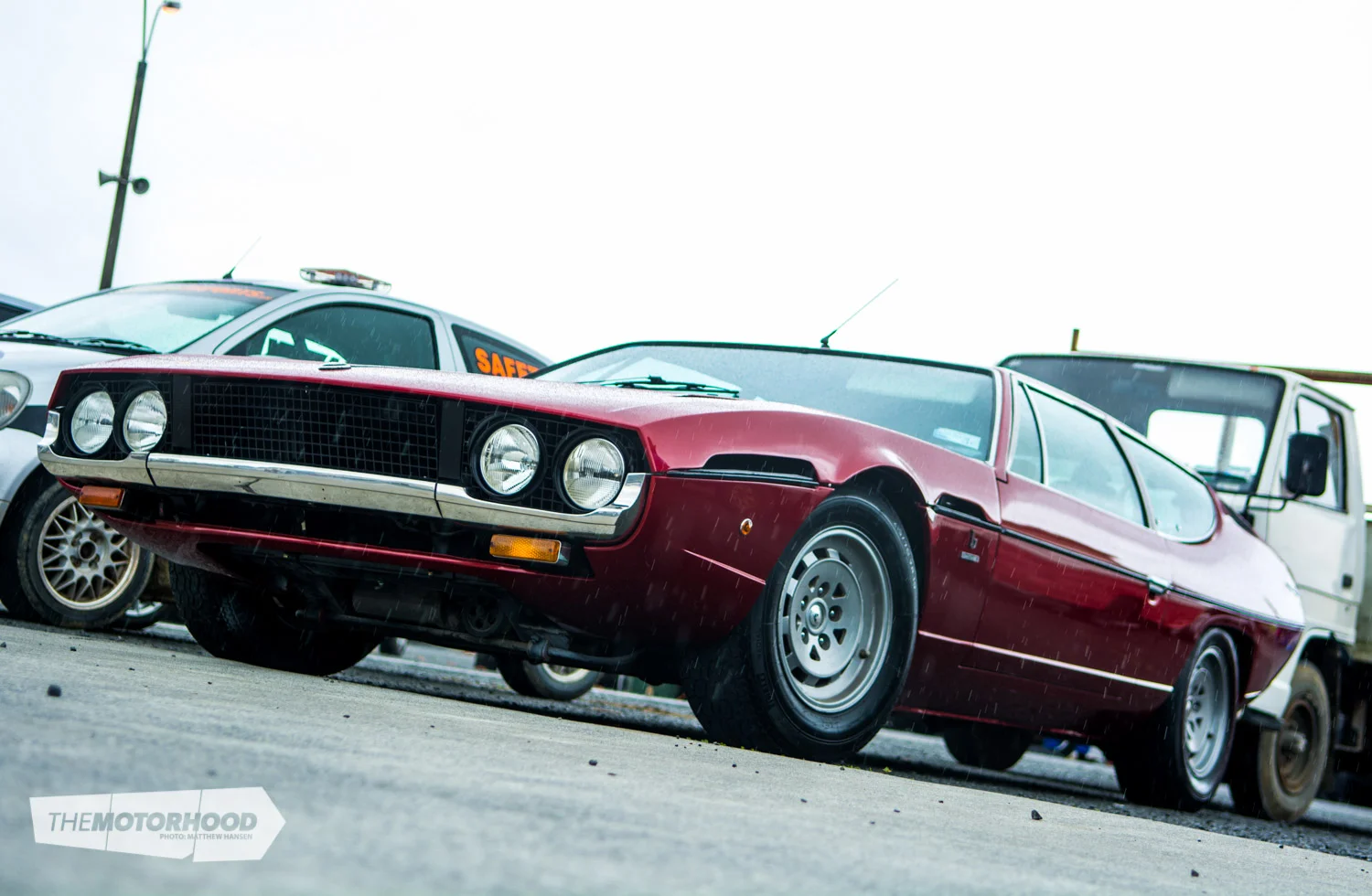
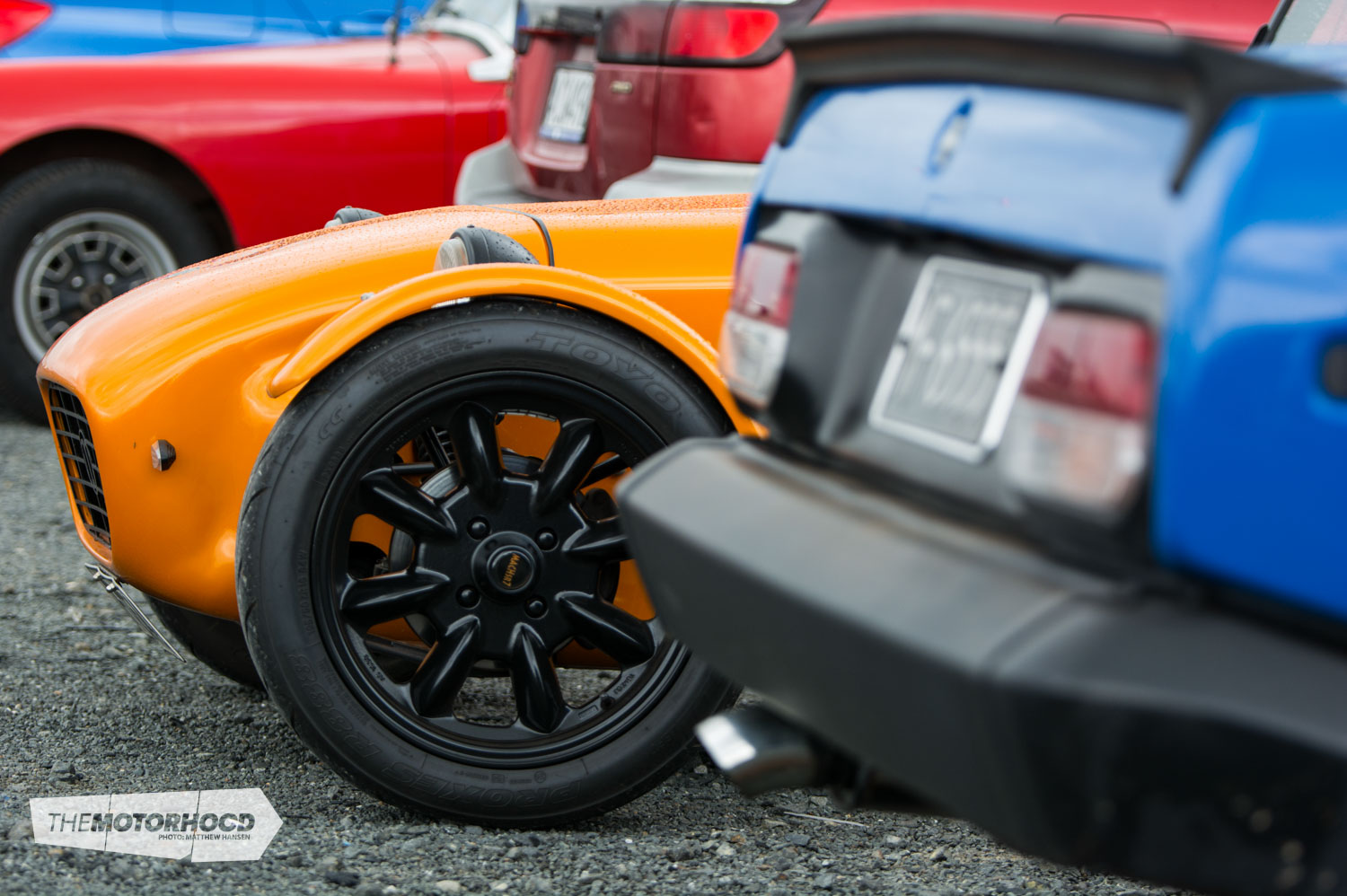
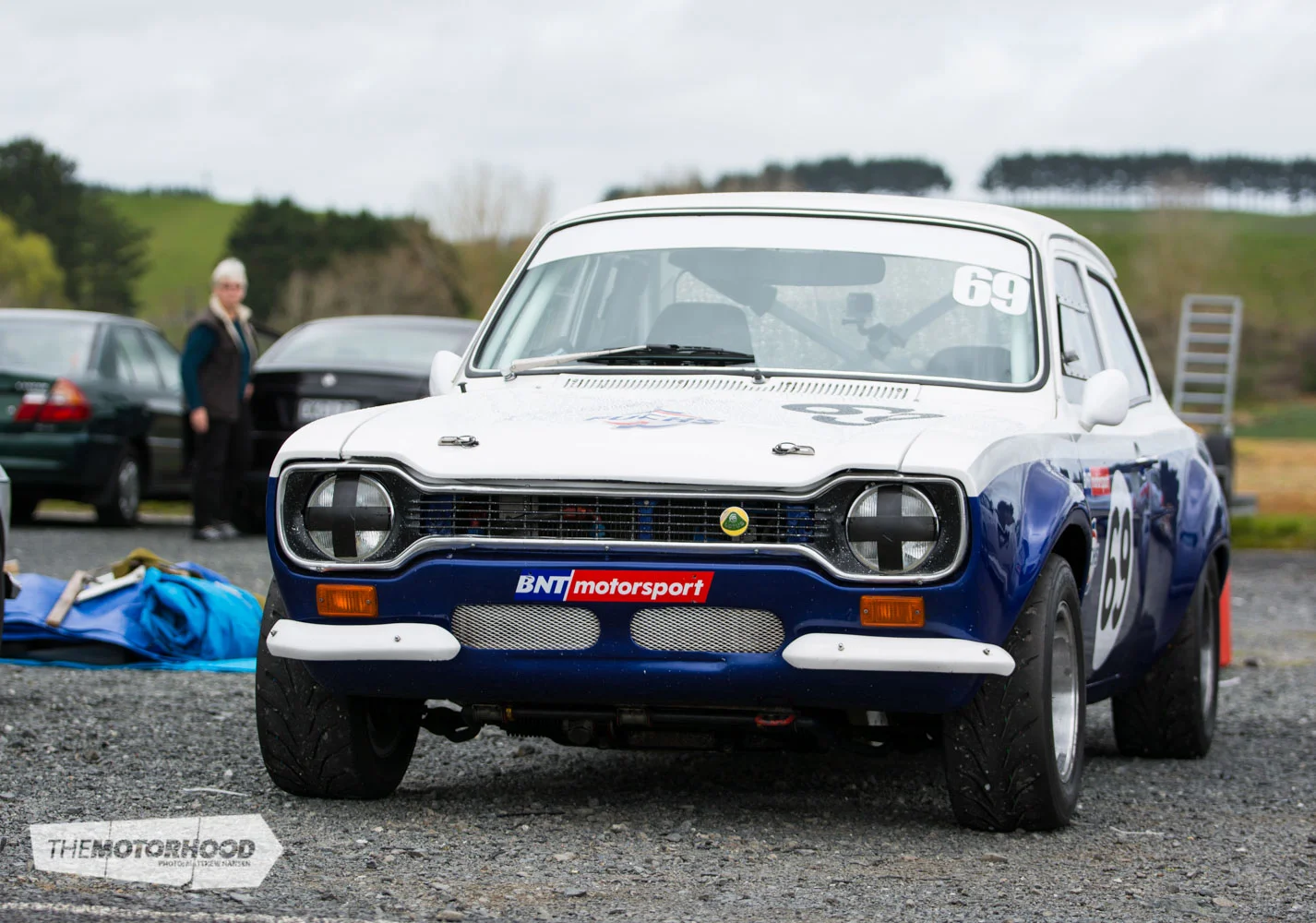
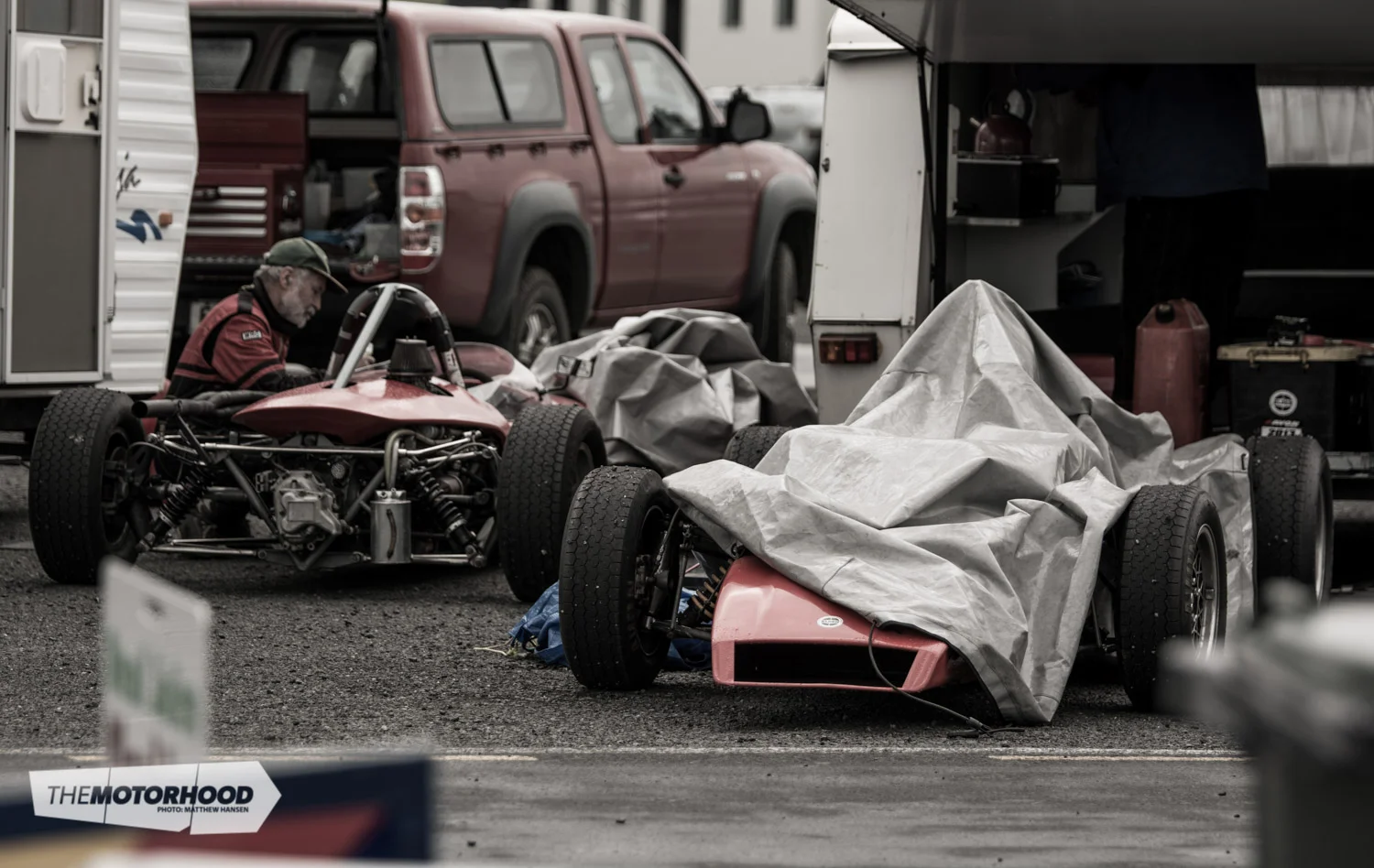
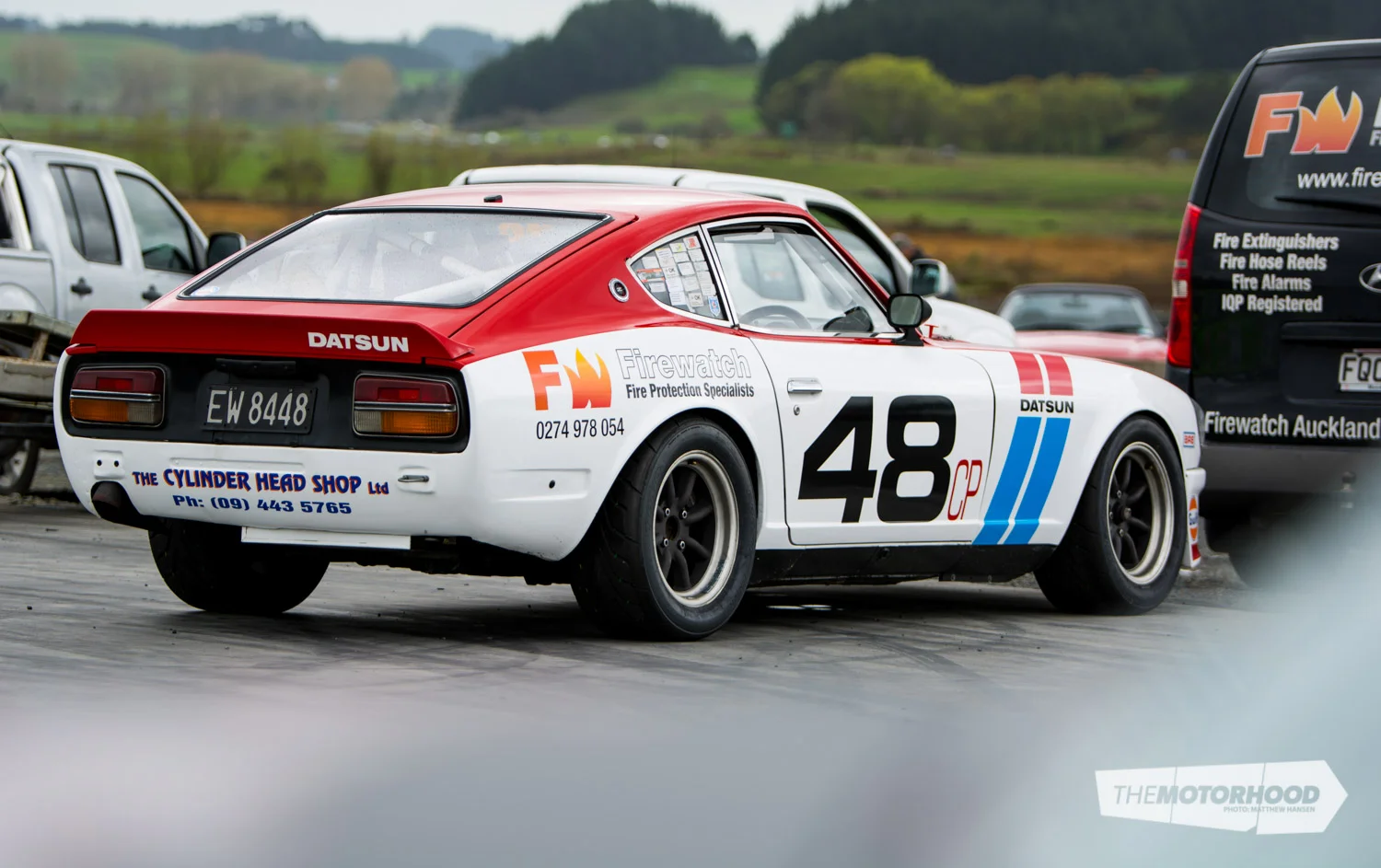
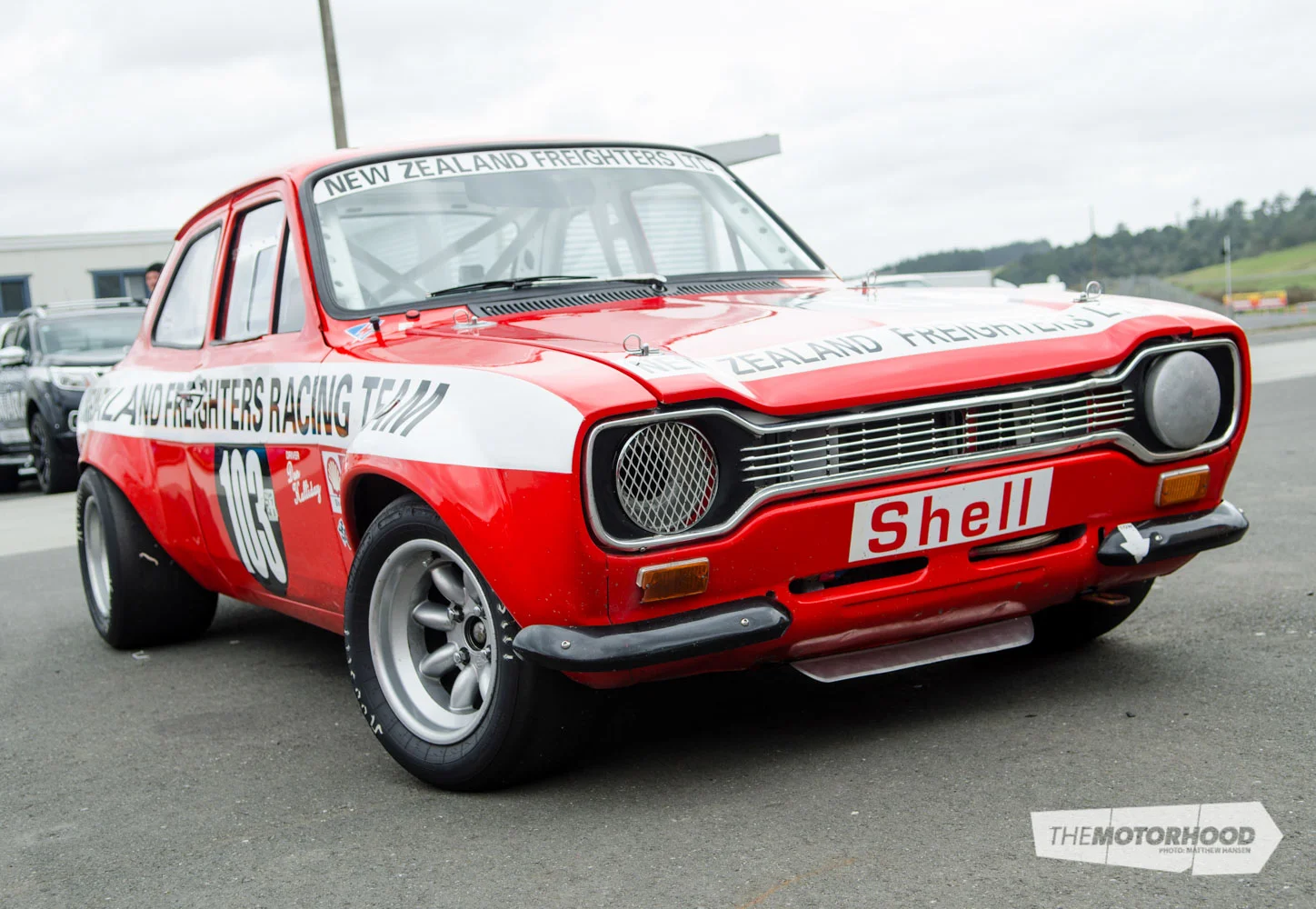
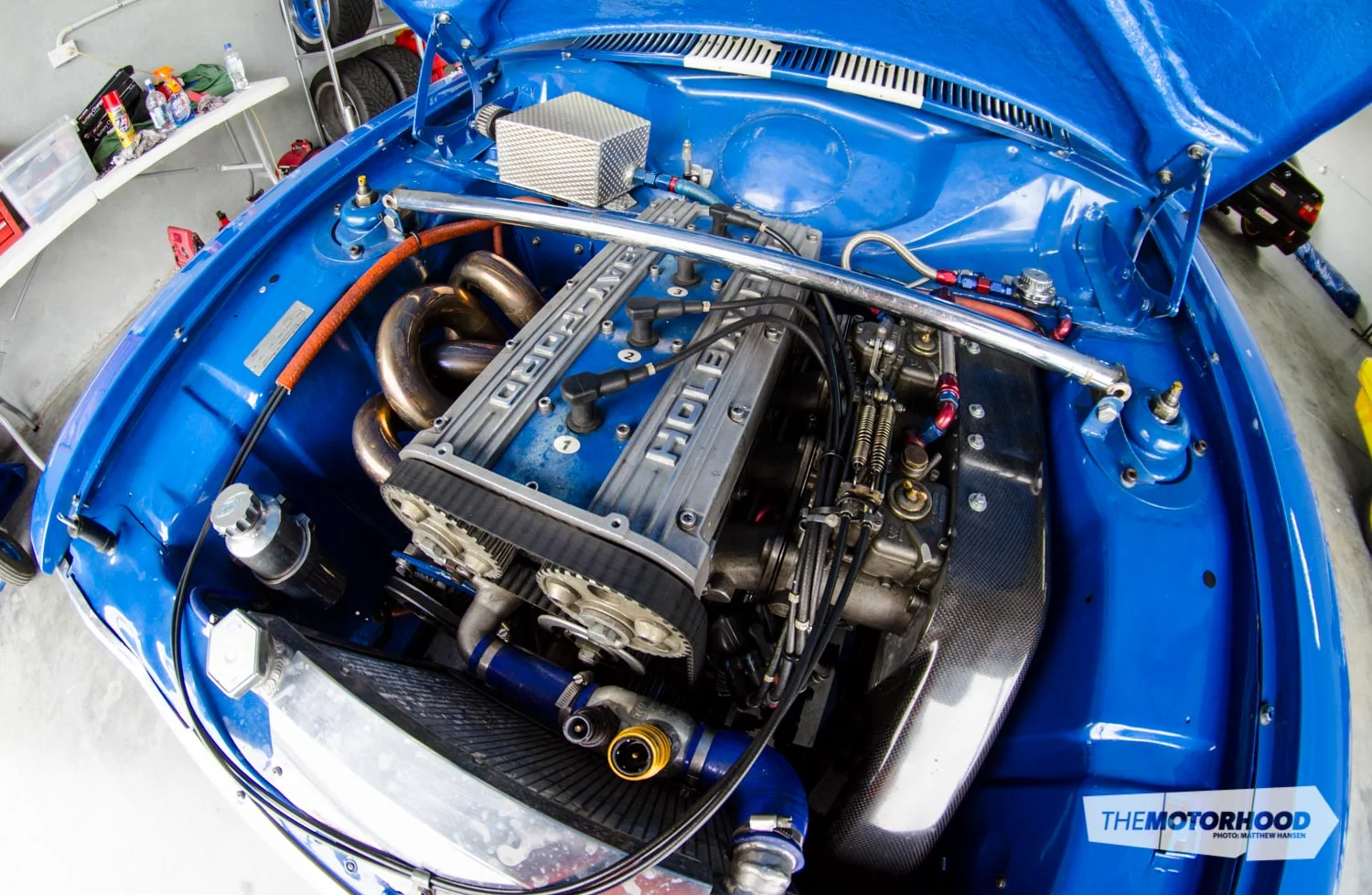
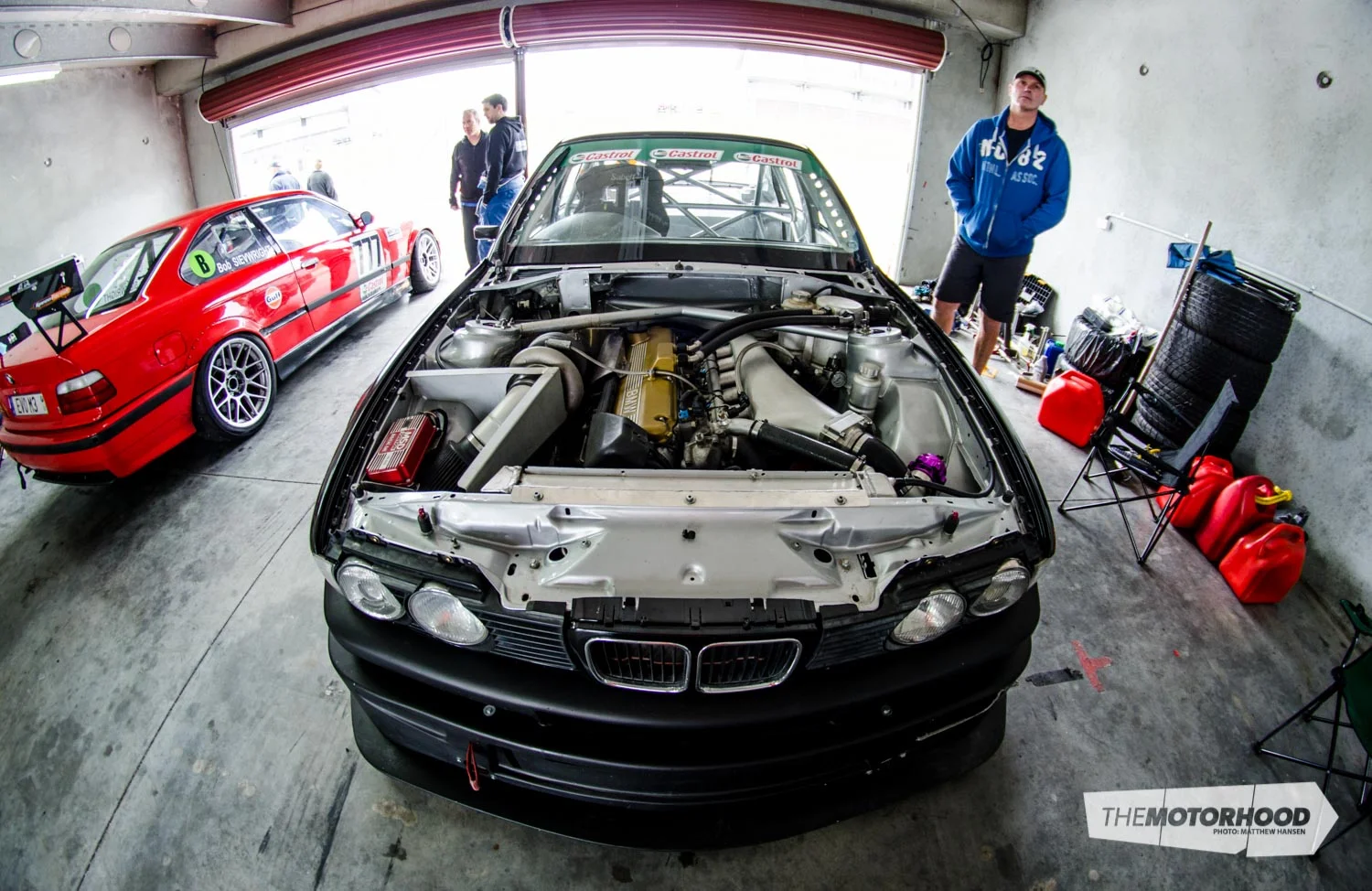
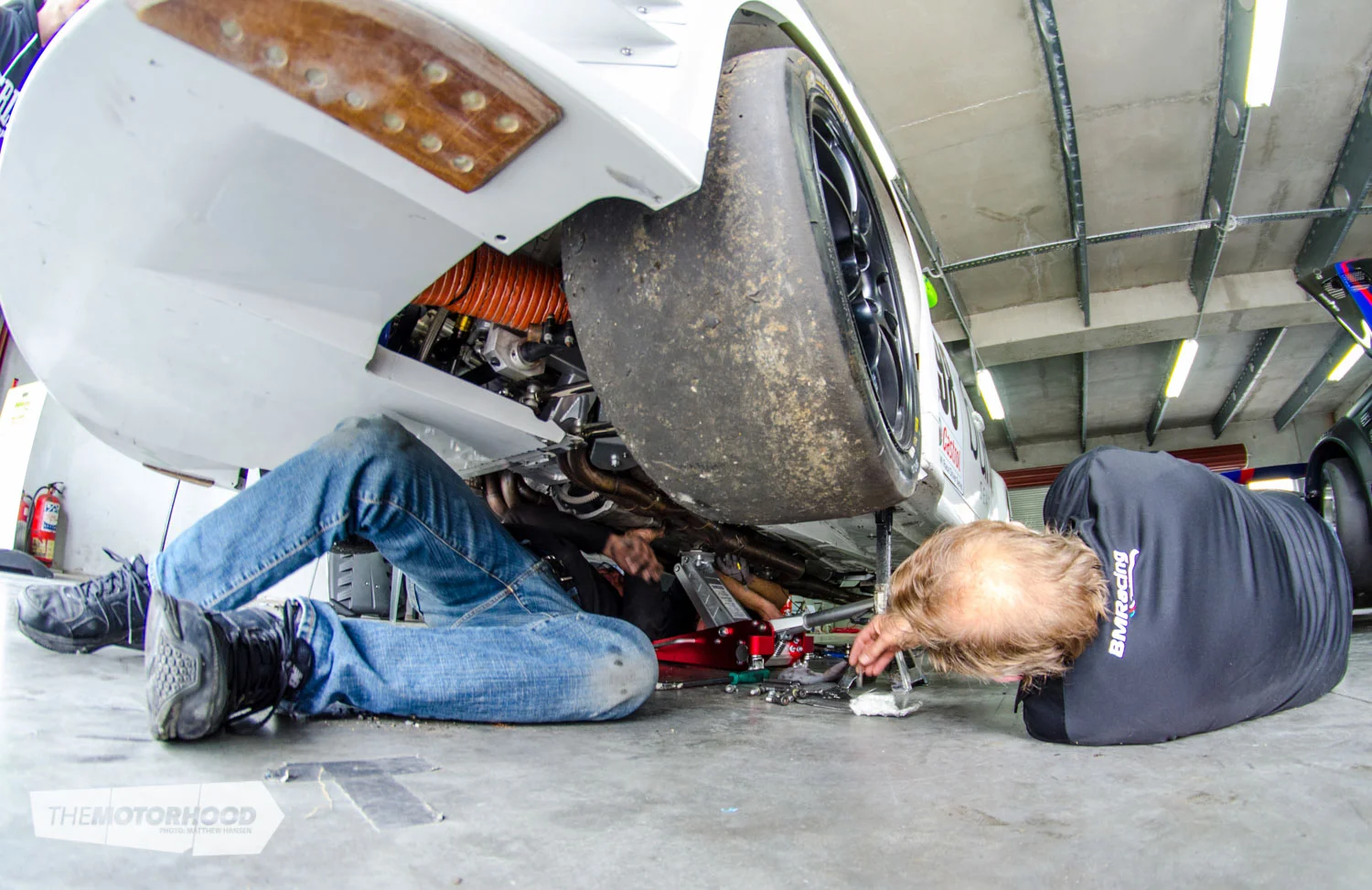
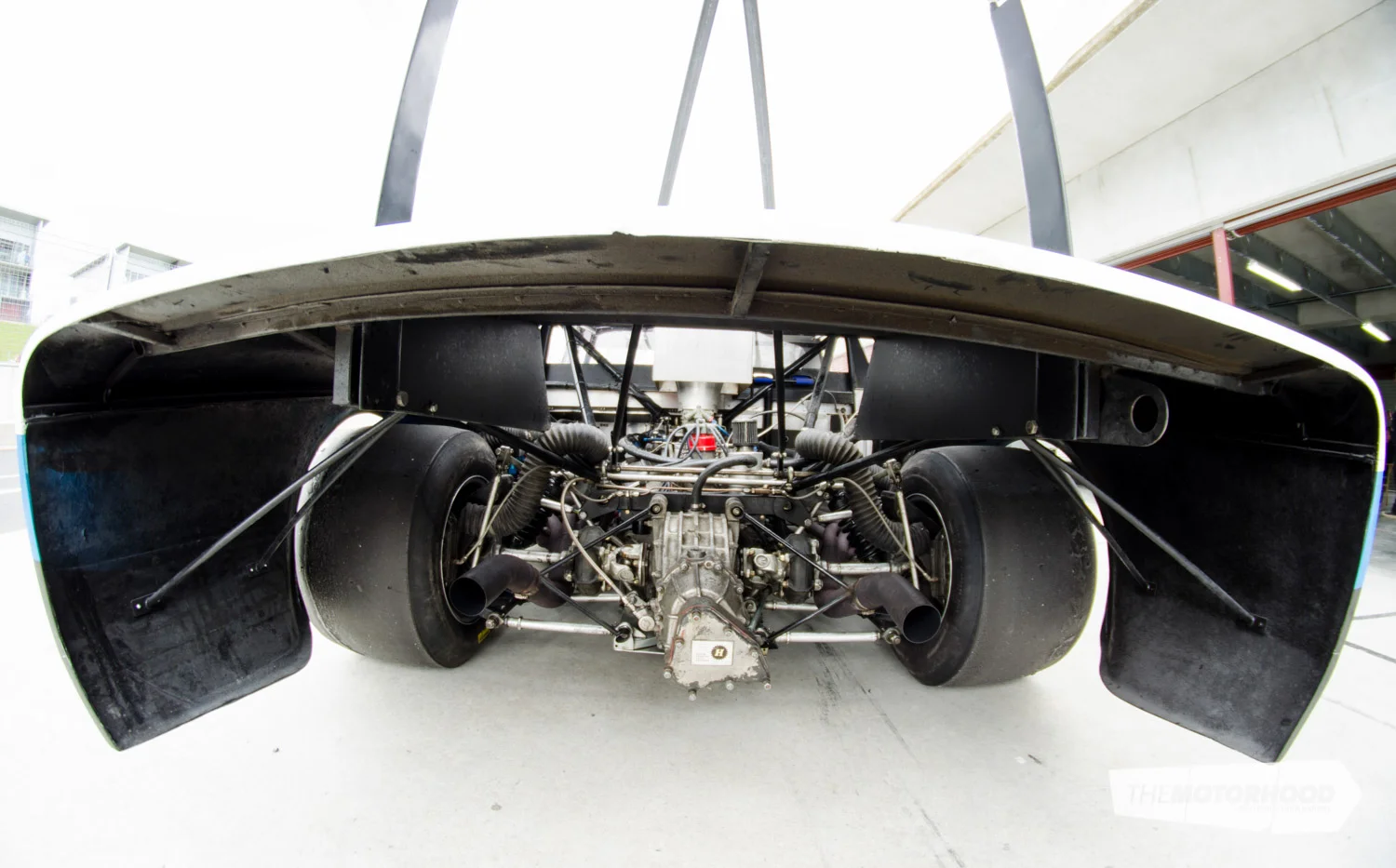
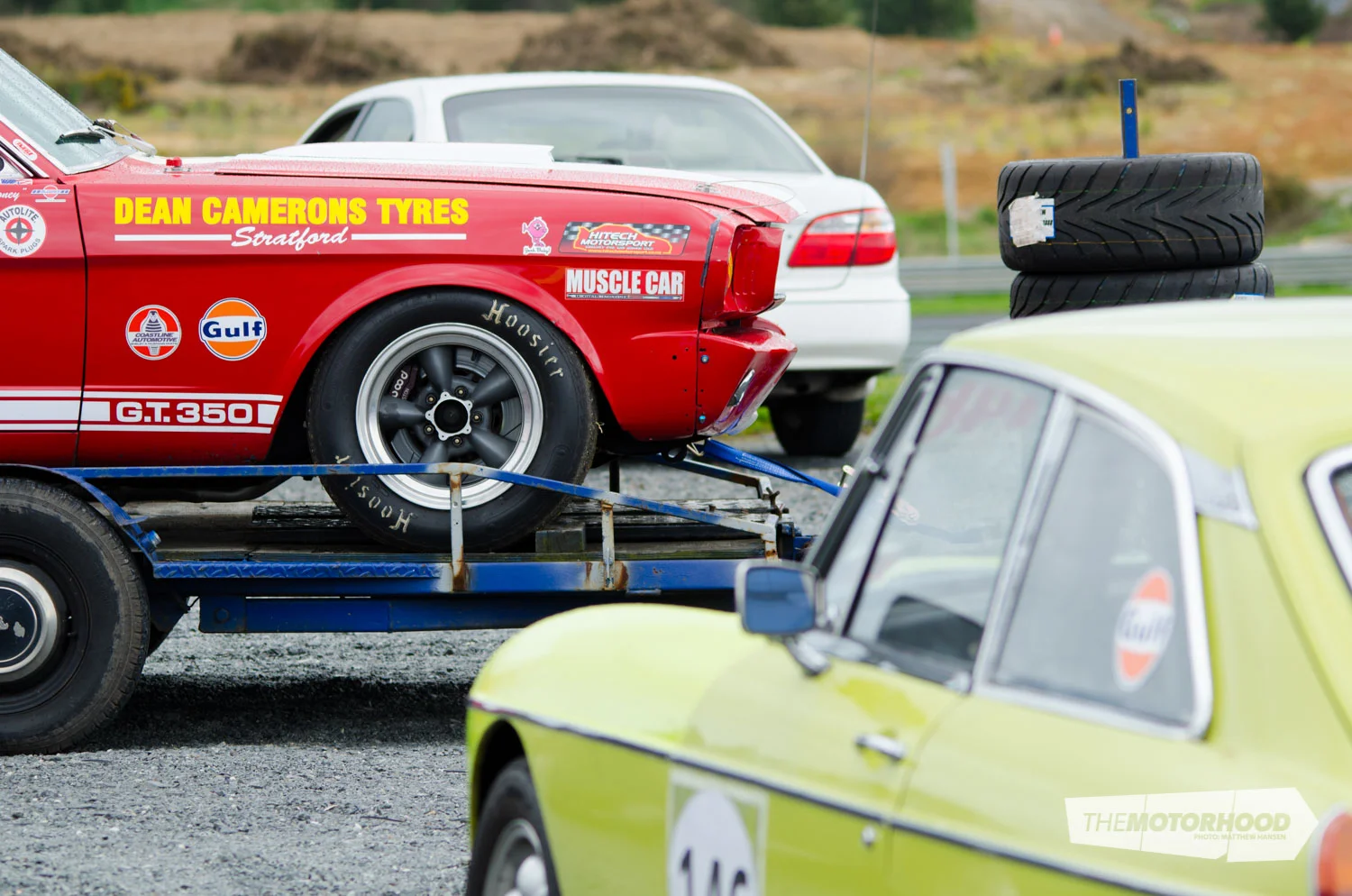
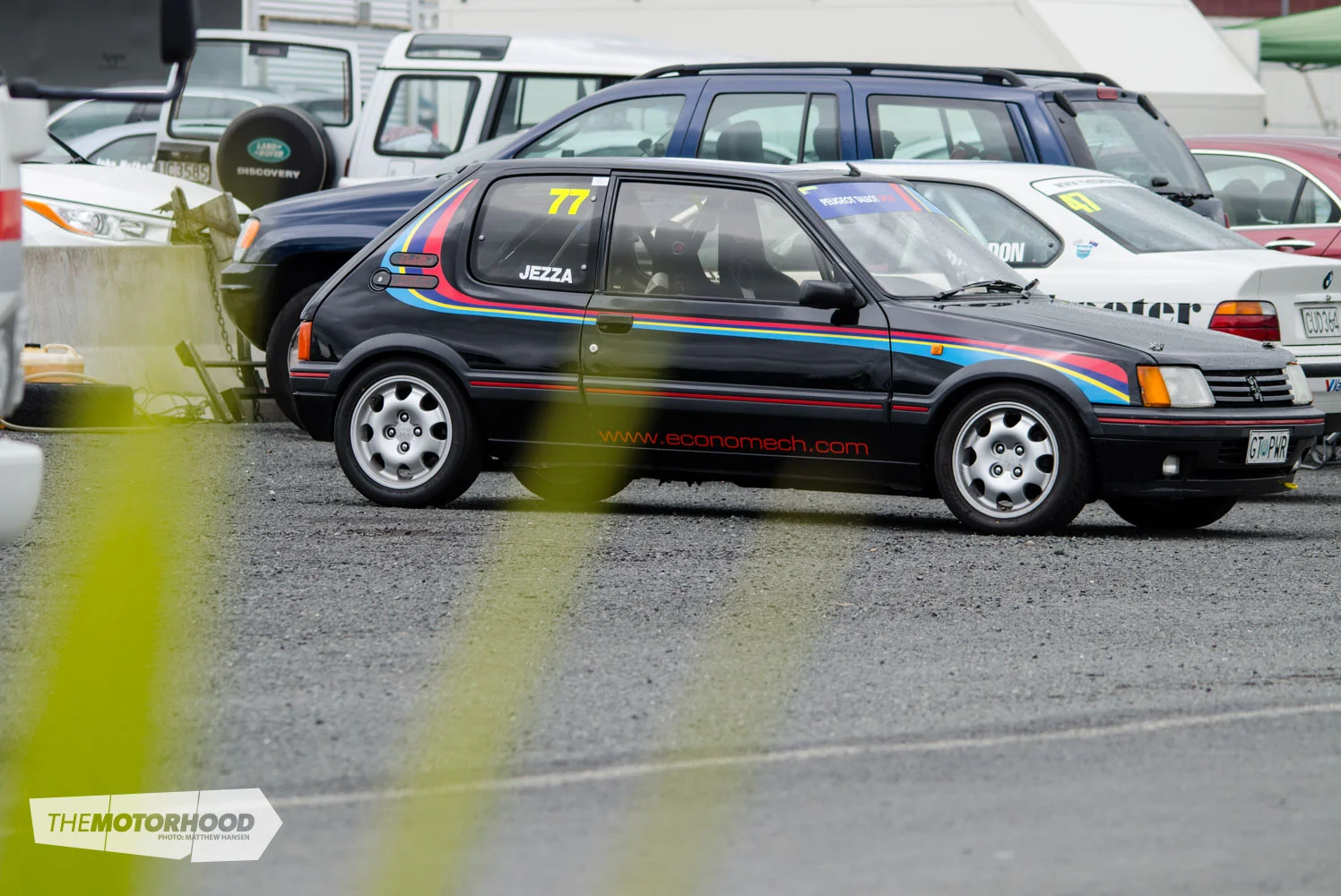
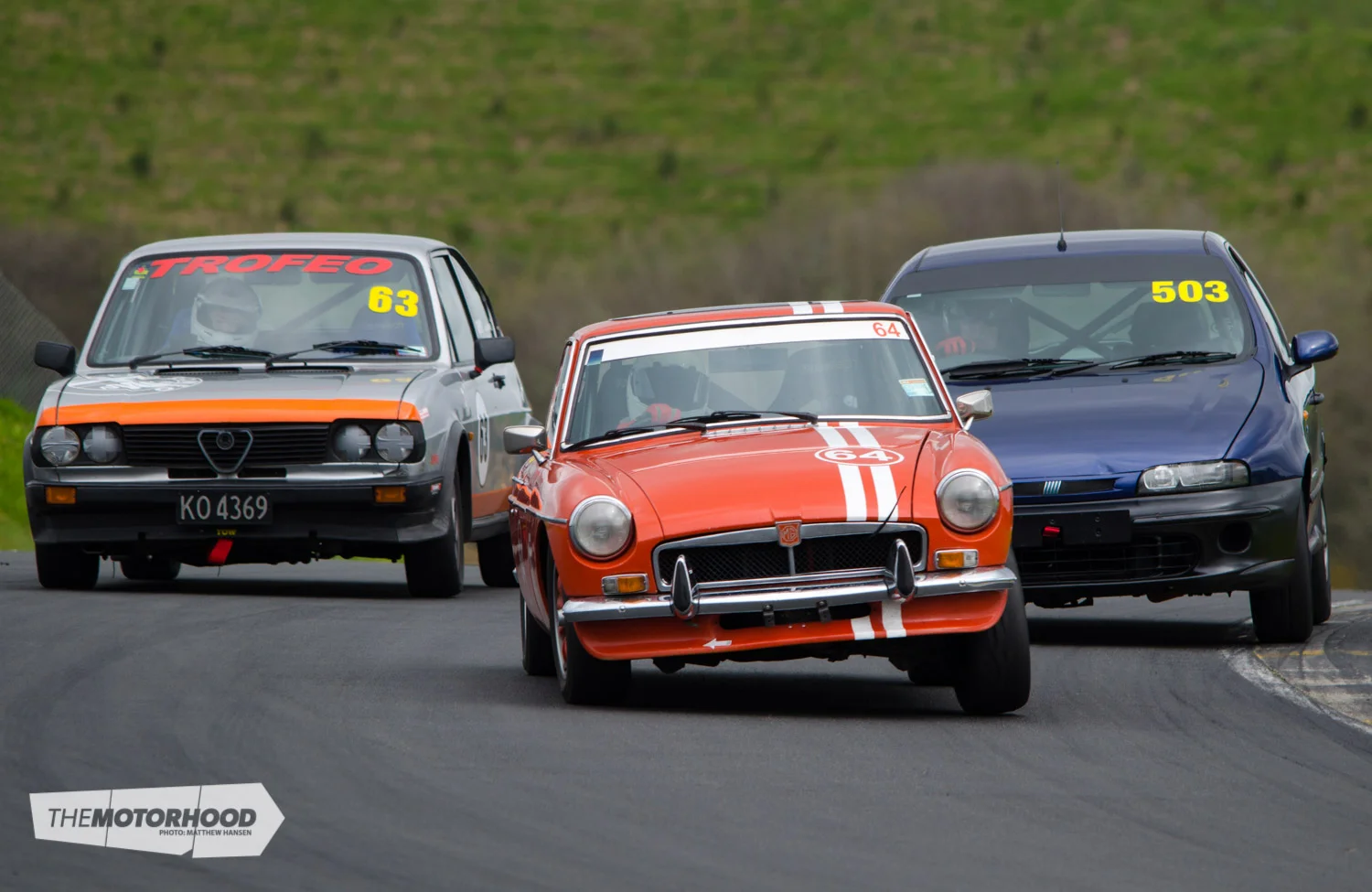
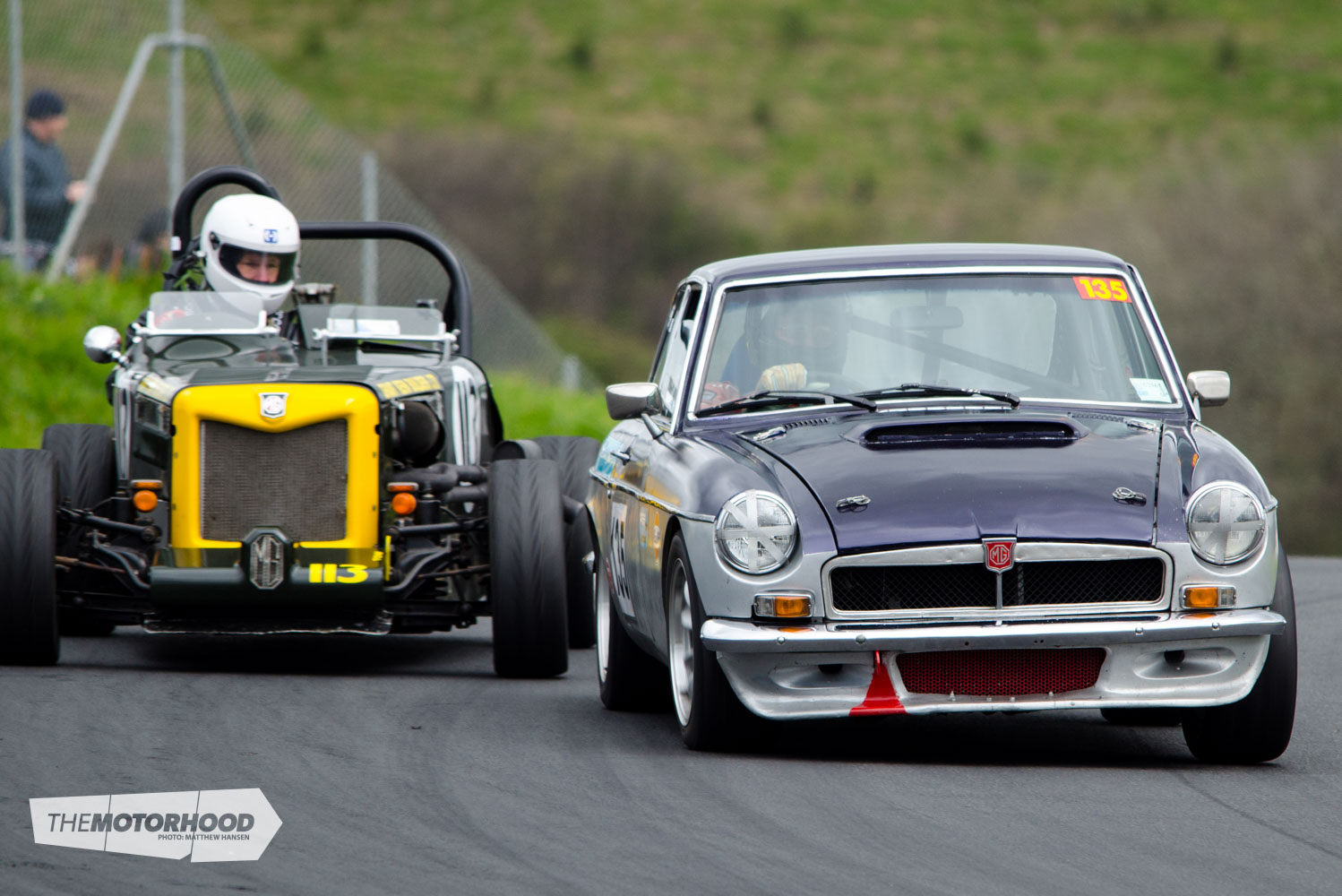
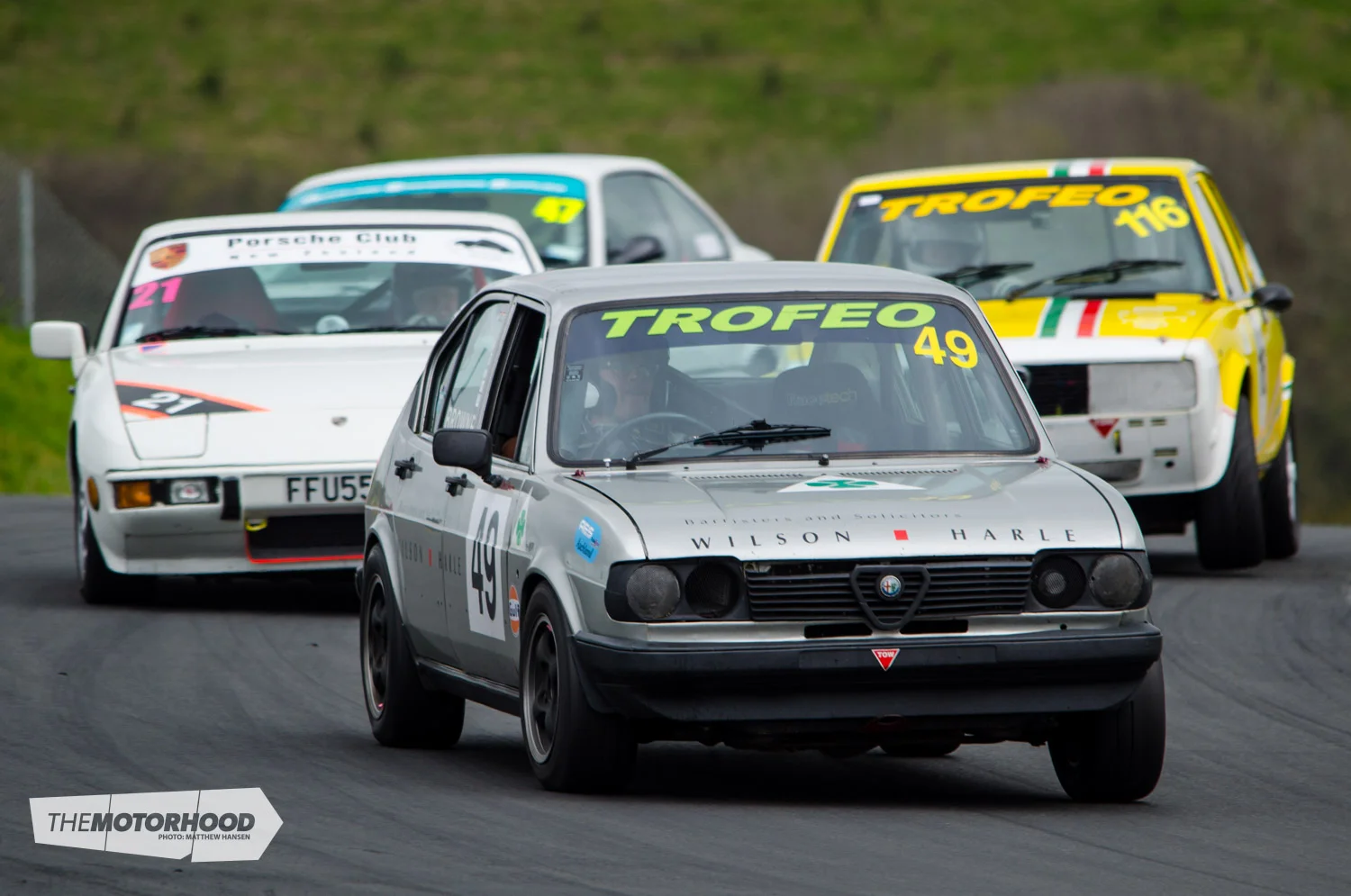
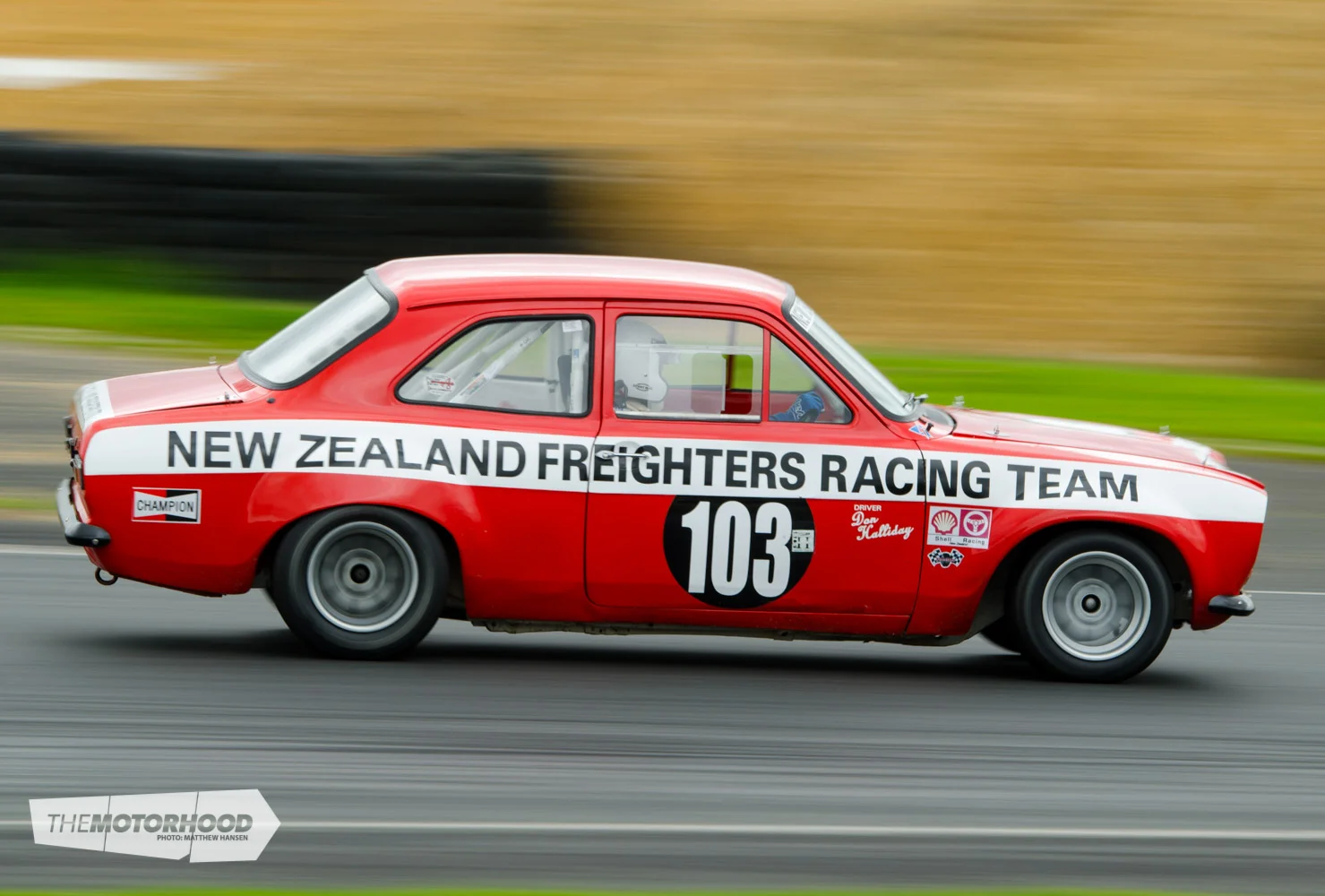
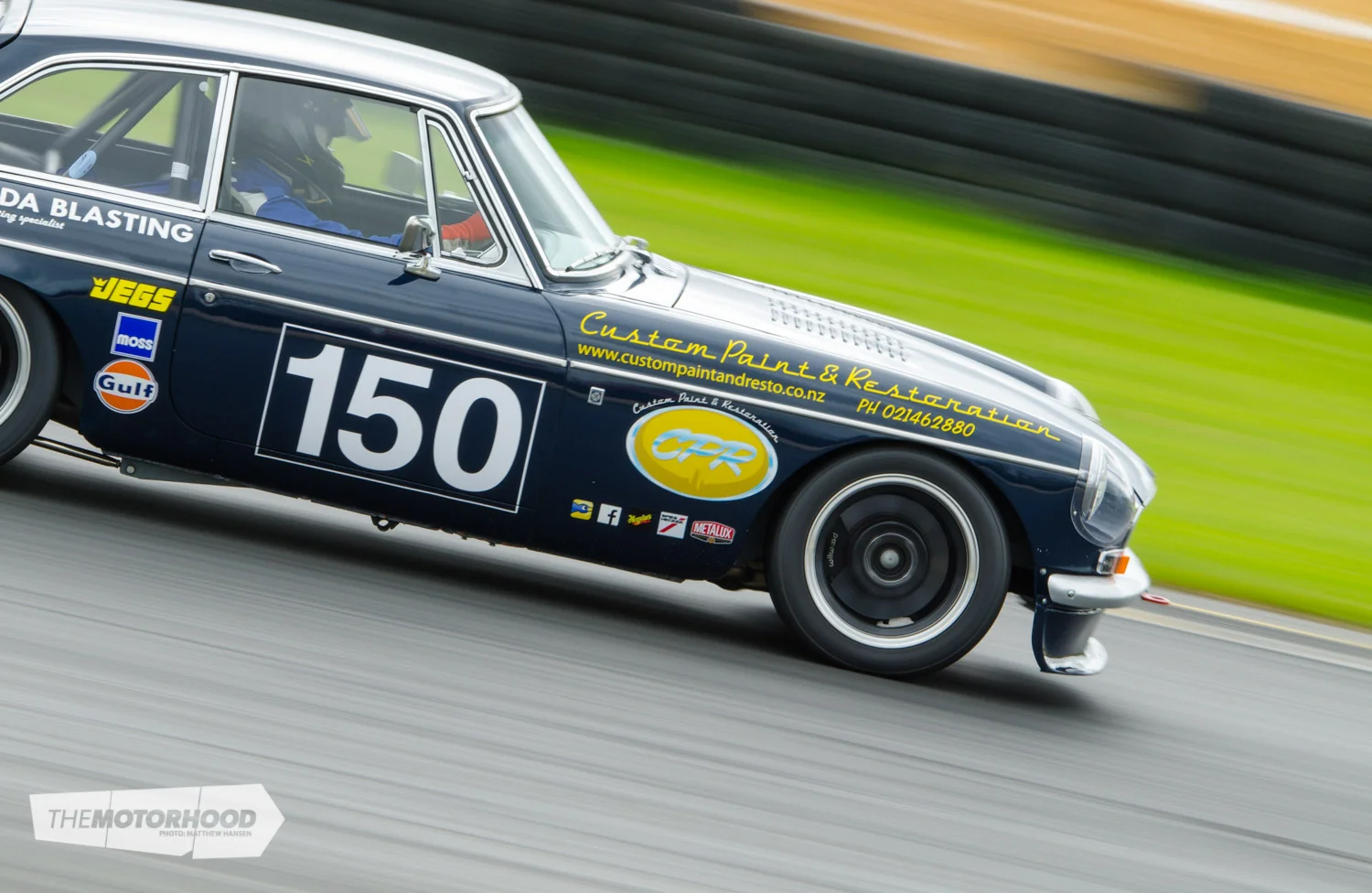
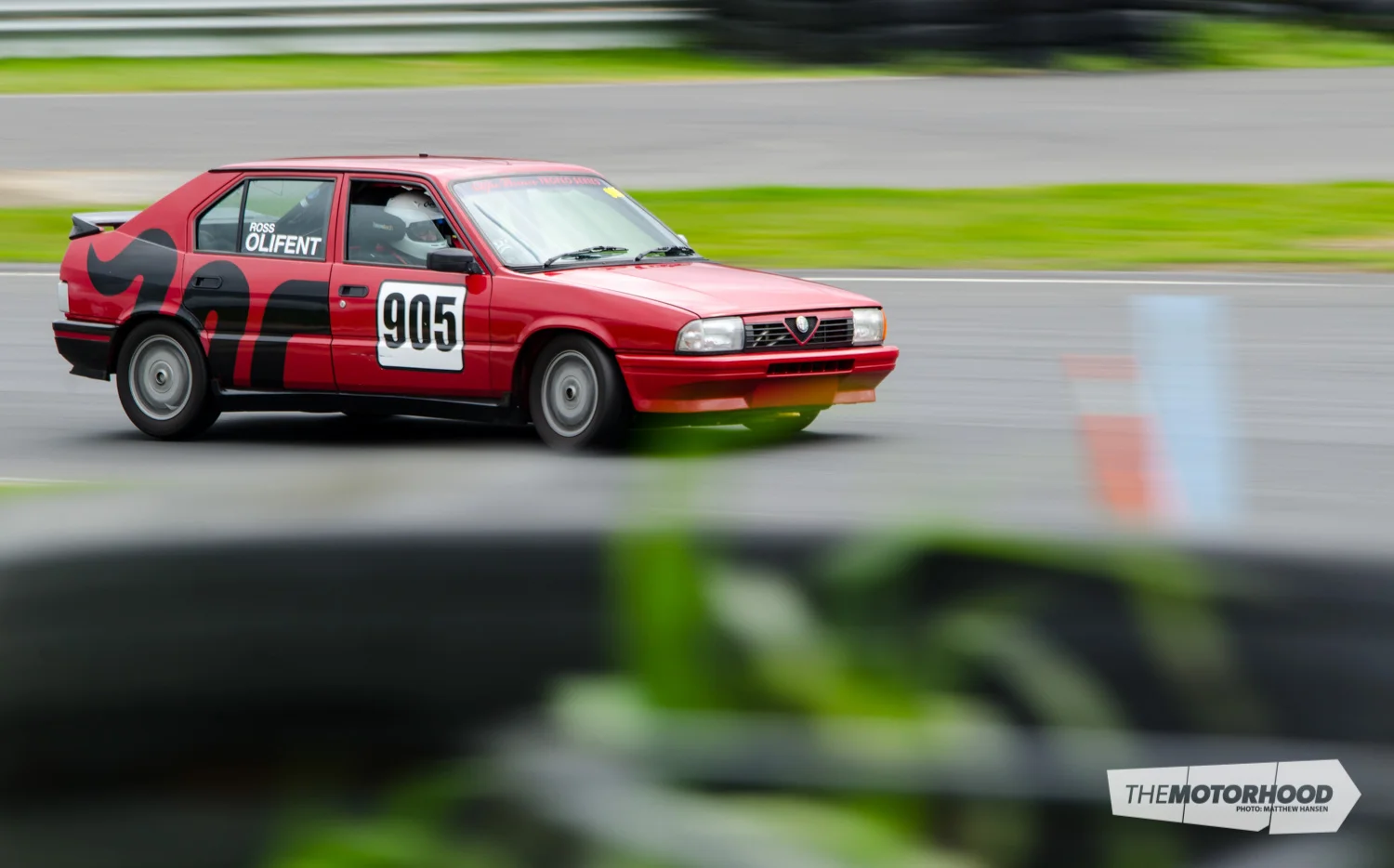
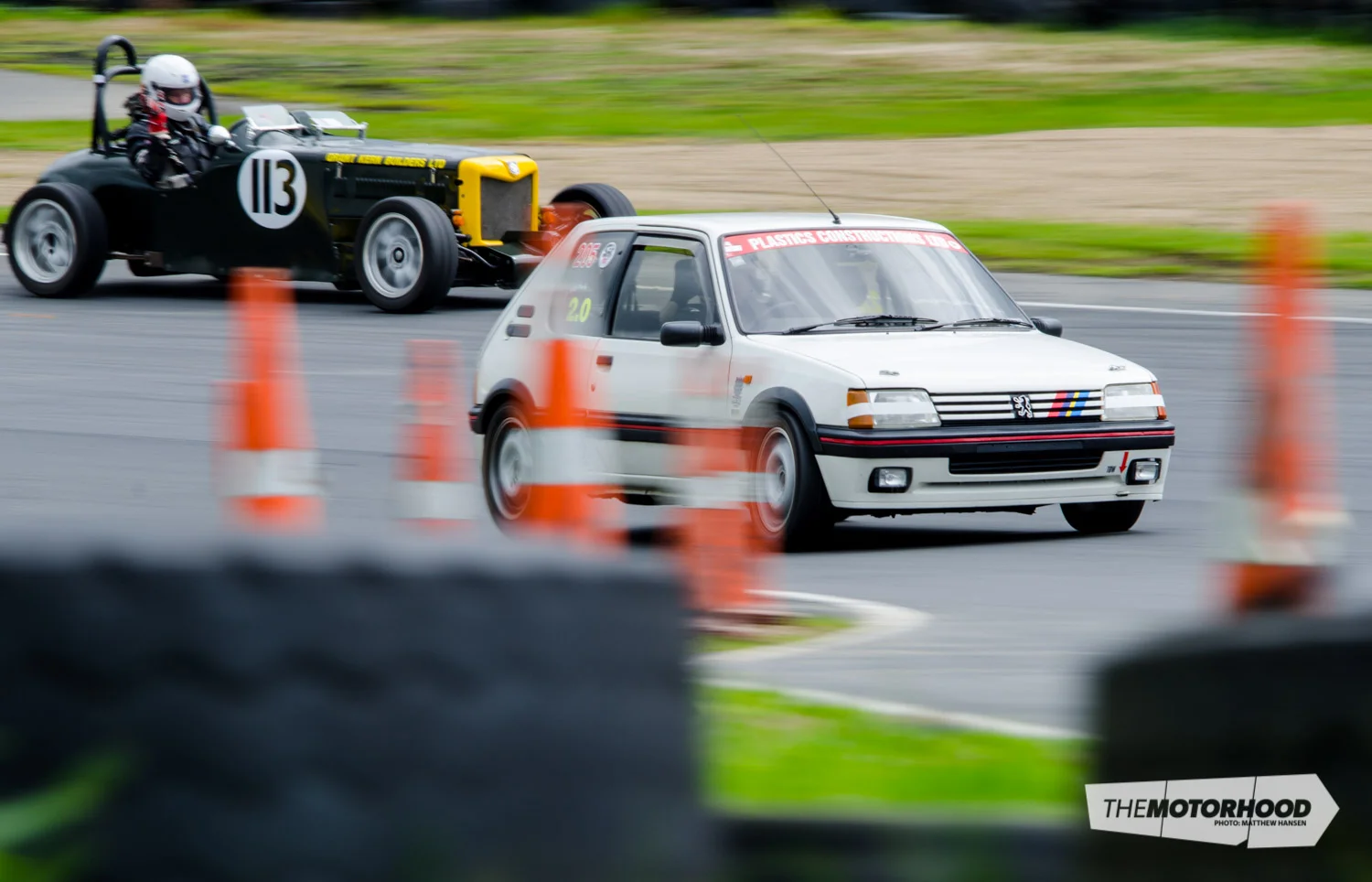
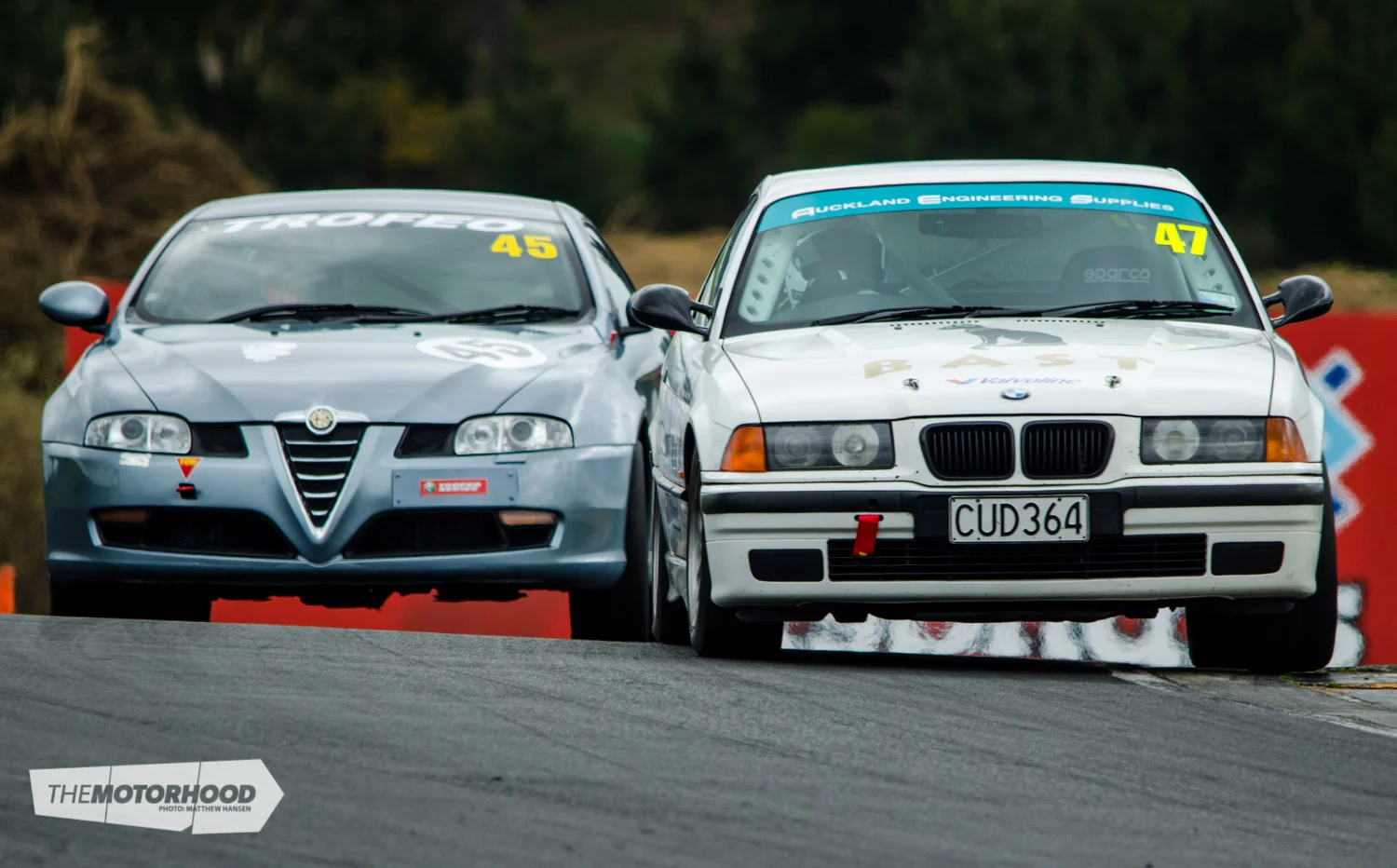
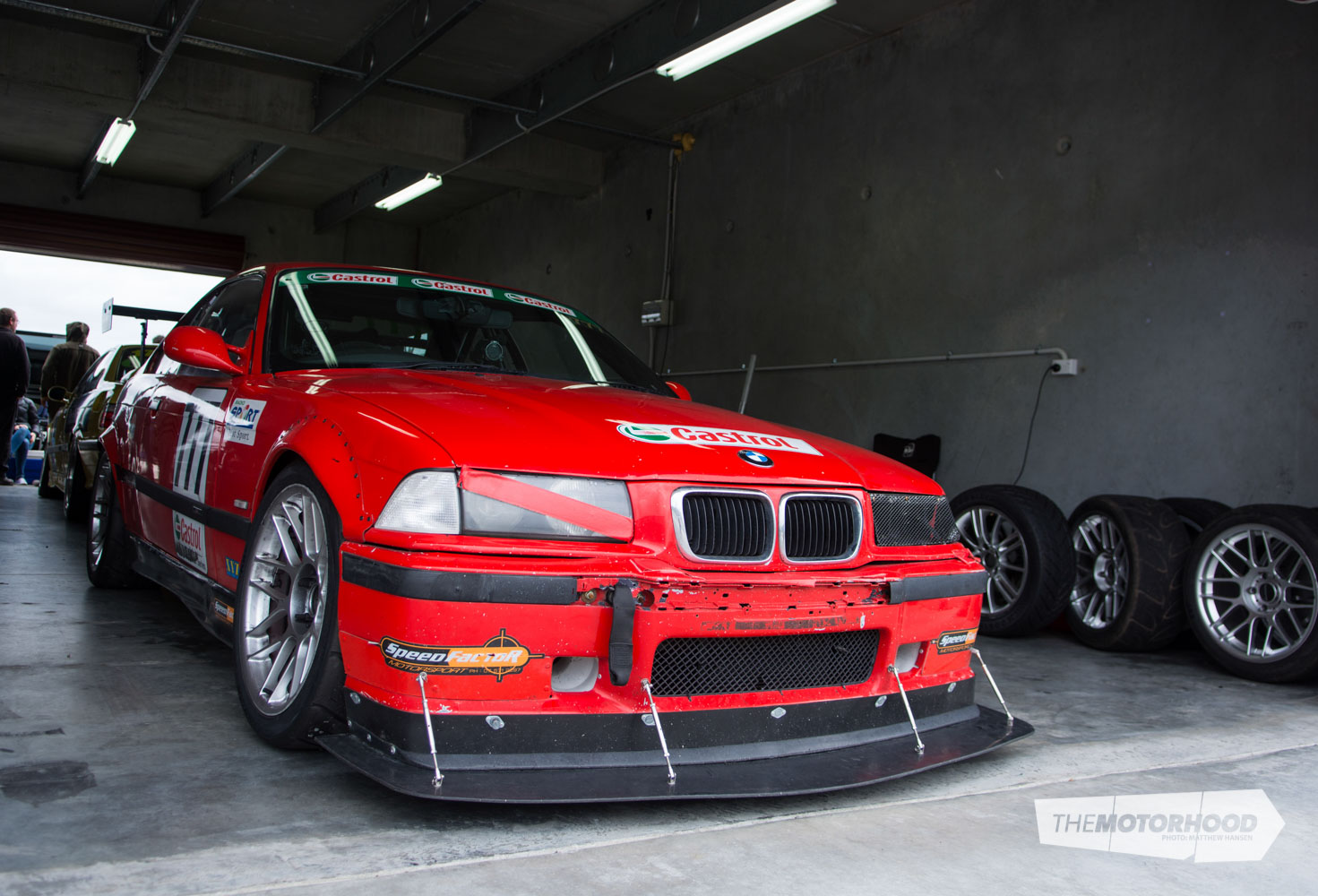
Icebreaker is an event that’s firmly based in grass-roots motorsport, with the 2015 edition supported by 250 race cars of all shapes and sizes. The Historic Muscle Cars, Castrol BMW Race Series, and the Trofeo Series for Alfa Romeos were among the classes represented. Entries ranged from cars scraped together on a shoestring, to cars that would fit in at any endurance event in Australasia; big thumping V8s, to light Japanese coupés, to open wheelers.
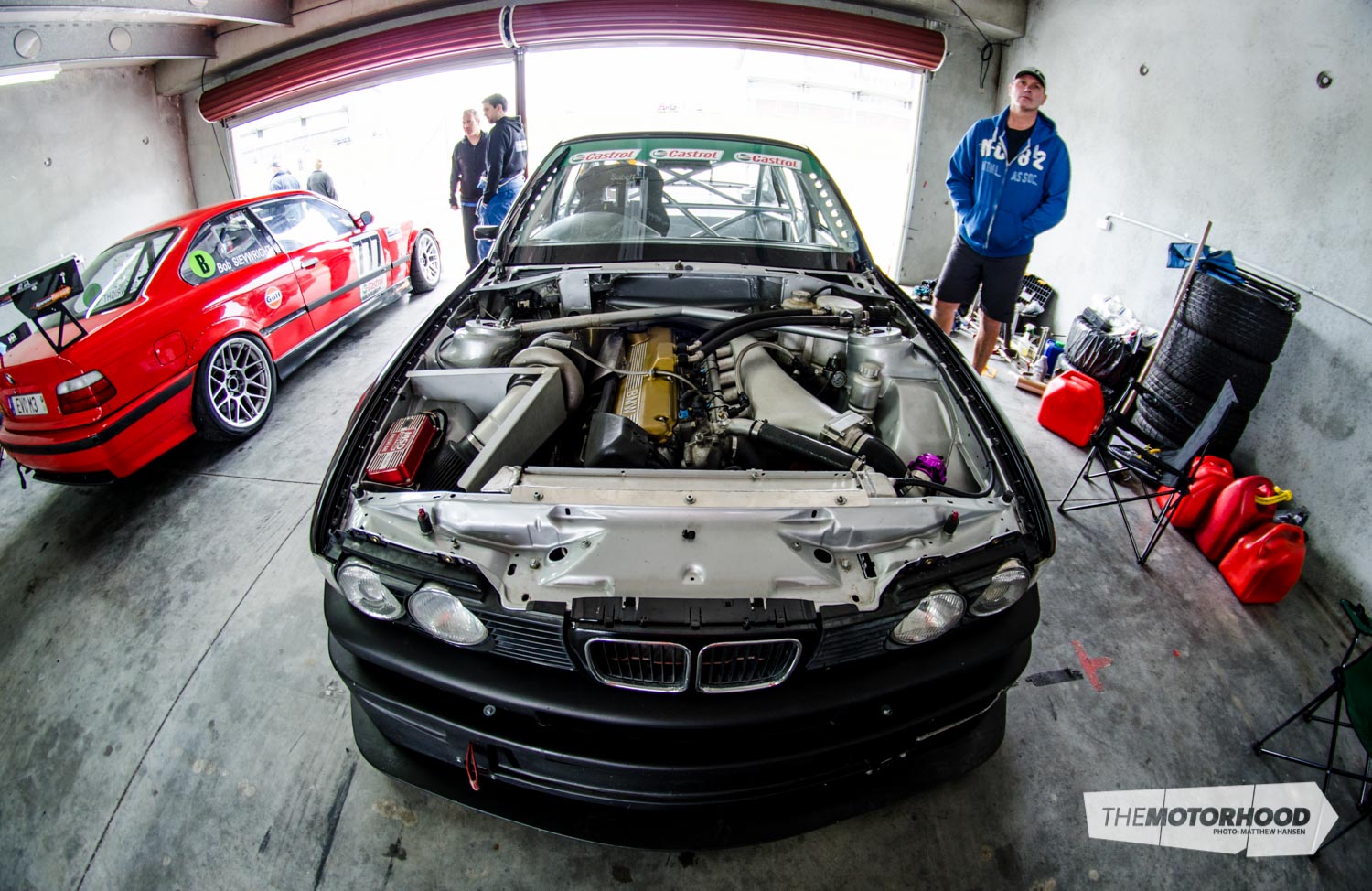
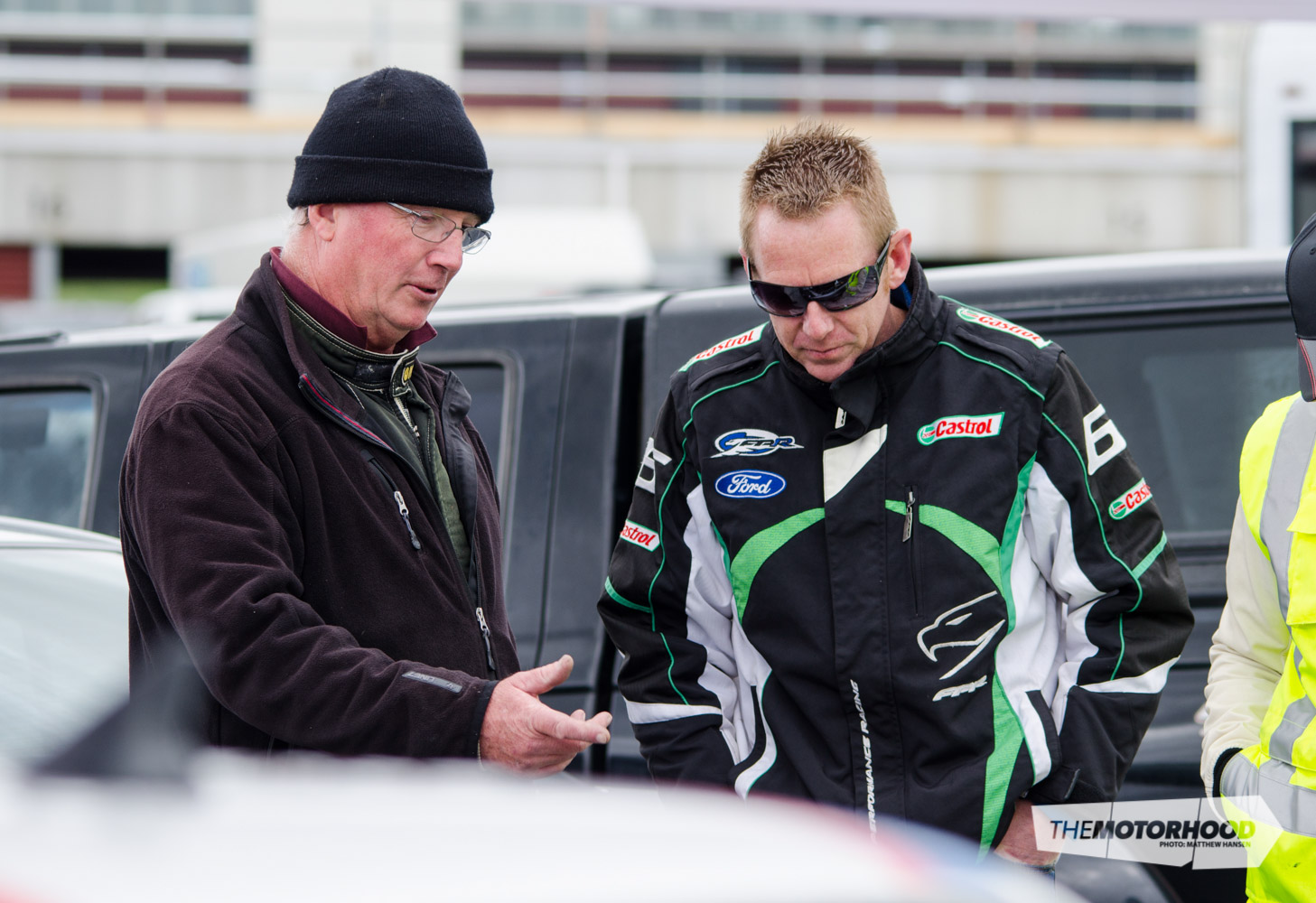
It’s also a very relaxing place to be. There are no engineers sprinting up and down pit lane, or promo girls trying to sell things to the innocent — it’s all quite peaceful, apart from the noises echoing from the track of course. Everyone’s open, friendly, and chatty. Not to say that you can’t find friendliness at a tier-one meeting of course, but it’s just not quite the same.
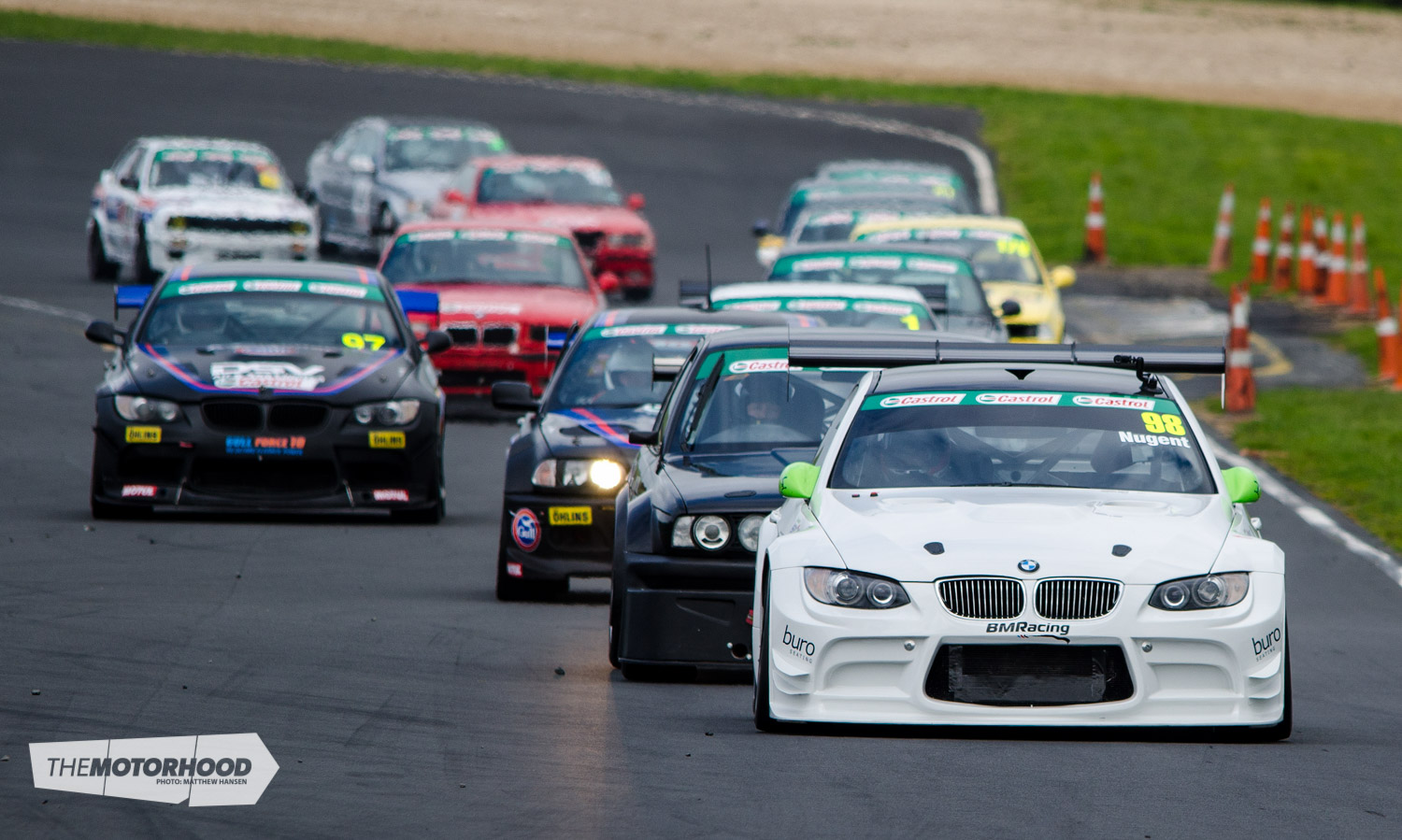
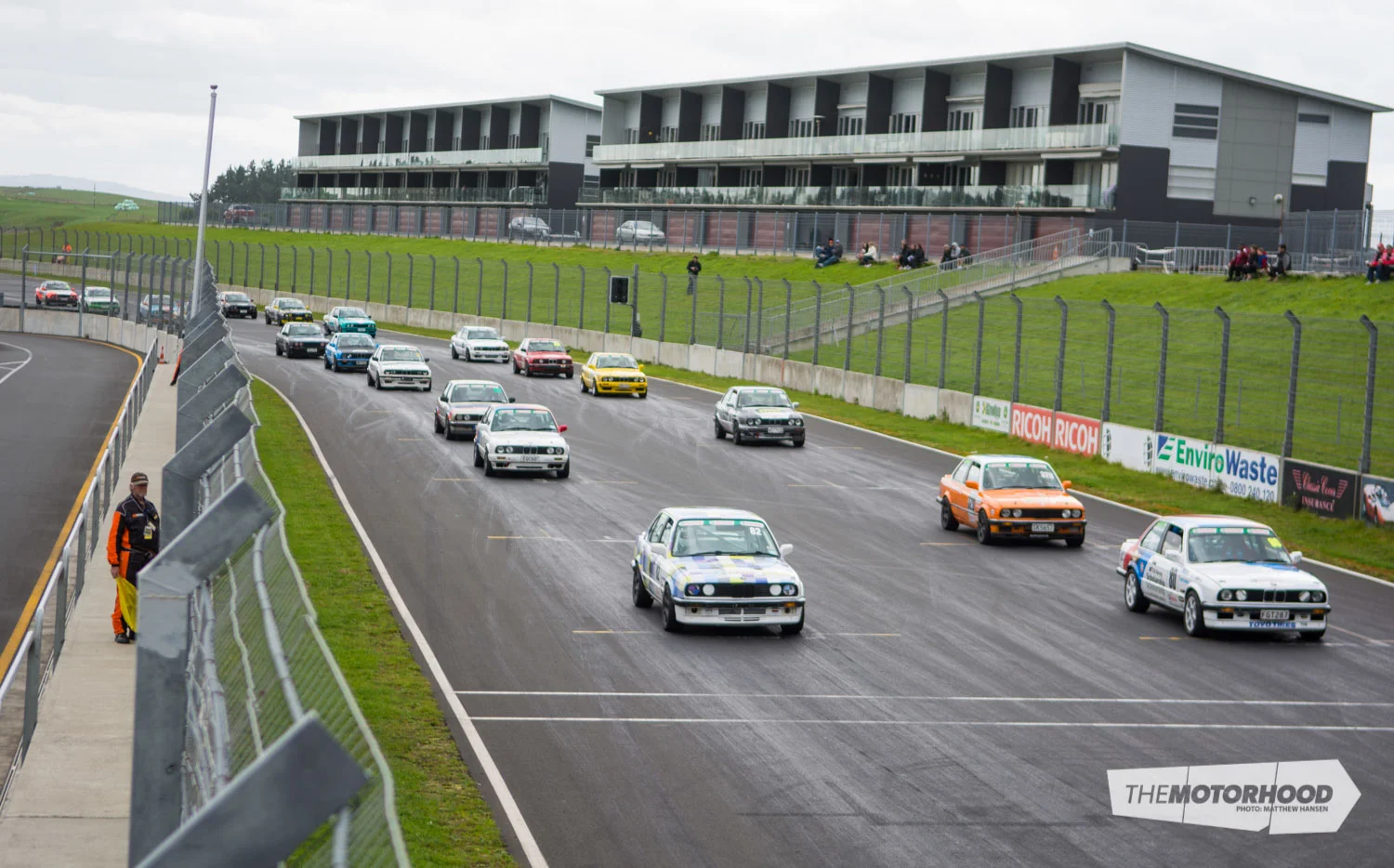
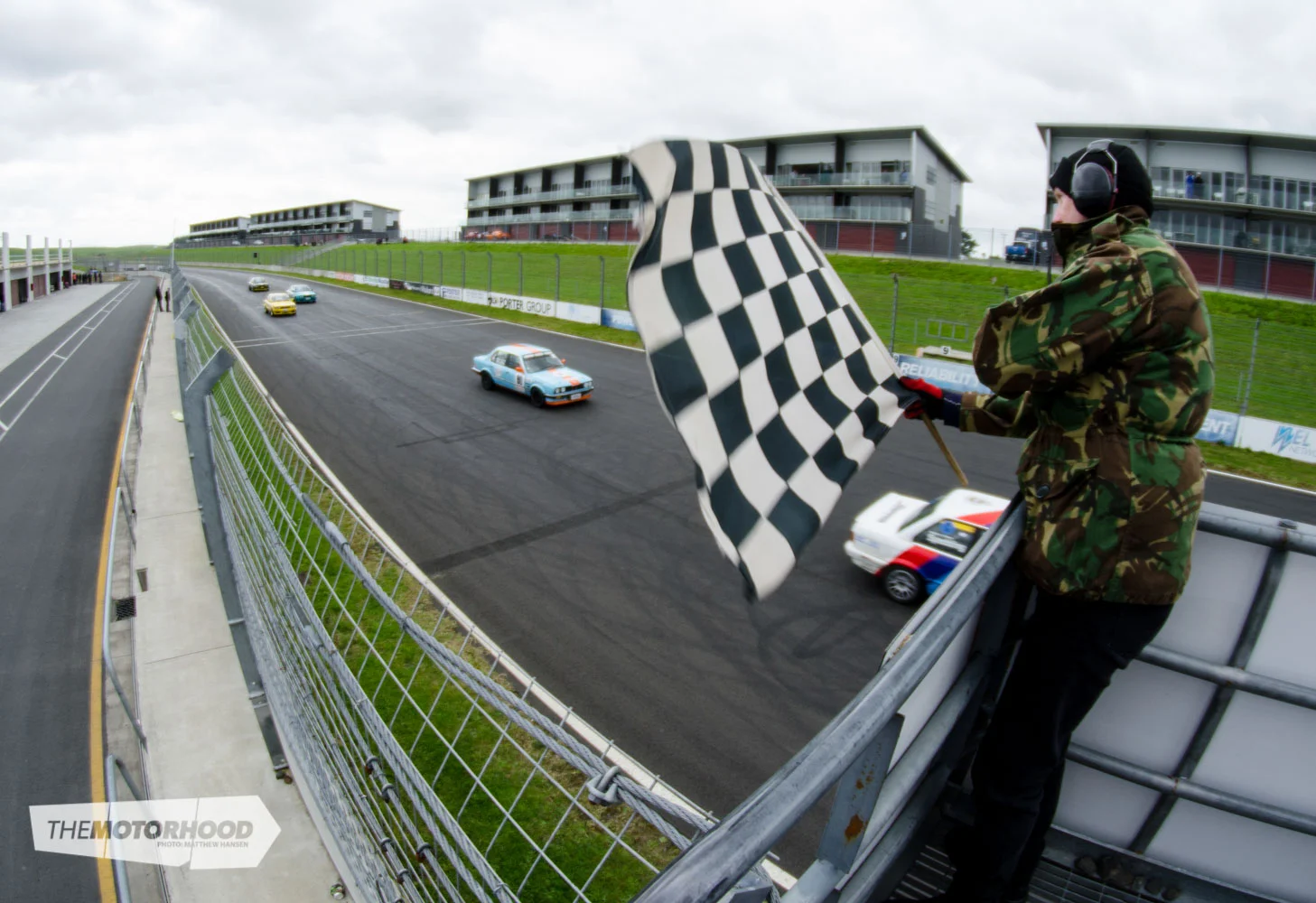
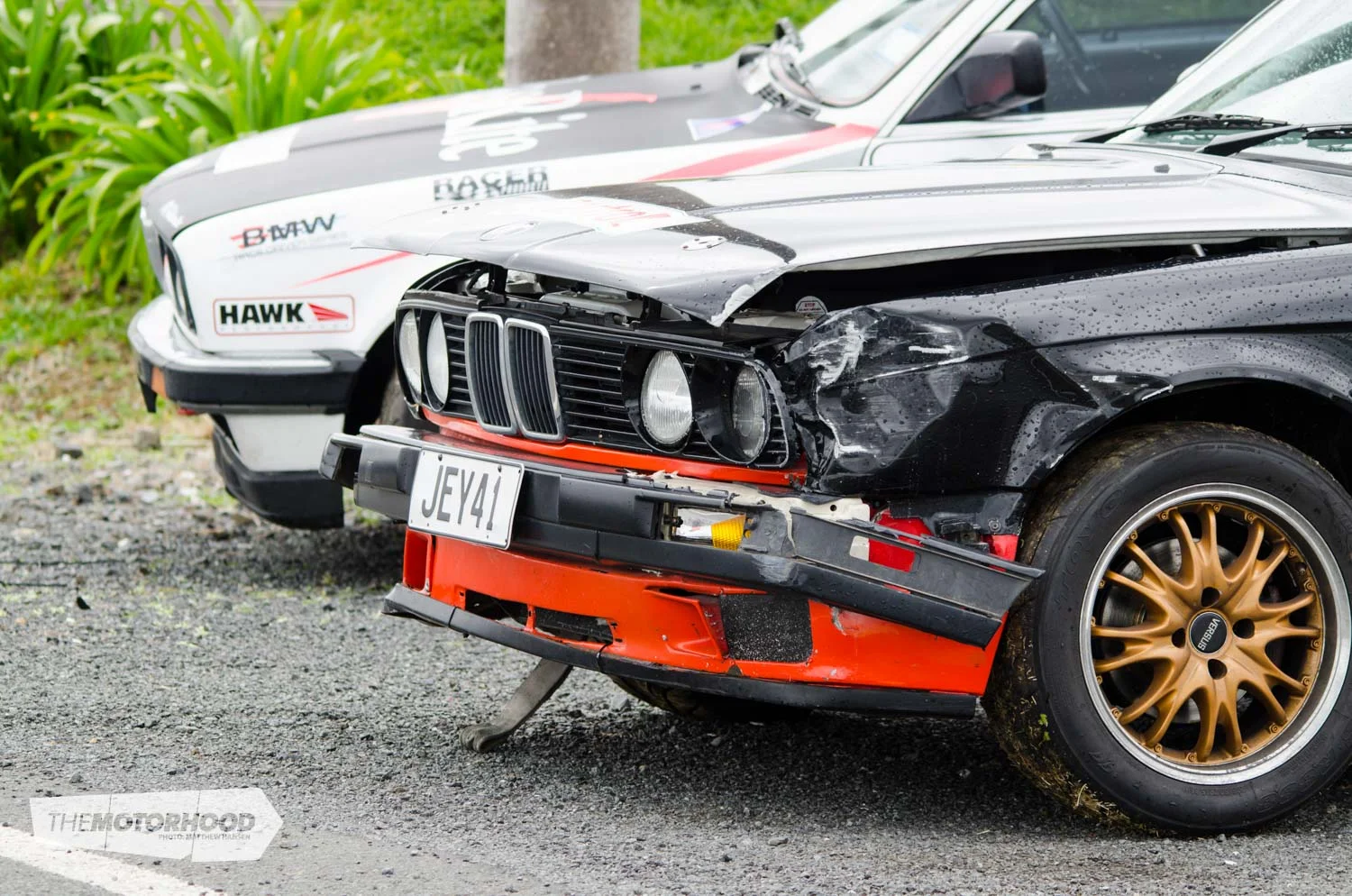
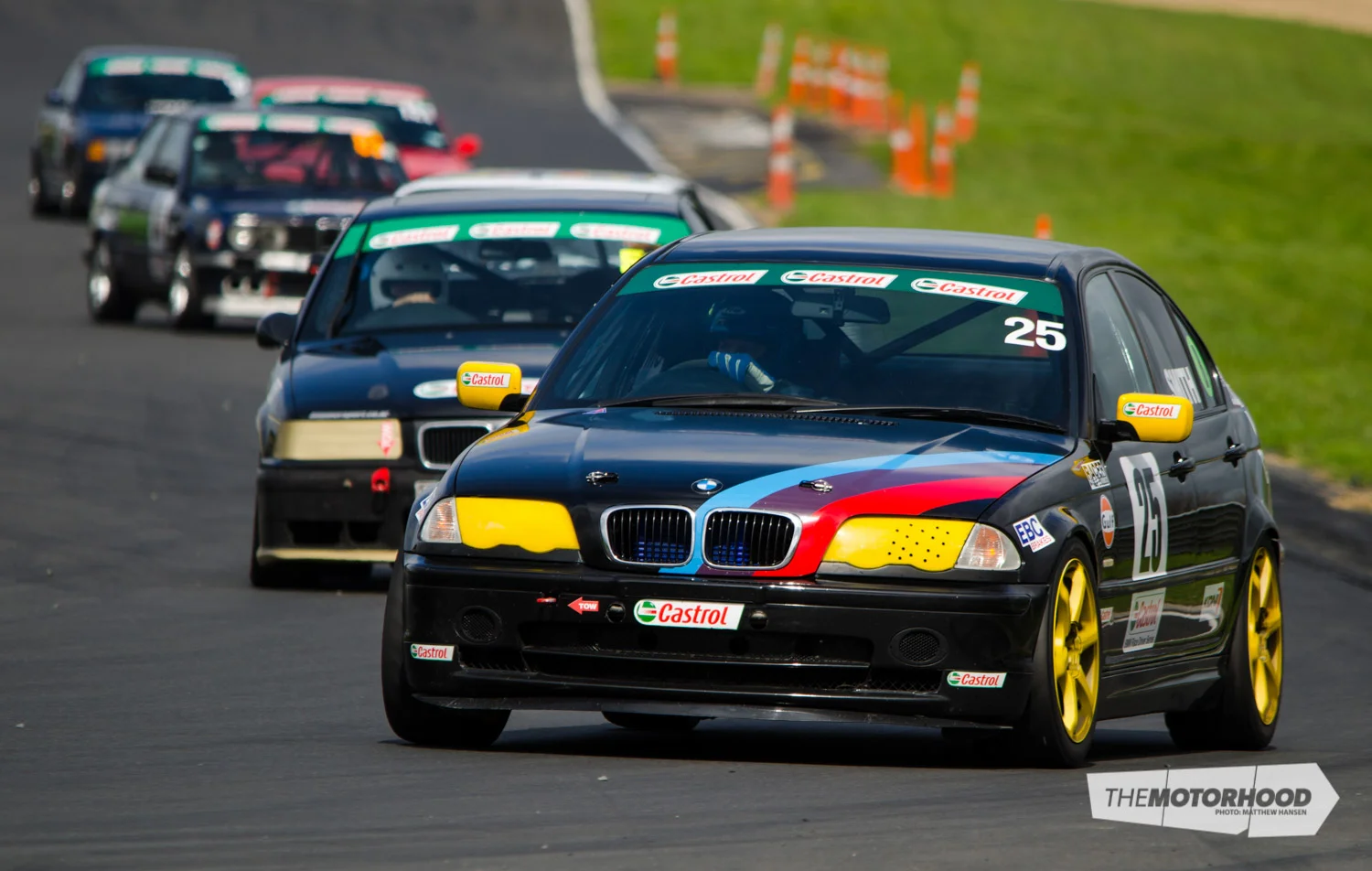
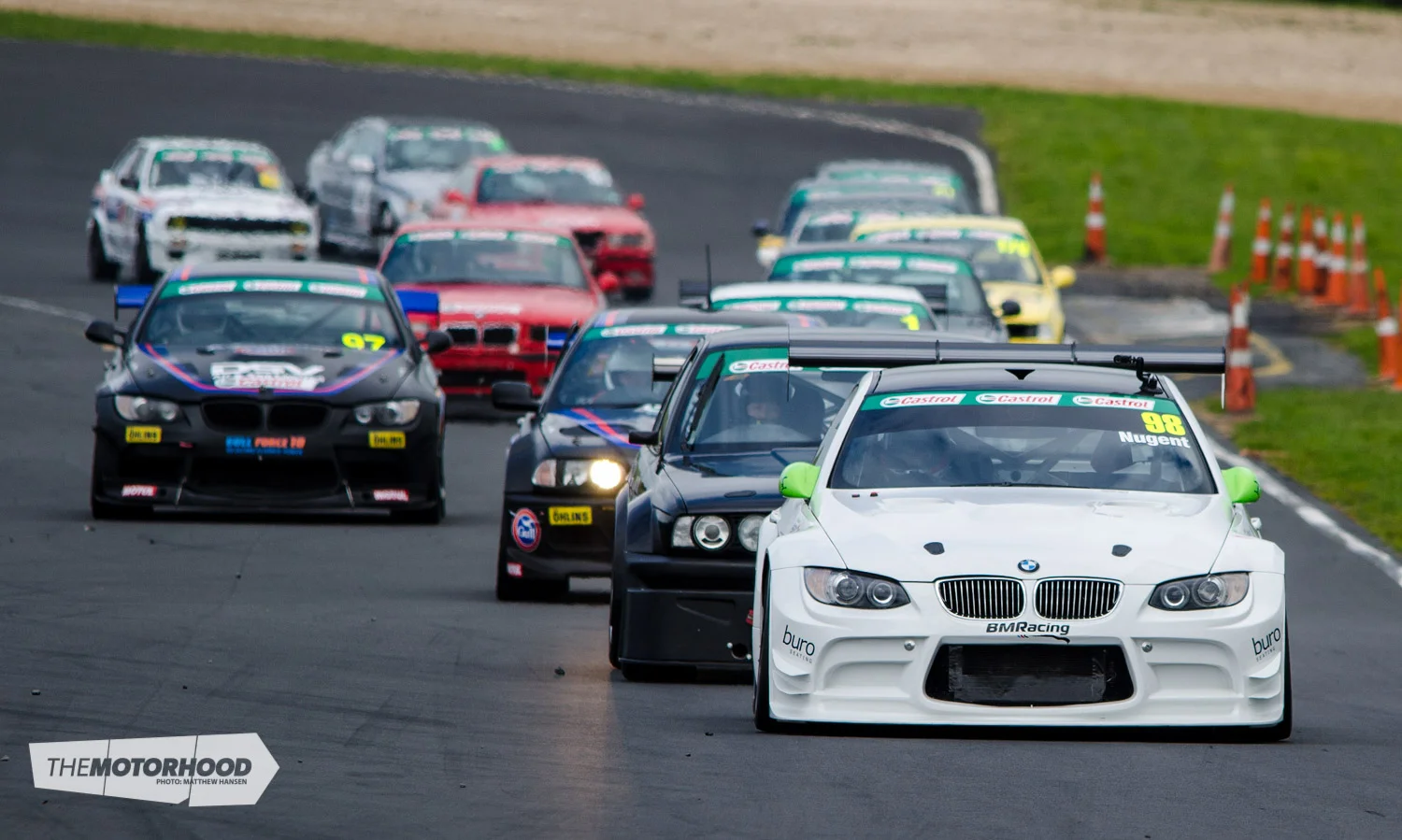
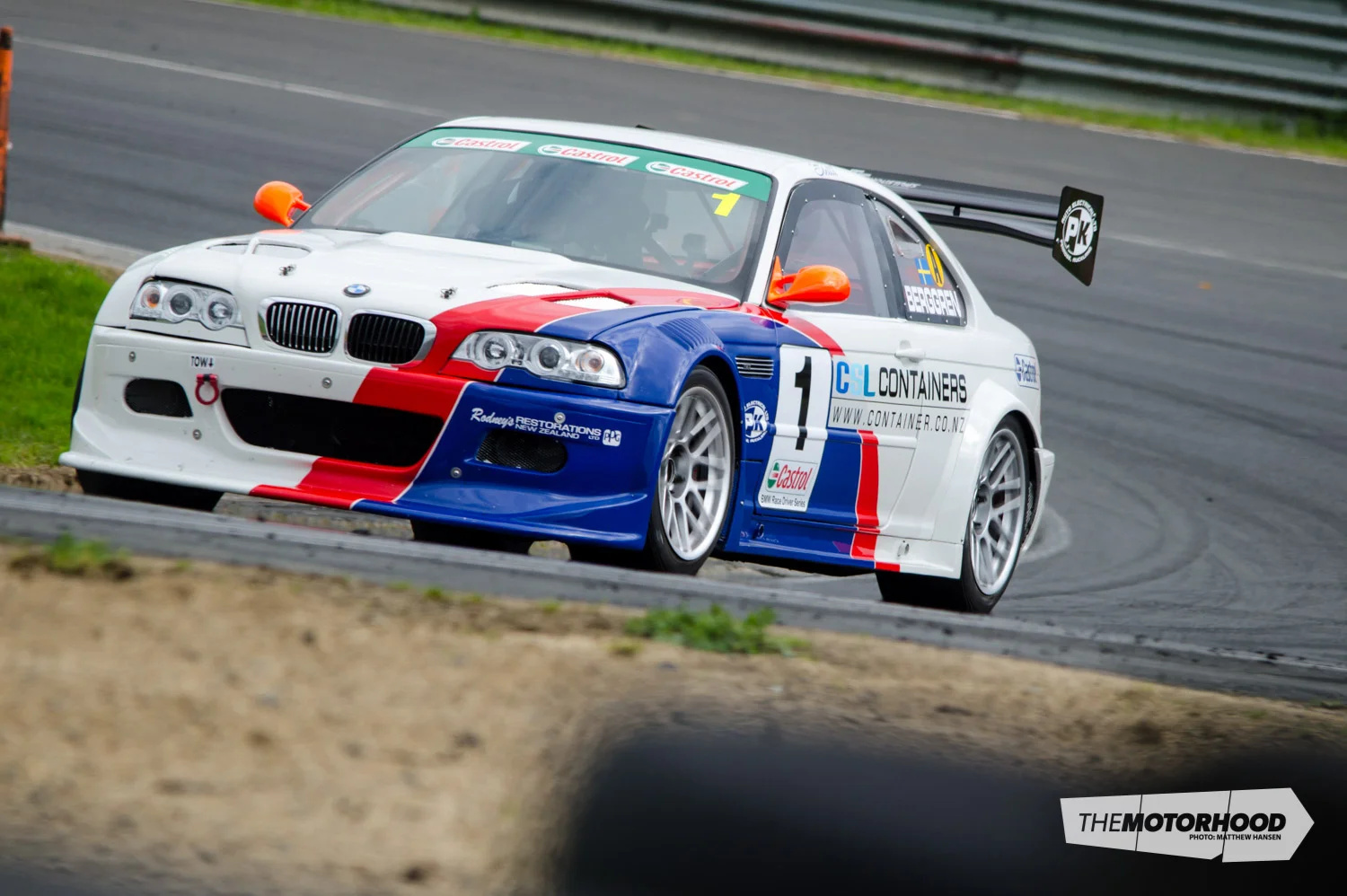
Sadly I didn’t hang around for long, but I did hover for long enough to catch a couple of races — including the final BMW open race, which still held a huge amount of variety despite being relegated to cars of the Bavarian persuasion. At the front was Andrew Nugent’s BMW M3 E92, coming close to resembling a DTM racer, but with a far nastier sounding bark emanating from its exhausts. Behind him duelled the pair of Gull-sponsored 3 Series campaigned by Andre and Warwick Mortimer, as well as Robert Berggren’s well-presented wide-body M3 GTR replica.
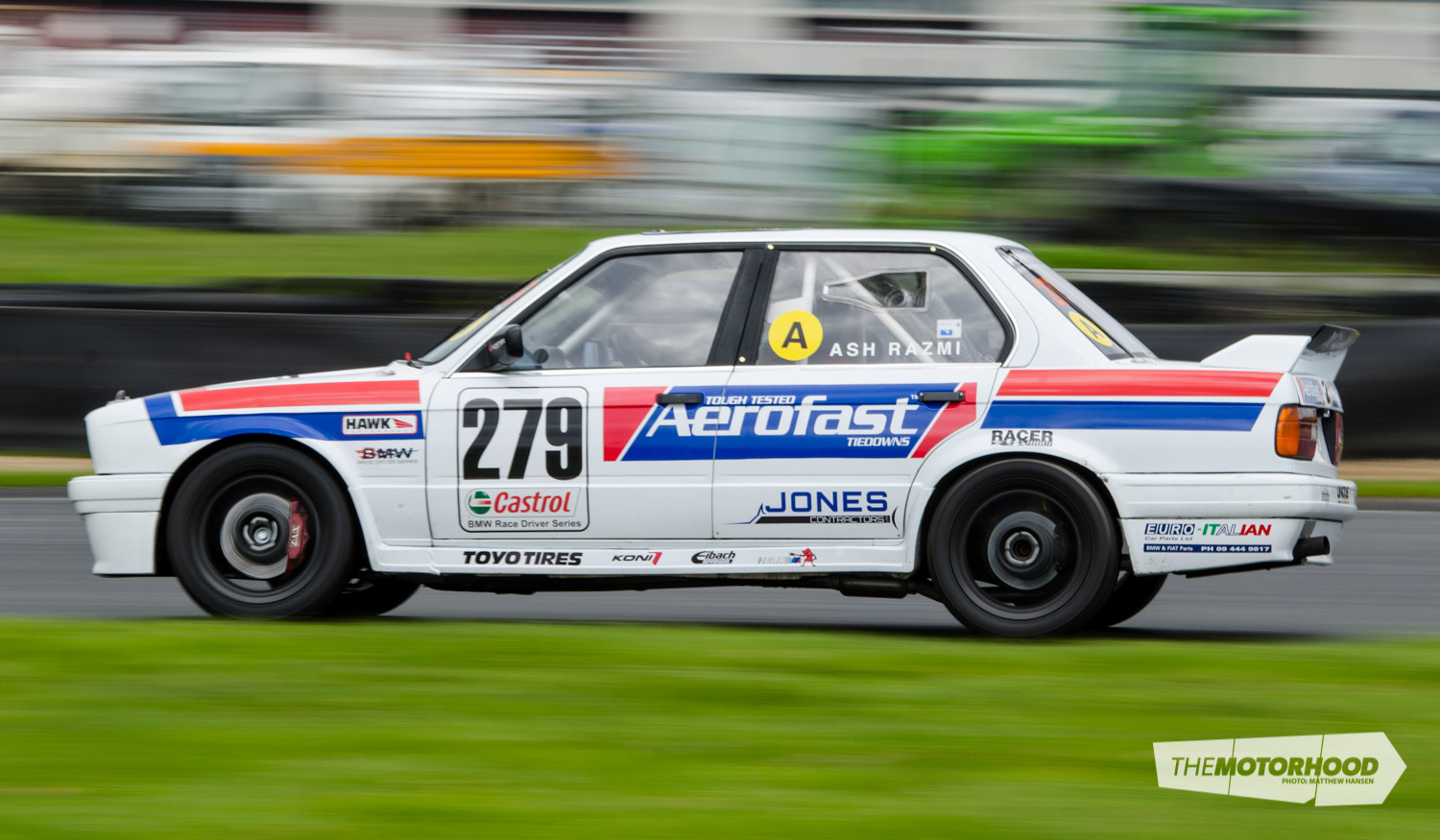
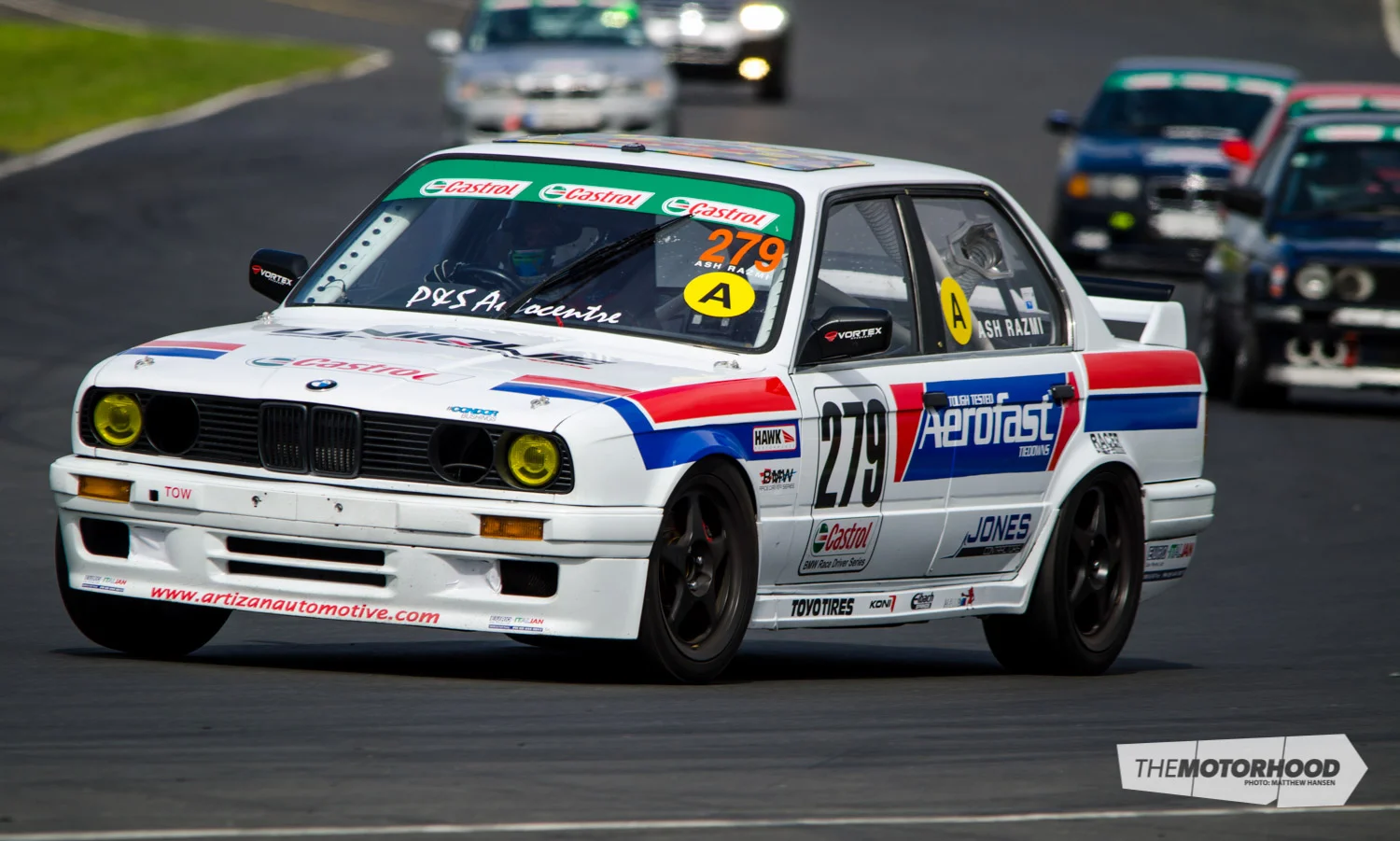
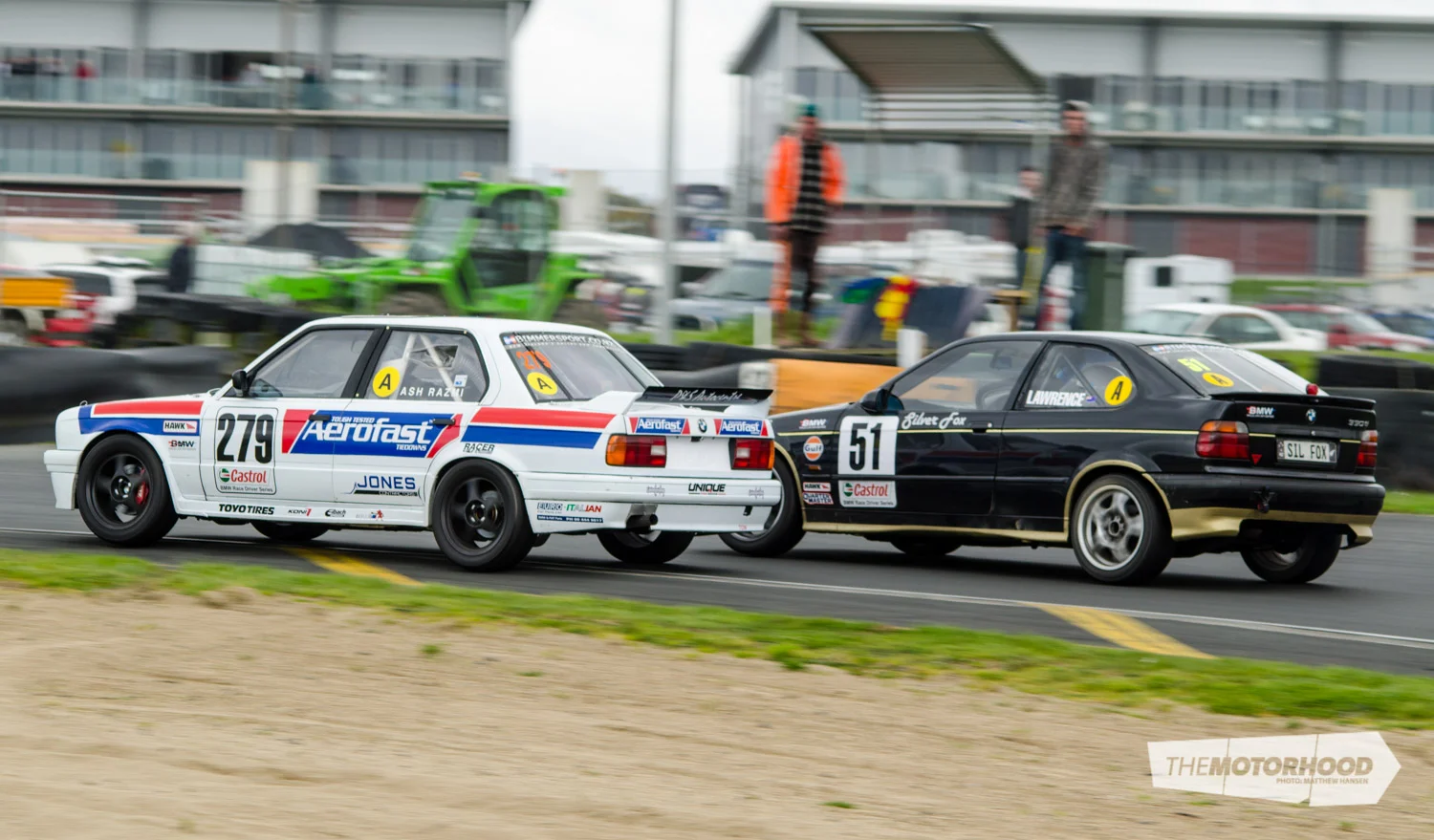
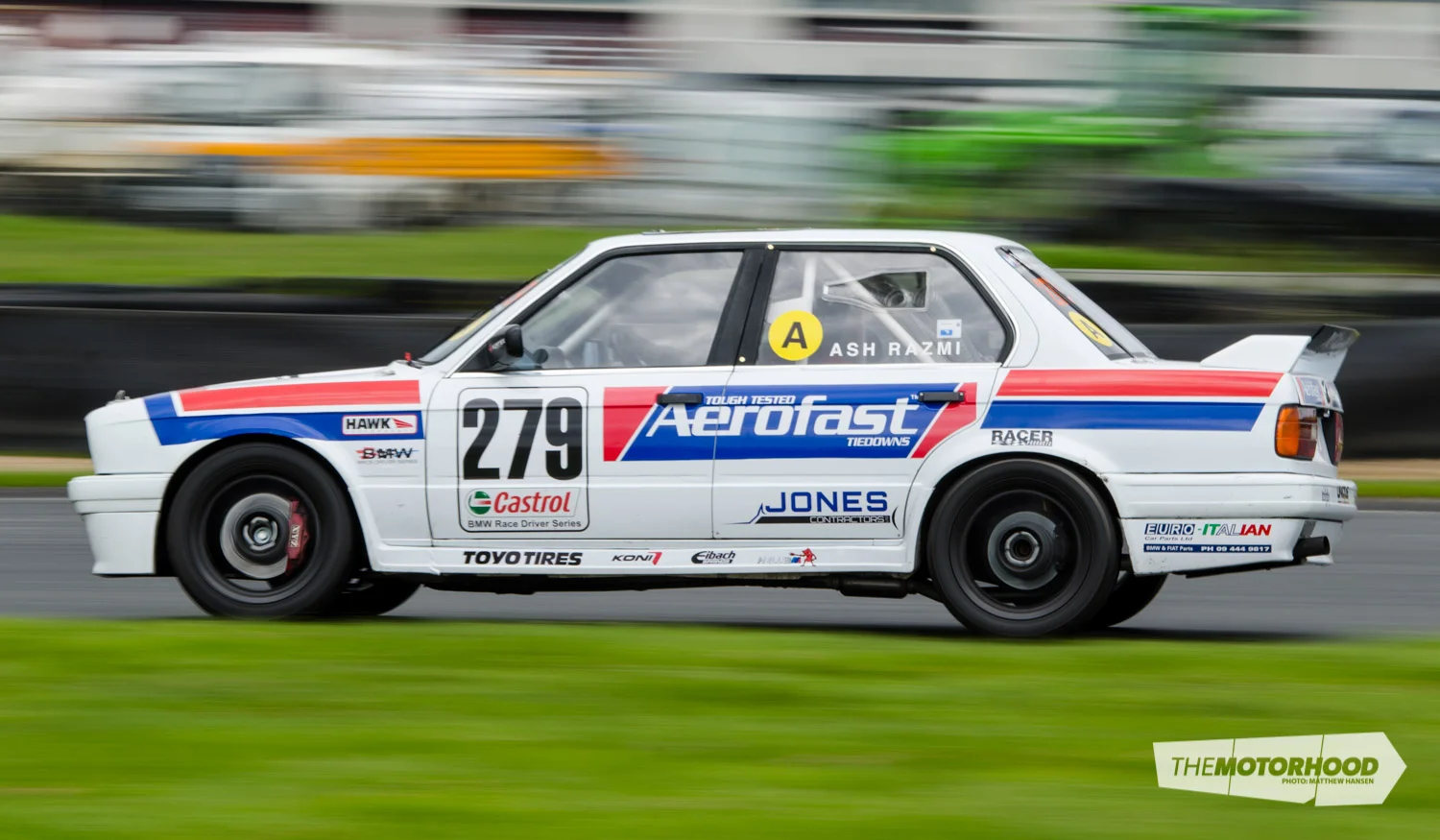
While the racing at the front of the field was pretty clear-cut, the mid-order dicing was anything but. Justin Daly’s E30 330i had a great scrap with the E46 of Treva Smith, while a similarly entertaining battle between the E30 Fina Group A replica of Ash Razmi and Dave Lawrence’s 3 Series Compact — a platform traditionally unloved by motor racing circles — didn’t get resolved until the final lap, with the Compact eventually taking the position.
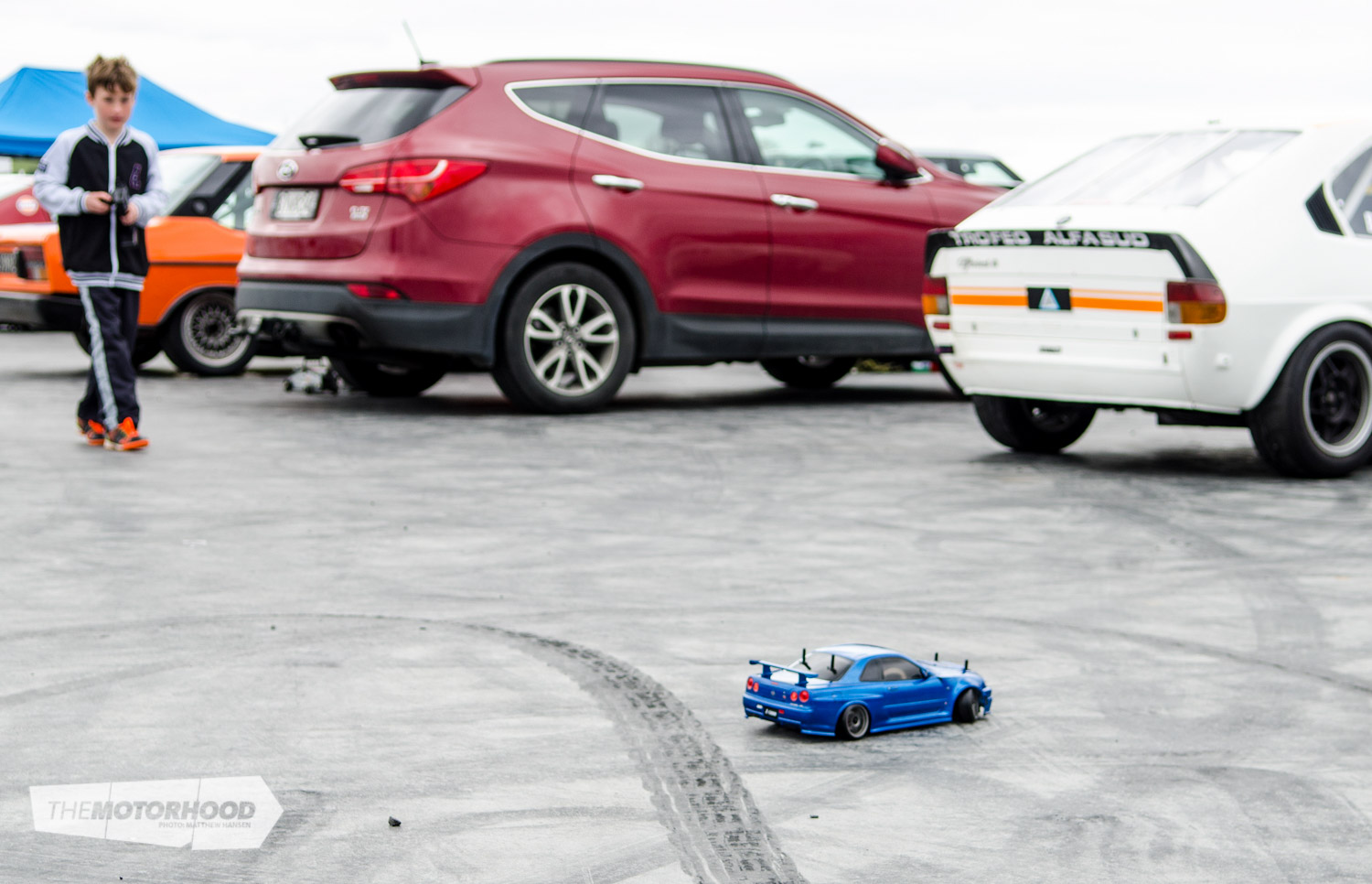
It feels weird to say, but the racing and the competition take a back seat at an event like Icebreaker — at least for me. It’s the kind of event best enjoyed by roaming parc fermé and pit lane, soaking in the sounds and the people. Bring on October!