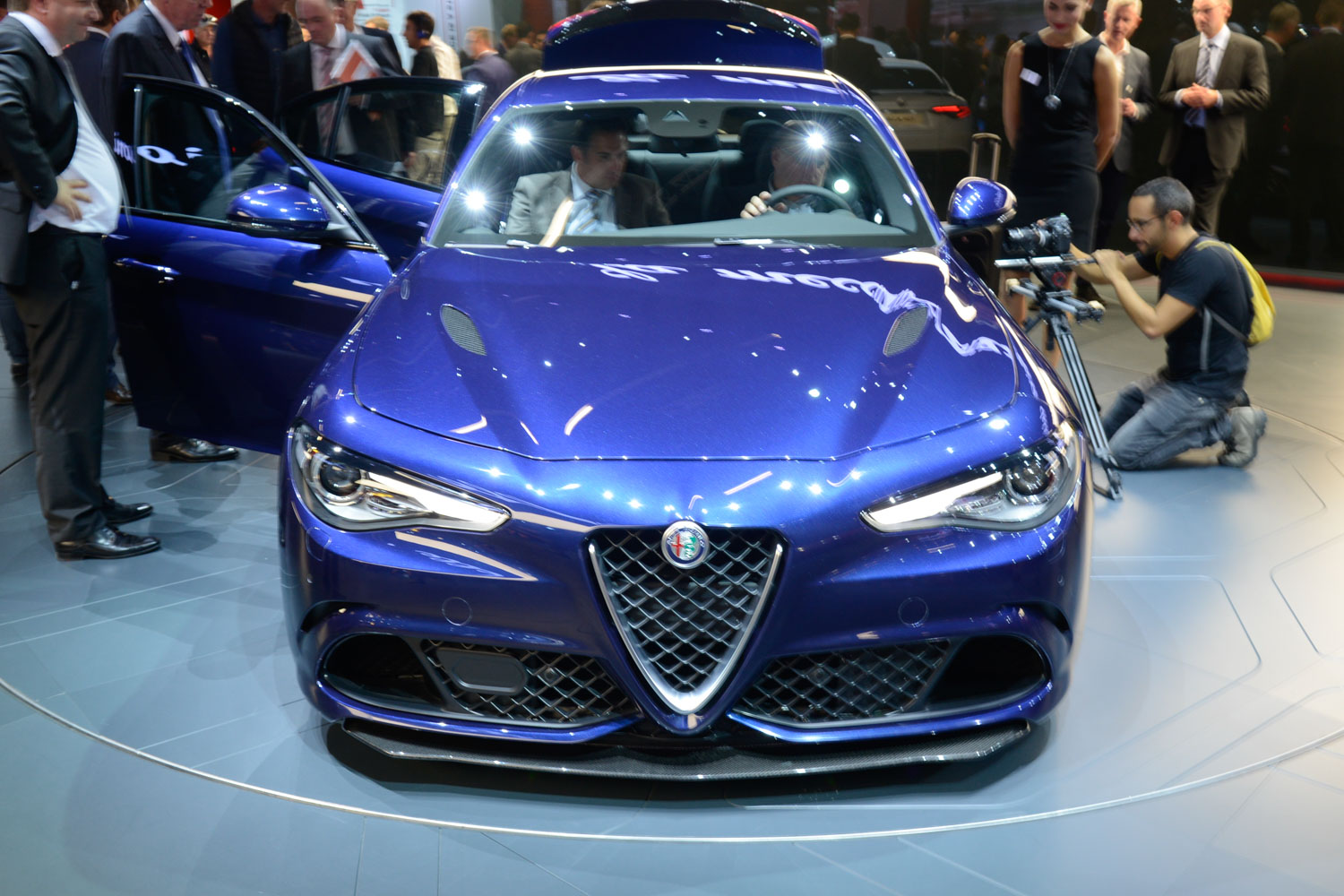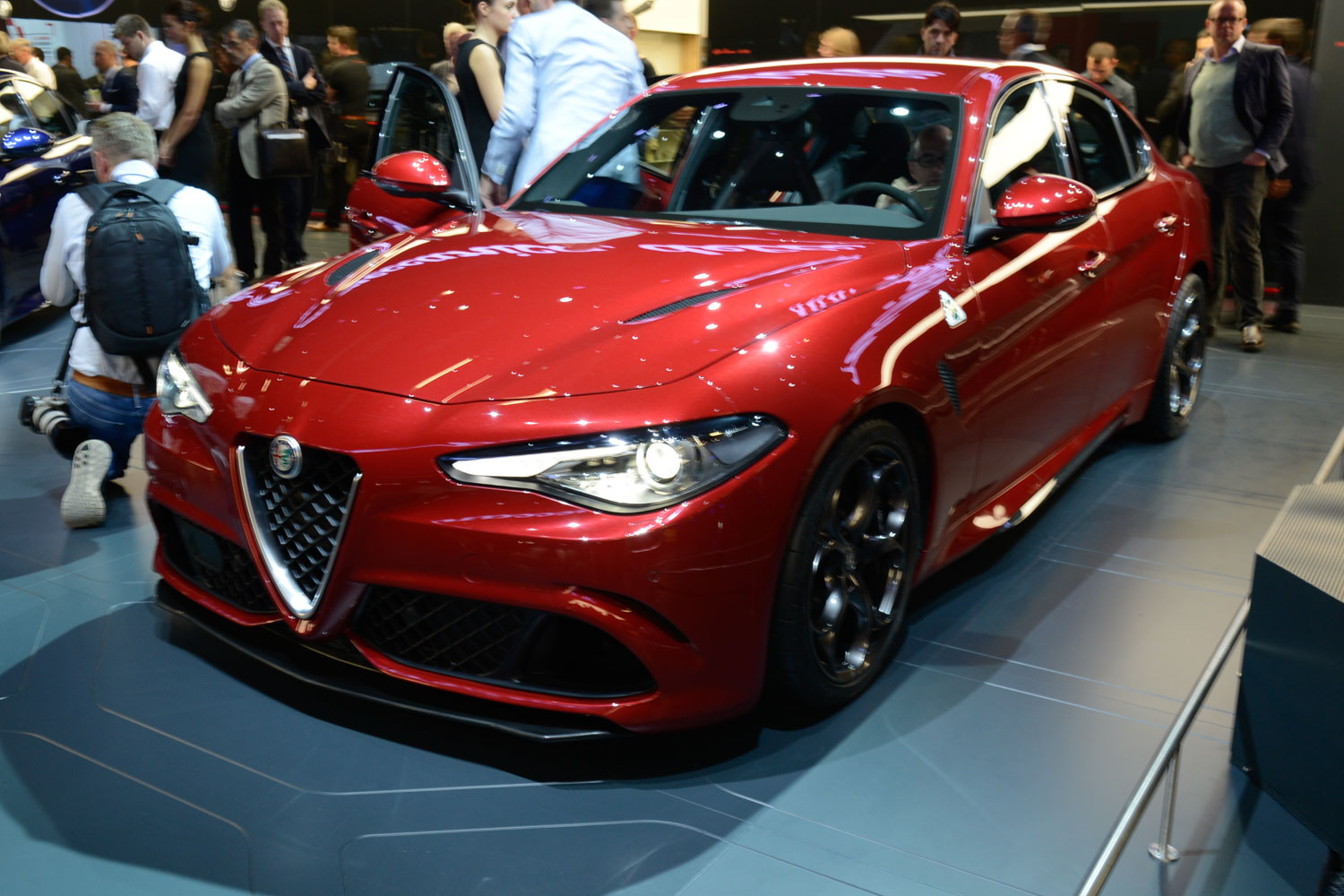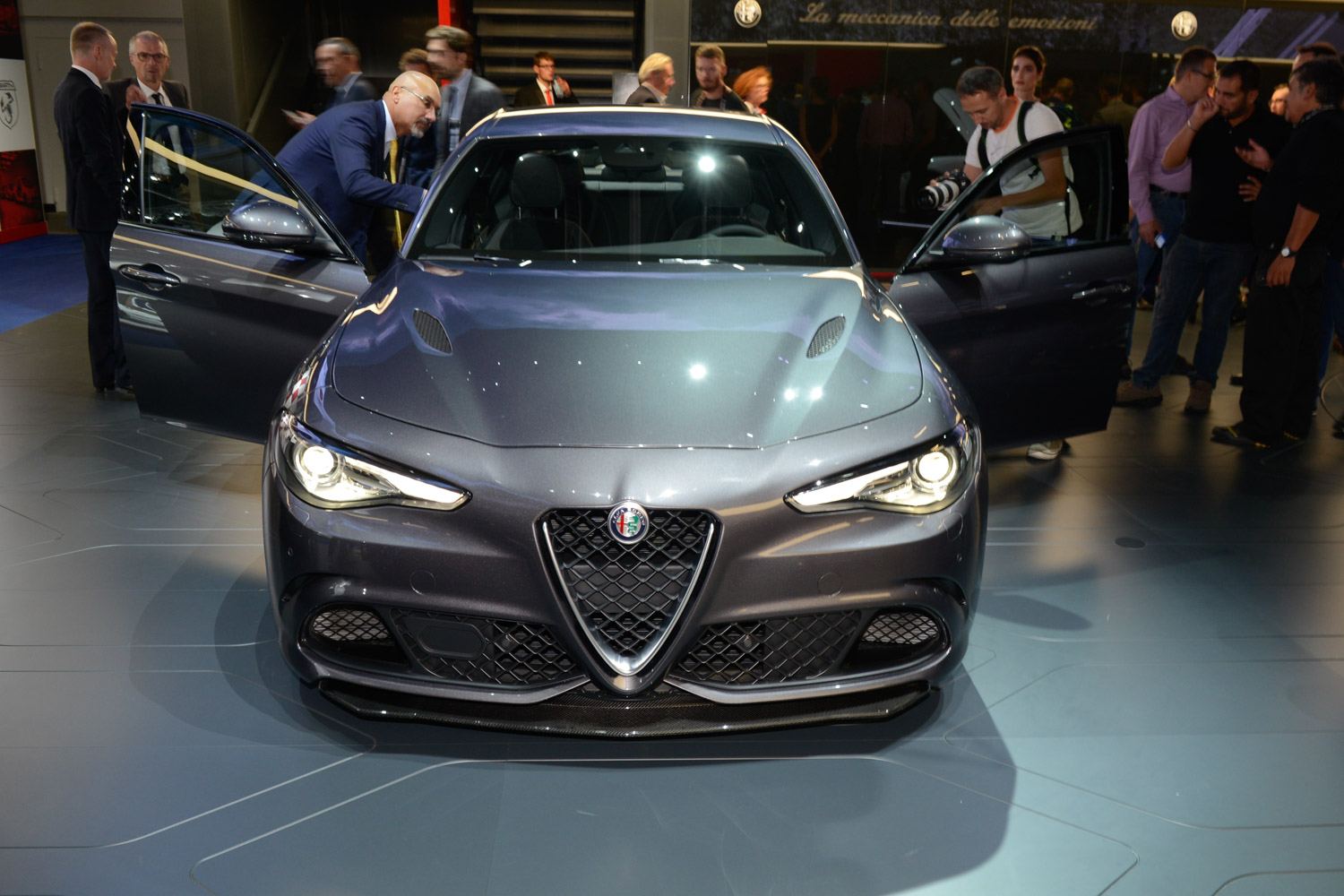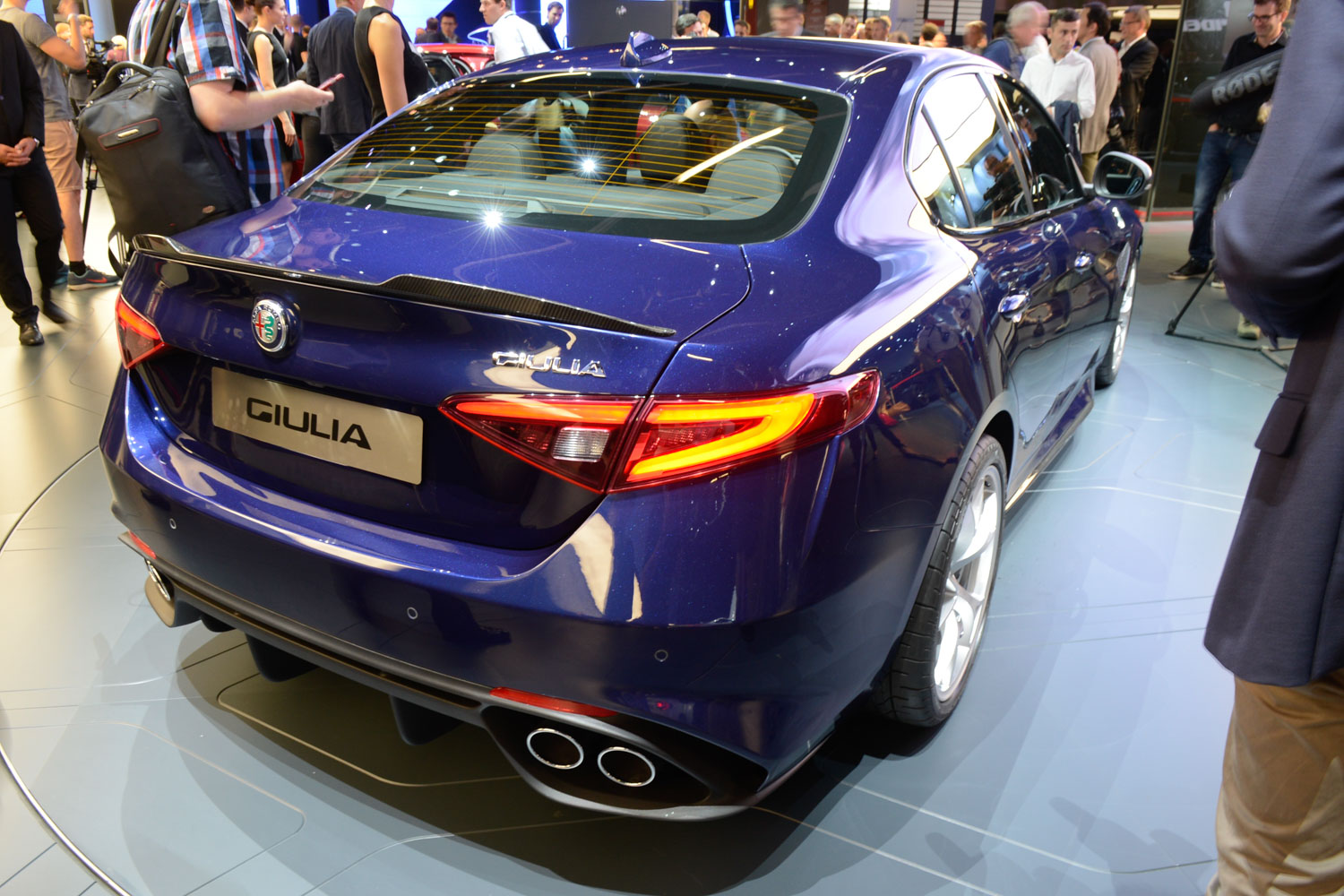
September’s 2015 Frankfurt Motor Show has seen the covers whipped off some truly exceptional cars — from concepts that will never see the light of day, to production cars that will be in showrooms worldwide in the coming months. Included in this long (and very expensive) list of machines are some of the most exciting recent announcements from Alfa Romeo, Ferrari, and Porsche.
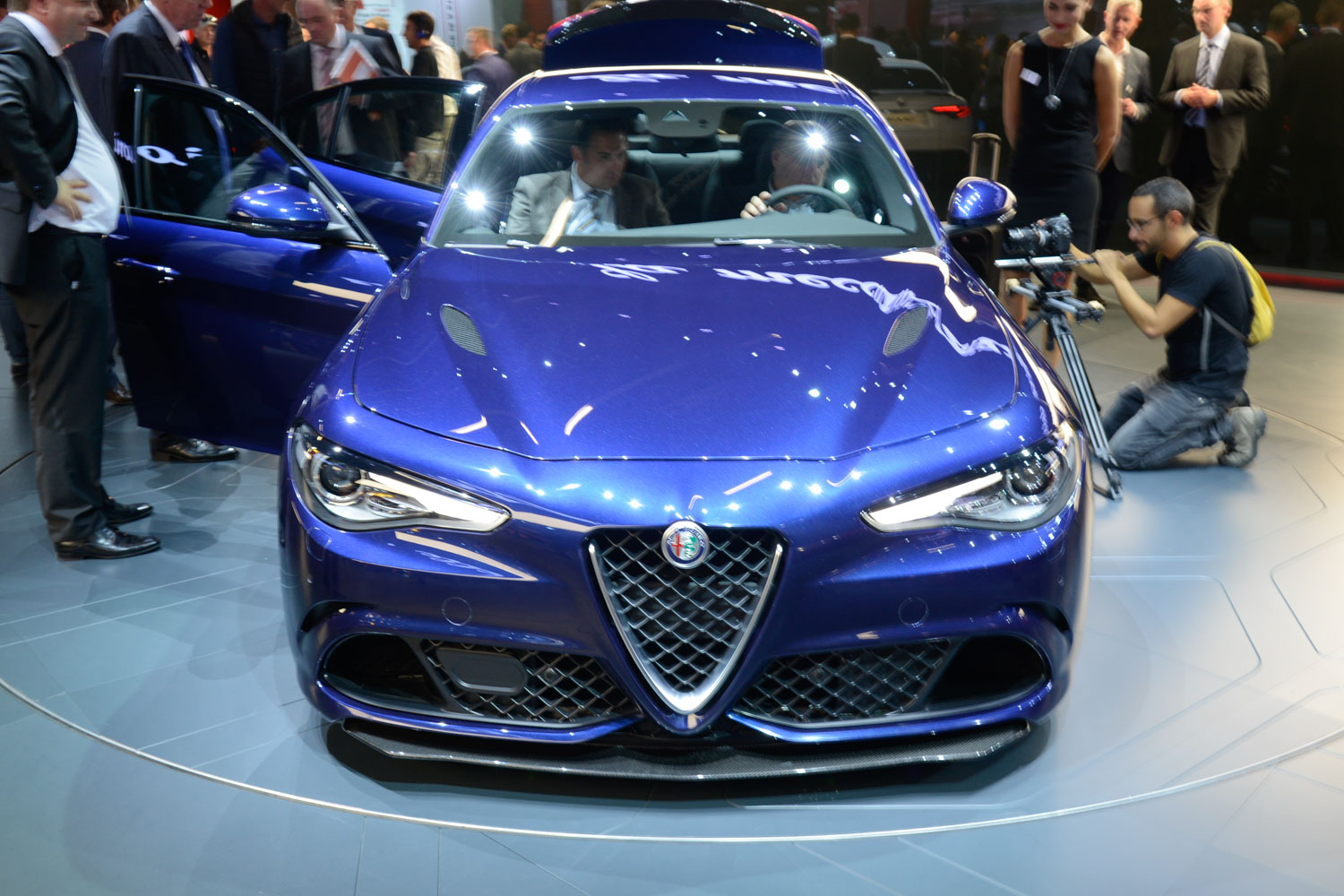
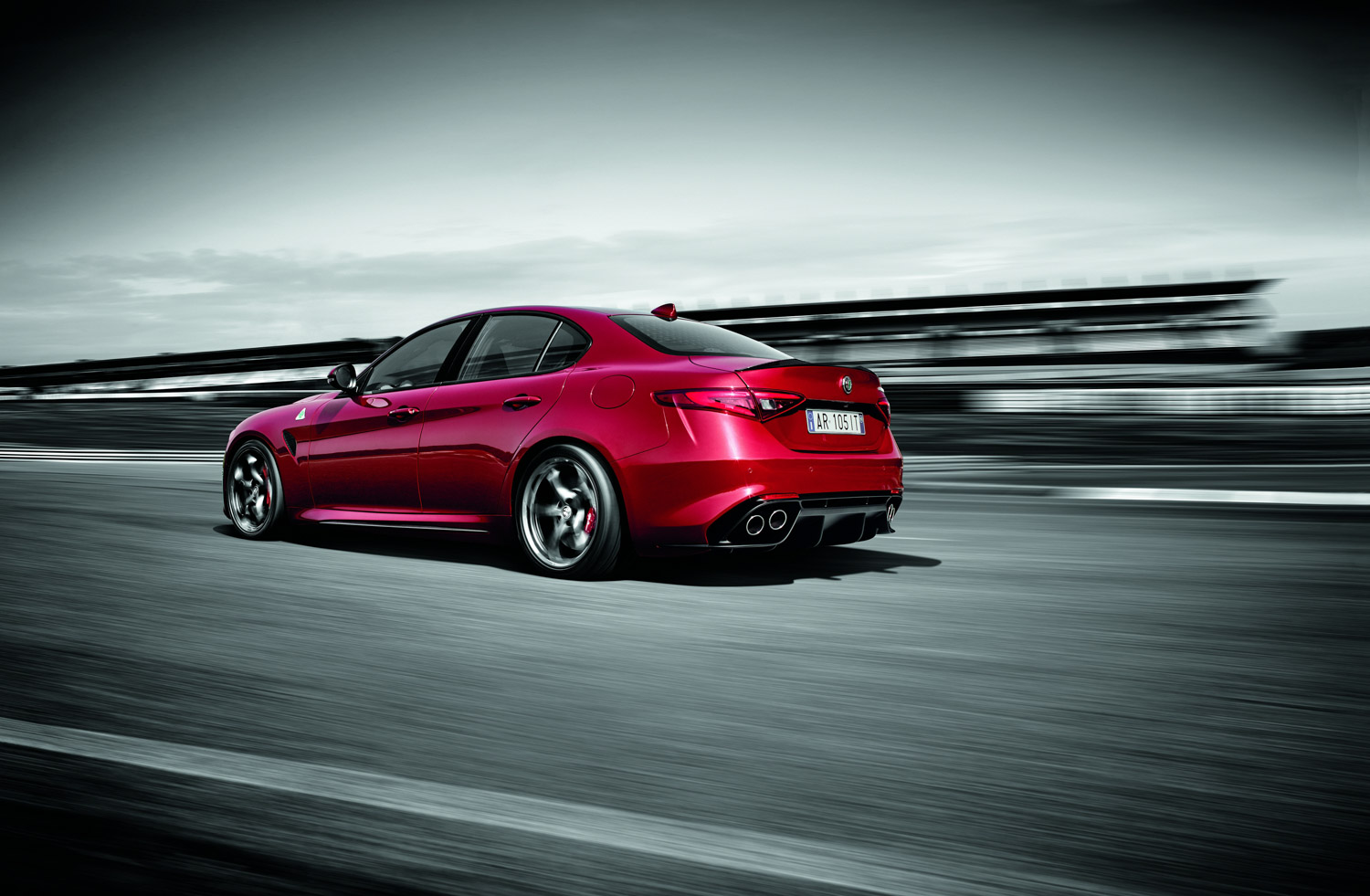
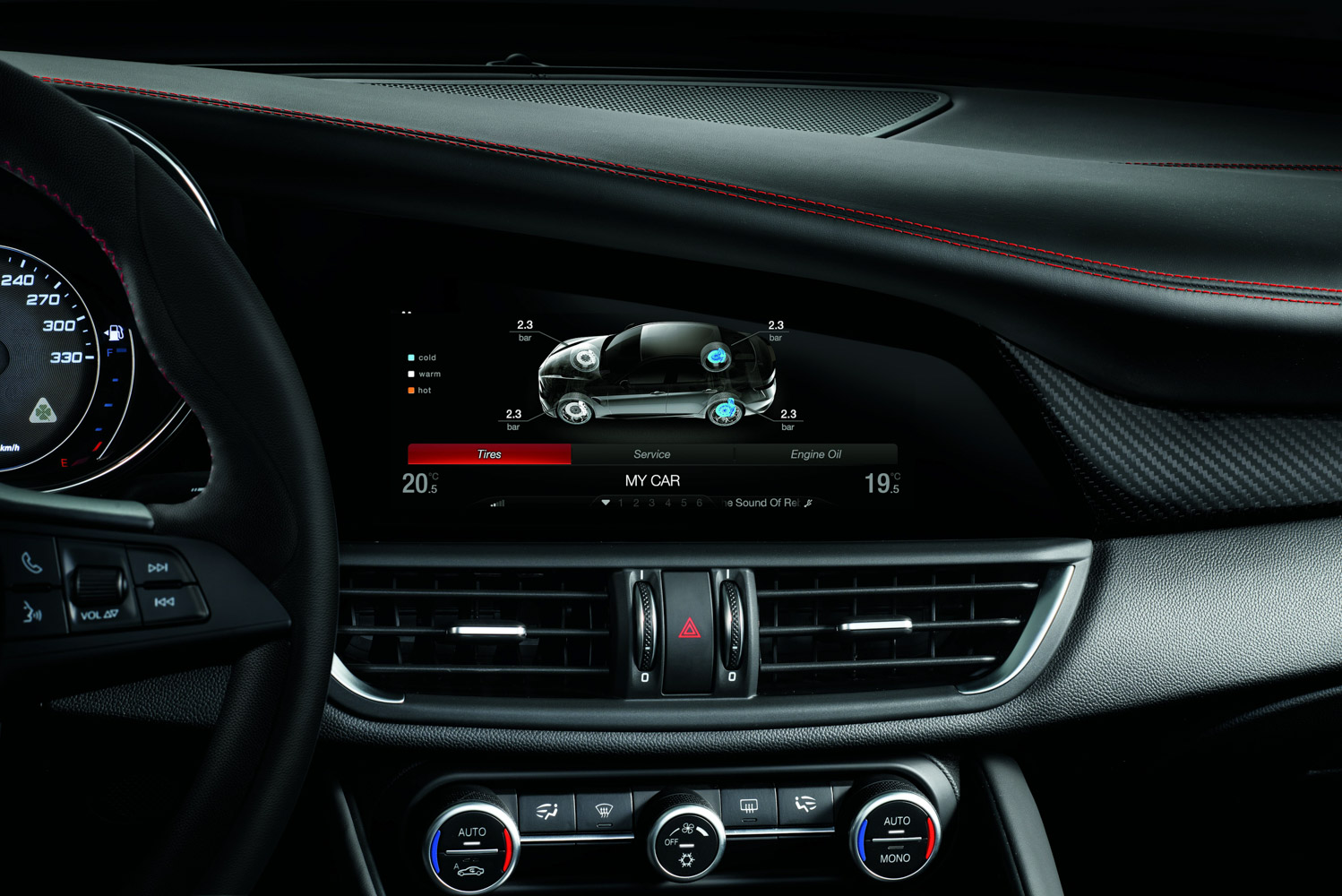
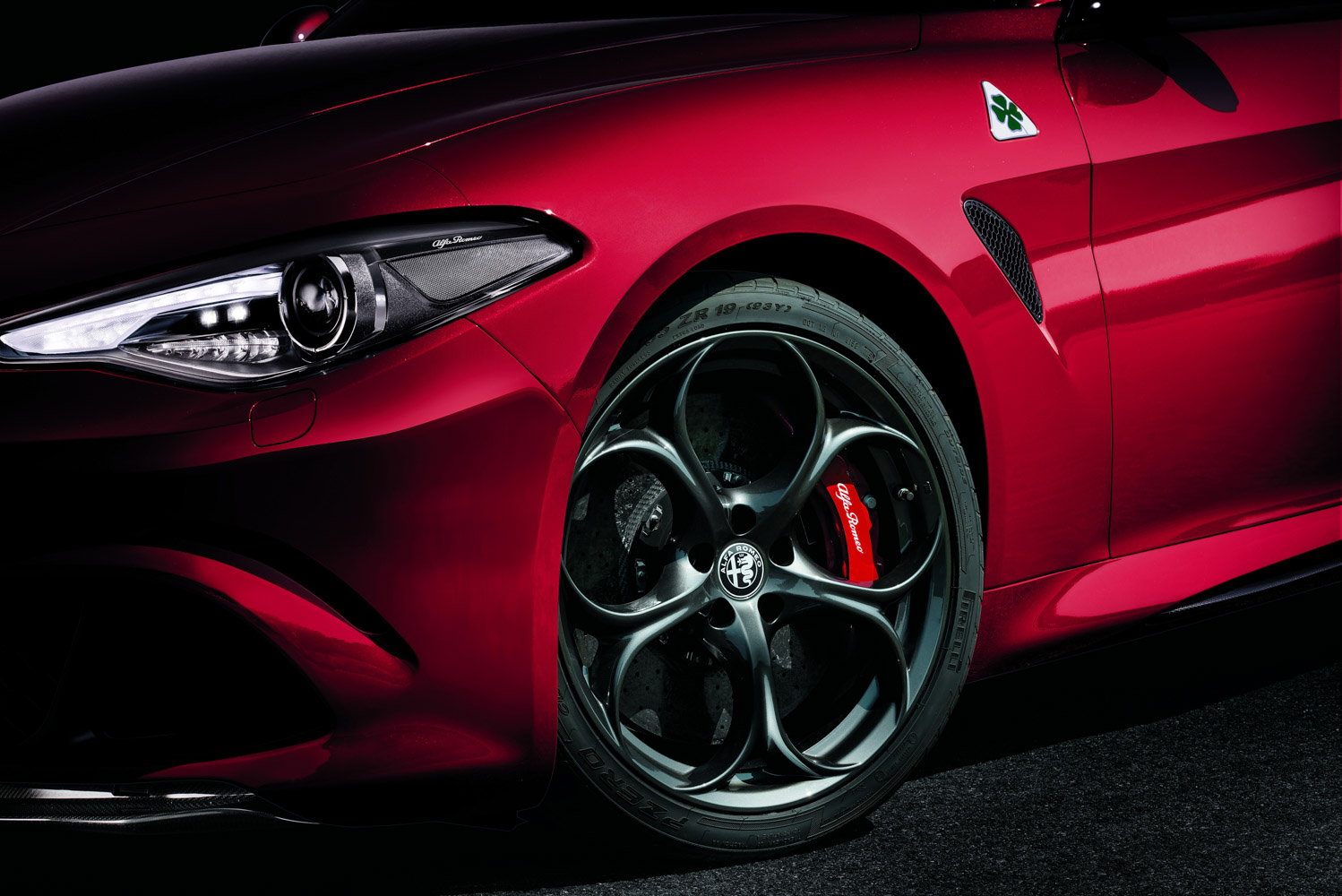
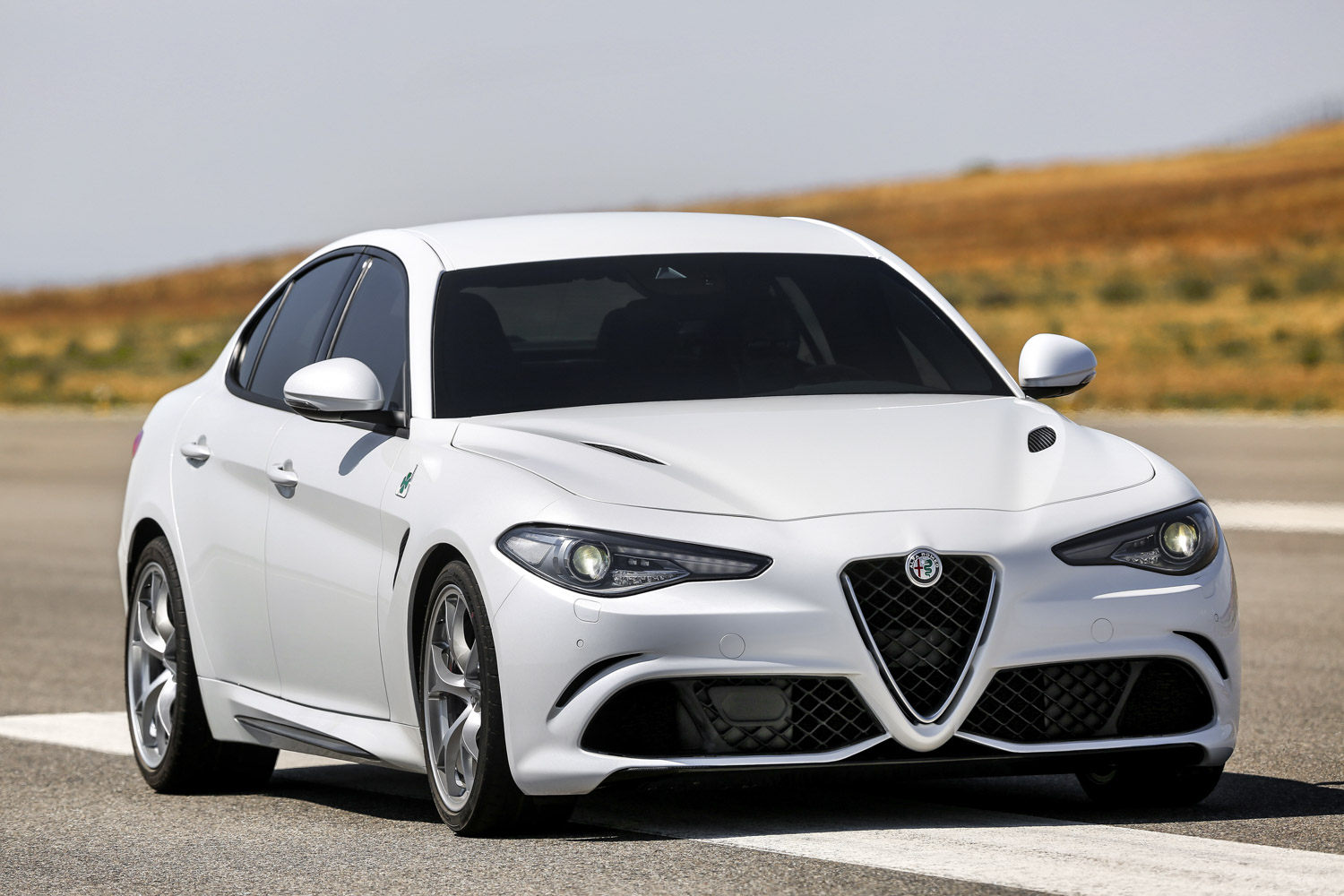
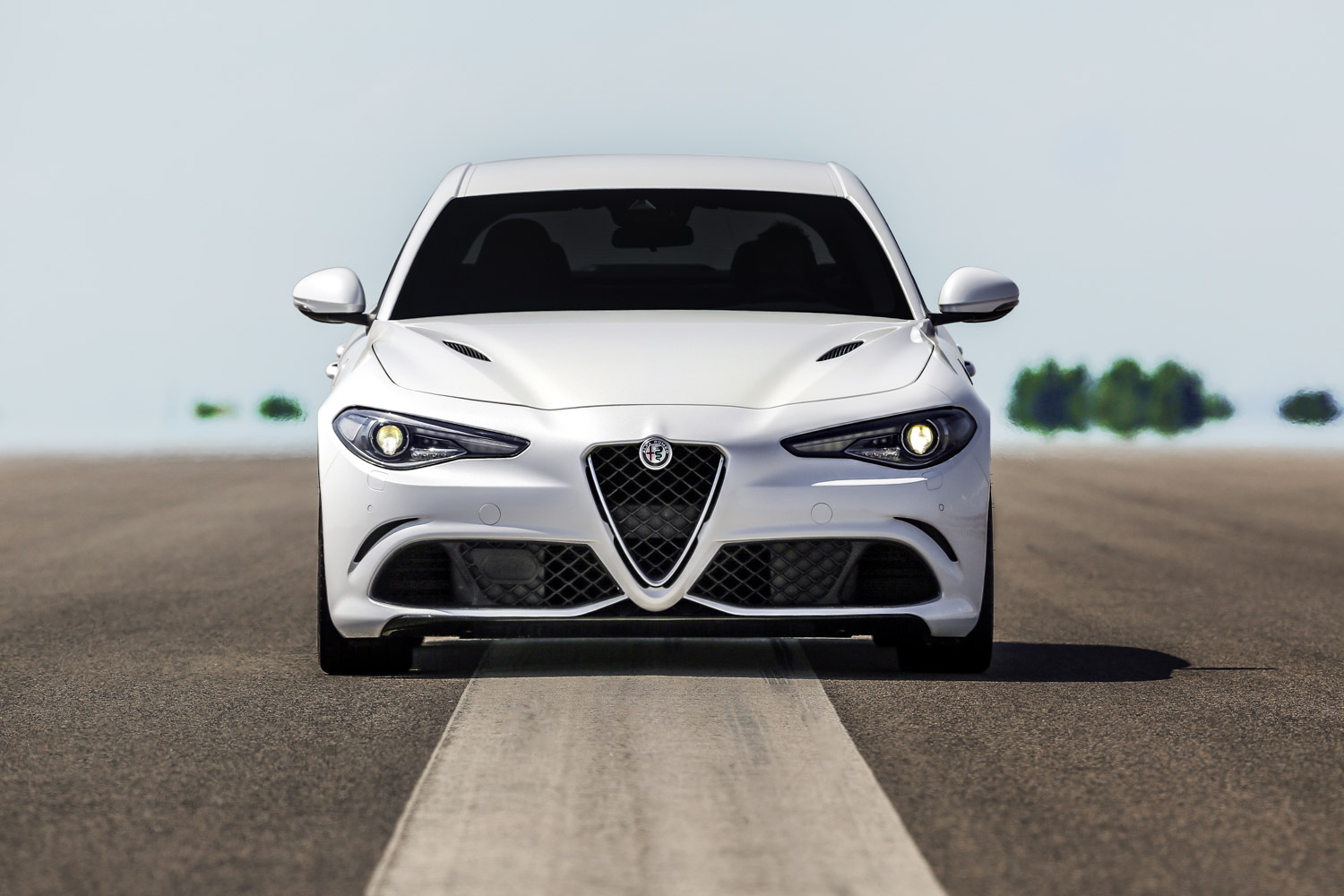
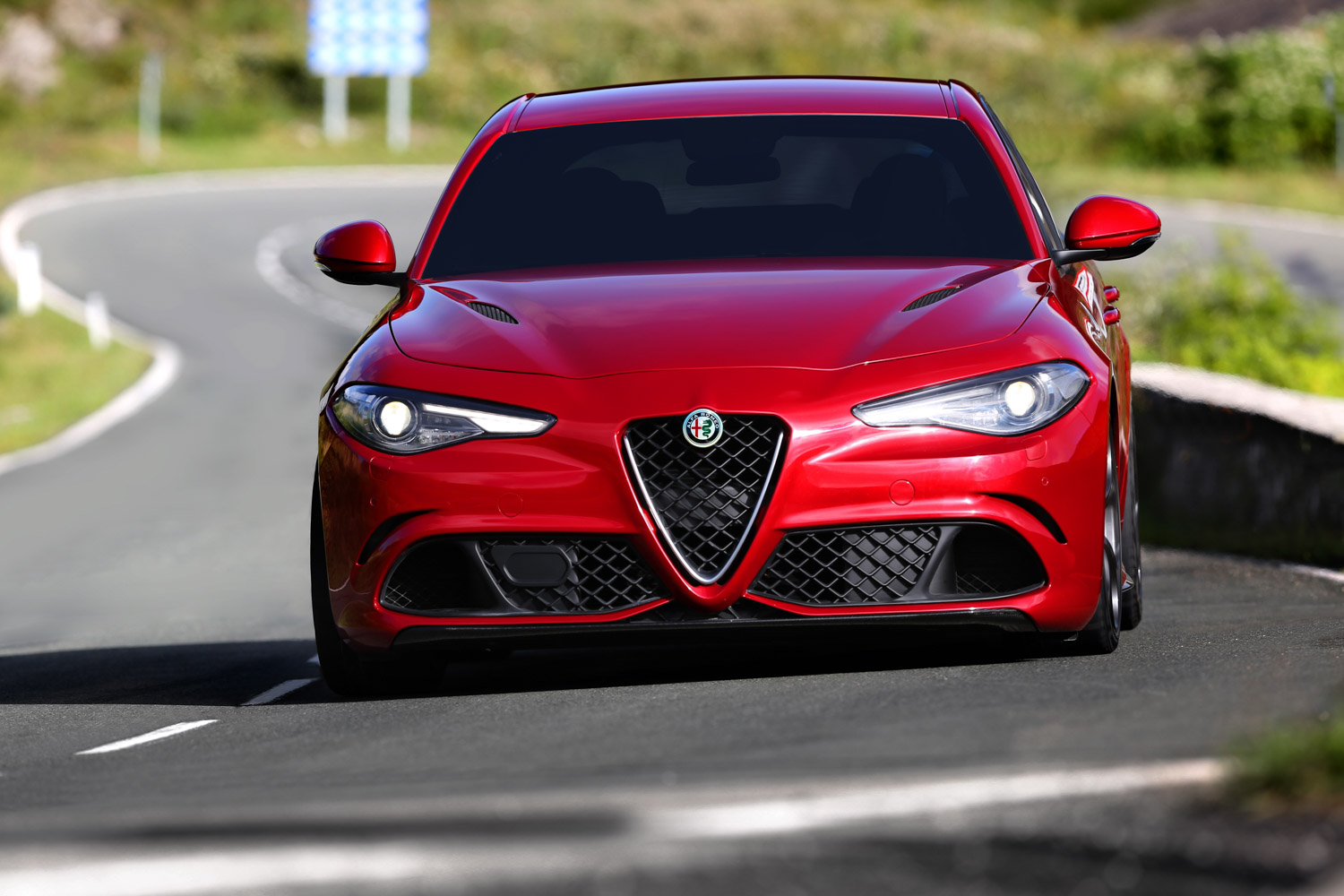
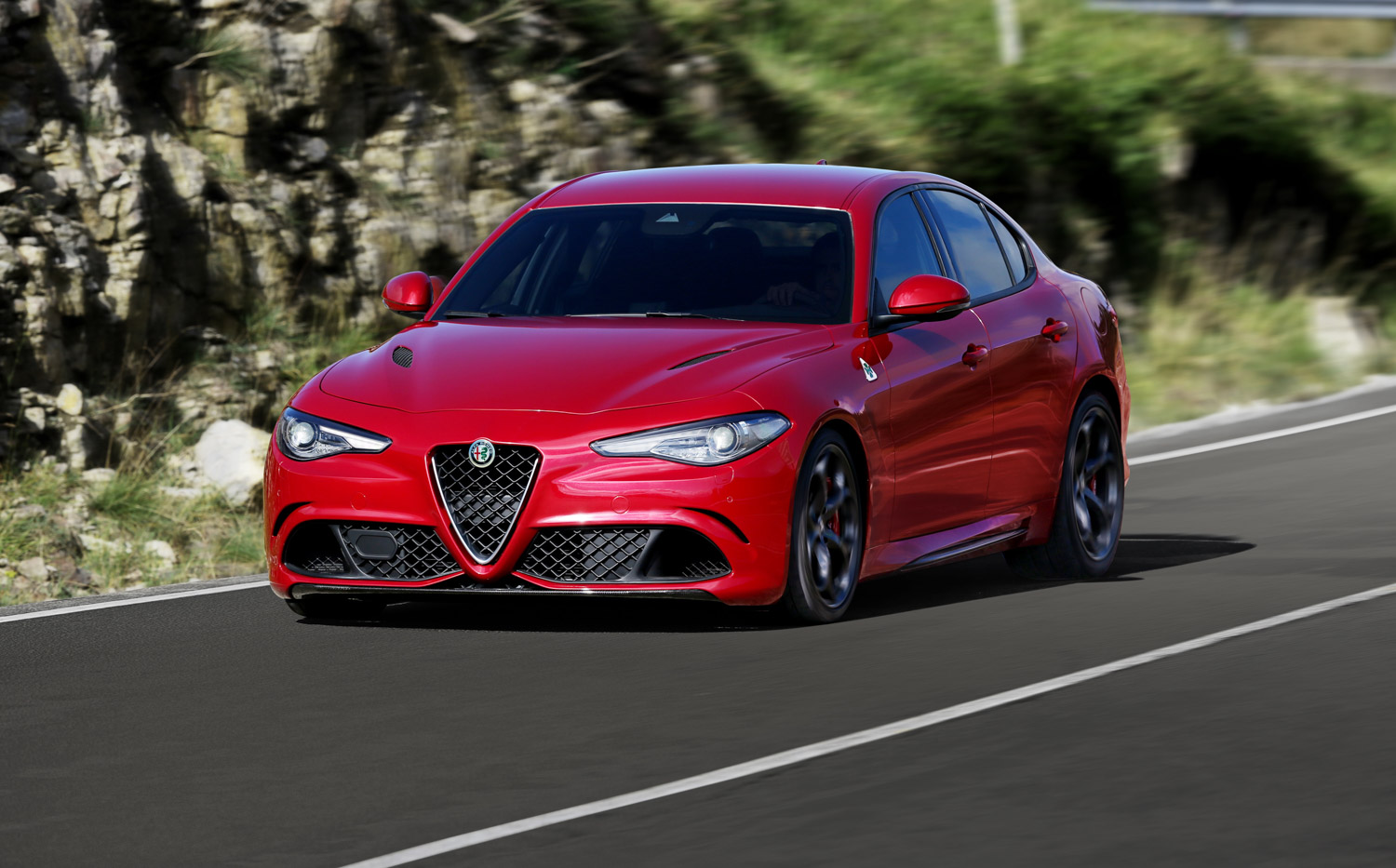
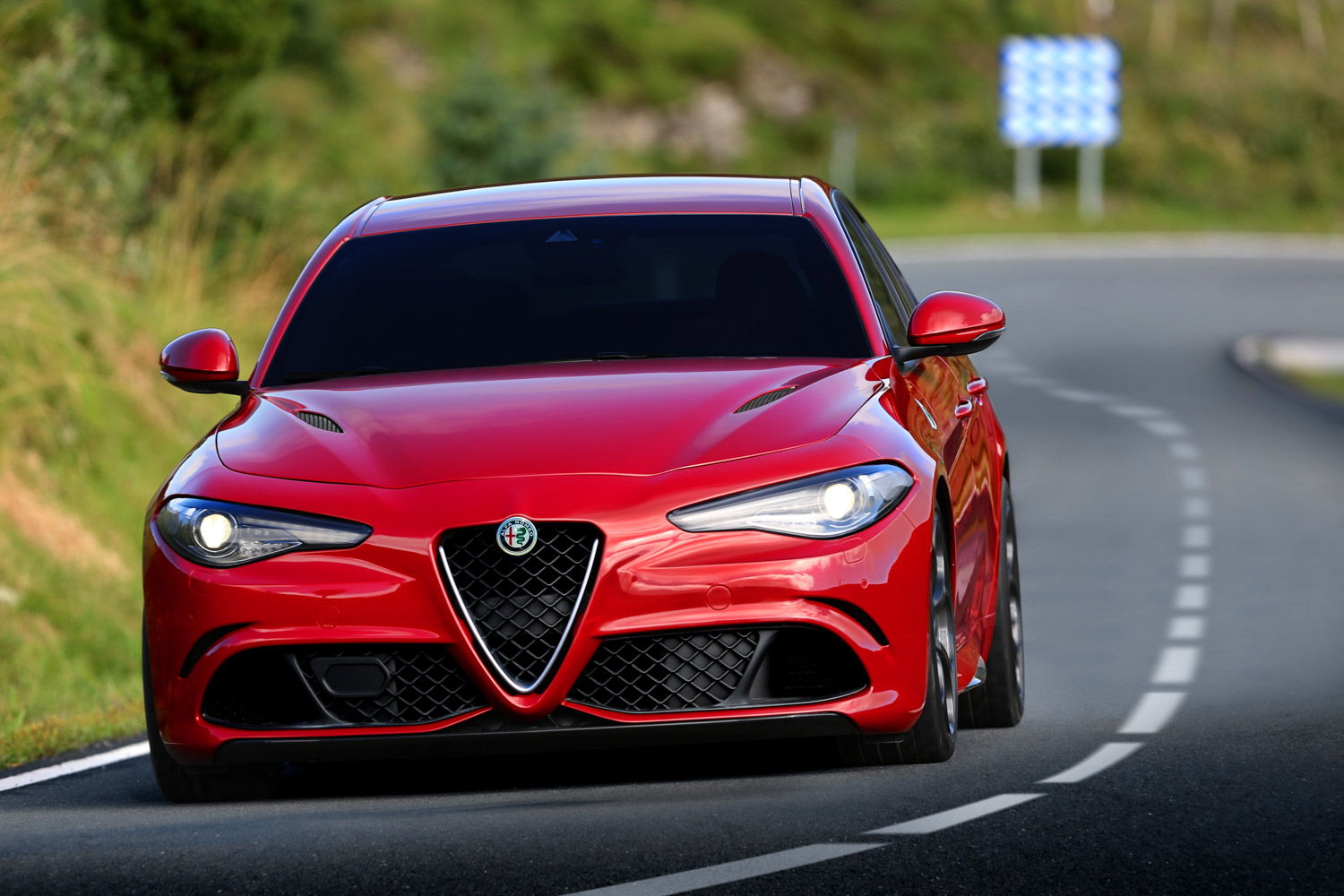
Alfa Romeo brought along a quintet of their new Giulia Quadrifoglio, a four-door saloon that pitches itself squarely at the imposing German super-saloon monopoly from Audi, BMW, and Mercedes. As we profiled earlier in 2015 [TMH link], the Quadrifoglio comes dripping with toys and technological wizardry. It features some trick torque-vectoring technology, 50/50 weight distribution, and weight-saving measures throughout. And it can now, just about, back up the long-winded technology tomfoolery with some genuinely impressive real-world numbers, having set a supremely impressive lap time around the Nürburgring Nordschleife of 7min 39sec. That’s quick enough to make it a full 14 seconds faster than the time set by its chief rival — the BMW M4.
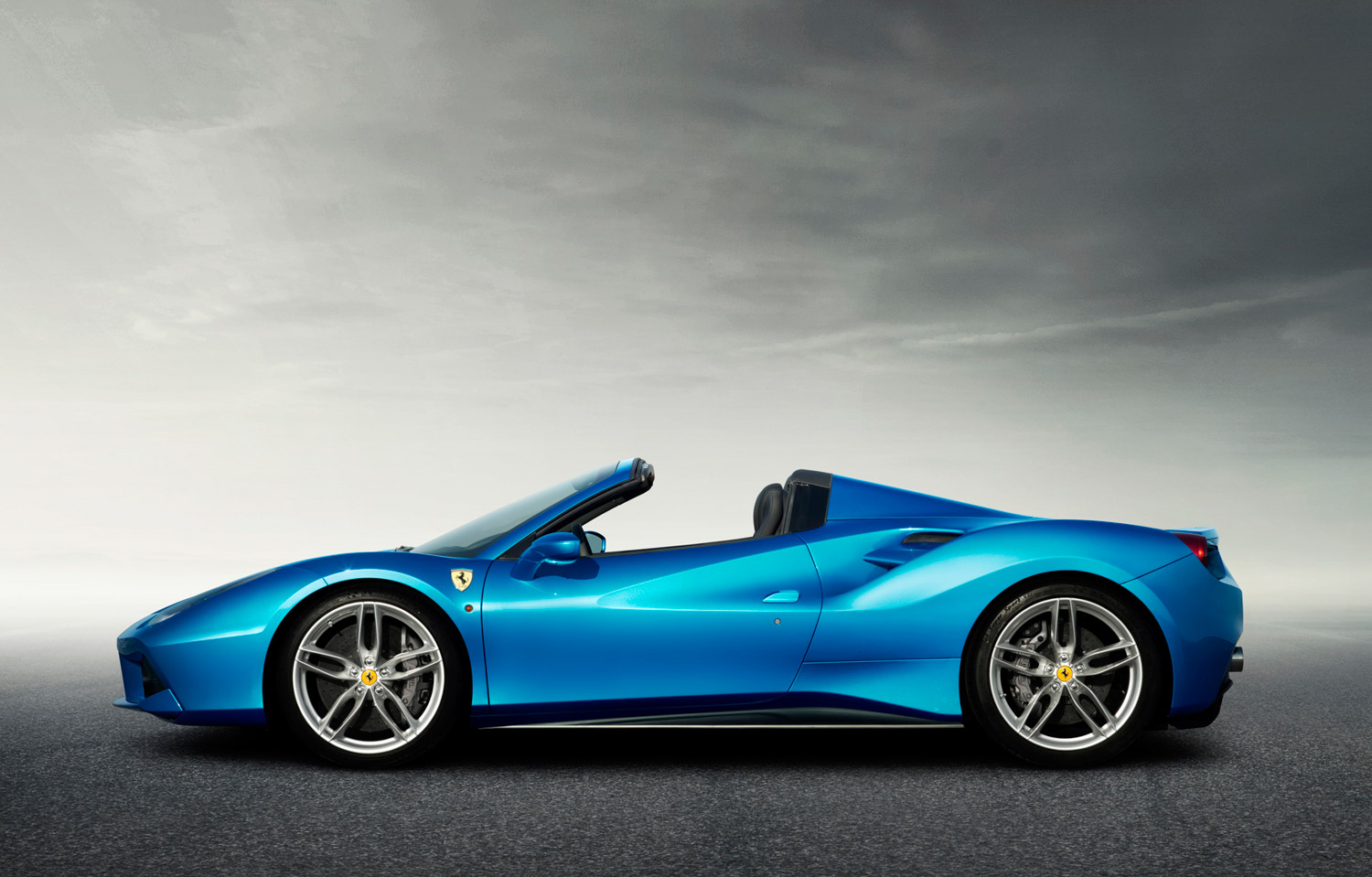
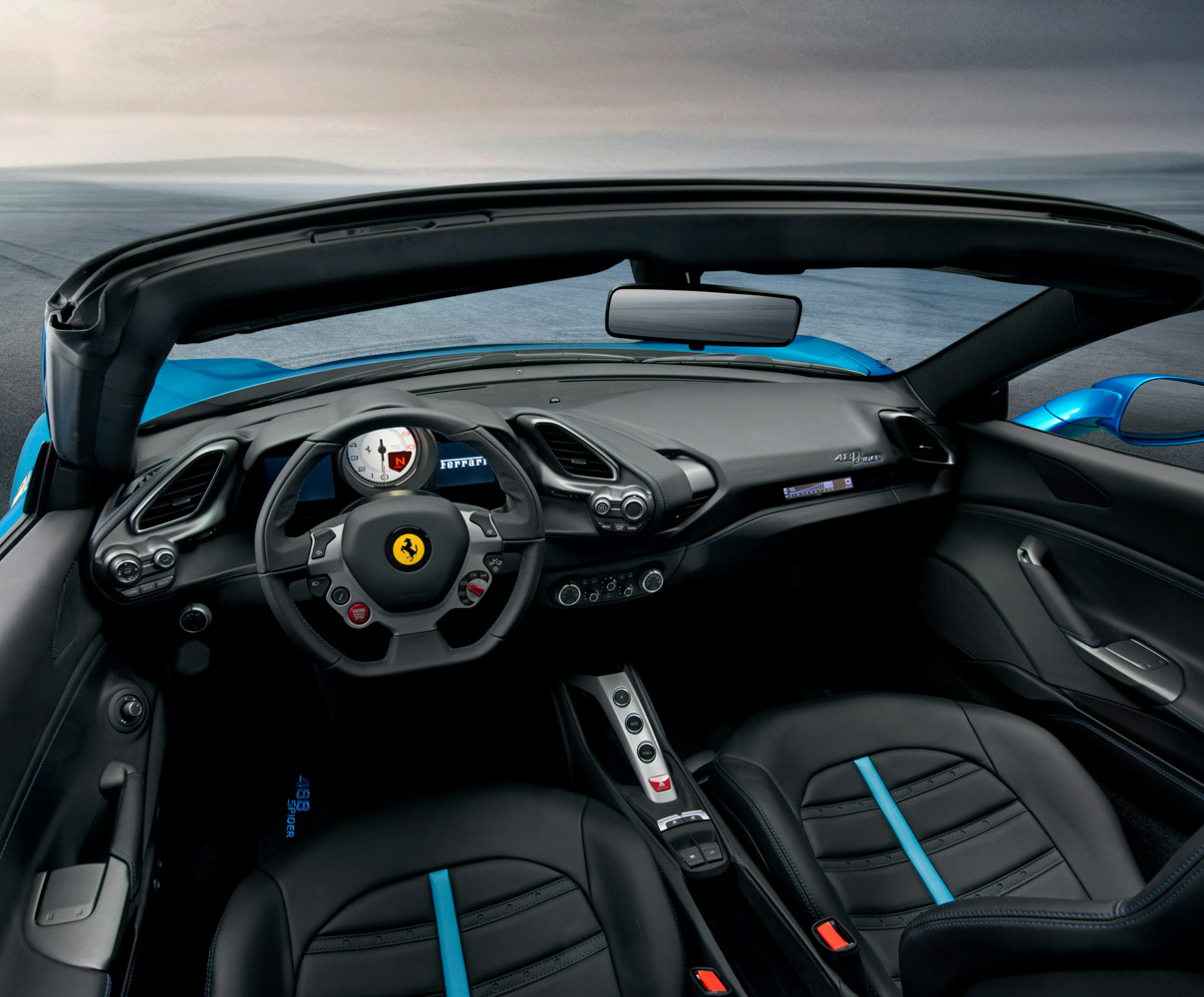
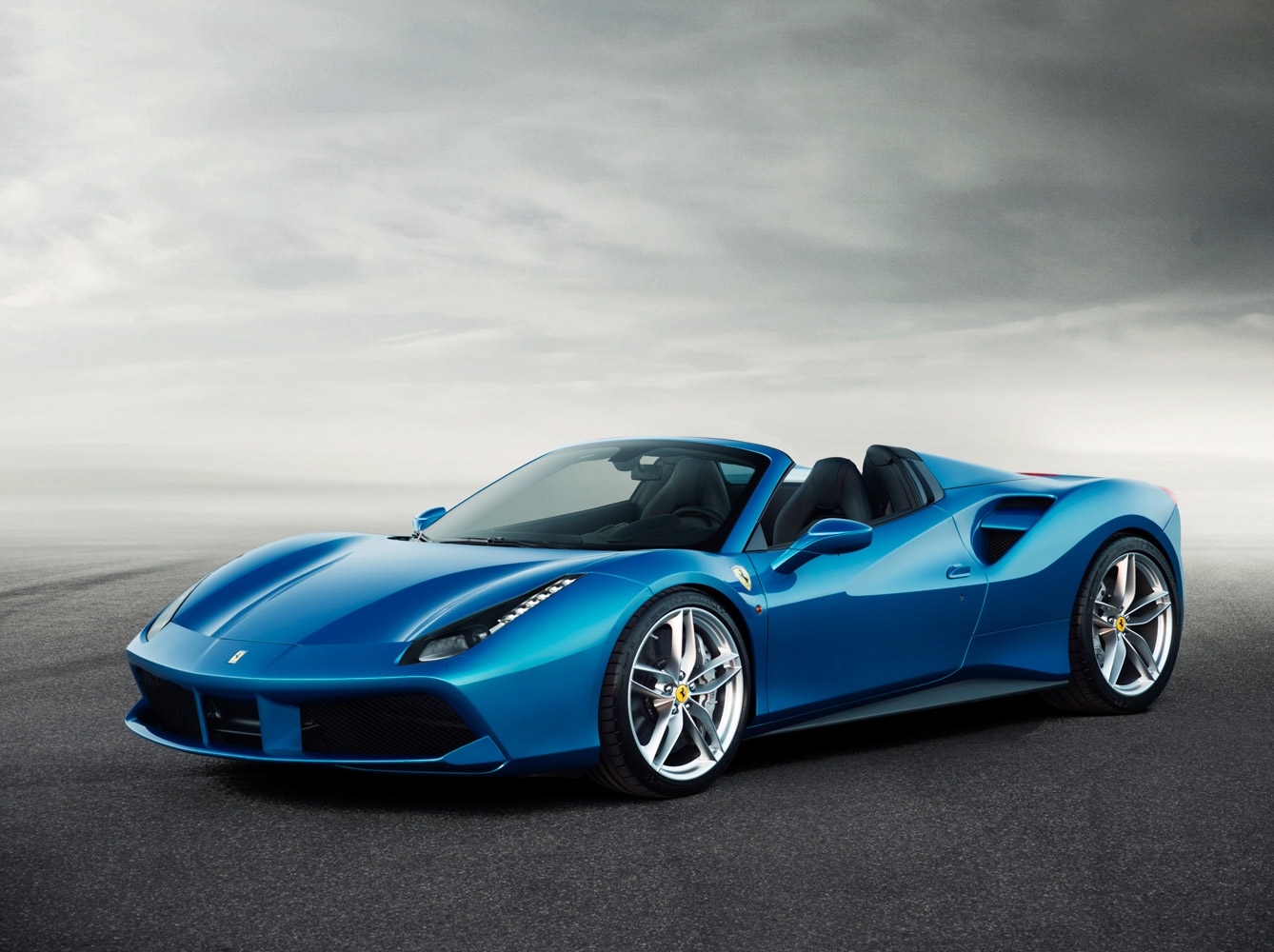
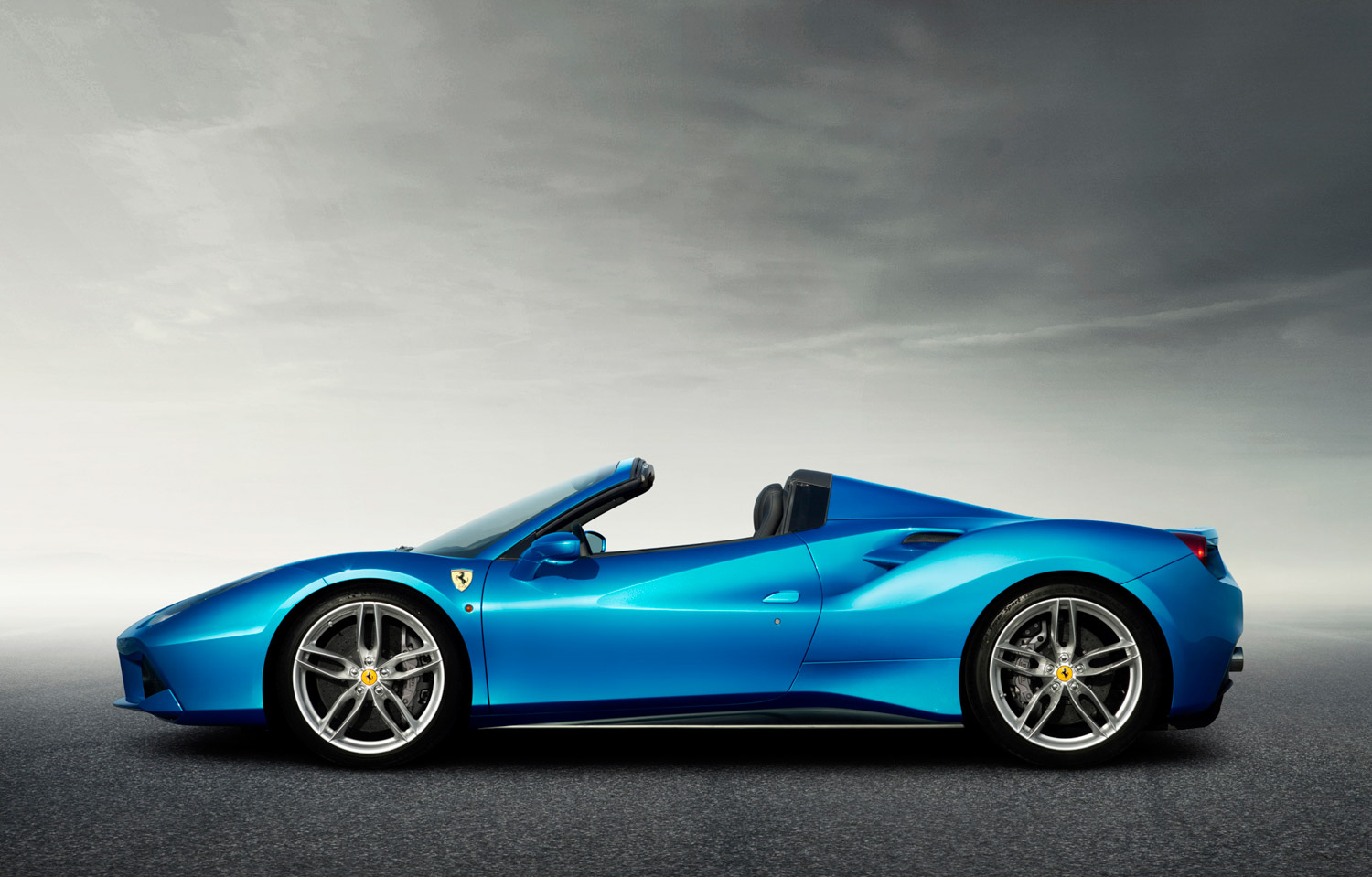
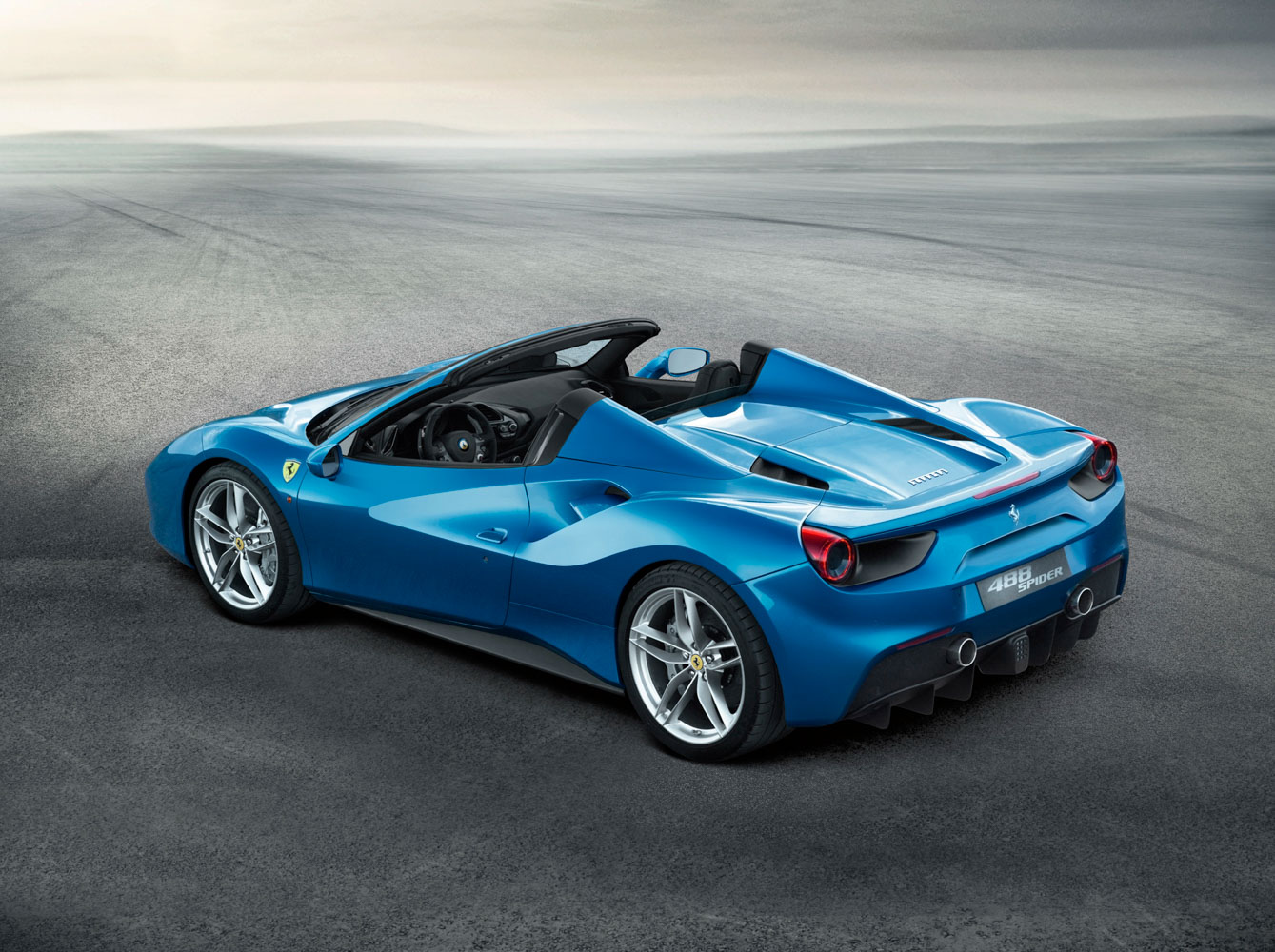
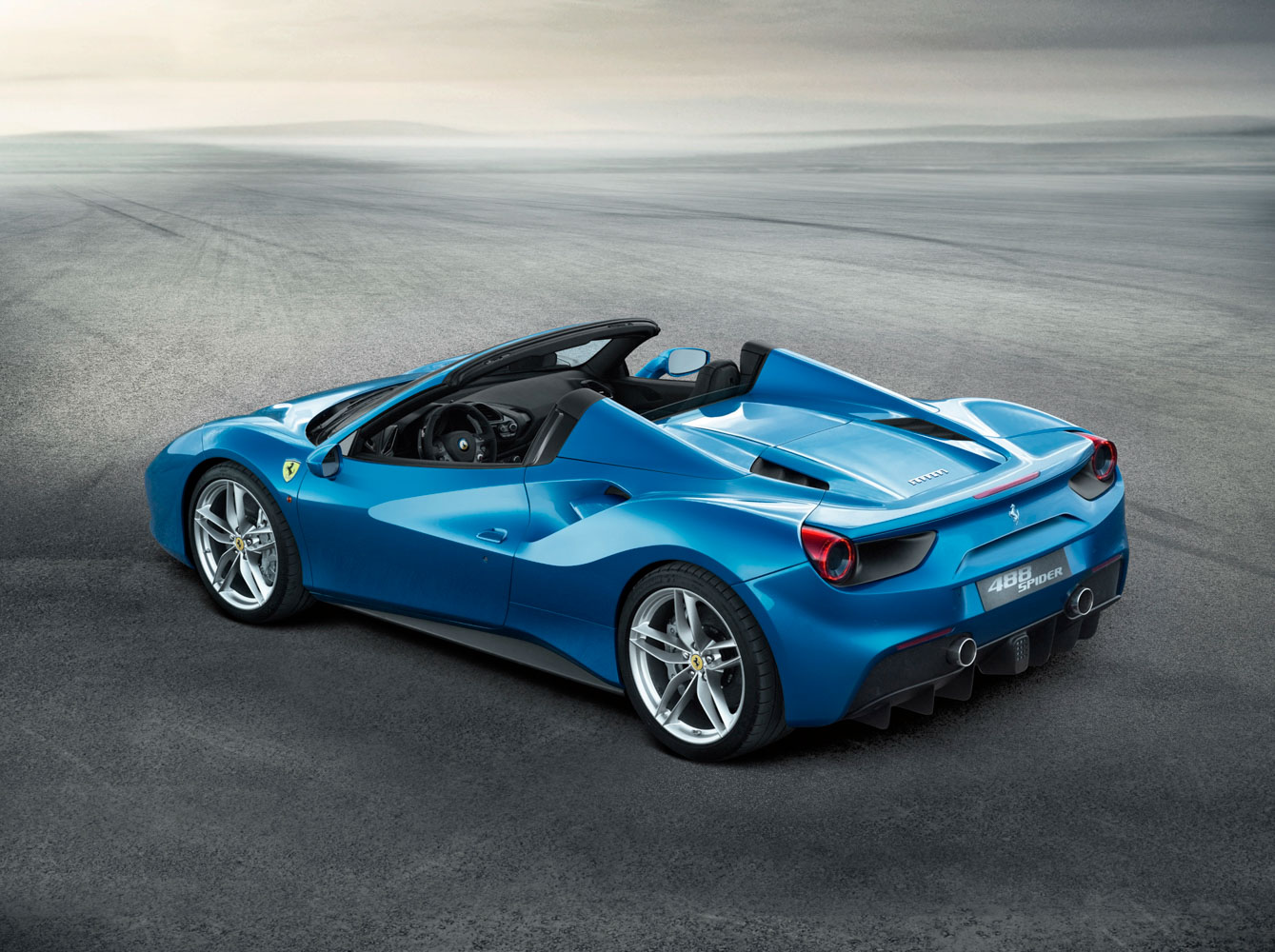
Ferrari also got people talking with their utterly gorgeous 488 Spider, which was making its public debut. While the 488 looks great in Ferrari’s traditional red, you have to admit that this Spider looks astonishing in blue.
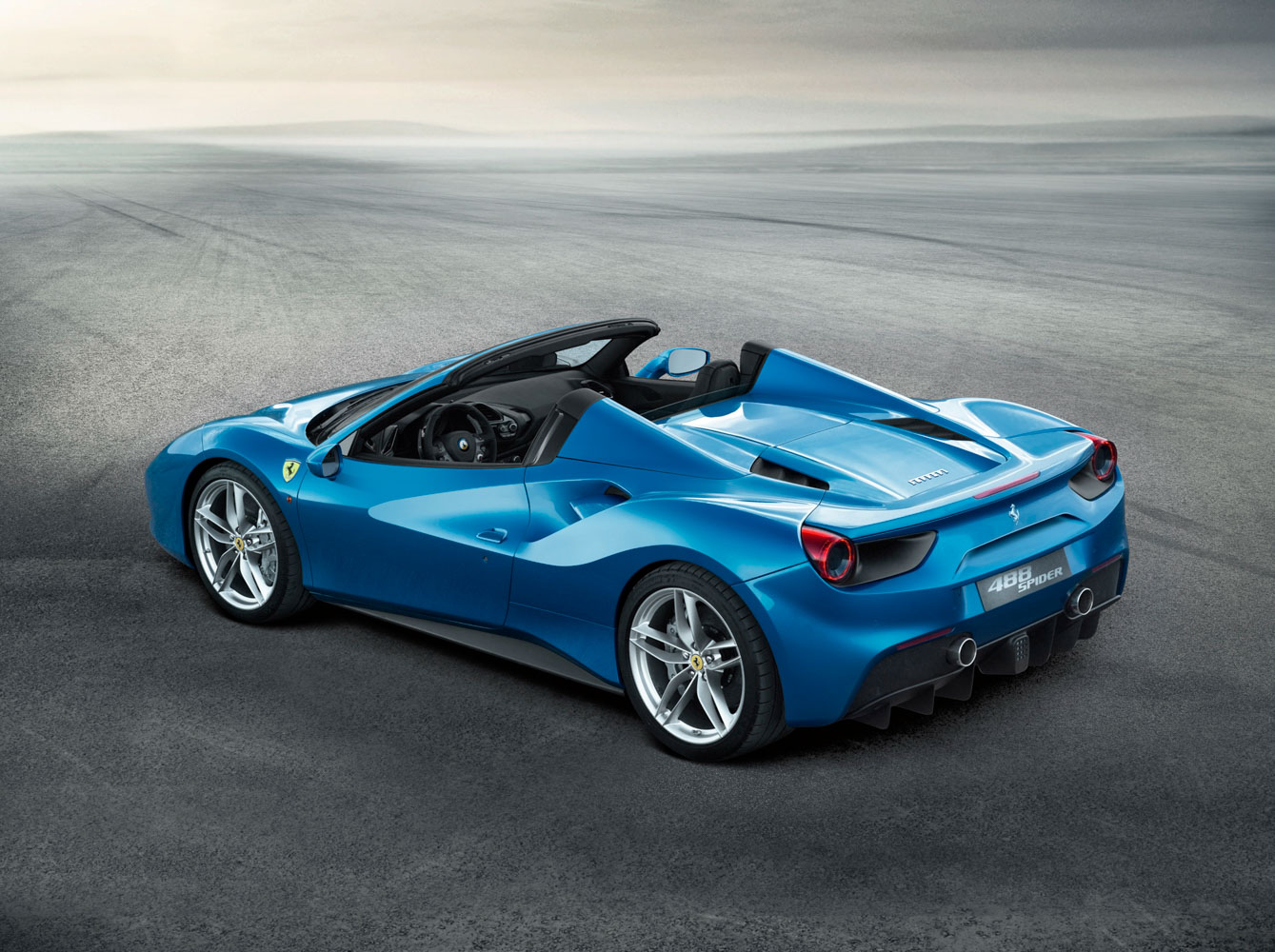
Under the Spider’s curvaceous rear bodywork you can find the same 661hp 3.9-litre twin-turbo V8 engine that also features in the coupé. One of the more quirky and clever features of the 488 Spider is the glass pane behind the seats, which can be retracted to adjust the level of noise and turbulence in the cabin. It’s a feature that could come in handy for those performance runs, with the Ferrari able to hit 100kph in a reported three seconds.
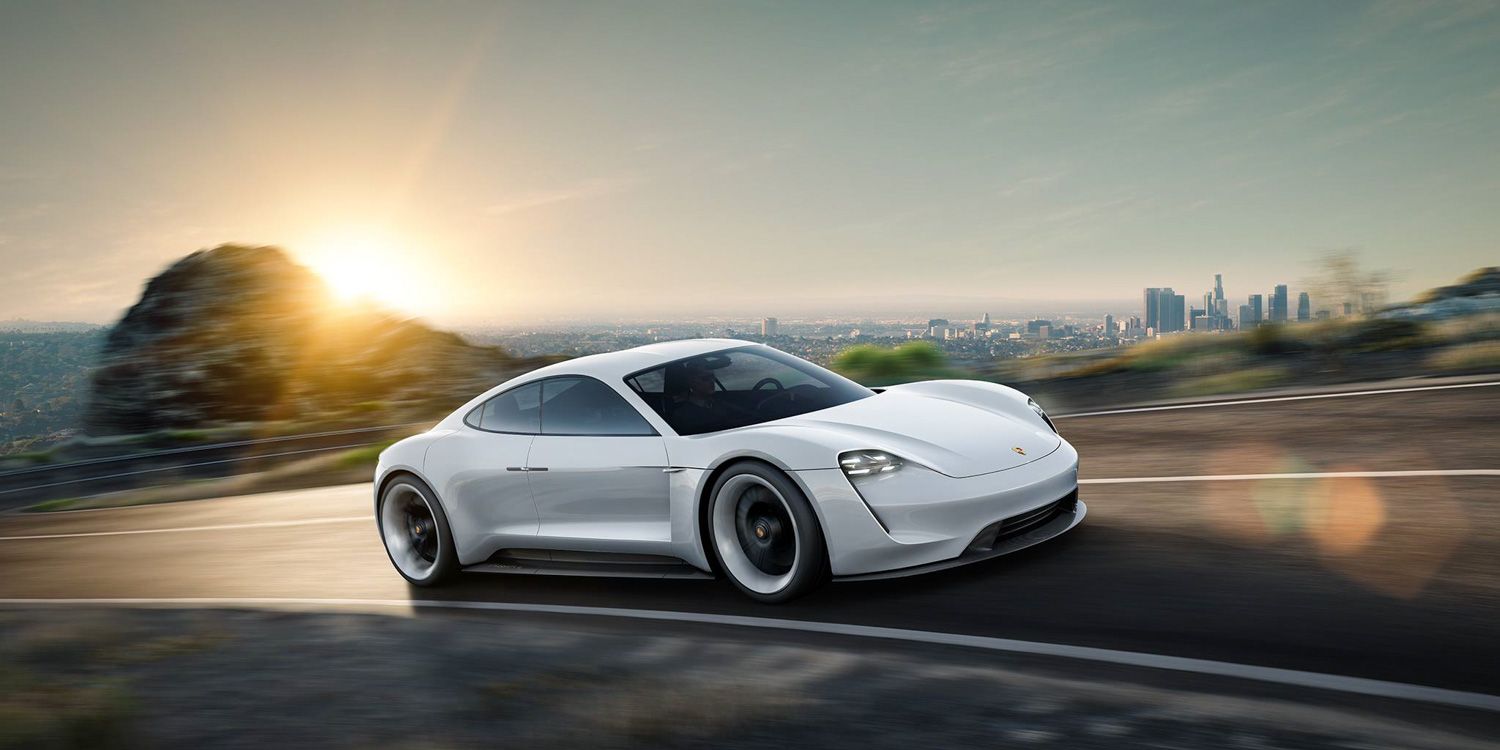
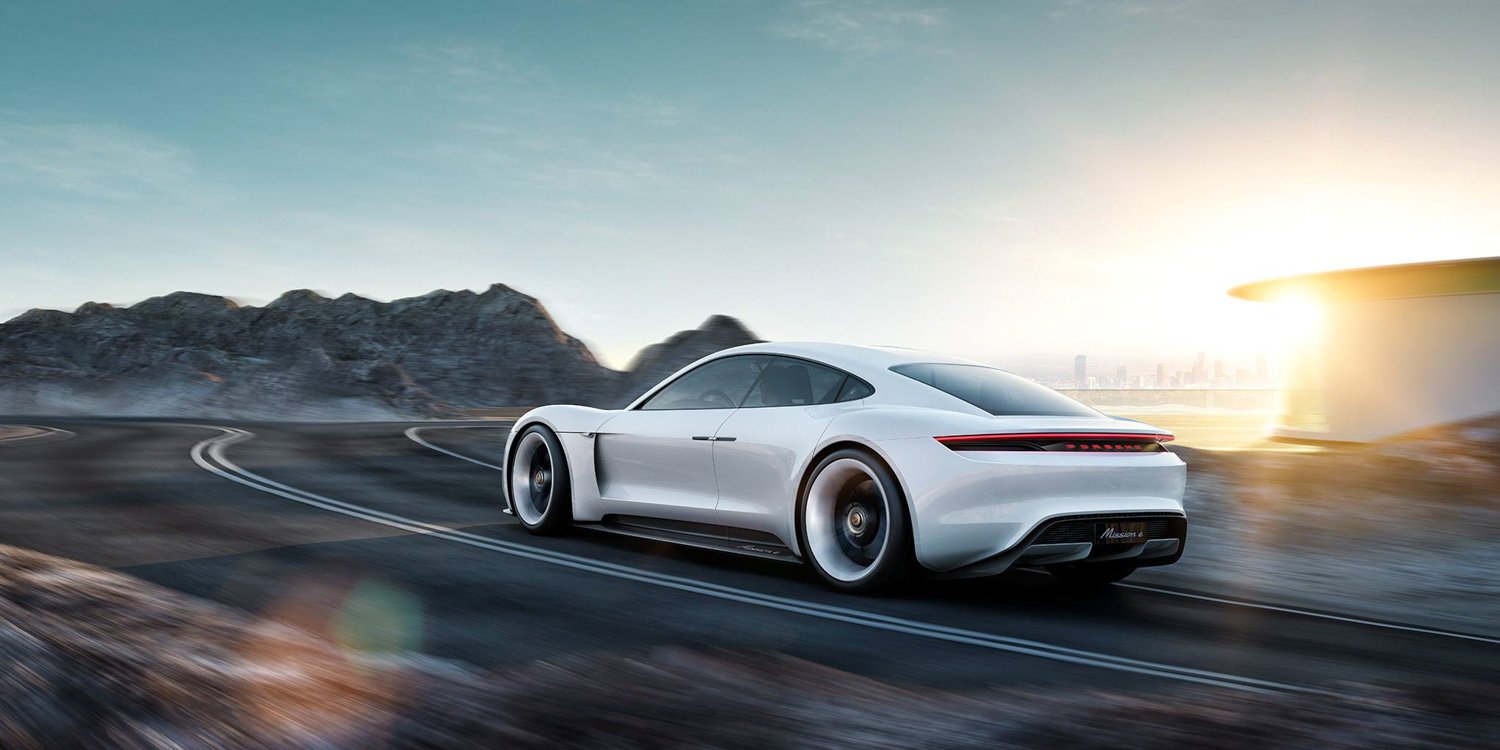
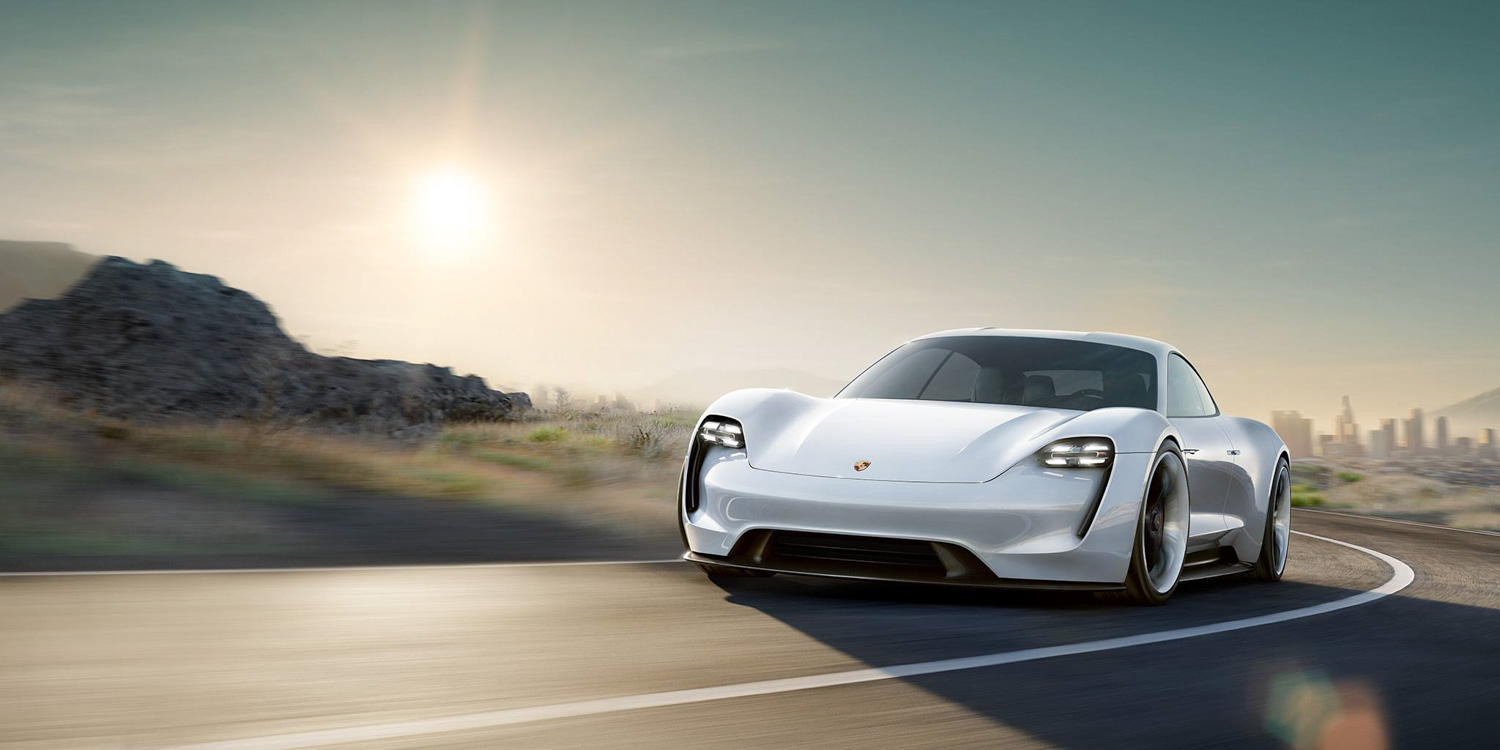
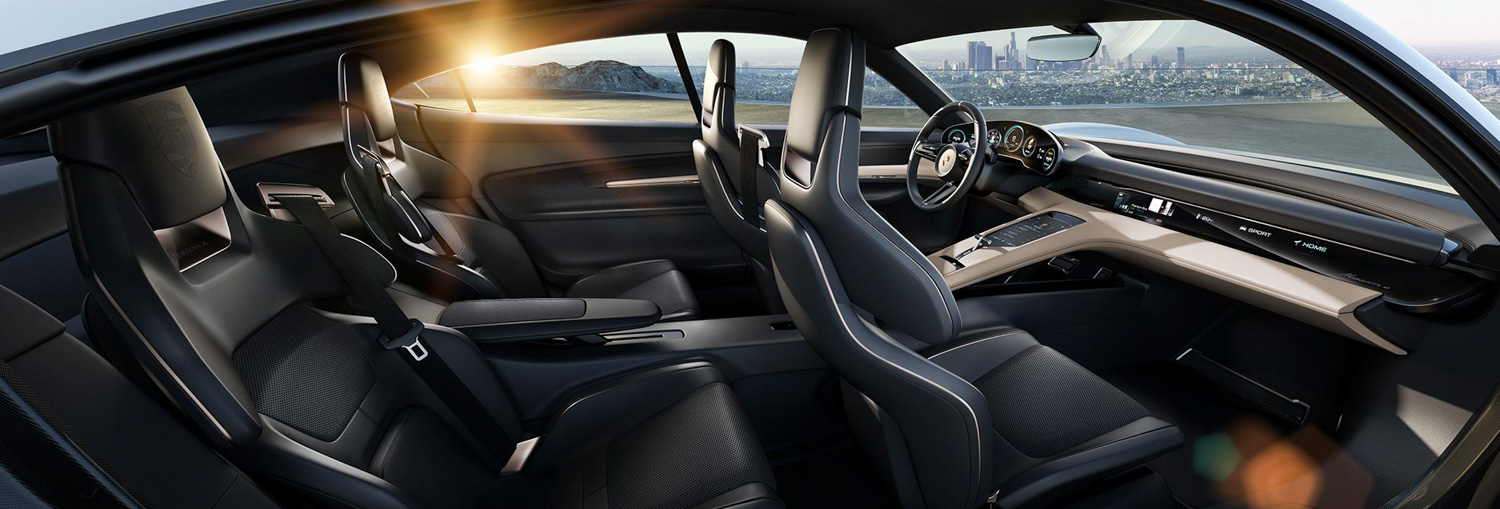
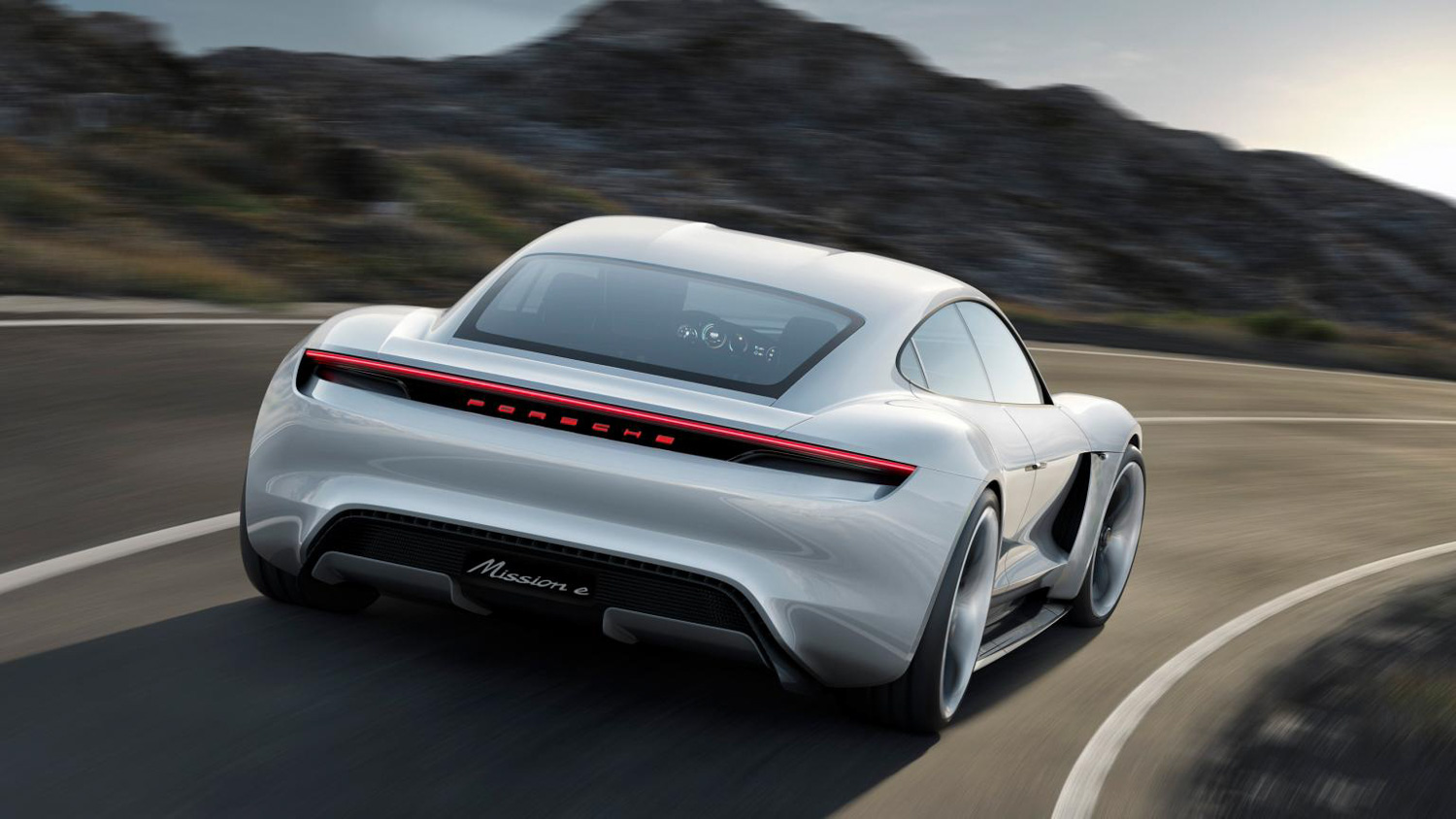
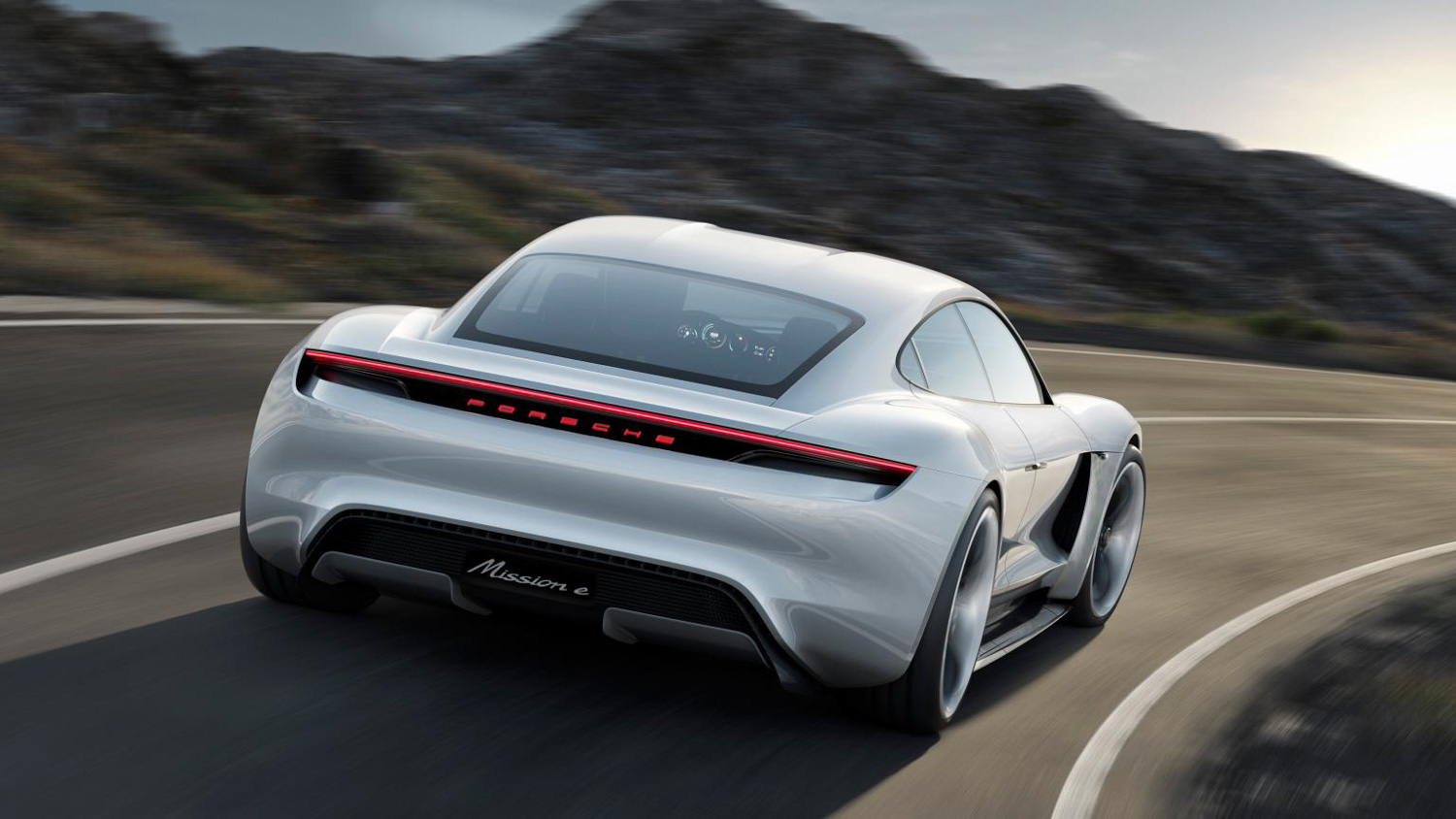
But the European that’s dominating most of the Frankfurt motoring press is Porsche’s Mission E concept car. While it’s obviously looking to beef with the Tesla Model S, the Mission E carries styling cues from both the current Panamera and the 991-generation 911, causing some to wonder whether we’re potentially looking at the next generation of 911.
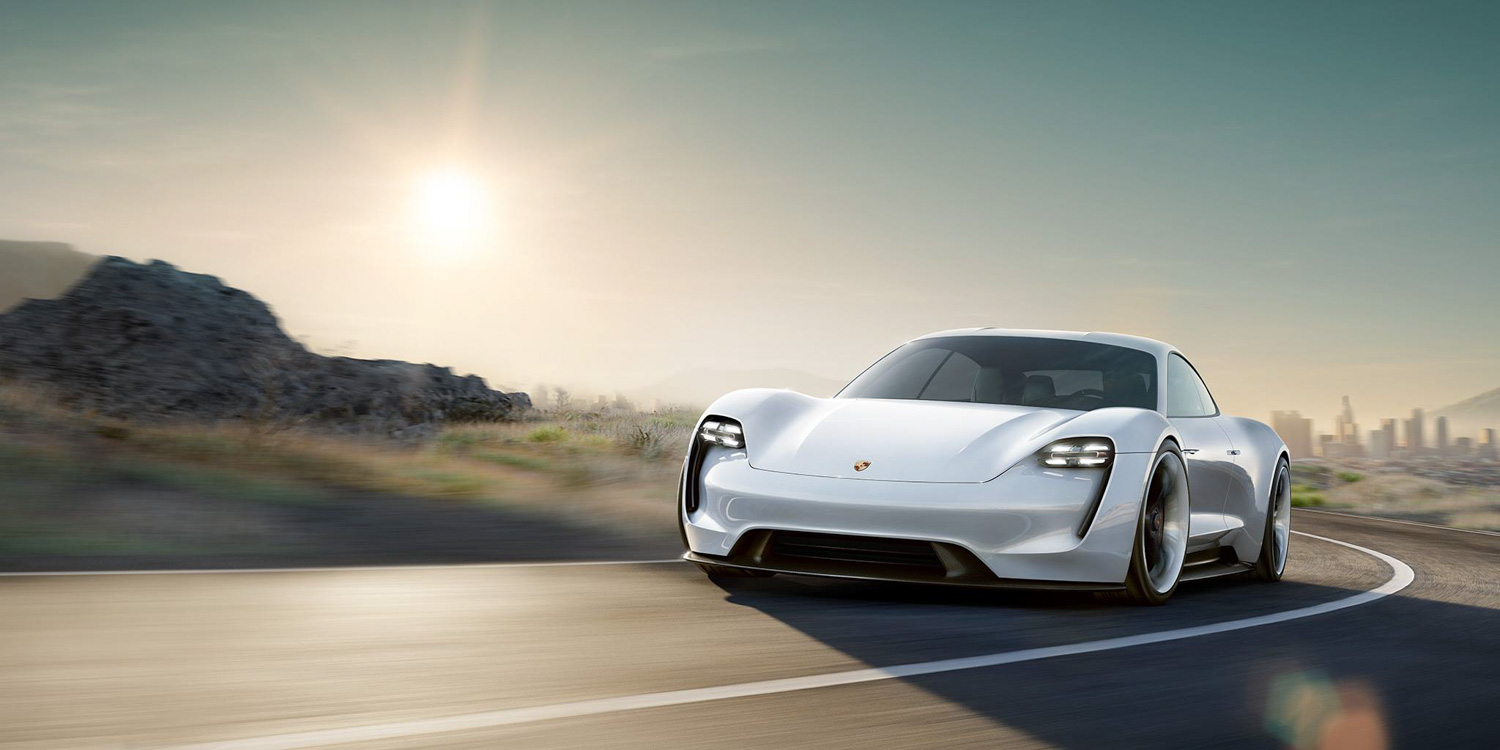
With its electric 800-volt drive system capable of producing 600 iHorsepowers (which are no different from normal horsepowers, just to ease any confusion), the Mission E will go from 0–100 in less than 3.5 seconds — crucially beating the current Porsche 911’s marker by half a second. The Mission E will also be a fast car to charge, with Porsche stating that 15 minutes of charging would be enough to charge its supply to 80 per cent of capacity. Unlike the two cars above, the Mission E is unlikely to be underneath anyone’s Christmas tree at the end of 2015. Porsche have said that any new model line, including the Mission E, will not be unleashed on the masses until the end of this decade.
The fabulous Tesla effectively has the market all to itself at the moment. Could that change in a few years’ time?