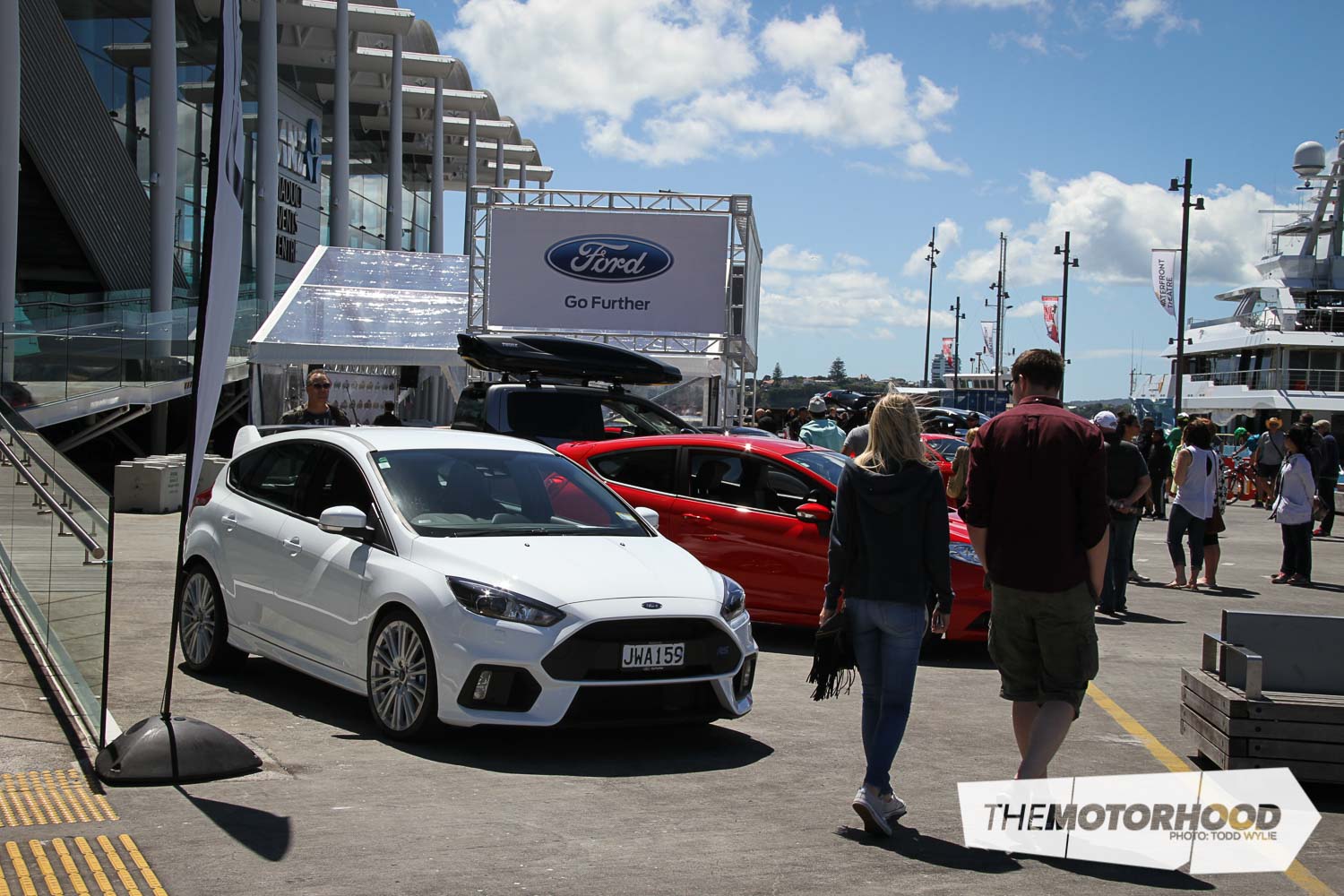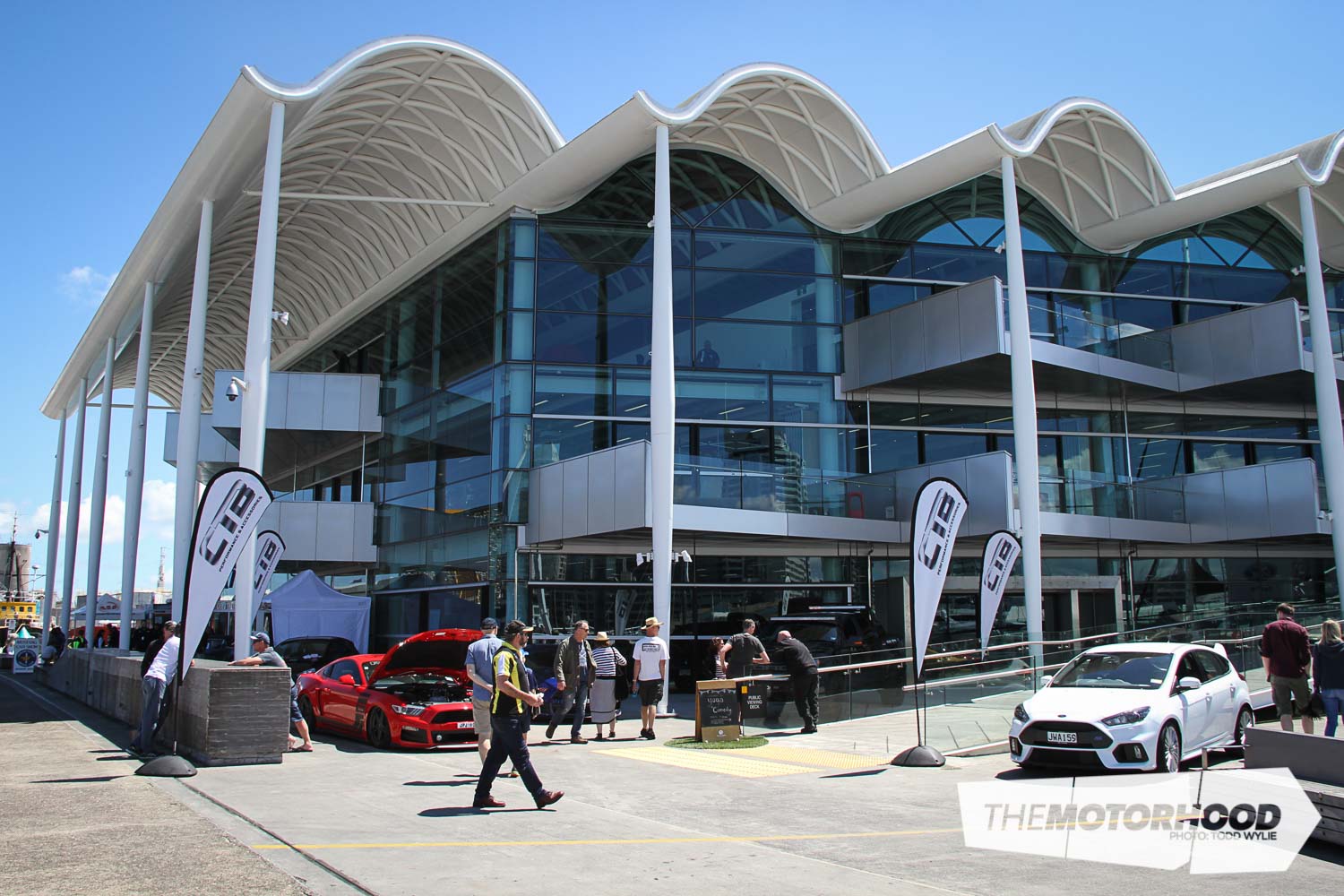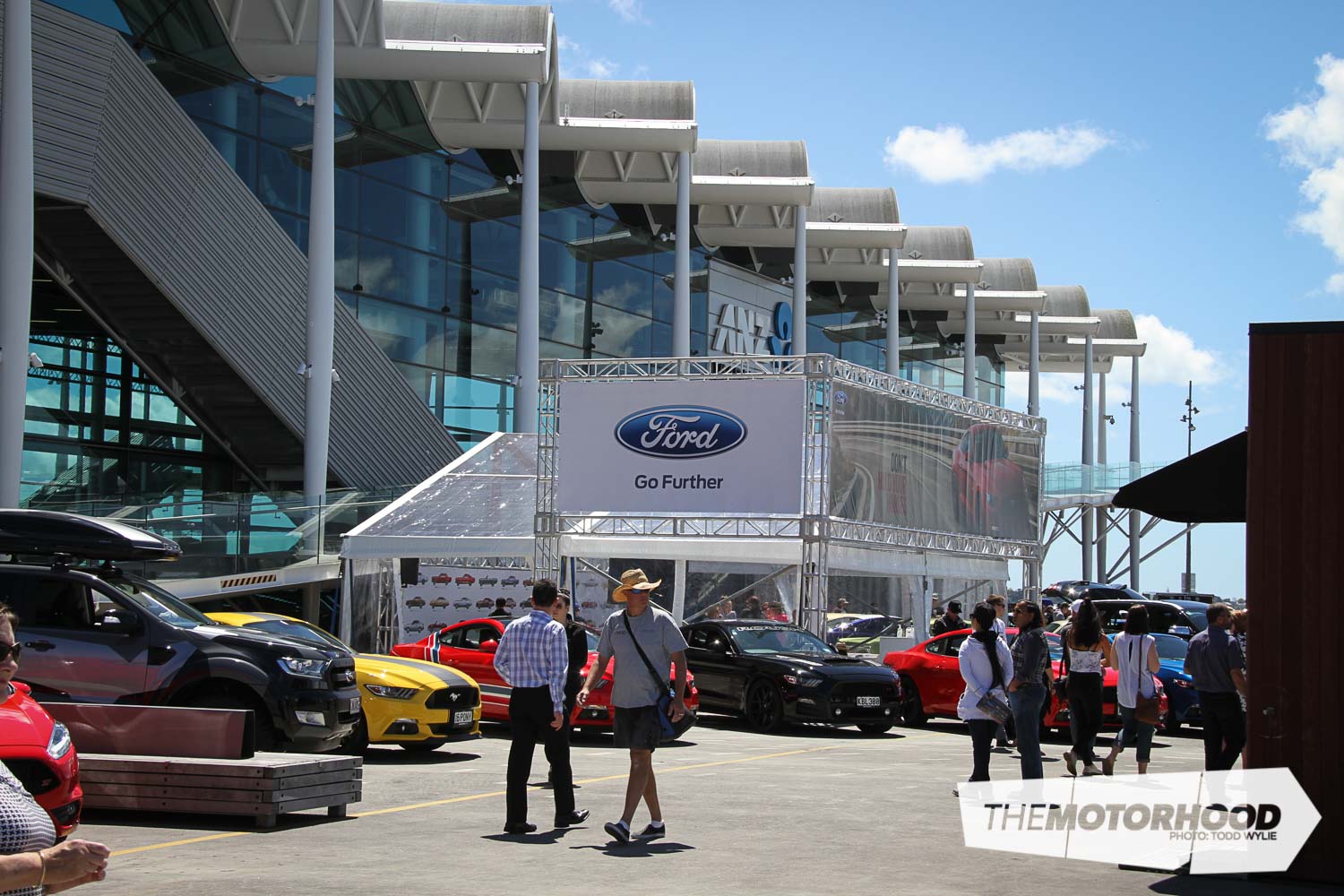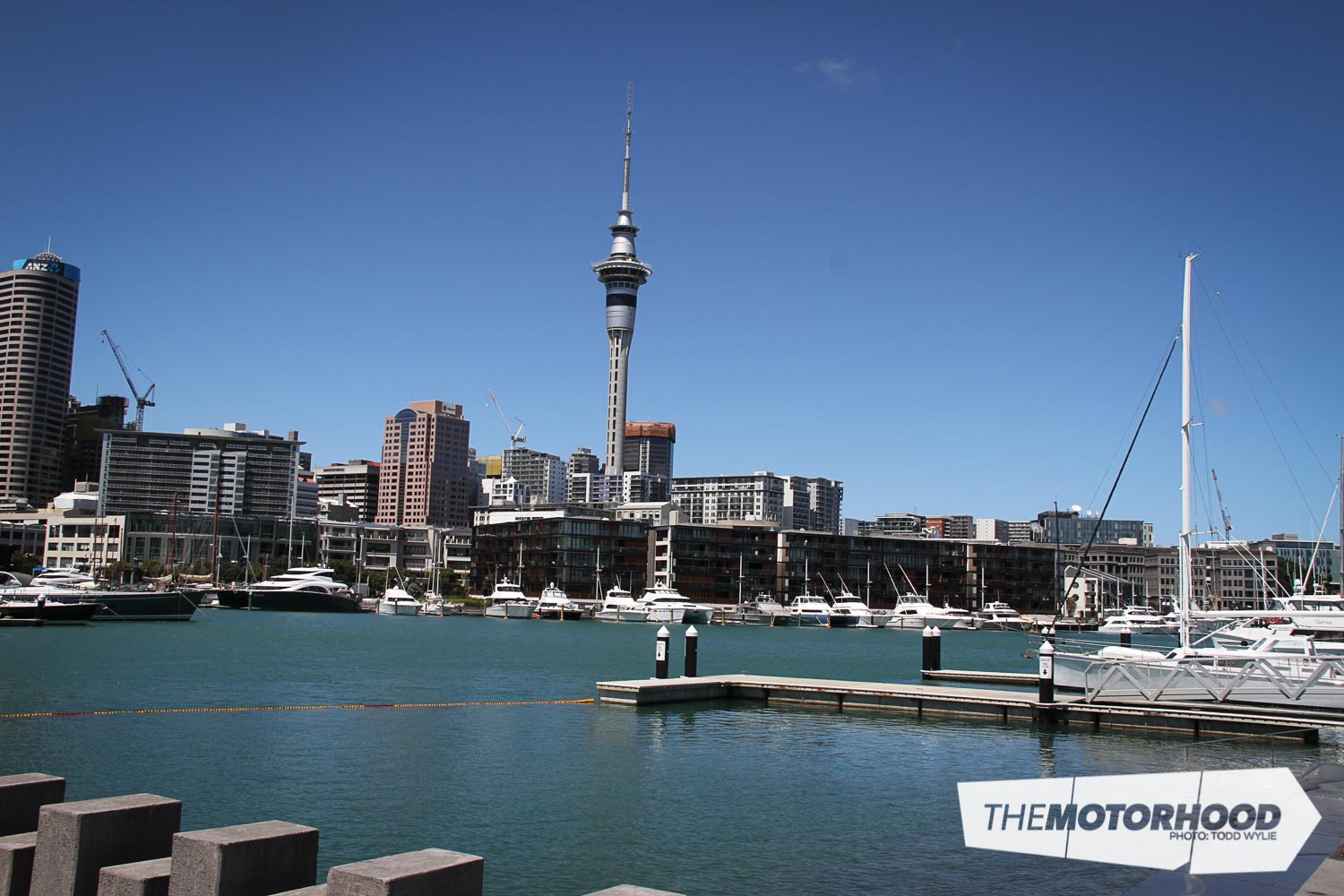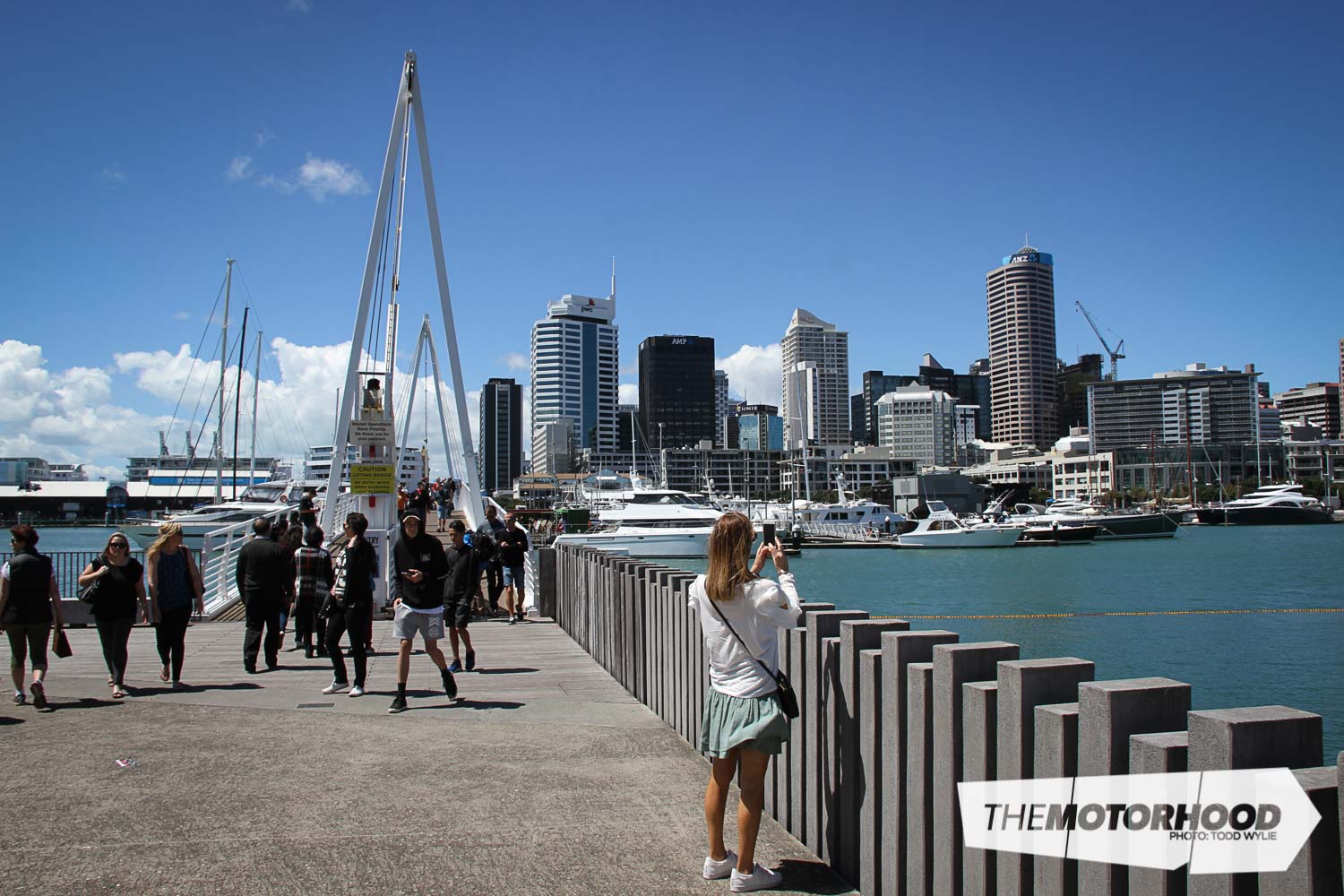
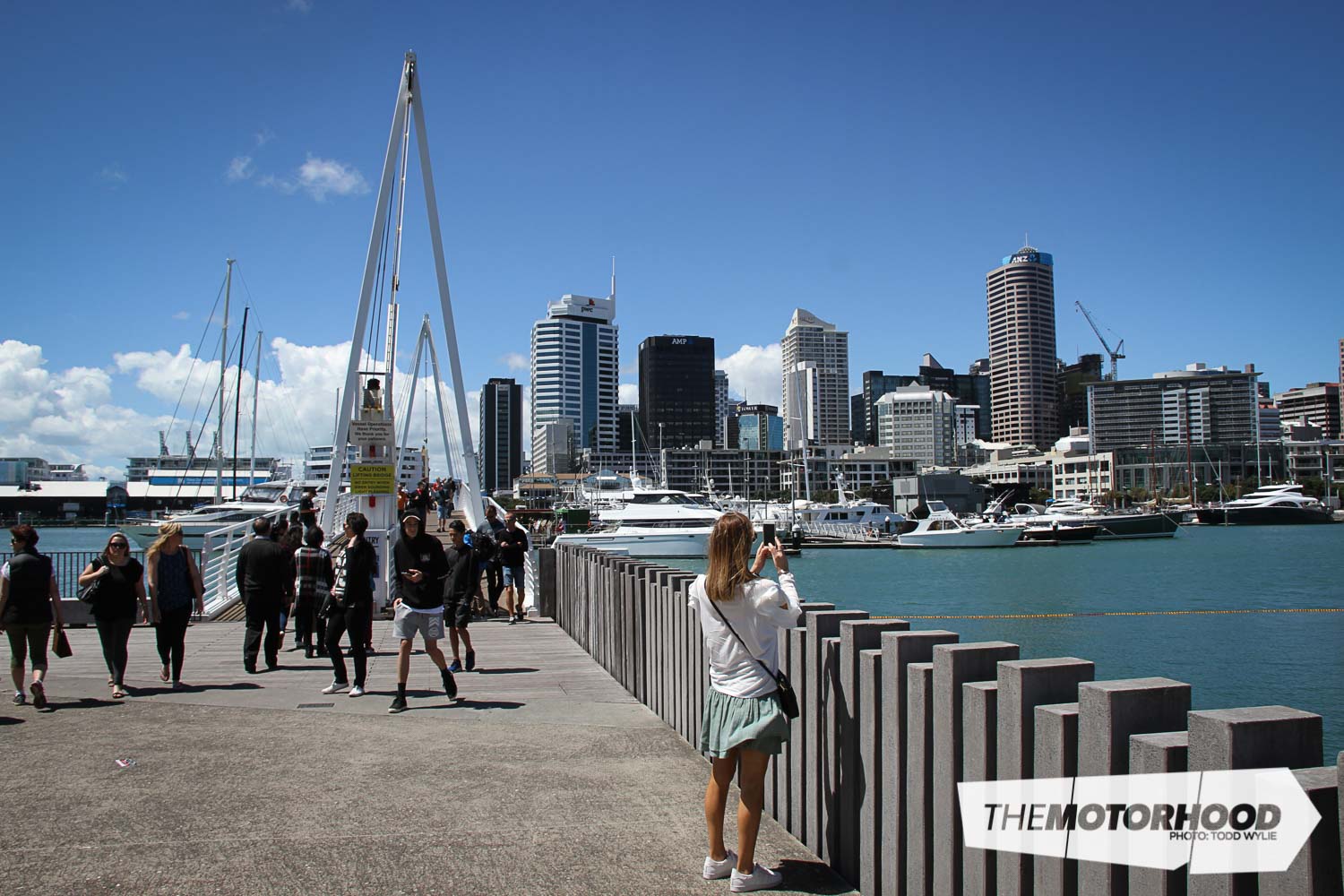
The Auckland waterfront precinct is often found packed with crowds of people, especially when the sun is out. Usually they’re admiring the view, checking out super yachts, or taking in the offerings from the many local eateries.
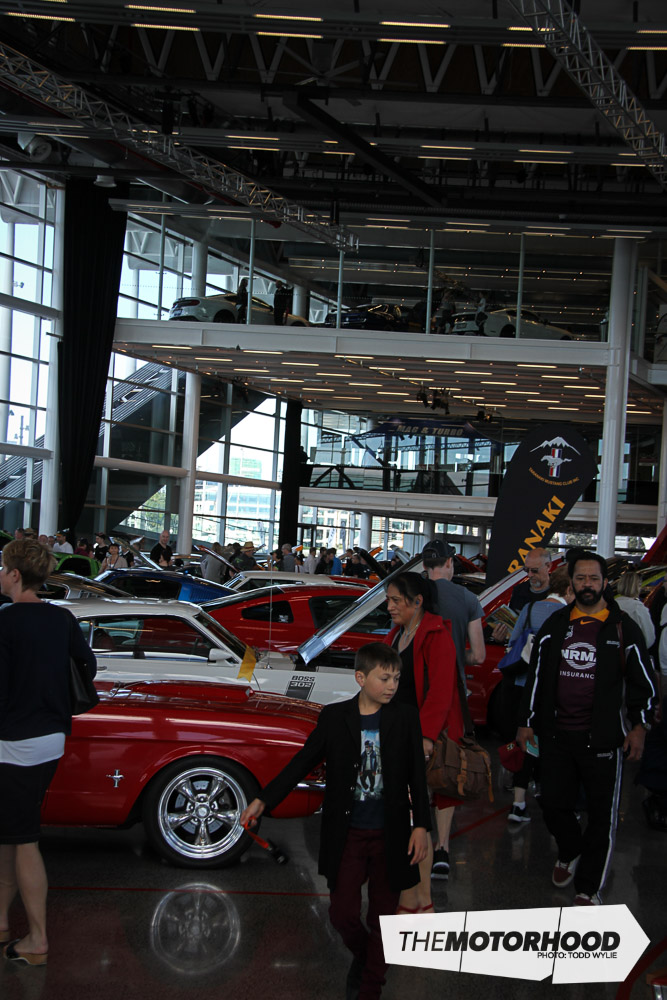
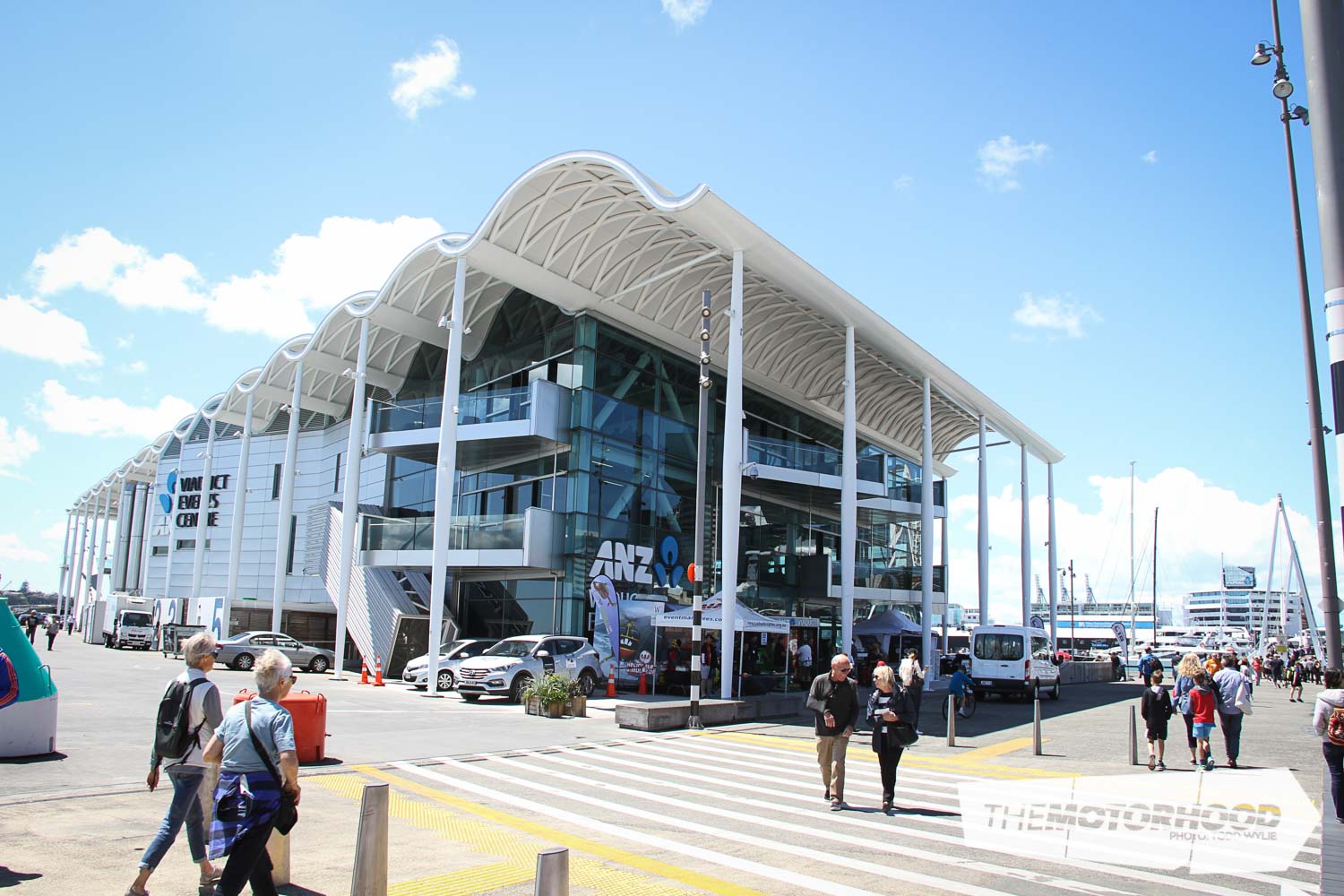
Labour Weekend 2016 (October 22–24) saw a different crowd though, and that was a stampede of Mustangs all there for the annual Mustang Convention, which was held at the ANZ Viaduct Event Centre.
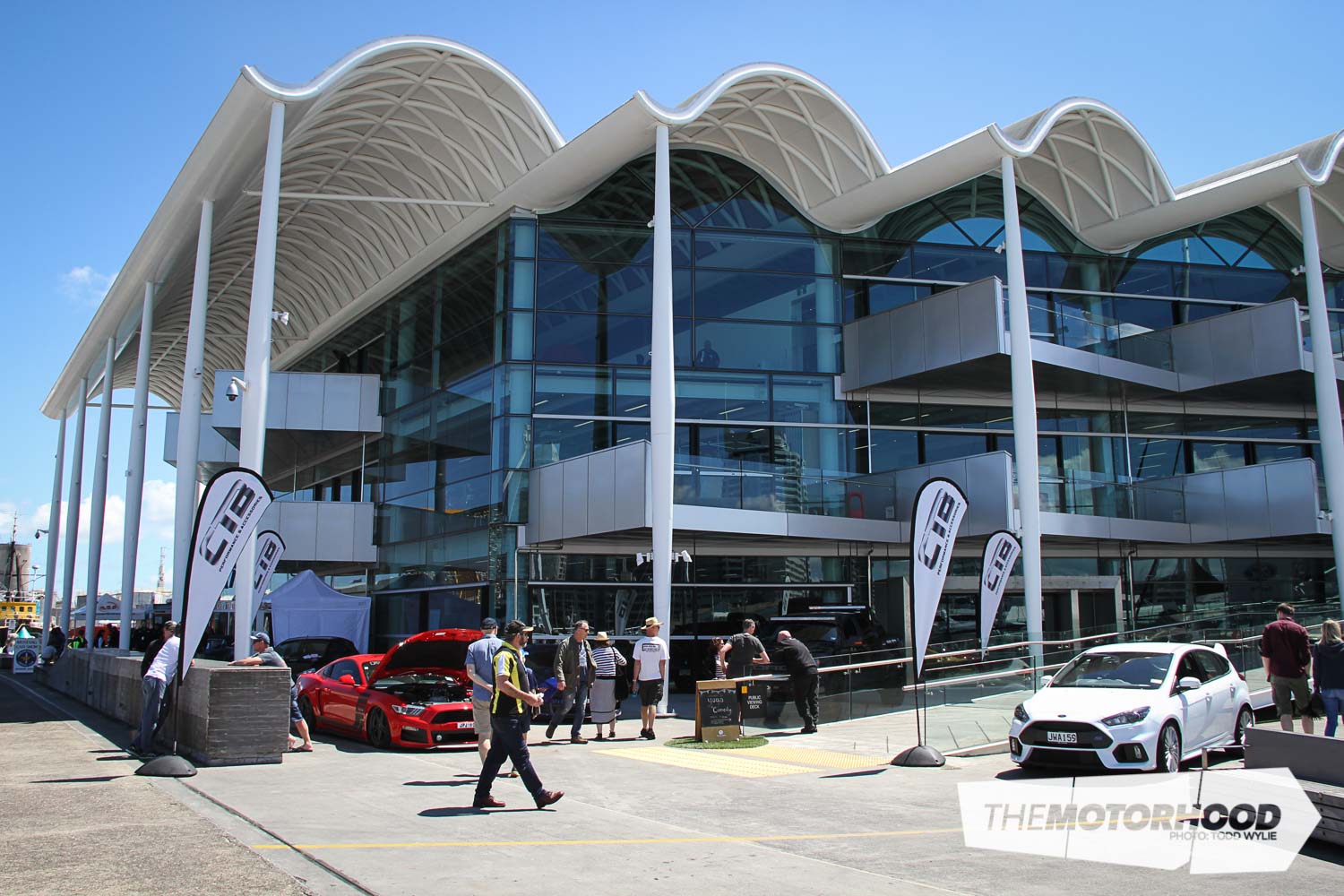
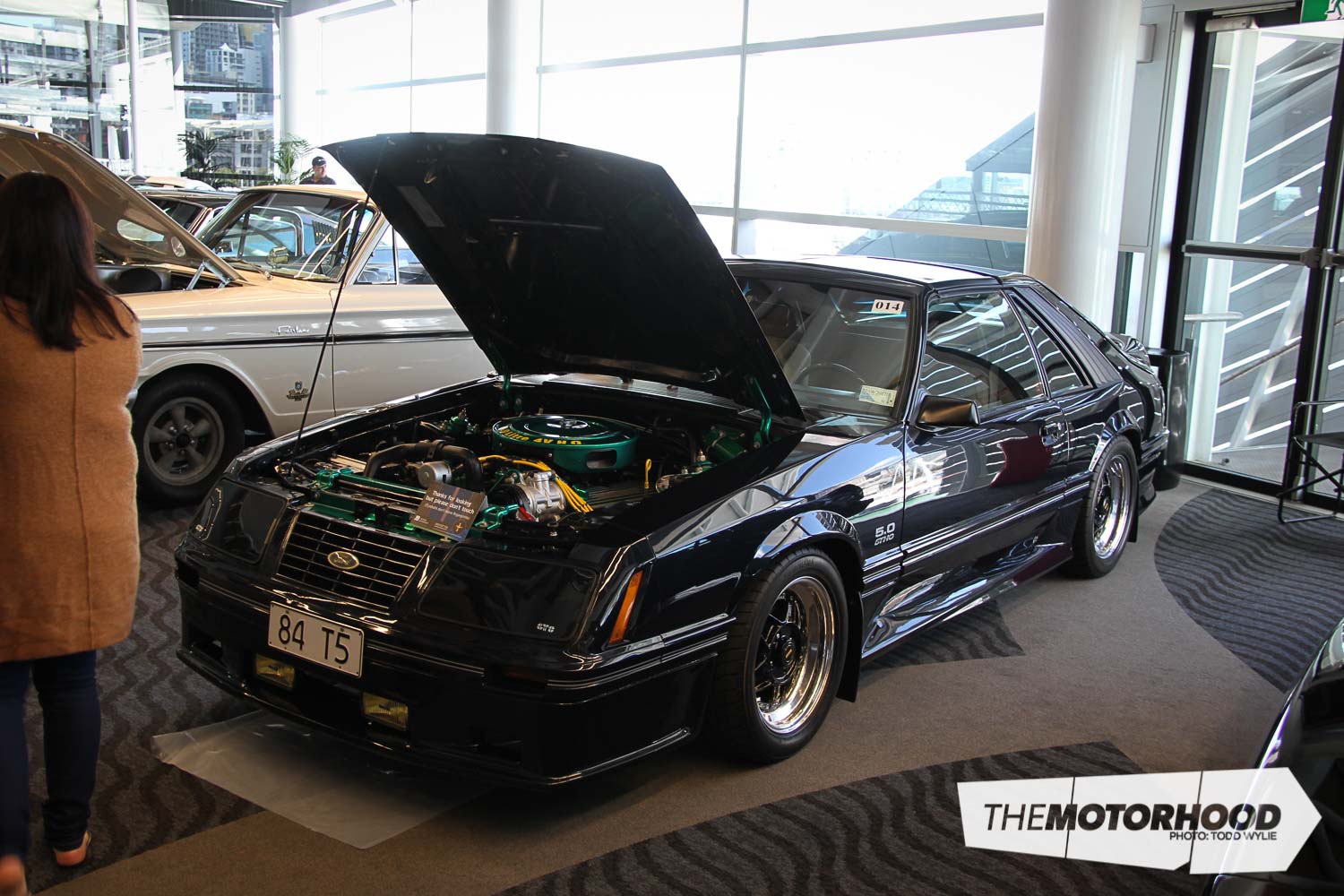
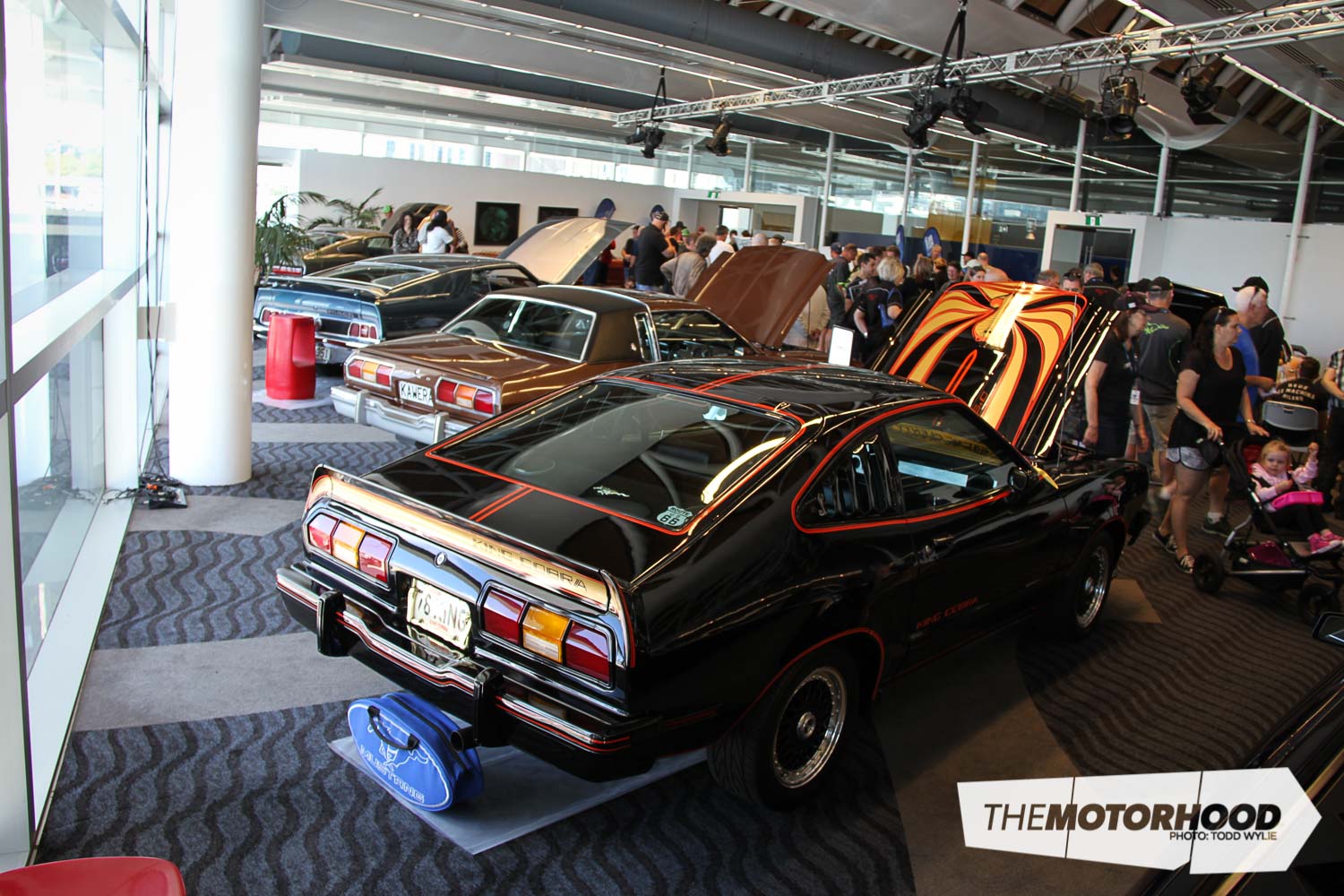
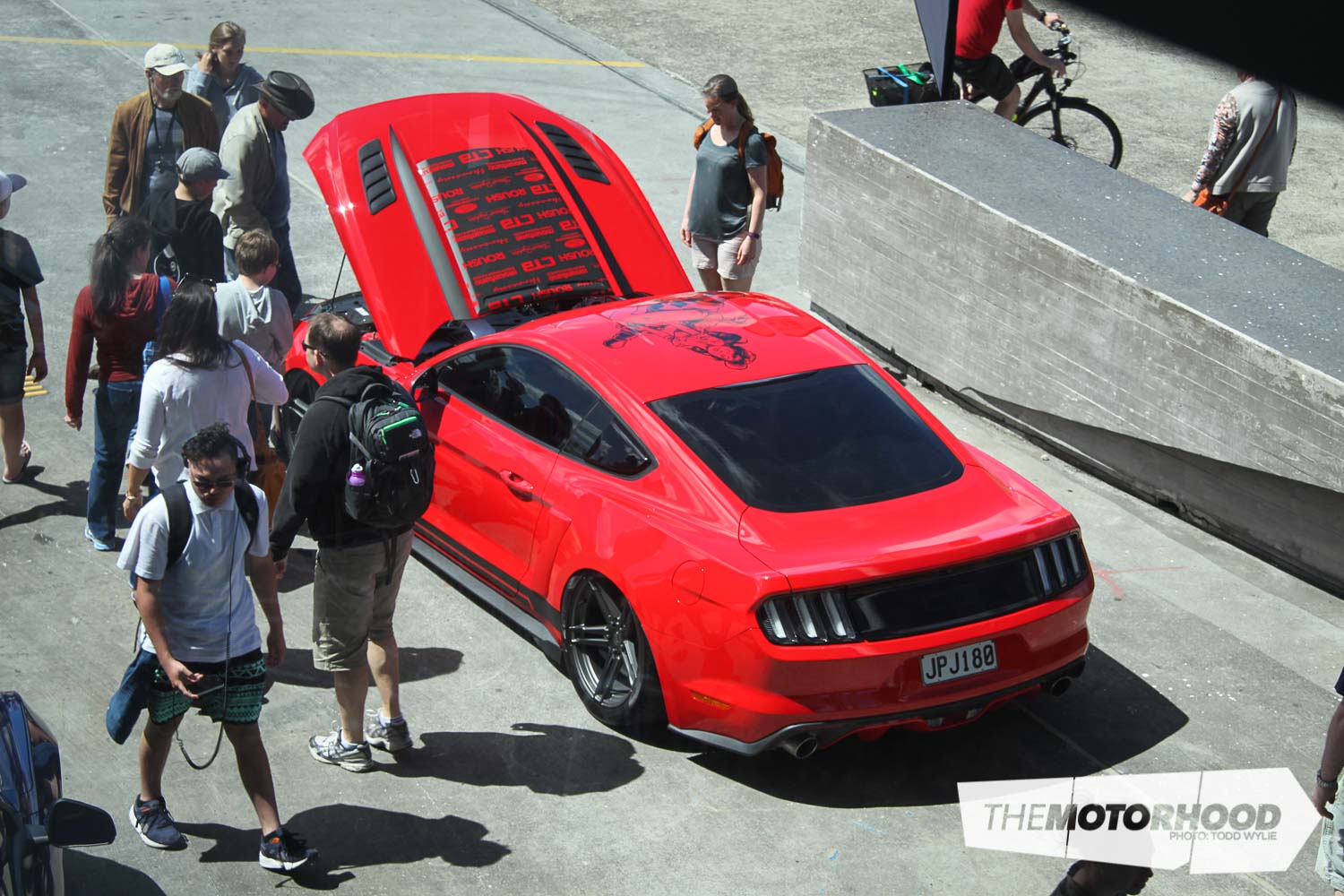
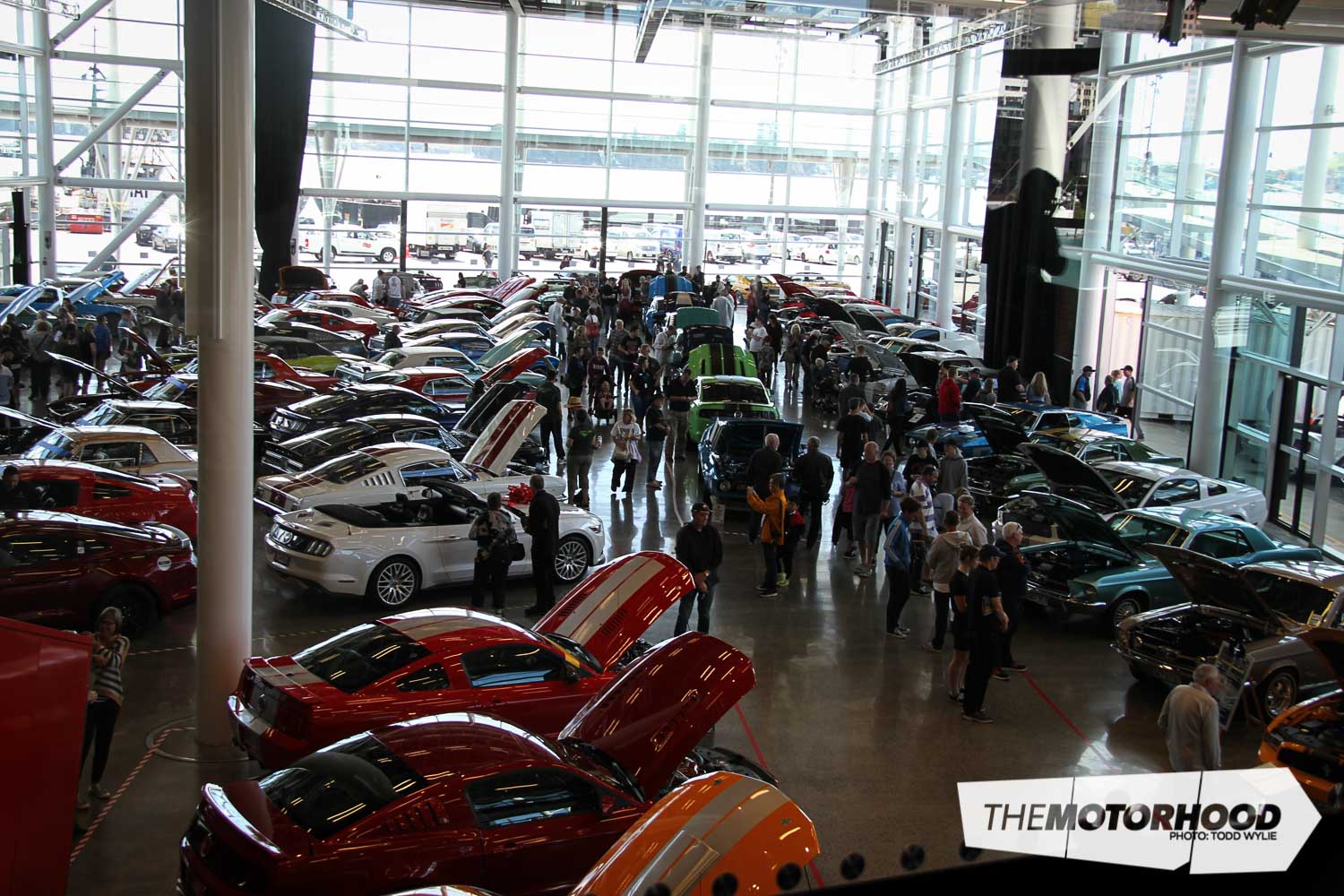
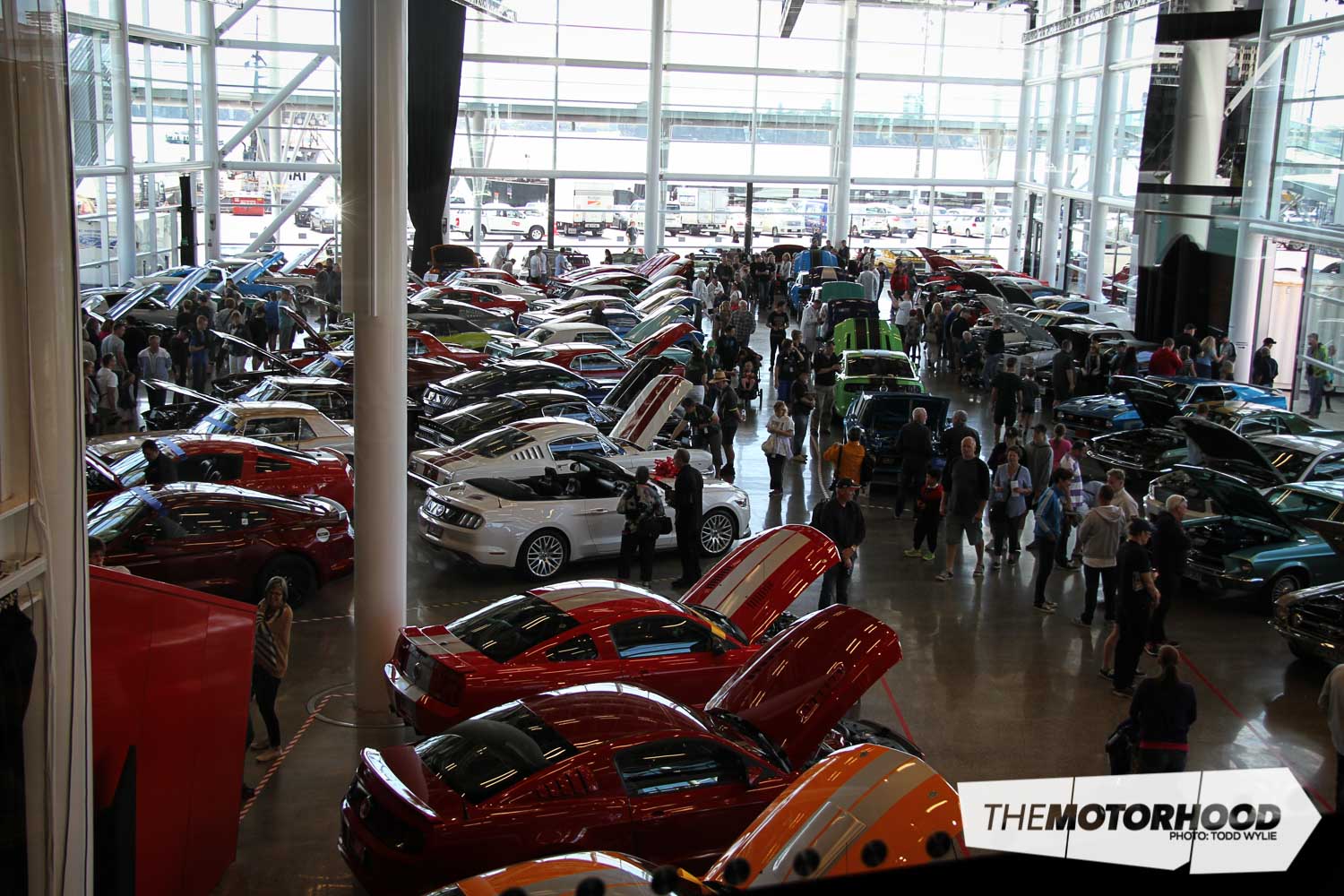
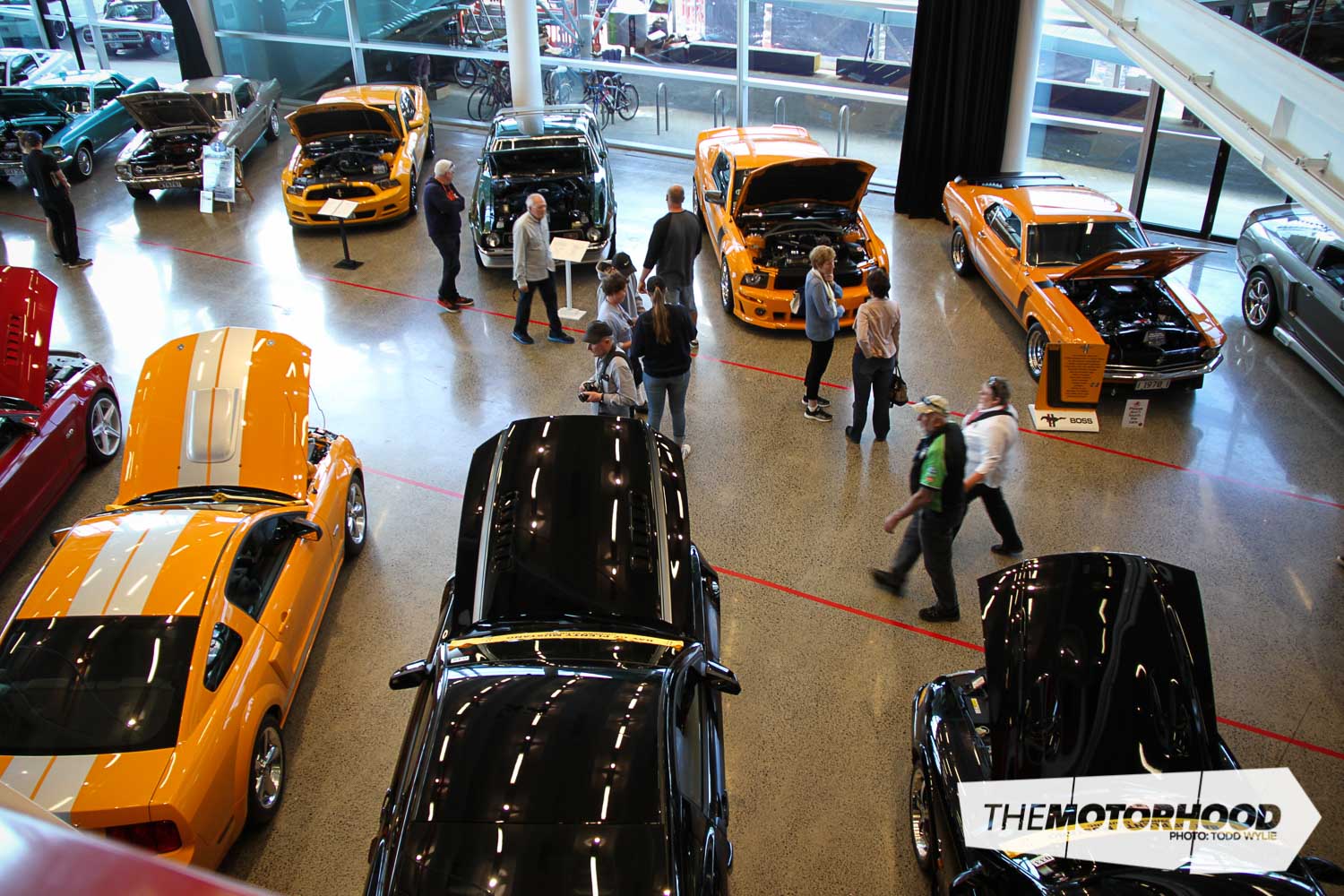
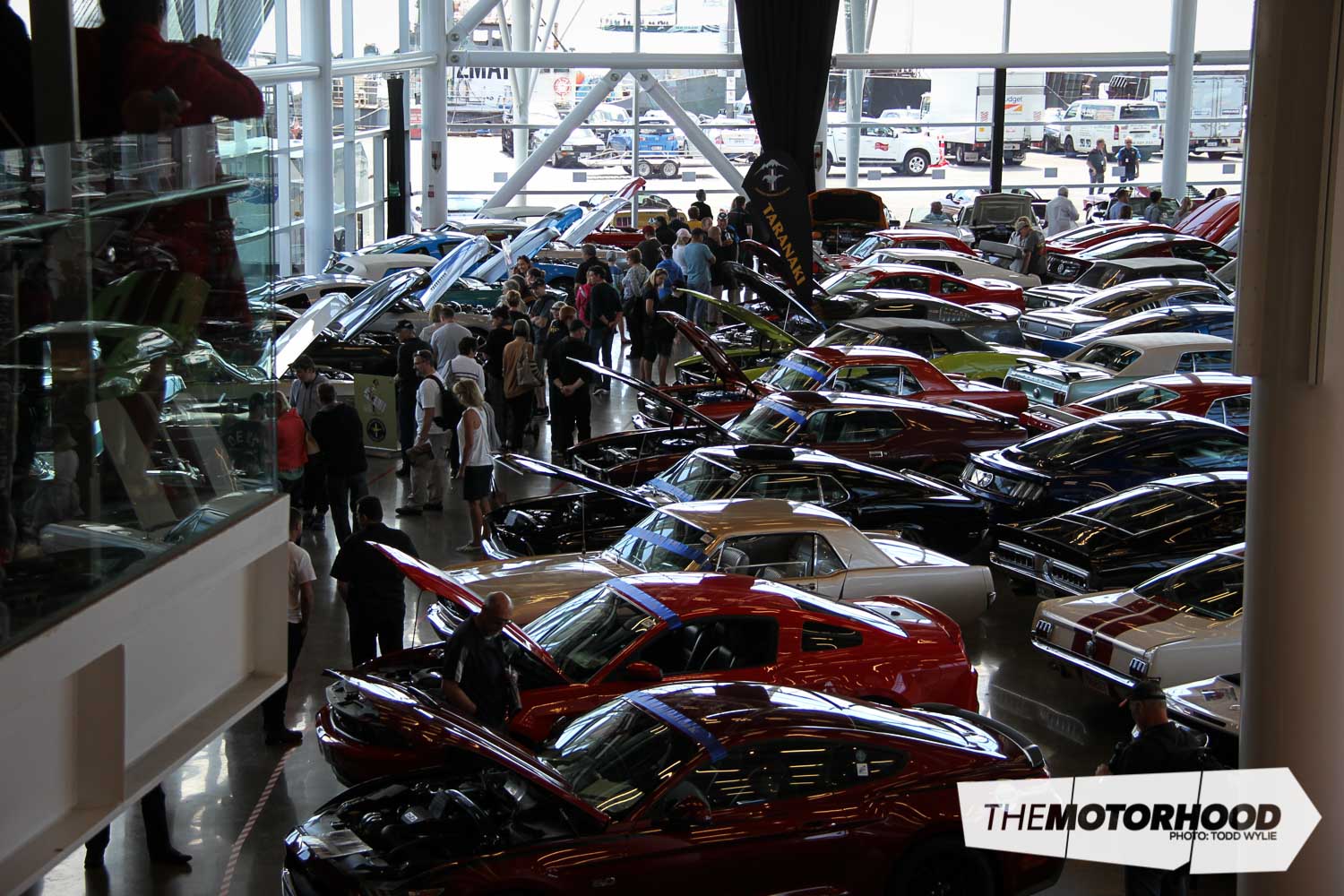
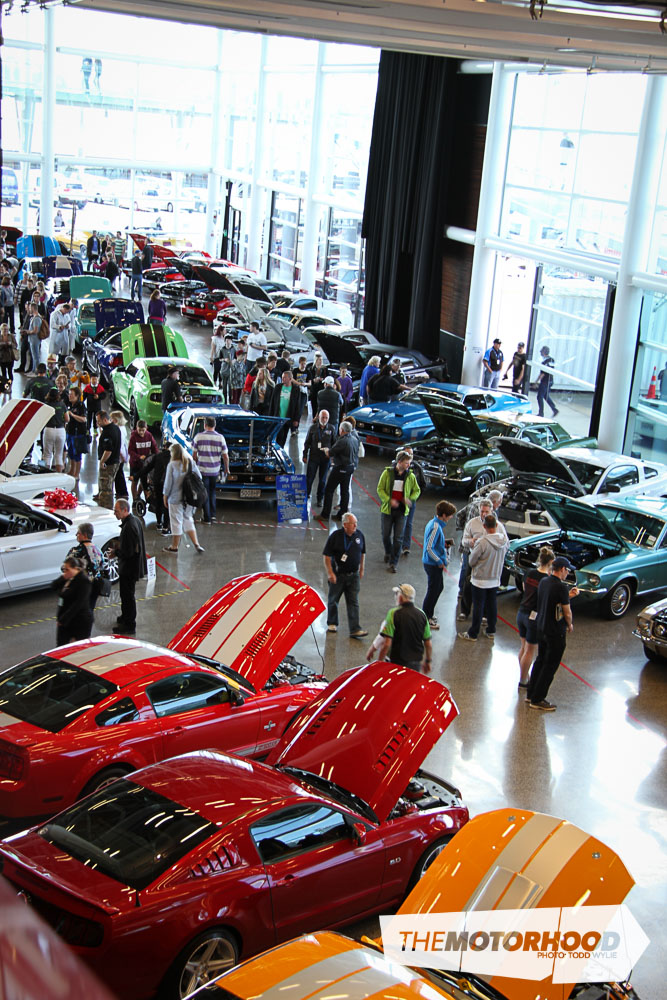
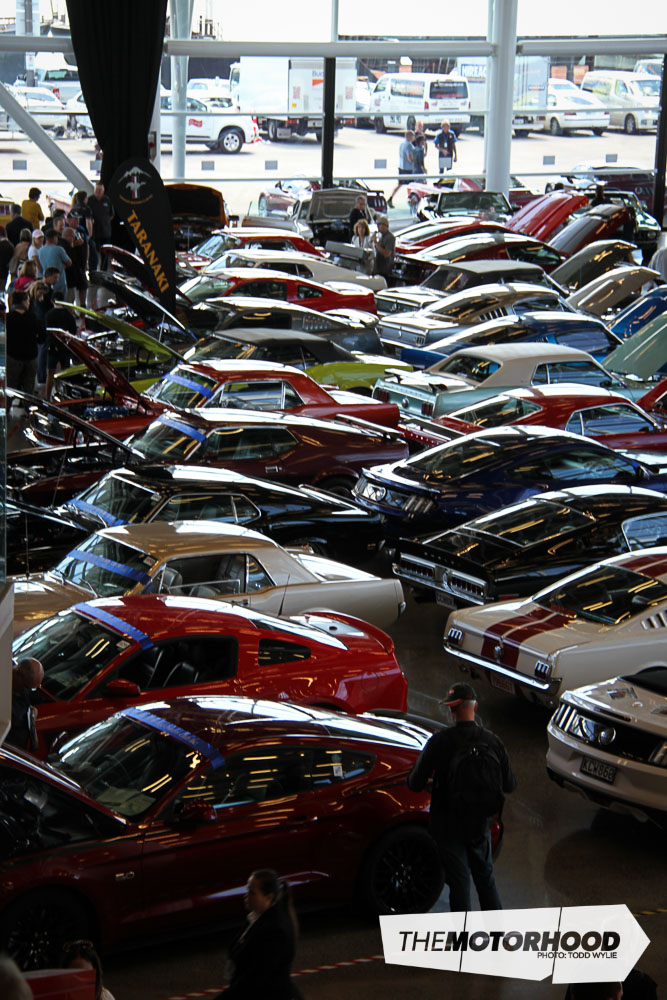
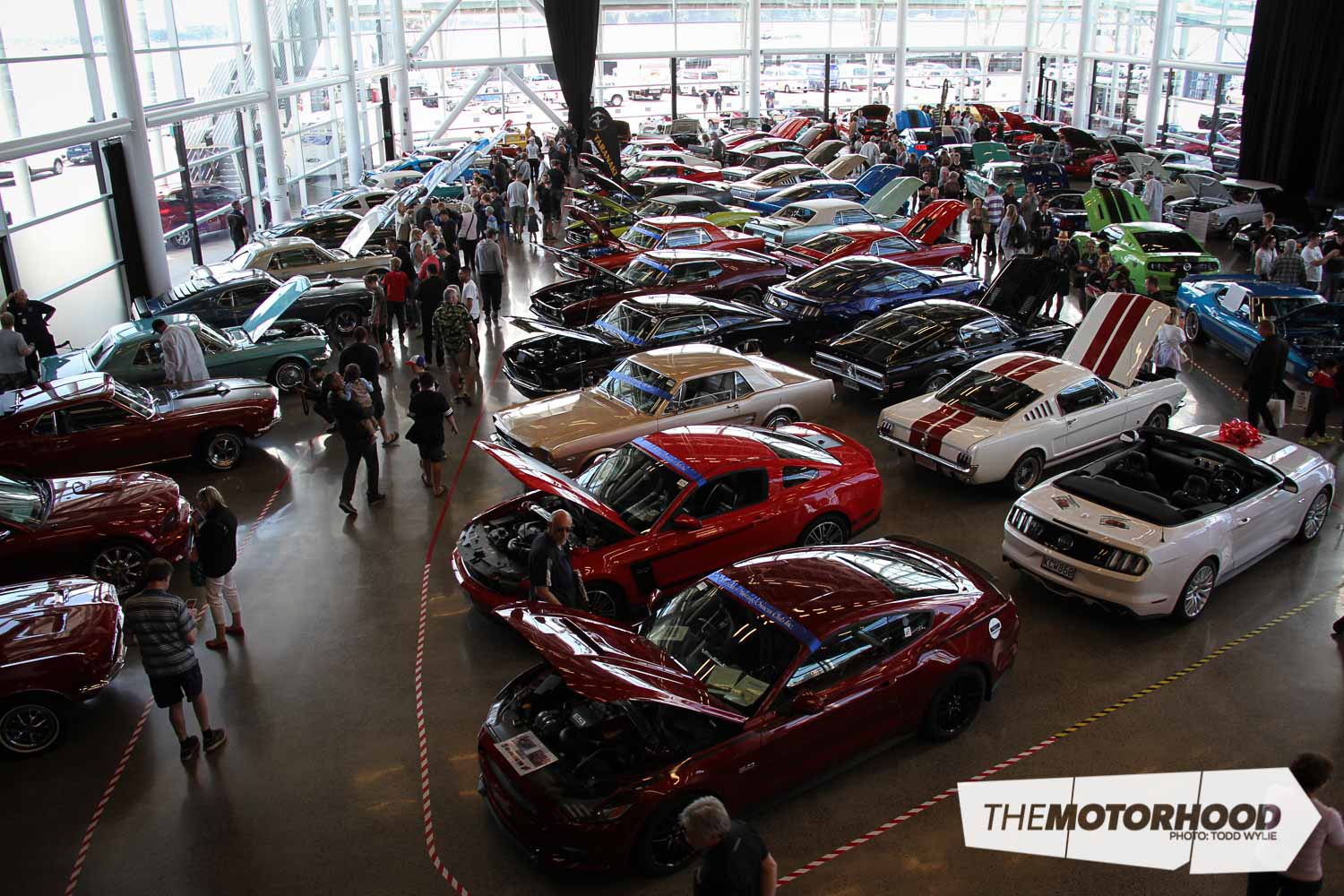
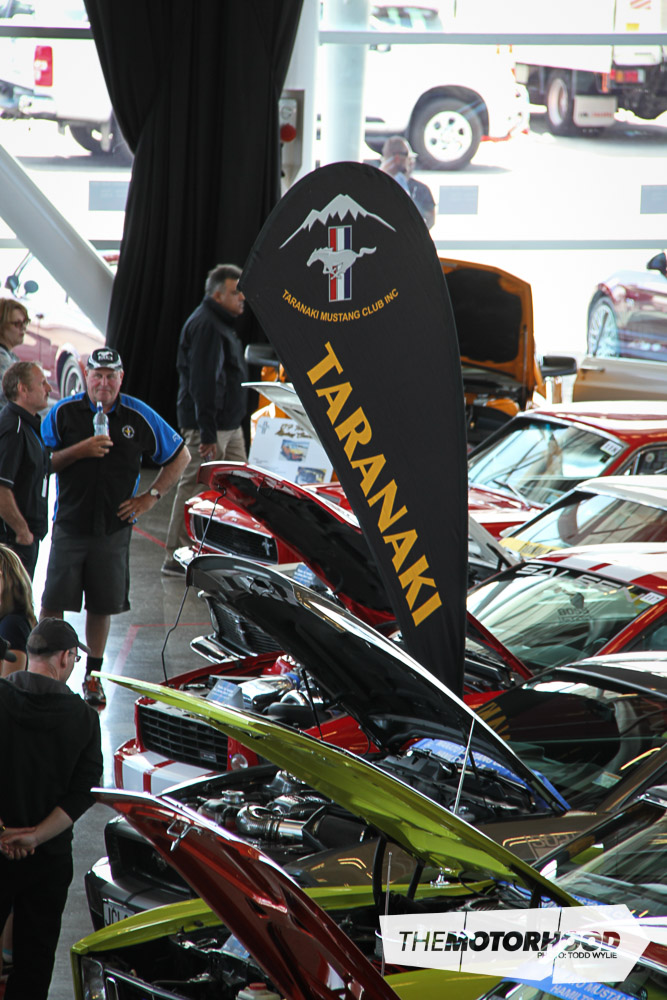
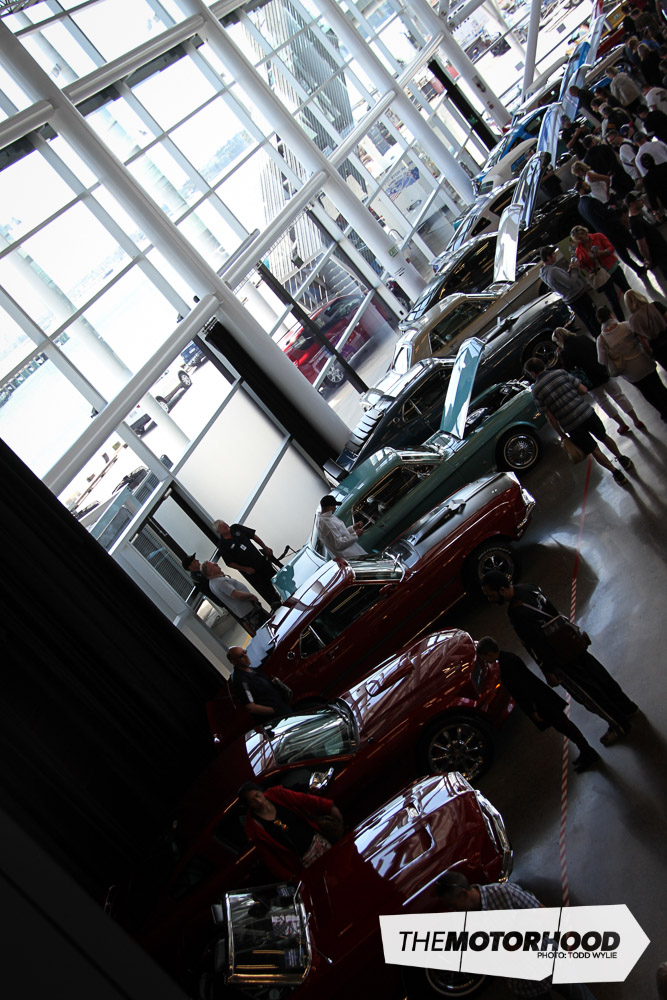
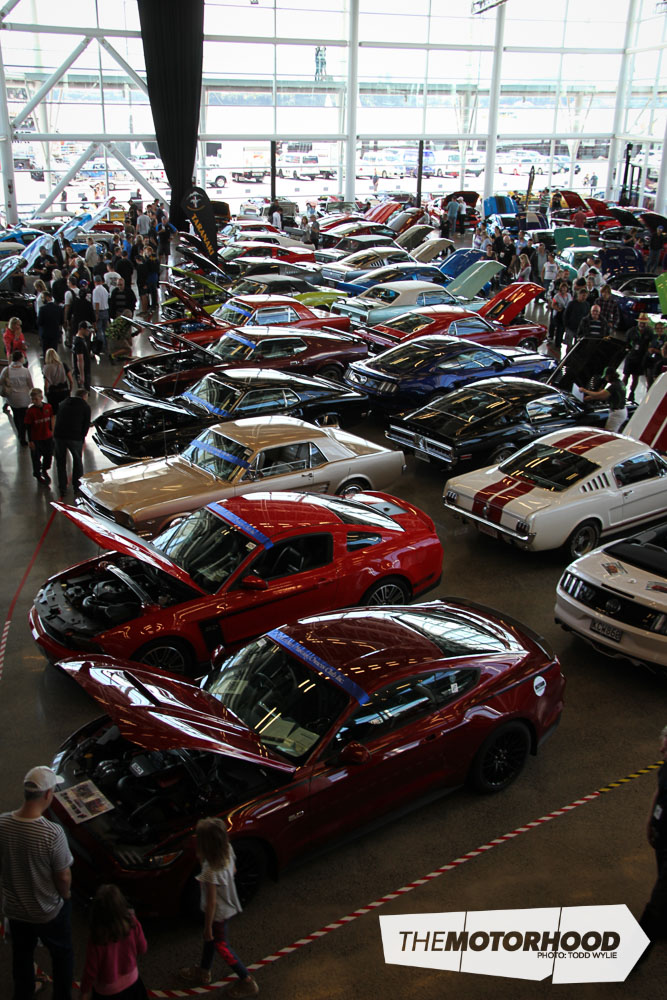
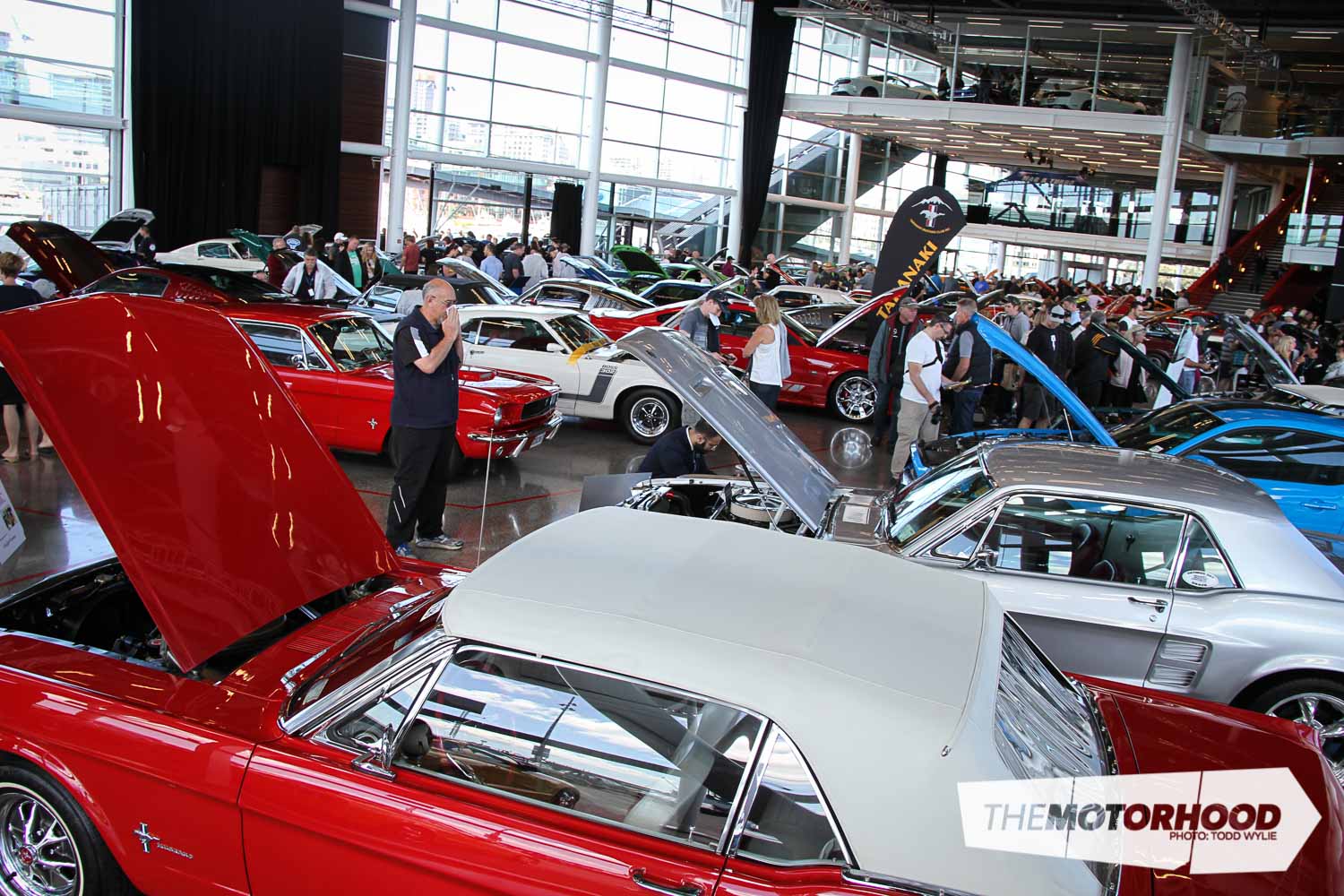
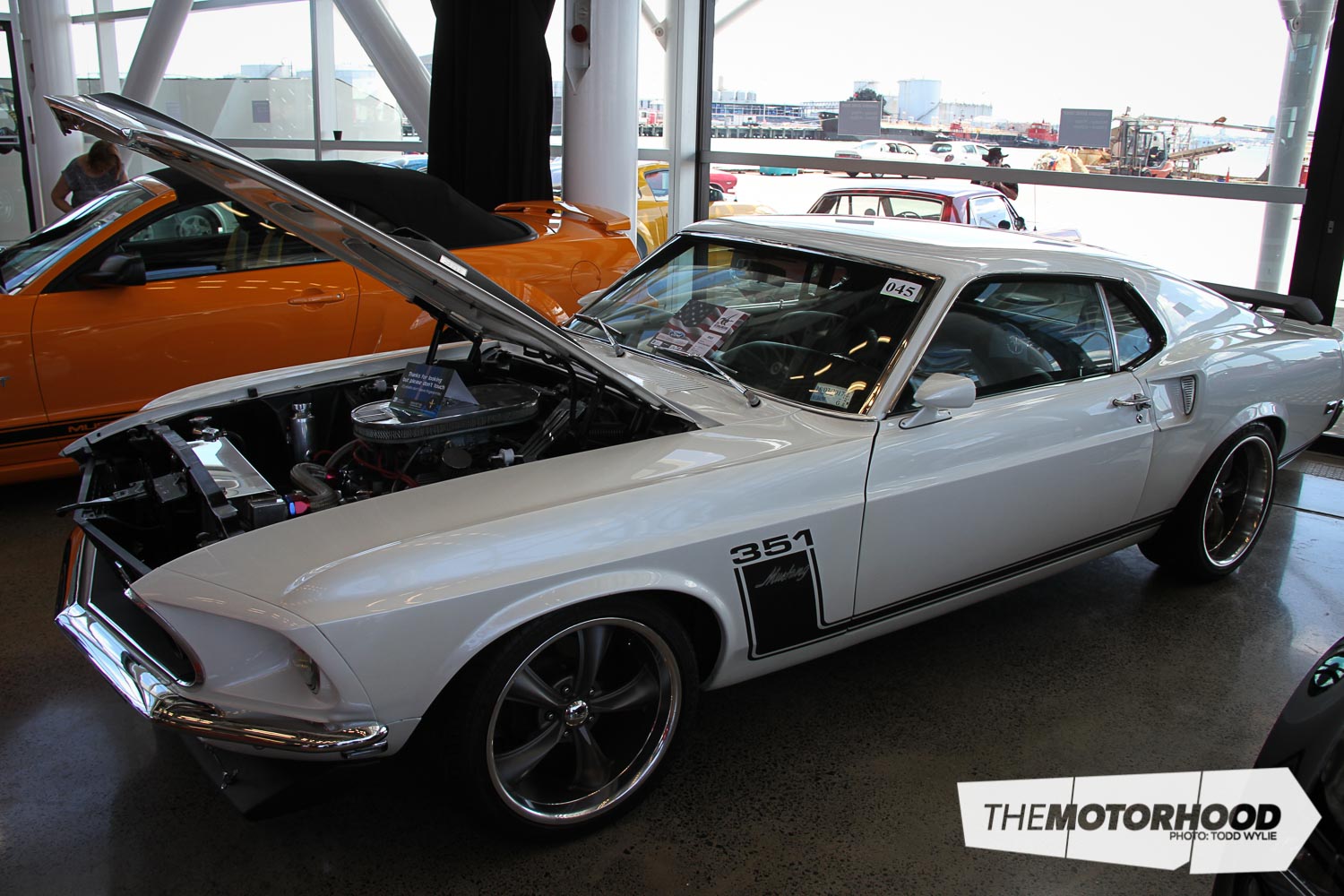
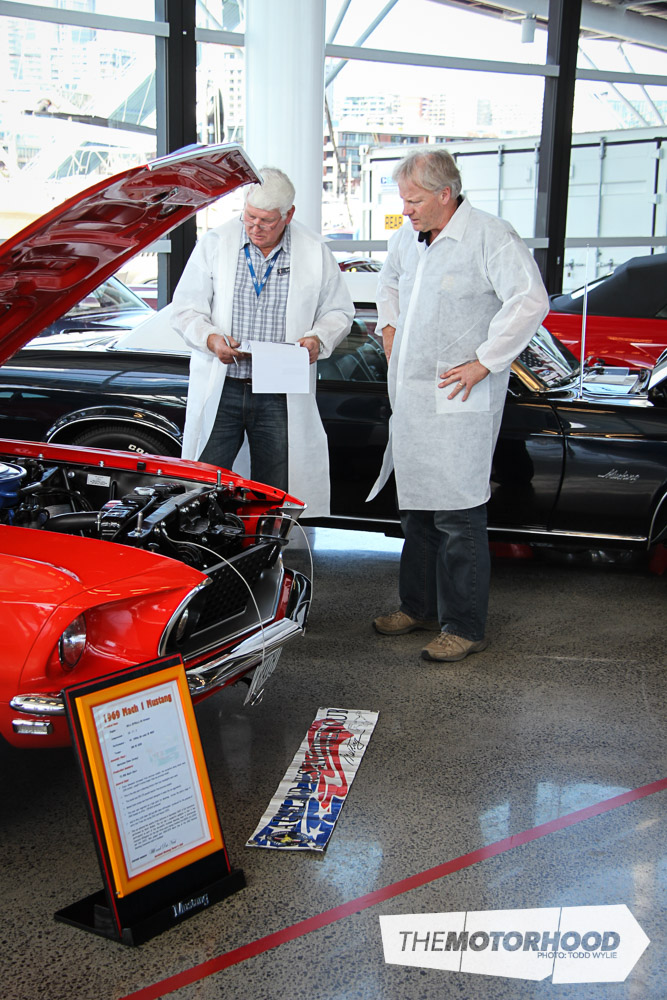
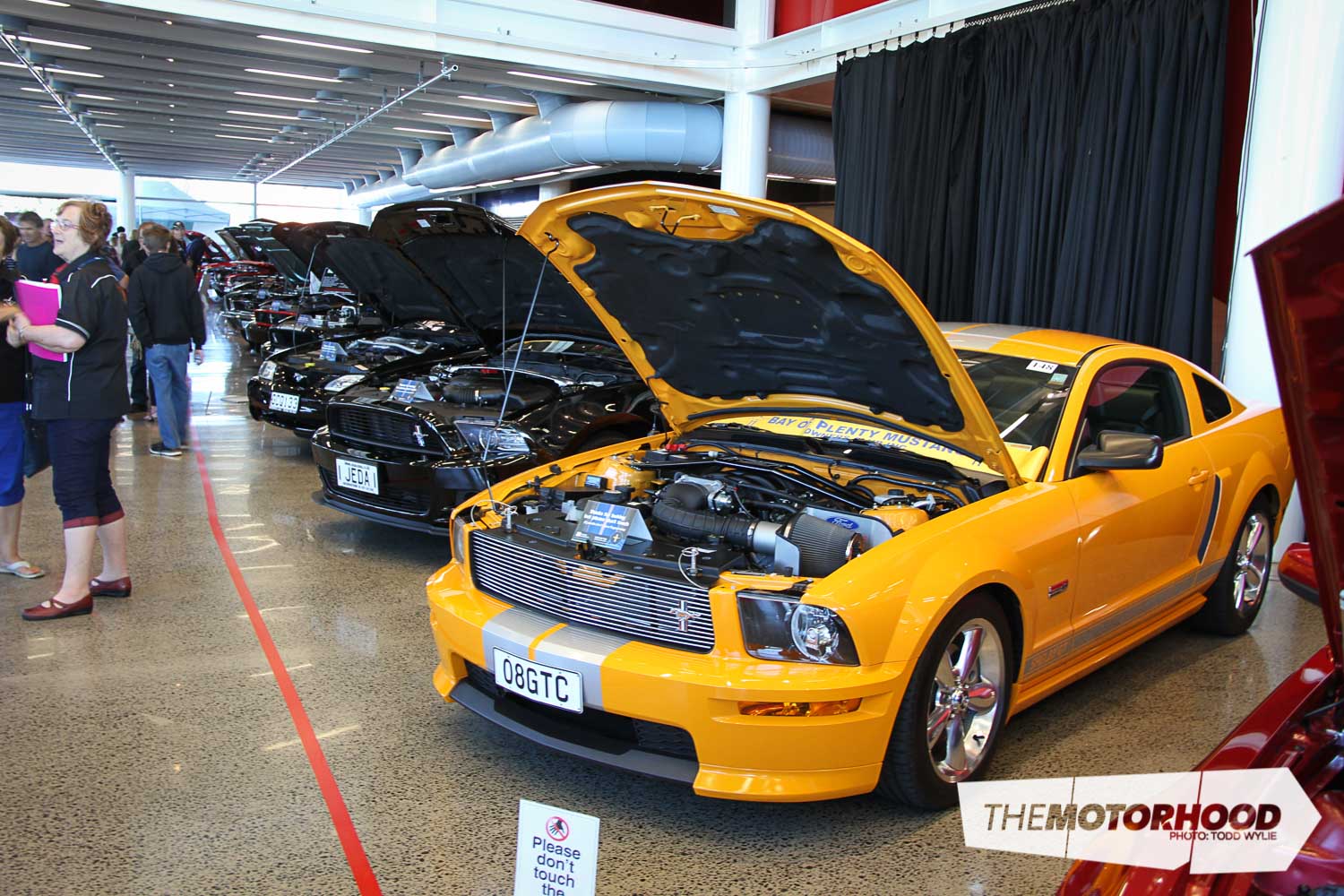
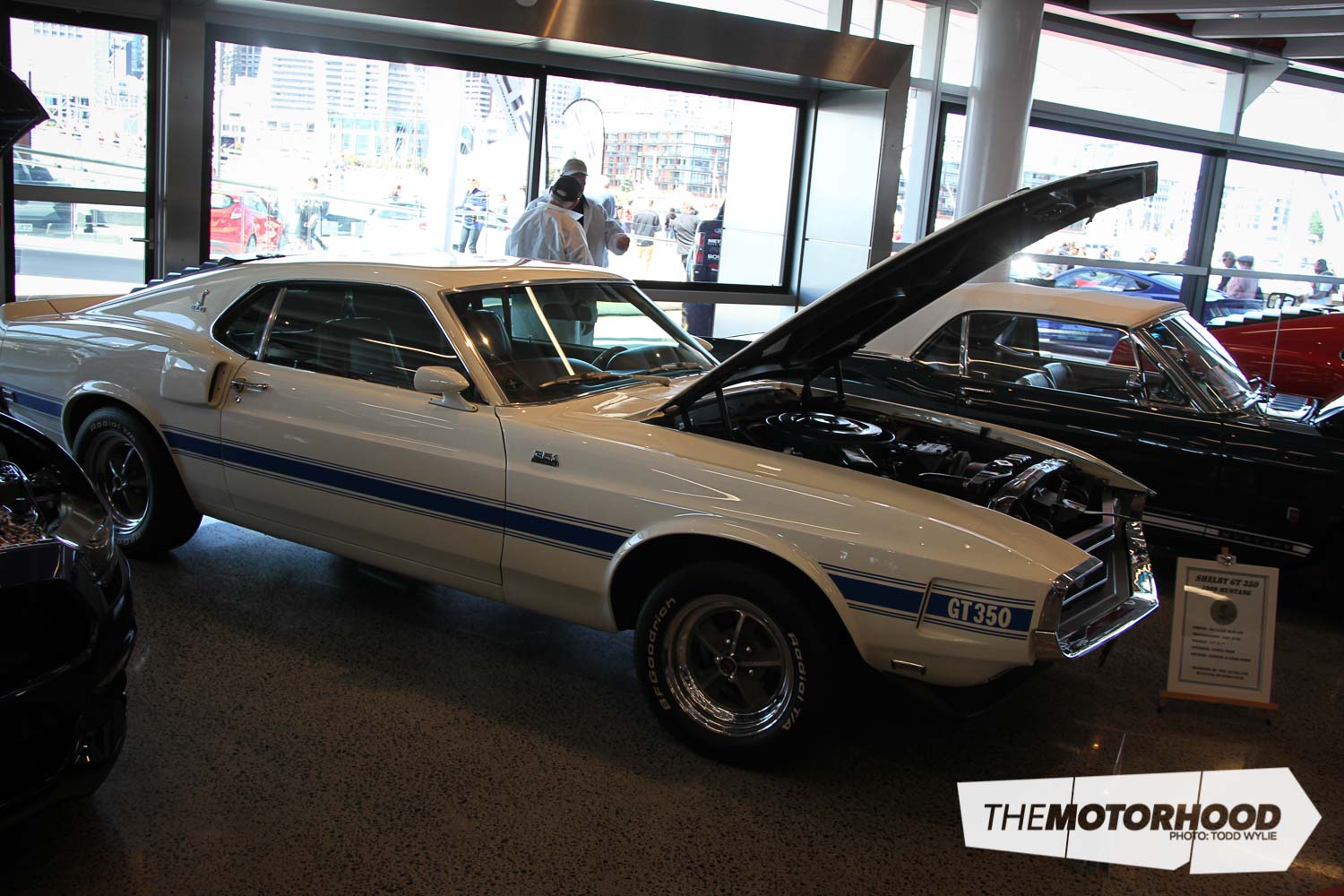
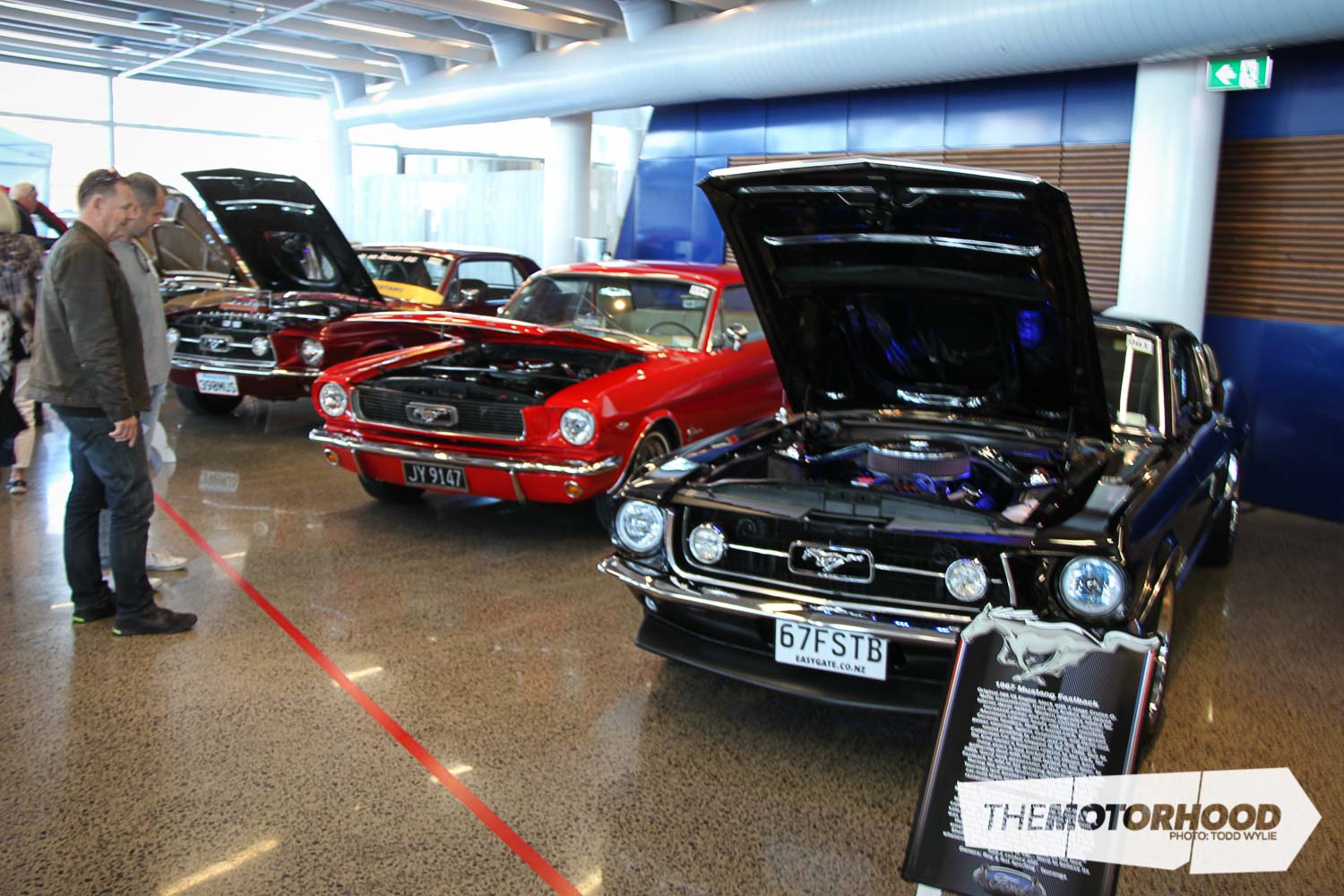
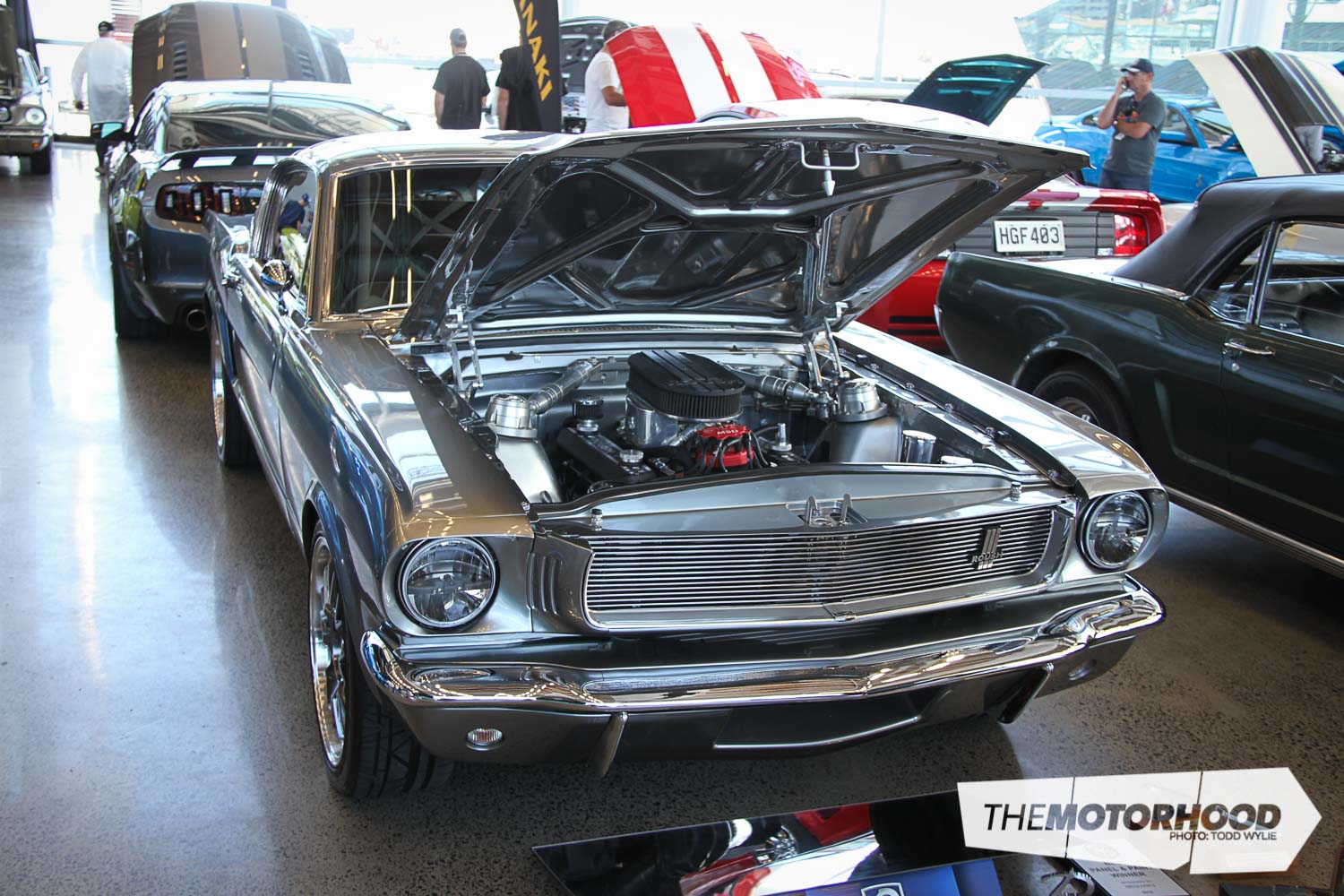
It was the first time that the relatively new building had been used for a car show, and it couldn’t have gone any better. The building’s three levels hosted more than 100 Mustangs on display, of all types and ages, with even more vehicles outside in an ever-rotating car-park display.
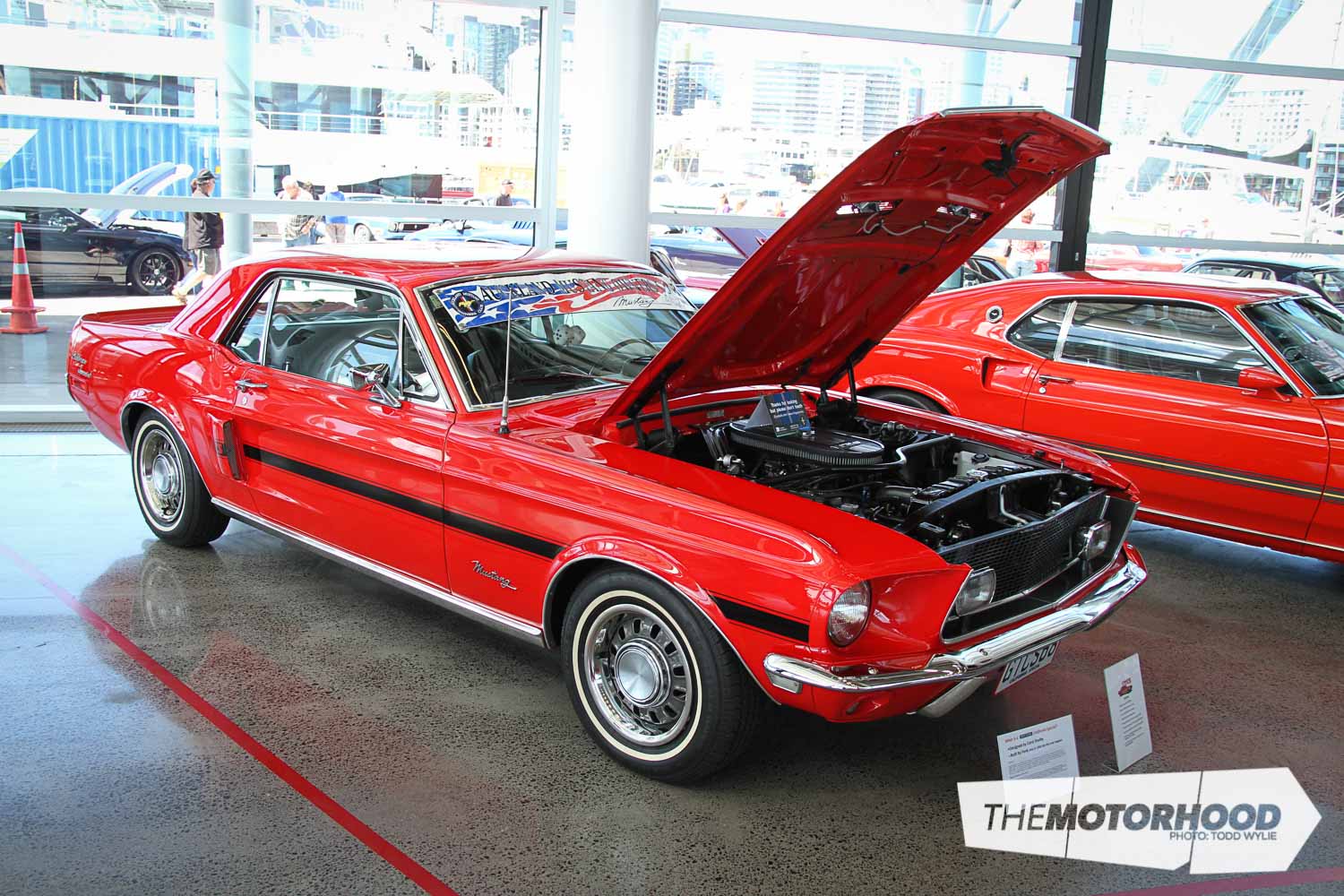
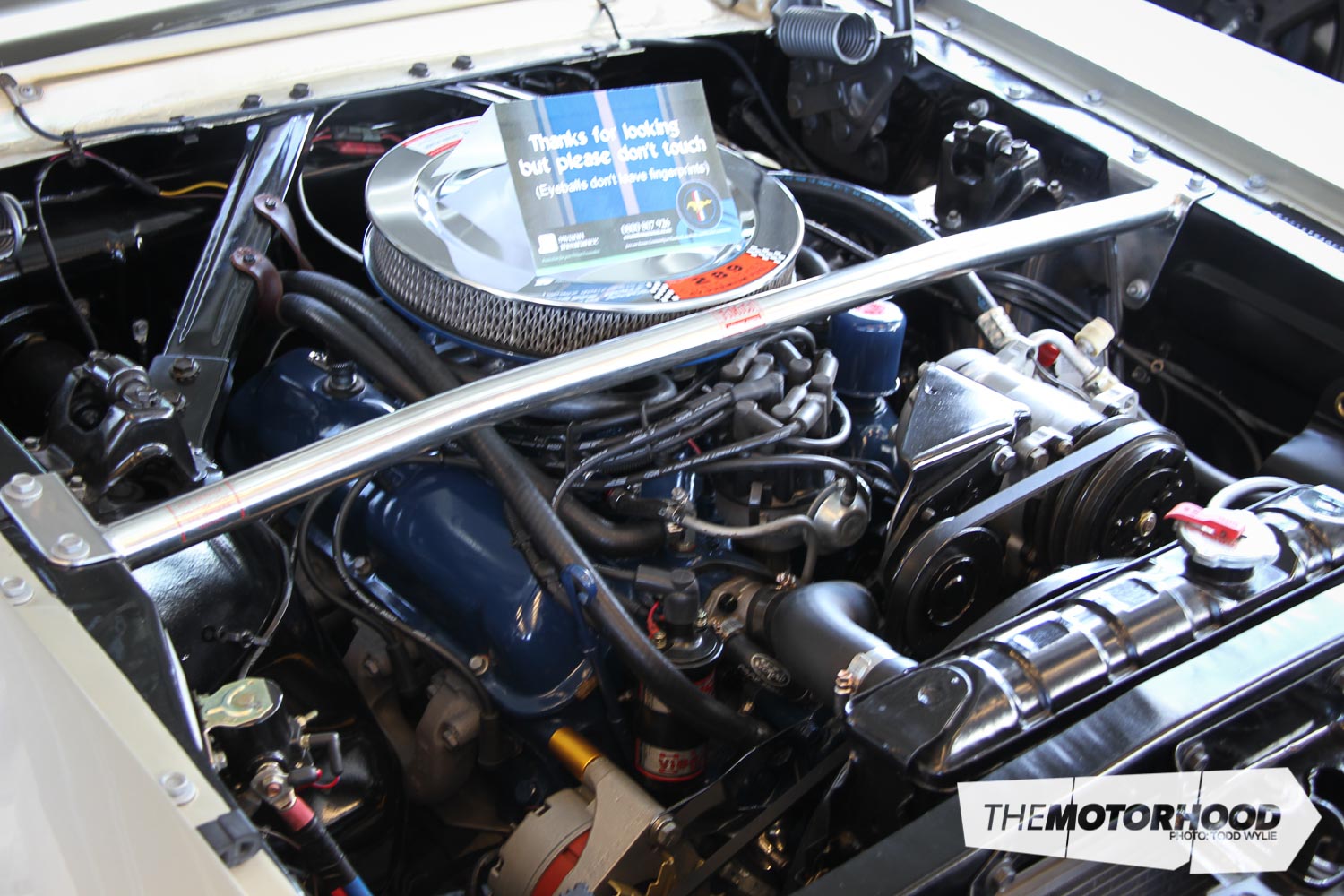
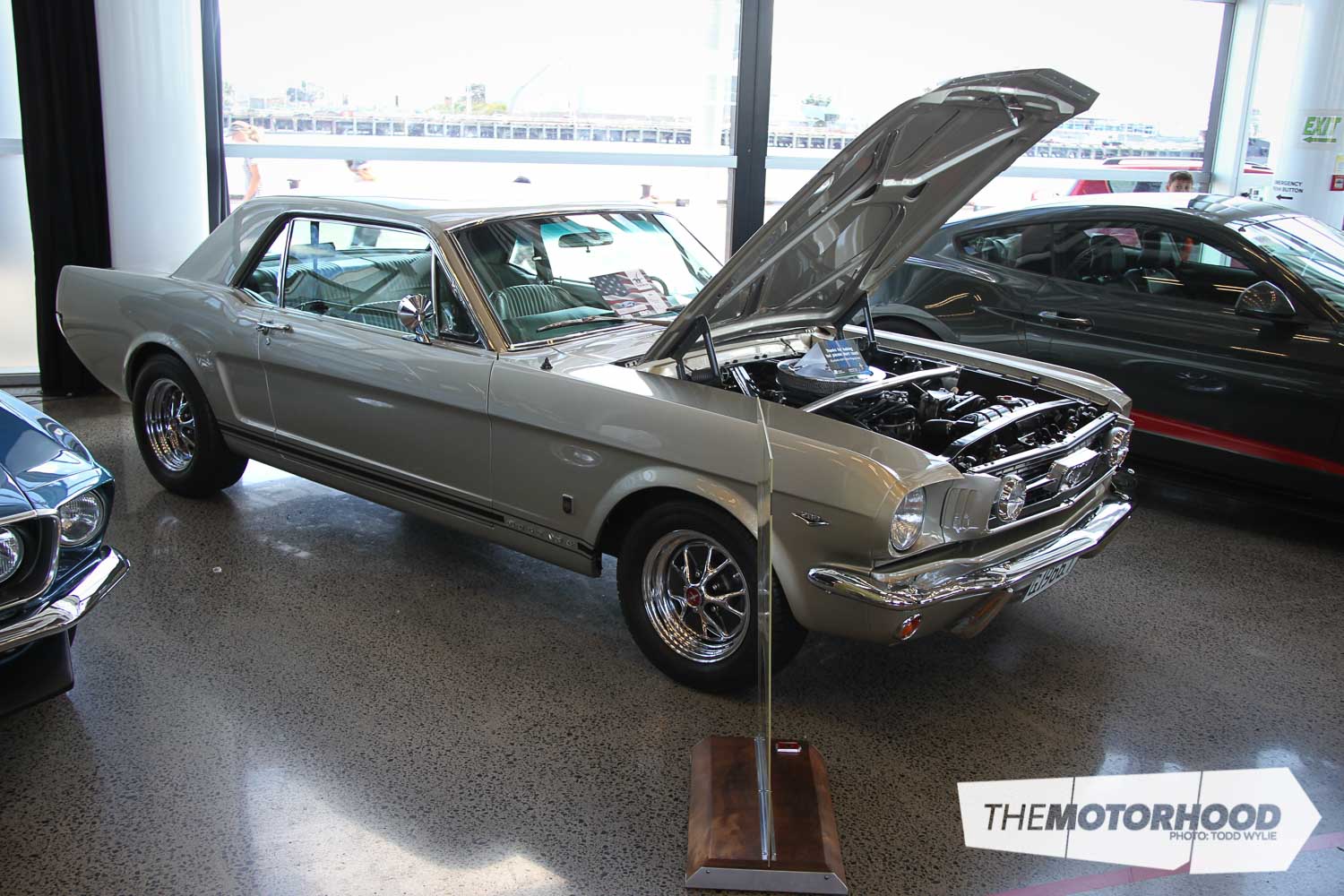
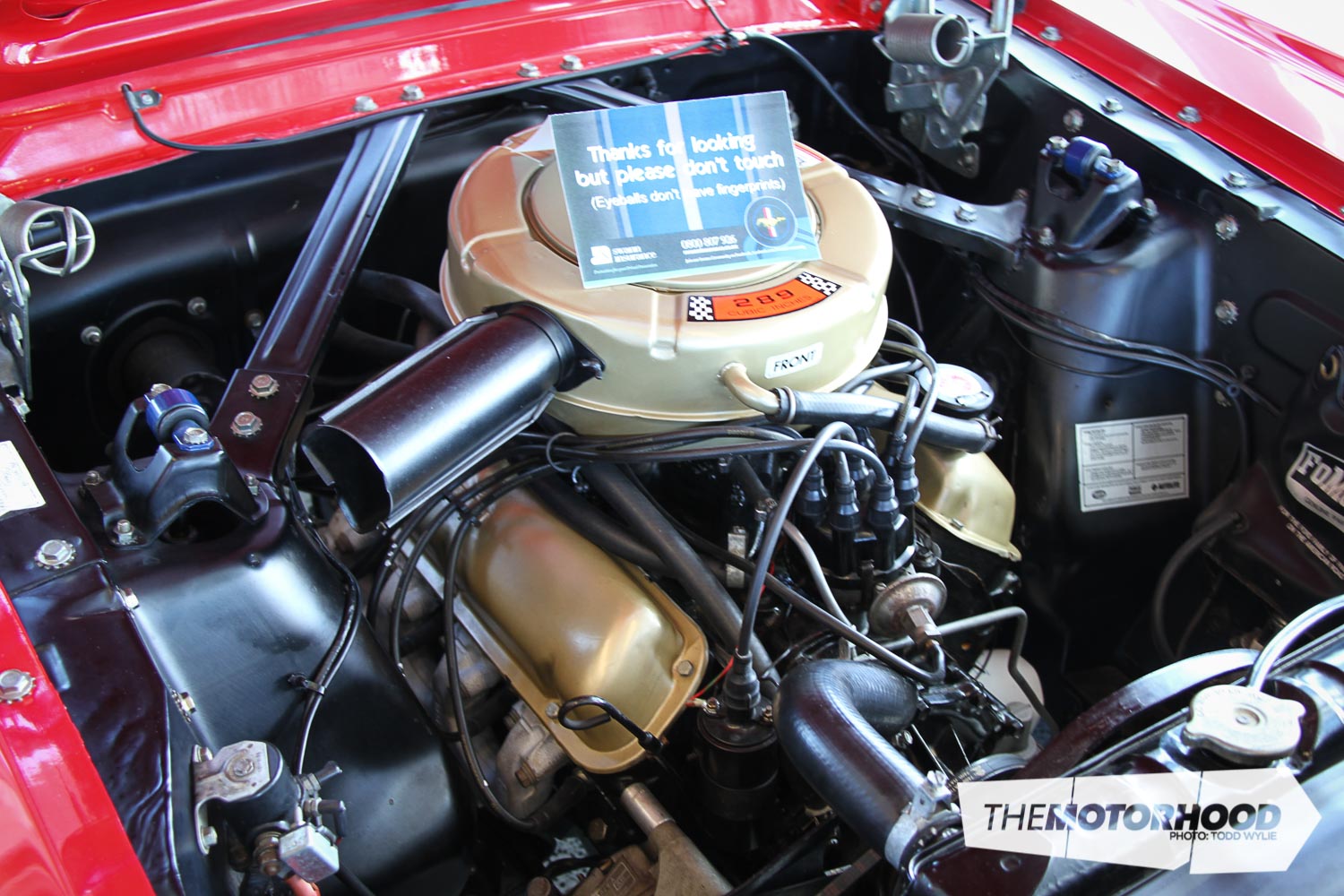
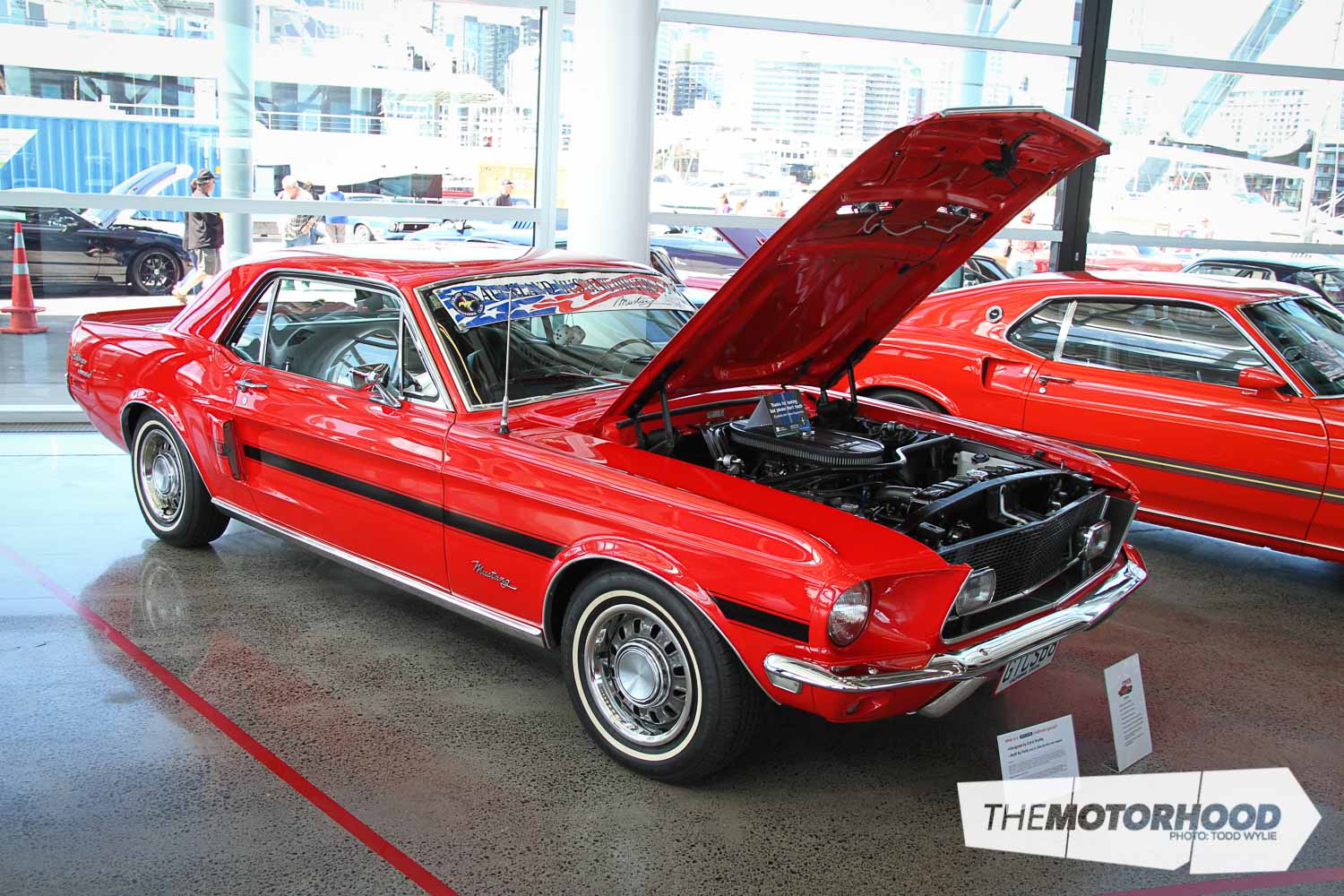
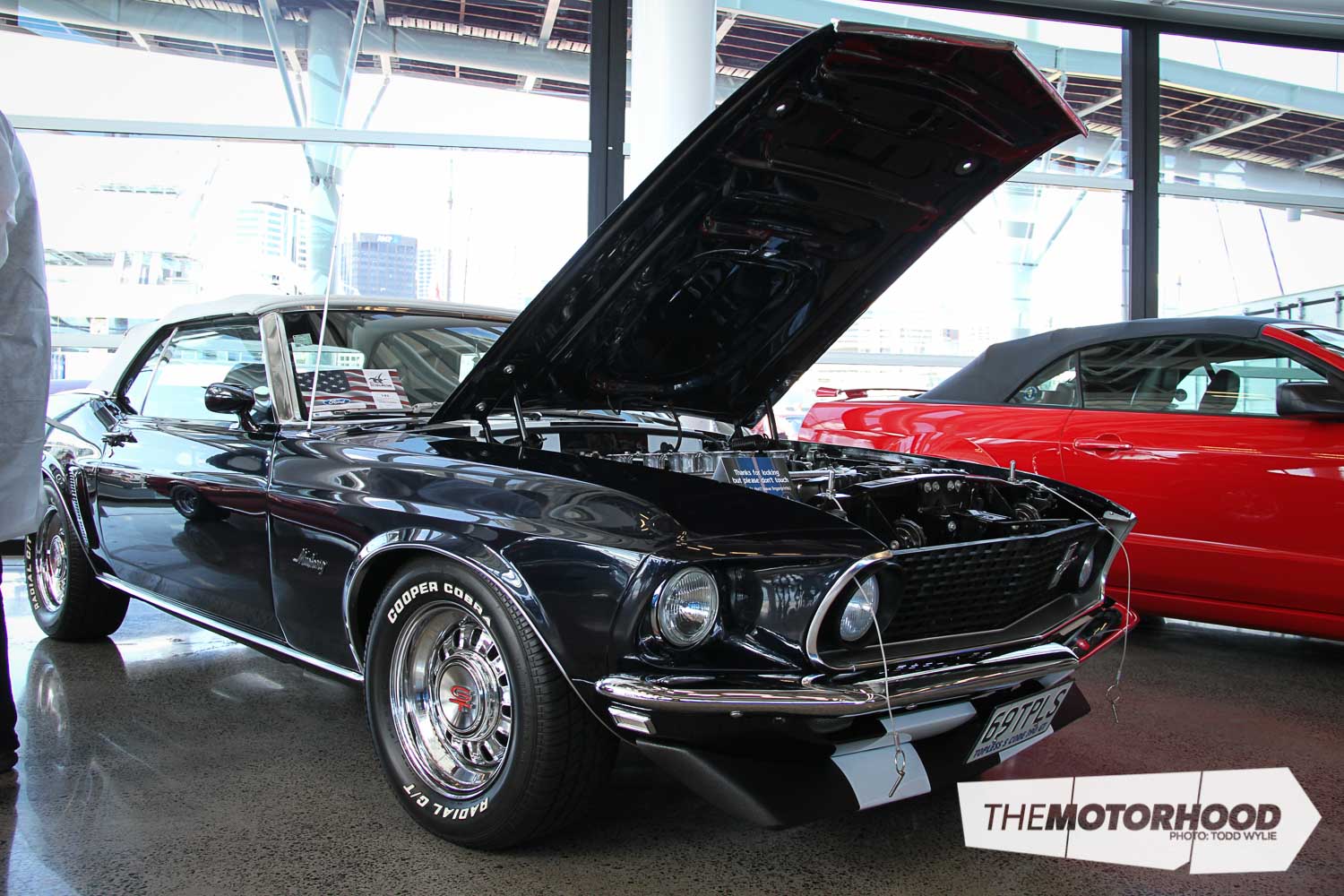
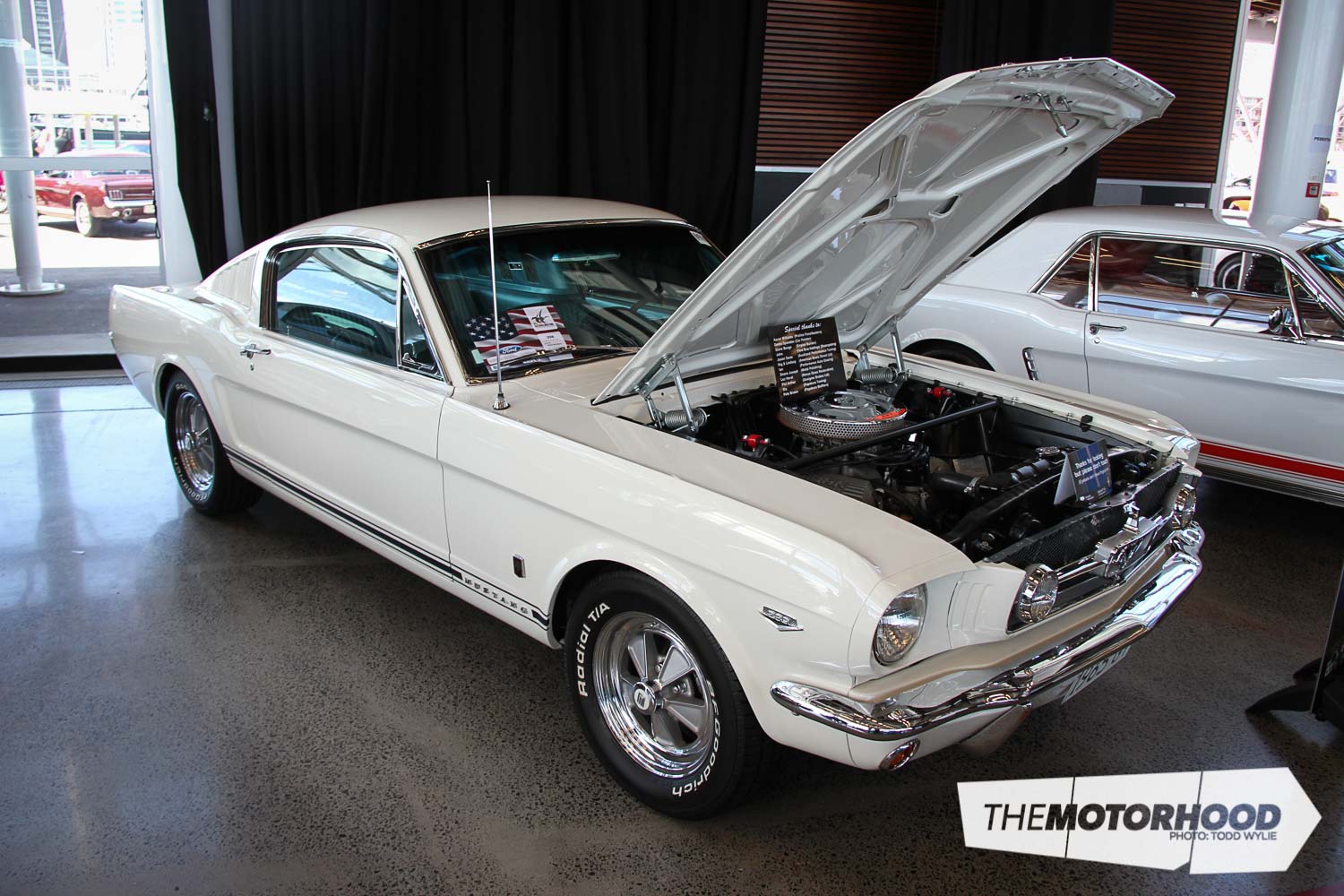
The majority of the vehicles were on the ground floor and ranged from amazingly restored or preserved classics, such as this 1968 GT/CS California Special …
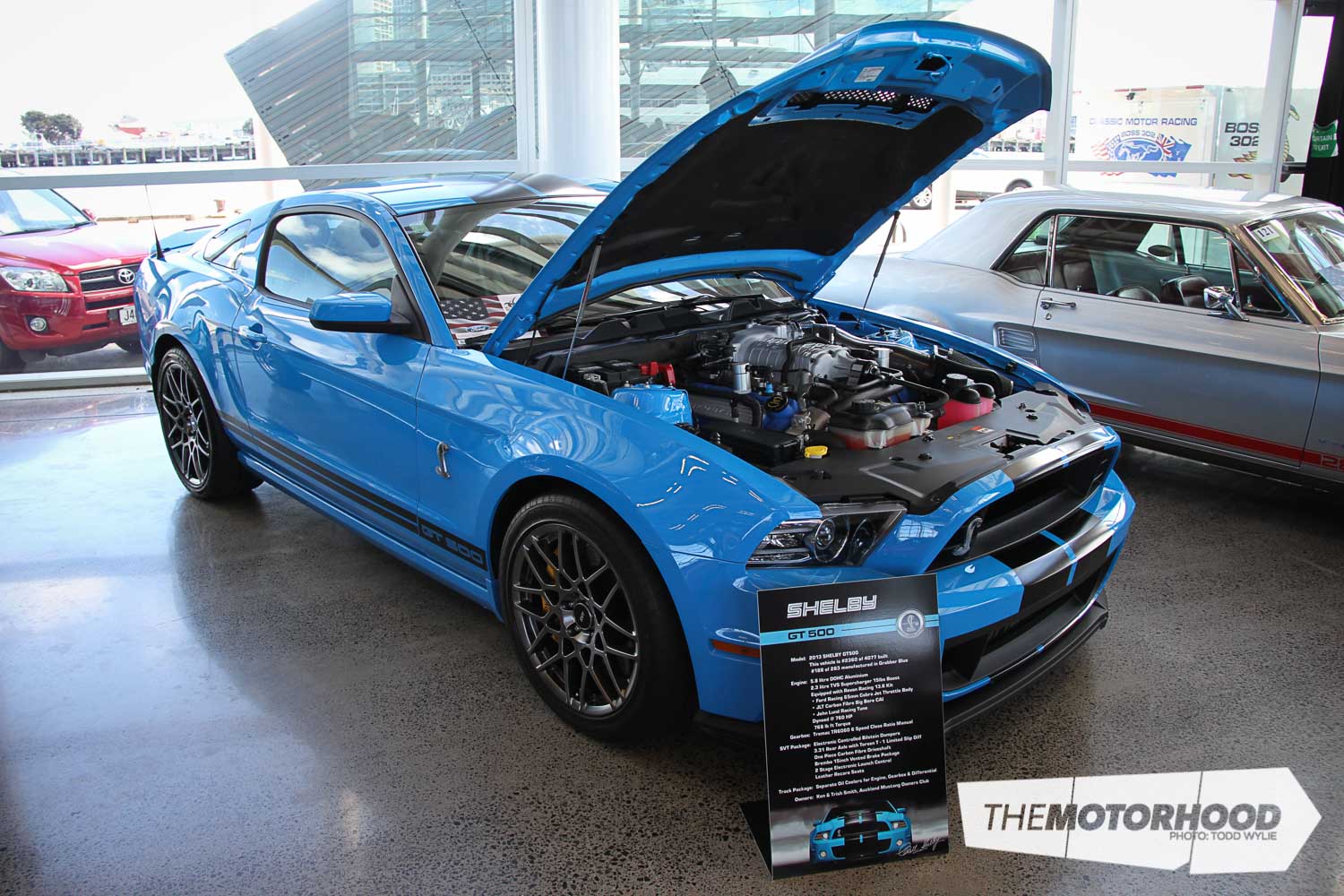
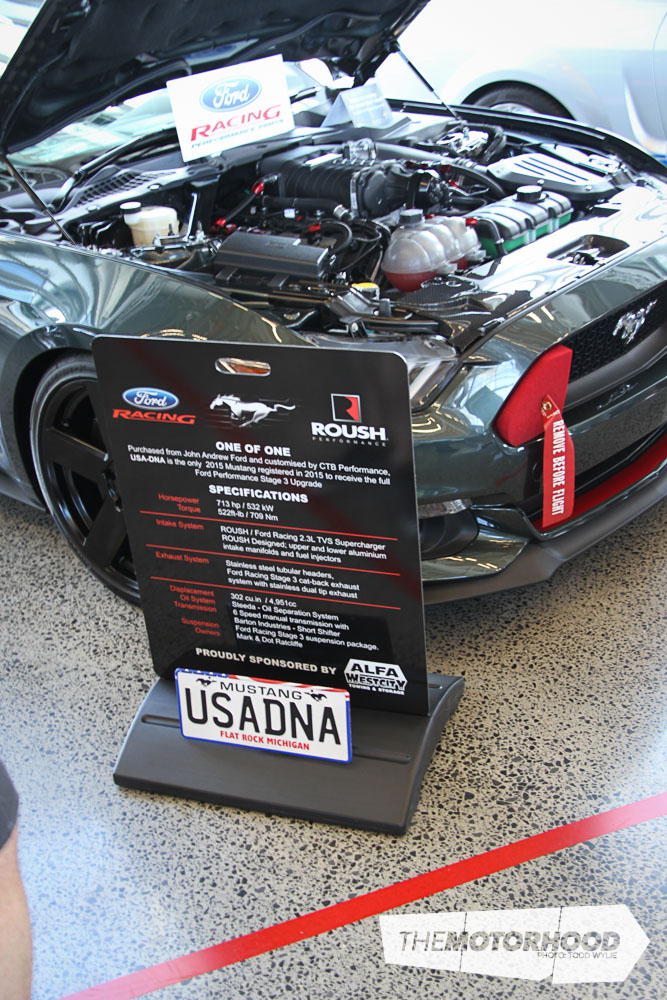
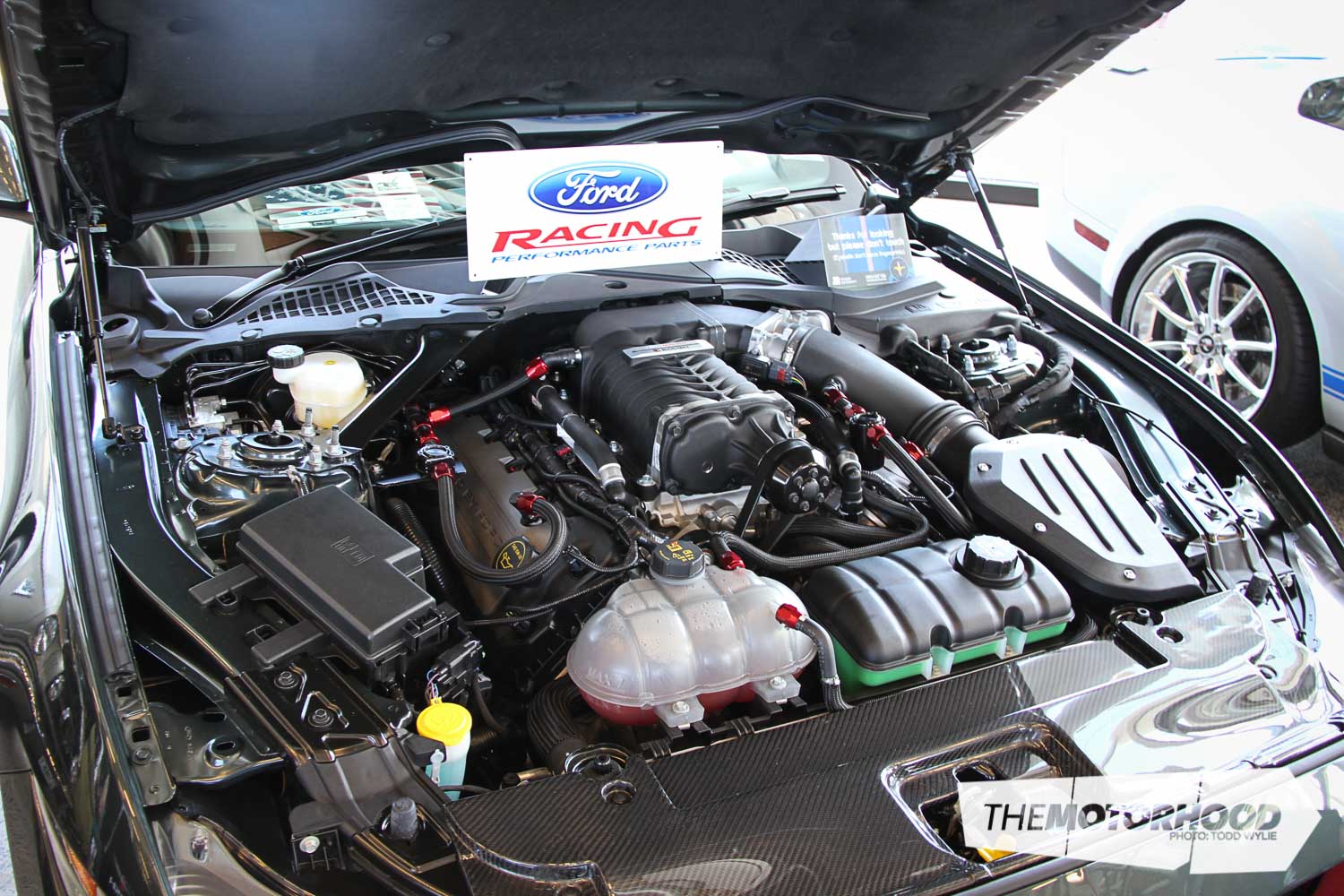
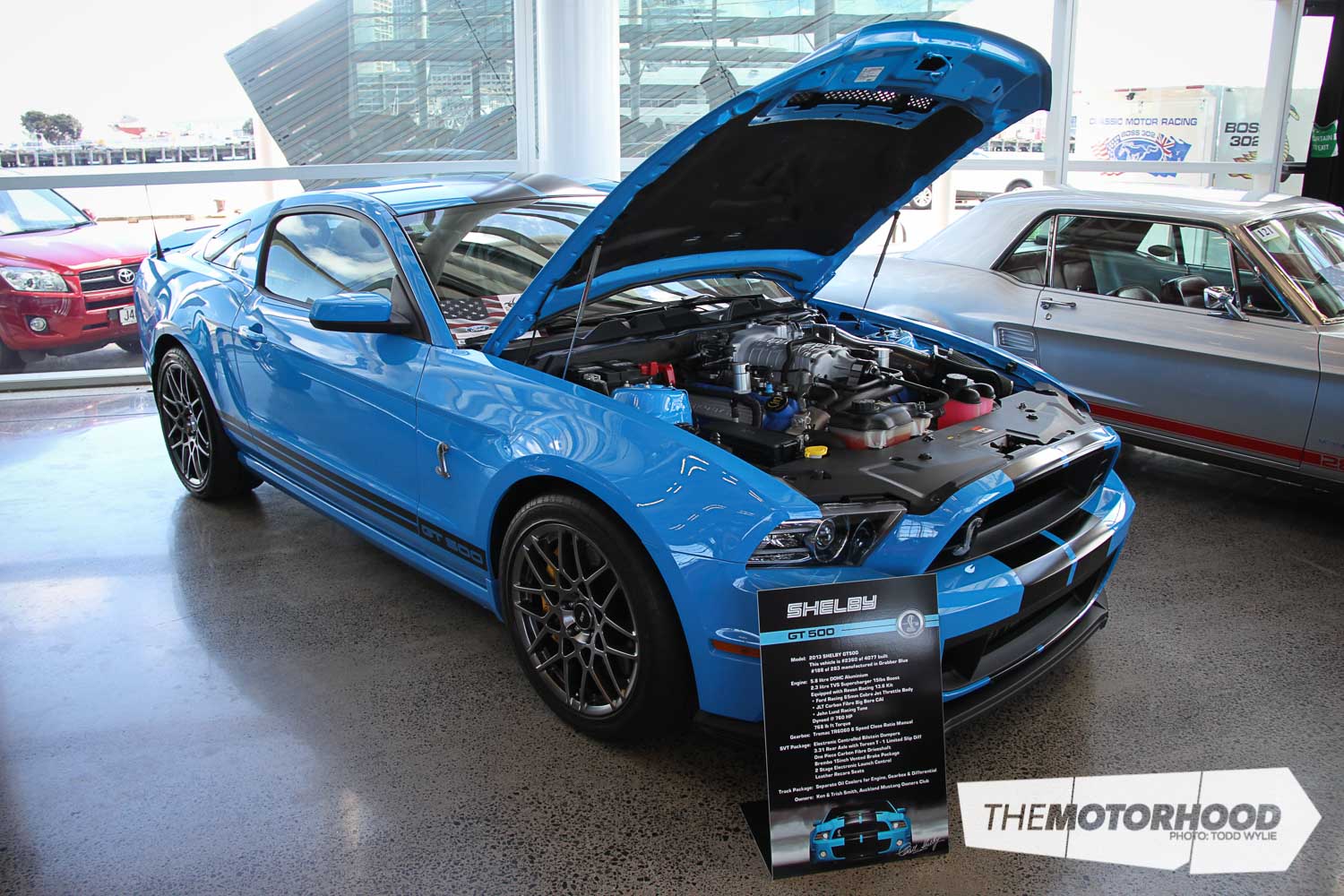
… right through to more modern modified variants, such as this supercharged 2013 Shelby GT.
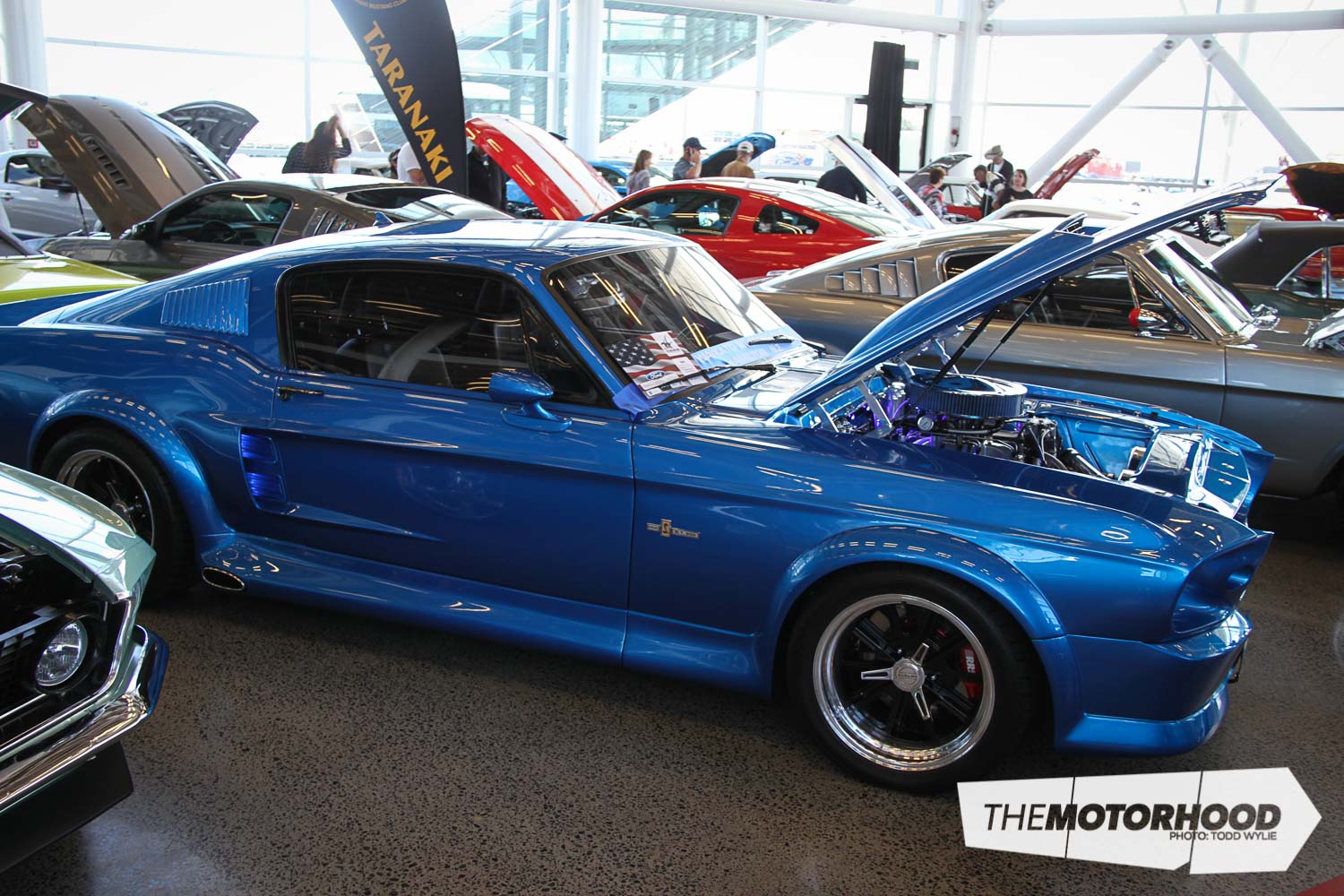
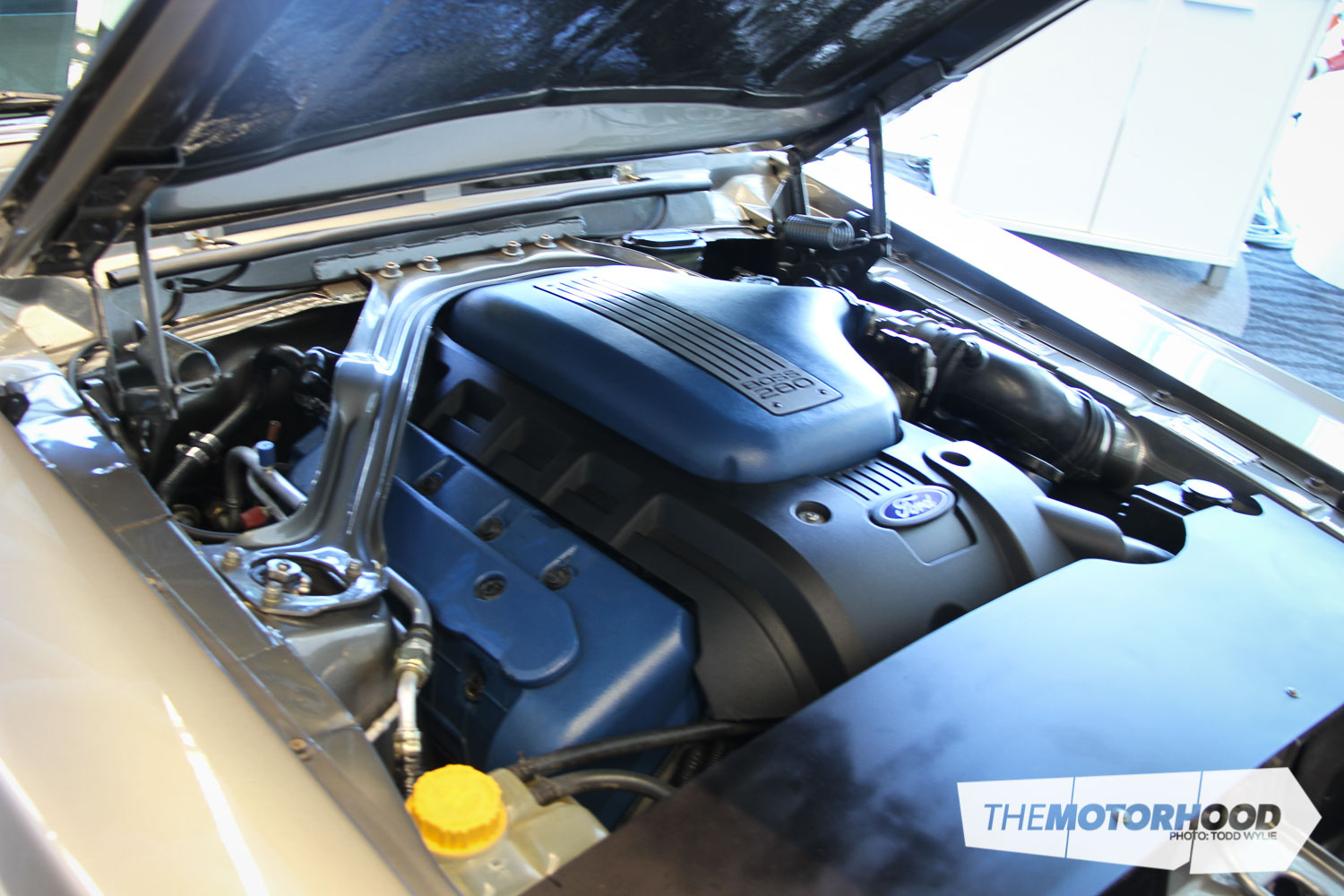
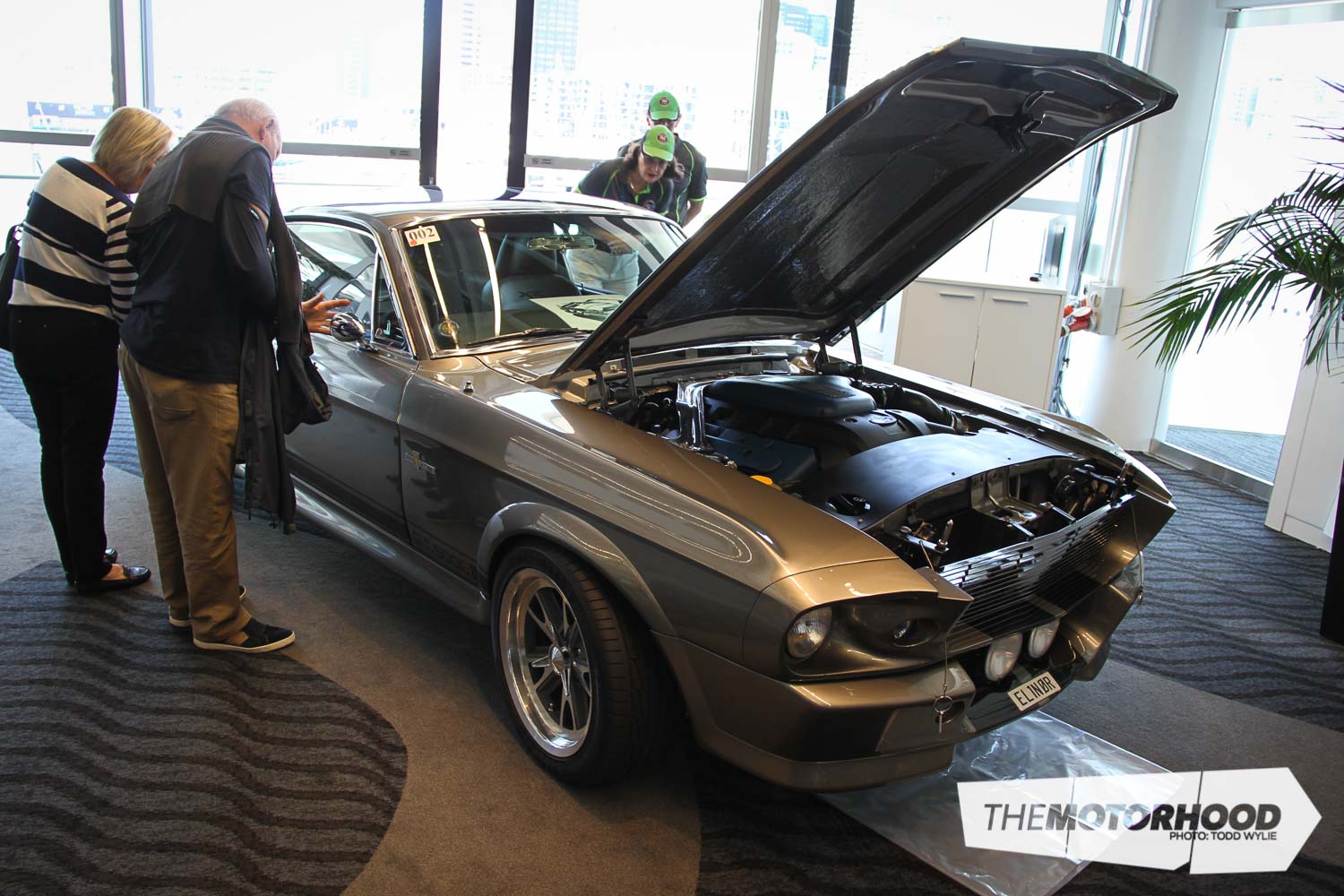
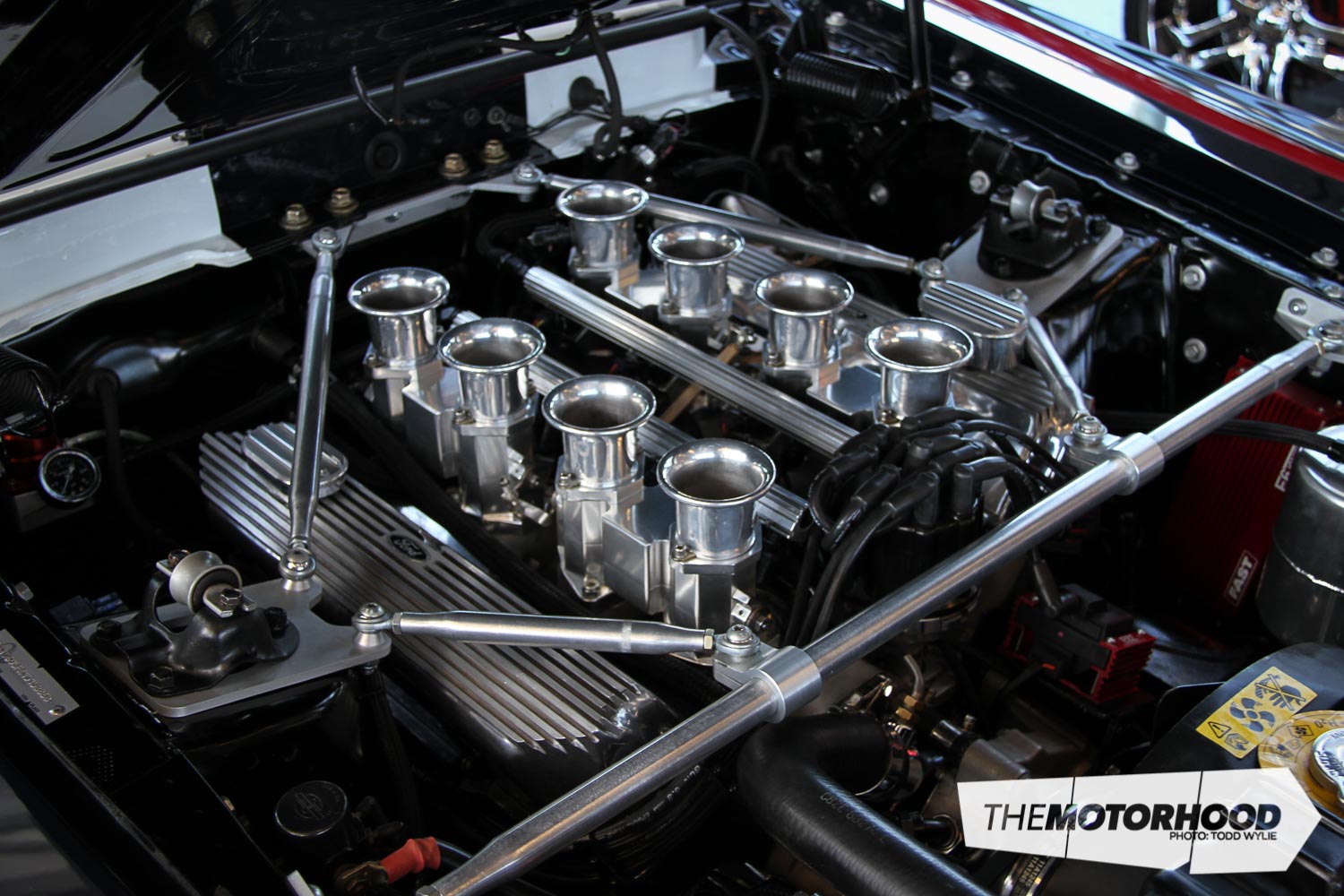
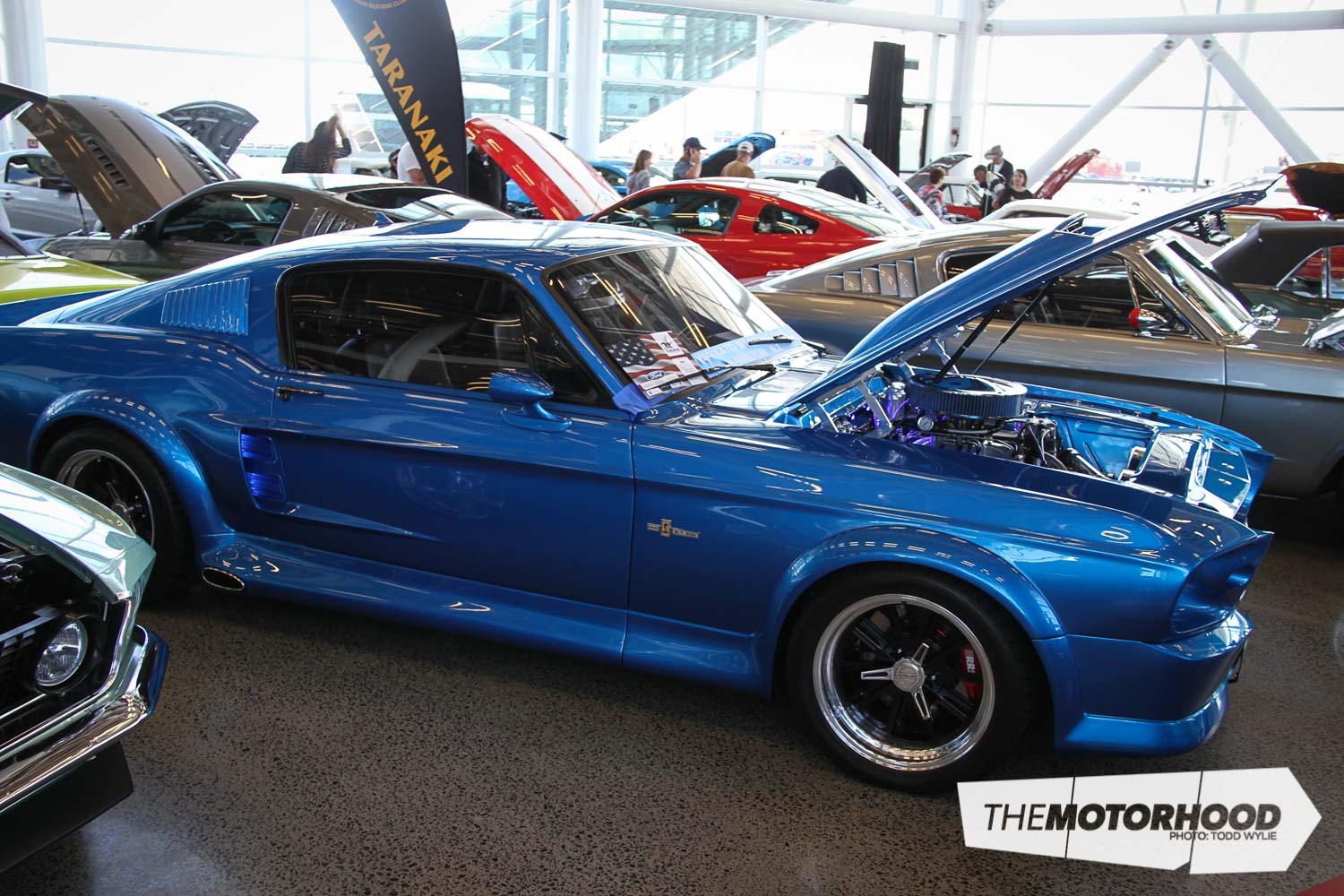
Of the vehicles on display, it’d be fair to say Frazer MacKenzie’s hand-built all-steel Eleanor was the most modified, and the car looked as if the paint was still wet, despite being on the road for a few years now.
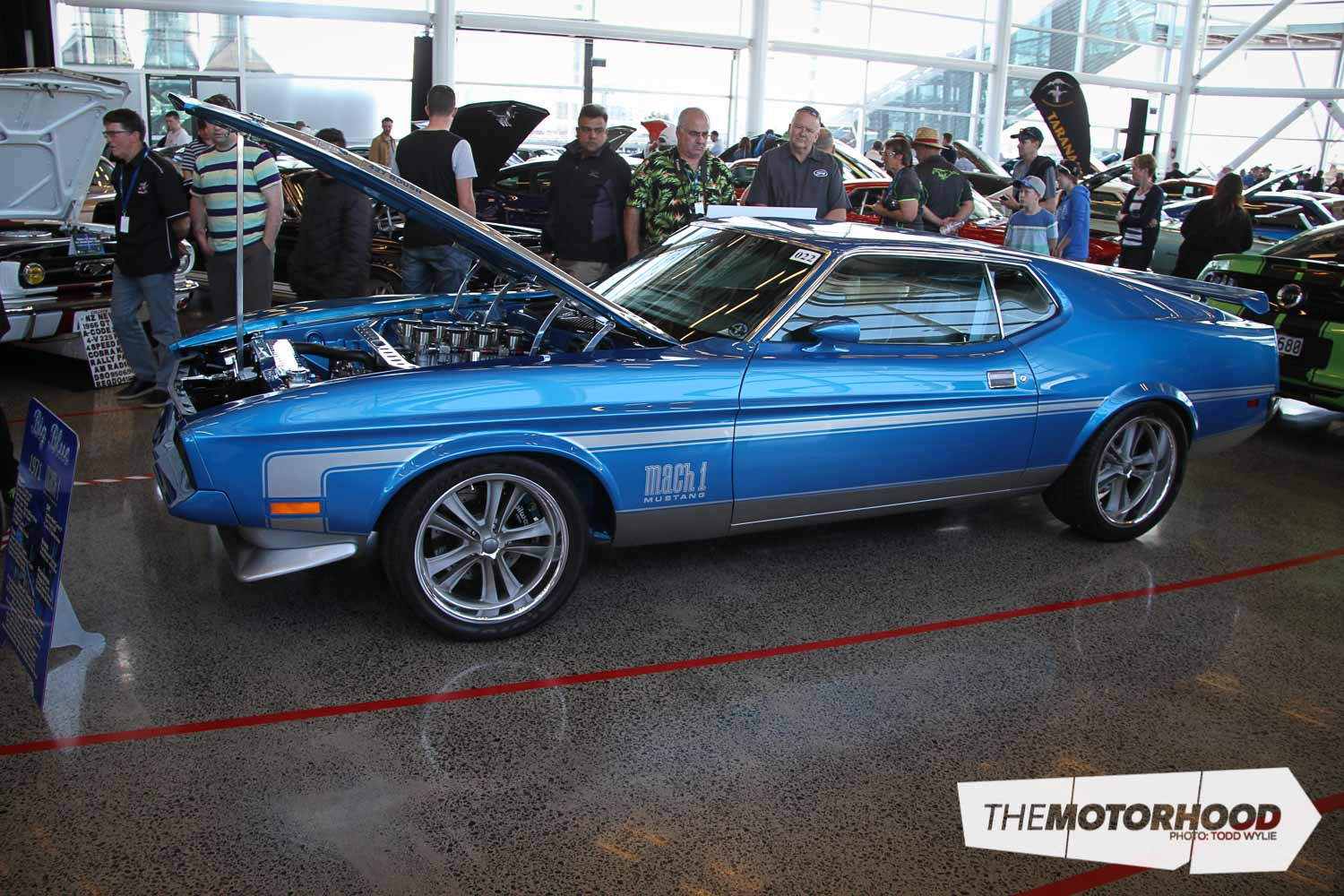
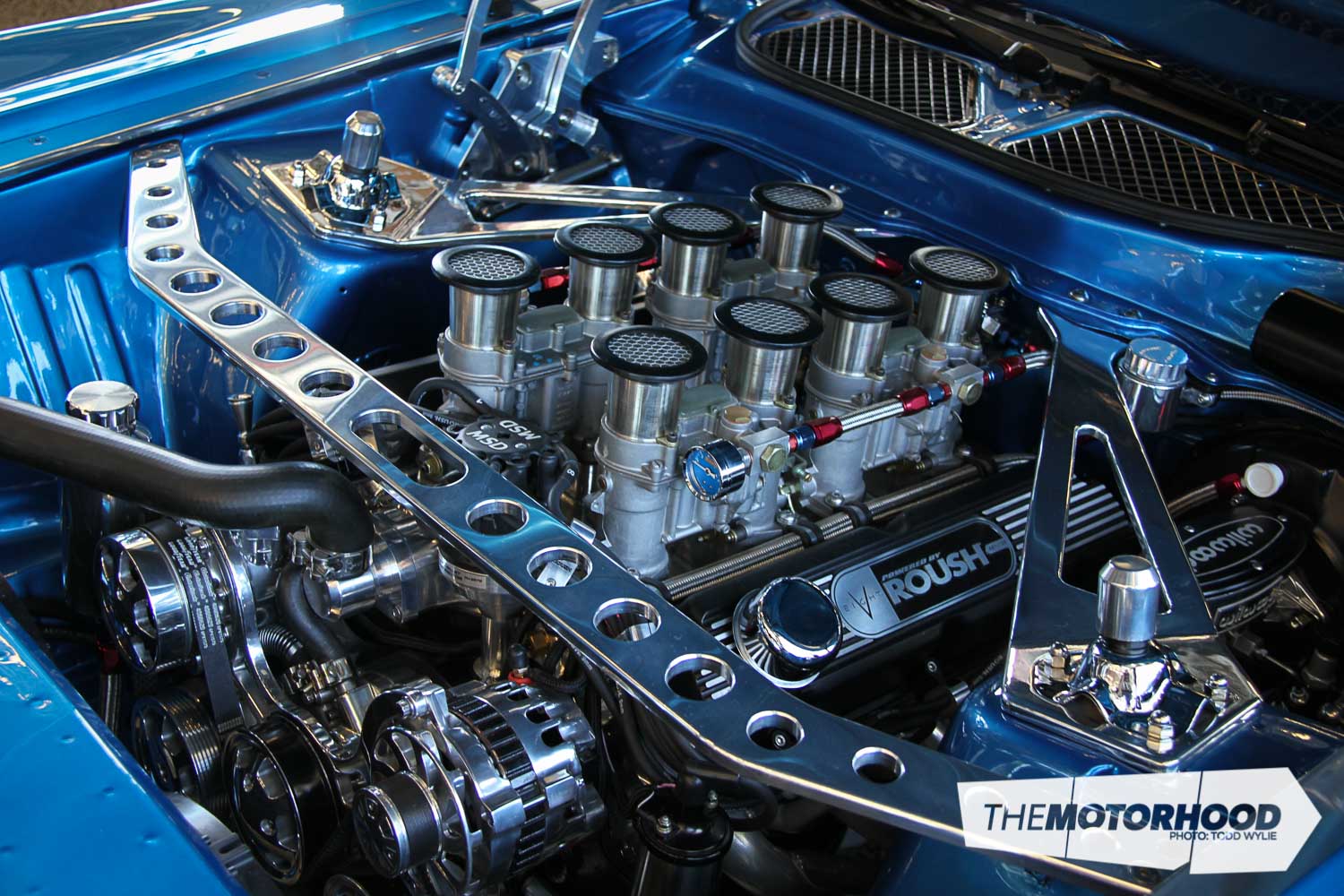
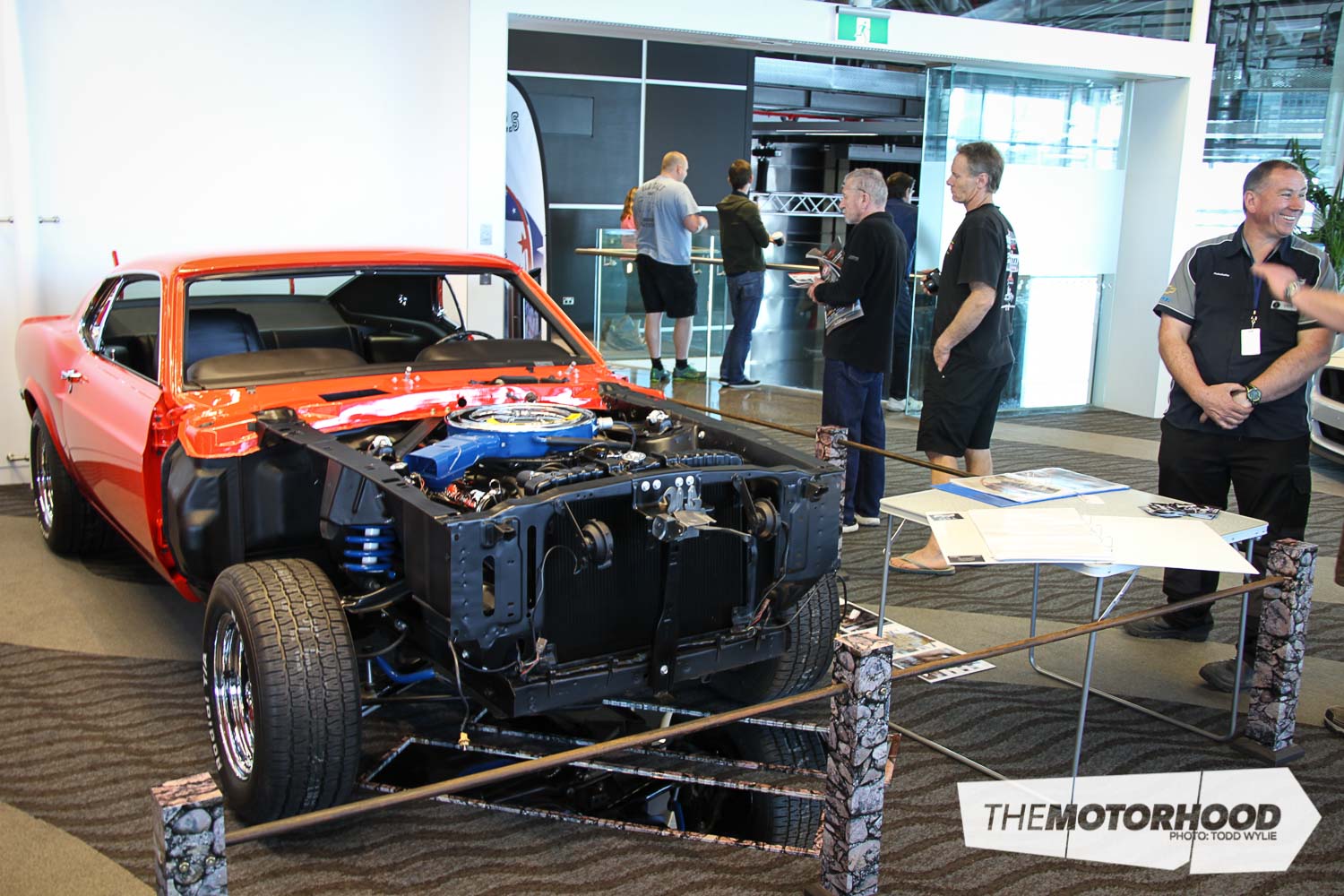
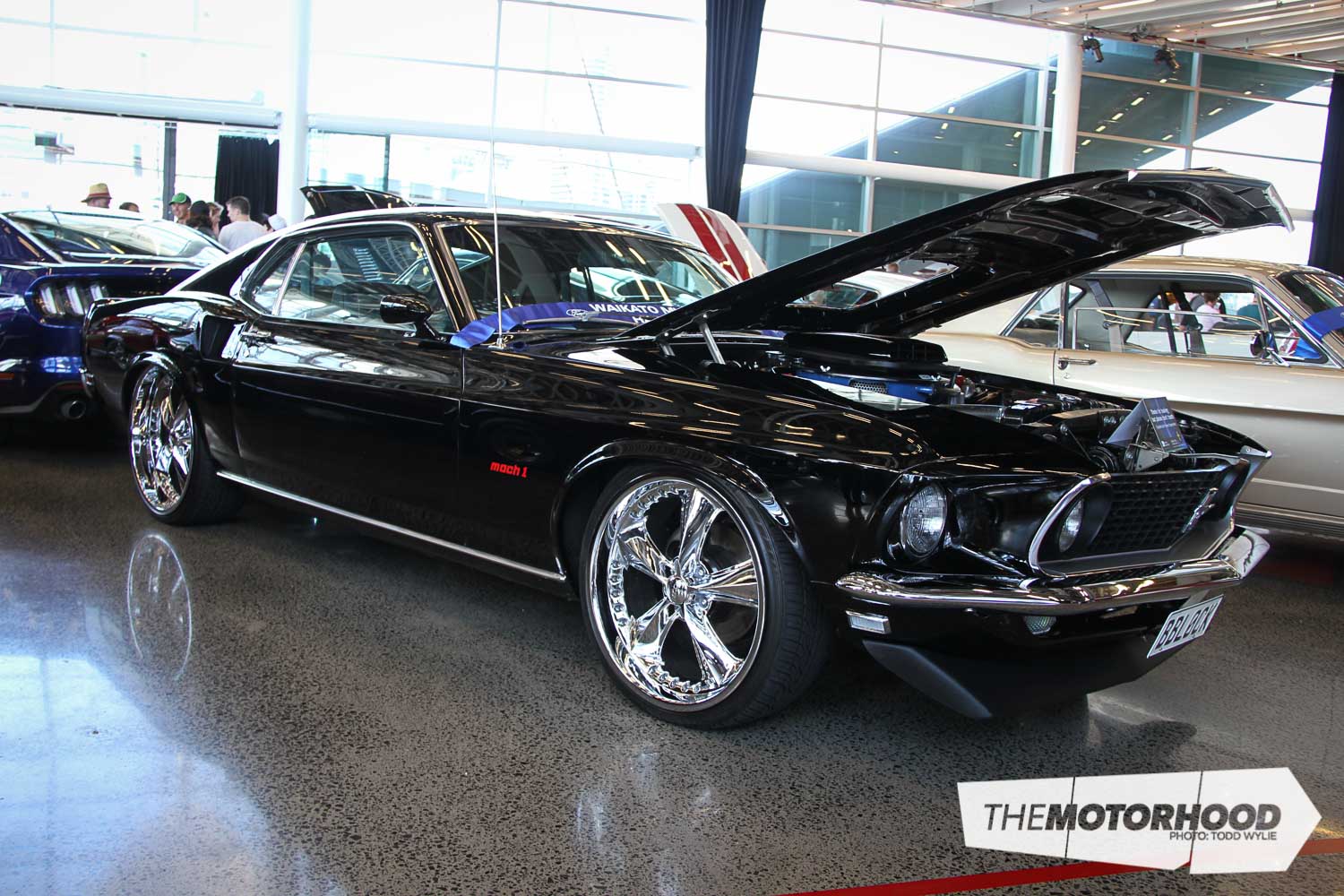
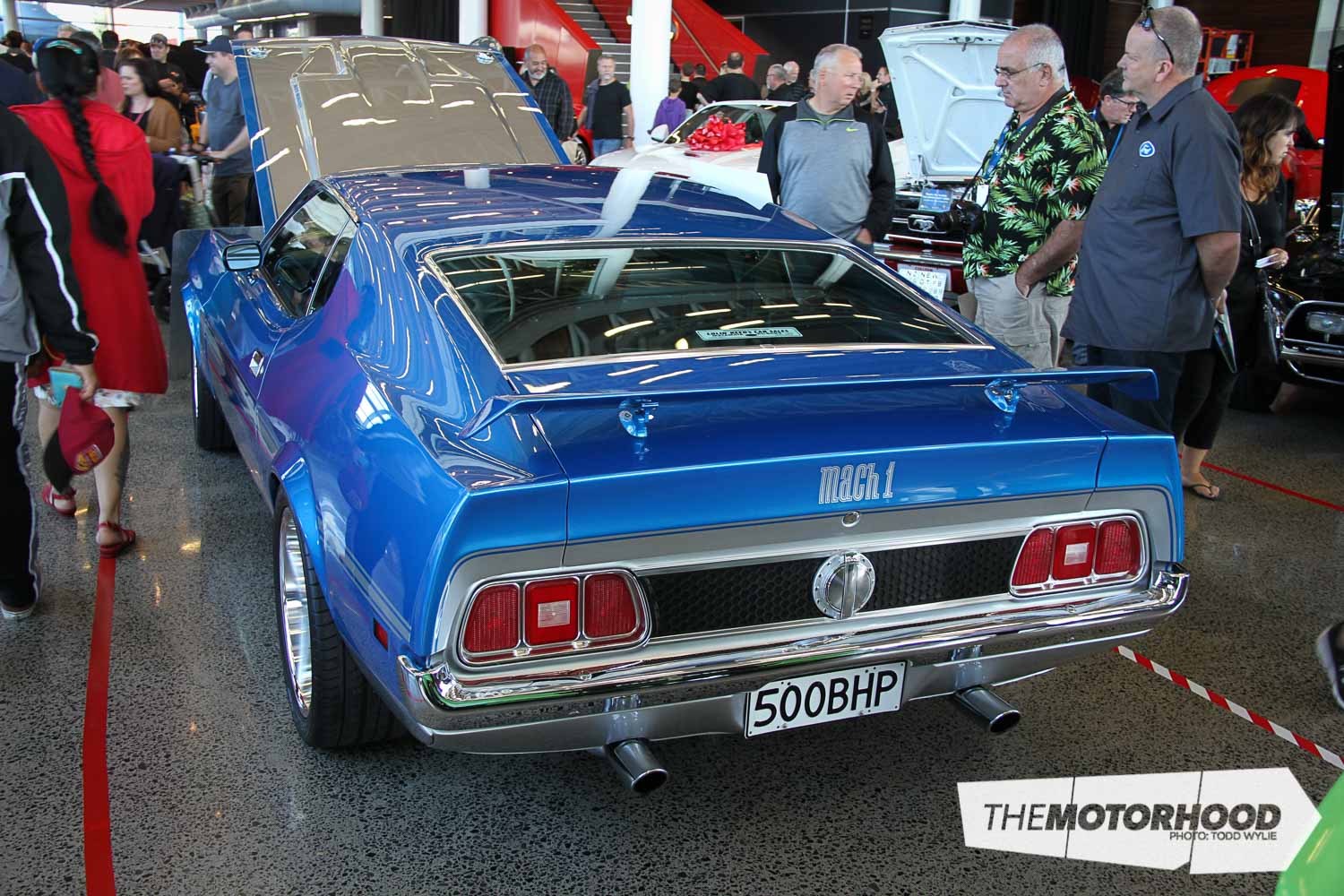
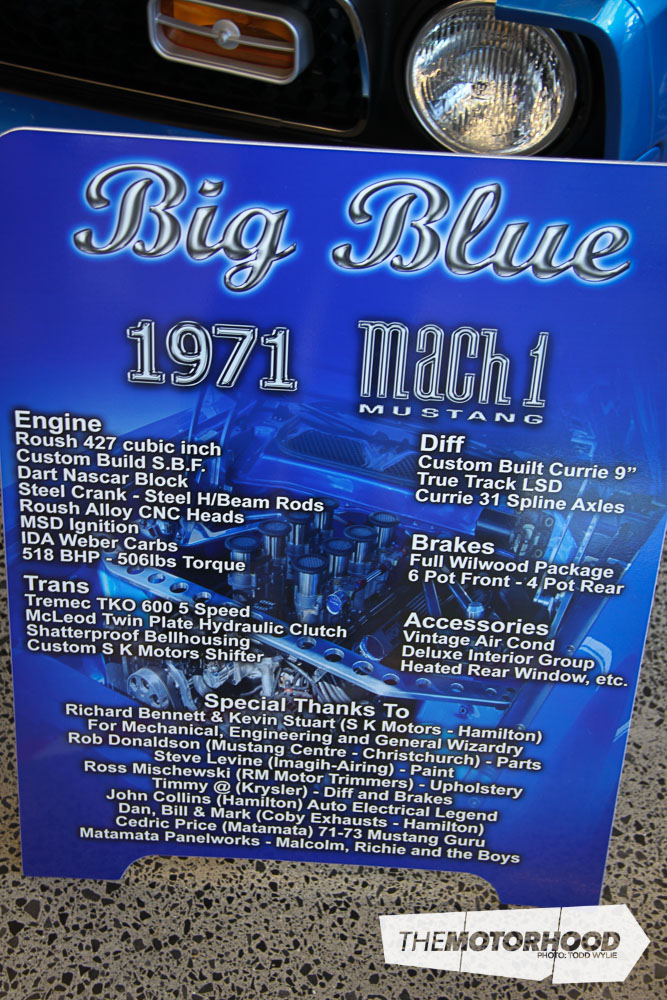
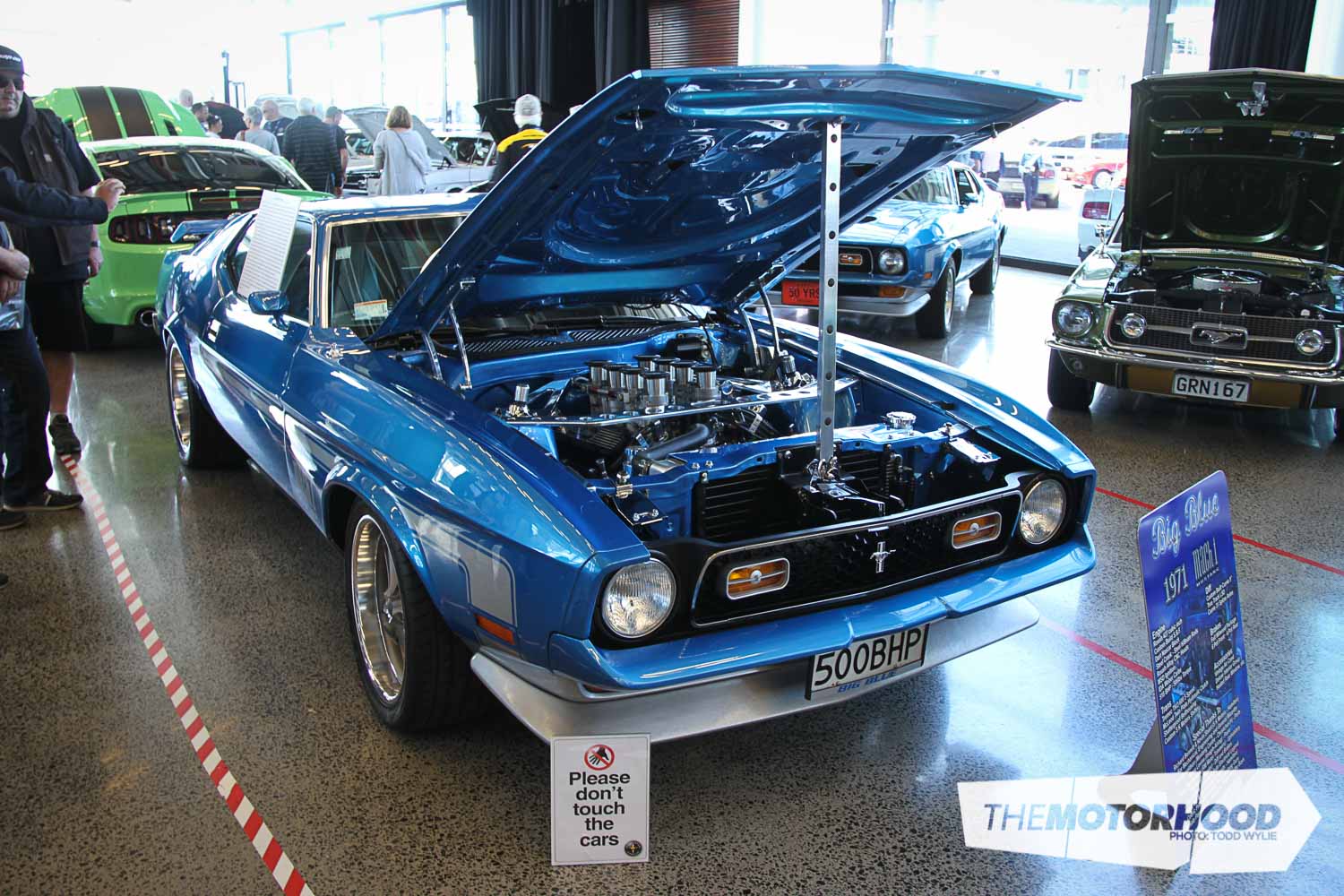
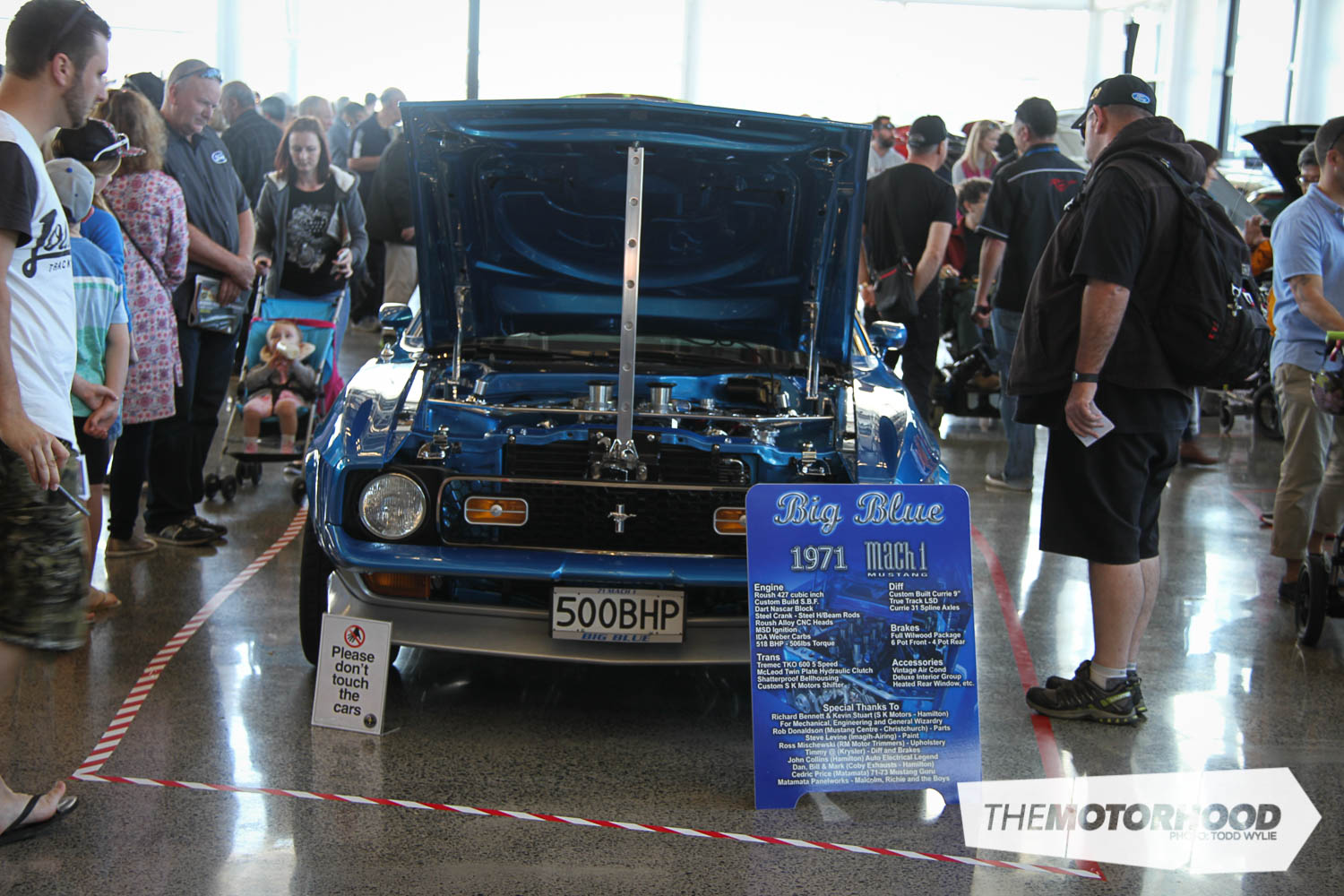
What grabbed our attention was the 1971 Mach 1 of Nathan and Colin Reed. This was the car’s first public outing since it was pulled off the road for restoration in 1987. The car is a real credit to them, and one we look forward to featuring in the pages of NZV8 magazine shortly.
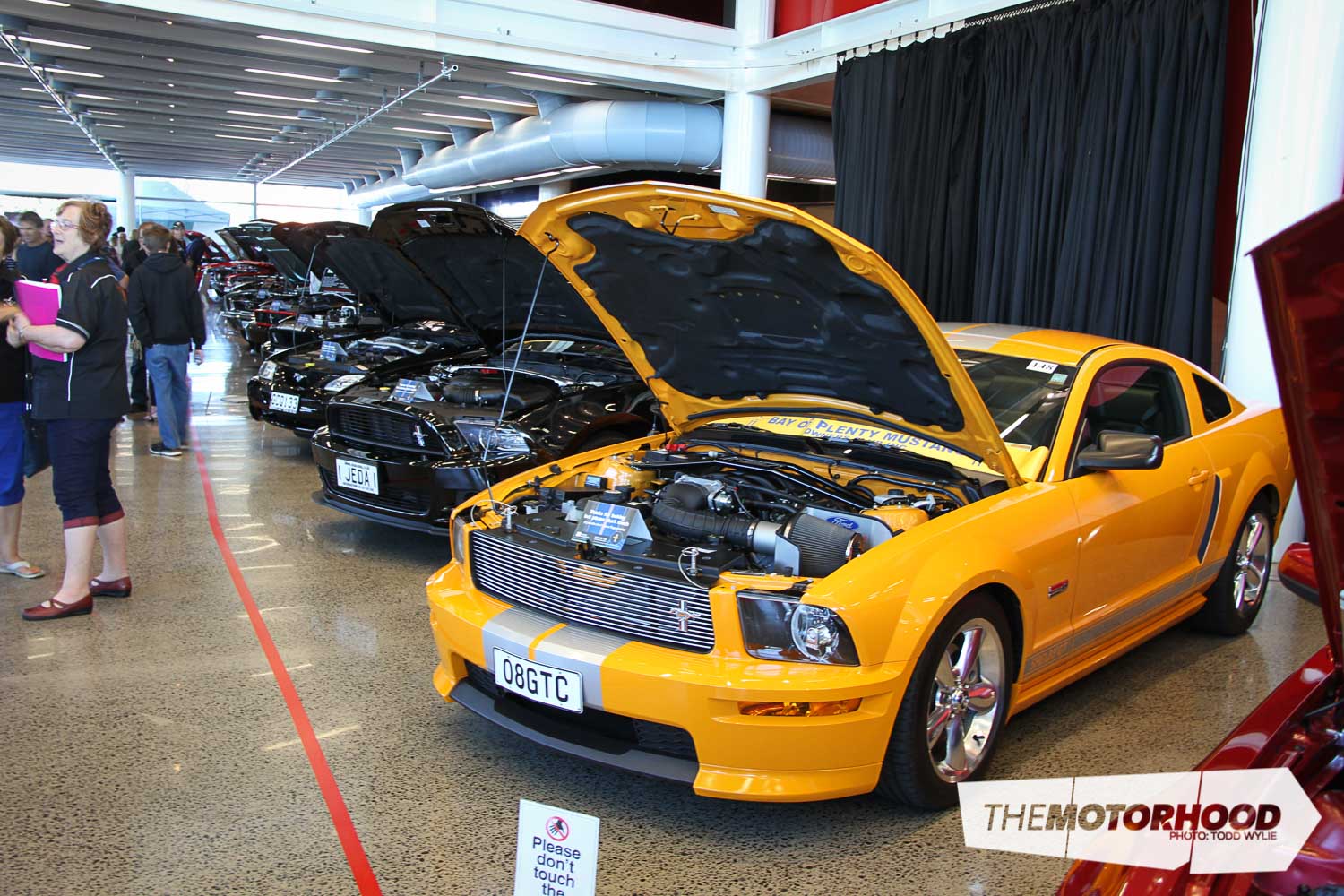
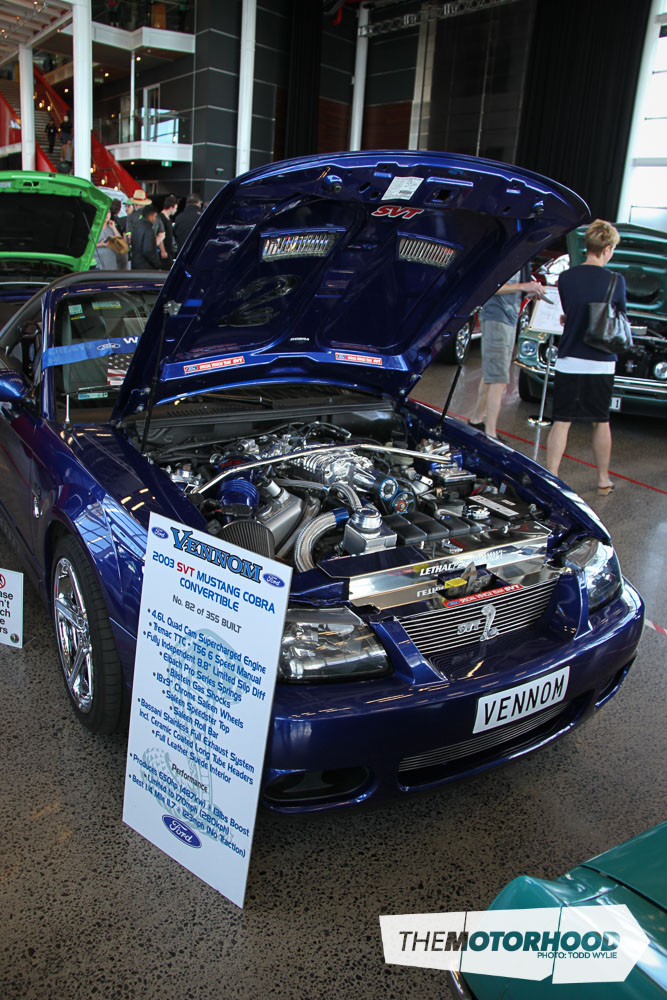
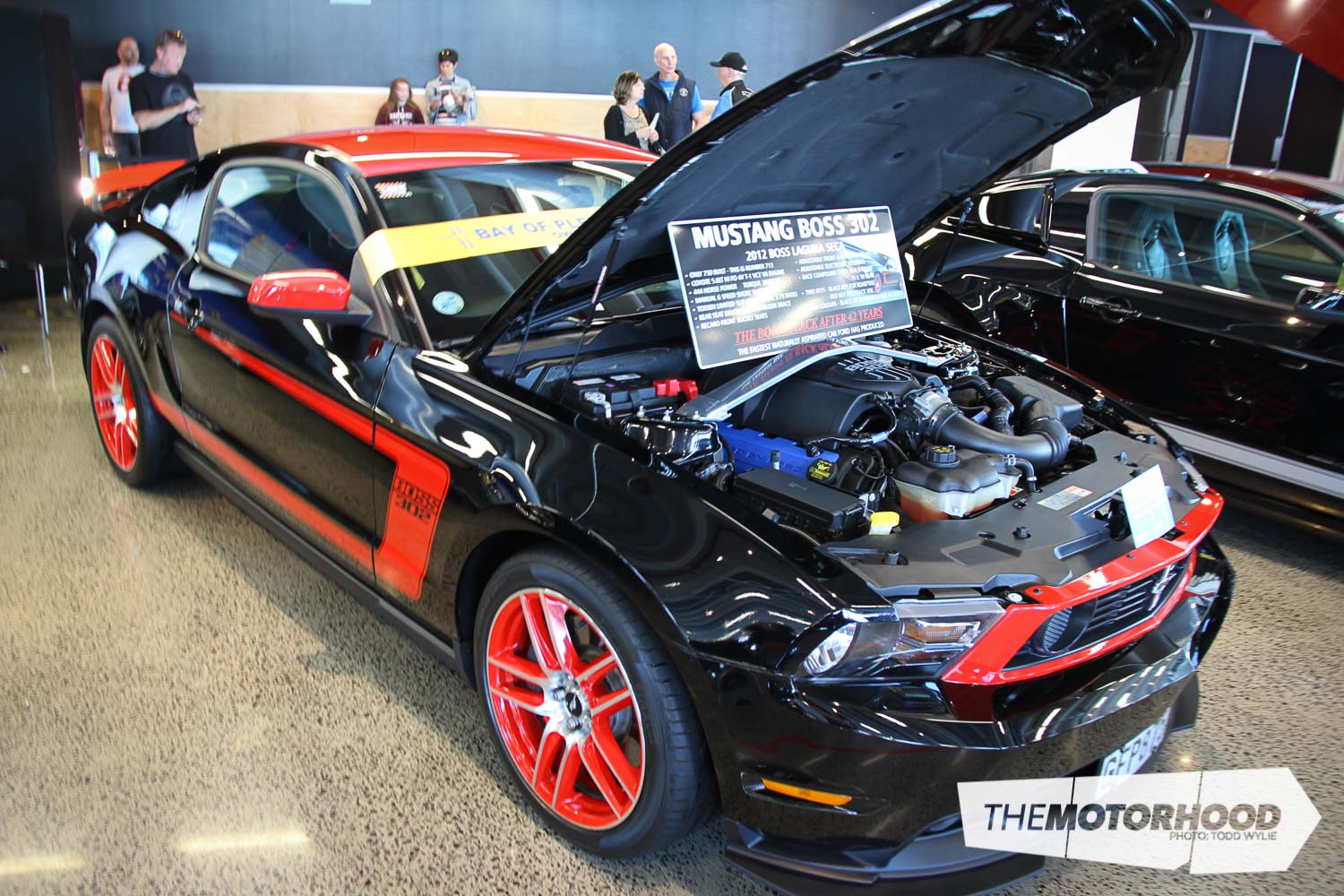
While Mustang Conventions have historically been more about the classics, this year saw a more even split of late-model and classics on display, with more late models than not appearing to have been supercharged.
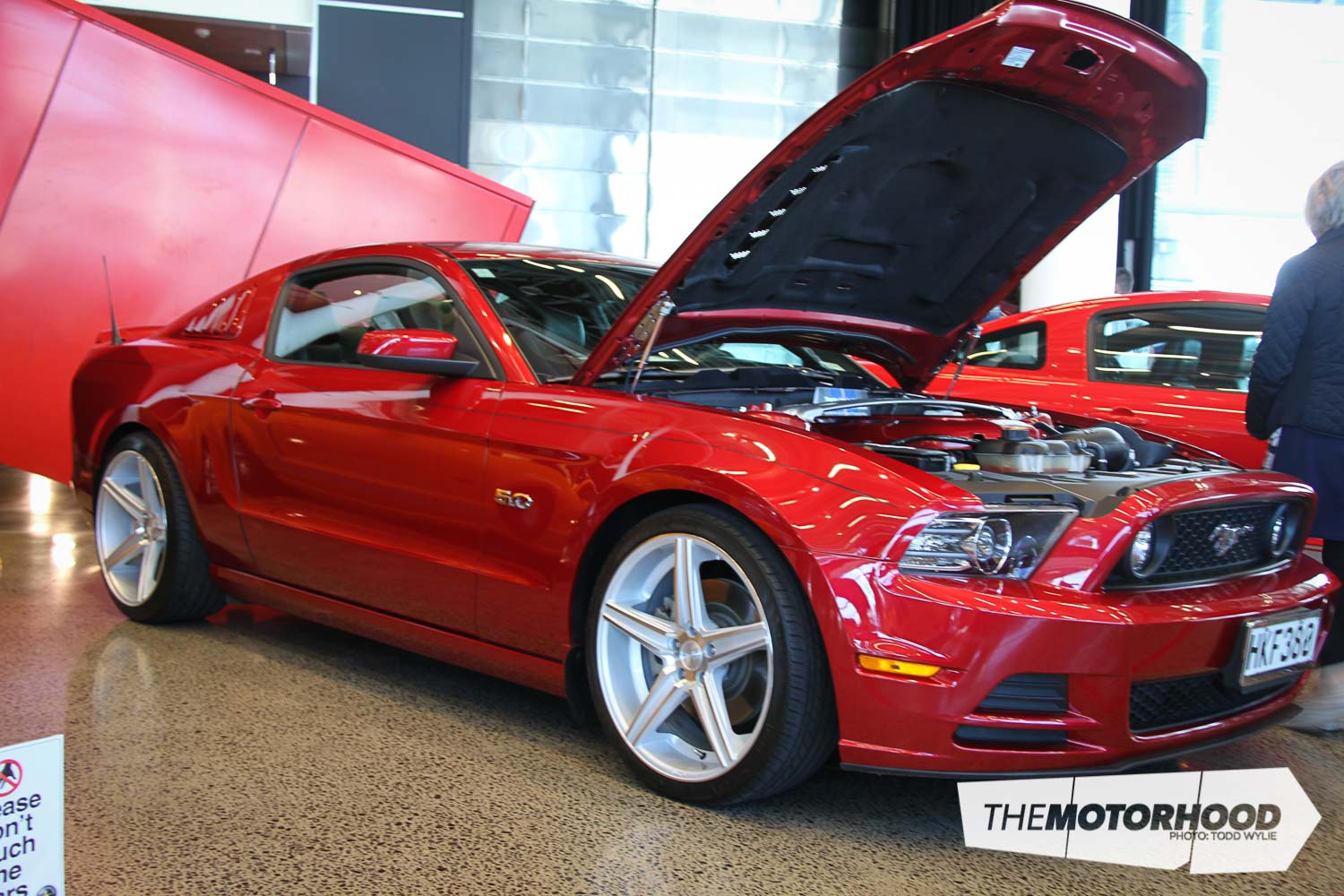
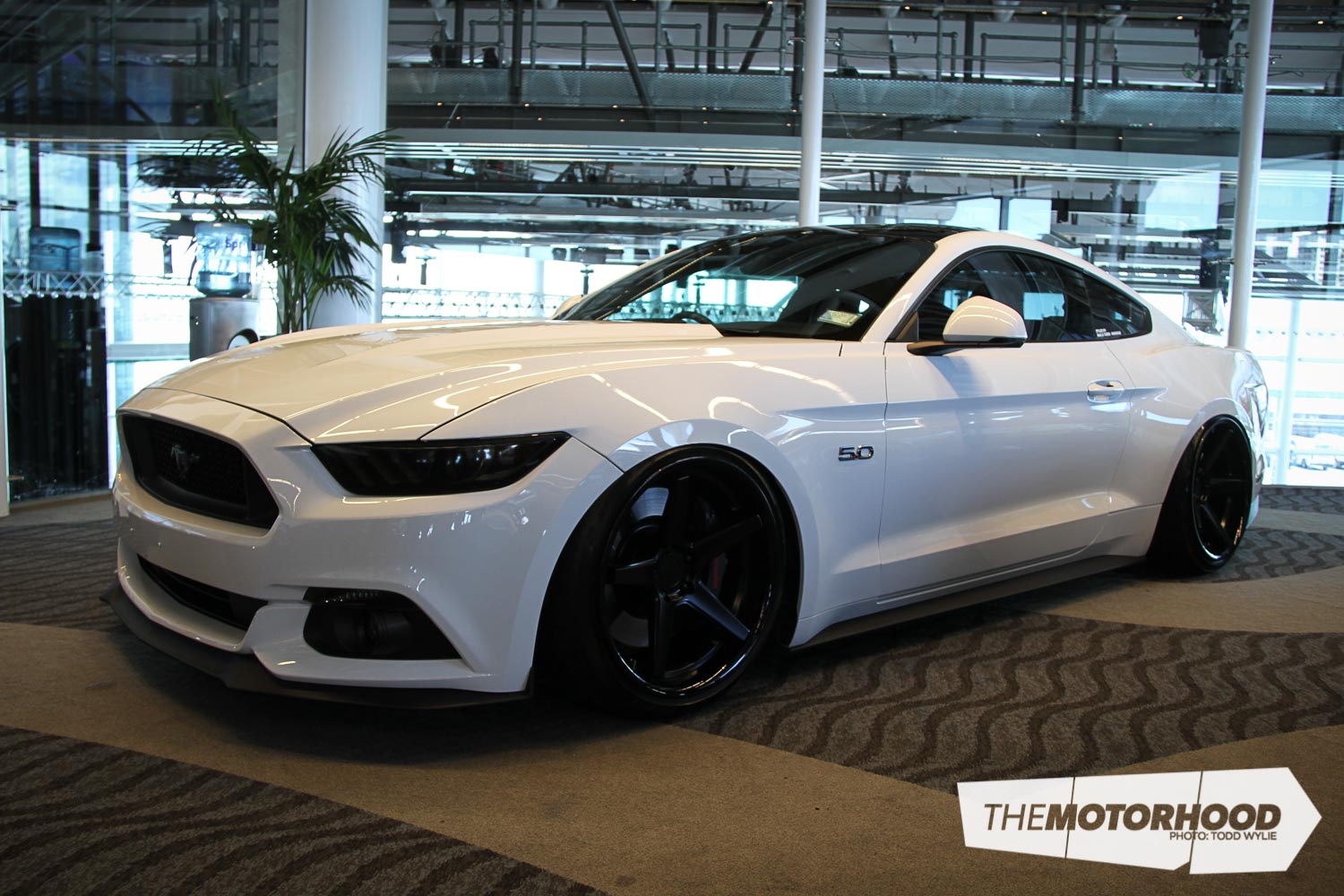
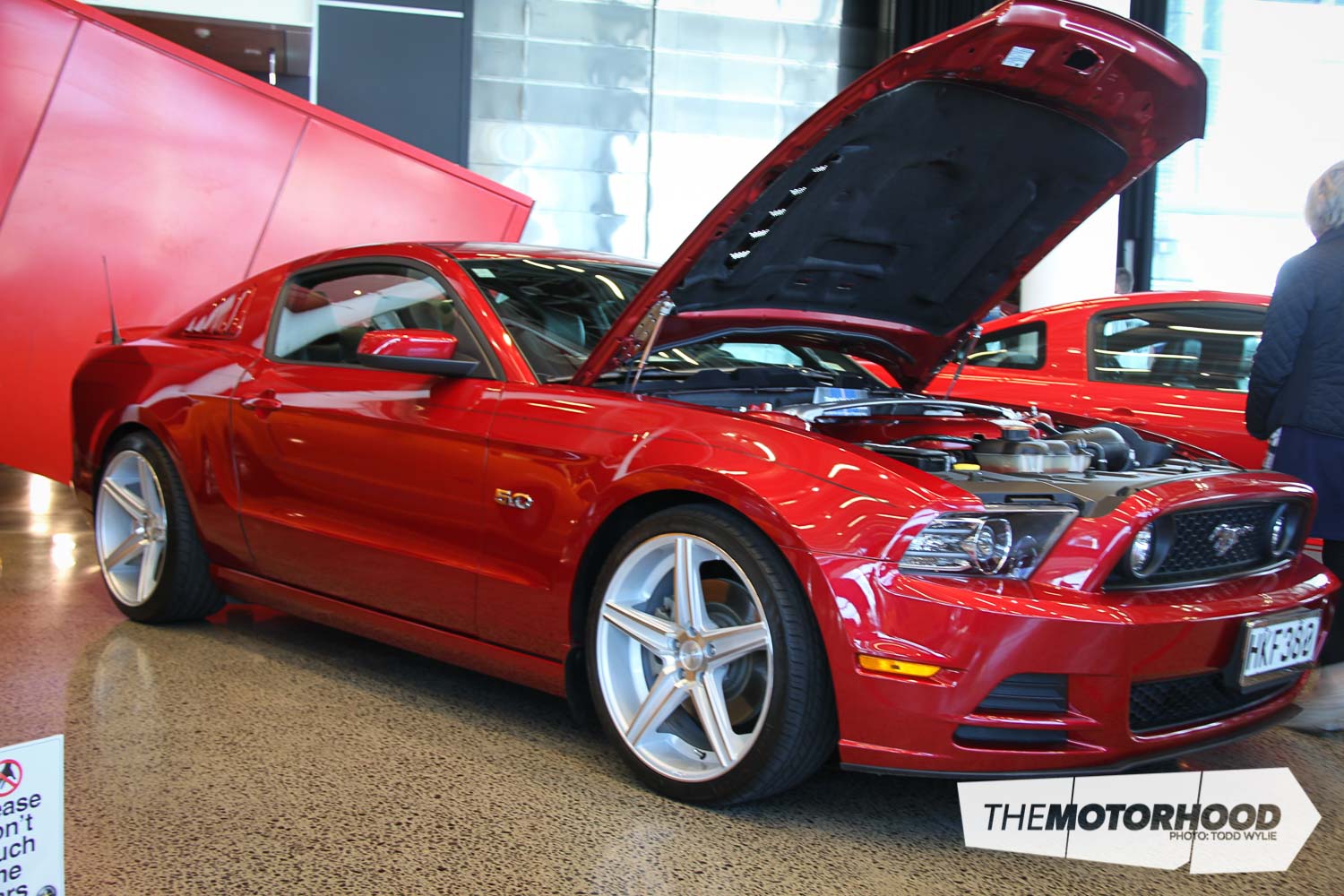
Of the late models, our pick for best stance and wheel/tyre combo went to this 2013 Mustang GT. The wheels suited the car perfectly, and were different from any other on display — something that’s not easy when you’re in a hall with over 100 vehicles of the same model!
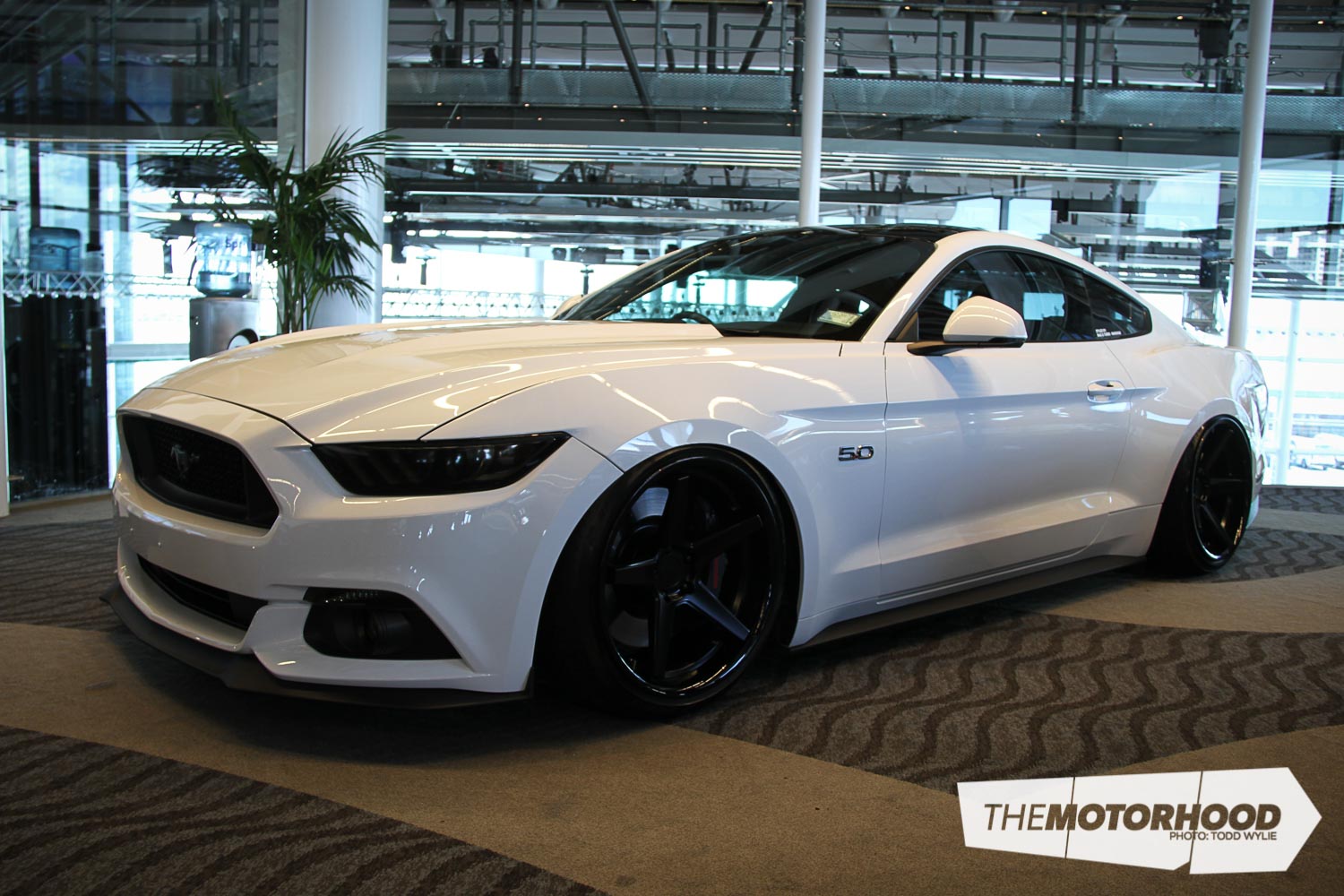
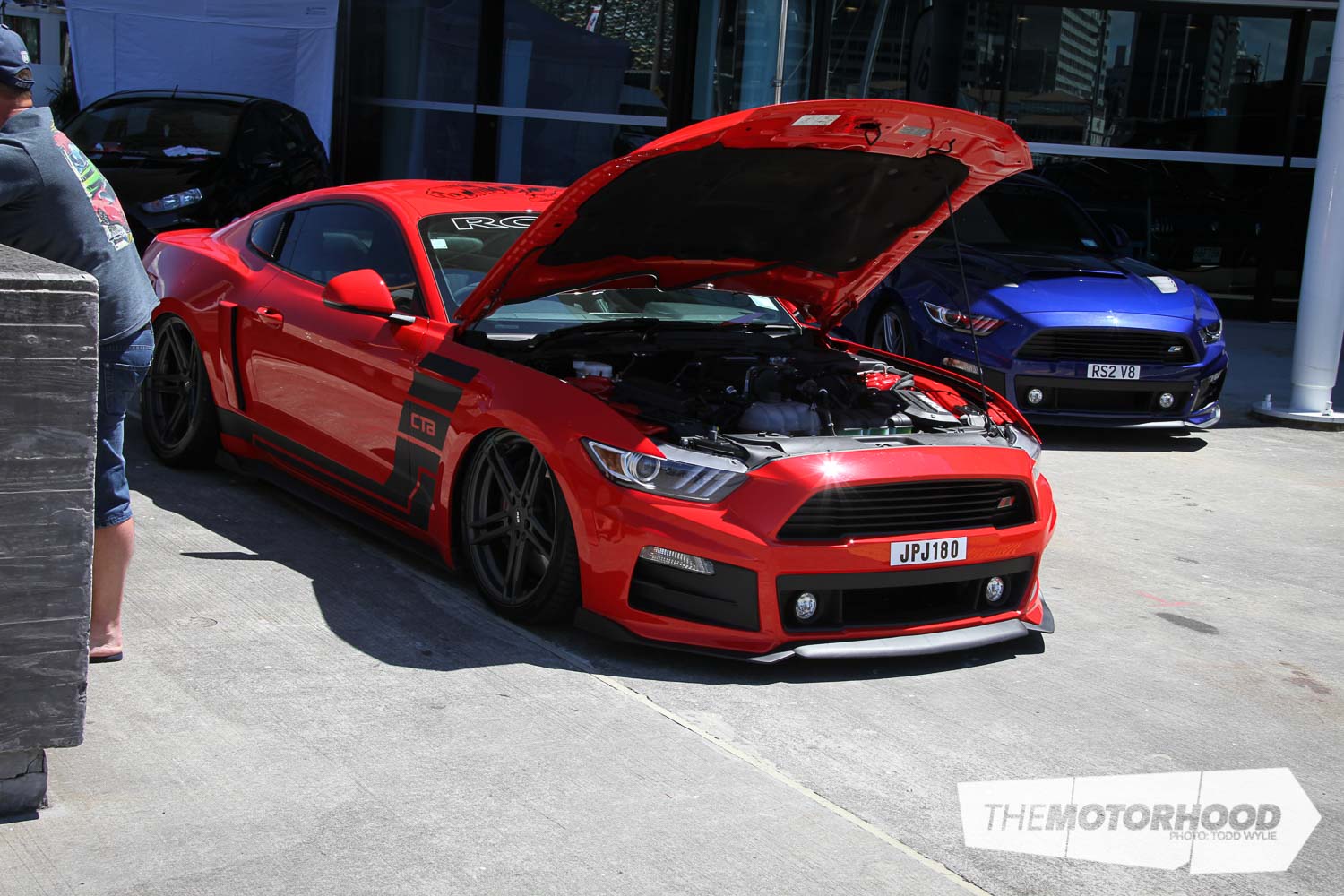
Of course, if you like things on the wild side, then Darren Baker’s airbagged 2016 GT certainly would have impressed.
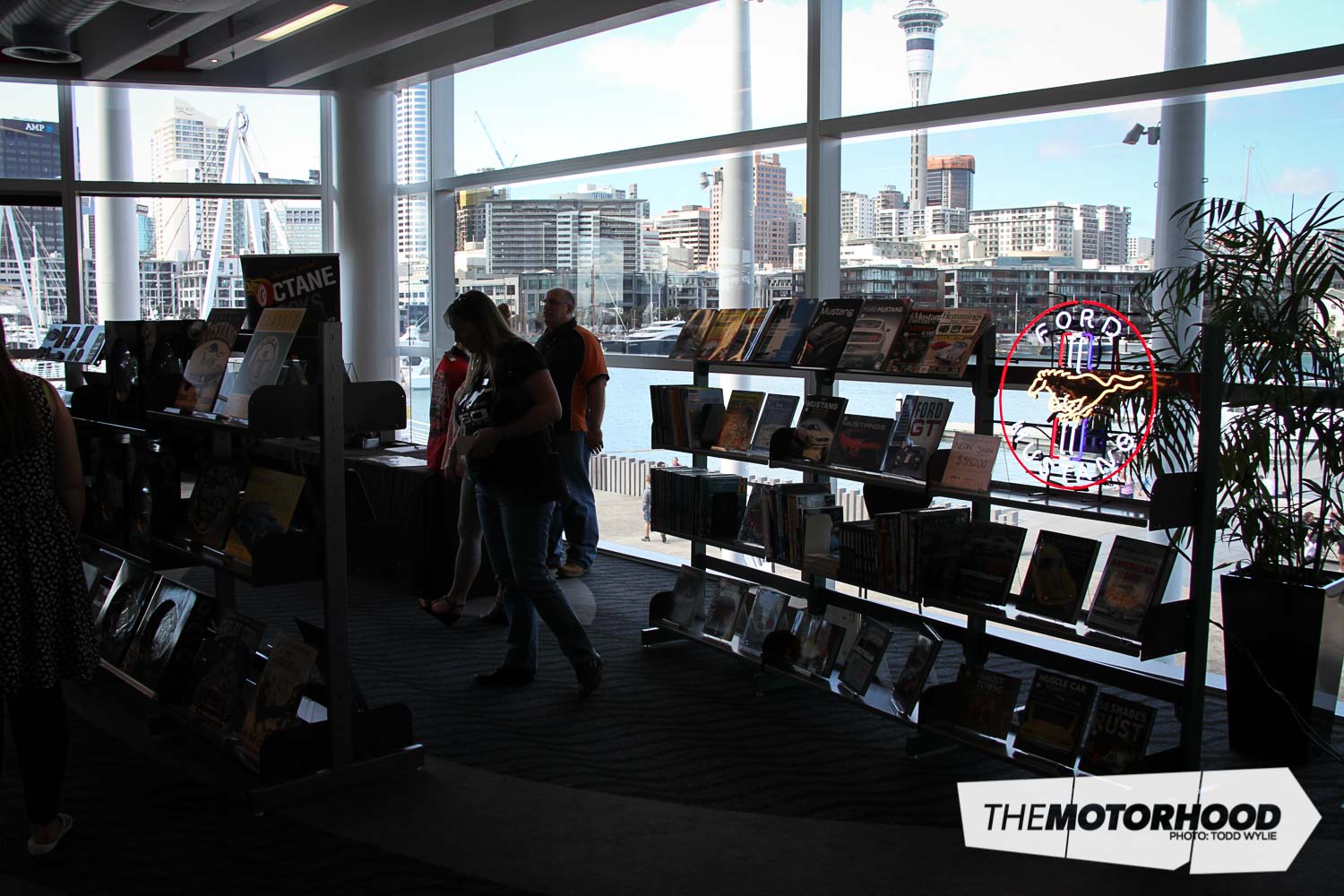
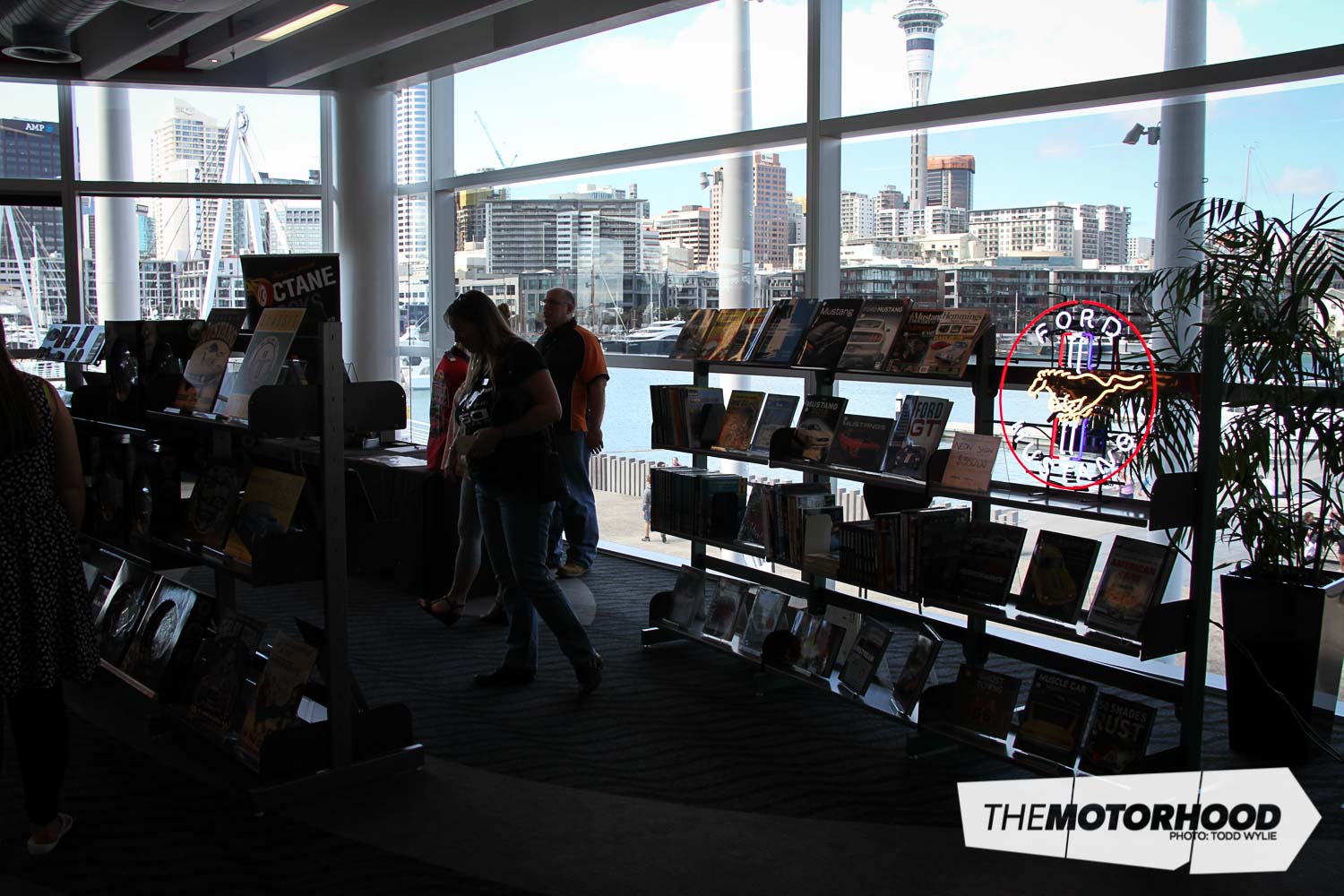
Upstairs saw a range of trade stands, including Octane Books, who were impressed with the trade they’d been doing.
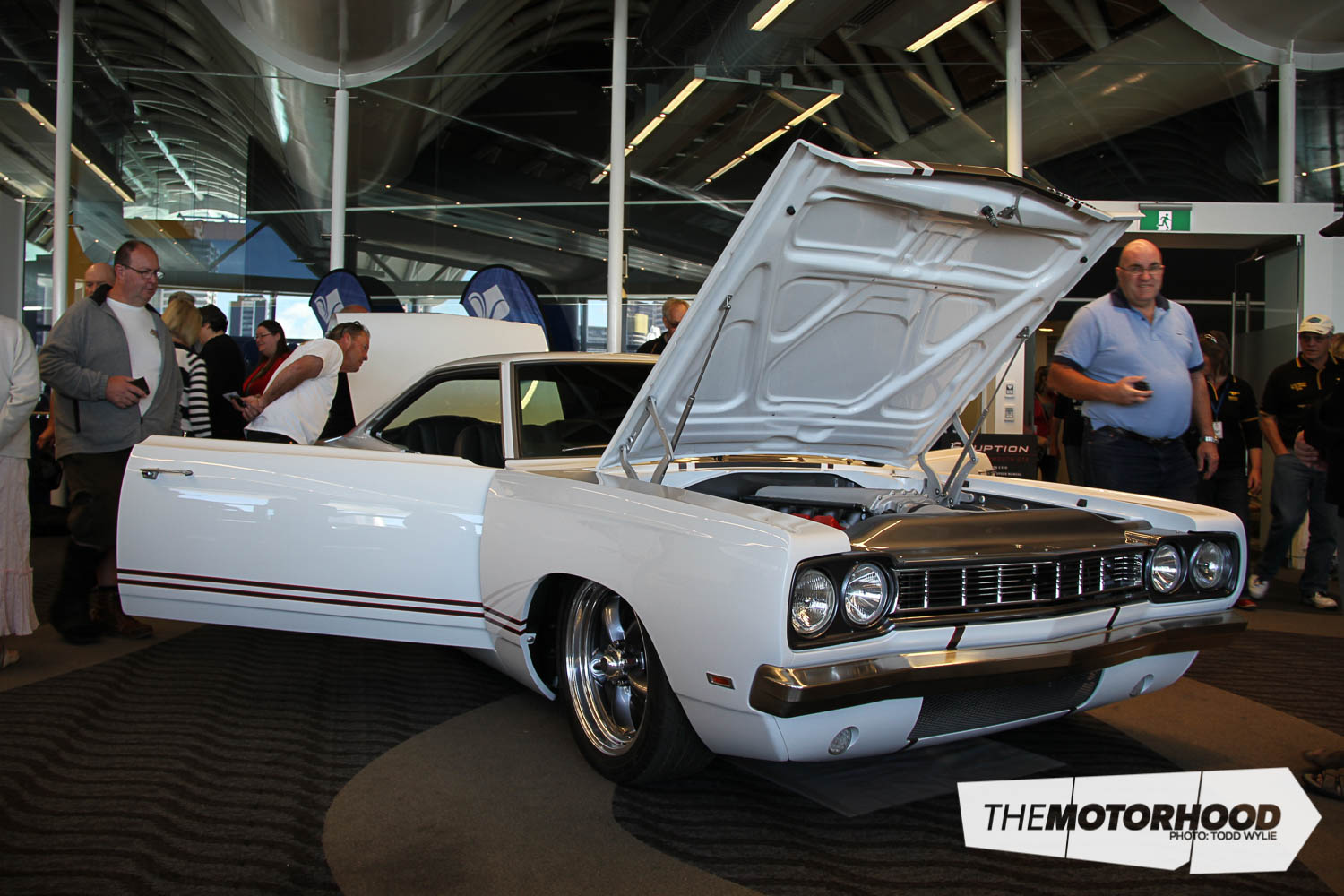
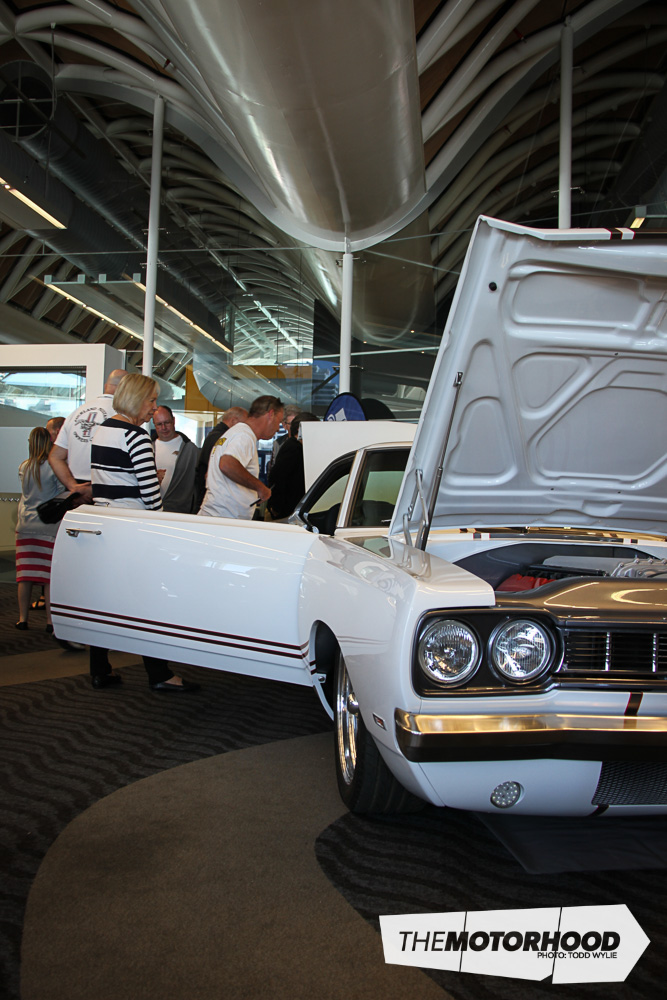
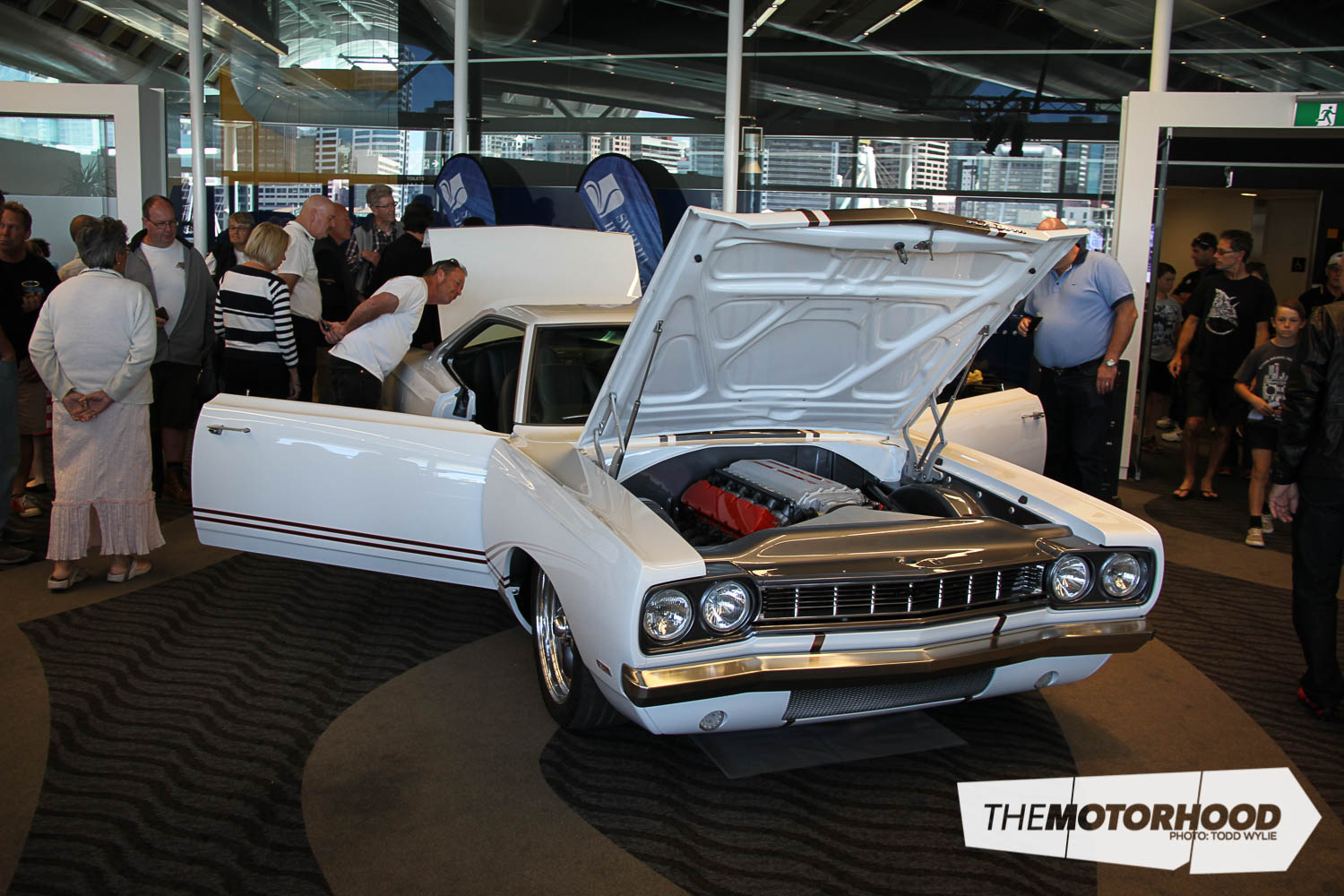
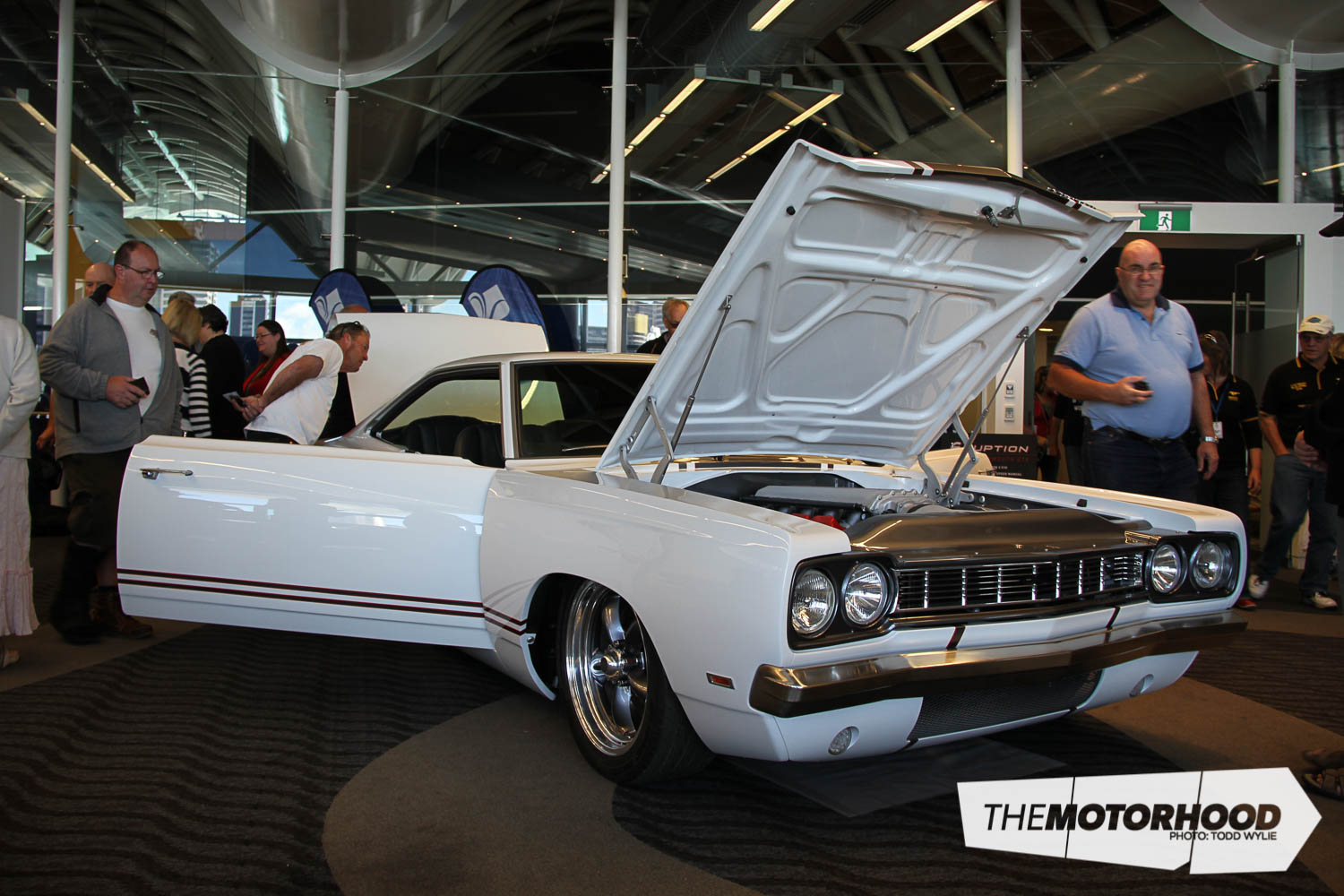
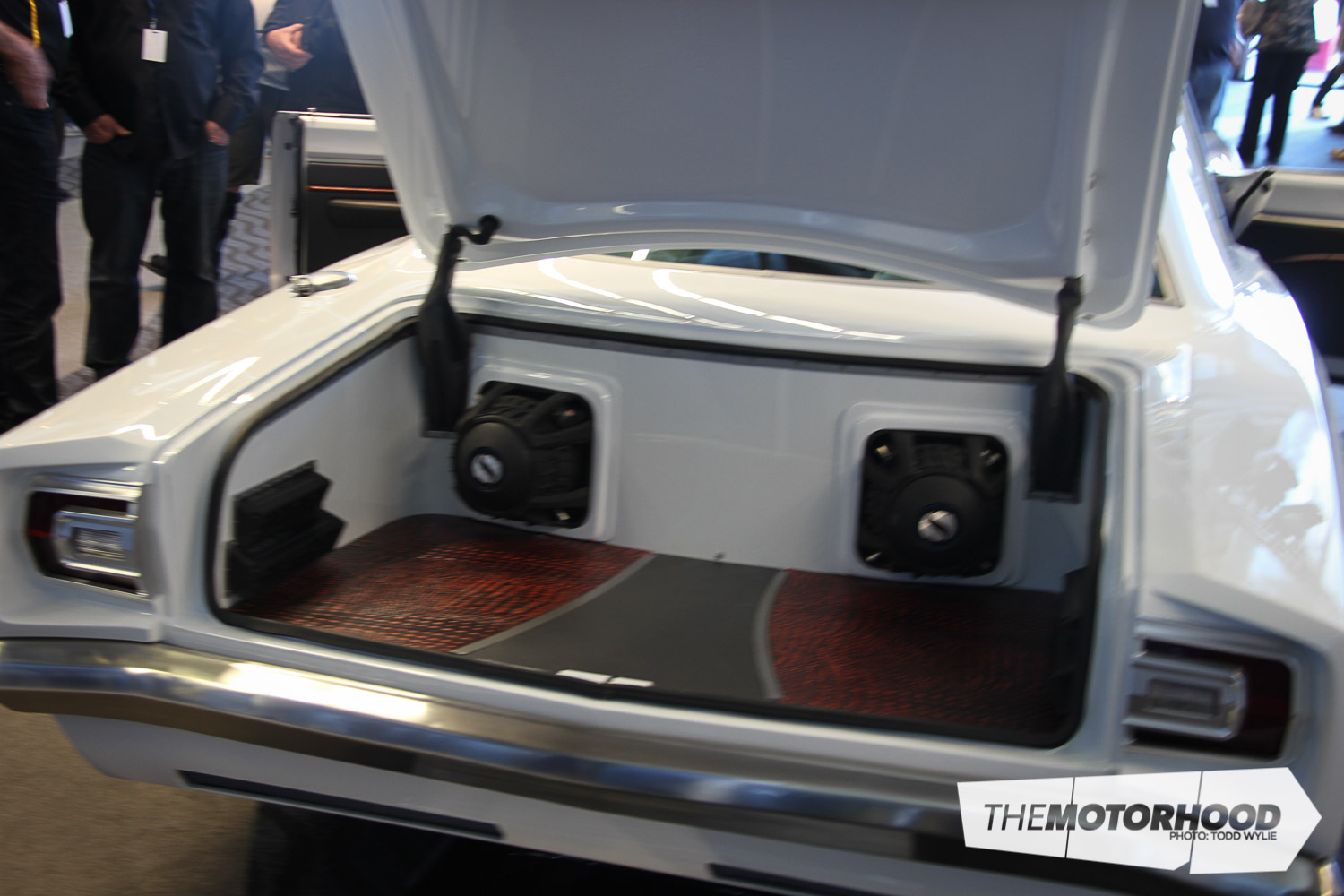
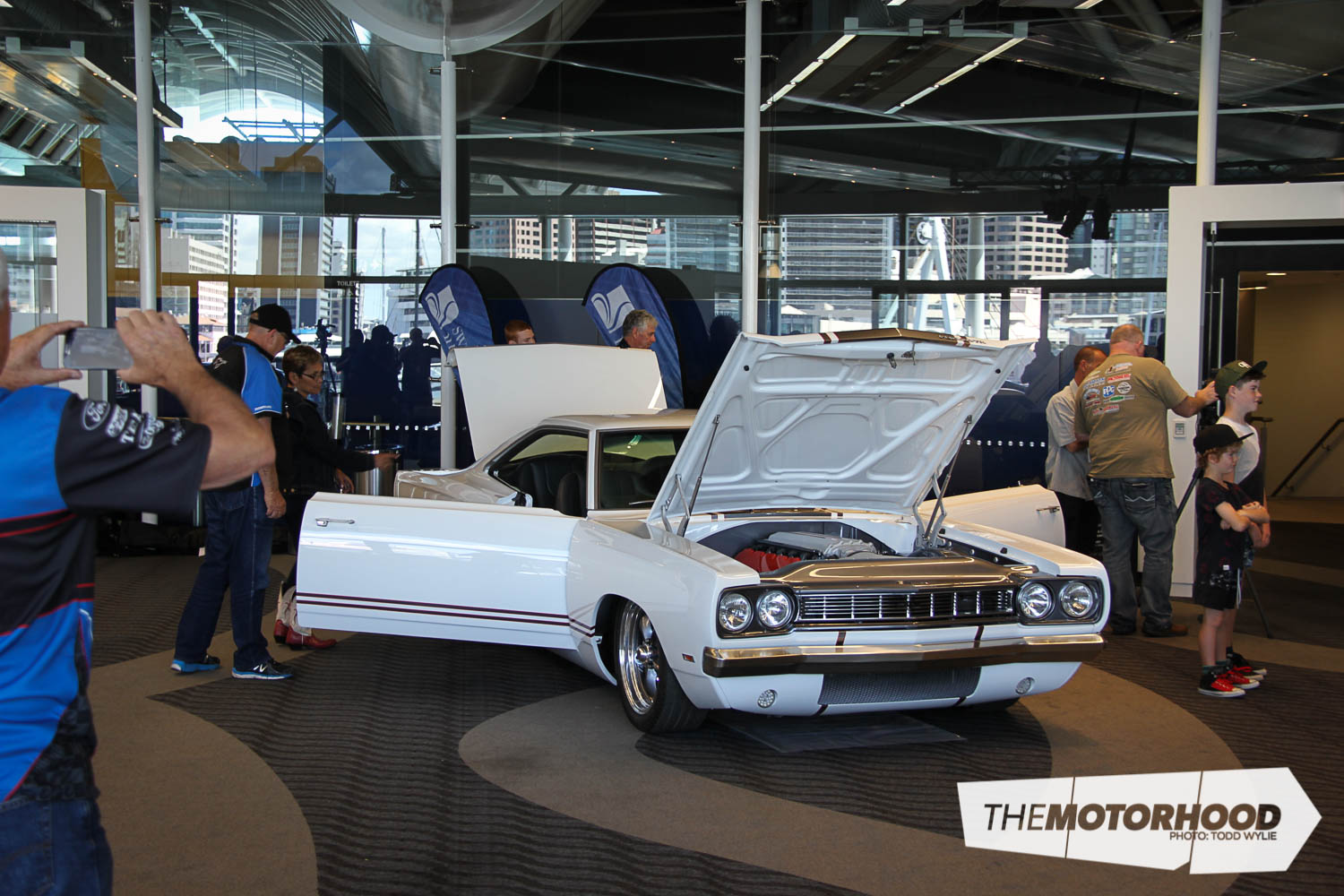
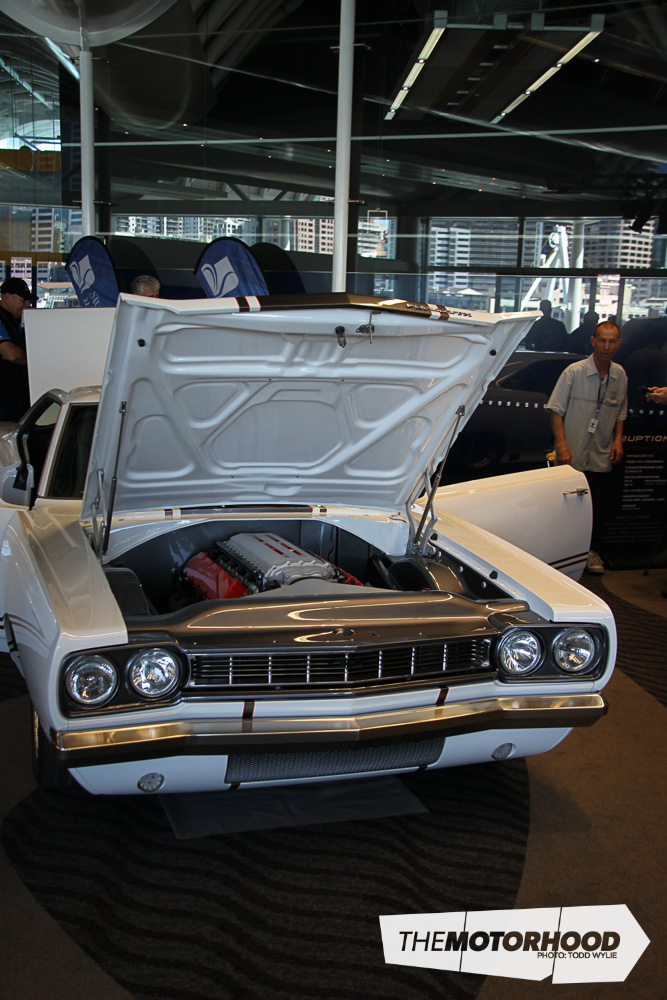
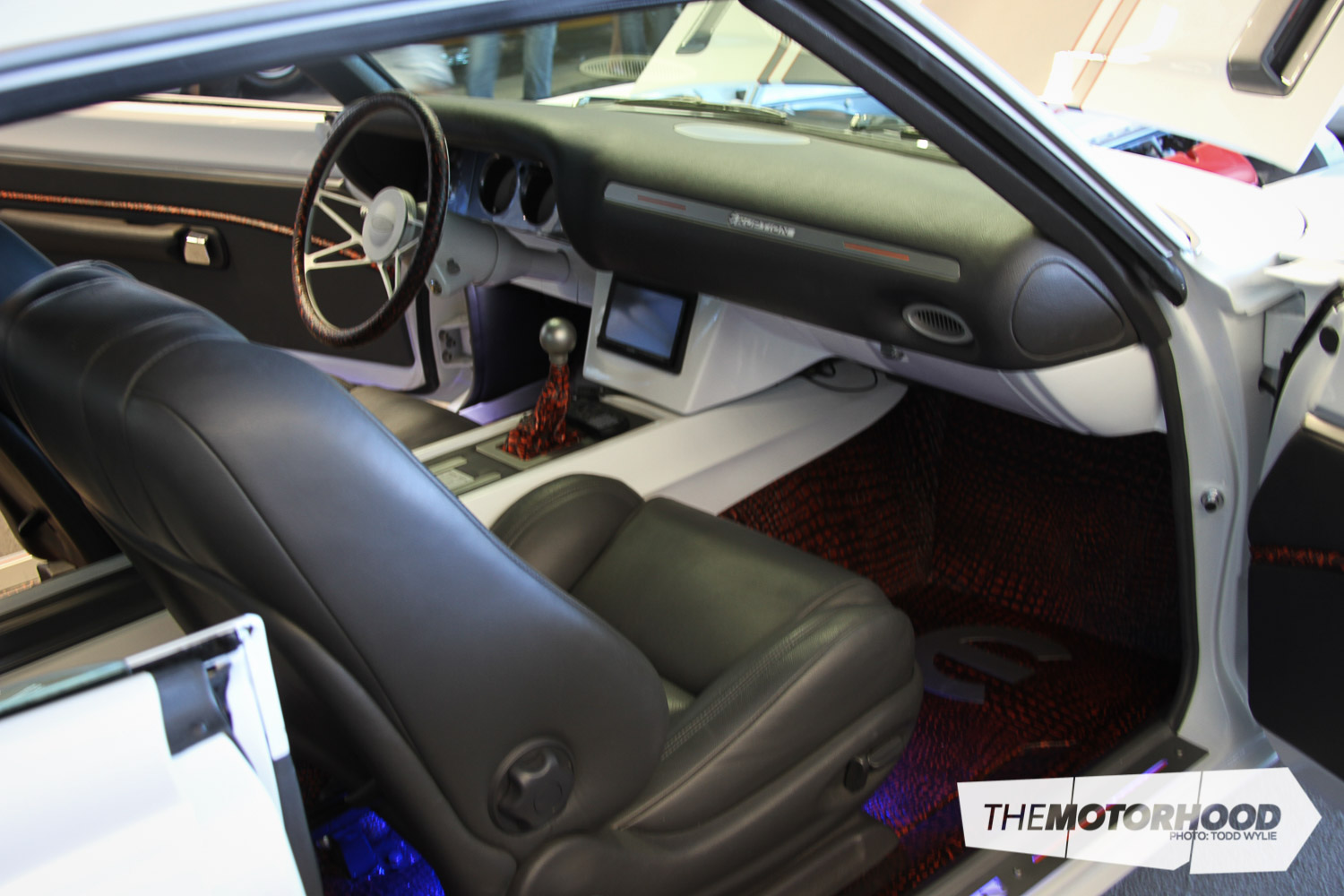
The top floor was where jaws really dropped, and that was mainly due to the unveiling of Ian Neary’s mind-blowing Plymouth GTX. Sure, it’s not a Mustang, but even the staunchest Mustang lovers were blown away by the workmanship on the car.
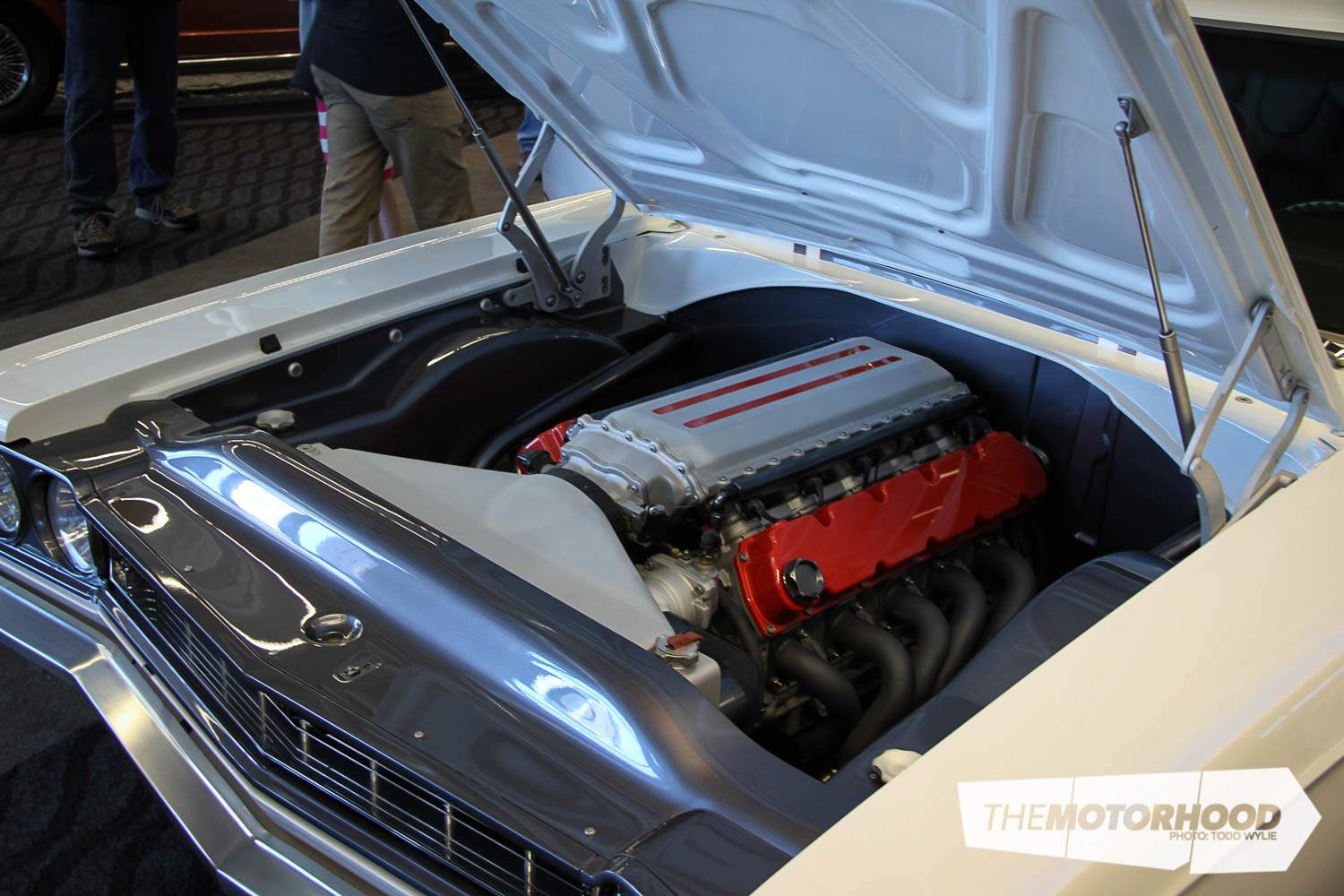
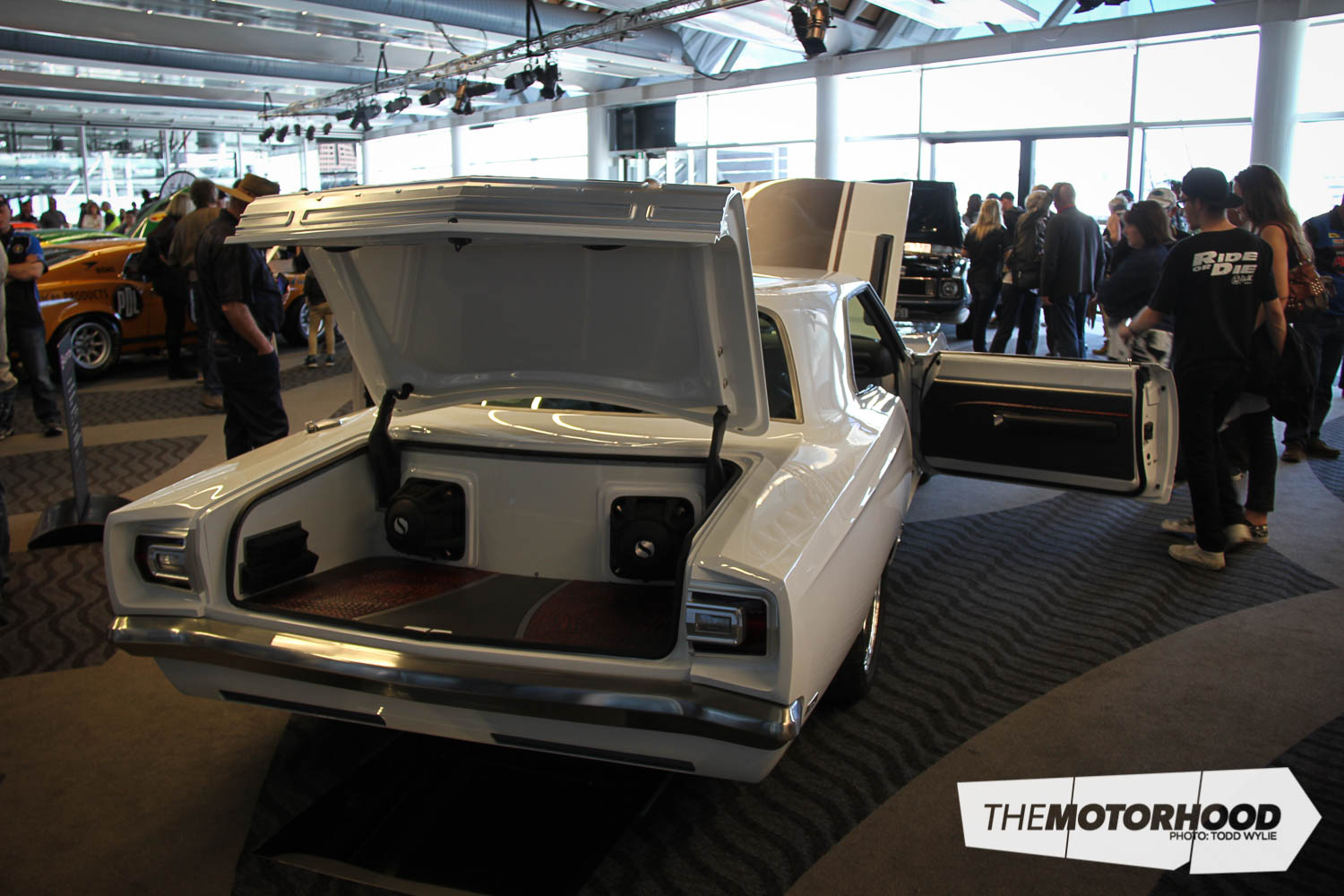
We’ve got a full feature on it in the December 2016 issue of NZV8 magazine (Issue No. 139), on sale Monday, October 31. Believe us when we say it’s one you won’t want to miss, even if you managed to check out the car at the show.
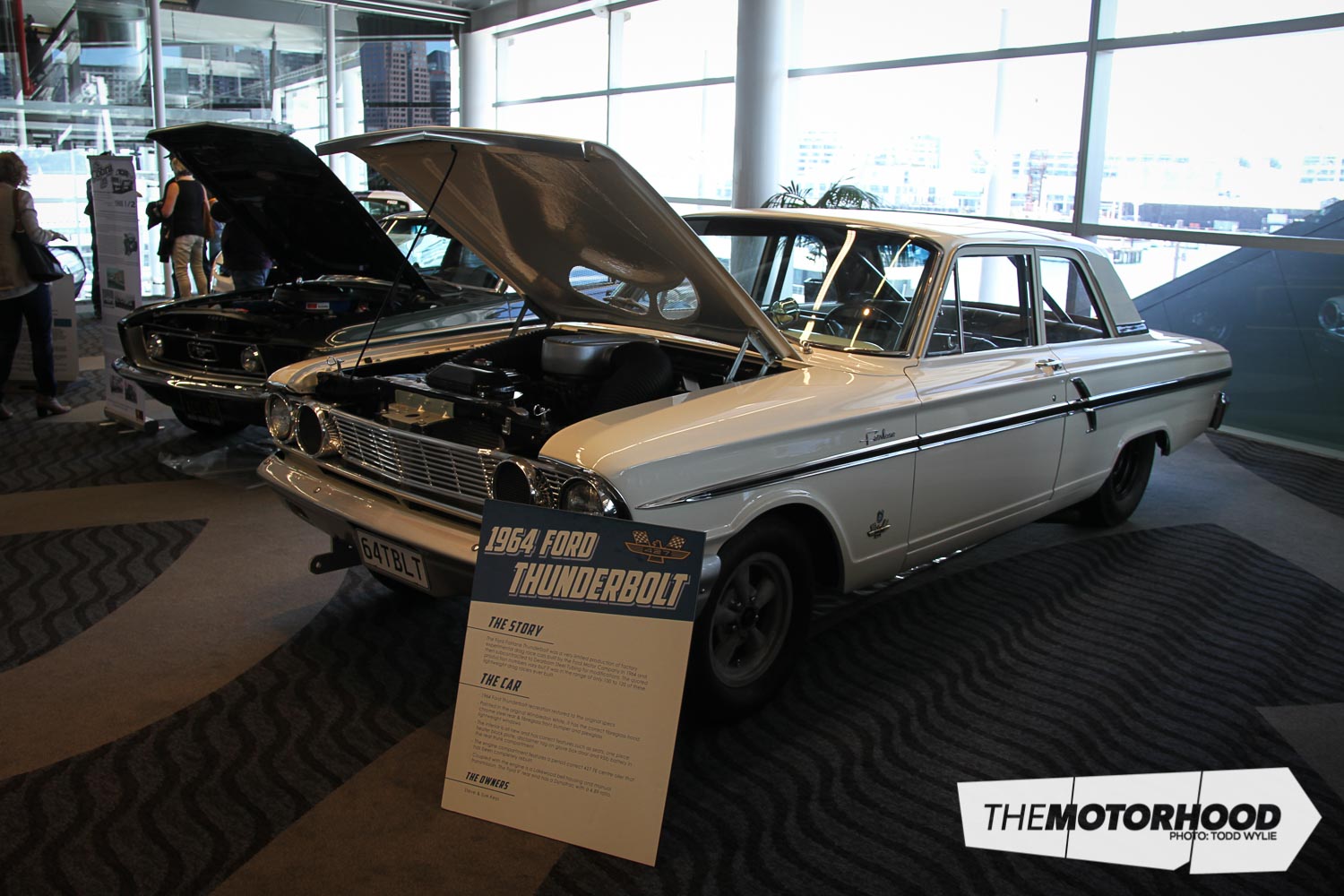
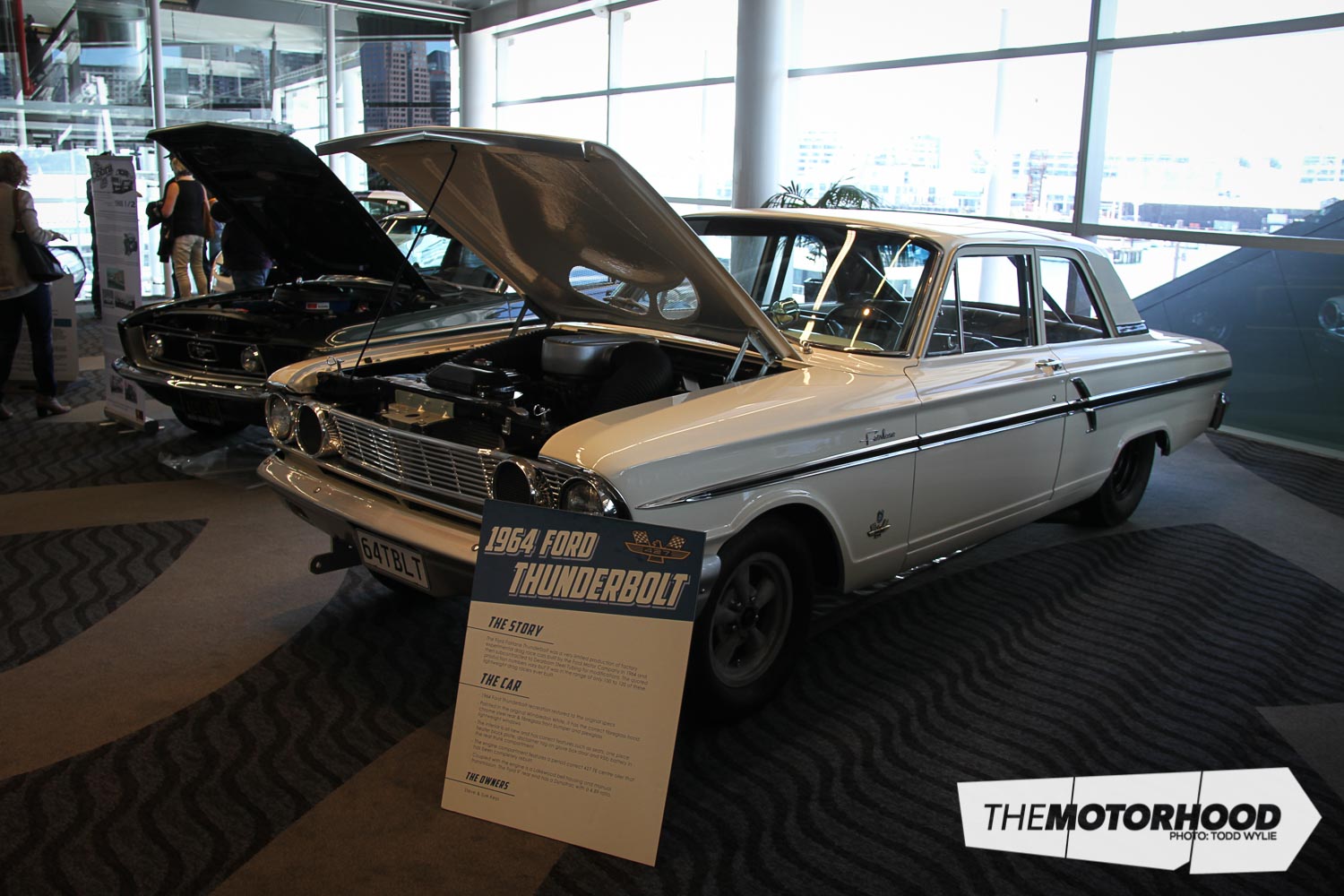
Also on this floor was a fantastic selection of other vehicles including Steve Keys’ 1964 Ford Thunderbolt clone, which you can see more of here.
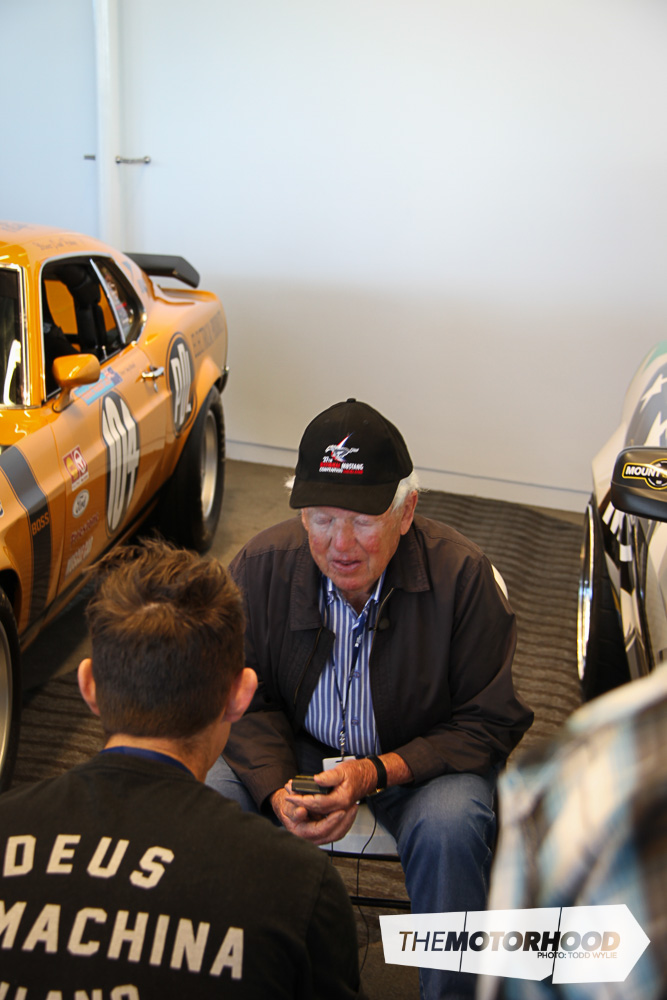
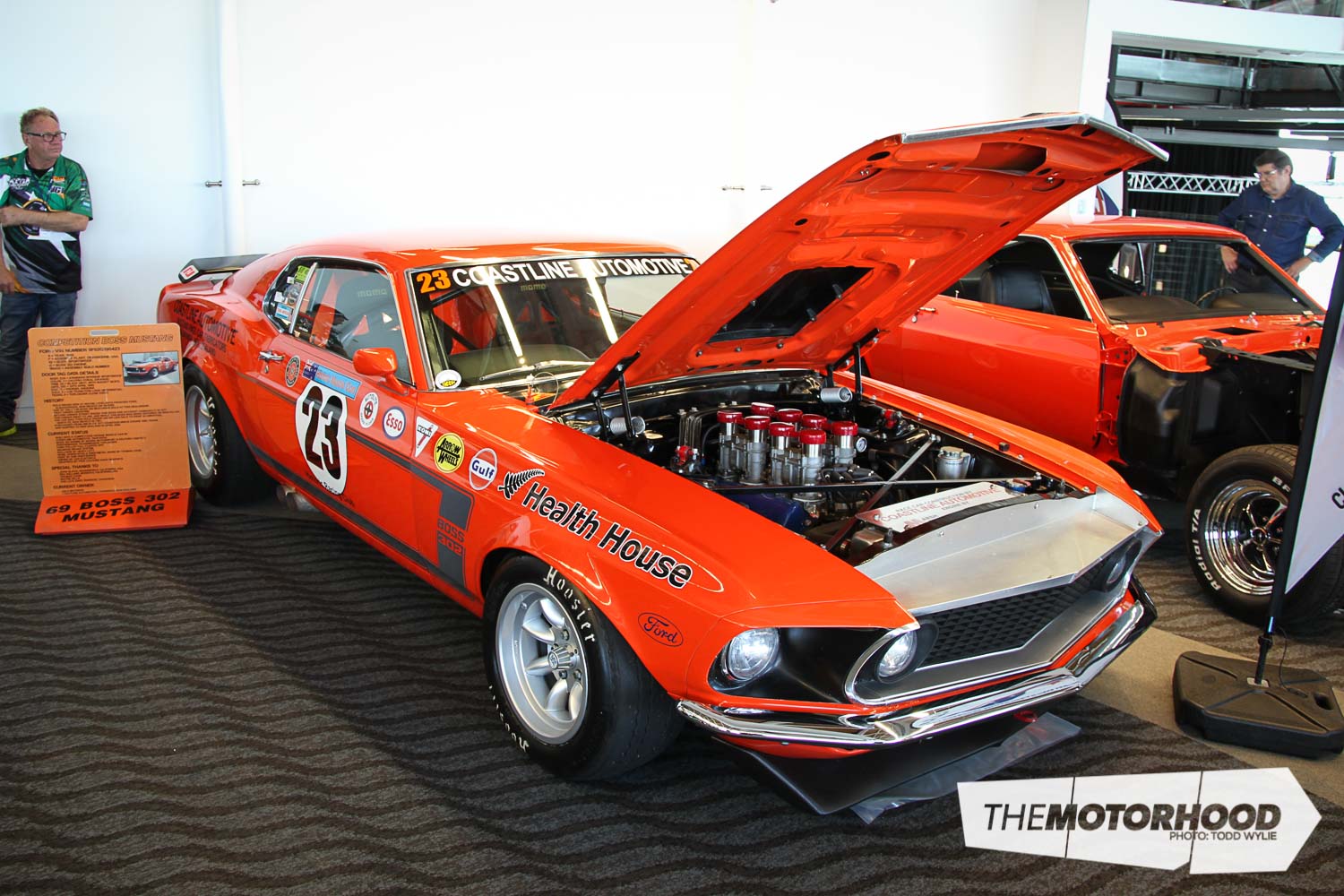
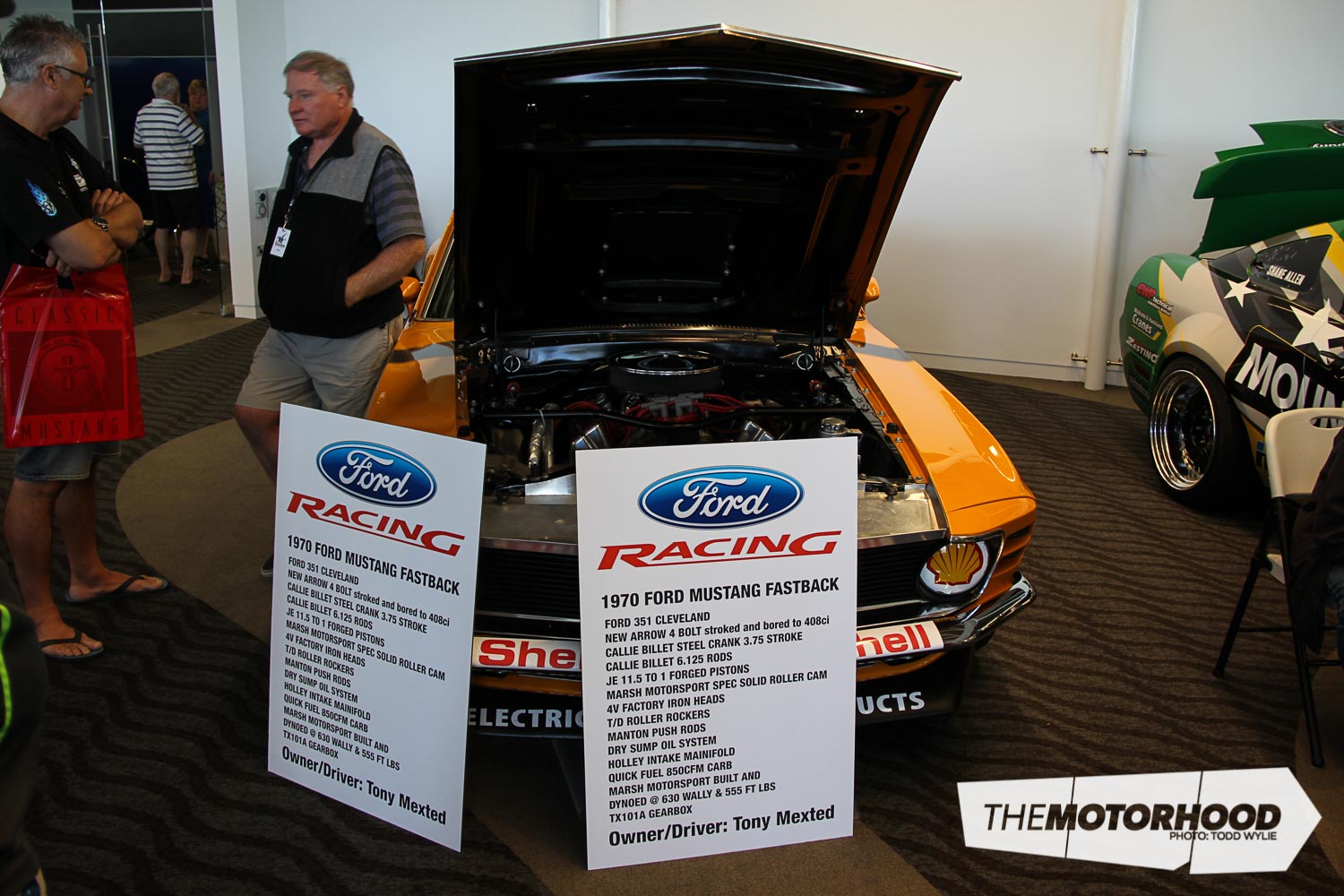
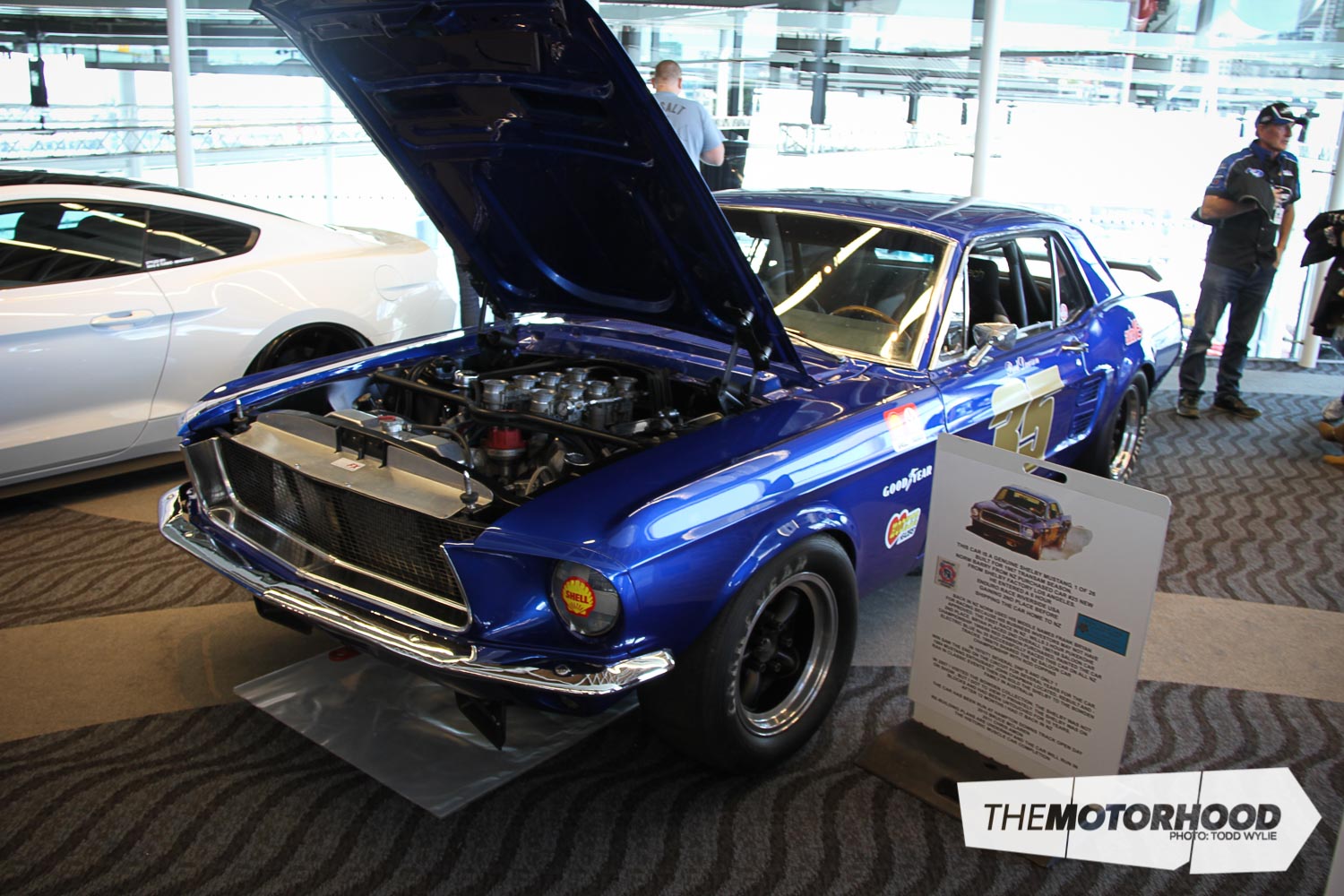
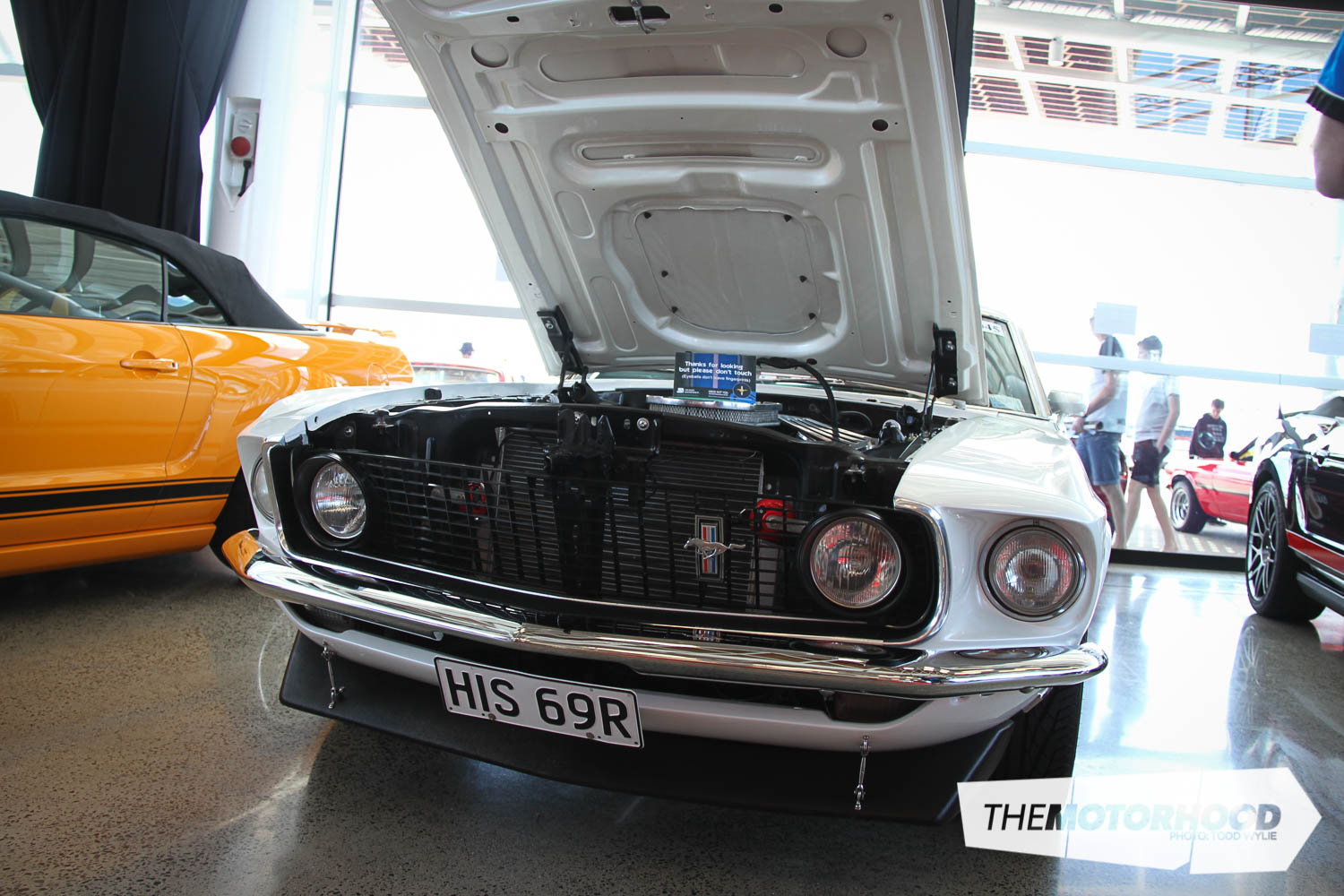
Not far away was local circuit-racing legend Paul Fahey, alongside a selection of historic race cars, such as Dale Matthers’ Boss 302.
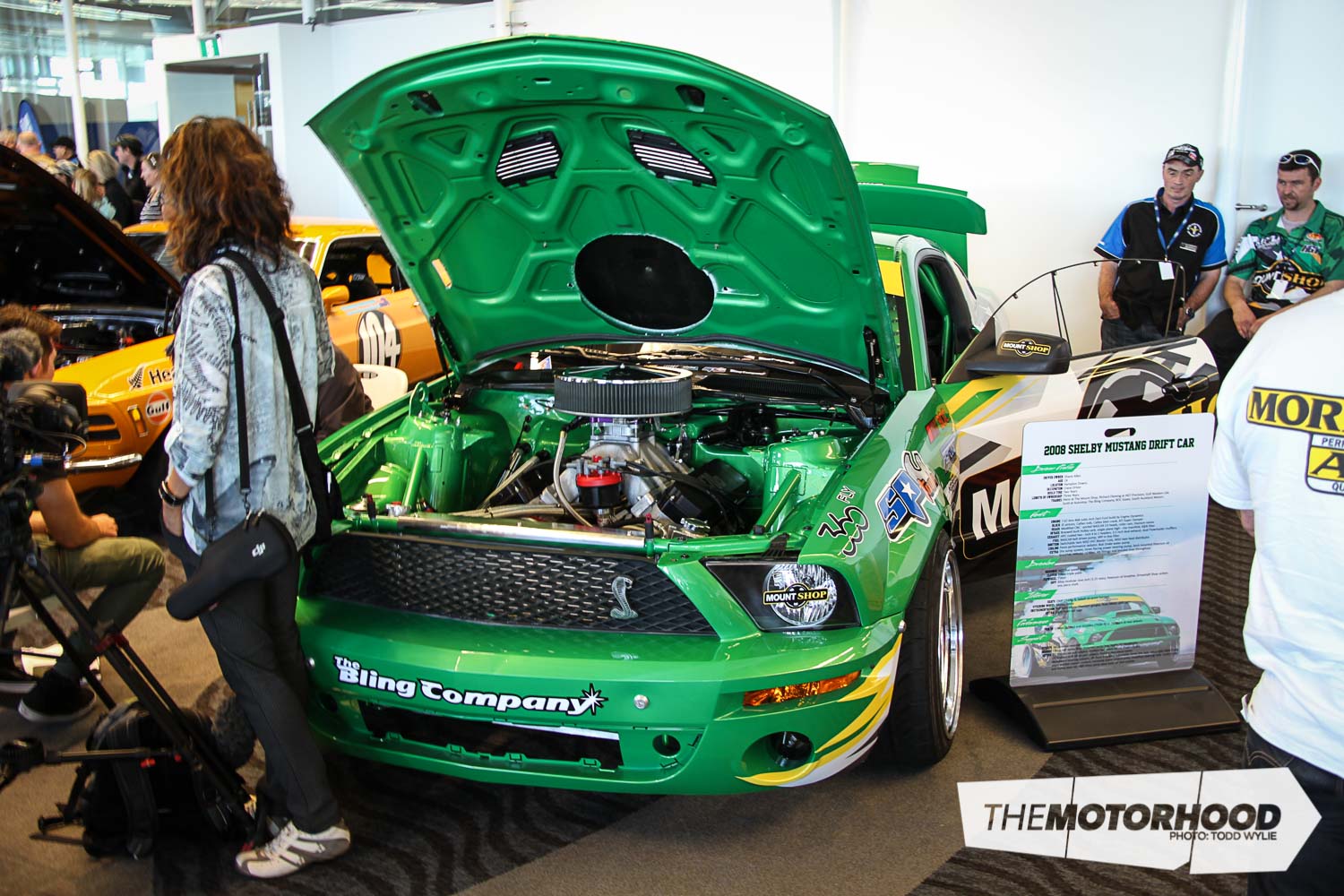
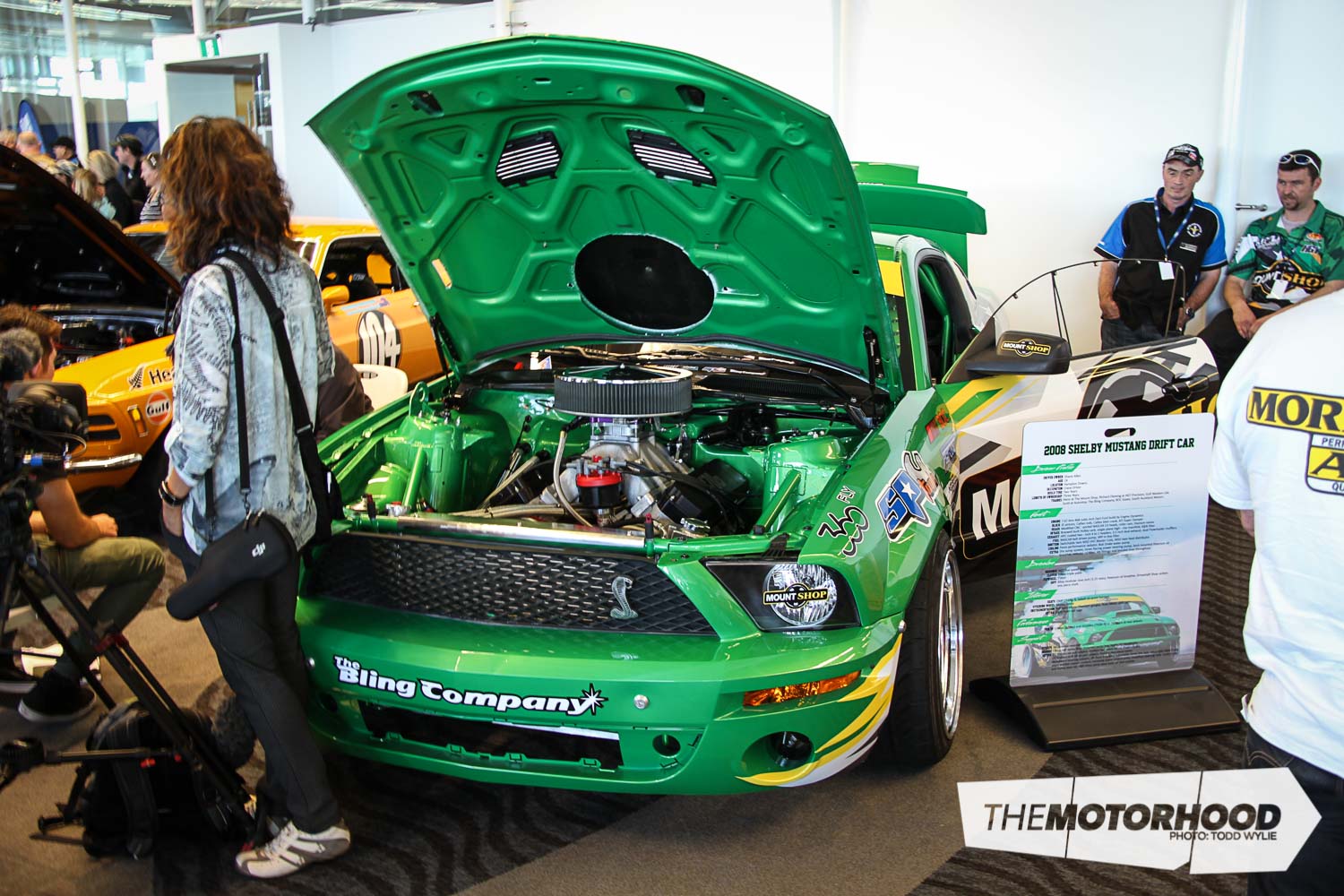
And no doubt winding the purists up was the dedicated drift car of Rattla Motorsport. The car was built from a non-road-going shell and runs a 468ci small block engine, which produces in excess of 800hp.
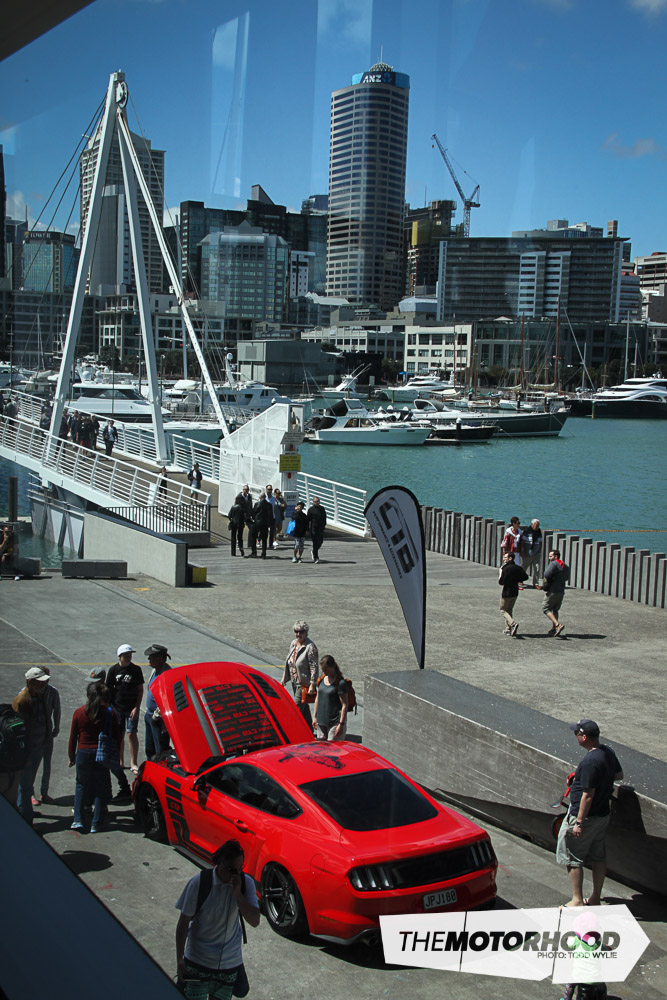
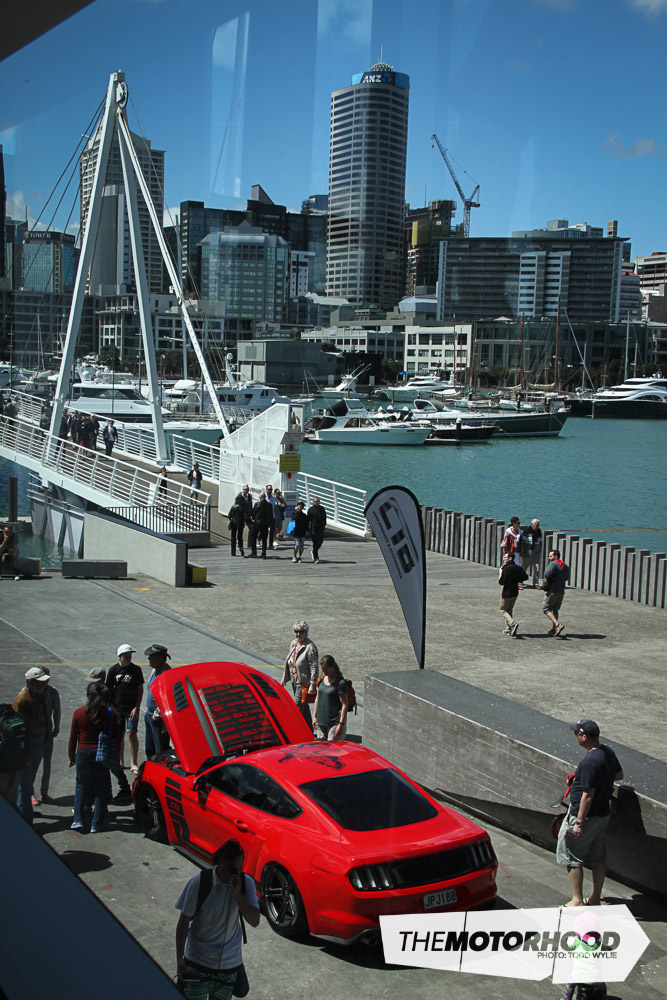
From this floor you also gained a great view over the city, as well as the cars on display below. How cool is this? Where else in the world do you find a car show with a view like this?
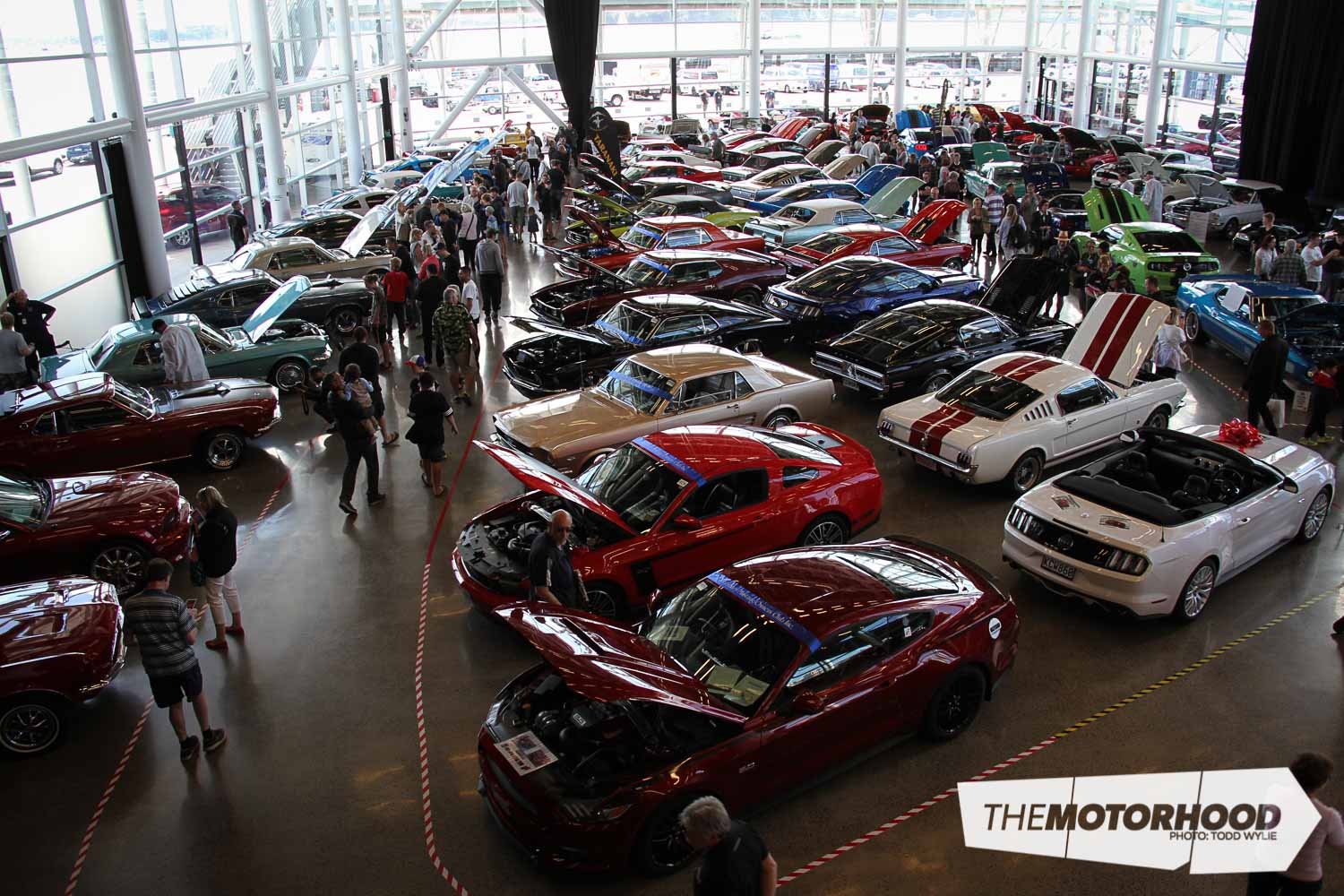
Then again, the view inside wasn’t all that bad either!
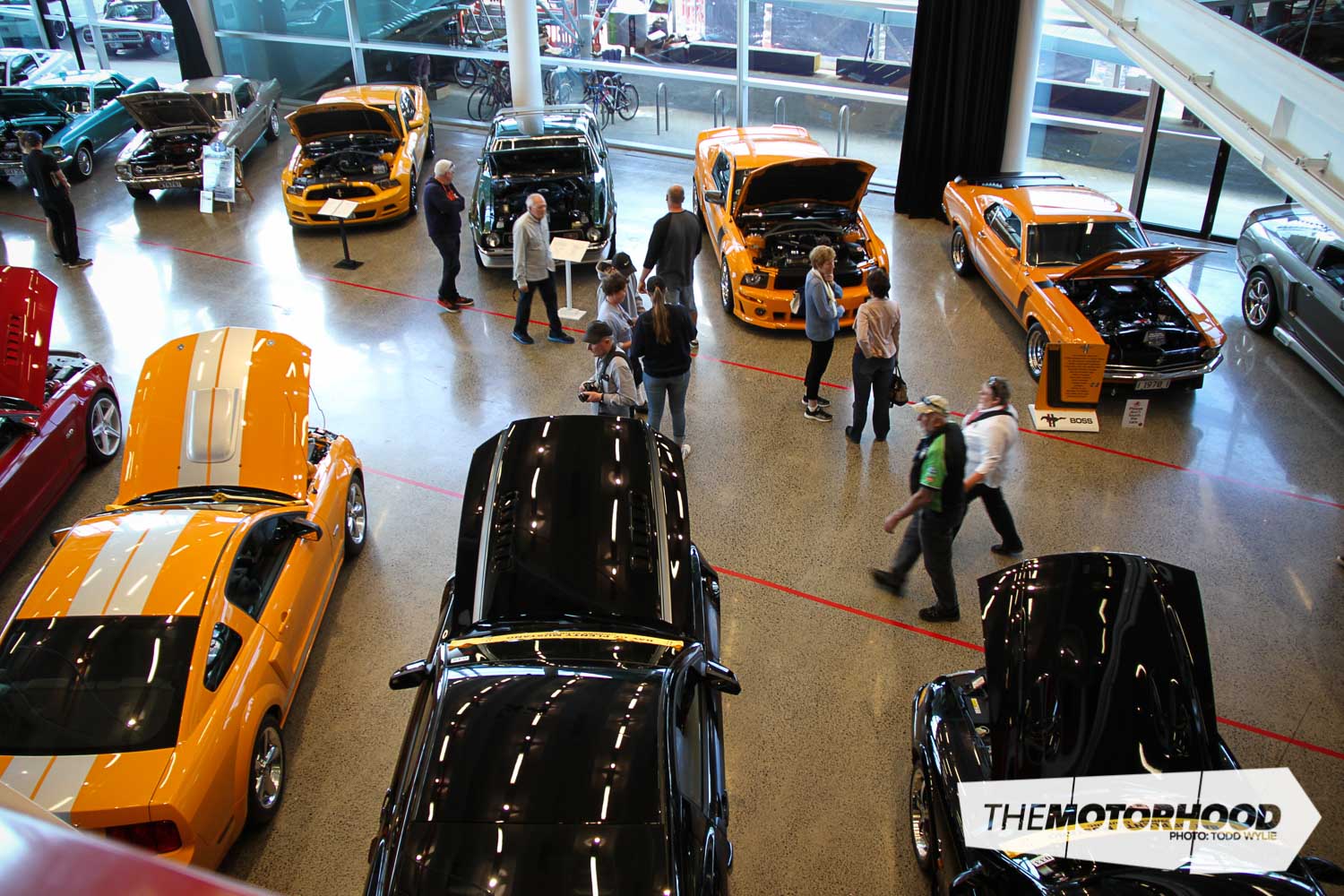
Full credit must go out to the Auckland Mustang Club for taking a risk with an unproven venue. It’s a risk that paid off and really set the event apart from any previous Mustang Conventions we’ve attended.