

Club Corner: Daimler & Lanchester (Jaguar) Owners in New Zealand Spare Parts Club

10 April, 2016


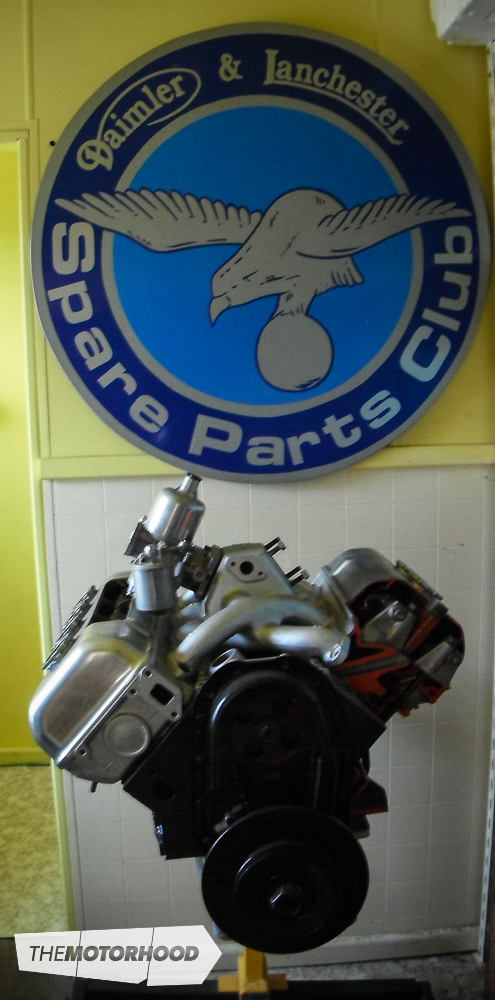
The Daimler & Lanchester (Jaguar) Owners in New Zealand Spare Parts Club was founded back in 1971 by Gordon Somerville and the late Laurie Wason, and became an incorporated society in 1971.
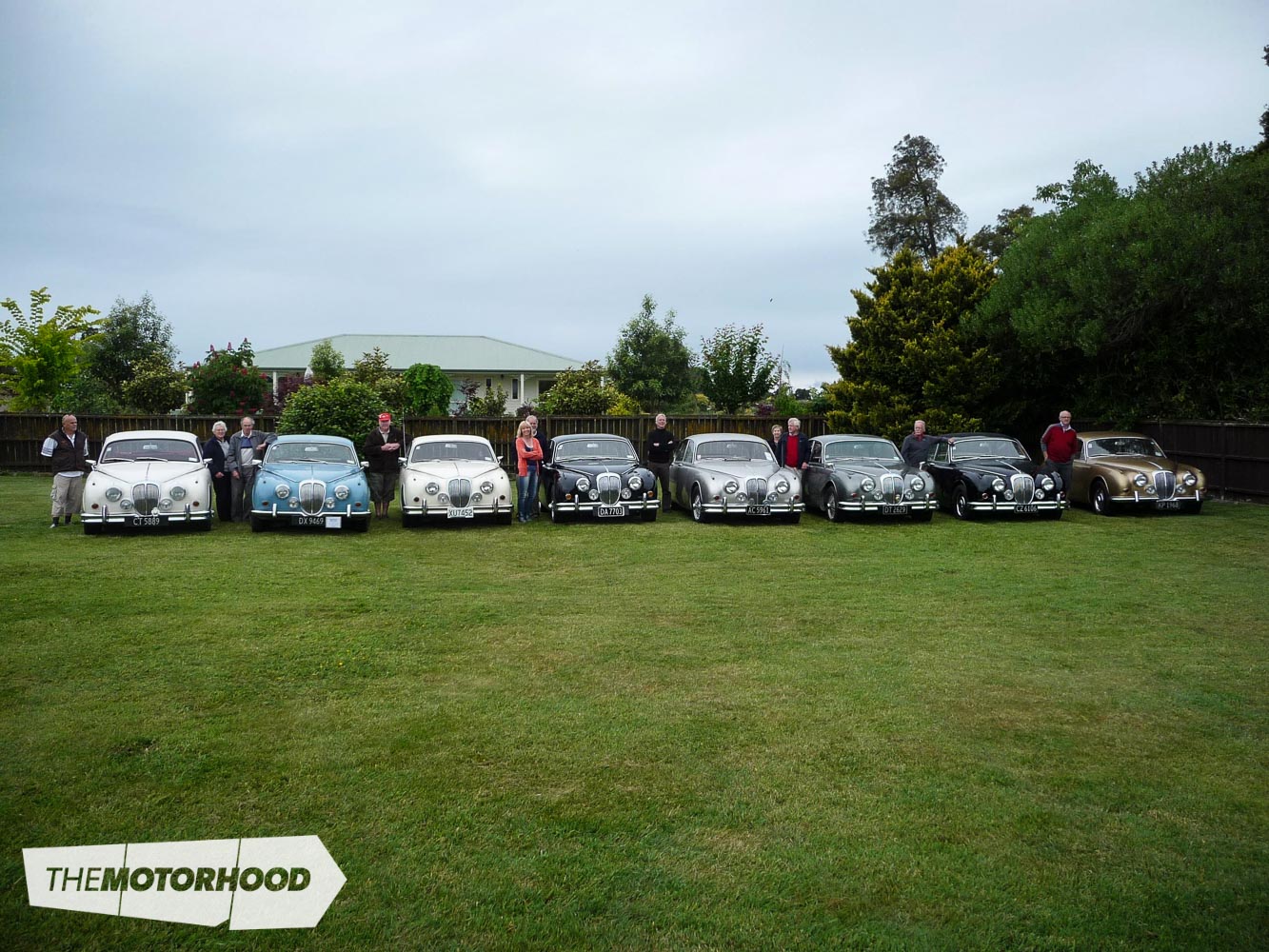
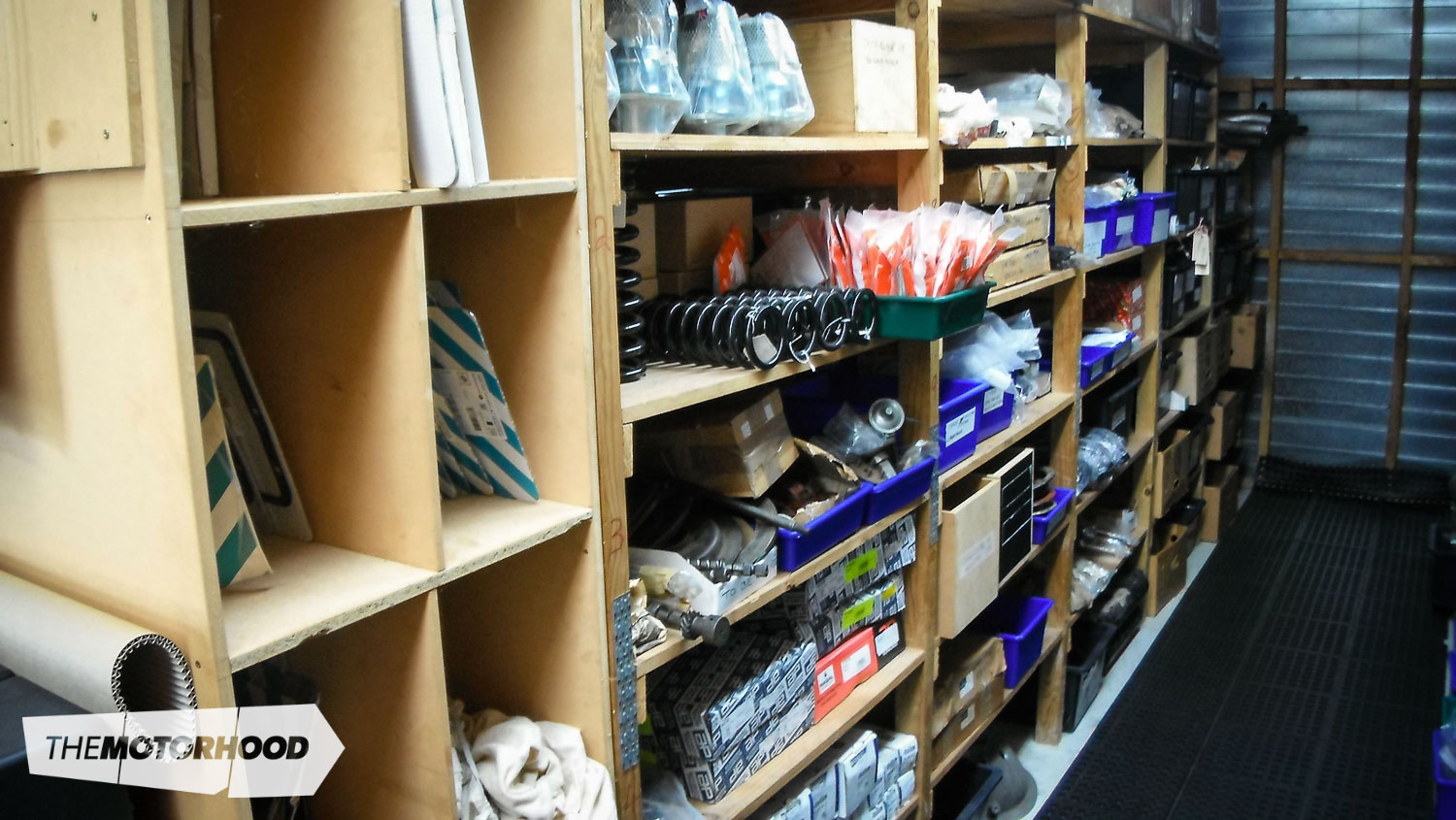
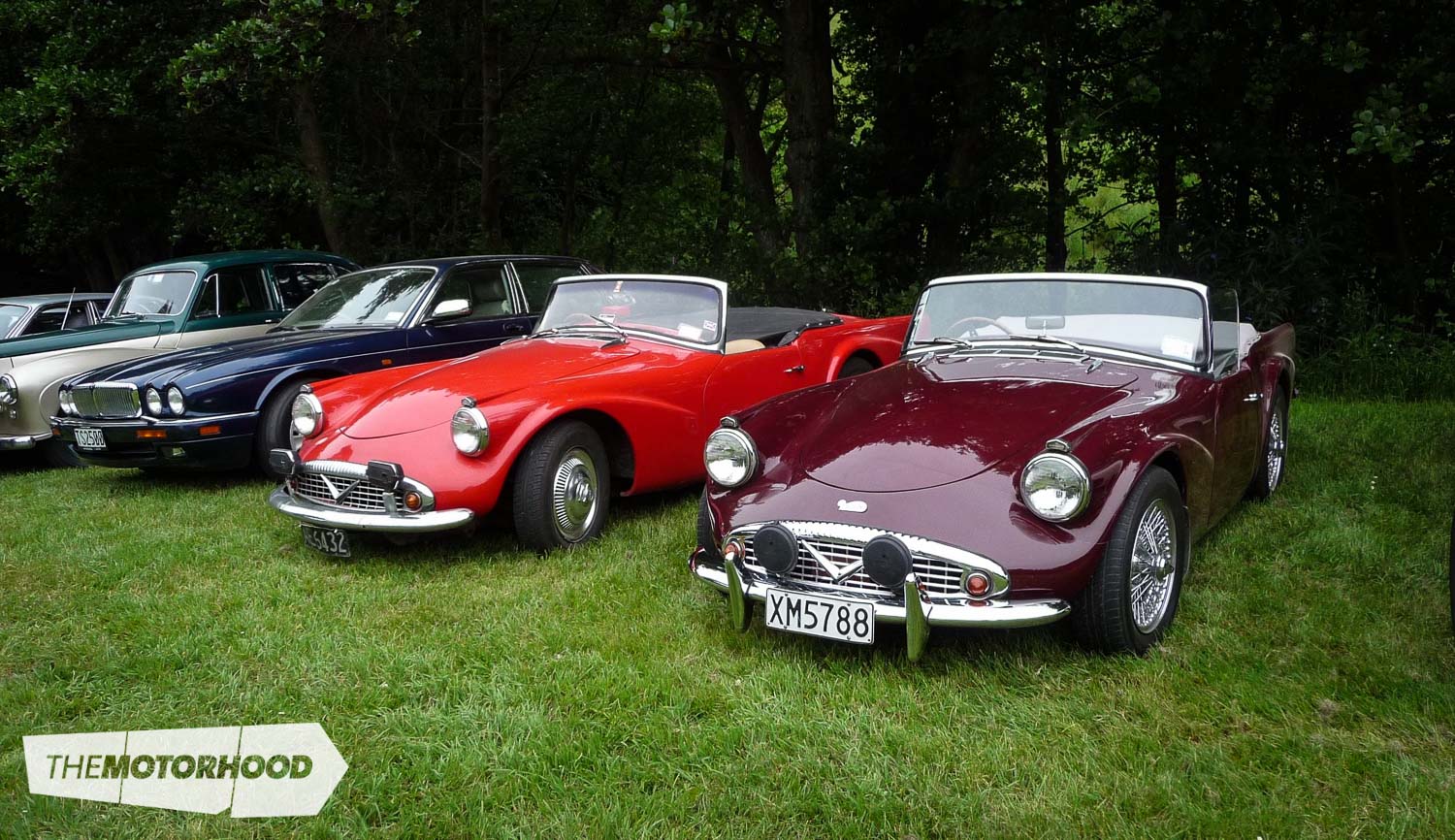
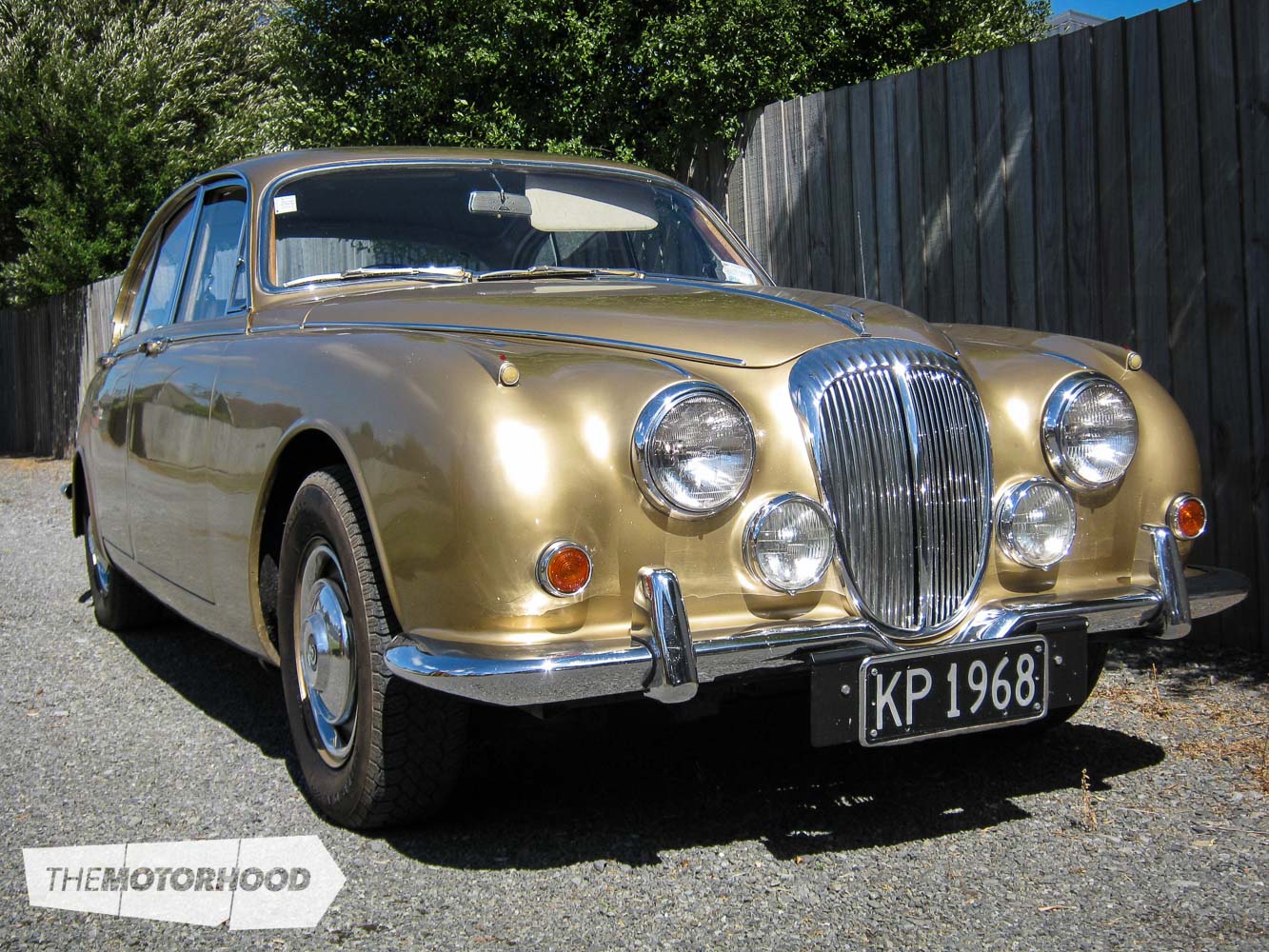
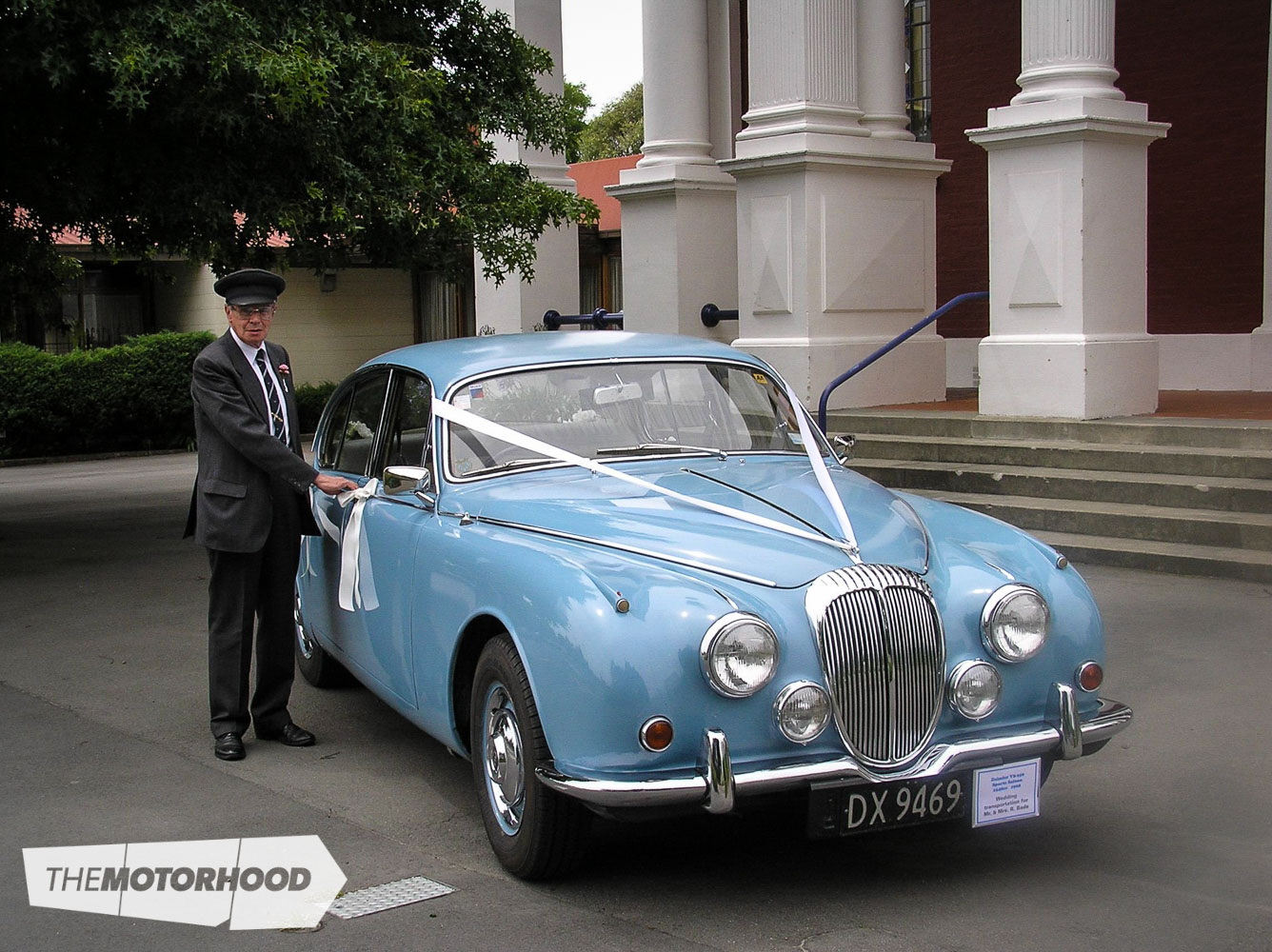
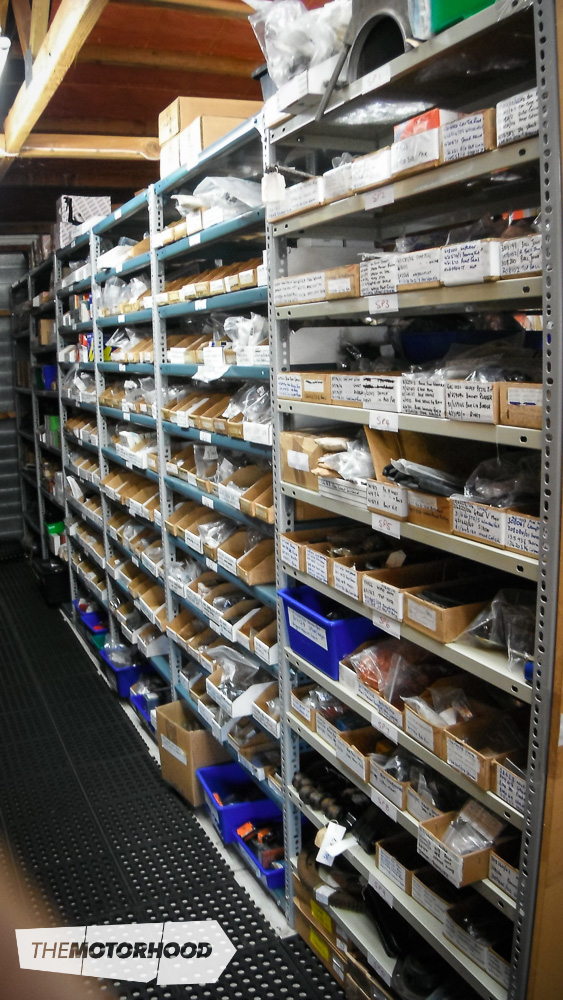
Today the club, based in Christchurch, provides parts sales to members only, and has a wide inventory of spare parts, new and used, available in stock for most Daimler/Jaguar motor vehicles from Jaguar Mk1 and XK120 right through to modern Jaguars and Daimlers as well as Lanchester vehicles. The club carries approximately 3500 individual line items, all available ex stock for the above vehicles. The club also caters for more modern X-Type, S-Type, and XJ Jaguars.
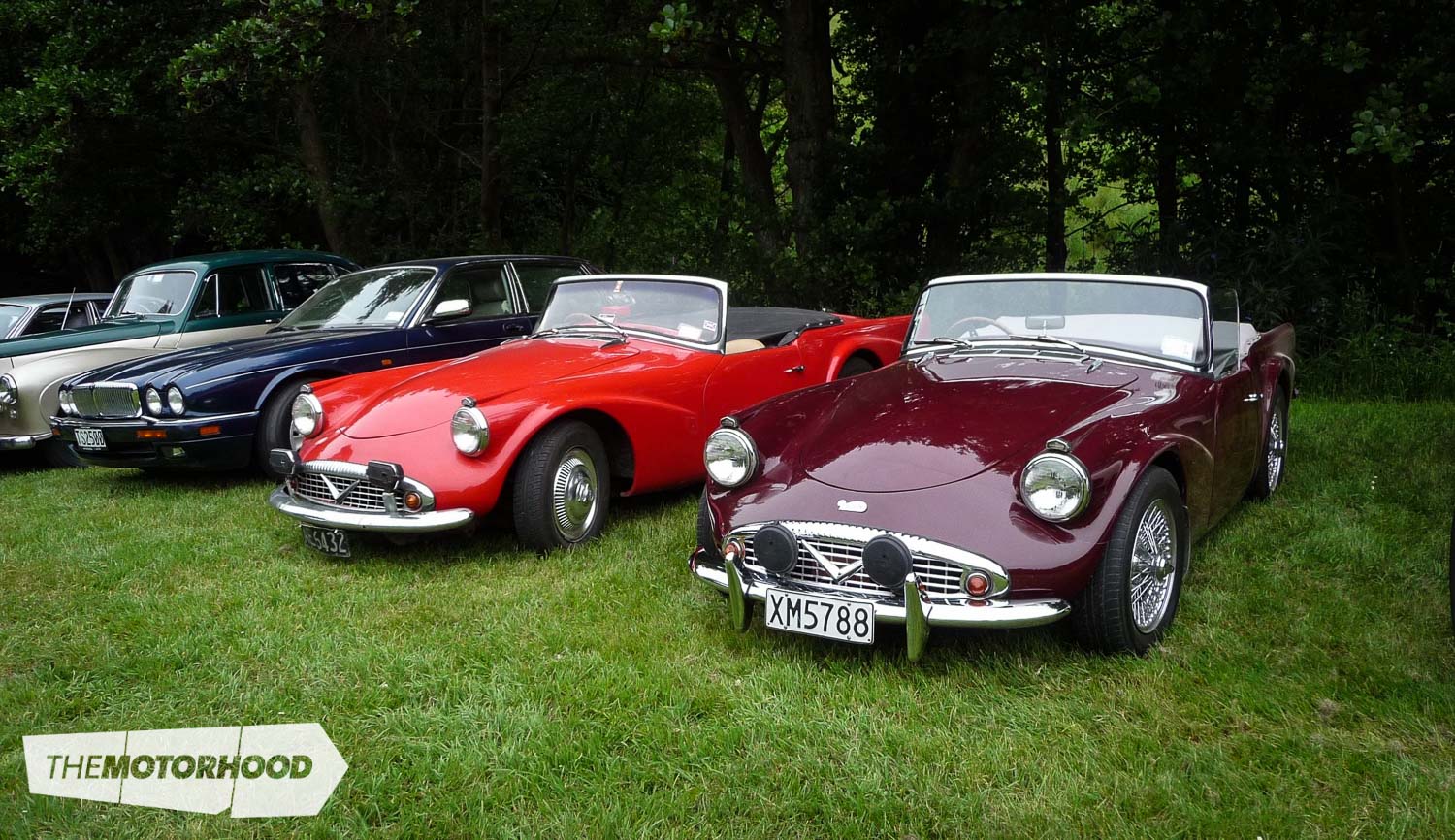
The club is run by a group of volunteers, and is open for business and parts orders and information on Tuesdays and Thursdays from 8.30am to 1.00pm. The majority of orders ex stock are shipped the same day, with competitive overnight freight rates. The club can also provide hassle-free shipping from overseas for those hard-to-get parts, offering a price advantage for parts supply for more modern vehicles over most local suppliers.
Join the club

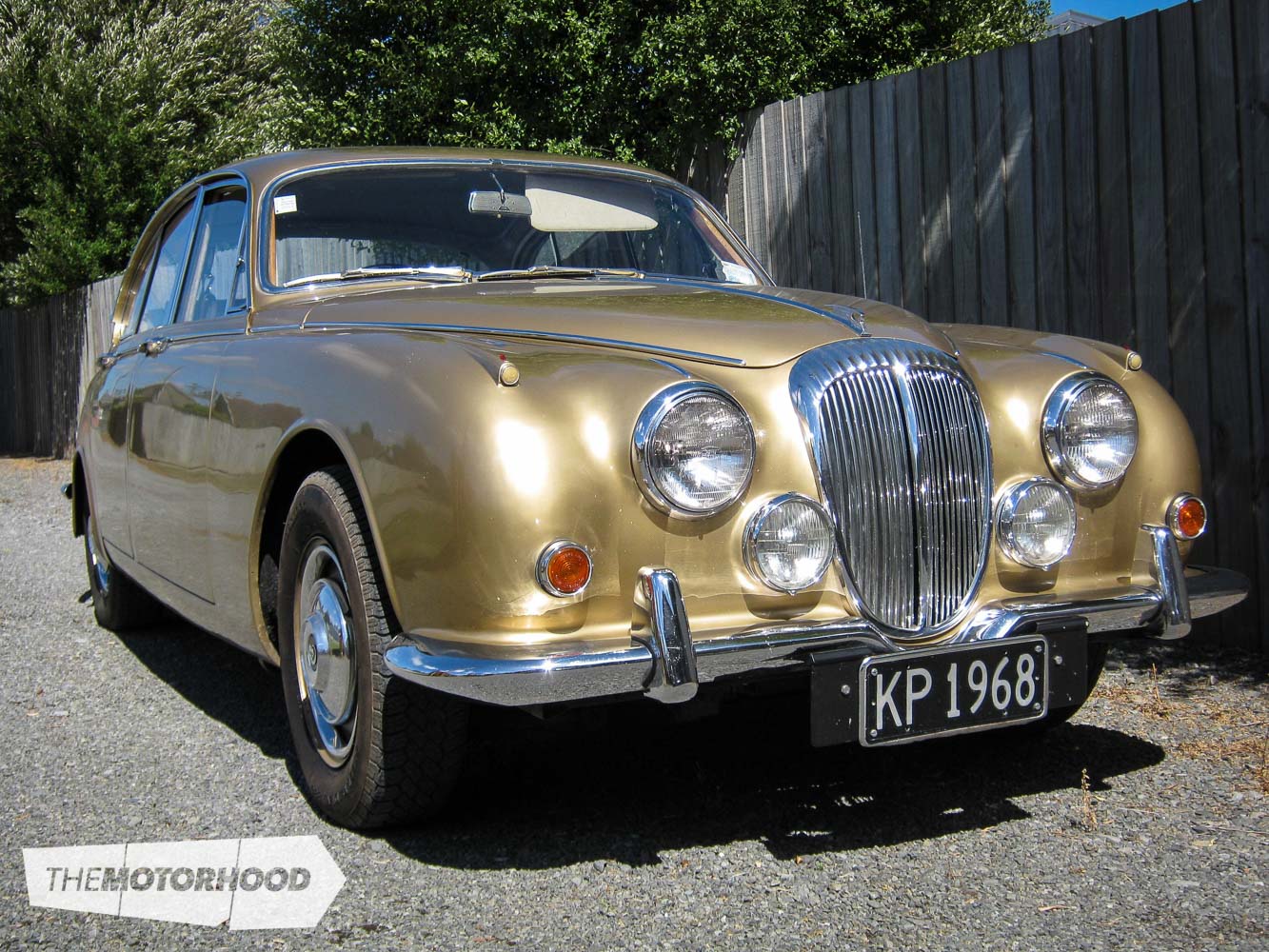
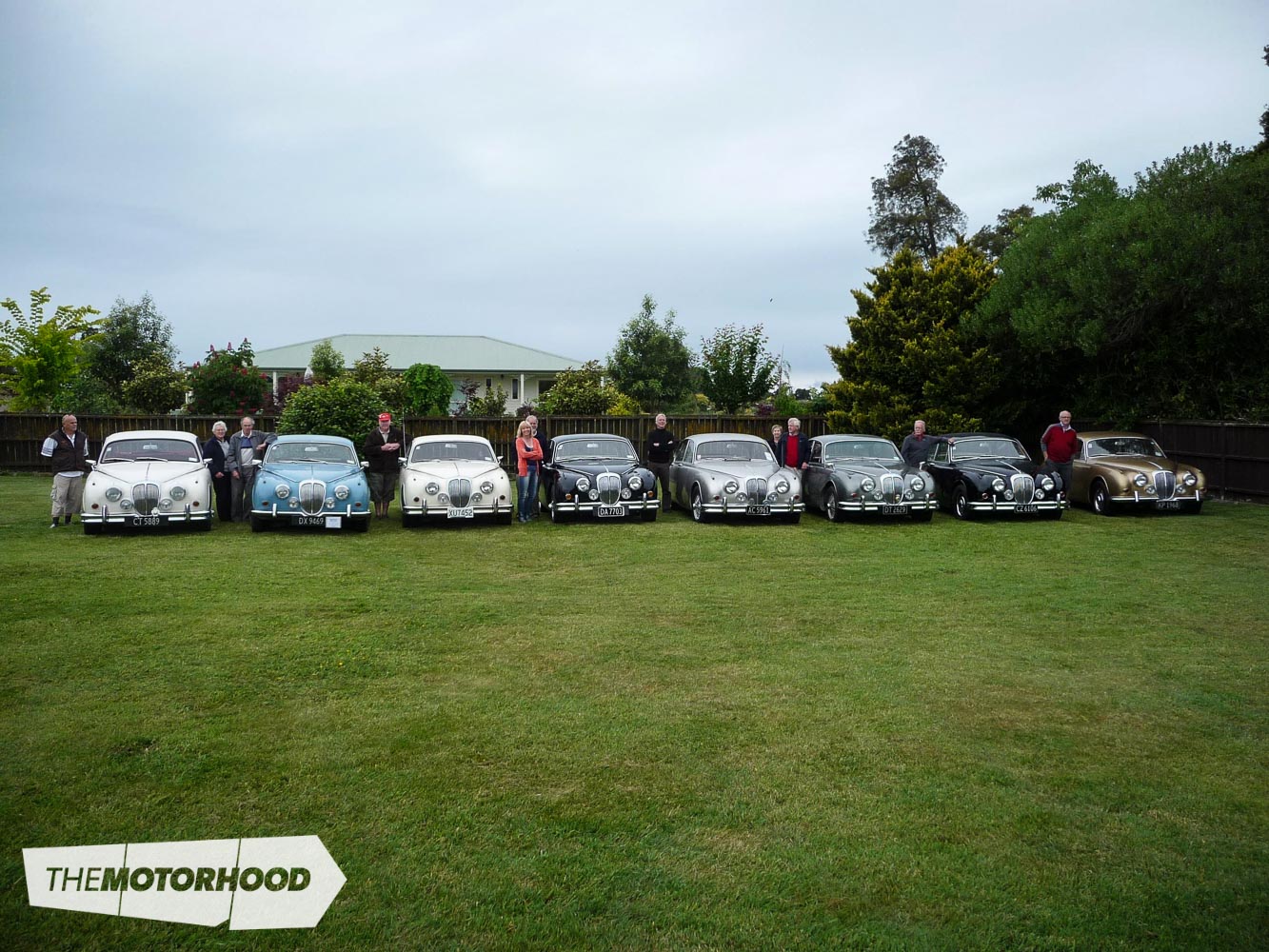
If you’re interested in joining one of New Zealand’s largest one-marque car clubs, then join the Daimler & Lanchester (Jaguar) Owners in New Zealand Spare Parts Club.
Visit the website — daimjag.org.nz — for further information and to download a membership application form.
This article originally appeared in New Zealand Classic Car Issue No. 299. You can pick up a print copy or a digital copy of the magazine below:

NZ Classic Car magazine, September/October 2026 issue 407, on sale now

We love bugs!
A bit of TLC that became a major restoration
The 1302S, or ‘Super Beetle’ as it became known, was built for two years before it, too, was replaced by a further-enhanced Beetle, the 1303, continuing an amazing 65-year lineage for one of the World’s best-known shapes.
The world’s best-selling single-model vehicle, the VW Beetle, possibly established another record for the amount of controversy it has created since the inception of the Type 1.
In a meeting with Hitler in June 1934, Ferdinand Porsche was contracted to build a ‘People’s Car’ that could accommodate two adults and three children, was air-cooled and simple to maintain, and could cruise economically at moderate speed along Germany’s proposed new Autobahns.
Our feature car, a 1972 1302S ‘Super Beetle’, was found by Dave and Michelle Dickie in Mosgiel a few years back. It was a runner, but like most VWs of this age, it needed a little TLC. They were looking for a daily driver for Michelle when they first came upon the VW being sold locally on behalf of its owner.
“The owner offered it to his grandchildren, and they didn’t want it, so he got the guy out at Mosgiel in the Mobil petrol station to sell it for him, and he put it on Trade Me for them. We never met the owner, and we were always dealing with the guy at the petrol station. We put a bid on it, and we were the only people that bid on it.”
Their bid was eventually successful, eight years ago. Not knowing much of the history, in situations like that, it’s always a risk buying a car, but they were in for a bit of a surprise.

The other Q car

Say the word ‘bond’ to anyone in the street and around 80 per cent straight away think of pop culture’s least-secret secret agent. The other 20 per cent may think of the wad of cash required to secure a flat or hire equipment that one gets back providing the fixtures and fittings stay much as they were.
However, mention ‘bond’ in specialist classic car circles and people will spin a very different yarn. If you dig deep enough, you will find an eccentric British carmaker that, throughout its 23 years in business, spawned some quirky and charming little cars.
The company was founded by Paul Sharp in 1922 under the name of Sharp’s Commercials Limited. However, the company did not start producing cars until 1948. The first car to carry the Bond name was the Bond Minicar. A three-wheeled, soft-top, two-cylinder eco car, the Minicar was a big hit at the time as the desire for an economical urban runabout that didn’t attract four-wheel car tax was strong in post-war Britain. All in all, 34,285 Minicars were produced over 26 years in a variety of variants.