Weekly Motor Fix: 1970 Mercedes SL 280 Pagoda

24 May, 2016

This 1970 SL280 top-spec hardtop/soft-top (two-top) automatic (left-hand drive) convertible in the exceptionally rare and exquisitely beautiful Horizon Blue (with navy interior) is one of the finest examples you’ll find.
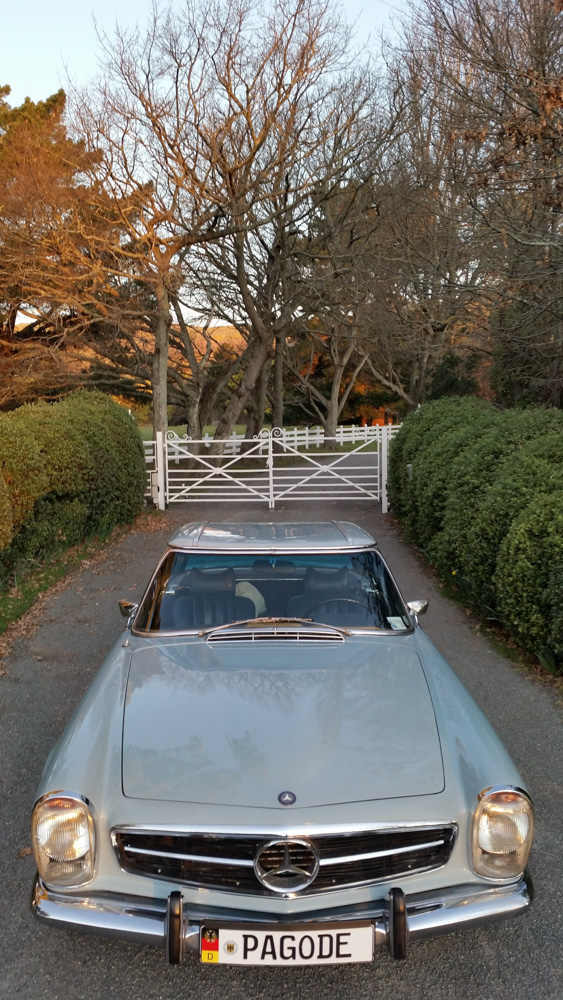
Most recently, this stunning work of road-going art has graced Canterbury’s roads, and wherever it goes its unmistakable shape and inherent elegance draws compliments like a magnet. The car’s owner, Tanya, has often been greeted with bunches of flowers left at the windscreen … one man even exclaiming, “A man would marry you for a car like that!” — and who can blame him? That man used to own one, and sold it — he knew all too well how special these treasures are.
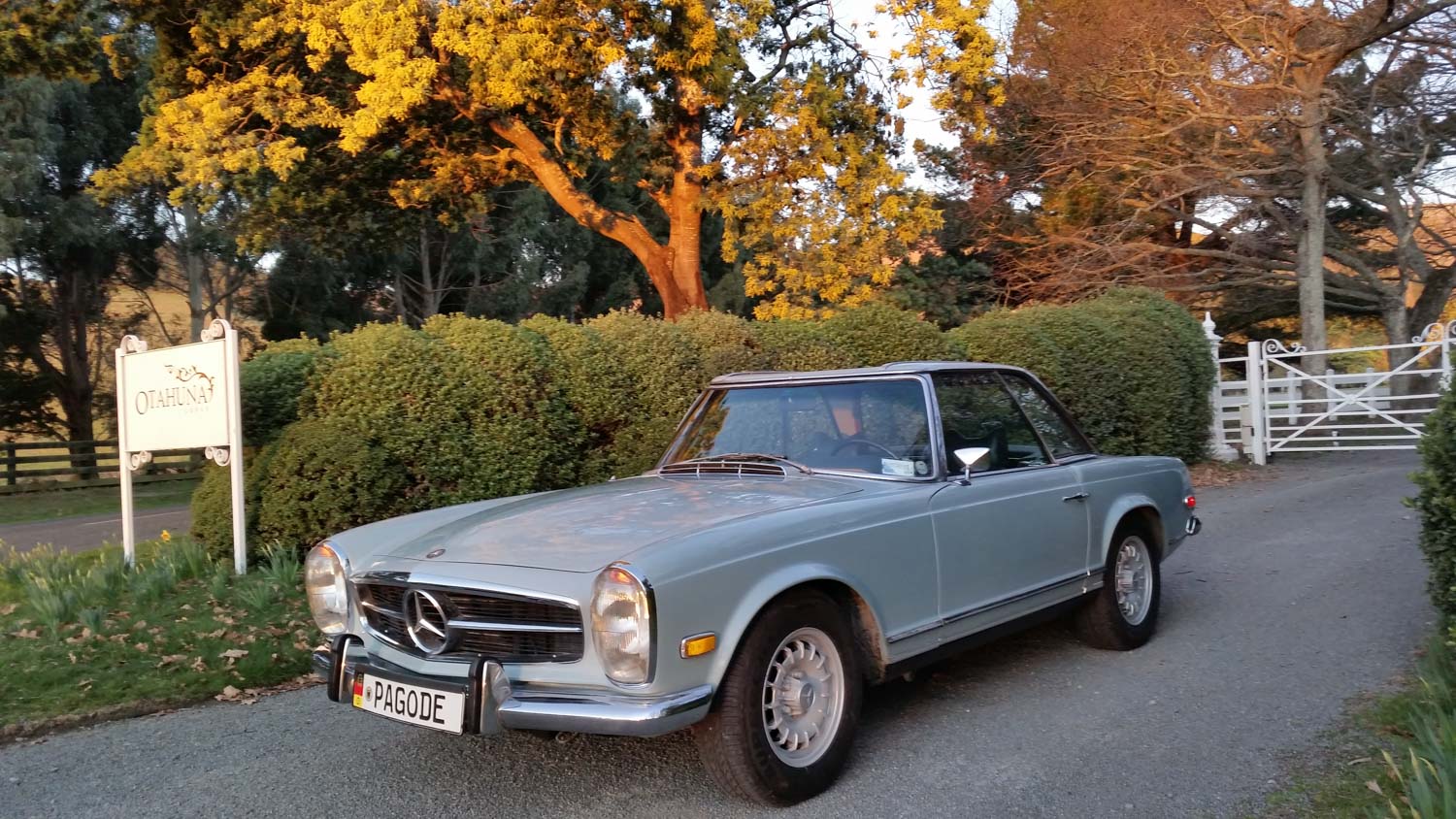
‘Pagode’ (pagode is the correct German term for Pagoda), currently sports original Bundt alloys (available from 1969 as an option, and later these became very popular on many Mercedes-Benz models). Pagode also retains her original Horizon Blue–matching hubcaps, etc., and is complete with her original 1970 key, genuine Mercedes locking fuel cap, and vintage highly sought-after Becker Europa stereo. Pagode also has an immaculate navy soft-top, believed to have never been put up before last year, and the car has never been used on the road with the soft-top up.
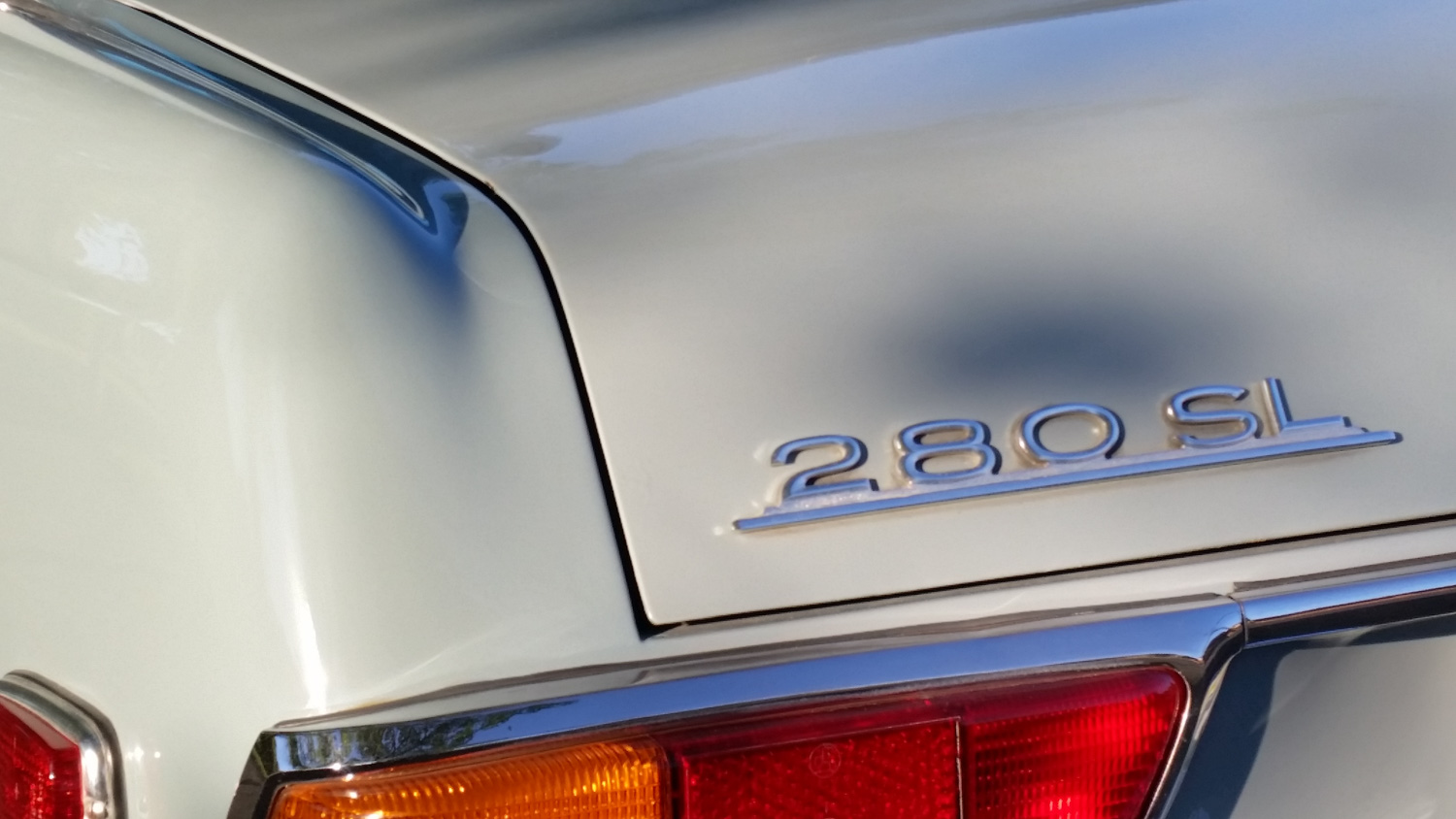
This list simply goes on and on, all those little critical things that the in-the-know Pagoda collector looks for are here on this car in abundance. As only limited numbers were produced, and the SL280 twin-top is the acknowledged King of the Pagoda line-up, ‘Sweet Pagode’ — as she’s known locally — shines out as ‘the one’.

This car is currently for sale and expressions of interest, or for any further information, can be sent to [email protected].
More to the point

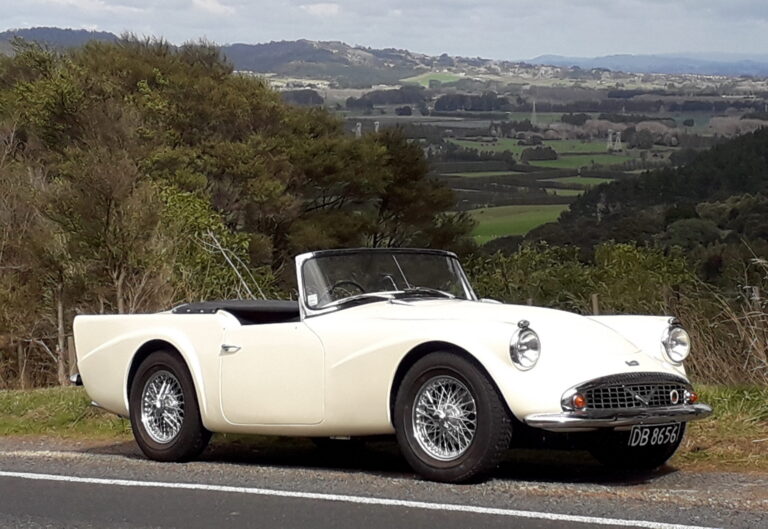
This Daimler SP252 is so rare, few people know it exists. It’s one of a kind. It’s the only surviving, in fact the only SP252 ever completed; the would-be successor to the SP250 Daimler Dart. It is also the last sports car to have been designed by Jaguar’s legendary founder, Sir William Lyons.
Perhaps one of the original Dart’s biggest problems was it’s somewhat-divisive looks. It certainly went well enough to win fans, although Sir William wasn’t among them. It crushed the opposition in the Bathurst six-hour race, finishing five laps ahead of anyone else, and it was snapped up by police forces in Britain, Australia, and New Zealand, as it was the fastest thing on the road.
So you’d think a stunning new body with the magic Lyons touch would have been a surefire success. Why this car never made it into production is still something of a mystery, as the official explanations barely stack up.

Polishing to perfection

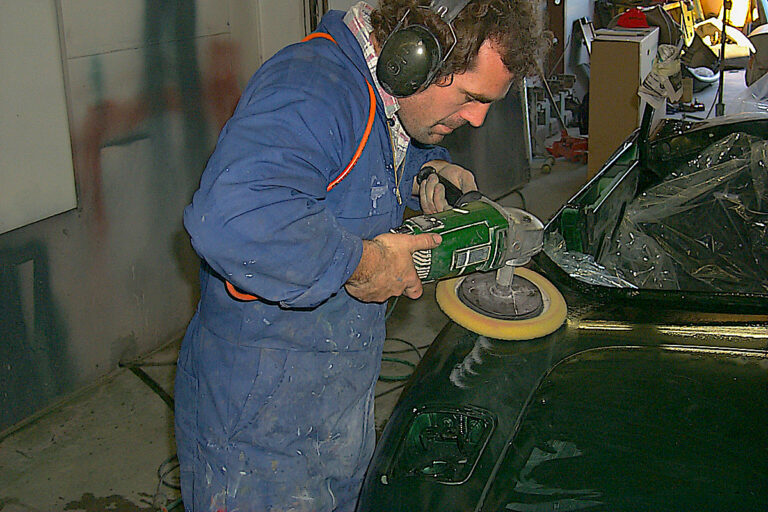
The secret to a show-stopping finish is colour sanding, no matter which paint system you use. Even a good painter, no matter how experienced or talented — like my mate Bruce Haye, CEO at Ace Panel and Paint in Whitianga — can’t shoot to a perfect mirror finish. To get that level of perfection, you need to colour sand.
It used to be called ‘rubbing out’ or ‘cutting’, and it was done with pastes that came in cans. They worked — sort of — but the compounds really just rounded off imperfections instead of eliminating them, and they removed a lot of paint in the process. But now your new finish can be made flawless, thanks to microfine sandpapers that come in 1000, 1500, 2000, and even 2500 grit ranges, and Farecla G3 polish — available from automotive paint suppliers.