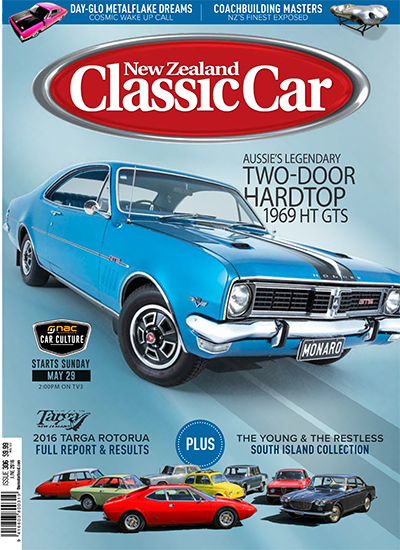
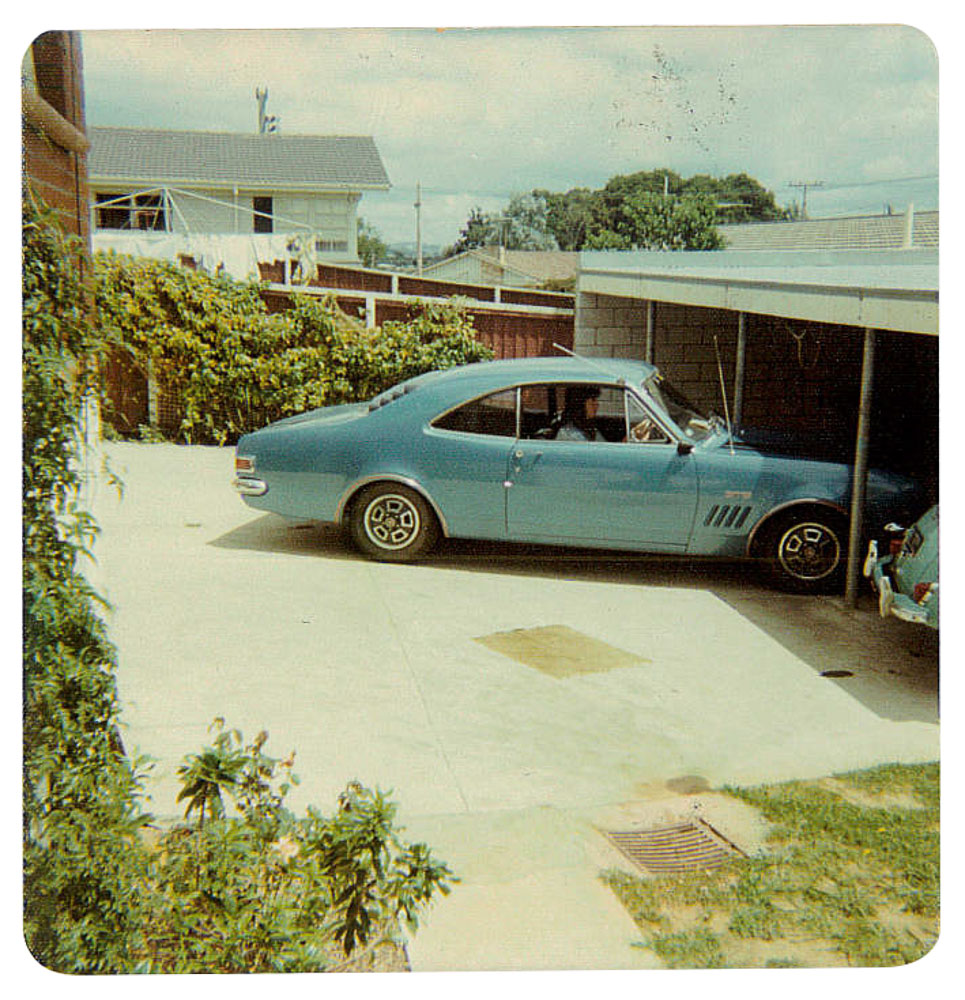
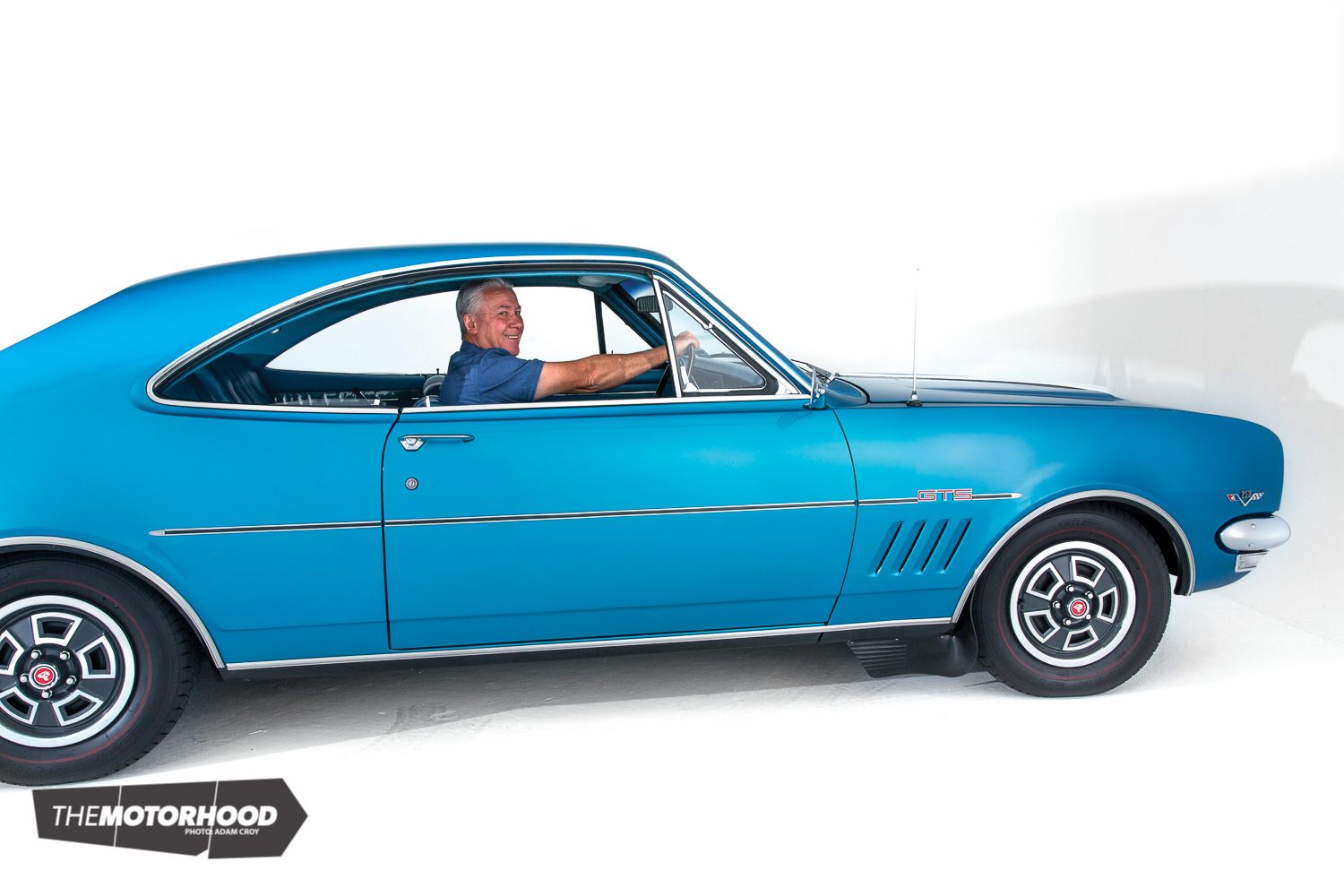
This New Zealand Classic Car Issue No. 306 cover car sparked many fond memories of these big Aussie coupés, as I remember my first ‘real’ car was an HK GTS Monaro, which I proudly owned back in the early to mid ’70s.
It was never my intention to own such an iconic car, but, after my trusty puke green 1960 Morris Minor 1000 decided enough was enough as I entered the car park of my then employer, Lamson Paragon, by refusing to change out of first gear, I decided it was a good time to find a more suitable ride.
As I worked with several petrolheads who drove a range of different cars, from Vauxhall Crestas and Veloxs to Triumph 2000s, a variety of Holdens, and a couple of Tri-Five Chevs — remember, this was about 1973/’74 — my mind was fairly well made up: my new car had to be a V8.
The problem was that, in those days, the minimum deposit required to purchase a car from any reputable dealer was 50 per cent, and, as I had managed to beg, scrape, save, and borrow what I thought was a reasonable deposit, the search was on in earnest for a V8 anything.
My first stop, and all-time favourite place to look at cars and dream, was Monaco Motors in Greenlane. Rows of gleaming muscle cars — Corvettes, Mustangs, Pontiac Firebirds, and Dodge Challengers, to name but a few — beckoned, but, alas, my funds weren’t anywhere near sufficient for me to park one of these LHD monsters in our driveway, which indeed posed another slight problem — my father.
My dad was somewhat of a Morris Minor fan — I’d had three by this stage — and he knew that I’d be safe, or as safe as any teenage lad can be, driving a Morrie. I wasn’t quite sure how to broach the subject of buying a V8, but thought that I’d cross that bridge when I got to it.
The next stop, and again one of my regular car-spotting haunts, was Otahuhu. Car yards, one after the other, as far as the eye could see, along Great South Road, and what did I spot? Not one, but two XY GT-HO Falcons parked side by side, and, again, I knew that my budget wouldn’t allow me to park either one of these tyre-shredding beasts in our driveway either. And, although my mind worked overtime for a couple of days trying to figure out ways to buy one, it just wasn’t going to happen, short of me robbing a bank.
I’m not sure when, but sometime shortly after, I spotted a shiny blue Holden Monaro HK GTS sitting in a car yard in Hunters Corner, Papatoetoe. Its sleek lines were mesmerizing indeed, to say the least, and I knew instantly that this was the car for me. And I could afford the deposit — just.
Even though I knew my father wouldn’t be exactly thrilled about the idea, I couldn’t wait to tell him about the stunning blue Monaro, and he was surprisingly supportive of the fact that I had found a car which I really wanted. His only provisos were that I looked after it, not speed — who, me? — and didn’t drink alcohol — not a problem.
In hindsight, I know I should have kept it, as I watch the prices of Aussie muscle cars rocket skywards, virtually out of control like their Yankee counterparts.
These cars were built tough. As an 18-year-old, I must admit that I wasn’t exactly kind to the bright metallic blue Aussie, and I took every chance I could to test its every limit — within the speed limit, of course.
To read more from Ashley Webb, pick up a print copy or a digital copy of New Zealand Classic Car Issue No. 306 below: