data-animation-override>
“After watching an excellent video by Petrolicious, we thought it appropriate to brush up on our Renault 5 Turbo 2 trivia”
There are some videos out there on the internet that just leave you wanting more. After watching the video below about Christophe Guerin and his stunning red Renault 5 Turbo 2, we thought it appropriate to brush up on our Renault 5 Turbo 2 trivia. There’s no denying that they’re a staunch-looking little hatchback, with those bulbous wide rear arches, grills, and rear tyres. But, with these little terrors, it’s what lies beneath that gets us most excited.
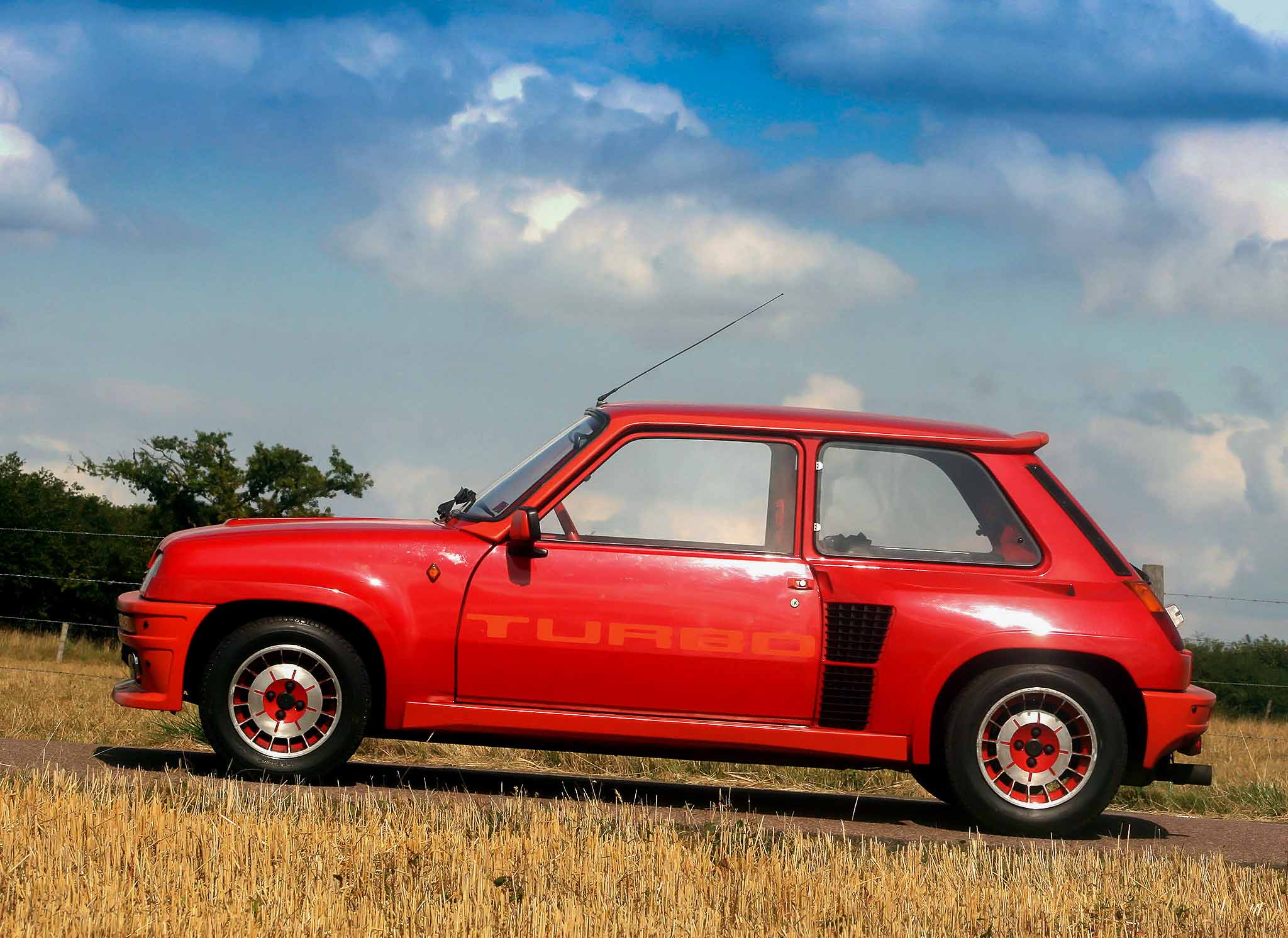
It was 1980 when Renault released to the world, at the Brussels Motor Show, their first 5 Turbo model. It came at a time when rally was the ultimate, and Lancia and Peugeot were building similarly equipped machines, built for the dirt and tarmac courses throughout Europe. It was in fact Renault’s Vice President of Production, Jean Terramorsi, who first sent the request through to Marc Deschamps to build a mid-engined sports version of the Renault 5 Alpine supermini.
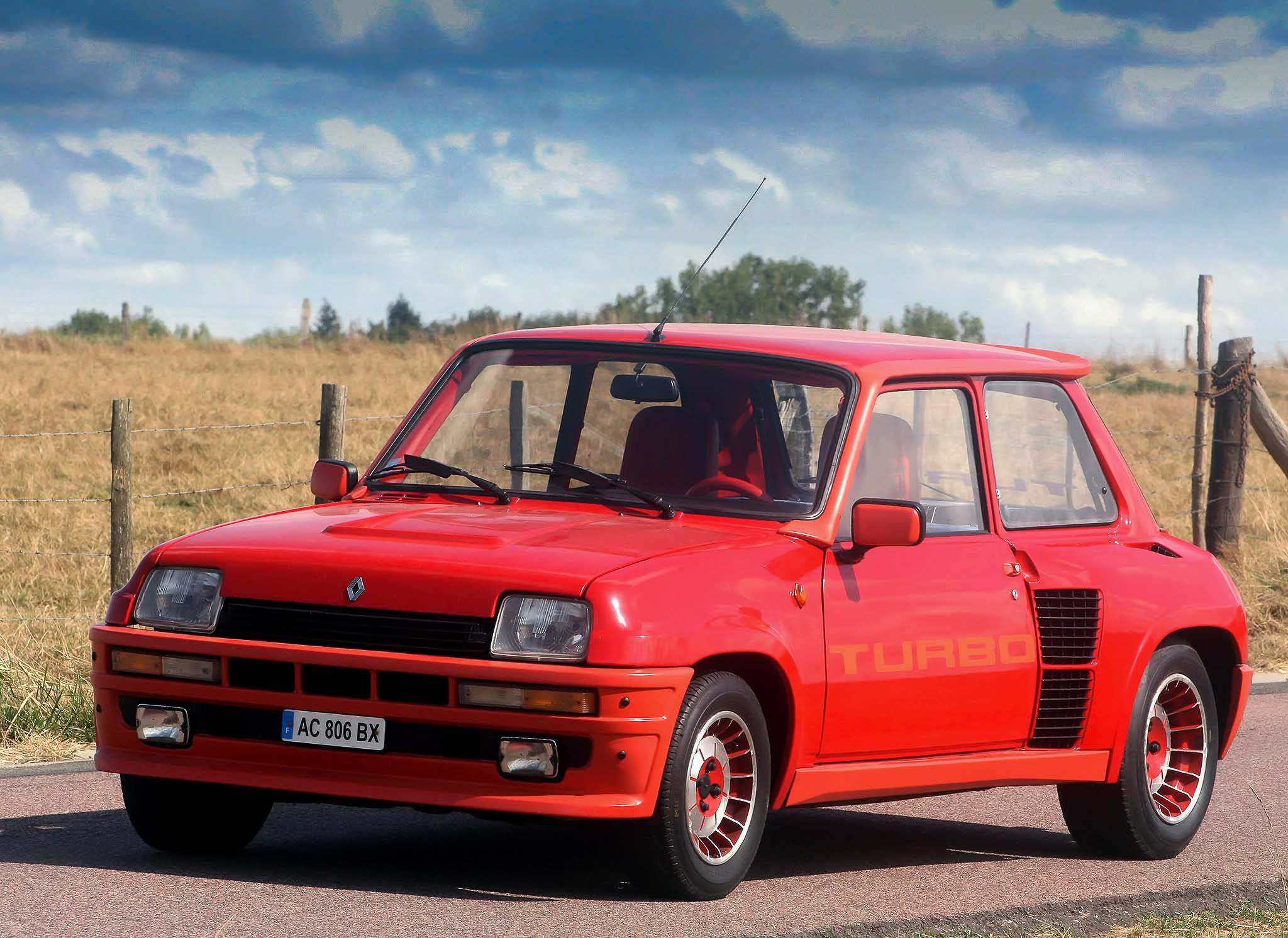
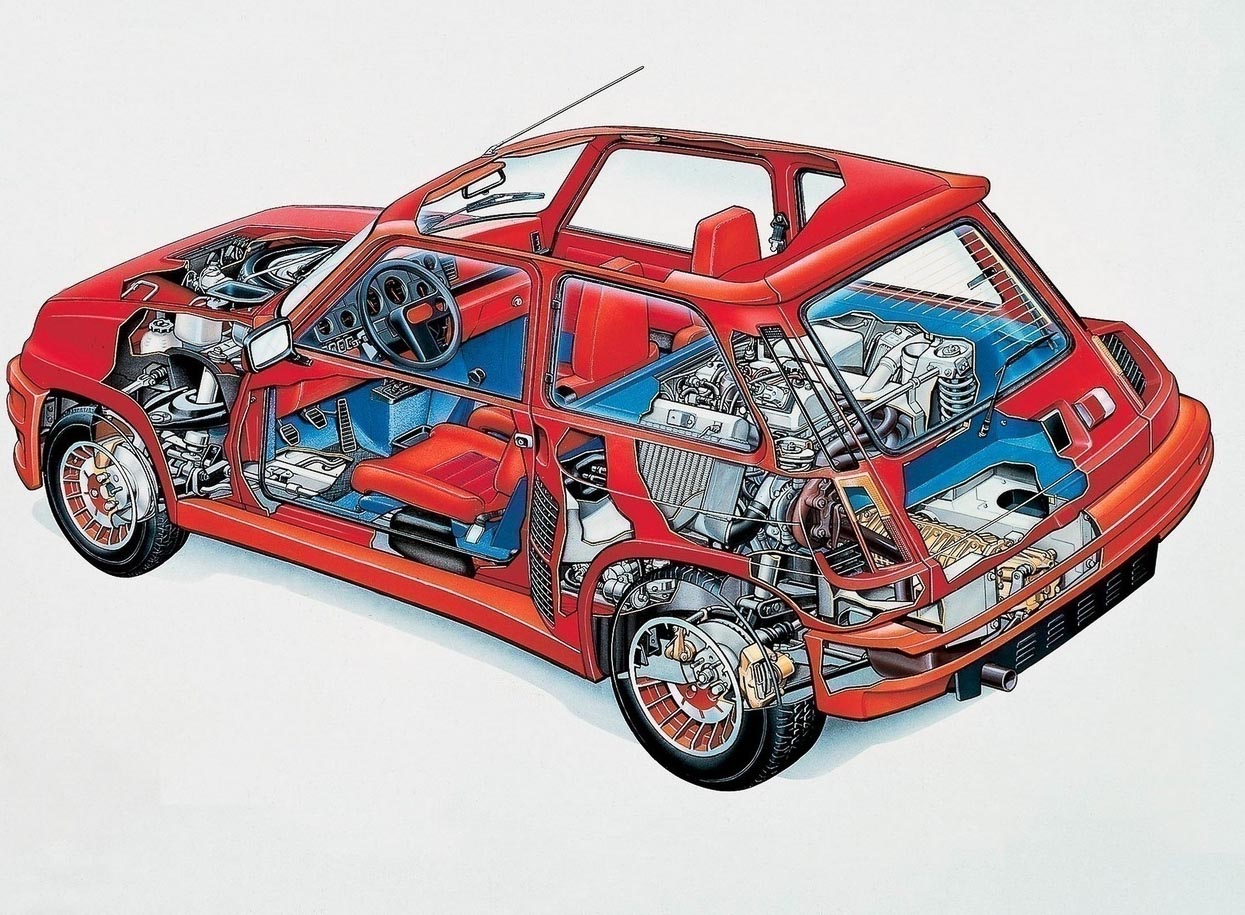
With some serious modification, Renault designers and engineers were able to graft in an engine, mid-mounted into a Renault Hatch shell. Instead of running the somewhat underpowered engine that propelled the Renault 5 Alpine supermini, a Cléon-Fonte 1397cc turbocharged engine was used. In the initial Renault 5 Turbo, power sat comfortably at 118kW (158hp) at the flywheel. Power remained the same in the Turbo 2 model, however, for motorsport use, power rose considerably to 200hp, then 300hp, finally finishing at 375hp, although with an increased capacity of 1527cc.
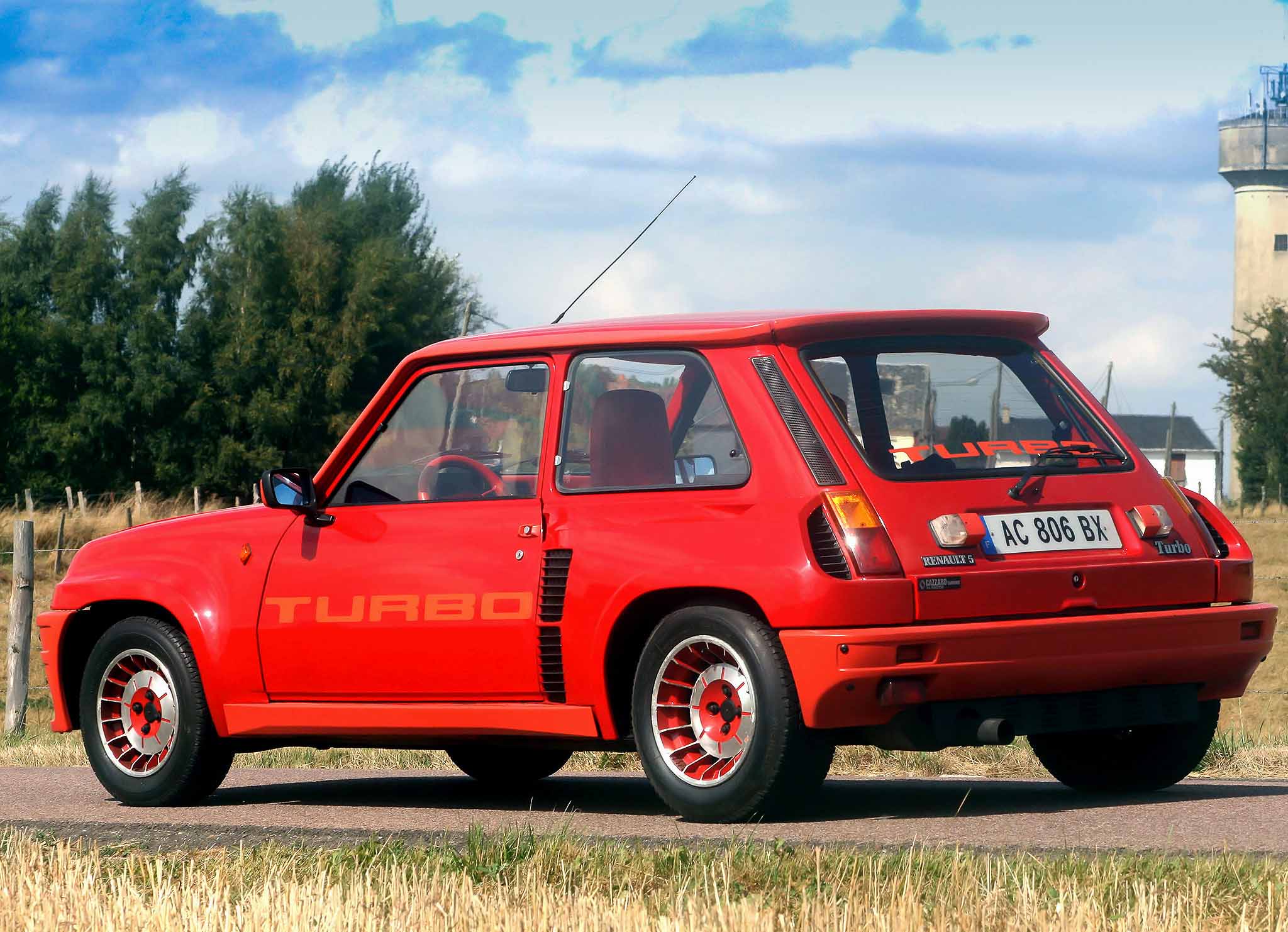
In 1987, with the introduction of Formula One–derived water injection into the intake tract, Renault were able to strangle 385hp from the small engine. An impressive number even by today’s standards, and, considering the Renault 5 Turbo only weighs in at 970kg, they’re apparently quite the rocket! How fast were they really, though? Well, 0–100kph only takes 6.9 seconds, and top speed was found to be 200kph.
Unfortunately, the Renault 5 Turbo didn’t see too much success with two-wheel drive when in competition, with the only notable win being in 1981, when Jean Ragnotti won the Monte Carlo Rally. Soon after this, the much quicker all-wheel drives soon proved their dominance, putting an end to such rear-wheel drive beauties.