
data-animation-override>
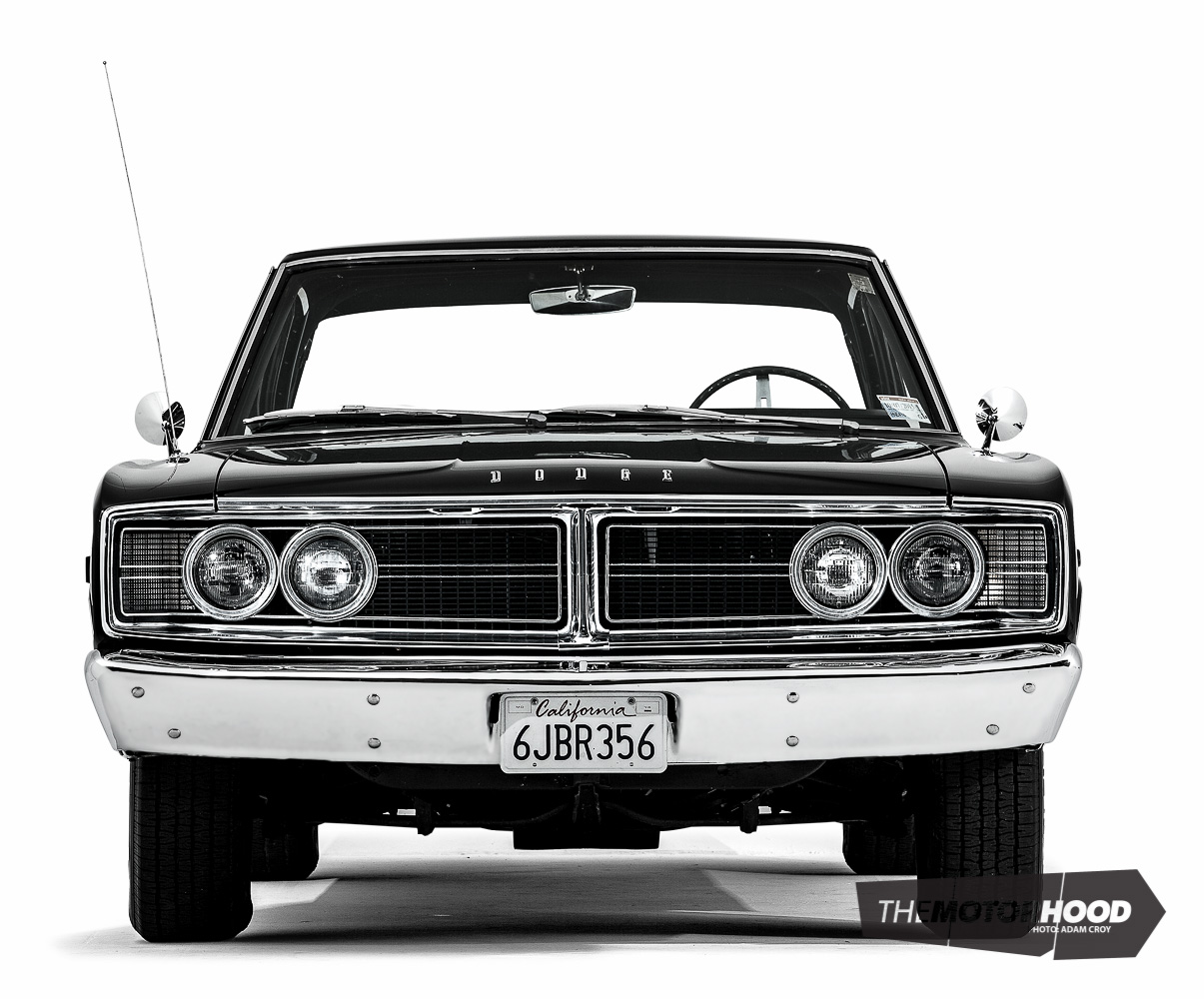
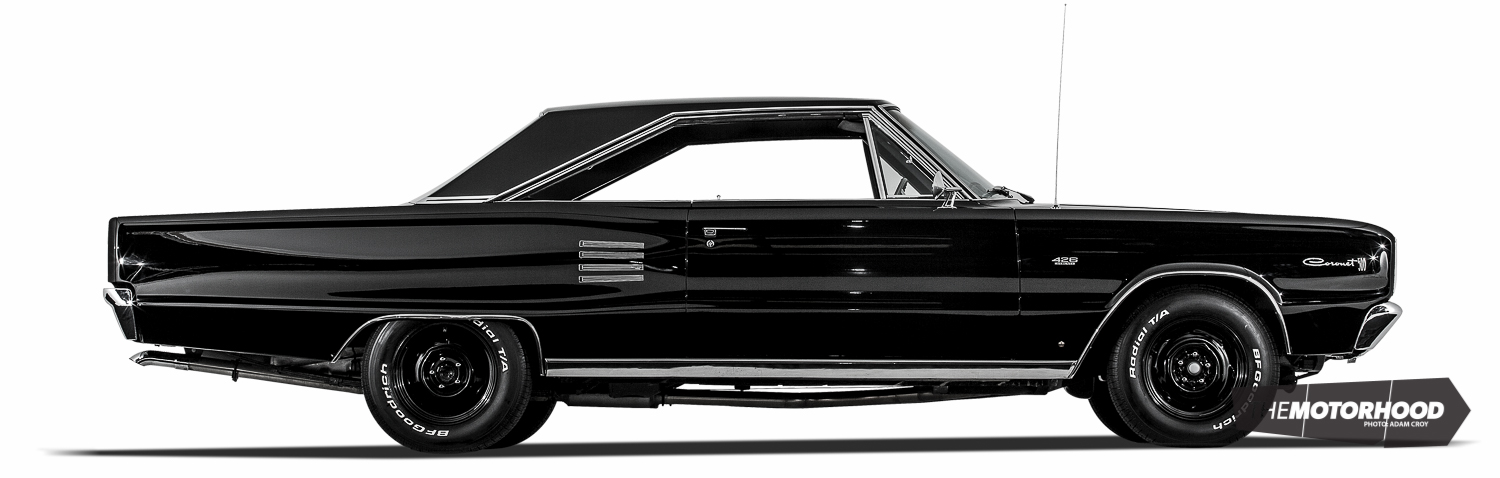
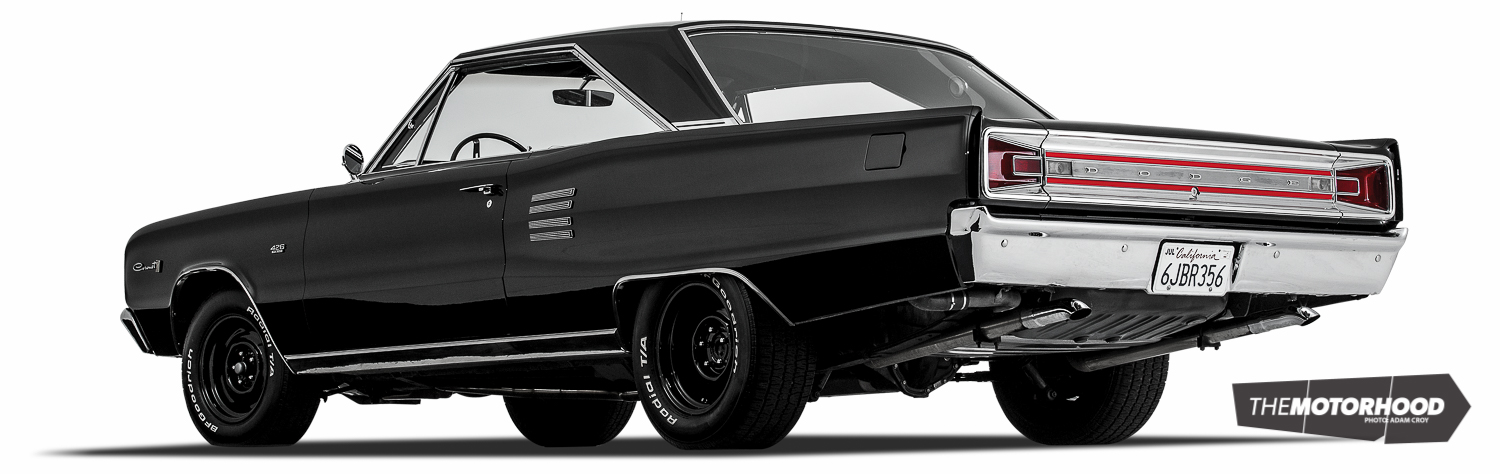
“Some cars need no introduction, and a 1966 Dodge Coronet with factory-optioned 426-Hemi and four-speed manual is quite safely one such car”
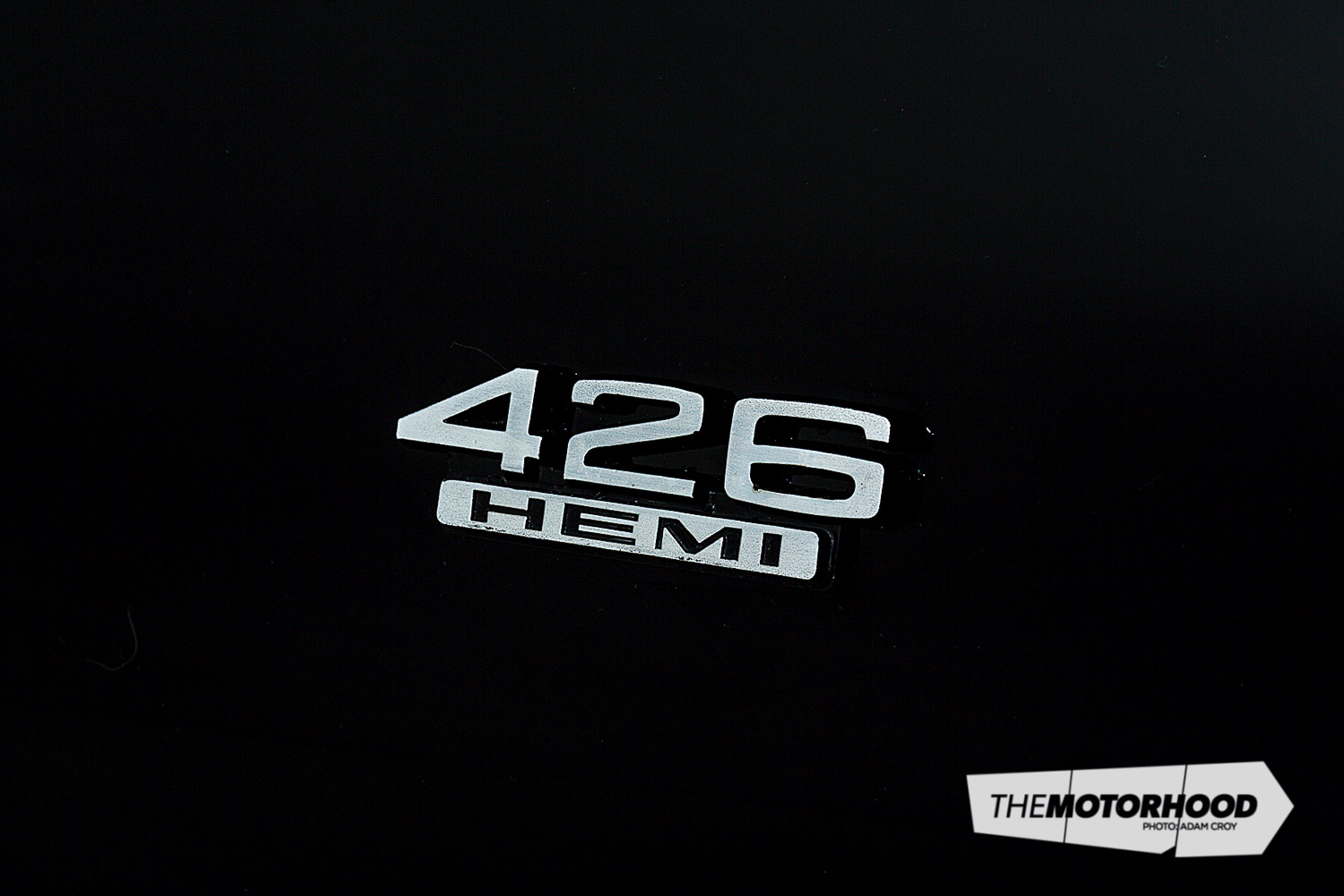
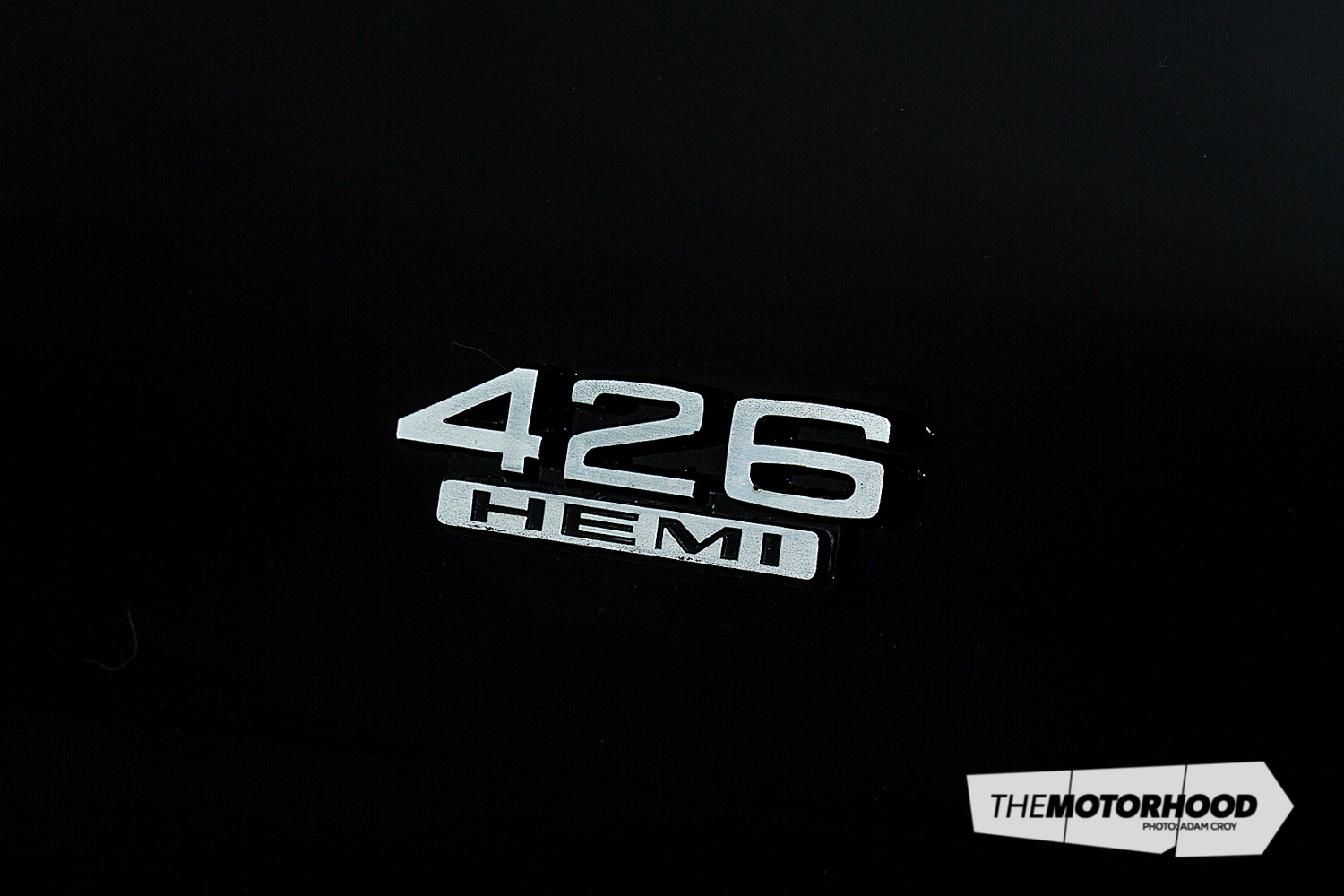
Chrysler’s Hemi engine is the stuff of legend — having been banned from competing in Nascar in 1965, how couldn’t it be? The huge valves afforded by the revised valve angles and hemispherical combustion chambers, as well as the enormous displacements achievable by boring and stroking the huge blocks, gave the Hemi engines sheer power that other manufacturers struggled to match. The fifth-generation Dodge Coronet, introduced in 1965, featured a range of high-horsepower V8 engines, but it was the optional 426ci Hemi V8 that would cement the car’s place in muscle-car history. The 426 Hemi offered in 1965 was actually an engine known colloquially as the ‘Race Hemi’ — designed and built for racing, it included an angry camshaft profile, tubular steel headers, and a 12.5:1 compression ratio, making it nigh on unusable for general street duties.
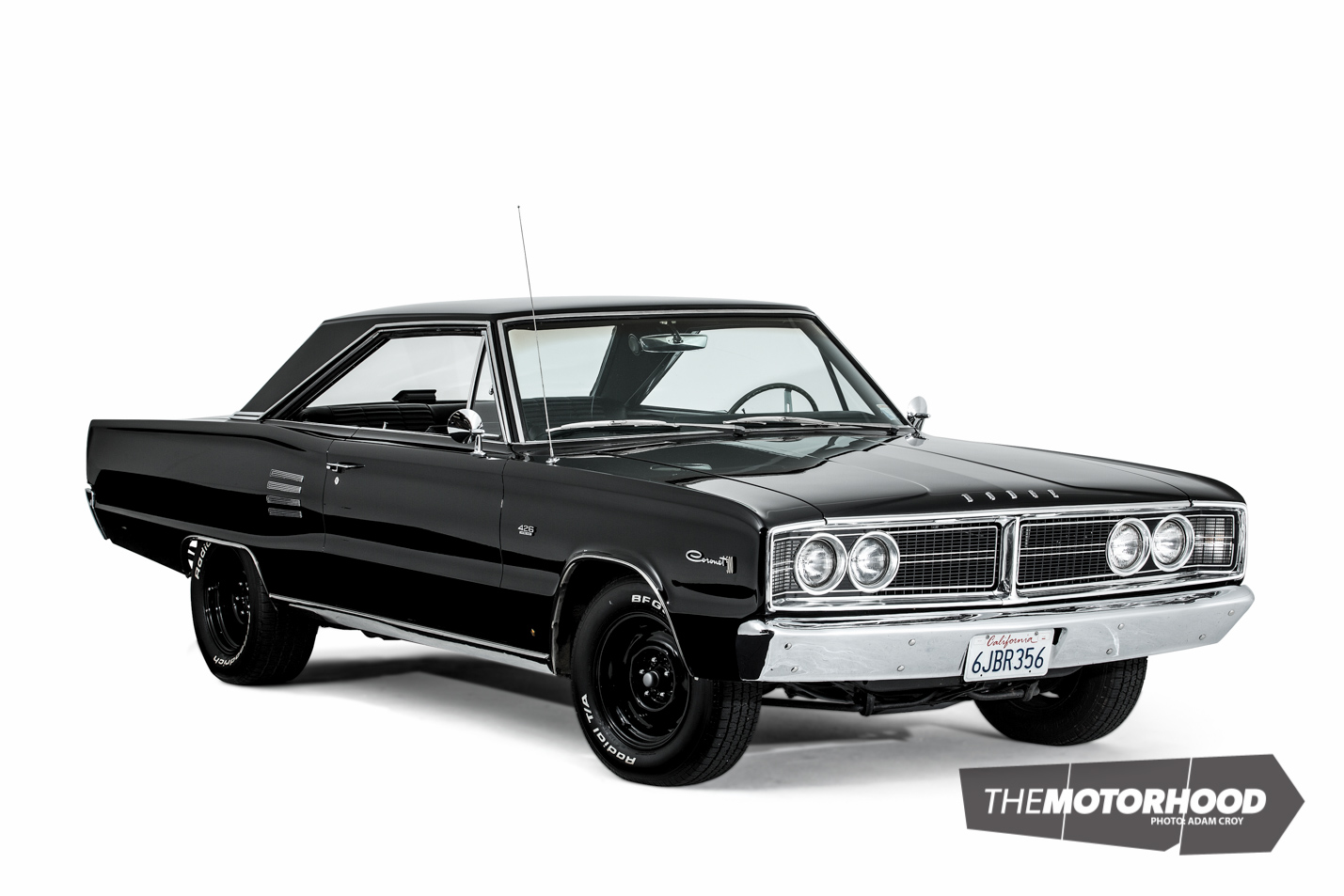
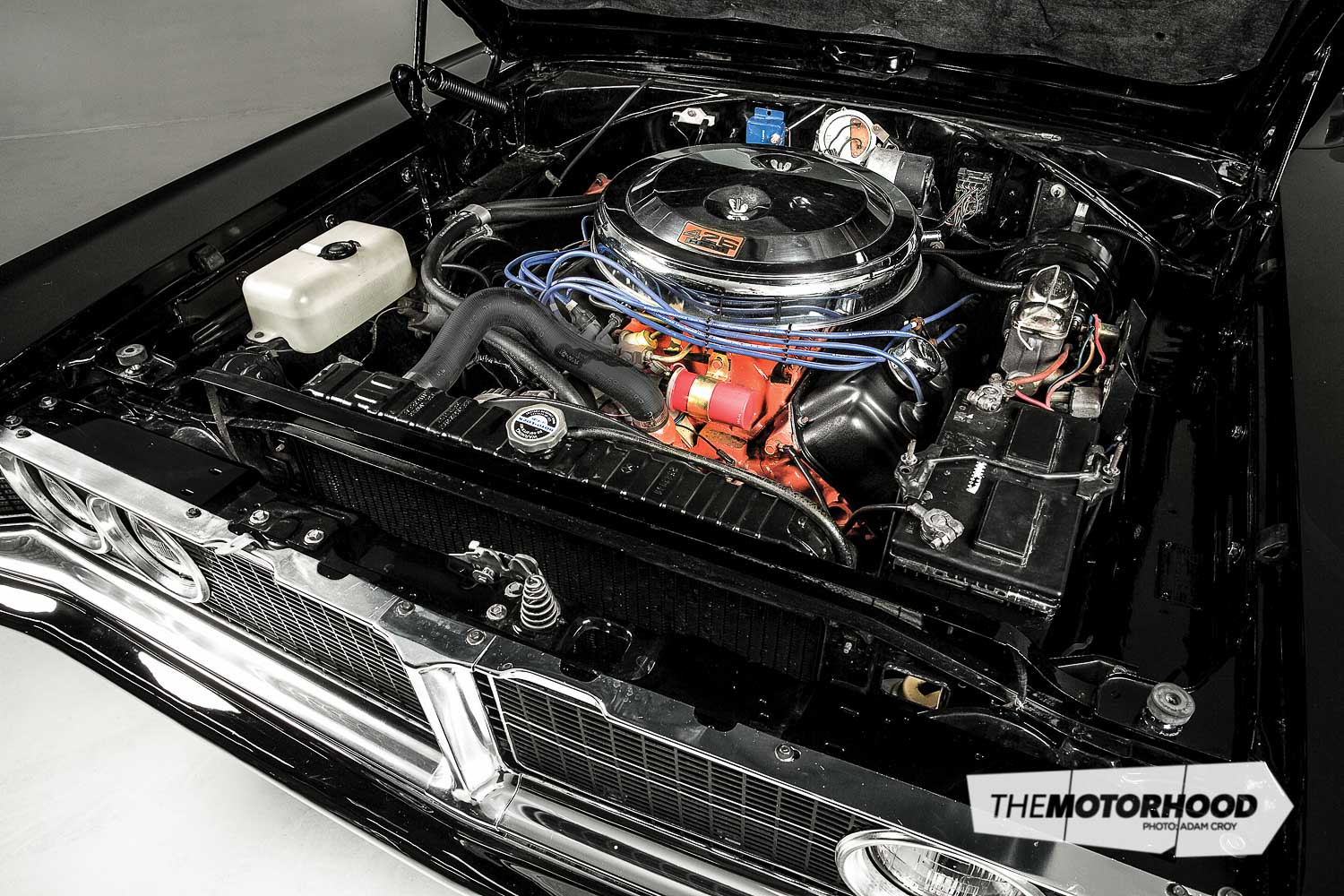
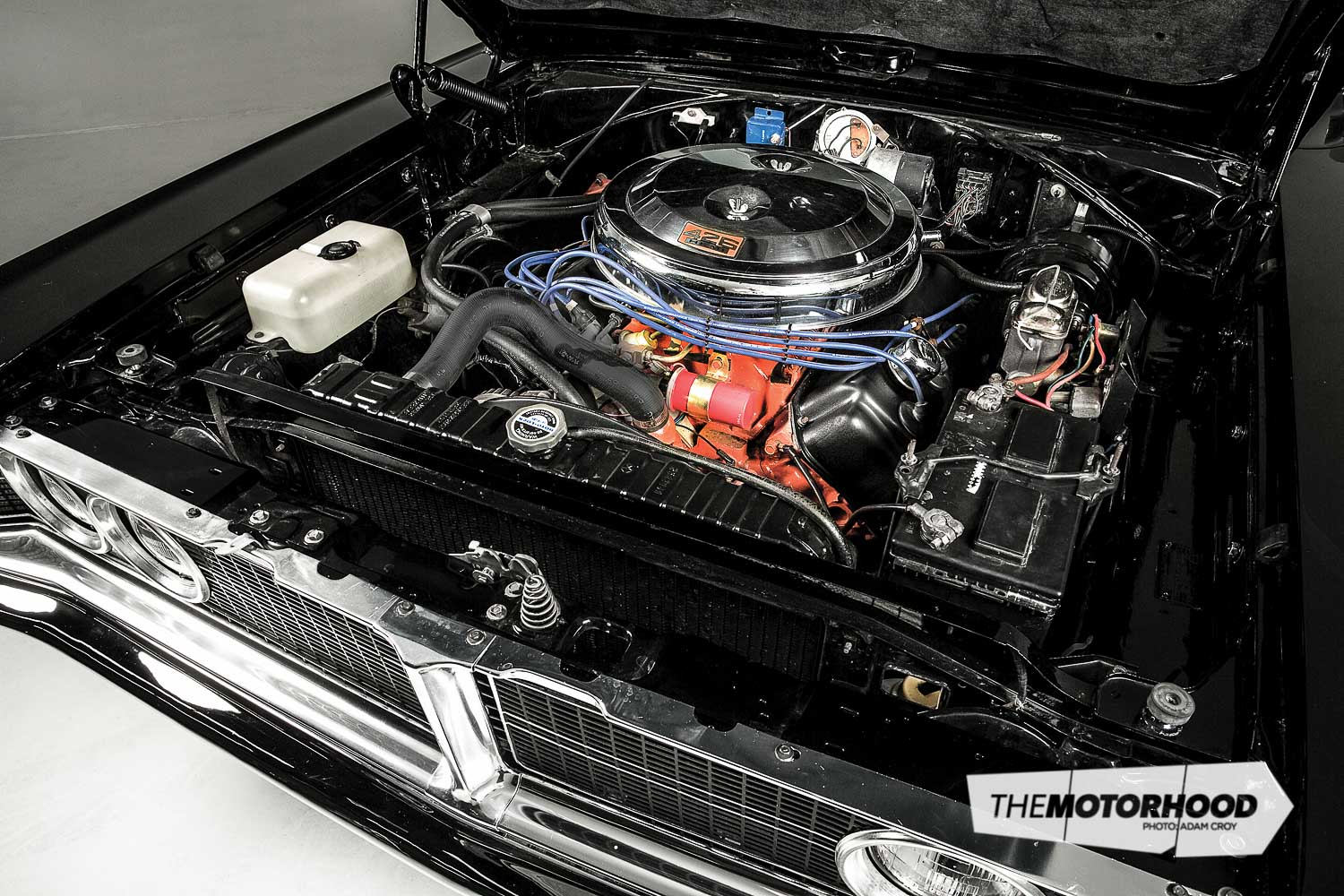
For the ‘Street Hemi’, introduced in 1966, Chrysler dropped the compression to 10.25:1 through pistons with lower domes, changed to a milder camshaft profile and replaced the tube headers with cast-iron exhaust manifolds. Fuelling the fire were two progressive-action four-barrel Carter carburettors, flowing 650cfm each, and perched atop a dual-plane aluminium intake manifold. The engine produced a rated 425 gross horsepower and 490lb·ft of torque, which allowed the big cars to accelerate to 60mph in a scant 5.3 seconds, and complete the quarter mile in a mere 13.8 seconds. That’s quick even now, so imagine how revolutionary the Hemi-equipped cars’ performance would have been 50 years ago!
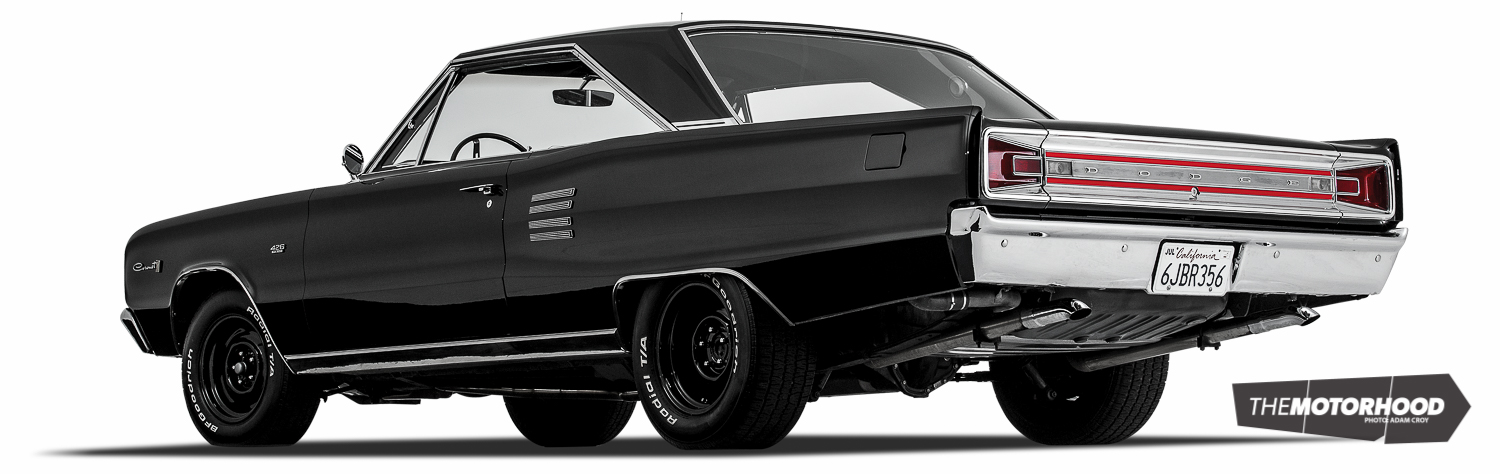
In 1966, the Hemi was available in the Coronet and the new fastback Charger. Street racers tended to prefer the less expensive Coronet — cheaper than the Charger, even though the optional Hemi added nearly $1000 to the base model’s price of $2705. The humble Coronet was nowhere near as shouty as a Charger and, without the benefit of scoops and stripes, made for quite possibly the ultimate factory sleeper — the bloke in the next lane wouldn’t know anything about the 425 horses under the bonnet until you were but a speck on the horizon.
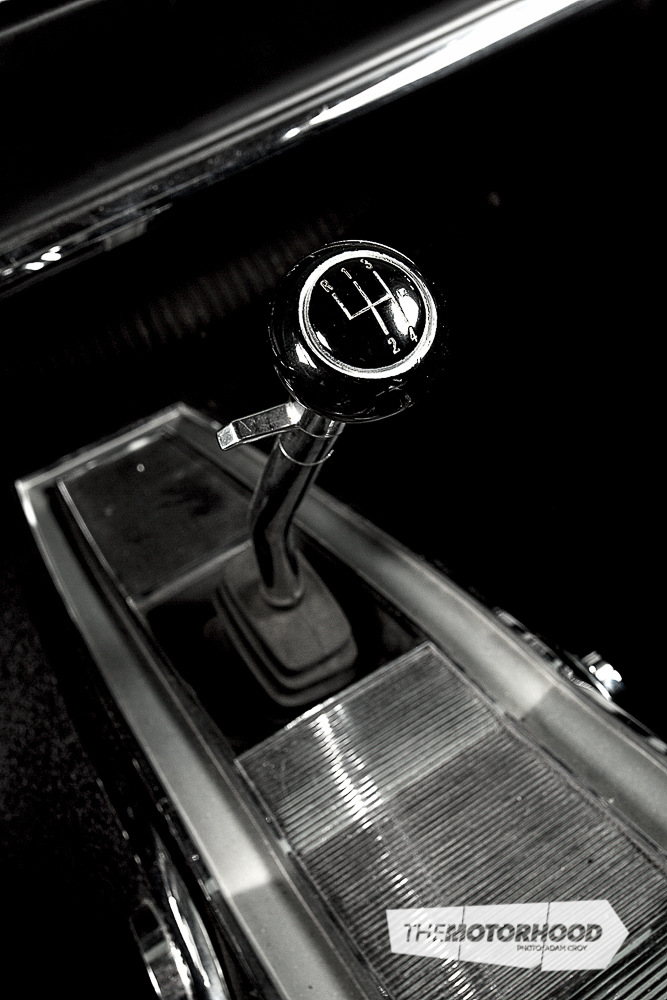
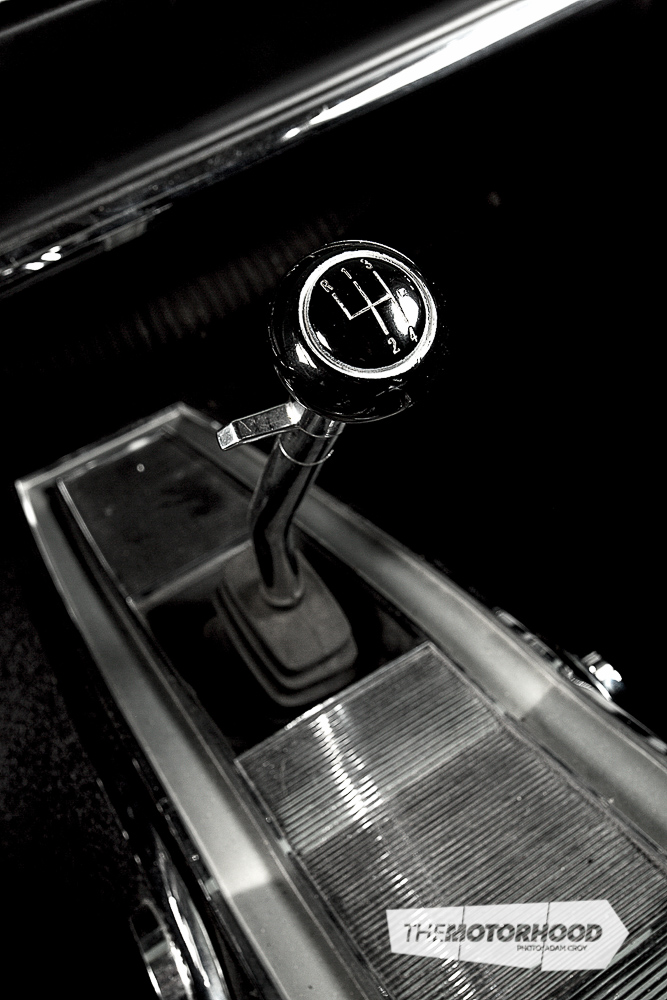
These cars were built tough, too. When optioned with the A-833 four-speed manual gearbox, the Coronet benefited from a heavy-duty Dana 60 diff with an enormous 9¾-inch crown wheel, the biggest and beefiest unit on the market. A Sure-Grip LSD was an option, and the rear springs of the Hemi-powered models were beefed up as well, gaining an additional leaf, guaranteeing that they would perform straight from the factory. That year, Dodge produced just 208 Coronets equipped with the 426 Hemi and A-833 four-speed manual gearbox. Low production numbers and half a century have made these cars near-impossible to find, and a true collector’s dream.
This story begins with Rodney Holland, of Rodney’s Restorations. Rodney is a veritable Mopar-guru and makes frequent trips stateside in search of old Chryslers worth restoring or bringing to New Zealand. Rodney made one of these trips recently, this time to Yuba City, in Northern California, with a view to purchasing himself a Hemi-equipped Dodge Charger. Don (Hemi Don) McIlwain, from whom Rodney was buying the Charger, mentioned a mate who had a low-mileage Hemi four-speed Coronet that, as luck would have it, he just might be willing to sell.
Not one to leave such an opportunity without further investigation, Rodney went and checked the car out. Parked up in the back of a shed, and covered by years of dust, the Coronet looked a bit sad and dilapidated, but definitely promising. A battery was chucked in, fuel was poured down the carburettors, and the big Hemi was fired up. Because the car had been sitting idle for years, the brakes had seized, meaning it couldn’t be taken for a test drive. However, the overall condition of the Coronet and the running order of the Hemi power plant meant Rodney took the car very seriously. The Coronet was duly put up on a hoist and given an extremely thorough once-over. The body had travelled low miles and was dry and very straight. It was blighted only by the unavoidable little scratches and dents that a car is bound to collect over 48 years. The nature of the Coronet meant that it was guaranteed to have seen its fair share of action.
This Coronet’s previous owner, Sergio Garcia, frequented the drag strip in several cars, including the Coronet. Eventually, he moved on, and parked the Coronet in the back of the shed, under a car cover, advertising it for sale via word of mouth. The Coronet sat there until the day Rodney happened to stumble across it.
Knowing how keen on Mopars Aucklander Graham Goldsmith was, Rodney rang him from the States, raving about the real-deal Hemi four-speed Coronet he’d come across. He told Graham that he’d need to be quick if he wanted it. Graham said he’d ring back as soon as possible, once he’d checked with Kim, his wife. Kim must have been within earshot — “Who was that?” she asked, once the phone had been hung up. “That was Rodney; he’s in America.”
“What did he want?”
So Graham told her about the rare Hemi-powered car Rodney had found, and asked if he was allowed it. “Oh, go on then” was the reply — how cool is that? Within about five minutes, Graham was the car’s new owner. Interestingly, that trip to the States saw Rodney find the Coronet’s sister car, which was also shipped back to New Zealand with his other awesome acquisitions. With the Coronet landed at home — along with a few other seriously cool chunks of Mopar — work could commence on getting it legal and back to its former glory.
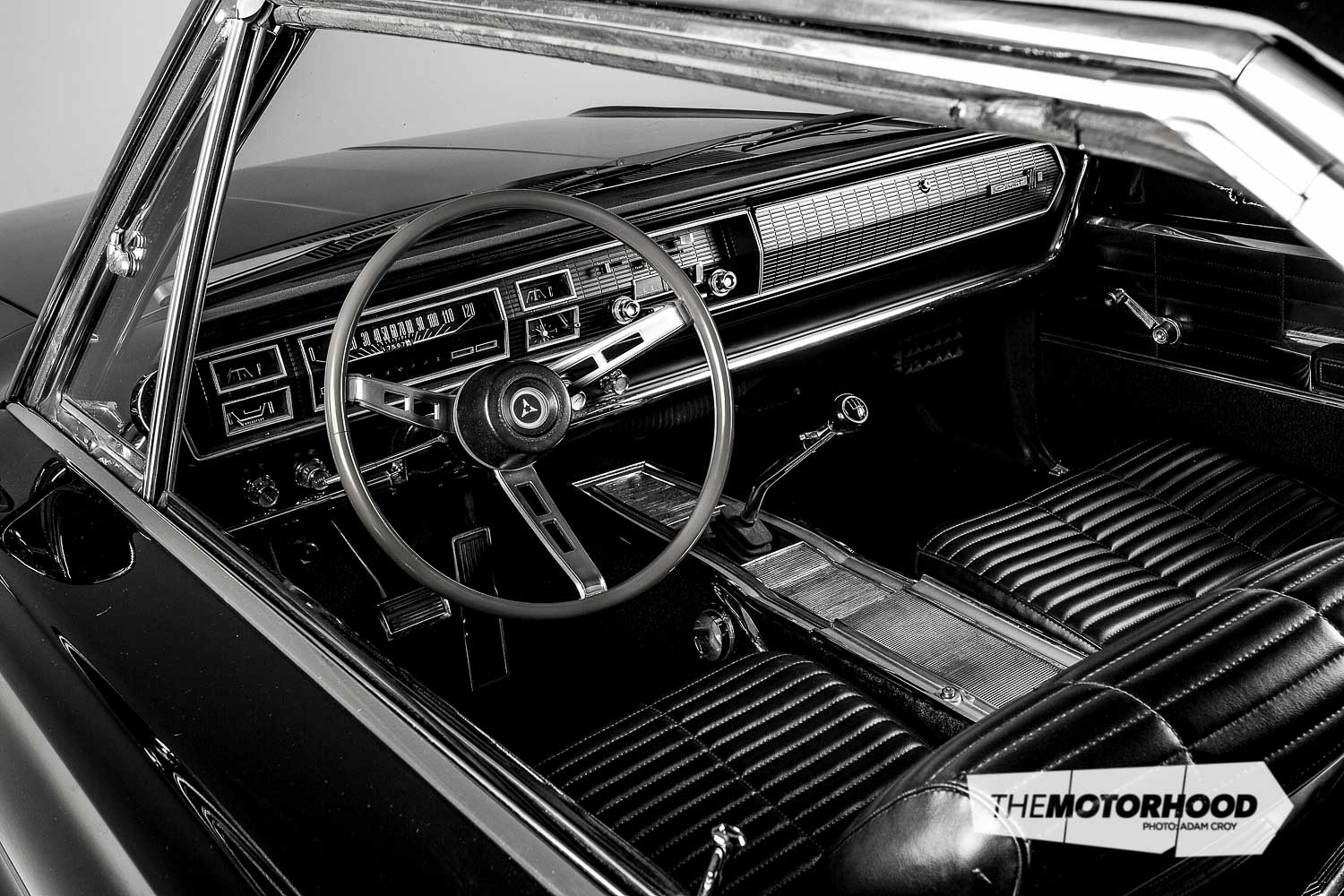
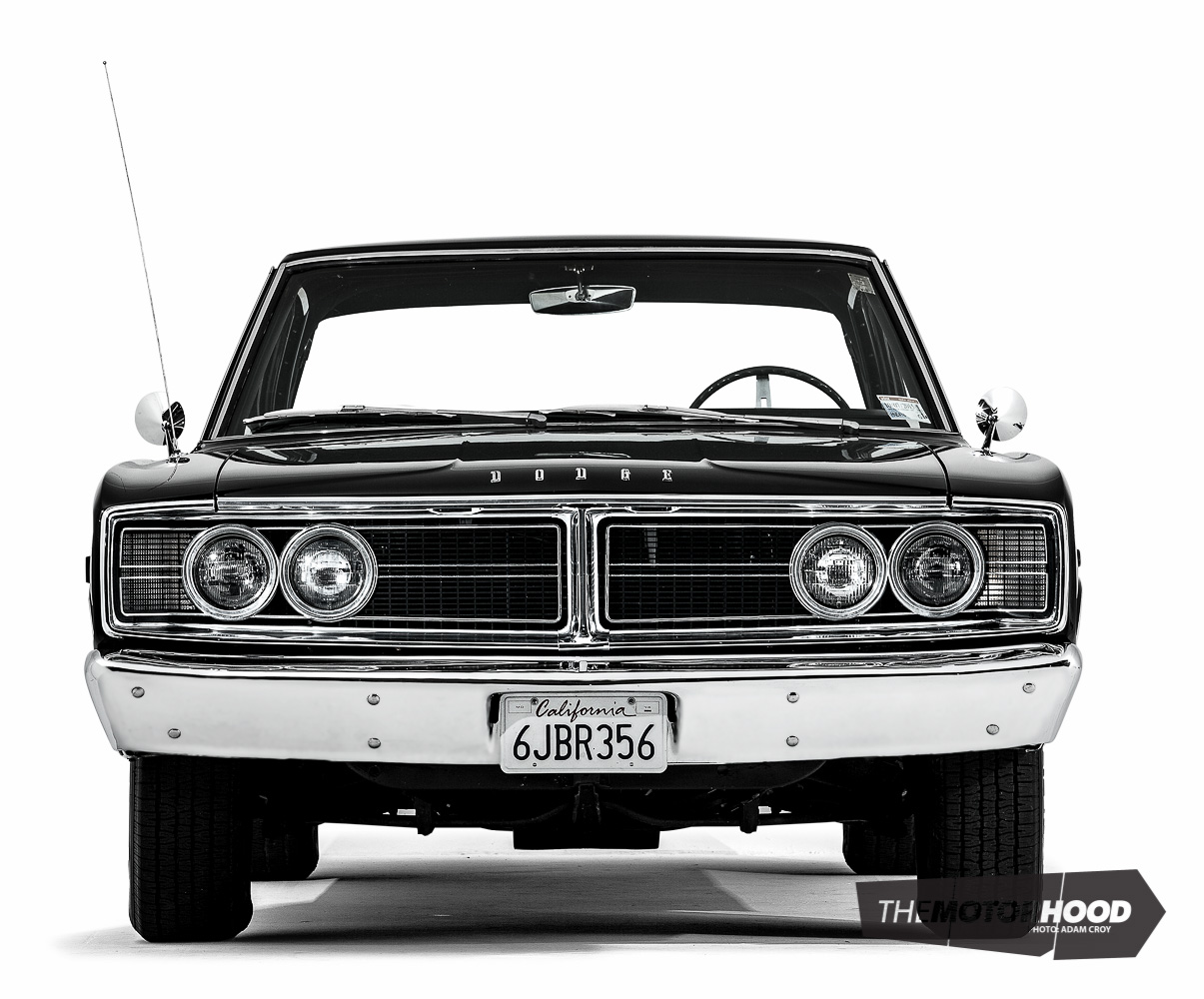
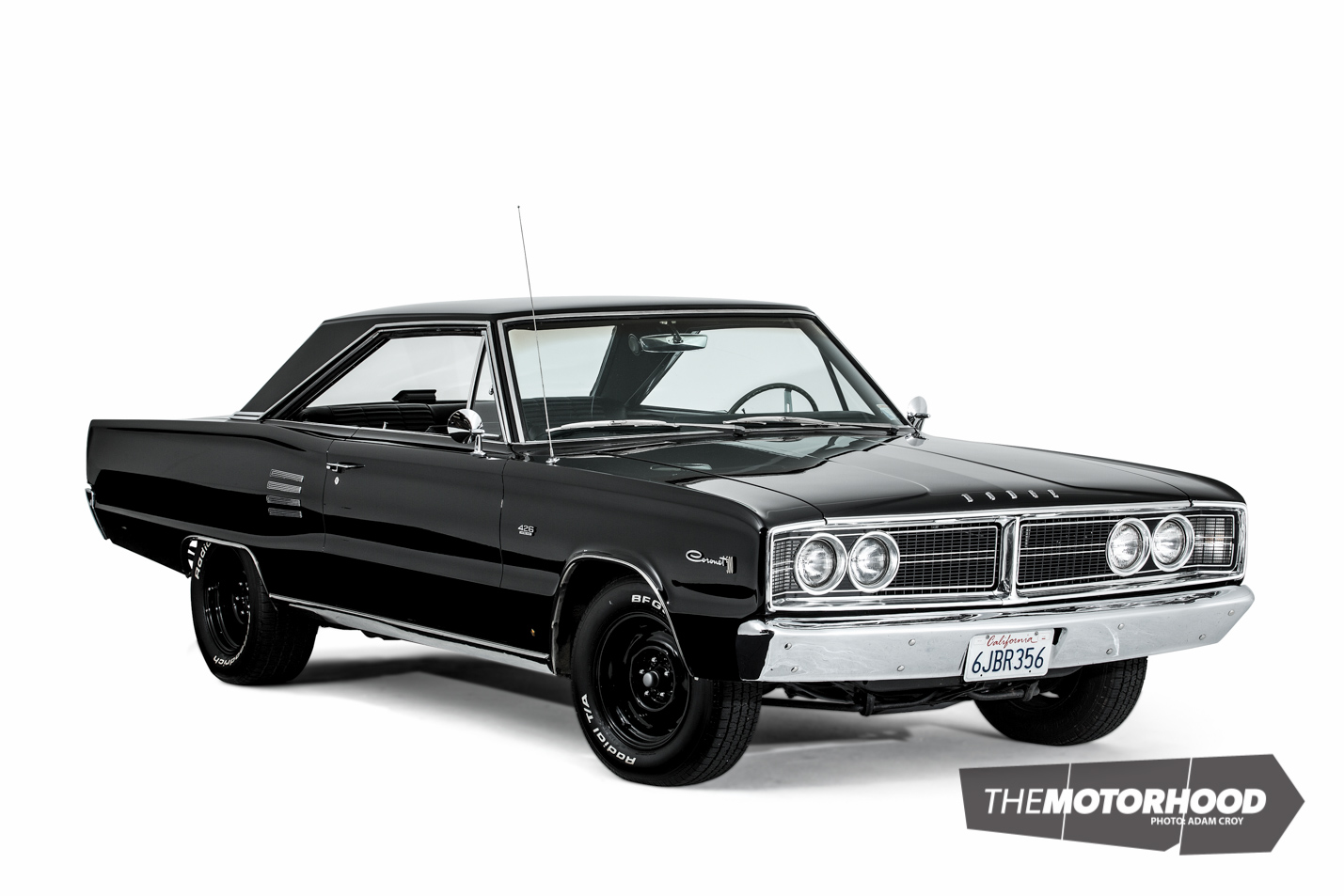
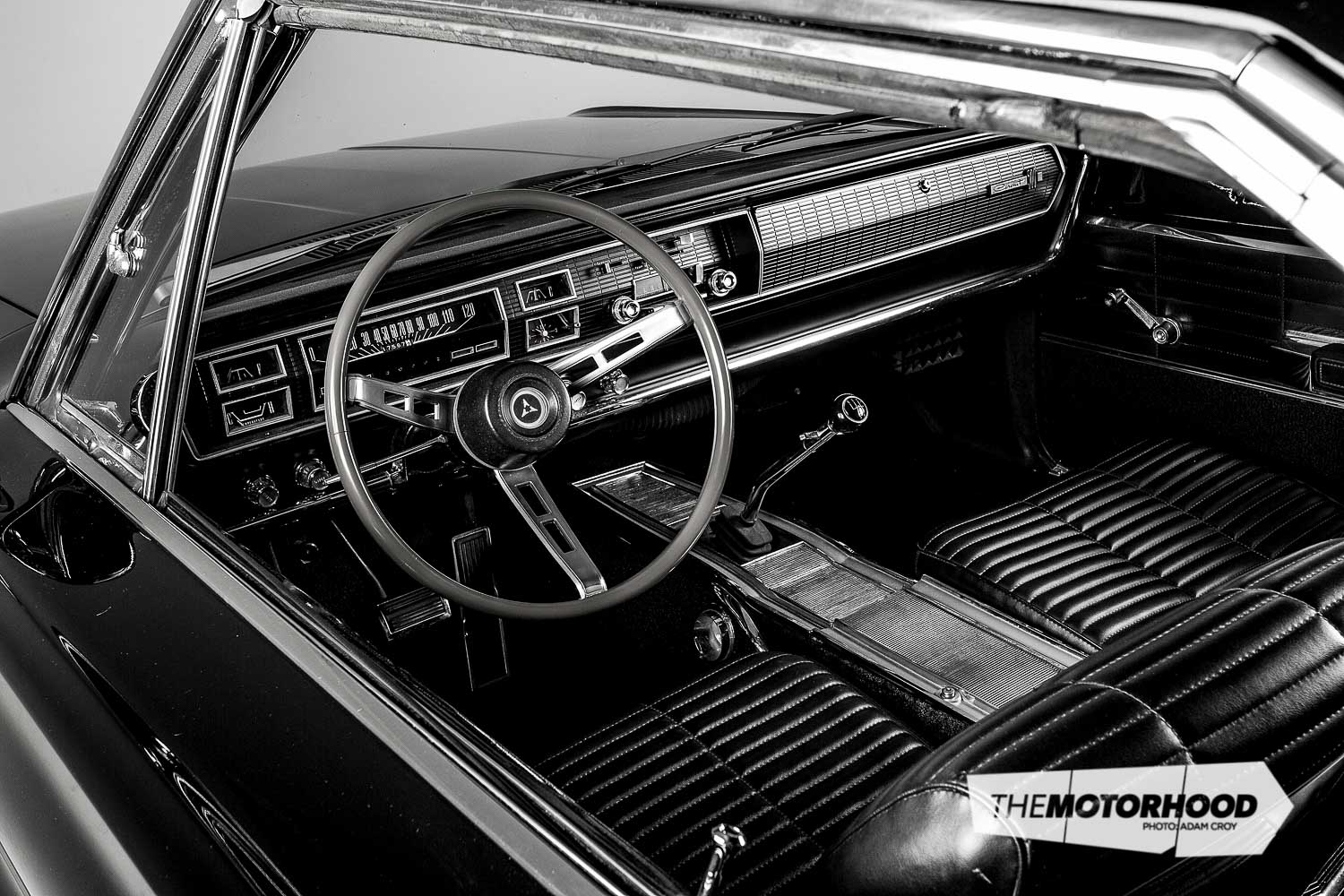
There’s no enormous rebuild story here, because the car was so straight to begin with. The Coronet’s bodywork was ironed out (by Rodney, of course) and coated in a deep shade of Spies Hecker Special Black, which perfectly accentuates the wide steel wheels and chunky BF Goodrich tyres, the epitome of American muscle. The car is almost completely original, right down to the factory-optioned bucket seats, centre console, and original AM radio, which still works!
When it came to the sounds, though, Graham just had to let loose a wee bit — no, there’s no enormous sub and amp residing in the boot — and had his son, Justin, fabricate a 2½-inch stainless exhaust with Flowmaster mufflers, to bless the world with the raw sound of 426 cubes of Hemi firepower. Under the bonnet, the stock cast-iron exhaust manifolds have been retained, keeping everything looking as it did when the Coronet rolled out of the factory in 1966 — right down to the black crackle-finish rocker covers and bright Hemi Orange engine block.
Another less-noted detail in the engine bay is the original Dodge cert. card — a little aluminium plaque sitting on the radiator support, verifying that the Coronet was original. To collectors, this is about as valuable as a factory-build sheet.
The Coronet doesn’t have a shiny blower hanging out of the bonnet, ground-scraping ride height, or big wheels, yet it manages to be just as tough, and attract just as much attention, as any full-blown custom street and strip weapon. That’s what it is, after all; it just happened to have been built on a production line in a time when brute power had the final say. When Graham gets behind the wheel, he’s transported to back in the day, and who can wonder why?
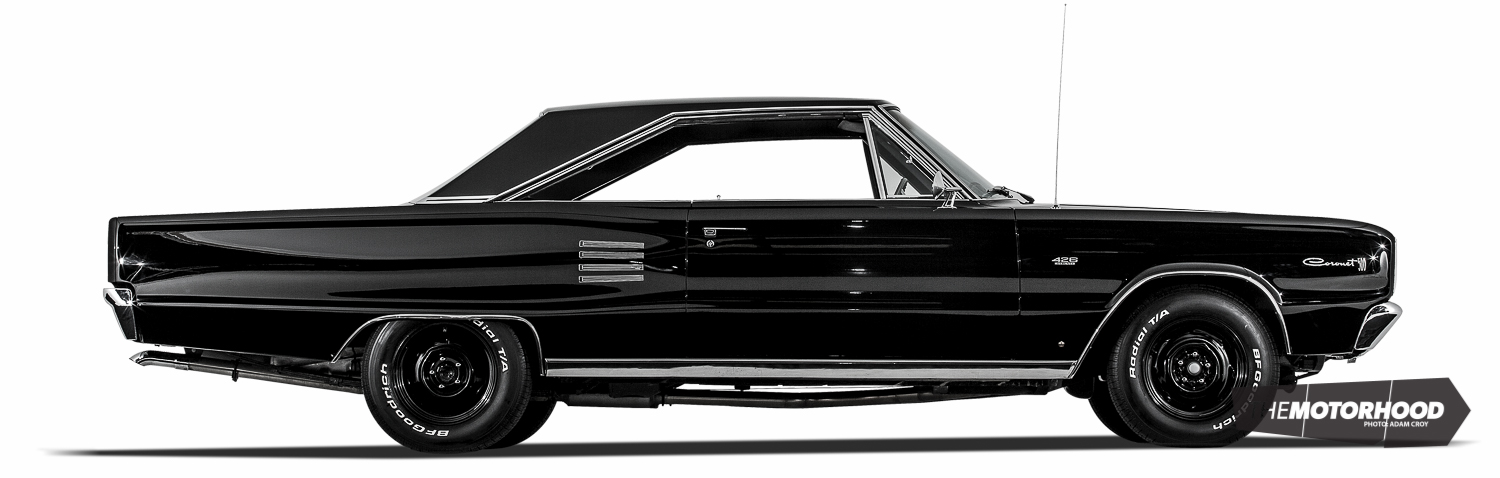
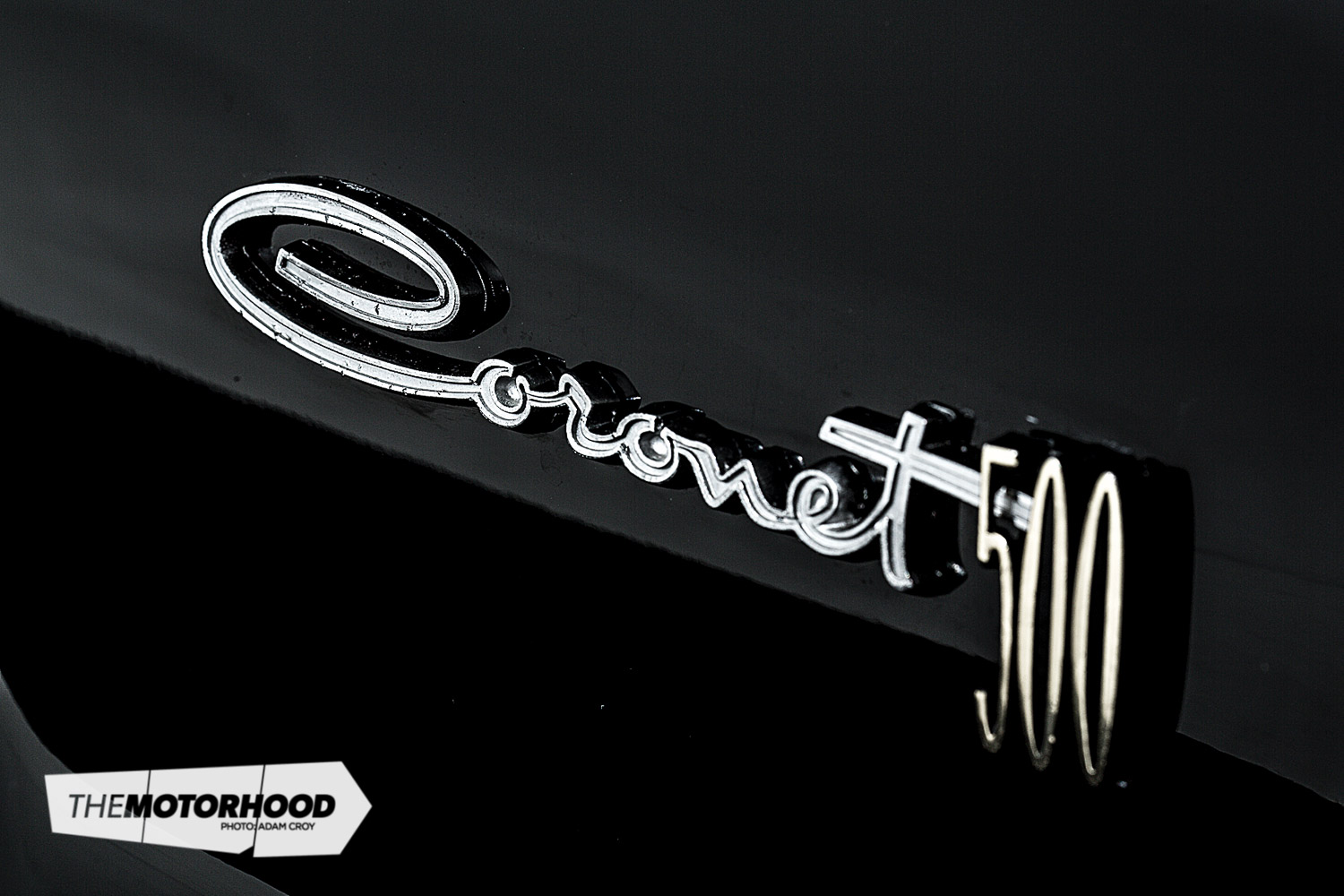
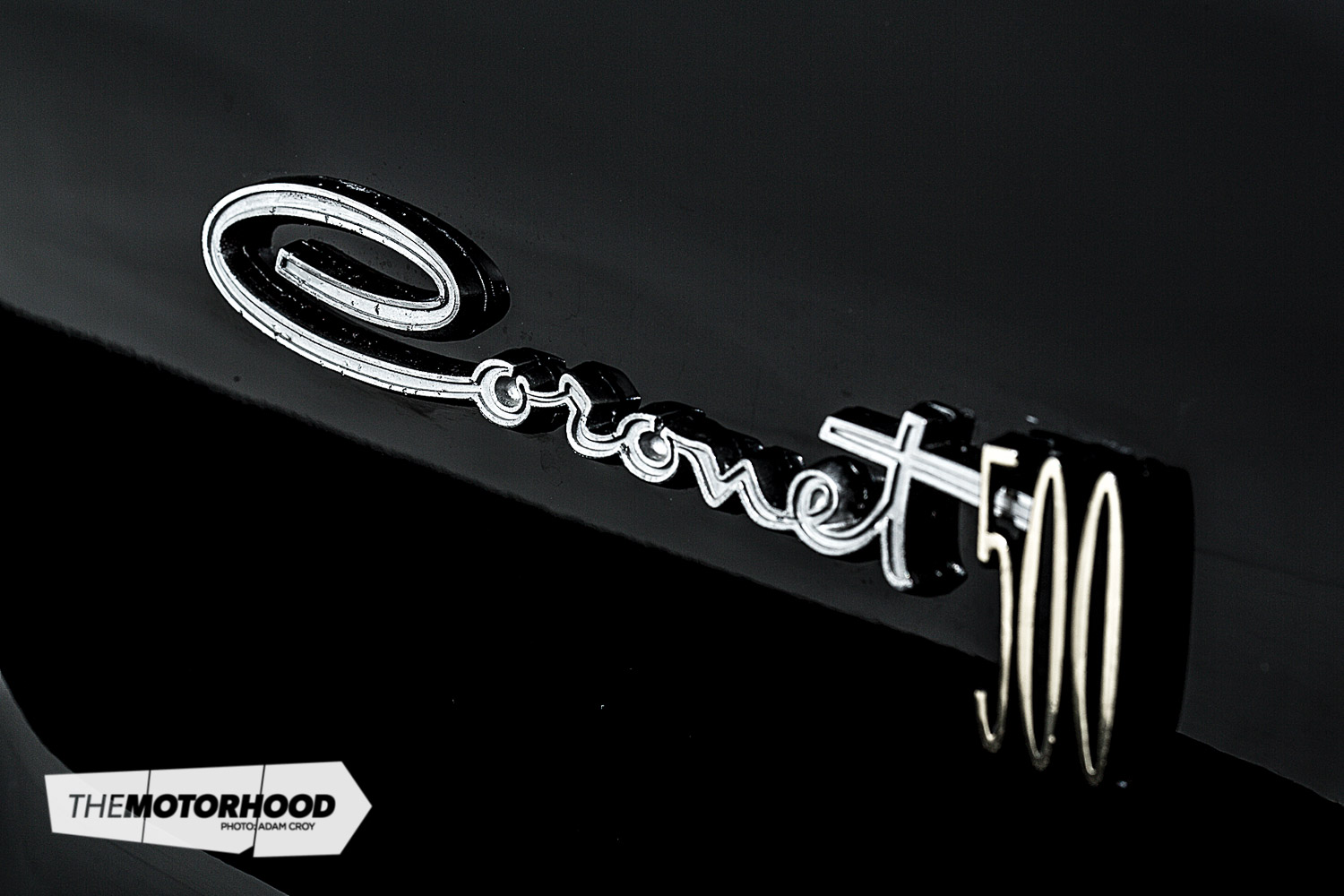
1966 Dodge Coronet 500
- Engine: 426ci Hemi V8, factory aluminium dual-plane intake manifold, two 650cfm Carter AFB four-barrel carburettors, factory cast-iron exhaust manifolds, 2½-inch stainless exhaust, Flowmaster mufflers.
- Driveline: Factory A-833 four-speed manual, 3.55:1 Dana 60 diff
- Suspension: Factory torsion bar (front), stock leaf springs (rear), front sway bar
- Brakes: Powermaster brake booster, 1969 Charger four-piston front calipers, 11-inch factory rear drums
- Wheels/Tyres: 15×7-inch and 15×8-inch steel wheels front and rear, 215/70R15 and 225/60R15 BF Goodrich Radial T/A front and rear
- Exterior: Spies Hecker Special Black
- Interior: Factory 500 bucket seats, factory centre console, working factory AM radio
- Performance: Factory 425hp, 490lb·ft
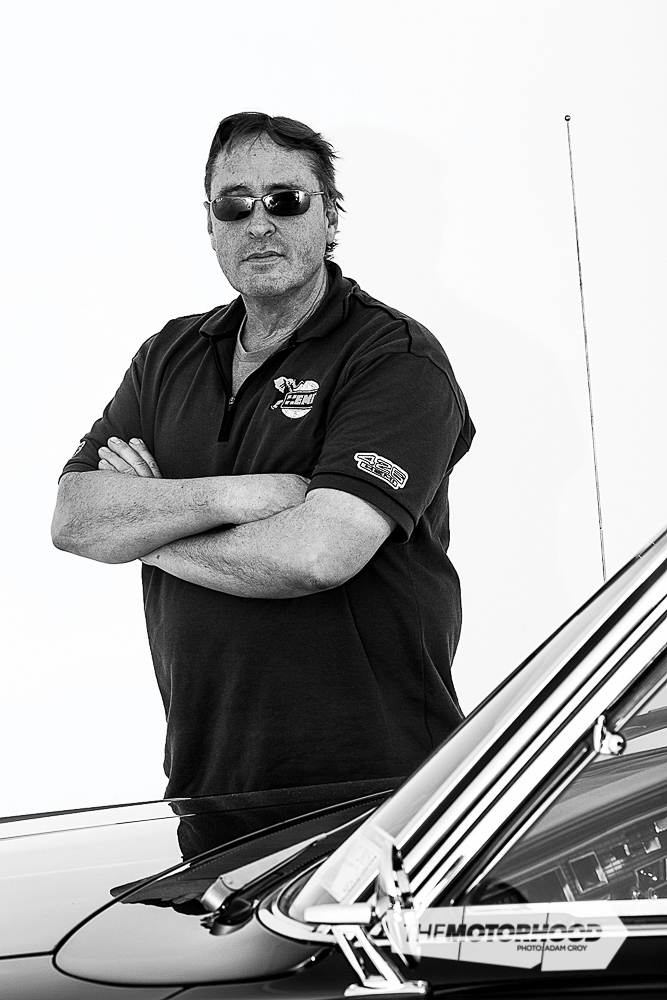
Driver profile
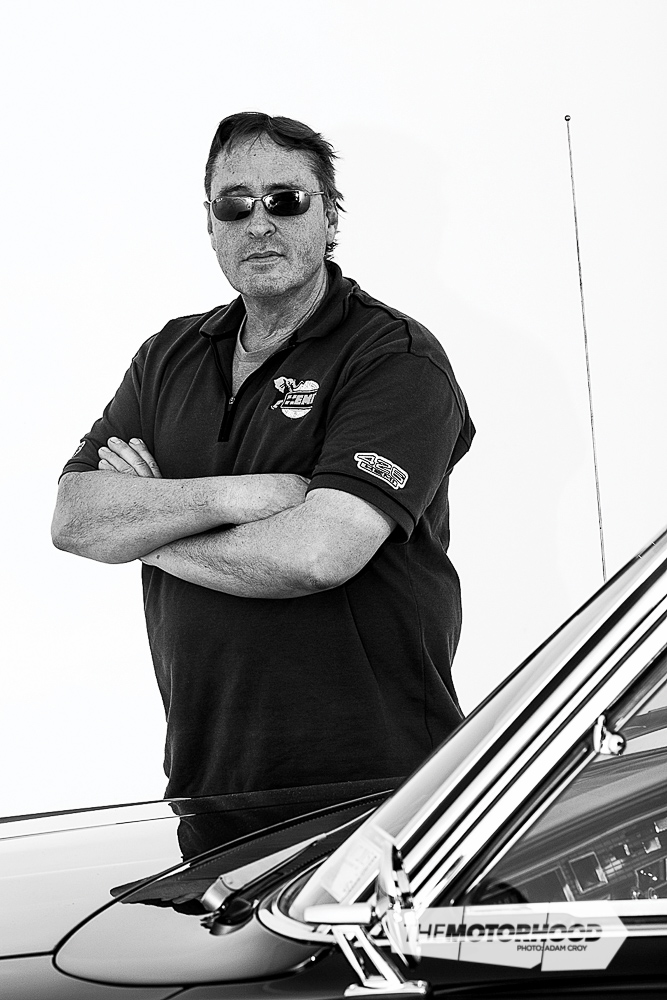
- Name: Graham Goldsmith
- Age: 18 when I’m driving!
- Occupation: Director
- Previously owned cars: 1967 Fairlane 500, 1965 Falcon Futura coupe, 1974 Mazda RX-2 coupe, 1970 Dodge Challenger convertible, Superstock stock car
- Dream car: I already own it — a 1971 Plymouth ’Cuda convertible. I also have a 1971 ’Cuda hardtop with a 440 and four-speed
- Why did you choose the Coronet? Need you ask? It’s got a Hemi!
- Build time: Three months for the repaint
- Length of ownership: 11 months
- Graham would like to thank: Rodney Holland at Rodney’s Restorations, LJ Smits and Miles Bertling for the blackest black paint, Mark Aylward, and Carl Clifton for the late nights after work.
This article originally featured in the March 2015 issue of NZV8. Grab a print copy or a digital copy of the magazine now: