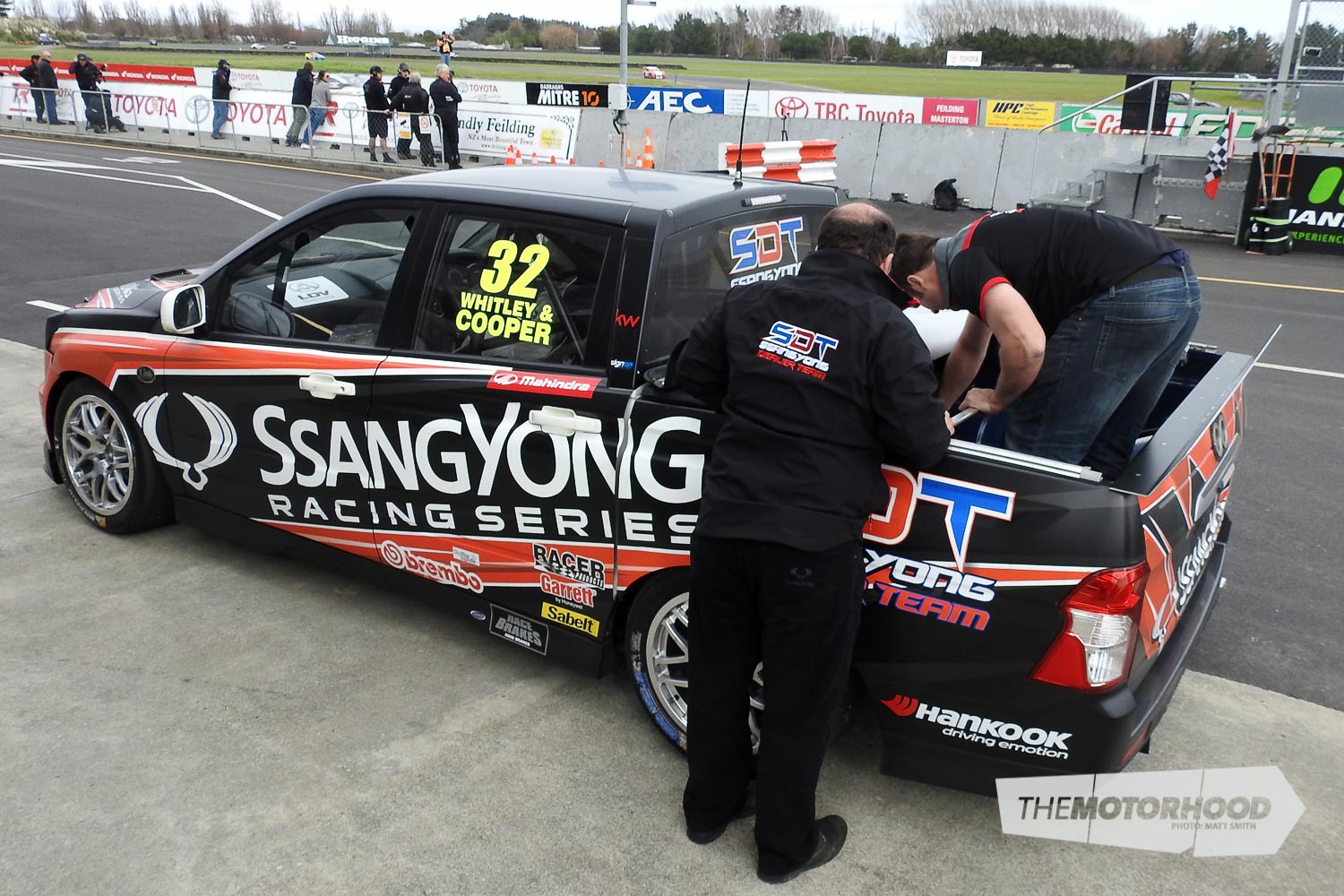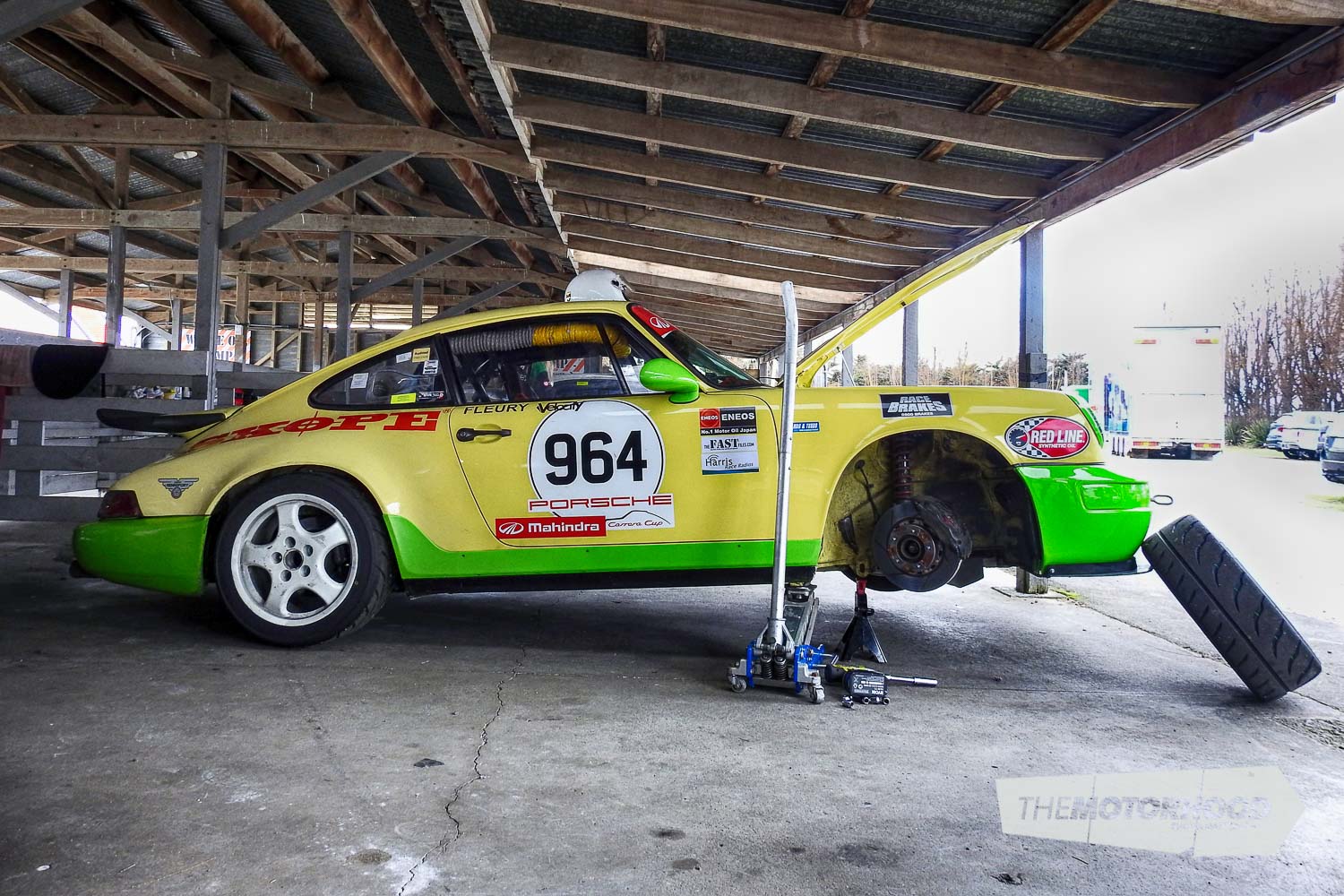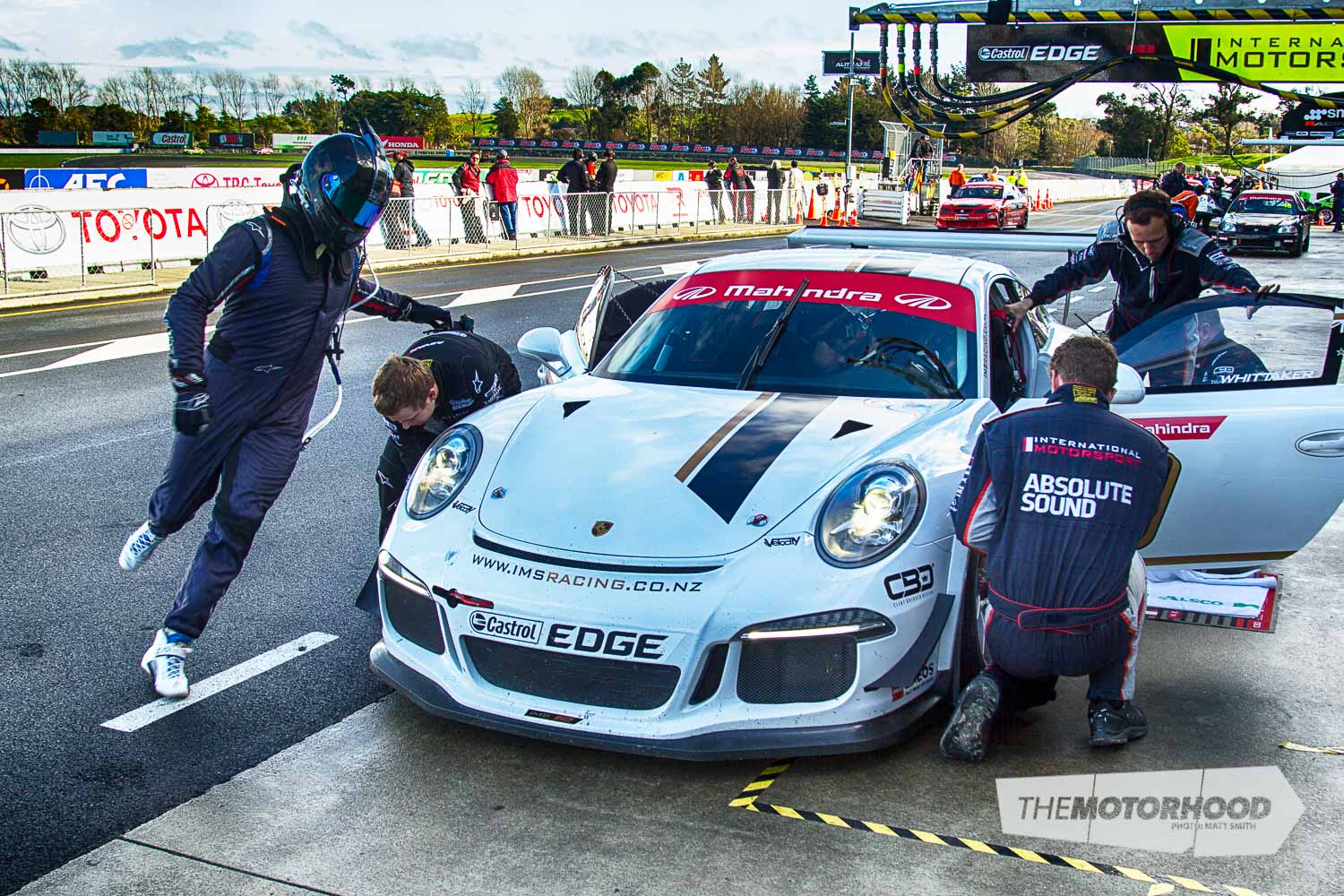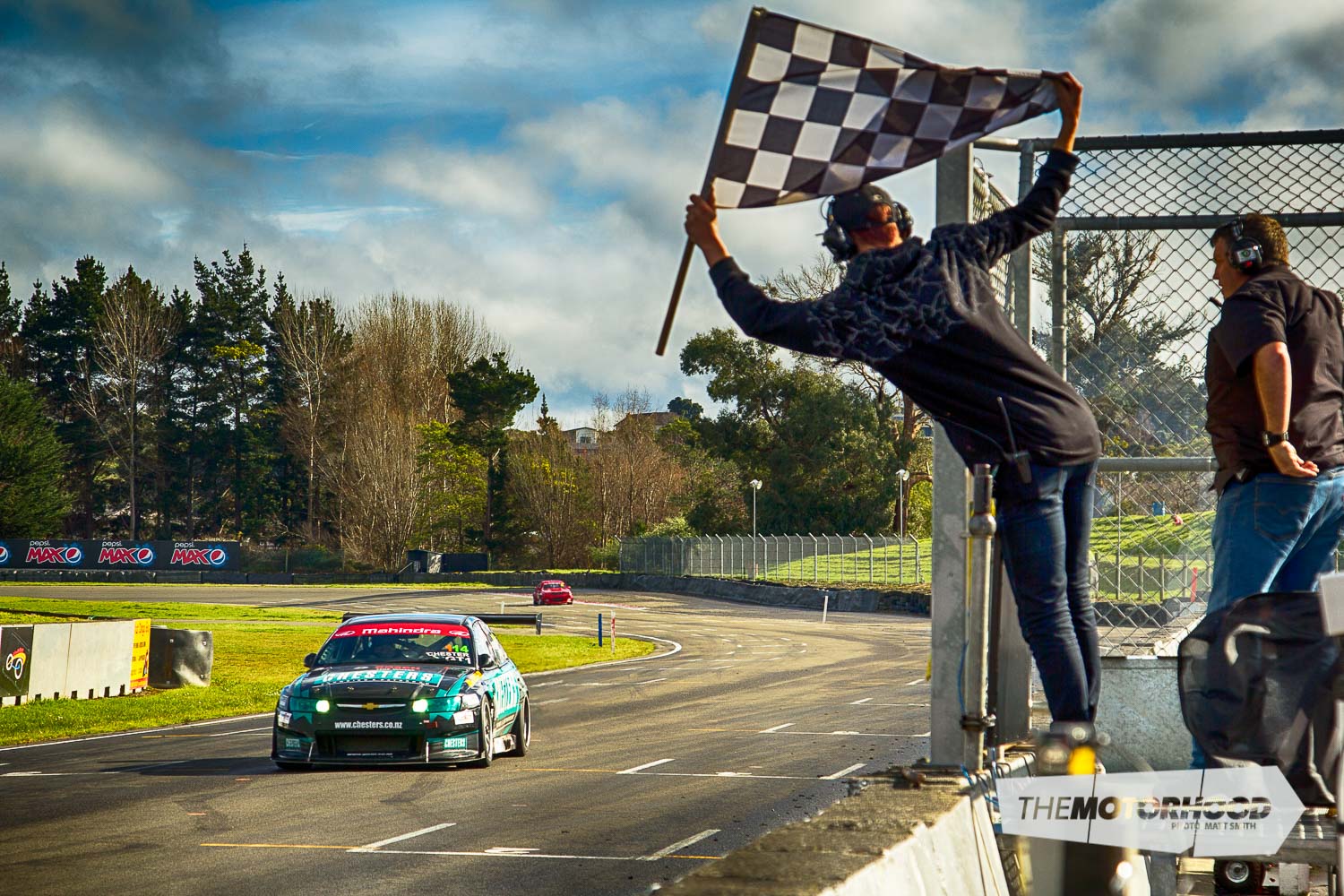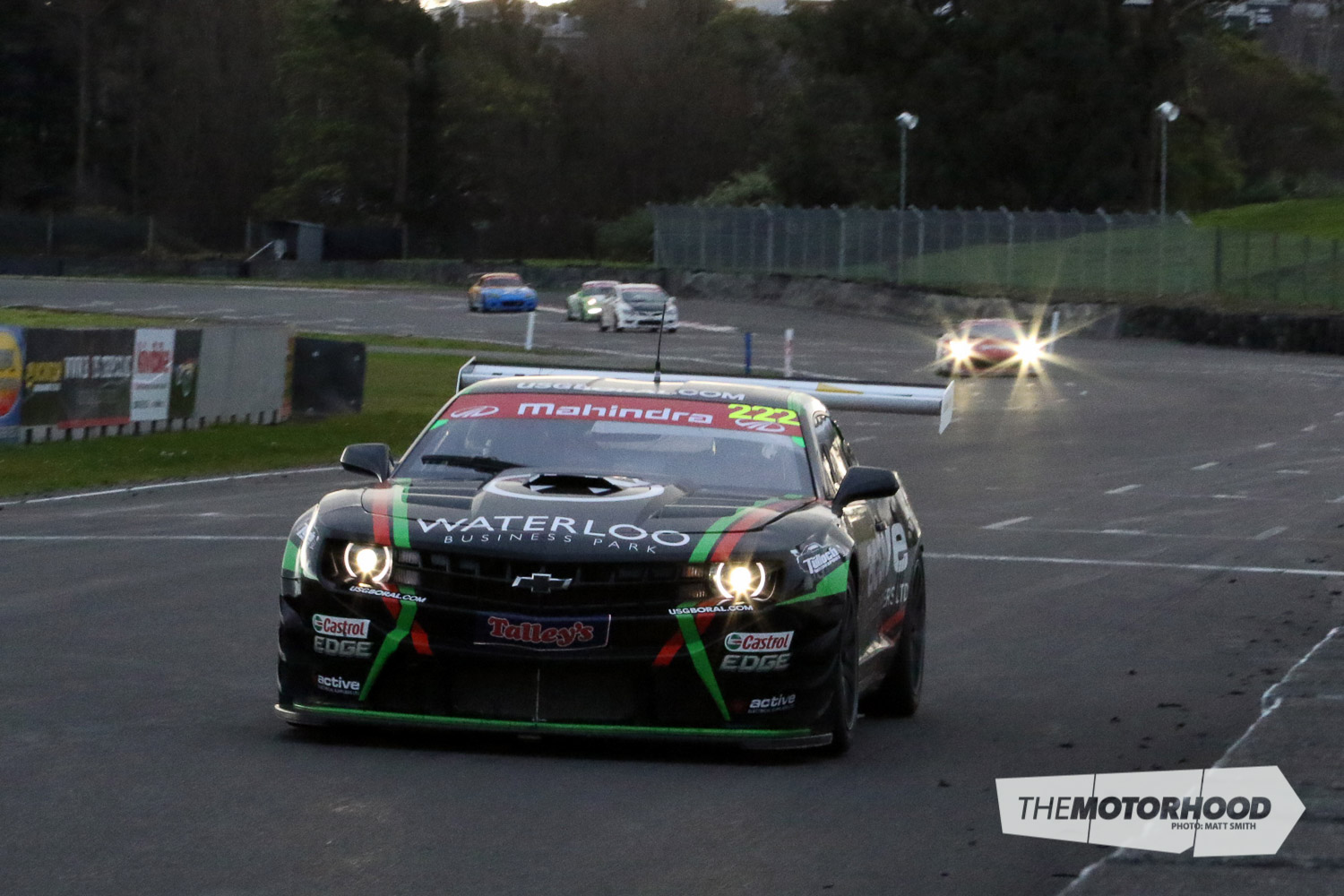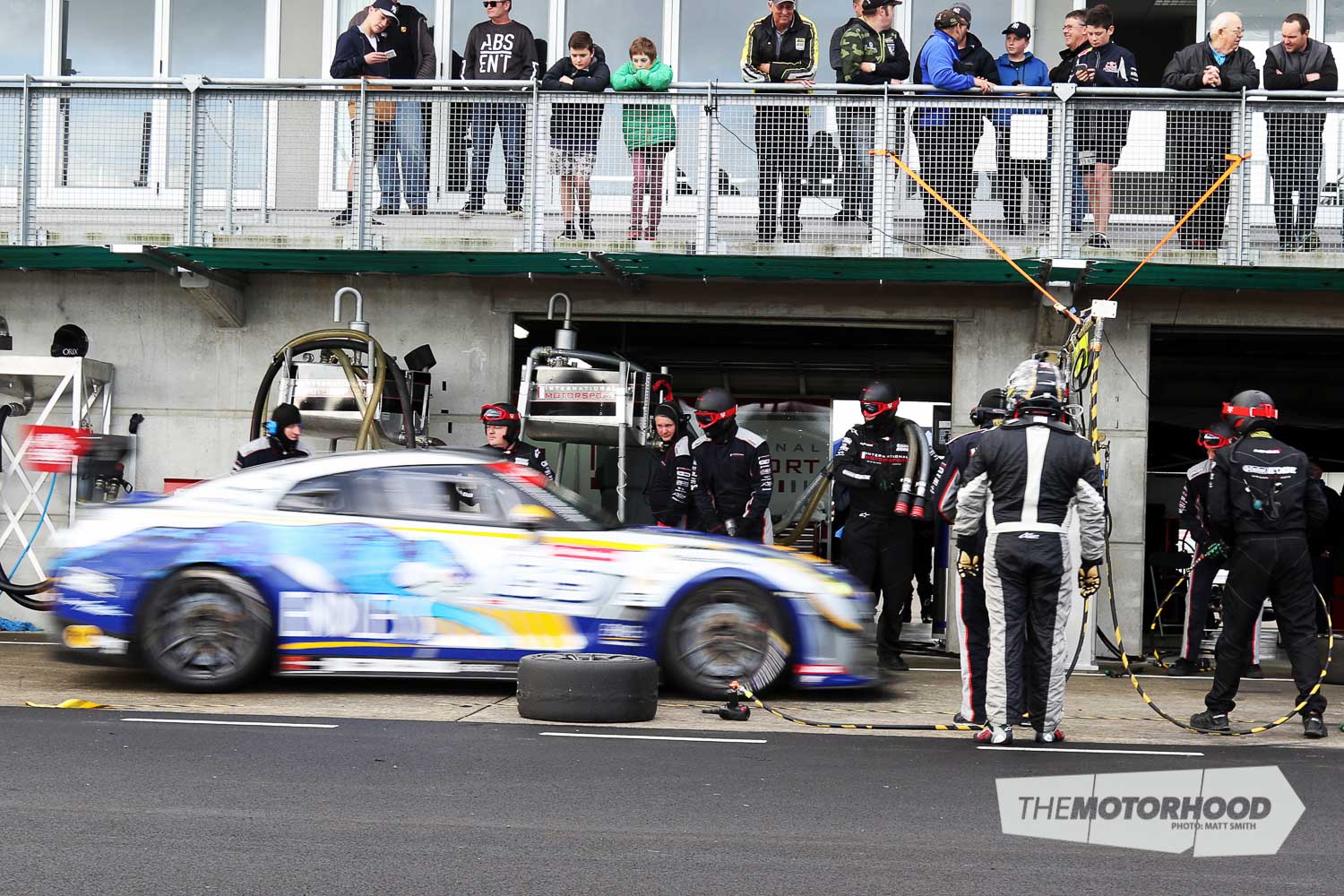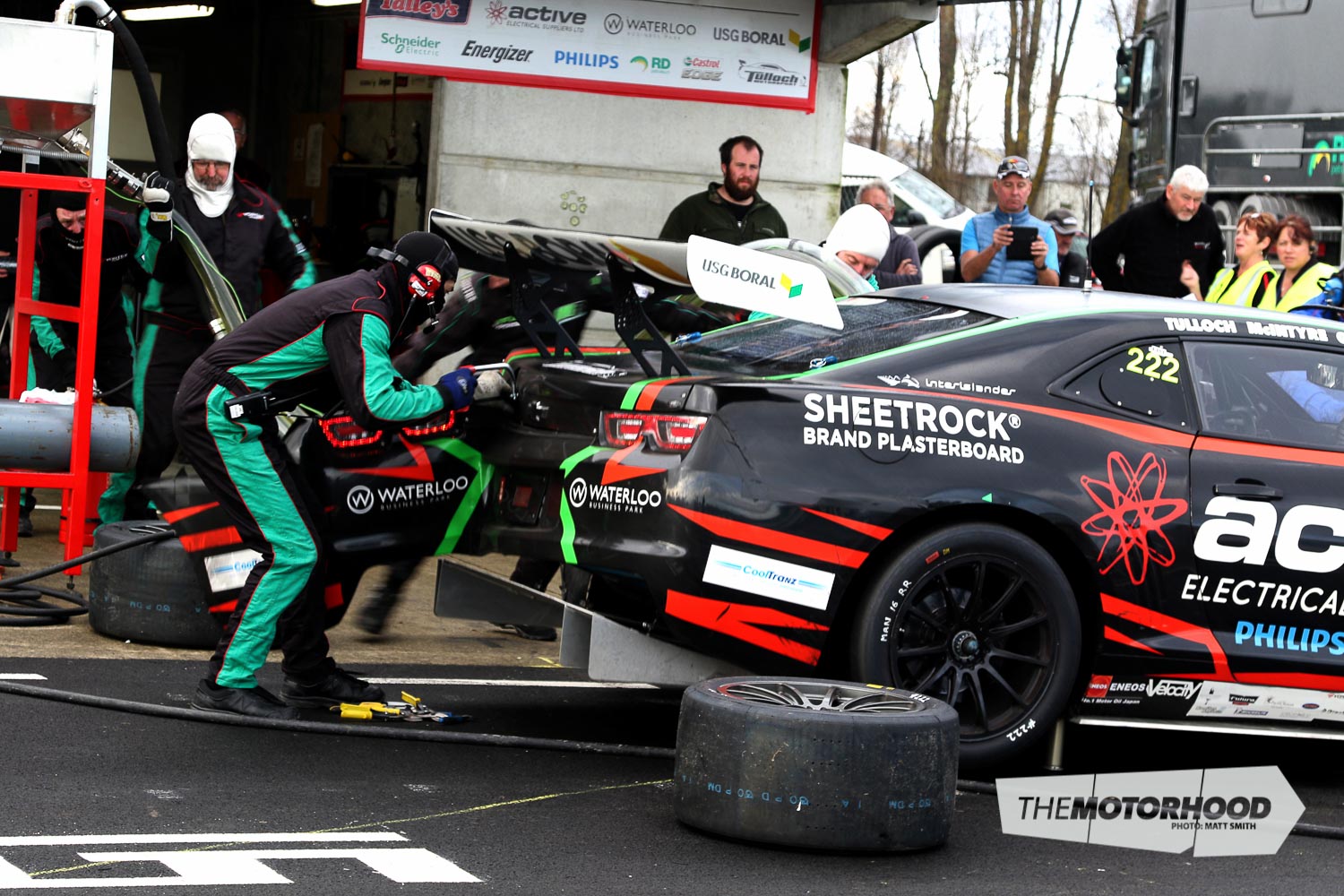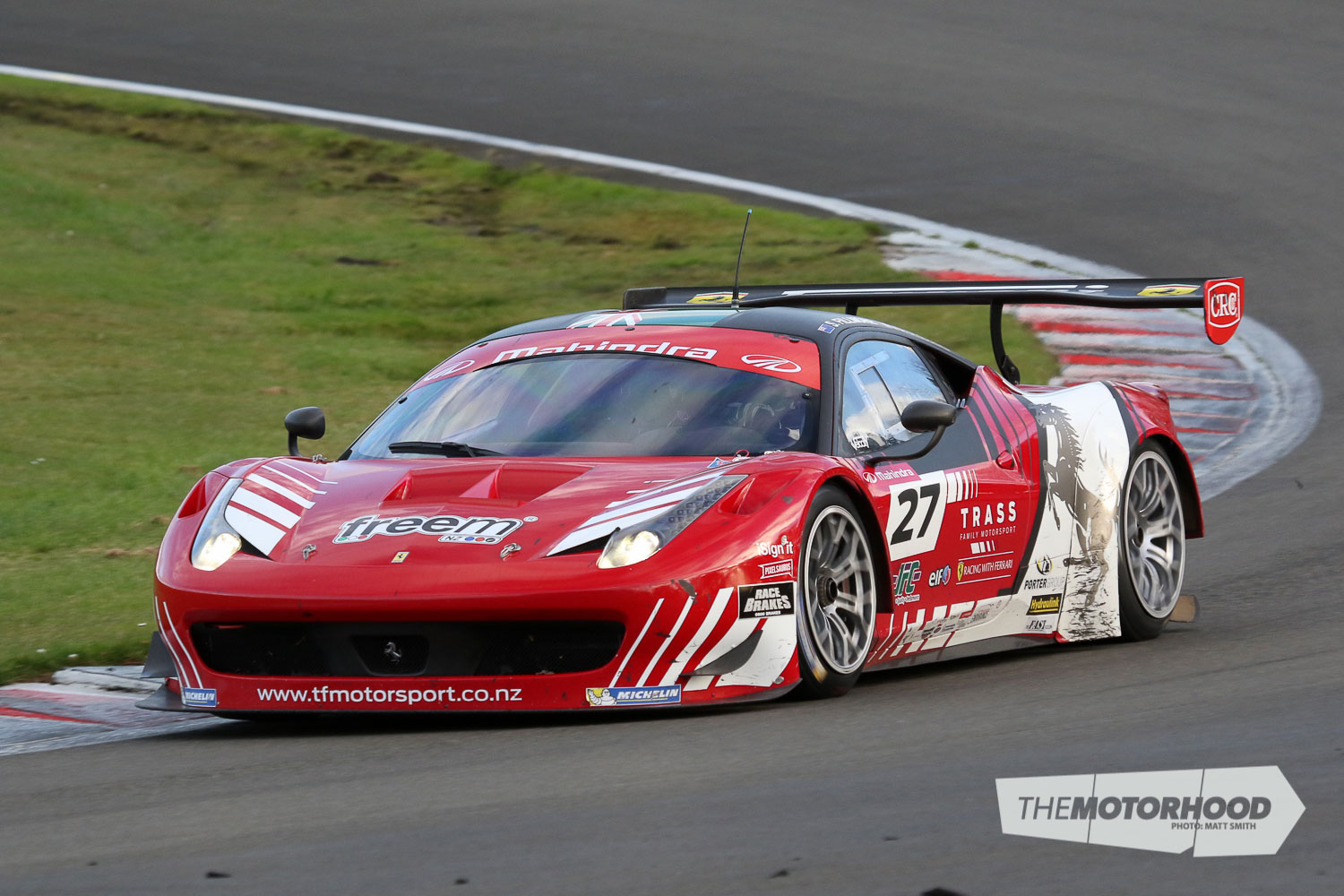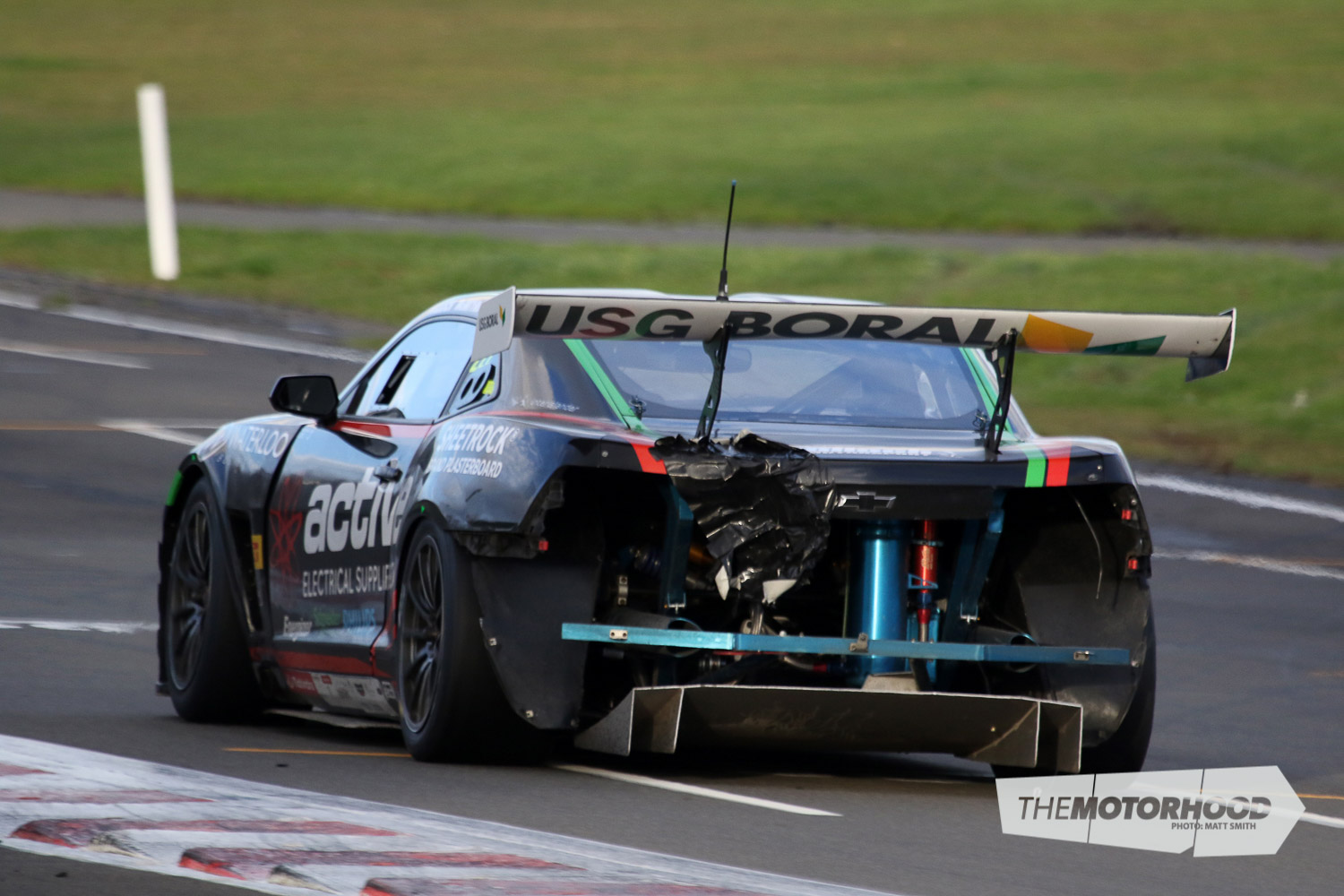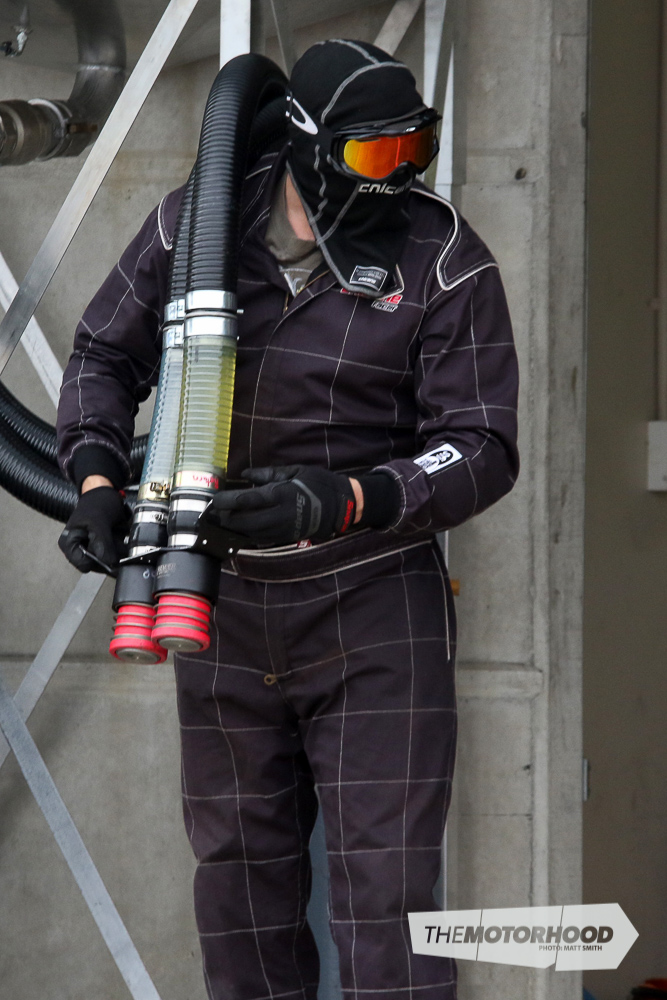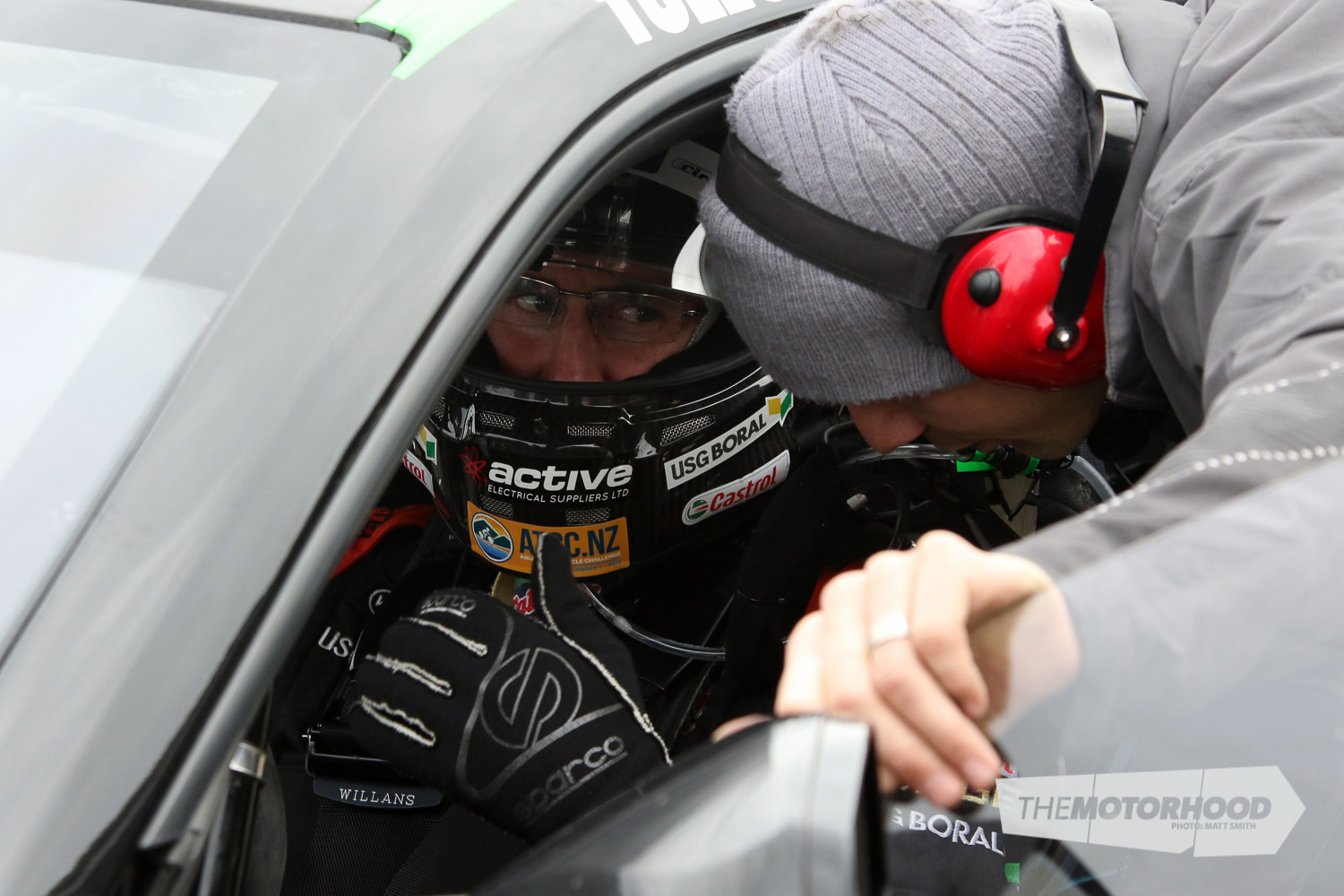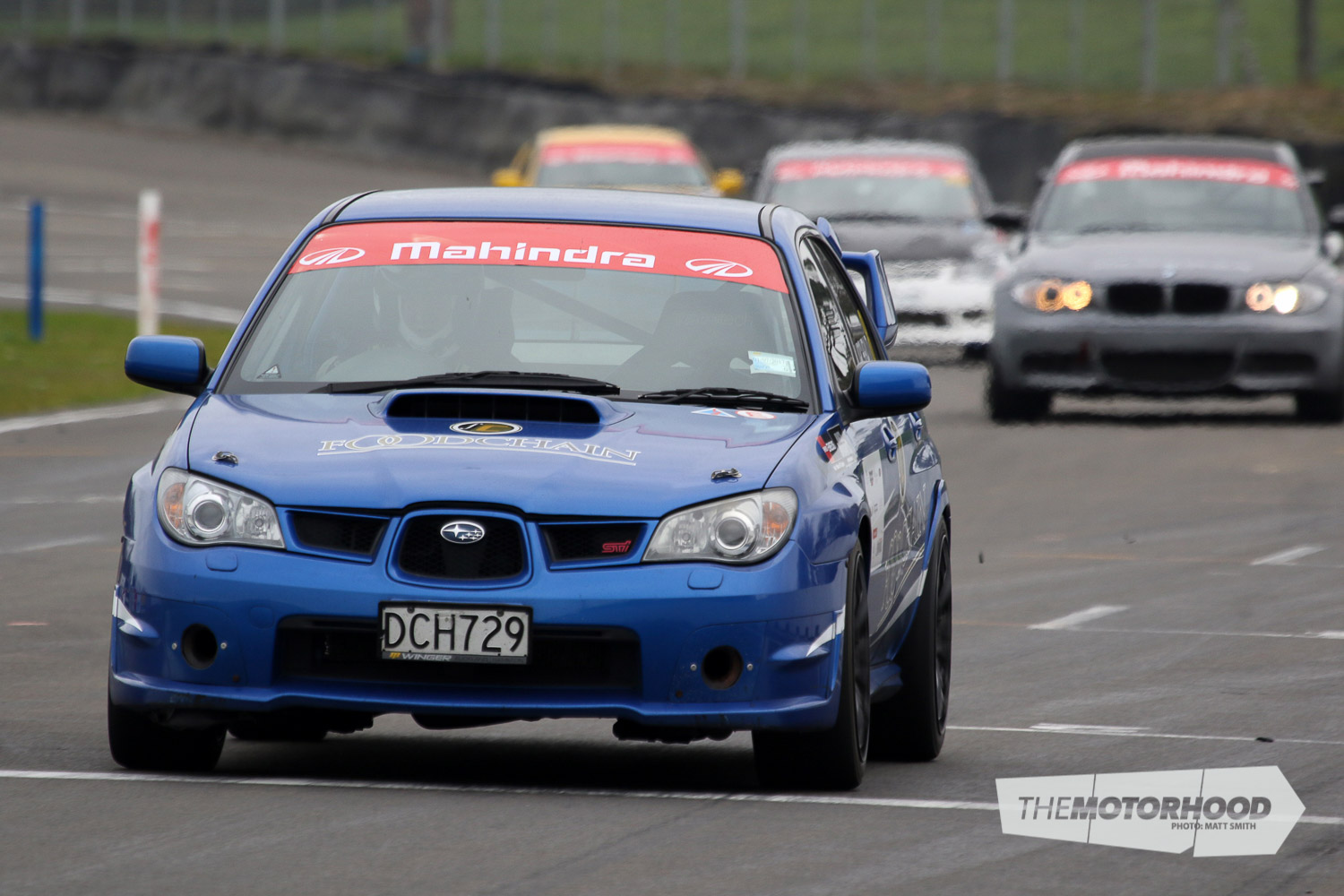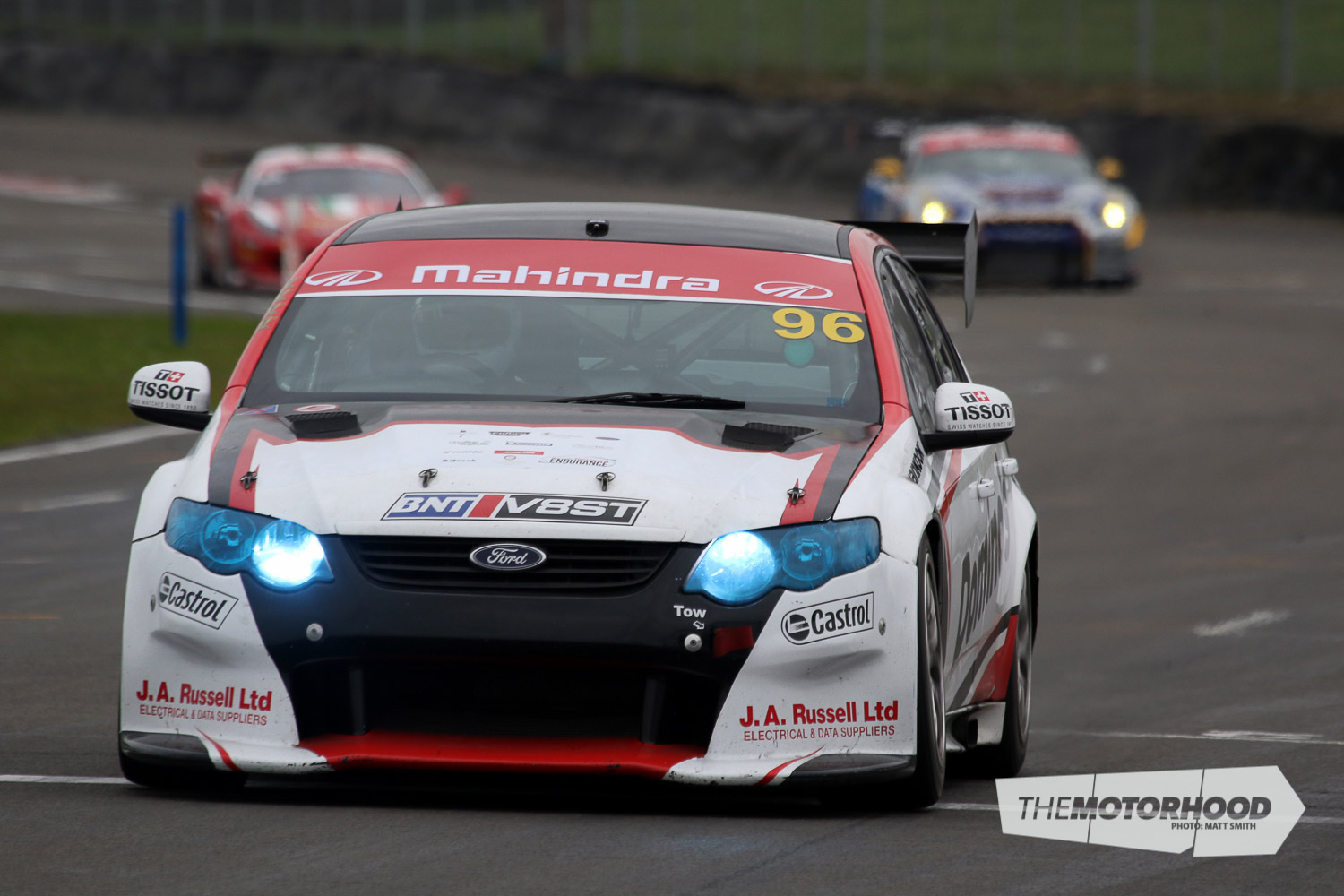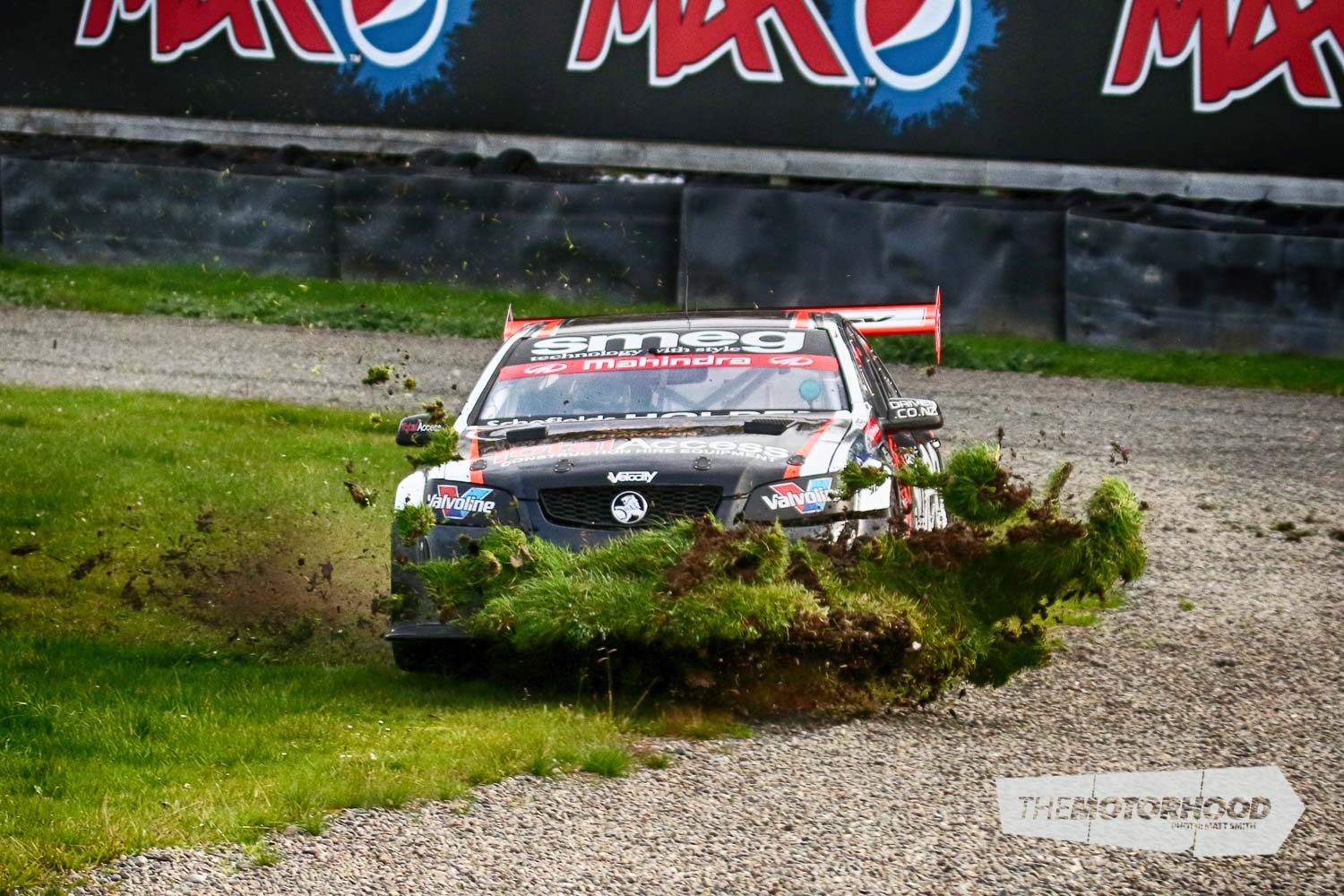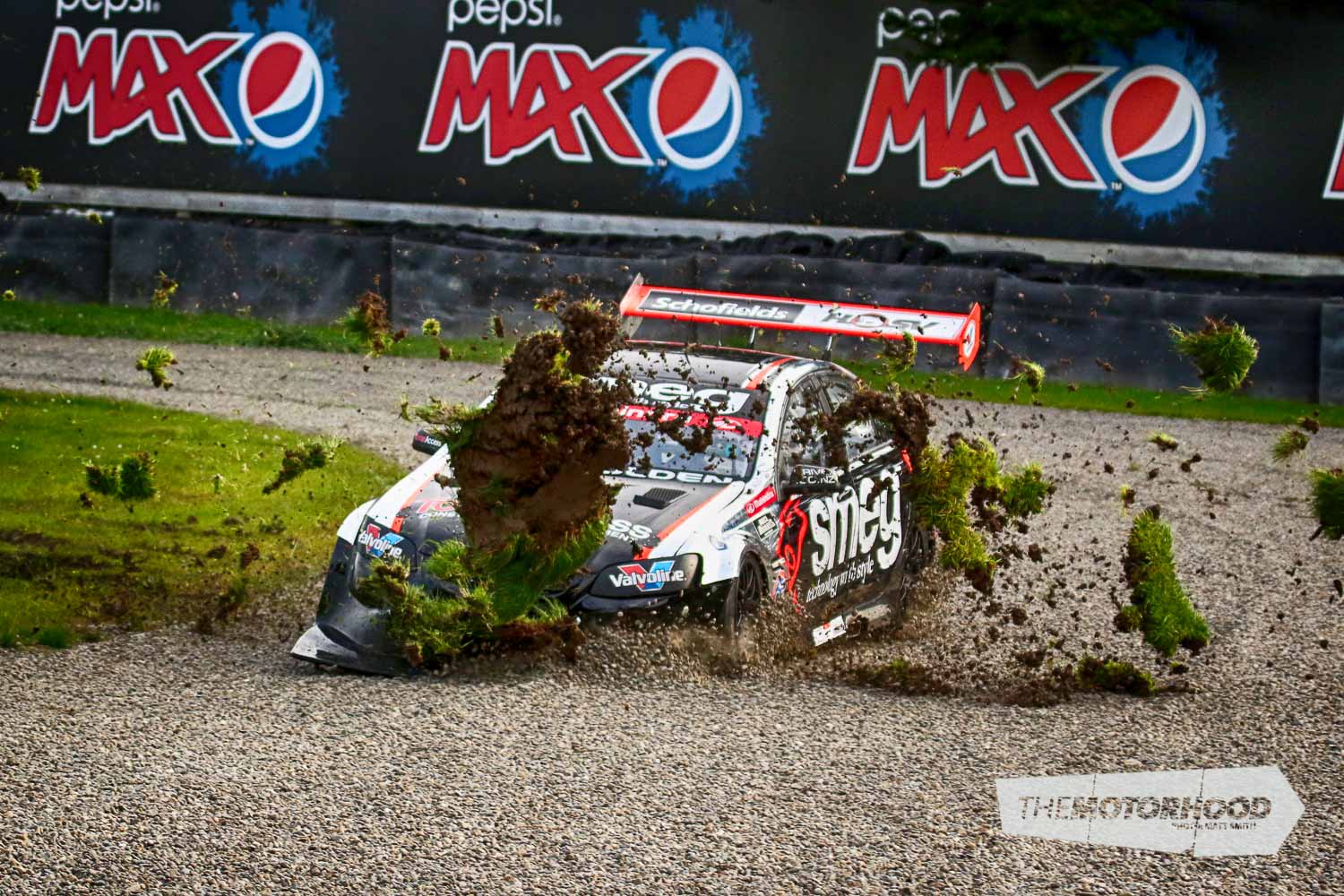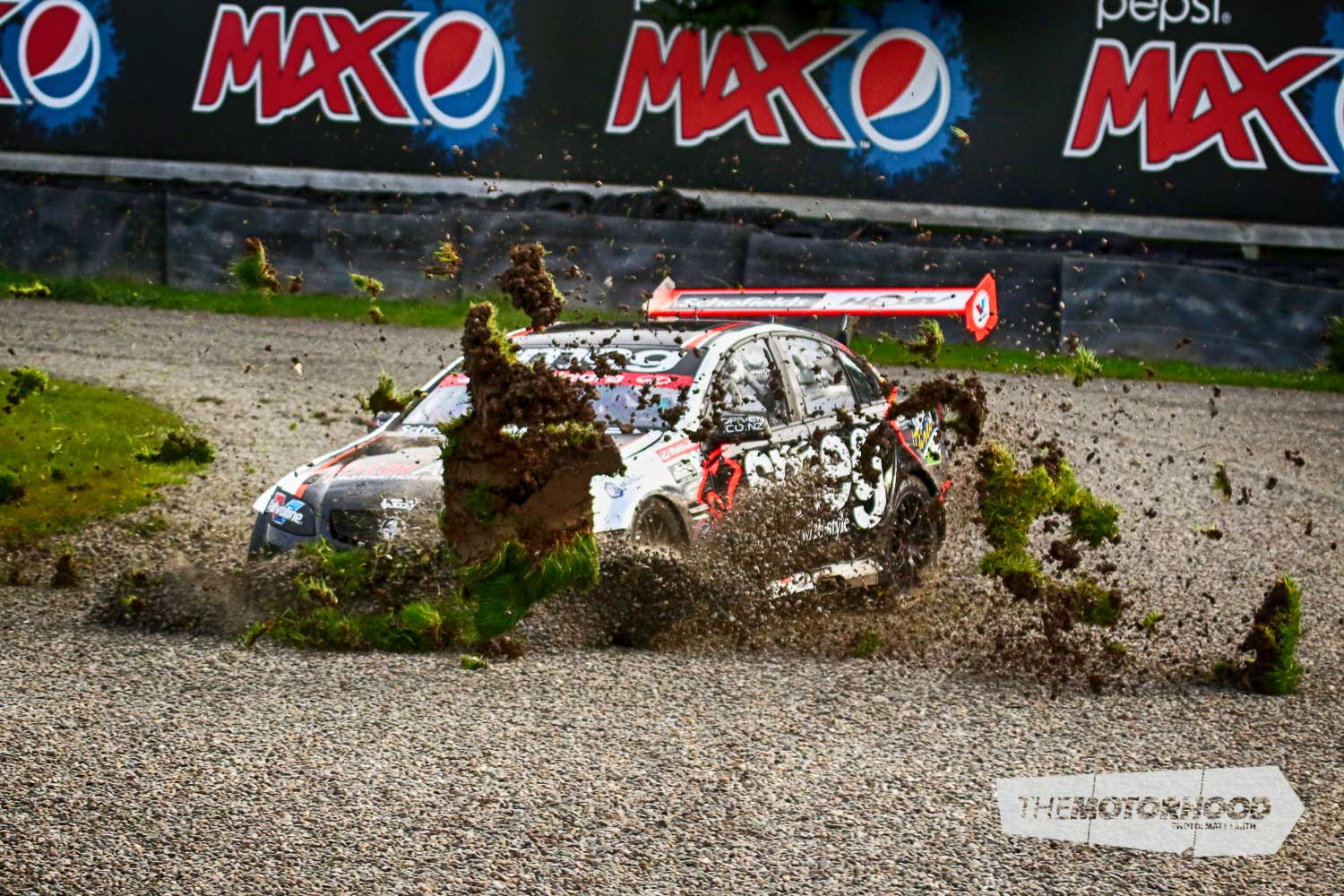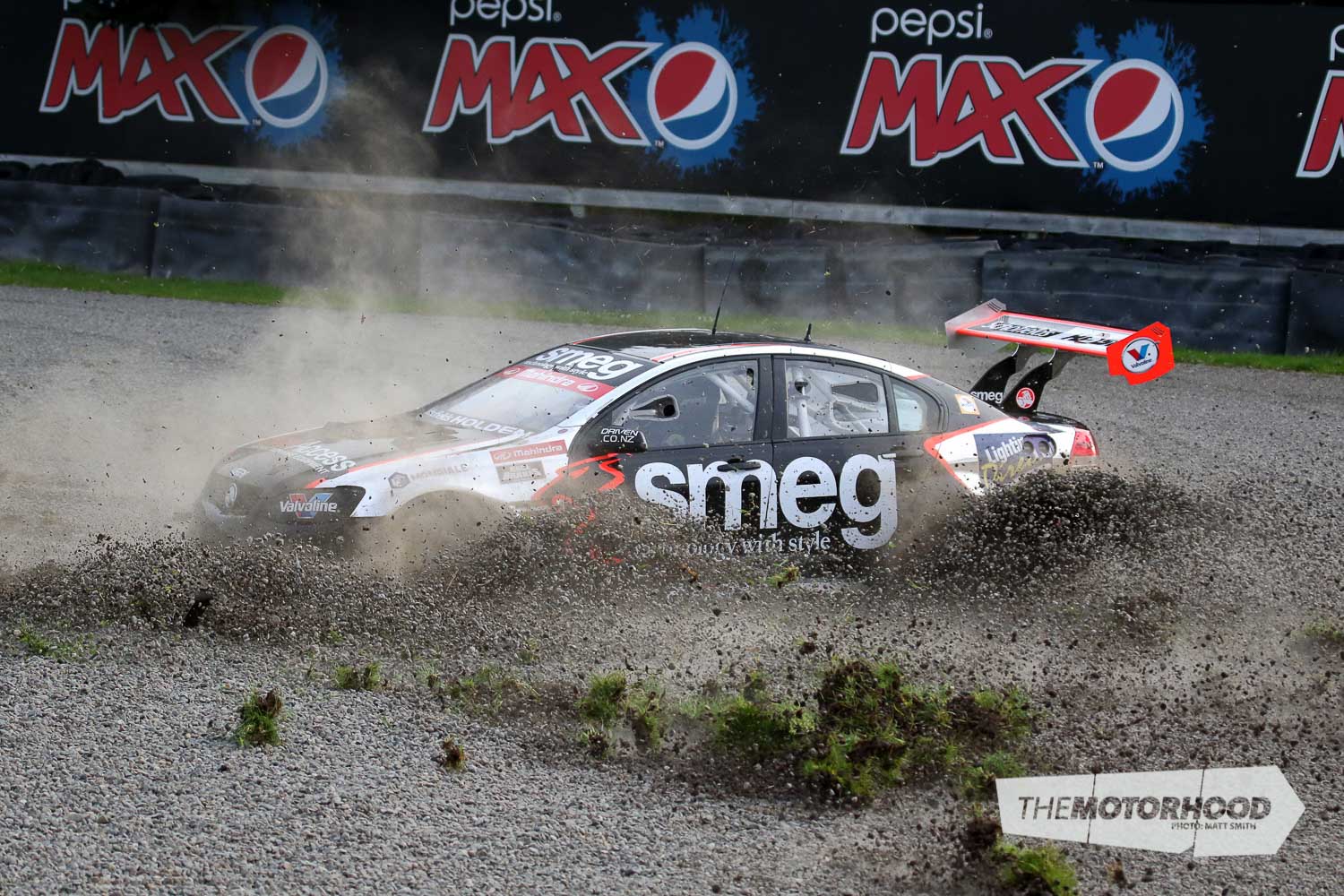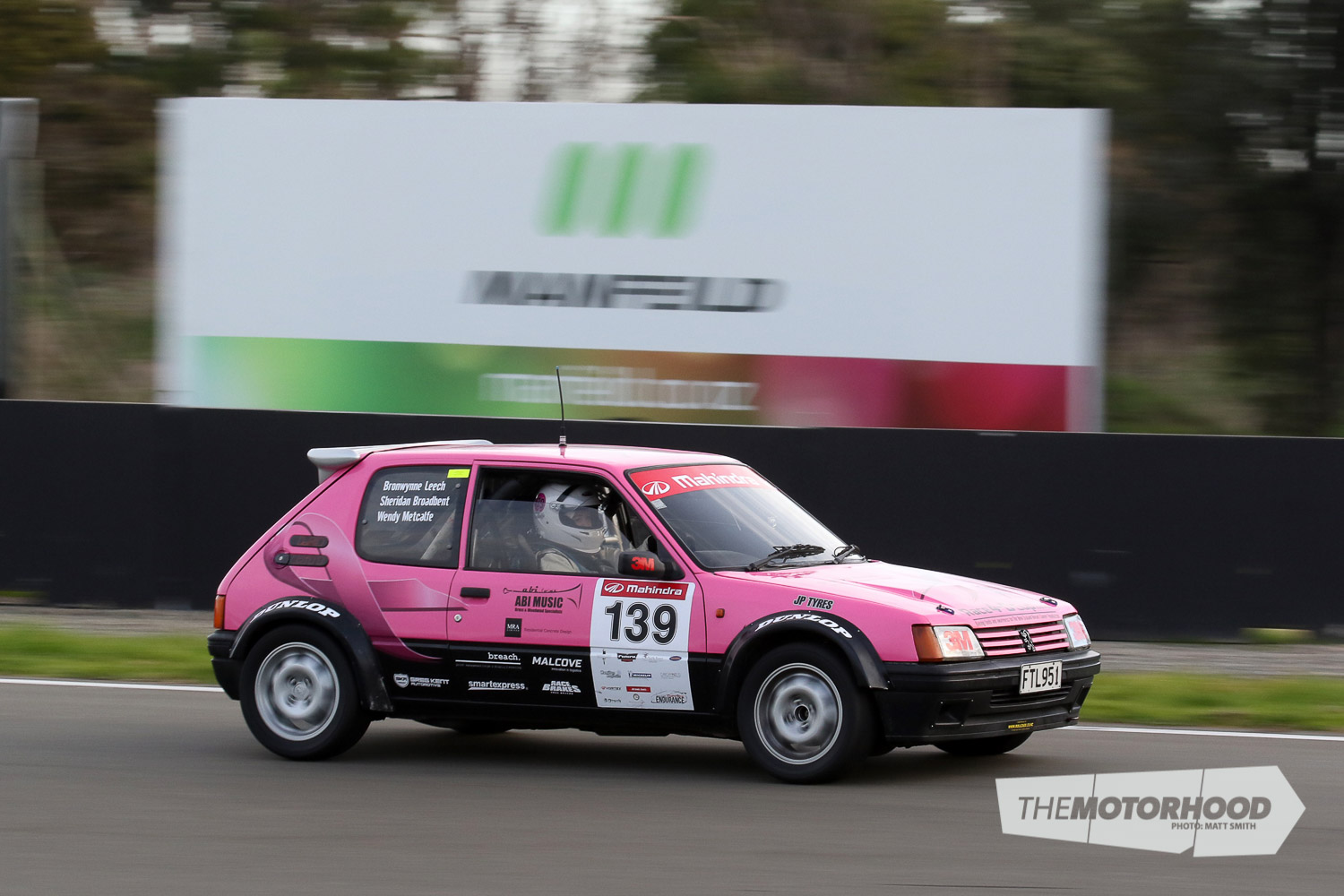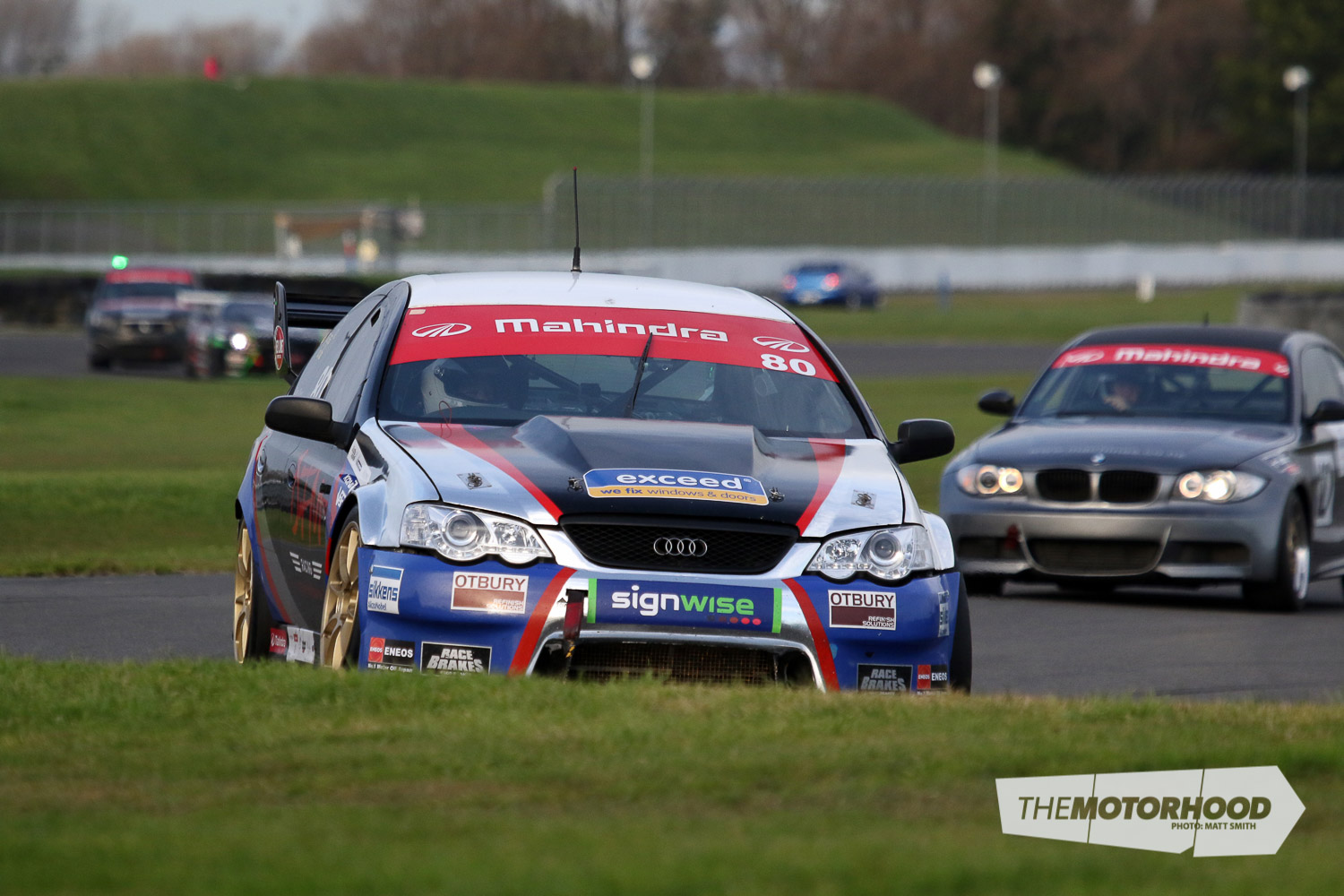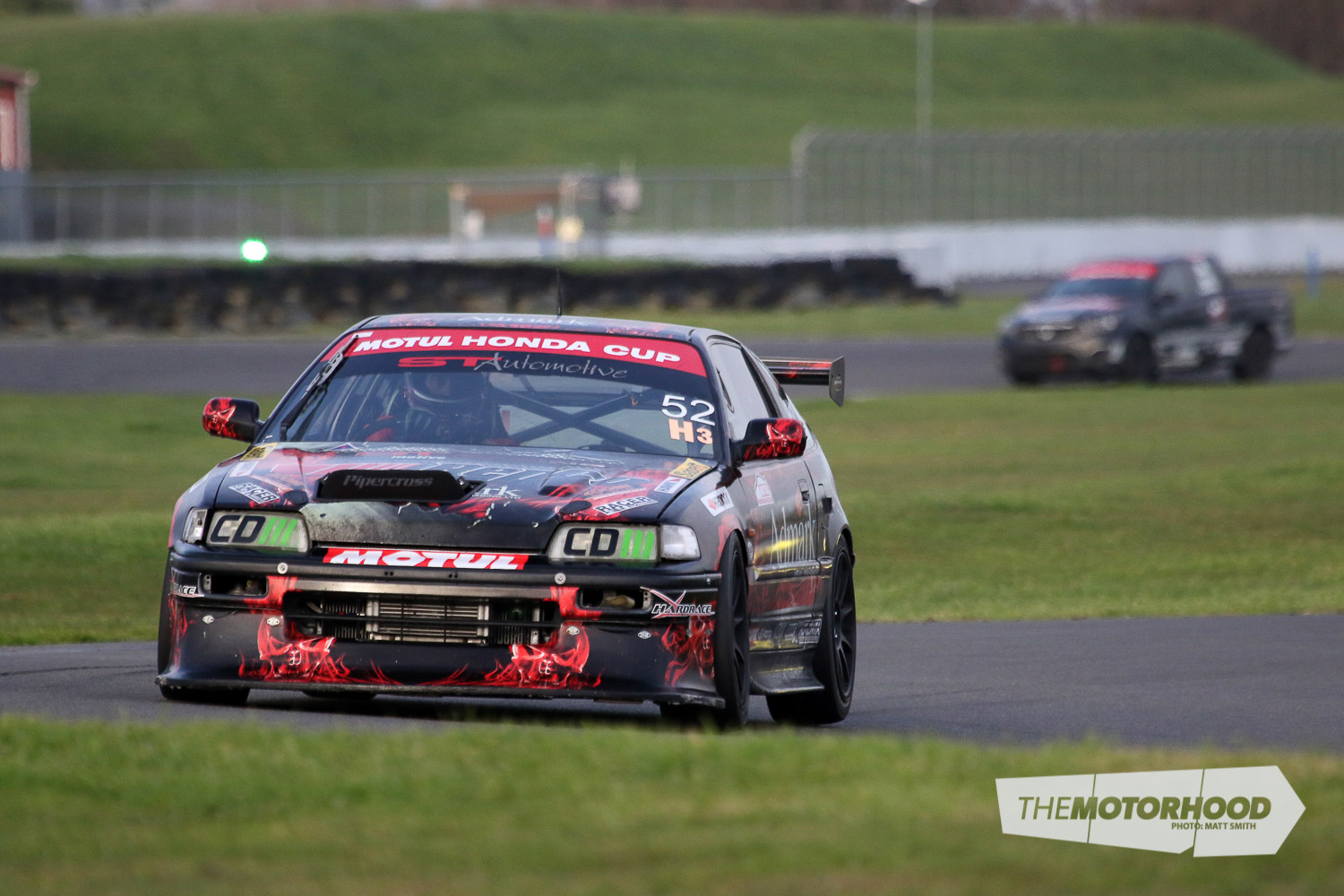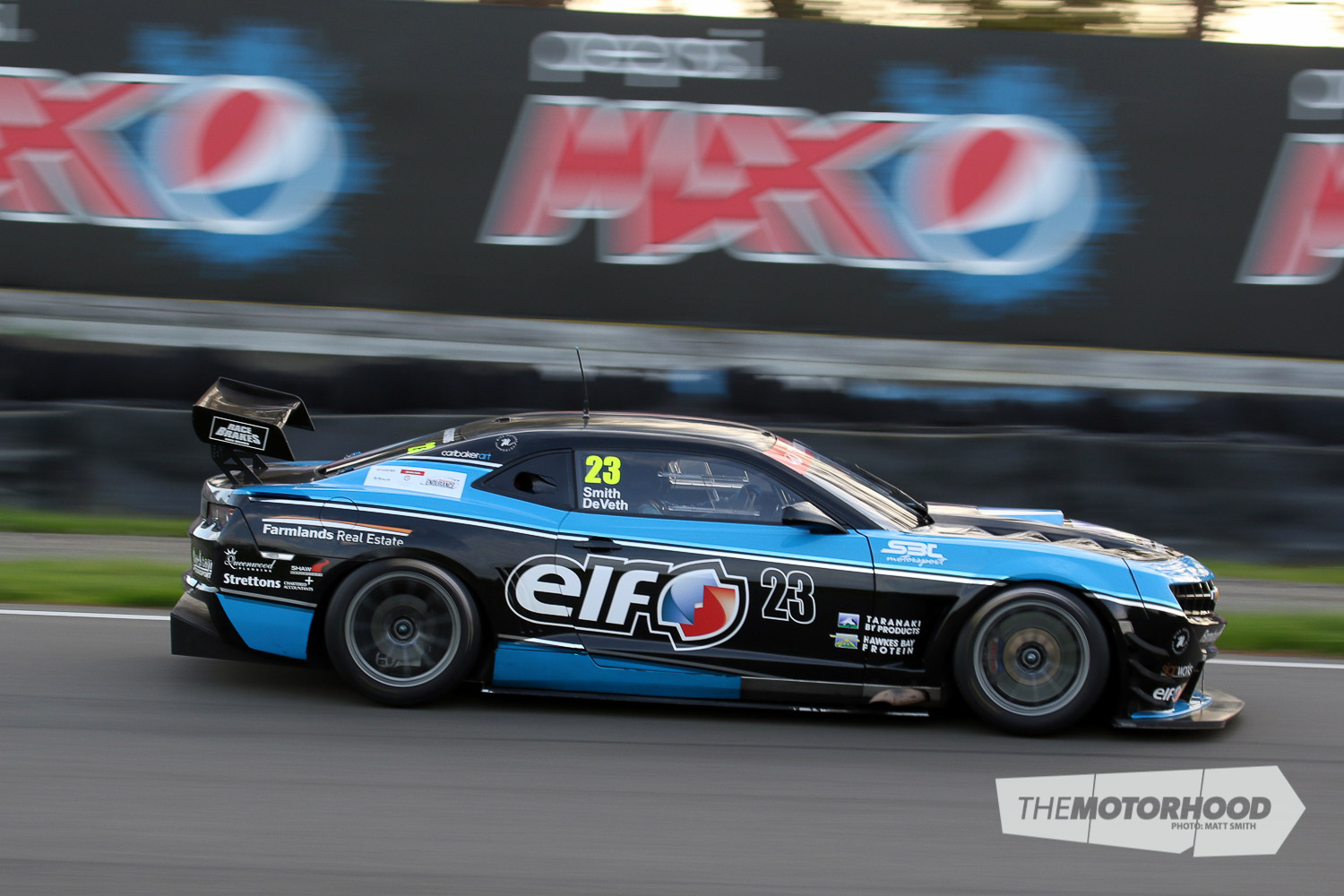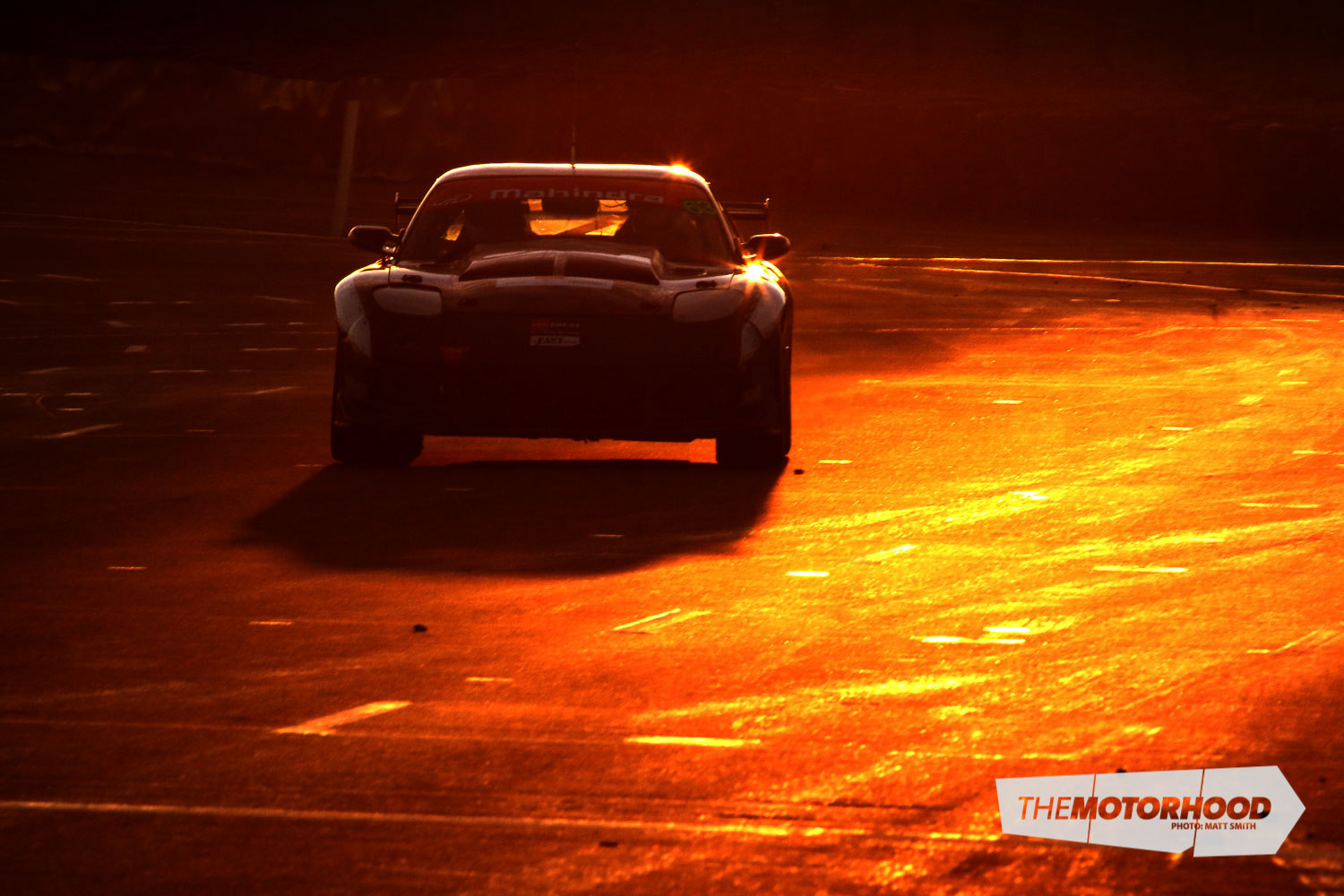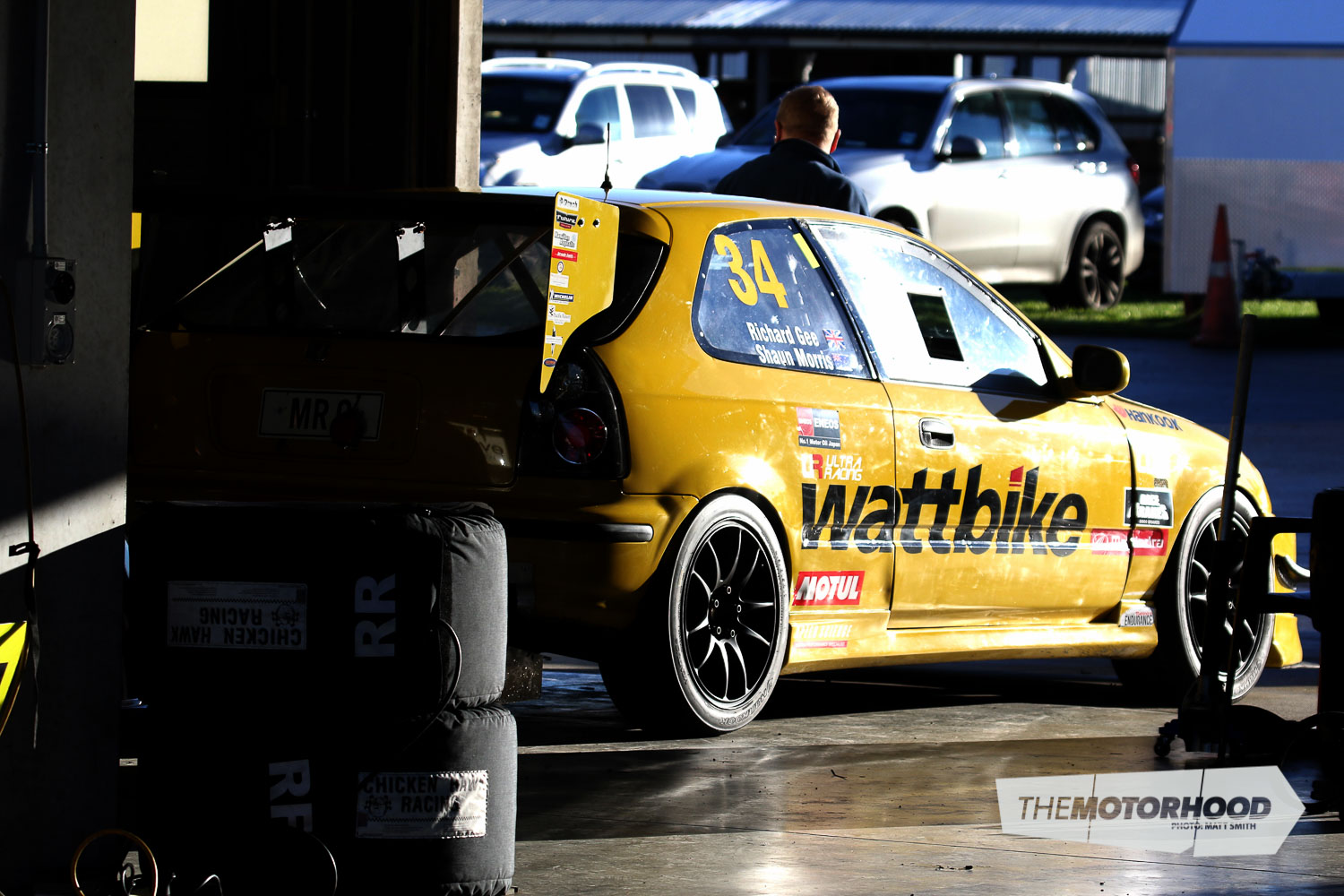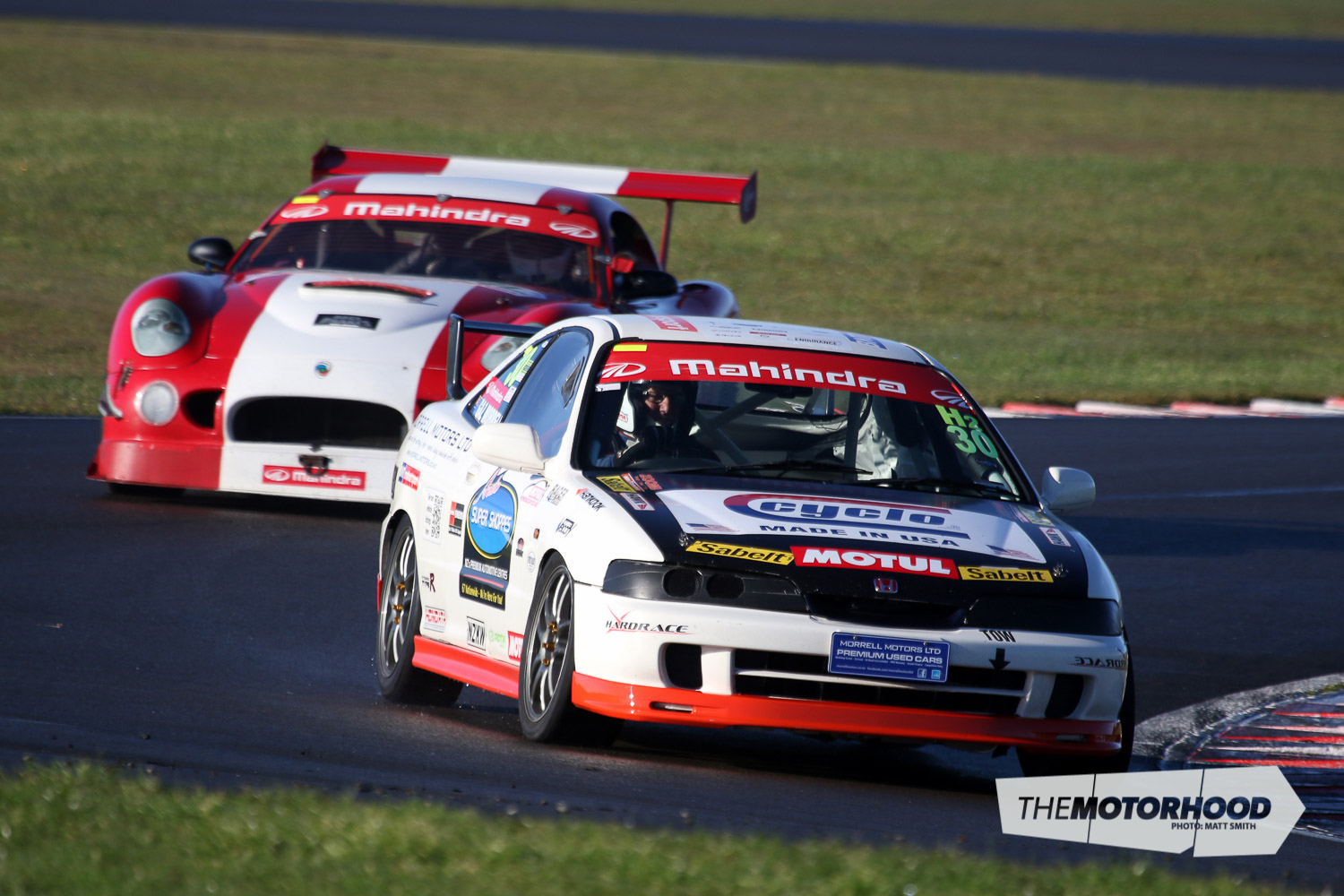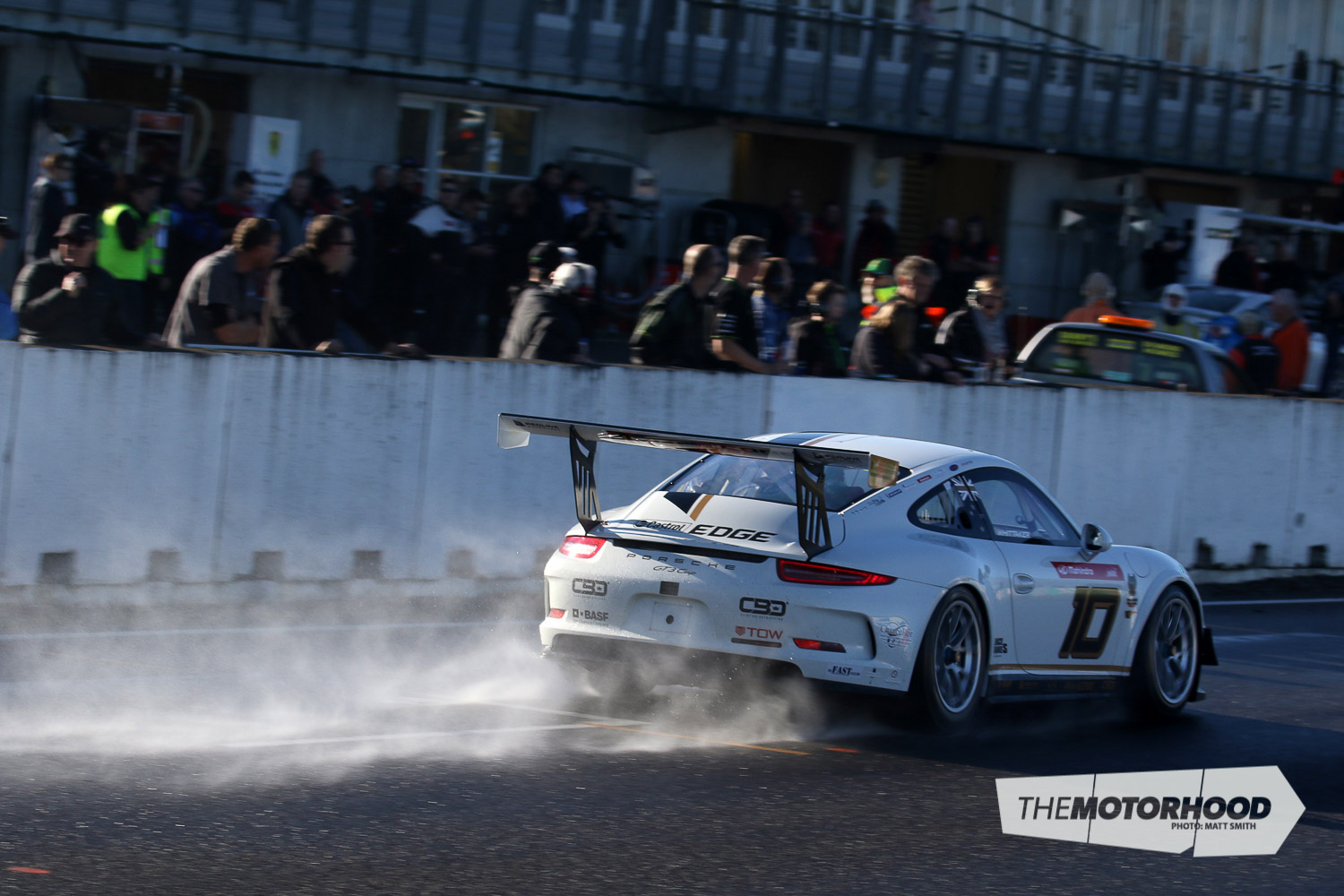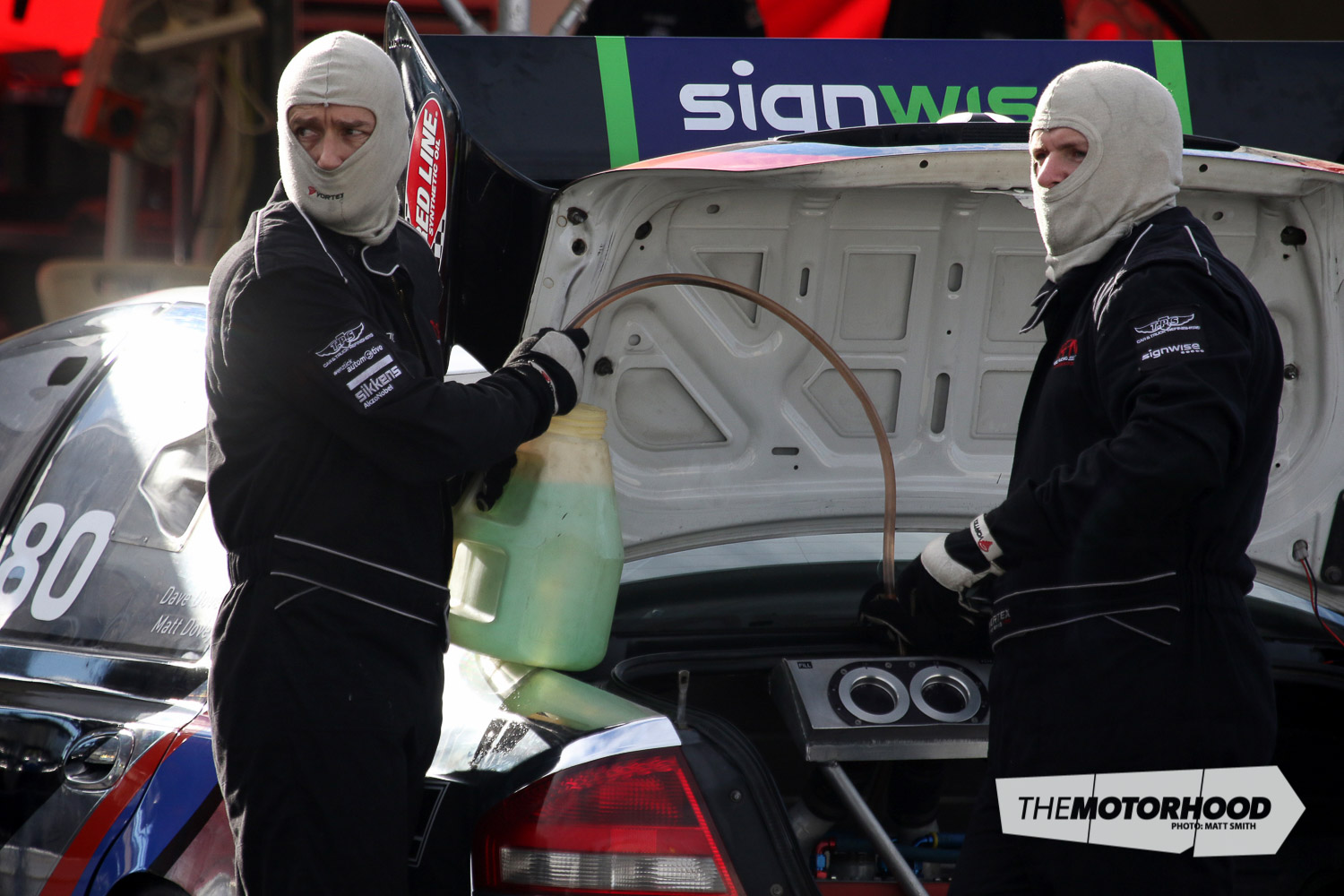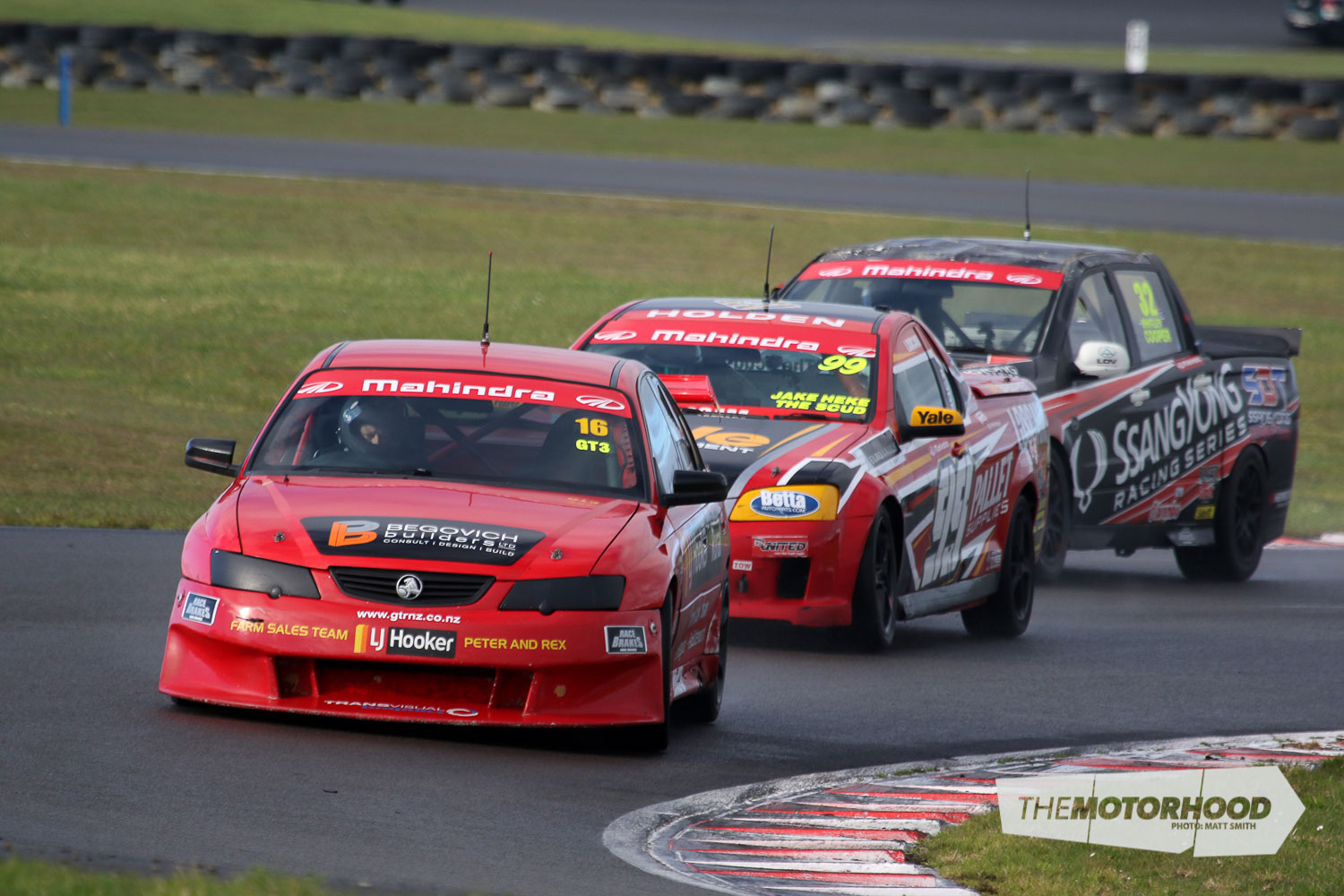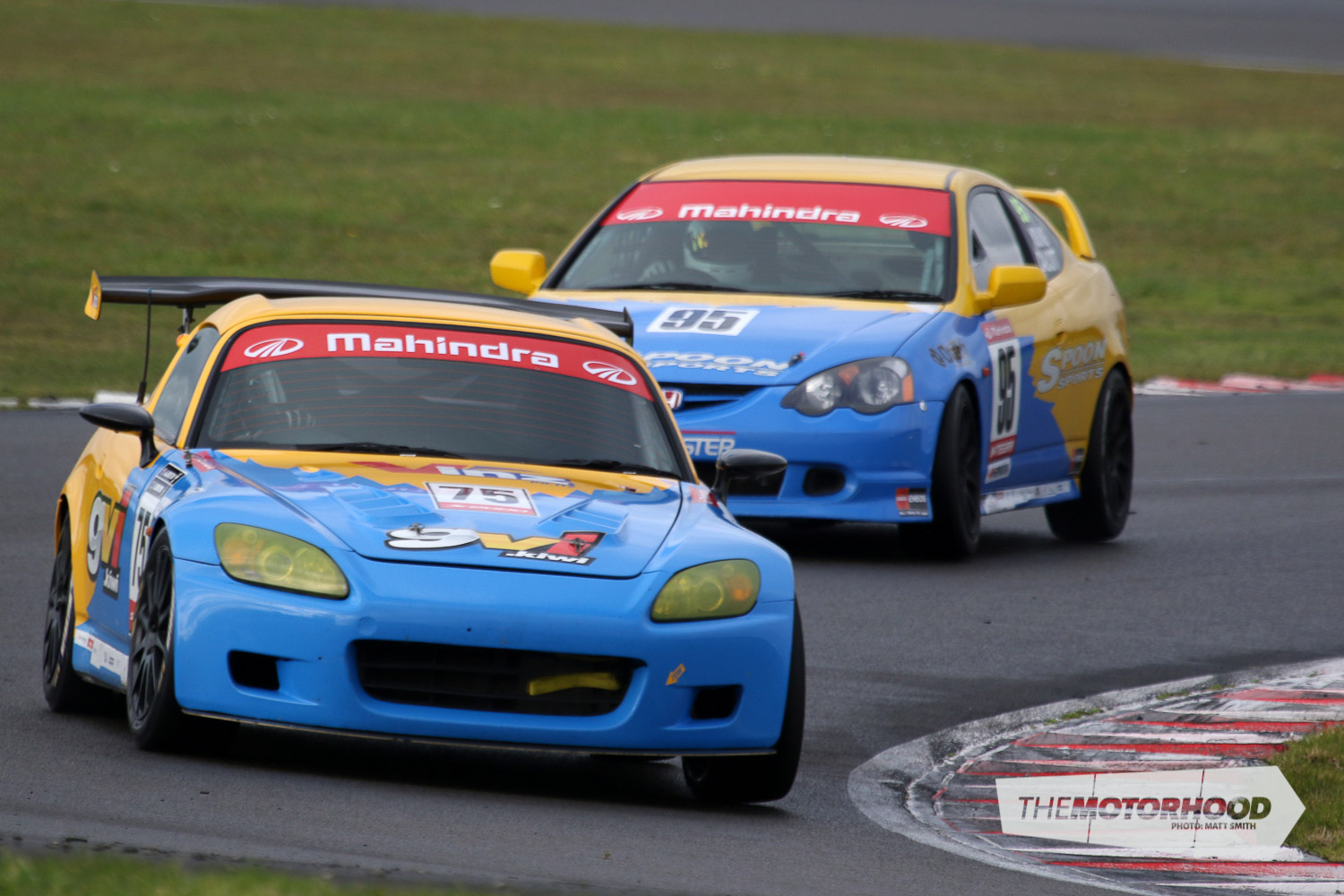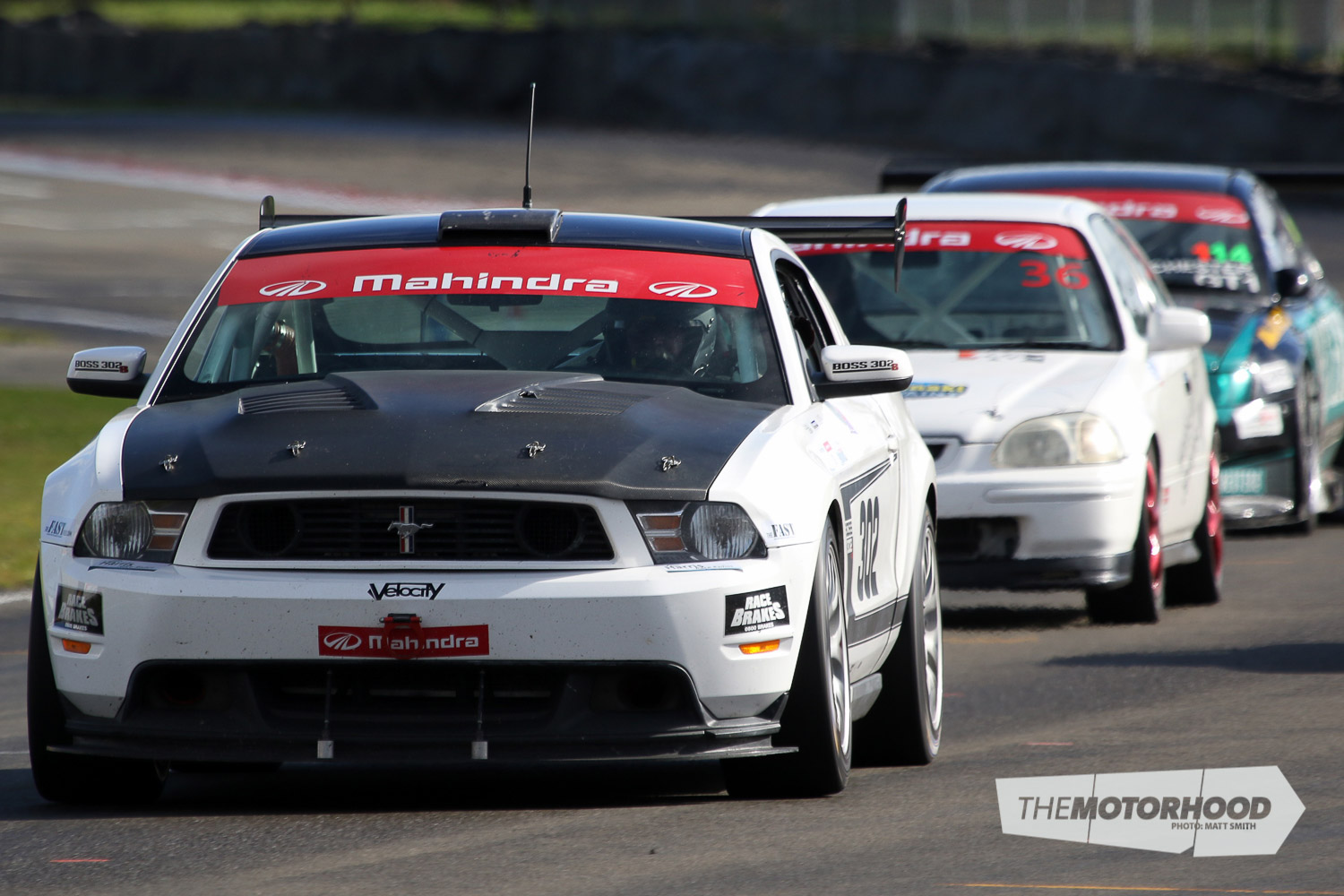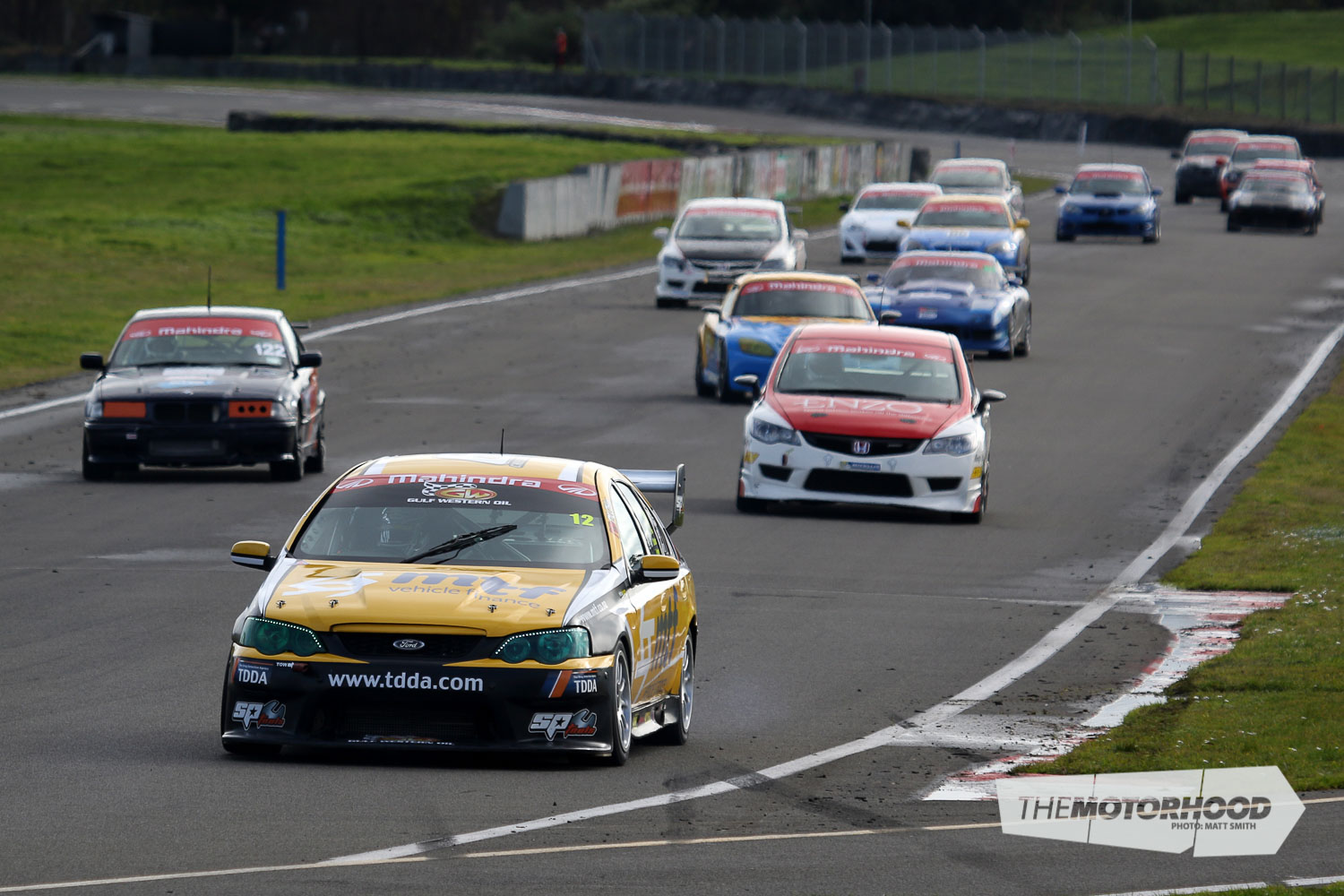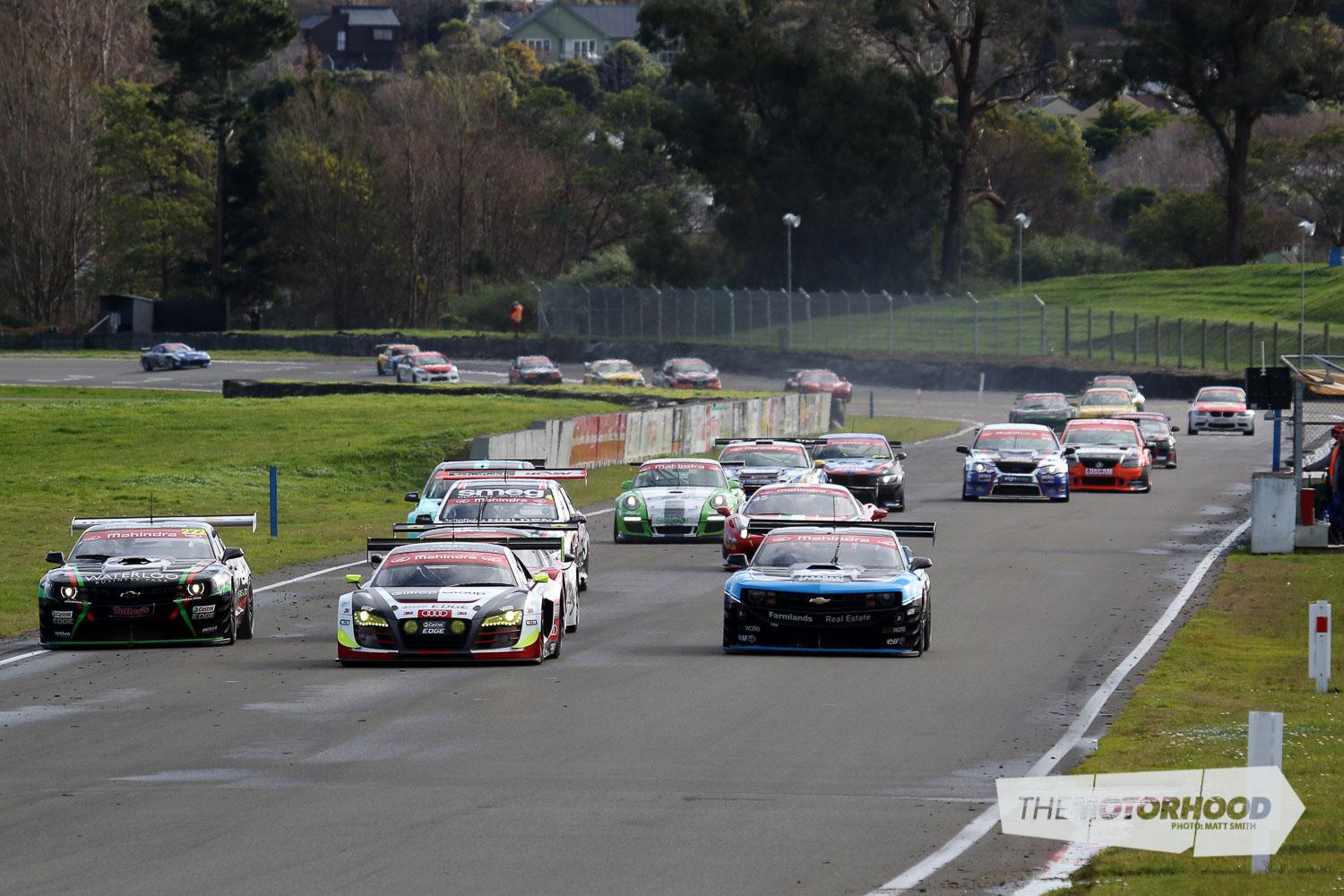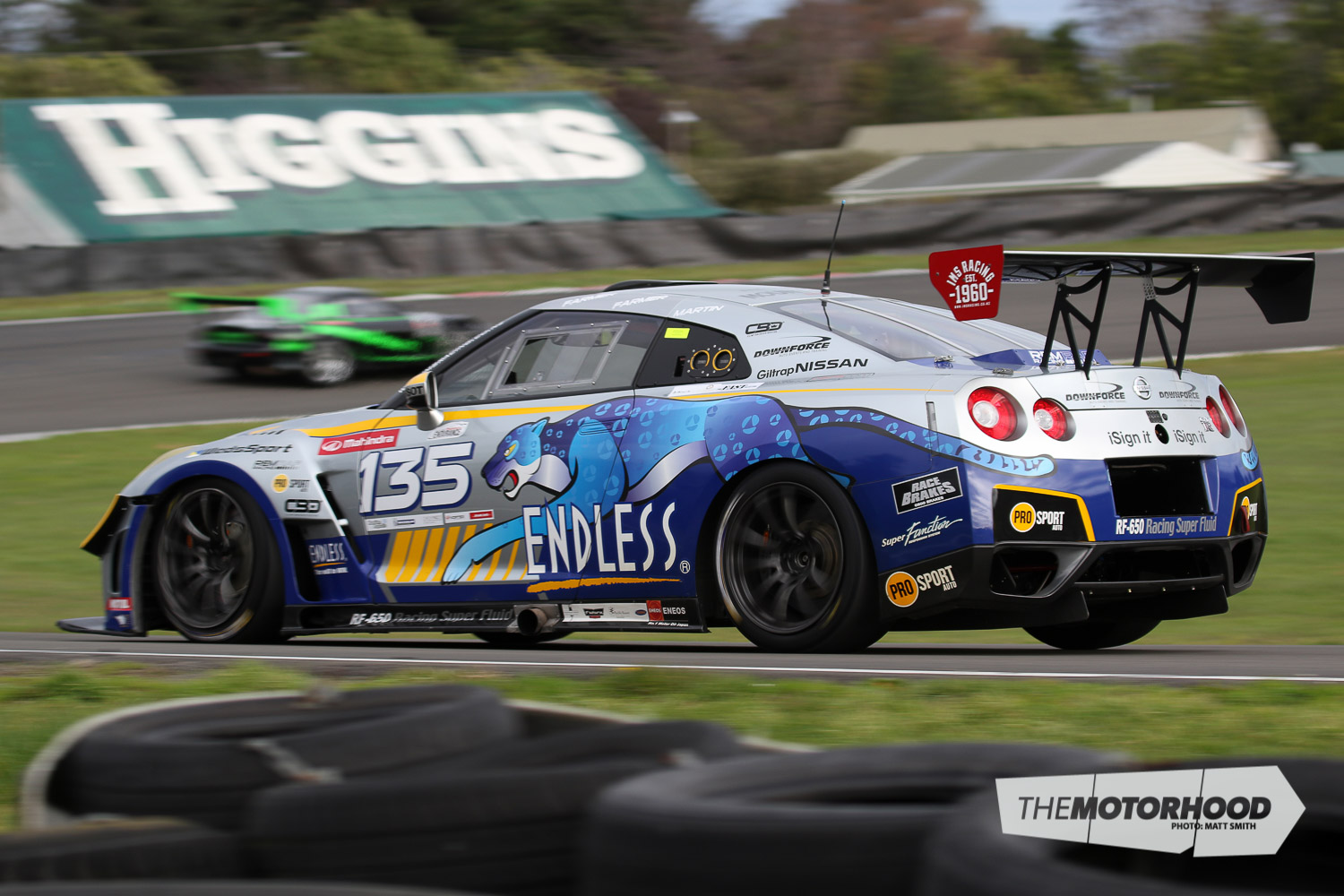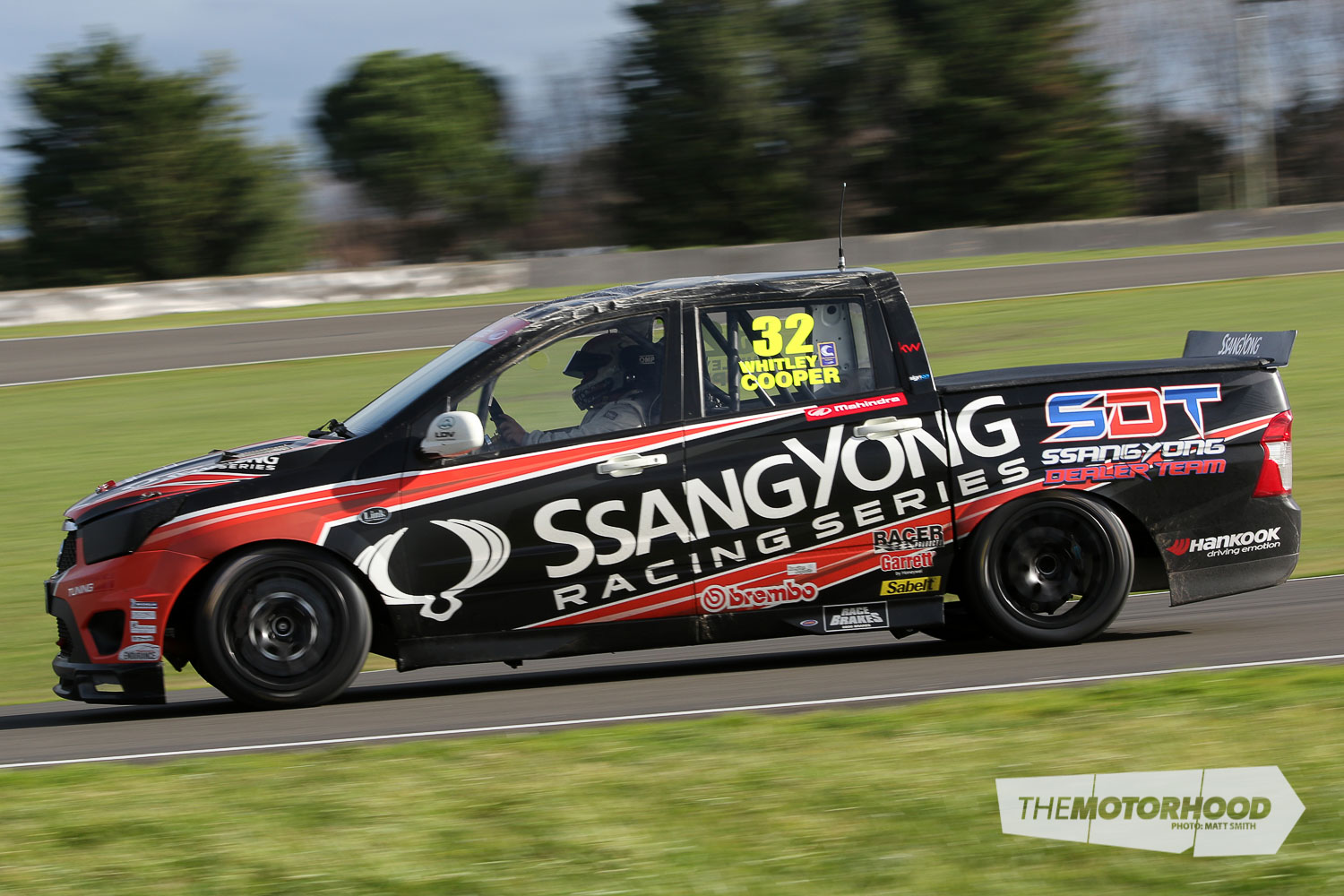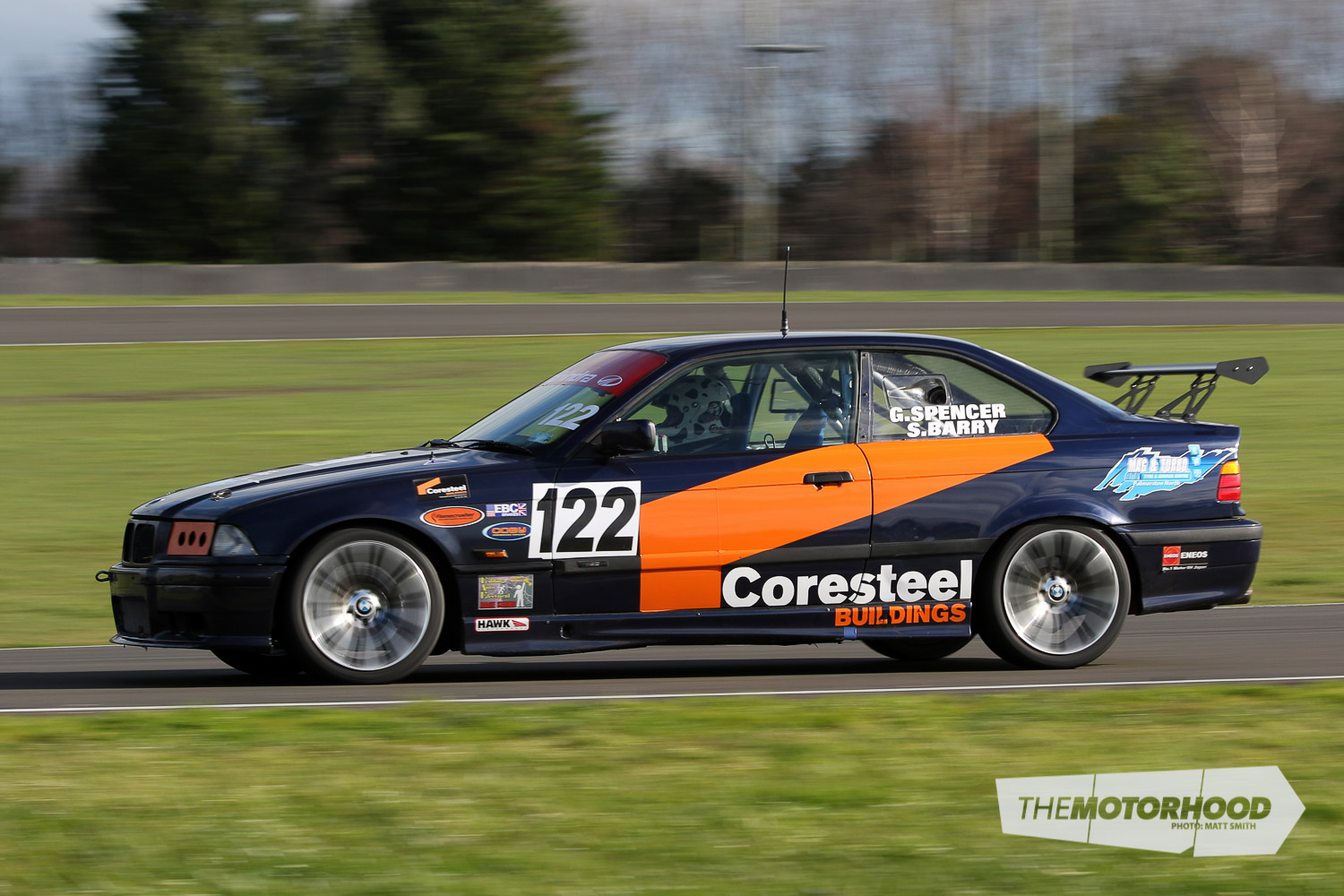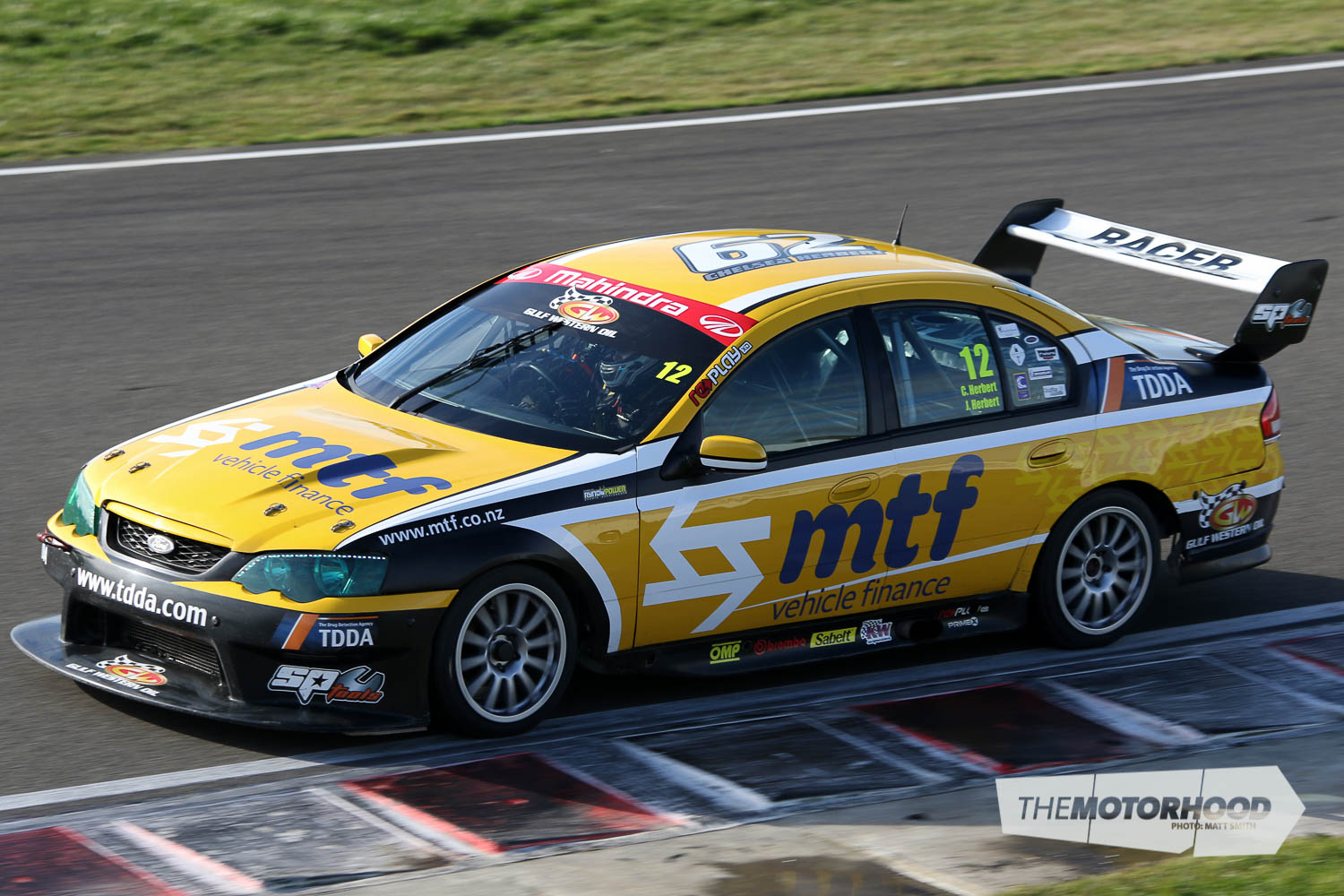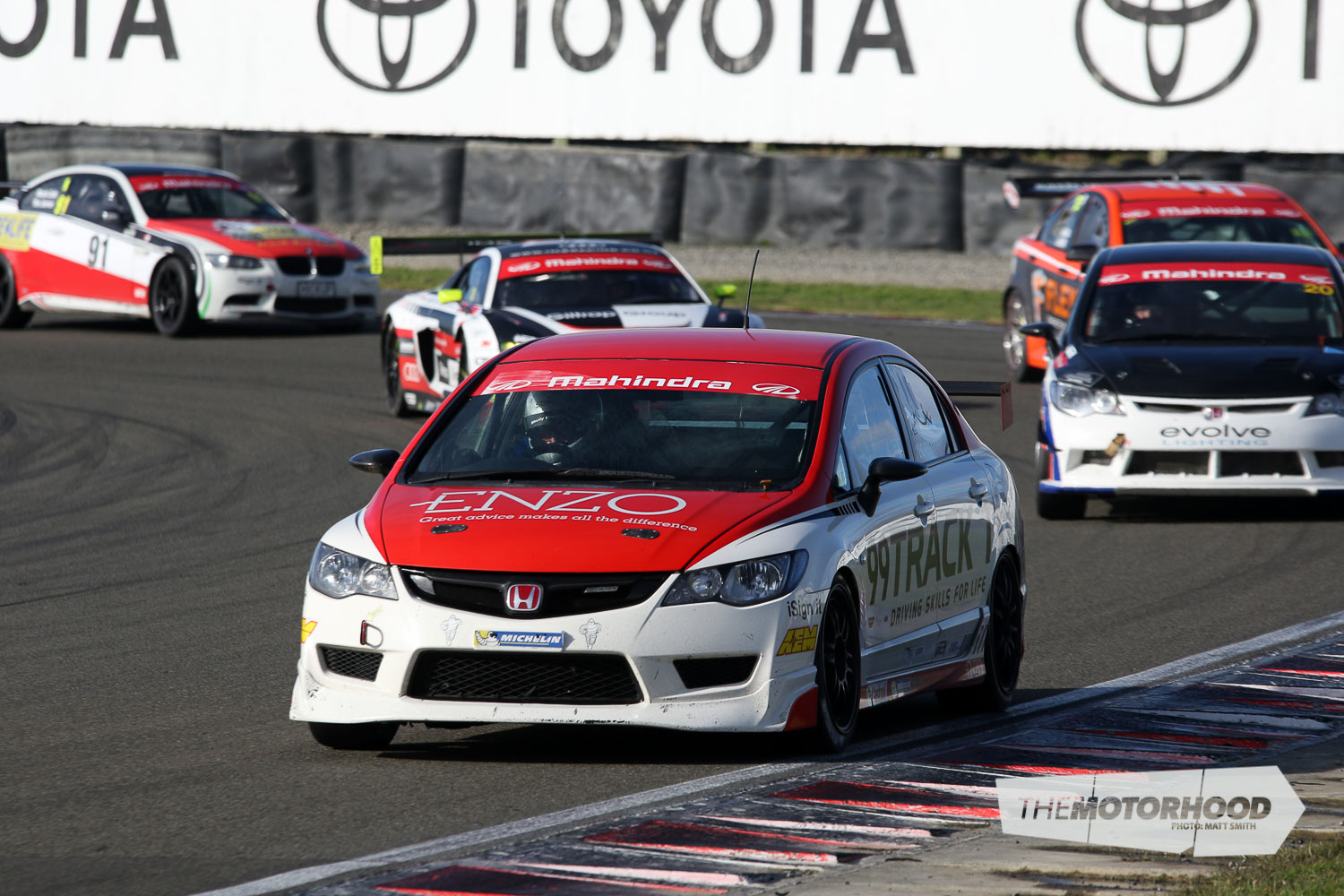
A series of unfortunate events. It may be the title of a Hollywood movie, but for the Mahindra North Island Endurance Series competitors, it has been a reality. The final North Island round, held on July 23 at Manfeild Autocourse, was full of upsets, especially from the Tulloch Motorsport team’s corner during the three-hour race.
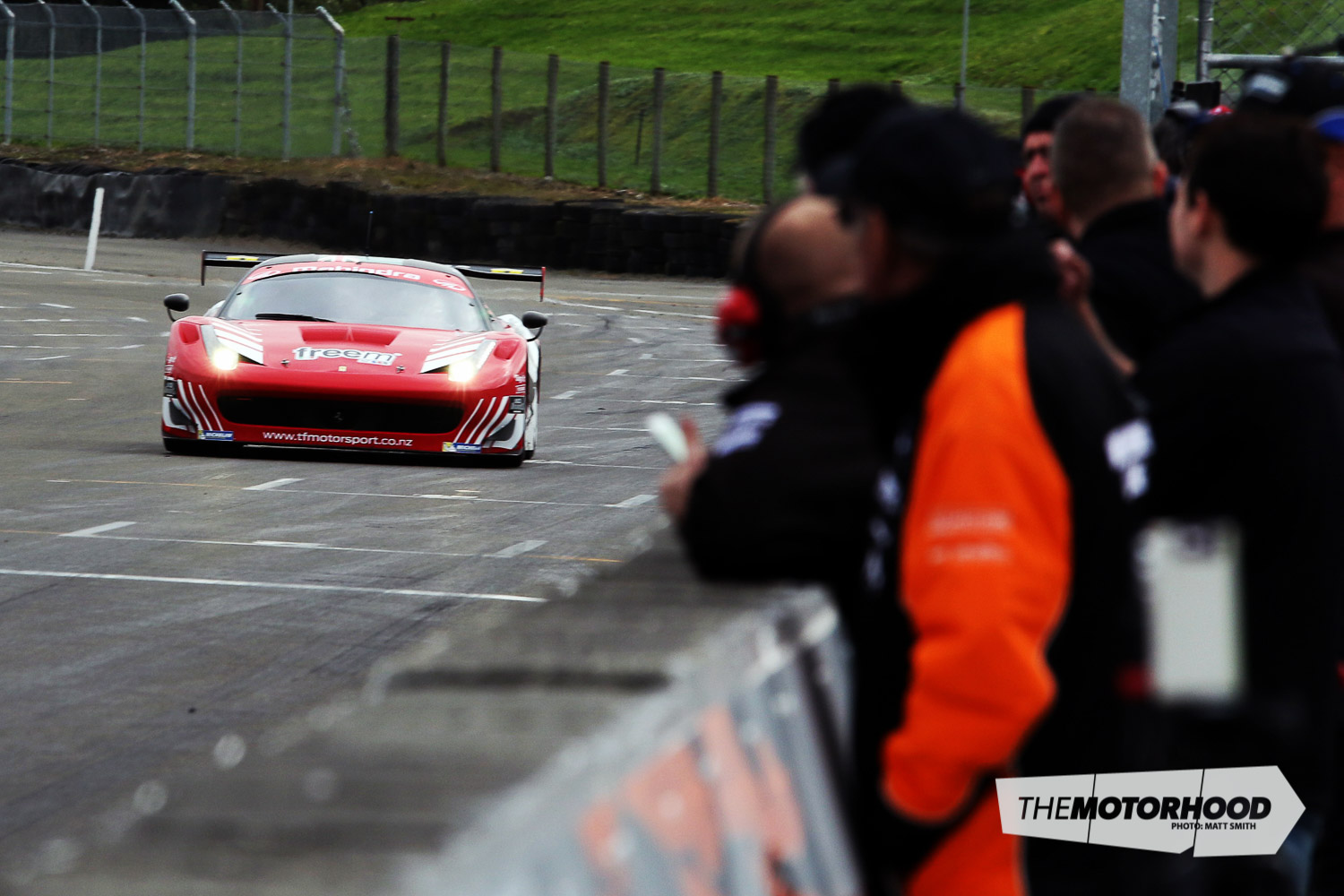
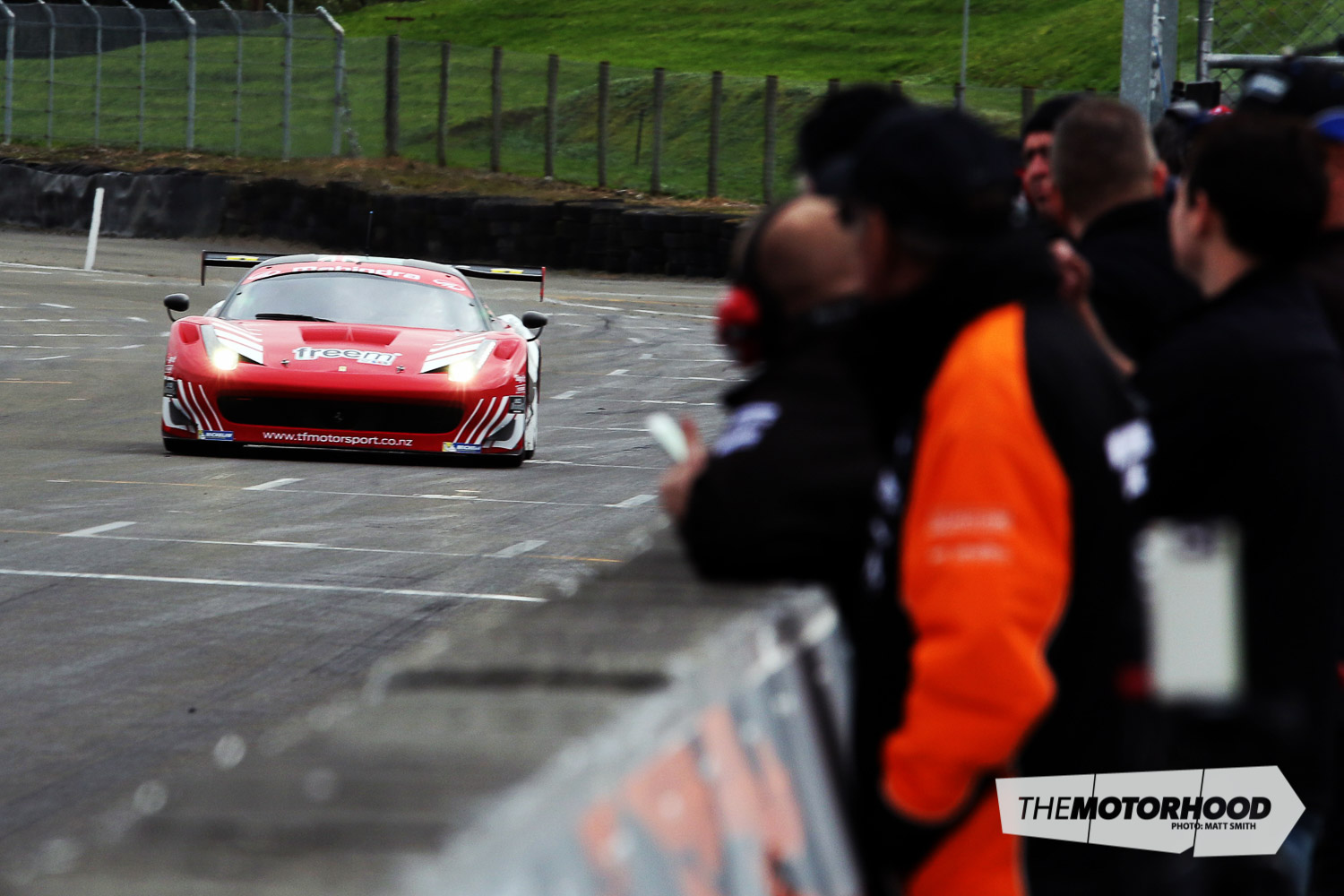
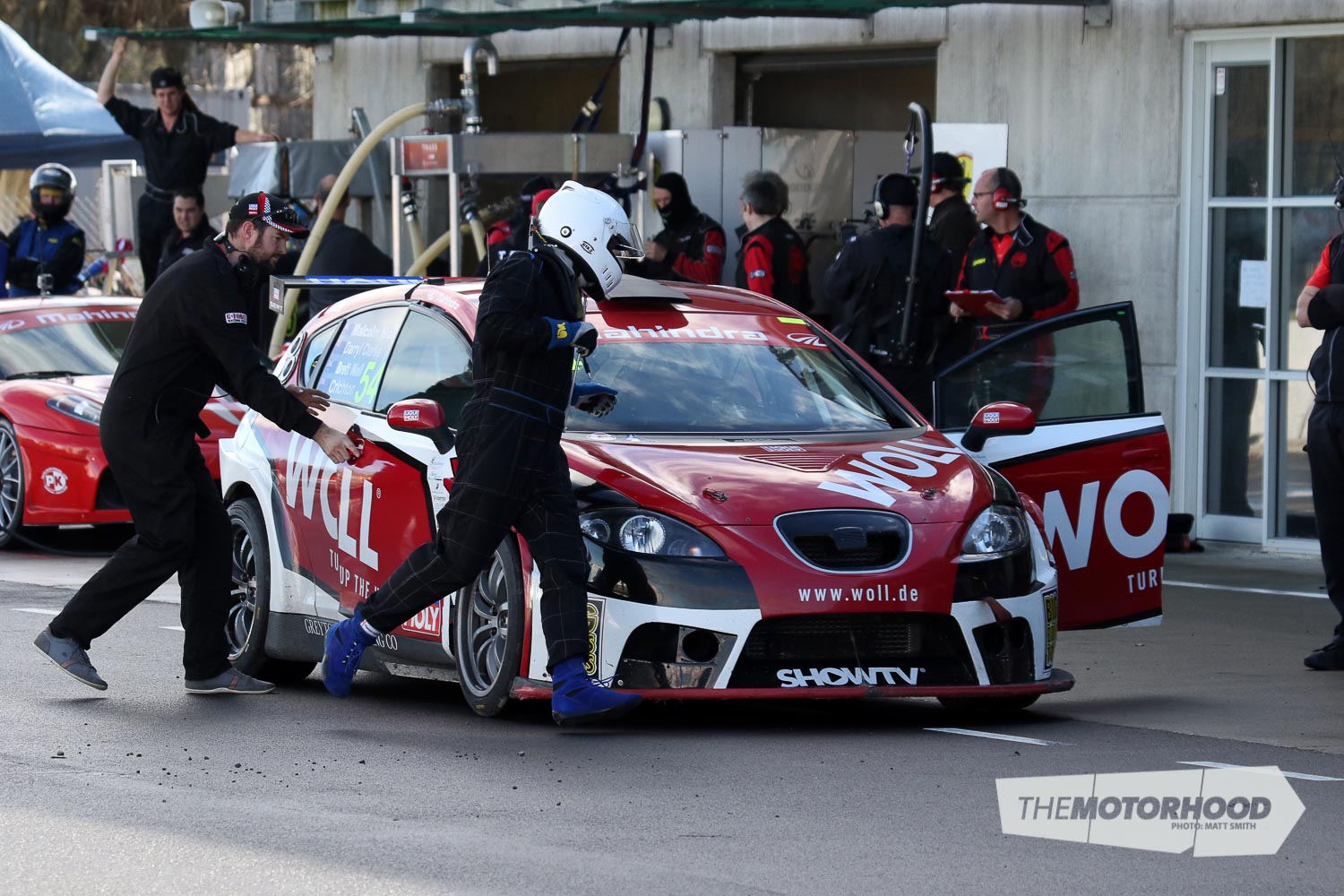
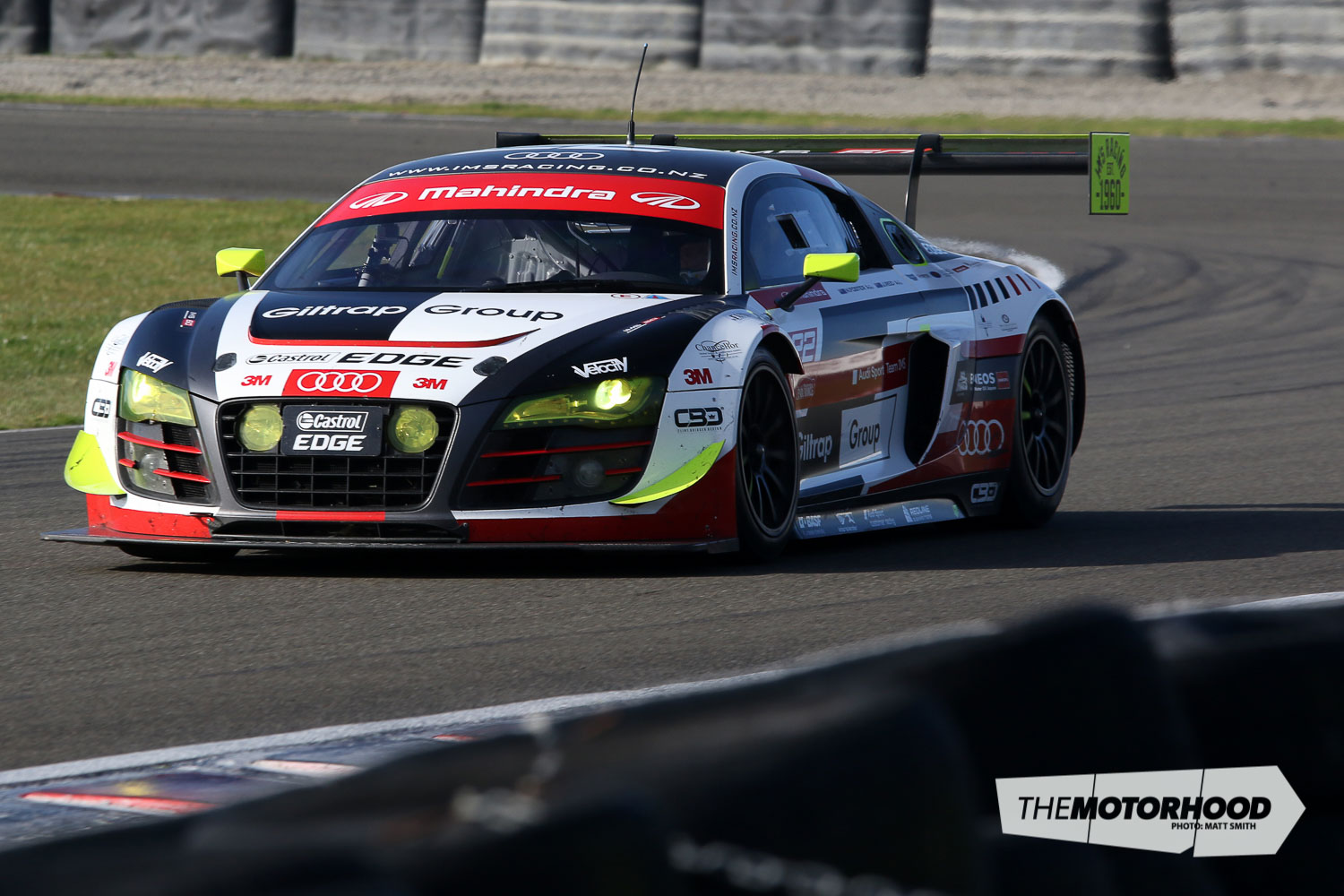
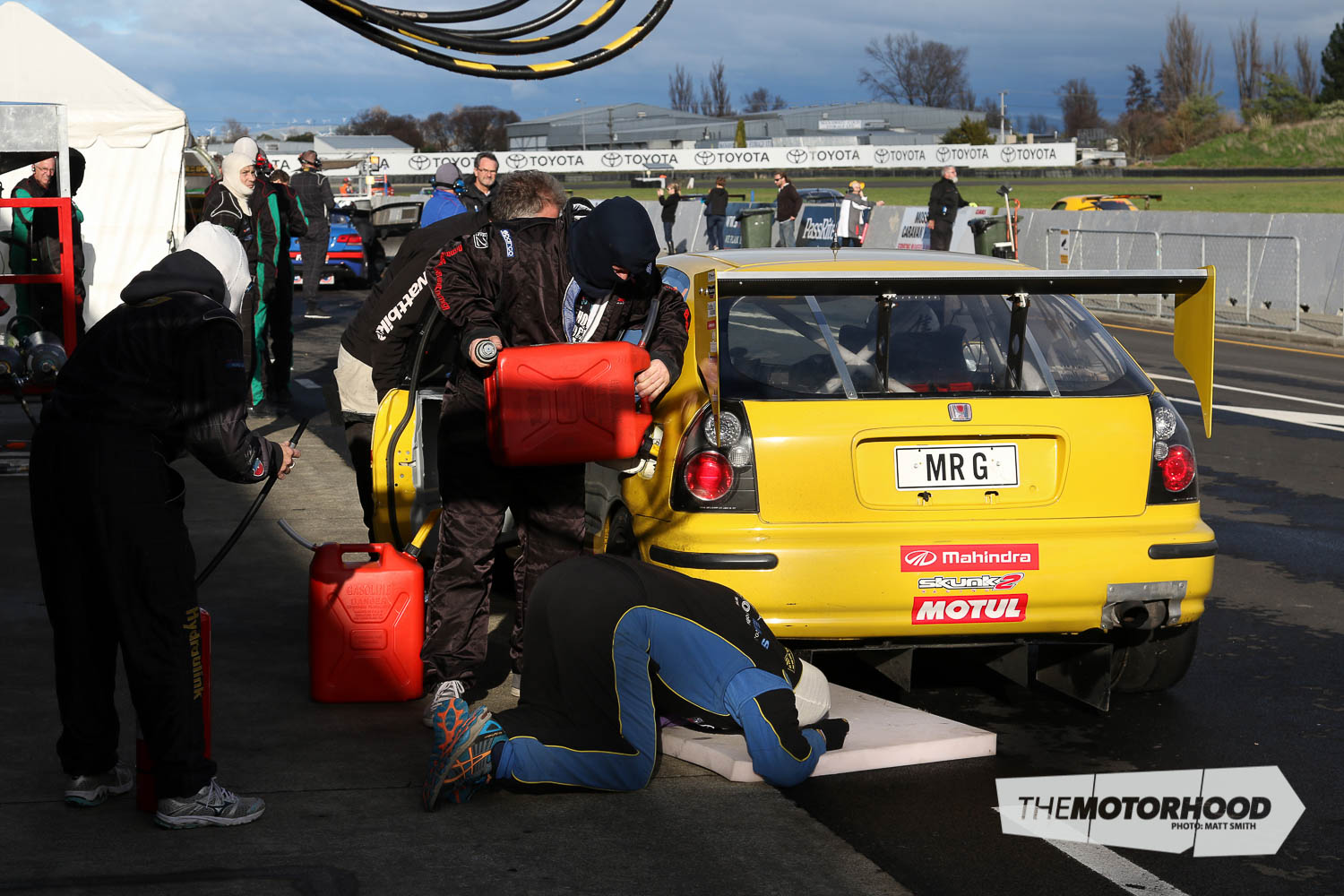
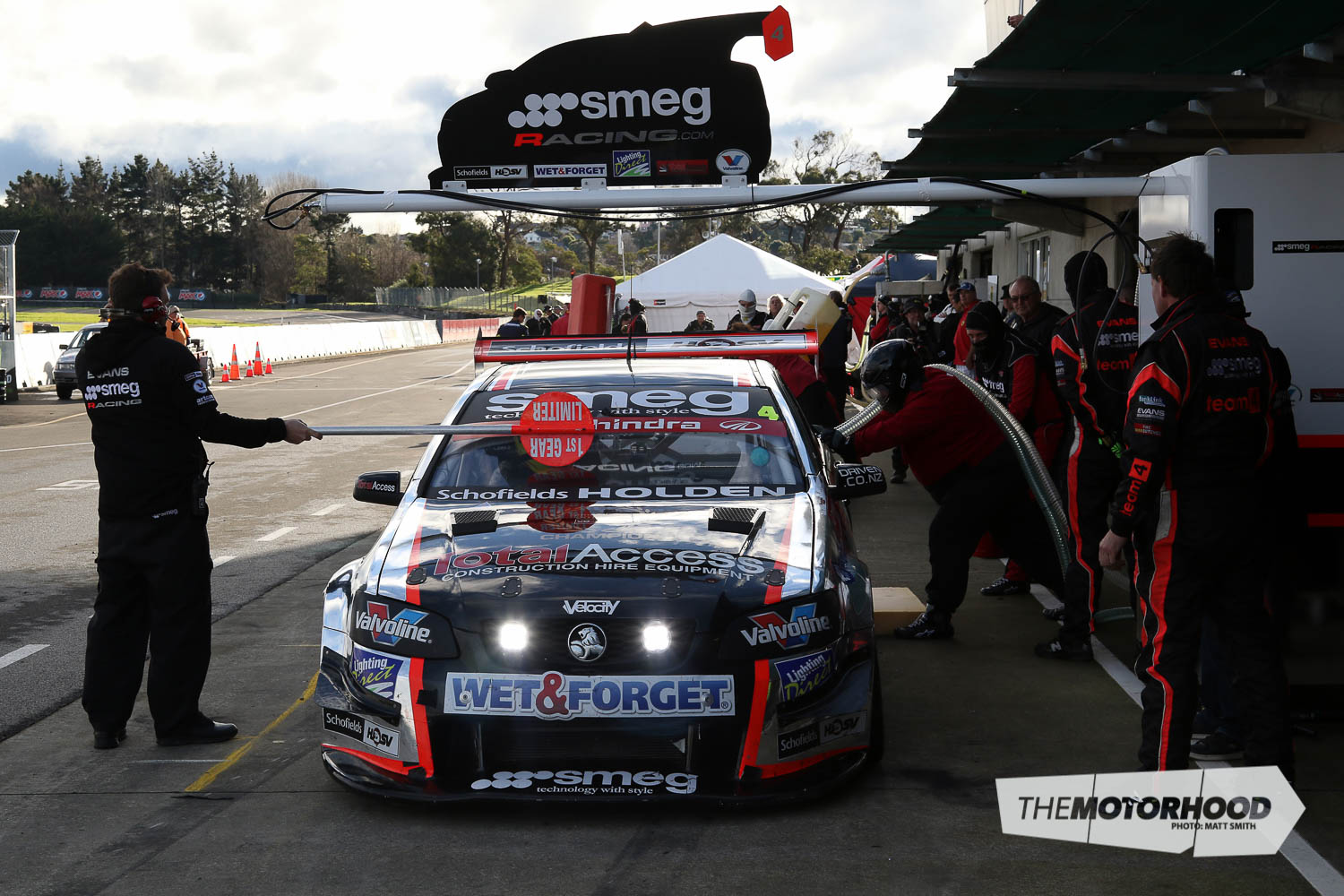
After being collected in the pits by the Smeg Racing Holden Commodore, the team tried desperately to repair the damage during a tyre change. However, when they had to come into the pits once again, the Trass Family Motorsport (TFM) Ferrari 458, driven by Sam Fillmore and Danny Stutterd, took the lead — and the three-hour endurance win. The International Motorsport Services (IMS) Audi R8, driven by Jonny Reid and Neil Foster, fought hard for third place, with the Smeg Racing Commodore, driven by Simon Evans and Gene Rollins, crossing the line with a well-deserved second place.
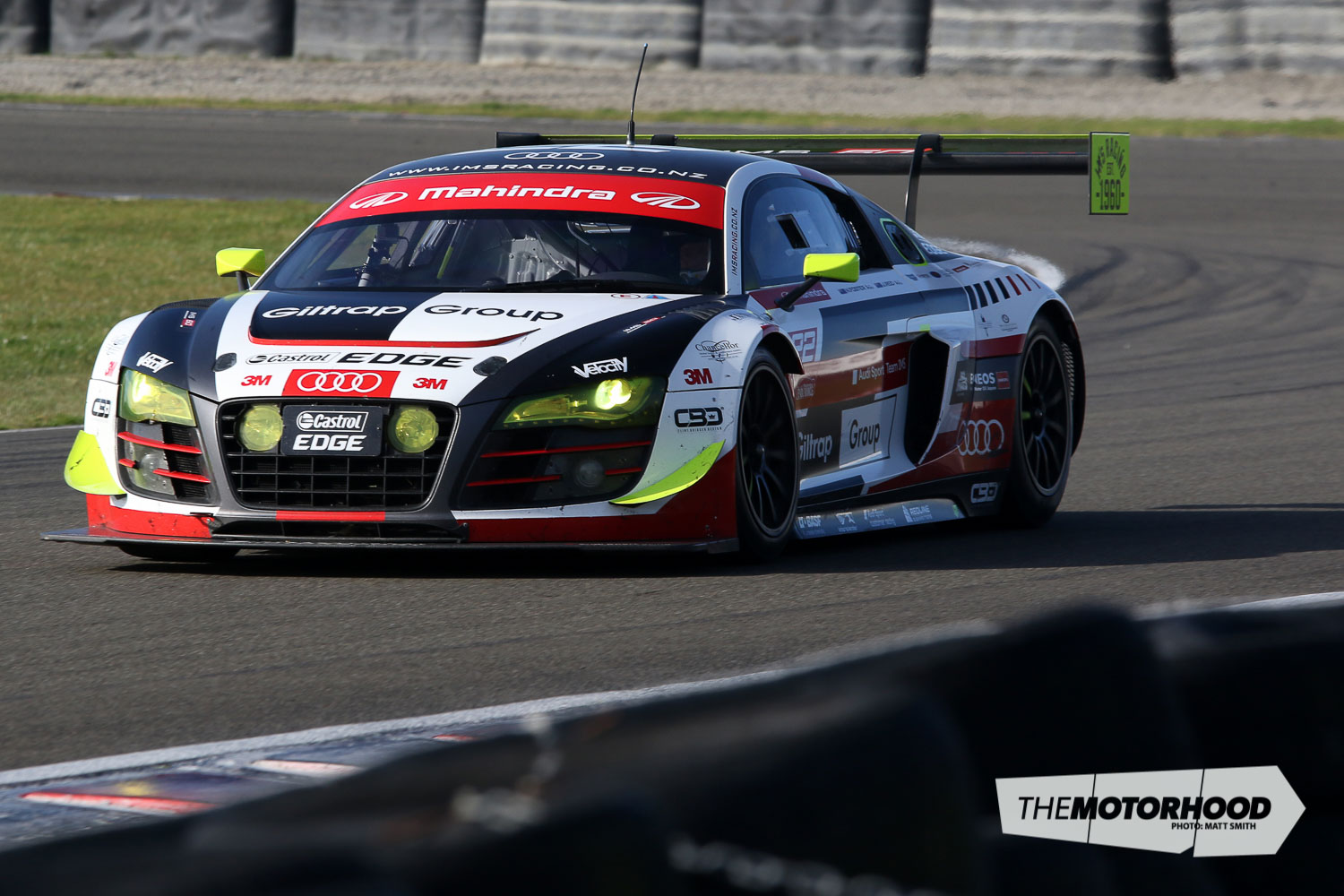
What does this mean for points? Who wins the overall championship? Because of the close proximity of the racing throughout the series, and the unfortunate series of events that played out during this round, the TFM team shares the overall win with the IMS team. This caused ultimate confusion during the final moments of the series, and much controversy.
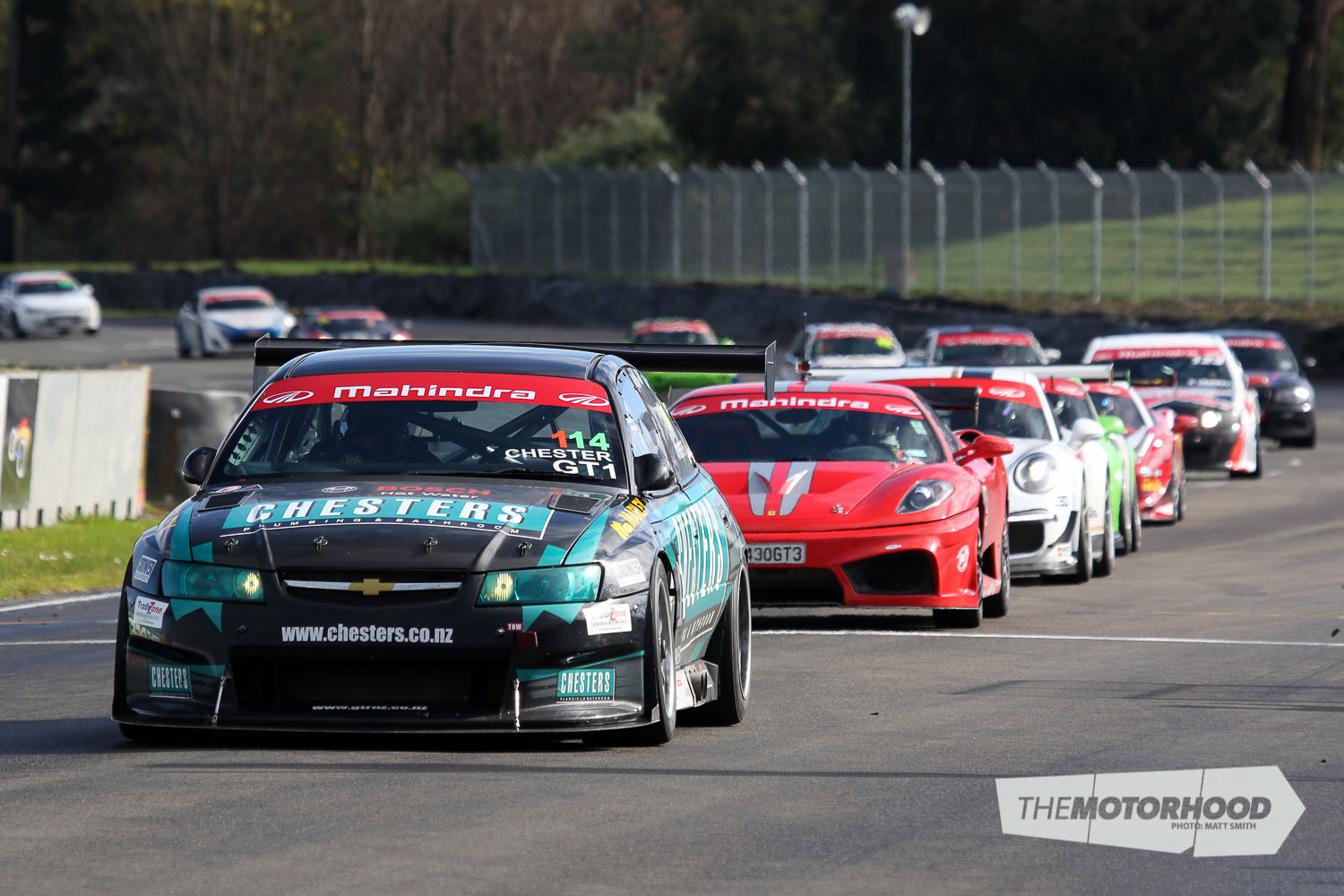
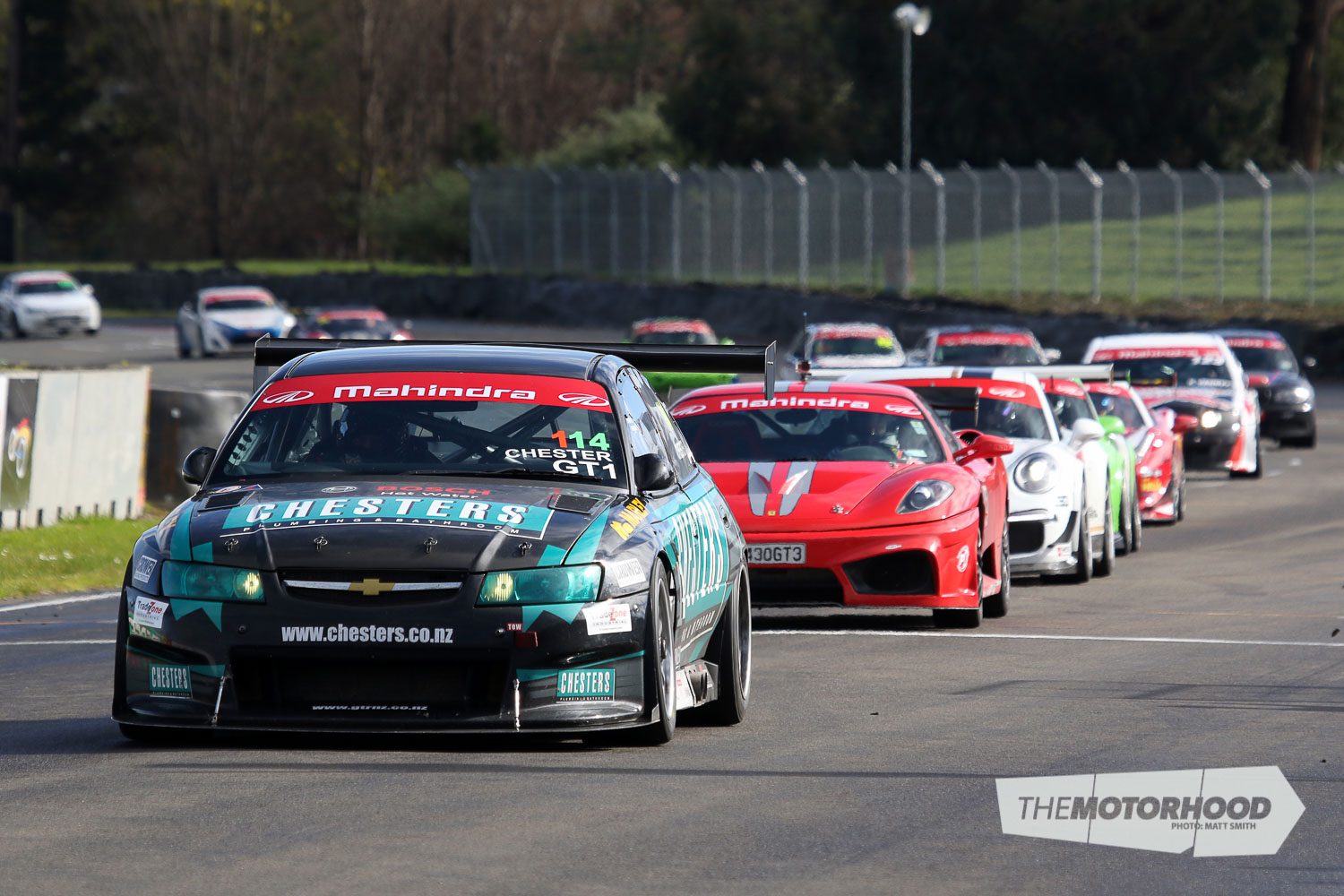
The one-hour endurance race was won by Nick Chester in his Holden Commodore, Matt Whittaker was second in the IMS Porsche, and Paul Verryt in the ex-NZV8 TLX Holden Commodore came in at third place. After qualifying in sixth place, Chester wasn’t in the lead from the get-go, however some staunch driving saw him progress to the front of the pack within no time at all. Maintaining the overall lead right until the end, Chester managed lap times two seconds quicker than those behind him, right until the end. However, Chester didn’t get the series win, which went to Whittaker after winning the first two one-hour rounds.
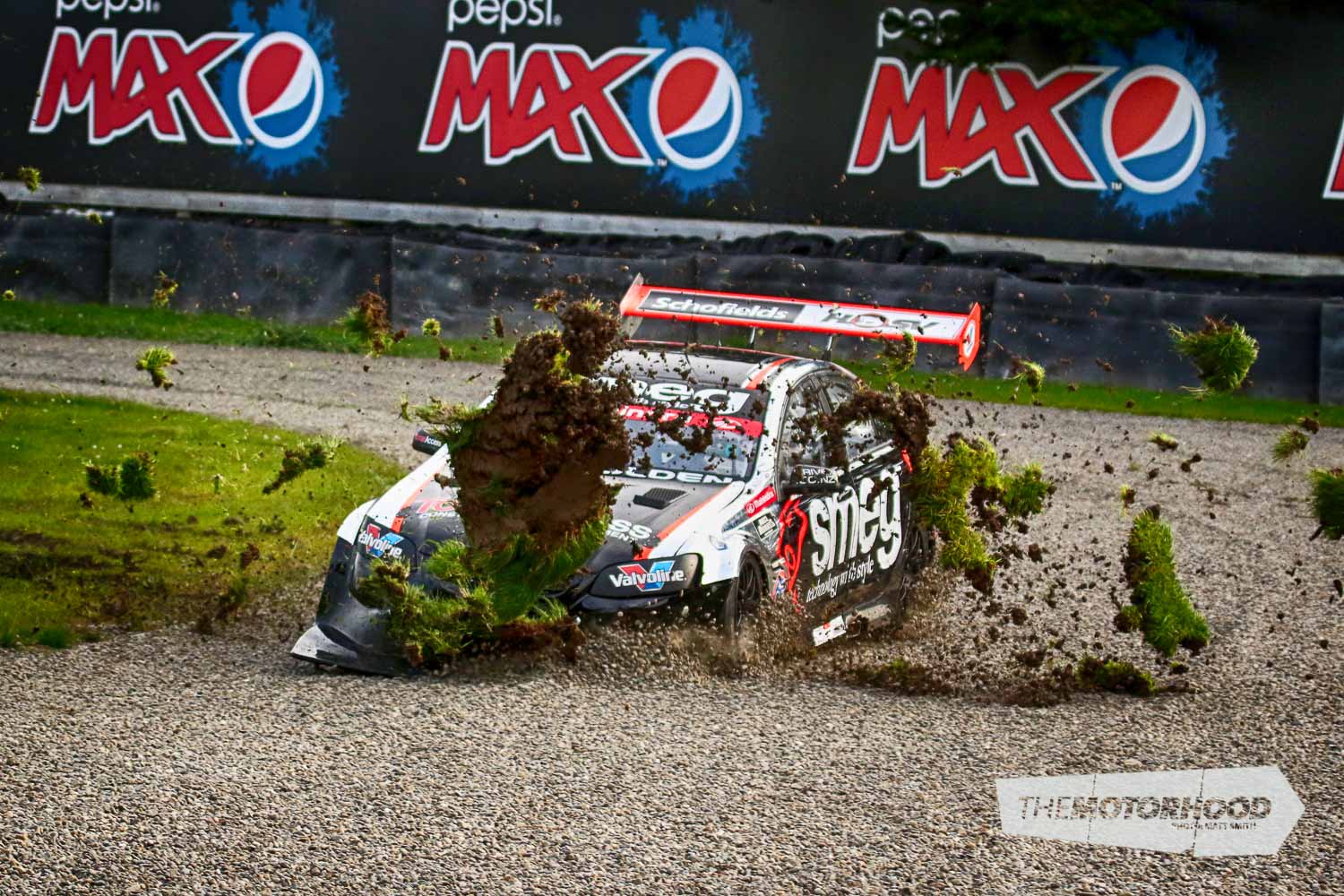
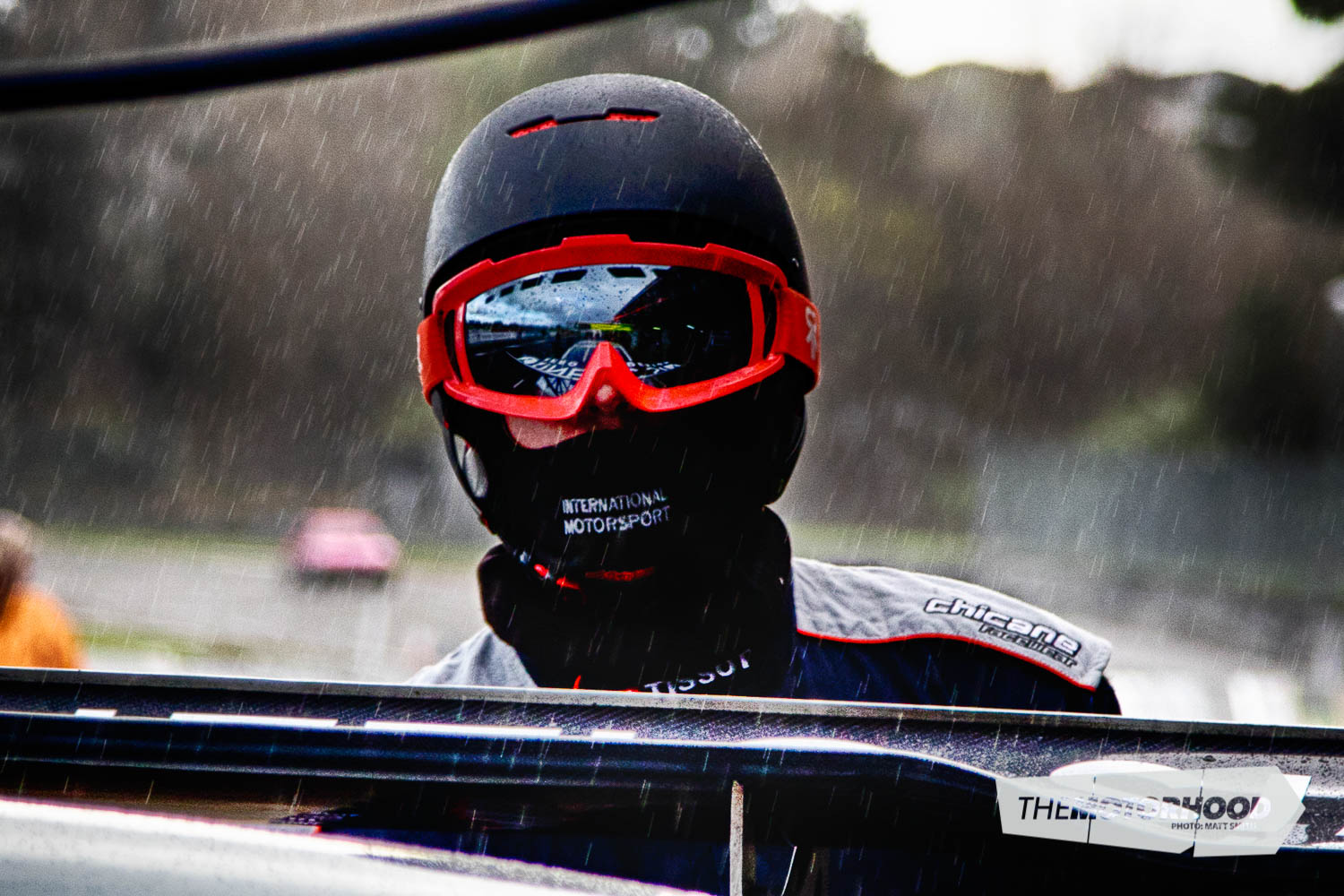
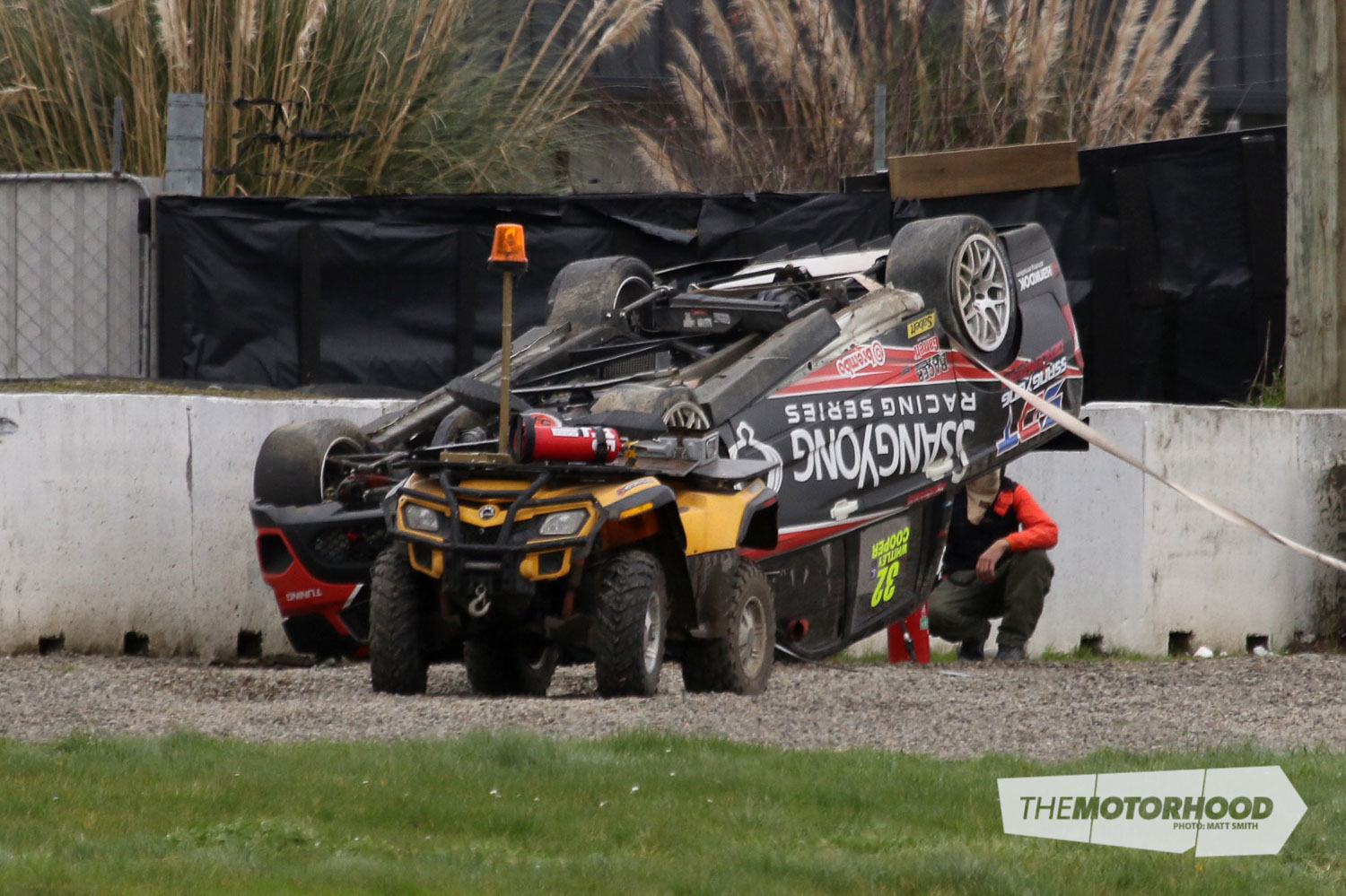
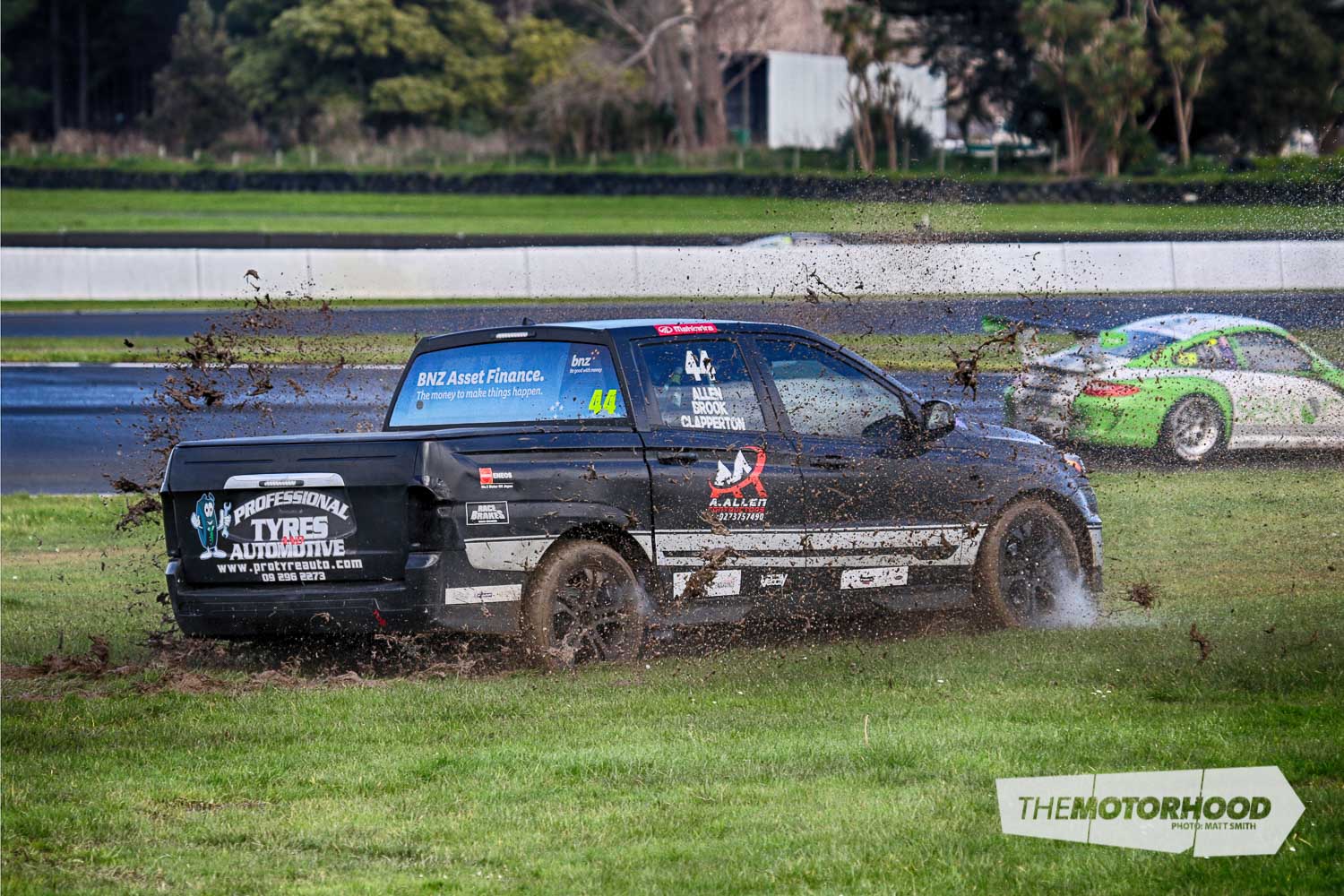
Unlike previous rounds, the final appeared to be dry and clear for a change. However, for the photographers and race marshals, walking trackside was like walking through a swamp. Many who went off course during both the one-hour and three-hour races had to be towed out. It does make for an interesting event, mind you.
Following the conclusion of the Mahindra North Island Endurance Series, the South Island Endurance Series will commence on September 10 at Teretonga Park. Round two will be held at the Mike Pero Motorsport Park on October 1, and the third and final South Island round will be held at the Timaru International Motor Raceway on October 15.
Results
One-hour race
1. Nick Chester
2. Matt Whittaker
3. Paul Verryt
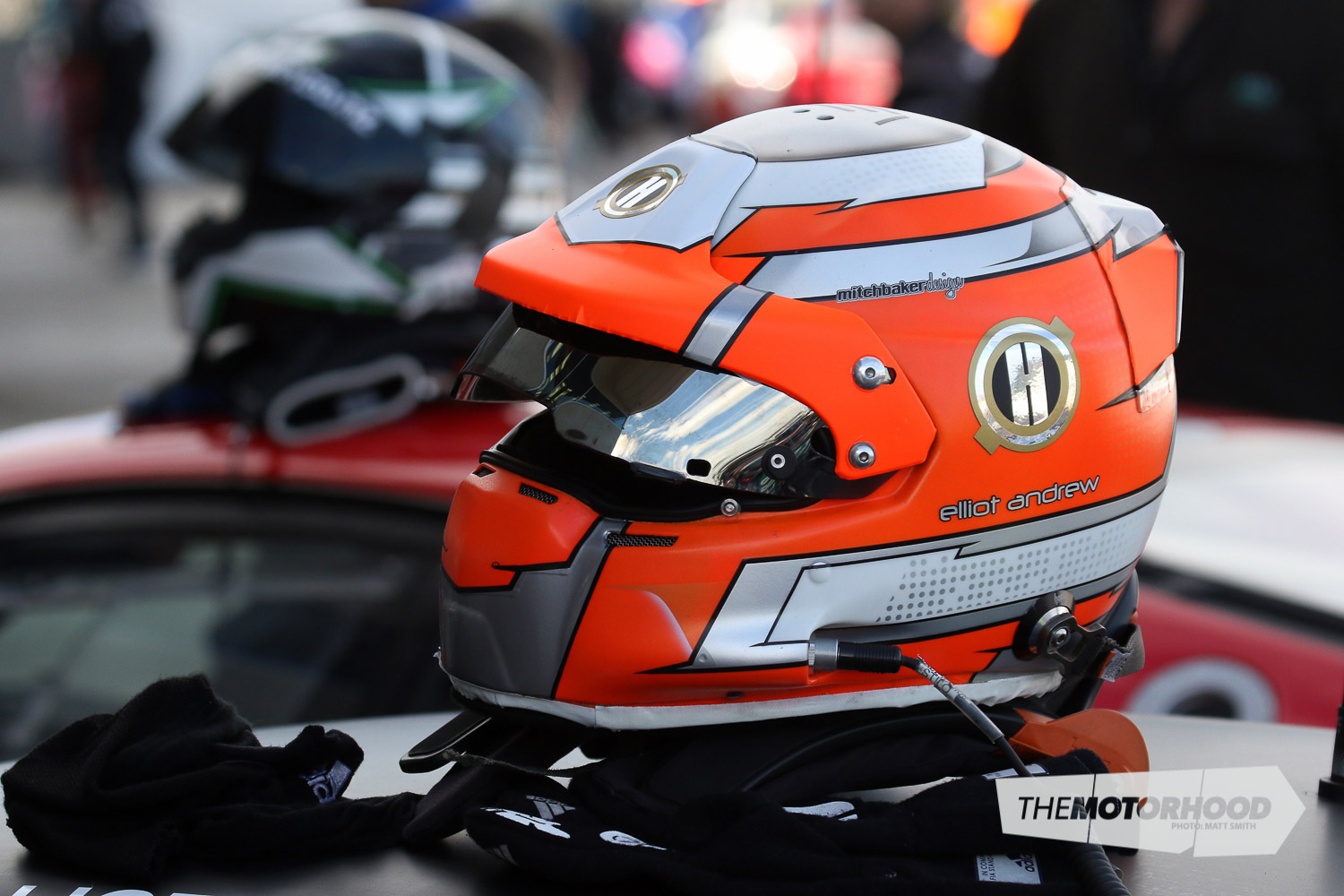
4. Elliot Andrew
5. Rhys Warren
6. Jason Easton
7. Rick Cooper
8. Charles Rollo
9. Oliver Heycoop
10. Barry Kirk-Burnnand
Three-hour race
1. Sam Fillmore / Danny Stutterd
2. Simon Evans / Gene Rollinson
3. Jonny Reid / Neil Foster
4. Callum Quin / John Penny
5. John McIntyre / Simon Gilbertson
6. James Urquhart / Brett Rudd
7. Tim O’Connor / Craig Innes
8. Glenn Smith / John DeVeth
9. Stephen Farmer / Dean Farmer
10. Andre Mortimer / Warrick Mortimer