
data-animation-override>
“This truly unique and original Humber Super Snipe ambulance is believed to be one of two left in the world”
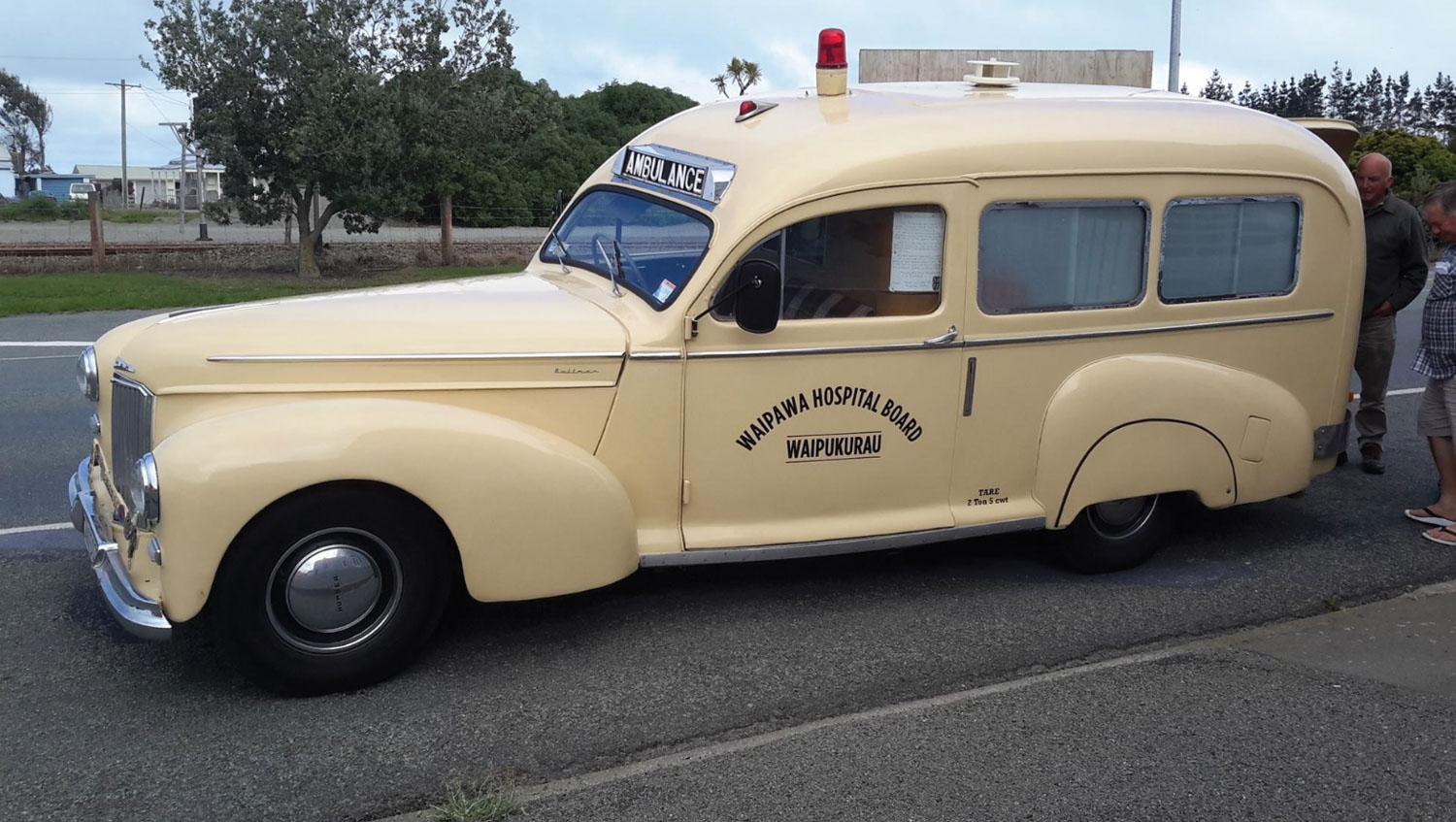
Owner Trevor Ward first spotted this ambulance in a gully when he was on a train trip south. On his return journey he spotted the ambo again, and made note of where it would be. He tracked this unique vehicle down to a farm owned by local horse trainers, the Cody brothers. Trevor began the negotiation (which wasn’t easy, due to the Cody brothers’ desire to keep the ambo for training the horses) and finally ended up owning the car. This was 1987, and following a bit of work to get her up to scratch, the Humber was back on the road again after its stint in the equine arena.
Trevor’s fondness for the humble Humber Super Snipe began when he would buy them for $50 and compete in demolition derbies, but this ambulance version was to be used for slightly more salubrious purposes. Over the decades, Trevor has worked on bringing the Humber back to as close to original condition as can be. He managed to track down one of the drivers of the ambulance from its days at the Waipara Hospital Board, Bob Evans. Bob had taken the flashing light and ambulance sign with him as a memento when the van was retired, so thankfully Trevor was able to buy these pieces back from Bob and has them fitted, along with gurneys and sheets.
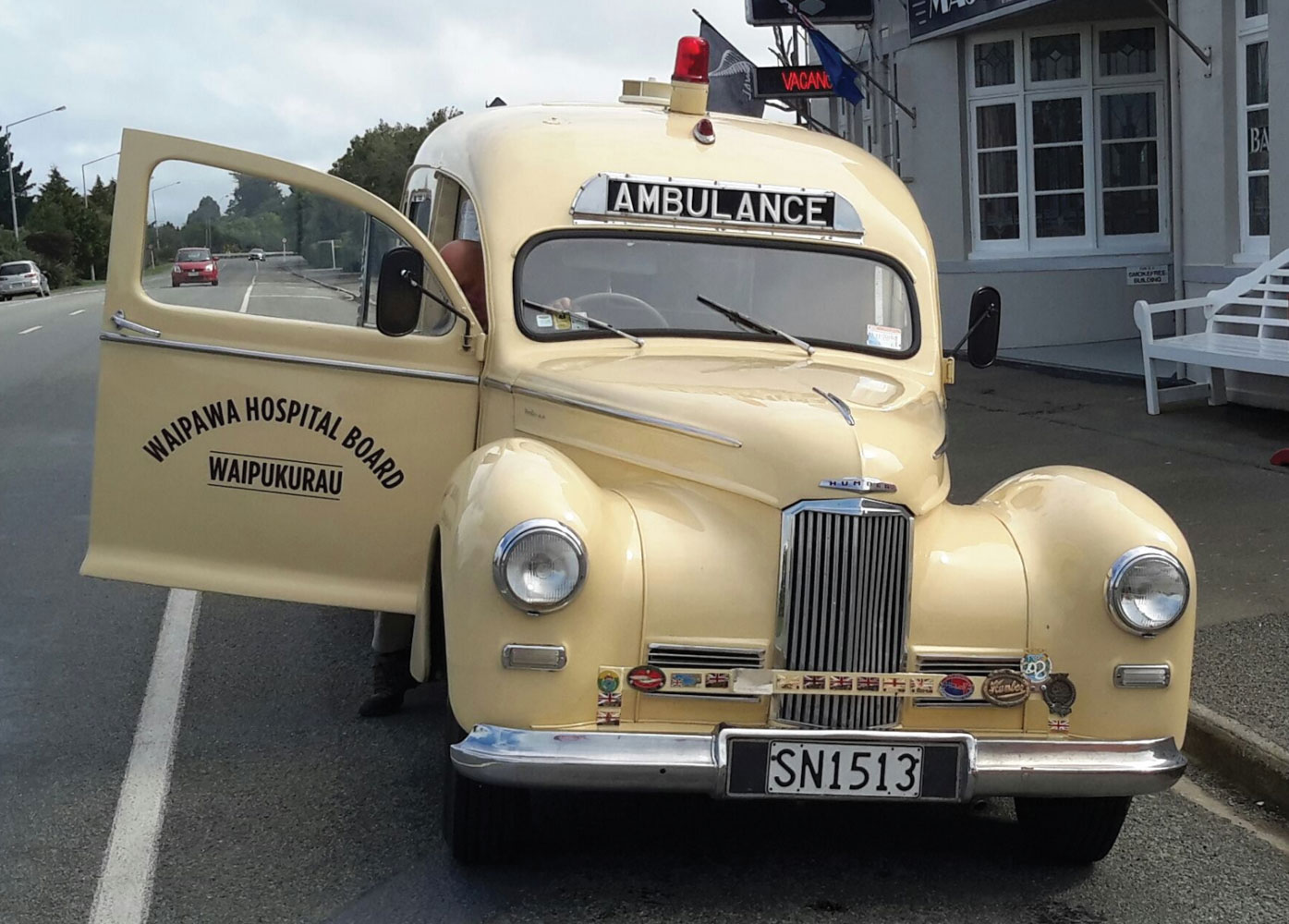
The ambulance was built by Reevely Ellis and Collingwood Coachbuilders in the heart of Auckland city. According to Trevor, just 22 of these ambulances were made, and this example is just one of two remaining (the other is in Scotland).
The Humber certainly hasn’t been a garage queen under Trevor’s stewardship. It has been on regular drives around New Zealand, including the British Link three times, and most recently joined the Dunedin Vintage Car Club for a rally around the South Island a couple of years back.
Unfortunately, ill health has forced Trevor to part ways with the Humber, so if you’re interested in picking up this piece of Kiwi history, email [email protected] and we’ll pass your details on.