
The Pininfarina 230 SL

14 May, 2026

Saved from the concept-car-crusher, this one-off Pininfarina Coupe went on to become a star at Pebble Beach after an extensive restoration
By James Nicholls

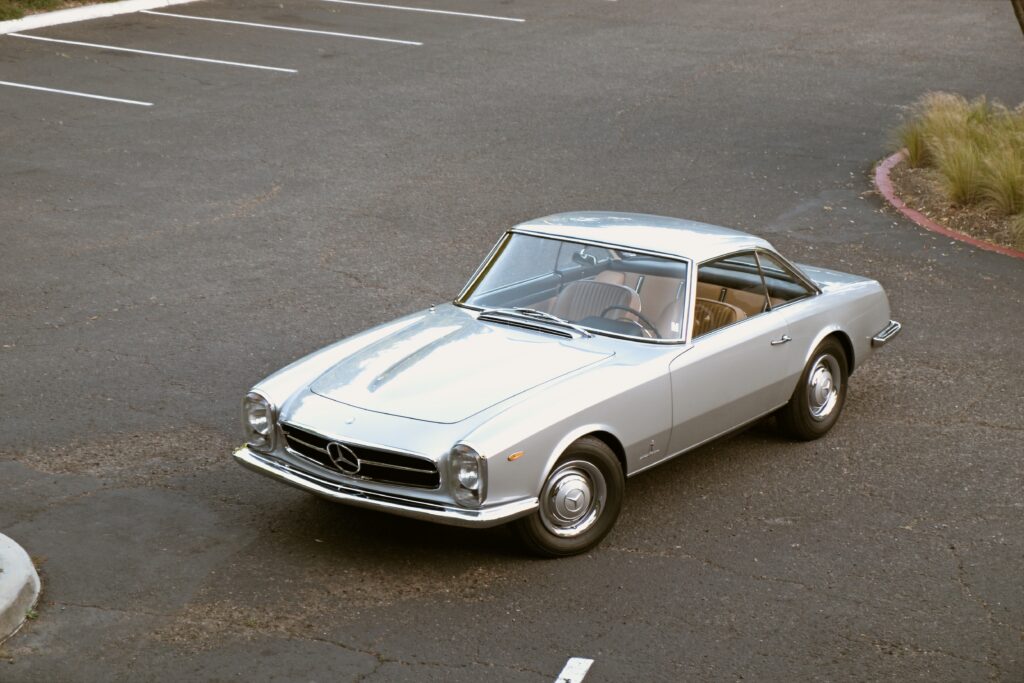
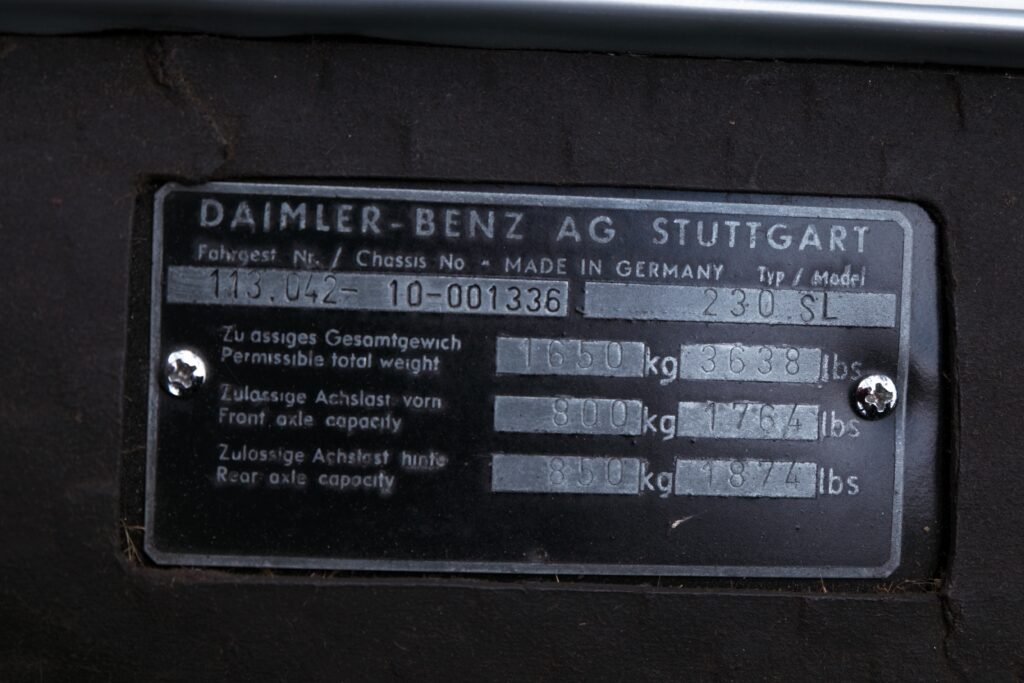
It’s October 1964, and imagine you’re an automotive journalist covering that year’s Paris Auto Show (Mondial de l’Automobile). As you approach the Pininfarina booth, you come across a car that looks a bit like the Mercedes-Benz 230 SL introduced the previous year at the Geneva Auto Show, a car then arriving at Mercedes-Benz dealerships around the world.
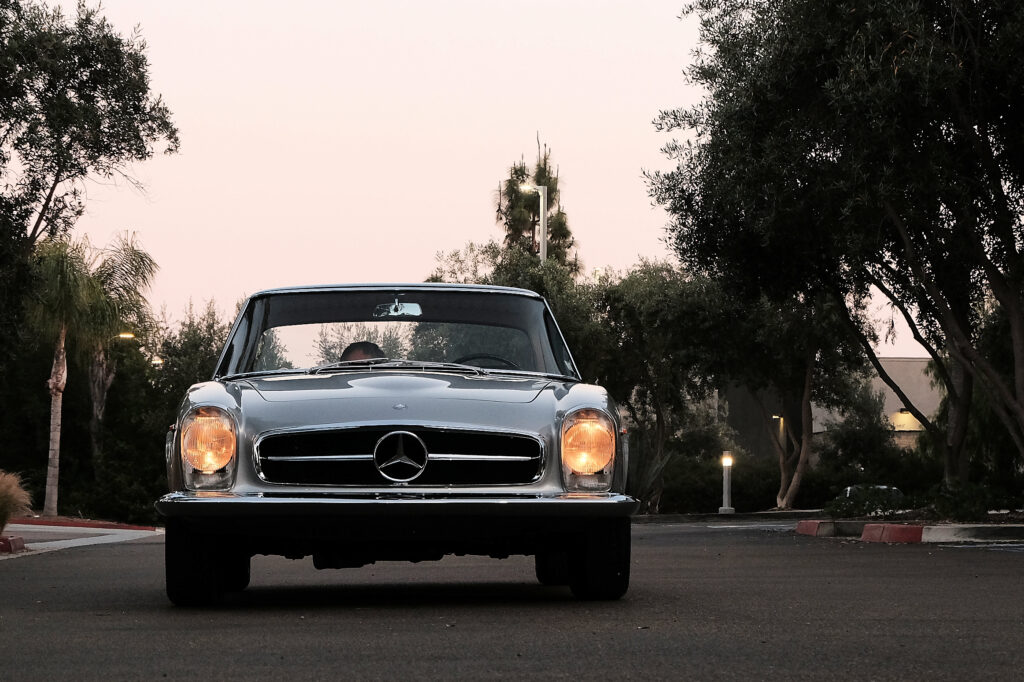
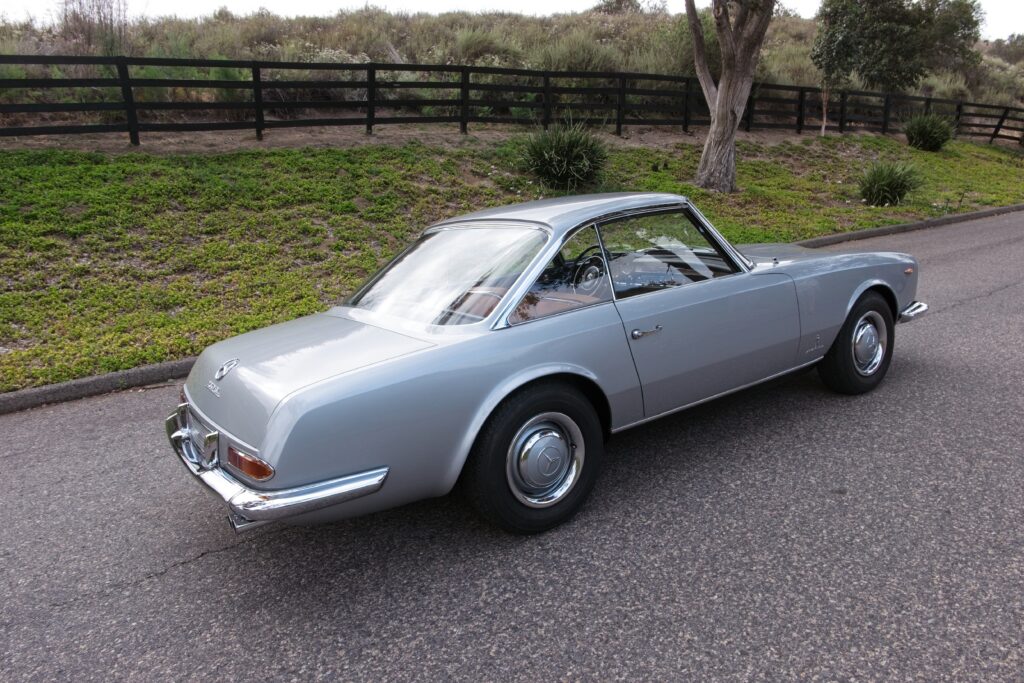
But looking closely, its styling and proportions seem to be a bit different. And it has a fixed roof, unlike the Pagoda-style greenhouse of the removable hardtop seen on the production 230 SL. While today, the styling of the W113, under the supervision of Head of Styling Friedrich Geiger, with lead designers Paul Bracq and Bela Barenyi, is considered a mid-century modern masterpiece, acceptance in-period was not universal. Some critics called out the concave design of its removable roof, which ultimately gave the car its “Pagoda” nickname.

Enter 29 year old designer, Tom Tjaarda 
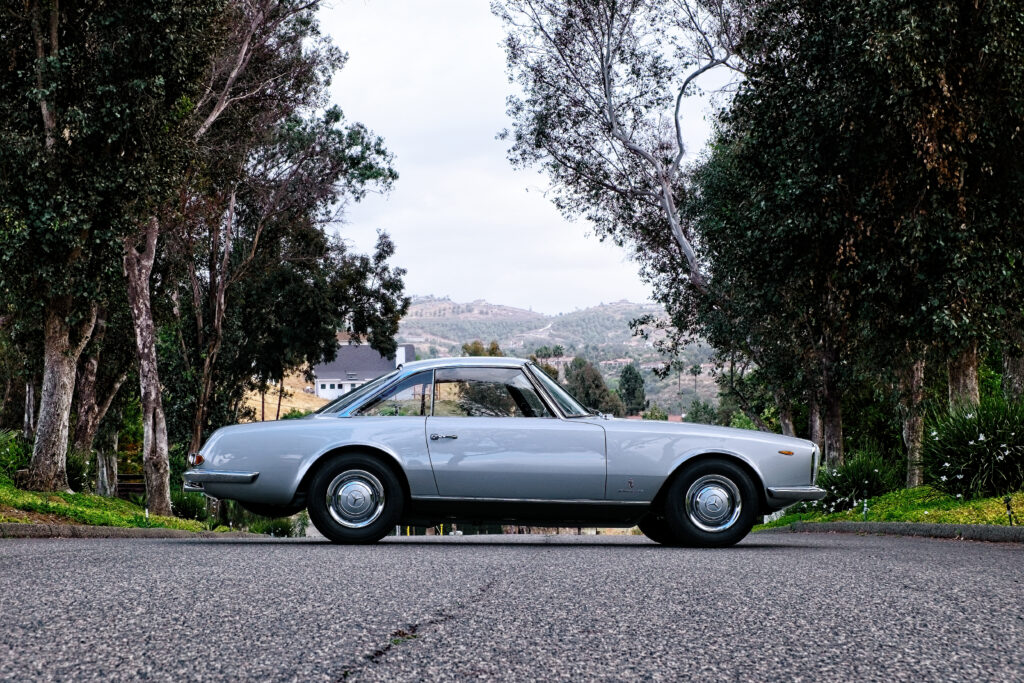
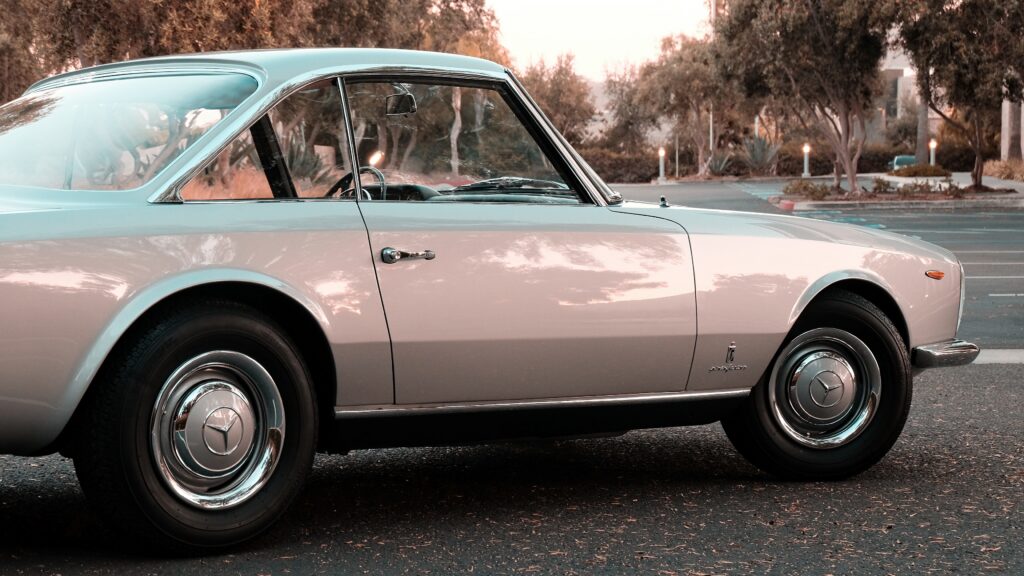
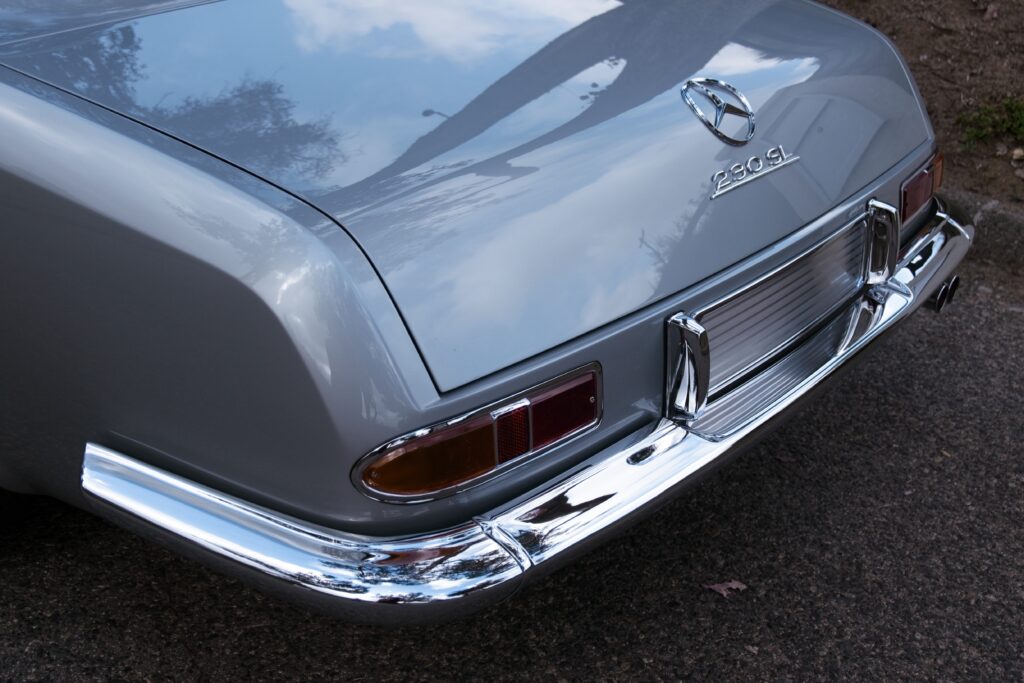
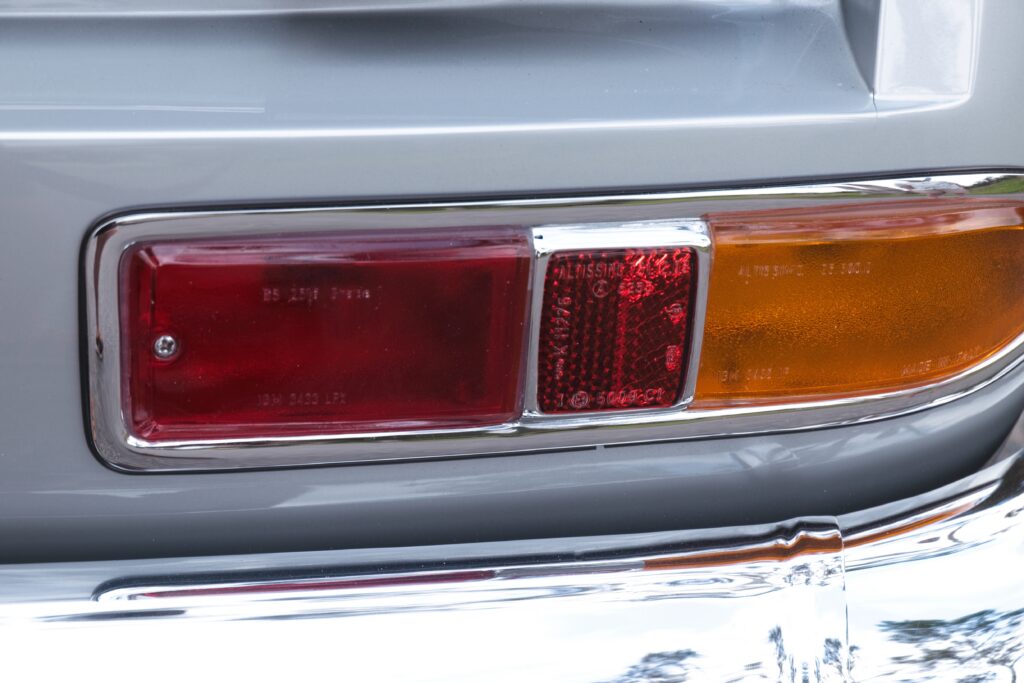
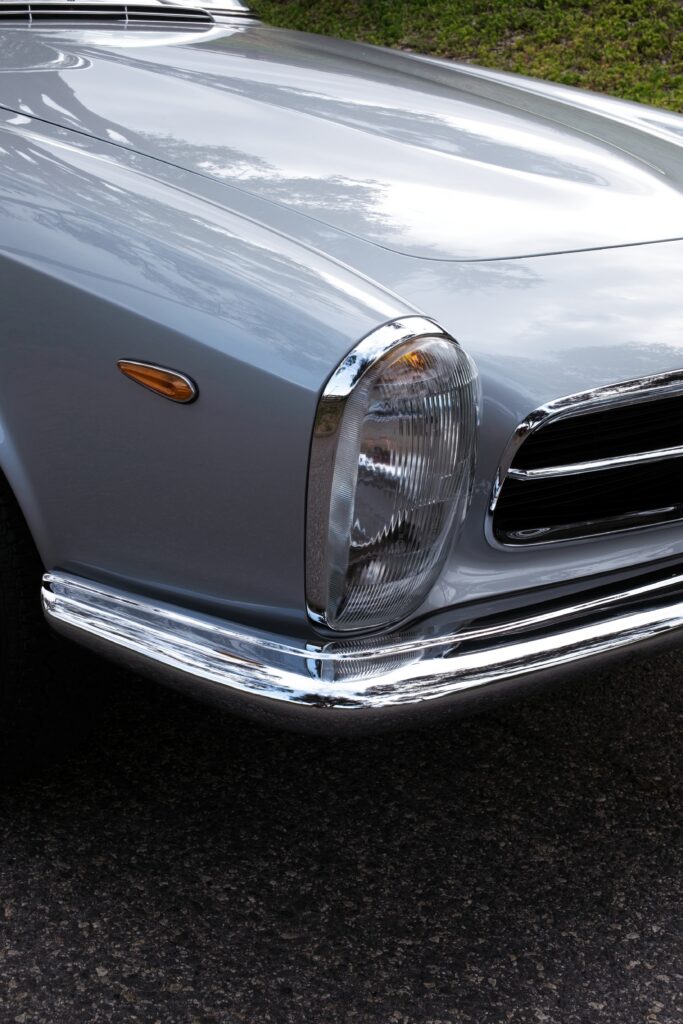
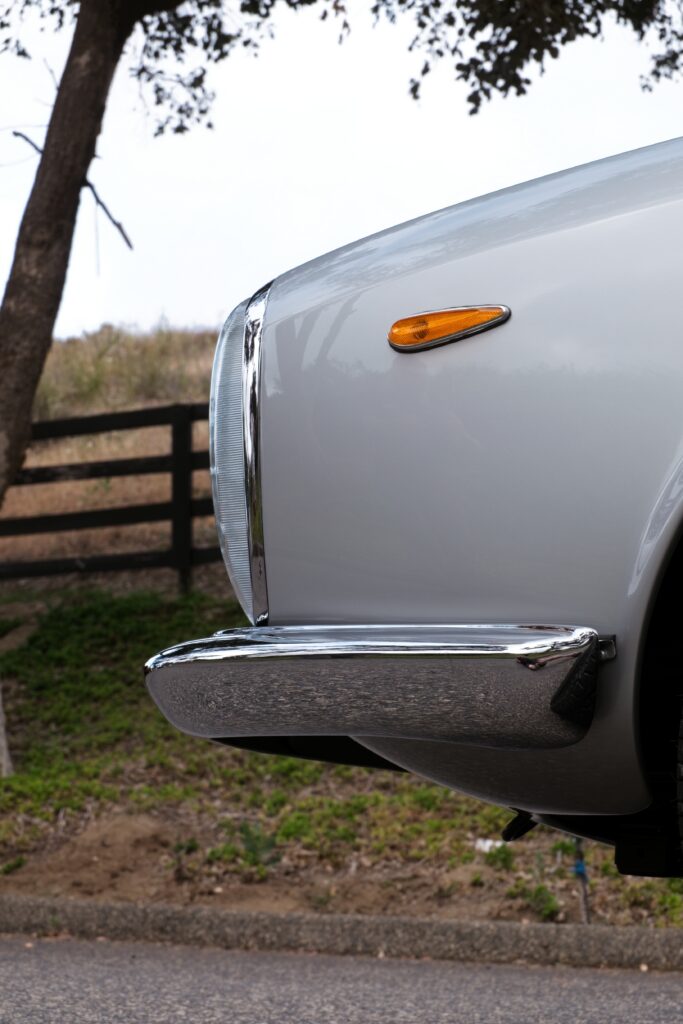
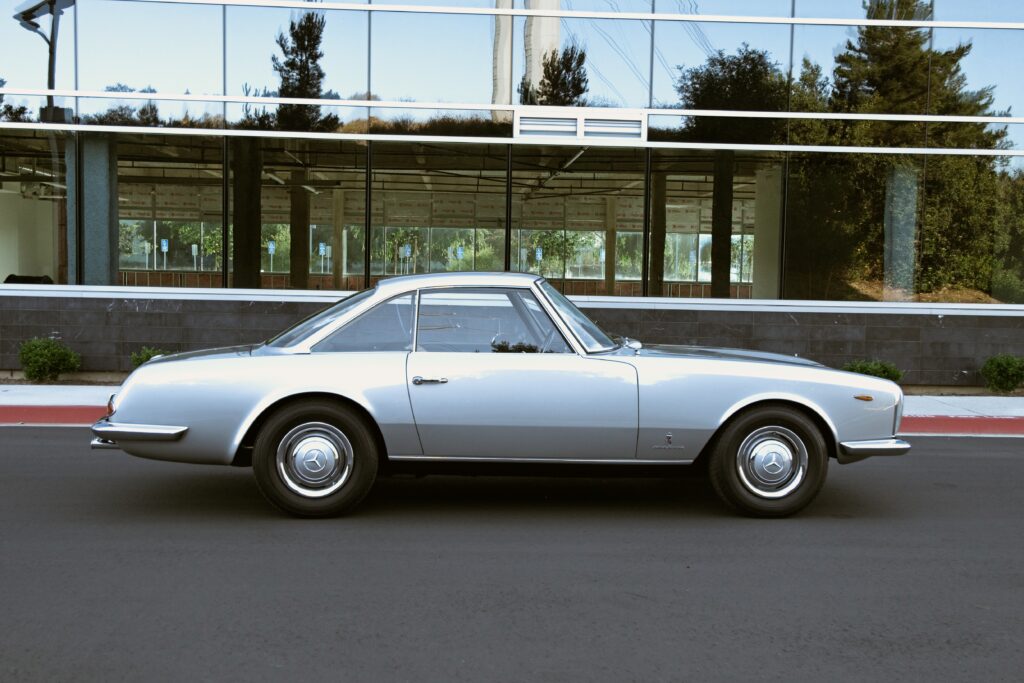
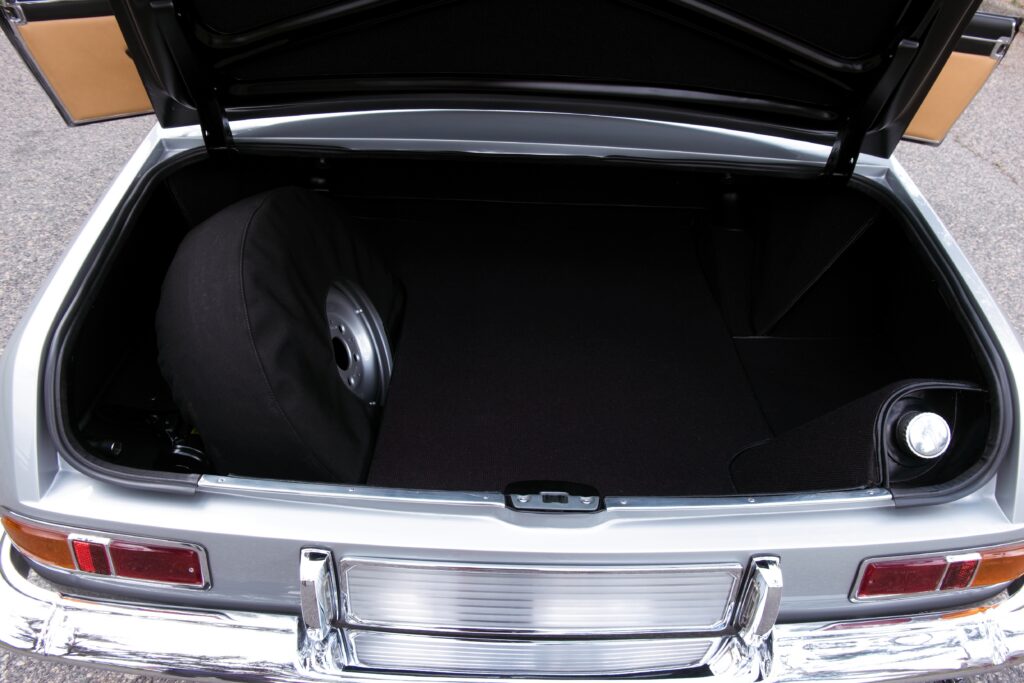
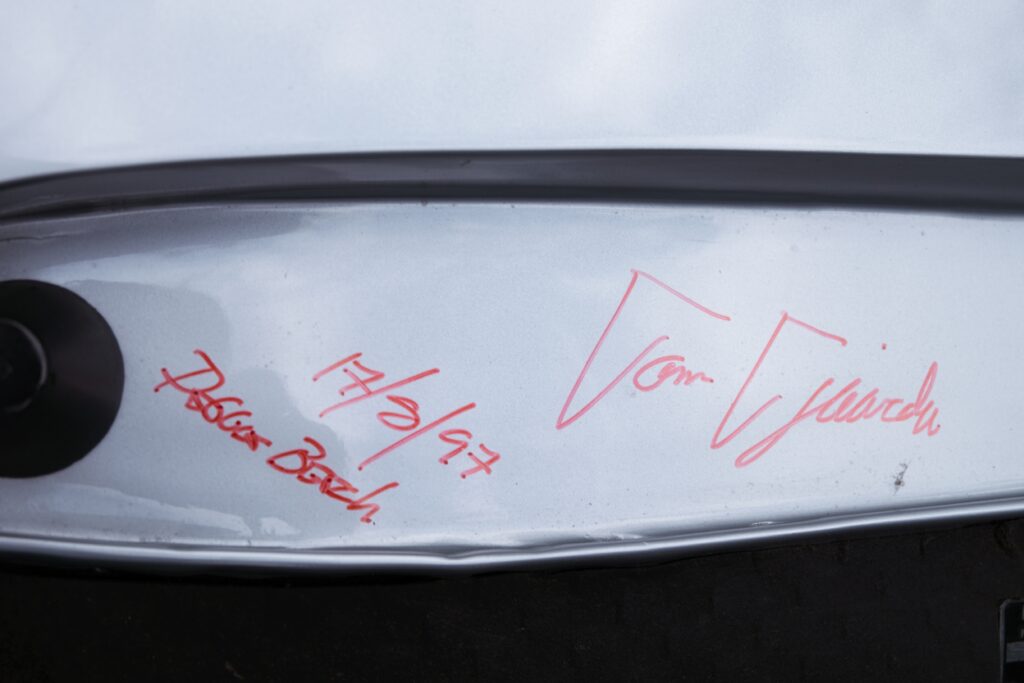
After the 230 SL roadster’s introduction, Pininfarina approached Mercedes-Benz to produce a fixed-roof version of the car. At Pininfarina, the design was handed off to a recently arrived American designer, Tom Tjaarda, who had come over from Ghia, and was just 29 years old at the time. The young Tjaarda, who by that time had already left his styling imprint on the Pininfarina-credited Ferrari 330 GT 2+2 Series 1, took the already elegant Geiger/Bracq/Barenyi design, and with subtle changes—such as the cant of the front grille, flattening the side profile, and reshaping the contours of the deck lid—transformed the styling while adding the fixed roof. With its thin A- and C-pillars, the SL-based design took on a unique appearance. 
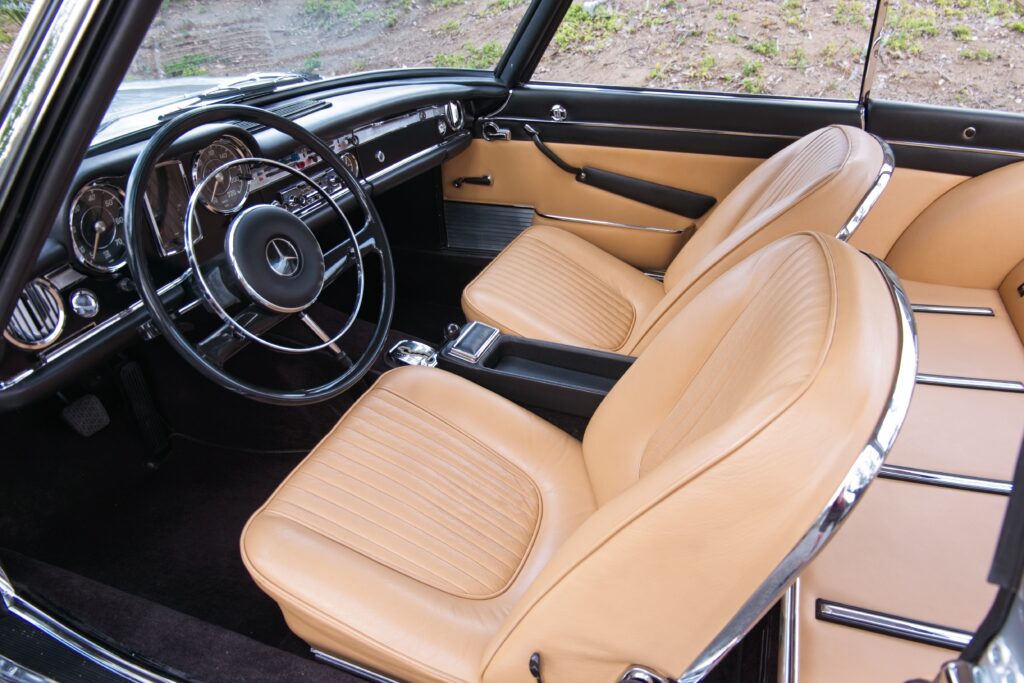
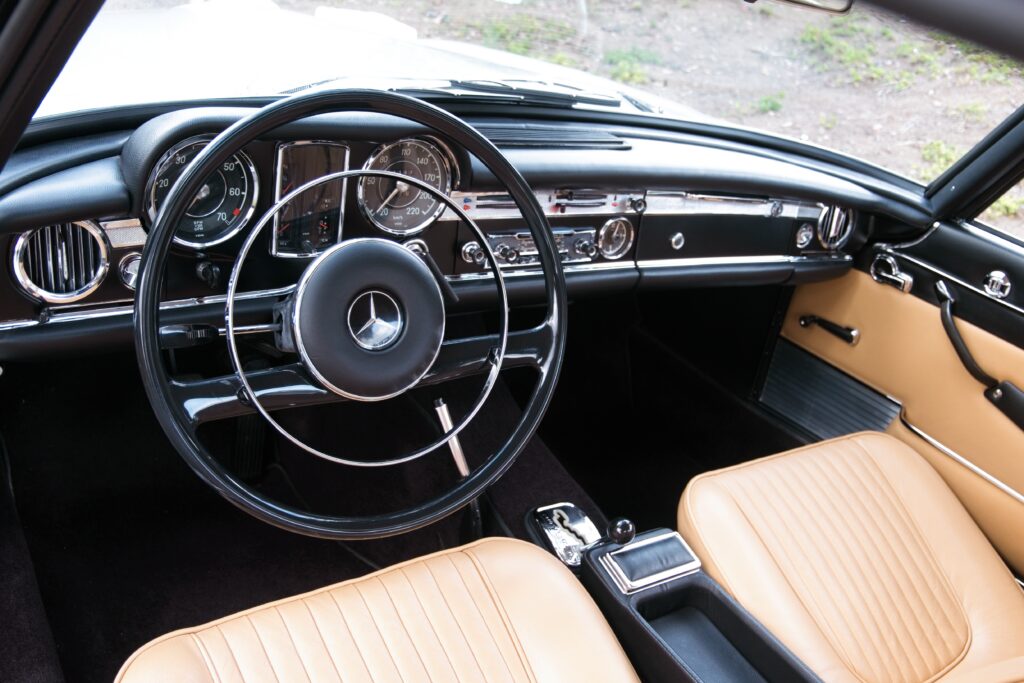
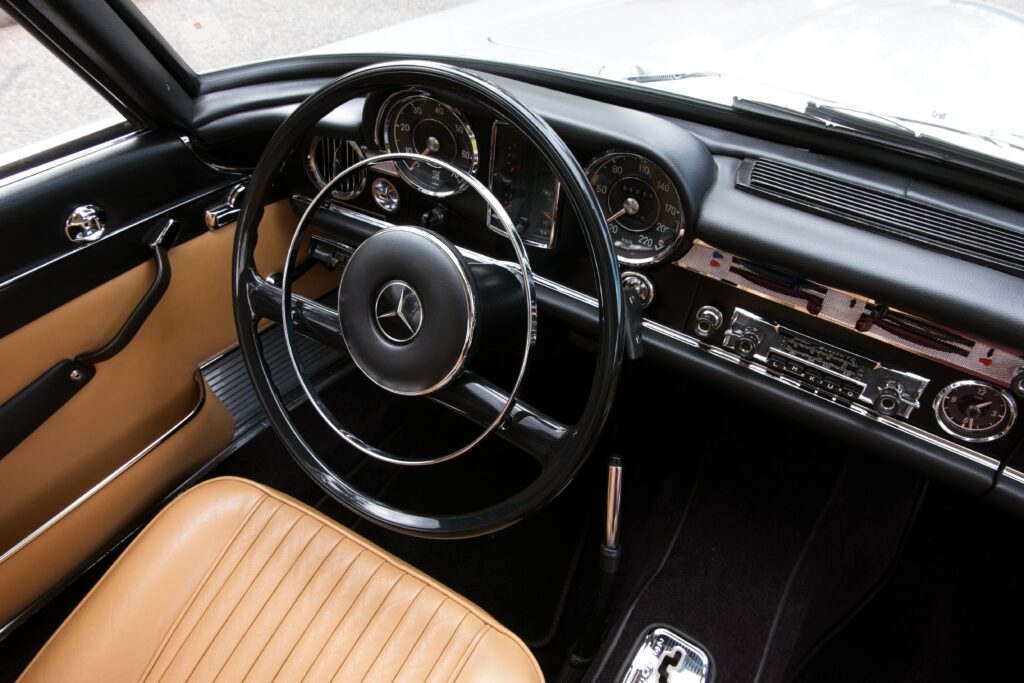
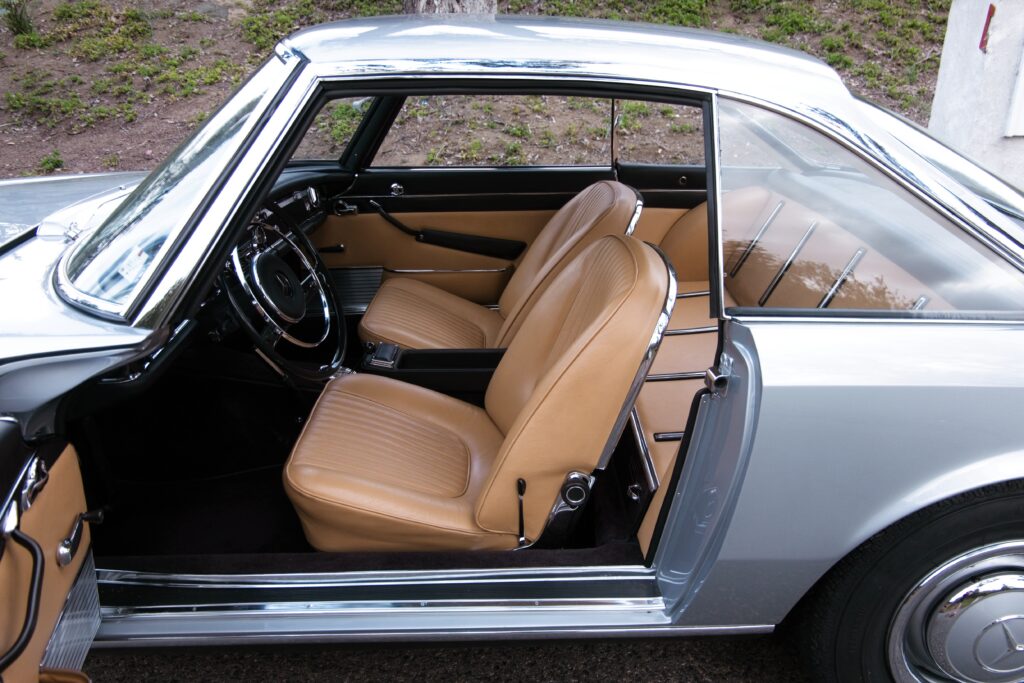
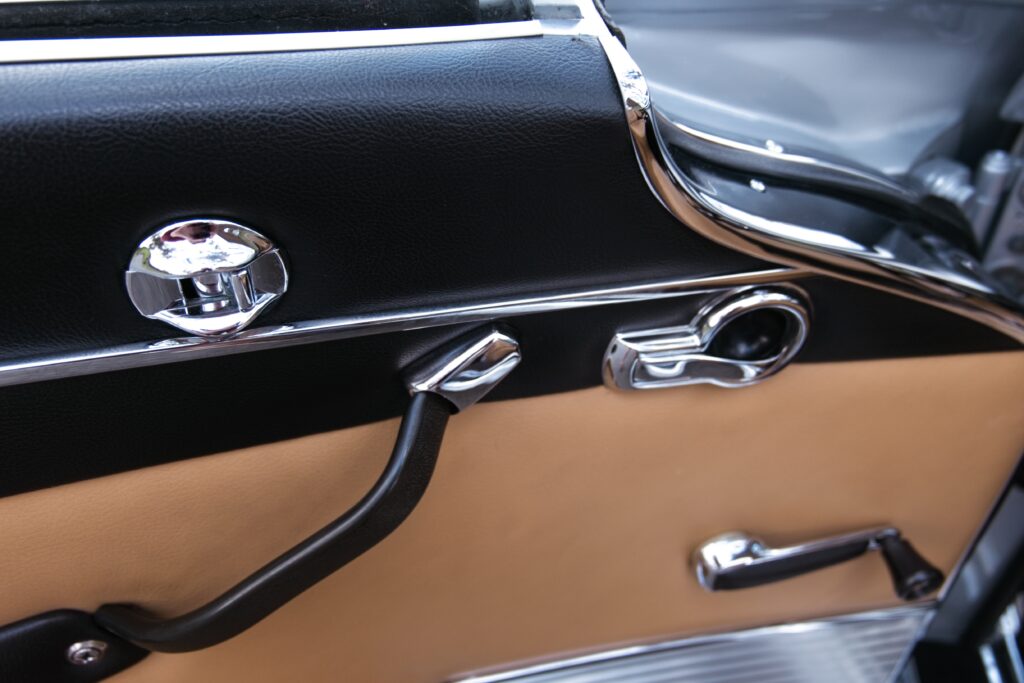
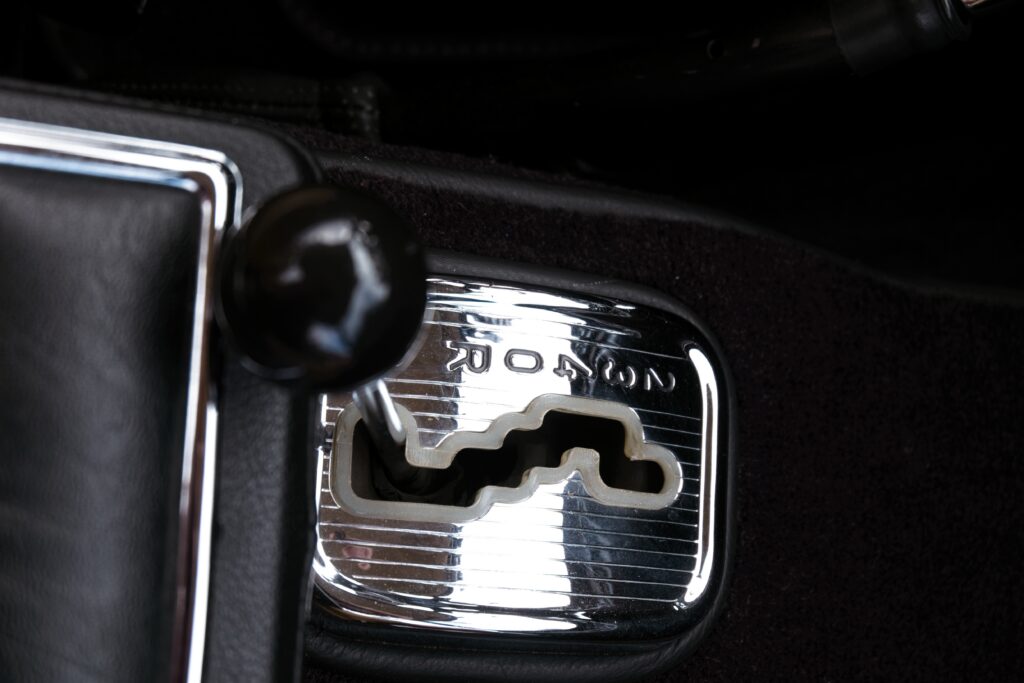
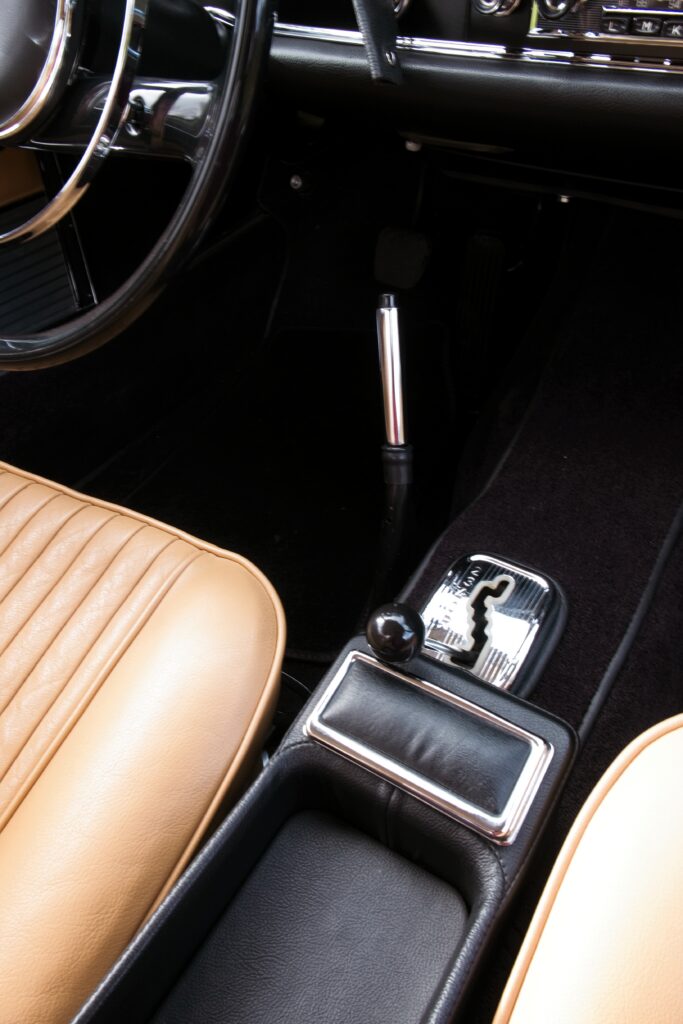
With possible production potential in mind, Tjaarda left the interior mostly intact. The exceptions being the seat frames, which received Ferrari-esque seat cushions and completely redone seat covers. The door panels were rearranged a bit with the subtraction of the armrest and the raking of the door grips. The headliner was tuck-and-roll with non-perforated upholstery. The area behind the seats was restyled with a stylised package tray. But overall, the interior was production-ready.

Is it a Ferrari or a Mercedes?
The lovely coupe, which some automotive styling critics felt it looked more Ferrari than Mercedes, was one of the stars of that year’s Paris Auto Show. Unfortunately, it did not elicit enough interest from Mercedes-Benz management for potential series production. (Then as now, Mercedes-Benz rarely went outside of its in-house studios for projects with series production in mind.) Unlike many auto show concept cars that were ultimately destroyed, the car escaped the crusher and was sold to German press magnate Axel Springer.
Over the years, the car passed through a series of owners, one of whom was Springer’s former wife, Helga Ludeweg, with the car ultimately ending up in the United States. Previous owners changed both the exterior and interior colours before the car was acquired by Weston Hook in 1997. Under the Hook Family’s more than two decades of stewardship, the car was returned to as close to its Paris Auto Show configuration by Hjeltness Restoration, based in Escondido, California. 
There, the father and son team of Jerry and Eric Hjeltness restored the car in 1997 in less than 12 weeks. This was just in time for its first Pebble Beach appearance in 1997. (Hjeltness Restoration was established in 1983, and the father and son team have never looked back. It has garnered a reputation as one of the world’s leading 300 SL restoration specialists. Eric noted that over the past 38 years, more than 50 300 SL Gullwings and roadsters have rolled through their shop, many receiving bumper-to-bumper restorations.) Jerry, a machinist by training, always seemed to be working on a 300 SL while Eric was growing up, making the move to their own restoration shop a logical extension of Jerry’s expertise.
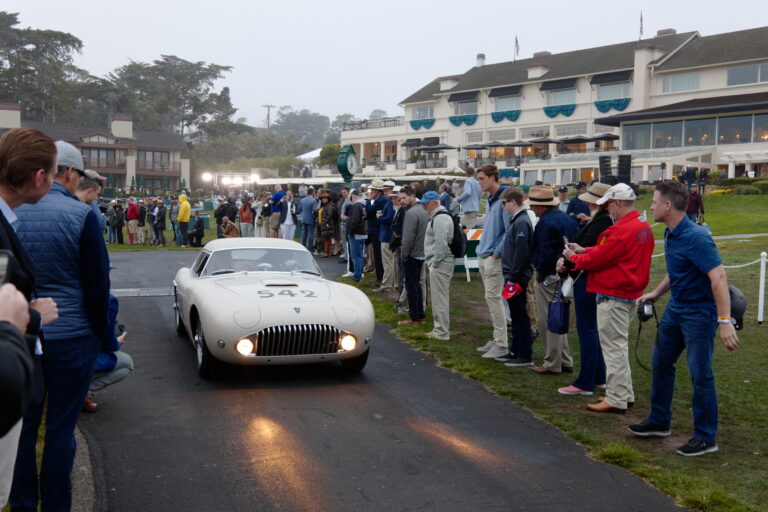
 In its first Pebble Beach appearance in 1997, it was a class winner at a time when the car was just 33 years old. Over the years, the Hook Family displayed the car extensively (Weston Hook passed away in 2007, with the tradition of displaying the car having passed on to Weston’s widow, Elona and son Russell), including a return appearance on the Pebble Beach fairway in 2005, celebrating Pininfarina’s 75th anniversary, and a third appearance in 2021.

The 2014 Tjaarda Interview
When first reporting on the car back in 2014 for stories for Total 911 in the UK and Retroviseur in France, I was honoured to have an email exchange with Mr Tjaarda on the car. Here is a compilation of my notes from that series of emails. Sadly, Mr Tjaada passed away in Italy in 2017 at the age of 82.
The new car caught the attention of the Italian Pininfarina design house, which, with an eye on a possible production contract, set about improving on what many saw as the perfection of the original Paul Bracq and Béla Barényi shape. Pininfarina assigned the design to a young American, Tom Tjaarda. The son of John Tjaarda, responsible for the design of the aerodynamic 1936 Lincoln Zephyr, he had worked for Ghia before moving to Pininfarina in 1962, where his first project was a coupe version of the rear-engined Chevrolet Corvair and then on to the design for the 1963 Ferrari 330 GT 2+2 Series 1 before moving on to the 230 SL assignment.
This is pretty heady stuff for a designer who wasn’t yet 30 years old in 1964. Over the years, Tjaarda would put his signature on more than 80 concept and production designs over his long career, the two best-known production designs from this era being the 1965 Fiat 124 Spider while at Pininfarina and the 1970 DeTomaso Pantera after moving back to Ghia.

Probably 1963
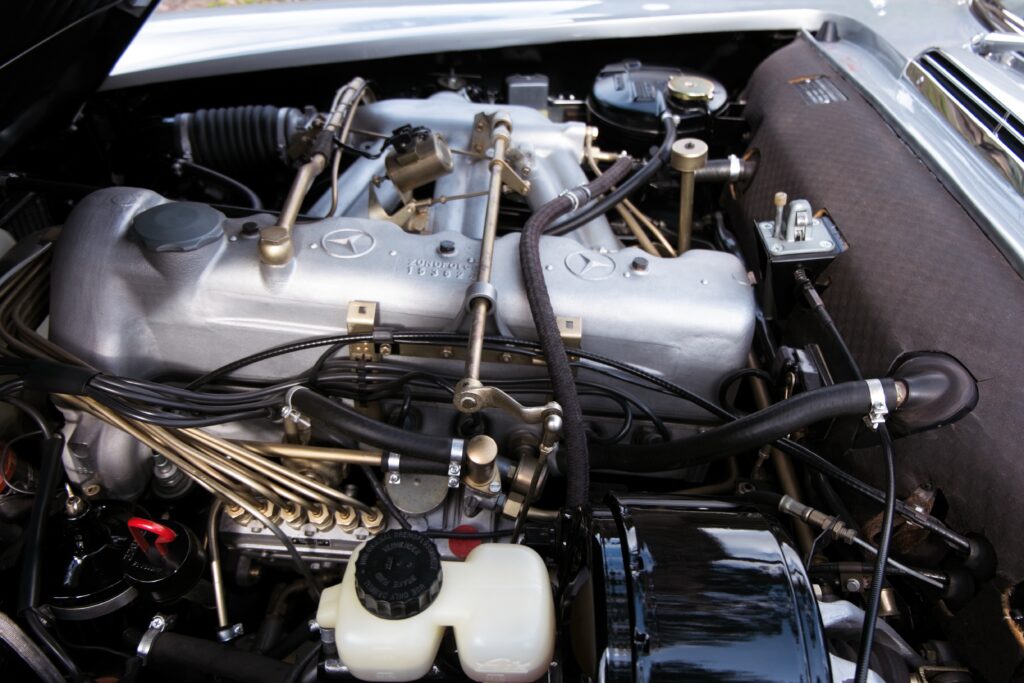
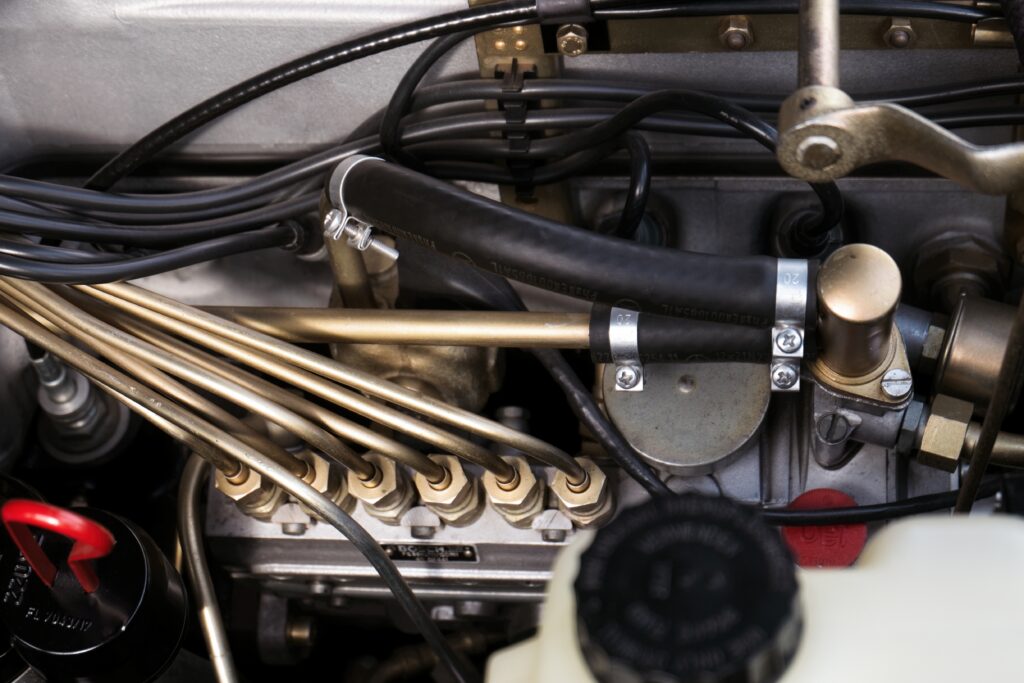
Looking back more than 50 years, here’s what Tjaarda remembers about the development of the fixed-roof version of the 230 SL. “The exact date of the Mercedes project I cannot recall, but I think it would be sometime in late 1963. I remember that it was going to be an attempt by Pininfarina to work together on an important project with Mercedes-Benz. The scope was to design a special version of the 230 SL in such a way that it could be put into production at the Pininfarina factory. For that reason, there were many carry-over components such as the interior, the front end, the headlights, and other elements.”
“When working on this design, it never crossed my mind that I was putting my stamp on a breakthrough design. We were working on a special version of the 230 SL, and so it had to be recognisable as such. I remember starting from the headlight design and integrating the crease of the fender line so that it looked different, but at the same time, nothing radical. The side view, and especially the rear, were the parts that set the design off from the production version. It was just enough to make the car look different, and perhaps more ‘Italian’ and more elegant.”
When asked who decided to have a fixed roof coupe configuration, a departure from the removable hardtop of the production version, Tjaarda said those decisions were always made by Sergio Pininfarina and the company’s CEO, Renzo Carli. He said that the prototype was built in-house and constructed over a cut-up 230 SL. “The basic car was taken apart, and the bodywork was cut away where we would be doing the modifications,” Tjaarda recalls. “Once I had done the drawings of the modifications, I was no longer involved with the project, and everything just went ahead in the workshop. I was put on another task, and saw the car only a few times during its construction phase..
One thing he does remember clearly is that Pininfarina was keen to approach Mercedes-Benz regarding the possibility of production. “He worked hard to convince the Mercedes-Benz directors to establish a cooperation and set up a production program in the Pininfarina factory,” Tjaarda reveals. “After numerous attempts, it became clear that this was not going to happen, so the car remained a one-off.”
After the car was completed, and it was obvious that there was no production potential, it was sold to West German publishing magnate Axel Springer. Photos from the period, after it was exhibited at the 1964 Paris Auto Salon, show the car in silver with a buff interior. It was later given to his fourth wife, Helga Ludeweg.

The Pininfarina coupe
Over the years, the car, known as the Pininfarina coupe, had a succession of owners, mostly in America. During the 1990s, it became known to Jerry, seeing it at an event in Palm Springs, California, in the mid-1990s. At the time, the car was painted black with modern Mercedes-Benz cast-aluminium wheels. It was subsequently painted red by its next owner, and the interior was refinished with tan leather trim.
Then in the mid-1990s, the car caught the attention of Weston Hook, a noted American collector. In the years before buying it in 1997, Weston talked with Jerry several times about acquiring the car for his collection. Jerry had said to Weston, “In red, it doesn’t do anything for me.”
A few weeks later, Weston called again, telling Jerry he’d bought the car and that it was already accepted for Pebble Beach that year (12 weeks away), as there was a Tom Tjaarda Class, and could Jerry polish it and get it ready for this high-profile classic event? The red paint job was in need of serious attention. The rare, one-off Pininfarina coupe was, charitably, in less than concours condition, Jerry thought.
When the car arrived at Hjeltness Restoration, Jerry gave Weston an honest appraisal of the situation. “We could try to polish this out, but the paint was bubbling,” he said. “The underside is painted black, and if the judges lean down and look at the underside, they will laugh.”
Initially, Weston wanted the car repainted red, but after locating photos of it as exhibited in Paris in 1964, in silver, Hook decided to have it returned it to its original 1964 show car configuration. And Jerry thought the car’s lines worked exceptionally well in silver. So with Pebble Beach closing in, all other work at Hjeltness Restoration halted as the crew concentrated on the Pininfarina coupe. Jerry’s son Eric, who works side by side with his father, recalls that the car was completed in less than 12 weeks.
Eric explained that the car was not taken back to the original sheet metal, but was sanded down to almost that point. In the course of preparing the car, Eric discovered that when it first came to Pininfarina from the factory, it was finished in white. “There were several levels of paint—white, silver, black, and red—where we prepped the car,” he says. “We also found filler in many places. Don’t forget Michelangelo was a sculptor, also Italian, right? Pininfarina used filler, I am sure.”
Eric also observed that when the car was exhibited in Paris in 1964, it had side marker lights from a Ferrari from that period. “The holes were filled, but it was easy to see the original locations when the body was ‘taken down’ for its new silver paint.”
One of the first things Jerry noticed was that the car had a Plexiglas windshield that had been installed before Weston purchased the car. “The restorer at the time, who painted the car red, apparently had broken the windshield during the restoration,” Jerry speculated at the time.
Jerry had a unique solution to the windshield problem. At the time, Chrysler had an advanced design centre in nearby Carlsbad, and Jerry had a friend there. “I had him come over, and we pulled a plaster of Paris mould off of the existing Plexiglas windshield – then I had a shop up in Long Beach make a glass windshield.”

No major complications with the restoration
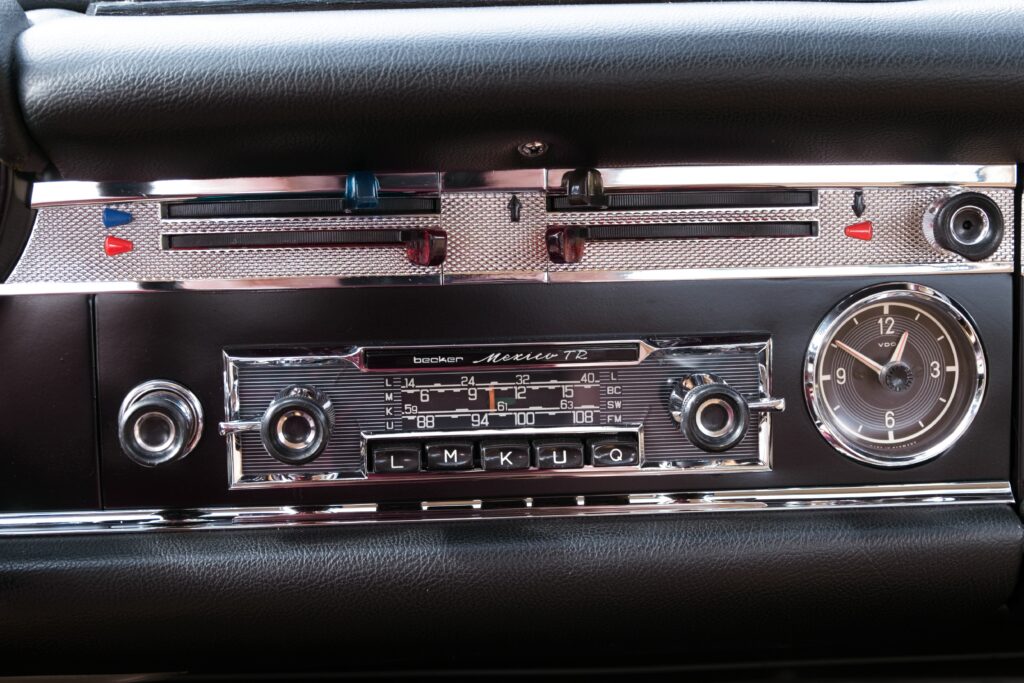
Thankfully, the interior was mostly correct, but the aluminium kick panels, with their fine etchings, were in less than perfect shape. To recreate the kick panels, Jerry, with his toolmaker expertise, made a tool to properly duplicate the originals.
When looking at the 1964 Paris photos, Weston noted a unique license plate frame and insisted that Jerry duplicate it, even though it was missing from the car. At the time (1997), Jerry told Weston there wasn’t enough time, but as the restoration had gone without major complications, he attempted to replicate the frame, using the 1964 pictures Weston had. With these pictures, Jerry was able to get very accurate measurements. 
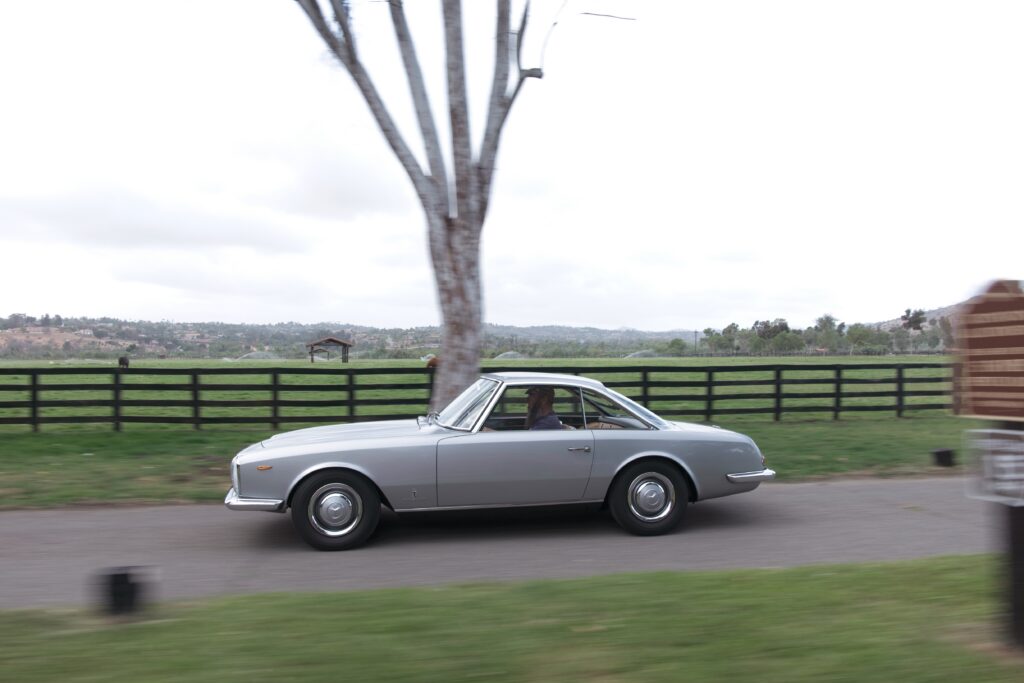
One particular memory from the car’s 1997 Pebble Beach appearance is worth explaining, especially within the context of this updated version of the story. Jerry recalls, “Someone with a German accent walked up to it and said, ‘Here’s the car. We thought it was lost.’ The German apparently worked for Axel Springer. A week after Pebble Beach, he made contact with Hjeltness Restoration and arranged to have the car photographed at a nearby equestrian centre in Rancho Santa Fe, California, and it subsequently appeared in 1998 in Auto Bild magazine in Germany. 
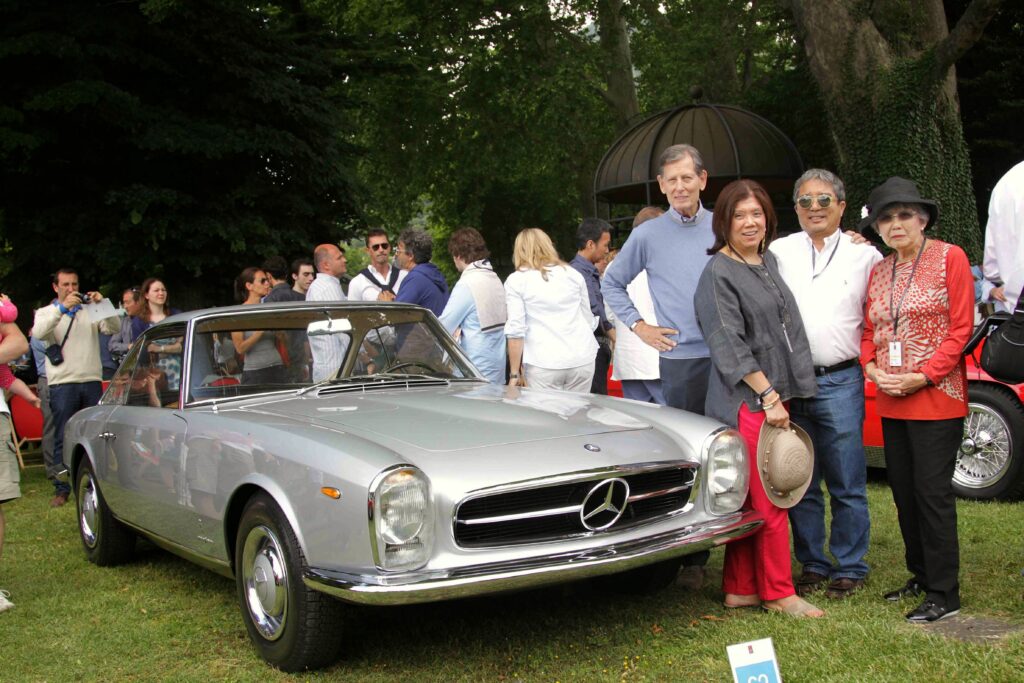
In the time since its 1997 appearance at Pebble Beach, the car has been displayed at many events and is a hit whenever it goes. One of its most notable showings in the post-Weston Hook era was its appearance at Villa D’Este in May 2014, where it was displayed in the Prototype Car Design class, where Tom Tjaarda appeared with the car along with the members of the Hook Family, including Weston’s wife, Elona and their son Russell.

One of the stars at Pebble Beach
It remains an enduring legacy to the preservation efforts of Weston Hook, who sadly died many years ago, leaving his wife, Elona, and son, Russell, now its custodians. When asked about this honour, here’s what Russell had to say. 
“While it is certainly an honour to own a piece of automotive history in the Pininfarina 230 SL,” says Russell, “My mom and I know that this honour comes with much responsibility. My mother, Elona and I look at the 230 SL and remember fondly my dad. I recall the first time I understood my dad’s love of line and need for speed.”     
“It was a typical hot and humid summer day in Hawaii. My dad piled my mom and the rest of us kids in a 1956 Corvette convertible for a drive.  As we drove away, the neighbourhood dog ran behind, then alongside, finally, the dog jumped up, and into the Corvette, and off we went. I hear my dad’s laughter and sheer joy of life as he drove around that day. We both miss him. His joy in discovering the long-lost Pininfarina 230 SL, the frantic but loving restoration in time for the 1997 Pebble Beach Concours, the renewal of old friendships, and the new friendships that the 230 SL has brought into our lives. We are the richer for owning it!”
The Pininfarina coupe is one of the cornerstones of a sizable collection of cars and stands at an intersection of the history of Mercedes-Benz, Pininfarina, and a young American designer, Tom Tjaarda, who, over the course of his career, would leave his mark on more than 80 additional concept and production vehicles. And it promises to be one of the stars of its 2021 appearance in the special Pininfarina Class at Pebble Beach. Expect it to receive more than its share of attention on Pebble Beach’s famous fairways.

Ford Falcon display: Bill Richardson Transport World

Ford Falcon enthusiasts from around Southland have made their pride and joy, Australian Ford Falcons, available for the extensive display now on at Bill Richardson Transport World in Invercargill.
Avid local Ford Falcon GT collectors, Roger and Diane Whyte have made a number of their cars available for display, while a
real rarity is Robin MacDonald’s factory original 1971 Ford Falcon Phase II GTHO.
From the very first to the very last Ford Falcon, this is a great opportunity to view these Australian icons under one roof.
The exhibition is on until early June. Don’t miss it!

“Gotcha!’’ The continuing tale of a Nissan/Datsun tragic – part two

In 1996, I was on a mission to buy a suitable pavement scorcher and visited the now-defunct Manukau City Car Fair. Unbelievably, among the sea of four-door utilitarian Japanese compacts was the absolute jewel in the crown, my automobile wet dream — a 1985 two-door R30 RS Nissan Skyline FJ20 Turbo five-speed manual in nice condition. The owner wanted $10,000 — a great deal.
But what did I do? I bailed out, paralysed by indecision. The money would have been a stretch, but it was the worst automotive choice I ever made. Instead, I went for a rusty Toyota Sprinter 8 Valve Twin Cam Coupé, which was pretty terminal from the get-go. I know. We’ve all done it, but there was really no excuse for passing up the Skyline, and I was haunted by that for years.