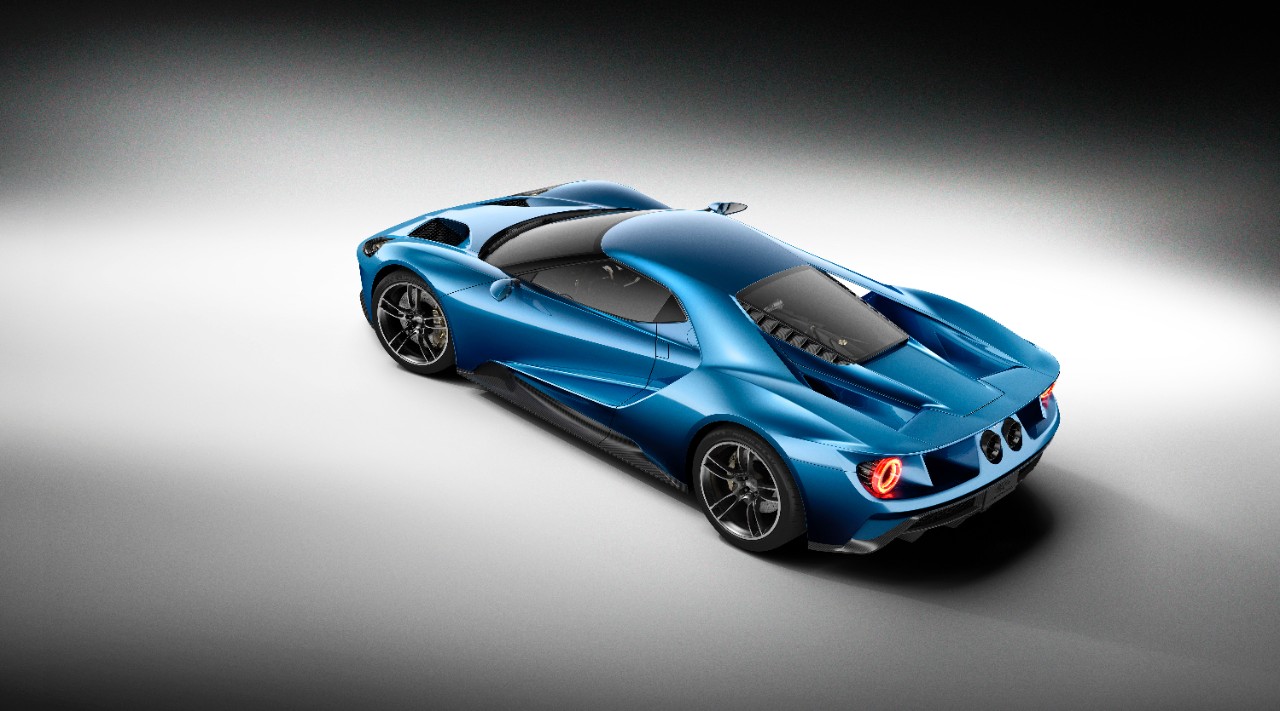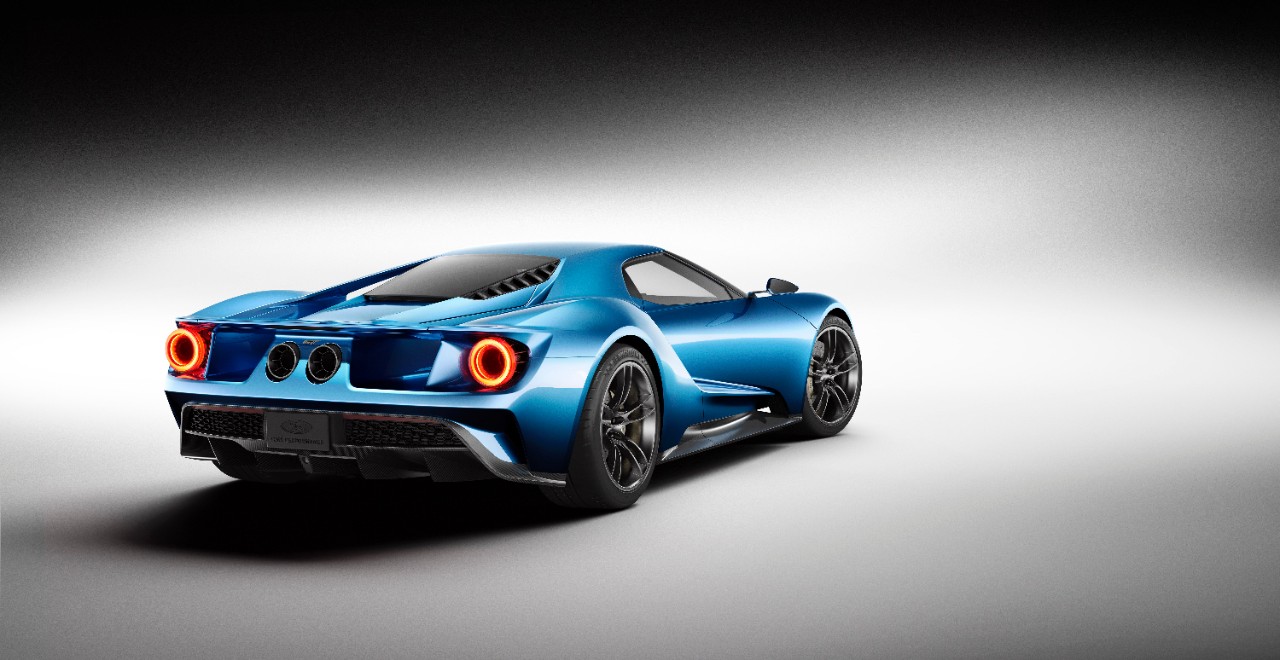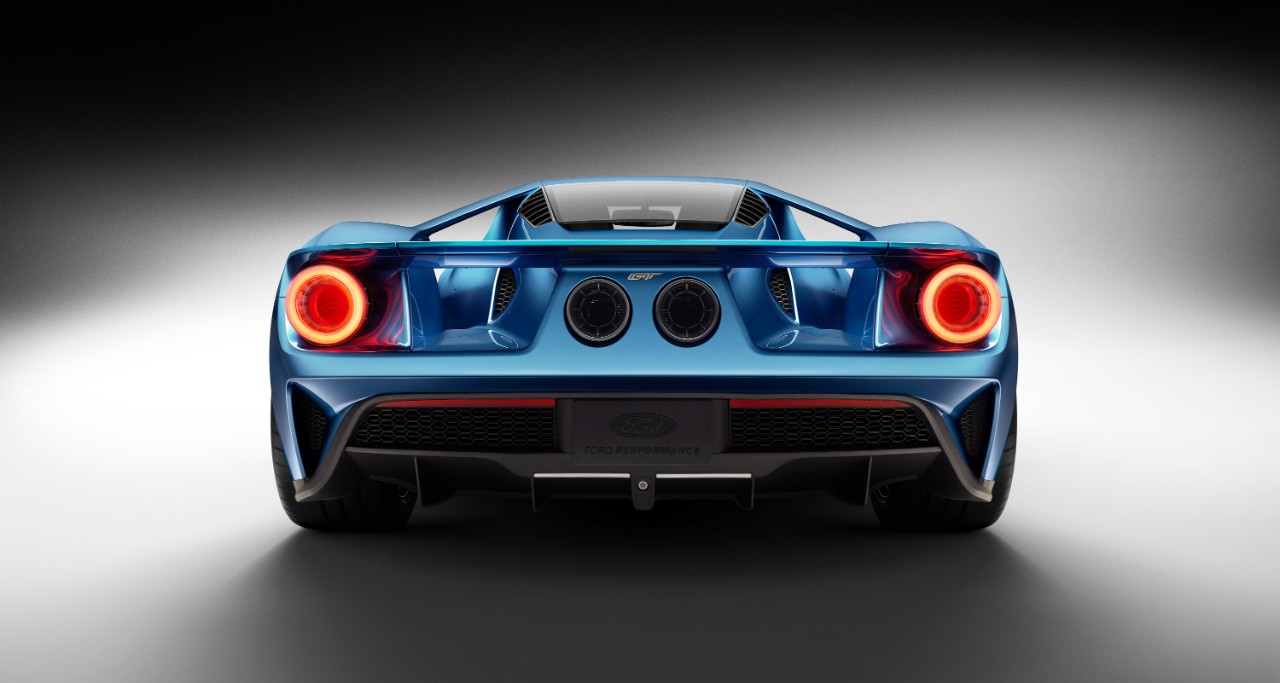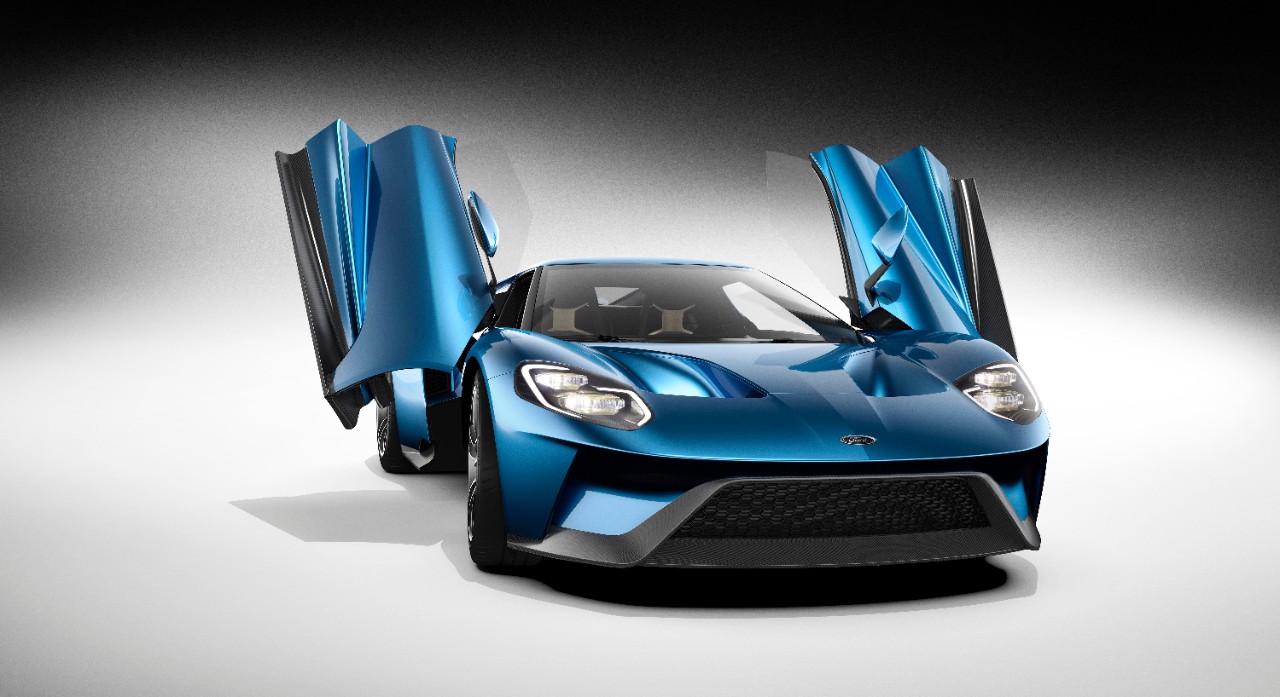
Ford gives GT buyers a second chance

22 August, 2016


data-animation-override>
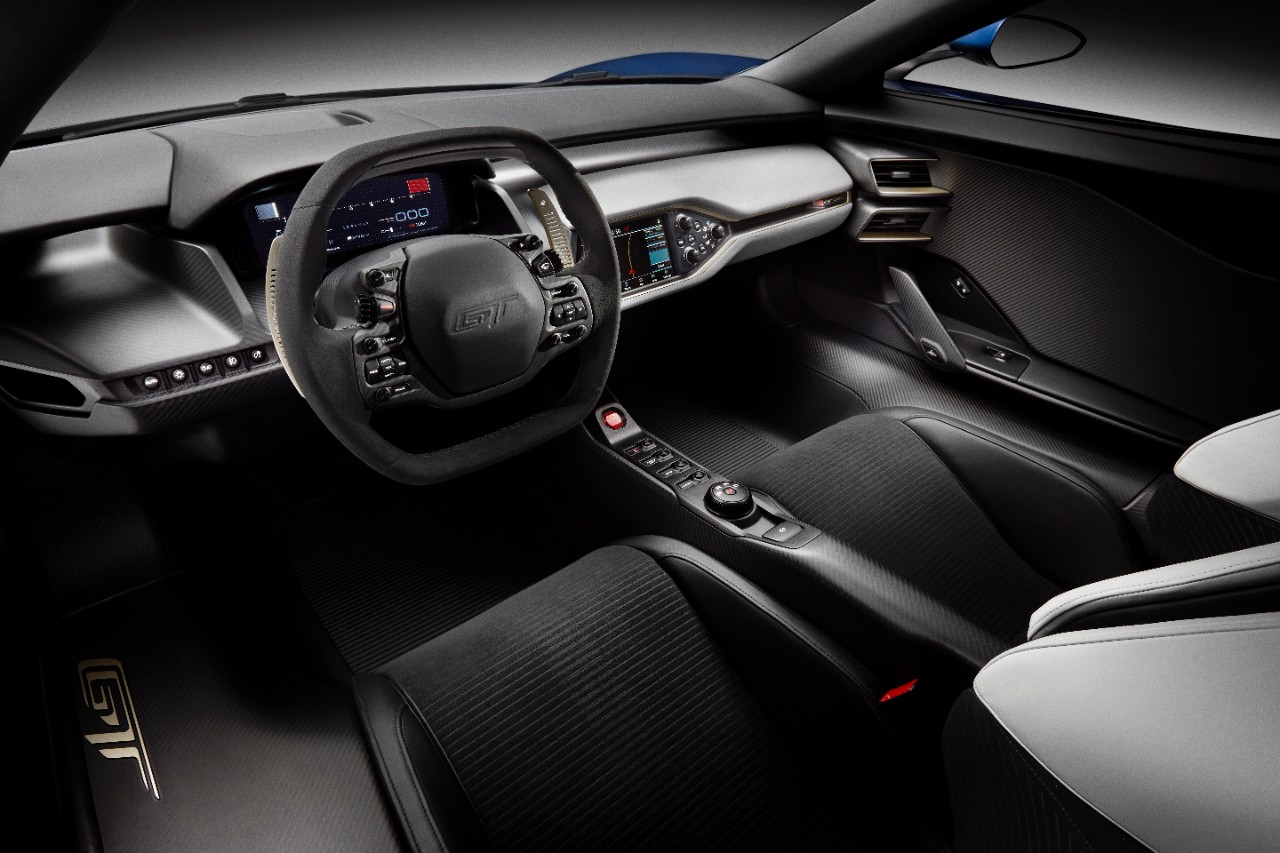
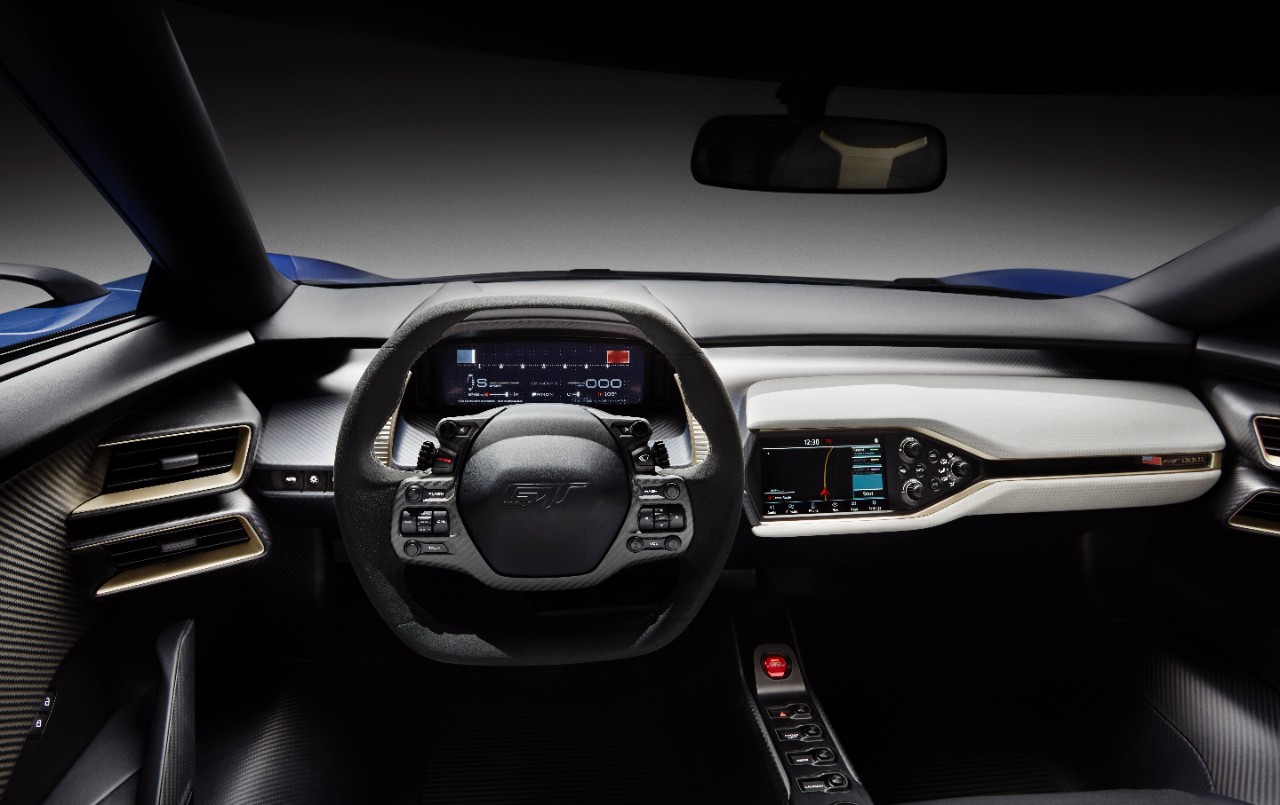
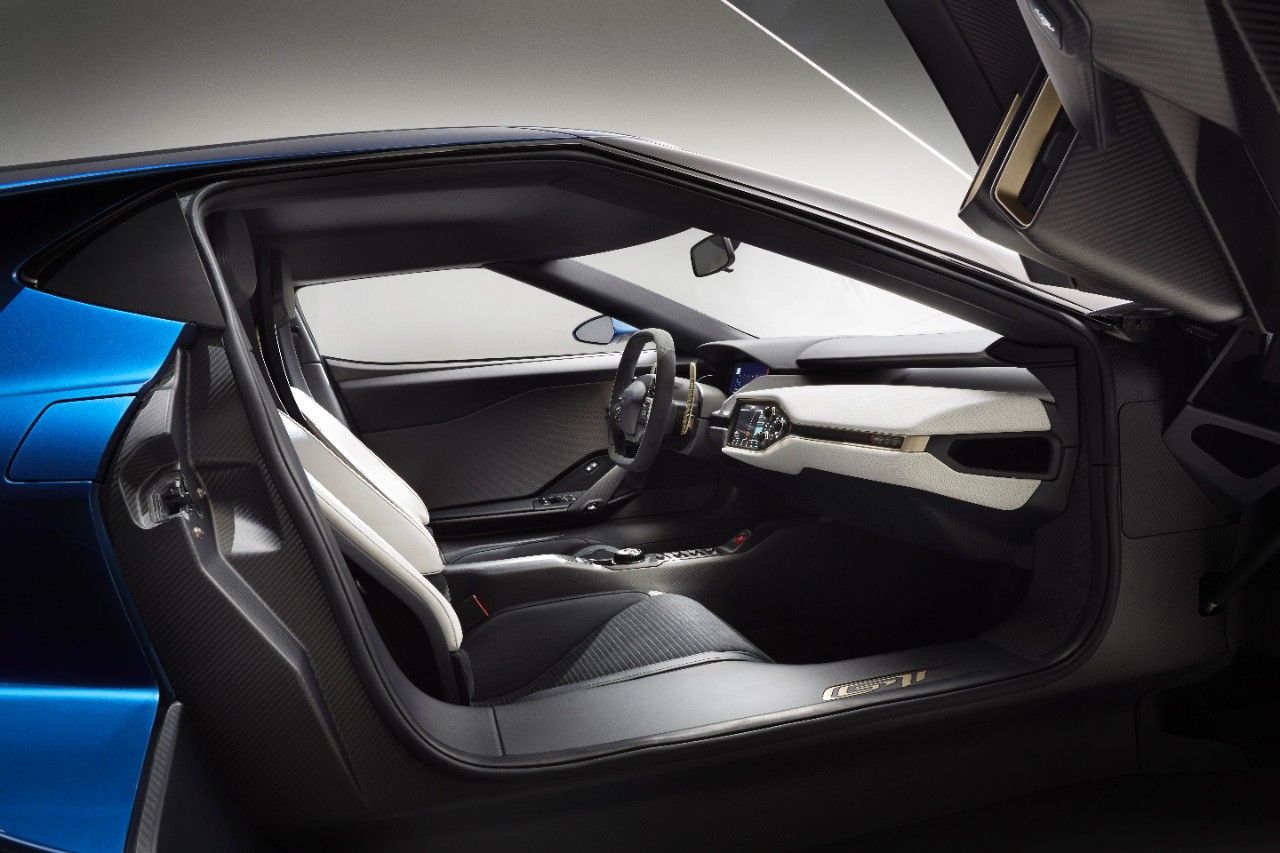
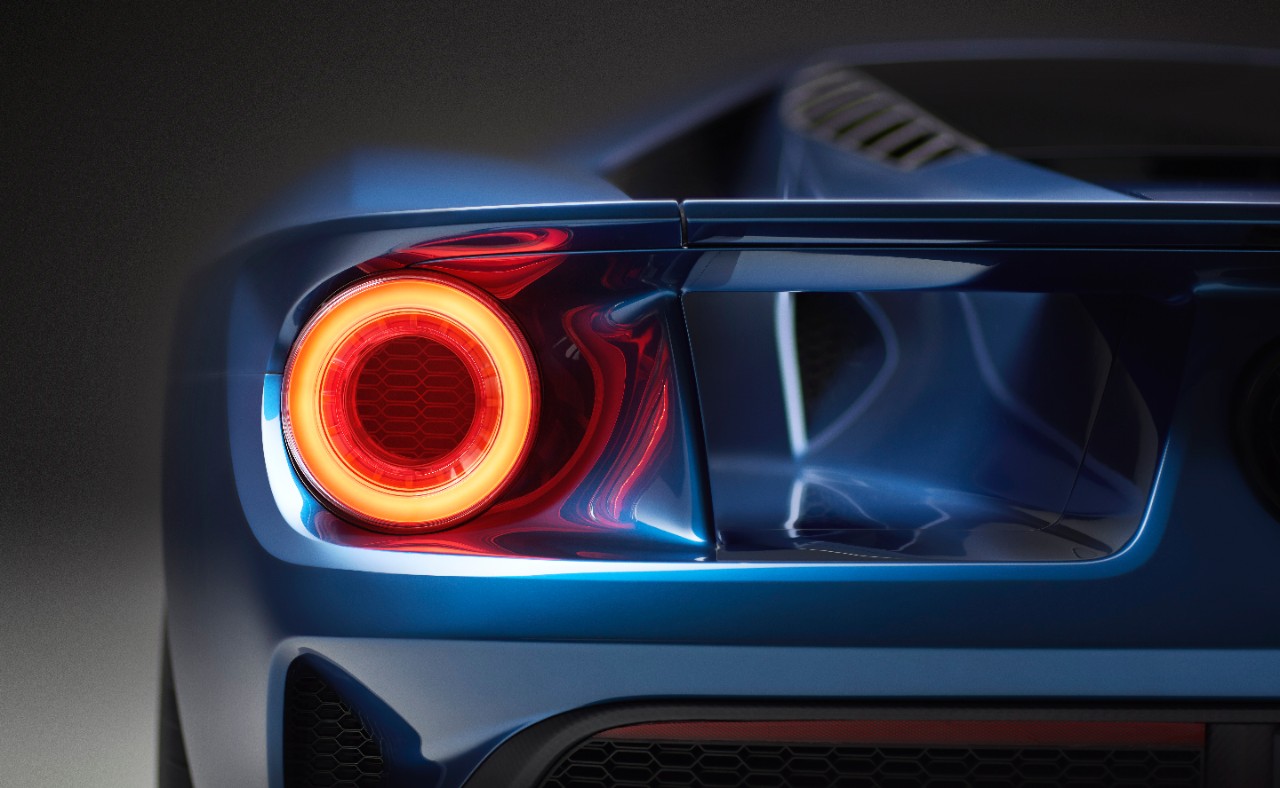
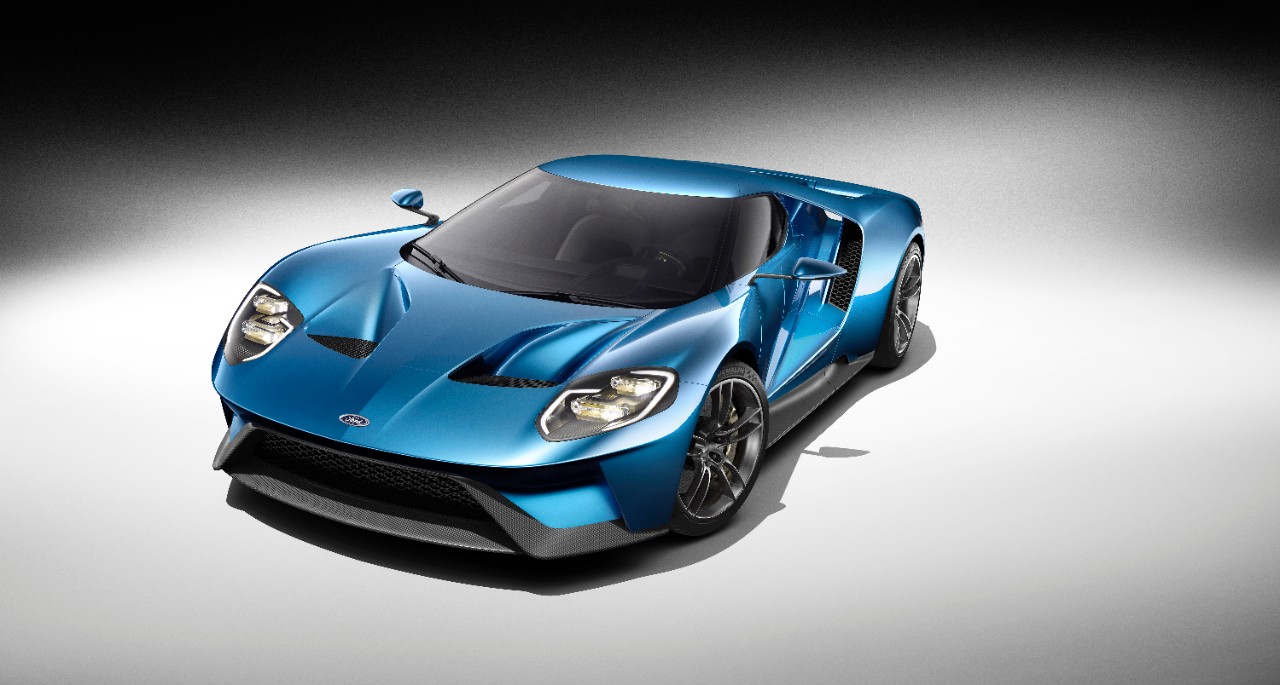
If you’re like me and you got rejected with your Ford GT application (just kidding), then you’ve got a second chance!

I didn’t get rejected from buying a brand-new Ford GT, because I don’t have either the coin or the credentials. However, for those who did apply and did get rejected, Ford are giving you the opportunity to apply to own one of their latest GT supercars … again.
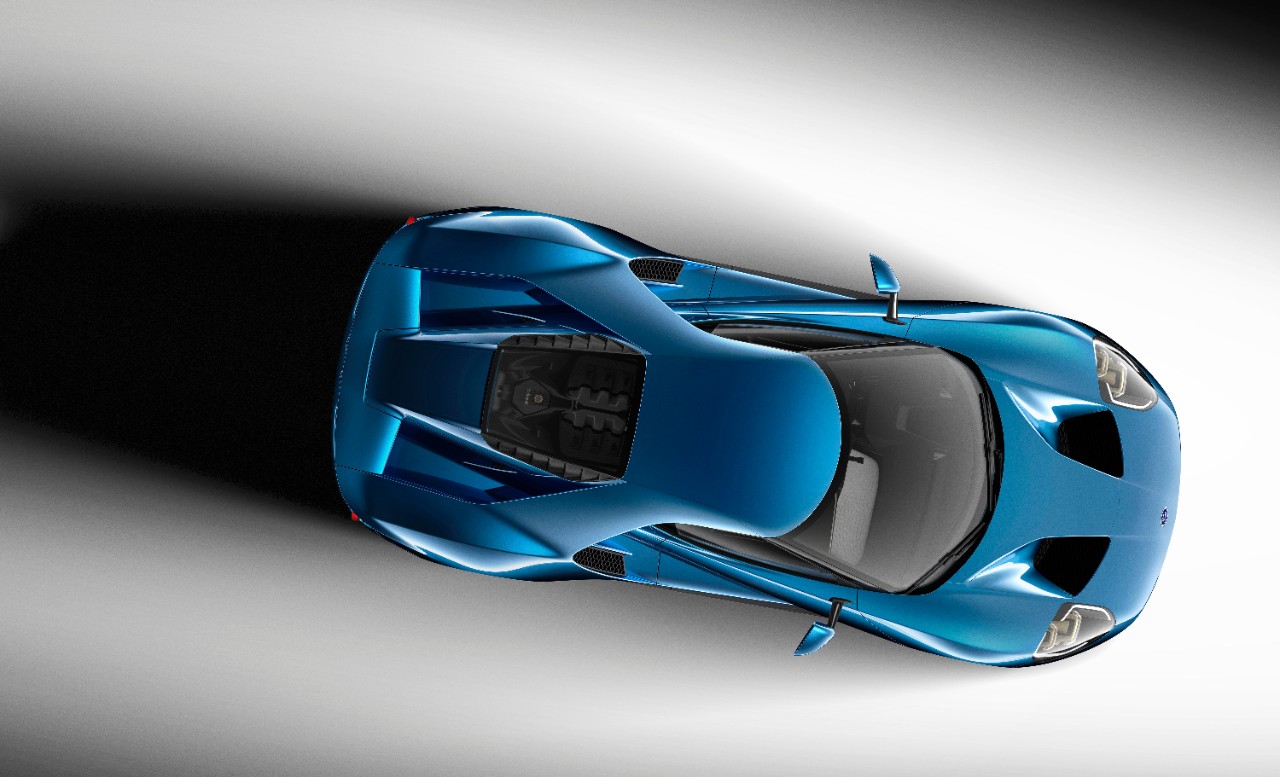
However, the third year of production will be for those who were on the waiting list last time as having first dibs. The fourth and final year of production will be for those who were initially rejected, as well as for new applications. 
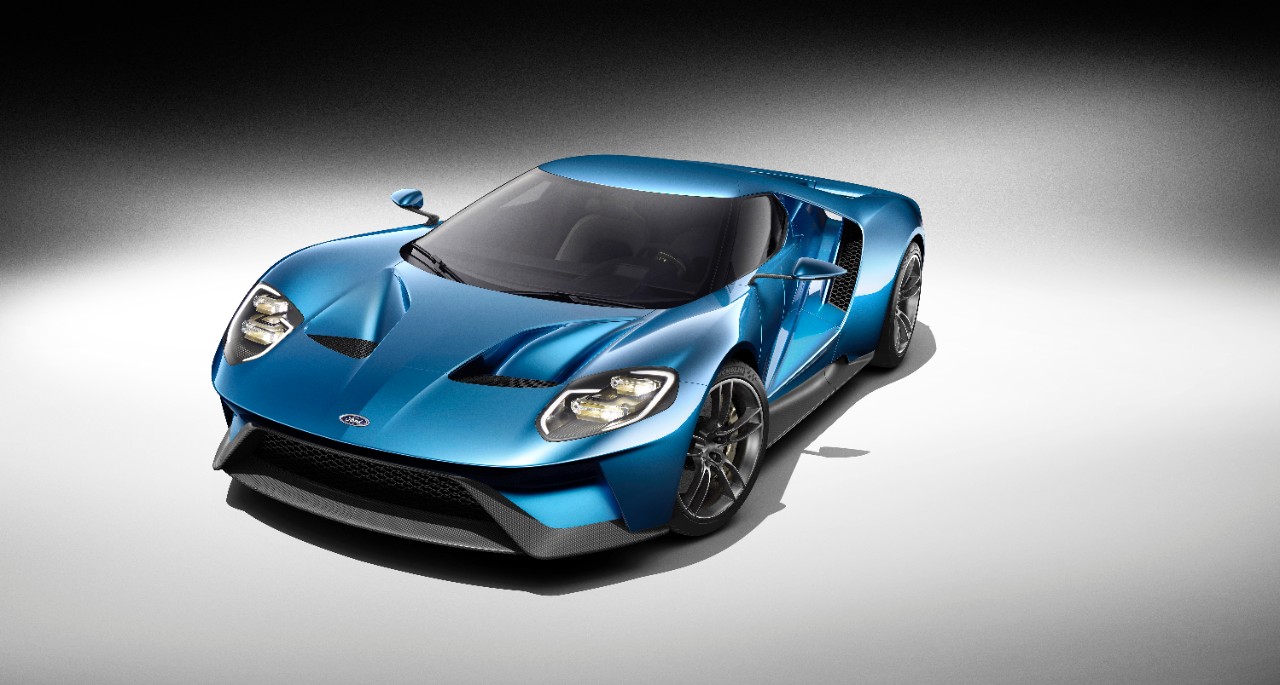
Why would you want a Ford GT you might ask? Well, here are some specs to drool over. Instead of running a V8 engine as you might think, Ford thought they’d install a 3.5-litre V6 600hp engine with two turbos, named the ‘EcoBoost’. Using an EcoBoost engine was to reflect the direction in which the company is currently heading, using smaller displacement turbocharged engines in a bid to reduce fuel consumption and emissions — in a Ford GT? Yeah, I thought it was odd as well. 

Maybe I’ll start working on my application now for when I win the lottery this year! 
Racing Mazdas

Both Rod Millen and Ron Kendall were rotary racing kings, emanating from the North Shore of Auckland, where I grew up. And the ultimate rotary techno guru was Bill Shiells, who developed the engine into a rocket ship while working out of Gulf Mazda in Takapuna from 1969, and later in his own business, Rotorsport. He began to extract some phenomenal horsepower from the enigmatic rotary engine. Bill was one of the first to race the Mazda RX-2 Coupe in 1971 and achieved immediate success, causing others to sit up and take notice, particularly the North Shore’s racing elite. They included Robbie Francevic, Rod Millen, Ron Kendall, John Woolf, John Le Feuvre, and Rex Findlay.

Range Rover CSK — the original SUV

The Range Rover, thanks to Charles Spencer King, went into production in 1970 boasting an iconic shape that would last until 1996. The vehicle that would create the SUV moniker came about because Rover decided it was time to add a bigger four-wheel-drive vehicle, one with a 100-inch wheelbase, to the model range. Land Rover made a 109-inch wheelbase model but the standard vehicle had a 88-inch wheelbase.
The new model would be more suitable for road use than the existing Land Rover, which was considered to be predominantly for rural use. To make sure it could cope on any road it came standard with the Rover 3.5-litre V8 engine. The body design was originally sketched by King and went into production with only a few minor touch-ups by the Rover styling team.
According to King, “The idea was to combine the comfort and on-road ability of a Rover saloon with the off-road ability of a Land Rover. Nobody was doing it.”