Western Springs is no longer: introducing Vodafone Speedway

5 August, 2016

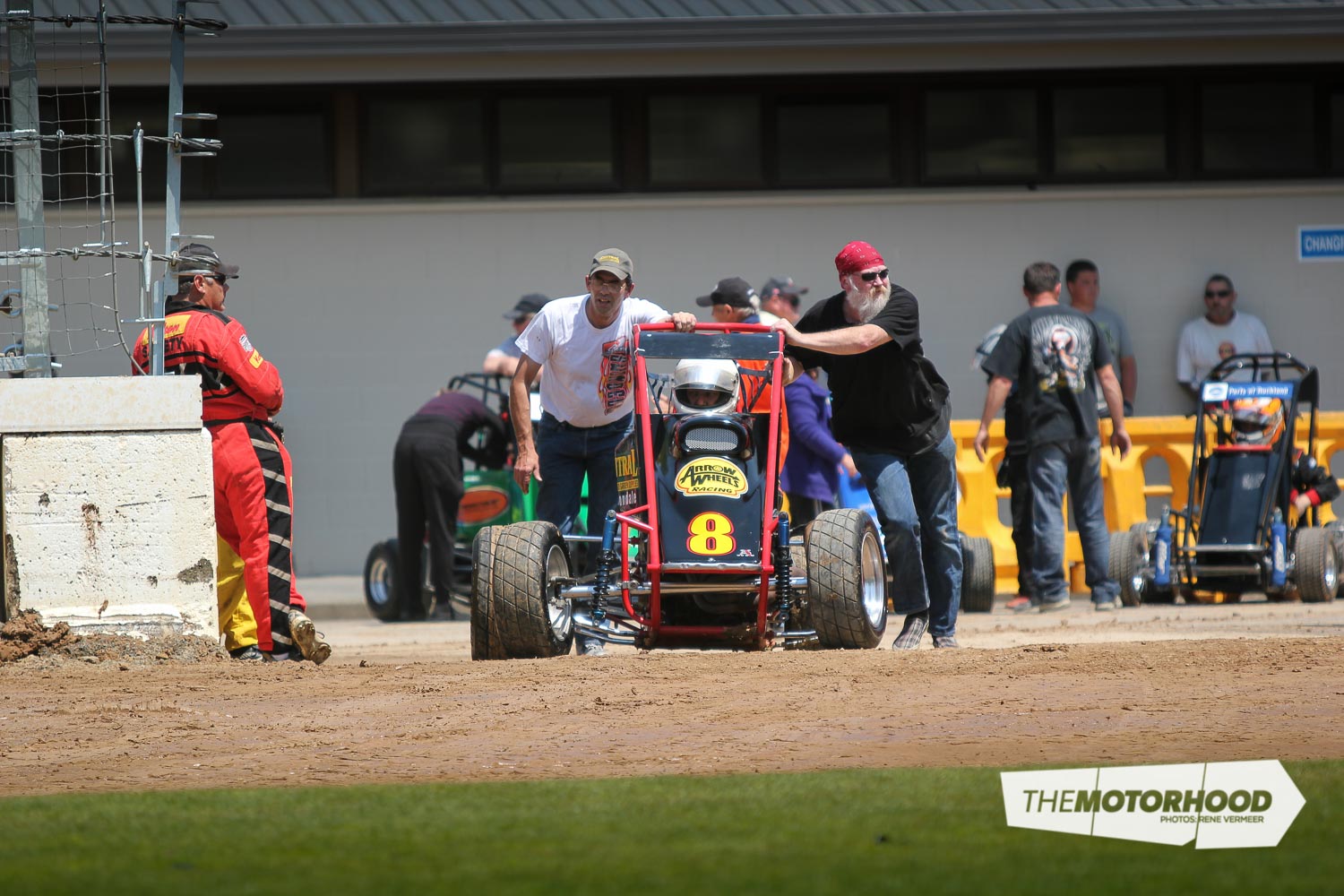
It has been announced that iconic Kiwi motorsport brand and venue, Western Springs, will be rebranded this summer after partnering with telecommunications company, Vodafone NZ. The speedway will soon be transformed from Western Springs Speedway to Vodafone Speedway. 

“We’re very excited to have partnered with a globally recognized and successful brand like Vodafone, and look forward to hosting speedway at Western Springs for the next three years at least,” said Springs promoter Greg Mosen.
“Vodafone has a strong portfolio of existing sport and entertainment partnerships in New Zealand, including the Vodafone Warriors NRL team, several Super Rugby teams, as well as the Vodafone New Zealand Music Awards and much more.

“Vodafone is committed to getting Kiwis closer to the things they love and Western Springs Speedway has been one of those things for almost a century,” said Vodafone’s Consumer Director, Matt Williams. 
“As well as the rebranding, we are excited to be able to offer a variety of speedway ticket giveaways this summer as part of our loyalty programme Fantastic Fridays, exclusive to Vodafone customers.”

The name change may come as a big surprise for some, but Western Springs has been aligned with WXC Communications for the last three years. And, since Vodafone has recently purchased them, this has been a natural and exciting progression for both parties, we’re told. 
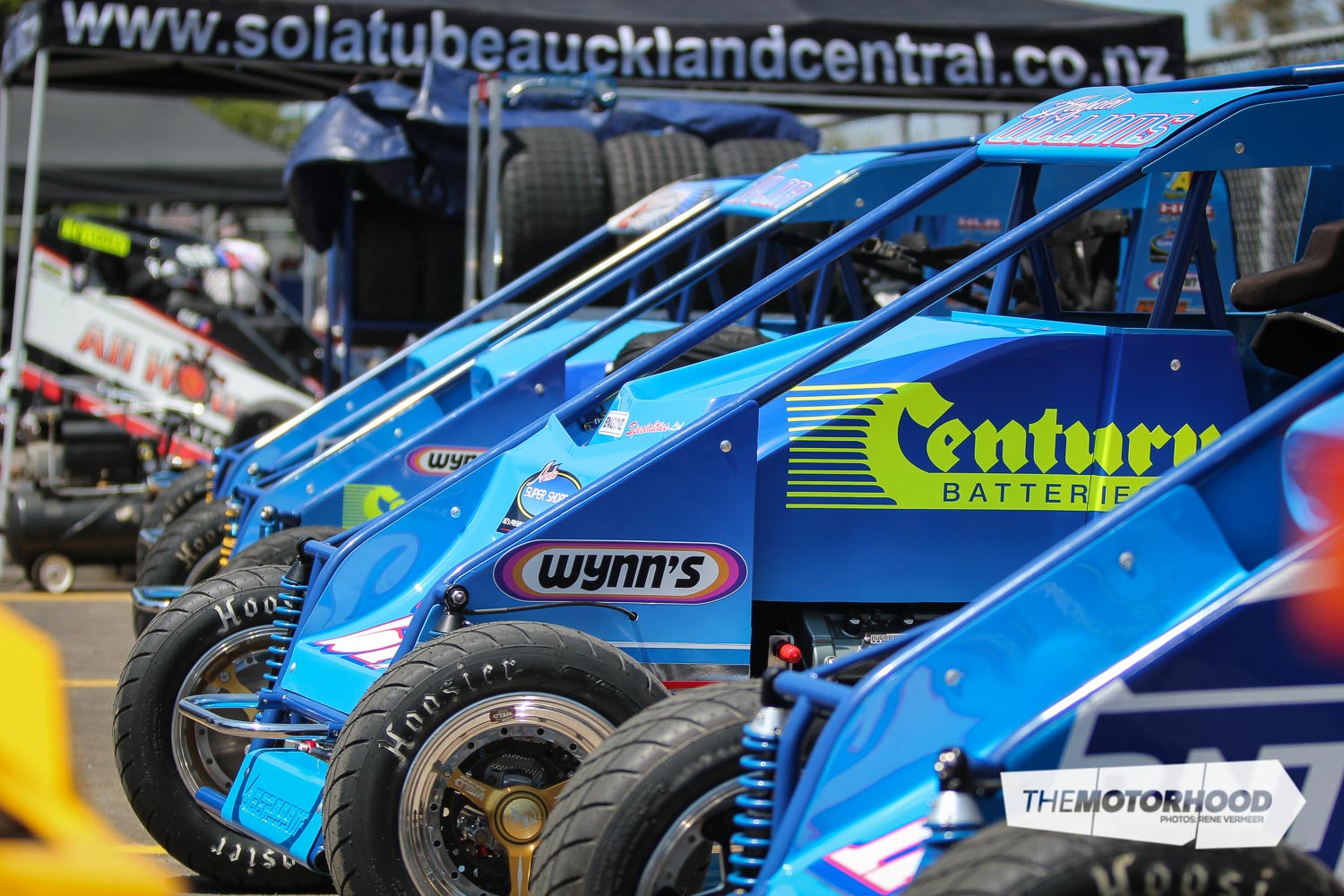
We’re not sure that Vodafone Speedway has the same ring to it as the long-standing original name, however with time, it’ll no doubt become the norm. There’s to be no disruptions to the busy schedule Western Springs holds. 

Let us know what you think about the name change in the comments below! 

Coaching from the bench: Casting plastic knobs and rubber parts

Casting rubber items is simple if you have a good original to work with. The item doesn’t have to be perfect. You can use plasticine to smooth out cracks, and you can even make whole prototypes out of low-fire modelling clay available from craft stores if you need to. Prototypes can also be made of wood or metal.
You will need mould dams to contain the liquid urethane moulding solution until it cures. You can build boxes out of strips of wood, but I have found that small plastic boxes and bowls such as those you would use for leftovers in your fridge work well if you spray them with a mould release agent.
Temperature is important to the chemical processes involved, so work in an area that can be maintained at around 20 degrees. You will also need adequate ventilation because the fumes can be dangerous to breathe. And you will want to wear latex gloves to protect your hands.

Fraser Cars – low flying into the fourth decade

With almost three and a half decades under its belt, Fraser Cars is one of New Zealand’s longest-surviving car manufacturers. The company first opened its doors for business in 1988, during the boom time for kit manufacturers. During the ’80s, around 40 different companies were building kits and turnkey cars for this niche market. Of those, only Fraser and Almac Cars (established 1981) are still in business today.
Most of the new kit car companies were killed off in the cradle by the threat of new legislation that never eventuated and definitively by the sudden availability of high-performance Japanese cars when the floodgates to second-hand imports were opened. The now long-retired founder of the company, Neil Fraser, first came across Lotus Seven replicas while racing Lotus Cortinas in the early ’80s. He regularly found himself racing against a little Caterham, a Lotus Seven–styled car built in England. He was very impressed by its simplicity and handling. In 1986 Fraser built his own Lotus Seven–type car, using the knowledge he had gained from several close looks at the Caterham.