
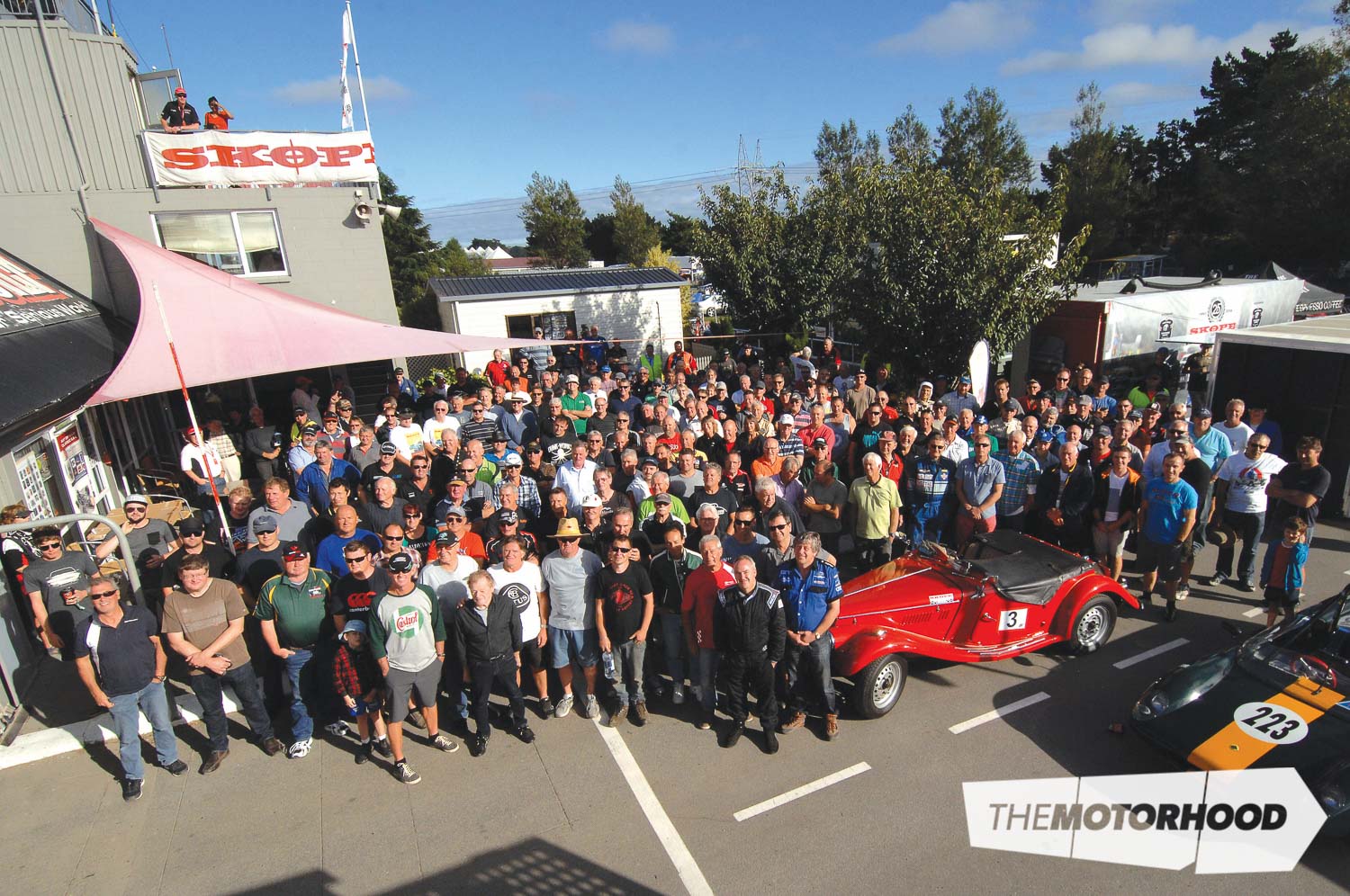
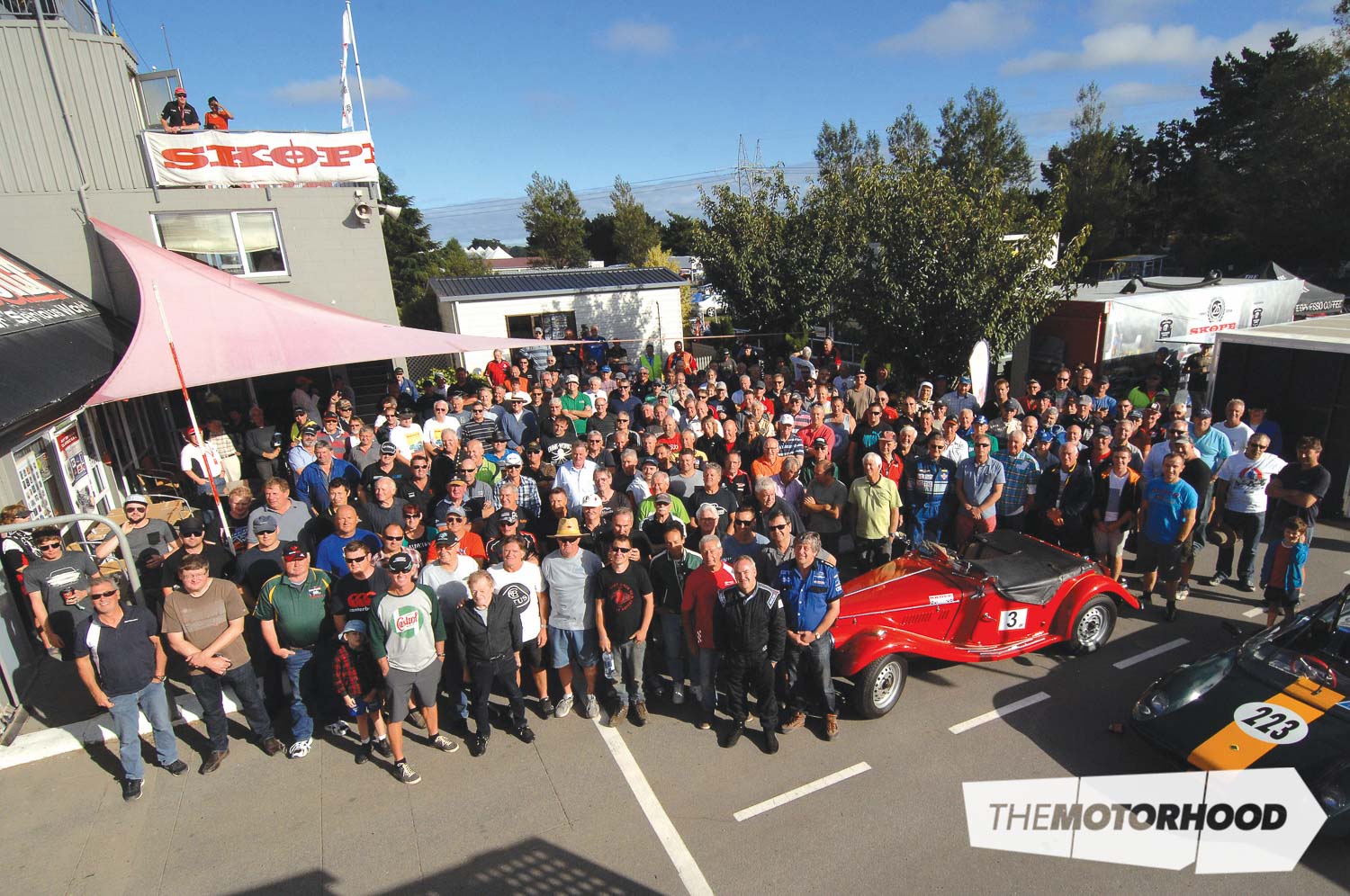
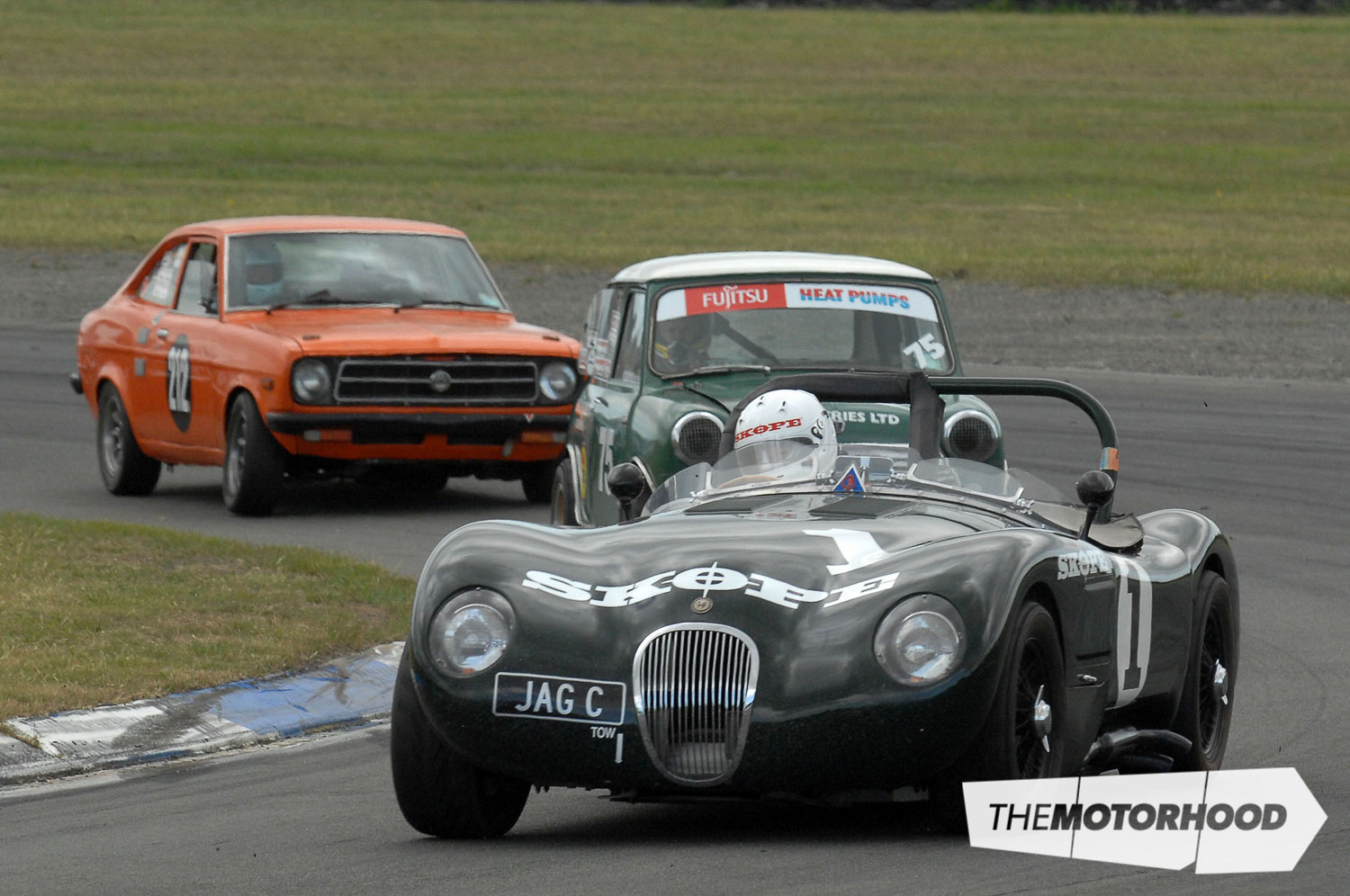
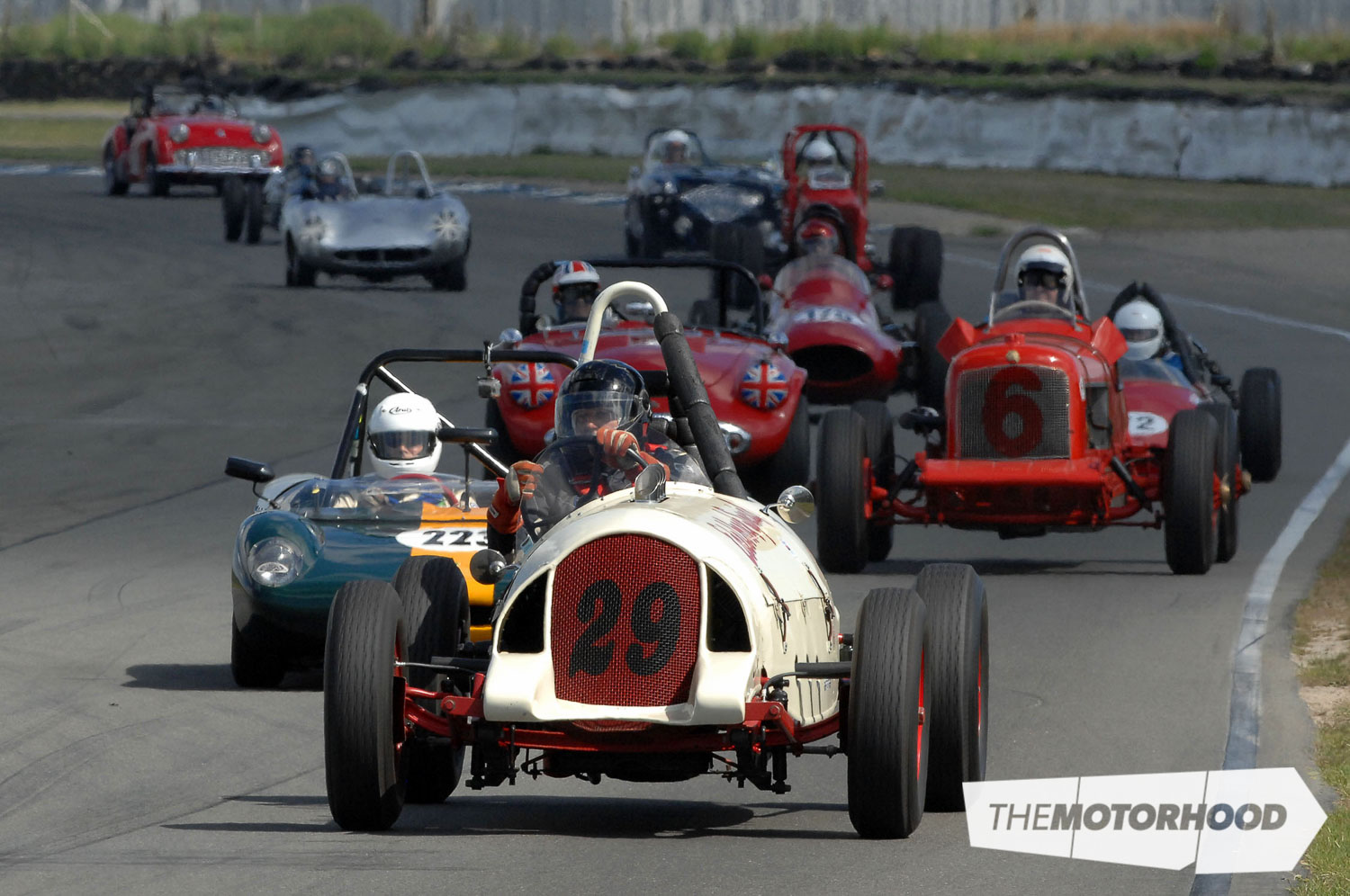
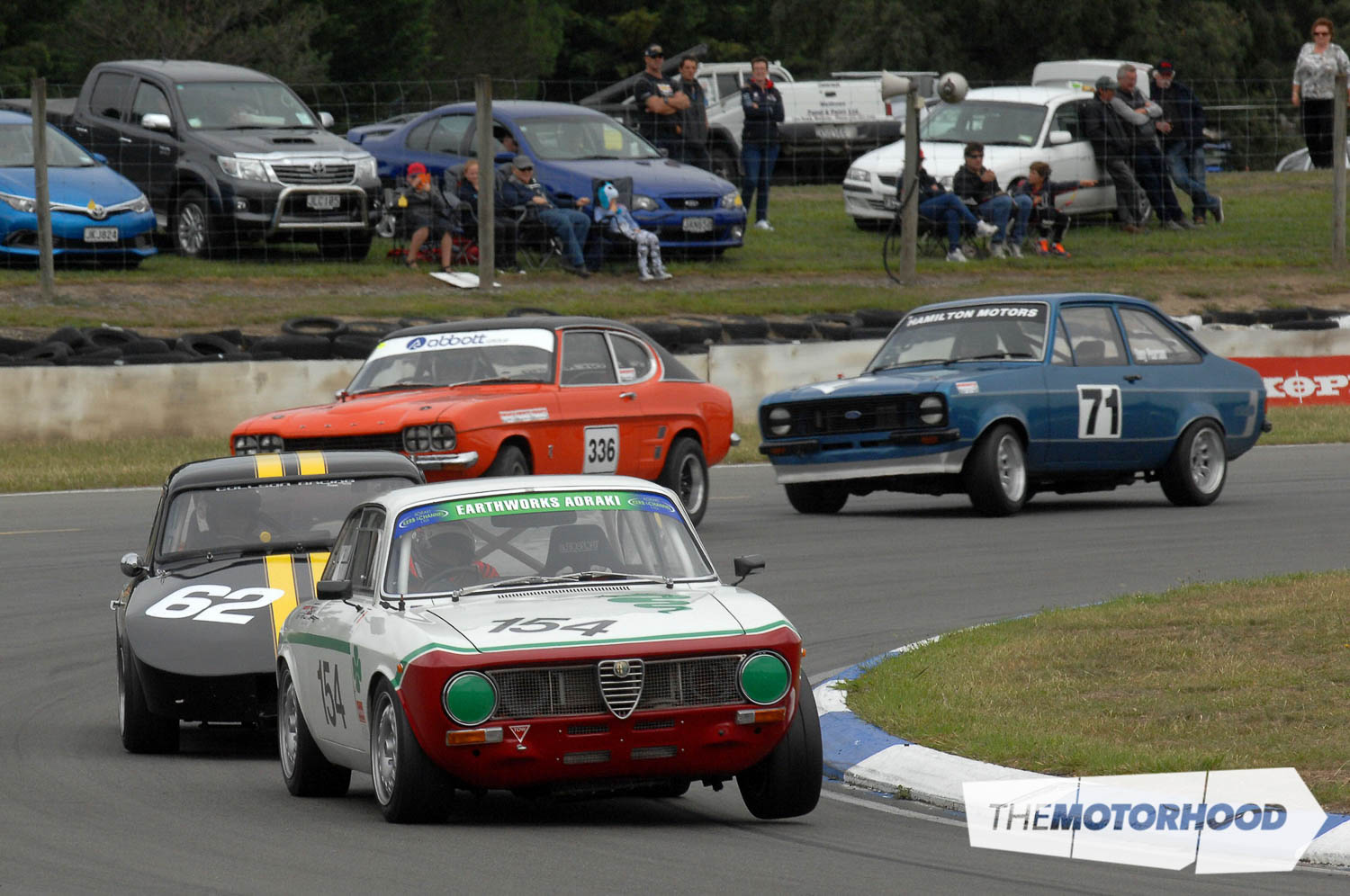
A large crowd in excess of 10,000 was entertained by some great motor racing at the Skope Classic over Waitangi weekend, 2016, with 35 races across a wide range of single-seater and saloon-car races at Mike Pero Motorsport Park, Ruapuna.
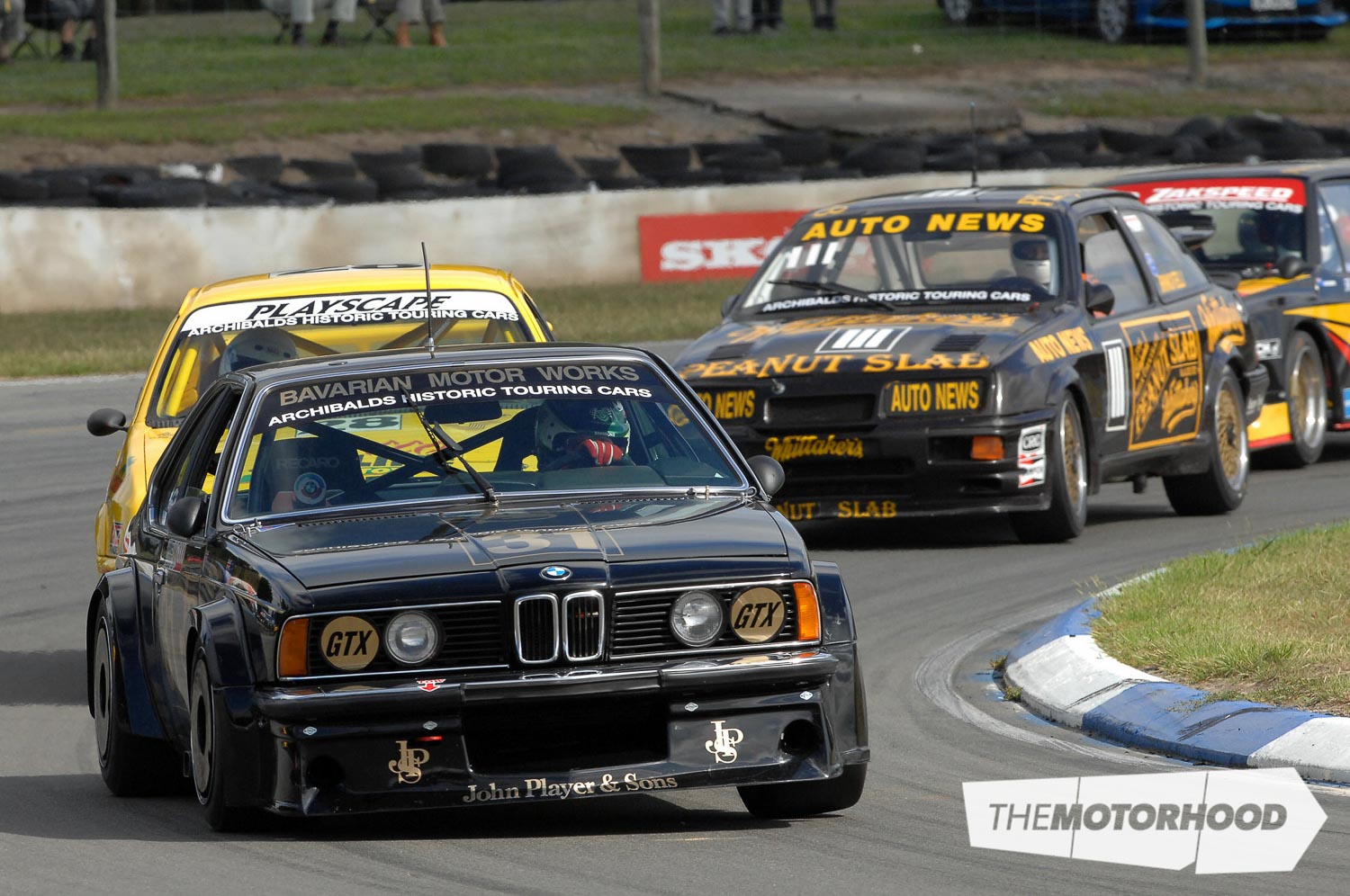
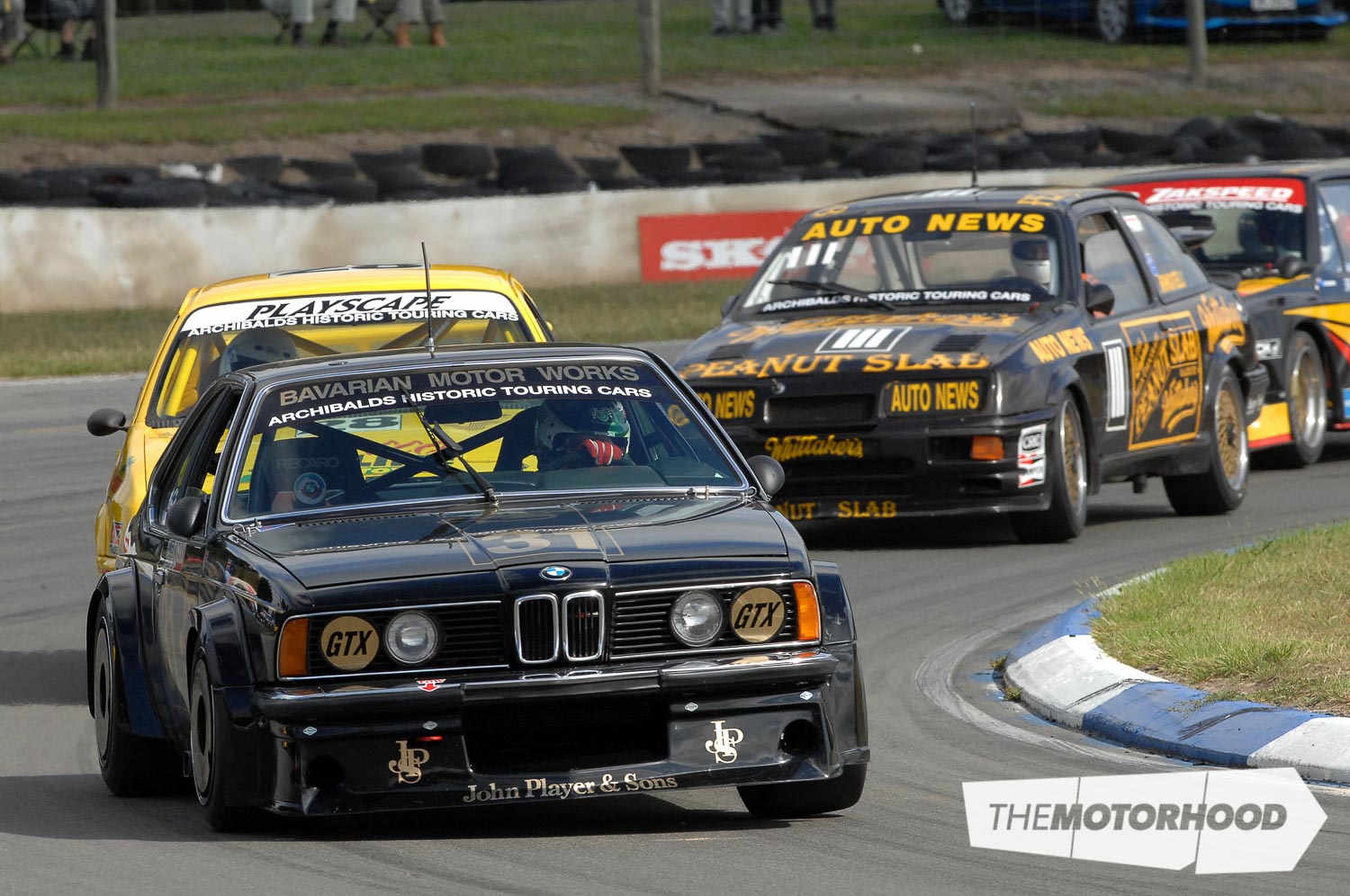
The featured class for the event was the Archibalds Historic Touring cars, with overseas drivers Jim Richards (BMW 635 CSi), Tony Longhurst (BMW E36 Supertourer), and Gianfranco Brancatelli (BMW M3) proving drawcards, along with the superb presentation and selection of touring-car memorabilia from the ’70s, ’80s, and ’90s.
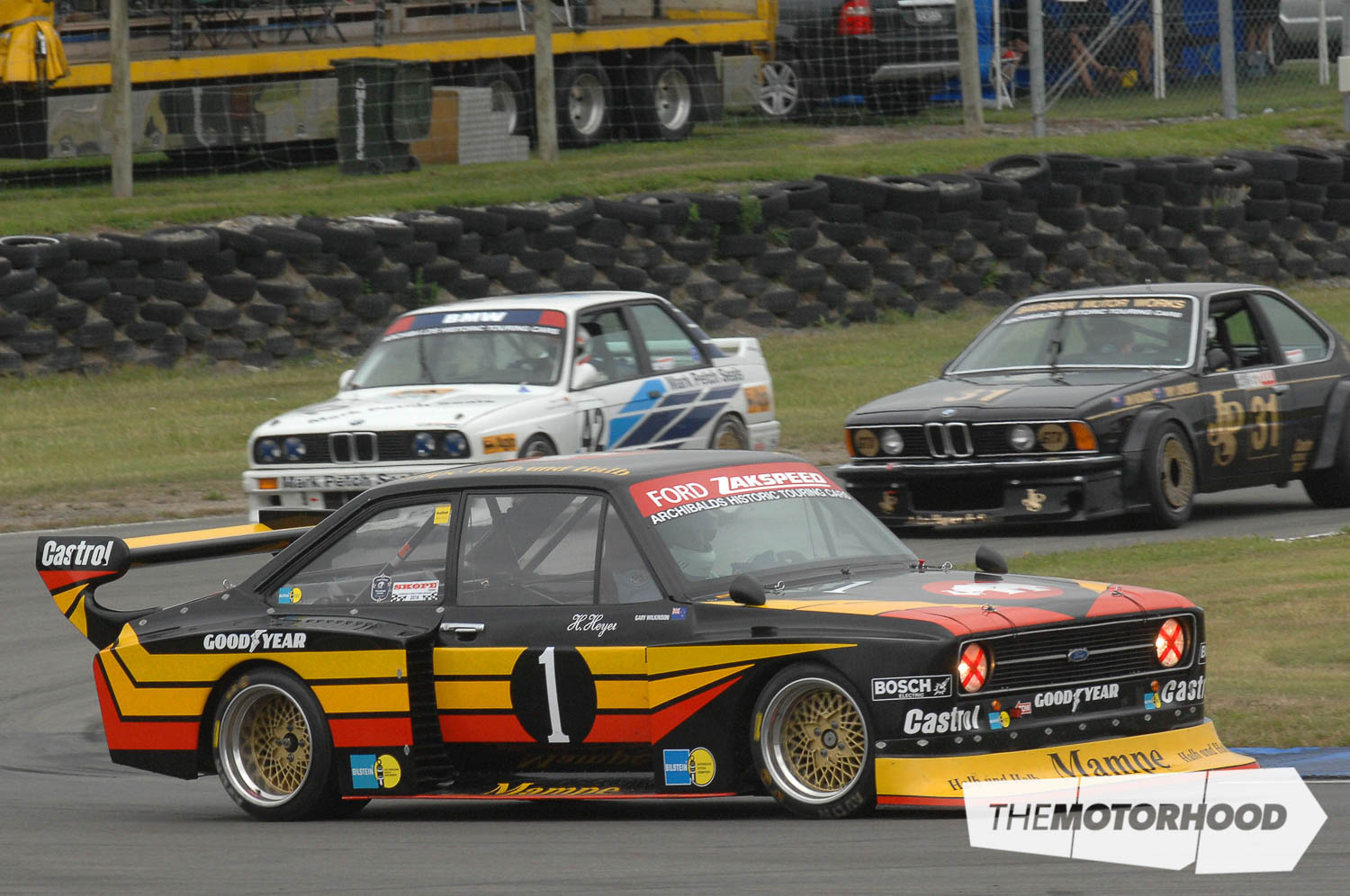
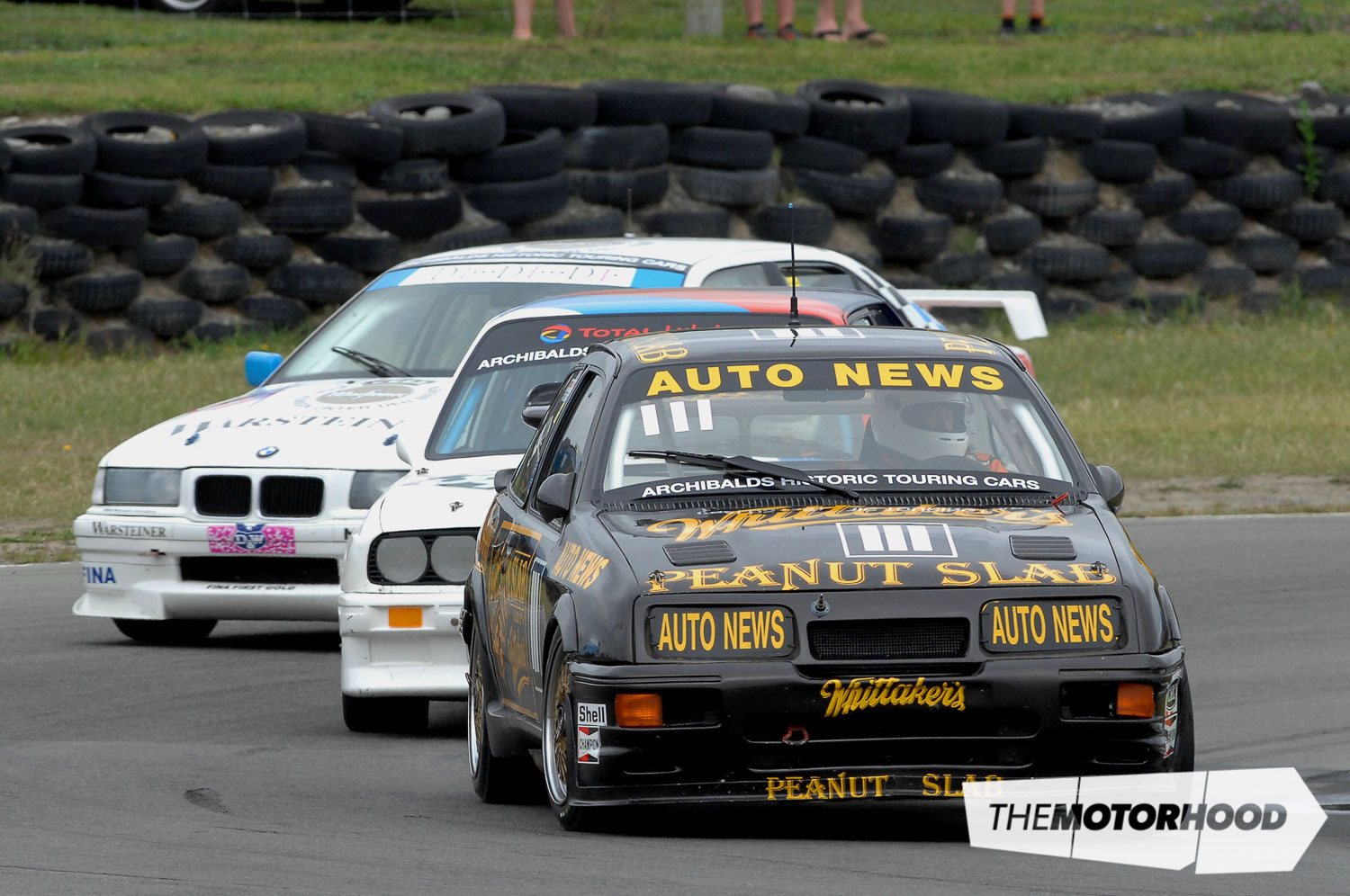
Dominating the on-track performances, Stephen Grellet (BMW M3) from Dunedin took three wins, including the prized Sir Robertson Stewart Grand Prix trophy race, then sat out the final race, which featured an entertaining duel between the eventual winner, Brett Stephens of Motueka, in the turbo Sierra Cosworth; Jim Richards; Andy Greenslade, driving the famous Peanut Slab Sierra Cosworth; and the stunning Zakspeed Escort of Christchurch’s Gary Wilkinson.
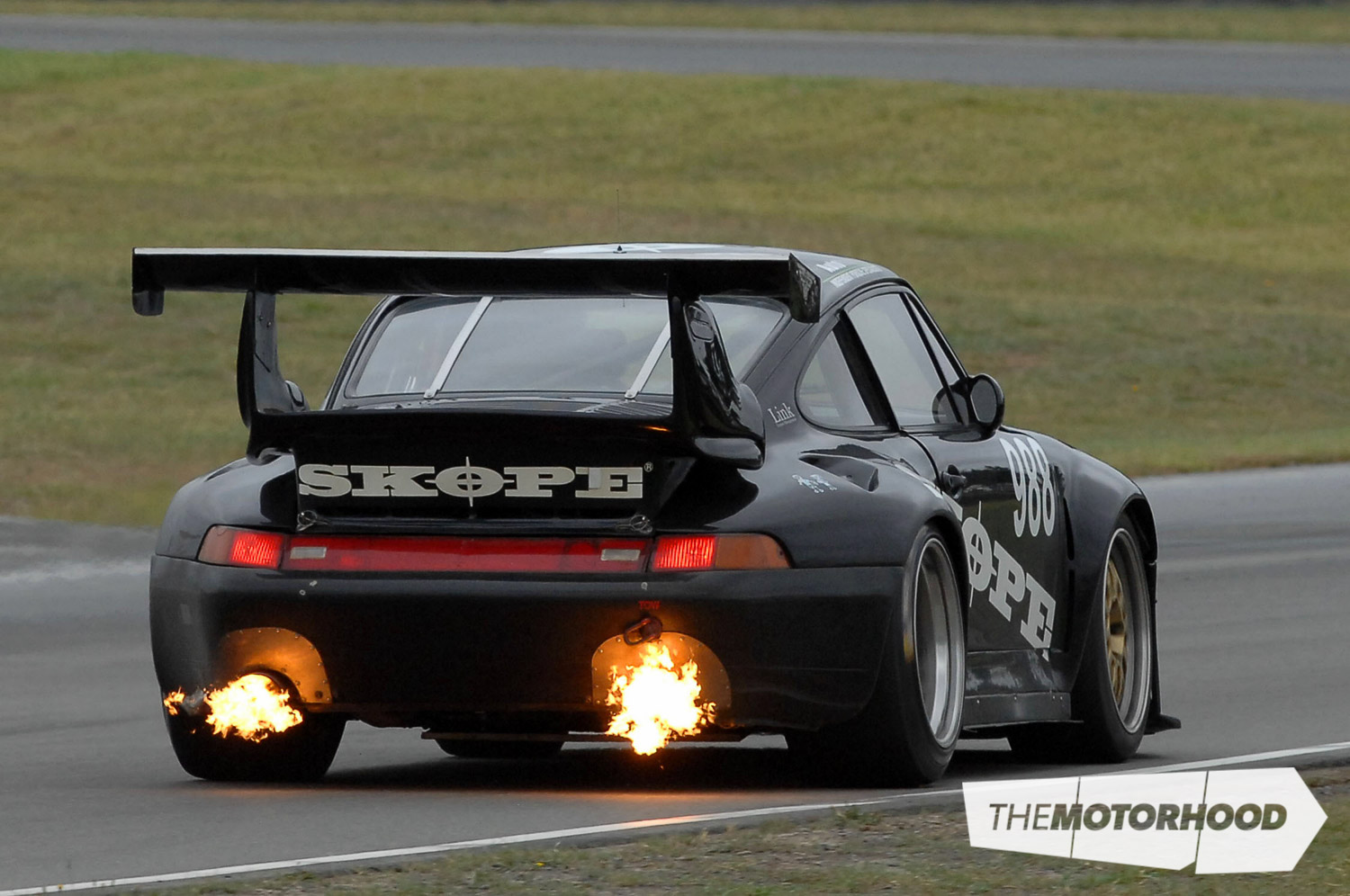
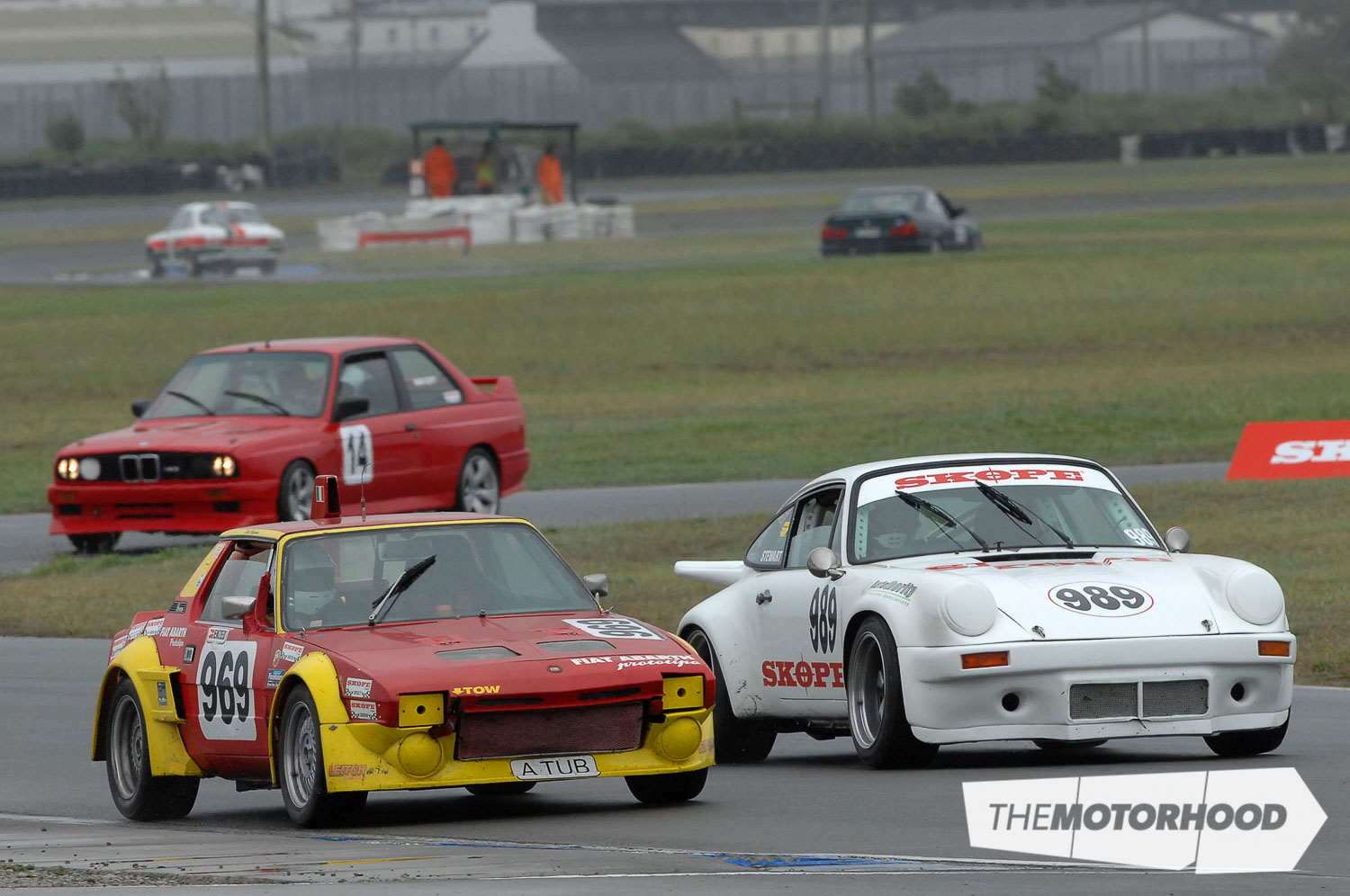
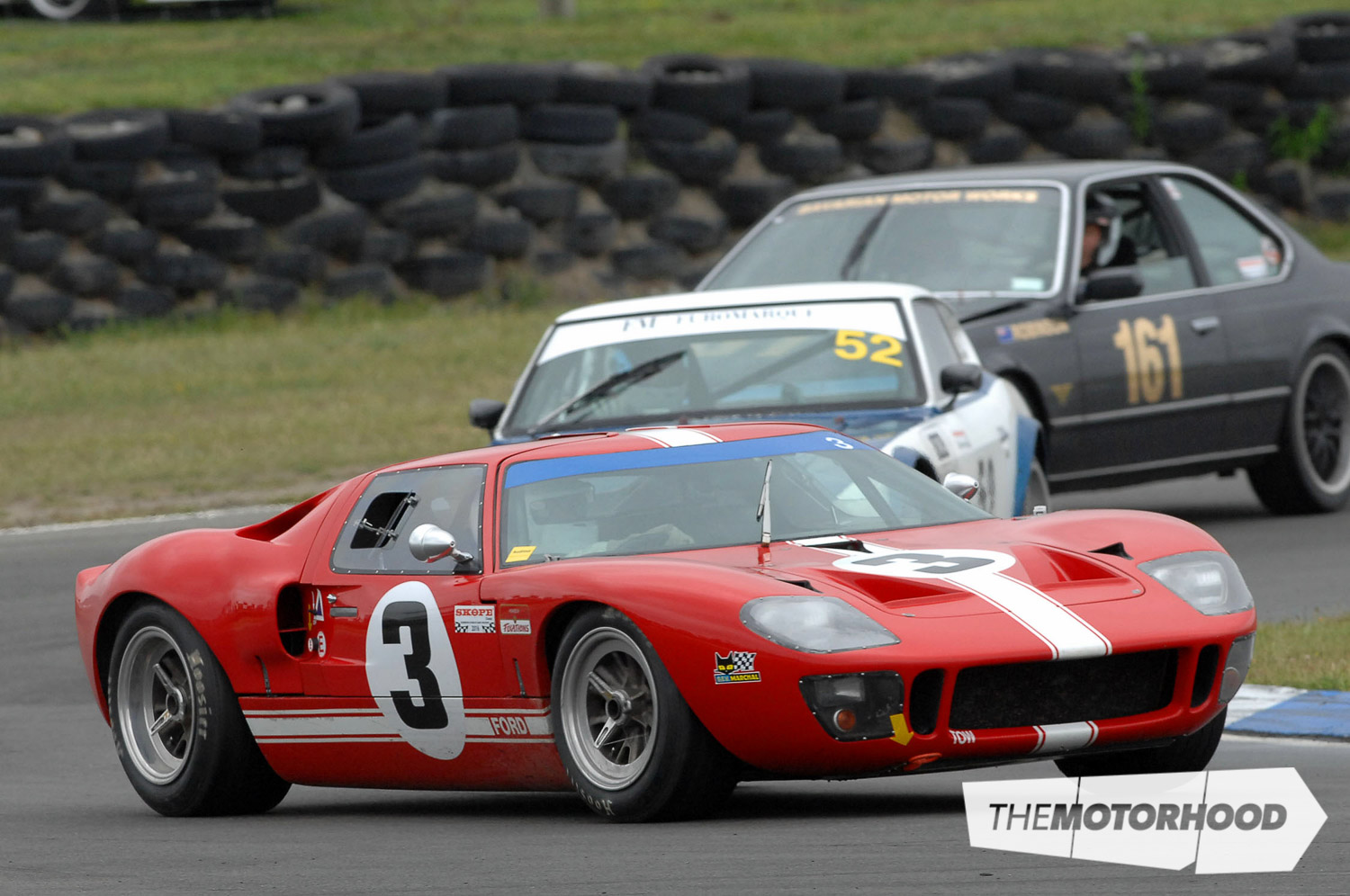
They preceded some mighty fine touring-car machinery, which included both of the E36 Supertourers made famous in the hands of Paul Morris and Tony Longhurst that, according to the commentators, ‘bought the biffo back into the bingle’. Roger Townshend’s Cologne Capri drew looks of envy and admiration on and off the track among a line-up of BMW M3s to kill for, NZ Touring Car Coronas, a Nissan Sentra, an Alfa Romeo 155, and some superb replicas.
The original Walkinshaw Jaguar and Richards/Brock GTR will be unlikely to ever see the light of day on a New Zealand track, and, despite many long workshop nights, a despondent Angus Fogg failed to enjoy track time in the Prince/Hourigan XJS. The newly acquired Mark Petch 242T Volvo struggled with turbo issues over the weekend, but its presence was appreciated, particularly by an animated Robbie Francevic, while Aussie rally and race ace Colin Bond was a guest at the event and shared his memories and thoughts on a long and distinguished motor racing career at the drivers’ dinner.
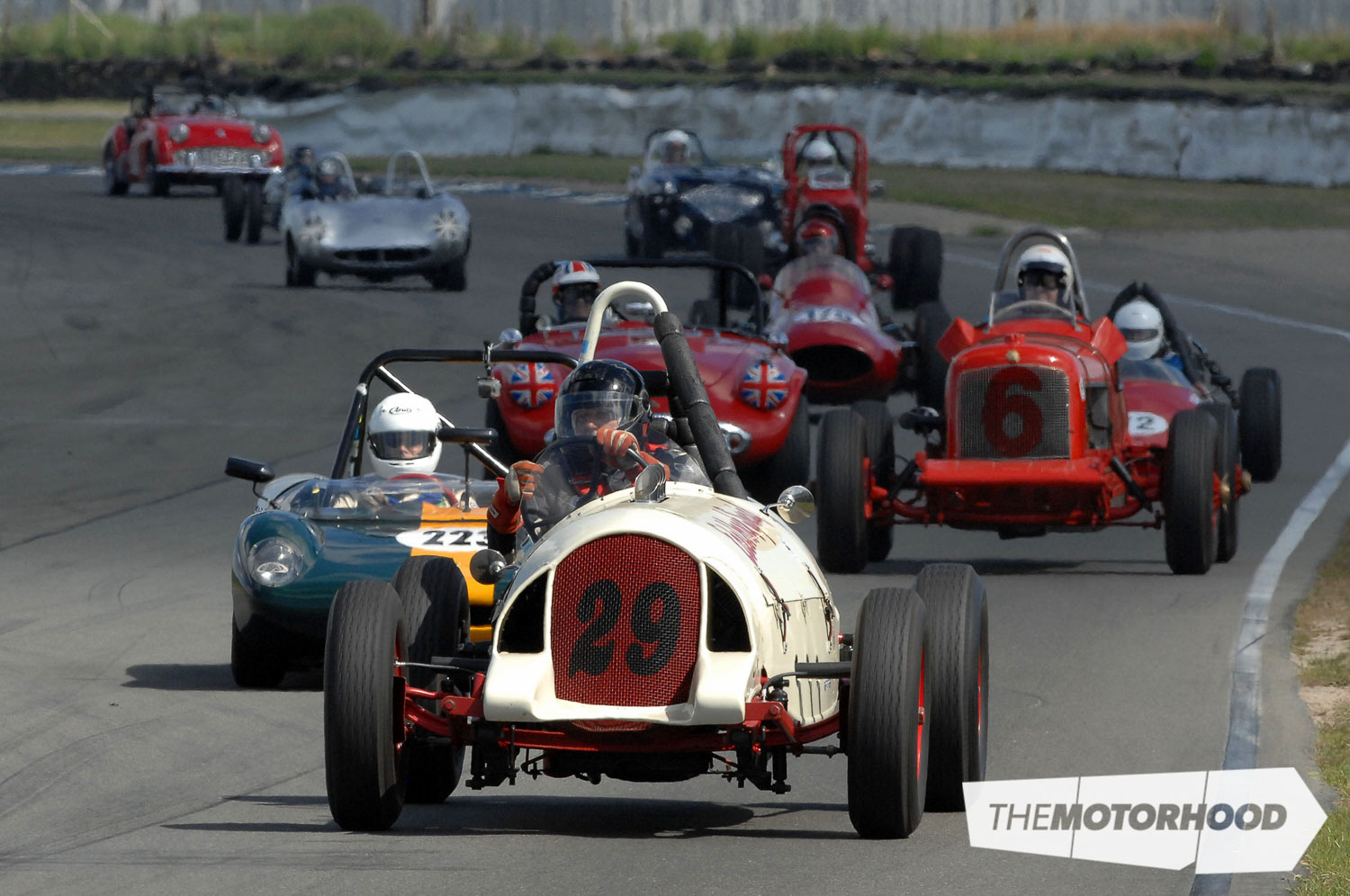
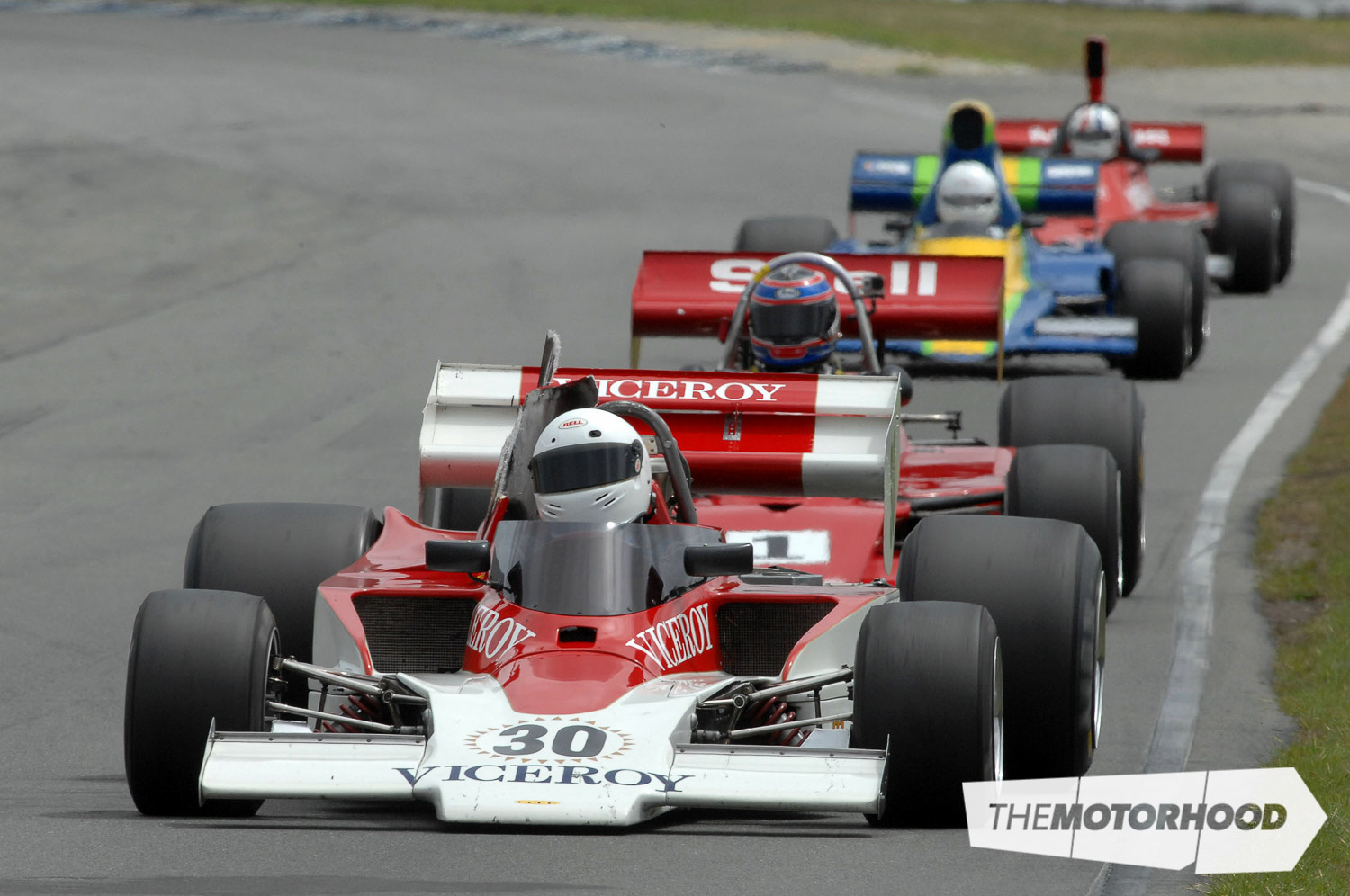
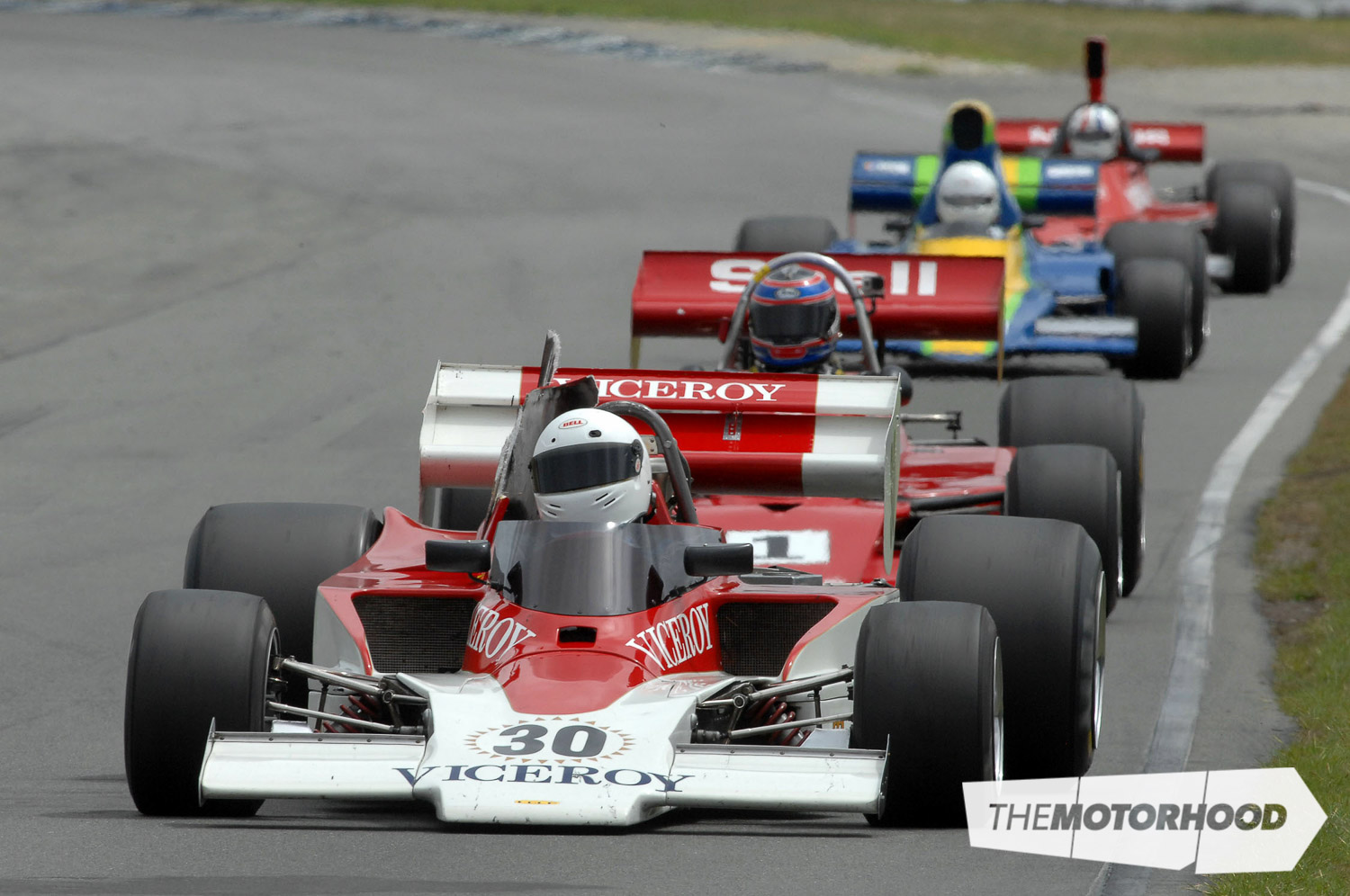
There was motor sport entertainment to be had across all classes, from historic single-seaters and vintage racing machines to grids chock full of an amazing array of saloon and sports cars, but, when the V8s fired up, there was no time for comfort stops or hotdogs. The ageless Kenny Smith continued his dominance of the big wings and slicks Formula 5000 races with three wins from three, which included some of the best racing seen from these crowd-pleasing early ’70s single-seater race cars. In a photo finish, Smith, driving his Lola, just pipped a much younger and improving Alan Dunkley and fellow Aucklander Brett Willis on the line on Saturday … and crowd pleasing they were, indeed.
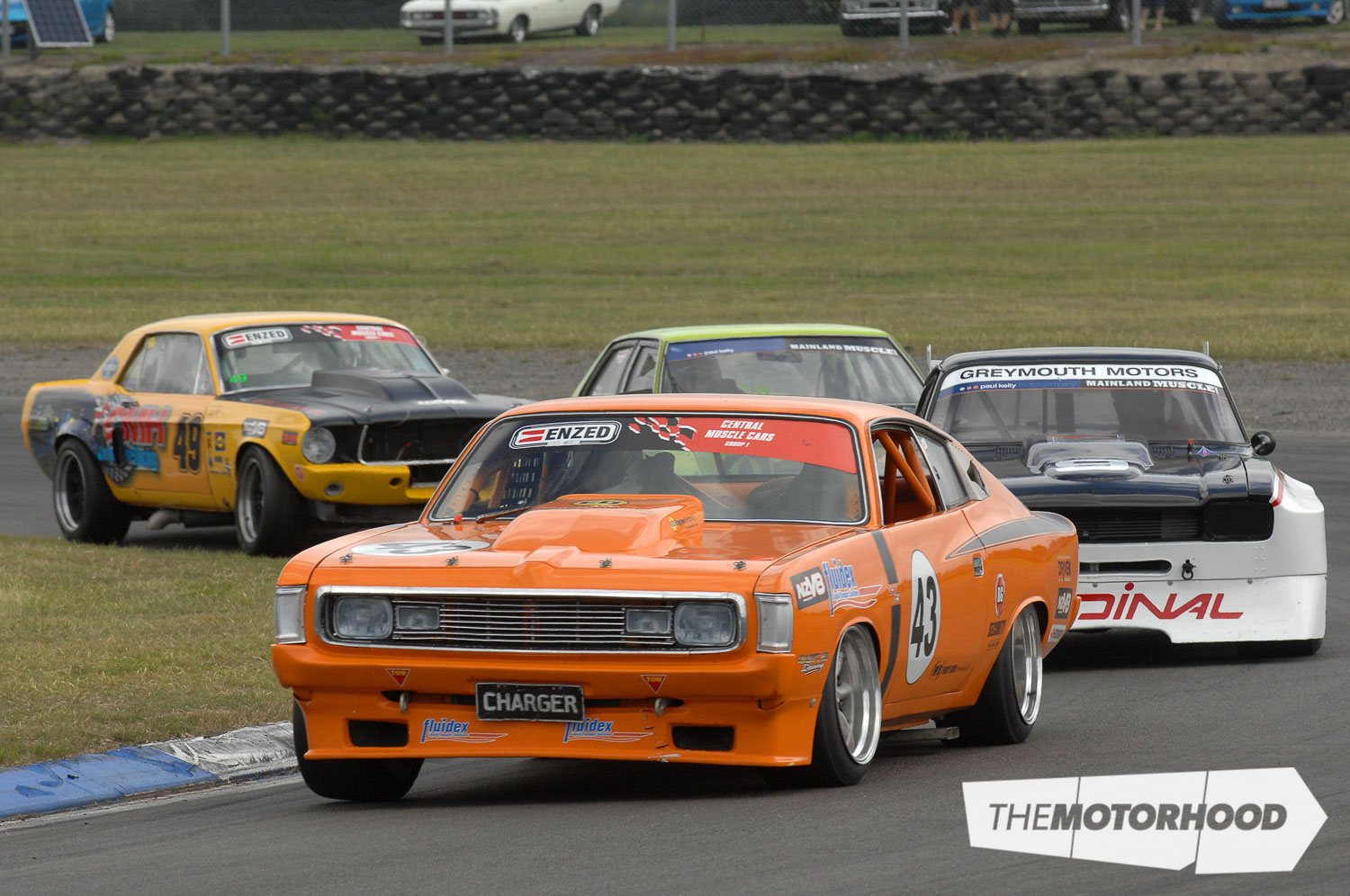
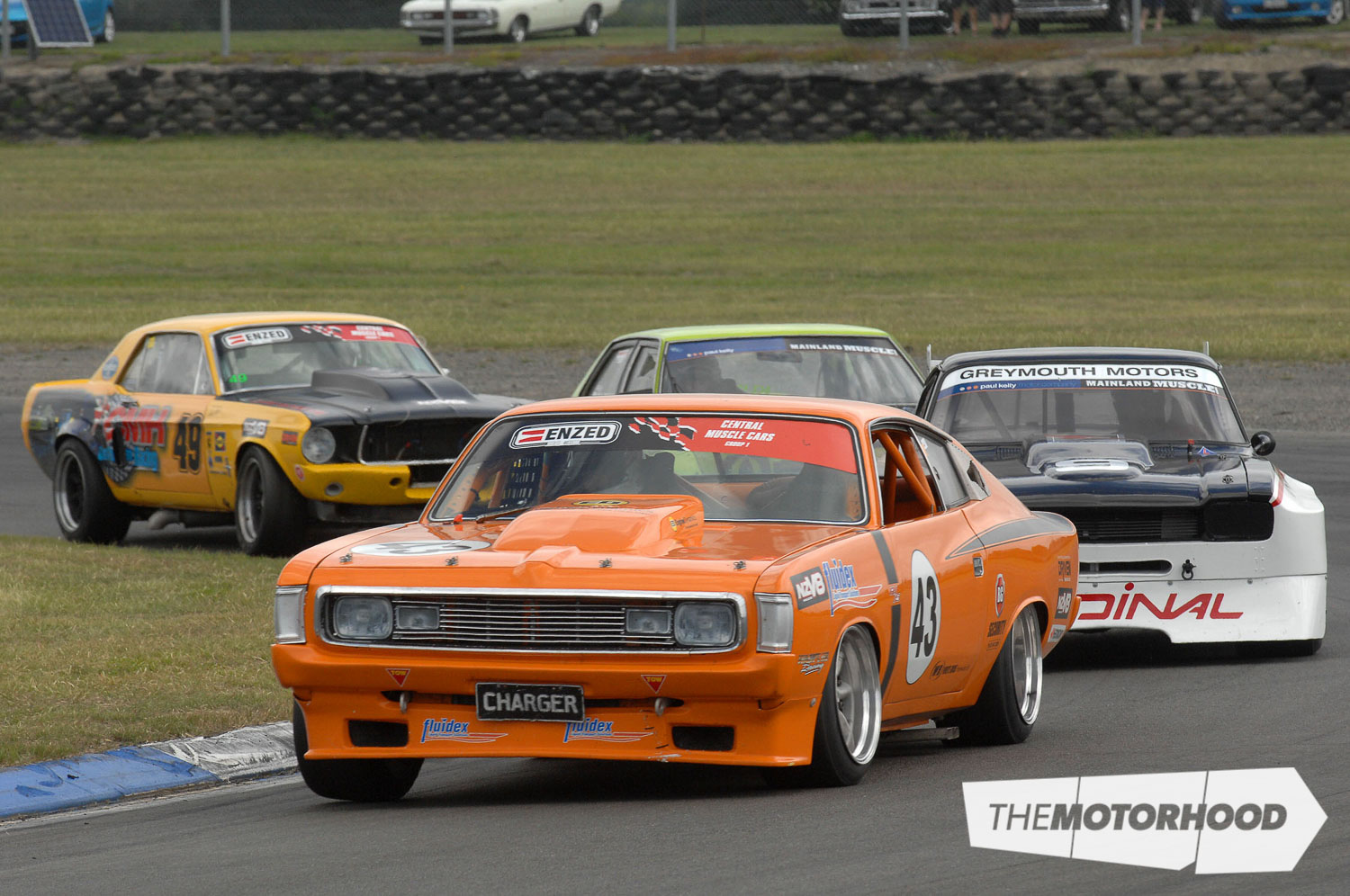
For sheer track presence, 30 V8 Australian and American muscle cars racing under the Paul Kelly Mainland banner provided a sight and sound spectacle of all that is good about circuit racing. The art of man-handling these heavy powerful beasts and keeping them within the white lines of racing is always challenging, to say the least.
The fast and furious action kept the crowd on its feet, especially in their final handicap race, with Chris Henderson’s V8 Corolla taking the chequered flag from Konrad Scott of Geraldine (Chevrolet Corvette) and Christchurch’s Graeme Allan in the beautiful yellow Chevrolet Camaro. There were stars to admire throughout the grid and guest appearances from one or two Central Muscle Cars simply added to this splendid occasion.


This article originally appeared in the April 2016 issue of New Zealand Classic Car (Issue No. 304). Grab a print or digital copy of the mag now!