data-animation-override>
“After fighting with Audi for top honours, Porsche has dominated with a seamless win at round six of the FIA World Endurance Championship”
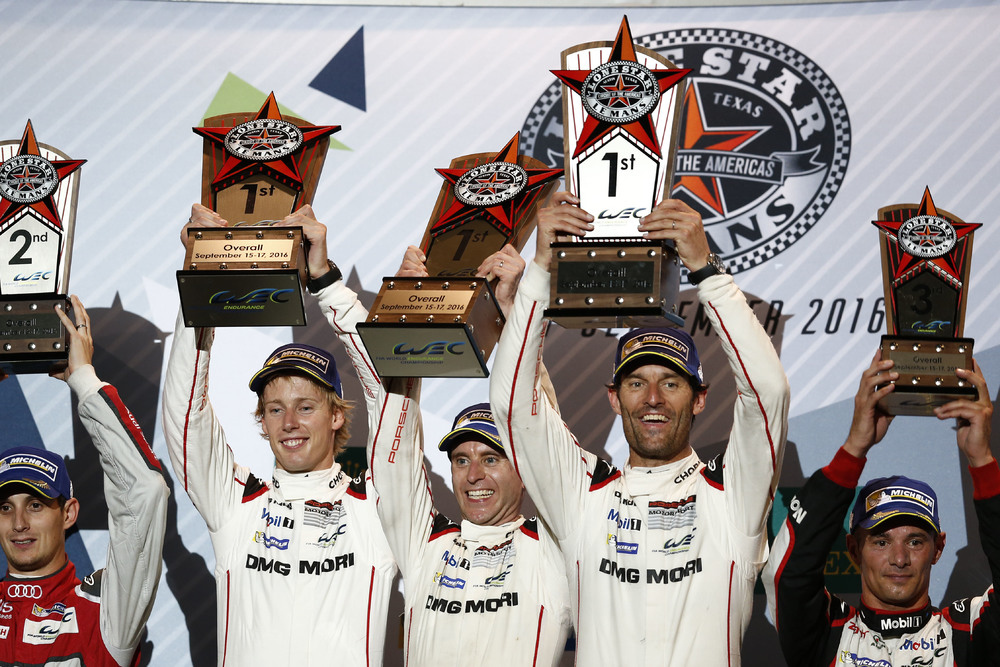
It seems that all around the world endurance-style racing is gaining momentum. Vehicles are factory-backed, drivers are well paid, and the racing is hotly contested by vehicle manufacturers from all corners of the globe. It’s fantastic to hear that at the sixth round of the FIA World Endurance Championship, held at the impressive Circuit of the Americas in Austin, Texas, in the United States on September 17, a couple of Kiwis made some big waves. Both Brendon Hartley and Earl Bamber were successful in their respective classes.
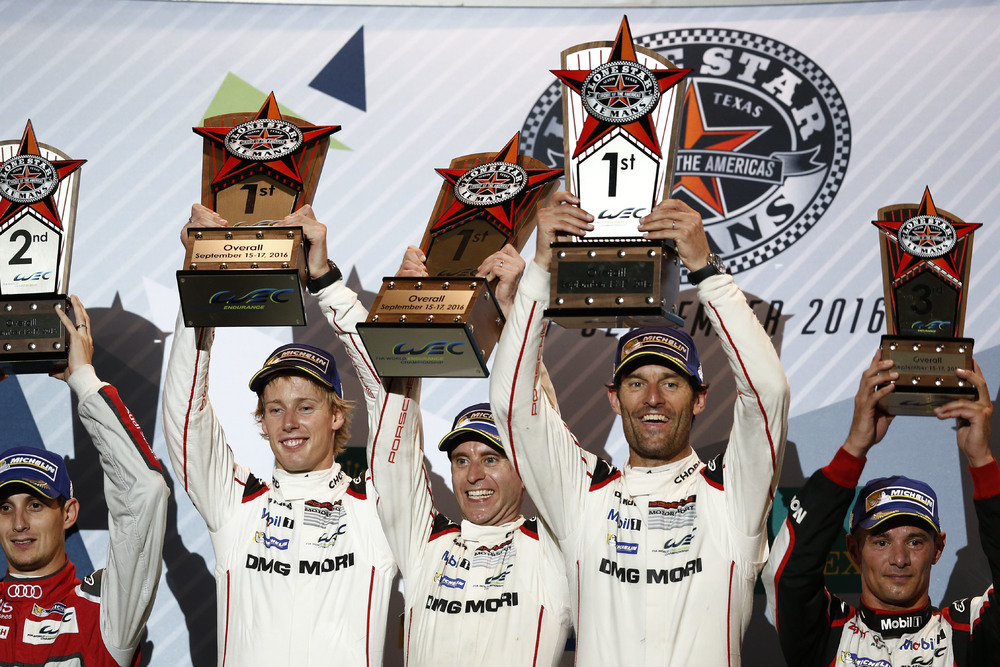
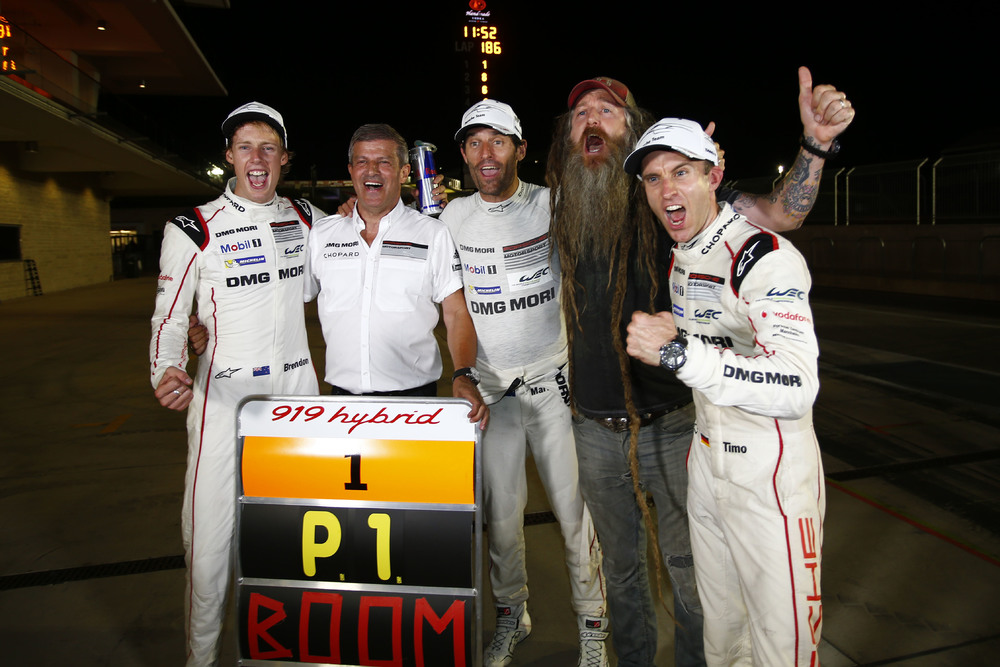
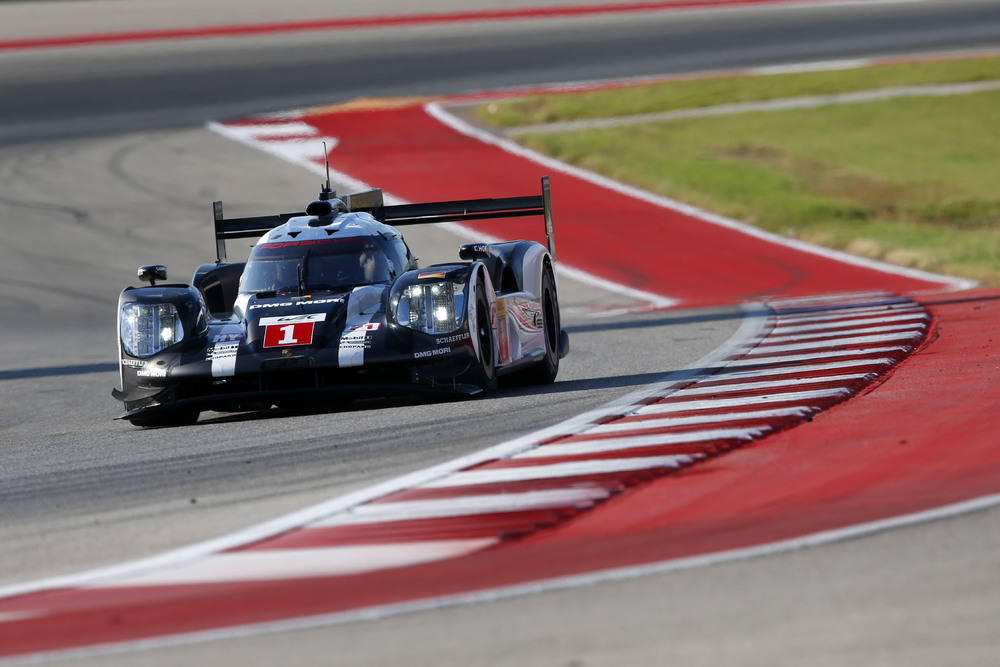
No doubt the stars of the show are the LMP1 machines. Brendon Hartley, behind the wheel of a Porsche 919 Hybrid, partnered with Timo Bernhard and Australian Mark Webber, achieved their third victory in a row this season, fighting off staunch Audi contestants.
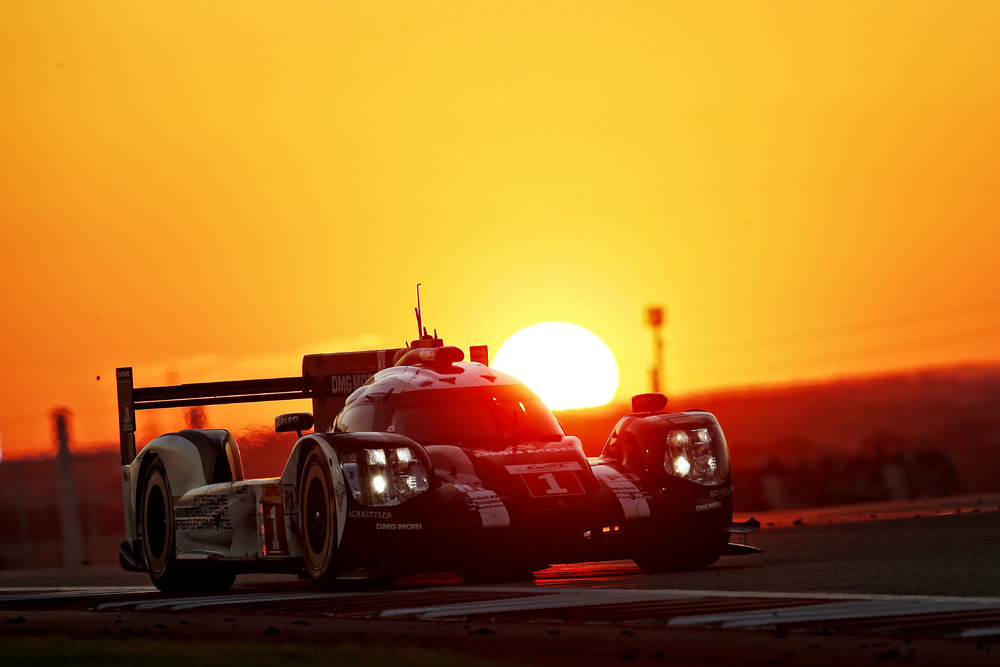
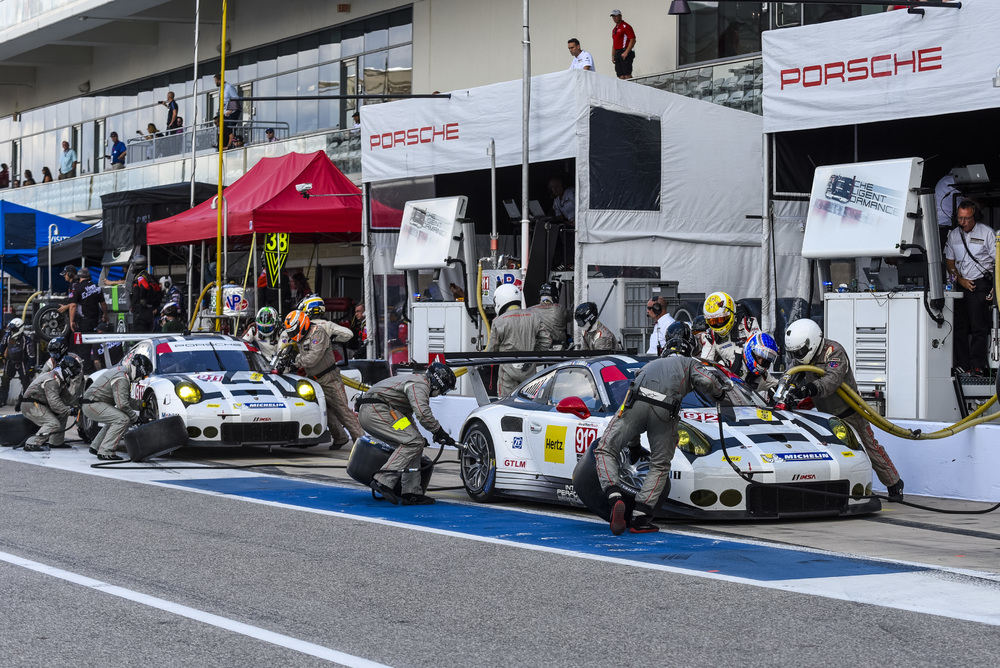
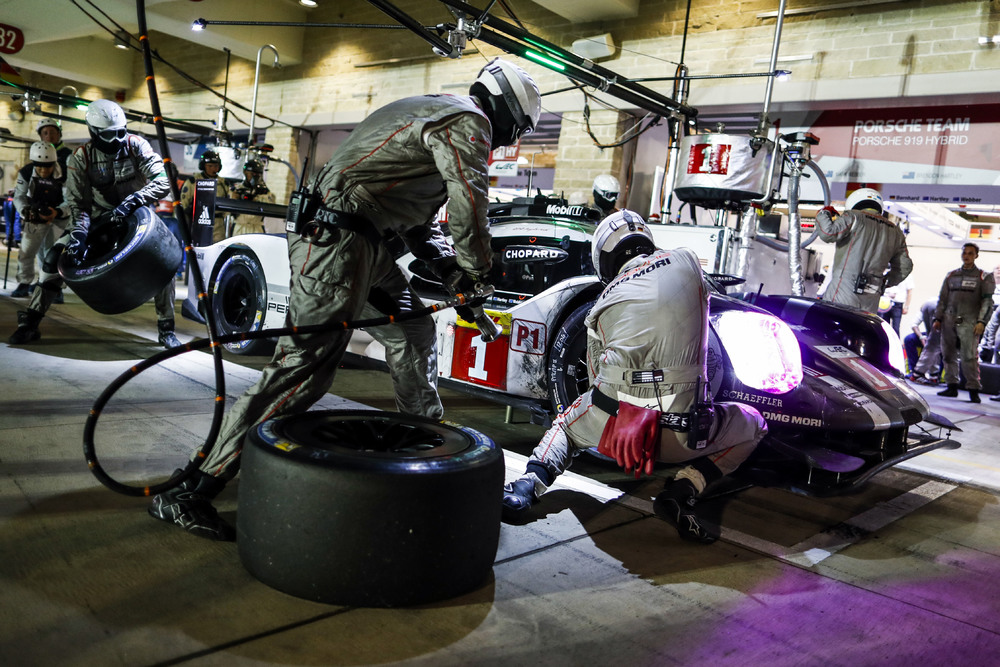
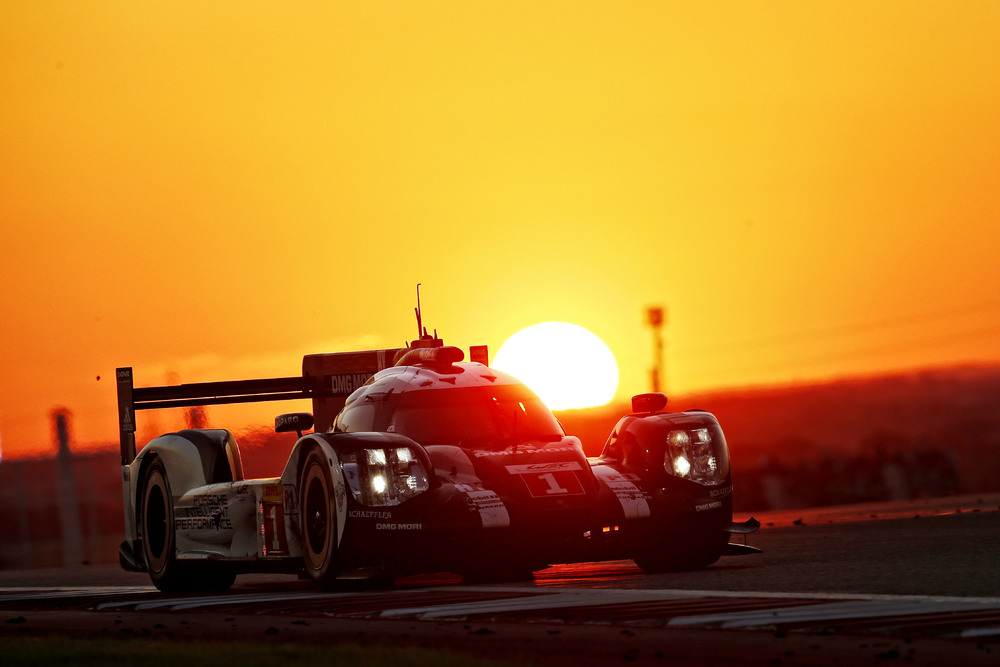
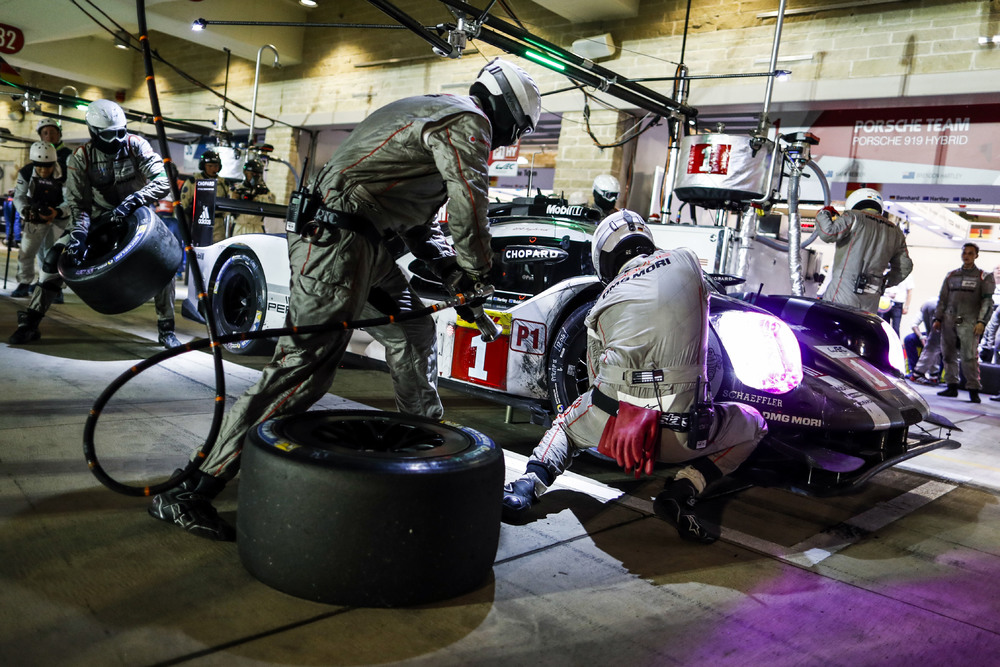
With ambient temperatures peaking at 35° Celsius at the beginning of the race, the drivers were no doubt excited for the sun to lay off. However, as the sun started to go down, drivers were complaining about the intense sun streaming into their vision for a number of laps. After a string of clever pit stops, the Porsche LMP1 team took the lead midway through the race. With the race coming to an end, it was Bernhard who was behind the wheel when the Porsche crossed the finish line. Hartley and Webber waited in the pits as the moment approached, and the team went wild — and fair enough, too.
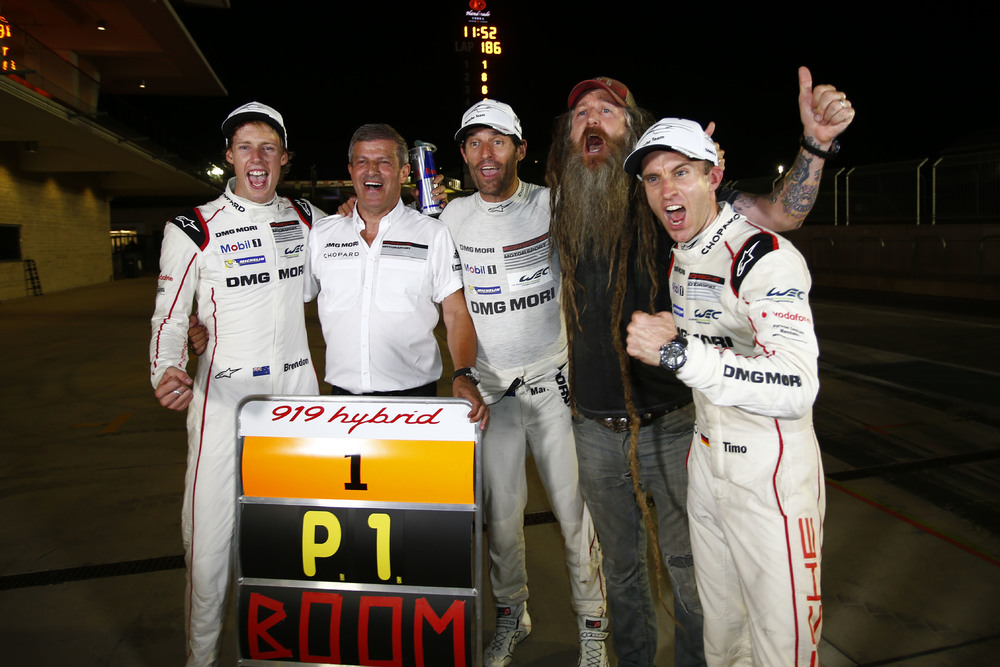
“For us, the race went very smoothly. It was clear to us that Audi would have an advantage in the high temperatures at the start, but we were hoping the race would come back to us, and it did. After dark, the competition with Audi was much more even. We got the strategy with the Full Course Yellow absolutely right,” said Brendon Hartley.
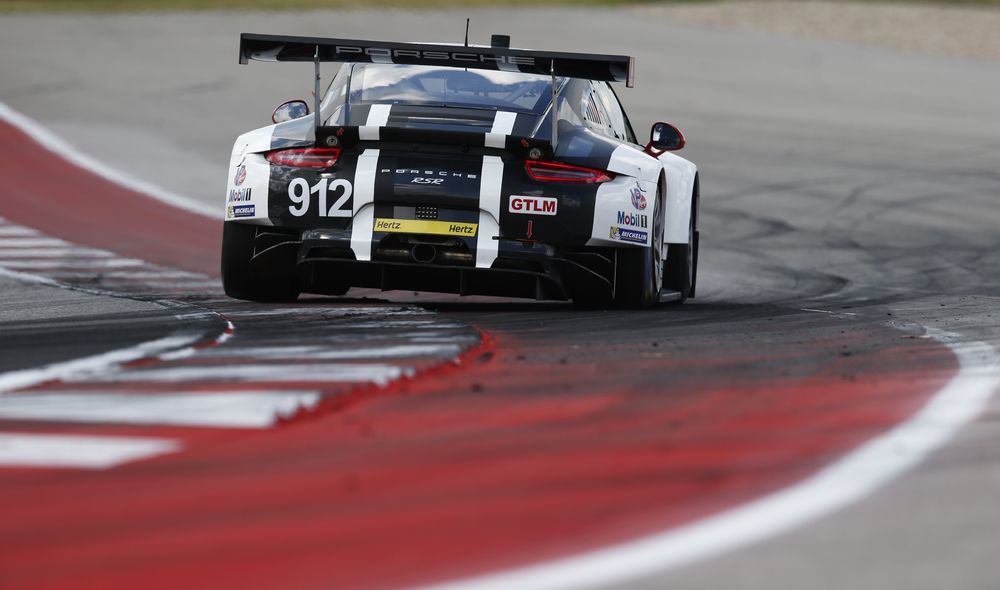
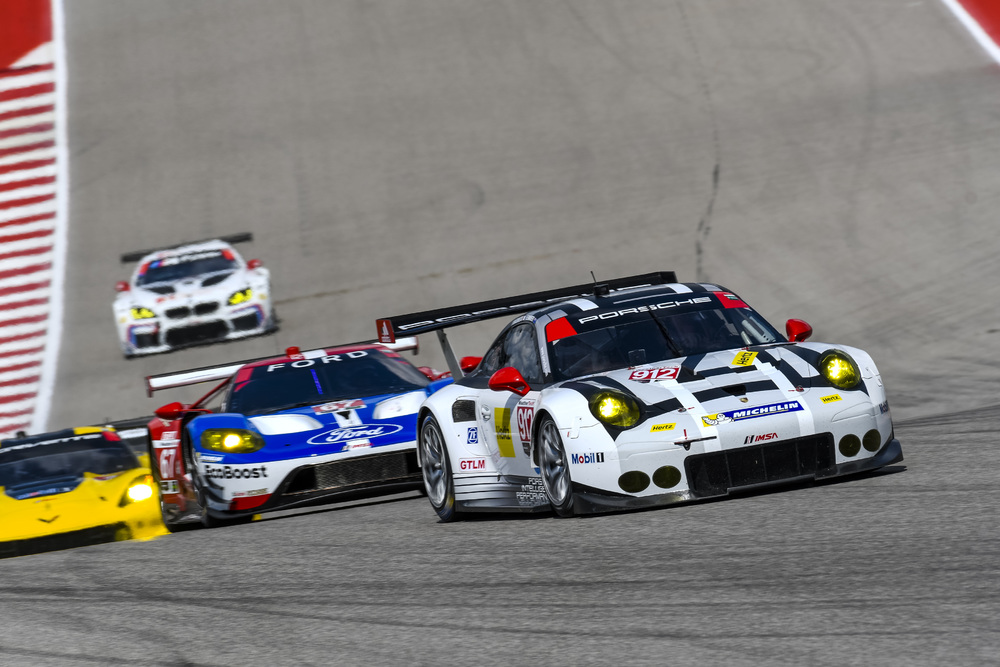
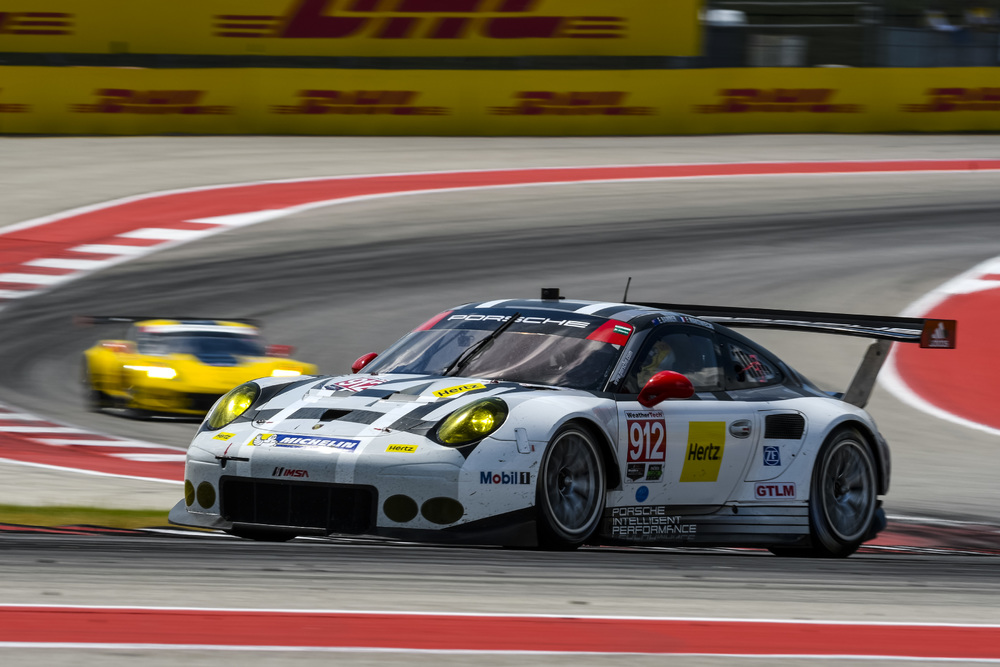
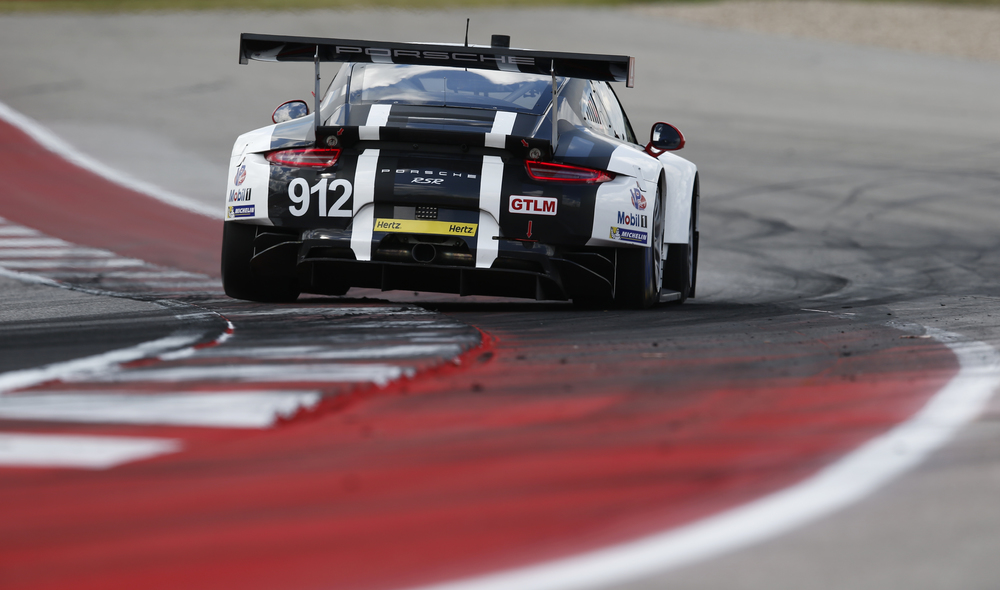
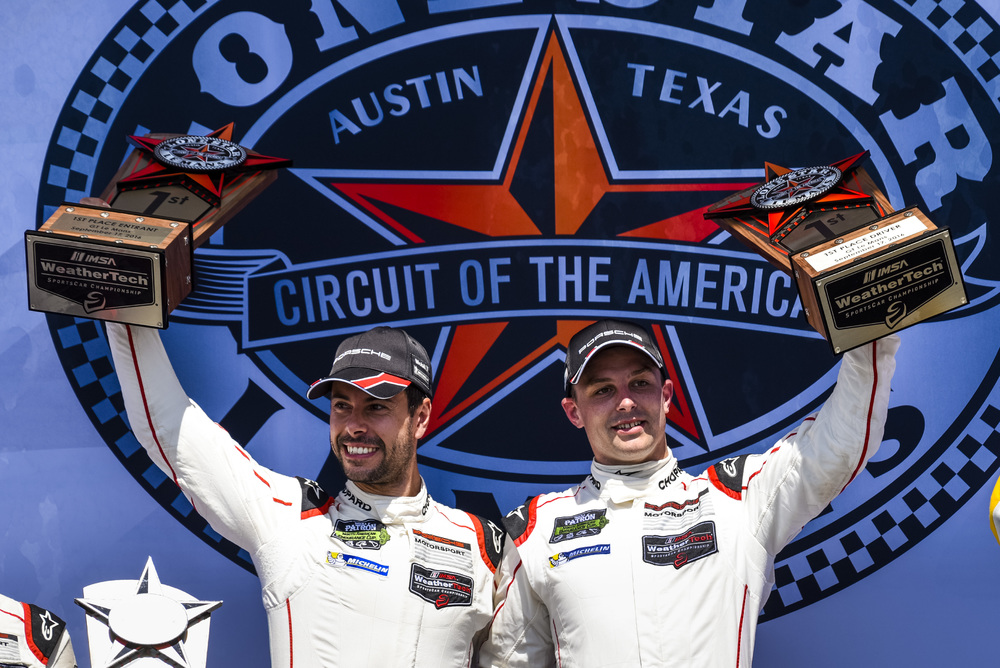
This win marks the car’s 12th win since its debut in 2014, and the trio’s seventh WEC success. It wasn’t the only Porsche win on the day though, as Earl Bamber from New Zealand and Frédéric Makowiecki from France won the penultimate GTLM race of the IMSA SportsCar Championship in their Porsche 911 RSR backed by the Porsche North America Works team. Not only that, but their team mates Nick Tandy from Great Britain and Patrick Pilet from France claimed second in their 911, which boasts a stout 470hp.
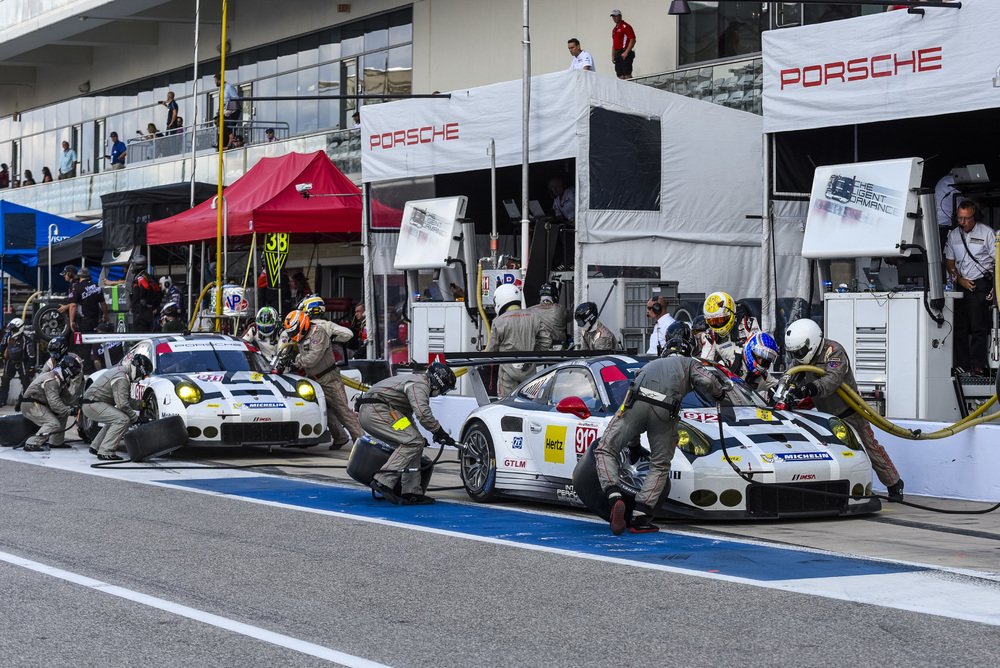
During the race, Kiwi Earl Bamber fought off Ferrari, and even had to pass his team mate to secure the win. Porsche now leads the manufacturers’ points standings, at 238 points ahead of Audi, which has 185 points, and Toyota, which has 137 points.
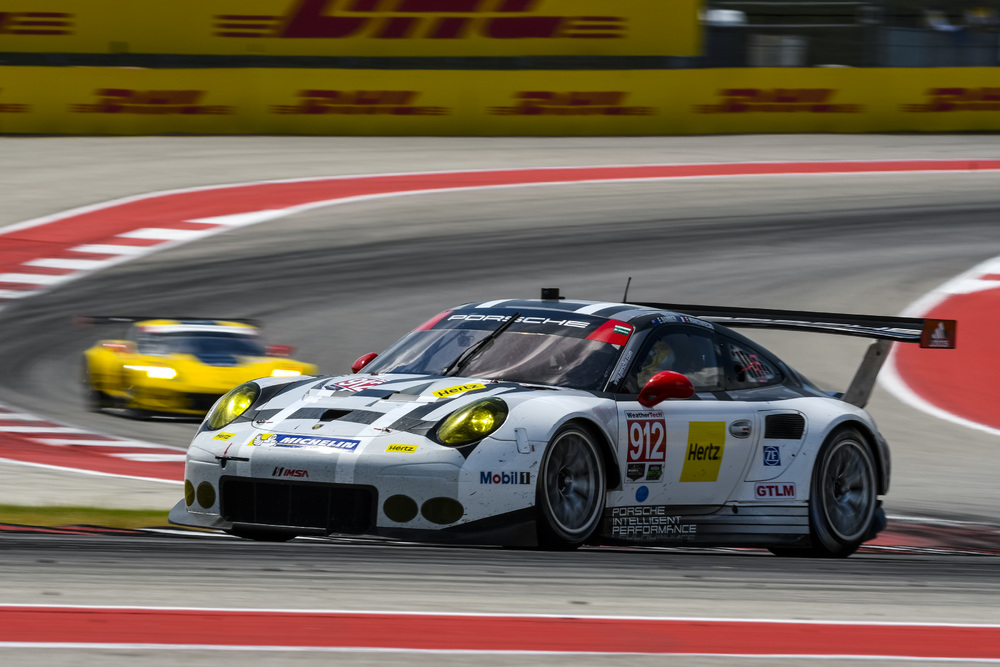
“This victory belongs to the entire team. We saw today that the 911 RSR was the most consistent car over the distance under such extreme conditions. First and second place – a great success for Porsche,” said Earl Bamber.