Featuring one of the busiest, and arguably best, schedules in recent years, the 62nd New Zealand Grand Prix will take place over the weekend of February 10–12 at the newly renamed Manfeild Circuit Chris Amon facility.
The increasingly popular Castrol Toyota Racing Series will once again conclude a stellar season, with the final race of the series’ five-consecutive weekend, five-circuit, fifteen-race schedule taking place at the Grand Prix, kicking off at 3.30pm on Sunday — that’s a full-on ‘year’ of racing if we’ve ever seen one.
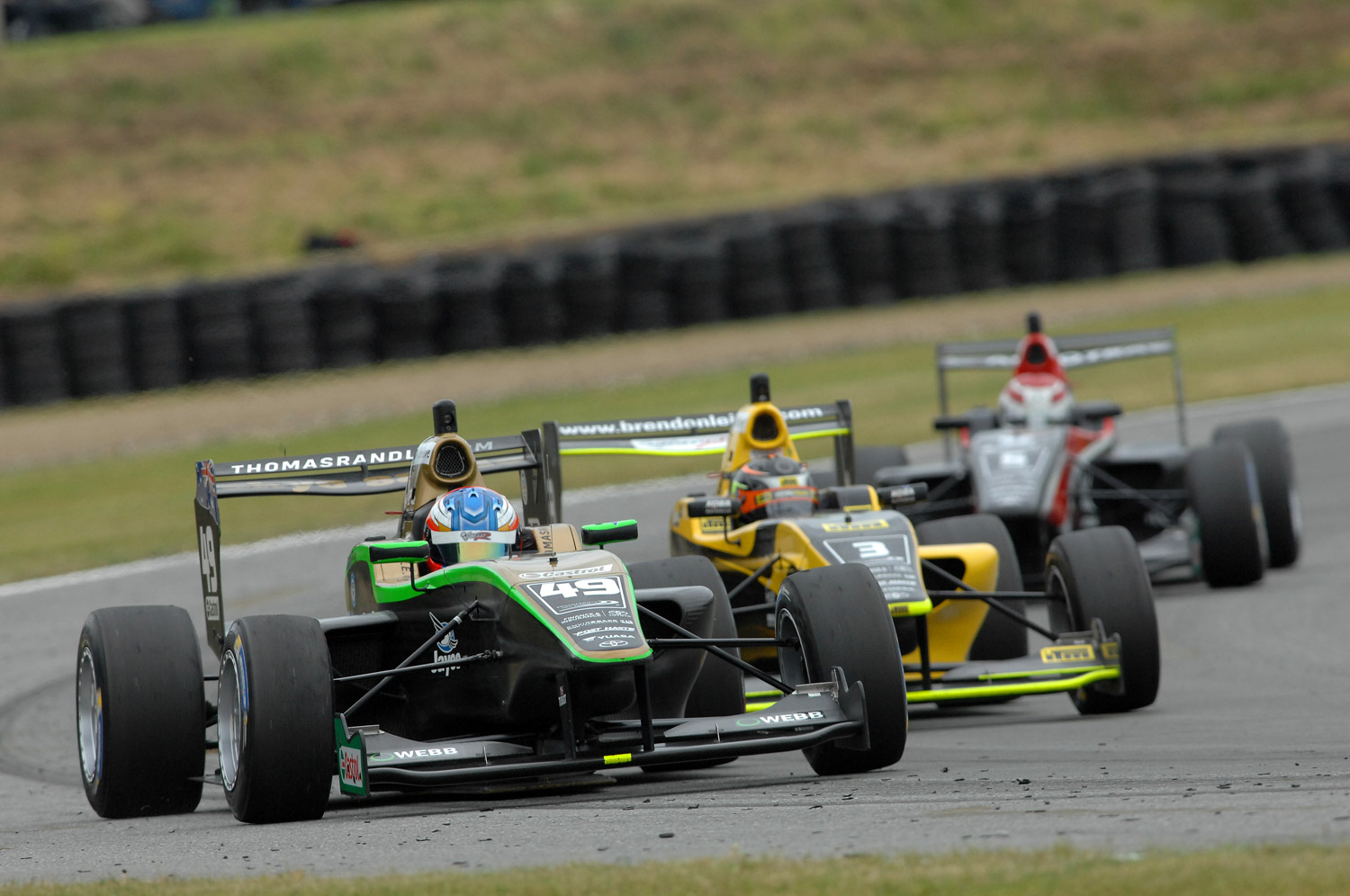
This is, of course, the first Grand Prix event of the 2017 calendar, and continues the tradition of New Zealand being one of only two countries worldwide permitted to use the phrase ‘Grand Prix’ for its premier single-seater racing outside Formula One.
We also benefit from the difference in seasons between hemispheres, being that our series runs in New Zealand’s summer months, which is the ‘off season’ for our northern hemisphere brothers. This means that some of the best young drivers in the world flock to our shores to compete in the Castrol Toyota Racing Series in the hopes of sharpening their skills — and perhaps an endless summer holiday — while attracting lucrative attention from manufacturers and other major teams.
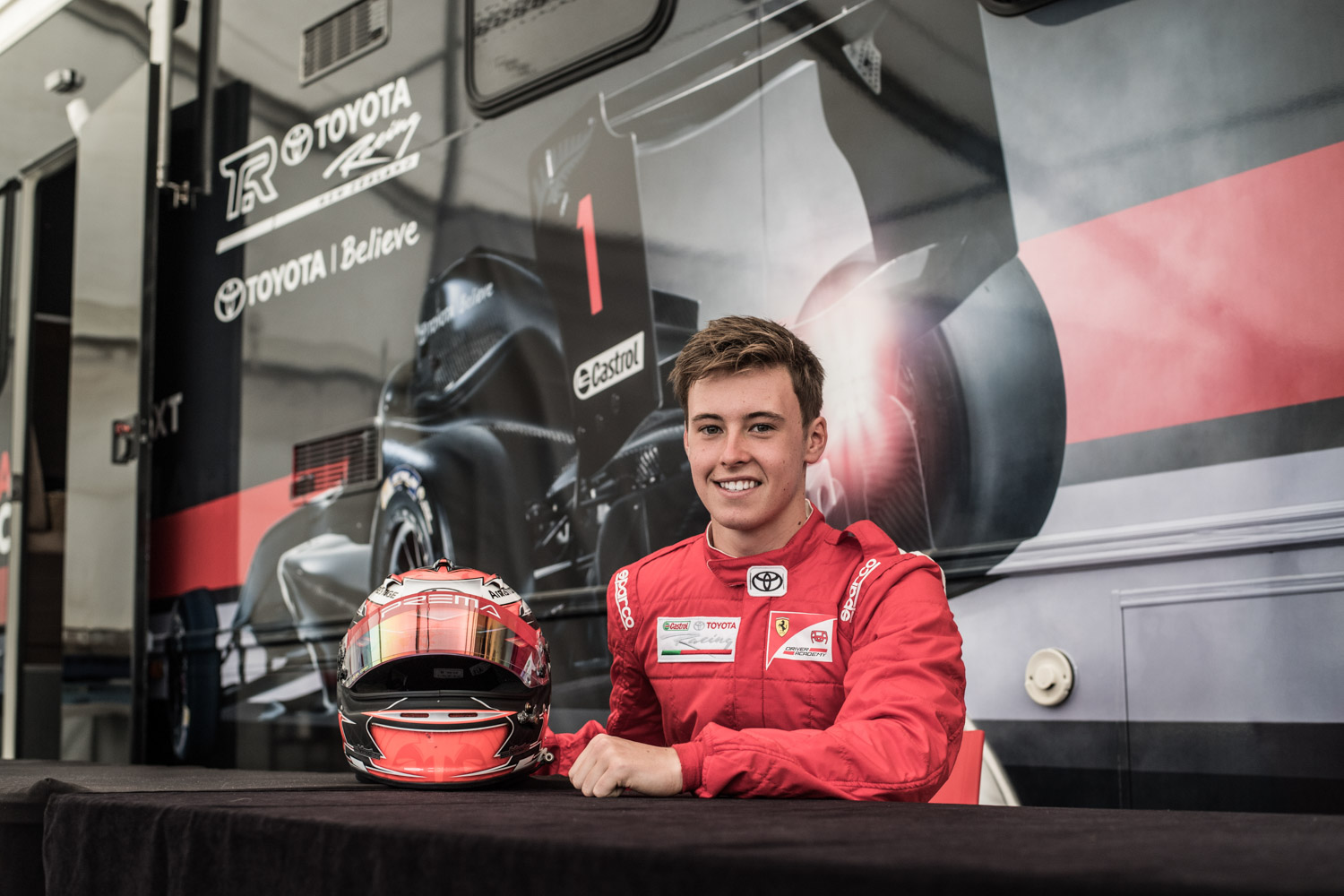
One of three Formula One teams represented at the upcoming event — Ferrari — are here in the form of their current academy driver, Kiwi Marcus Armstrong. Red Bull Racing are also represented by their latest up-and-comer Richard Verschoor, while Sahara Force India is campaigning Jehan Daruvala — a youngster who caught the team’s eye after winning a racing competition in India called ‘One In a Billion’.
Alongside the three is a line-up of 17 other ‘who’s who’ of racing, including Australian Thomas Randle, who has shown blinding pace in recent races. He heads to the Grand Prix meeting vying for the title with Red Bull’s Vershoor.
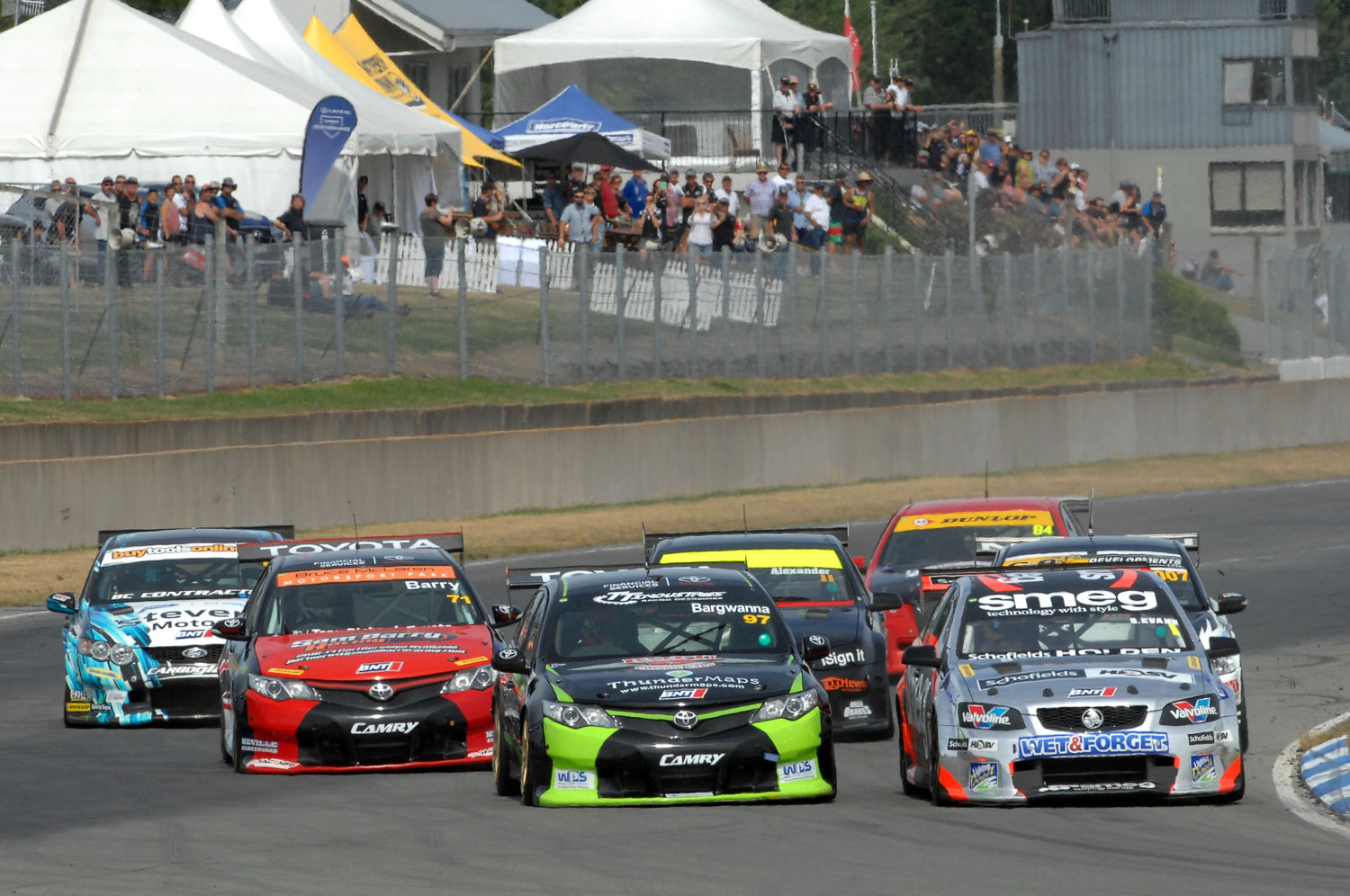
A line-up like that needs a strong supporting cast, and this year won’t let you down — the BNT New Zealand Touring Cars have produced some stunning races, with former Bathurst winner Jason Bargwanna and his Richards Toyota Camry breaking the stranglehold of champion Simon Evans in the SMEG Holden in spectacular style in the two recent South Island rounds. The Toyota 86 Championship, ENZED Central Muscle Cars, Tradezone GTRNZ, Portergroup V8 Utes, Pirelli Porsche, and Formula 1600 will also duke it out over the weekend.
With testing on Friday, two qualifying sessions and a race on Saturday, then a Sunday-morning race as a build-up to the main event on Sunday afternoon, it’s going to be a full-on weekend!