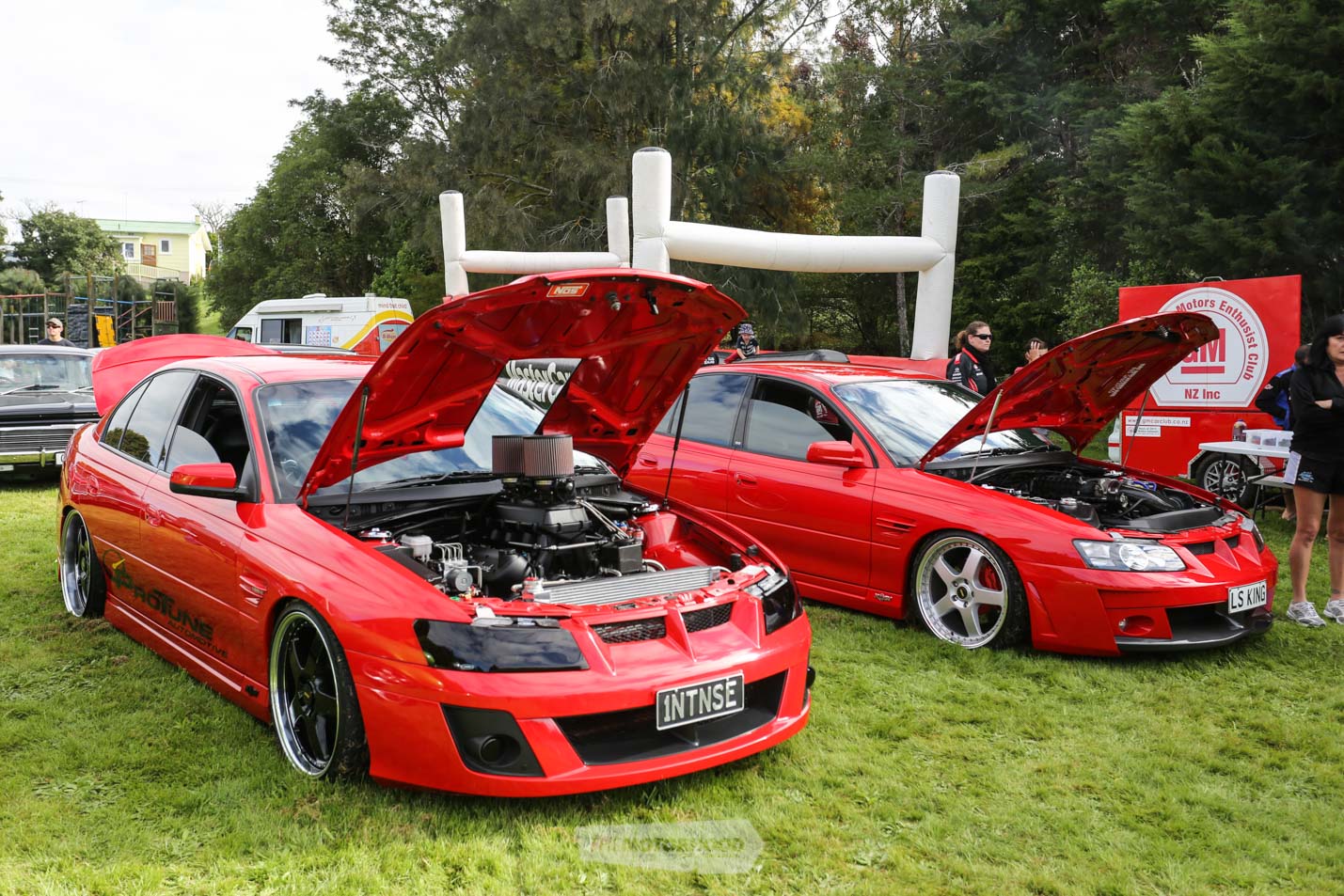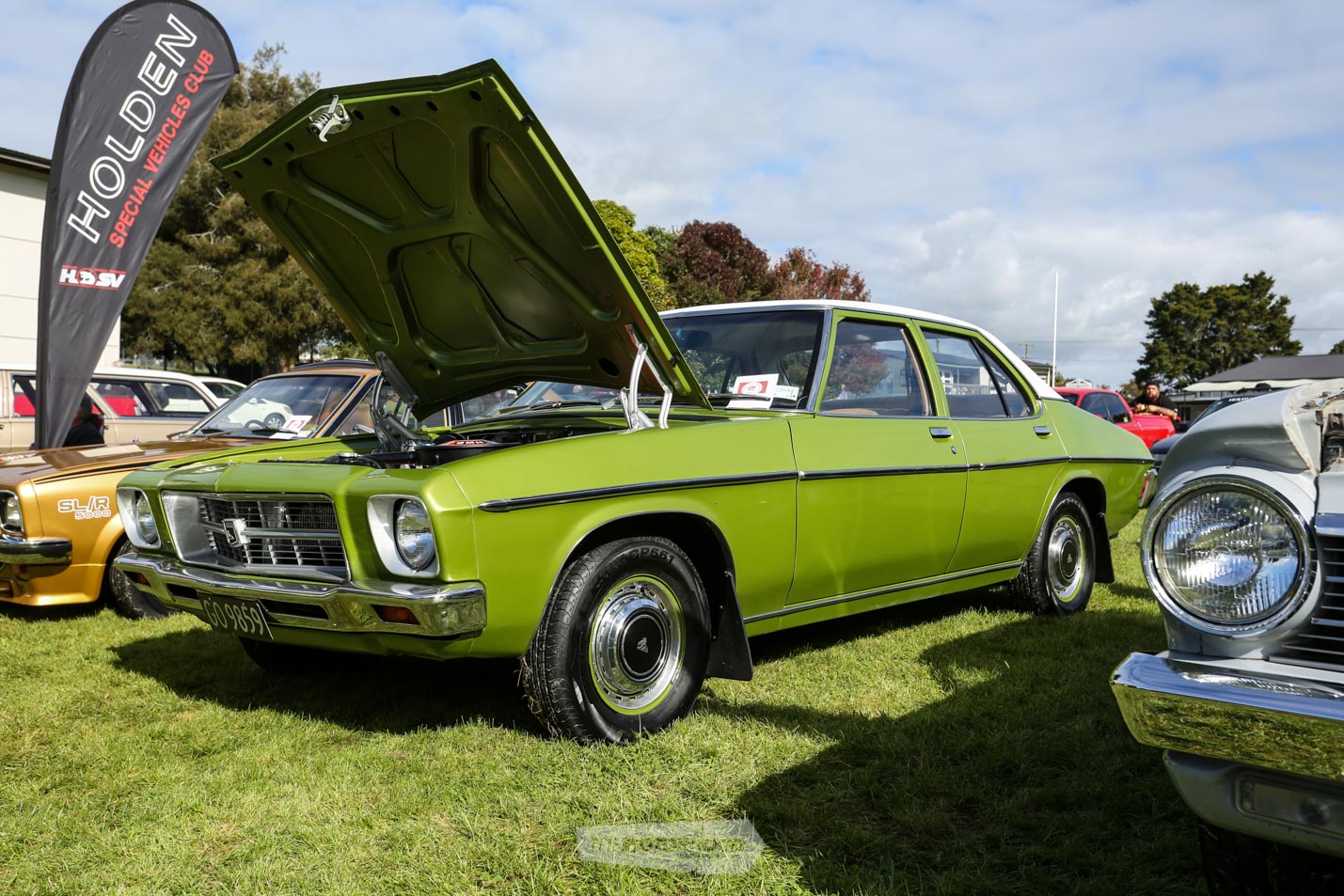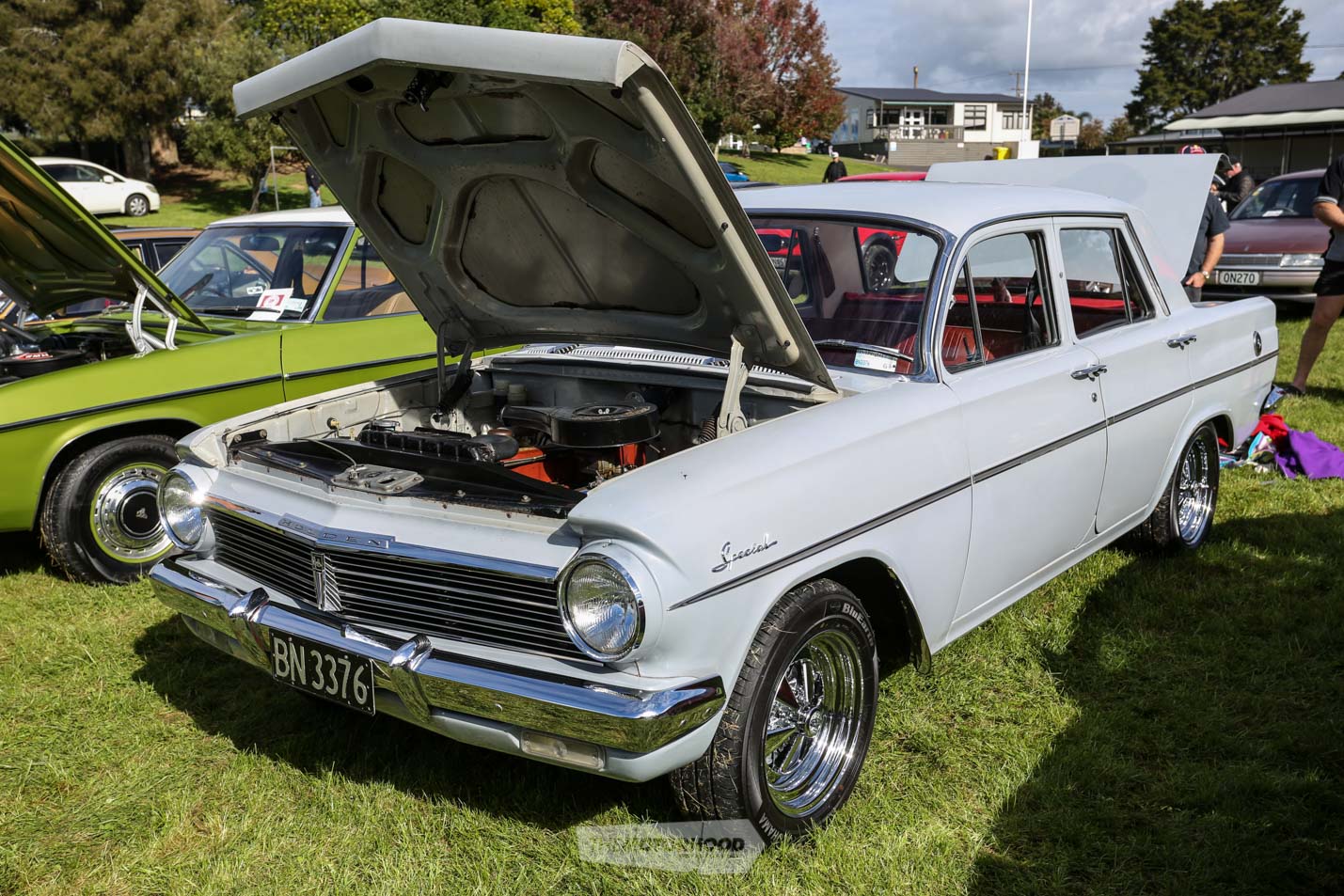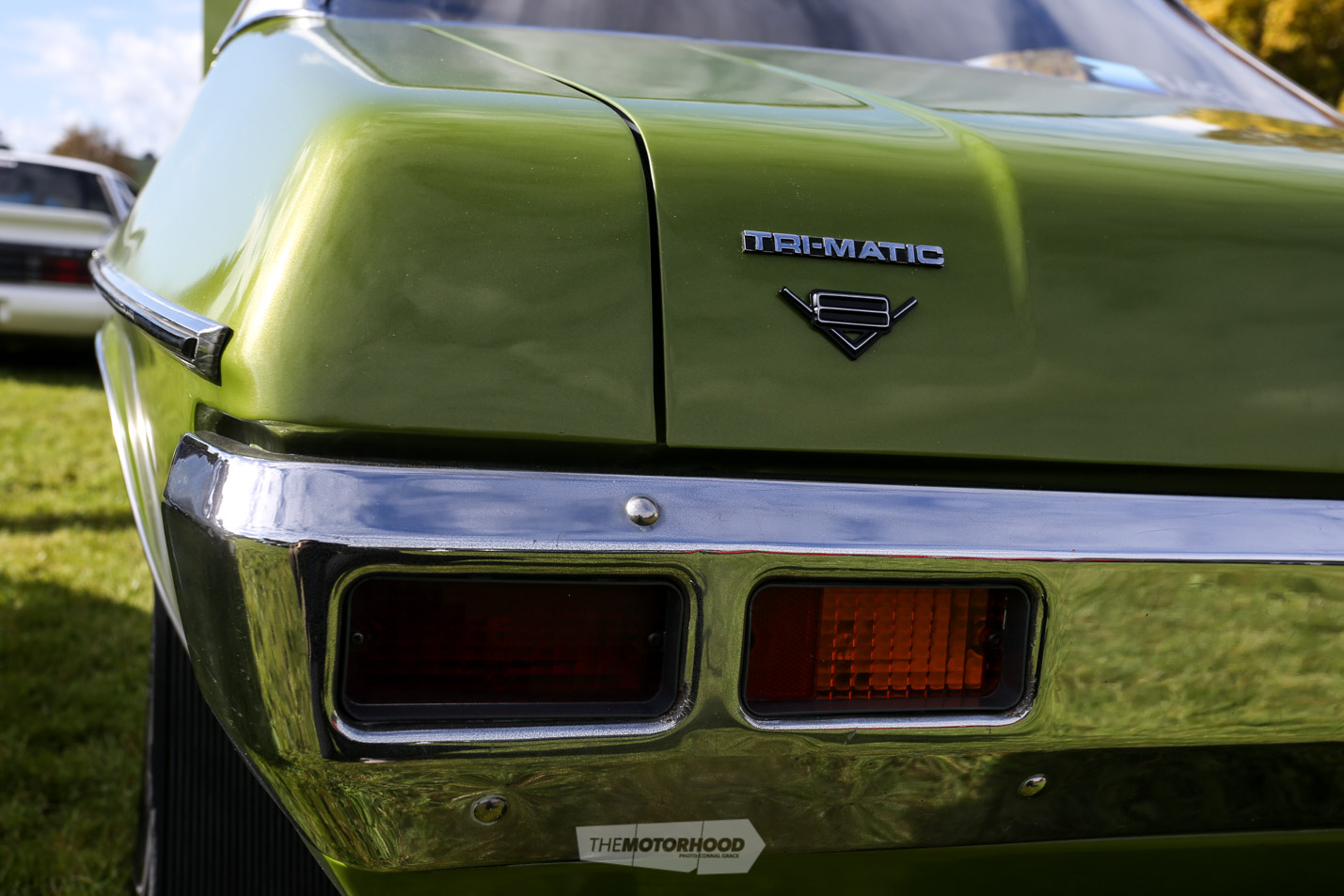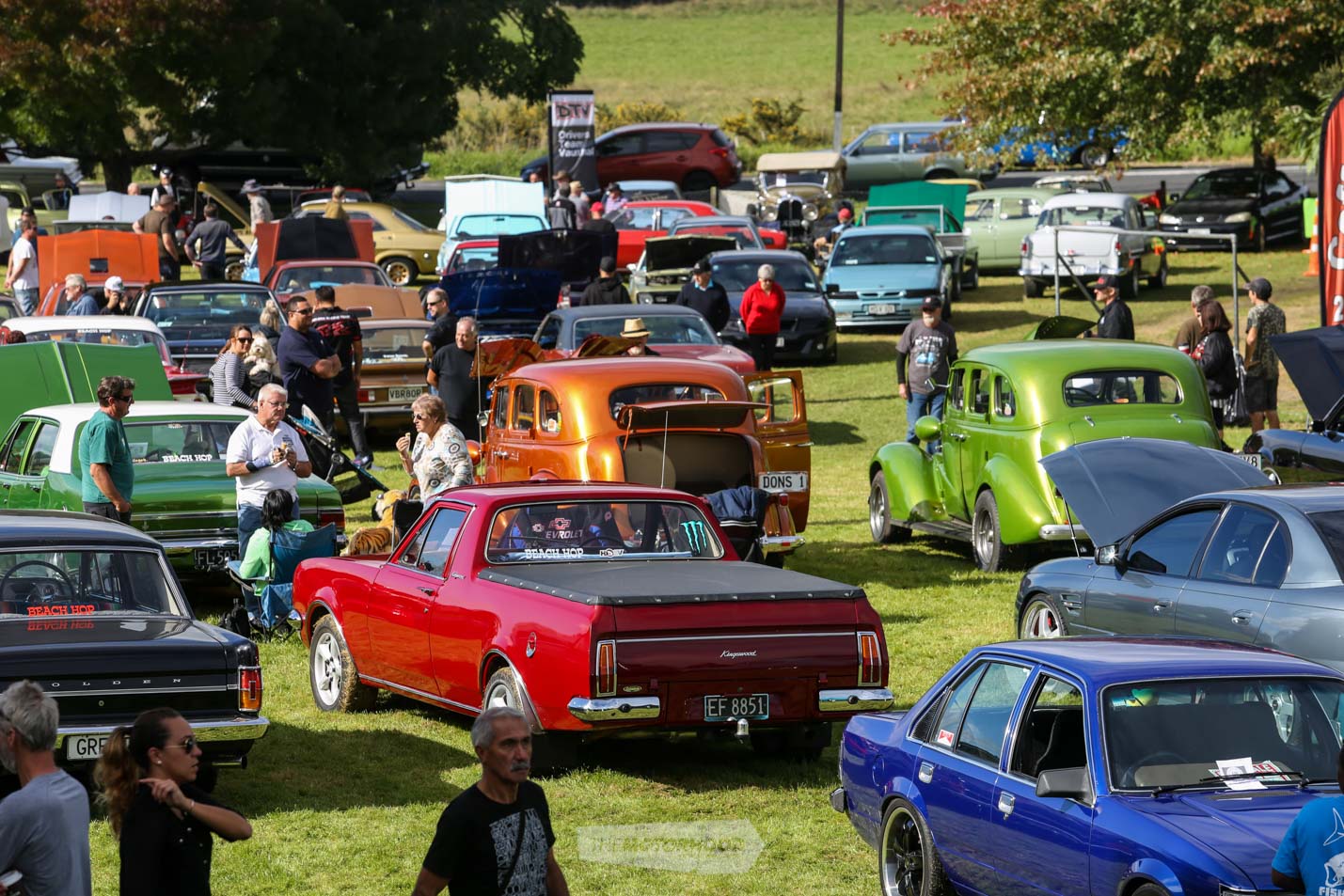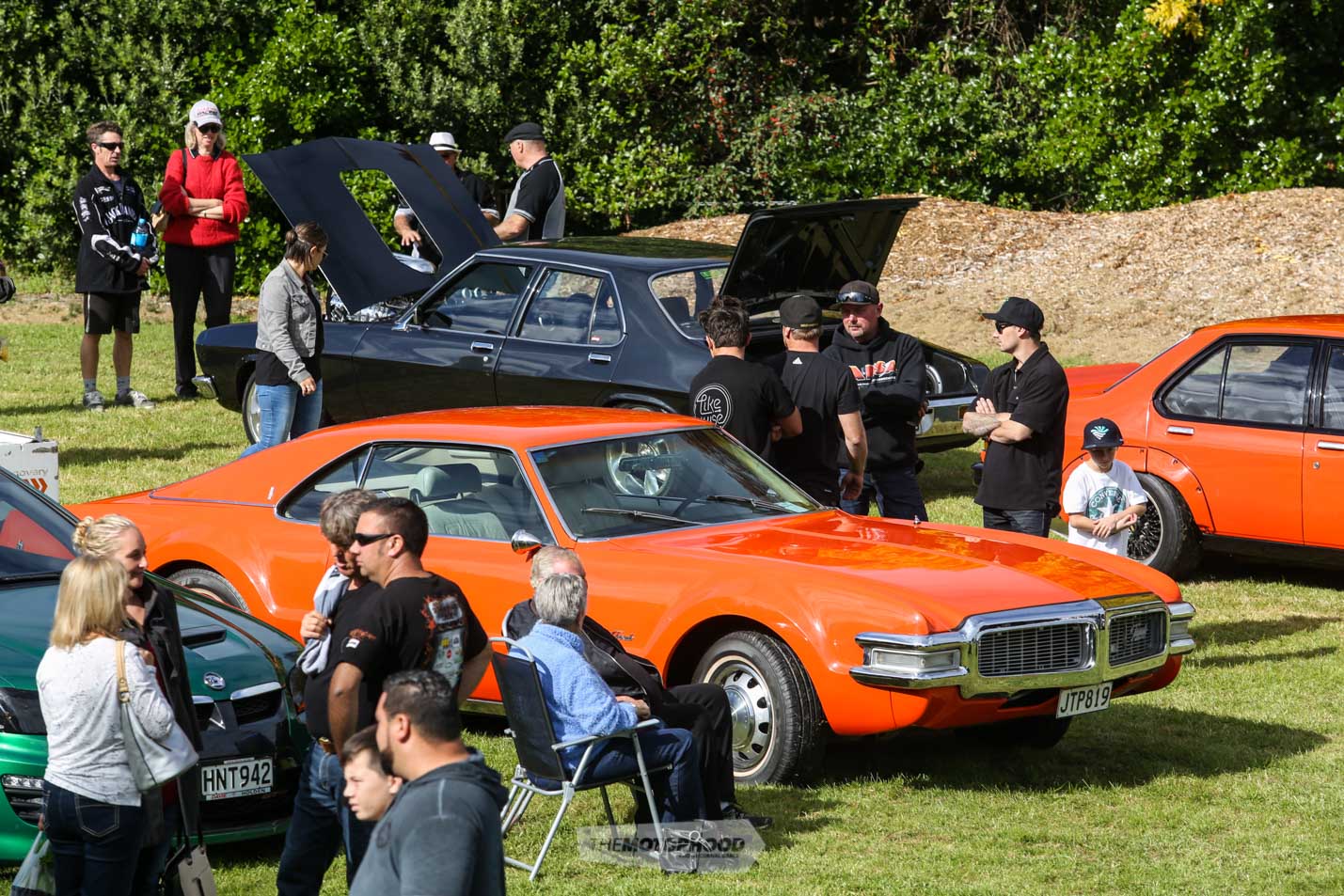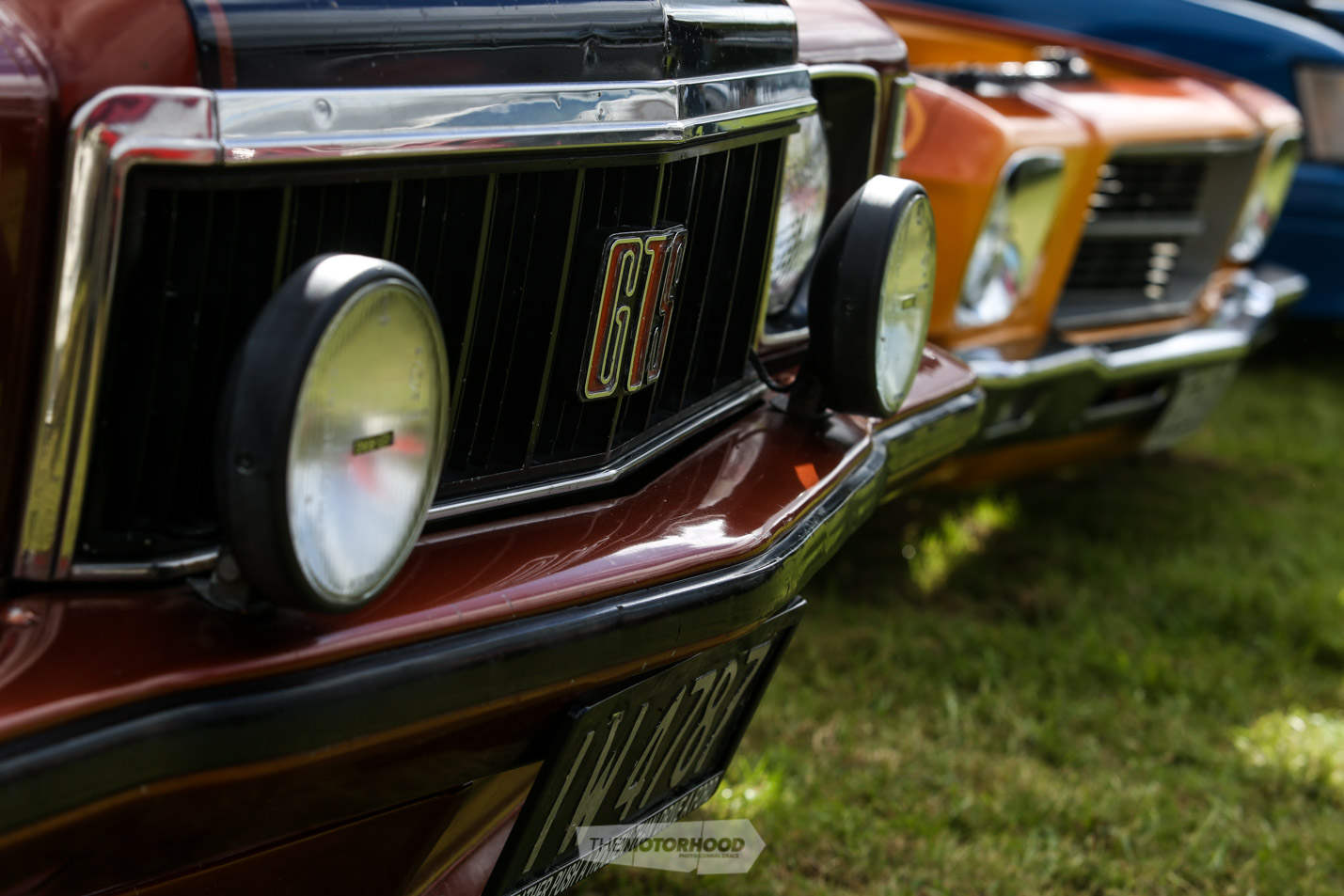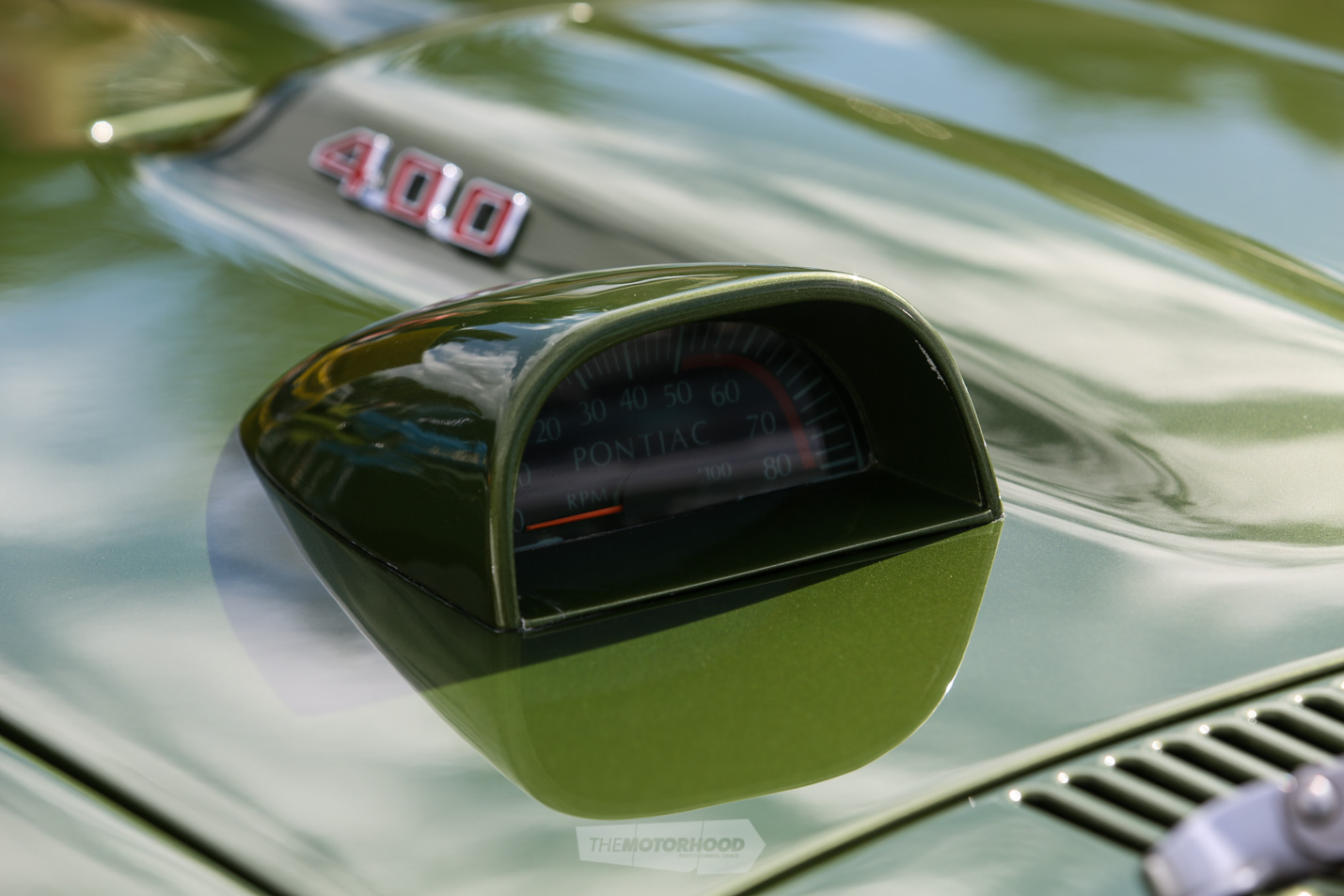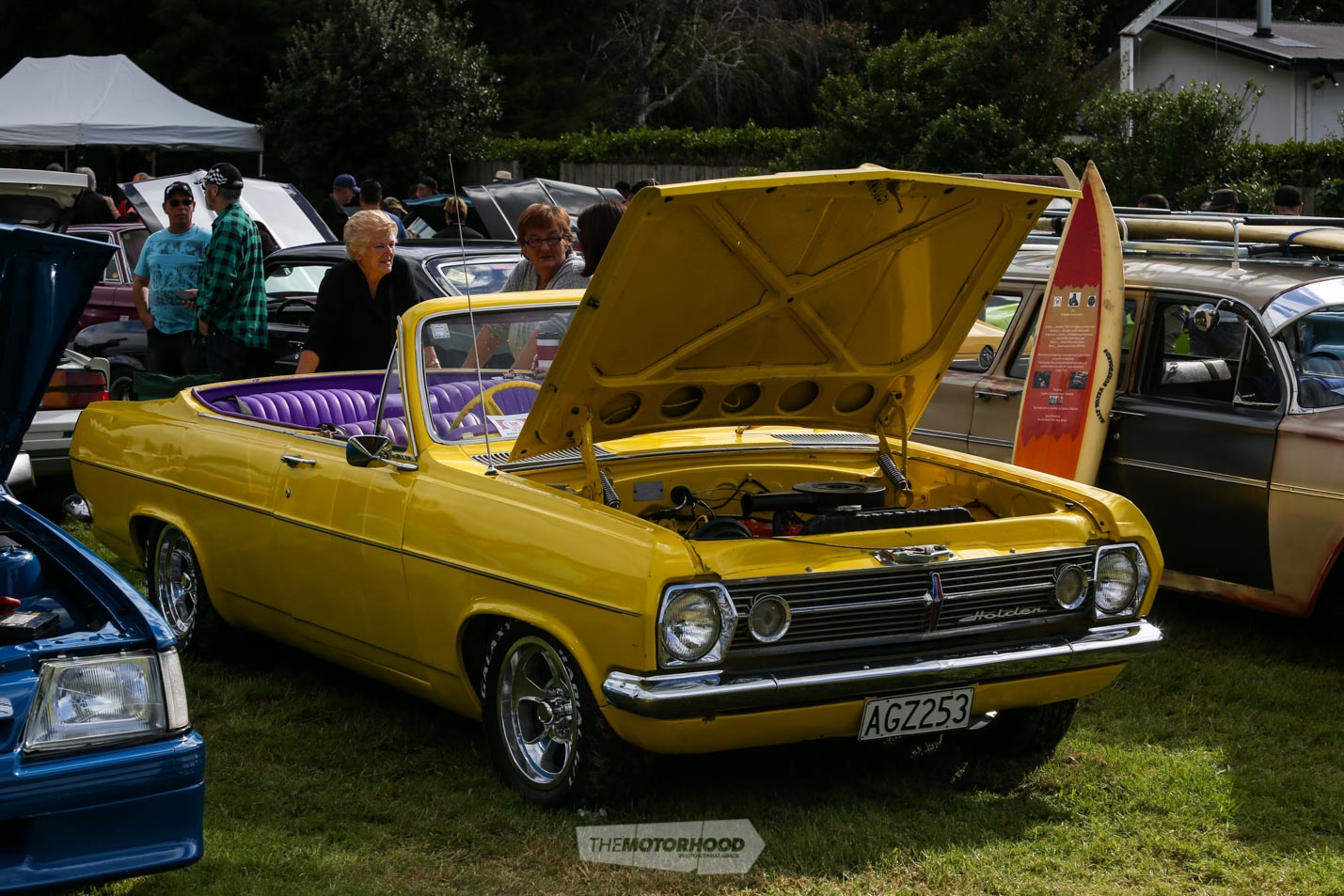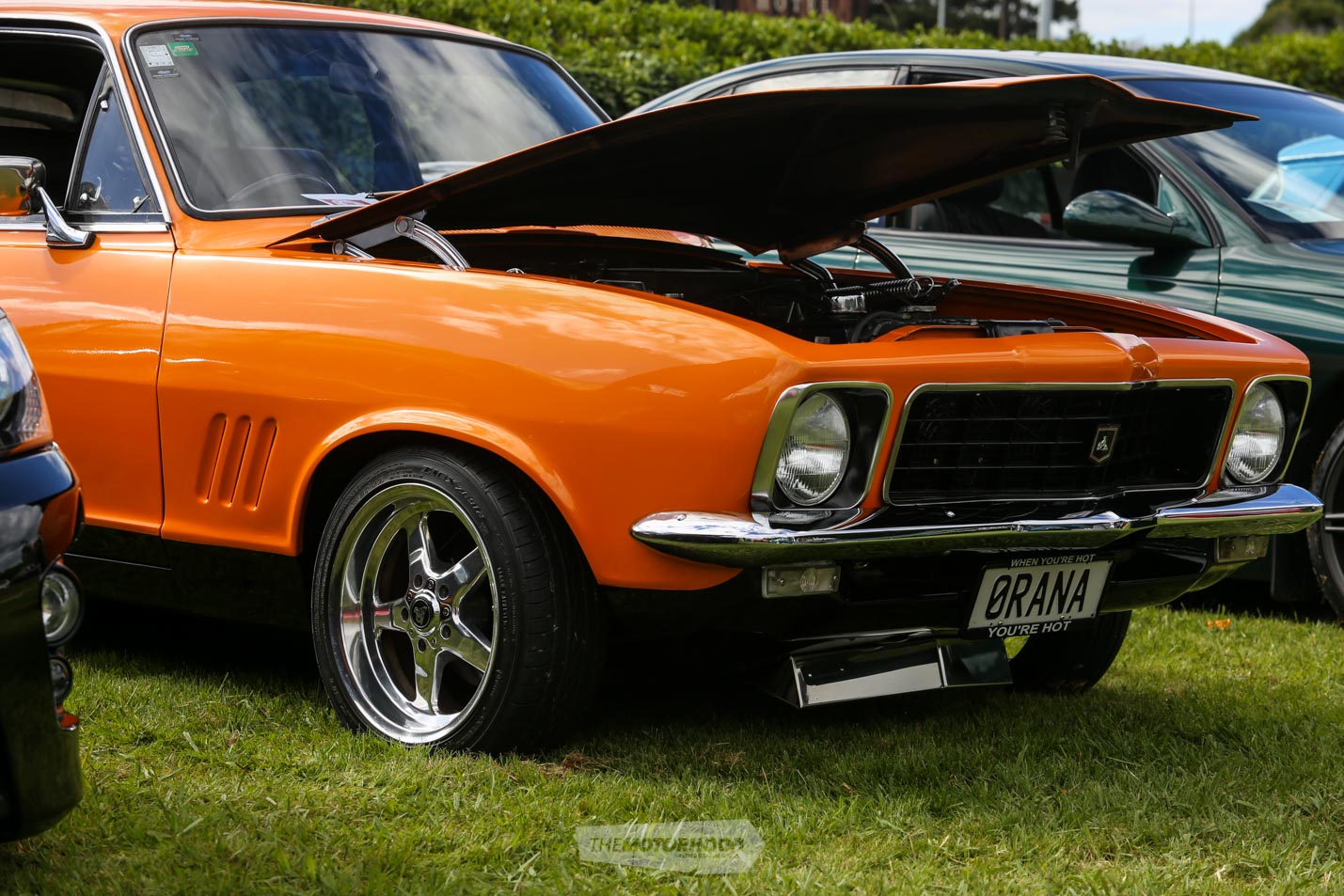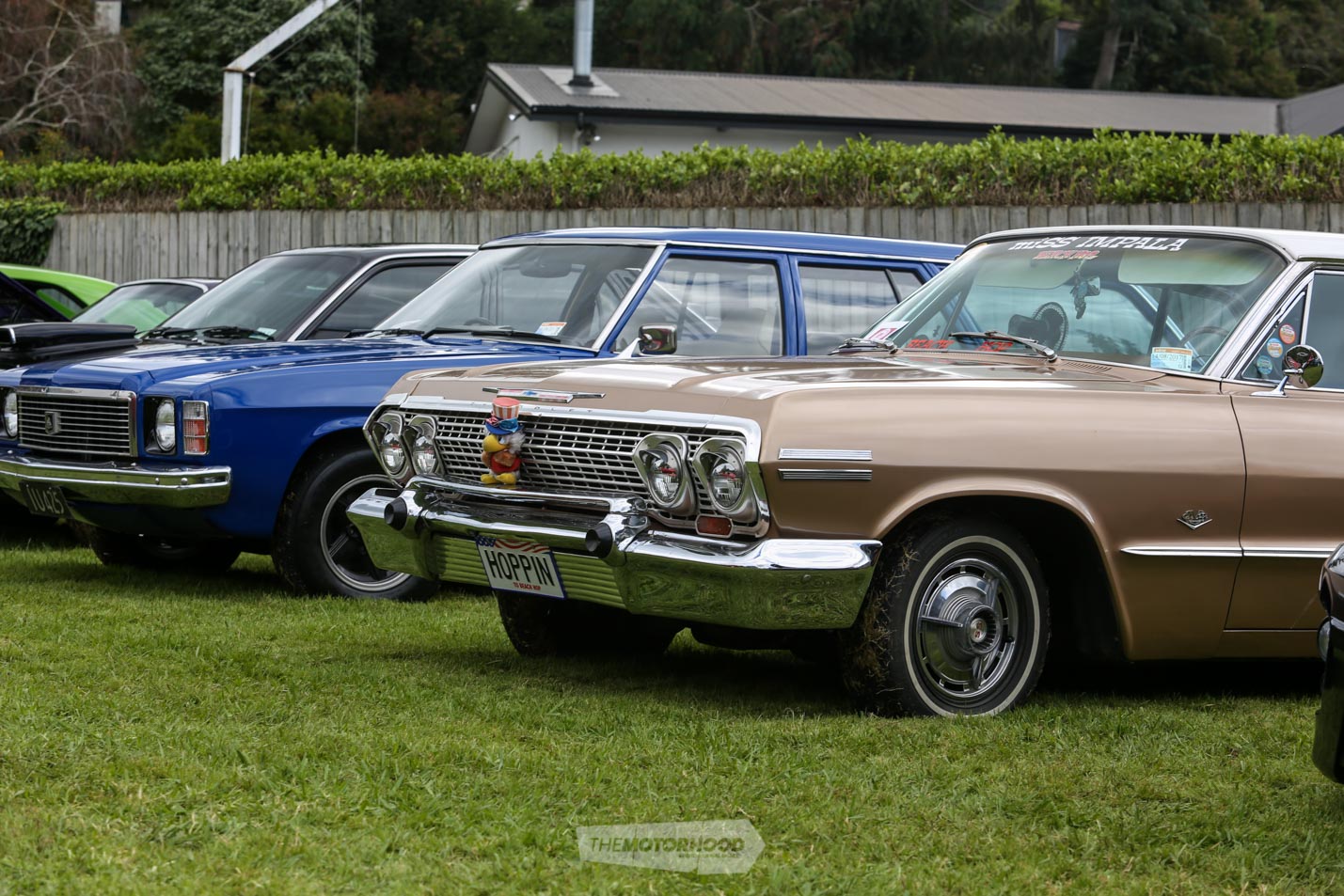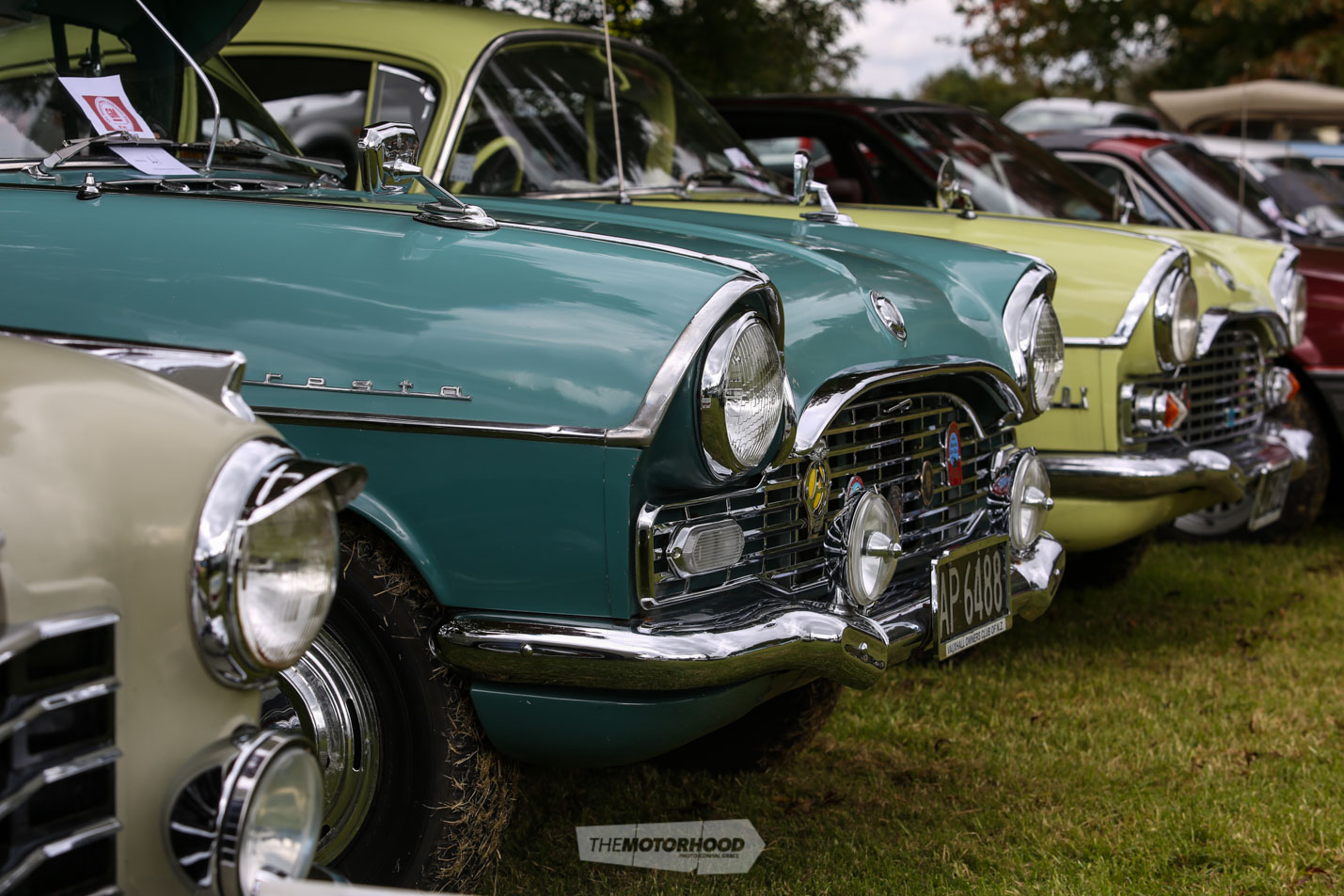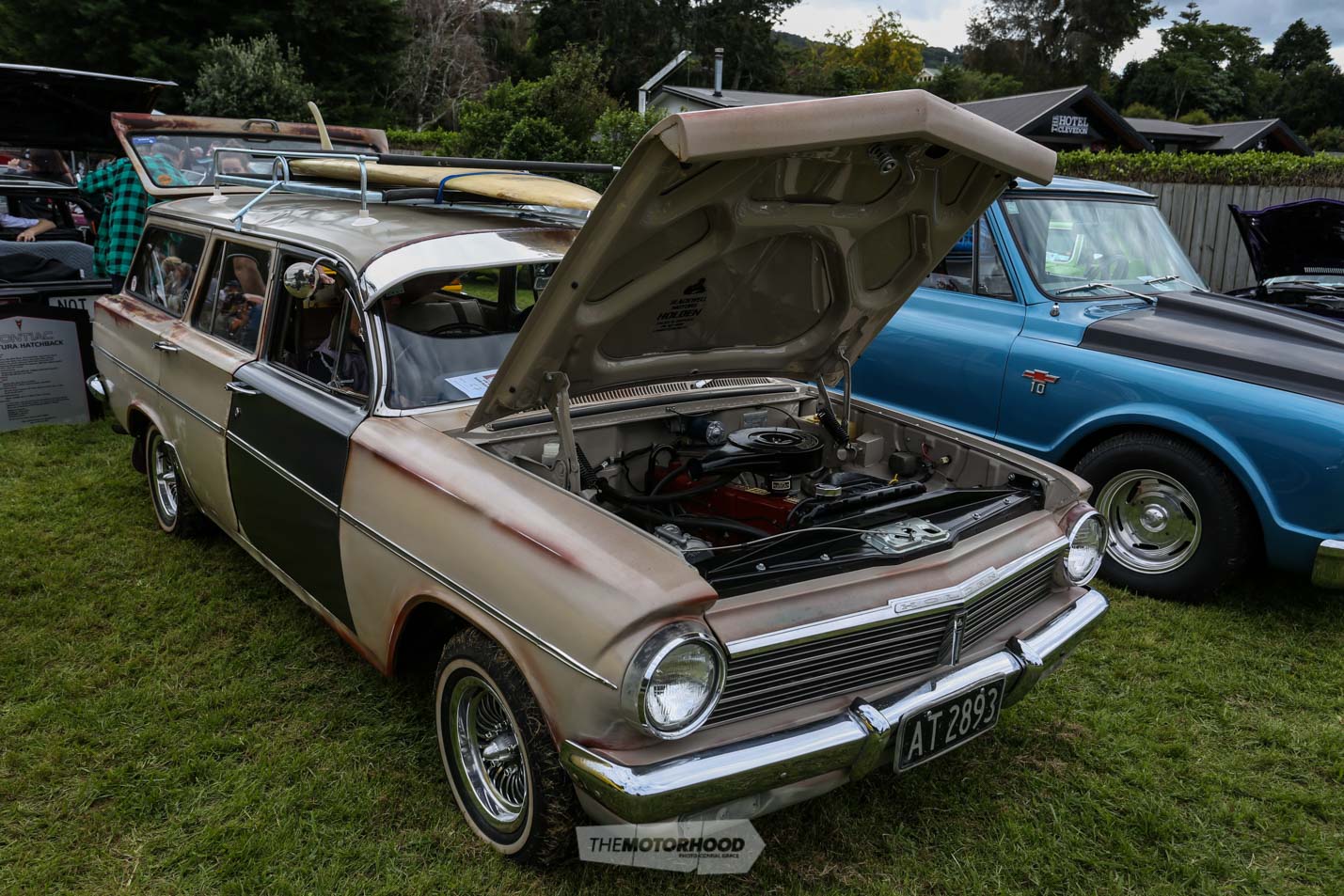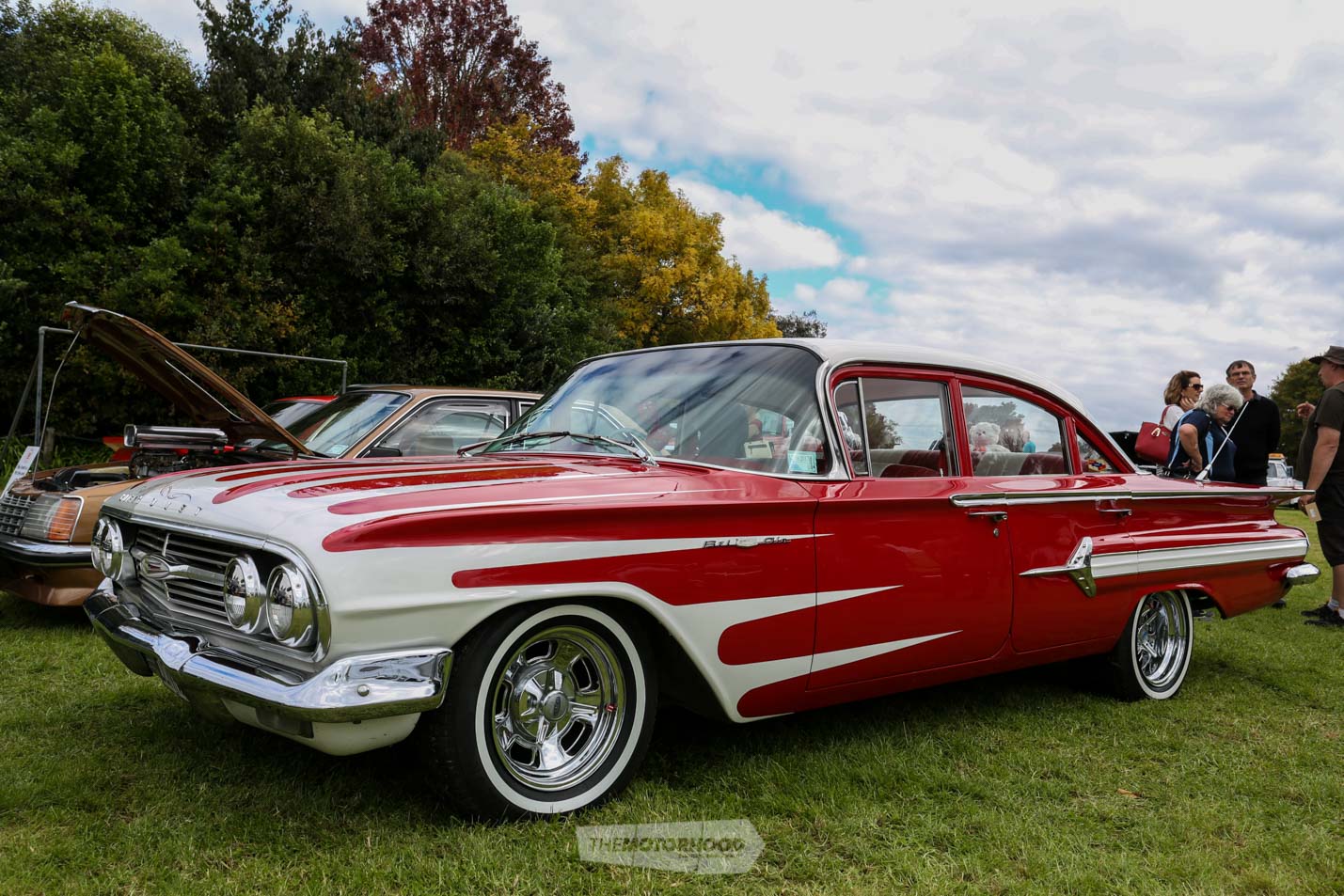
For those whose tastes in automobiles tend more towards products produced by the General, have we got an event for you. The GM Classic Car and Hot Rod Day Out 2017 was hosted by the GM Enthusiasts Club at Clevedon School on Sunday, May 7, promising an array of GM vehicles on display.
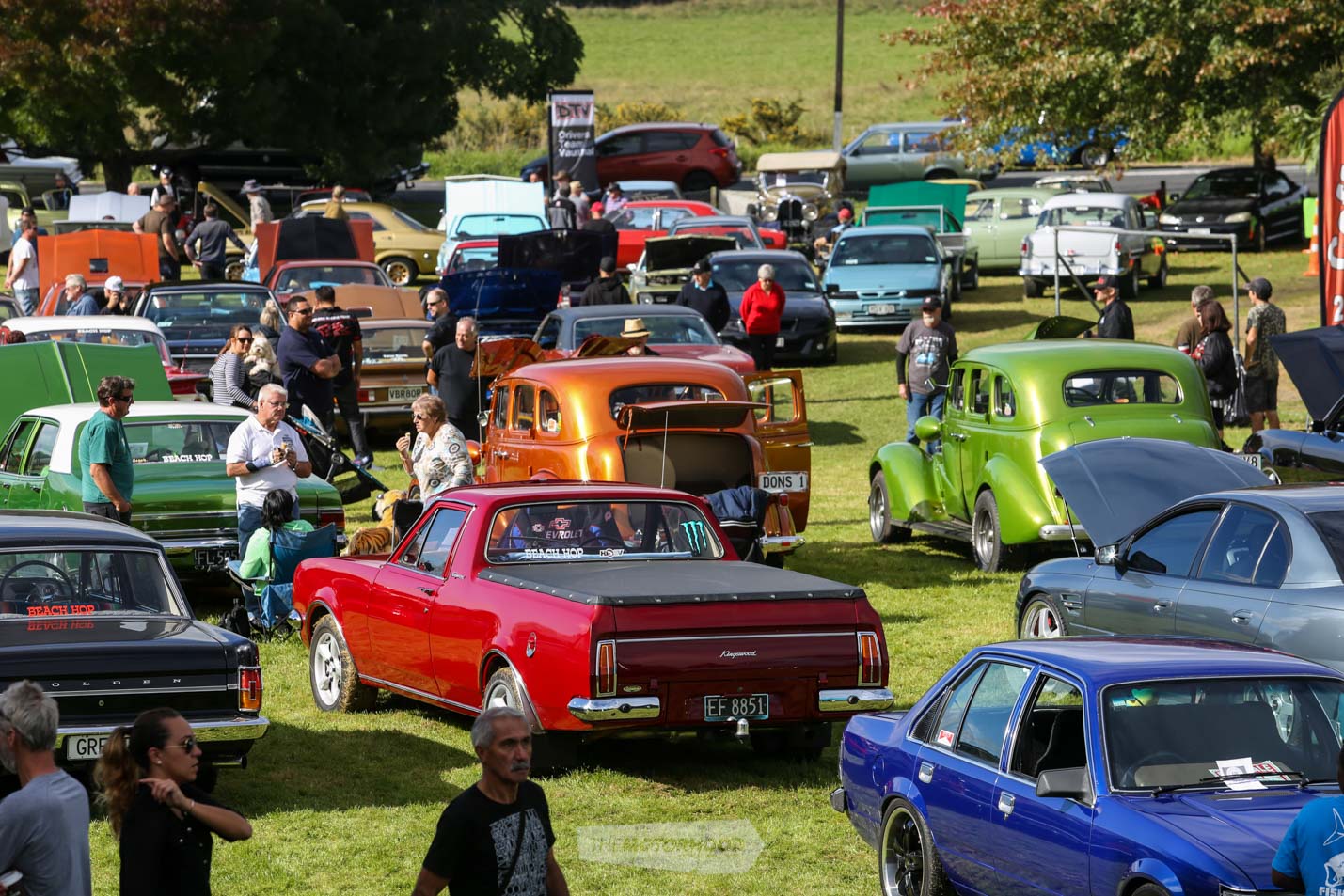
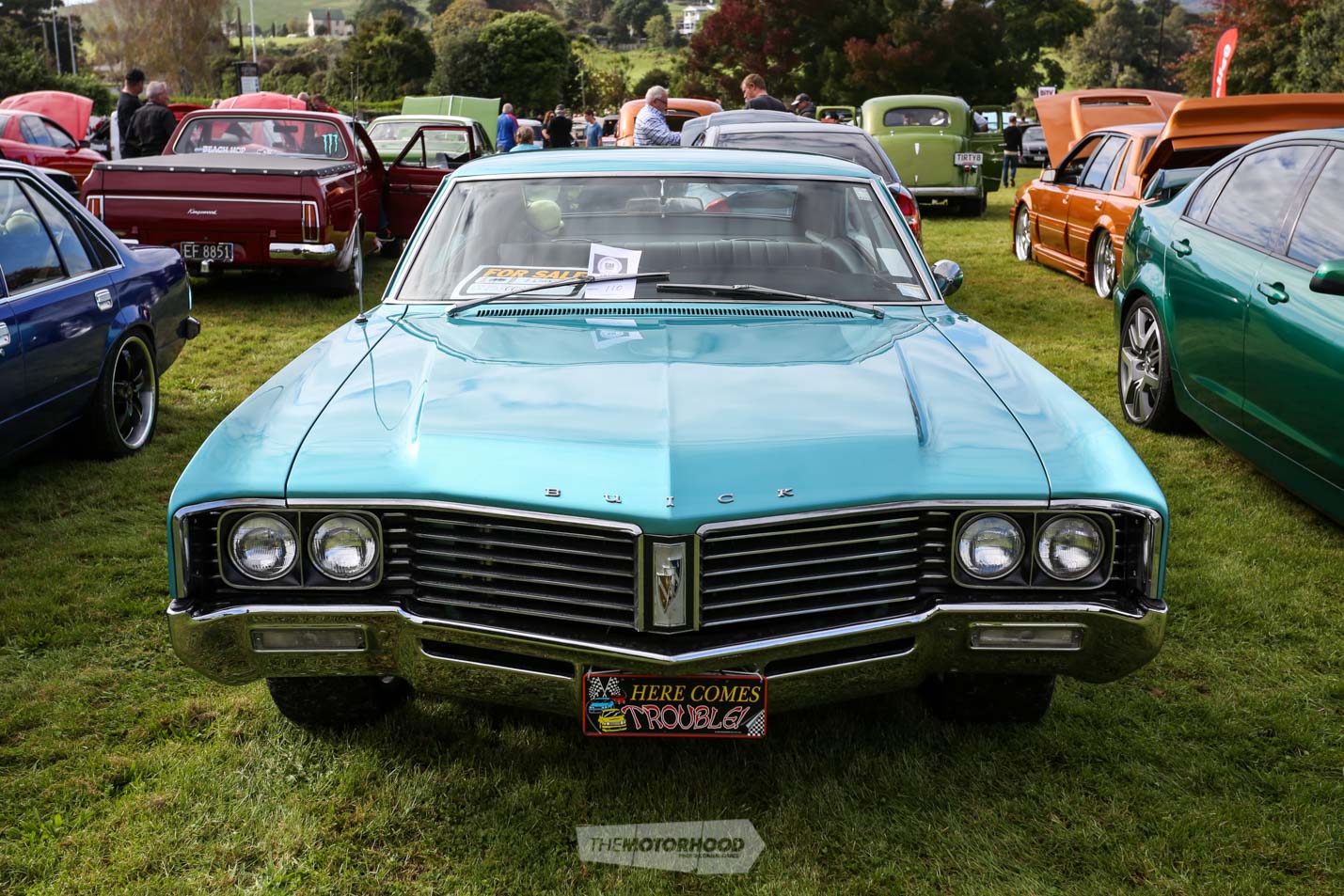
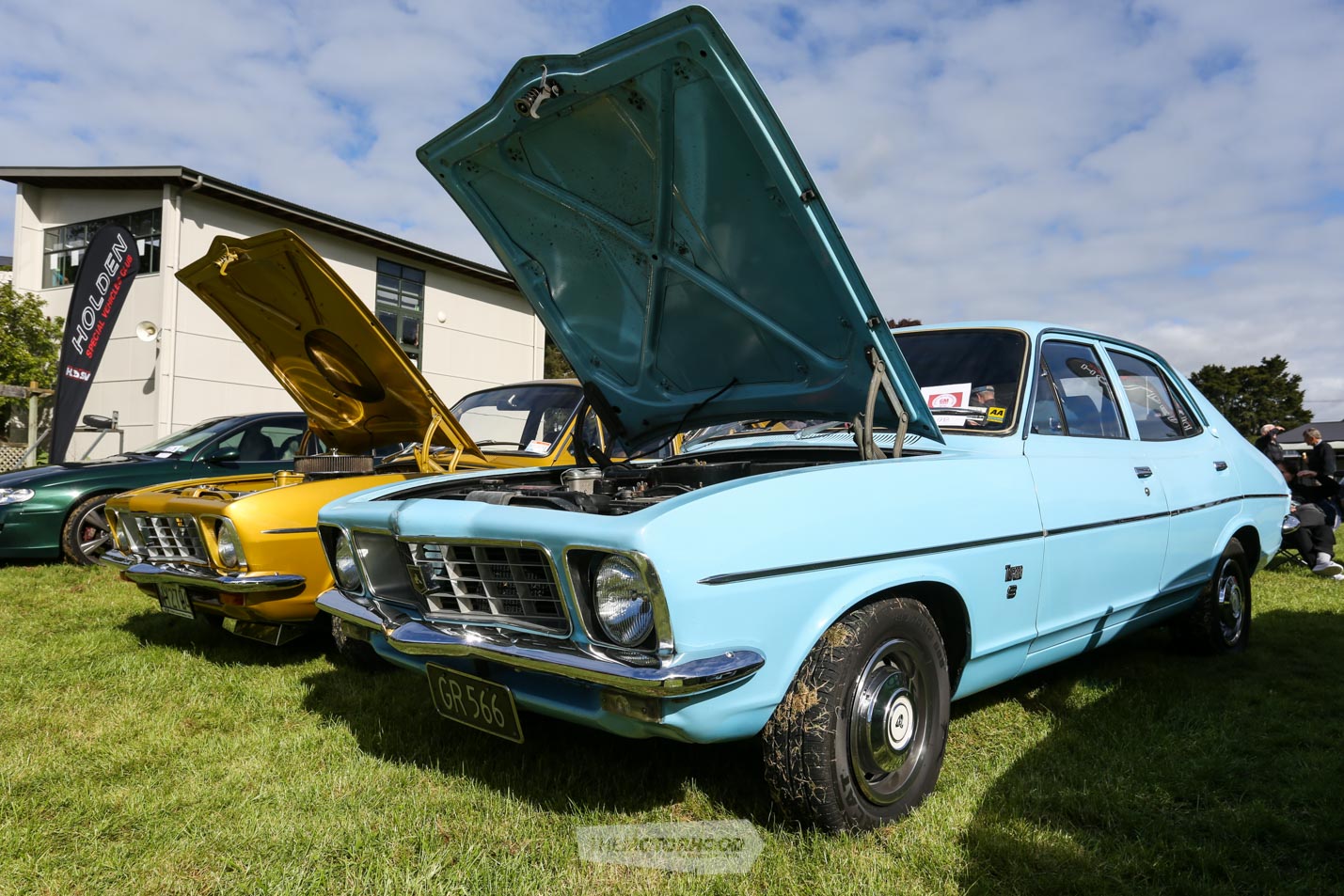
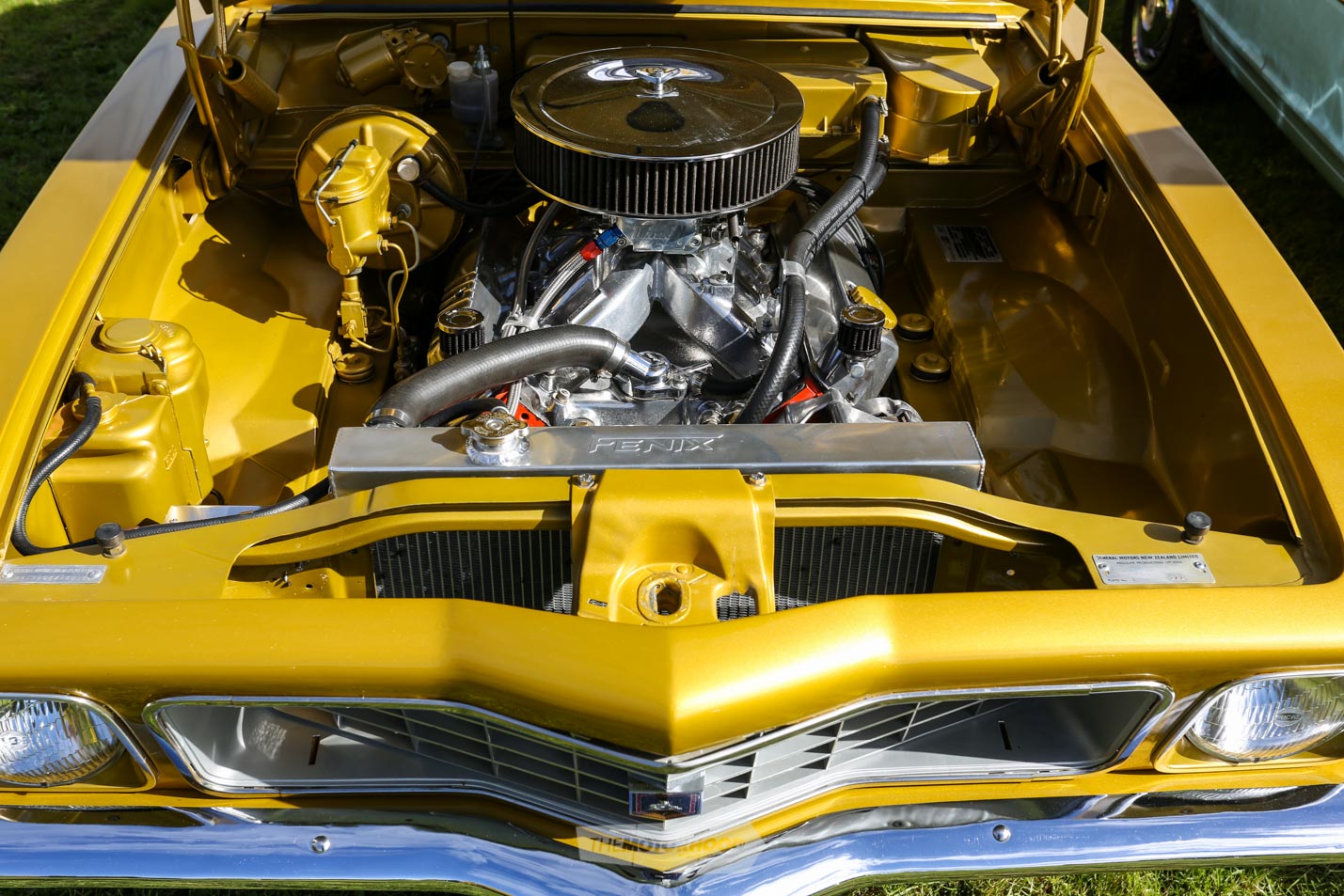
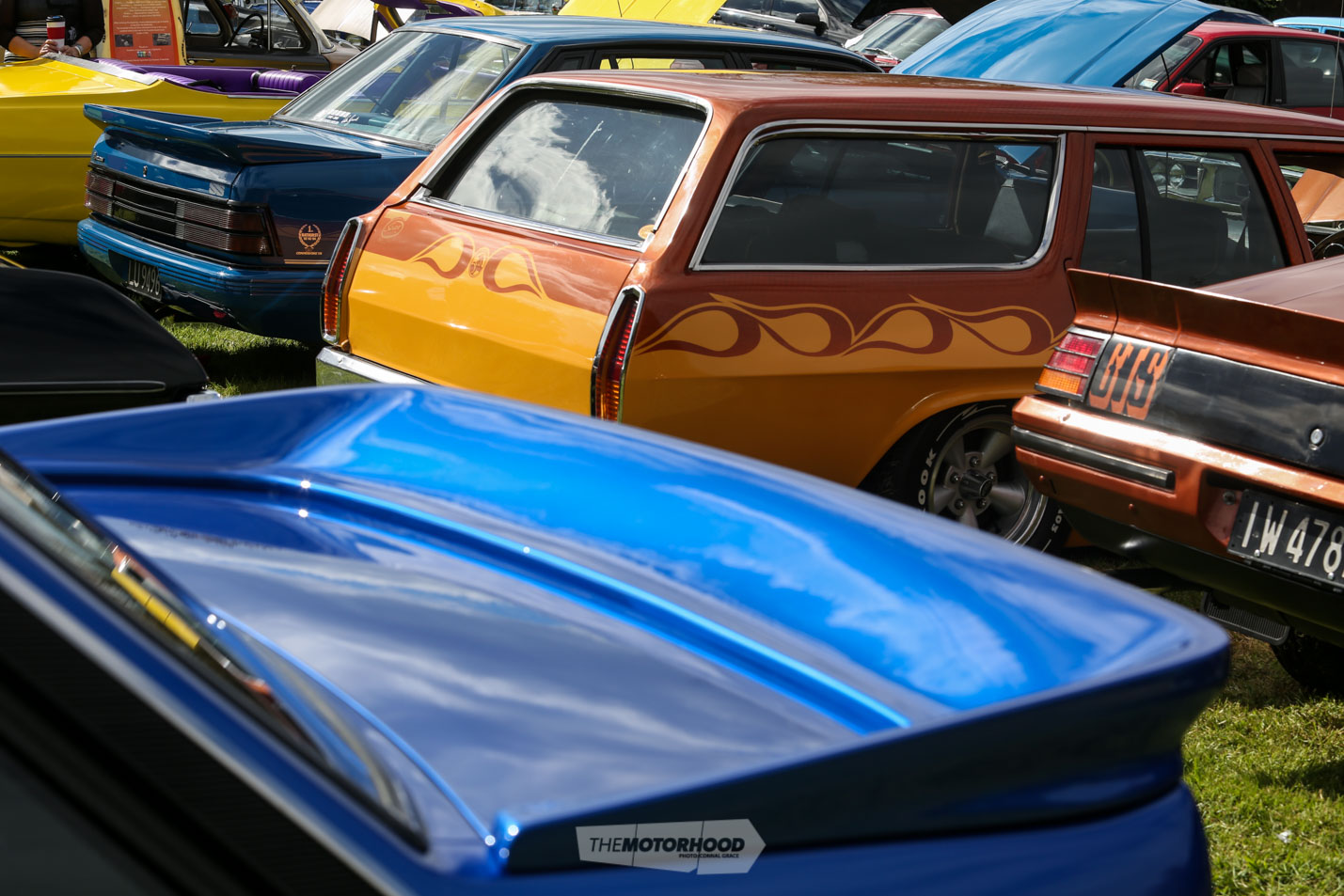
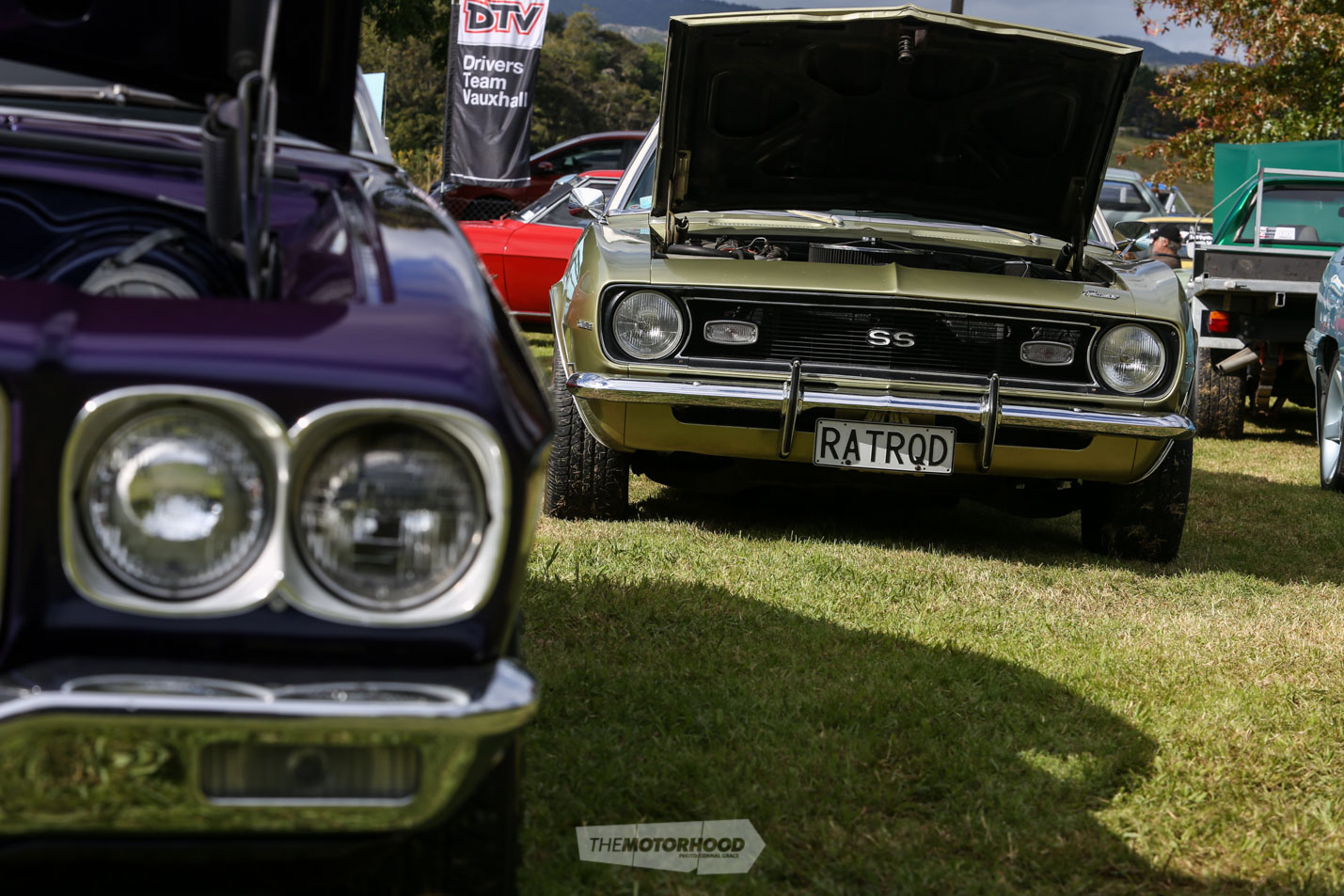
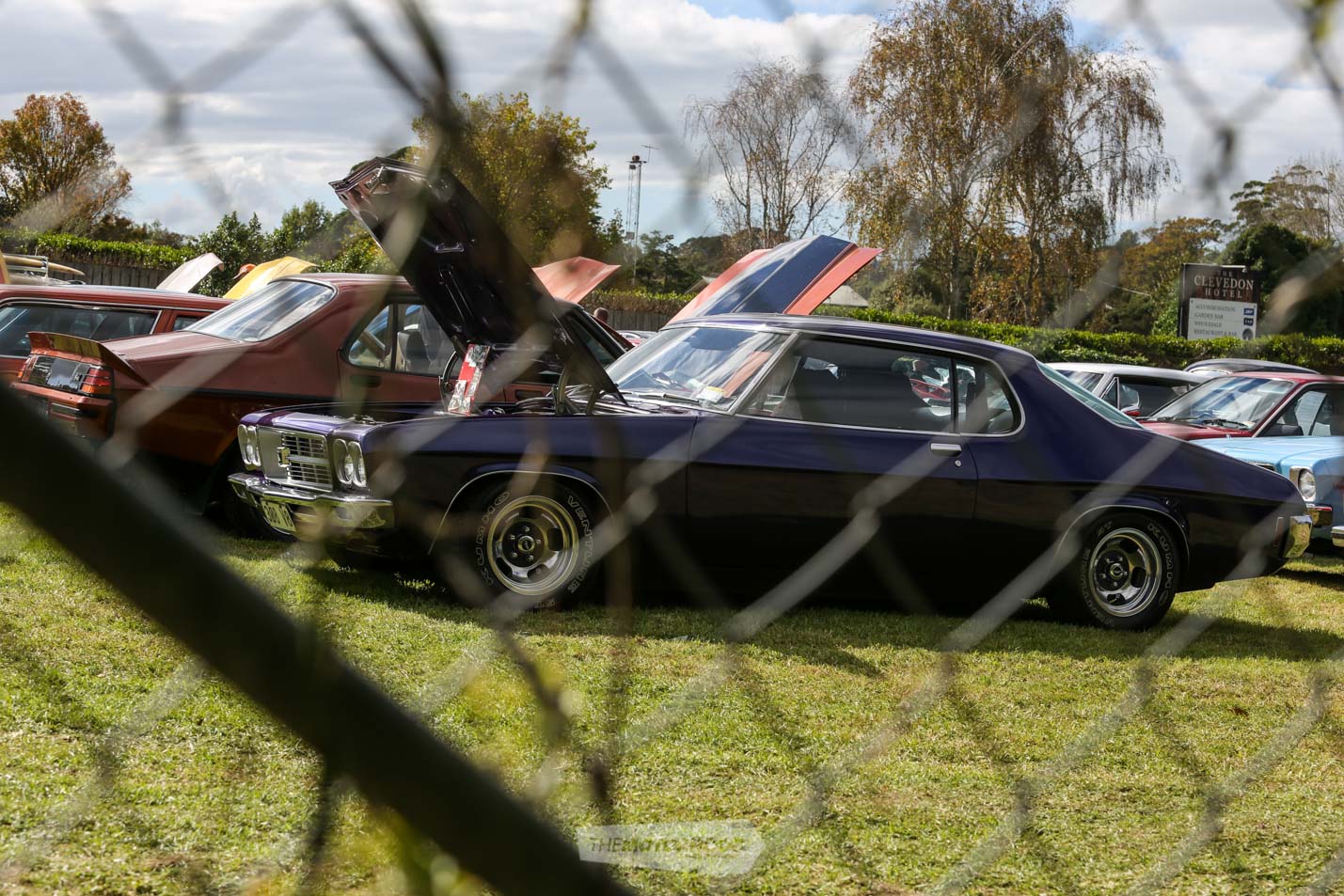
It didn’t disappoint, either. The event flyer took pains to point out that the school grounds could only accommodate 150 vehicles, and the event did pretty well, with a total of 127 vehicles entered by the end of the day and a whole lot more parked on the street. Here’s a taste of what it included.

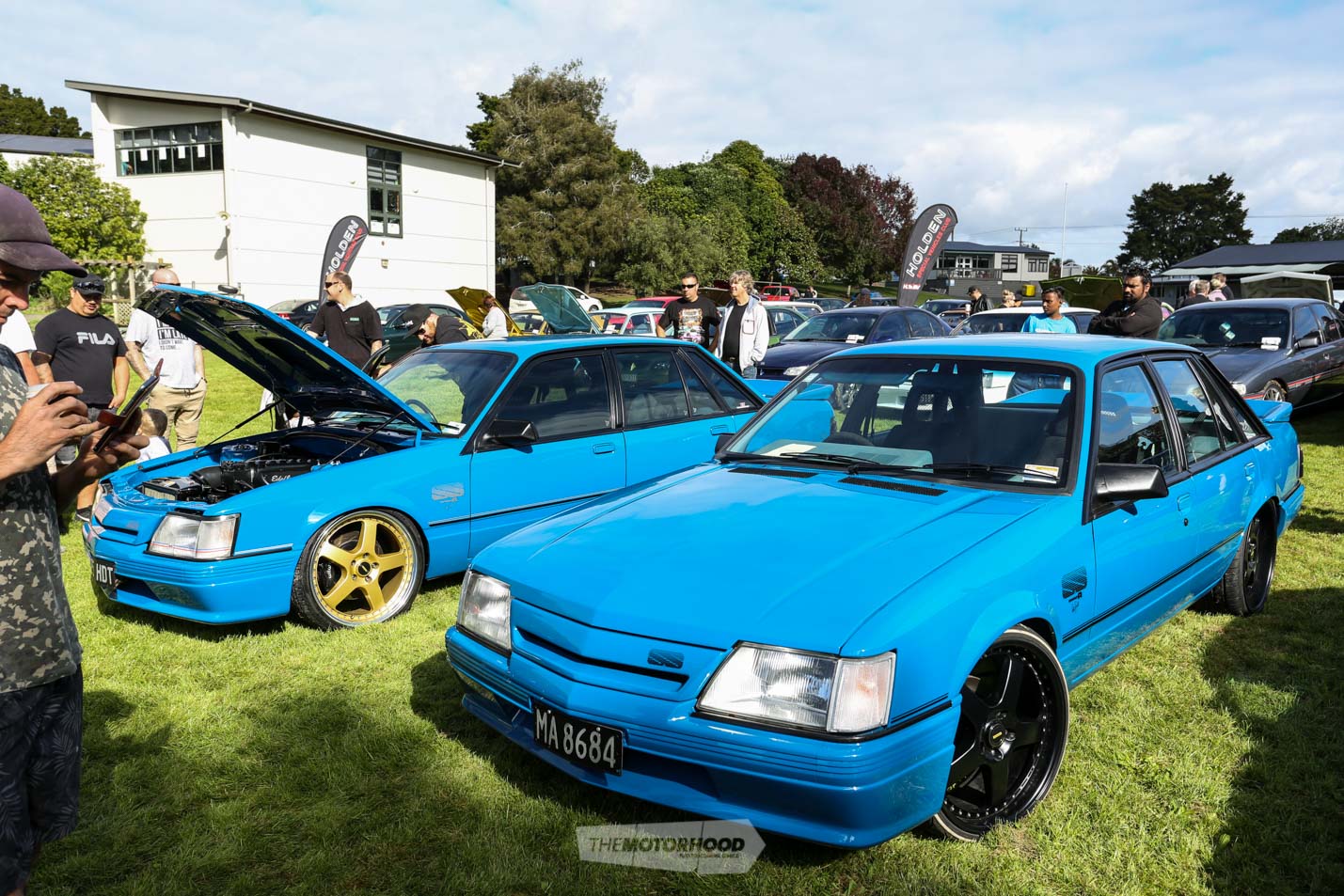
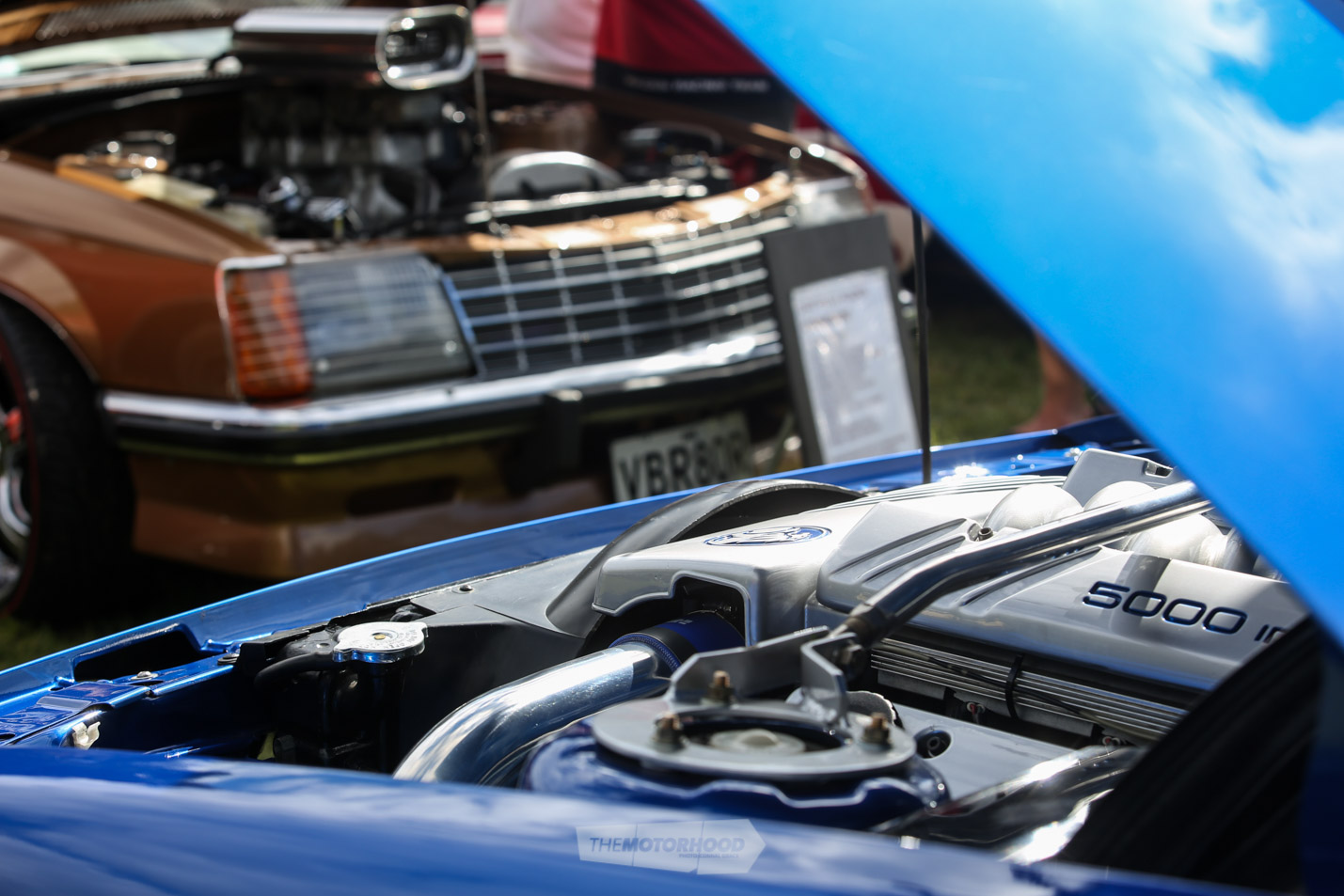
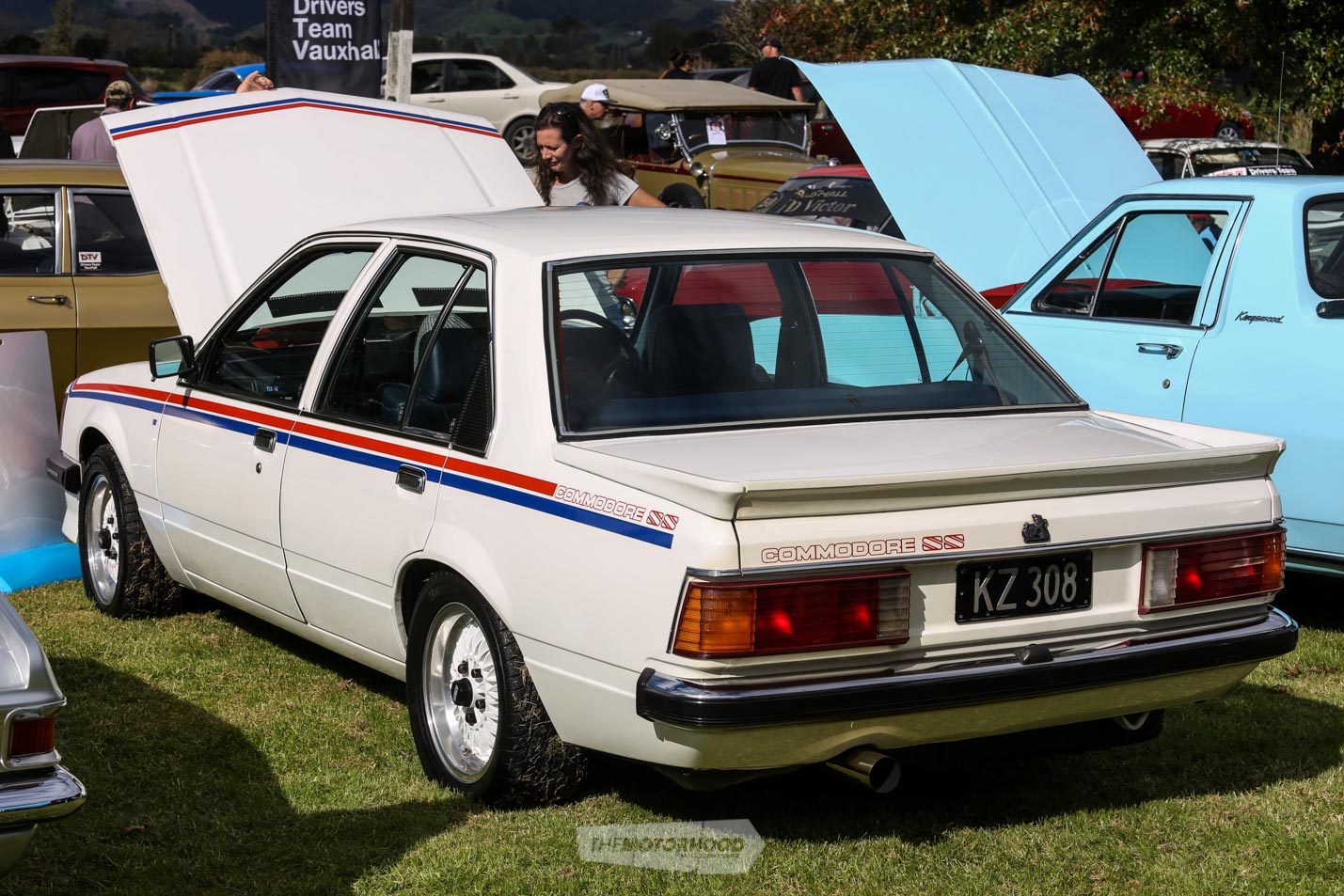
Karl Shields’ 1982 Holden VH Commodore SS is one of only 30 built by Holden New Zealand, in conjunction with Peter and Phil Brock for the 1982–’83 Benson & Hedges Saloon Car Series. A very rare car, and the recipient of the Best Holden award of the day.
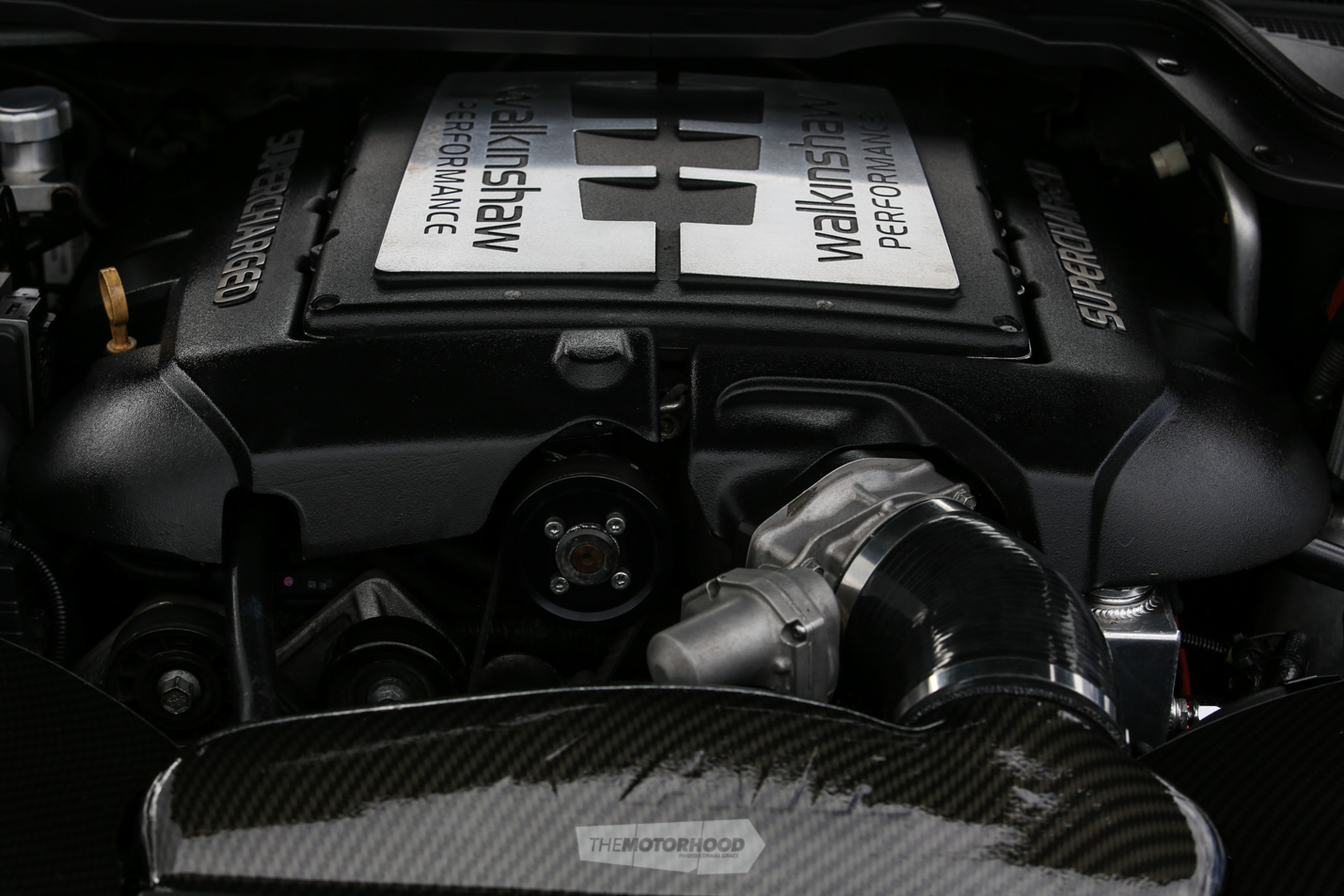
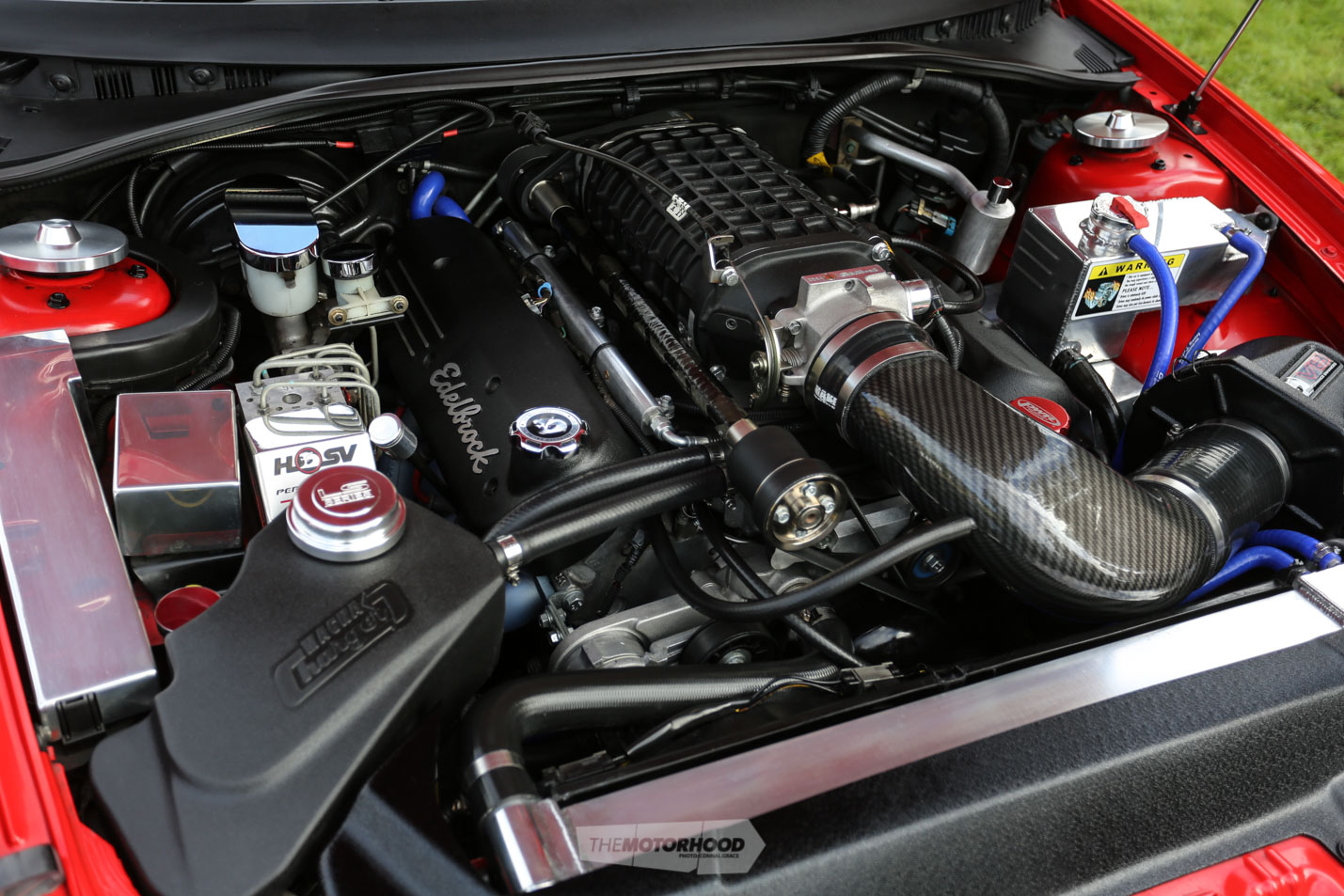
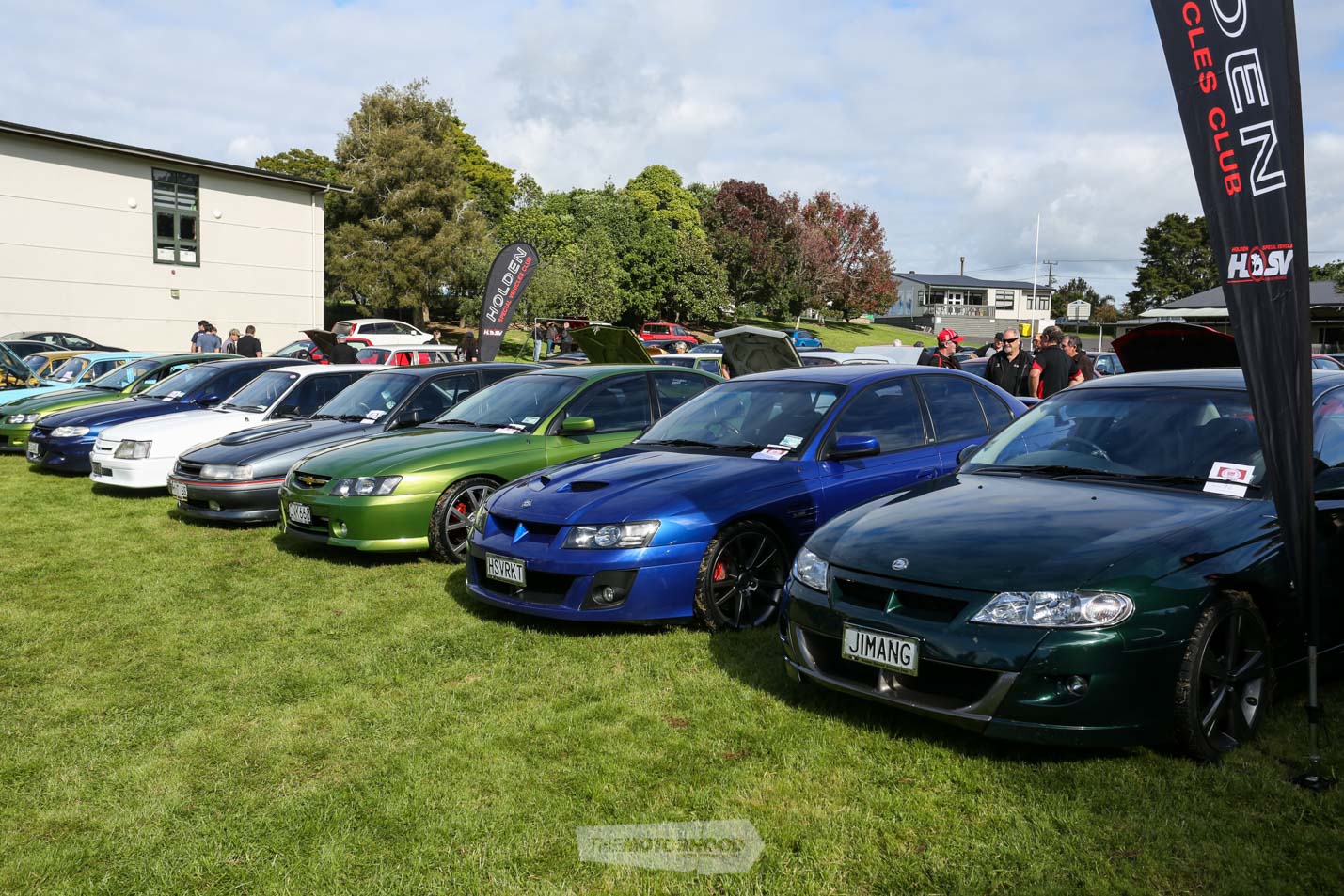
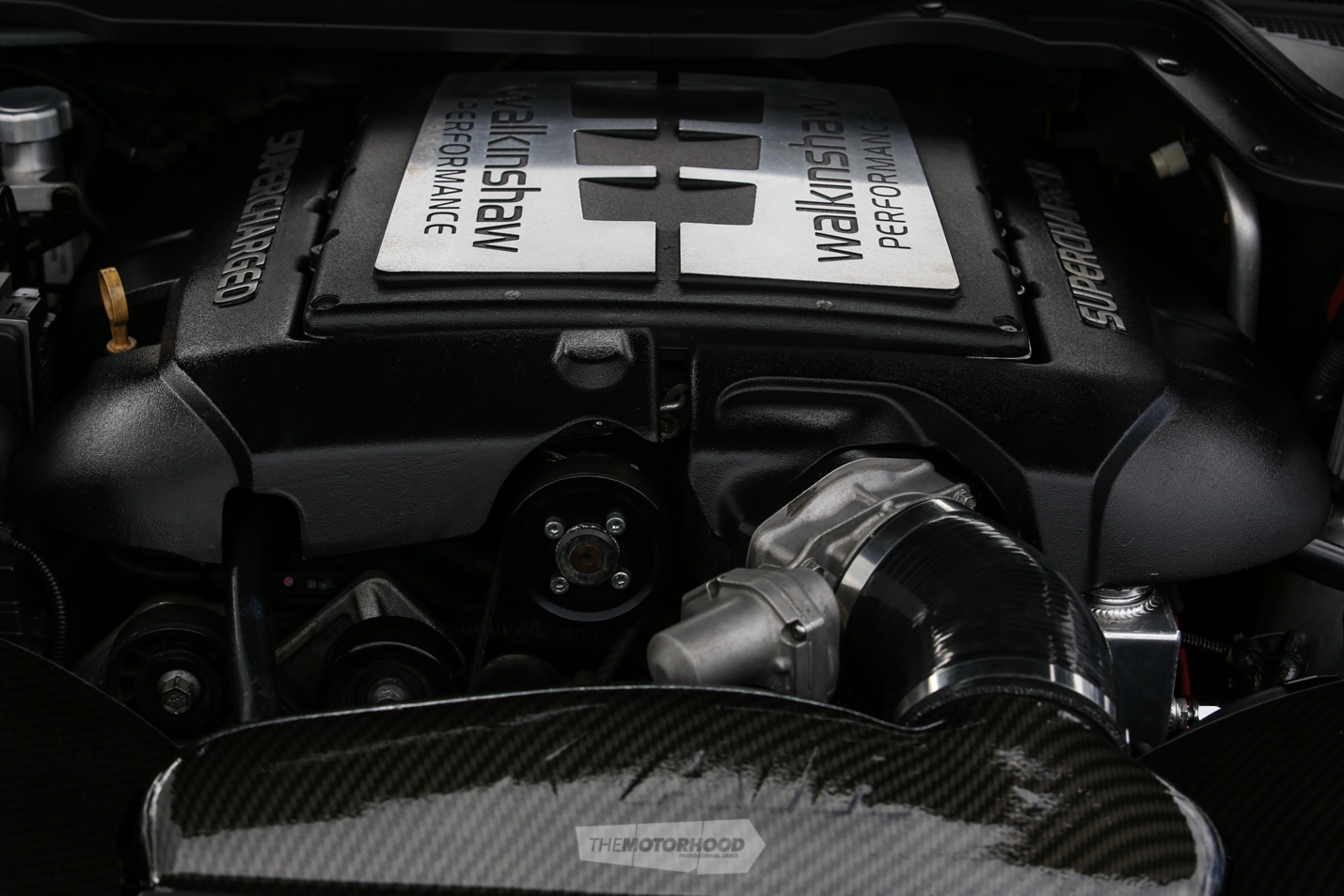
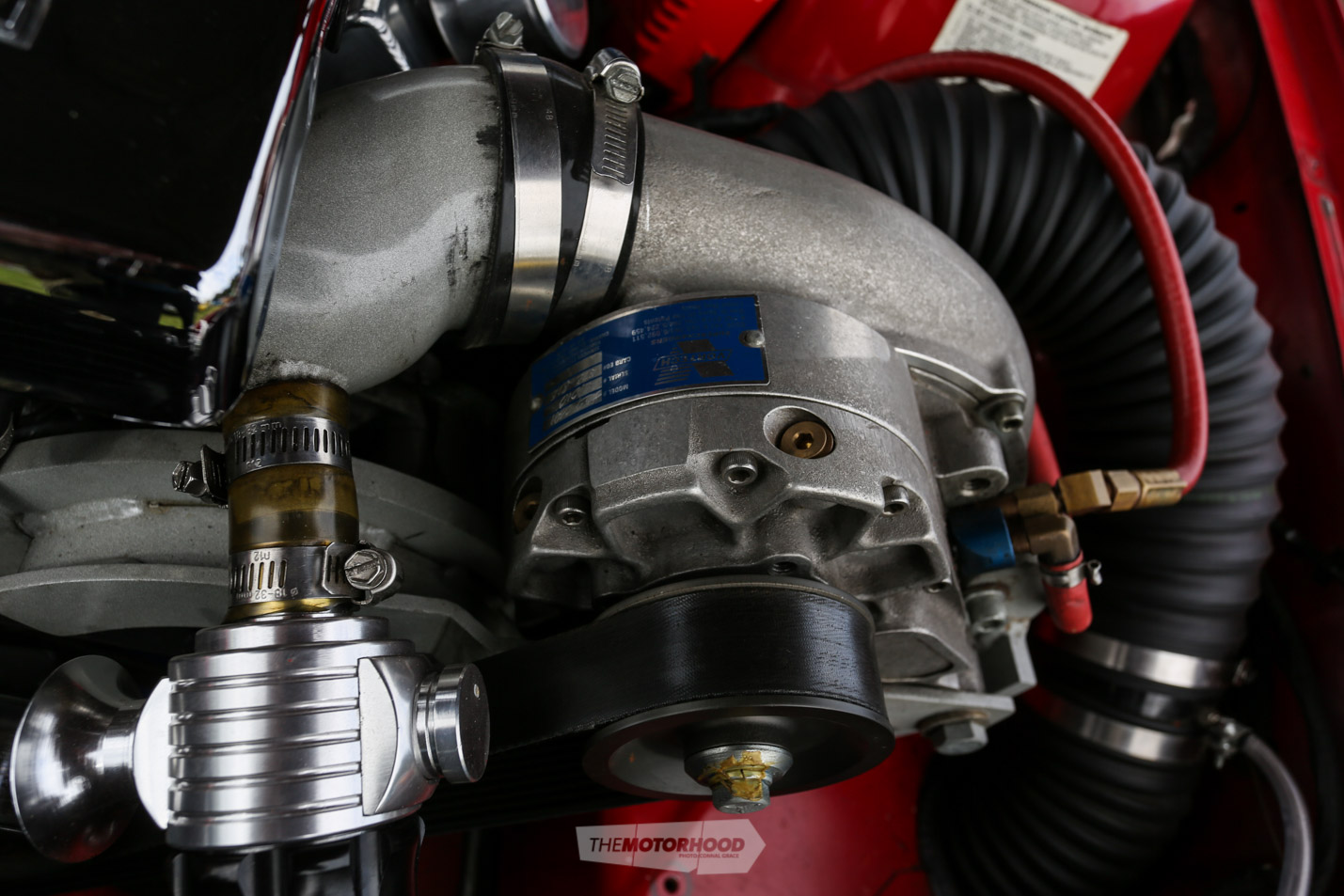
Murray Walker’s HSV Clubsport R8 is equipped with the full Walkinshaw performance package, topped with a huge Walkinshaw supercharger — good for over 853hp and 826lb·ft at the flywheel.
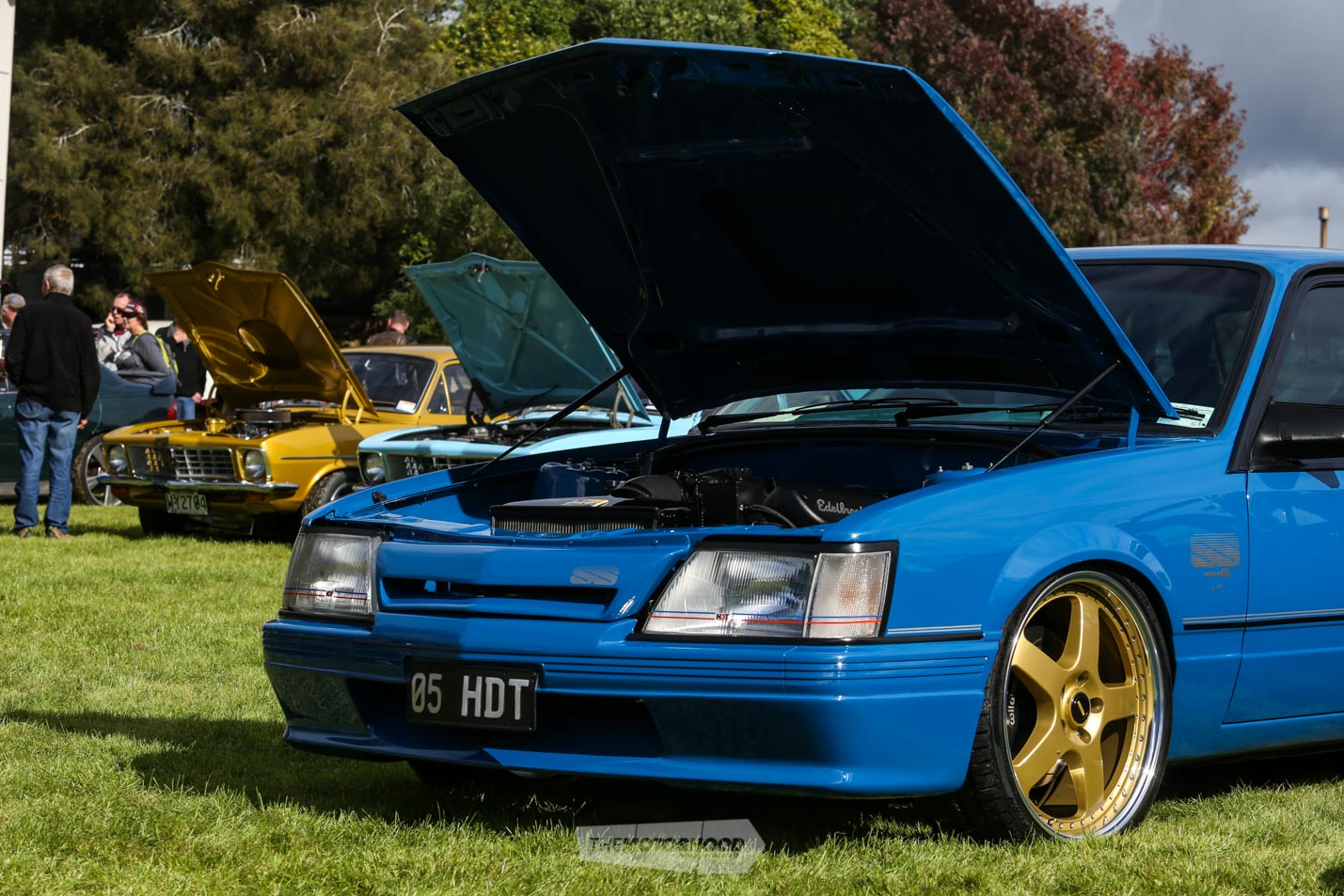
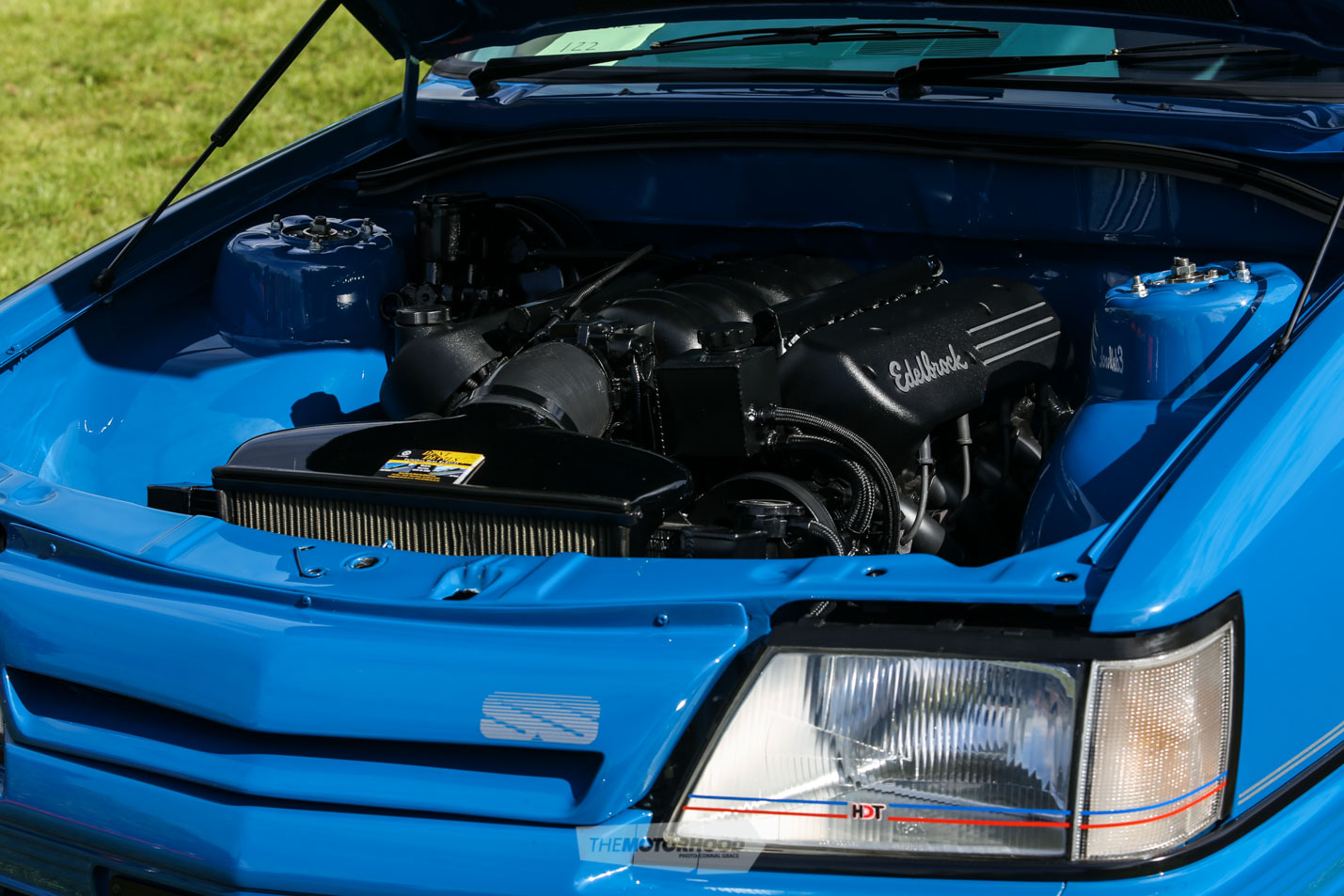
Dale Williams’ VK is as cool as they get, with a flawless finish and tough LS1 backed by a Tremec T56 six-speed manual.
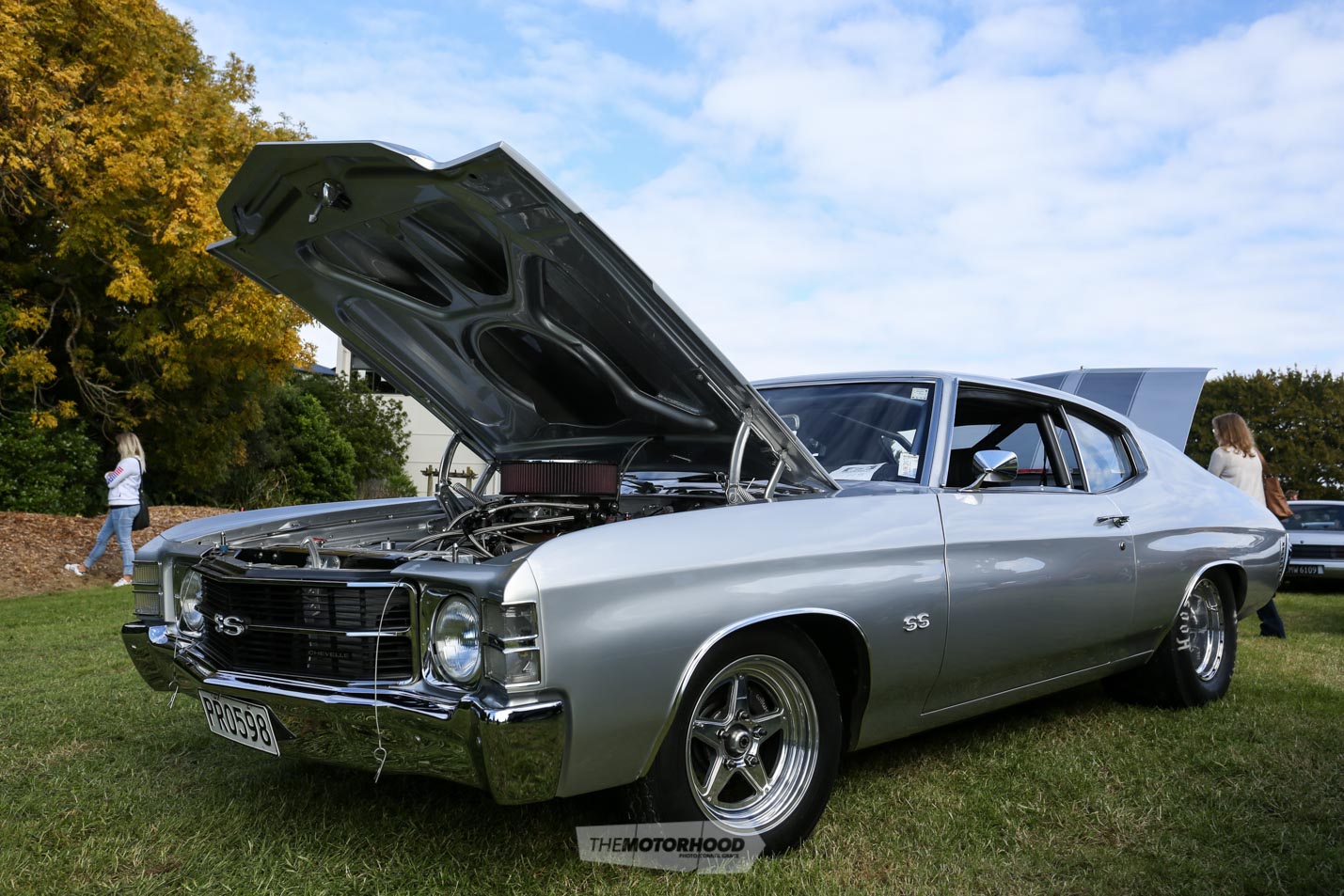
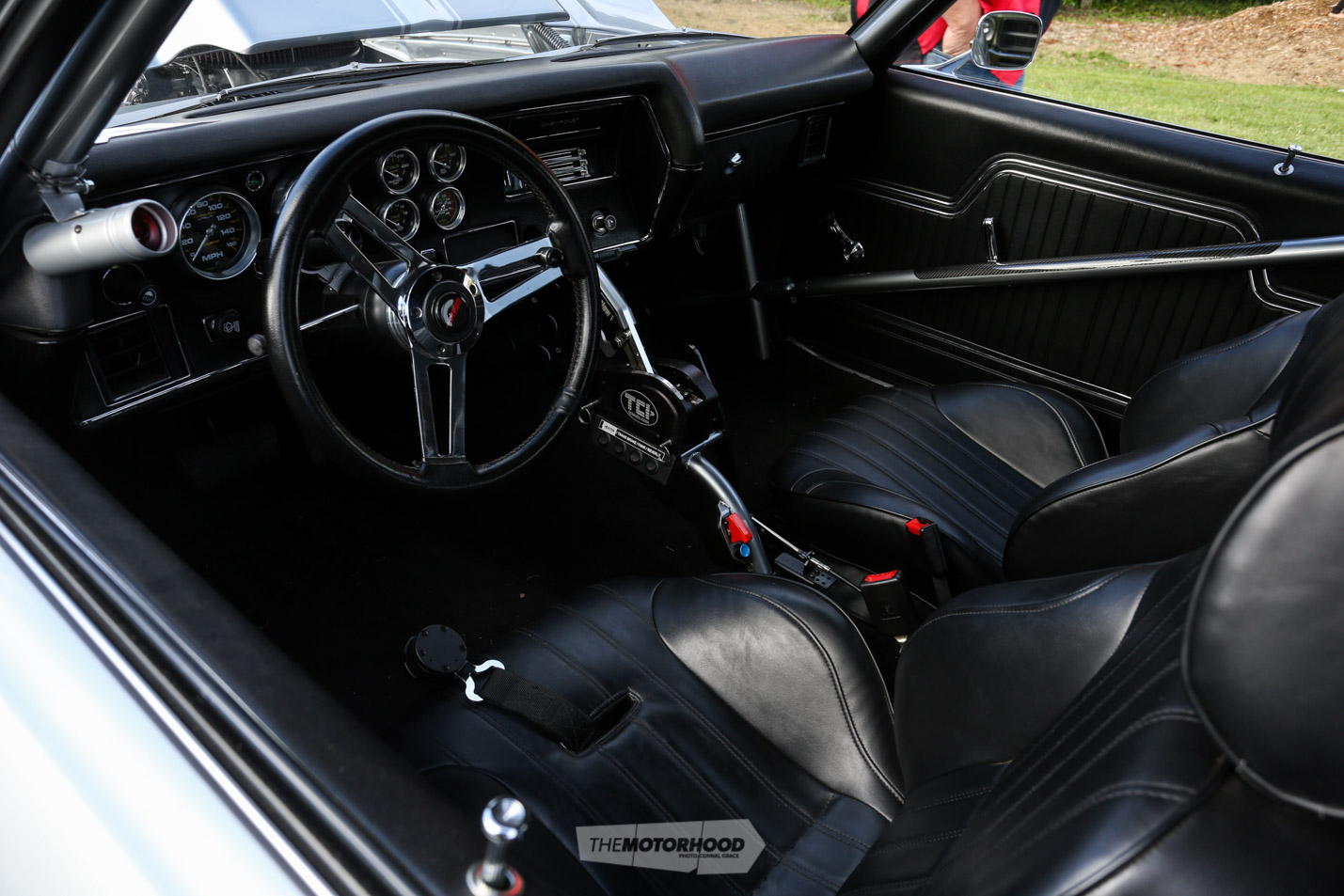
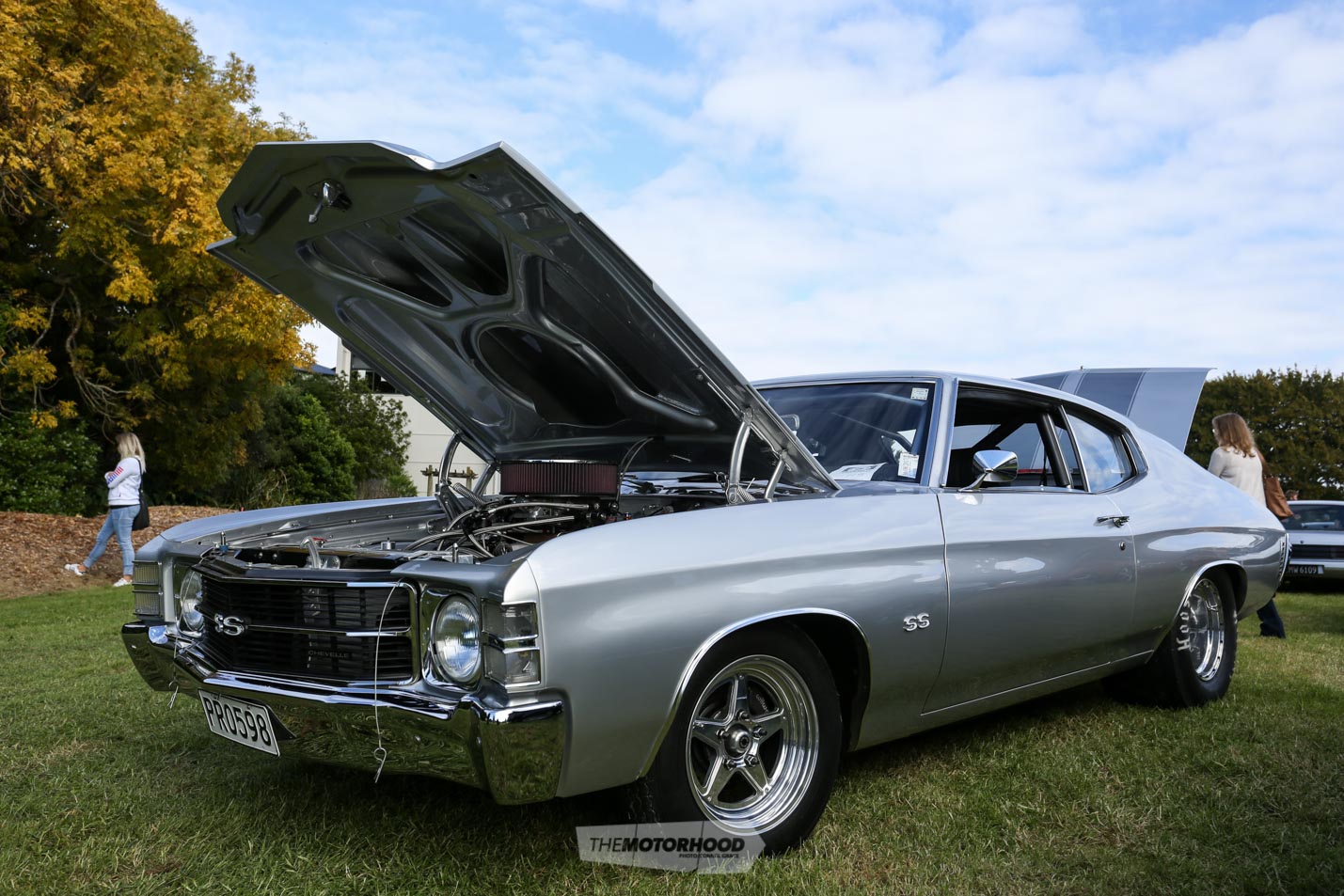
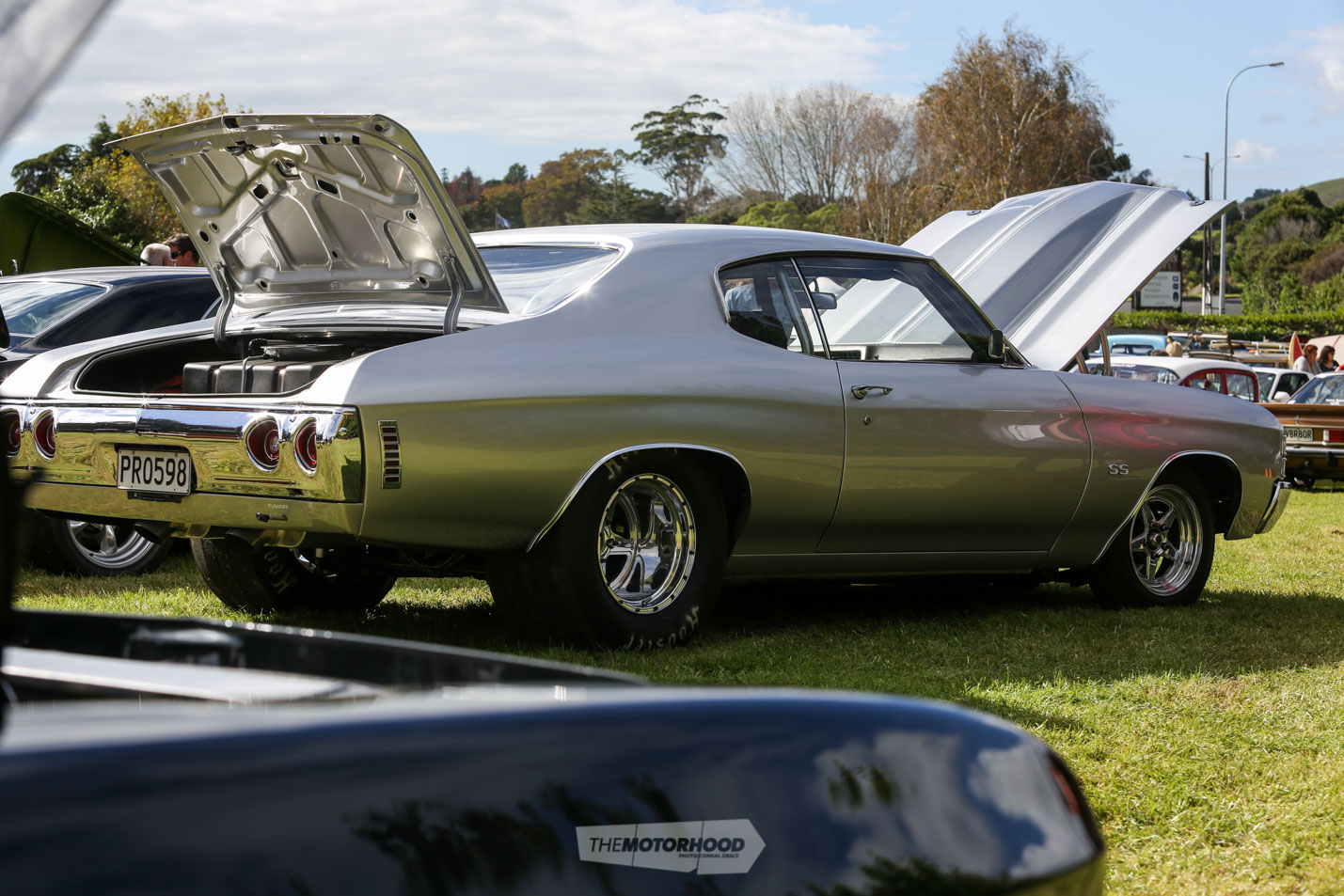
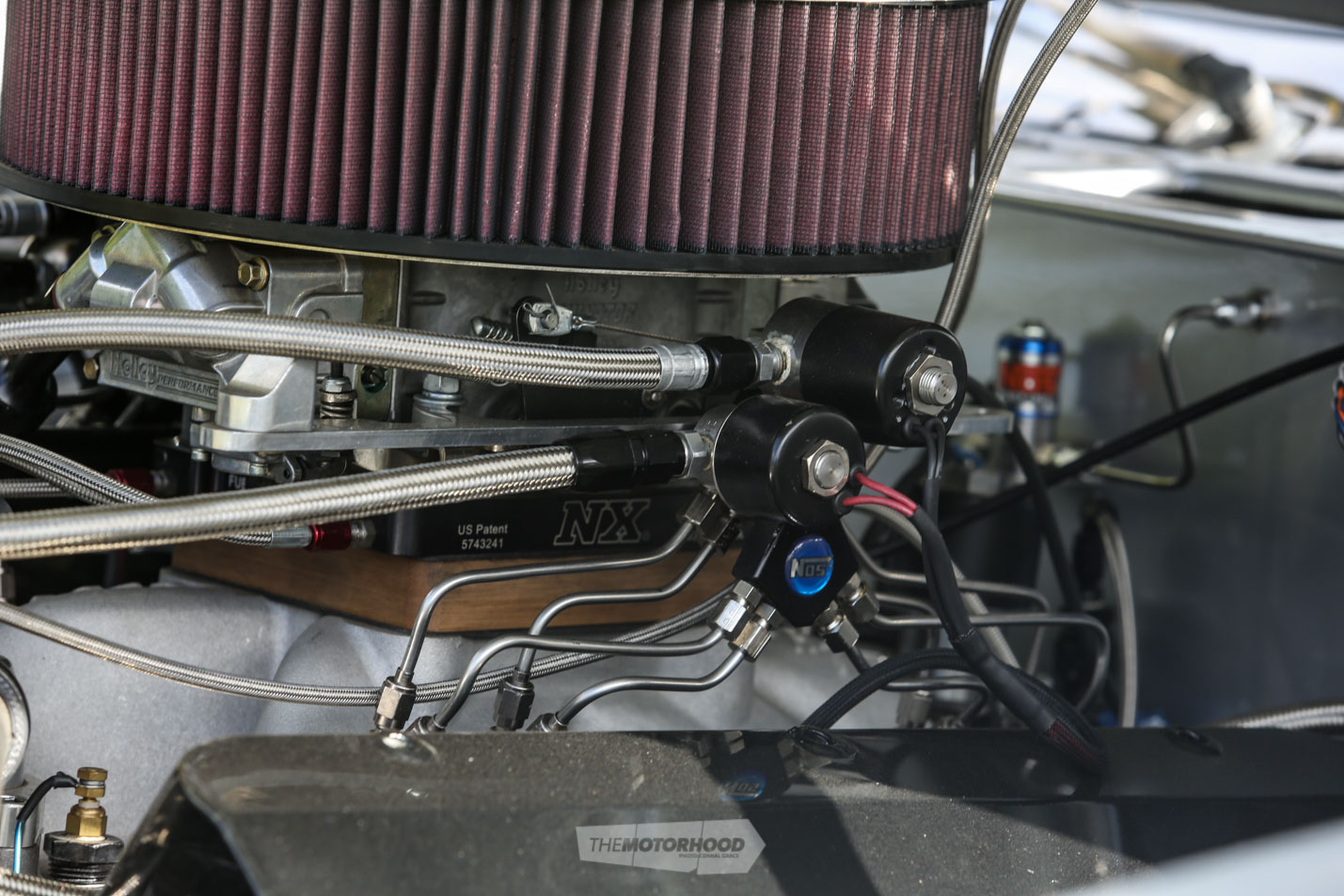
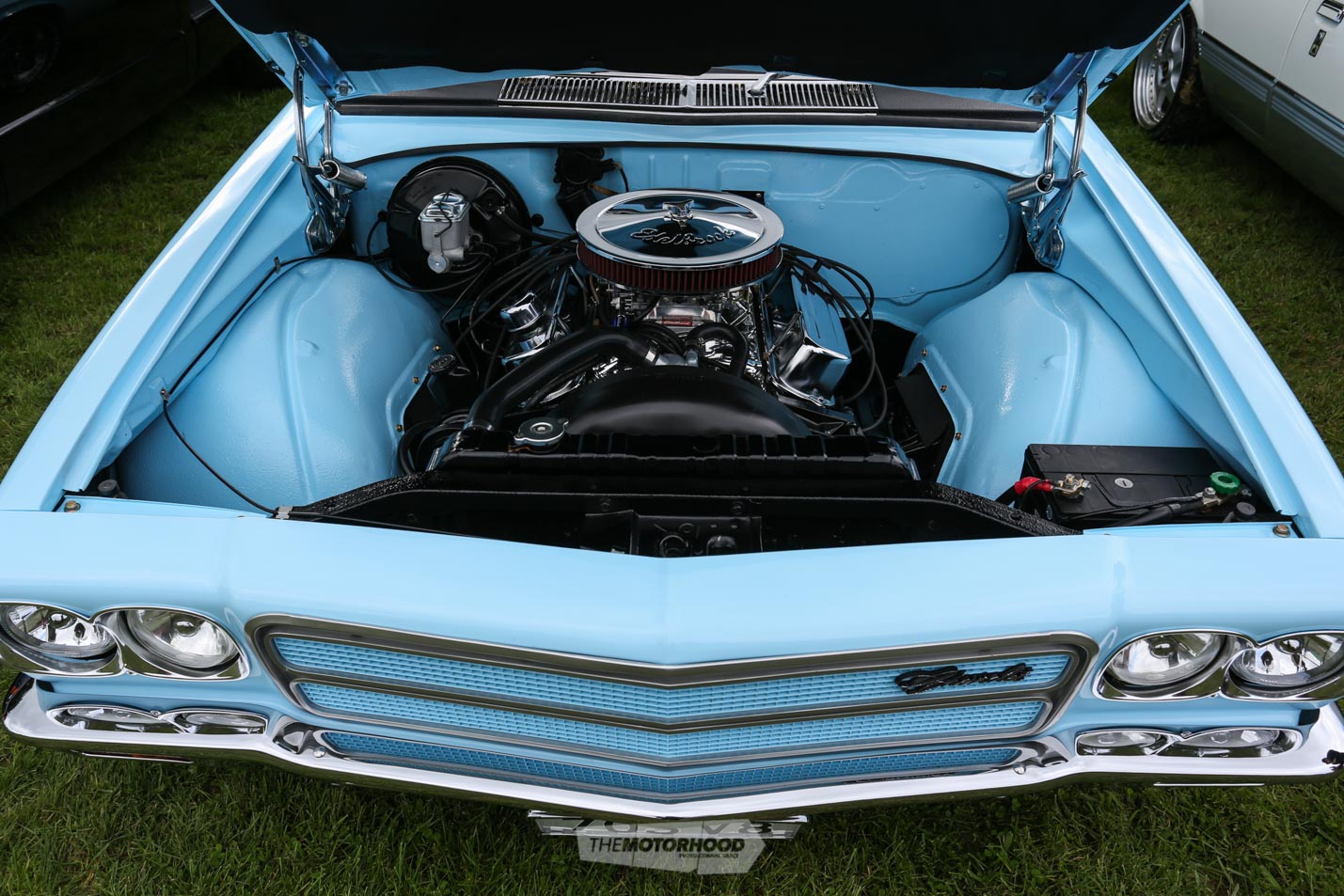
Mike Bari is of that rare breed who can make function and form coexist in perfect harmony. Not only is the all-steel ’71 Chevelle finished to a show-quality level, but the nitrous-huffing 598ci big block has been immaculately detailed despite the massive amounts of braided hose and steel hard line required to run the combo. It’s run a 9.24-second quarter mile to date on just the nitrous plate, and it should have no problem dipping into the eights when the port injection is activated.
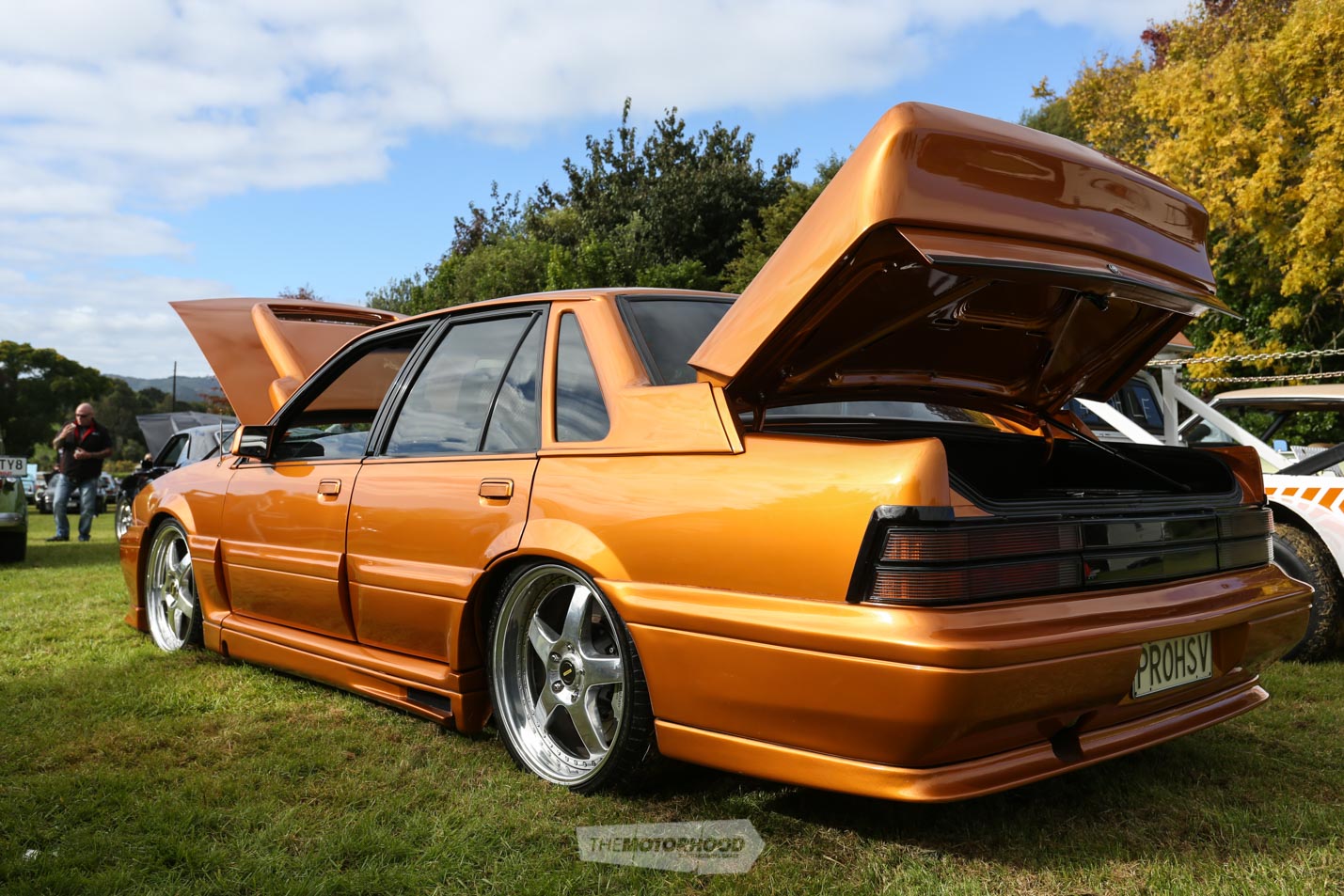
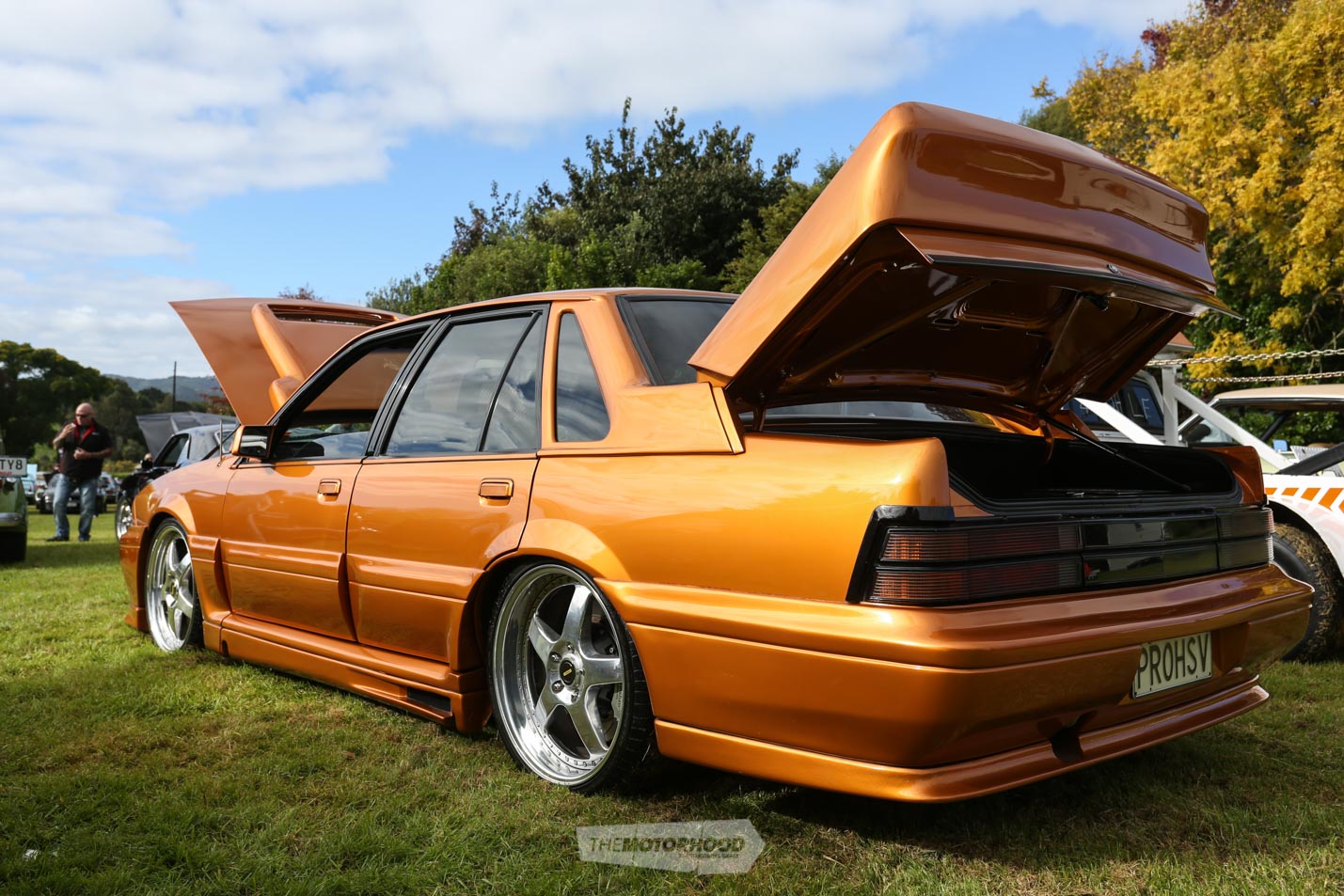
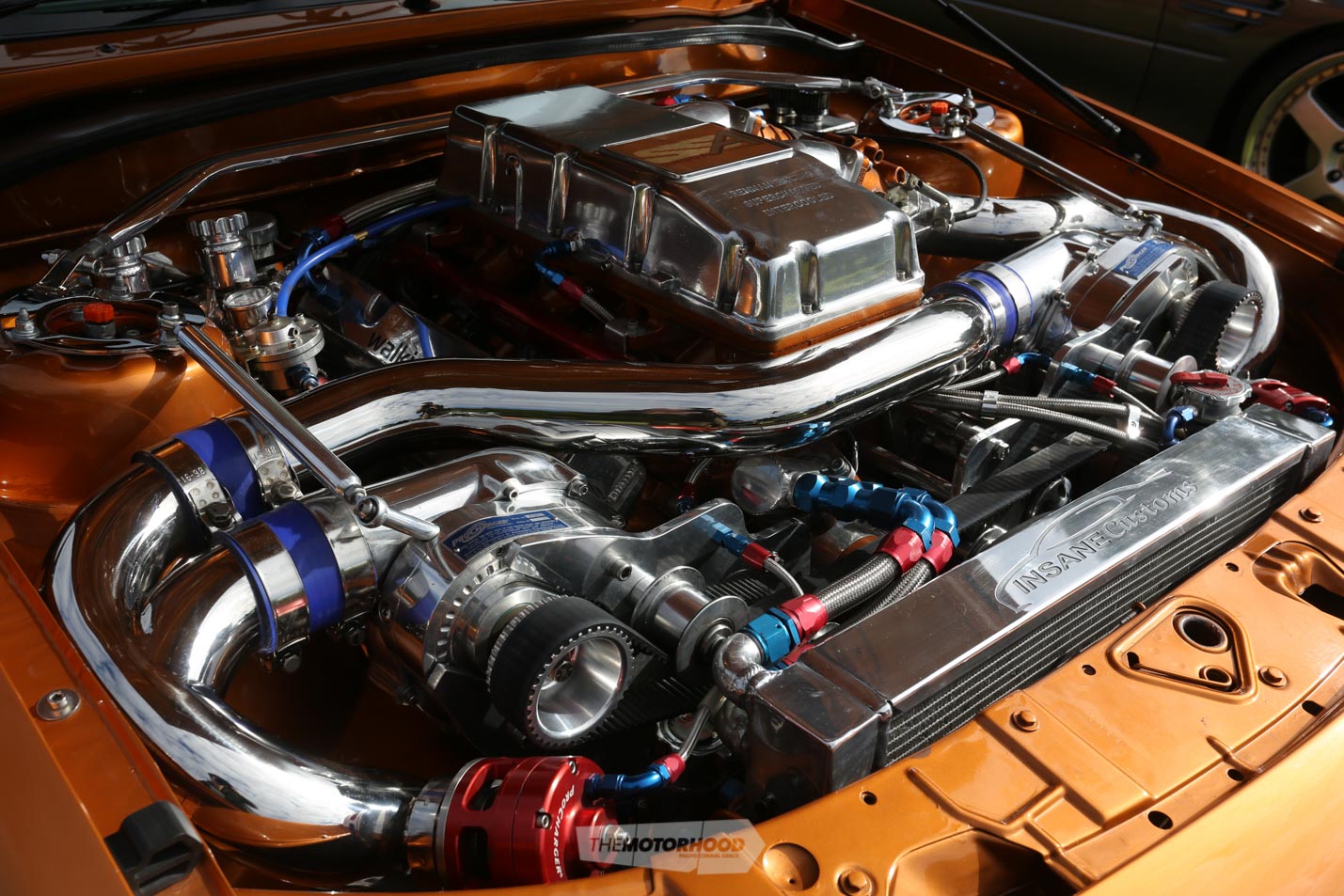
Commodores don’t come much more in-your-face than Conda’s Walkinshaw-kitted VL. It’s attention-grabbing from a distance, and that continues when you look under the bonnet …
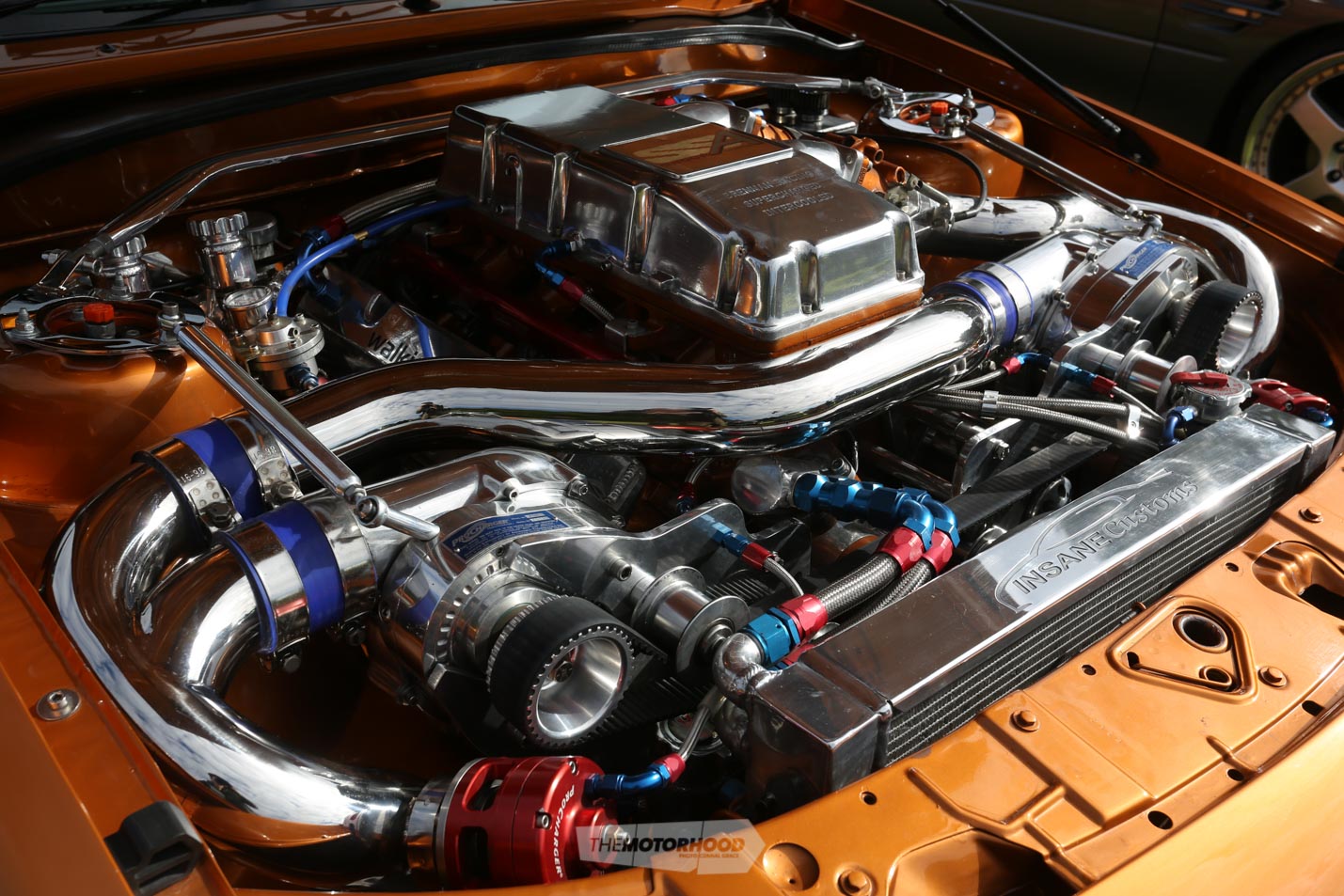
A Group A injection manifold sits on top of the 326ci Holden stroker, but that pales in comparison with the twin ProCharger P1-SC superchargers bolted to the front of it. And, yes, it runs perfectly, as Conda proved by driving the VL up from the Waikato.

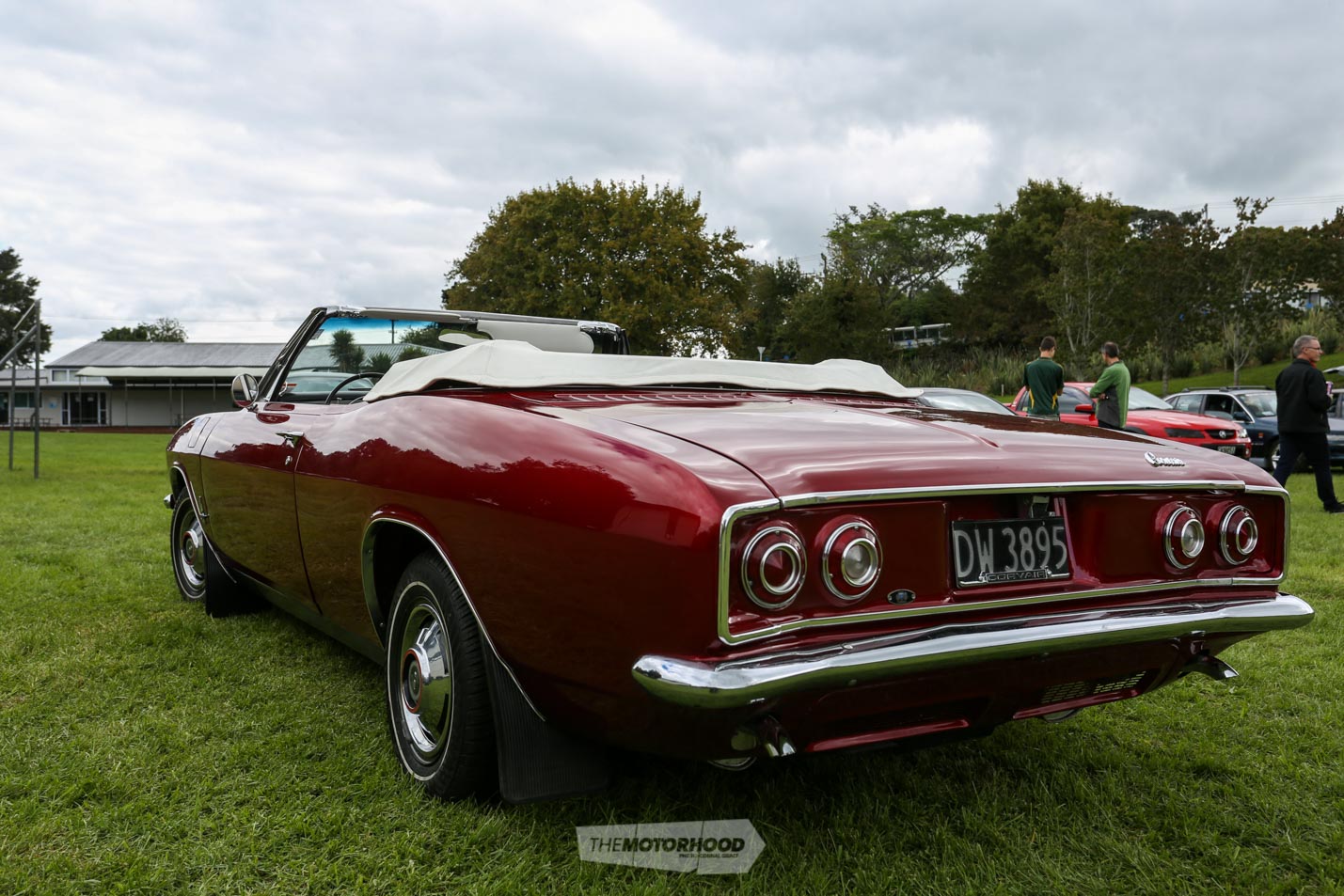
Terry Graham’s Corvair is as nice as they come, and if the original black plate is anything to go by, is likely a New Zealand–new car as well. An upholsterer by trade, the interior has been given a once-over at his Papatoetoe Upholsterers shop, while the exterior has received a full restoration to match the overall build quality of the car.
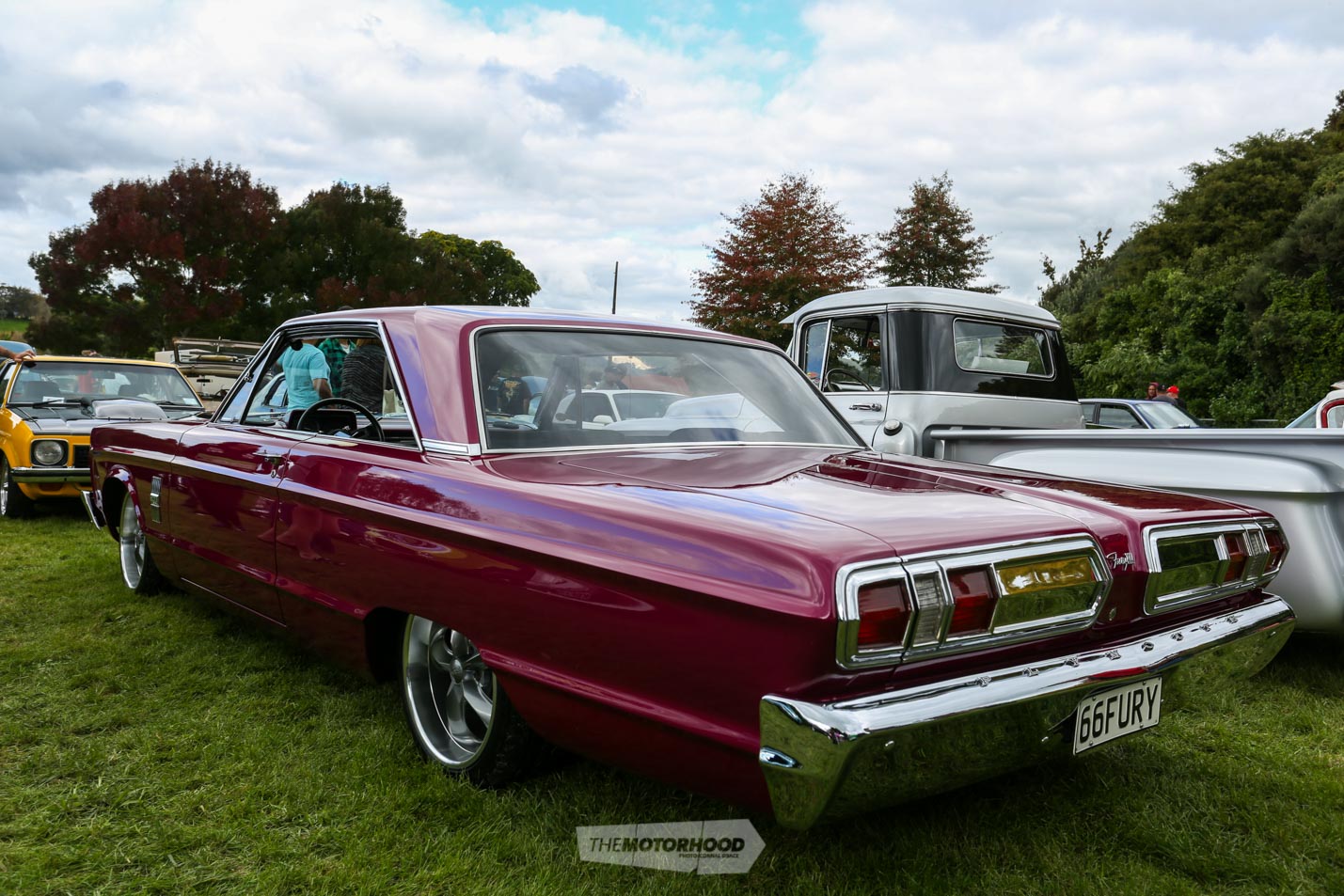
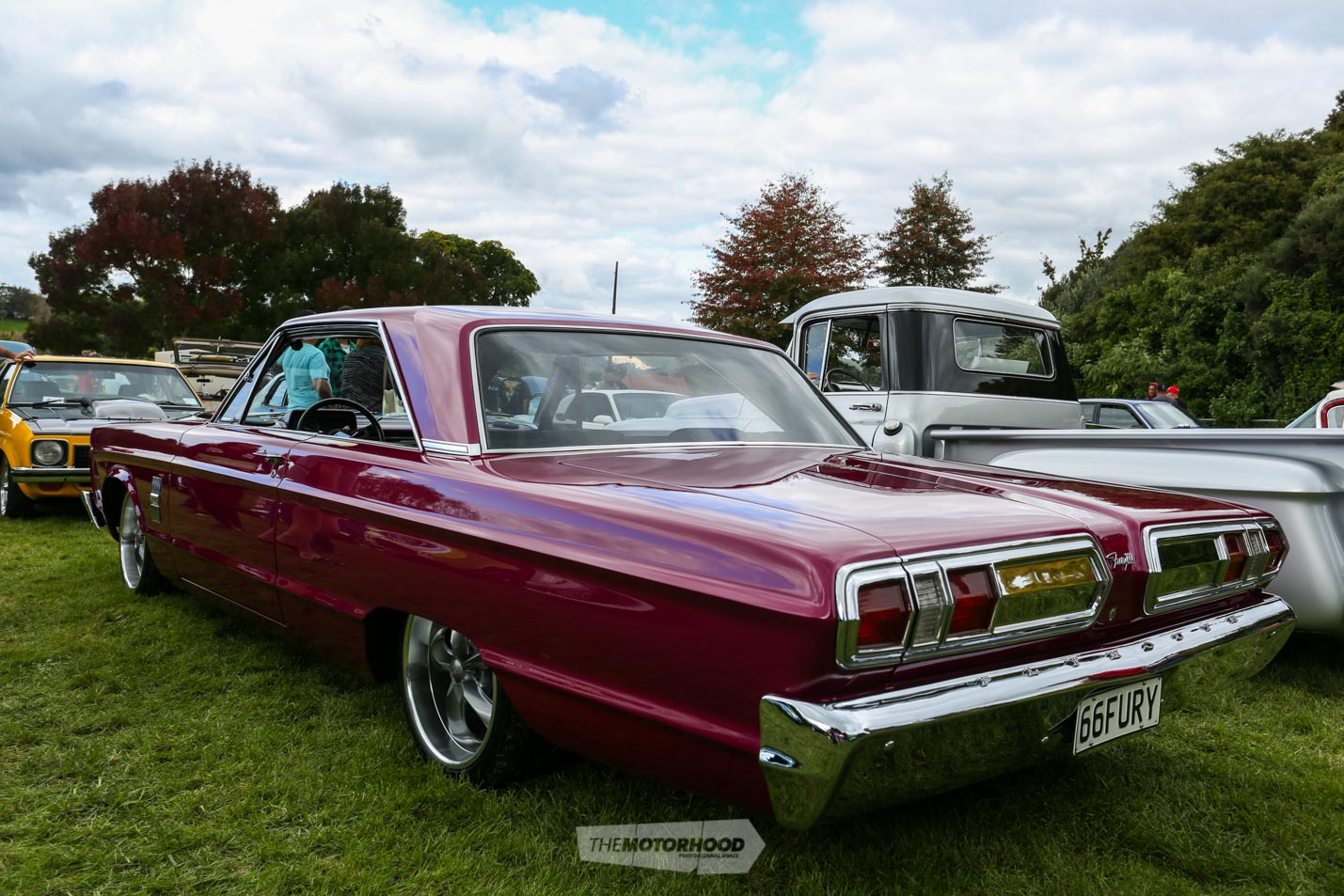
It isn’t all GMs. While there didn’t appear to be any Blue Oval–badged vehicles in attendance, there was one flying the Mopar flag high. Kelly Ross brought her bright pink ’66 Plymouth Fury over to Clevedon, taking the ‘Best Other’ trophy in the process.
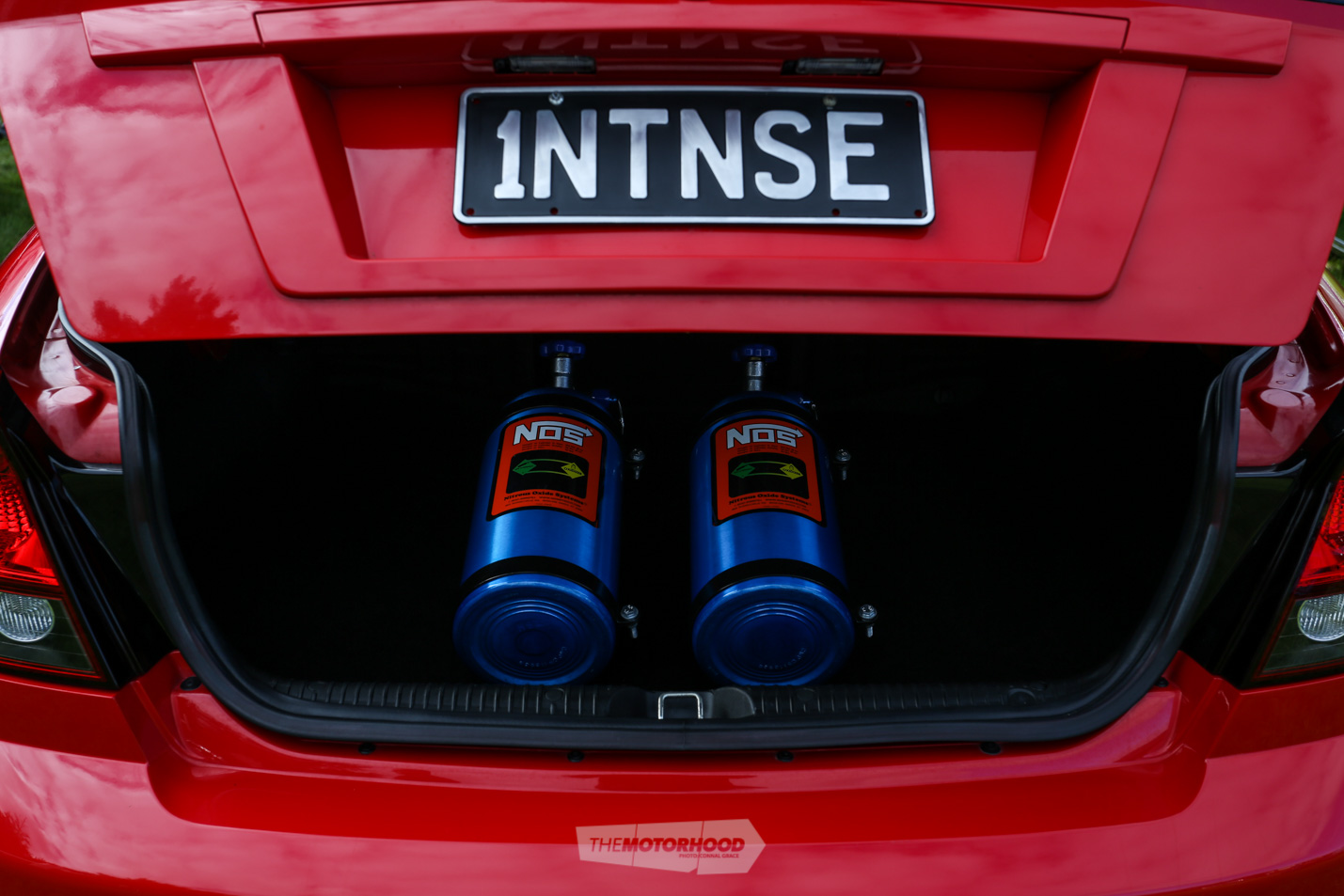
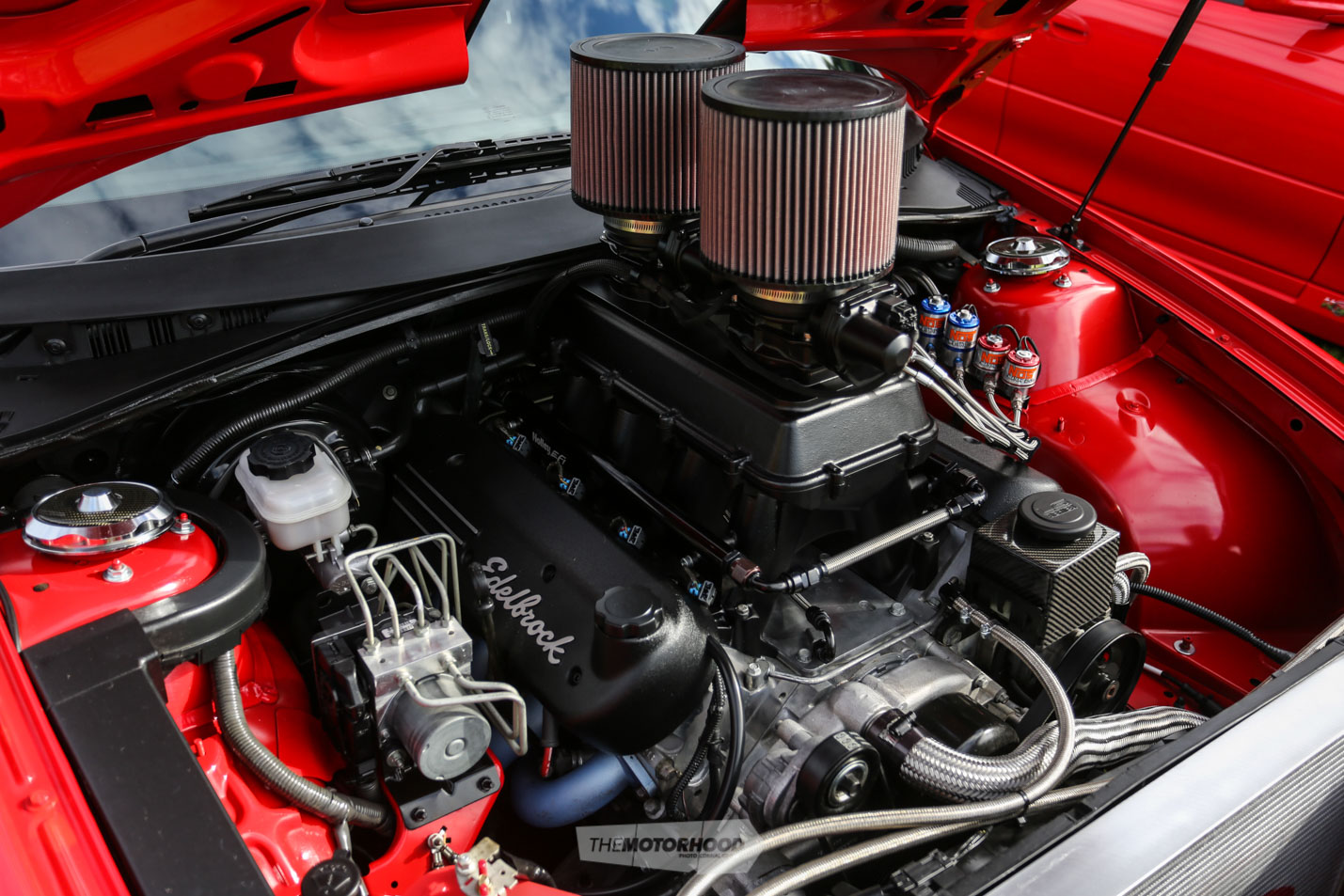
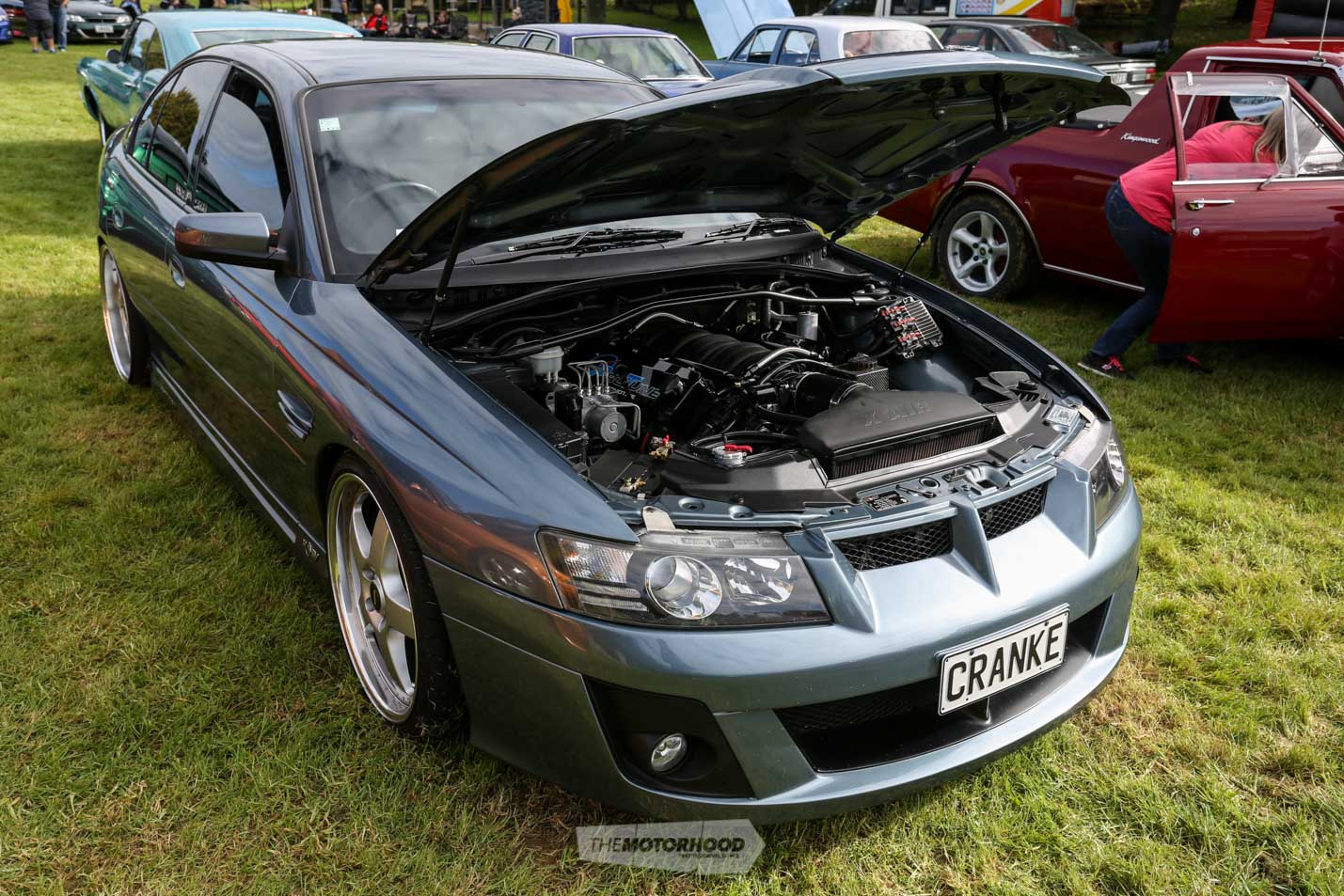
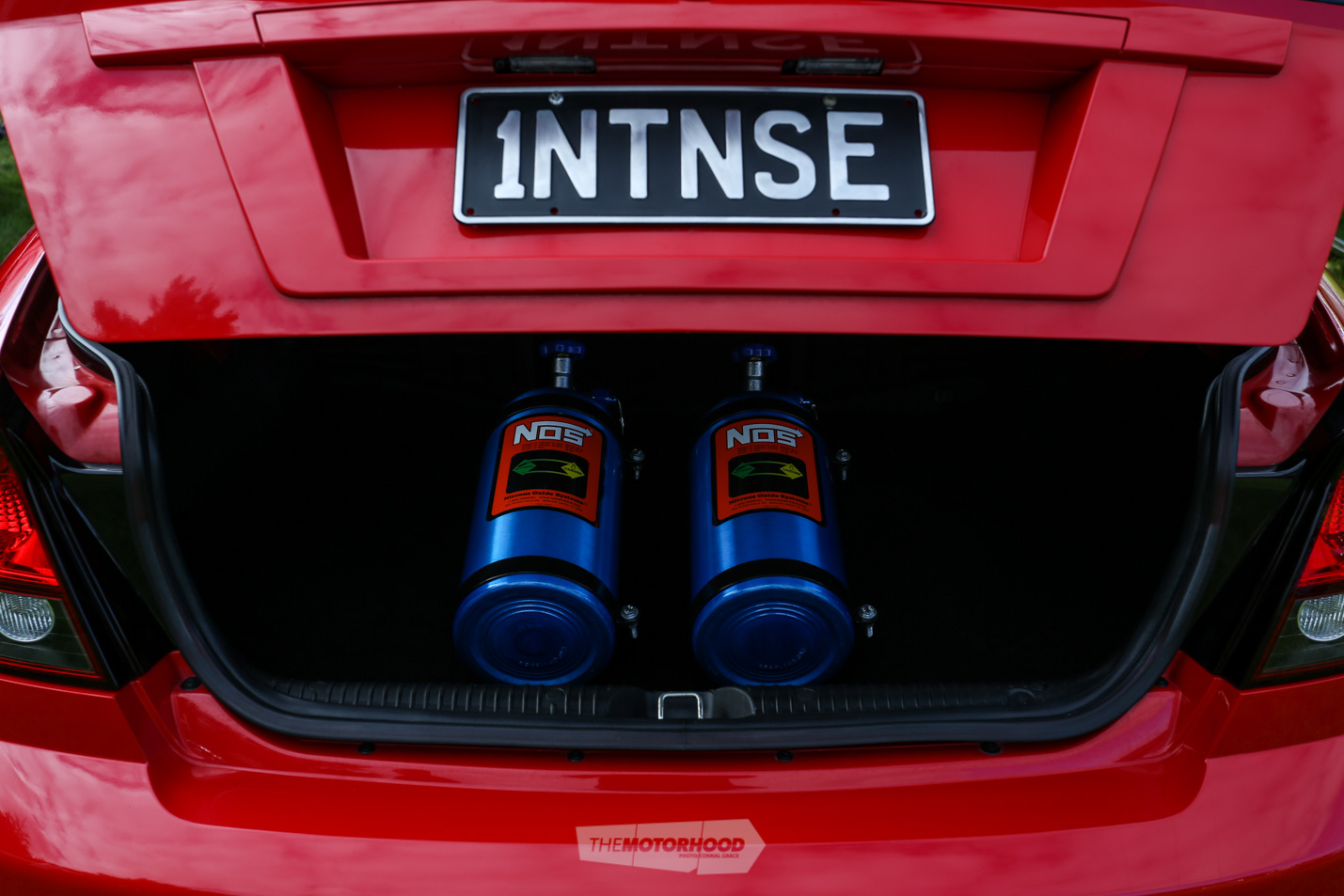
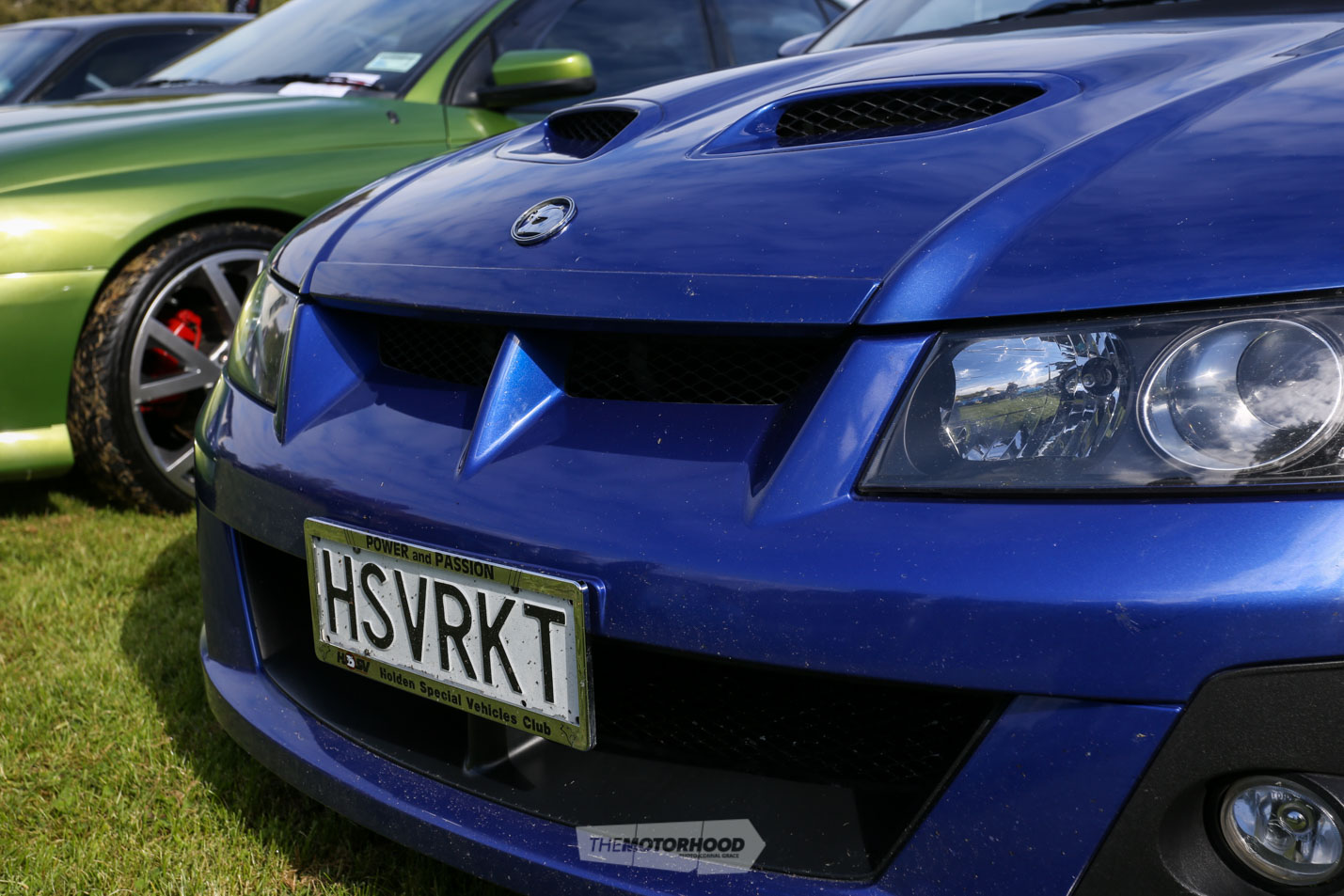
If the tunnel ram sticking through the bonnet isn’t enough to convince you that Kev Brooke’s HSV VZ ClubSport R8 packs a mean punch, the pair of NOS bottles in the boot should.
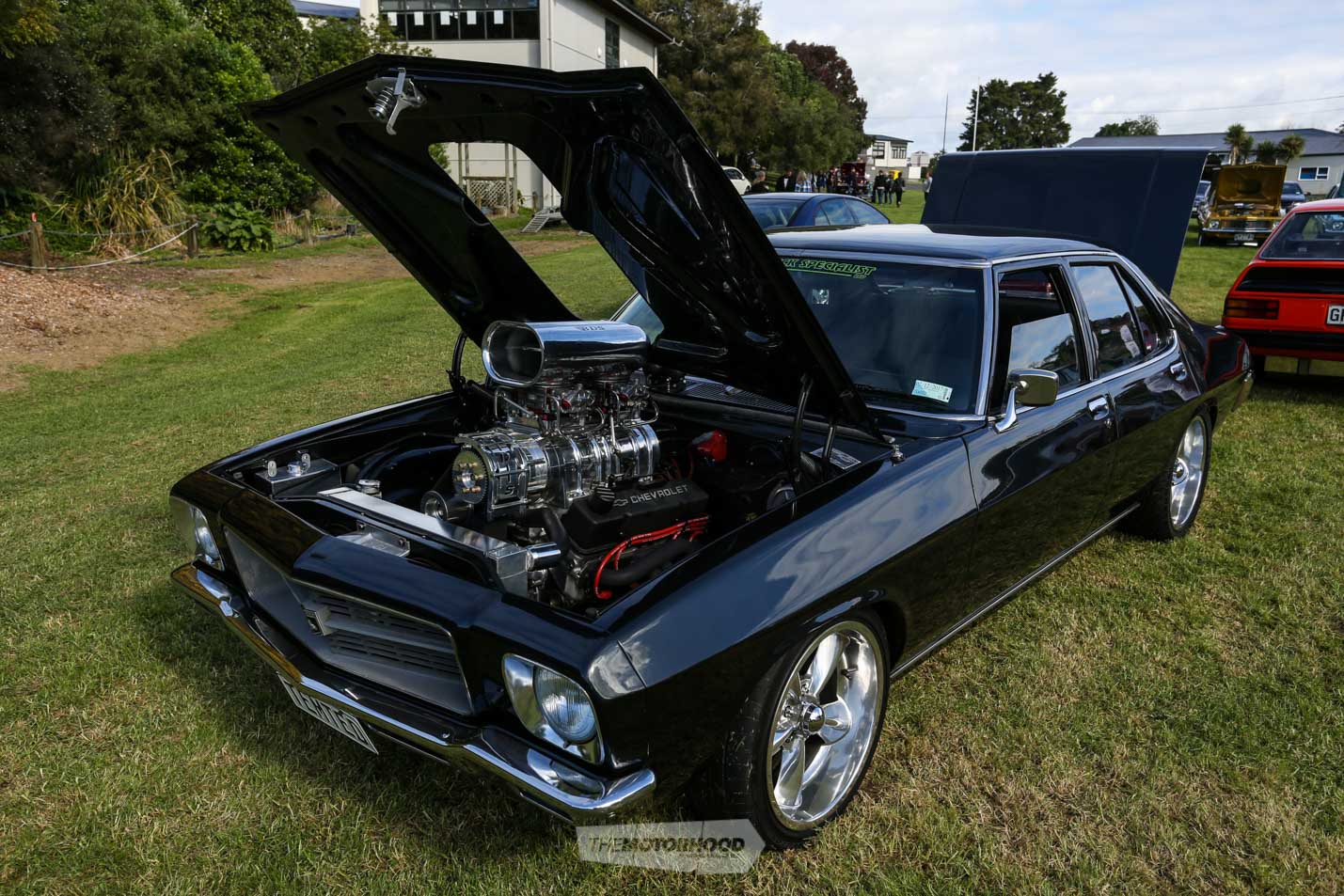
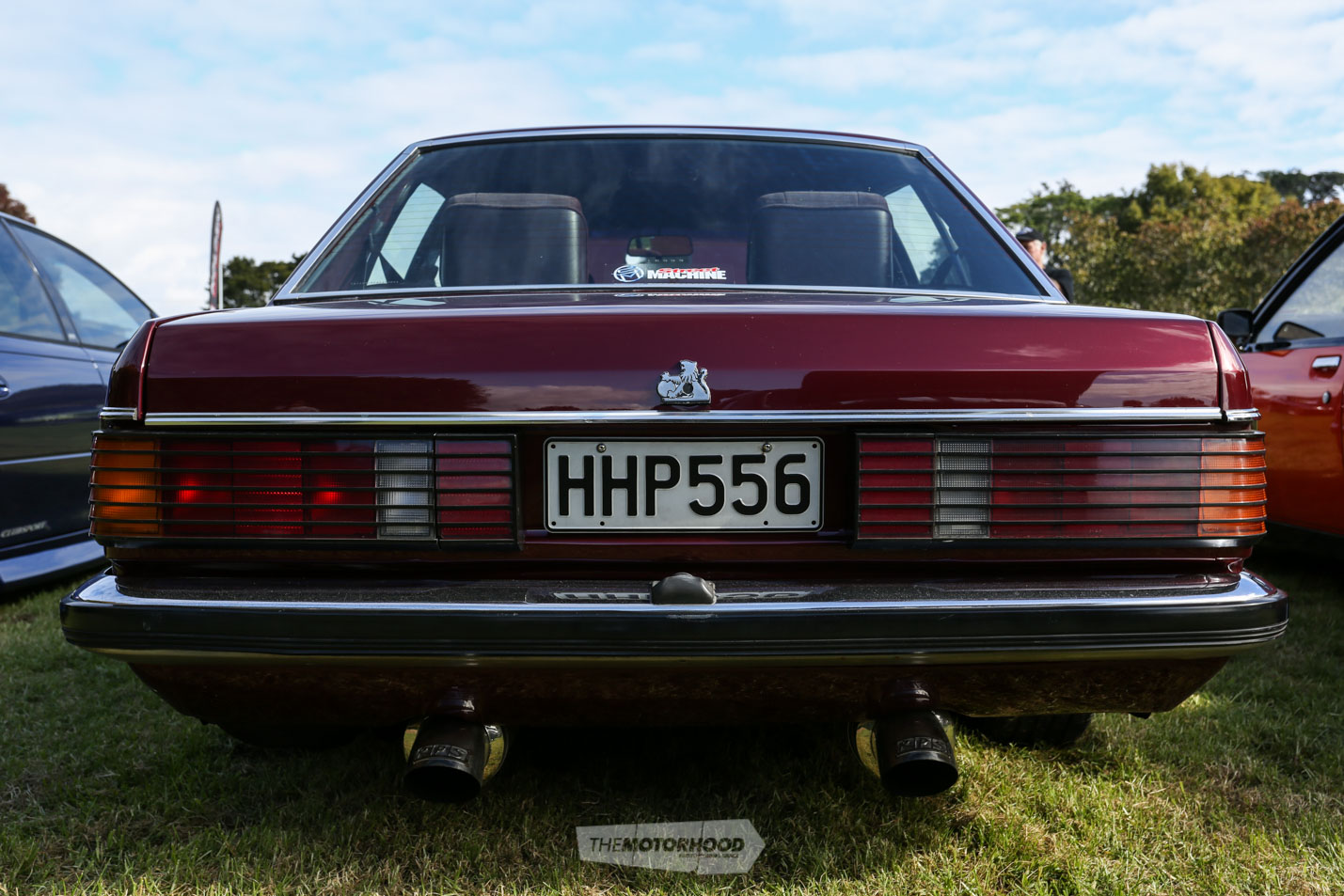
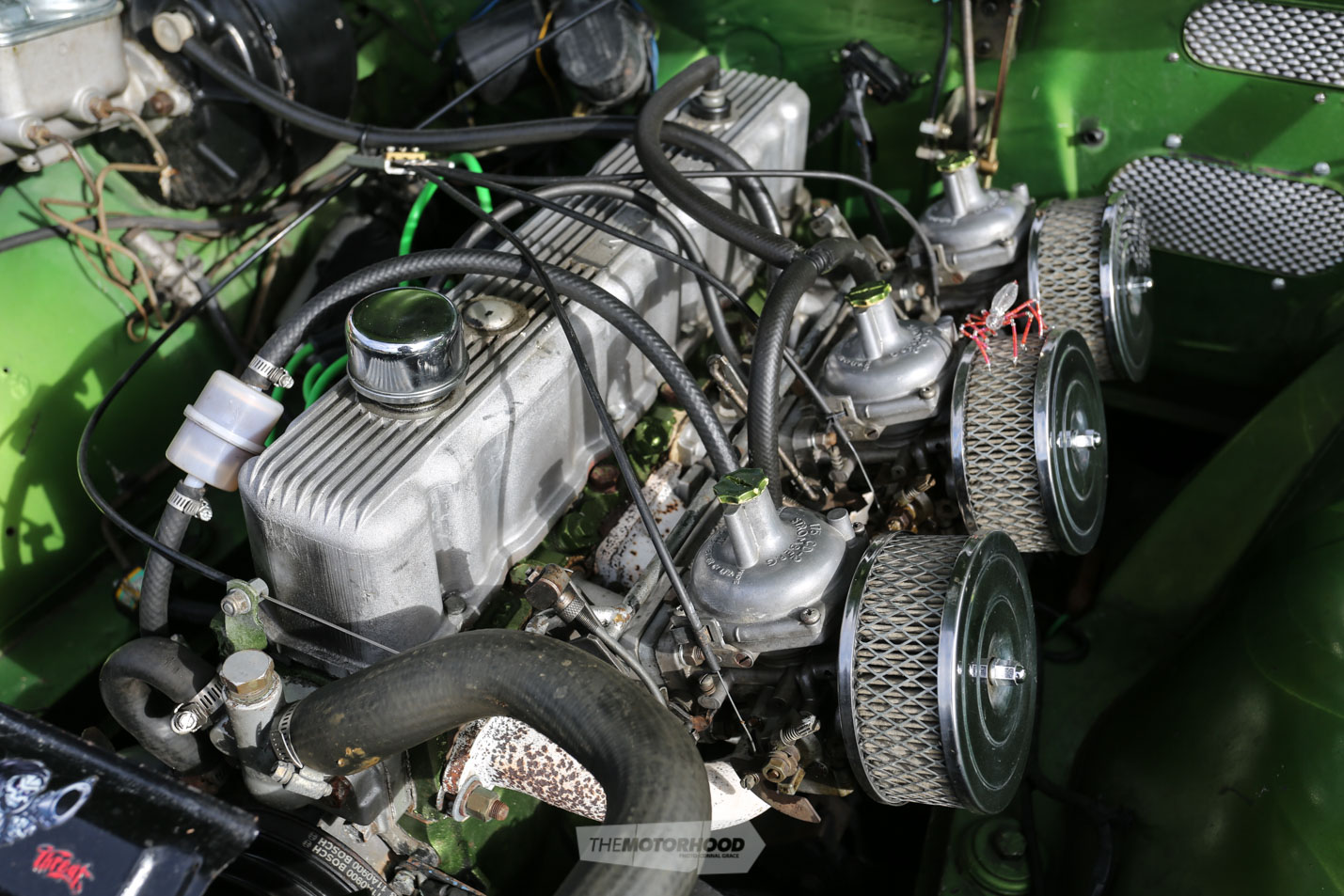
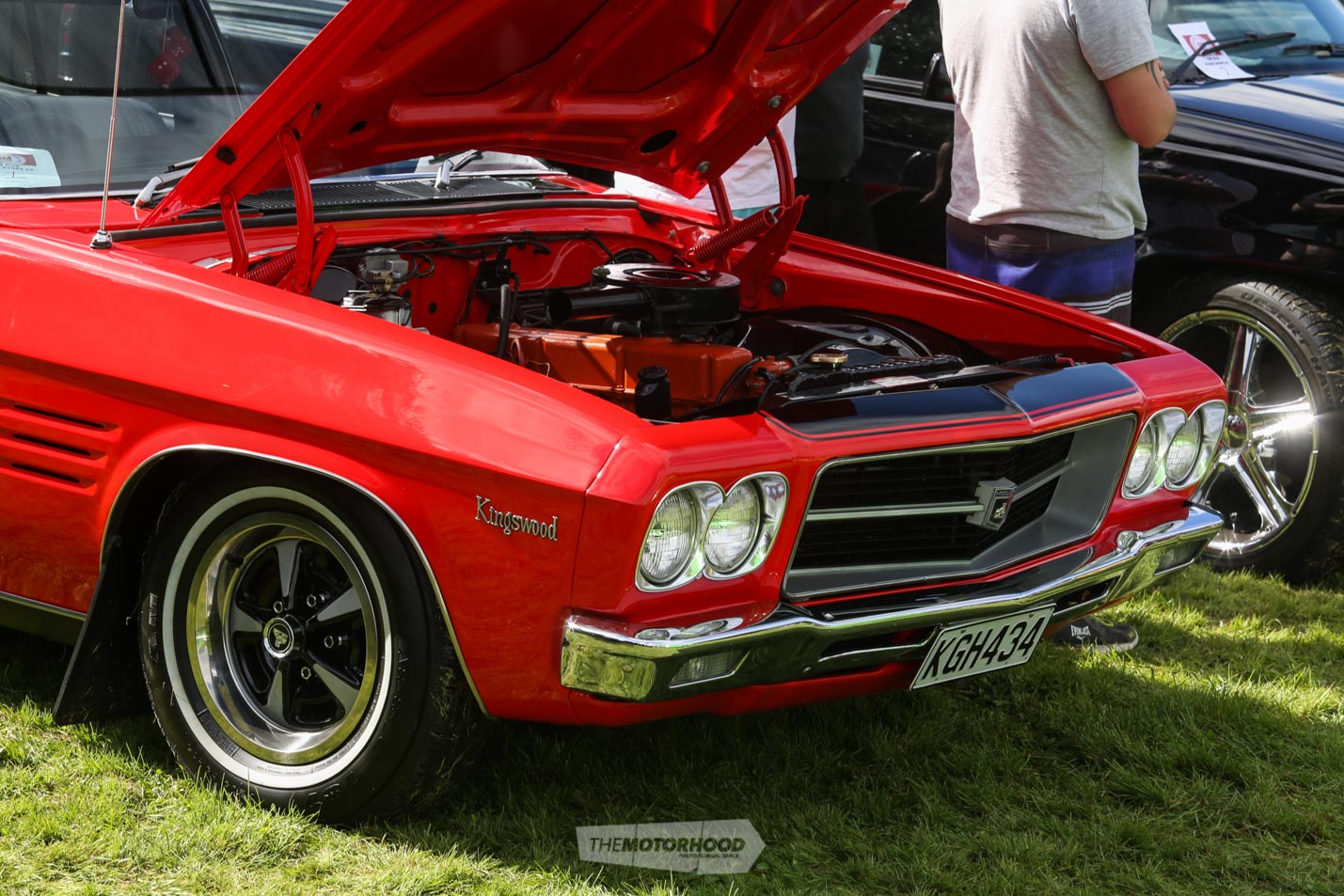
Pete and Cam North’s Holdens make for a pretty cool father and son display. Pete’s Holden HQ runs a supercharged 383ci small block, while Cam’s VH Commodore is powered by a carbed VN-headed 308.

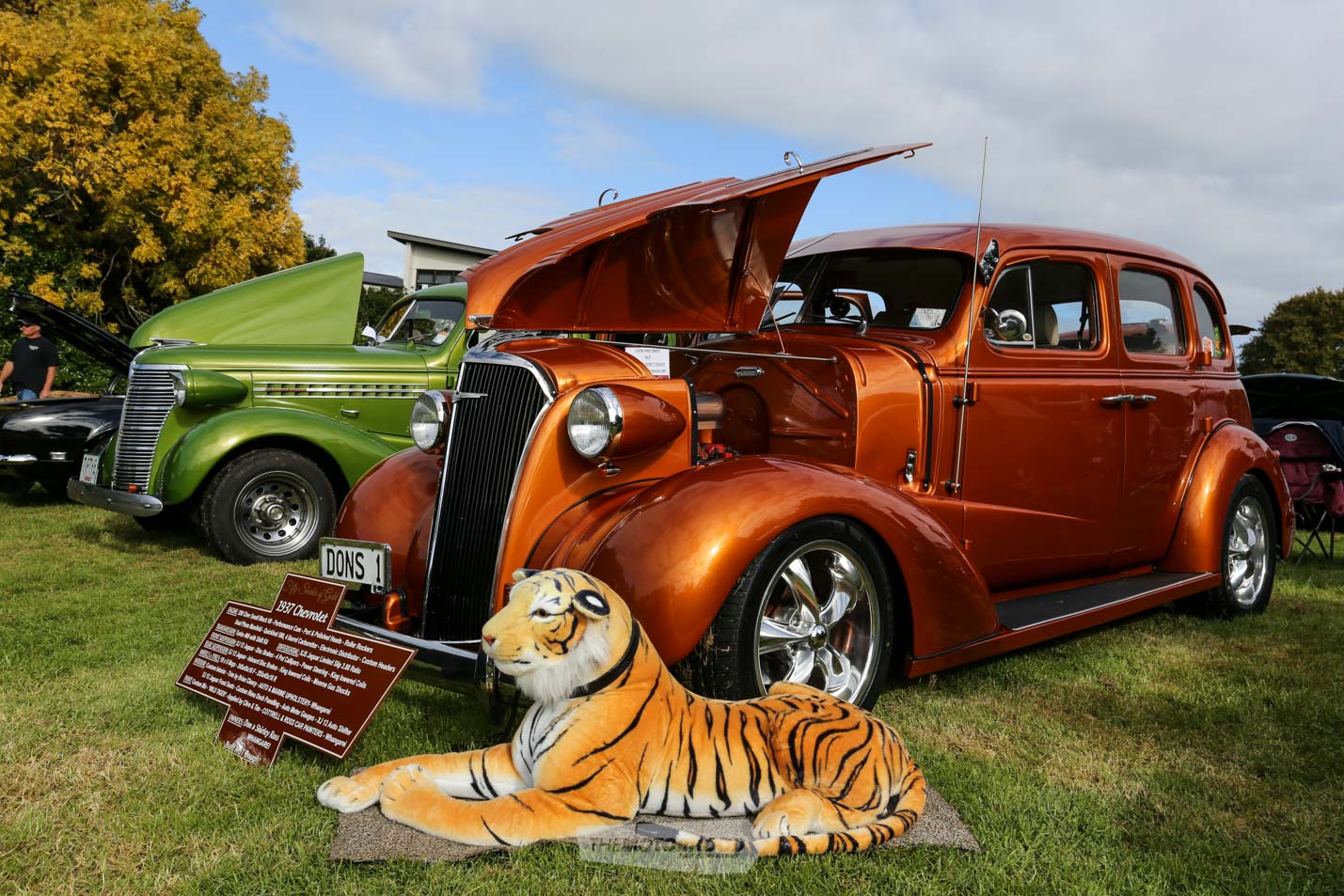
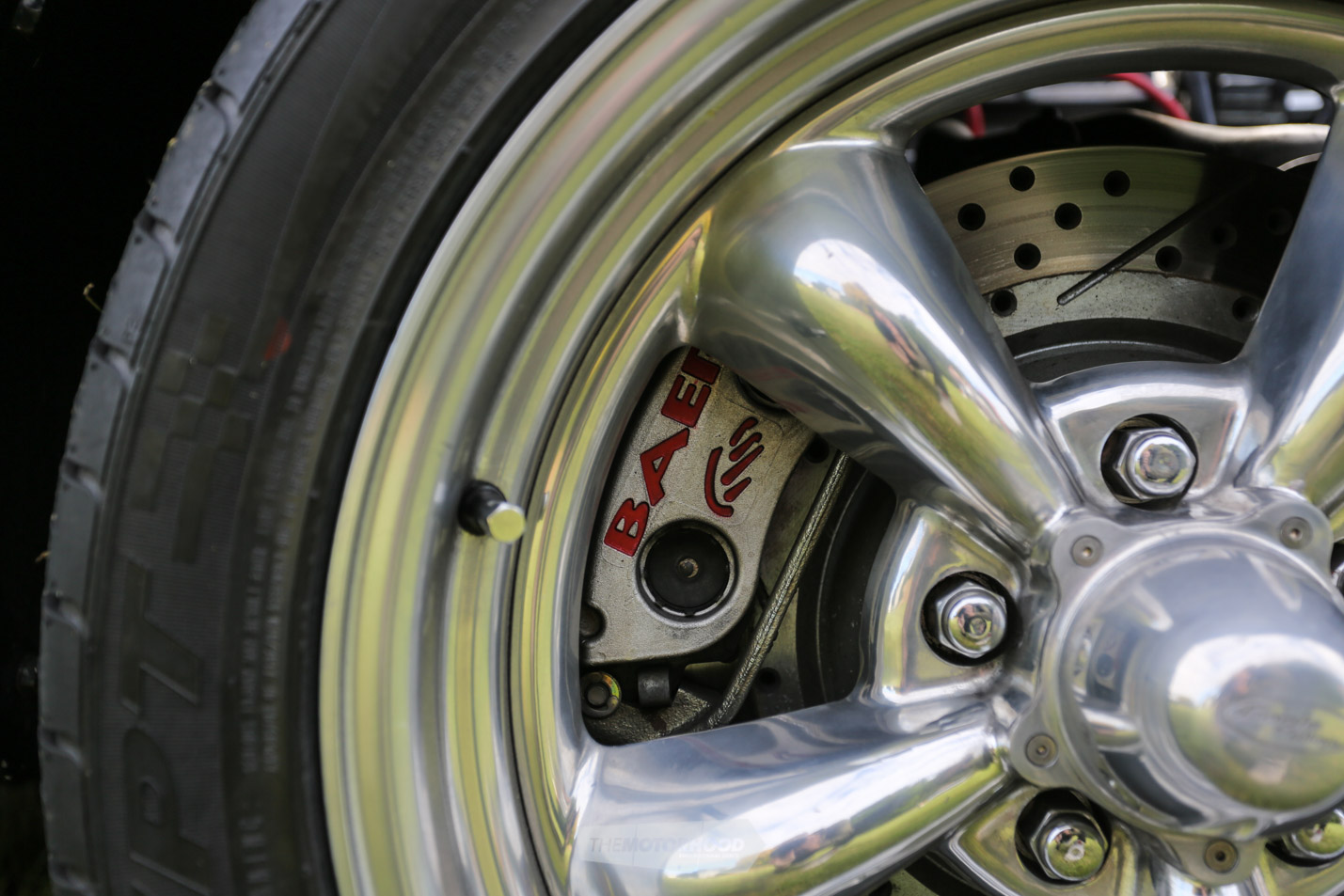
Don Ross did well for himself. The ’37 Chev sedan is a very nice example, with a whole lot of work hidden underneath the rather traditional looking exterior. He ended the day with both the Best Chev and People’s Choice awards.
We’ll have a full event report in an upcoming issue of NZV8 magazine, but, for now, you can check out the photo gallery below to see what else was in attendance at the show.