Roger Moore was a true great of the big screen and one that was so closely linked with so many great cars of years gone by. He was an unquestionable man of style, from his suits to his rides, and in light of his recent passing, let’s take a look at some of the cars he became associated with over the course of his career.
Volvo P1800 — The Saint (1962 – 1969)
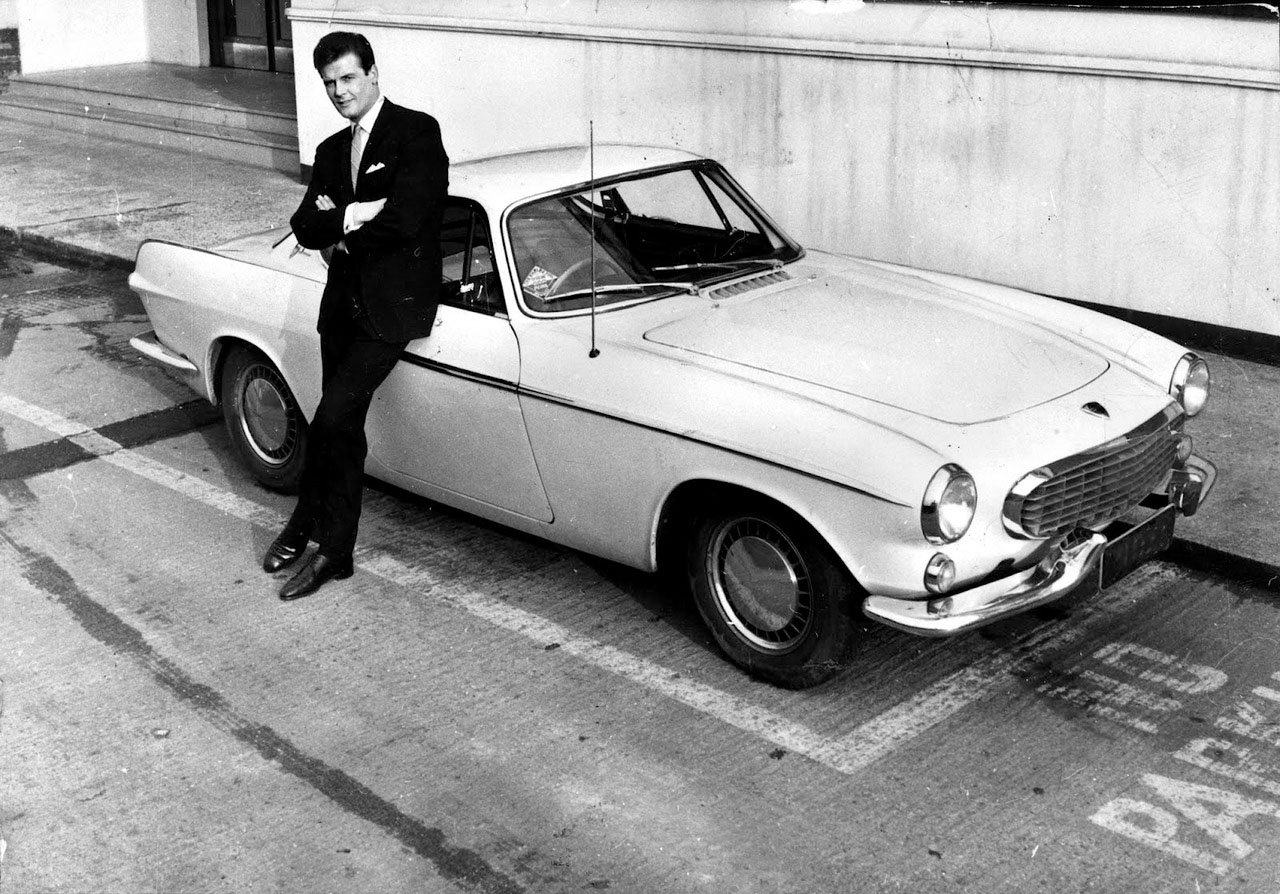
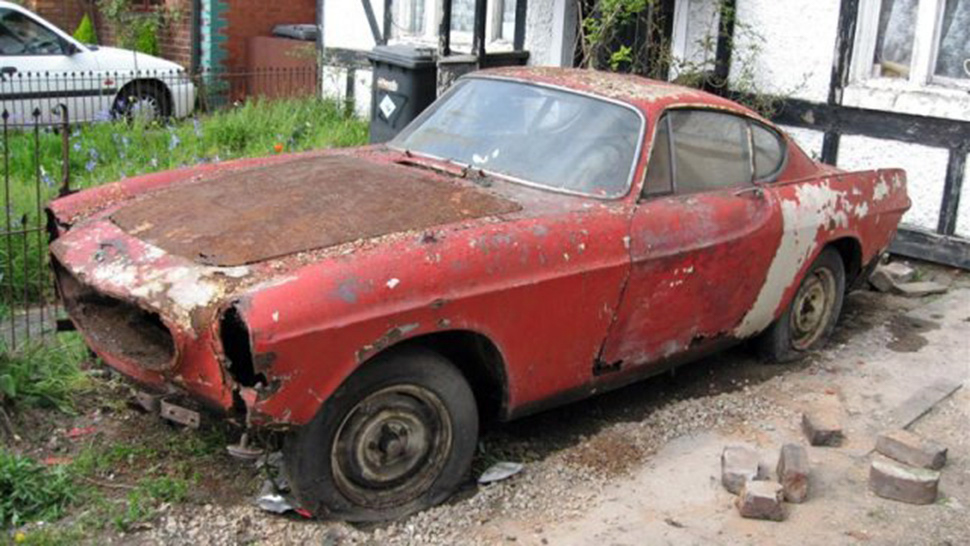
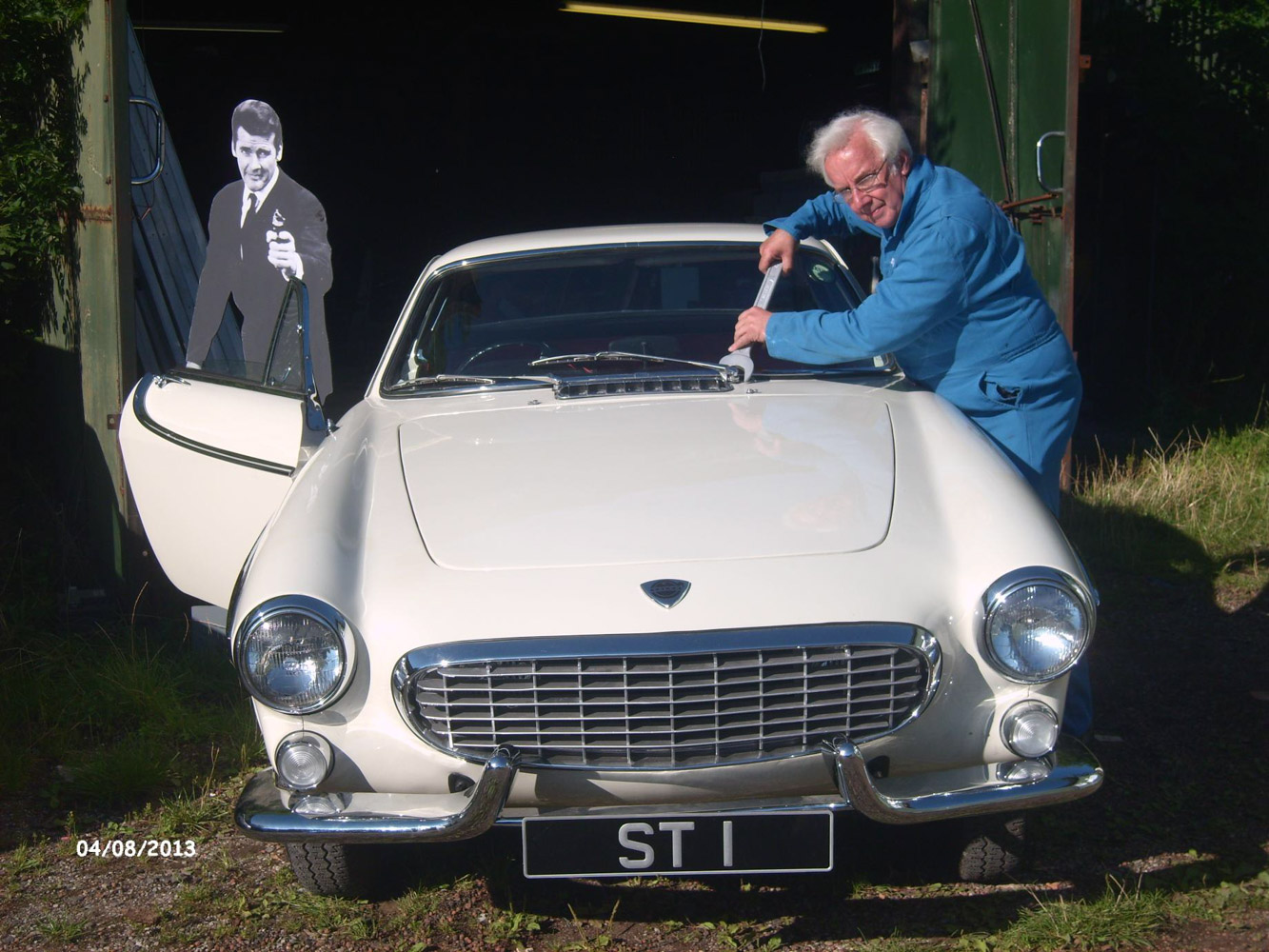
Driving a beautiful Volvo P1800 in the role of Simon Templar, Moore could be found stealing from criminals and eluding the authorities.
As a side note, the car was restored back to it’s original TV condition after Pinewood studios disposed of it and the sexy Swedish ride ended up in a field in North Wales. Found covered in brambles and nettles, with the engine on the back seat, by Kevin Price in 1991. Proven to be Jensen built car was the original, the restoration to save the barely salvageable basket case was completed in 2013. The result so accurate that it could have fooled The Saint himself.
Aston Martin DBS — The Persuaders! (1971 – 1972)
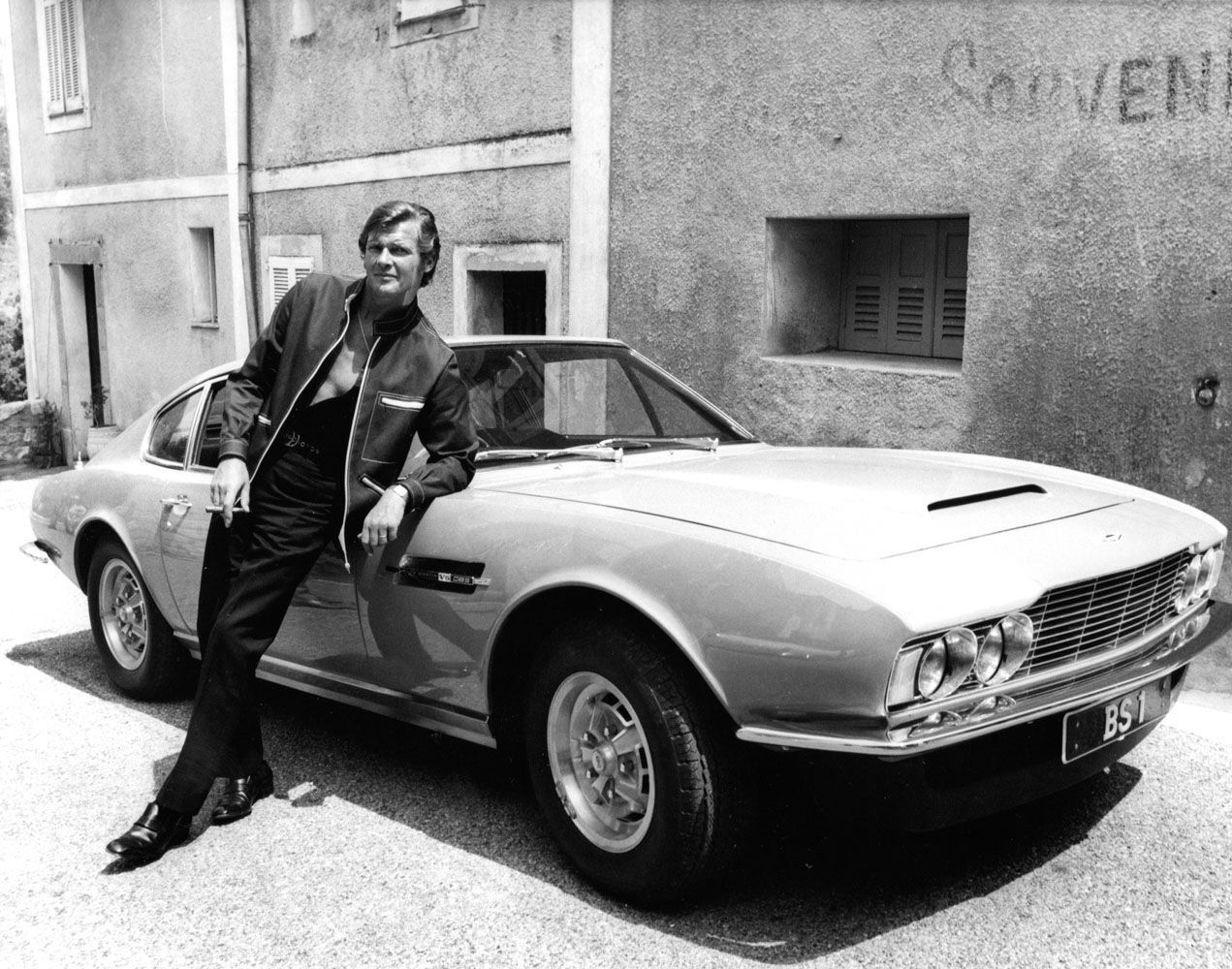
Although Moore’s generation of Bond would go on to shun the Aston Martin, in favor of Lotus examples, he could be spotted driving an Aston Martin DB5 in television series The Persuaders. Starring as an aristocratic Brit who teamed up with Tony Curtis to solve the crimes the authorities could not, this would pave the way for his run into the bond films.
AMC Hornet — The Man With The Golden Gun (1974)
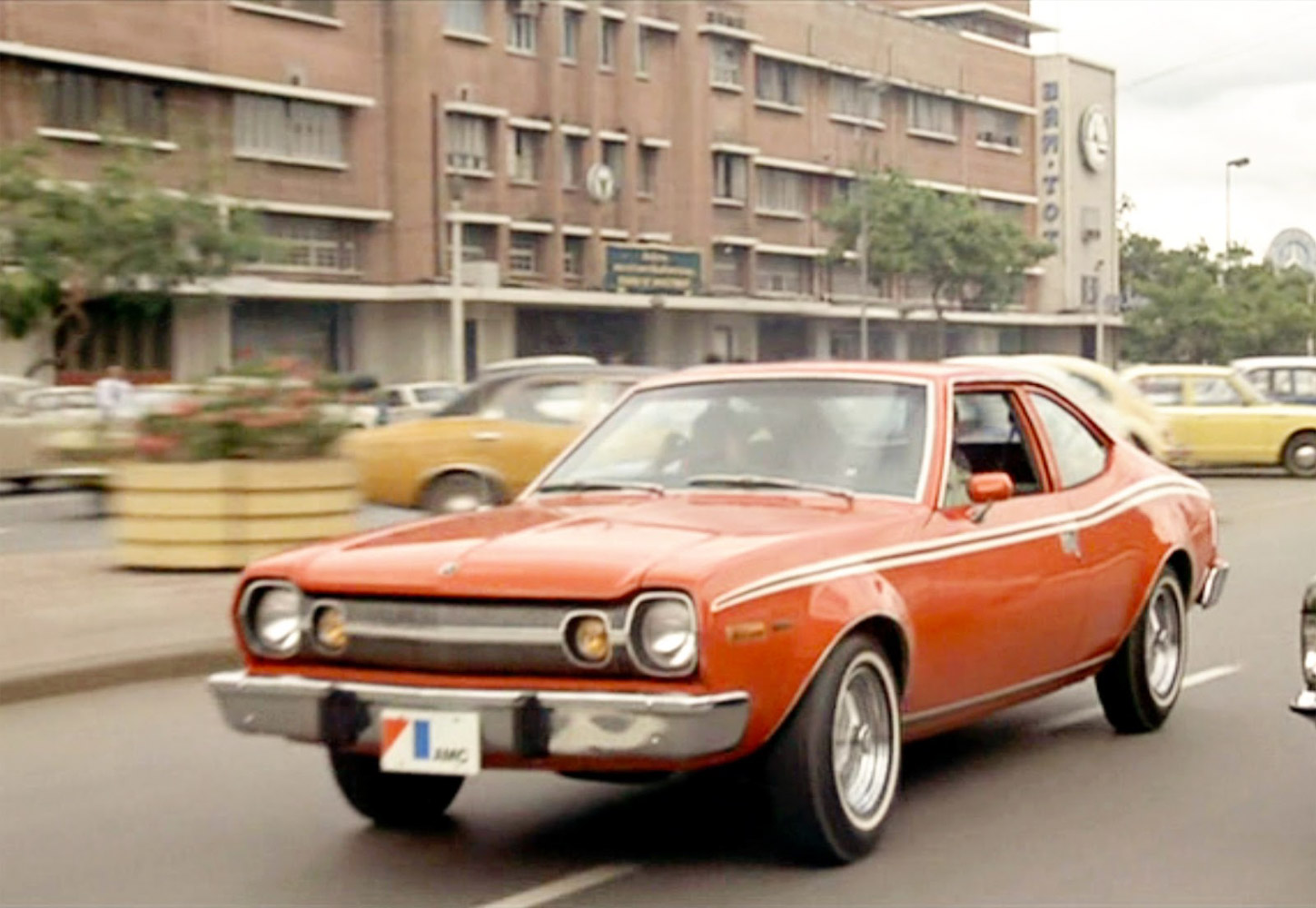
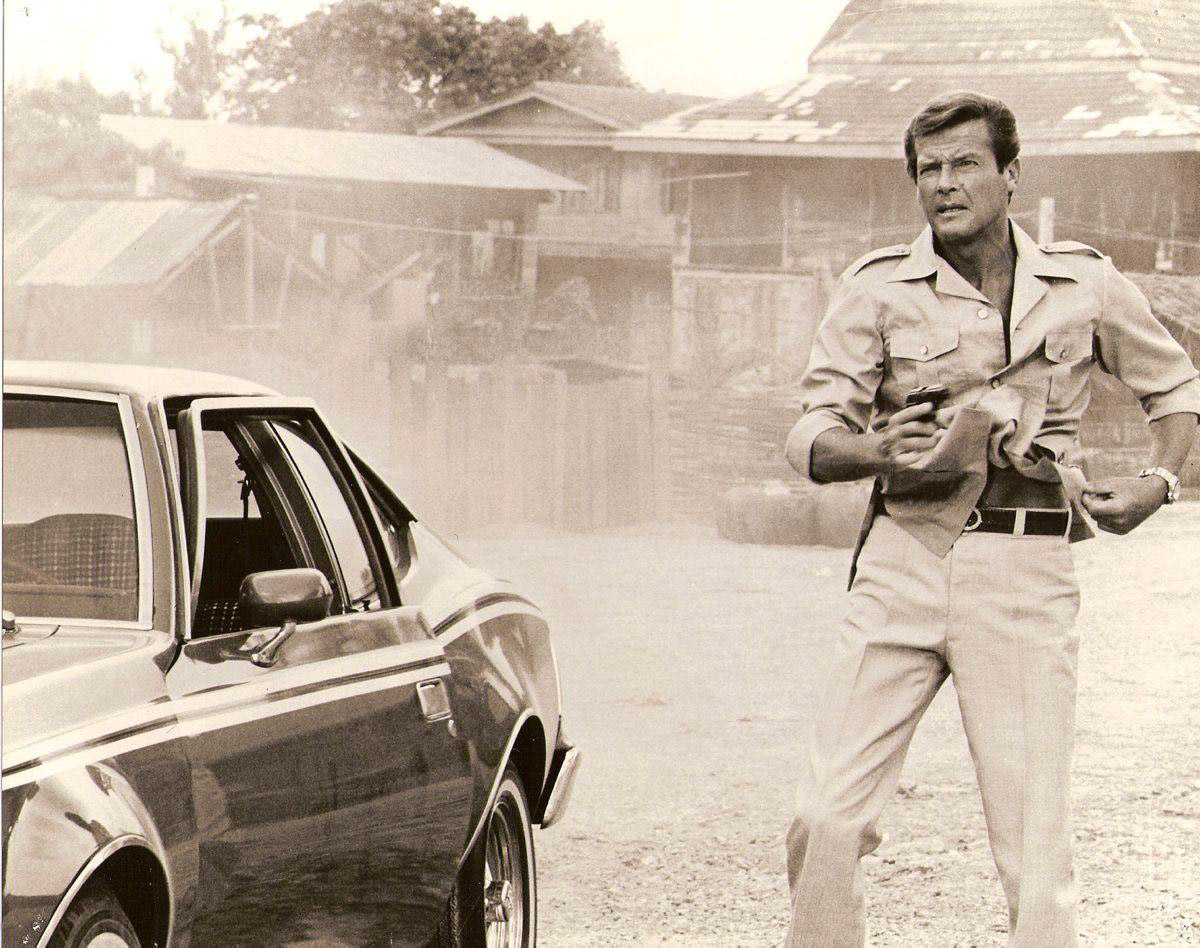
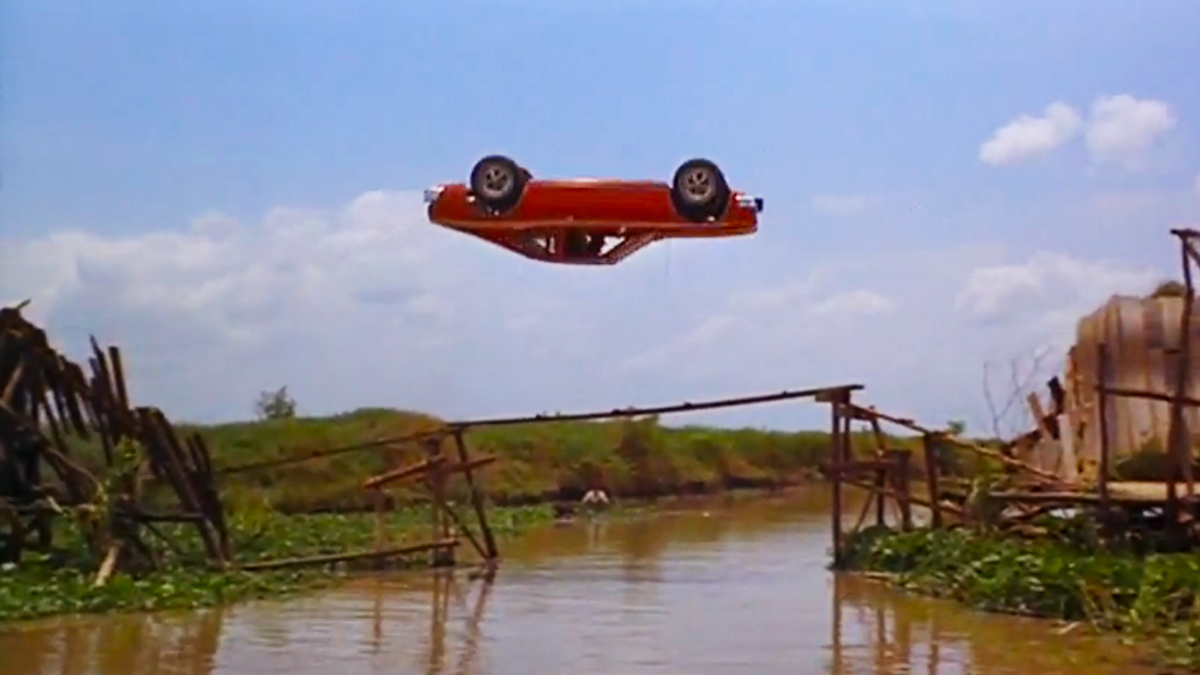
Kicking off the appearance of Moore’s version of Bond in 1974, a car chase scene involving a bright orange AMC Hornet would see the car undertake a highly impossible corkscrew jump over a river. Filmed in Thailand, the stunt involved pioneering use of computer modelling technology to ensure safety for all crew members, and of course, it look mind-blowing. This would establish the Moore era as one of outlandish action.
Lotus Esprit S1 — The Spy Who Loved Me (1977)

As previously mentioned, Moore’s incarnation of Bond shunned the by-now traditional Aston Martin, instead taking the wheel of a Lotus Esprit S1 in The Spy Who Loved Me. To further the change, it turned into a submarine — because you never know when you’ll need to make a quick underwater exit. And who can forget Bond driving out of the sea in Sardinia and droping a fish out of the window? Cinematic genius.
Interestingly the submarine version of the car used in the film was sold to Elon Musk — who has been earmarked to portray a potential Bond villain in upcoming film(s) — for £616,000 in 2013.
Lotus Esprit S3 Turbo — For Your Eyes Only (1981)
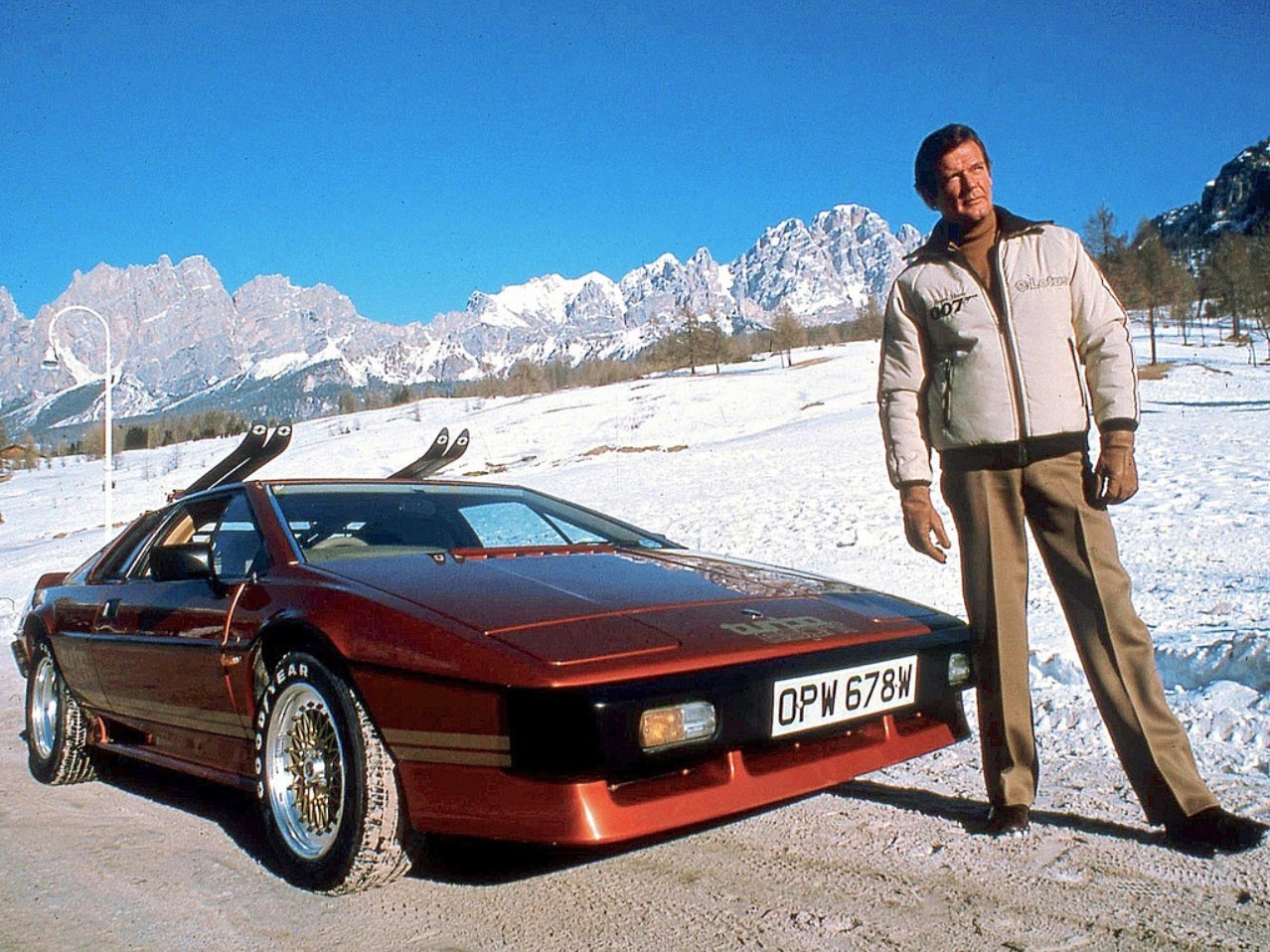
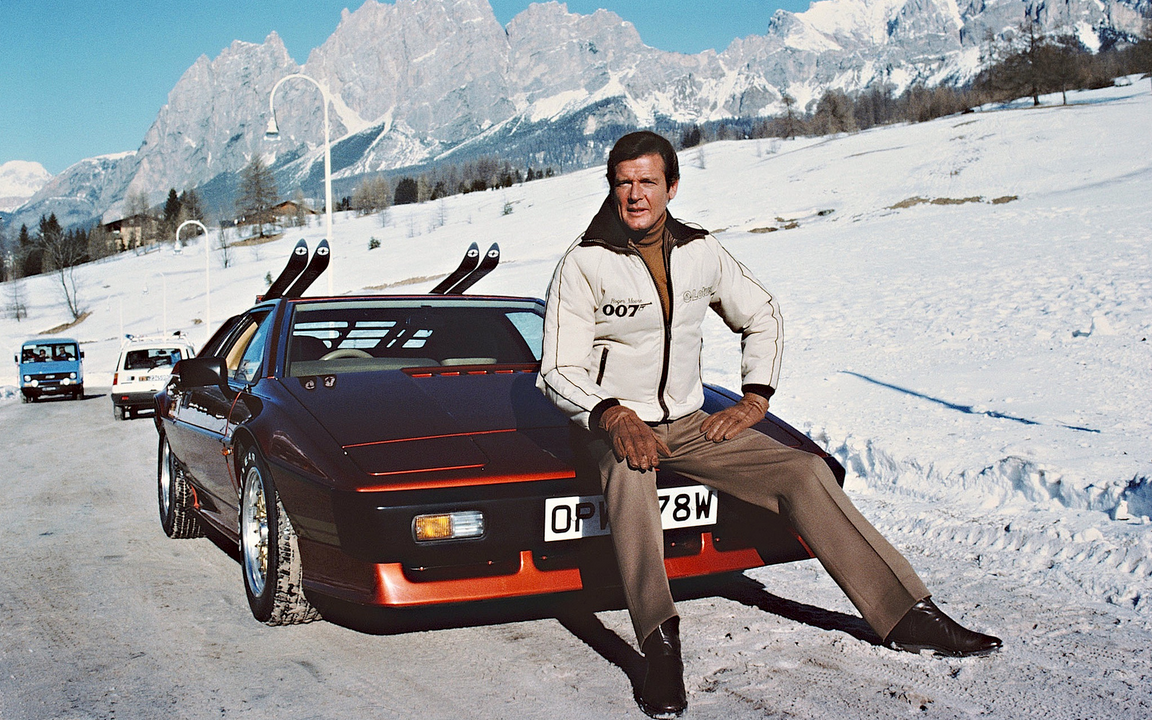
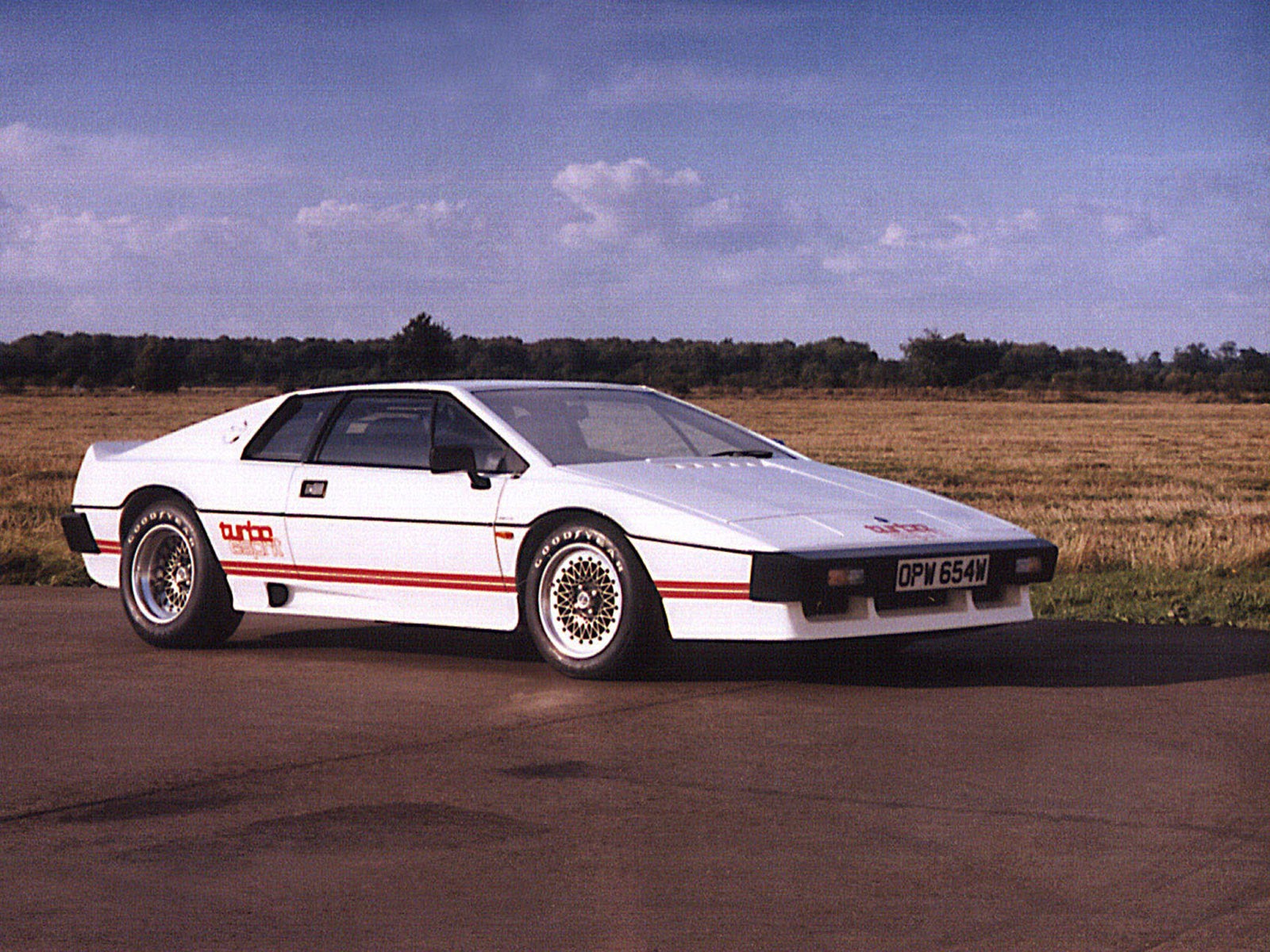
Nothing how popular the Esprit S1 from The Spy Who Loved Me had been with the public, the production team looked to revamp this with another Lotus. Selected was a Lotus Esprit S3 Turbo and although initially painted white with red stripes, when production moved to Cortina in the Italian Alps, the crew decided a darker shade would stand out better against the snowy backdrop, which would see one of the two cars on hand sent back to Lotus where it was repainted bronze with golden stripes and decals, fitted with custom ski racks (for obvious reasons), and the antenna removed. Temperatures dipping to -18 degrees celsius meant that this revised version would only appear in two short scenes; once during the arrival in Cortina in front of the Hotel Miramonti, then once in front of the ice stadium.
Interestingly, Lotus supplied a pair of vehicles for filming as the crew was required to film in two separate locations at the same time. One of those vehicles was the original prototype that had been retained by Colin Chapman, founder of Lotus Cars, making it a very rare example indeed.

We could continue to harp on about Roger Moore’s car-related on-screen exploits, but the preceding list is what we believe to be his top-tier highlights. He was truly a class act and leaves a large legacy behind — especially when it comes to driving.
“Sadly, I had to retire from the Bond films. The girls were getting younger, or I was just getting too old.” – Sir Roger Moore (1927-2017)