
Shower thoughts: w​​​​​​​hat’s the best car from the year you were born?

9 July, 2017

Picture this: You’re six months old, you crawl onto any car yard in the world with a blank cheque ready to buy a brand-new car, what will it be? We put the question to some of the team here in the office to find out. What would you be buying?

Lachie Jones, staff writer at New Zealand Classic Car
1981 Toyota Landcruiser FJ40
Timeless, awesome to look at, and ready to take on the Zombie apocalypse with aplomb.

Todd Wylie, editor of NZV8
1980 Buick GNX
The easy pick would be for a Buick GNX, they’re just so wrong, that they’re right.

Connal Grace, deputy editor of NZV8
1992 Ferrari F40
You’d be a fool not to pick the legendary Ferrari F40. Raw unadulterated horsepower at its finest, and a time capsule of an engineering period we’ll never see again — all brawn and no brains (electronics).  
Jaden Martin, staff writer at NZ Performance Car
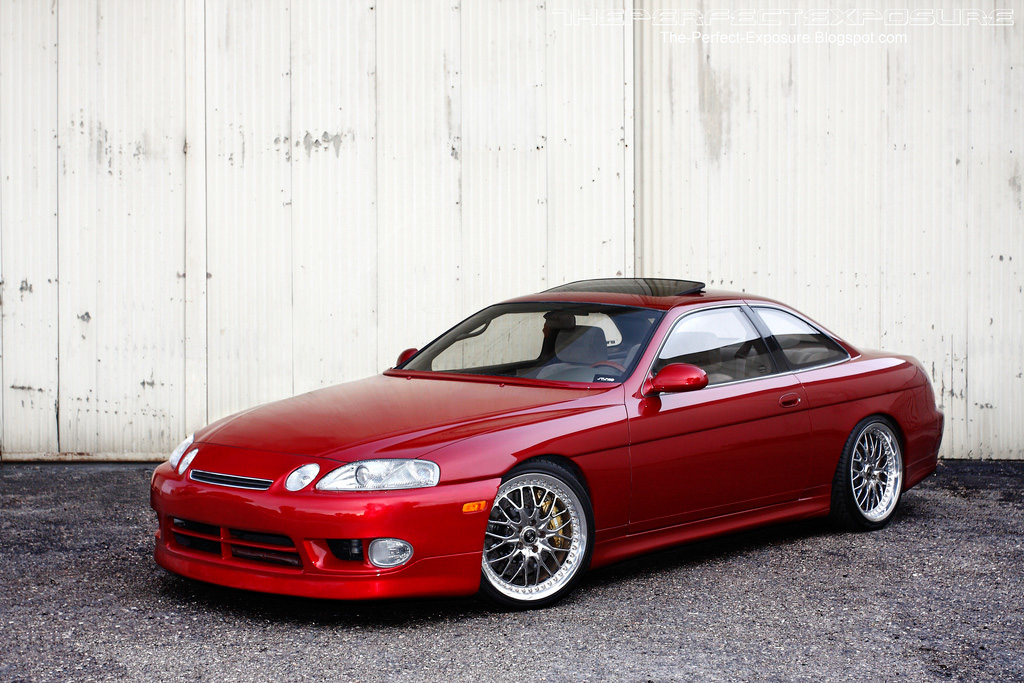
1993 Toyota Soarer (Z30)
Factory option 1JZ-GTE with five-speed manual inside a Toyota luxury coupe? Yes please — add a dash of low and a set of WORK Rezax IIs, and I’ll be a happy man.

Adam Croy, senior photographer
1980 Ferrari 308 GTSi
Who wouldn’t want to smash one through the Hawaiian back roads!!

Ashley Webb, editor of New Zealand Classic Car
1956 Chevrolet Belair Sport Coupe
The best of the tri-fives!

Let us know what you’d pick and why too, we may even throw you a copy of the latest mags to sweeten the deal …

Coaching from the bench: Casting plastic knobs and rubber parts

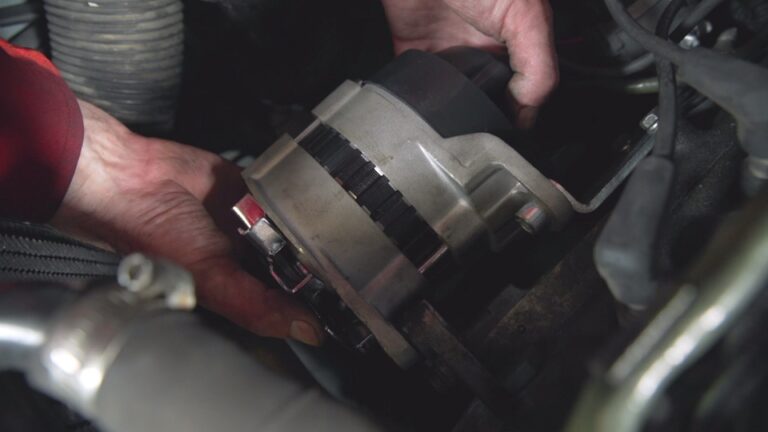
Casting rubber items is simple if you have a good original to work with. The item doesn’t have to be perfect. You can use plasticine to smooth out cracks, and you can even make whole prototypes out of low-fire modelling clay available from craft stores if you need to. Prototypes can also be made of wood or metal.
You will need mould dams to contain the liquid urethane moulding solution until it cures. You can build boxes out of strips of wood, but I have found that small plastic boxes and bowls such as those you would use for leftovers in your fridge work well if you spray them with a mould release agent.
Temperature is important to the chemical processes involved, so work in an area that can be maintained at around 20 degrees. You will also need adequate ventilation because the fumes can be dangerous to breathe. And you will want to wear latex gloves to protect your hands.

Fraser Cars – low flying into the fourth decade

With almost three and a half decades under its belt, Fraser Cars is one of New Zealand’s longest-surviving car manufacturers. The company first opened its doors for business in 1988, during the boom time for kit manufacturers. During the ’80s, around 40 different companies were building kits and turnkey cars for this niche market. Of those, only Fraser and Almac Cars (established 1981) are still in business today.
Most of the new kit car companies were killed off in the cradle by the threat of new legislation that never eventuated and definitively by the sudden availability of high-performance Japanese cars when the floodgates to second-hand imports were opened. The now long-retired founder of the company, Neil Fraser, first came across Lotus Seven replicas while racing Lotus Cortinas in the early ’80s. He regularly found himself racing against a little Caterham, a Lotus Seven–styled car built in England. He was very impressed by its simplicity and handling. In 1986 Fraser built his own Lotus Seven–type car, using the knowledge he had gained from several close looks at the Caterham.