If you’re anything like us here in the office, you’ll spend a good chunk of your time imagining what car you’d buy in any given scenario. The Powerball winners garage makes for a good afternoon of daydreaming. So does thinking about finding a daily that could be used on track days without blowing the insurance premiums out of the water.
But let’s start with a question for the ages, an old favourite: what would you buy with $5,000 cash? We put the $5k dilemma to a few of the team and here’s what they had to say:
Jaden Martin — Staff writer at NZ Performance Car
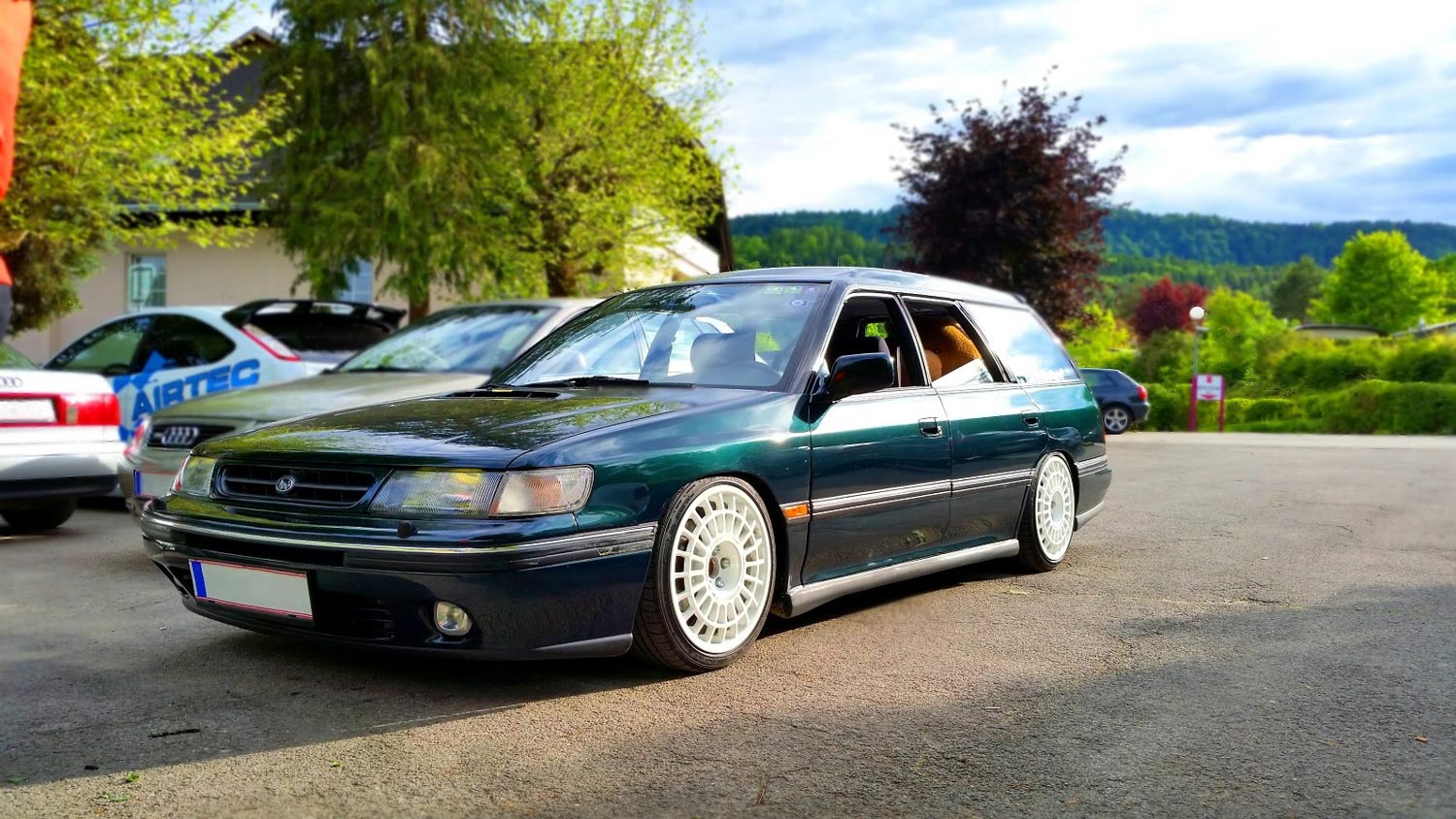
Subaru Legacy RS wagon (BF): There’s not a lot in the realm of 5k that still has an ounce of fun left in it without being thrashed beyond its usefulness. To be fair an RS wagon is probably no exception to this, but hey, they seem to soldier on like champs and still look cool as hell with a slight height adjustment and a properly suited set of wheels — plus who could resist giving it a squirt out on gravel back roads in the middle of nowhere?
Lachlan Jones — Staff writer at NZ Classic Car
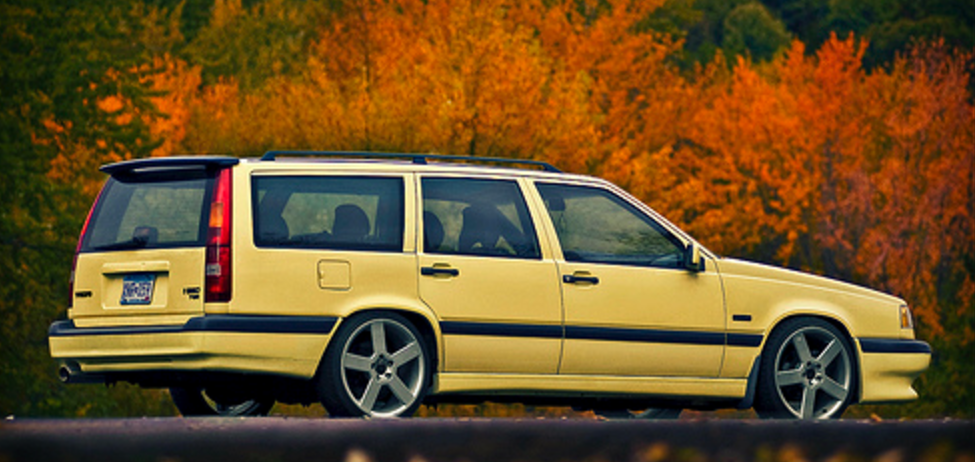
Volvo 850R Wagon: Anyone remember the only wagon to ever compete in the BTCC in the 1990s? This is it. And now they’re as cheap as chips but still a blast. I love the box like dimensions that somehow enhance the styling. Quick, comfortable, practical and cool.
Ashley Webb — Editor of NZ Classic Car
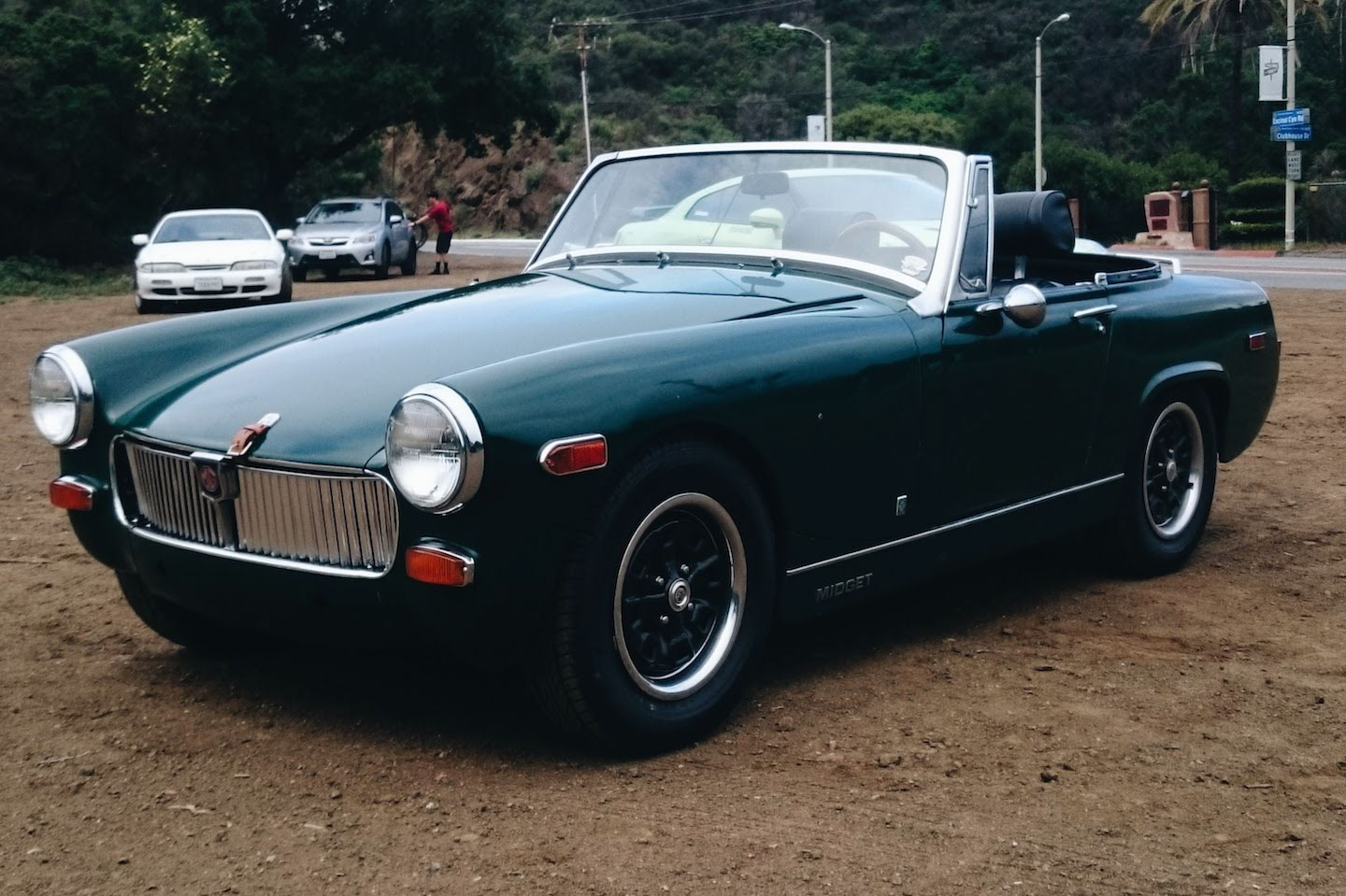
MG Midget: Why? Cause it’s the only bloody thing I can think of that costs $5k and a lot of fun at an affordable price.
Todd Wylie — Editor of NZV8
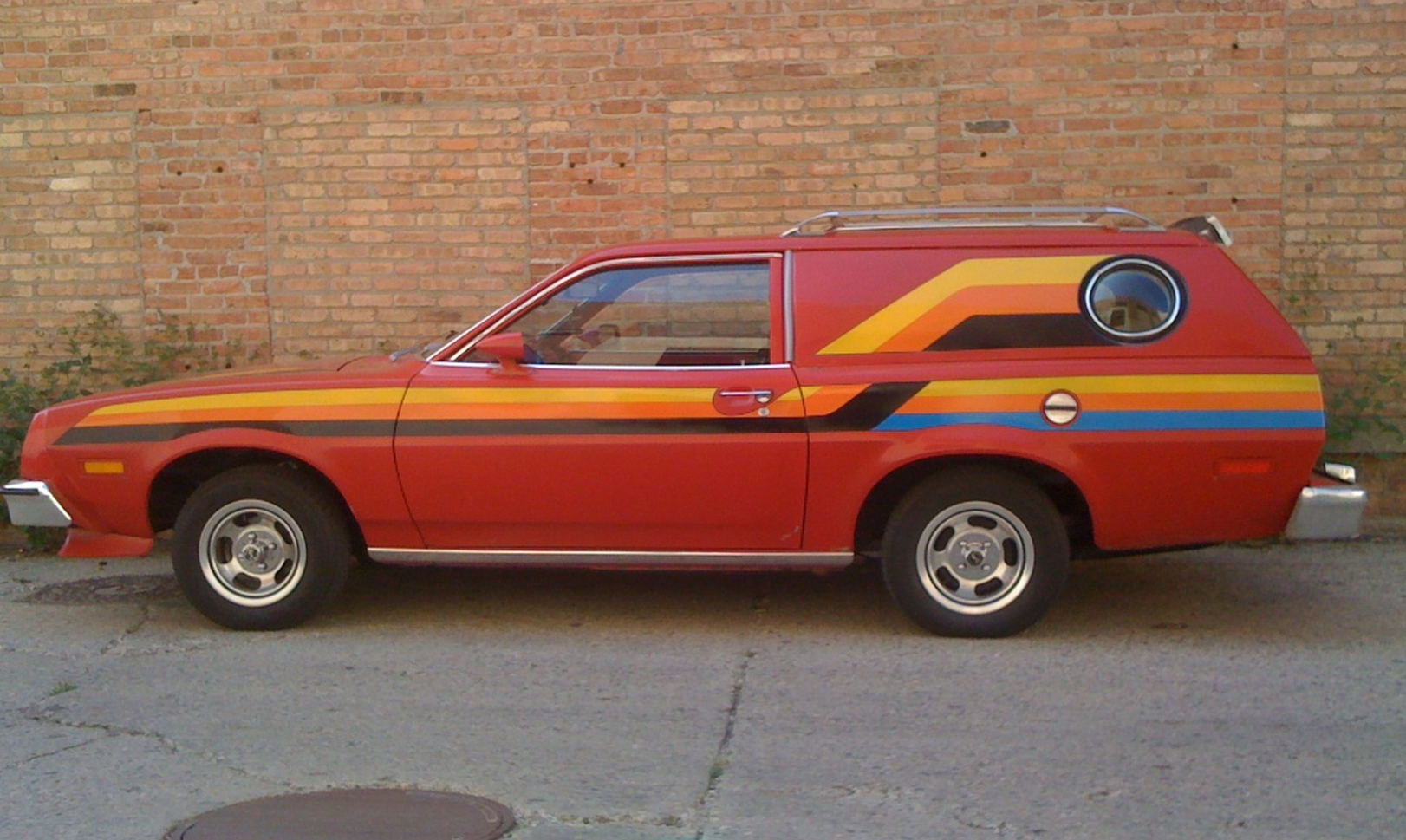
Ford Pinto wagon: Simply because I saw one for sale recently and thought it was just so ugly that it was awesome. The seller only wanted around $5k from memory, which was stupidly cool for what could be a great little daily driver.

Connal Grace — Assistant editor of NZV8
BMW 318i (E30): For the modest price of $5k, the world of second-rate used cars is your oyster, and after much deliberation, I’m choosing a BMW 318i (E30) with a manual transmission. I’ve always wanted to own an E30 BMW. They look good, drive well, and I really need to write something here before I change my mind.
Honourable mentions:
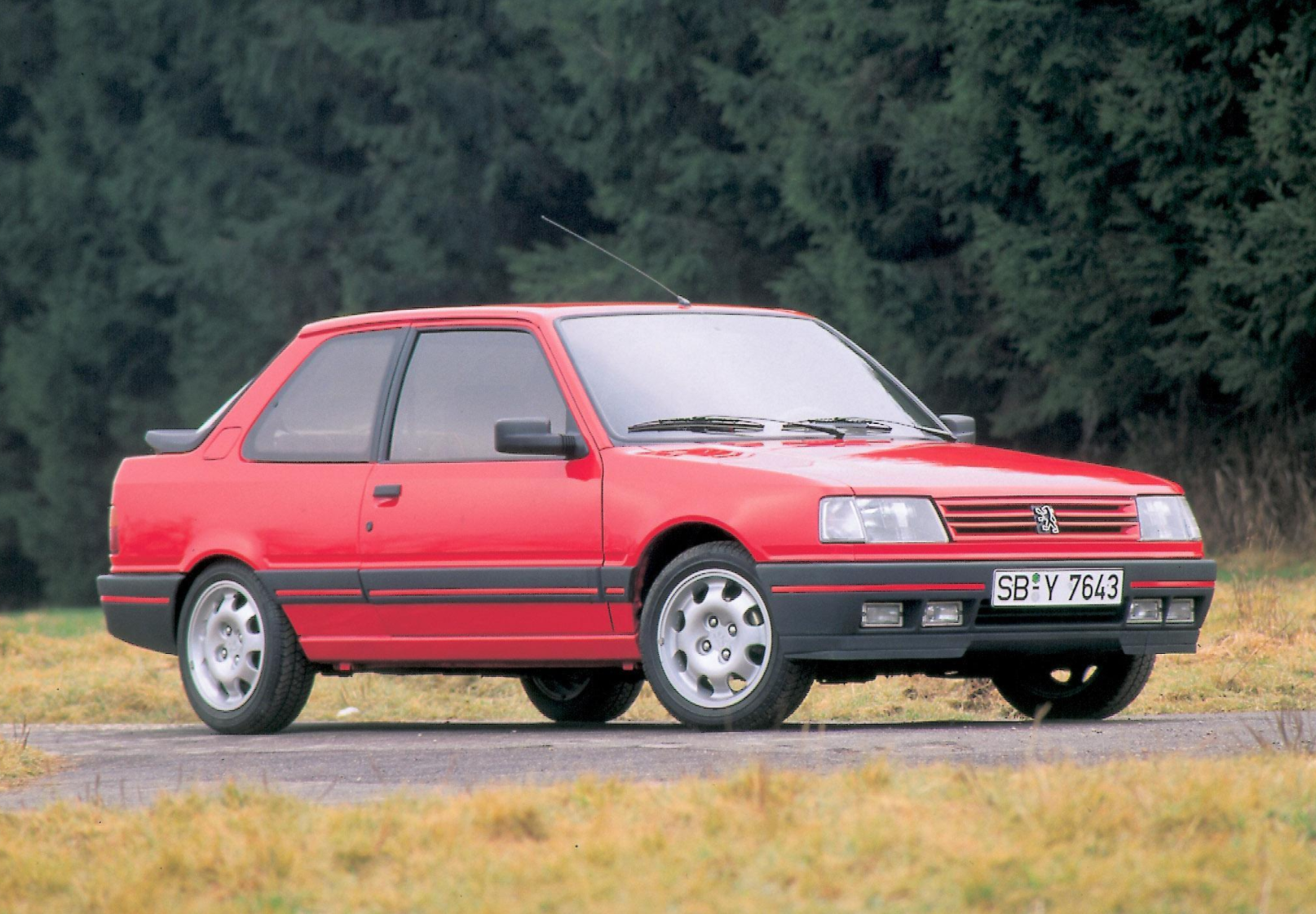
Peugeot 309 GTI — The 205s less popular non-identical twin. The reality is that he’s just as good and a touch more practical. Sure to start spiking in value like the 205 soon enough.
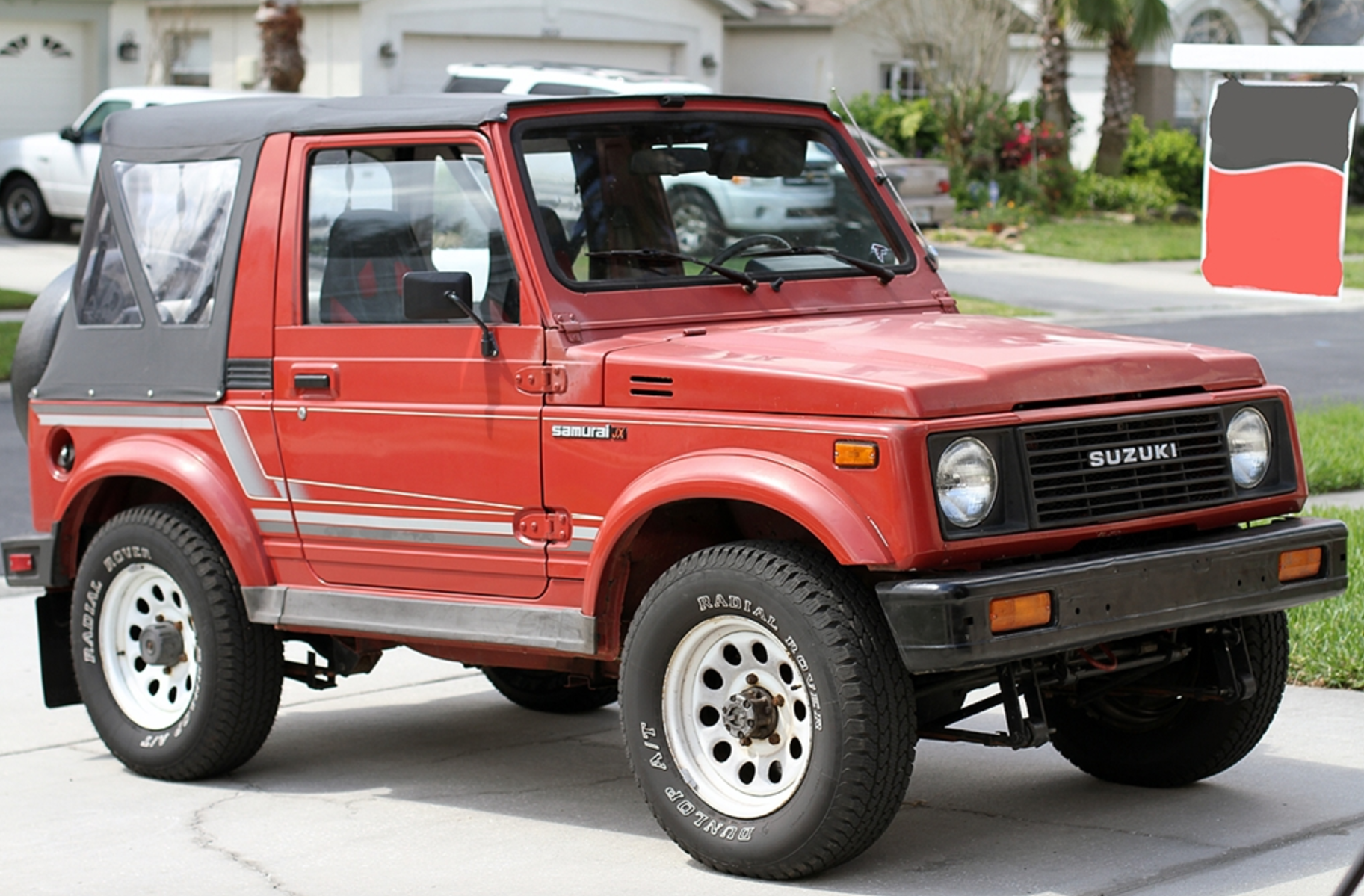
Suzuki Samurai — Bugger all power and a propensity to cock a wheel at a sniff of wind or a 40 degree corner at over 25km/h but these things weigh less than a Labrador and go just about anywhere. Weekends of fun to be had.
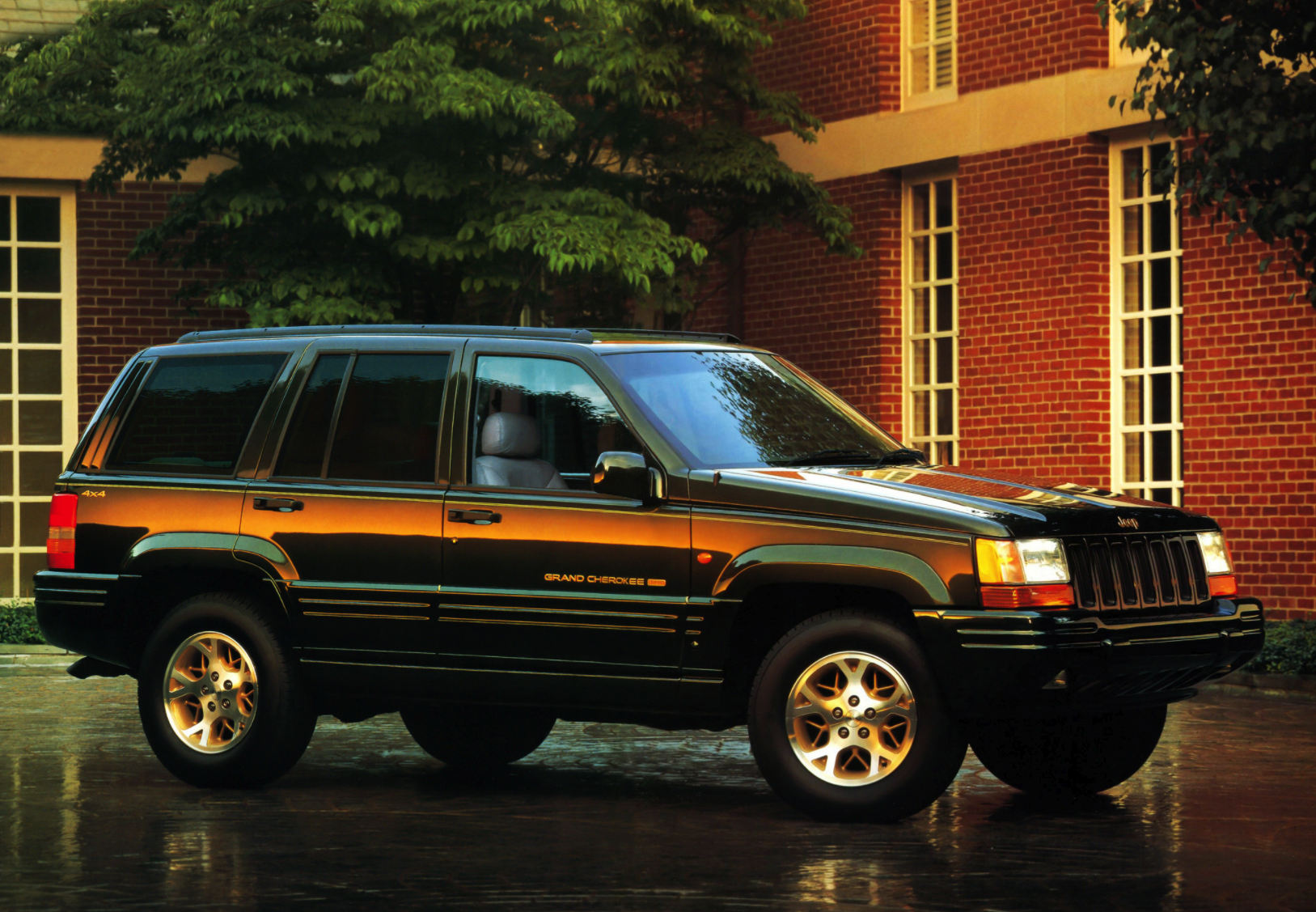
Jeep Grand Cherokee — A good number of them are used by passionate 4×4 fans and adventurers who keep the maintenance up to date and fix issues as they arise. The bulletproof 4L engine appears to be a survivor as you keep looking after her. Proportions are just right and even the interior has aged well.
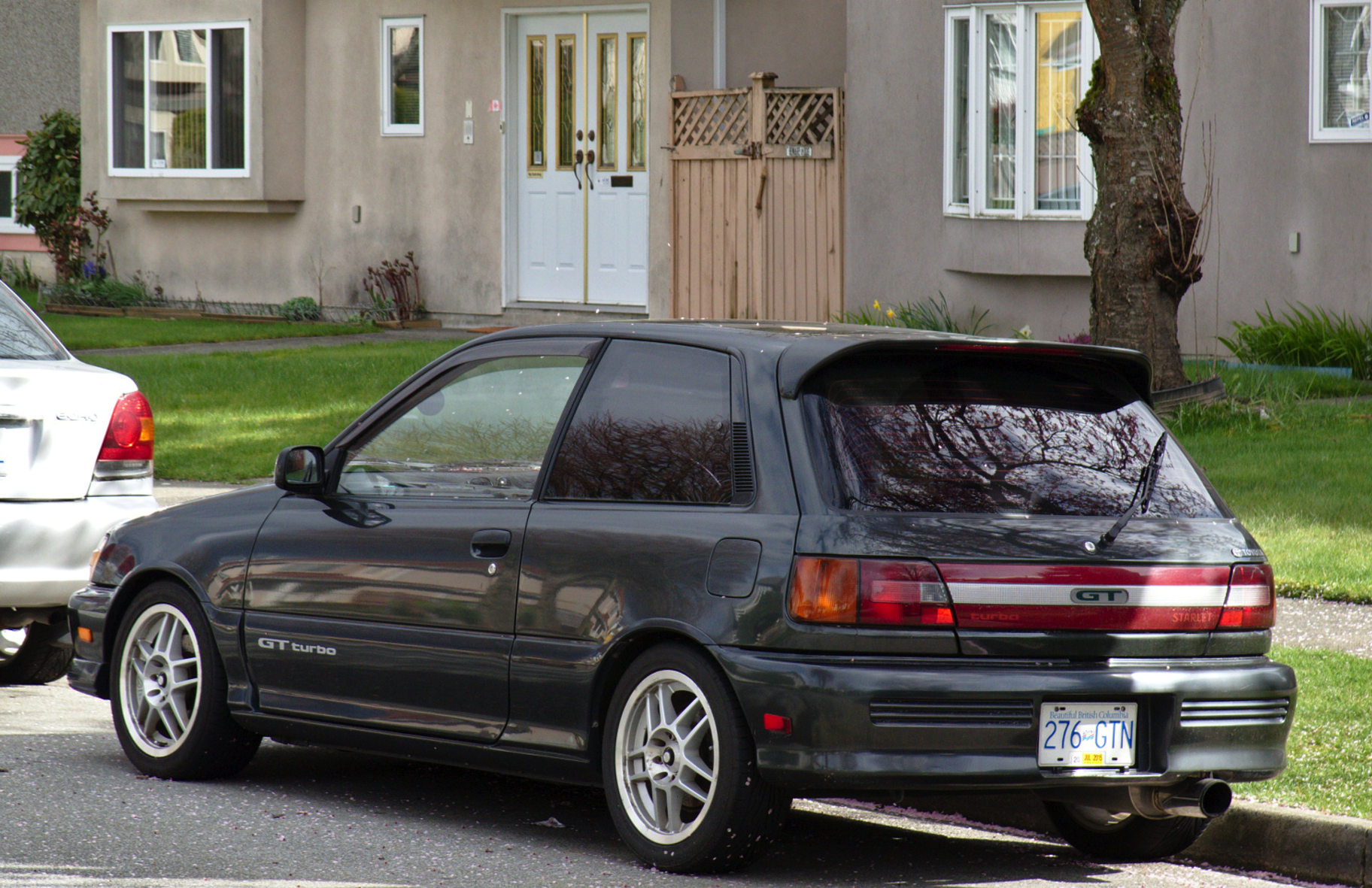
Toyota GT Starlet — A brilliant starting point for any budding car enthusiast. Small, economical, reliable and quick enough to put a smile on your dial.