
Little ‘Pirate’ up for grabs

25 March, 2015

It was at the first New Zealand Drag Nationals at Kopuka on a dry summer’s day in 1967, where Bob Rossiter’s ‘Pirate’ dragster faced off against the team of Lucas and Saunders in their matching flathead-powered rail job called ‘77 Sunset Strip.’
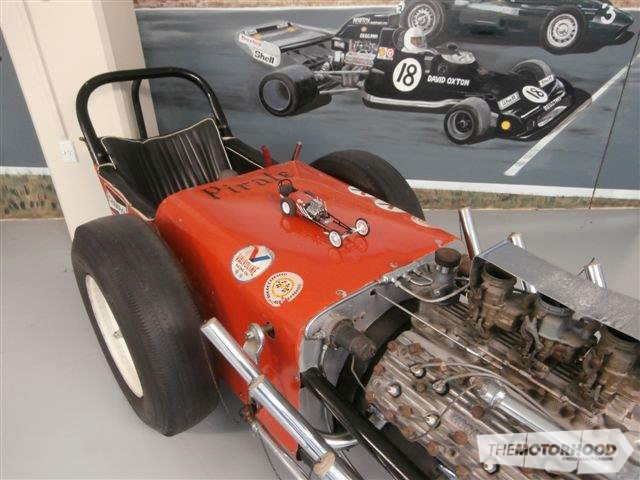
The Pirate, running on an exotic homemade brew of sodium peroxide, nitromethane, and magnesium sulphide, sat on the start line spitting flames of multicoloured gas out of the weed burners. Neither pilot would inch forward to stage, with some saying it was the longest pre-stage driver psych-out in drag-racing history. But then, just before there was a full meltdown, they both pulled up to the start line and the starter excitedly leaped into the air and dropped his flag.

The cars left in a plume of tyre smoke, clutch dust, and black coal, and the capacity crowd all stood to see the two cars careen toward the finish in the midst of all the dust.

The Pirate won the day and Bob Rossiter was crowned New Zealand’s first National Top Eliminator. All these years later the Pirate (and Bob) still exist, and the rail is lovingly looked after by the good folk of the Southward Car Museum after it was purchased in 1968 by none other than Len Southward himself.
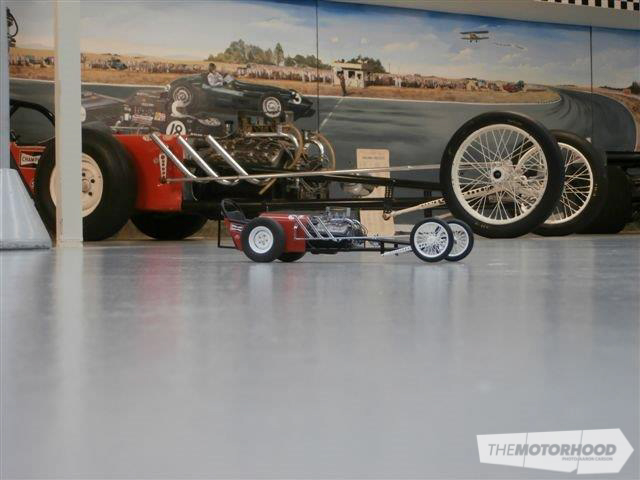
Fast forward a few decades or four and another famous drag racer/fabricator/hot-rod builder by the name of Graeme Berry steps in and does the impossible — he builds an exact model-car scale replica of the Pirate dragster, perfect in every single detail imaginable. This very model, donated to the Scroungers Car Club, will be going up for Auction at the 13th Annual Hot Rod Blowout on Sunday, March 29, 2015. If you want to own a piece of drag-racing and hot-rod history, bring your cheque book and get a bid in on this once-in-a-lifetime opportunity.
Polishing to perfection

The secret to a show-stopping finish is colour sanding, no matter which paint system you use. Even a good painter, no matter how experienced or talented — like my mate Bruce Haye, CEO at Ace Panel and Paint in Whitianga — can’t shoot to a perfect mirror finish. To get that level of perfection, you need to colour sand.
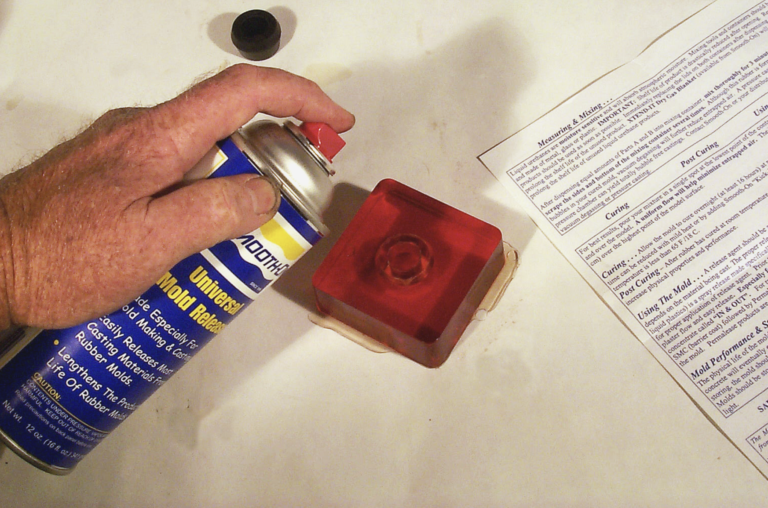
It used to be called ‘rubbing out’ or ‘cutting’, and it was done with pastes that came in cans. They worked — sort of — but the compounds really just rounded off imperfections instead of eliminating them, and they removed a lot of paint in the process. But now your new finish can be made flawless, thanks to microfine sandpapers that come in 1000, 1500, 2000, and even 2500 grit ranges, and Farecla G3 polish — available from automotive paint suppliers.

NZ Classic Car magazine, March/April 2026 issue 404, on sale now

BMW’s flagship techno showcase
The supermodel 1995 BMW 840Ci is simply elegant and perfectly engineered.
BMW’s 840 Ci flagship Coupe provides superb comfort and equipment packaged in a stylish body, with grand-touring performance and surprisingly competent handling for its size.
It’s the kind of machine that stands apart from the start. When BMW first unveiled its flagship Grand Tourer at the 1989 Frankfurt Motor Show, the automotive world blinked twice. Sleek, low, and impossibly modern for its era, it combined drama with a sort of purposeful understatement. This silhouette still looks striking today, long after its peers have faded into obscurity.
Initially offered with a range of engines, the model you’re reading about is the V8 iteration, featuring a 4.0-litre eight-cylinder heart under its long bonnet and a smooth five-speed automatic at the back. It wasn’t about blistering sprint times so much as effortless velocity. There was power on tap, sure, but the way it delivered thrust felt unhurried and measured – the automotive equivalent of a deep exhale on a long drive.
Poster 1964 Chevrolet Corvette Stingray, C2