In typical Kiwi fashion, the DIY industry in New Zealand has grown into a multinational, mega-dollar business. History suggests that our No. 8 fencing wire mentality is, indeed, a symbol for our innovativeness and make-do resourcefulness. Put simply, it’s in our character to ‘have a go.’
You’ve only got to look at the success of what was once the humble hardware store, now transformed into massive emporiums that draw us in like bees to a honey-pot every Saturday morning.
The auto parts and accessories business has also taken huge leaps and bounds over the past decade or so. Virtually every conceivable part, accessory and car-care product can now be purchased easily at reasonable prices — only 10 years ago that would have been unconceivable. Good news for modern car owners and classic car owners alike.
With over 300 stores in Australia and New Zealand, Supercheap Auto has become firmly embedded into our car DIY culture. As Kiwis, we pride ourselves on our ability to get stuck in ourselves and, combined with the extensive range of automotive-related products on offer from Supercheap Auto, many of us have gained the confidence to tackle everything from a basic cut and polish to more complex mechanical tasks.
Paint made easy
In recent months, Supercheap Auto has introduced another product that makes a difficult job, or one we perceive as difficult, much easier to tackle. Most of us will have experienced that unsightly shopping trolley scrape or slight scratch on the door from where the kids have dragged their bikes along the car’s flanks. They’re annoying, and we generally try to ignore them in the hope they’ll just disappear.
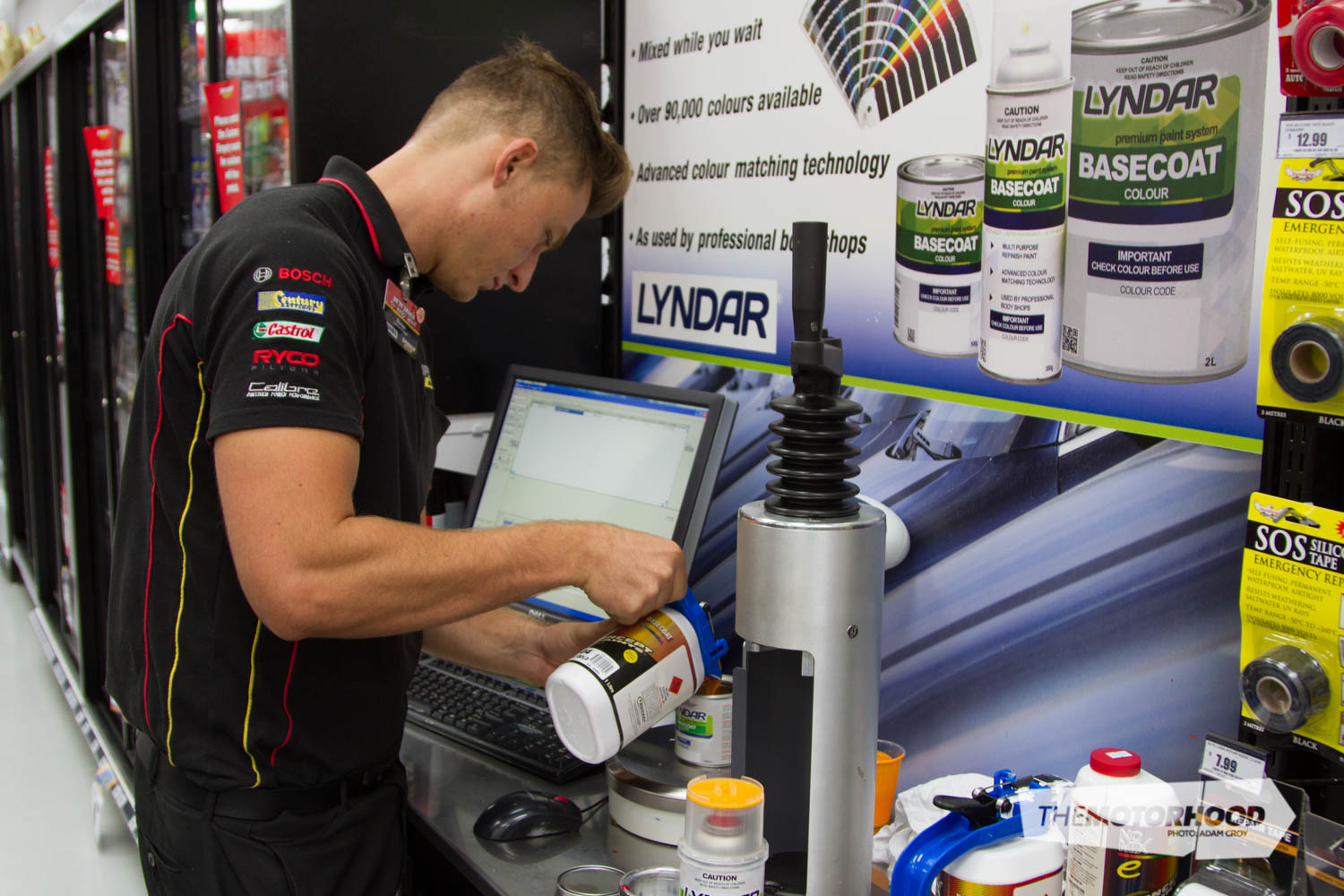
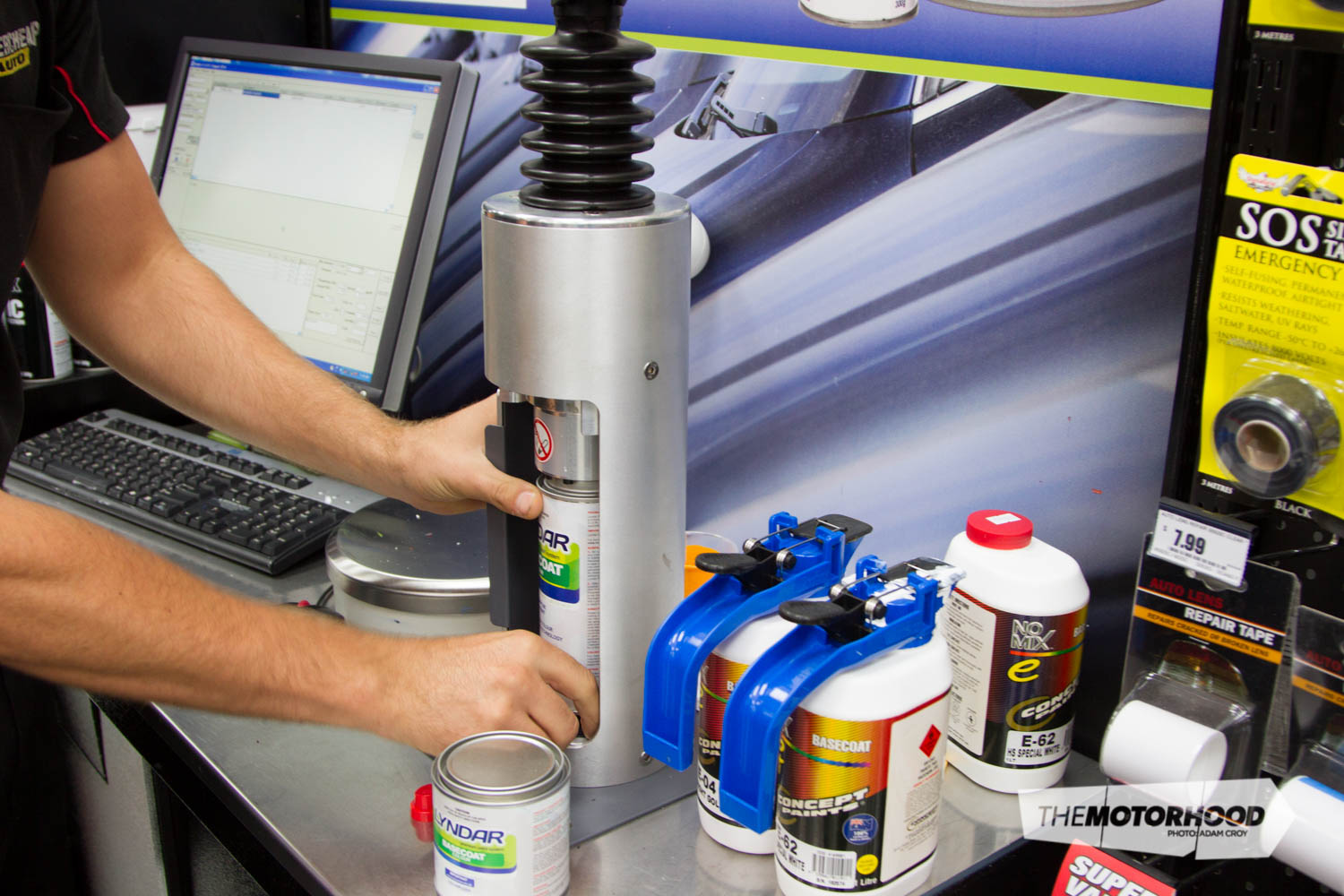
Supercheap Auto now offers the perfect solution — the Lyndar Premium Paint System, available in all Supercheap stores throughout New Zealand.
All the customer has to do is provide a paint code. If you don’t have a paint code, the make and model of the vehicle will suffice, or you can provide a sample of the colour required.
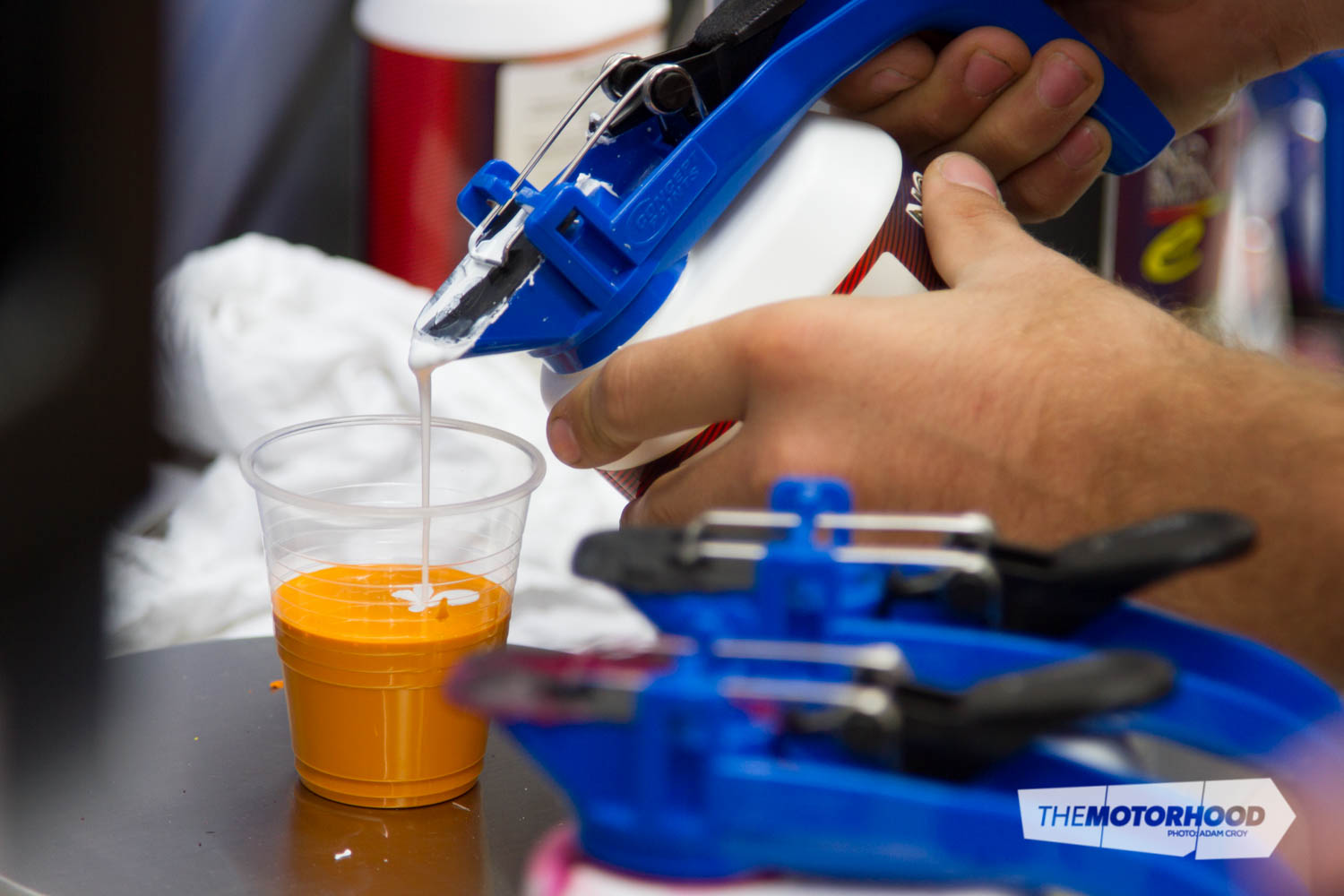
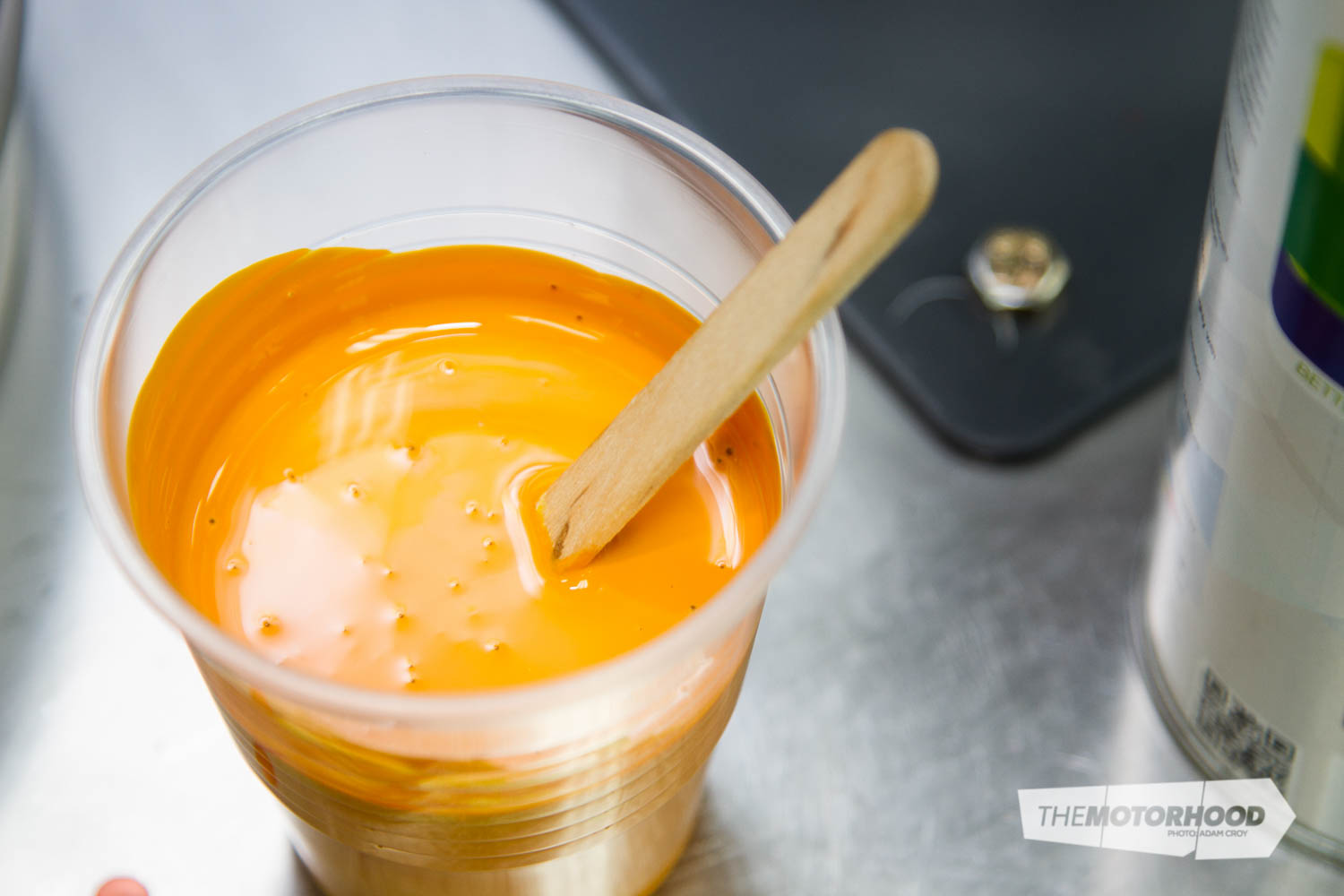
The code is input into Lyndar’s computerized system, and this provides the correct quantities of tinters required to make a perfect colour match.
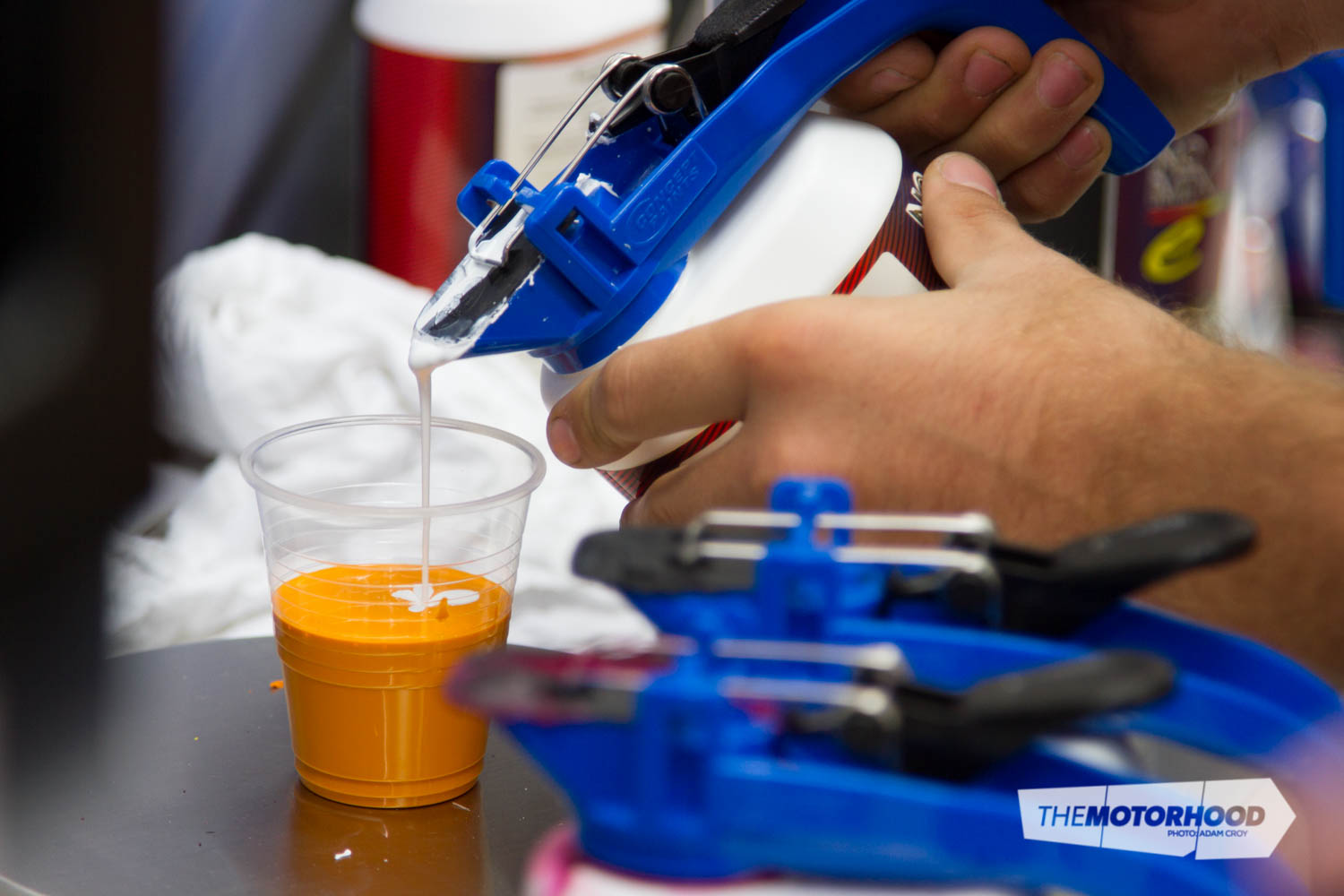
The correctly mixed paint can then be put into either a spray can or a tin — it’s that easy to get the perfect matching colour for your car, and all while you wait. Classic-car owners have no need for concern. If your Triumph TR6 is painted in its original British Racing Green (BRG) — and as we all know, there are dozens of variations on the BRG theme — the Lyndar system can indicate the correct colour by year and marque.
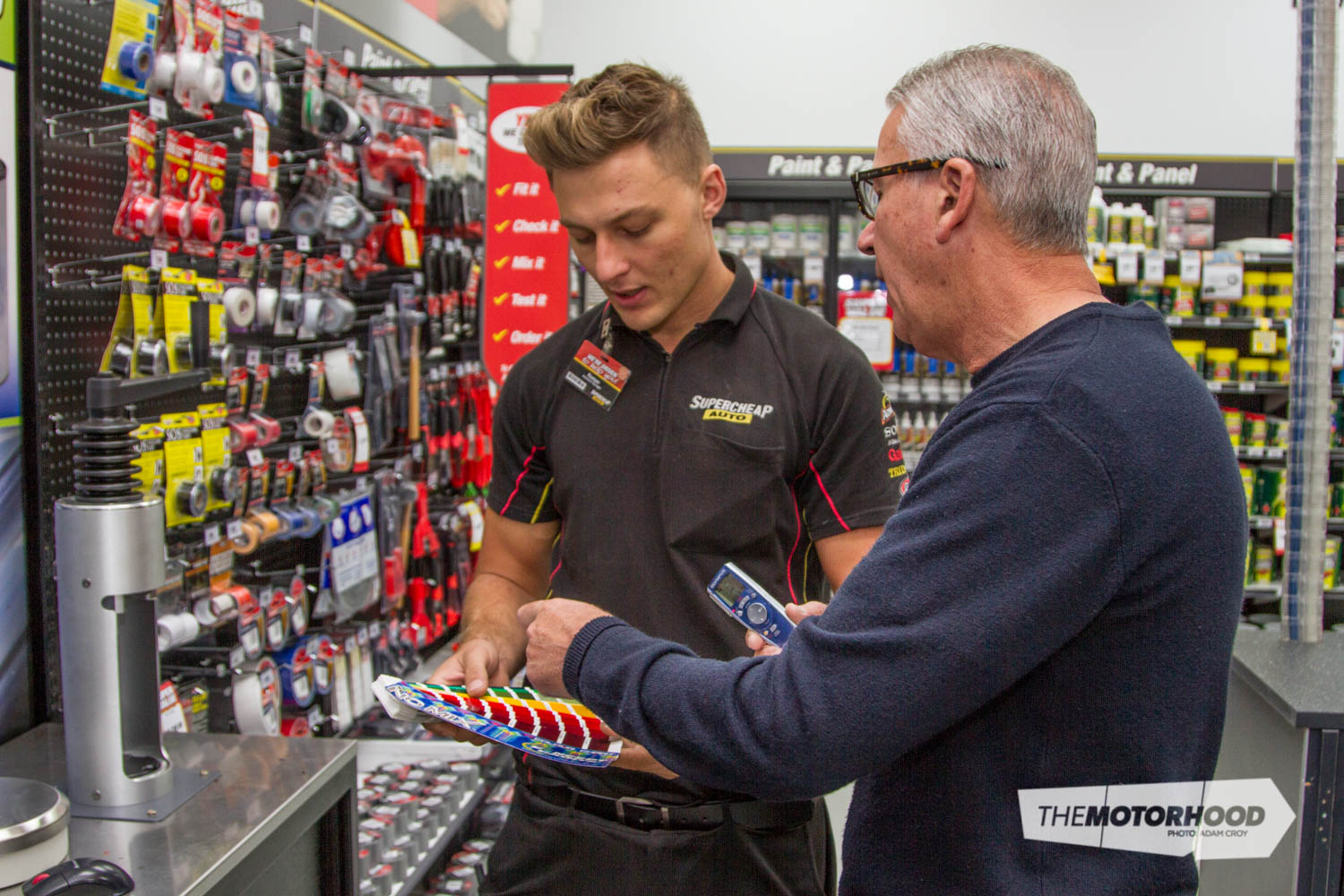
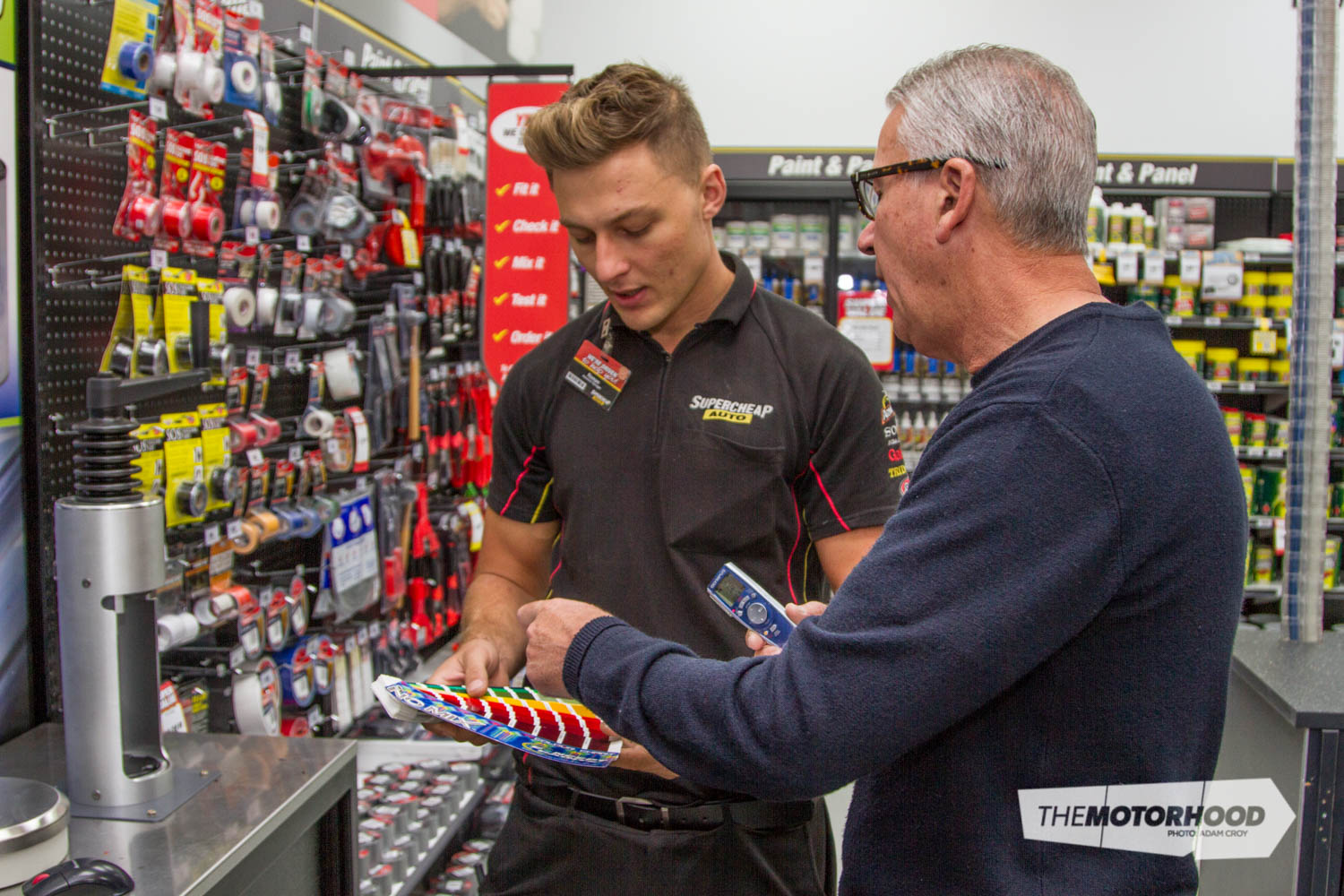
If you just have a sample to match, then a comprehensive colour chart is used to match the colour.
Added value
Preparation is always the key to a good final paint finish, and Supercheap Auto’s staff are able to offer a range of products to help — including the correct grades of sandpaper, masking tape, Lyndar etch primers, plastic primer fillers, primer fillers and wax and grease removers, not to mention an extensive range of general products such as personal safety equipment — all necessary for completing a well-finished painting task, safely.

Lyndar’s system and Supercheap Auto recommend that the surface for painting is suitably prepared before two or three light coats of the correct colour are sprayed over the primed area, allowing just 10 minutes flash-off time between each coat. The next step is to apply two or three coats of clearcoat to protect and match the shine of the surrounding paint surface.
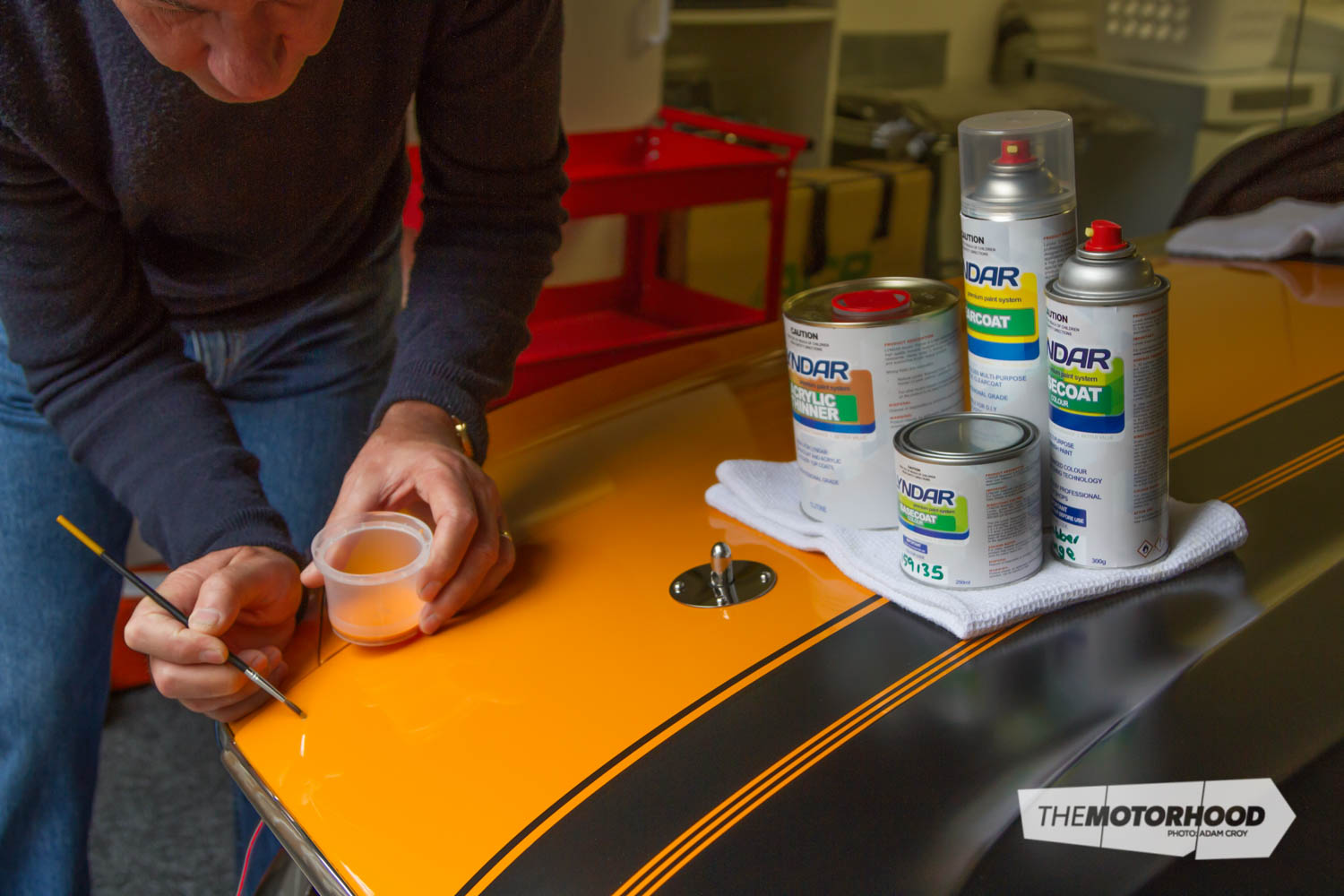
Another advantage for classic car owners is that your perfectly colour-matched Lyndar paint can be used for brush touch-ups on areas such as stone chips. This can be achieved simply by spraying a small quantity of paint into the lid of the spray can, then applying it to the surface with a fine brush. It’s recommended that the primer and a coat of clearcoat is applied in the same manner.
Most of us tend to shy away when it comes to applying paint to our pride and joy, but thanks to Supercheap Auto we can do the proper Kiwi thing, and ‘have a go’ ourselves.