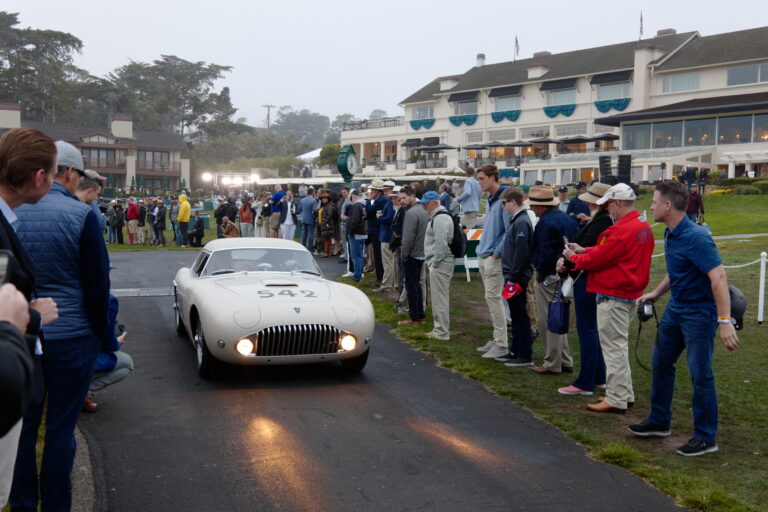
Only 50 cars for 50 years: McLaren produces limited run of the 650S Can-Am

12 October, 2015

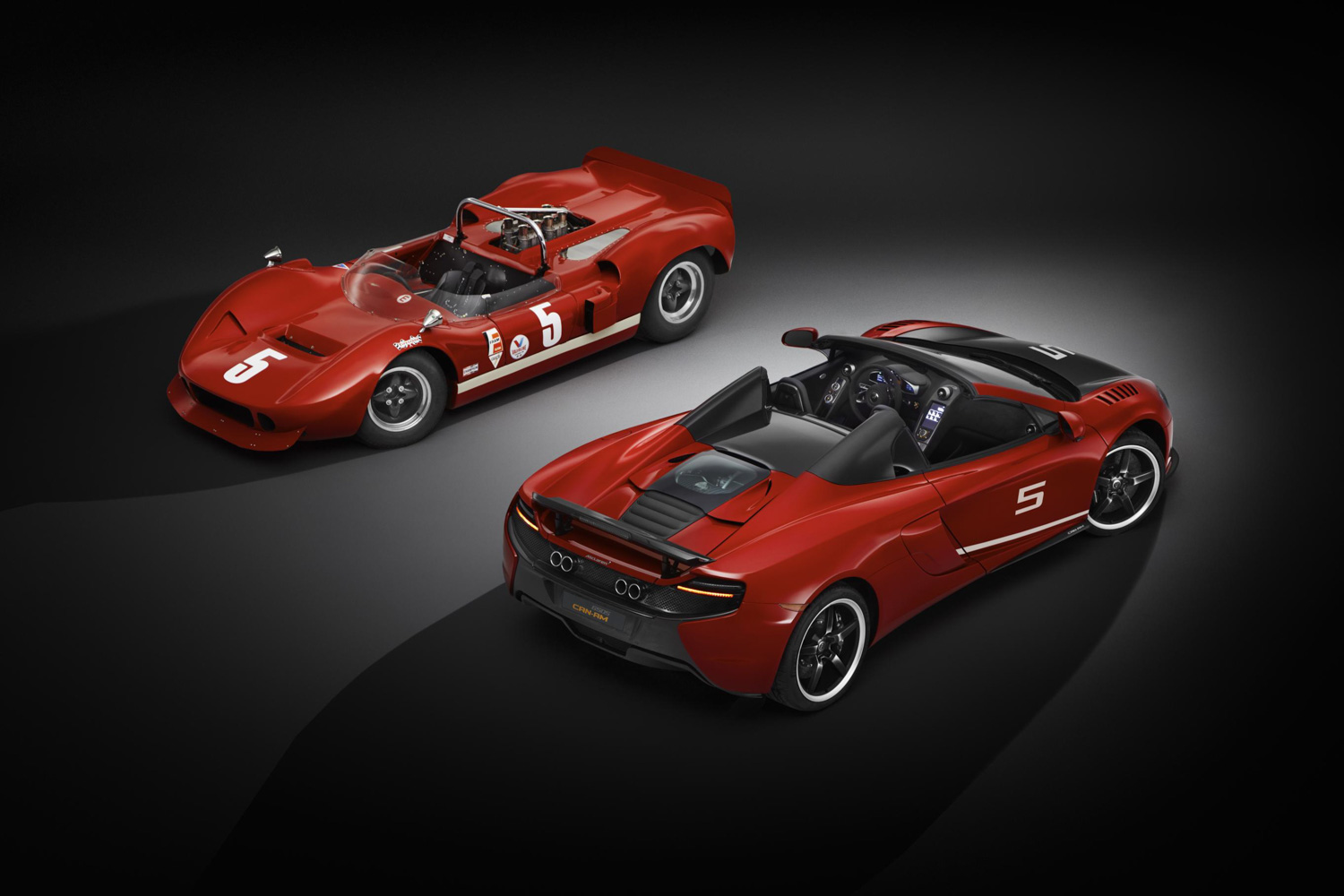
Inspired by McLaren Can-Am racers of the ’60s, production of the 650S Can-Am — based on the current twin-turbo V8-powered 650S Spider — will be limited to only 50 examples globally.

Created by McLaren Special Operations (MSO), deliveries of the 650S Can-Am are set to commence in the spring of 2016 — 50 years on from the first Can-Am race at Mont-Tremblant in Canada.
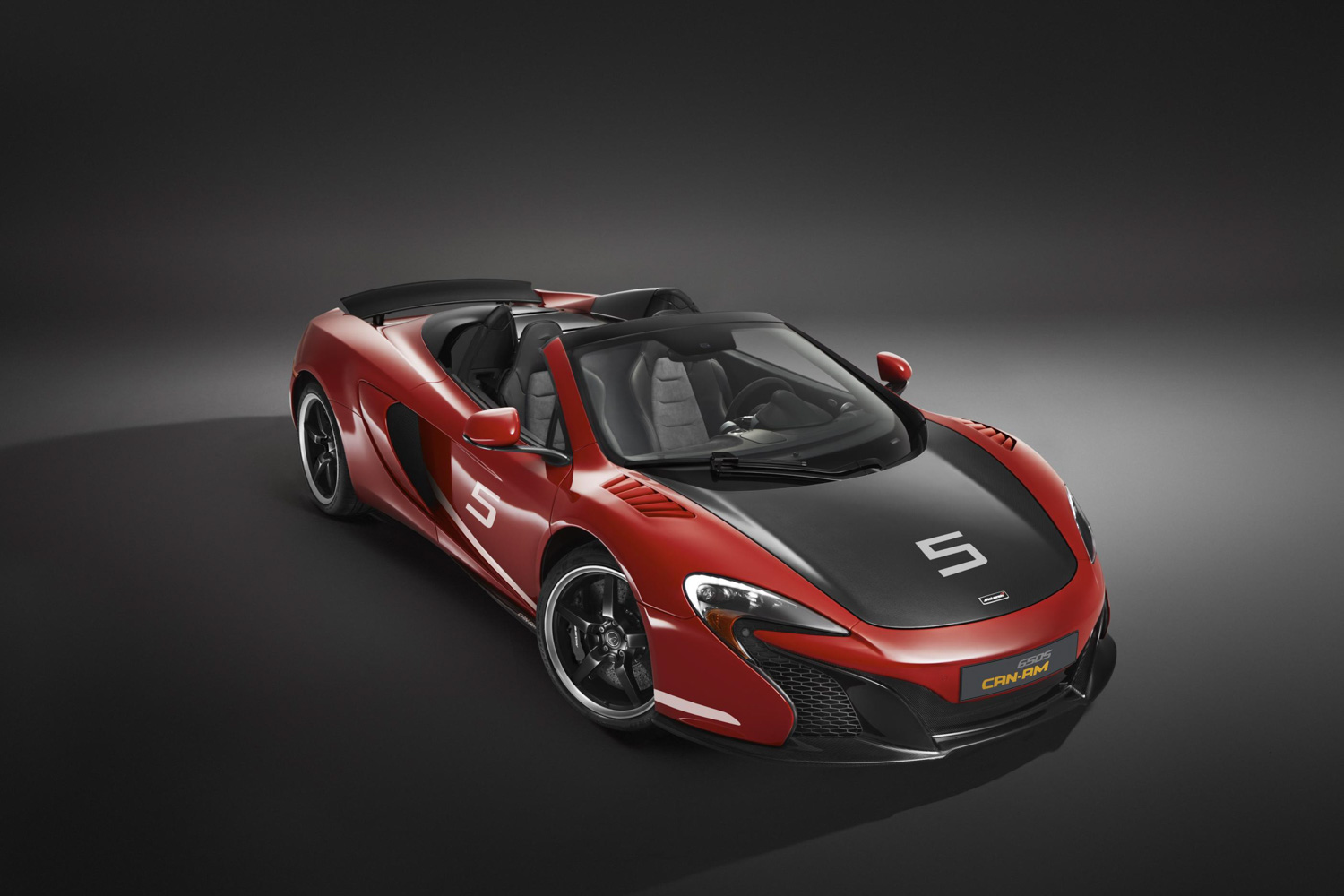
Exclusive features include a carbon-fibre retractable hardtop and bonnet, air brake, front splitter, door blades, and 650S Can-Am–branded sill cover. MSO has also created a unique set of lightweight forged-alloy wheels, inspired by those of the ’60s racers. Carbon ceramic brakes with black-painted calipers are standard equipment.

Further unique features inspired by the iconic Can-Am racers include carbon-fibre louvered front wings and a new quad-exit, polished stainless-steel exhaust system to provide the 650S Can-Am with a unique soundtrack.
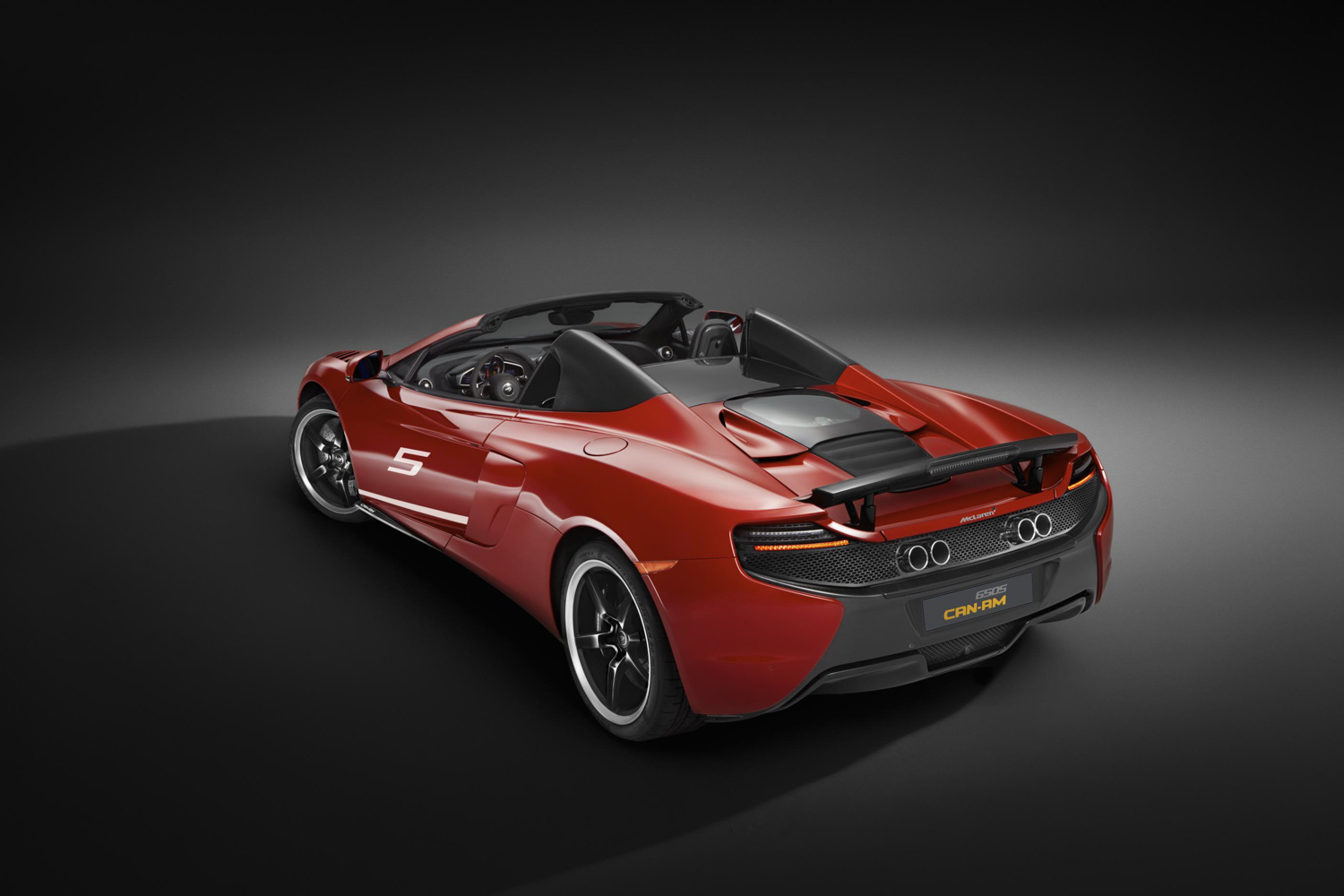
The 650S Can-Am is available in three colours. The launch colour, Mars Red, is directly inspired by the M1B raced by Bruce McLaren and Chris Amon in the debut season. The second colour, Papaya Spark, is a modern, metallic take on McLaren’s famous Can-Am racing orange, while the final option is Onyx Black.

Want one? The asking price is £255,850 — at the current exchange rate that’s NZ$587,223.Only 50 cars for 50 years: Mclaren produces limited run of the 650S Can-Am
Polishing to perfection

The secret to a show-stopping finish is colour sanding, no matter which paint system you use. Even a good painter, no matter how experienced or talented — like my mate Bruce Haye, CEO at Ace Panel and Paint in Whitianga — can’t shoot to a perfect mirror finish. To get that level of perfection, you need to colour sand.
It used to be called ‘rubbing out’ or ‘cutting’, and it was done with pastes that came in cans. They worked — sort of — but the compounds really just rounded off imperfections instead of eliminating them, and they removed a lot of paint in the process. But now your new finish can be made flawless, thanks to microfine sandpapers that come in 1000, 1500, 2000, and even 2500 grit ranges, and Farecla G3 polish — available from automotive paint suppliers.

NZ Classic Car magazine, March/April 2026 issue 404, on sale now

BMW’s flagship techno showcase
The supermodel 1995 BMW 840Ci is simply elegant and perfectly engineered.
BMW’s 840 Ci flagship Coupe provides superb comfort and equipment packaged in a stylish body, with grand-touring performance and surprisingly competent handling for its size.
It’s the kind of machine that stands apart from the start. When BMW first unveiled its flagship Grand Tourer at the 1989 Frankfurt Motor Show, the automotive world blinked twice. Sleek, low, and impossibly modern for its era, it combined drama with a sort of purposeful understatement. This silhouette still looks striking today, long after its peers have faded into obscurity.
Initially offered with a range of engines, the model you’re reading about is the V8 iteration, featuring a 4.0-litre eight-cylinder heart under its long bonnet and a smooth five-speed automatic at the back. It wasn’t about blistering sprint times so much as effortless velocity. There was power on tap, sure, but the way it delivered thrust felt unhurried and measured – the automotive equivalent of a deep exhale on a long drive.
Poster 1964 Chevrolet Corvette Stingray, C2