
One lady owner

7 November, 2025

When Trevor sold his much cherished 1965 Ford Falcon in 2003, little did he know that twelve years later it would be back in his tender care 
By Trevor Stanley-Joblin
Photography: Sophie O’Grady, John McDonald
Rally photo caption: Taken by Euan Cameron in October of 1996 during The Mobil Classic Marathon at Waiho Forks, Waimate

In late 1994, my wife Lorraine and I were running the Annual All Ford Day, which we had started back in 1986. The venue for that event was at Queen Elizabeth II Park, commonly known as QEII Park, the site of the 1974 Commonwealth Games. 
About a week before the event in November, Lorraine received a phone call from a lady saying she wished to sell a 1965 Falcon that she had purchased new. When I came home, Lorraine enthusiastically told me about the phone call. I wasn’t all that keen, as we already had too many vehicles. But with Lorraine’s encouragement, I went along to see it anyway. 
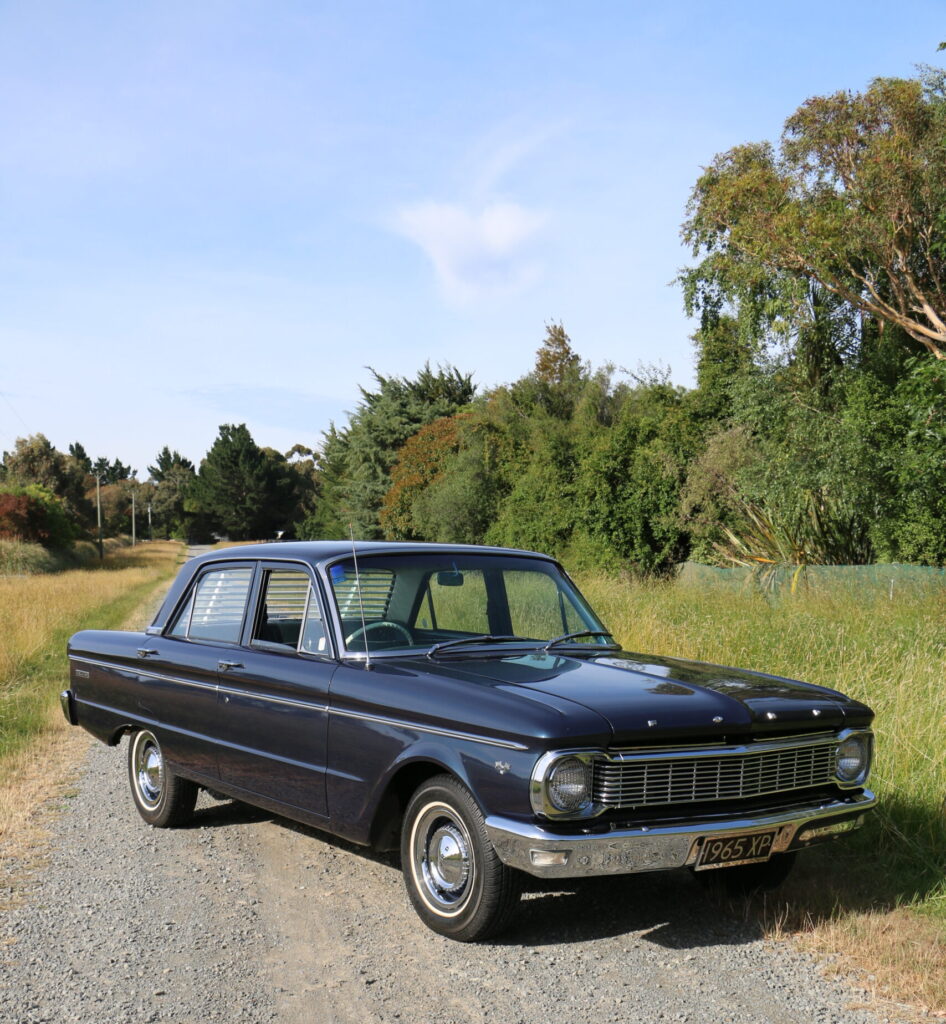
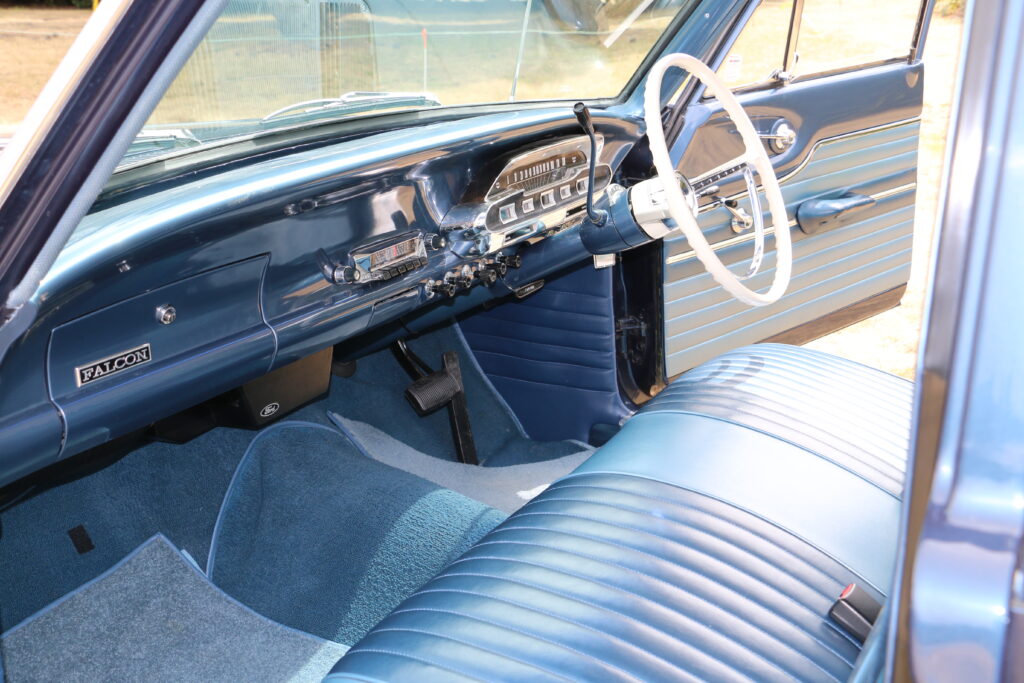
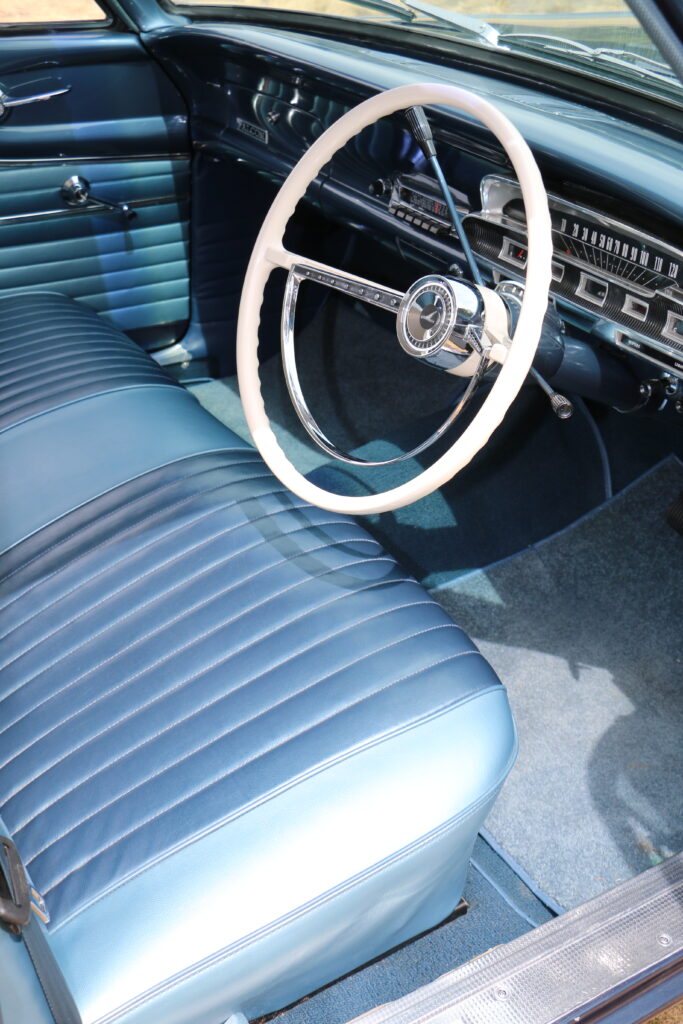
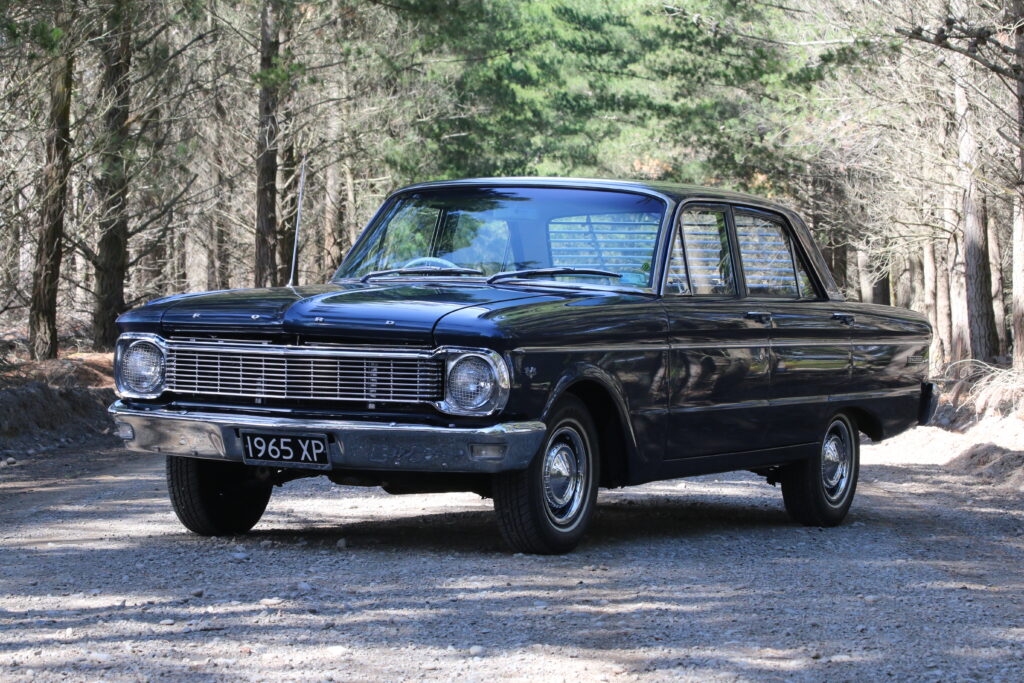
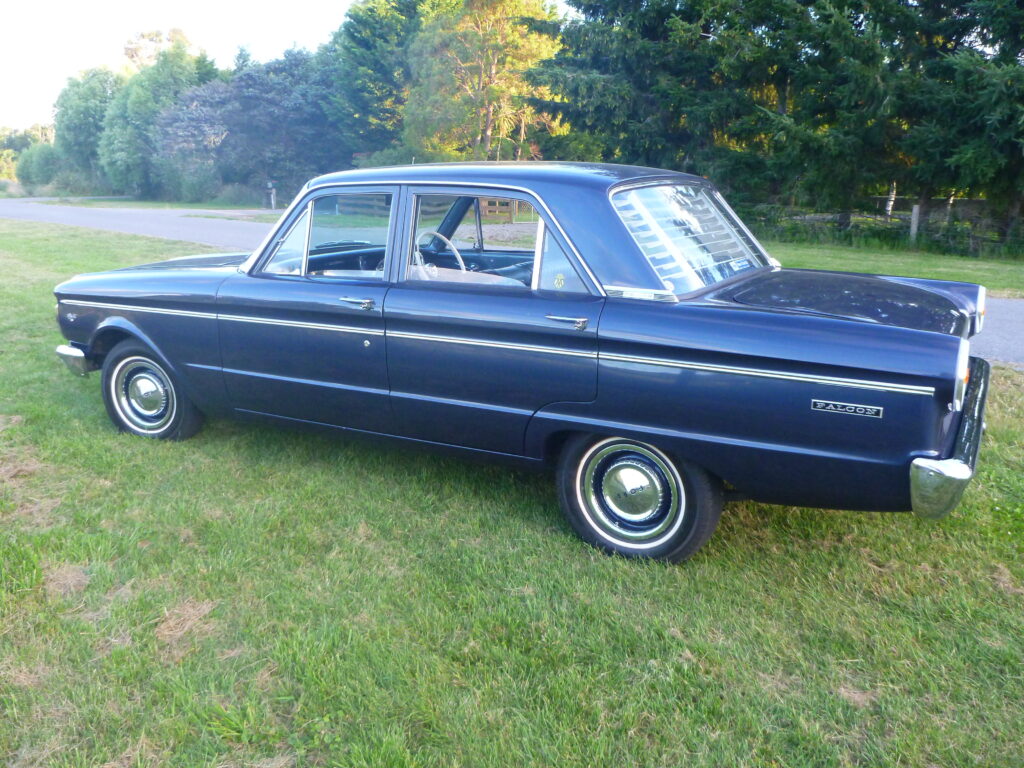
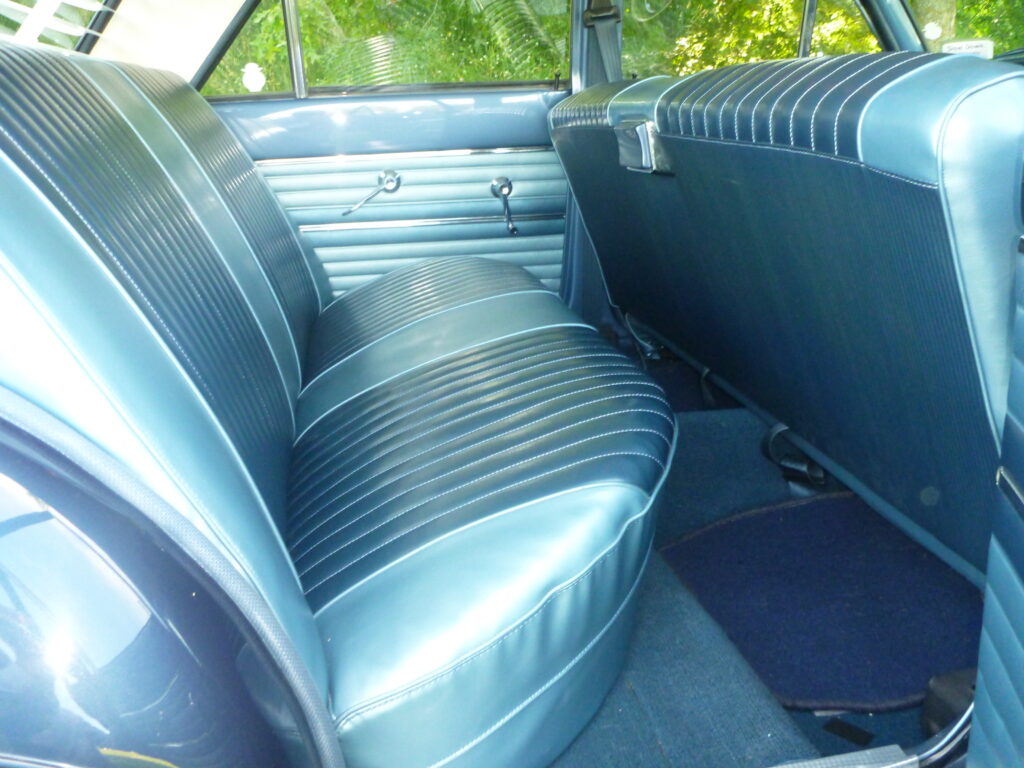
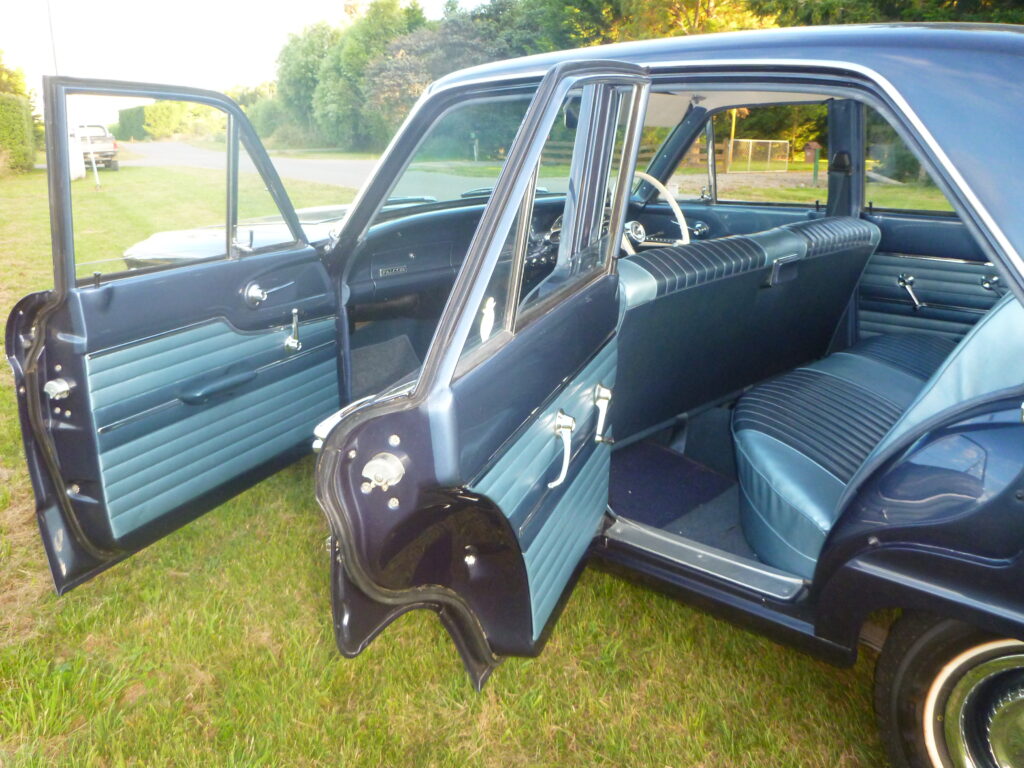
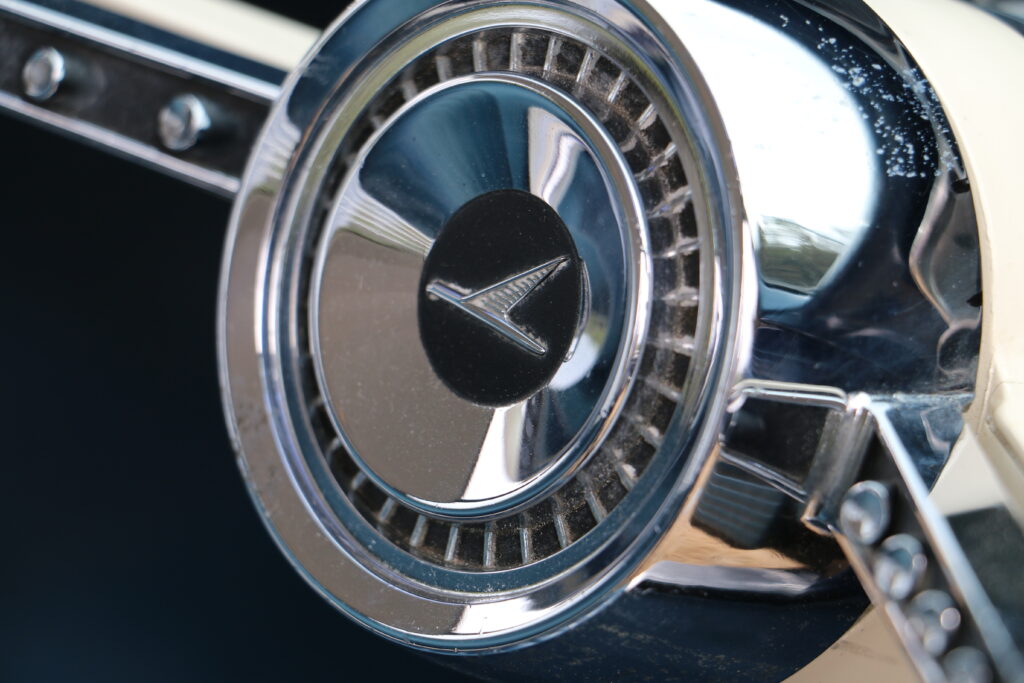
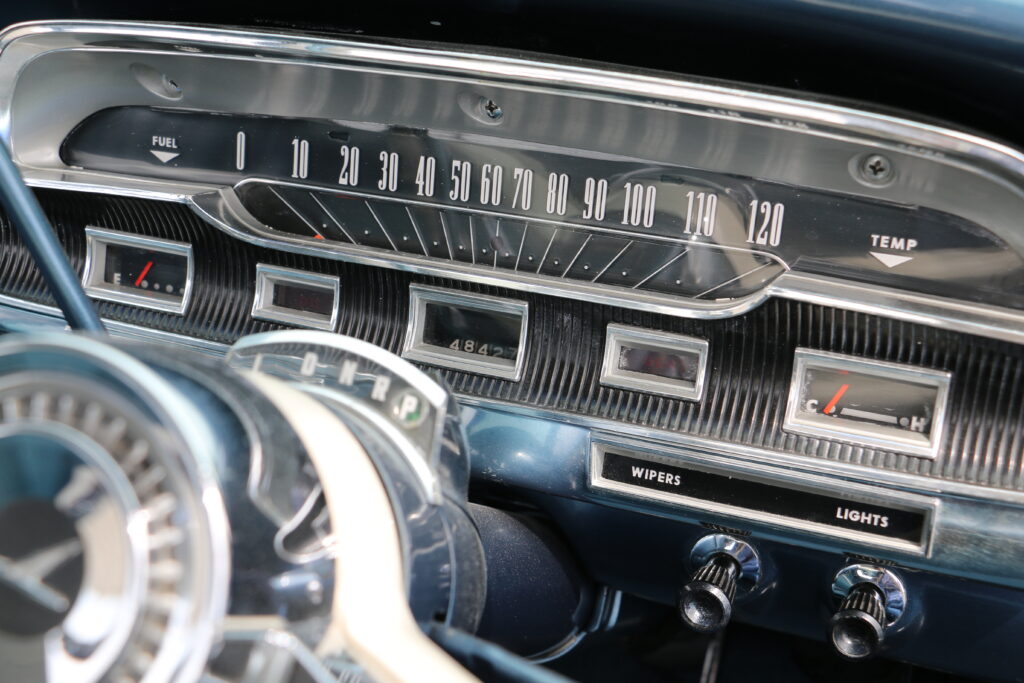
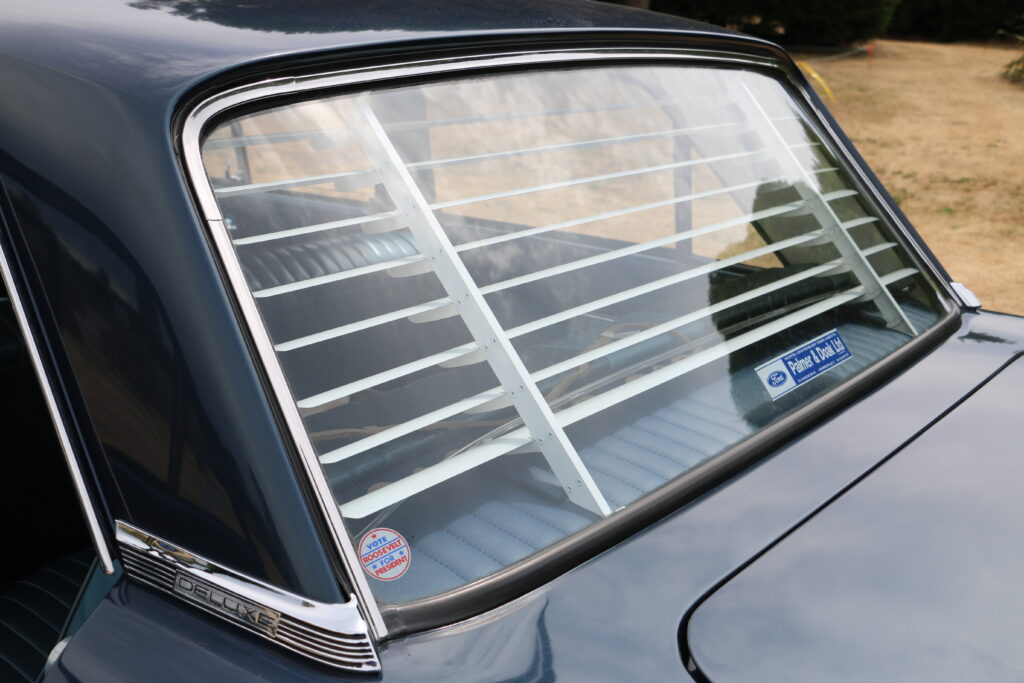
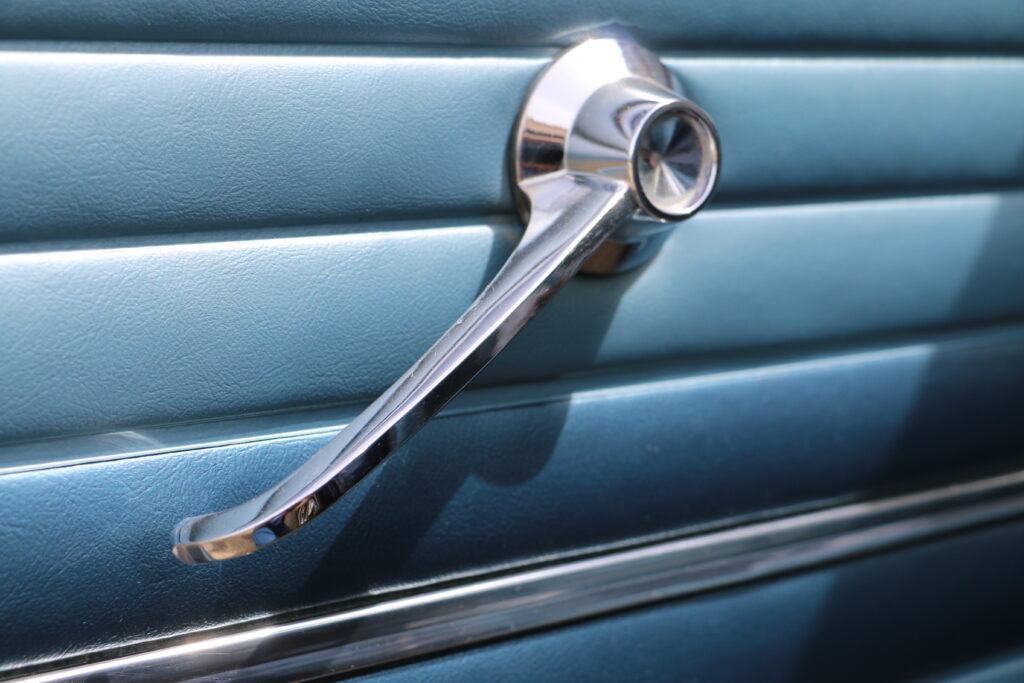
Well, at first glimpse, as soon as the lady opened the garage doors, I knew I was going to buy it. Dark metallic blue with two-tone blue vinyl trim, with a cream American-style steering wheel — I just could not believe my eyes! The Falcon was in as new condition as you could expect from a 30-year-old car. The owner was Mrs Iama Dzenis, aged in her late 60s, at a guess. Mrs Dzenis had bought the car new in September of 1965 from the Ford agents of North Canterbury, Palmer and Doak. Their headquarters were in Rangiora, with branches in Kaiapoi and Amberley.

Part of the family
Lama lived only about a quarter of a mile from the Kaiapoi branch, and she had the Falcon serviced there for 30 years. She said the car had always been garaged, in this very garage. She and her husband both worked at the Kaiapoi woollen mill and as they both walked to work, the Falcon was seldom driven during the week, which explained to a degree its almost immaculate condition and the low mileage. Iama had all the original documentation from Palmer and Doak, which, of course, would go with the purchase. We paid her a deposit there and then and carried out the final documentation on 26 January 1995. We had to make a garage reshuffle at home, so Iama kindly agreed to house the Falcon for several months. In December of that year, I brought my second granddaughter, Sophie, home from the maternity hospital in the car.
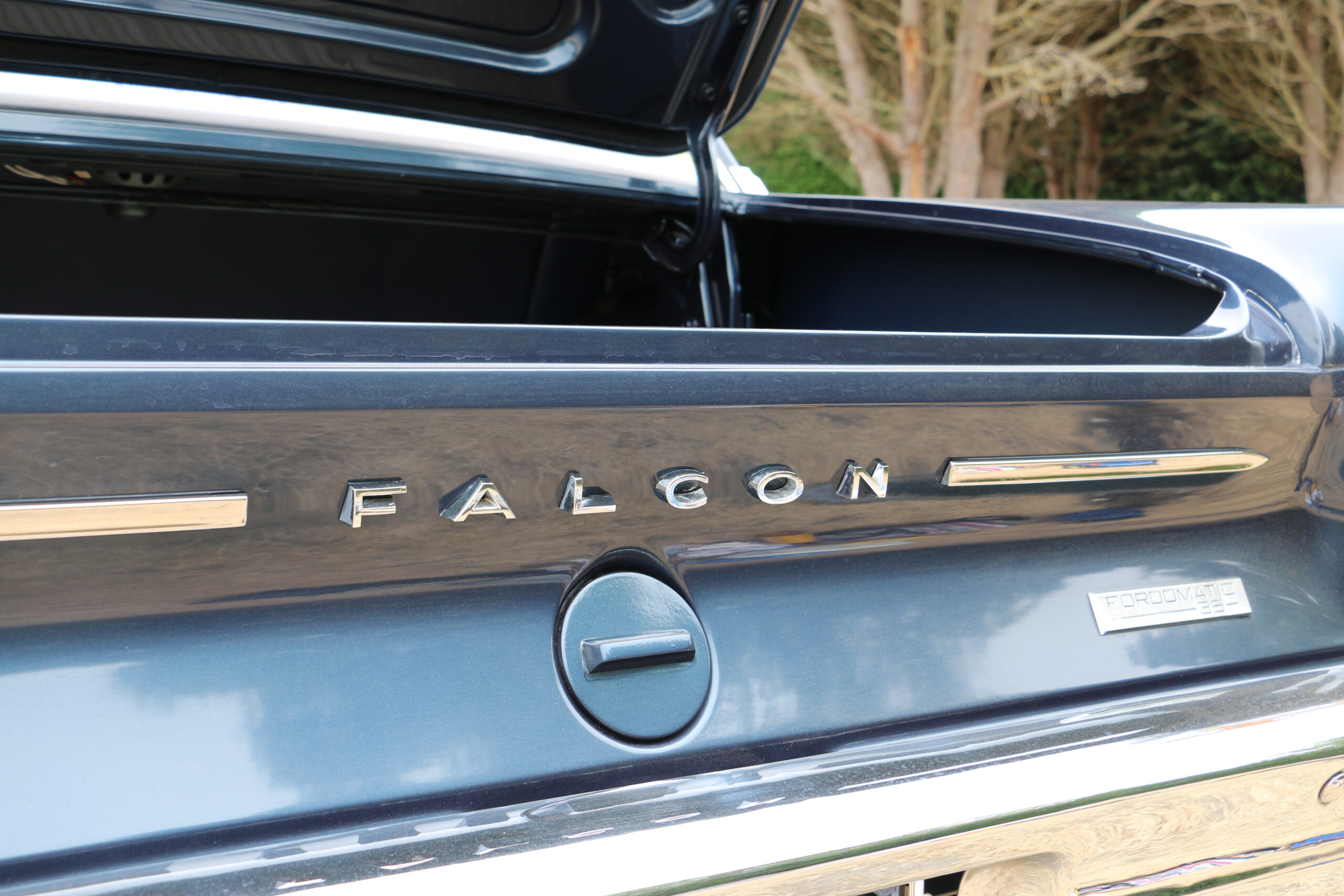
We used the car on several classic and vintage car club outings over the following few years. During a lunch break, at a vintage car club rally, I gave my first granddaughter, Niki, her first driving lesson. The car is fitted with the Borgwarner 35 Fordomatic transmission, so it was easy for her to learn to drive in it. Niki was only aged 12 or 13 at the time and was navigating for me on the day. I think the first non–Vintage Car Club rally we entered the Falcon in was the first National Classic Rally in February of 1995, sponsored by the Automobile Association. This event was based in Christchurch and organised by Colin Hey, also organiser of the Canterbury All British Day, which he established in 1988.

Rally car
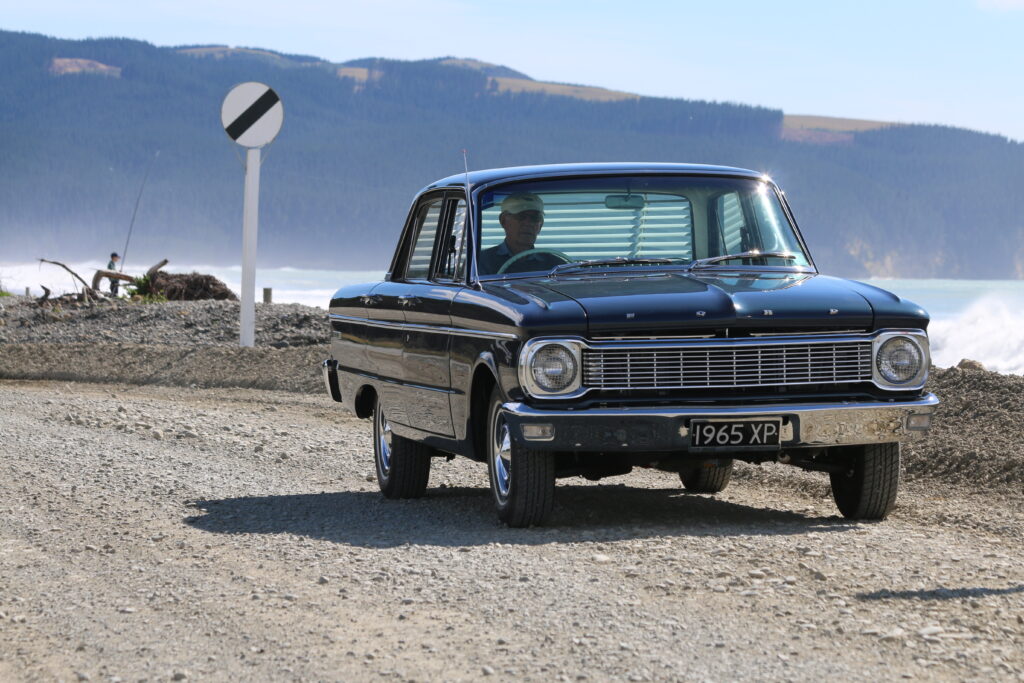
We had terrific fun at the rally, in both the motoring and social aspects, and it inspired us to enter the Alpine Classic, which was sponsored by Mobil Oil and held over three days in October ’95. In October 1996, we entered the Mobil Classic Marathon, travelling around the south of the South Island over about 10 days. This was one of the most enjoyable outings we experienced over the nine years of our first ownership. On the final day, all participants drove a few laps of the Mike Pero International Raceway (Ruapuna) at our own chosen pace. I was astonished at how quick the Falcon lapped when pushed hard — and so were the other drivers! Just don’t tell Mrs Dzenis. We participated in many other classic rallies during our first years of ownership, including the National South Island Easter Rally, the Lord Nelson Classic, and the Waimate 50 weekend, organised by the Classic Motoring Society. I remember that one well because we got the opportunity to drive around the Waimate 50 street racing circuit. Oh, what fun! 
Unfortunately, we didn’t keep a close and detailed diary on these, and the memories have faded, I’m afraid. 

Restoring the shine
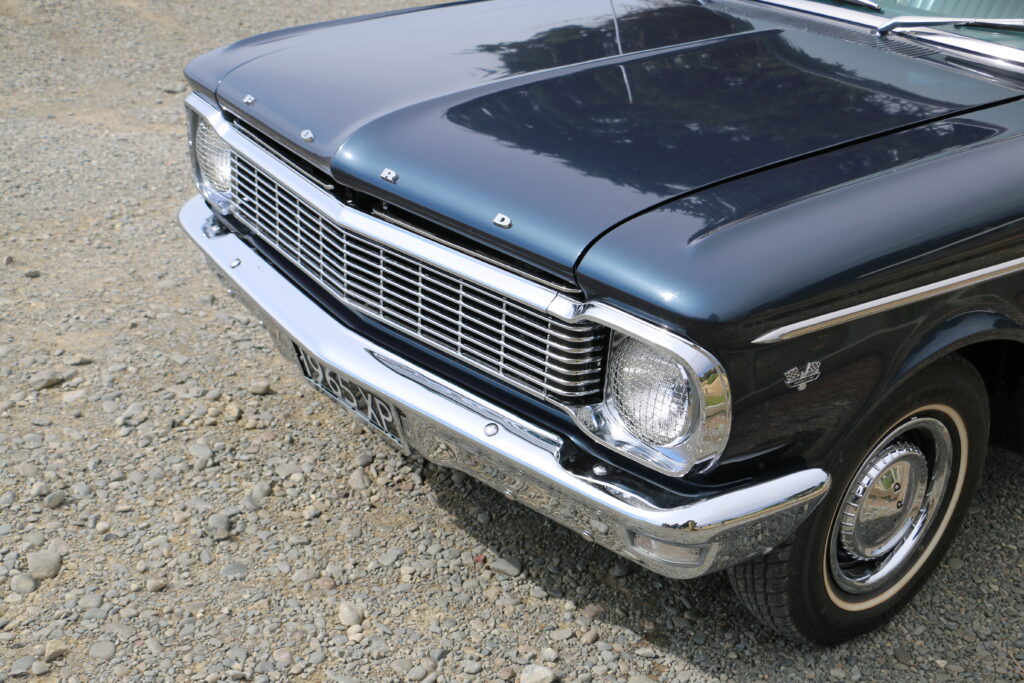
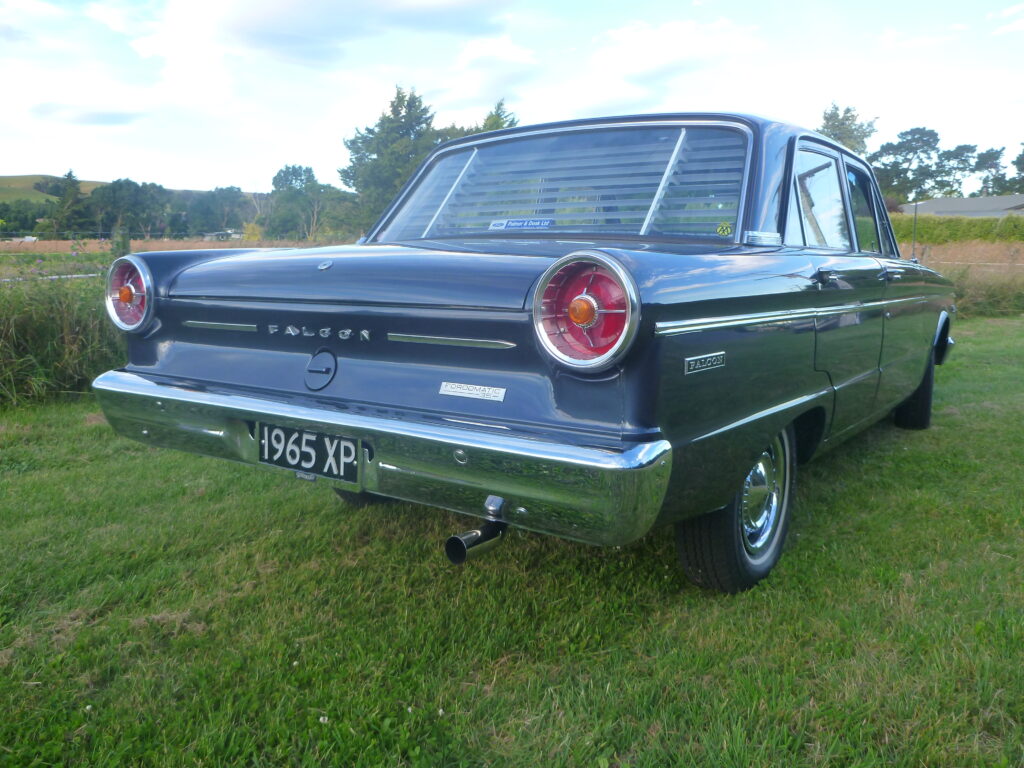
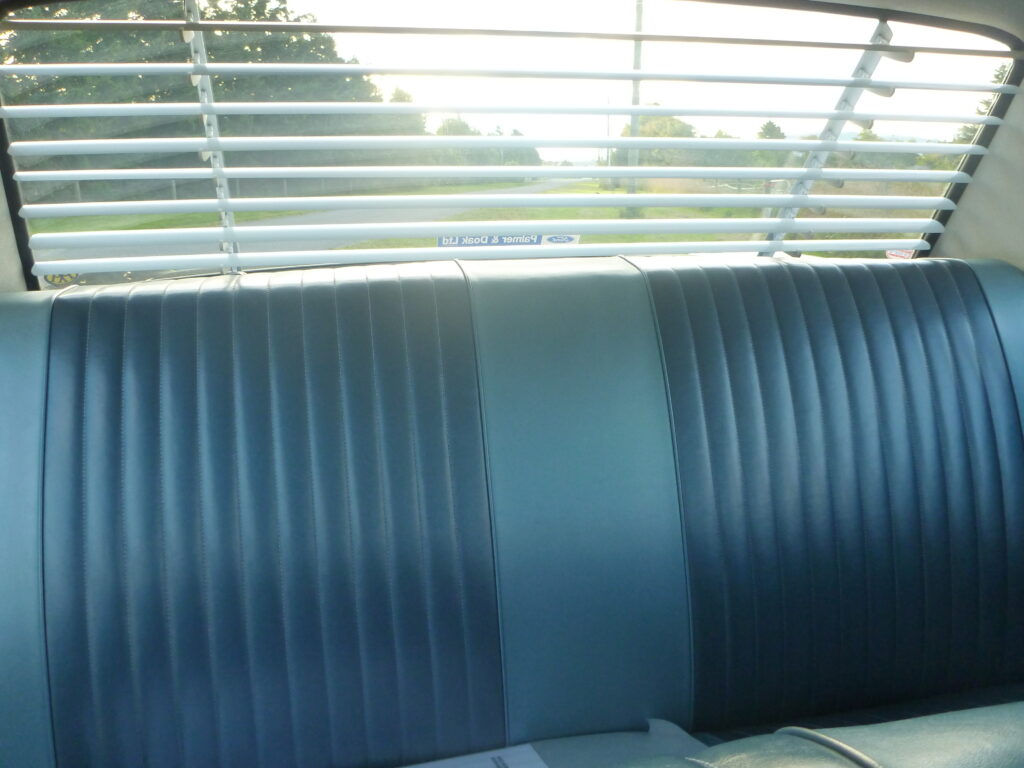
The only disappointment with the car was the paintwork. I found that the 30-year-old paint would not hold its shine after being polished for more than about two days. In about the year 2001, I reluctantly took the bull by its horns and completely stripped the body down to almost a bare shell, leaving only the hood lining and rear window in place. I paint-stripped the entire body back to bare steel and had it repainted professionally, keeping to the original colour, of course. While this was being done, I machine-polished all of the stainless steel. I also had the bumpers rechromed, not that they were at all rusty, just a bit scratchy, probably from being dusted dry. As I was preparing the body for the repaint, I removed the front-guard-mounted chrome rear-vision mirrors, as I do not like them and they are pretty well useless. I also removed the aftermarket back-up lights and the splash guards, all three extras fitted by Palmer and Doak before delivery. We presumed Mrs Dzenis requested these. To us, they looked out of place and we wanted the Falcon to look as it would have in a Ford showroom in Australia or New Zealand in 1965. But we have fitted other extras as offered by the Ford dealers when new — the rear window venetians, a Ford AM push-button radio, and the chrome mesh headlight protectors, and more recently, the personalized plates. We have an original sales brochure showing all the optional extras that could be purchased and fitted by the Ford retailer. The sales brochures always show the 65–66 XP Deluxe, Futura, and Fairmont models with whitewall tyres as a standard fitting, so we presume our car had them when sold new by Palmer and Doak in Rangiora.
A lot of water has passed under the bridge since those days, but I do recall taking Mrs Iama Dzenis for a nostalgic ride in the Falcon after I had refurbished it in late 2001 or 2002. She rode in the front seat, and I drove her out to the picturesque villages of Ohoka and Fernside. I recall her saying that her late husband Sten would be very pleased to know that their car has gone to a very caring owner. That’s one little trip I will remember forever … I hope!

Close connection
I do have a clear memory of a day in 2003 when the Ford Motor Company celebrated worldwide 100 years of Ford. Close to 400 Fords were arranged and on show at Dudley Park in Rangiora, about a quarter of a mile from Palmer and Doak’s former showroom. Retired Palmer and Doak staff arranged a big blue canopy to be erected over many of the Fords that they had sold new. And it’s amazing just how many are still in North Canterbury.
Lorraine and I had photocopied the original sales invoice and other documentation and were taping them to the inside of the passenger-side rear-door glass when I noticed a gentleman watching what I was doing. He said, and I quote, “I sold this car new. There’s my signature there,” pointing to the ‘salesman’ signature.  ‘Harold Heasley’, it read. I turned around to look at him in astonishment, and sure enough, there he was, the Harold Heasley. Harold was the 1959/60 NZ Saloon Car Champion. Not driving a Ford, though. He had raced a Mark I, and later Mark II Ford Consuls, but won the championship in a Humber 80! I’m sorry to report Harold passed away in August 2011. I would now have liked to have chatted to him about his career with Palmer and Doak and his memories of these X Series Falcons — a lesson here is not to put planned things off!

Sharing the love
I don’t know why, really, but I sold the Falcon in October of 2003. At that stage the mileage was 44,852. It was purchased by Alan and Glenda McNeil, who were living in Invercargill at the time. I asked Alan if he ever sold it, to please give me first option. The McNeils later moved up to Palmerston (South). I had also moved to Amberley in North Canterbury, owing to our house in Avondale in Christchurch being wrecked by the earthquakes in 2010 and 2011. Our land was declared as part of the red zone, which meant we were not permitted to rebuild there. Because of these factors, Alan and I lost contact. The Falcon was offered for sale on Trade Me, in November 2015. I had not noticed the ad, but, fortunately for me, a few weeks earlier while a friend was showing me his 1965 Valiant Regal V8, I had mentioned that of all the cars I had owned — and that’s probably over 100, including 42 Fords — the one I would like back the most was my XP Falcon. The day after it came up on Trade Me, Steve phoned to tell me the news. To cut a long story short, I phoned Alan and we came to an agreement. I purchased the Falcon back on 4 December 2015. Alan even delivered it to me in Amberley, although I had paid $12,000 more for it than the sale price we agreed 12 years earlier. That’s one thousand dollars per year appreciation but, as Alan said before he departed, “Look at it this way, Trevor. I’ve housed it for you for $20 a week.” Fair enough.
While it was in Alan’s care, he maintained the car very well. During the latter part of 2011, he removed and disassembled the entire front suspension and, after giving it a thorough cleaning, Alan resprayed all parts in a semi-gloss black. He replaced the bottom ball joints and sway-arm bushes. He fitted all new wheel cylinders, brake shoes, and flexible brake pipes. He removed the differential and gave it similar treatment, including replacing the oil seal. 
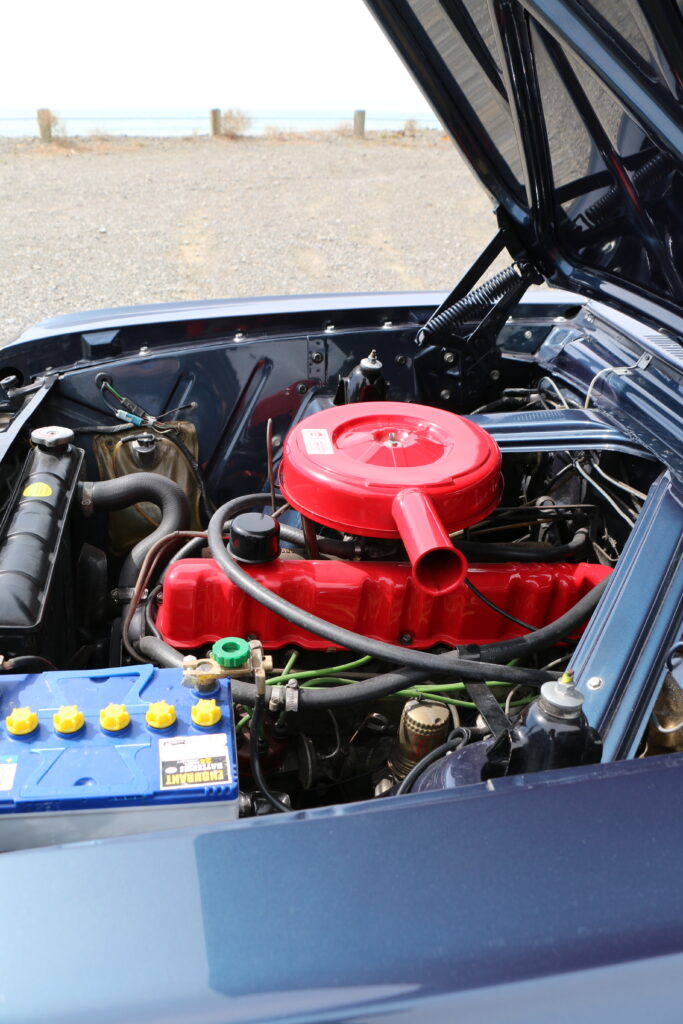
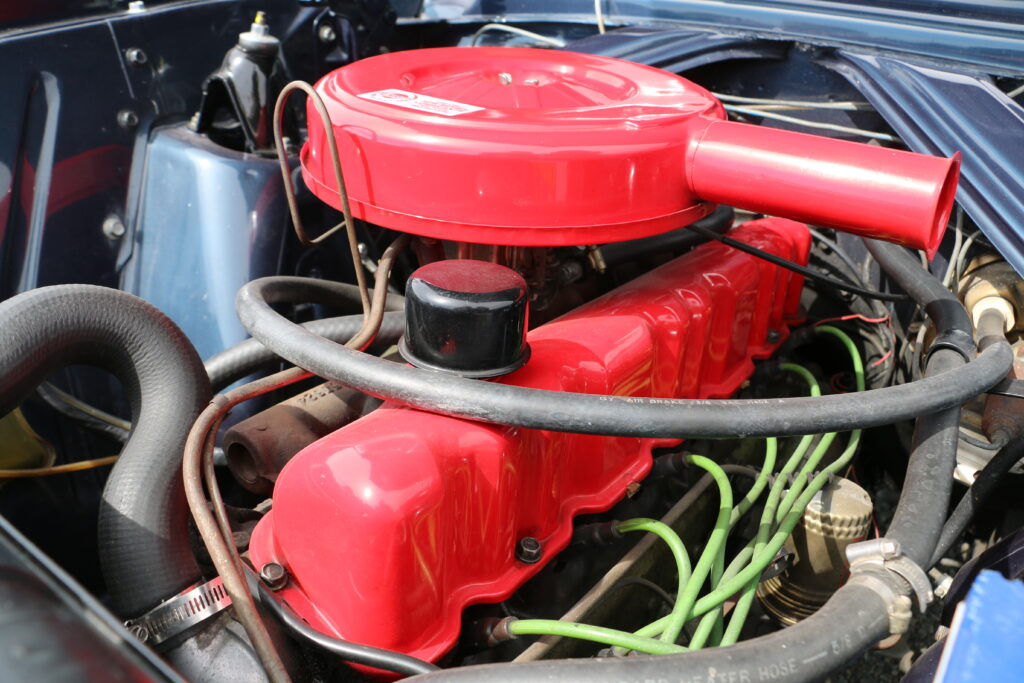
In more recent times, Alan also replaced the tappet cover gasket, fitted a new carburettor kit, and fitted the bonnet-to-firewall rubber seal. The radiator was reconditioned, which included the removal of the top and bottom tanks, and he replaced all the engine water pipe nipples and thermostat.

Better and better
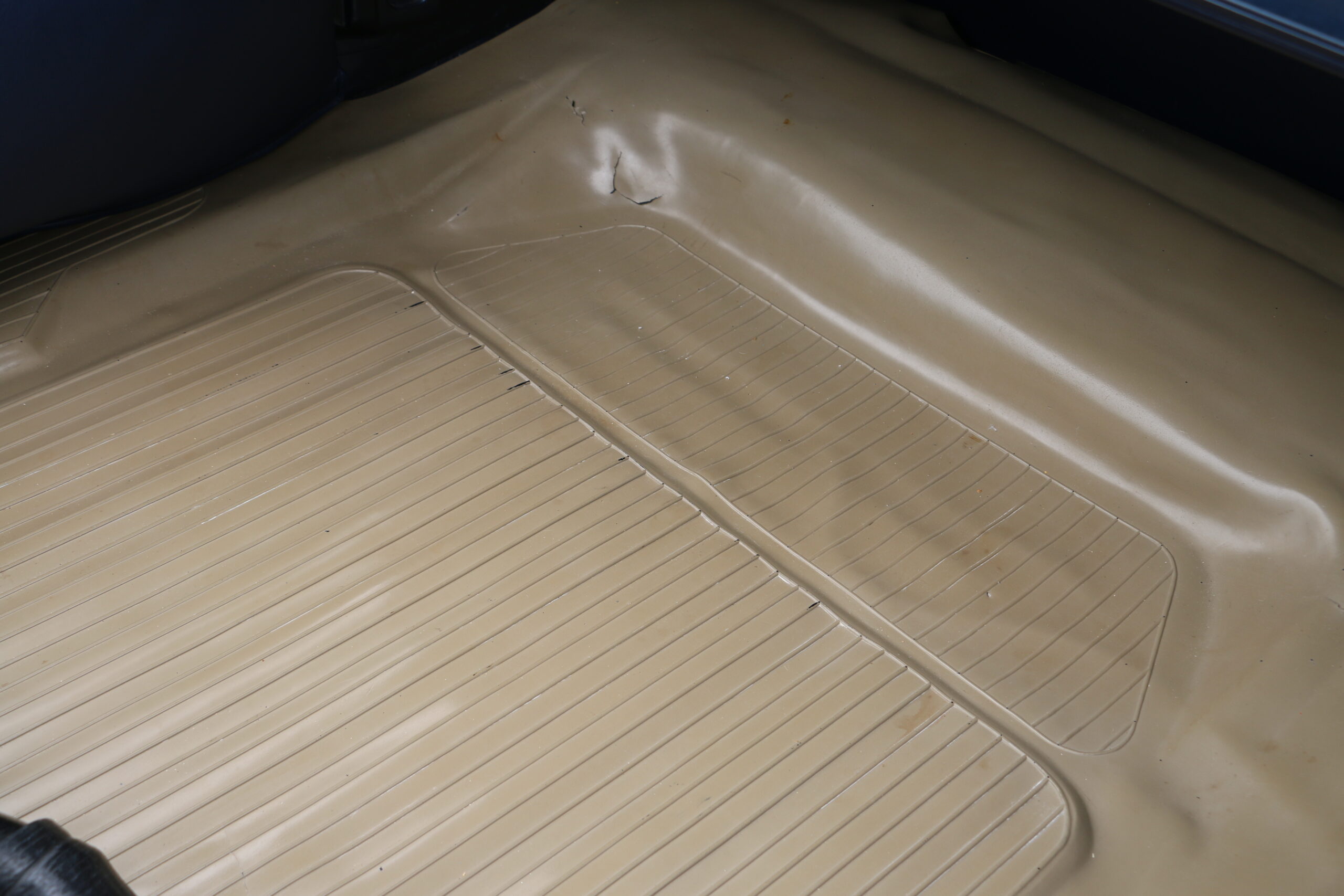
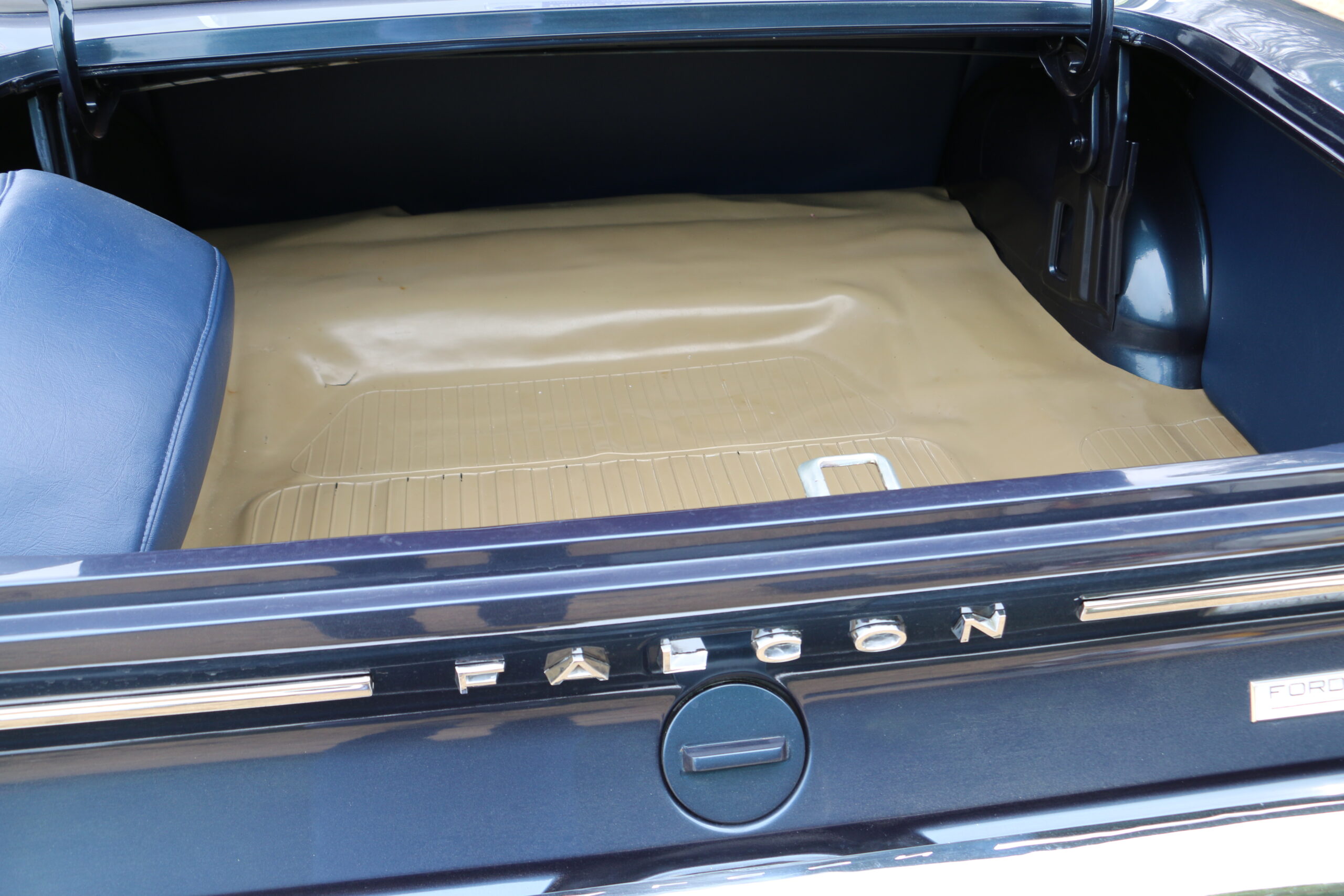
Mileage at time of writing is 48,343. Since it has been back in our ownership, I have just pottered around detailing here and there. The boot area on any vehicle manufactured prior to, say, the past two decades, was never very flash or detailed. The spare wheel, for instance, is mounted vertically on the left hand side of the XP Falcon. It looks very untidy, as such, so I had Andrew Stewart, a retired motor trimmer in Rangiora, make up a mid-blue vinyl cover for it. Yes, I know that takes away the car’s originality, but I don’t mind improving little areas like this. The boot mat is still in remarkably good condition. Not perfect, but that’s the way it will stay. Not black, as one would expect, but in a nice tan colour.  Another wee improvement I have made in the boot area is the inside of the rear guards, which is not a tidy sight. I made-up hardwood patterns to cover this area, and the same applied to the back of the back seat. I then had these covered in thin sponge, followed by a layer of the same mid-blue vinyl. In October 2016, I fitted a new set of tyres. They have a narrow whitewall. I would have preferred a wider whitewall, but that was all I could find in 13-inch. The ’65 XP Futura was fitted with 14-inch wheels and disc front brakes.
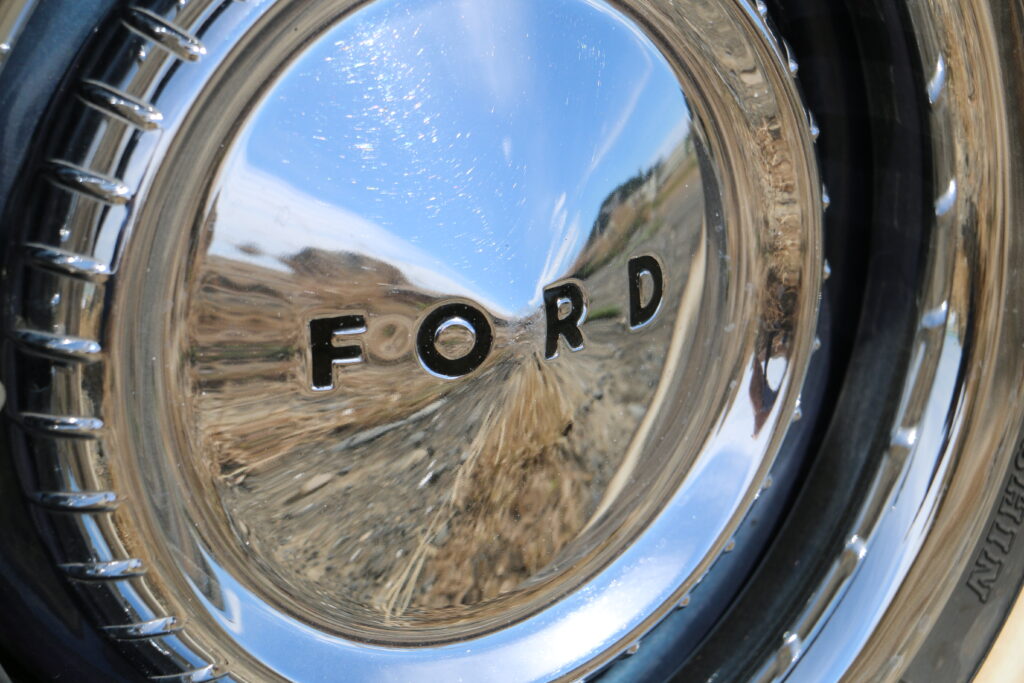
I find the drum brakes to be the weakest part of the car, and I would dearly like to fit disc brakes up front, but that would mean giving up the original 13-inch wheels, chrome bands, and hub caps. The car was a small but great part of my life the first time around, playing a part in some significant life events, so it has family history and ties in many ways. All going well, she will stay in the family. Maybe other generations will drive her in classic rallies, too, such as the North Canterbury Classic tour in March and the Christmas picnic outing in November we are pleased to organize. First Niki, and then Sophie, have helped us plan our rallies since they were aged 10, and Niki now has a son of her own, Alfie, aged three.

Extra temptation
When I was in my teens, I loved fitting extras to my vehicles. The first was a 1928 Essex. This vintage car did not really suit extras, but I was not to be denied; I was only fifteen at the time. Then came a 1935 Ford V8 five-window coupe. This totally original car, black with apple-green wire wheels and factory pinstriping, was just too good and original to ‘bodgie-up’.
My third car was not. It was a 1939 Ford V8 coupe, black also, but far from original. During my ownership of about a year, I painted the sides in a hand-mixed shade of light pink. Fitted with twin straight pipes, man, she sounded grouse. Then I went berserk with extras. Far too many to list here, but she looked the cat’s pyjamas. Lorraine, at the age of fifteen, wore a pink-and-black skirt and blouse combination whenever we went for a Sunday drive, matching the ’39 coupe perfectly.
I still have a box of those 1950s and ’60s extras, but I have resisted fitting any of them to the ’65 Falcon — so far. I was sensible enough at sixteen not to plaster the ’35 coupe, so surely I can hold off in my late-seventies? I’m doing my best.

Time travel
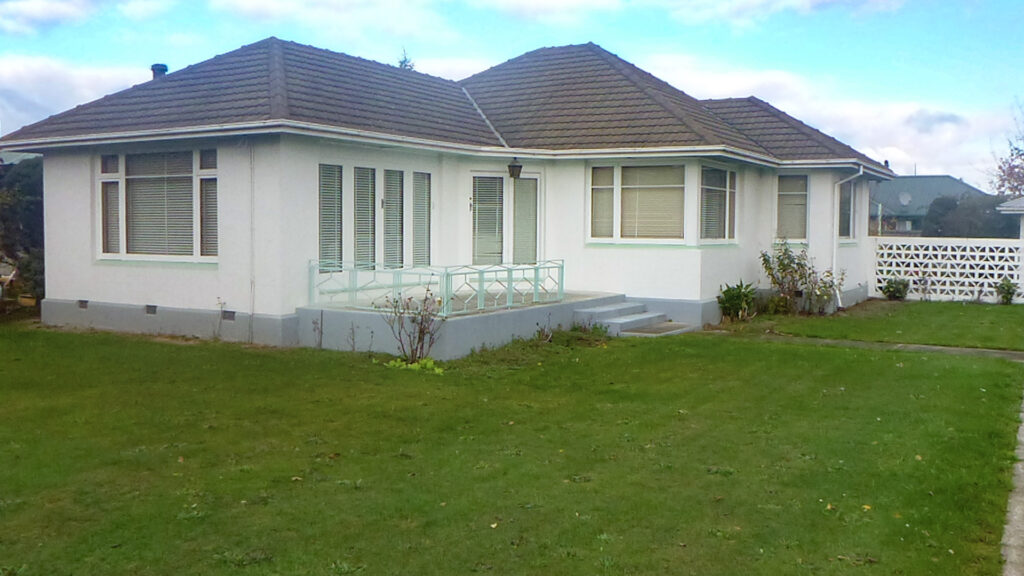
We occasionally drive past the house where Mrs Dzenis lived at the time of purchase in 1995, and it looks exactly like it did then — white, roughcast, built in the late ‘50s or ’60s. Curiosity got to me the other day. Her name is still listed in the phonebook, so I dialed the number. Lo and behold, she answered it. Iama is still sharp as a pin. She remembers the Falcon well. She told me that a local Kaiapoi man purchased a green one on the same day, but she liked her car’s metallic dark blue much better, even naming the colour of the paint correctly. Can’t see me having a memory as good as hers at that age. 

It could have been January, 1995, on the day Trevor purchased the Falcon from Mrs Dzenis, but this photo was taken in June 2020, 25 years on. Mrs Dzenis still lives there.

More to the point

This Daimler SP252 is so rare, few people know it exists. It’s one of a kind. It’s the only surviving, in fact the only SP252 ever completed; the would-be successor to the SP250 Daimler Dart. It is also the last sports car to have been designed by Jaguar’s legendary founder, Sir William Lyons.
Perhaps one of the original Dart’s biggest problems was it’s somewhat-divisive looks. It certainly went well enough to win fans, although Sir William wasn’t among them. It crushed the opposition in the Bathurst six-hour race, finishing five laps ahead of anyone else, and it was snapped up by police forces in Britain, Australia, and New Zealand, as it was the fastest thing on the road.
So you’d think a stunning new body with the magic Lyons touch would have been a surefire success. Why this car never made it into production is still something of a mystery, as the official explanations barely stack up.

Polishing to perfection

The secret to a show-stopping finish is colour sanding, no matter which paint system you use. Even a good painter, no matter how experienced or talented — like my mate Bruce Haye, CEO at Ace Panel and Paint in Whitianga — can’t shoot to a perfect mirror finish. To get that level of perfection, you need to colour sand.
It used to be called ‘rubbing out’ or ‘cutting’, and it was done with pastes that came in cans. They worked — sort of — but the compounds really just rounded off imperfections instead of eliminating them, and they removed a lot of paint in the process. But now your new finish can be made flawless, thanks to microfine sandpapers that come in 1000, 1500, 2000, and even 2500 grit ranges, and Farecla G3 polish — available from automotive paint suppliers.