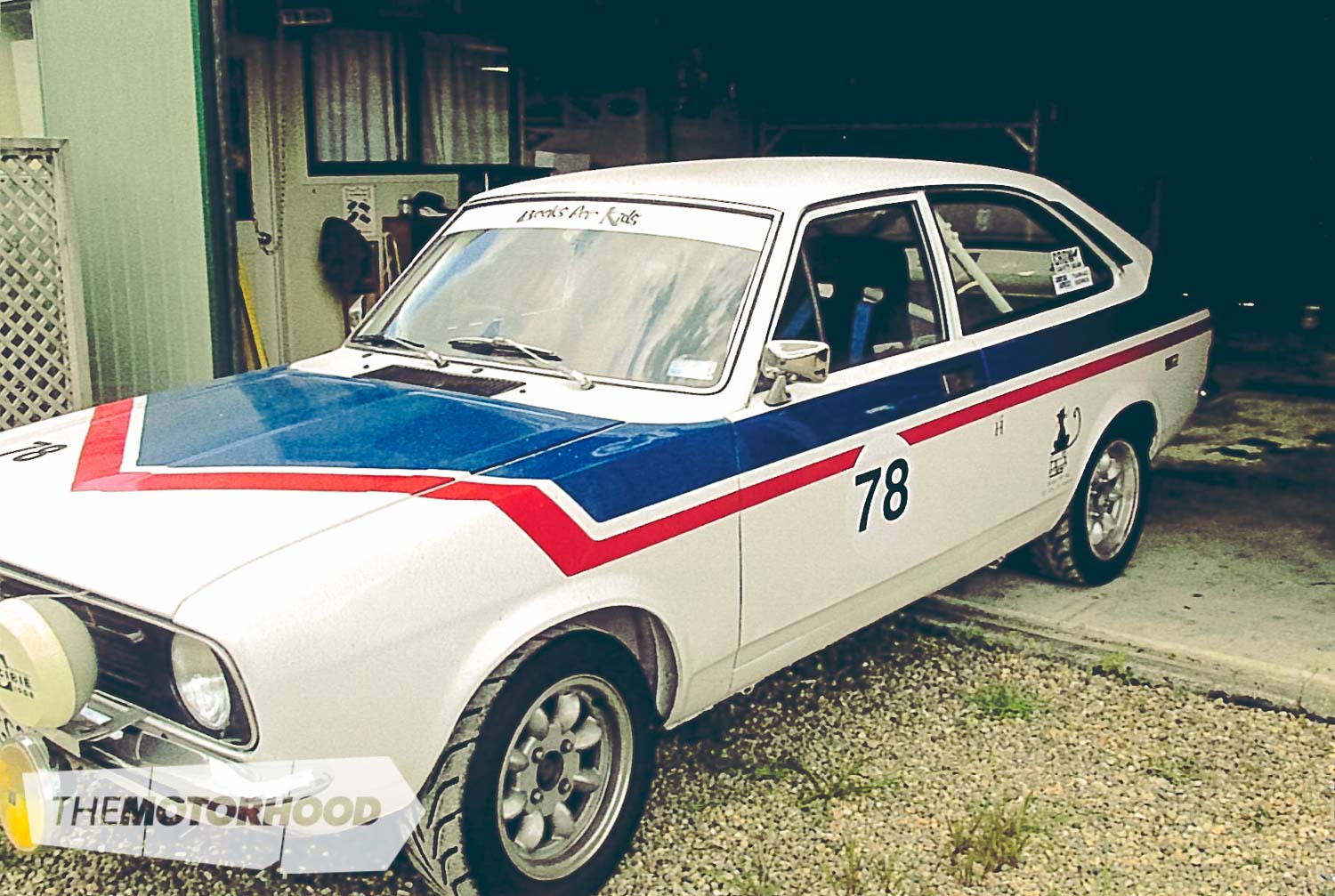
Weekly Motor Fix: following the ownership history of this rally-star Morris Marina 1.8 TC coupé

23 February, 2016


data-animation-override>
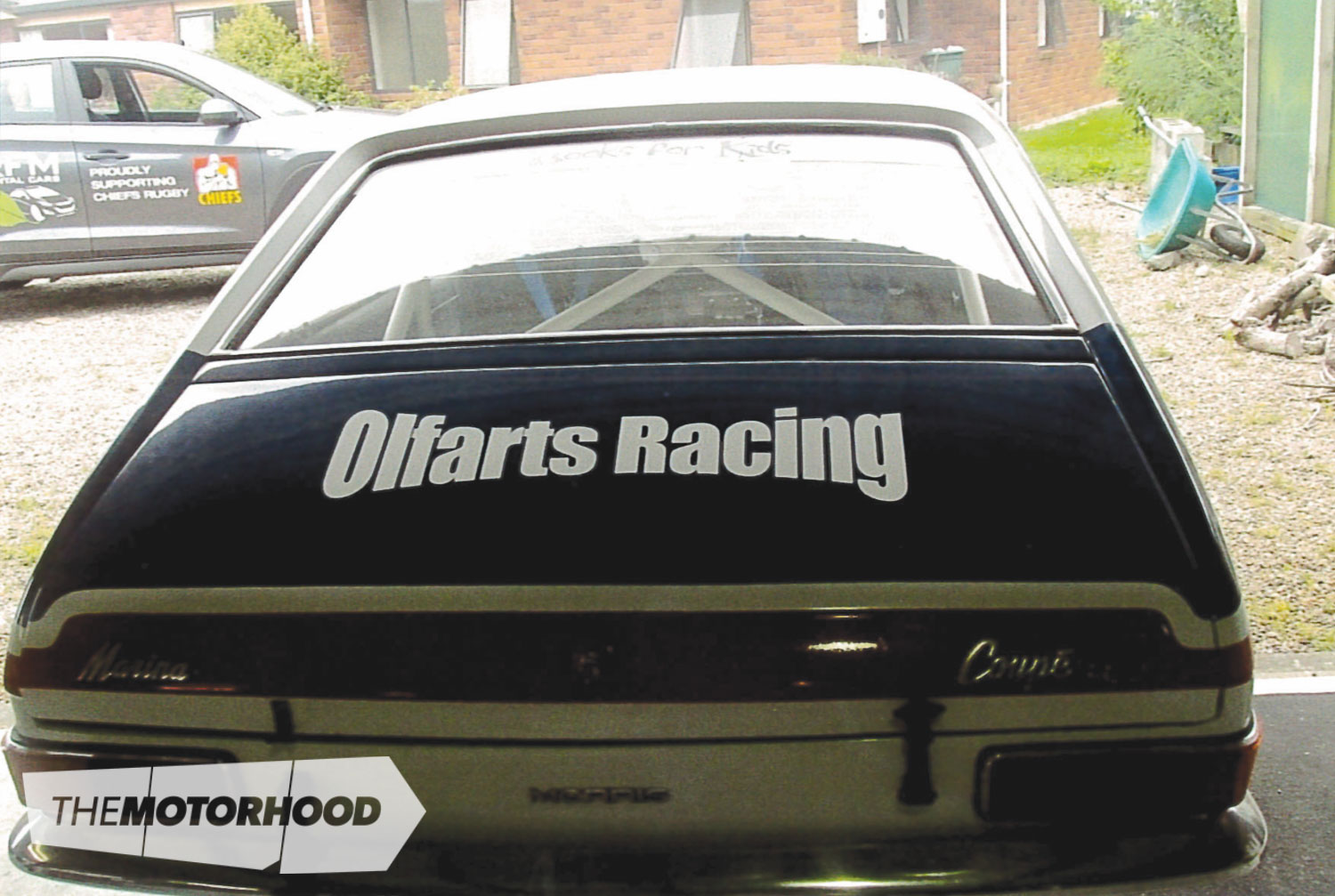
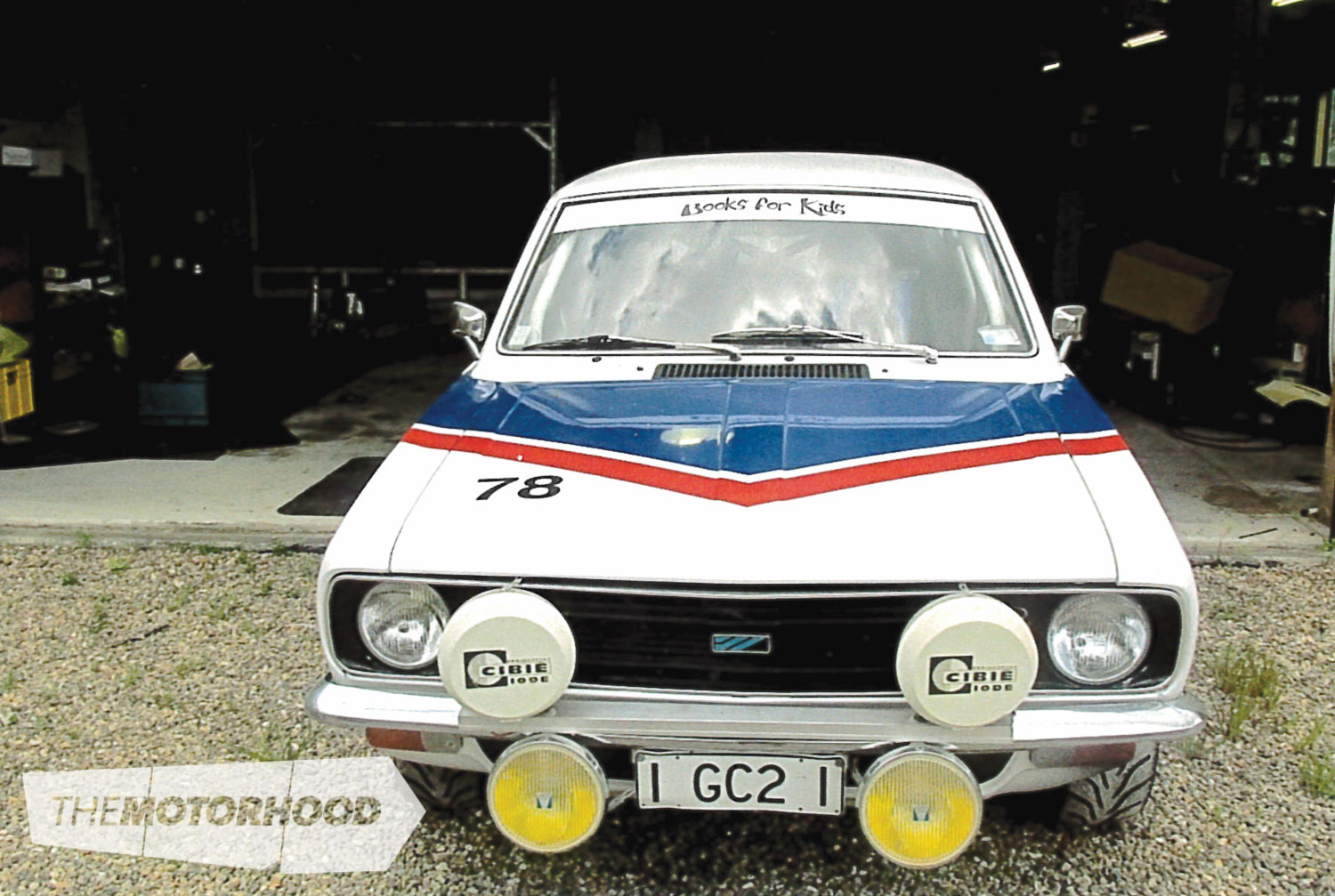
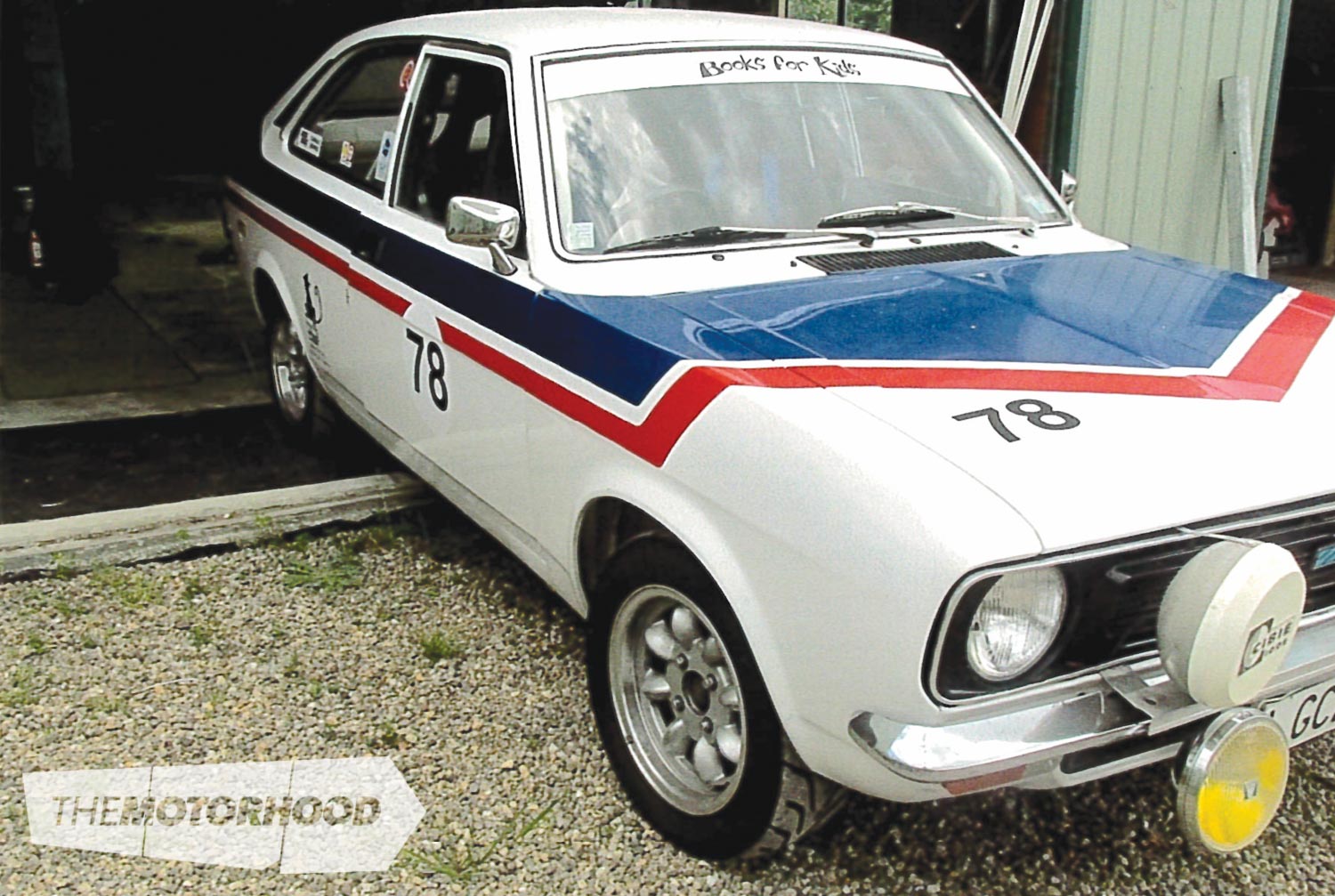
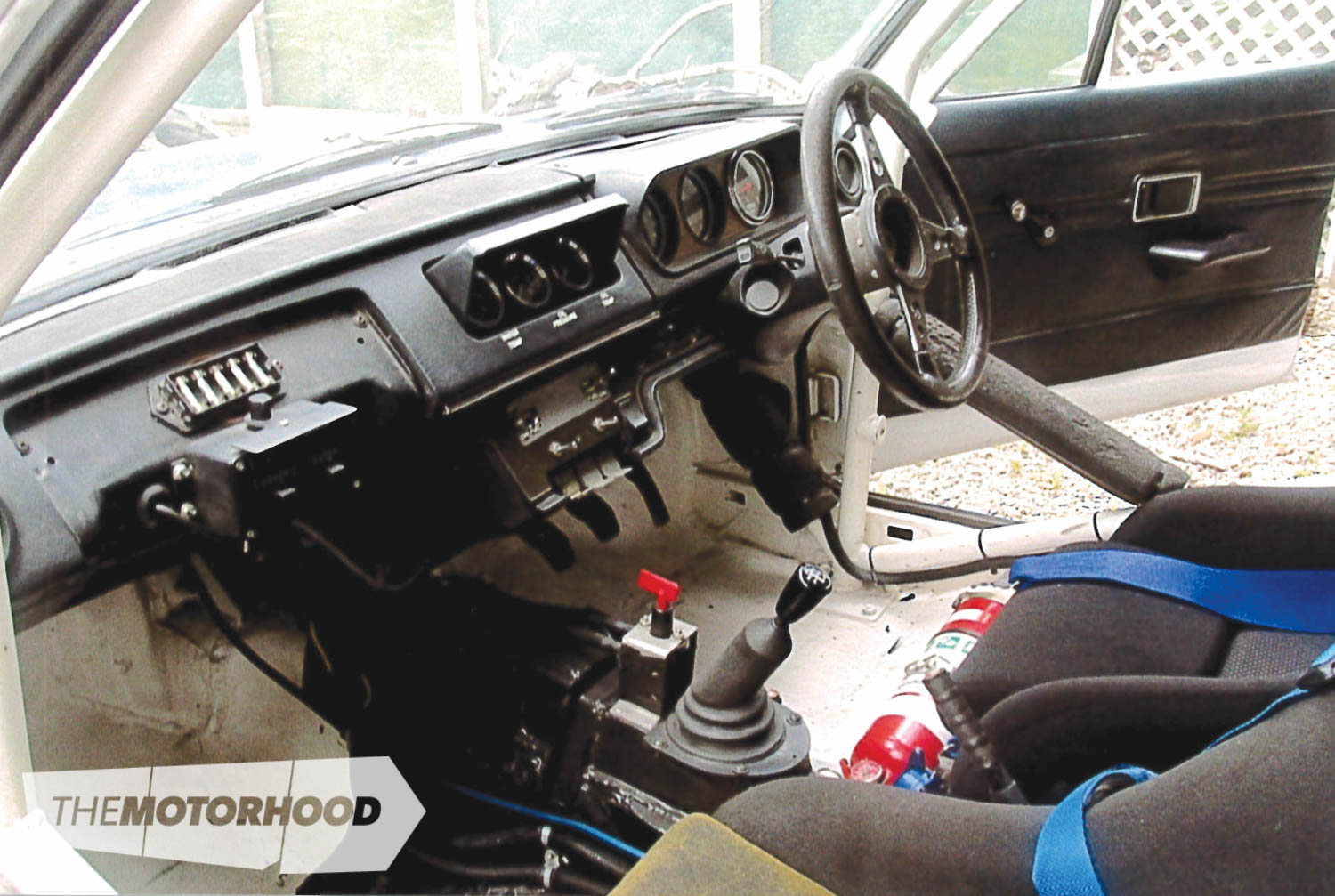
Built by British Leyland Competition Department, Abington, UK, ‘GC2’ was one of a pair of Morris Marinas built for the 1972 Heatway Rally, along with a pair of Mini Clubmans.

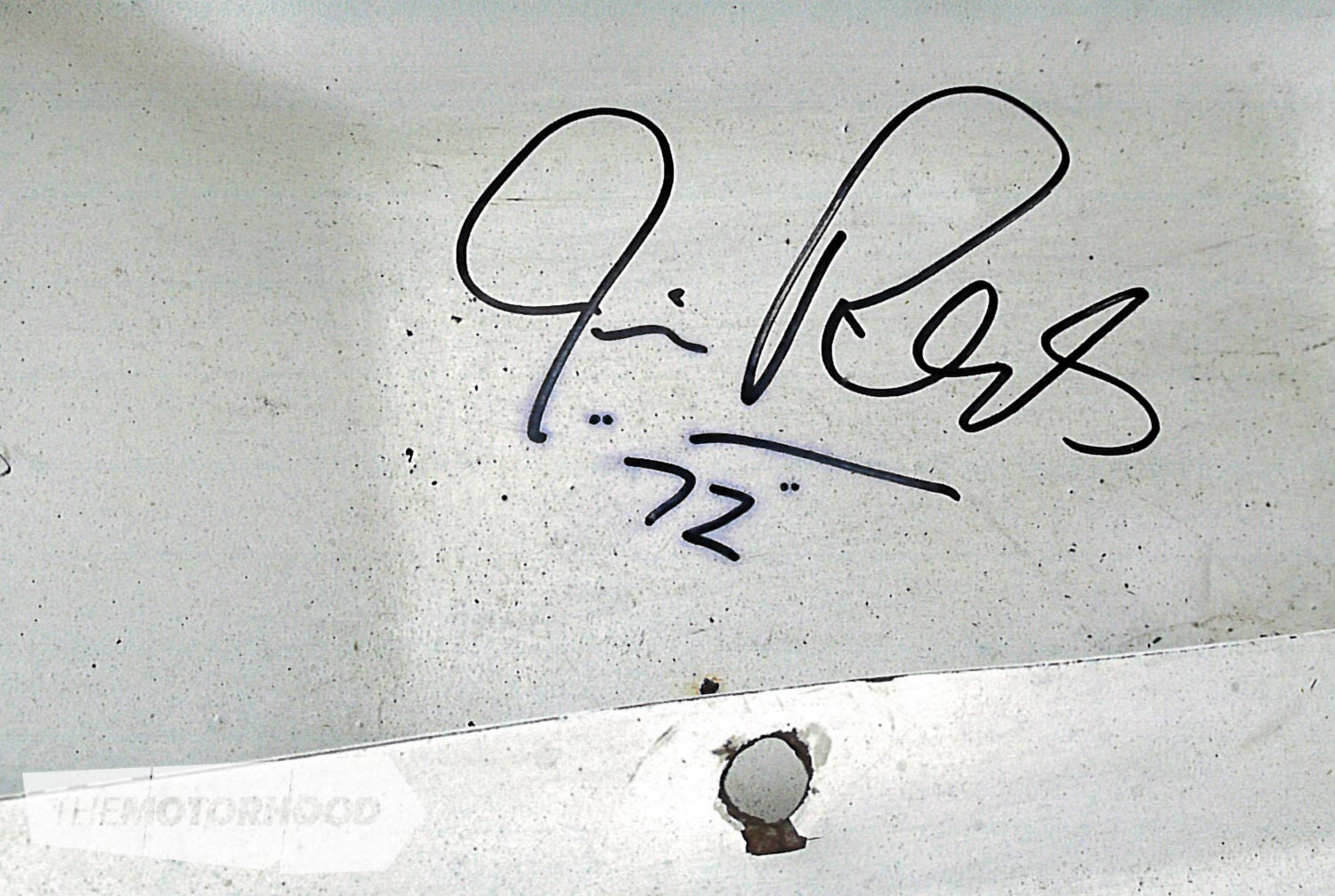
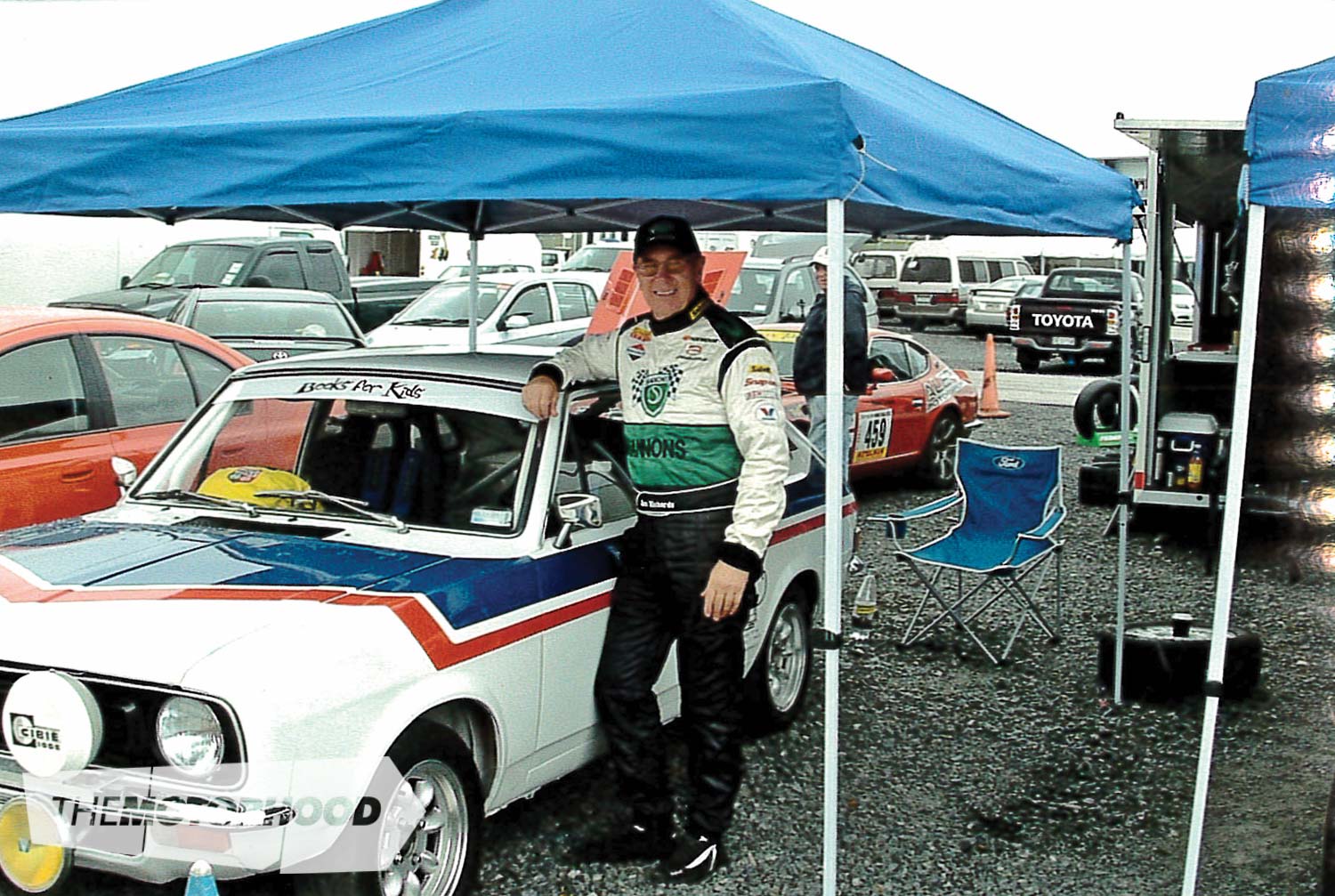
Originally entered for Andrew Cowan and Jim Scott (the eventual winner in a Clubman), this car was driven in the event by Jim Richards, with Jim Carney as co-driver. After winning a special stage early in the event, and running second overall behind Andrew Cowan, suspension problems and a failing gearbox saw Jim Richards forced to retire in midfield. 
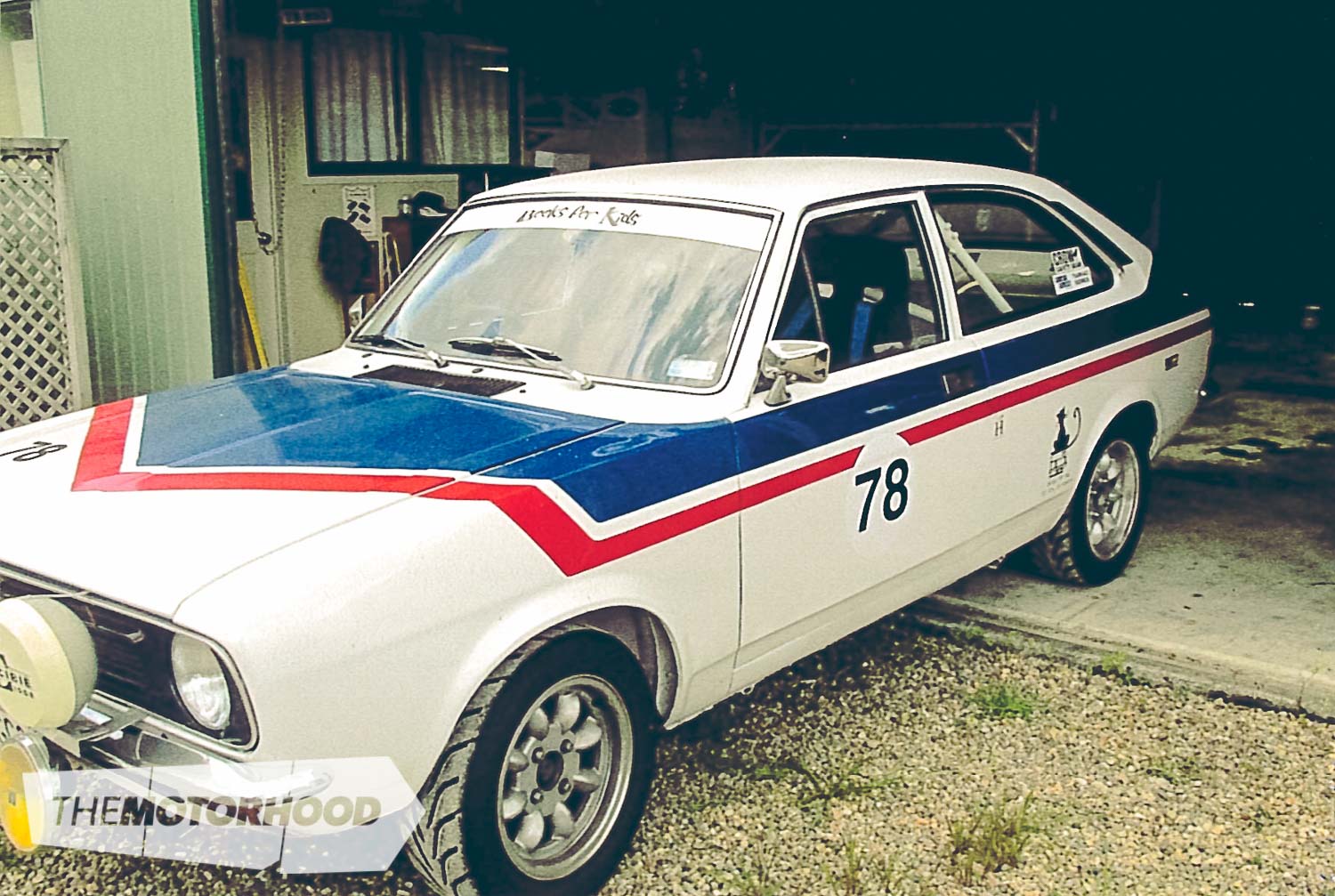
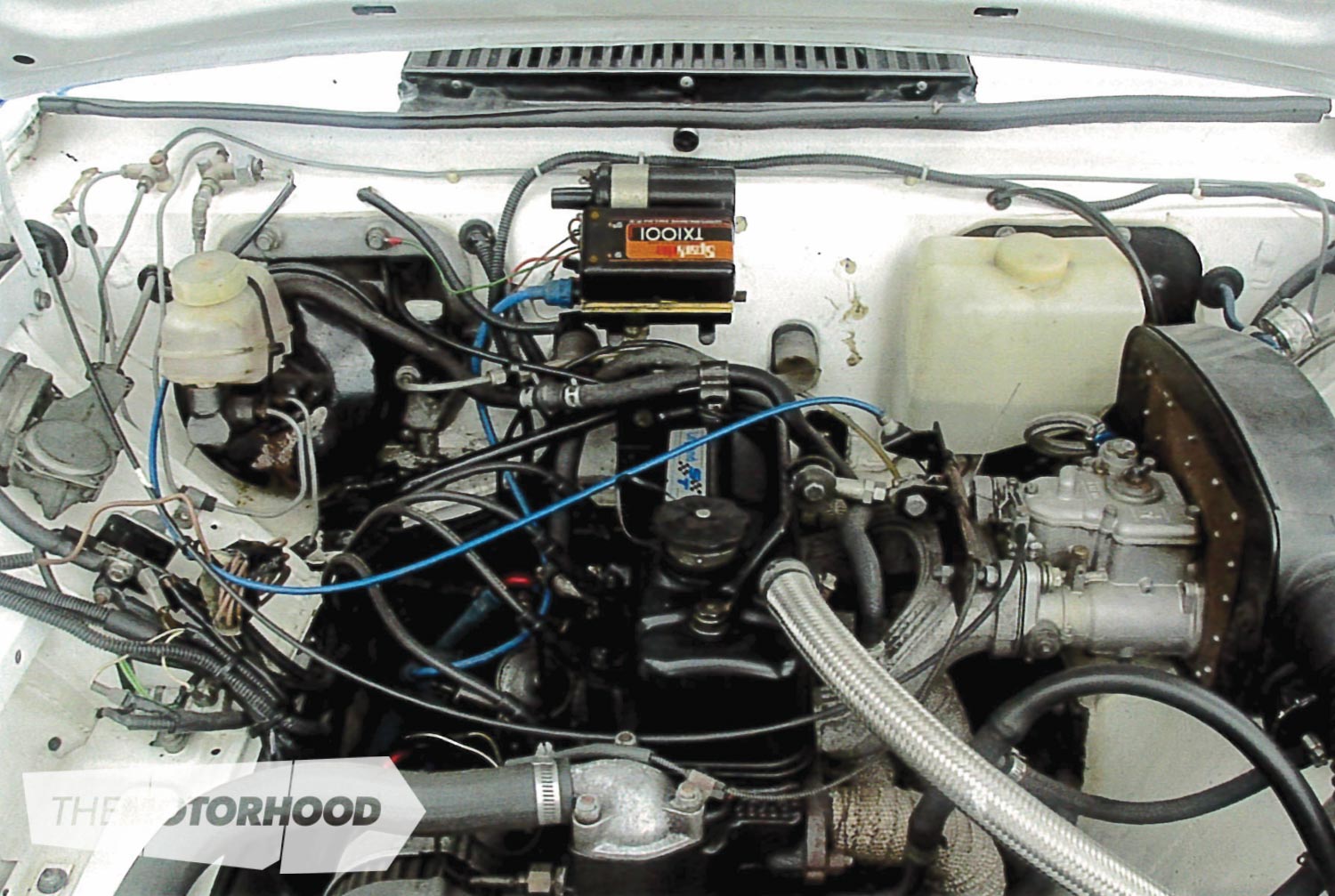
Late in 1972 GC2 was acquired by Chris Kirk-Burnnand, followed by brother Barry, who campaigned the Marina in national rallies, club rallies, and hill-climb events. During this time the gearbox, which was not up to the rigors of harsh competition, was eventually replaced with a Hillman four-speed gearbox, and the SU carburettors were replaced with a twin-choke Webber. 
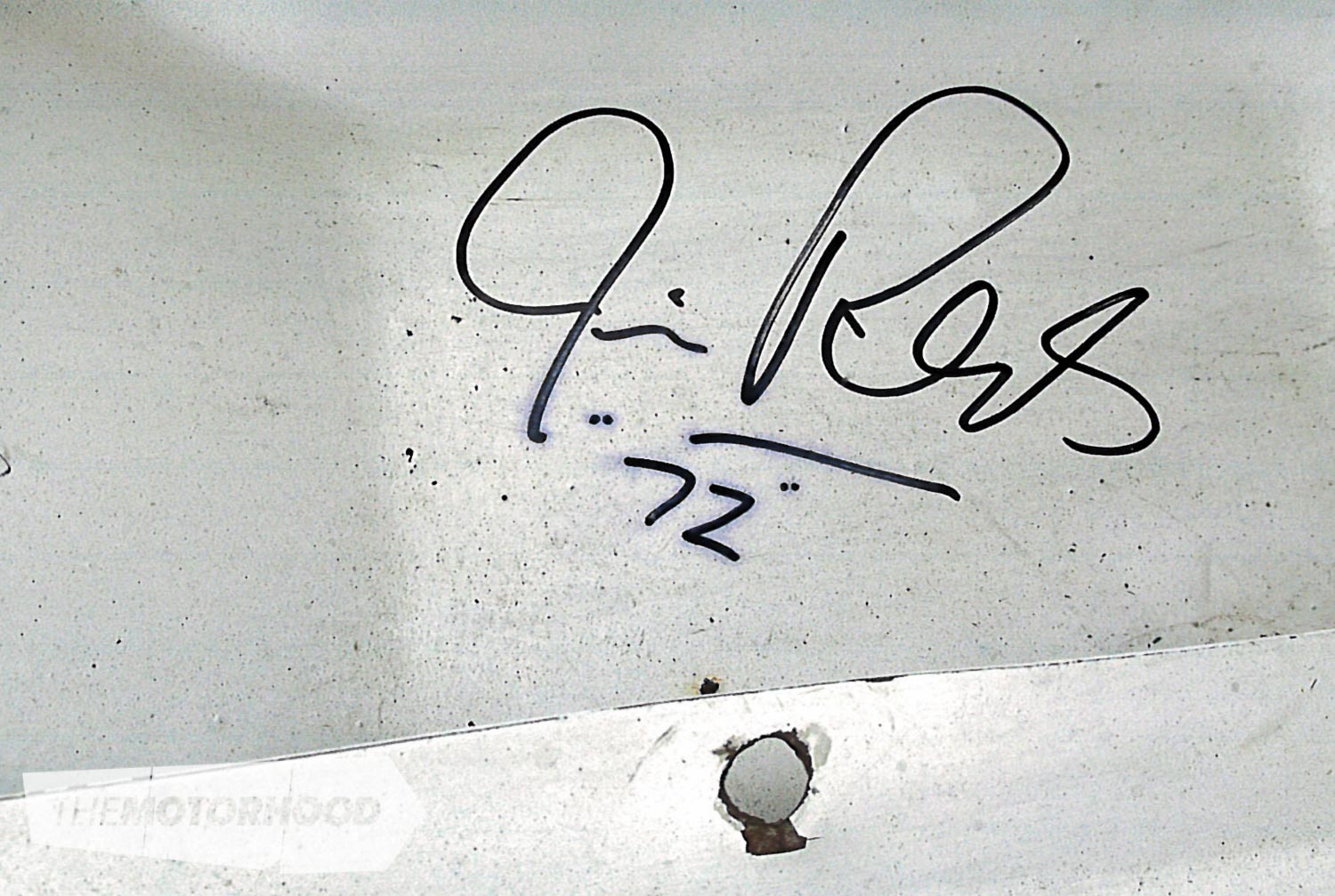
From 1977 to 1992 GC2 passed through a number of owners and registration-plate changes before it was purchased by Bog Hulme in 1992. Bob campaigned the car in sprints, hill climbs, and circuit racing events with the licence number RR9291. Research revealed its origins, and Bob personalized the plate back to 1 GC2 1. 
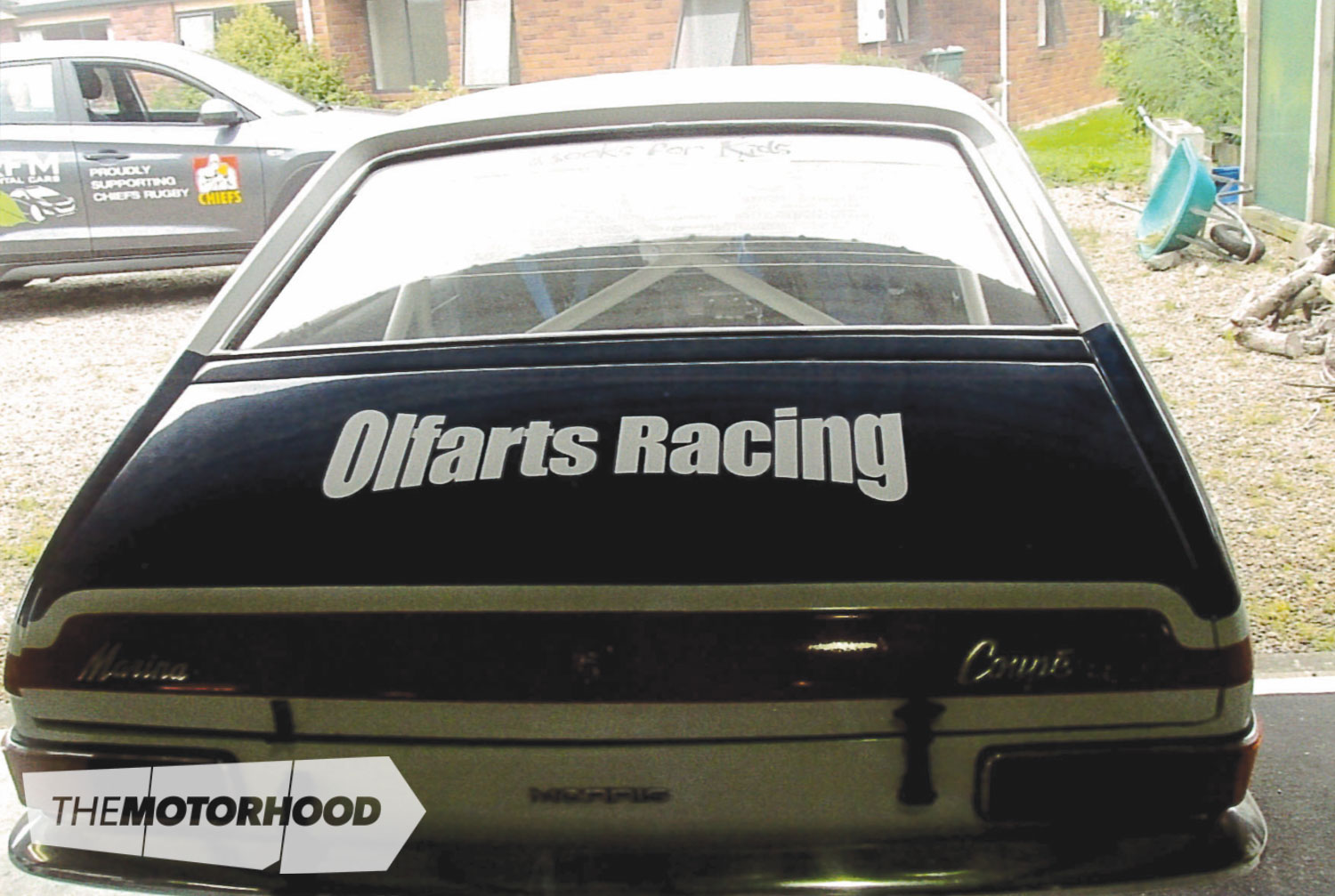
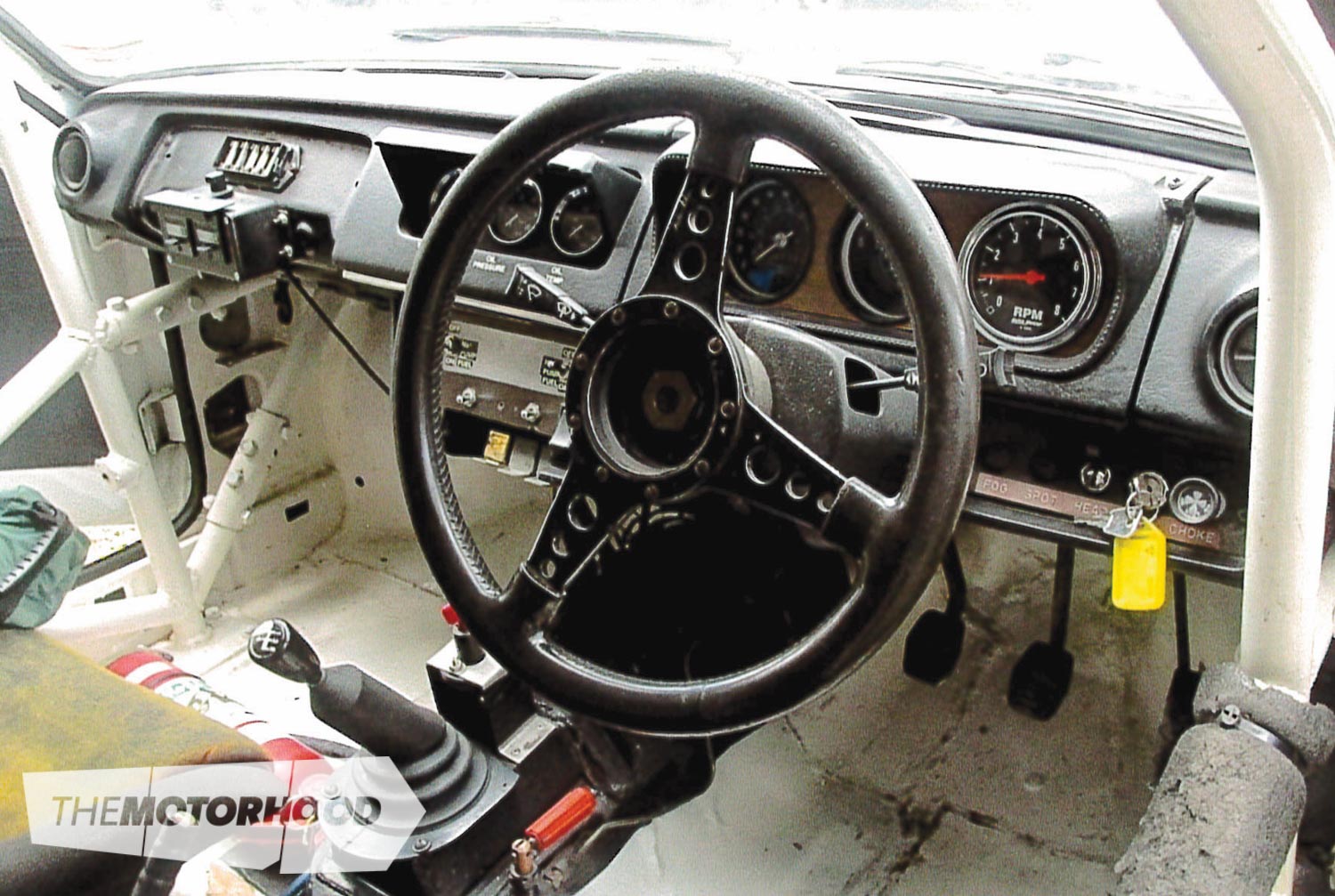
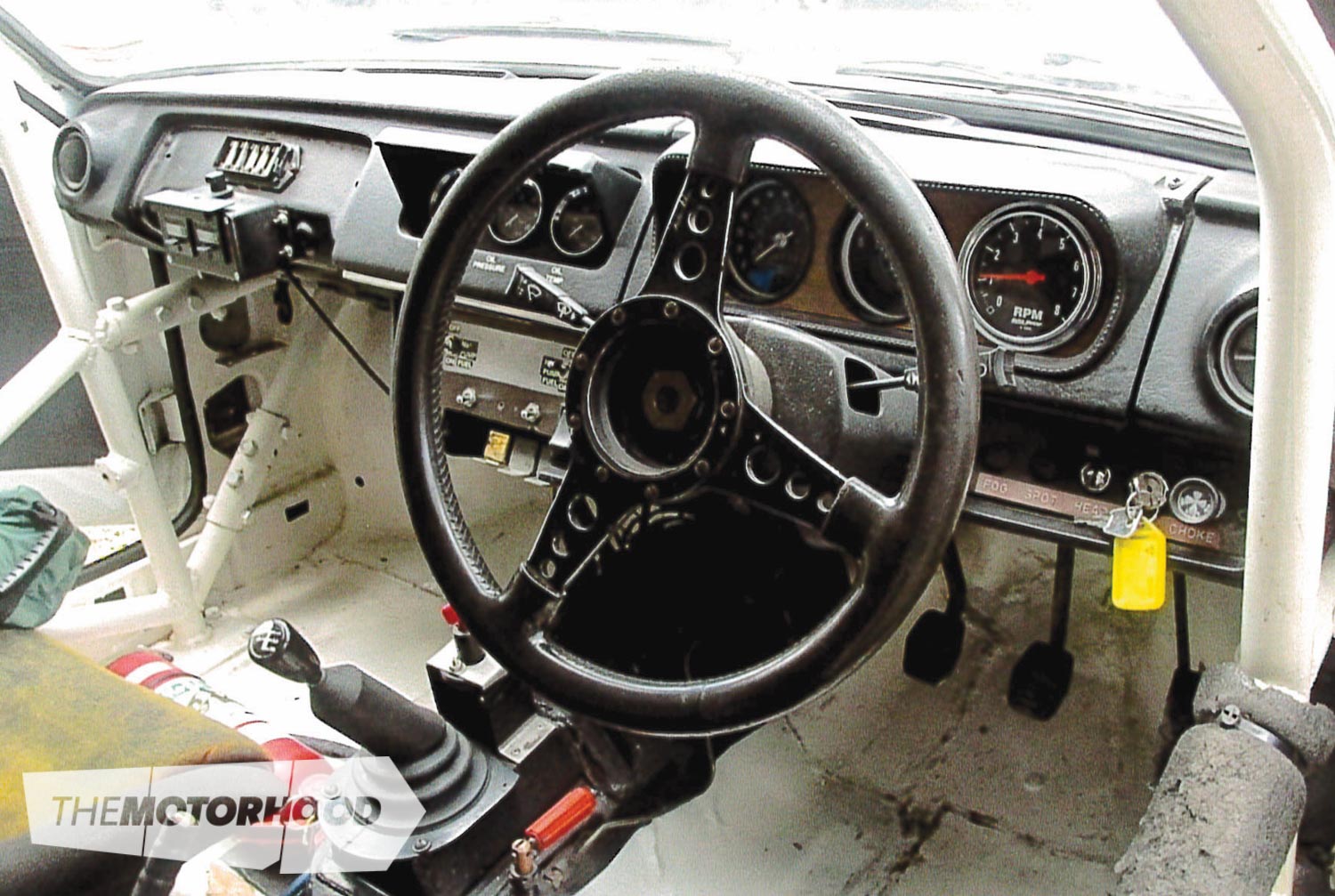
The car was passed to Andrew Scott in October 1997 and was given a bare-metal rebuild and paint. The roll cage was uprated for side intrusion, and the Hillman box was replaced with a Rover SD1 unit. 
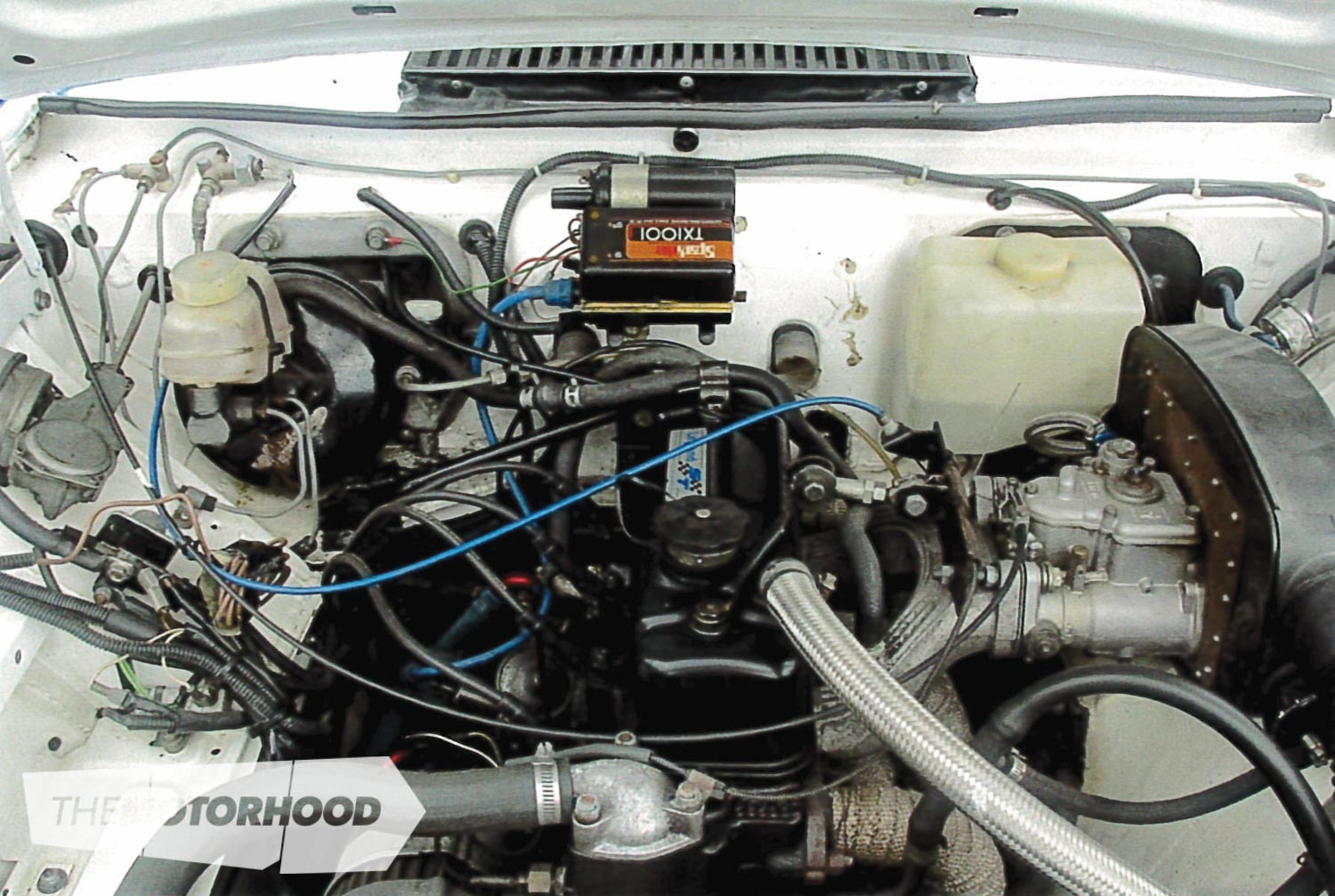
The engine was fully rebuilt (not the original by this time), along with the suspension, brakes, and many other components. 
The current owner, Judith Edwards, whose husband Don passed away three years ago, has finally decided to pass this significant piece of New Zealand rally history to another custodian by offering it for sale. 

Interested parties can contact [email protected] for more information.    
Polishing to perfection

The secret to a show-stopping finish is colour sanding, no matter which paint system you use. Even a good painter, no matter how experienced or talented — like my mate Bruce Haye, CEO at Ace Panel and Paint in Whitianga — can’t shoot to a perfect mirror finish. To get that level of perfection, you need to colour sand.
It used to be called ‘rubbing out’ or ‘cutting’, and it was done with pastes that came in cans. They worked — sort of — but the compounds really just rounded off imperfections instead of eliminating them, and they removed a lot of paint in the process. But now your new finish can be made flawless, thanks to microfine sandpapers that come in 1000, 1500, 2000, and even 2500 grit ranges, and Farecla G3 polish — available from automotive paint suppliers.

NZ Classic Car magazine, March/April 2026 issue 404, on sale now

BMW’s flagship techno showcase
The supermodel 1995 BMW 840Ci is simply elegant and perfectly engineered.
BMW’s 840 Ci flagship Coupe provides superb comfort and equipment packaged in a stylish body, with grand-touring performance and surprisingly competent handling for its size.
It’s the kind of machine that stands apart from the start. When BMW first unveiled its flagship Grand Tourer at the 1989 Frankfurt Motor Show, the automotive world blinked twice. Sleek, low, and impossibly modern for its era, it combined drama with a sort of purposeful understatement. This silhouette still looks striking today, long after its peers have faded into obscurity.
Initially offered with a range of engines, the model you’re reading about is the V8 iteration, featuring a 4.0-litre eight-cylinder heart under its long bonnet and a smooth five-speed automatic at the back. It wasn’t about blistering sprint times so much as effortless velocity. There was power on tap, sure, but the way it delivered thrust felt unhurried and measured – the automotive equivalent of a deep exhale on a long drive.
Poster 1964 Chevrolet Corvette Stingray, C2