

Club Corner: Daimler & Lanchester (Jaguar) Owners in New Zealand Spare Parts Club

10 April, 2016


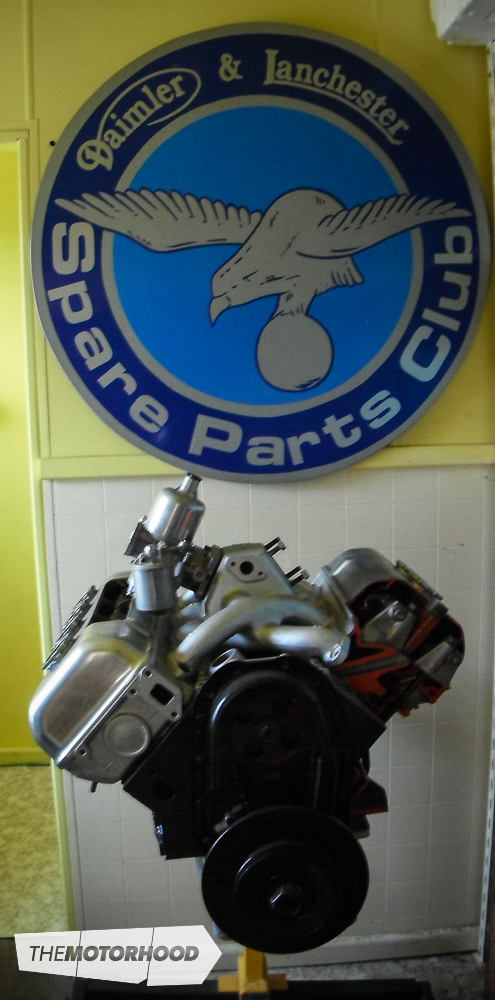
The Daimler & Lanchester (Jaguar) Owners in New Zealand Spare Parts Club was founded back in 1971 by Gordon Somerville and the late Laurie Wason, and became an incorporated society in 1971.
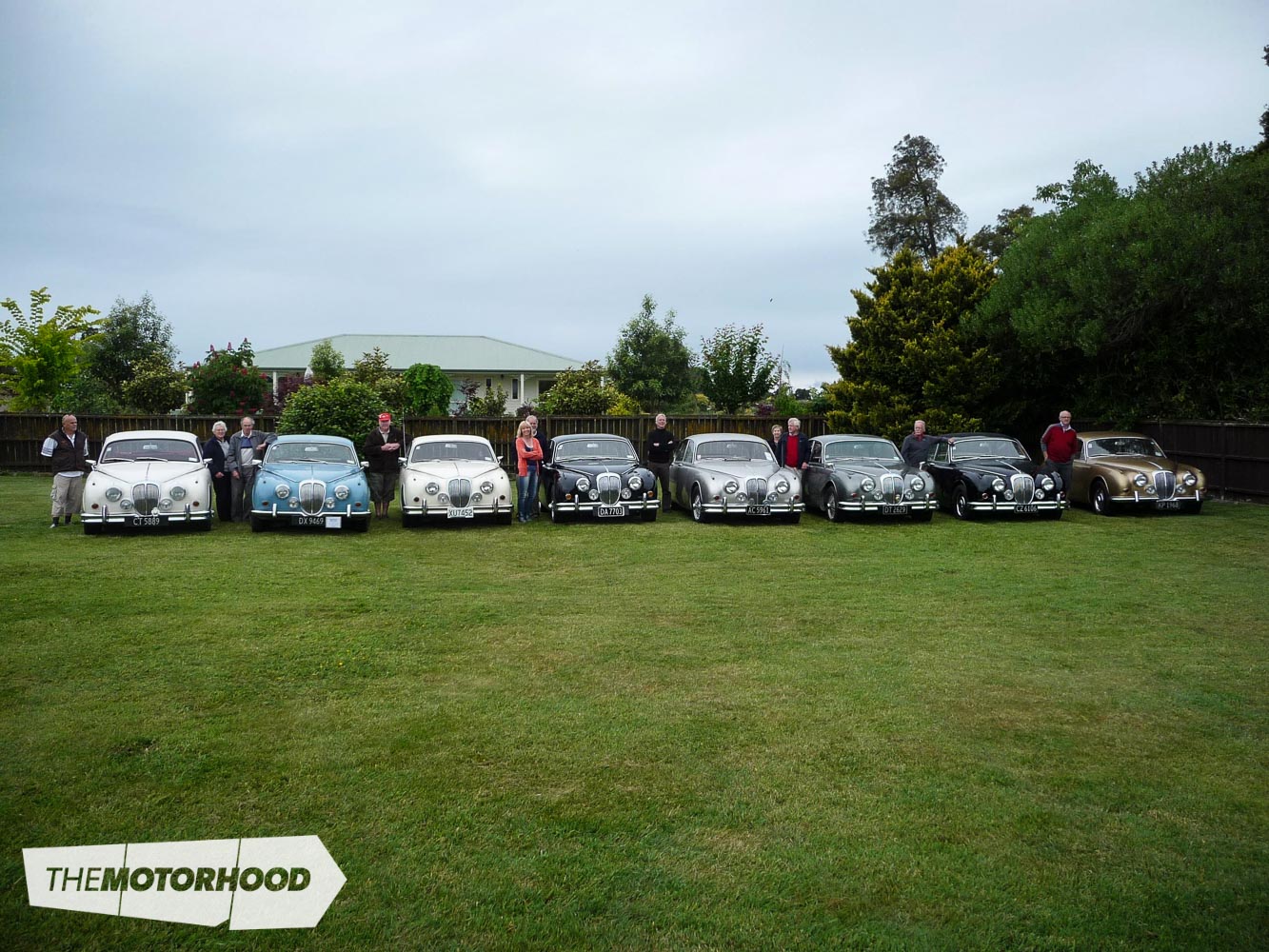
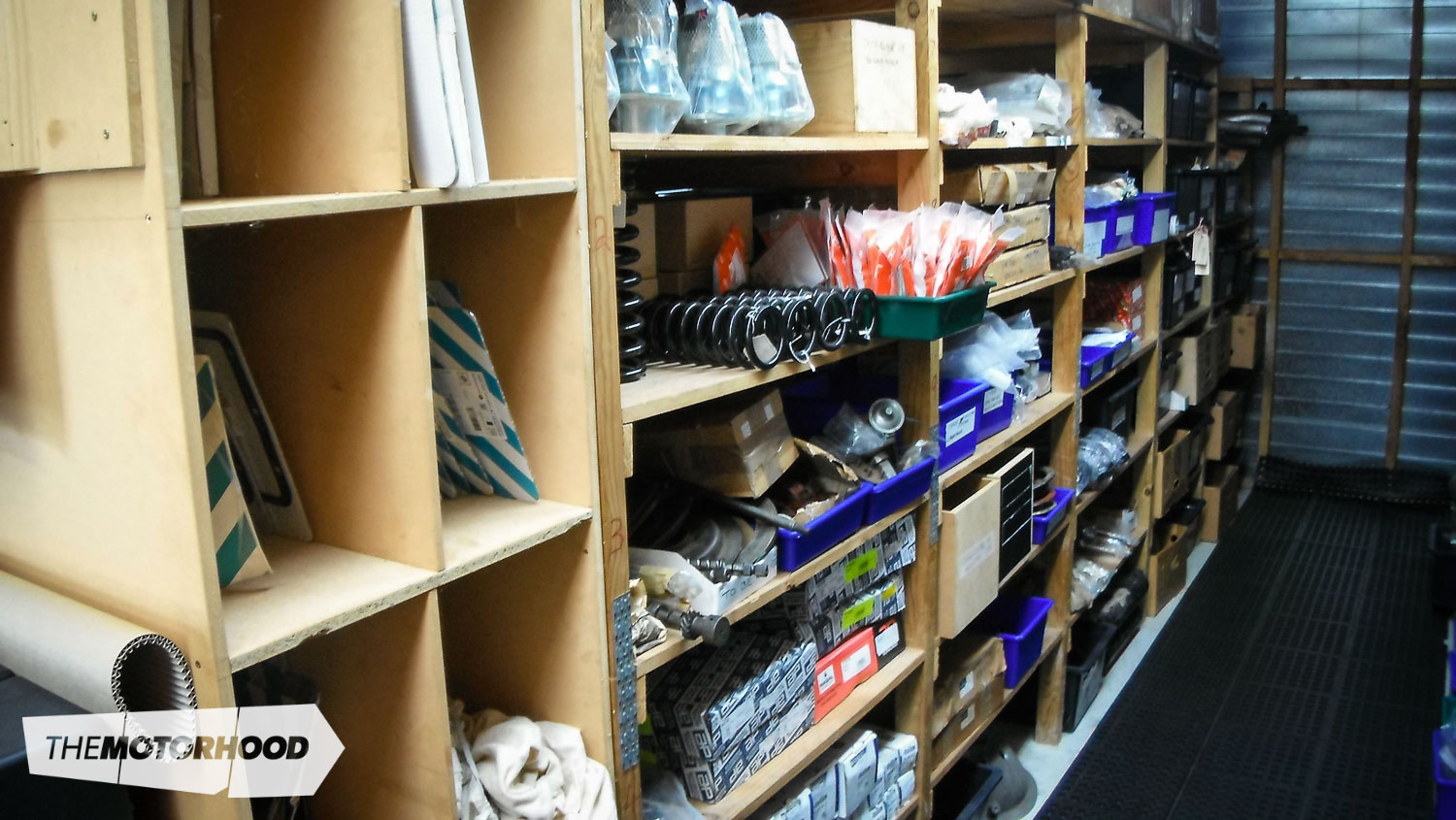
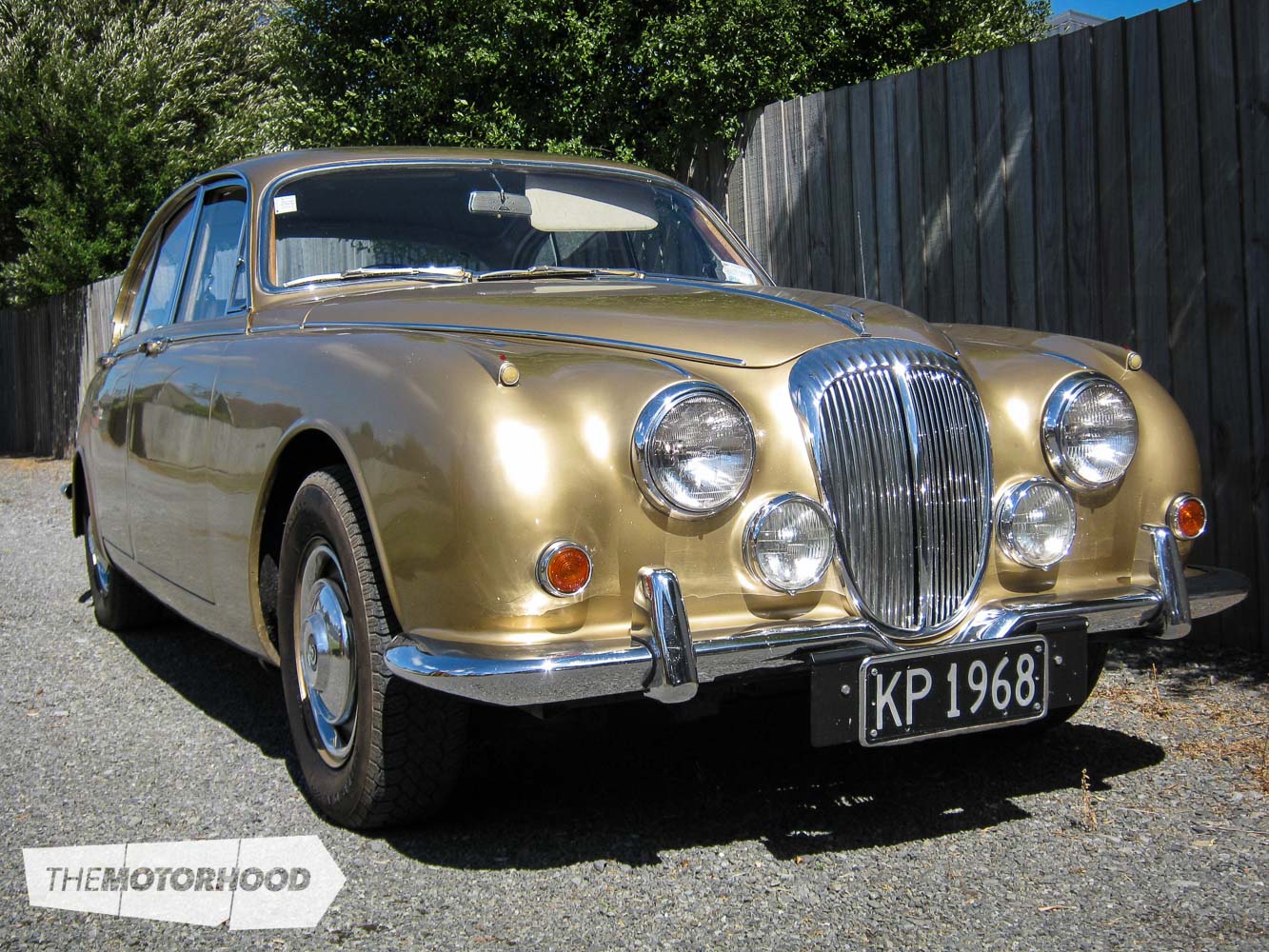
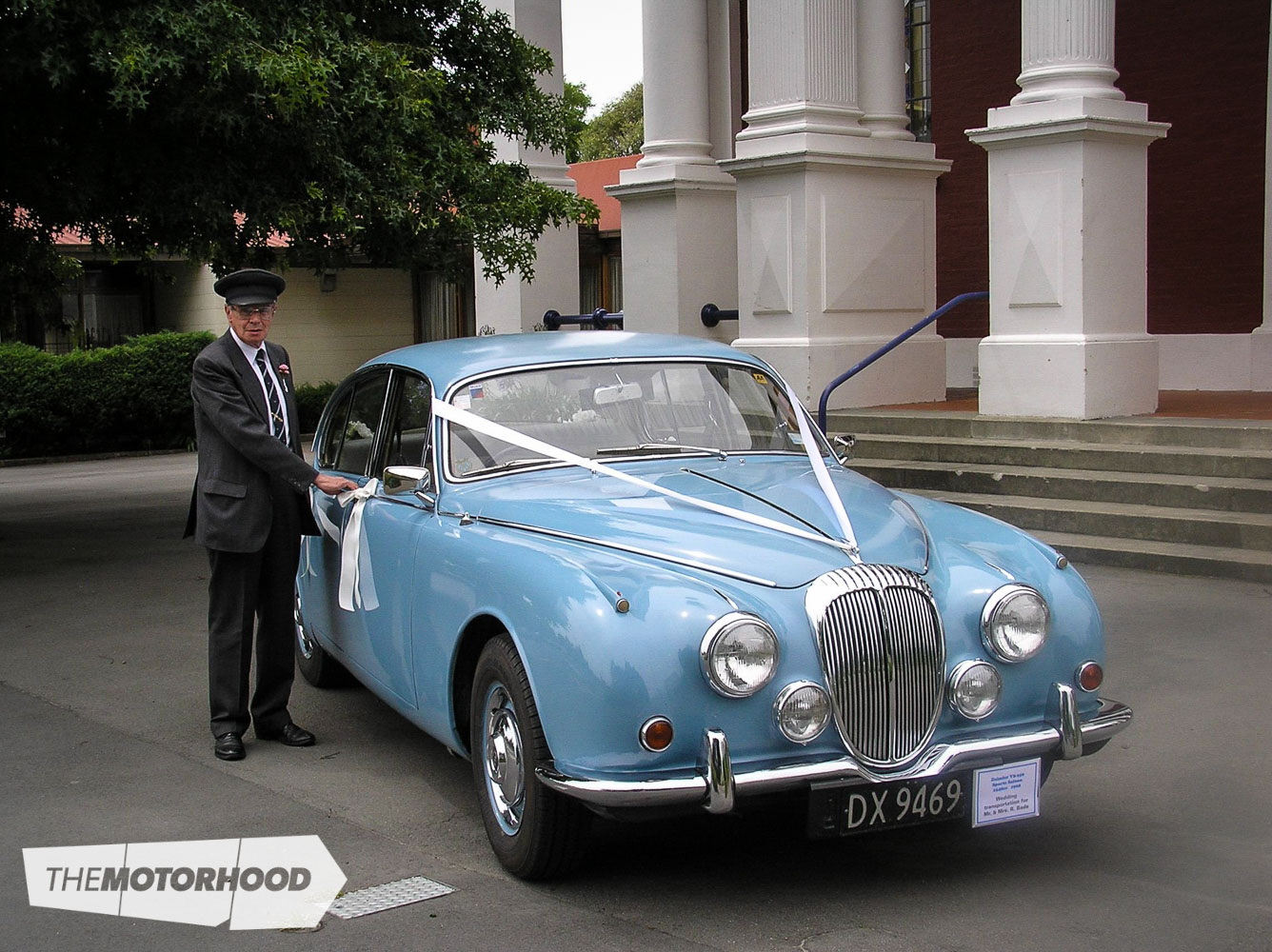
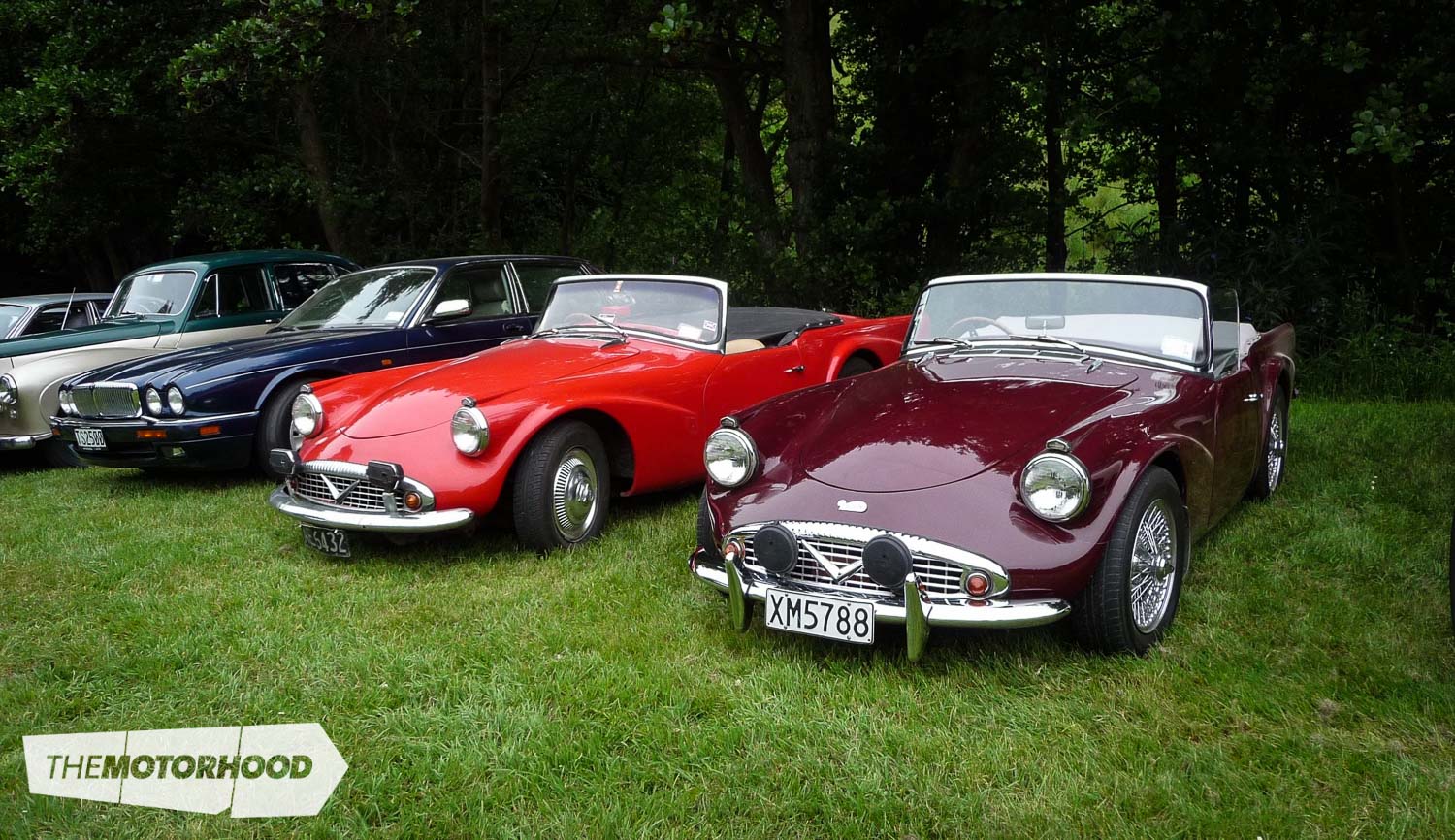
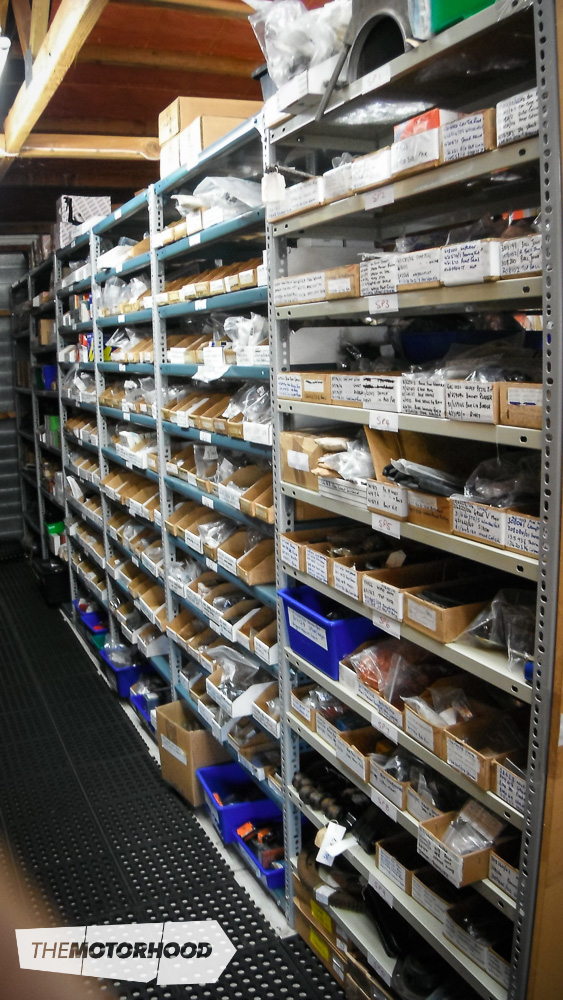
Today the club, based in Christchurch, provides parts sales to members only, and has a wide inventory of spare parts, new and used, available in stock for most Daimler/Jaguar motor vehicles from Jaguar Mk1 and XK120 right through to modern Jaguars and Daimlers as well as Lanchester vehicles. The club carries approximately 3500 individual line items, all available ex stock for the above vehicles. The club also caters for more modern X-Type, S-Type, and XJ Jaguars.
The club is run by a group of volunteers, and is open for business and parts orders and information on Tuesdays and Thursdays from 8.30am to 1.00pm. The majority of orders ex stock are shipped the same day, with competitive overnight freight rates. The club can also provide hassle-free shipping from overseas for those hard-to-get parts, offering a price advantage for parts supply for more modern vehicles over most local suppliers.
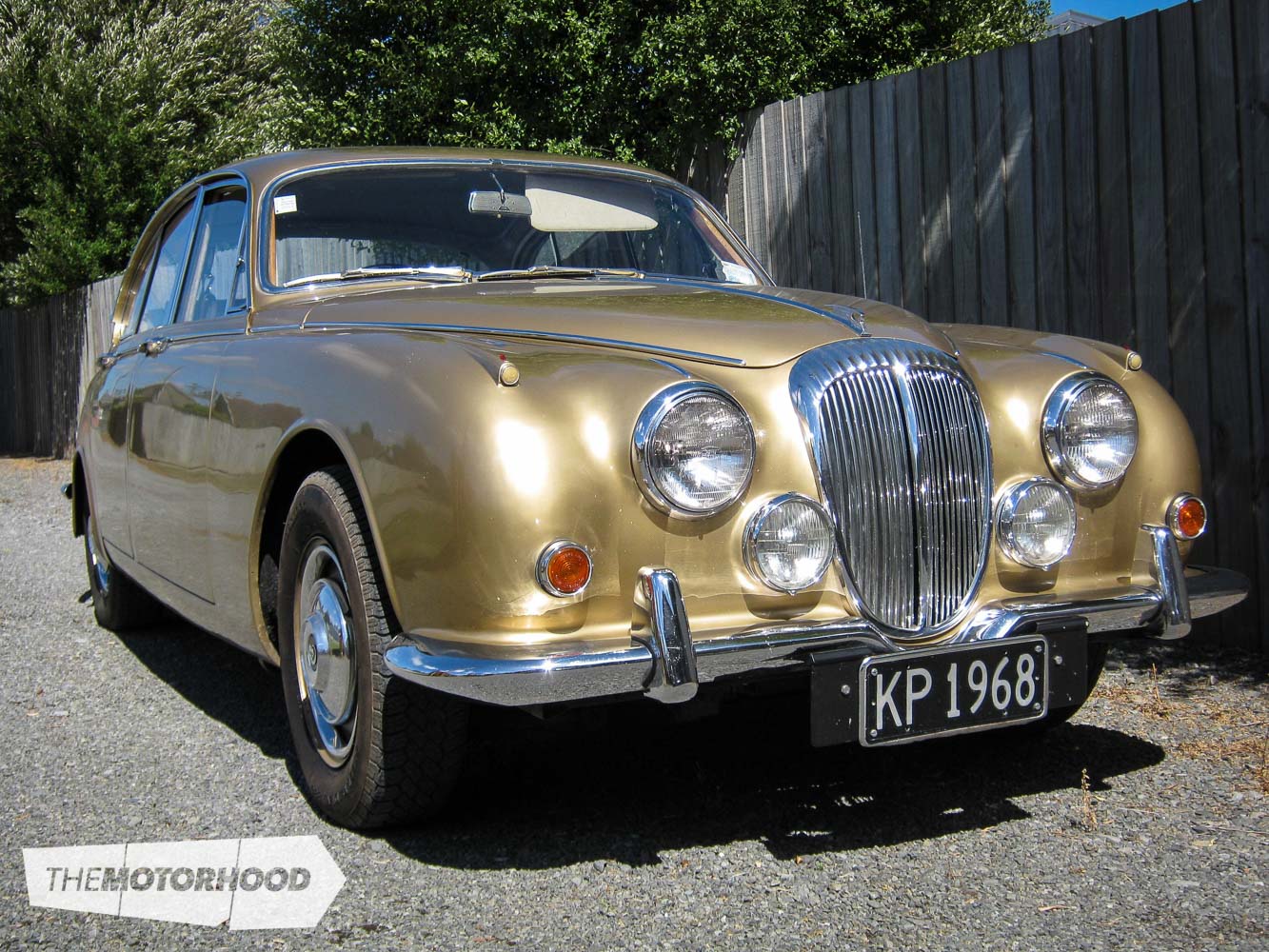
Join the club

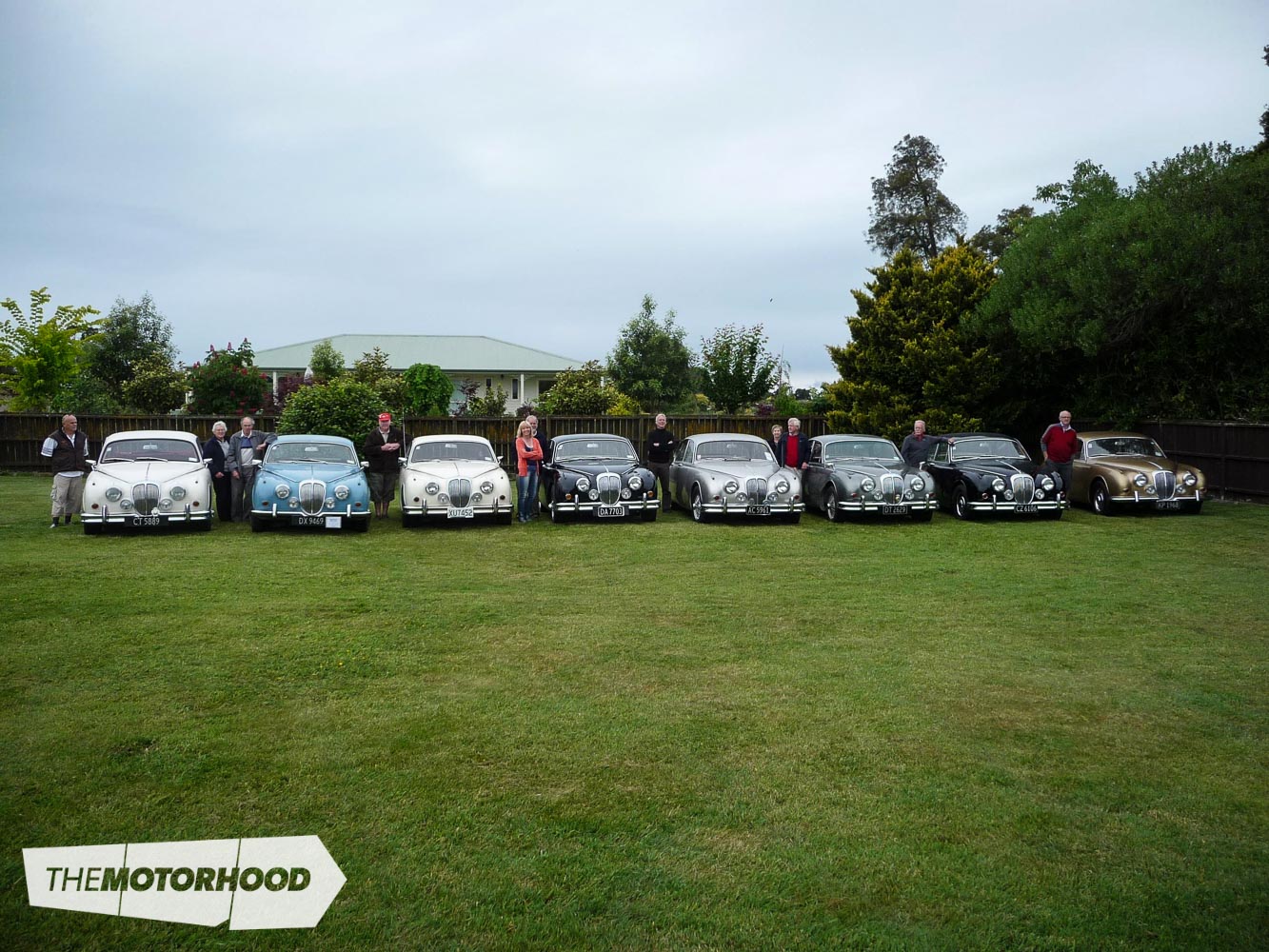
If you’re interested in joining one of New Zealand’s largest one-marque car clubs, then join the Daimler & Lanchester (Jaguar) Owners in New Zealand Spare Parts Club.
Visit the website — daimjag.org.nz — for further information and to download a membership application form.
This article originally appeared in New Zealand Classic Car Issue No. 299. You can pick up a print copy or a digital copy of the magazine below:


More to the point

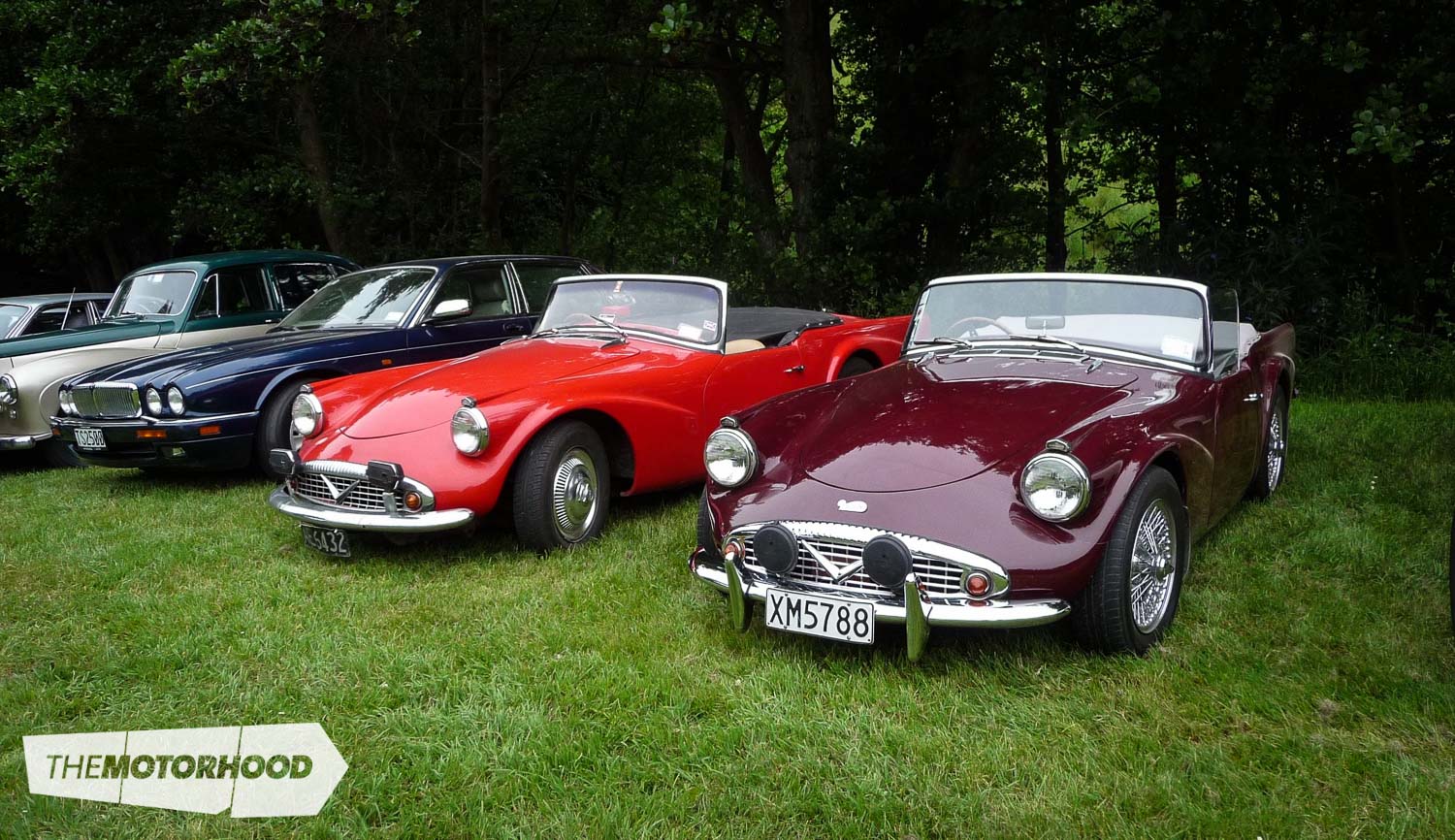
This Daimler SP252 is so rare, few people know it exists. It’s one of a kind. It’s the only surviving, in fact the only SP252 ever completed; the would-be successor to the SP250 Daimler Dart. It is also the last sports car to have been designed by Jaguar’s legendary founder, Sir William Lyons.
Perhaps one of the original Dart’s biggest problems was it’s somewhat-divisive looks. It certainly went well enough to win fans, although Sir William wasn’t among them. It crushed the opposition in the Bathurst six-hour race, finishing five laps ahead of anyone else, and it was snapped up by police forces in Britain, Australia, and New Zealand, as it was the fastest thing on the road.
So you’d think a stunning new body with the magic Lyons touch would have been a surefire success. Why this car never made it into production is still something of a mystery, as the official explanations barely stack up.

Polishing to perfection

The secret to a show-stopping finish is colour sanding, no matter which paint system you use. Even a good painter, no matter how experienced or talented — like my mate Bruce Haye, CEO at Ace Panel and Paint in Whitianga — can’t shoot to a perfect mirror finish. To get that level of perfection, you need to colour sand.
It used to be called ‘rubbing out’ or ‘cutting’, and it was done with pastes that came in cans. They worked — sort of — but the compounds really just rounded off imperfections instead of eliminating them, and they removed a lot of paint in the process. But now your new finish can be made flawless, thanks to microfine sandpapers that come in 1000, 1500, 2000, and even 2500 grit ranges, and Farecla G3 polish — available from automotive paint suppliers.