Discovered wrecks along New Zealand’s highways and byways

30 December, 2014


data-animation-override>
Trevor Stanley-Joblin has put together a gallery of the roadside relics discovered while travelling throughout New Zealand

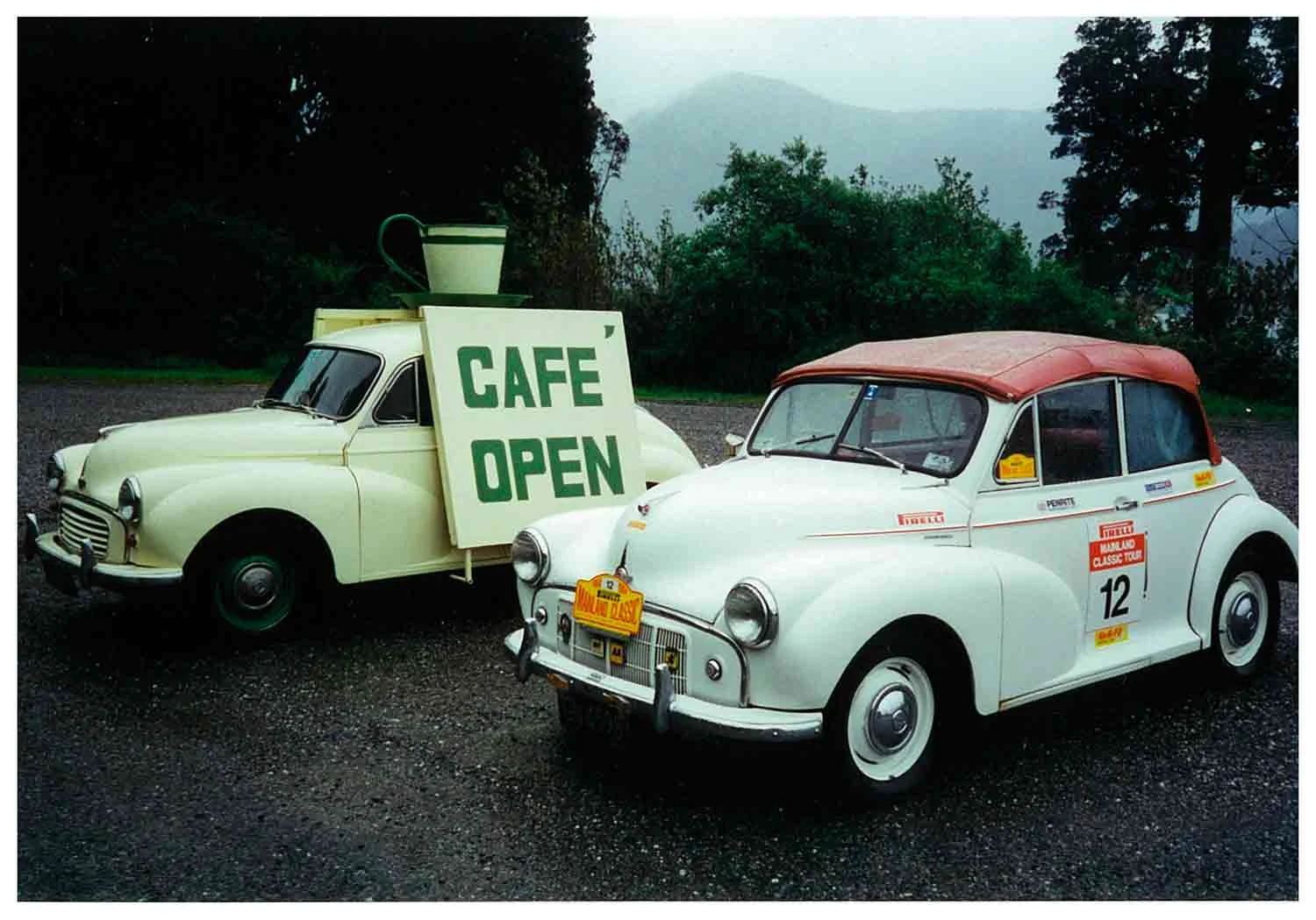
Morris Minor attracting attention to the Open Café — photographed during the running of the Pirelli Mainland Classic Tour, with a tour entrant’s Minor convertible parked alongside
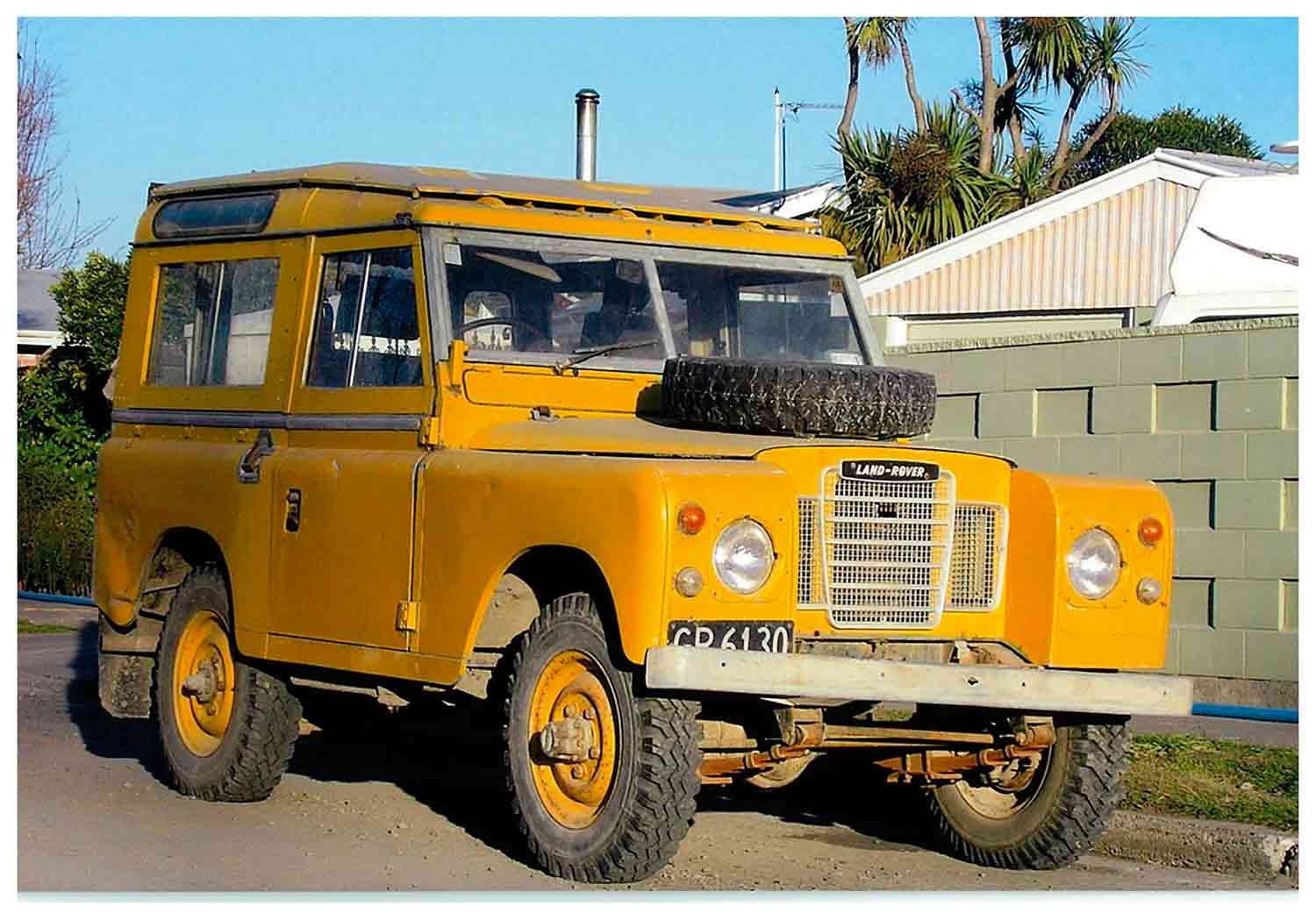
A 1973 Land Rover — an ex–Automobile Association Canterbury service vehicle owned by a neighbour in August 2011
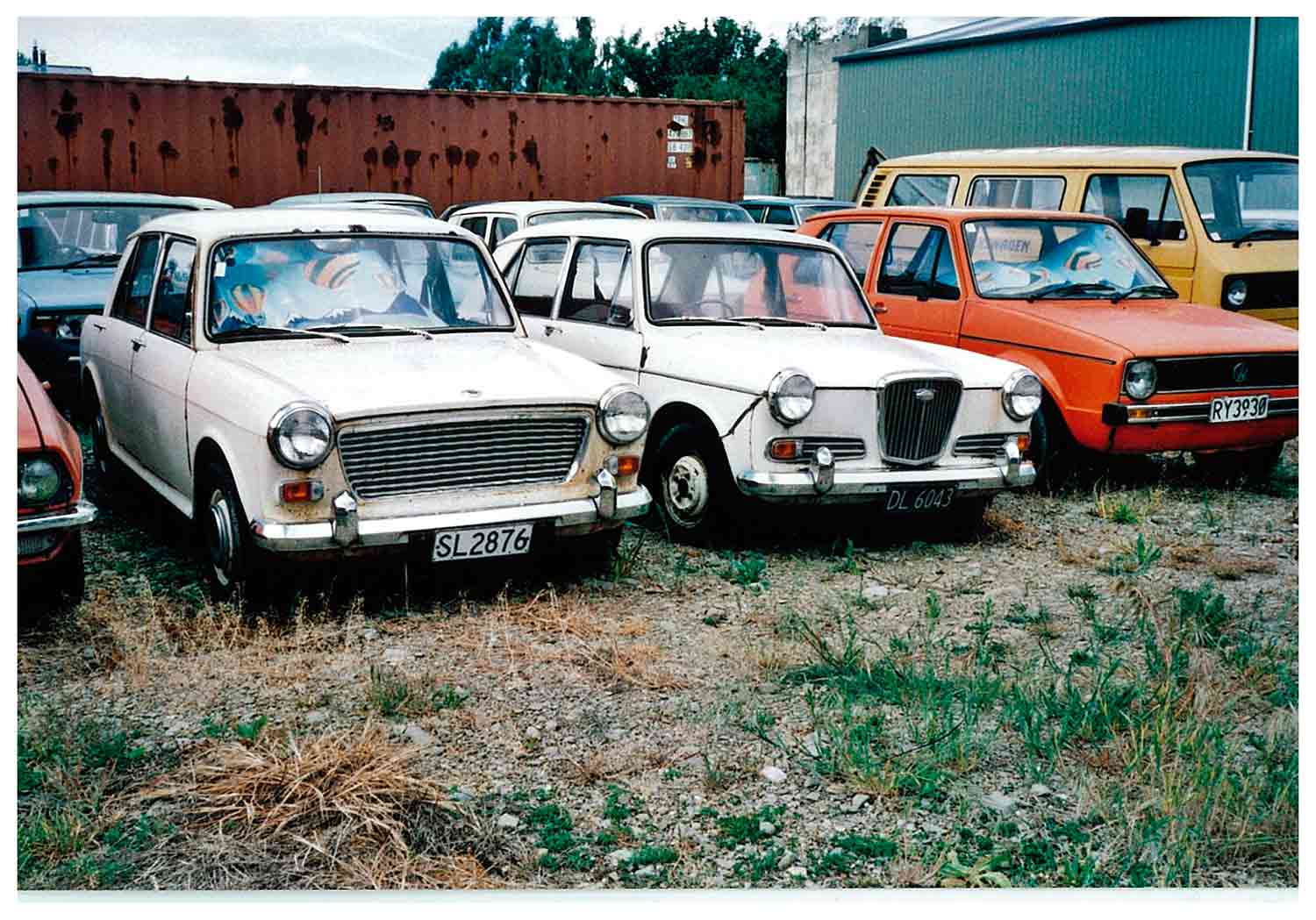
Part of a huge collection spotted in Ranfurly, December 2008
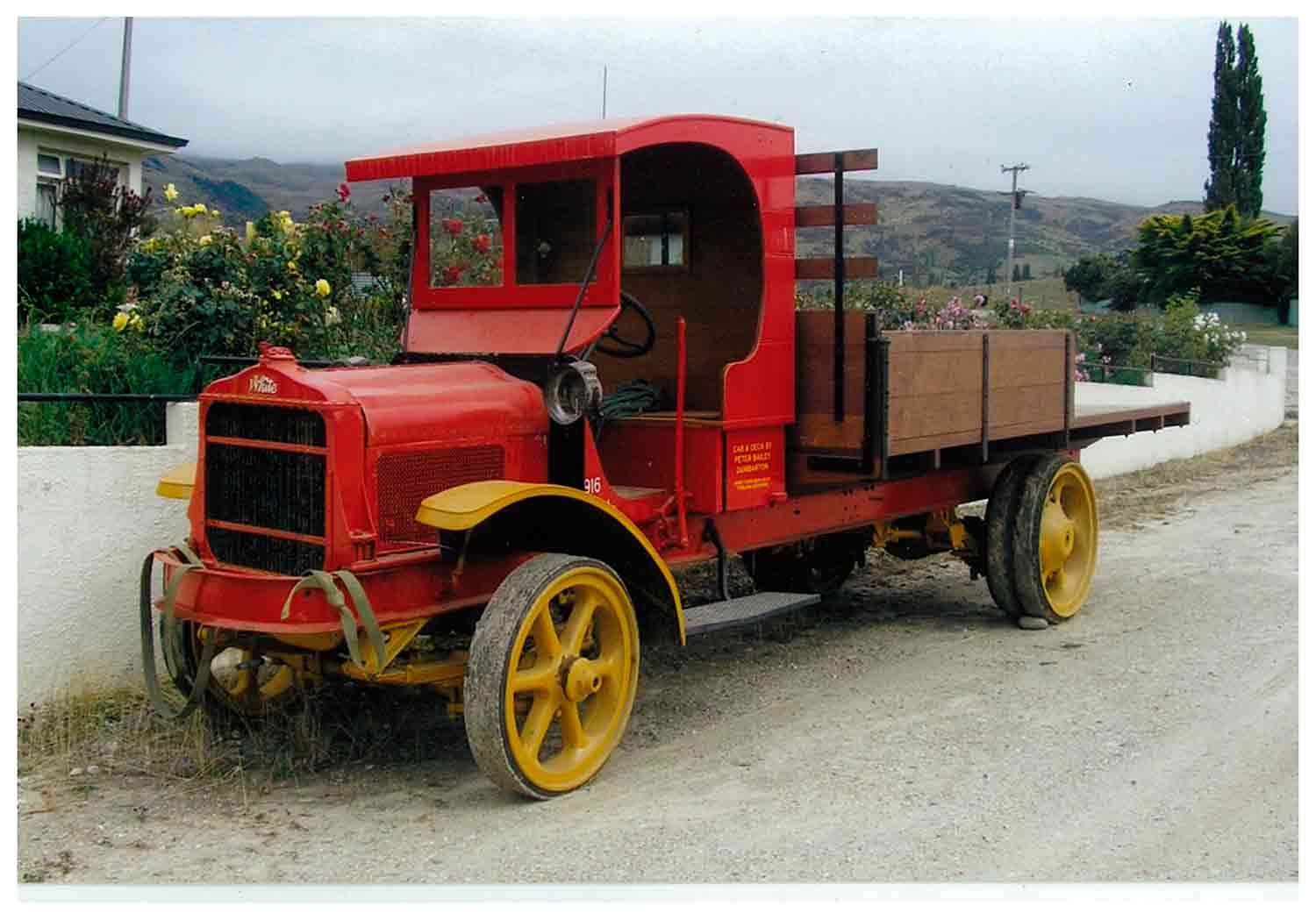
A 1916 White truck, seen on the roadside at Roxburgh — note the solid rubber tyres!
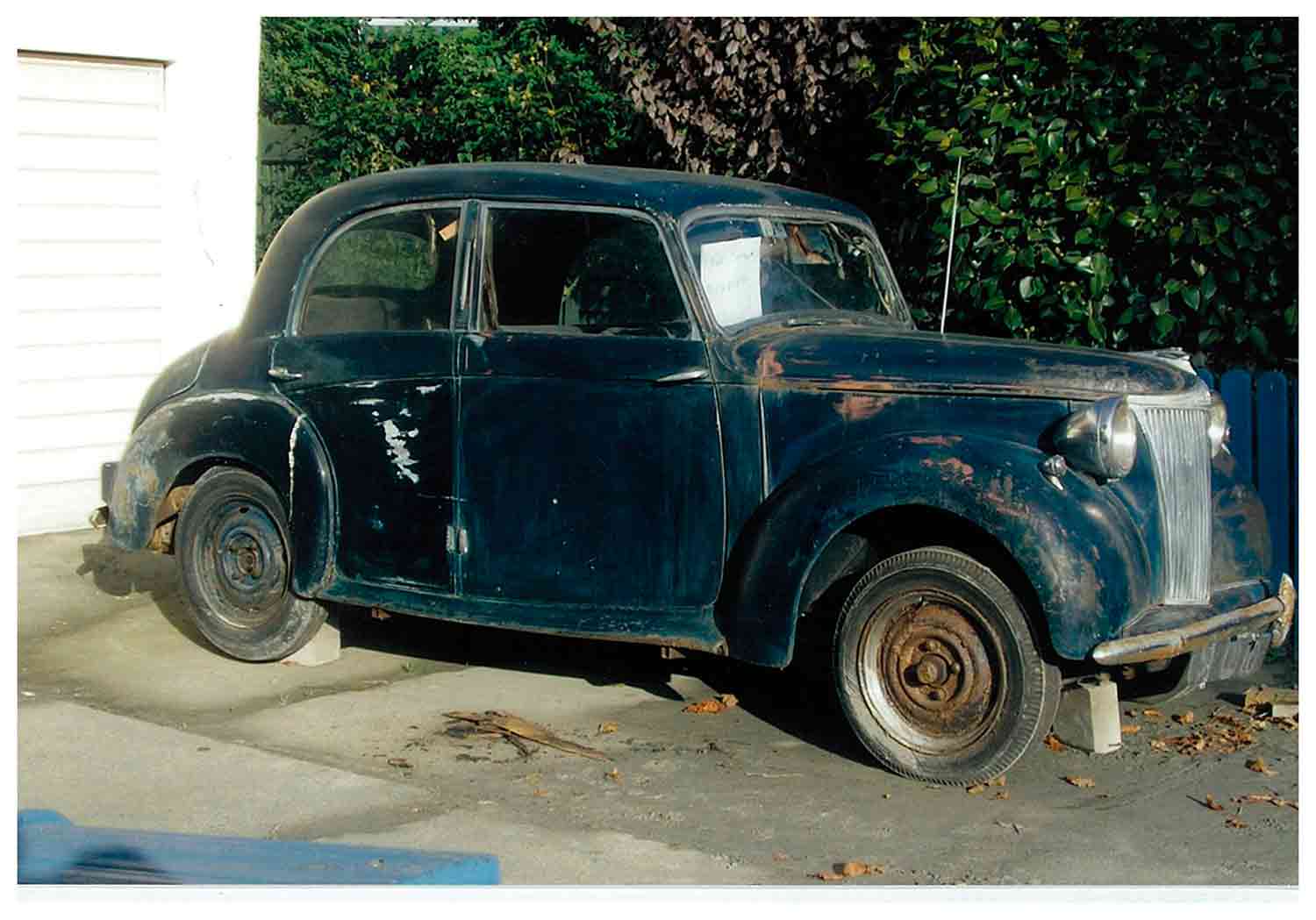
This 1951 Lanchester LD10 was, for many years, parked in a driveway on Avonside Drive, Christchurch. Trevor owned one of these back in the ’80s, and it appears to be completely original having only travelled 41,371 miles (66,580km)
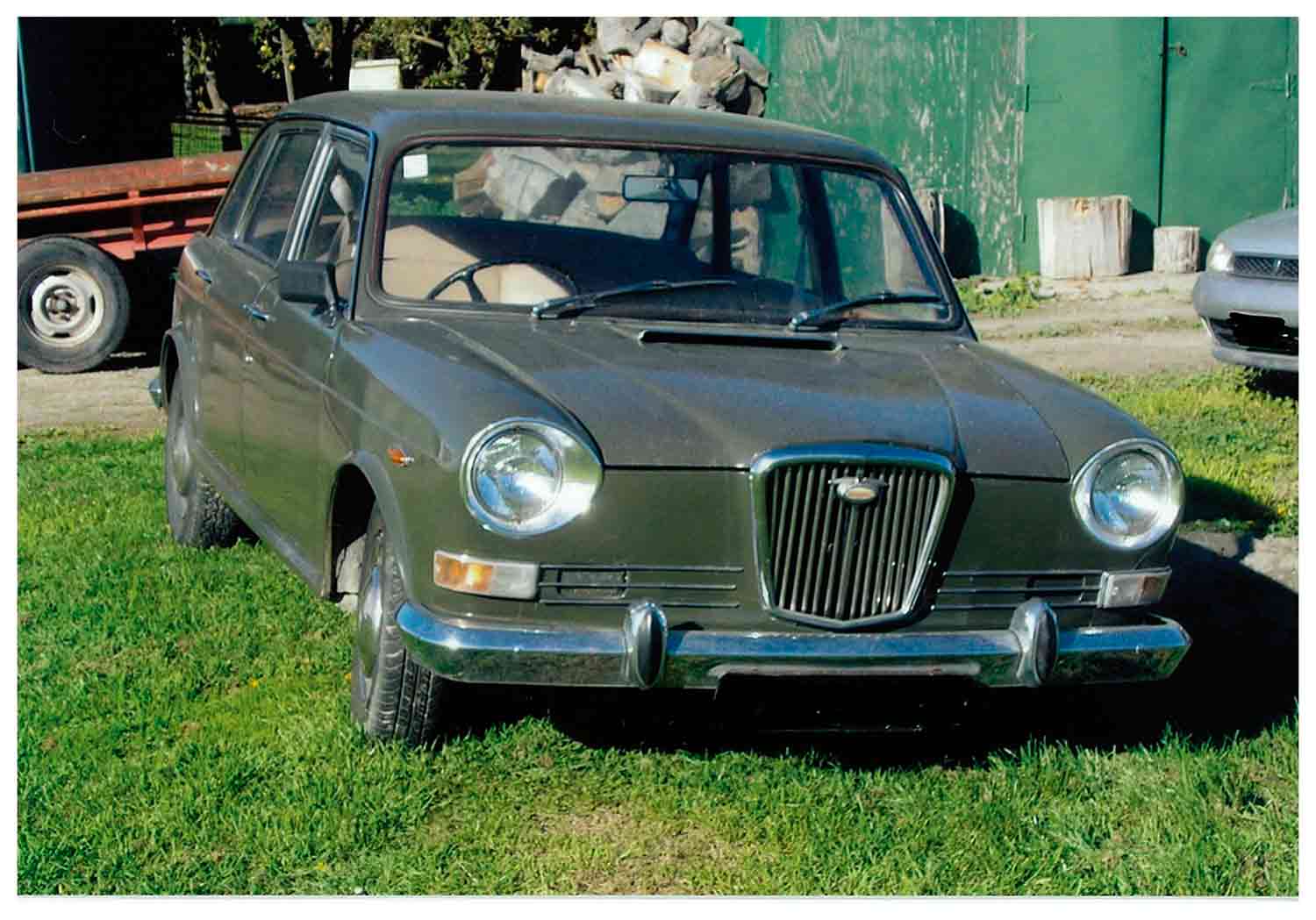
This ‘landcrab’ Wolseley 1800 is still in remarkably original condition, but resides in a field in New Brighton. The 1800 Austin/Morris/Wolseley models have the most spacious interiors of any four-cylinder car of their era — they were, essentially, ahead of their time
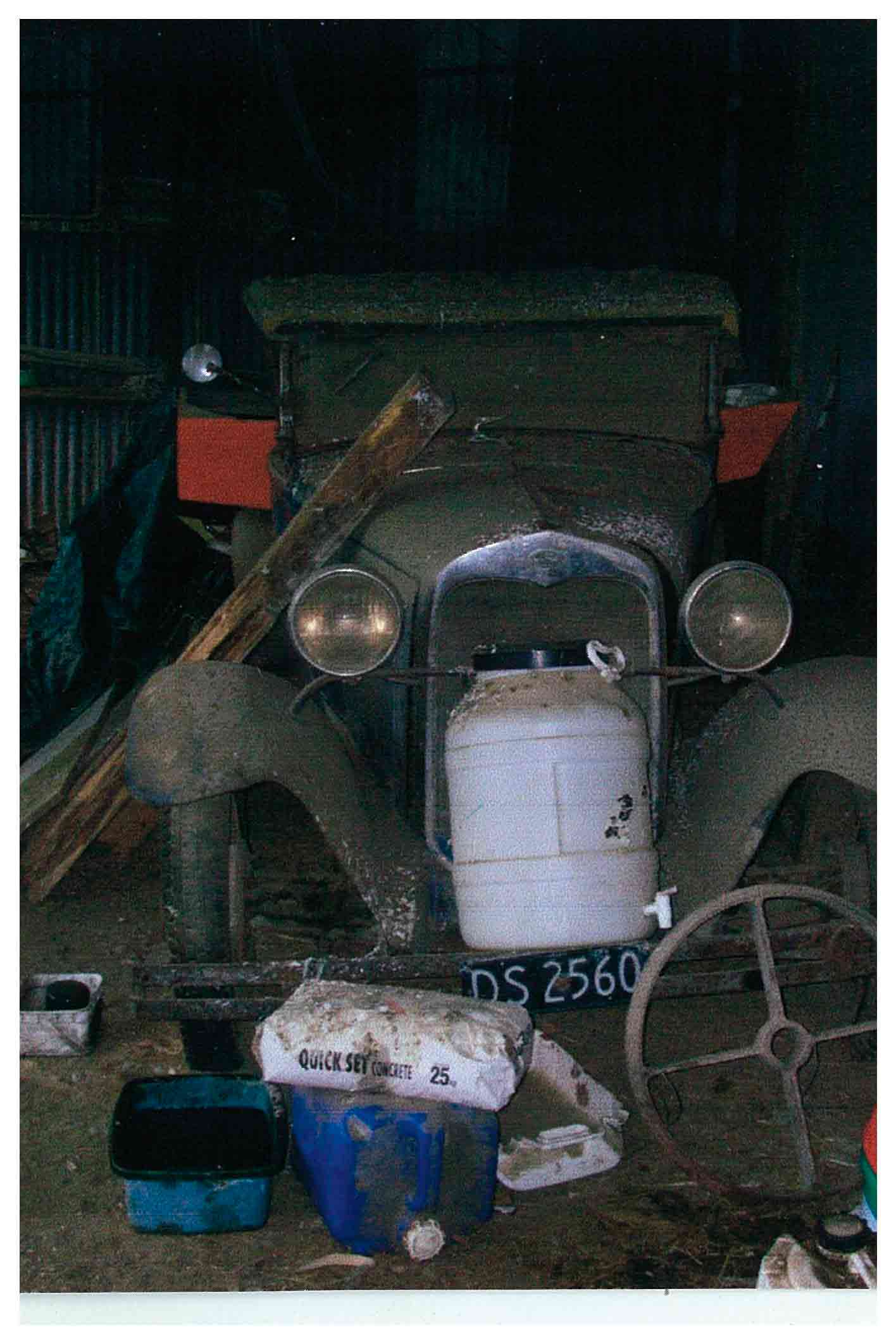
This Ford Model A has been at the Te Waimate Station for many years. The station was founded in 1854 by Michael Studholme, while this Model A was purchased in 1953 for £35, and was originally a four-door sedan, but it was converted into a flatbed pickup for use around the farm
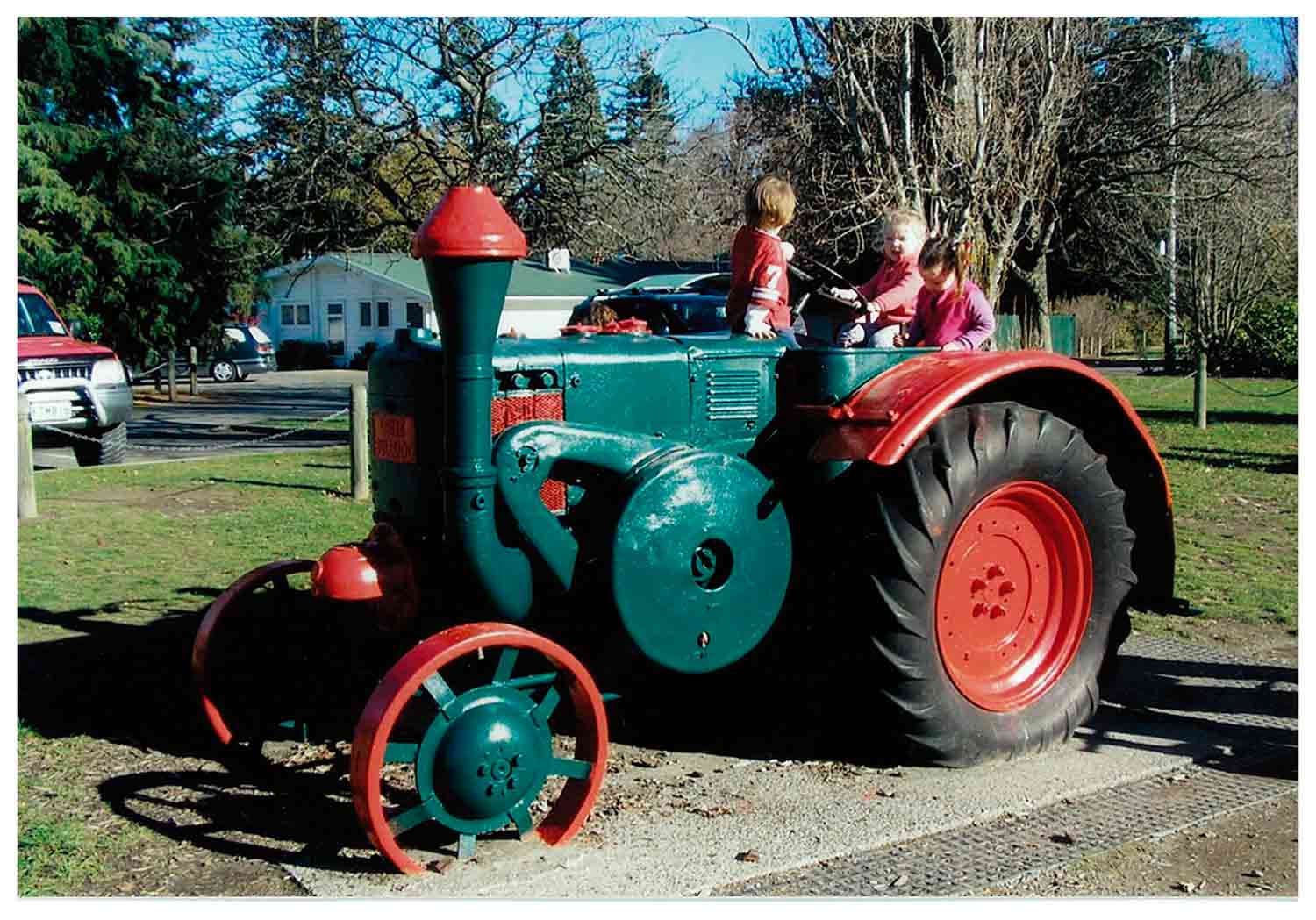
At Ashburton’s Botanical Gardens this Lanz Bulldog tractor is now used as a children’s play vehicle. These German tractors were built from 1921 right up to the ’60s, the company being purchased by John Deere in 1956. Can one of our readers tell us when this particular Bulldog might have been built?

Chrysler’s classy cruiser

I first saw our feature car, a 1970 V8-powered Regal 770 hardtop, towing a trailer carrying the tidy Ford Anglia classic racing saloon in Broadspeed racing colours that has featured in these pages. The coupe is comparatively rare here, which means anyone contemplating purchasing one of these big two-doors is sure to see prices continue to climb. The latter Charger has claimed much of the Aussie Chrysler limelight, but the simpler and classier lines of this car, which appeared dated soon after its introduction, now have a more timeless appeal.
Former owner, Balclutha motor engineer, Mike Verdoner, remembers the car well. He believes it came from Dunedin originally.
“I’m not sure about the car’s history, but I bought it off its owner at Kaitangata. Unusually, it was advertised in the local newspaper, the Clutha Leader, which was a surprise as these usually go for a lot more money on the internet. I had it for quite a few years. It needed a little bit of work to tidy it up, so I had to decide whether to spend the money on it to do it up, which could have been twenty grand. Its value at the time was not like it is now, so I sold it to Ewan. It’s probably now worth three or four times what I sold it for.”

The Pininfarina 230 SL

It’s October 1964, and imagine you’re an automotive journalist covering that year’s Paris Auto Show (Mondial de l’Automobile). As you approach the Pininfarina booth, you come across a car that looks a bit like the Mercedes-Benz 230 SL introduced the previous year at the Geneva Auto Show, a car then arriving at Mercedes-Benz dealerships around the world.
But looking closely, its styling and proportions seem to be a bit different. And it has a fixed roof, unlike the Pagoda-style greenhouse of the removable hardtop seen on the production 230 SL. While today, the styling of the W113, under the supervision of Head of Styling Friedrich Geiger, with lead designers Paul Bracq and Bela Barenyi, is considered a mid-century modern masterpiece, acceptance in-period was not universal. Some critics called out the concave design of its removable roof, which ultimately gave the car its “Pagoda” nickname.