We acknowledge the success of one of the purest sports cars available, still in production and still made in New Zealand
By Patrick Harlow
Photographs: Patrick Harlow
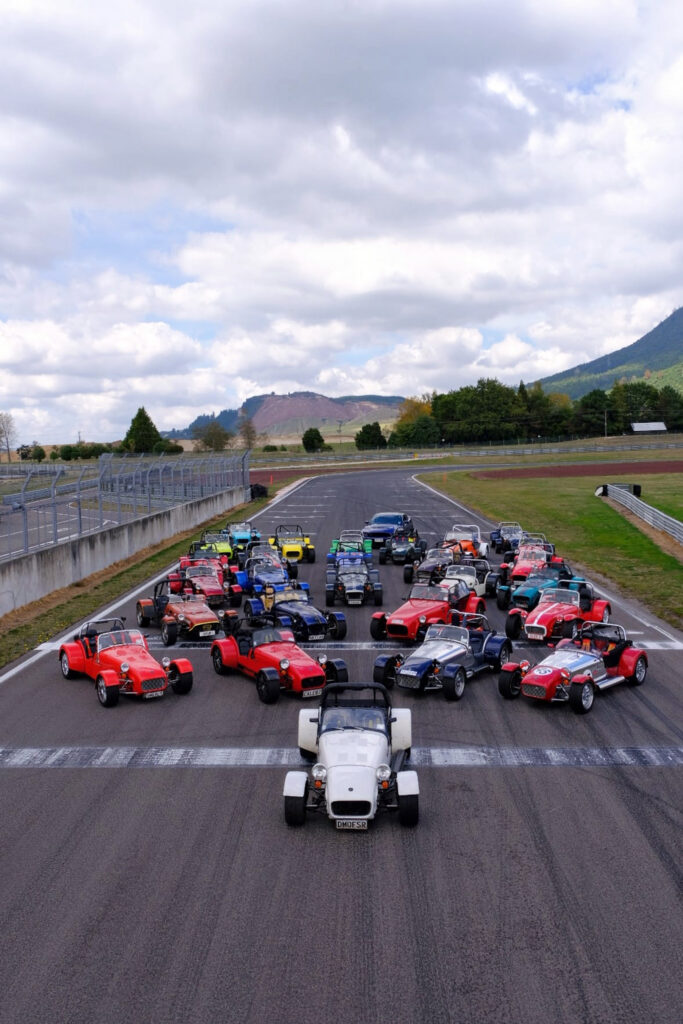
With almost three and a half decades under its belt, Fraser Cars is one of New Zealand’s longest-surviving car manufacturers. The company first opened its doors for business in 1988, during the boom time for kit manufacturers. During the ’80s, around 40 different companies were building kits and turnkey cars for this niche market. Of those, only Fraser and Almac Cars (established 1981) are still in business today.
Most of the new kit car companies were killed off in the cradle by the threat of new legislation that never eventuated and definitively by the sudden availability of high-performance Japanese cars when the floodgates to second-hand imports were opened. The now long-retired founder of the company, Neil Fraser, first came across Lotus Seven replicas while racing Lotus Cortinas in the early ’80s. He regularly found himself racing against a little Caterham, a Lotus Seven–styled car built in England. He was very impressed by its simplicity and handling. In 1986 Fraser built his own Lotus Seven–type car, using the knowledge he had gained from several close looks at the Caterham.
On the racetrack, he found that his little ‘Fraser’ could keep up with the best of the competition, which made him think he could be on to a winner. With that in mind, he purchased a stand at the 1988 National Car Show held in Auckland to gauge public interest. By the end of the show, he had five orders, and Fraser Cars was on the way to becoming a New Zealand automotive marque.
By the 1990s, the Japanese import invasion was in full force. Kit-car manufacturers were dropping like flies. Rather than roll over like the rest, Neil Fraser launched a counter-attack. Fraser Cars invaded Japan, selling more than 200 cars in that market over the next decade or so. Happily for Neil, along with the second-hand cars came a flood of high-performance engines, such as the two-litre Toyota 18RG, which dropped neatly into a Fraser. It was a winning formula on local racetracks and also opened a niche market back in Japan that Fraser was more than happy to fill.
Heralds ride again
The first 10 Frasers were built with Triumph Herald front uprights and Escort rear ends. With a local and overseas market now established, Fraser began the practice of steadily developing different and improved models, all the time ensuring existing owners could retrofit the more modern parts to their cars if they wished. The timeless design that avoids the frailty of fashion is another built-in advantage that has contributed to the car’s enduring appeal. It remains true to its ‘form is function’ origins, elegantly evoking Lotus Seven creator Colin Chapman’s mantra to ‘add lightness’.
With the Japanese invasion going smoothly, Fraser Cars turned its sights towards Australia. Most of us have heard of LVVTA and the certification requirements that have been around since the early ’90s for specials or low-volume production cars like the Fraser. Australia already had its own set of rules, which are different to the LVV standards we have here. Before the Fraser could be sold in Australia, it had to be type approved for that country’s ADR rules. An Australian agent had agreed to fund type approval of the car to the tune of $20,000. The car was inspected during 1992 and 1993, but the paperwork was not all completed until 1995. Unfortunately, by this time the design of the Fraser had evolved. The car was now using only Japanese parts, which included a De Dion rear end, whereas the car submitted for type approval had an Escort live axle. The Australian government would not let the evolved car into the country, so the Fraser had to go through the process again — painful, but worthwhile as dozens of cars have since been sold in Australia.
Naturally, as demand grew, Fraser had to employ more workers to keep up with demand. One of these was a young man by the name of Scott Tristram. He started working for Fraser Cars in 2001, initially welding the chassis, but it was not long before he was as passionate about the car as Neil Fraser himself. When Neil decided to retire, he was more than happy to hand the reins over to his young protegee and his wife Ida. They bought the business in 2006.
Under new management
The small company continued to thrive under the new ownership. Just around the corner, though, was the recession of 2008–2009, which, as you can imagine, was particularly hard on the market for hobby cars. However, thanks to the need to service the many Frasers that had been sold in the Auckland area, and the upgrades available, the company survived and continues to develop and improve the marque to this day.
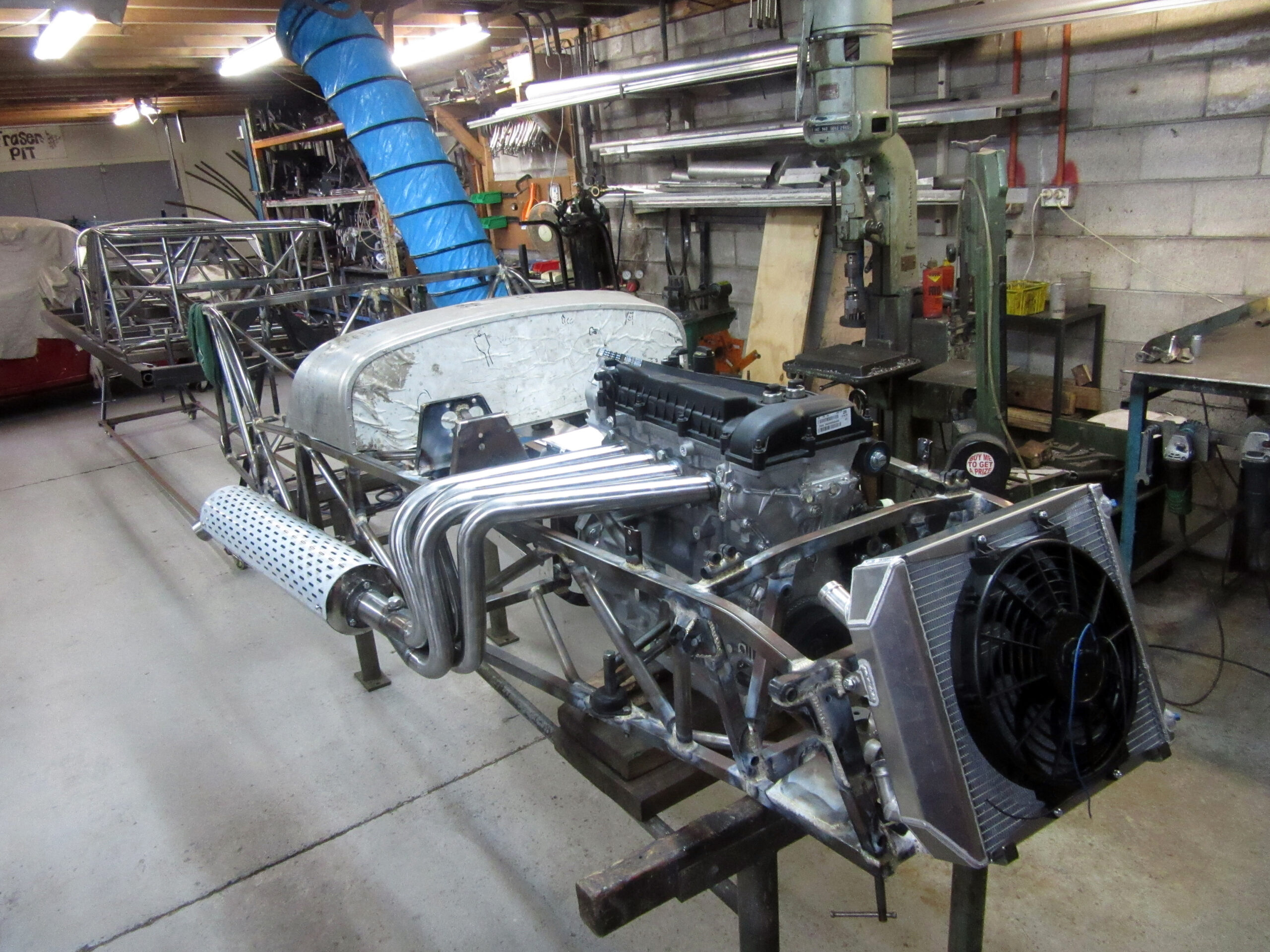
The brand has moved upmarket. Most of the cars being built now use only brand-new components. A builder can order the car as a kit in a box, with all the parts included, or as a turnkey car ready to drive out of the factory. Most customers come from a professional background, with money in their pockets. The thrill of building a brand-new car appeals when it avoids the worry of locating or refurbishing second-hand parts. Today, customers choose to fit mainly two-litre Ford Duratec engines that Fraser sources directly from the Ford Motor Company.
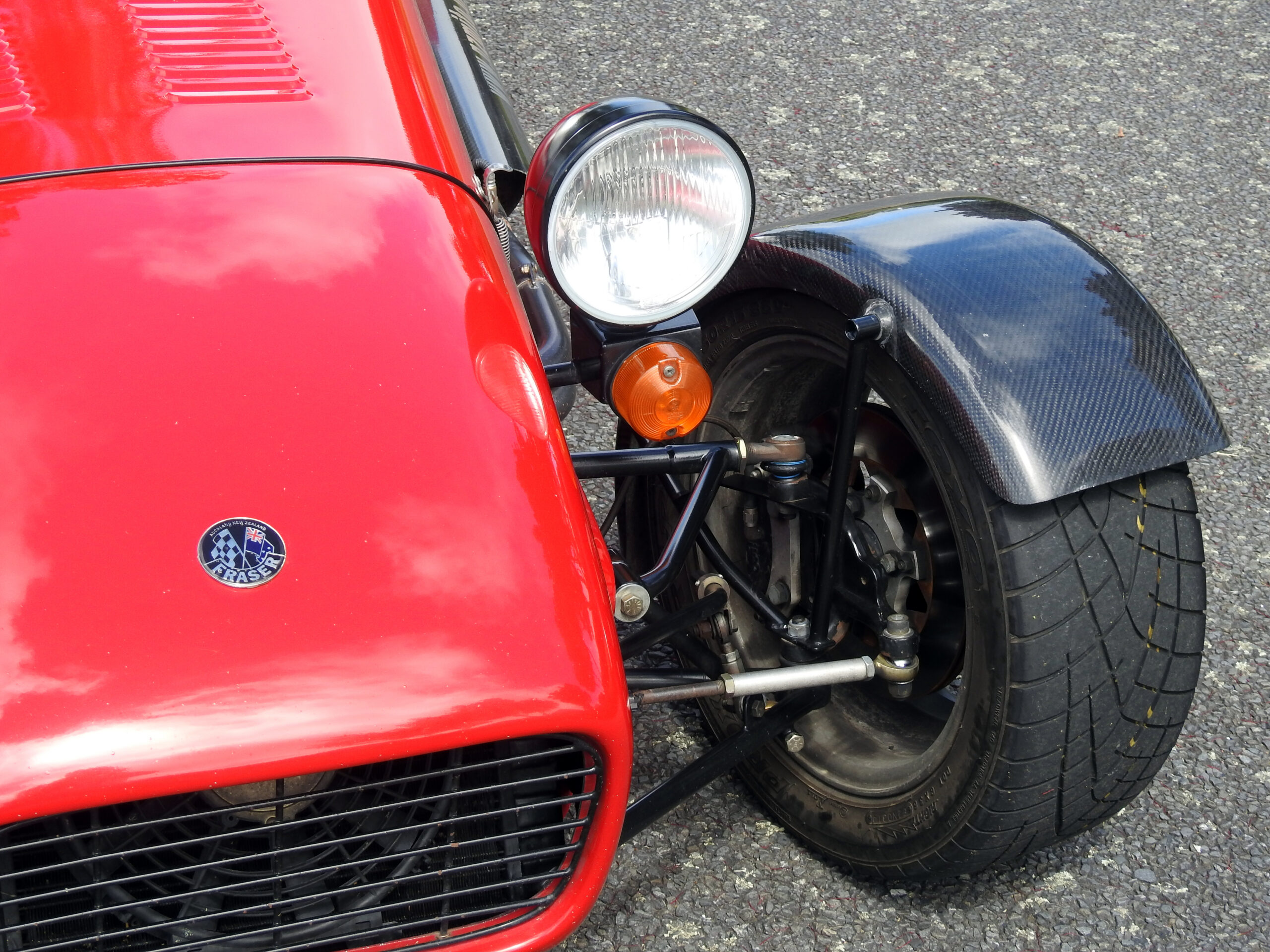
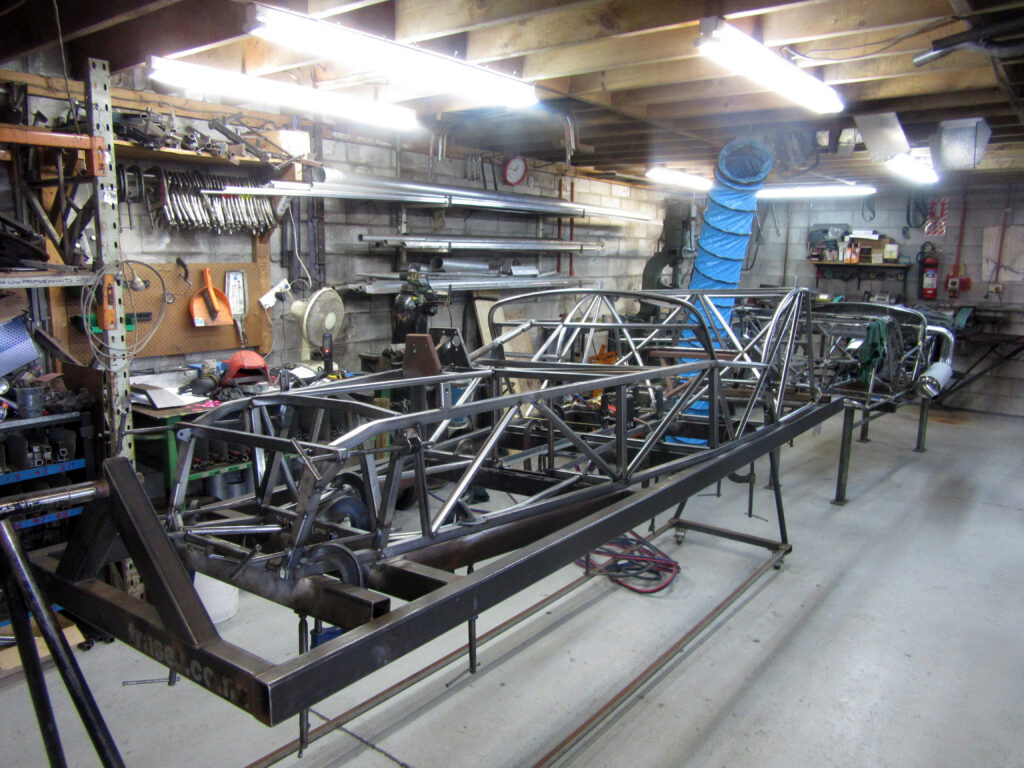
A Fraser purchased in 2022 is still built to the same dimensions as the first 1988 Fraser, but the similarity ends there. The interior has been adapted to increase space. The rear suspension is now Fraser’s own design De Dion fabrication adapted to suit MX5 Mazda componentry. The steering rack comes from the UK and is a brand-new Triumph Herald remanufactured rack. What cannot be bought is manufactured in-house.
About 90 per cent of the cars are sold as kits or as a part-built car for the customer to finish. However, Scott says he will sell a car in any state the owner wants it in. Occasionally, partially finished cars are returned to Fraser when the builder has put a task in the too-hard basket. Sometimes the builder has just become too busy to finish it and is happy to hand it back to Fraser to fast-track it to the driving stage, which is surely even more enjoyable. Although some of the Frasers built are destined for the racetrack, most Frasers are road legal.
This naturally raises the question of how the Fraser fares in our LVV certification system. The answer is that, given the refinements to the design over its long production run, it gets through with very little difficulty.
It also has another advantage that keeps it ahead of the game. As the saying goes, “If you can’t beat them, join them.” Scott is a 1D LVVTA certifier, giving him the ability to check and certify scratch-built/kit cars. If you think this could give him an unfair inside line, you’d be right — but the issue doesn’t arise. Scott’s conflict of interest means he is not allowed to certify Fraser cars, but the fact that he is certifying other cars means he knows the rules inside out and that enables him to keep clear of any obstacles. Having a full understanding of what is required for a car to get through the certification system means right from the start Frasers are engineered with compliance in mind.
Marque of respect
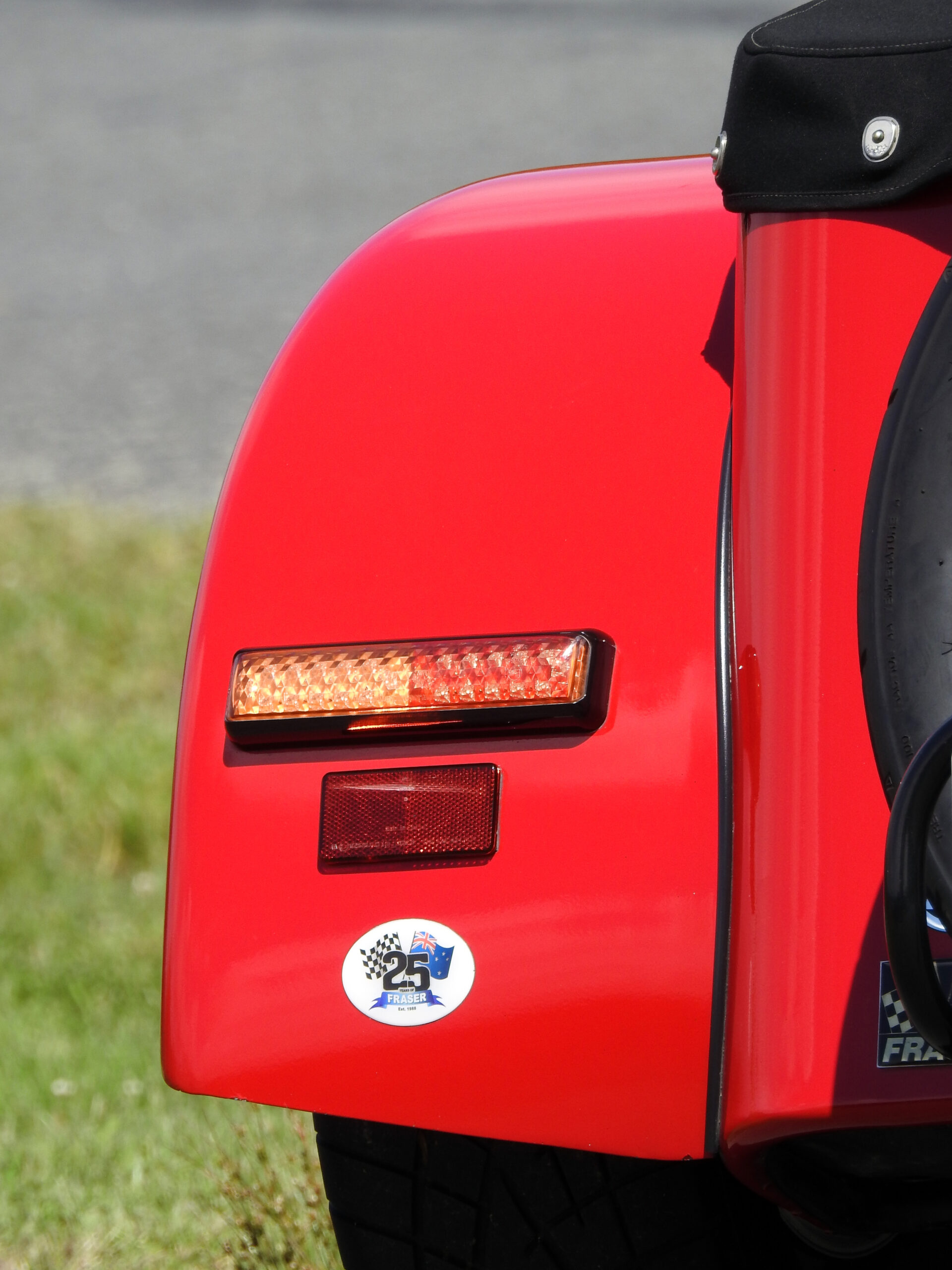
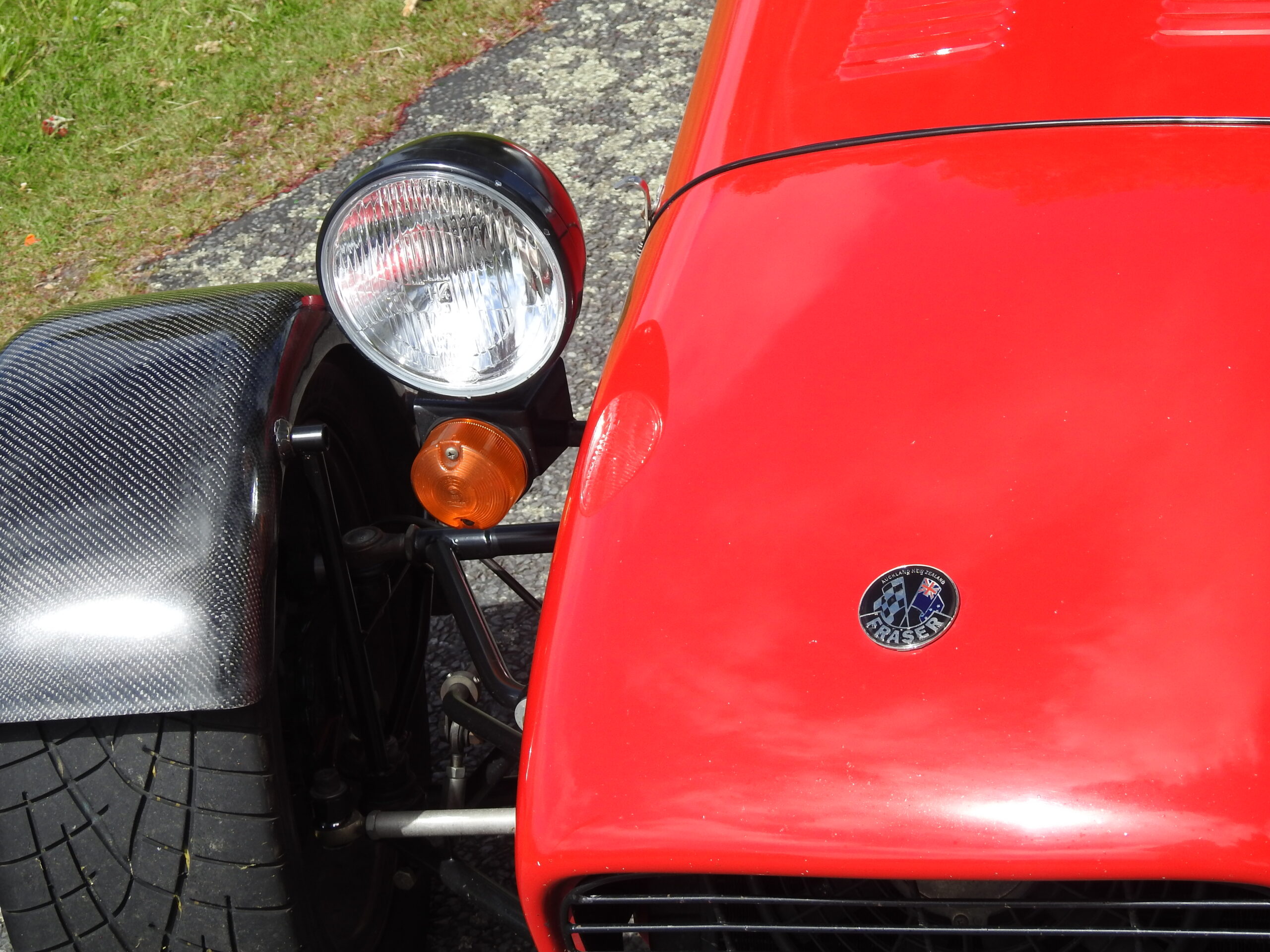
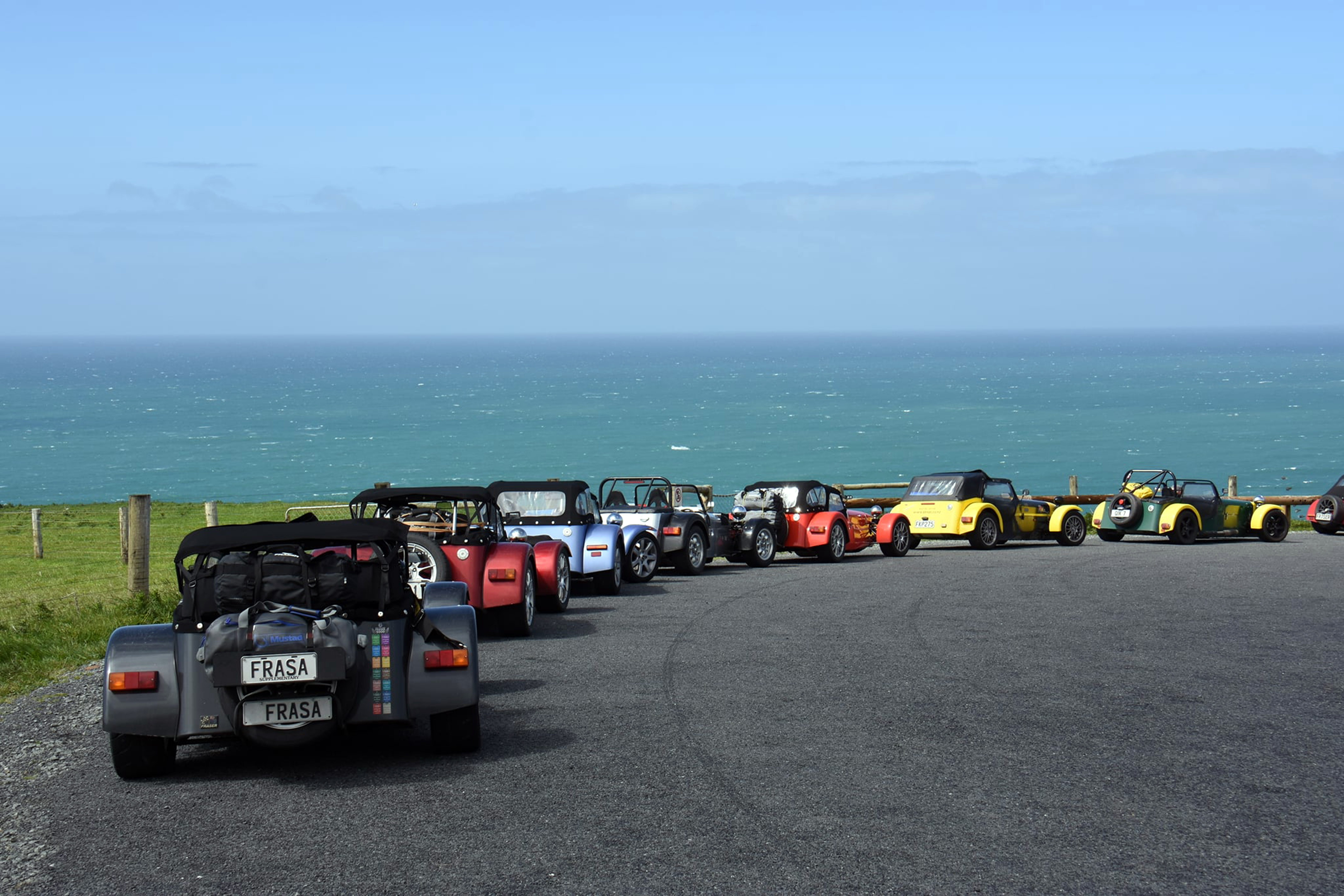
Cars that are sold as kits are sold without Fraser badges. To get a Fraser badge, the builder must front up at the Fraser factory so that Scott can give it the once-over before any badge is fitted, thus ensuring the quality of the Fraser marque. That means it’s always a big deal when a new owner/builder drives into the Birkdale factory to show his car off for the first time. Getting a badge is both a tangible reward and a rite of passage into the enthusiastic Fraser community.
To call this car a Lotus Seven replica is just a convenient way of describing it, but it undersells the modern Fraser in every respect. It is superior in every way to its distant English cousin. It is faster, handles better, is more reliable, and is built to a higher standard than the original. Production figures for the Fraser exceed those of the original Series 3 Lotus Seven that it resembles. The Series 3 stopped production in 1969, with 350 having been produced. Although the boom period for kit cars has long gone, the still-evolving Fraser is now in its fourth decade of production and has a cheerful future ahead of it.
Fast forward
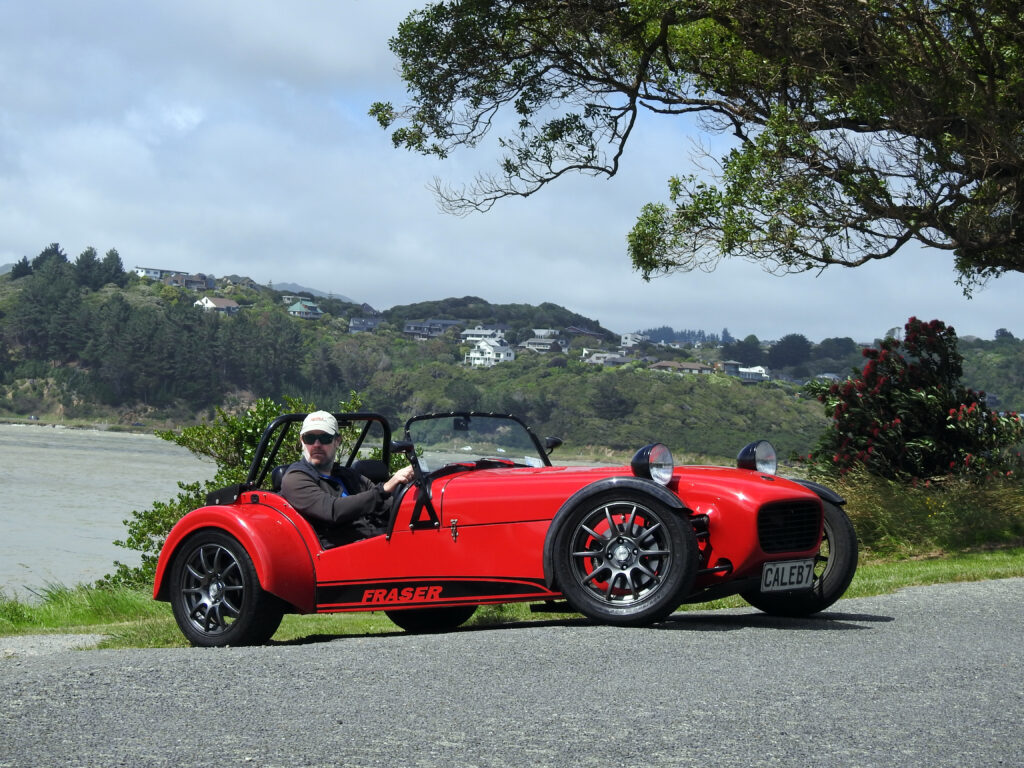
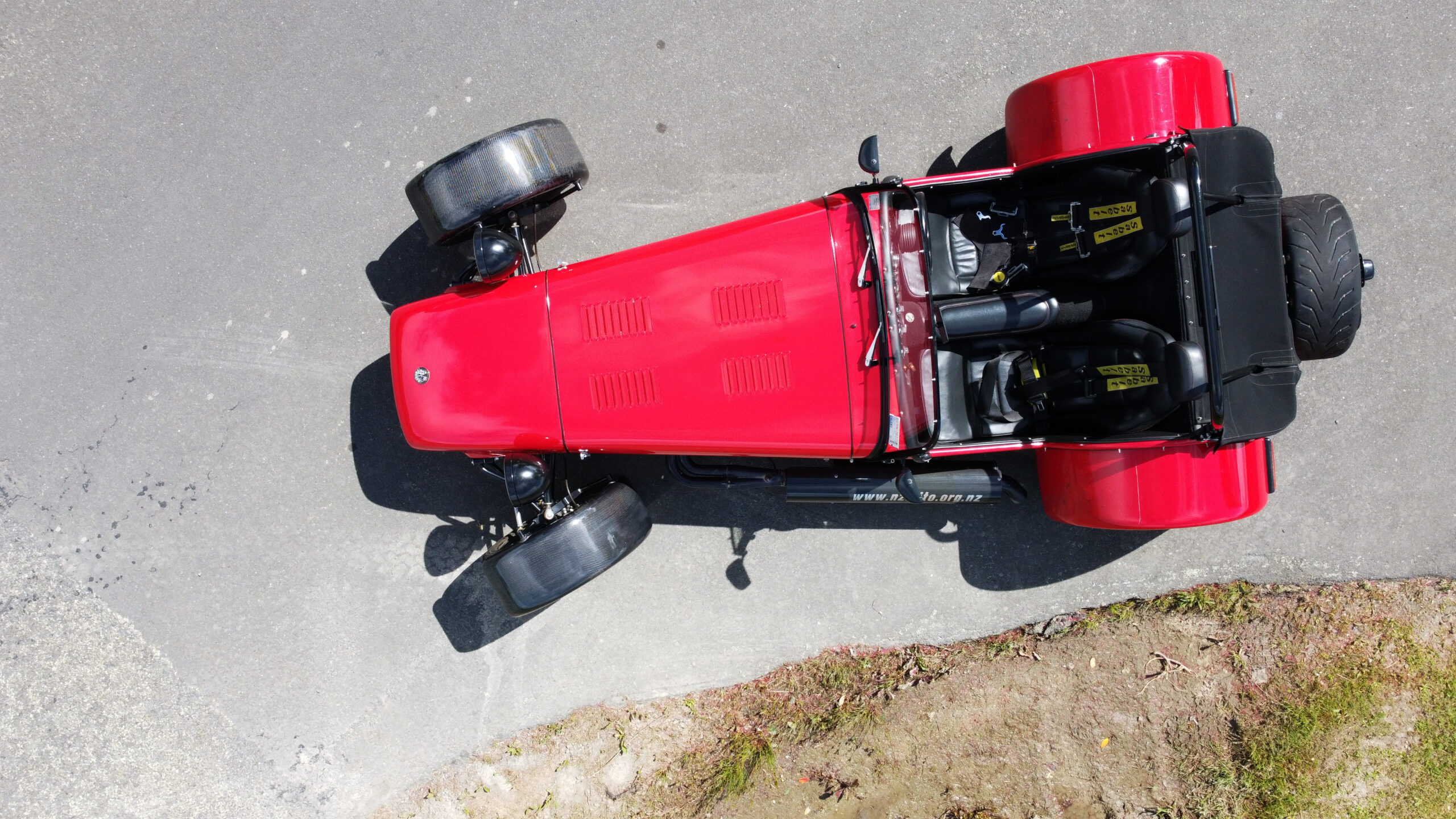
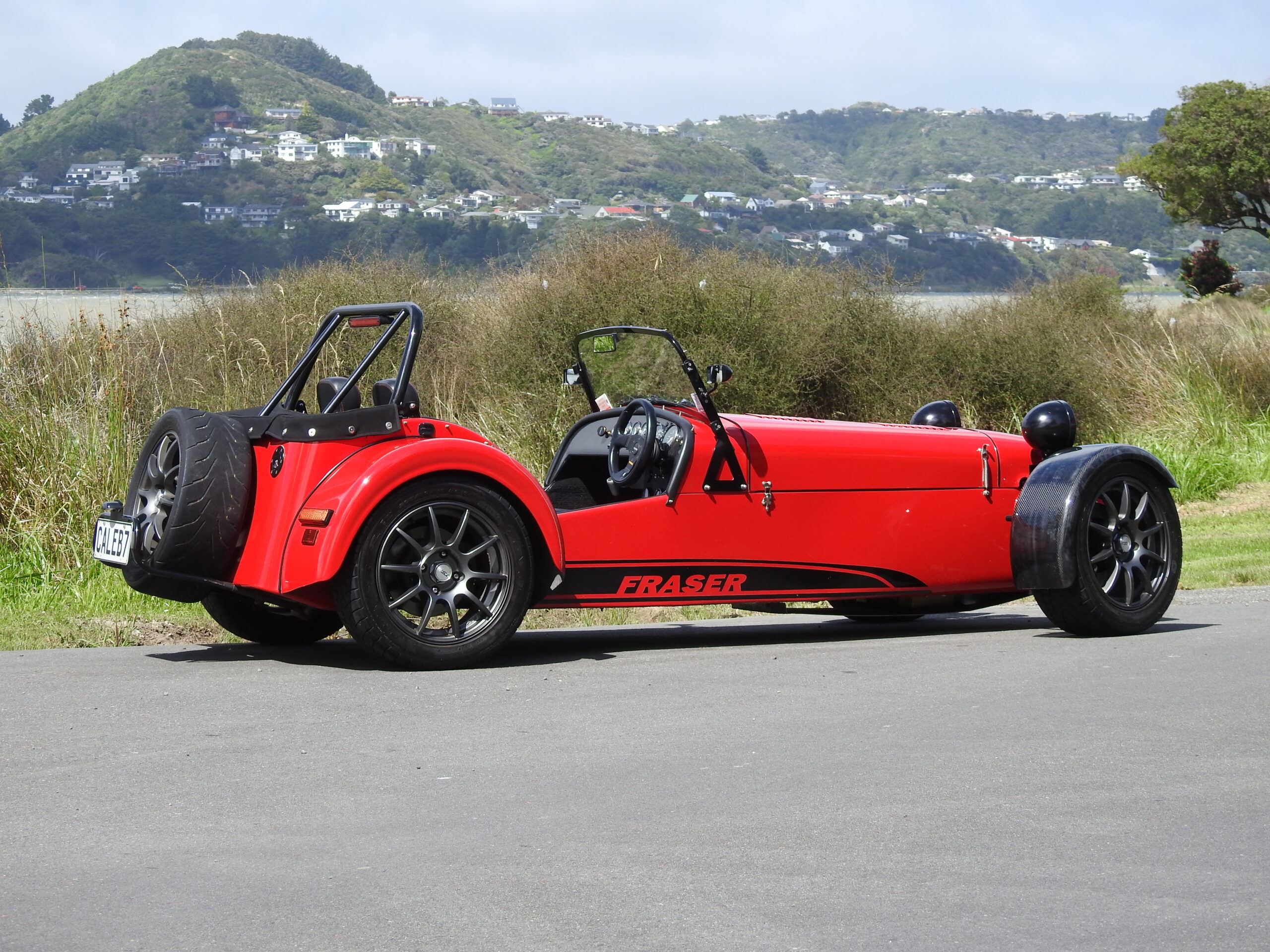
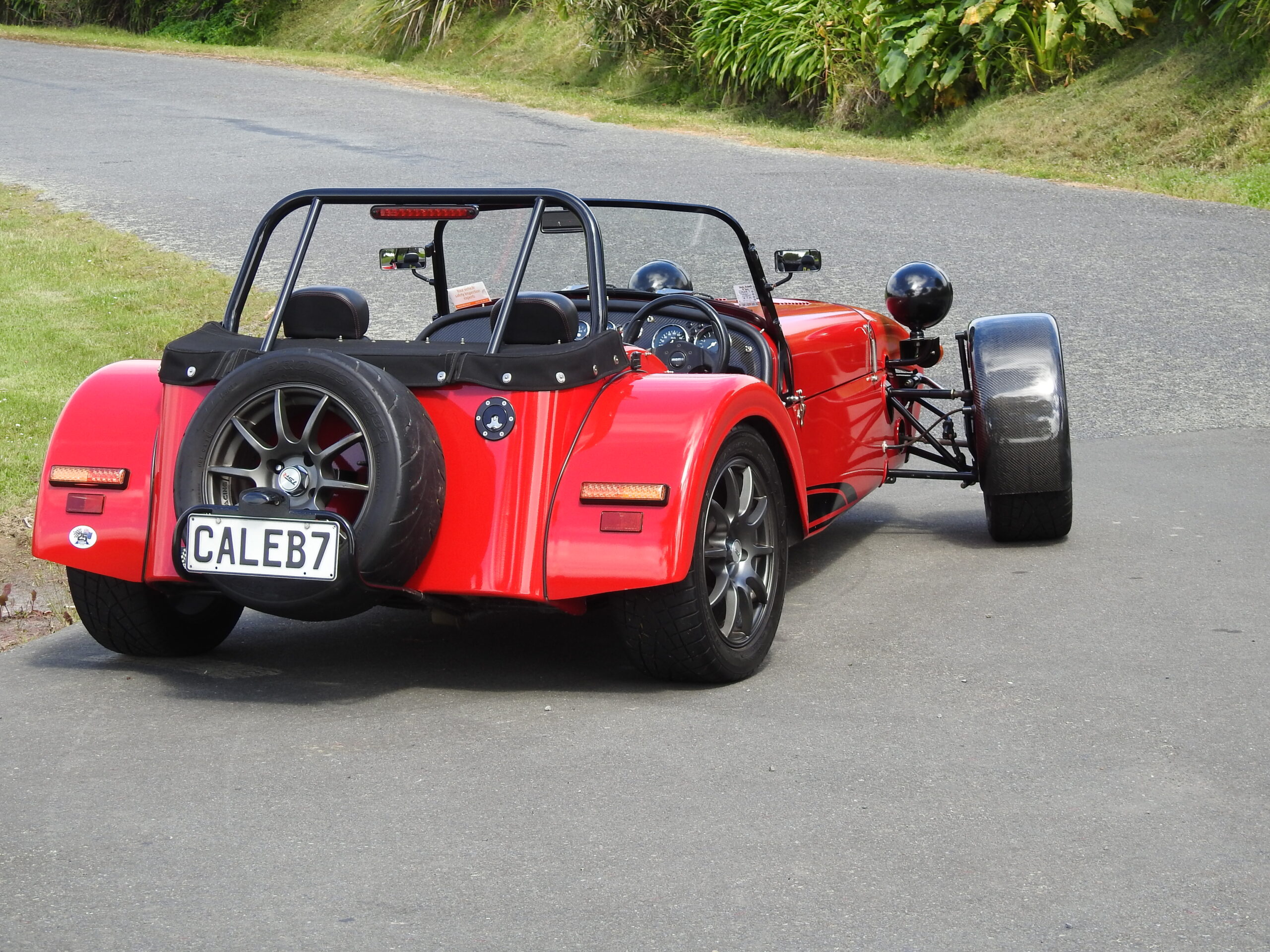
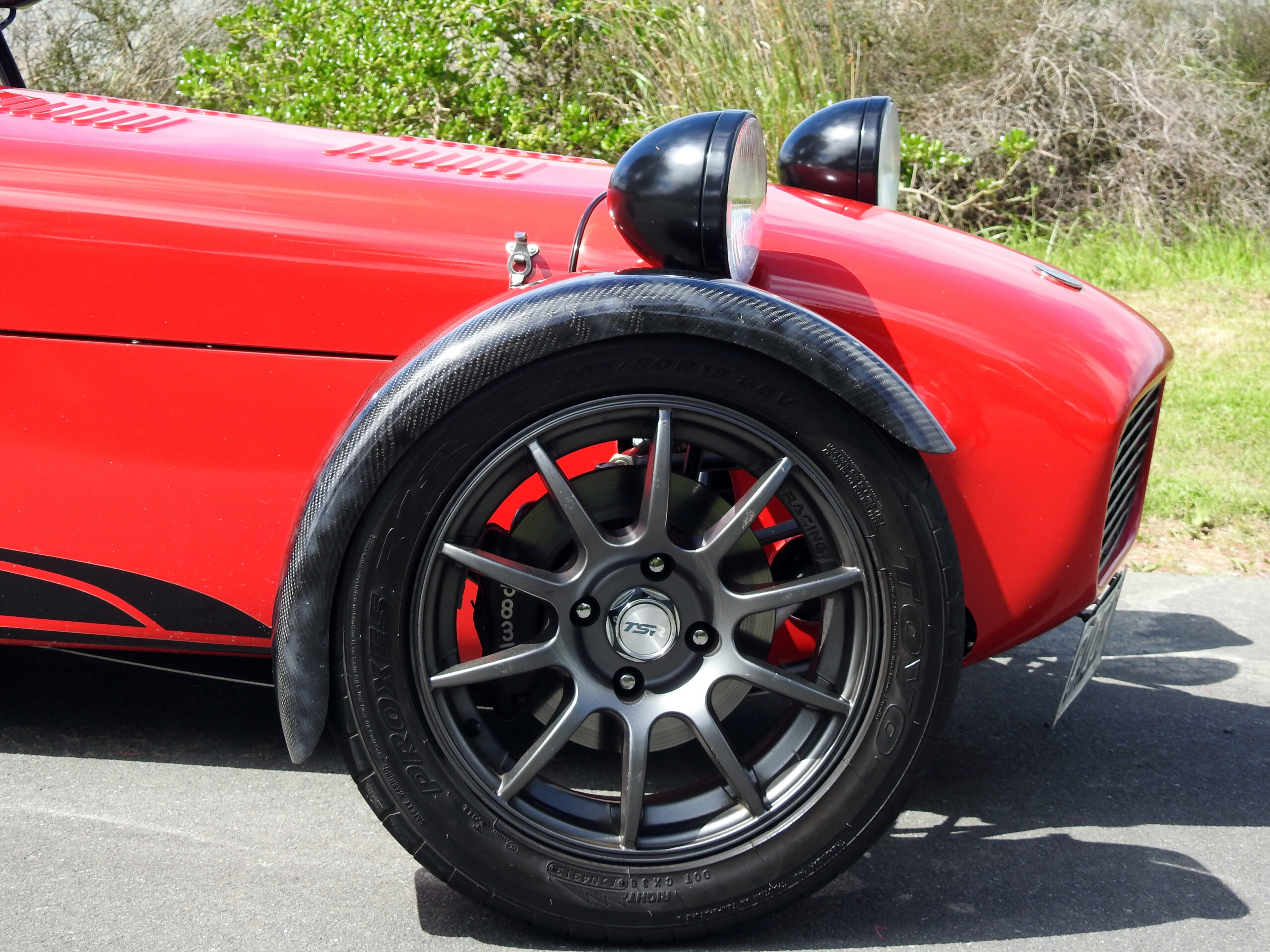
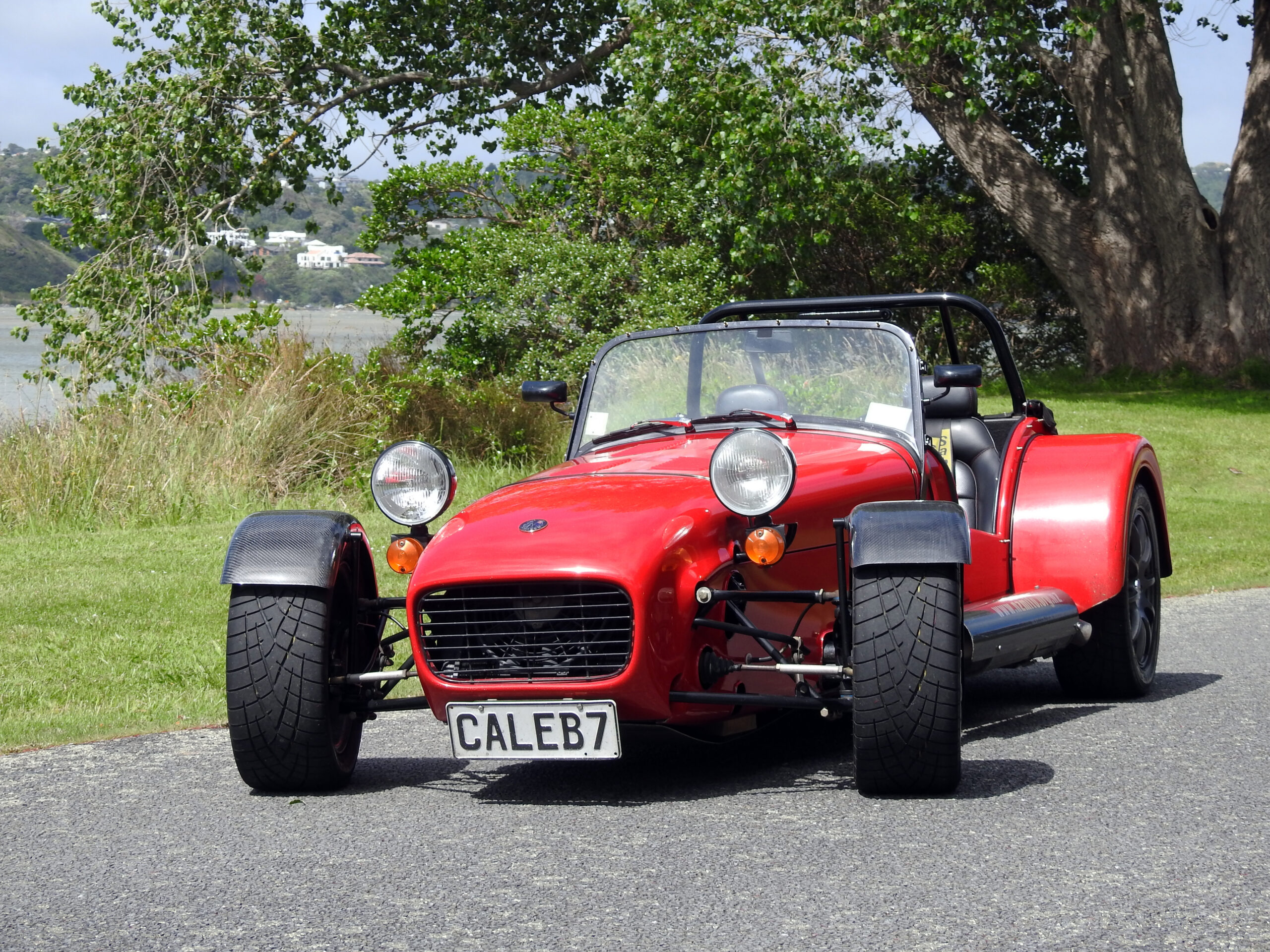
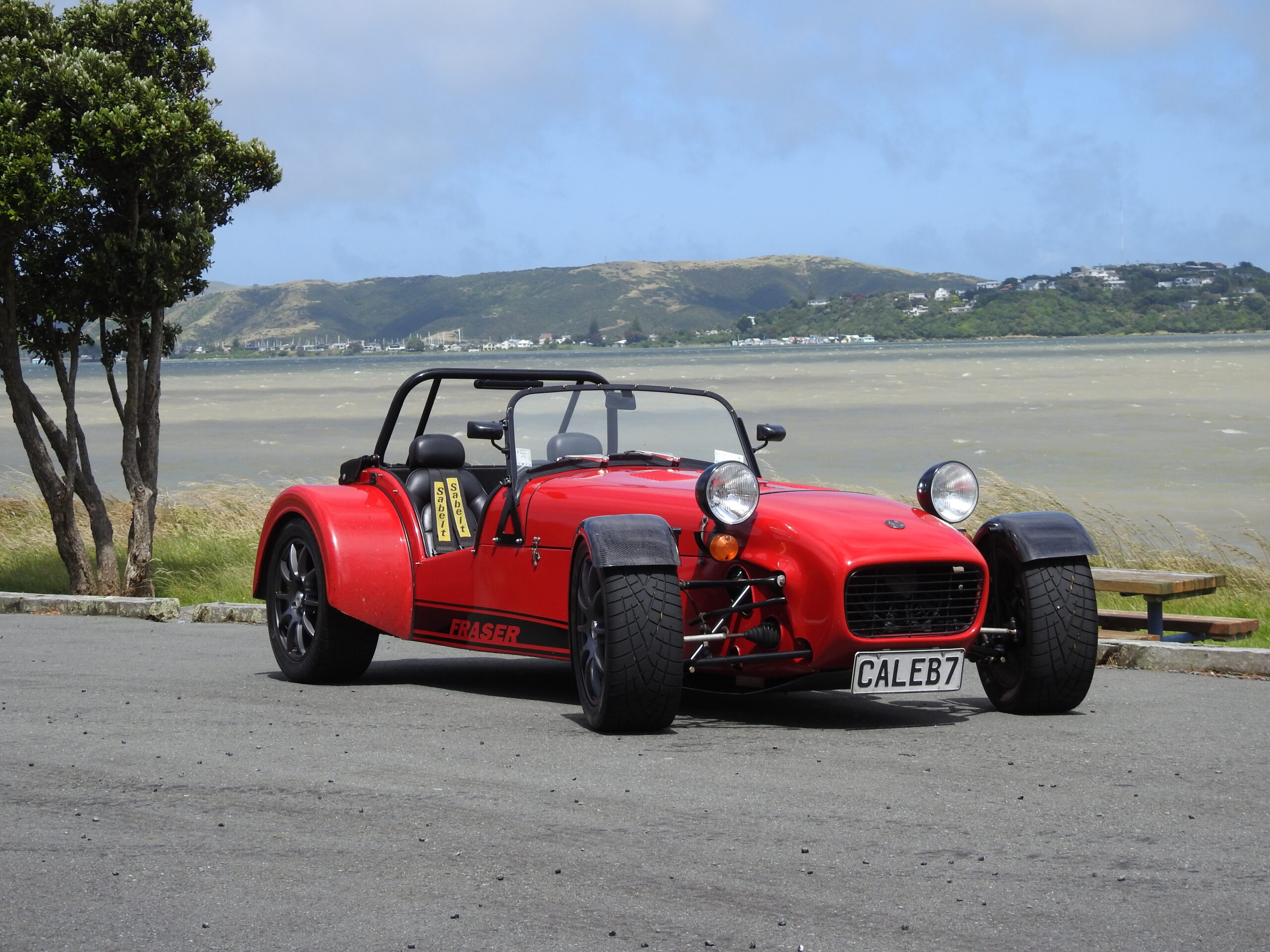
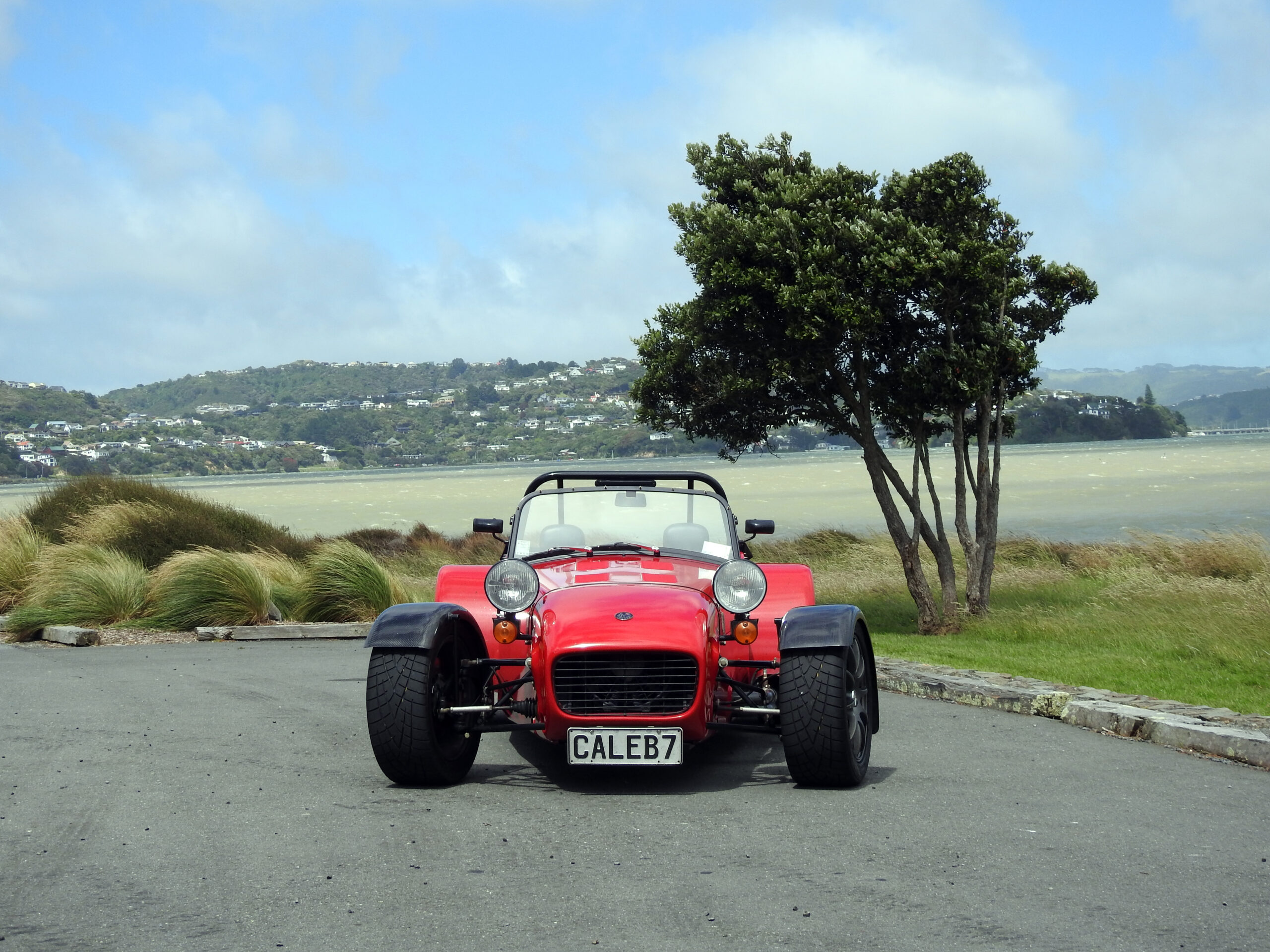
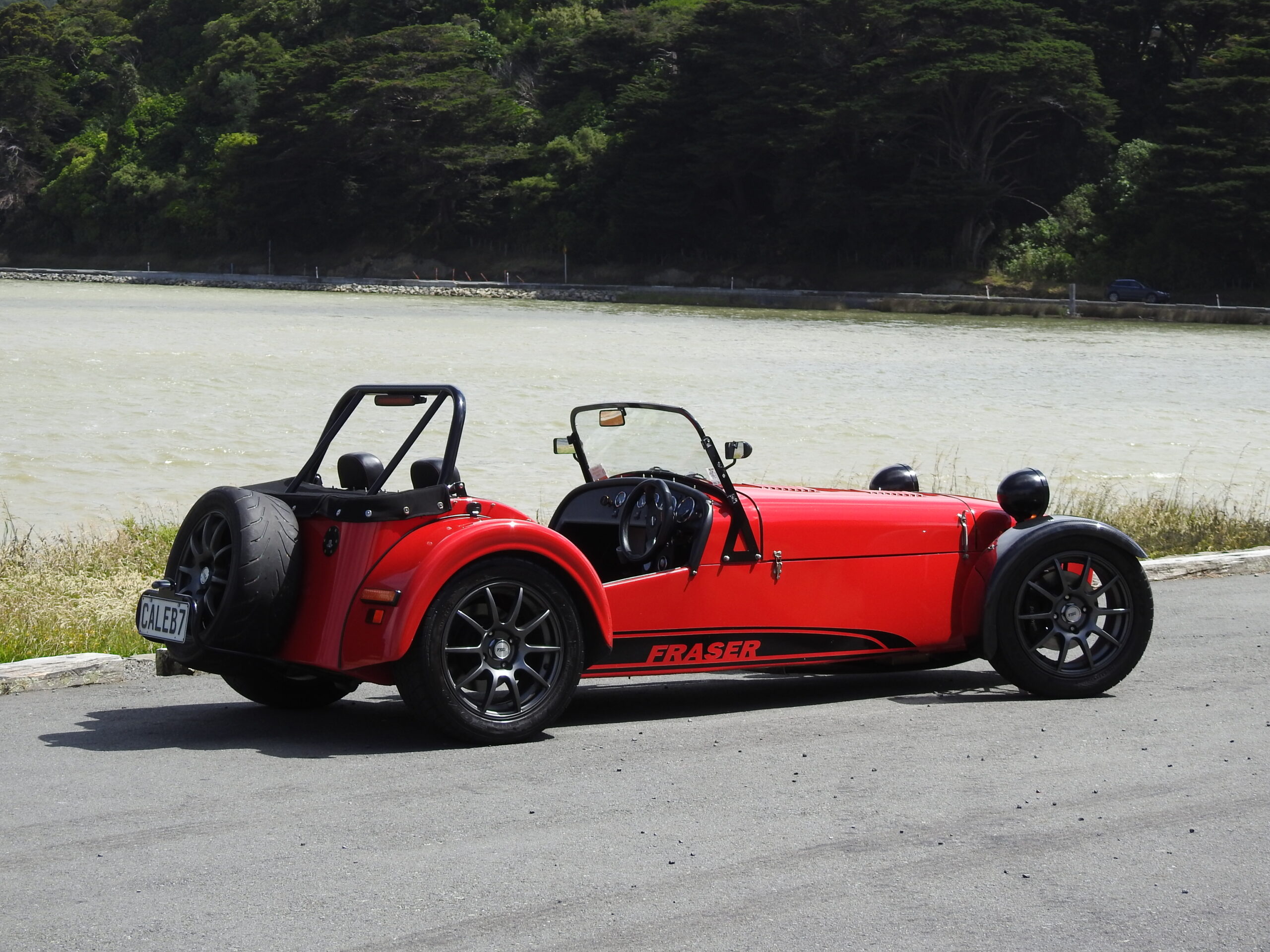
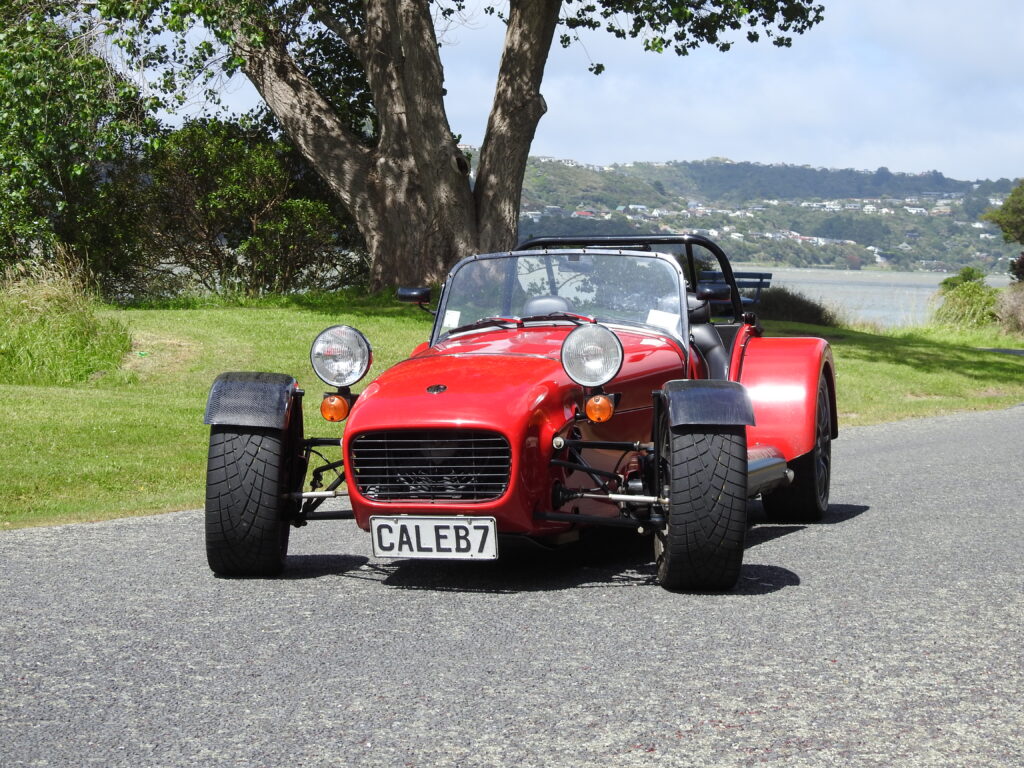
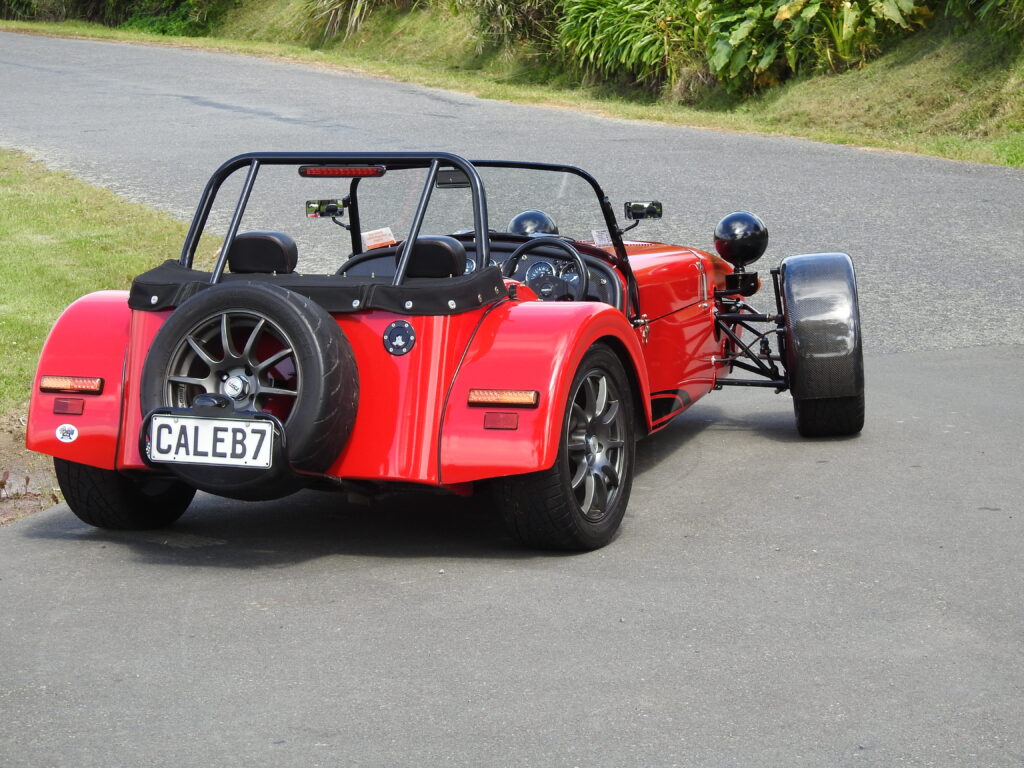
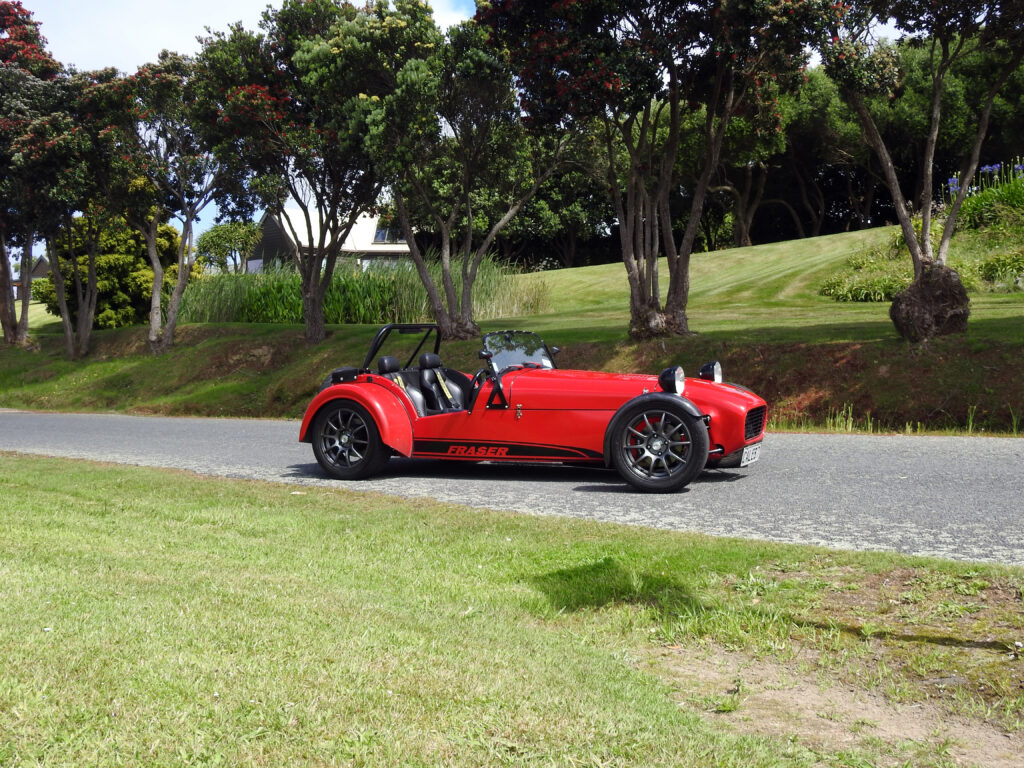
The car pictured in this article belongs to Matt Flewellen. He is acknowledged as one of the quicker builders of this amazing car. He purchased car number 317 in mid-2009, and it was on the road before the end of 2010.
Matt became interested in kit cars when he went to a show held by the Constructors Car Club in Lower Hutt in 2005. When he heard that Fraser Cars was letting the public hire its demonstrator, he flew to Auckland with his wife, Jan, and hired it for the day. Jan was as impressed with the car as Matt was, and she encouraged him to put a deposit down.
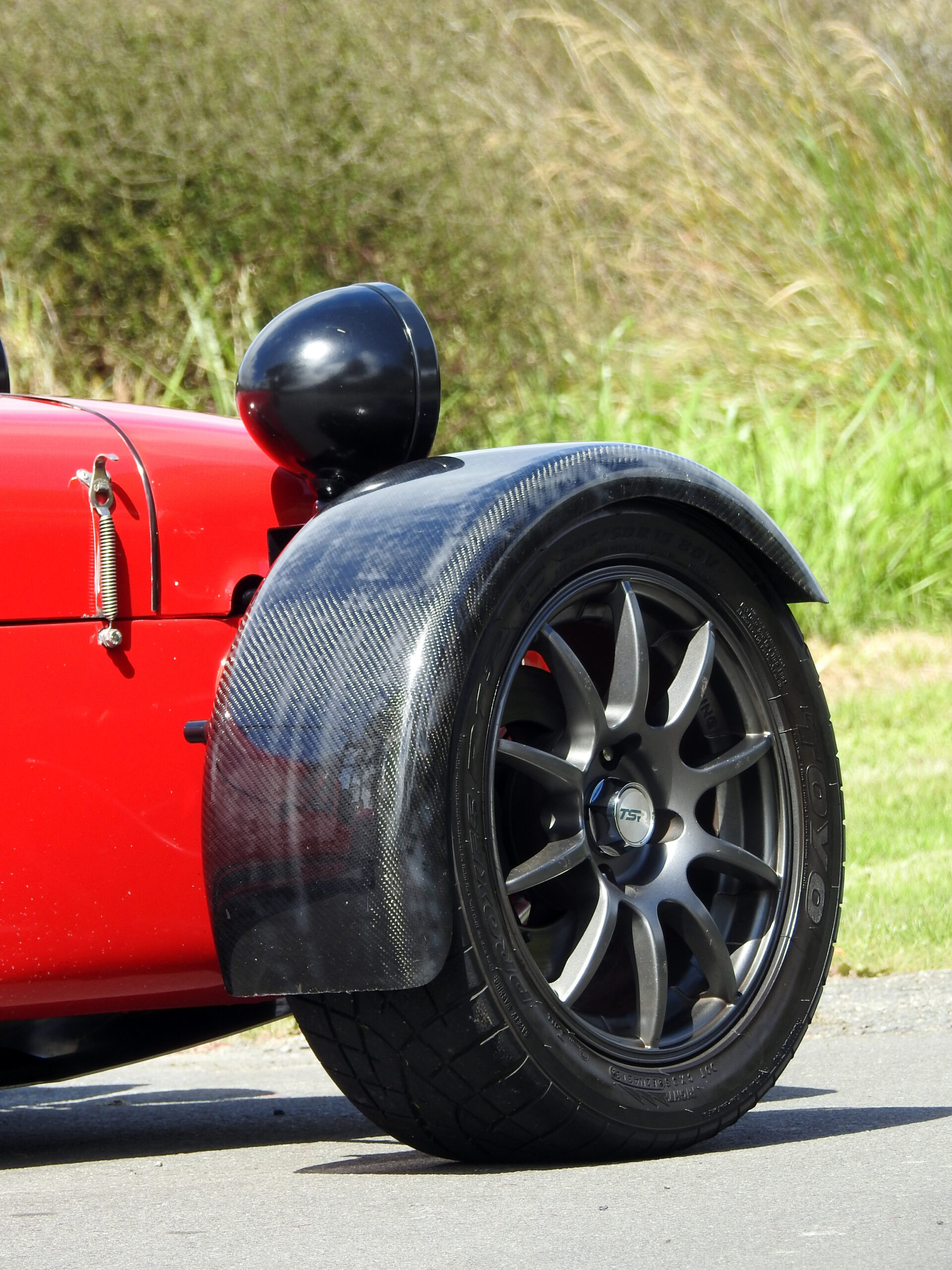
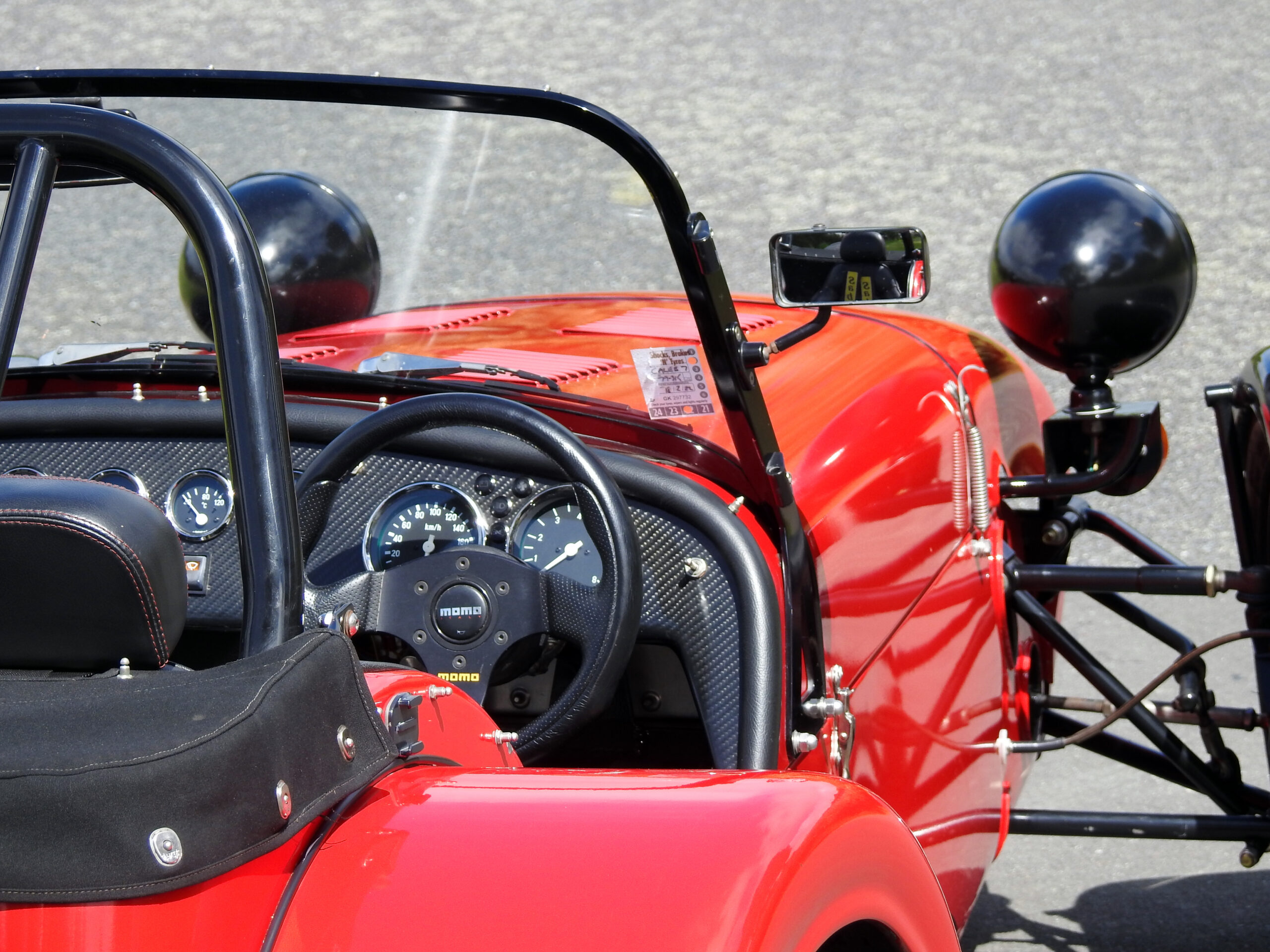
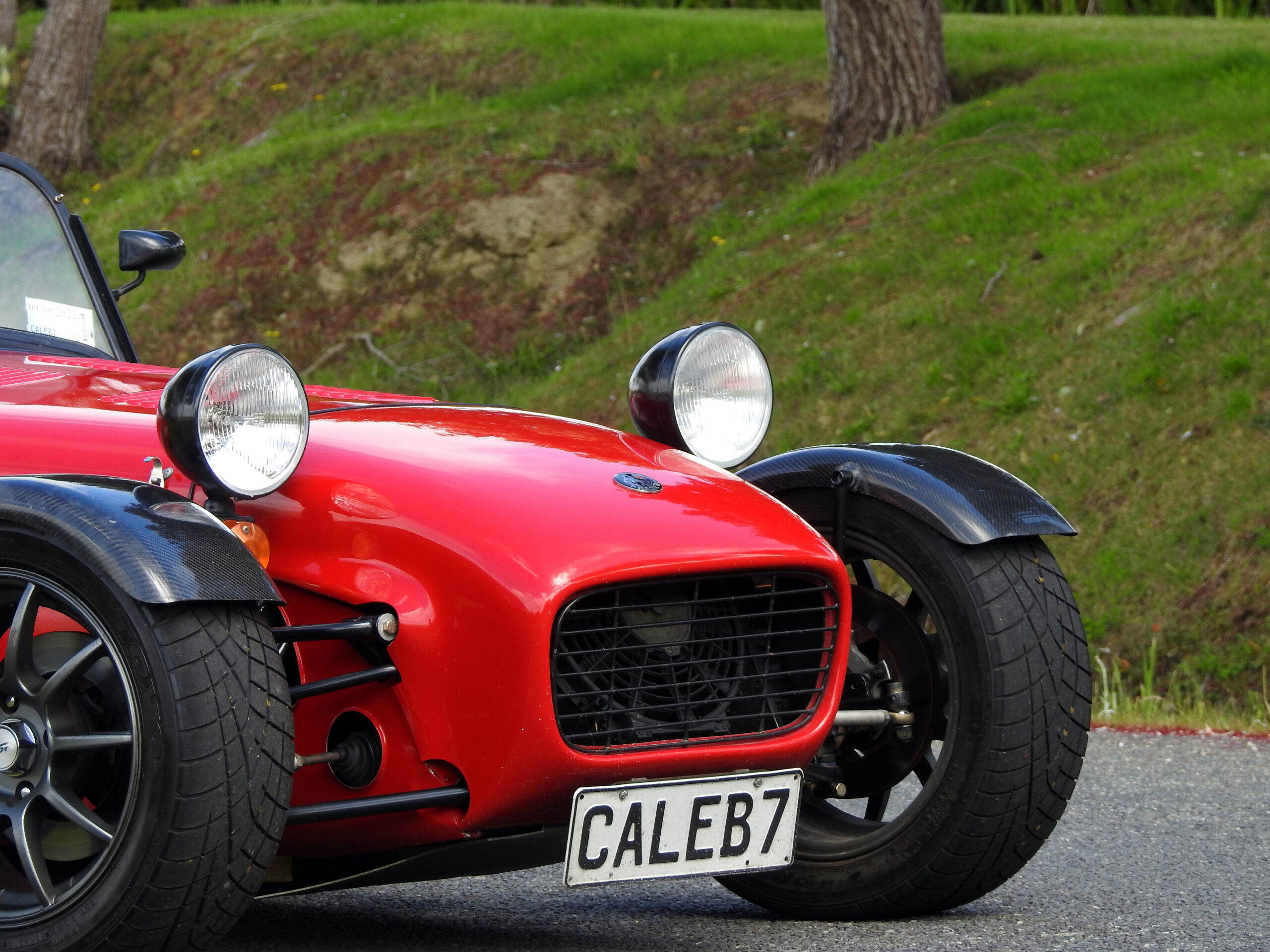
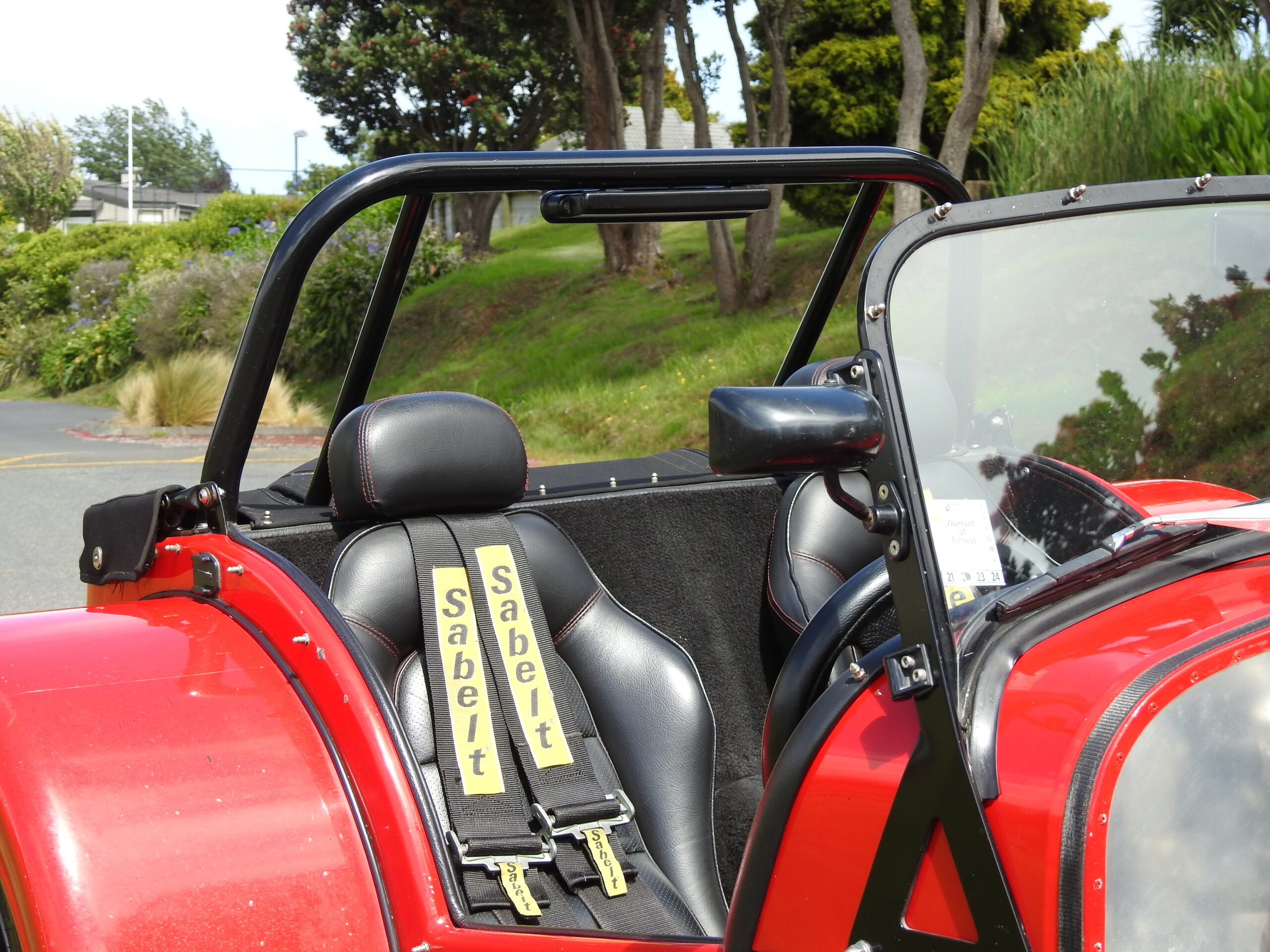
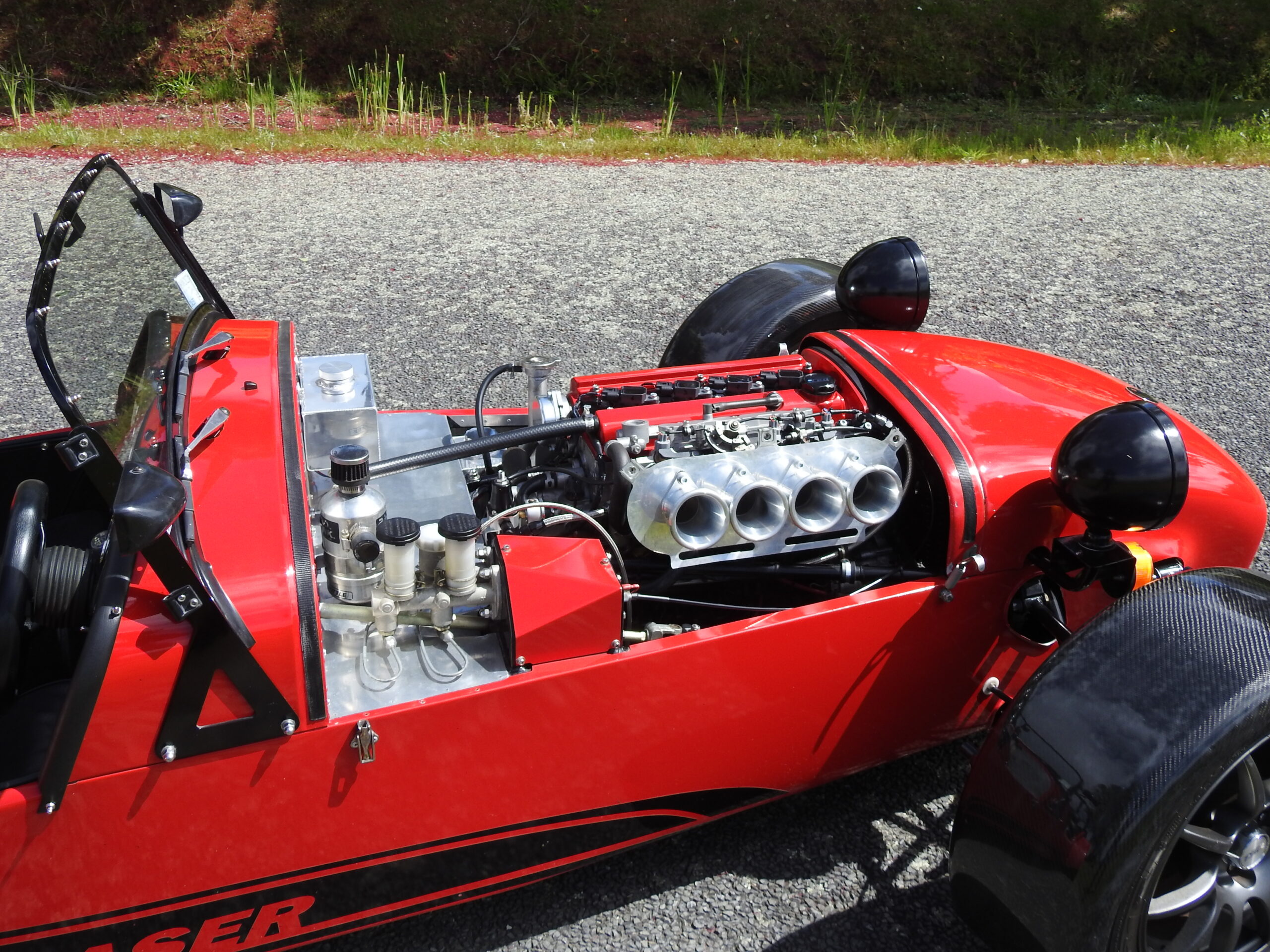
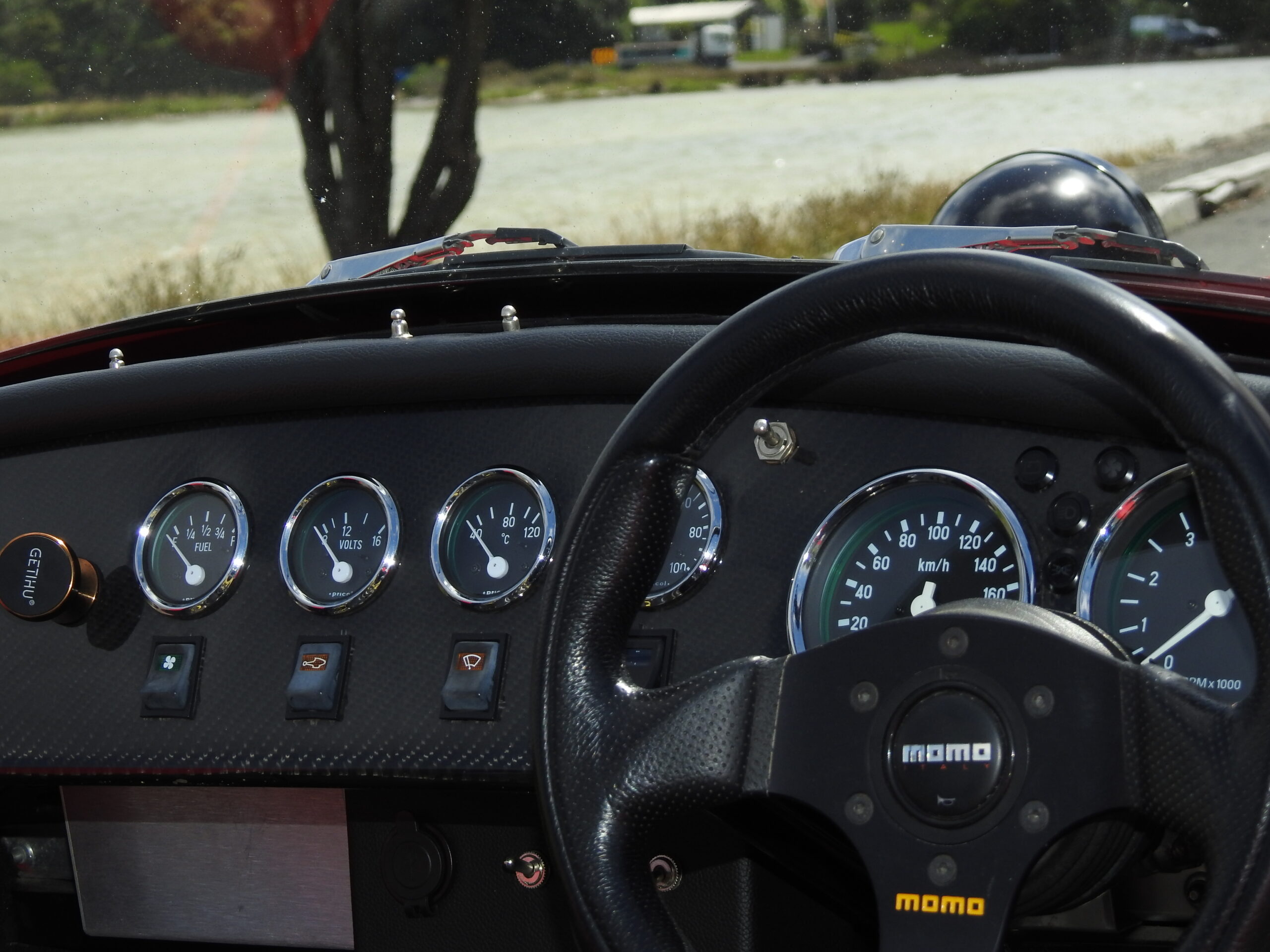
Matt’s car is a Fraser Clubman S. It is slightly more upmarket than other Frasers in that it has an inboard front suspension system. The car was purchased as a kit in a box and is powered by the ever-reliable Toyota Blacktop 4AGE 1.6-litre engine. This is attached to the Nissan Silvia independent rear end via a Toyota T50 gearbox. Another difference between this and many others is that it has an adjustable driver’s seat so that the car can also be driven by the slightly more petite Jan, who is 1.5m in her socks.
The couple has toured the South Island three times in the Fraser, and Jan gets just as big a kick out of driving it as Matt does.