data-animation-override>
“John Rabe hails from South Africa and has been a frequent visitor to our shores over the past few years taking in the classic scene. He provides an interesting commentary from a visitor’s perspective”
Classic car enthusiasts from around the globe who have not followed events in the land of the All Blacks will no doubt be surprised to learn that New Zealand most probably has the largest number of ‘classic’ vehicles per capita in the world. Their fixed population is around three and a half million excluding some one million ‘floaters’, which includes a huge number of international students and short- to medium-term visa job-seekers.
I have only taken an interest in New Zealand for the past six years or so, and during that period I have been amazed to witness the sheer magnitude of the country’s classic car movement. Many rare cars are used as daily drivers, and a casual Saturday or Sunday outing in Auckland, or the rural countryside, is likely to see you encounter a convoy of 10 to 20 Mustangs, Corvettes, British marques, or a mixture of other very desirable cars heading for breakfast and a chinwag.
More than five years ago, over 150 car clubs were listed in New Zealand, many makes of which are most probably no longer to be found in South Africa, or if an odd one or two are still around, they do not justify a formal club. Examples of these include AC (British excl. Shelby), Allard, Humber, Hillman, Hudson/Essex/Terraplane, Riley, and many more. Countless non-specific make and single-model clubs cater for the likes of the Ford Capri, Mini, Daimler 250 SP V8, Stag (Triumph), Montreal (Alfa), Ford 8 and 10, Austin A30-35, Consul/Zephyr/Zodiac, etc. With the New Zealand dollar being a stable currency, most classics appear to have stayed in the country rather than having been sold for British Pounds or Euros.
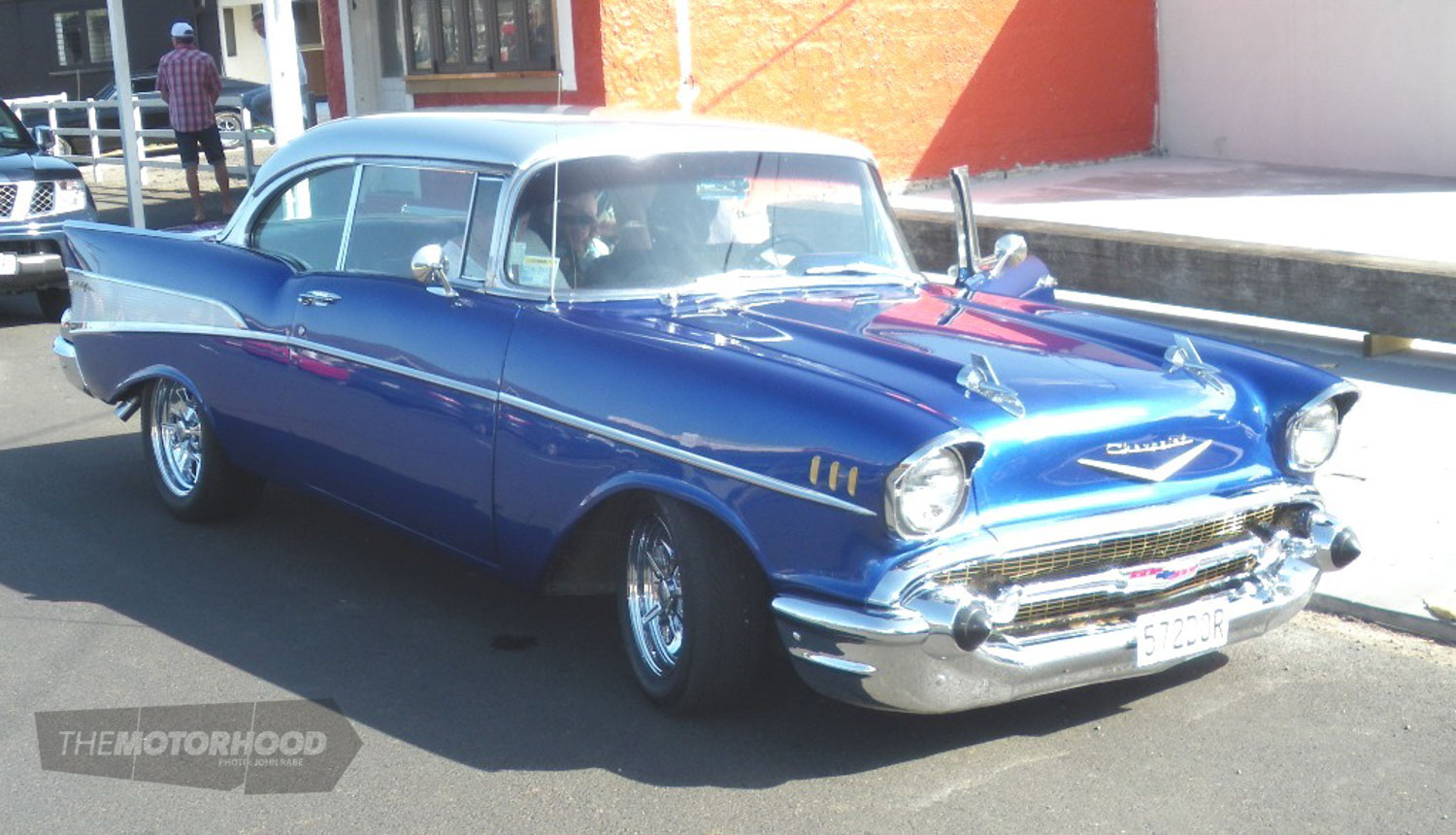
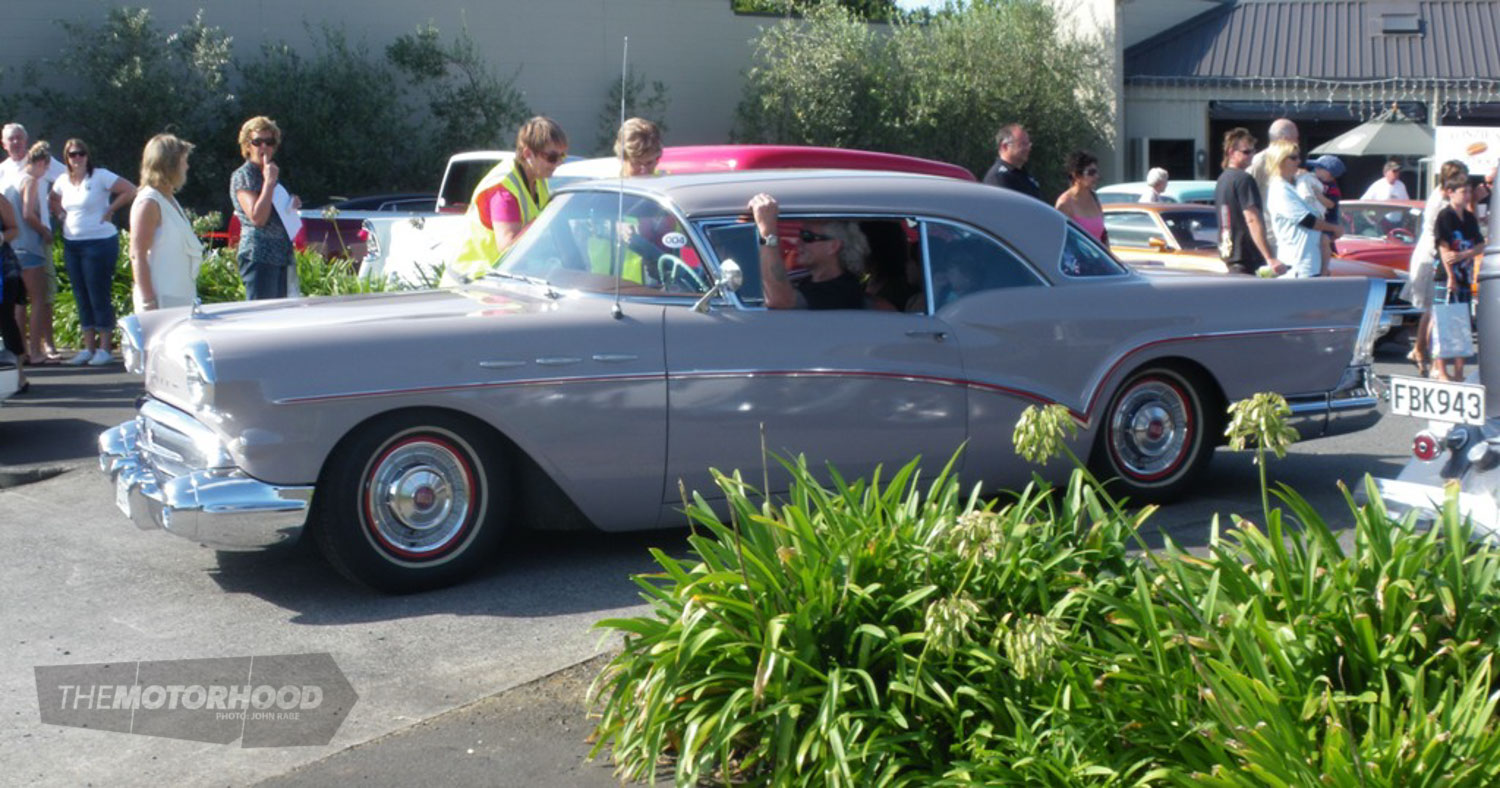
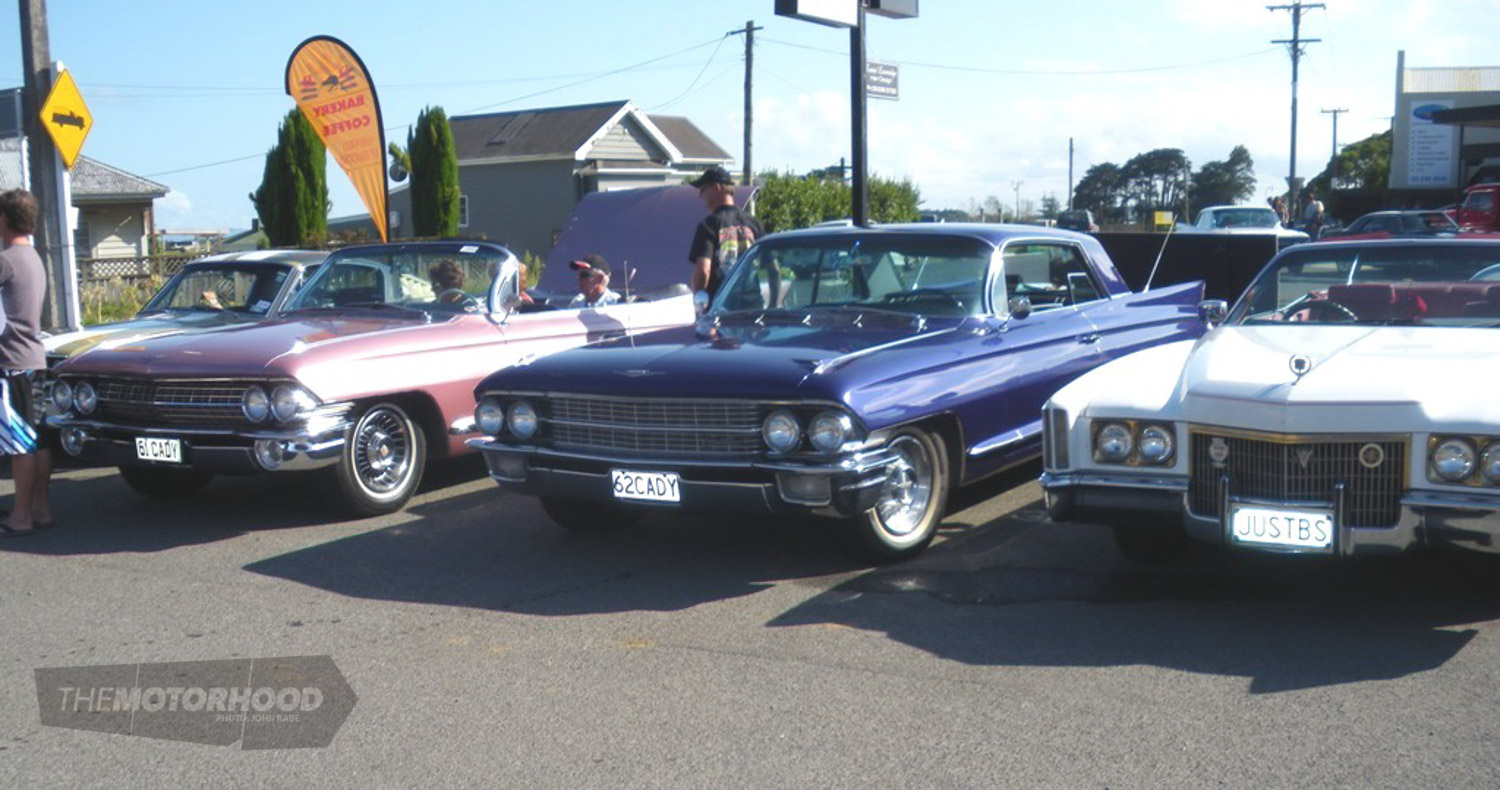
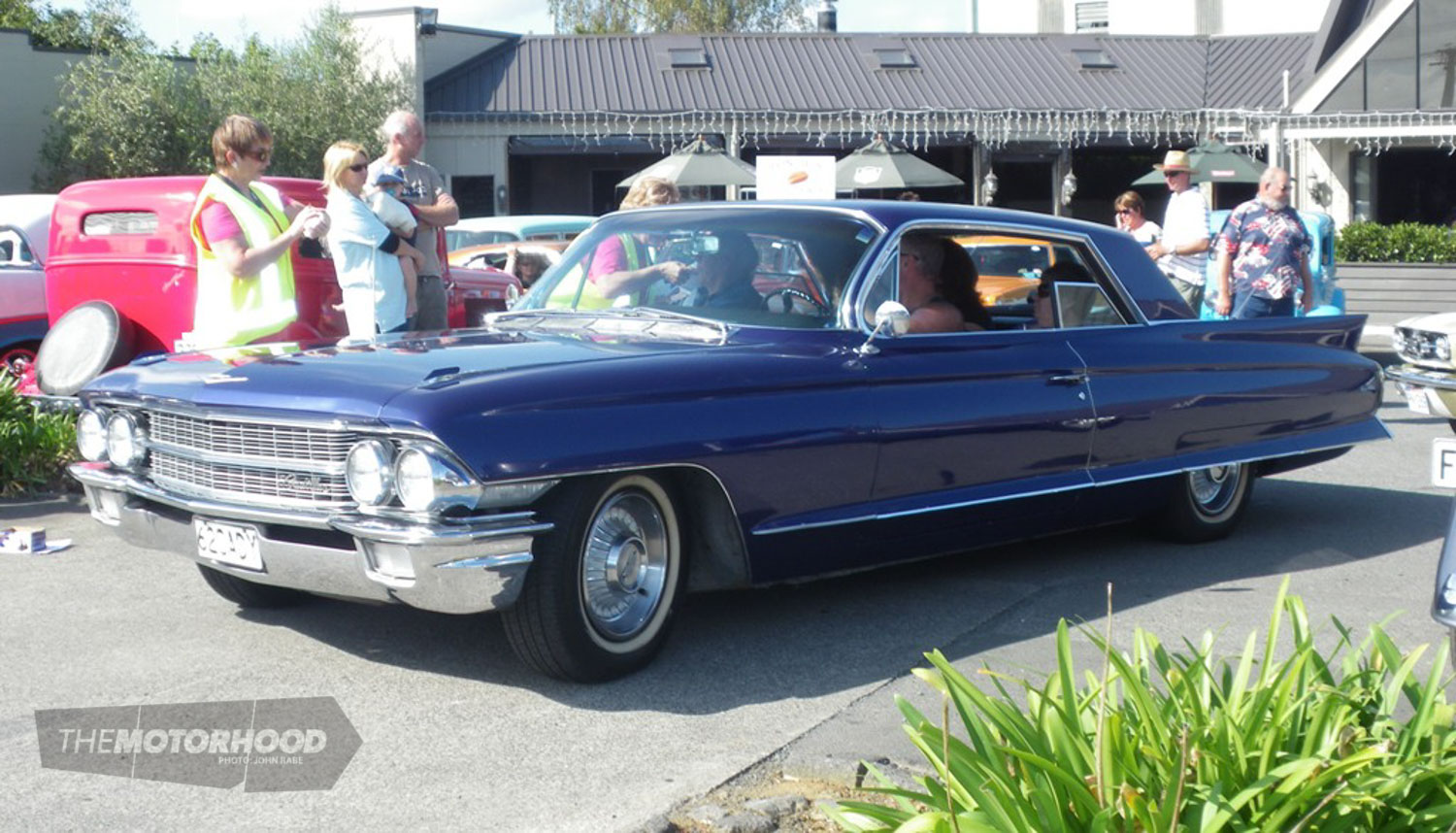
During March 2011 on a Sunday morning drive through a tiny suburb in the country, west of Auckland, I encountered in excess of 40 late-fifties and early-sixties ‘Yank Tanks’ blocking narrow streets and filling a parking lot in front of a cafe. Cadillacs and Mustangs dominated, but a rare 1957 Buick, and other classic rarities, were also nice to see.
Classic Car and Hot Rod Festival
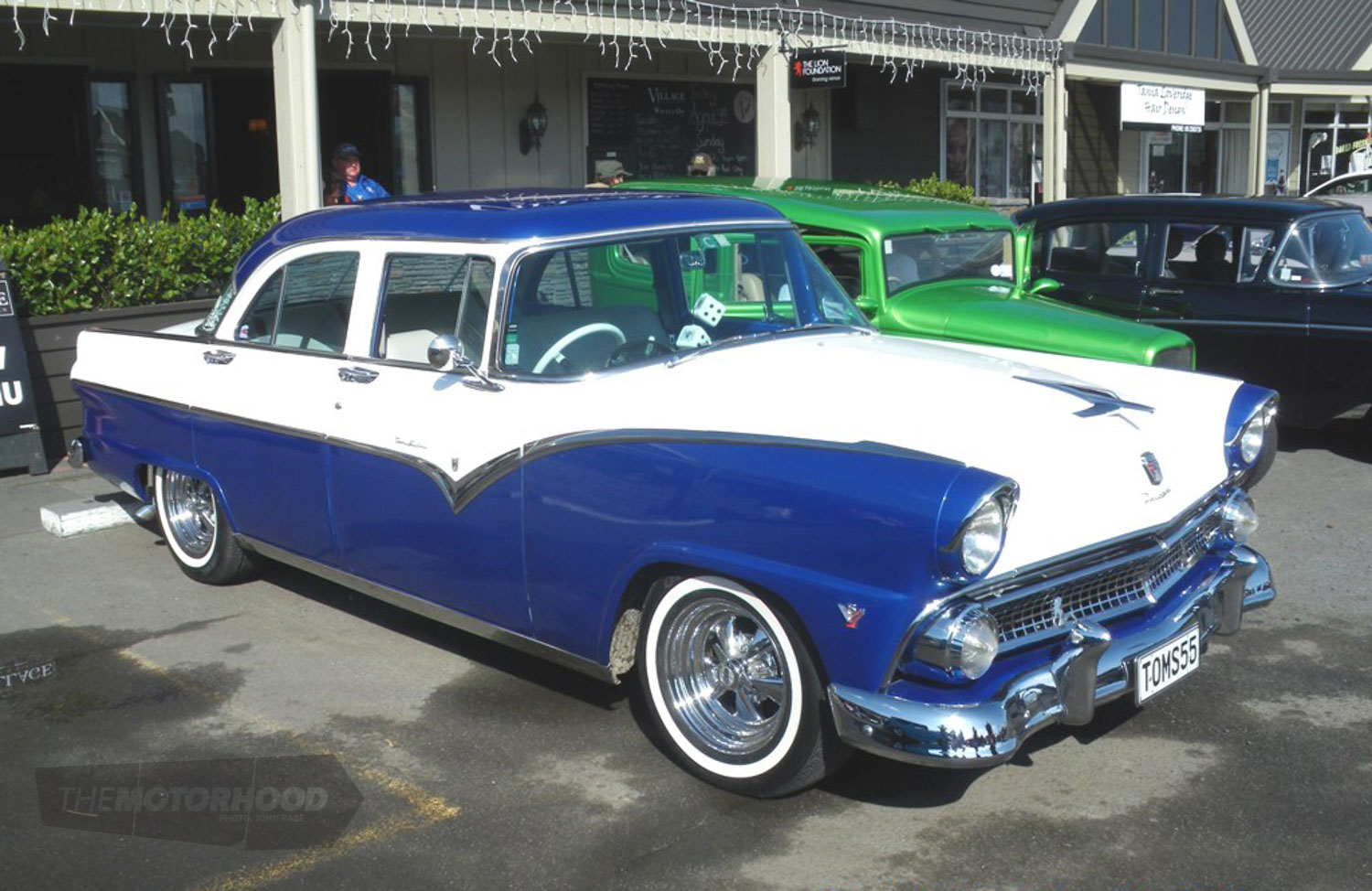
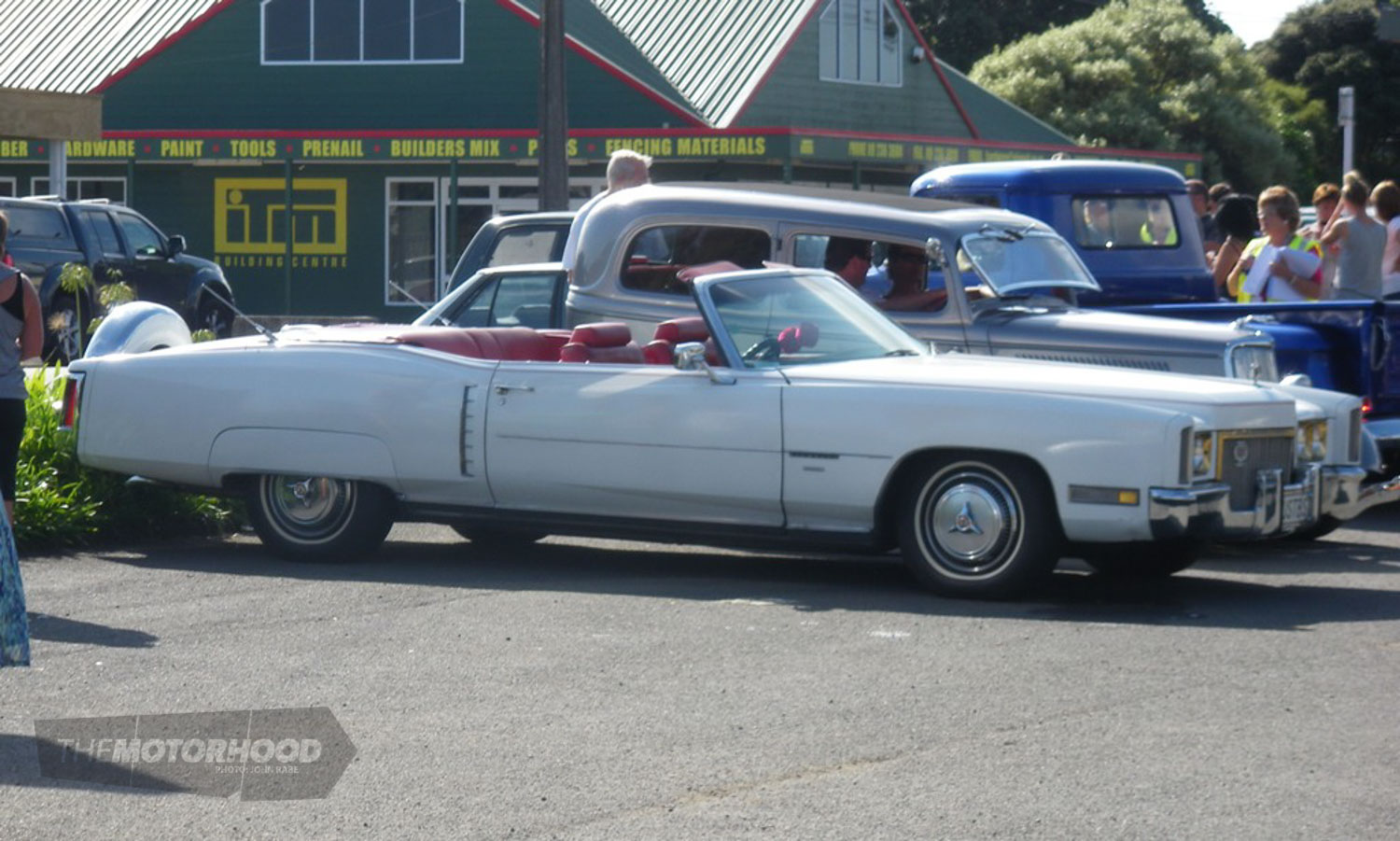
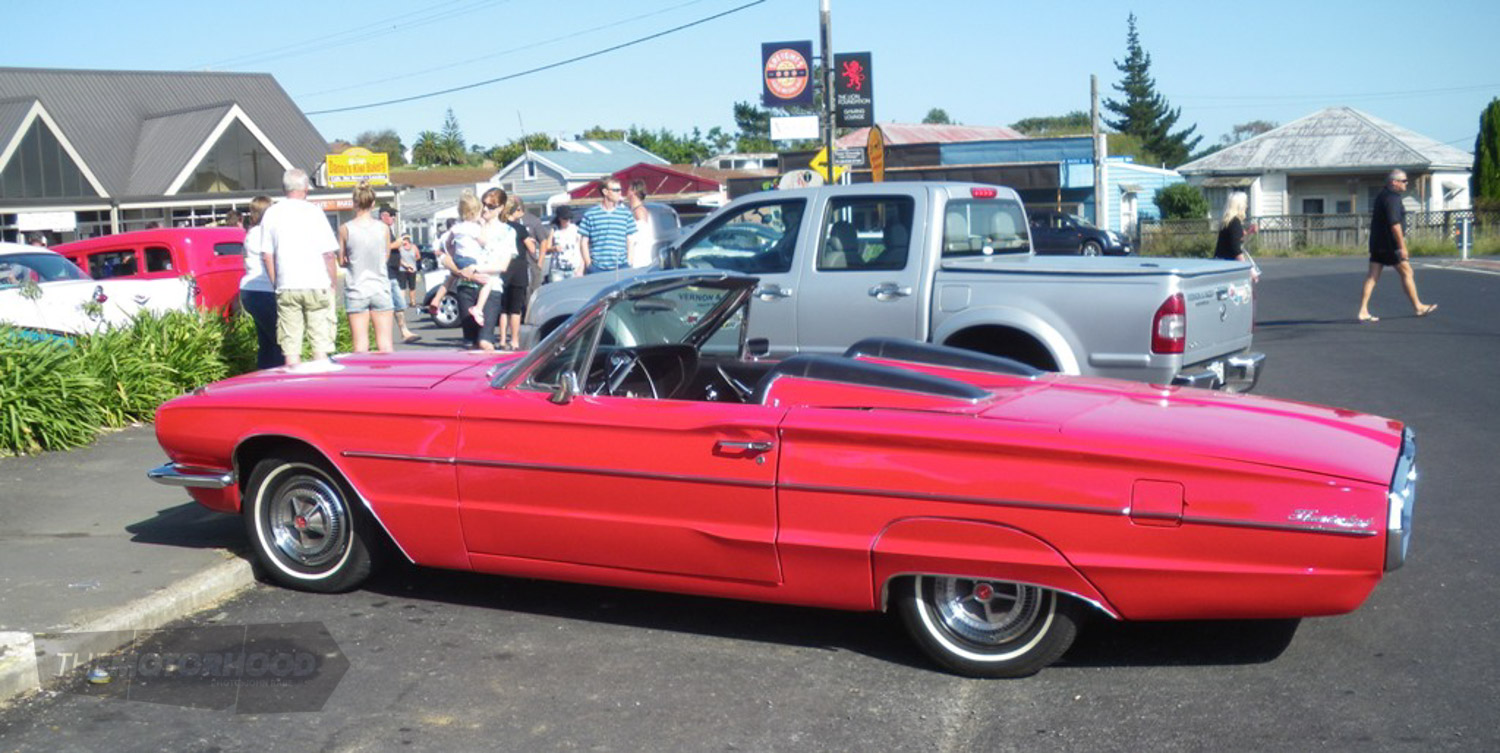
On Sunday, January 17, 2016 I was fortunate to be able to attend the second day of the Classic Car and Hot Rod Festival held in Kumeu. The Saturday had seen a huge turnout with well over 1000 cars in attendance. I am not a fan of hot rods at all, but the quality of unmolested 1950s and ’60s US cars of the tailfin era on display was incredible. As a purist, I favour originality, and I was not disappointed. There is an increasing tendency in South Africa to fit huge-diameter rims with low-profile tyres, which is pure sacrilege! Instead of the boulevard cruiser with limited roadholding around corners, do modern-day owners really want a jaw-chattering experience?
Many cars are imported from the US as mint or for restoration, from California in particular. Adverts in local magazines offering ‘New Zealand–new’ cars indicate that US cars were freely available in their day, and much sought-after. This is also reflected in the popularity of big-engined Australian-built Holdens and Ford Falcons. I grew up in South Africa in the late fifties and sixties and knew the specs of every GM, Ford, Chrysler, Studebaker, etc., model that were freely available and displayed on showroom floors.
From memory, however, most South African–assembled right-hand drive (RHD) versions were from ‘bread and butter’ ranges with the odd V8 thrown in. Top-of-the-range US versions were not available in RHD, and although the odd two-door version was listed here, the flagship models such as the 1958 Chevrolet Impala Coupe (rather than Delray, Bel Air, etc.), top-of-the-line Fords and Buicks, Chrysler’s New Yorker, Imperial’s Southampton, Lincoln’s Continental, etc., were only available as a special import.
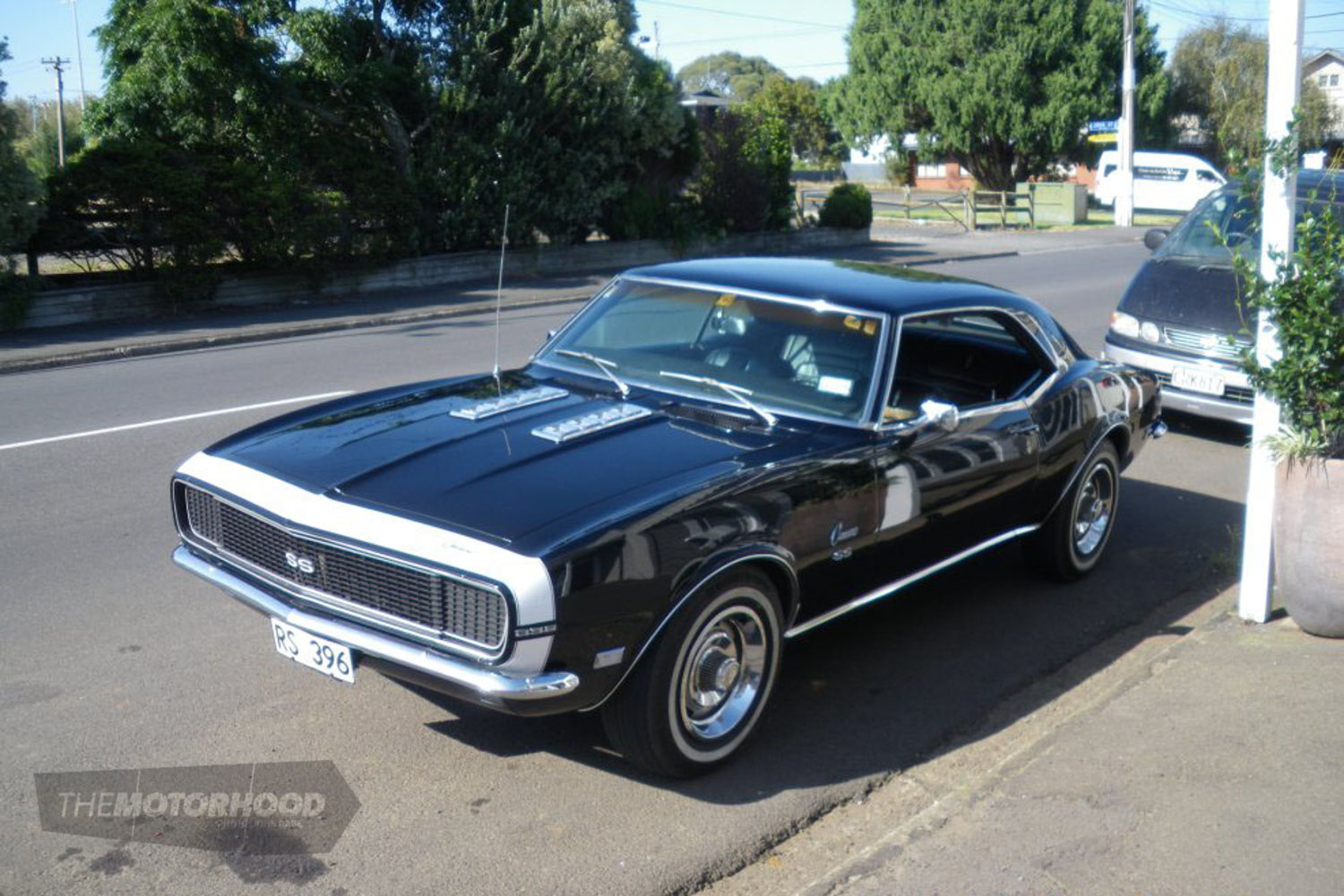
The number of US coupes and convertibles in New Zealand is staggering, and most would not be seen at any of South Africa’s regular classic meetings. Even the established ’60s and ’70s ‘muscle cars’, such as Mustangs, Camaros, Ford’s Fairmont GT, Holden’s Monaro (and its South Africa–spawned Chev SS), are being repatriated to their countries of origin for silly money as a result of South Africa’s weak currency.
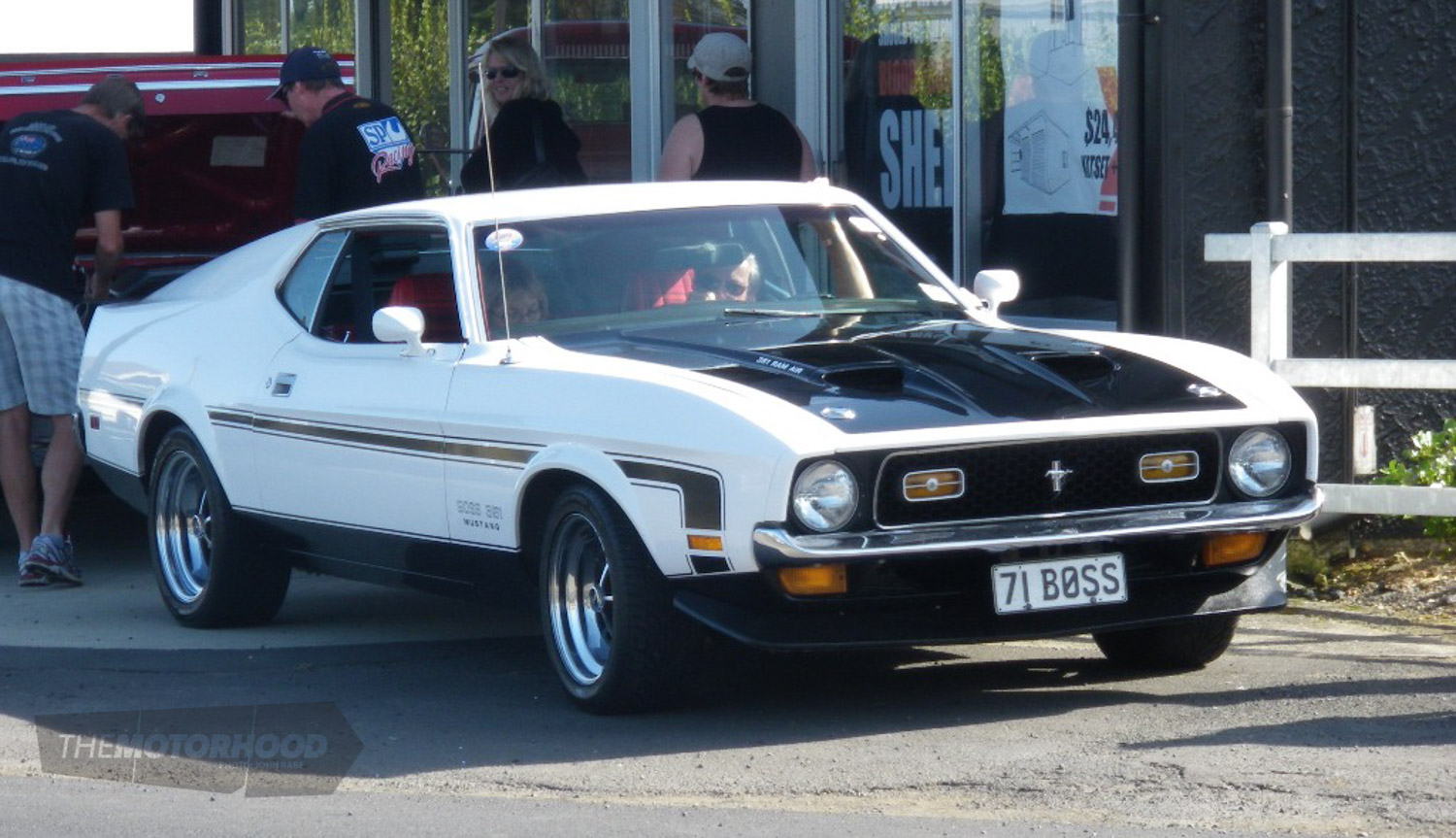
Ford Mustangs / muscle cars
There are thousands of Mustangs in New Zealand, with many of the 1964 to 1970 variety — so many, in fact, that local books have been written about them! Although no specific club stand had been arranged at the festival, we gave up counting once 30 cars had driven through the gate.
On previous trips to the North Island and the South Island, I have encountered lots of showrooms dedicated to classic muscle cars and 1950s and ’60s Americana in Auckland, Hamilton, and Christchurch, to name but a few.
New Zealand Classic Car Show (The Ellerslie Intermarque Concours and Classic Car Show)
Although British cars were present on January 16 and 17, their turn most certainly came around on Sunday, February 14, 2016 at the event I was disappointed to miss — the New Zealand Classic Car Show. Almost 80 car clubs were expected, including Auckland Jaguar Drivers Club (only one of many representing that marque), Aston Martin Owners Club (early Astons), Jensen Owners Register, Daimler and Lanchester Owners Club, Jowett Car Club (Northern Region), Armstrong Siddeley Owners Club, and Alvis Car Club to name a few. Other exotics included the Lamborghini Register, Club Alpine Renault Sport, and the Ferrari Owners Club.
Restoration / exact replicas
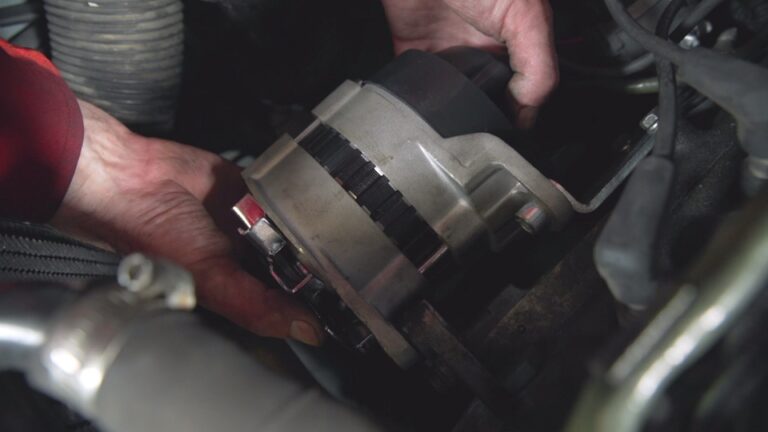
New Zealand has an enviable reputation for restoring classics to their former glory. Many owners from the US, UK, and Europe ship their rare and nowadays almost priceless beauties to the land of the long white cloud and back in the knowledge that the workmanship will be as good as, if not better than, what they could have had done anywhere else in the world.
Some companies are able to recreate/replicate scarce legendary icons, such as the Ferrari GTO, and anything else for that matter, in metal — the finished product being barely distinguishable from the real thing. Other firms, like Vicarage, are world-renowned for rebuilding 1960s Jaguar Mark IIs and E-Types with modern Jaguar engines, suspension, and all the creature comforts expected of high-performance and luxurious transport nowadays.
s for spare parts, huge inventories — particularly for US vehicles — are available over the counter or by mail order without the lengthy delay of having to ship parts from overseas.
Historic racing
Historic racing is flourishing in New Zealand, and entries in saloon car events are similar to those seen in South Africa. The Porsche Festival, held on January 16, 2016 at the newly upgraded historic Hampton Downs circuit, attracted a record 285 cars, including four rare models from Stuttgart. South African petrolheads intending to visit ‘the land of the long white cloud’ would be well advised to consult New Zealand motoring event calendars beforehand to choose and coordinate their trips for an unforgettable experience.