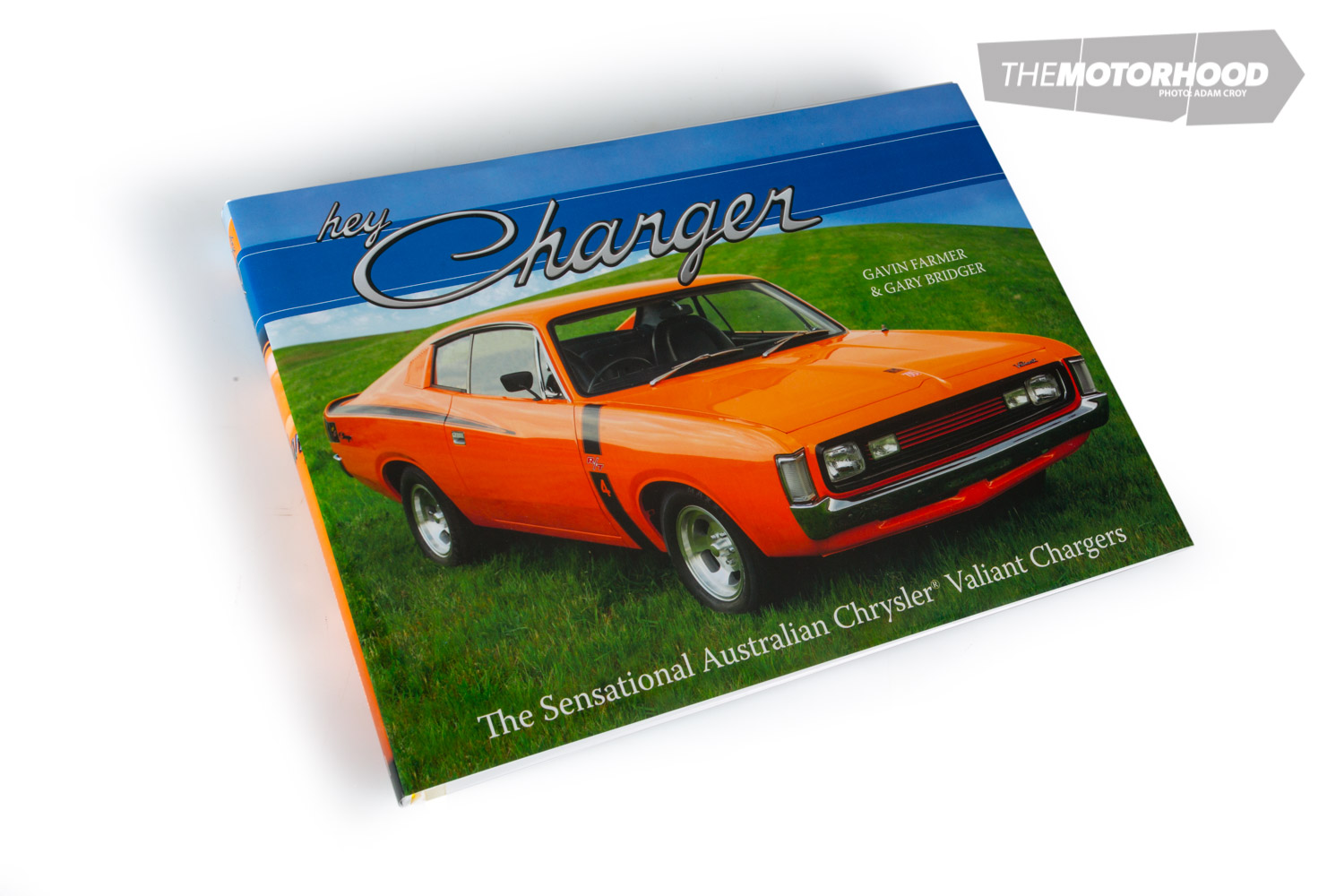
Book review: Hey Charger

29 December, 2016


By Gavin Farmer and Gary Bridger
ISBN 978-0-9805229-3-8
Available direct from co-author Gary Bridger
Price $90 plus post and packing.
Contact Gary — email [email protected] or phone 021 718 841

When the first edition of Hey Charger was released, in 2004, it received universal acclaim from those involved in developing the car, as well as devoted enthusiasts and the media. Hey Charger featured in the editorial of the April 2004 issue of New Zealand Classic Car, and was also awarded book of the month. Mark Webster wrote, “With its meticulous research, cogent interviews, detailed appendices and references, rare models, many colour plates and a wealth of detail, no Chrysler Charger or NZ racing fan should miss this one — it’s the last word”. Australian Classic Car magazine wrote, “A landmark publication about an important Australian vehicle, and definitely our book of the month”. Today, many Chrysler enthusiasts simply refer to Hey Charger as ‘the bible’, because of its historical and technical accuracy. 

Now Gary and Gavin Farmer have again joined forces to produce a completely revised and updated second edition of Hey Charger, in a hardcover full-colour format. This time, Hey Charger has been published in Australia by Gavin Farmer’s publishing company, Ilinga Books. The text has been thoroughly updated, and many new colour and black-and-white photos have been added. All the technical specs have been rigorously proofed by Charger gurus in Australia and New Zealand, and amended accordingly. The error count in the original edition was found to be very low, and only minor corrections were needed. 

Significant changes to the first edition include the complete rewrite of the chapter on the 340 V8 Chargers, as a result of newly discovered evidence on this often-controversial subject. There are also family-approved tributes to Australian motor-racing legend Leo Geoghegan and New Zealand’s Sir John Todd, who both passed away in 2015.
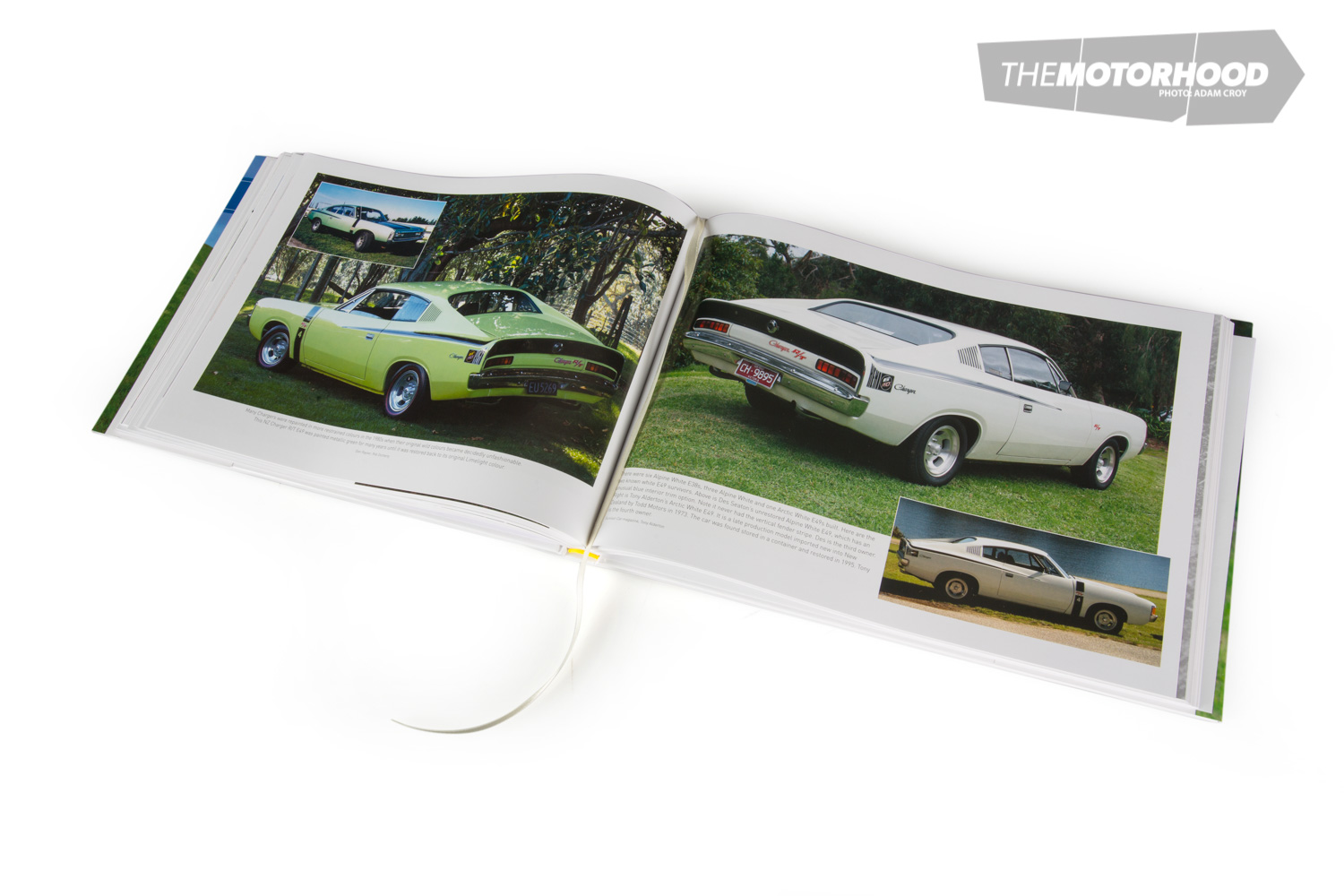
To quote the US’s Mopar Collectors Guide magazine, November 2004, “If you like Australian Chargers, get this book. If you don’t, your life will be filled with misery and woe until you do!”
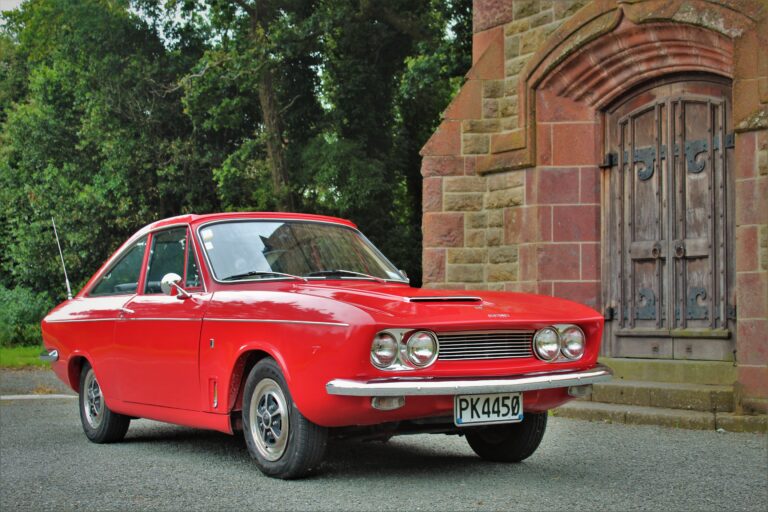
Last Tango in the Fast Lane

In the mid ’80s, I locked into a serious Nissan/Datsun performance obsession. It could have kicked off with my ’82 Datsun Sunny, though this would have been a bit of a stretch of the imagination, given its normally aspirated 1.2-litre motor — not the sort of thing to unleash radical road warrior dreams. But it did plant a seed, and it was a sweet little machine and surprisingly quick, in contrast to all the diabolical English offerings I had endured.
I was living in South Auckland at the time and was an unrepentant petrolhead. Motor racing was my drug of choice, and I followed the scene slavishly. Saloon car racing, with the arrival of the international Group A formula, was having a serious renaissance here and in Australia and Europe. There was suddenly an exotic air in local racing that had been absent for 15 years.
I was transfixed by this new frontier of motor racing that had hit our tracks in 1985–87 and the new array of machinery on display. In 1986, the Nissan Skyline RS DR30 made a blinding impression on me. The Australian Fred Gibson-run, Peter Jackson-sponsored team of George Fury and Glenn Seton were the fastest crew of the 1986 Australian Touring Car Championship. But Kiwi legend Robbie Francevic snuck through to win the Aussie Championship in his Volvo 240T after a strong start and consistent finishes.

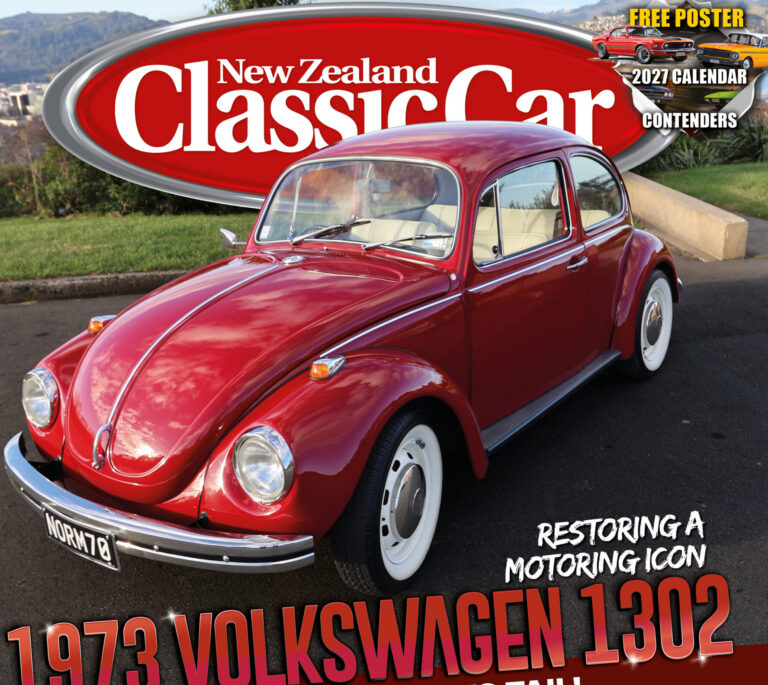
NZ Classic Car magazine, May/June 2026 issue 405, on sale now

Reincarnation of the snake
We are captivated by a top-quality sports car
The Shelby NZ build team at Matamata Panelworks has endured a long and challenging journey, culminating with the highly anticipated public unveiling of the 427SC and firing up of its sonorous V8 at the 2026 Ayrburn Classic Festival of Motoring in Queenstown on February 20. This is a New Zealand-built car with loads of character and potential.
The car is now back in Matamata, and I finally have an opportunity to get up close and personal with it. But before then, the question that must be asked is, “Why would ya?”
The first answer is easy, as mentioned in the last issue of New Zealand Classic Car (#404). It was a great way to use up all the surplus Mustang parts acquired while converting brand-new Mustangs into Shelbys. The unused new Mustang parts would be great in any kit car, but the 427SC in front of me cannot be classified as one.
This is not a kit car. The reality is that it is a high-quality, factory-made production car.
Possibly the second answer is because the CEO of Matamata Panelworks, Malcolm Sankey, wanted to build a replica of the car that is a distant relation to the Shelby Mustangs scattered around his showroom floor, a car created long before the first Mustang was even thought of, and the brainchild of Carroll Shelby back in the early ‘60s.