In 2015, we wrote about Bob Turnbull’s Bugatti Type 57 being up for sale. We recently had an update from Gloria at Waimak Classic Cars who re-told the story of the Type 57 and let us in on the great new that this legend will be staying in little old New Zealand. Gloria tells the story below:
“Nothing is too Beautiful – Nothing is too Expensive” Ettore Bugatti.
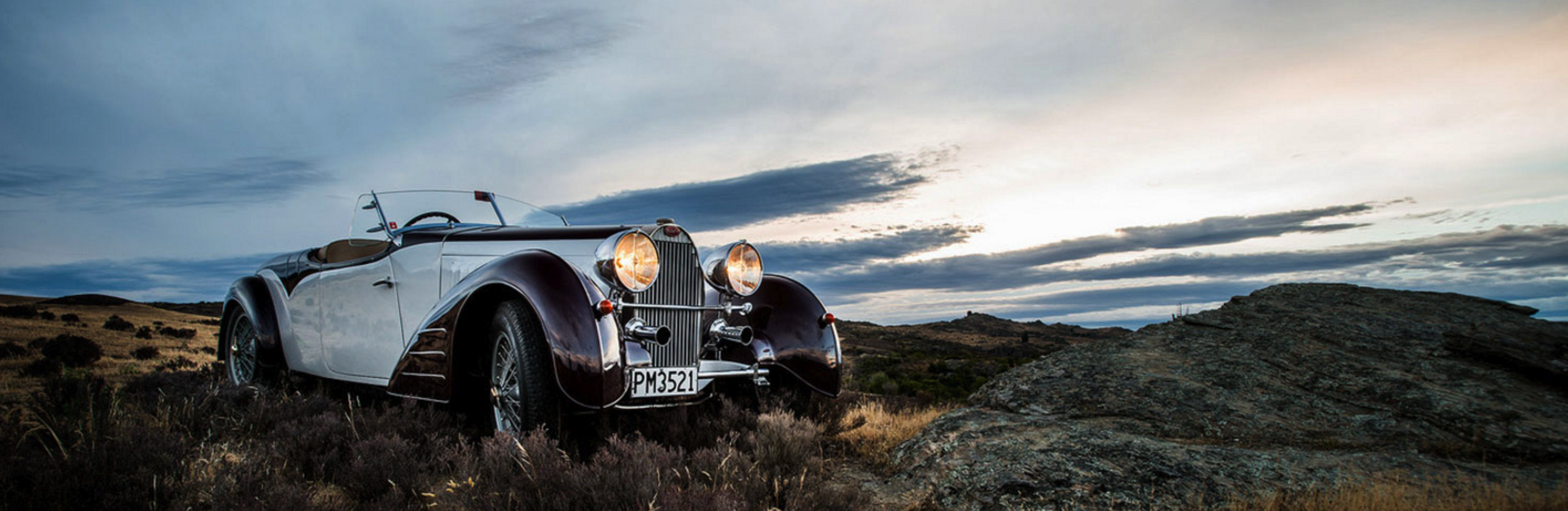
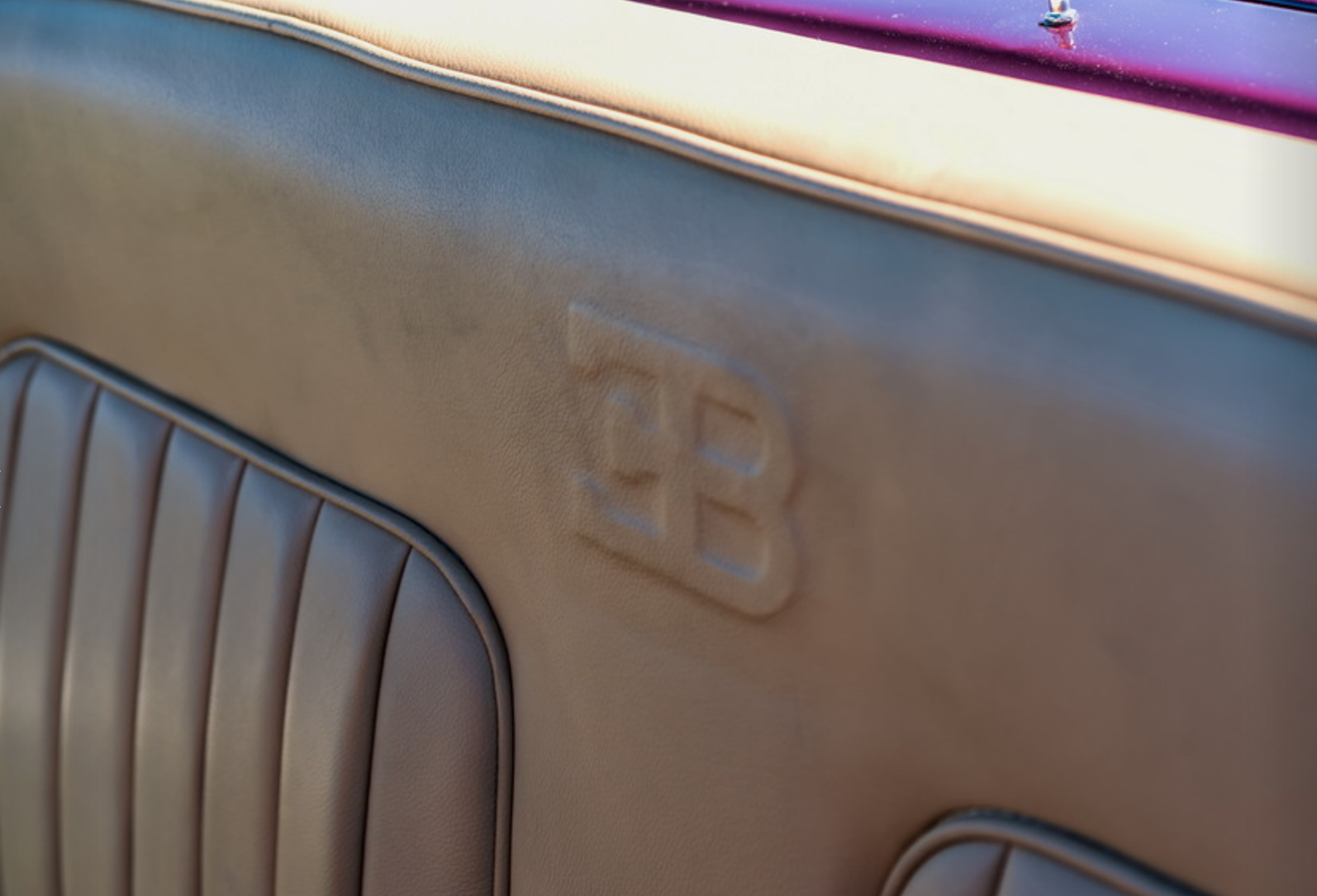
Any car that flashes the famous Bright Red Bugatti Badge can usually command a certain level of approval, admiration and respect. Waimak Classic Cars is pleased to announce that Bob Turnbull’s much loved 1934 Bugatti Type 57 Gangloff Roadster has found a permanent home in New Zealand.
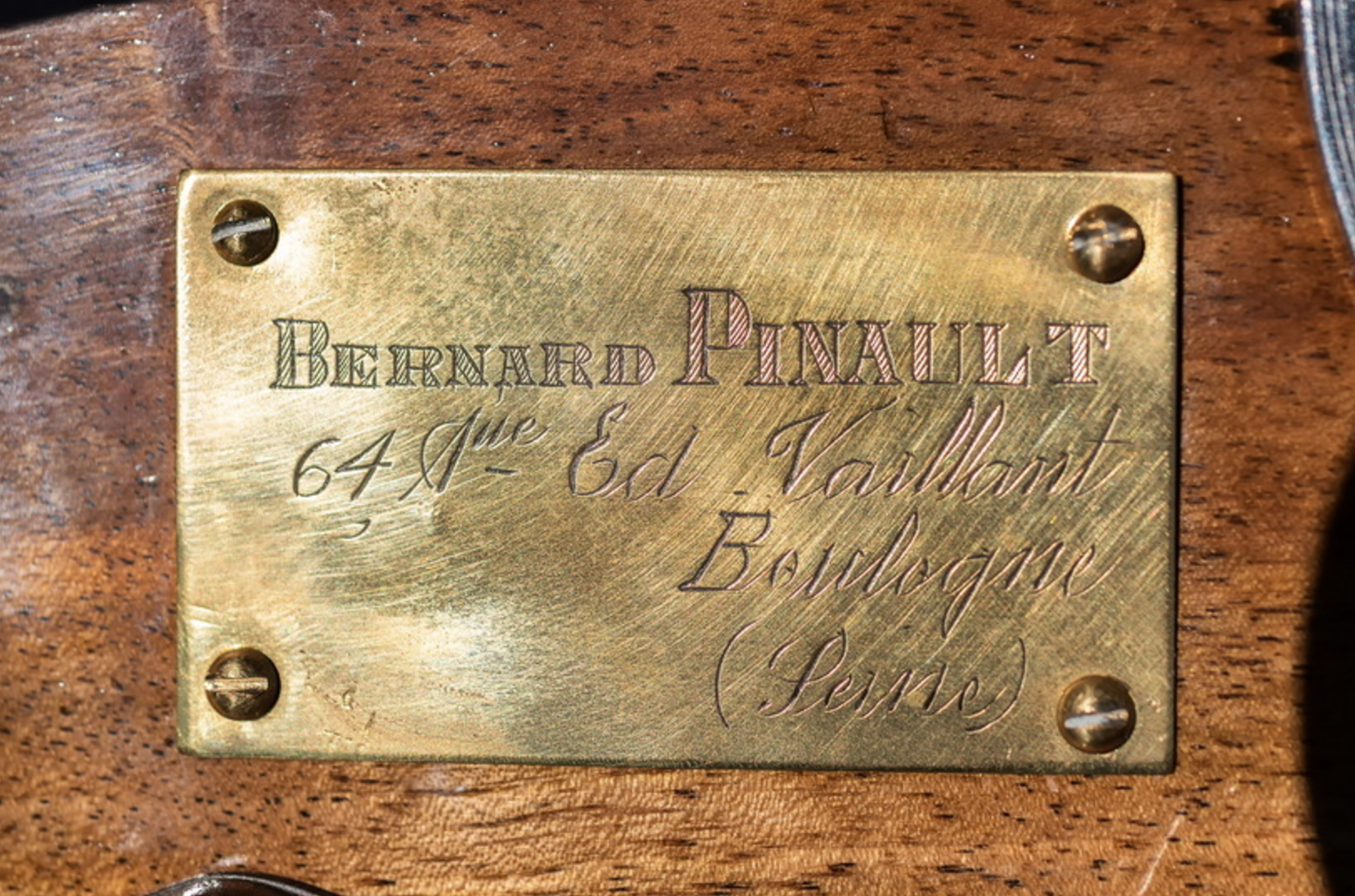
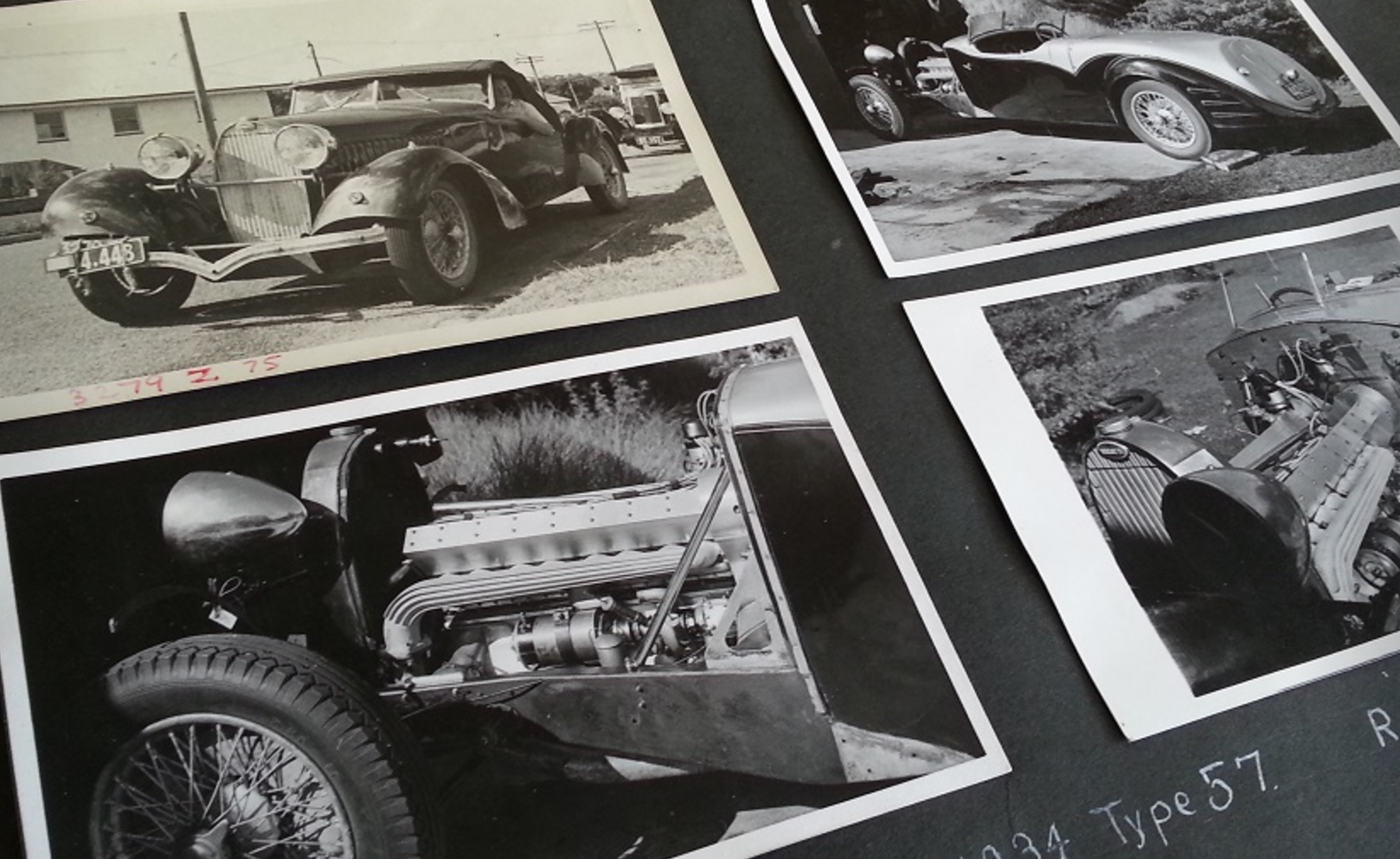
The Bugatti Type 57, is almost unequivocally, one of the most revered models in the entire history of the automobile. The cutting edge engineering (for the time) in all aspects of its chassis, suspension, engine, and driveline allowed for unparalleled levels of performance and on road refinement – all match perfectly to the car’s flowing lines. Those lines were the handiwork of Ettore Bugatti’s son, Jean, whose skills were more than a match for the best coachbuilders Europe had to offer. However, amongst those coach builders, Gangloff is one whose name and reputation have weathered the test of time. The 1934 Type 57 was the first roadster by Gangloff, which generated great interest at the Paris Motor Show, and was the only one produced for that year. In the spring of 1935 this same car was entered for the Cannes Concours d’Elegance and won the title “Grand Prix des Roadsters”.This beautiful masterpiece, was ordered for Agents Frederich , Nice, France and came with a price tag of 98,526 Francs. During its time in France the car was owned by two prominent entrepreneurs and ultimately also an Austrian aristocrat. In 1956 the car was imported into New Zealand for a price tag of 350Pounds. It was in 1958 that Bob Turnbull took ownership of the T57 and transported it to the small quiet township of Ophir where it has been for the past 50yrs. Bob Turnbull was undoubtedly one of New Zealand’s greatest talents and a meticulous engineer. He was a quiet, retiring sort of chap, a reclusive man, who enjoyed nothing more than spending time in his shed just out of Alexandra in Central Otago, working on complex projects including this Bugatti.
He never married, had no long-term partners, nor left behind any children. Yet he’s left a legacy; memories and tales of a mechanical engineer who had a mind as strong as the blocks of steel with which he played. Bob was a very fine craftsman. ”A genius,” one friend says. ”A legend,” says a former colleague who compared Turnbull’s abilities with those of the late John Britten, the New Zealand mechanical engineer best known for his radical motorcycle designs. Turnbull’s accomplishments have rarely appeared in print, outside the occasional mention in publications that have more to do with vintage cars (and their passionate owners) than the inner workings of one man. Yet a recent book on Canterbury company Hamilton Jet, written by John Walsh, credits Turnbull with developing a key element in the firm’s jet propulsion units,- a twin-ducted reversing mechanism now used worldwide.
Founded by sheep farmer-turned-engineer Sir William Hamilton, Hamilton Jet might be synonymous with fast boats, but it is the water-jet propulsion system itself that has led the company’s success, its range of units used around the world, from naval and coastguard patrol boats to fast ferries. Bob also designed a `1031′ jet unit, which was aimed at the shallow-draft fishing boat market in New Zealand. Raised in Galloway, near Alexandra, Turnbull began work at C.W.F. Hamilton (Hamilton Jet’s parent). Bob was a talented design engineer, who did a lot of work around hydraulics.
Thankfully, Turnbull documented some of his achievements, a collection of notes he typed in 1987 disclosing aspects of his work history including the design of oil hydraulic equipment, as well as doing design work on earthmoving equipment, the manufacture of hydro scheme gates and lifting cylinders, concrete agitator trucks etc.
Work in the later period (1970-1985) included aluminium barges for Papua New Guinea, large hydraulic cylinders for the Auckland Harbour Board, and a mobile crane; but was mainly on marine jet propulsion units for commercial boats such as the Papua New Guinea barges and fishing boats. His works, more specifically the jet unit won an award in a competition for inventors run by UDC in 1981. Bob never considered what other people had done. He always operated on first principles. He had this amazing mathematical brain that could work out anything.
He never had a telephone or many other modern home appliances for that matter. Communication was done the old-fashioned way by writing letters which came with many pages, in tiny print, written on both sides, and if he had run out of paper he would often write extra notes sideways up the margins! Bob had a terrific mind. Everything had to be done according to a theory.
He was a true New Zealand man, often compared to Burt Munro and John Britten, and the Bugatti is a truly unique one off vehicle. In an imperfect world, it seems Turnbull sought solace in precision. Bob Turnbull died in 2012, yet his legacy lives on – memories and tales of a mechanical engineer who had a mind as strong as the blocks of steel with which he played.
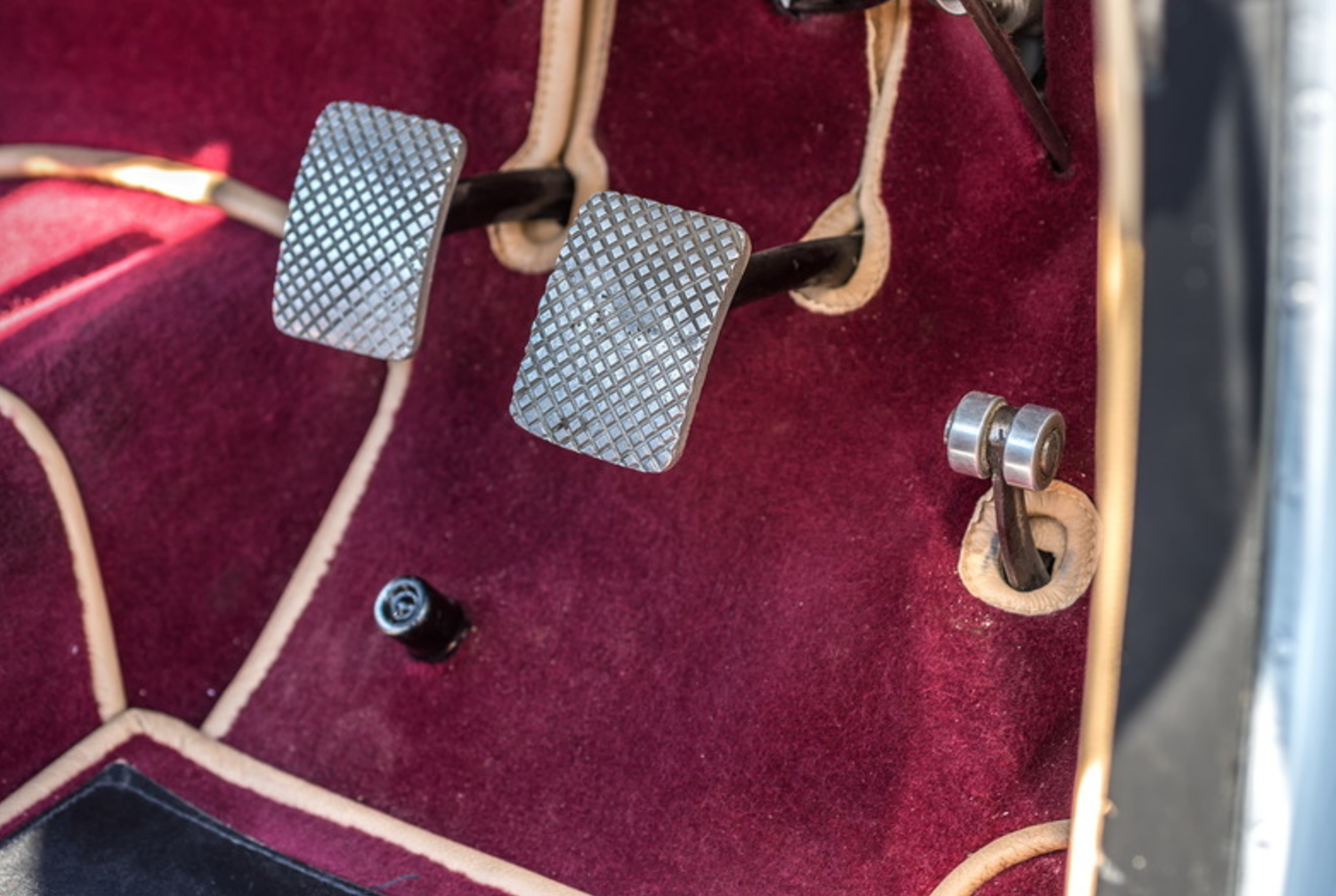
This Bugatti T57 underwent a ground up restoration and has been restored to what is believed to be its original colours of pearl with burgundy trim and carpet and pale tan upholstery. Restoration was completed in February 2015. The Bob Turnbull Charitable Trust is delighted that the Bugatti is staying in New Zealand and that as a result of these proceeds, Bob’s legacy will live on not just in the Bugatti but also through a trust he established to help potential engineering students, facilitate improvement of the social, cultural, educational, economic and spiritual lives of the community and to carry out other such charitable purposes in New Zealand.
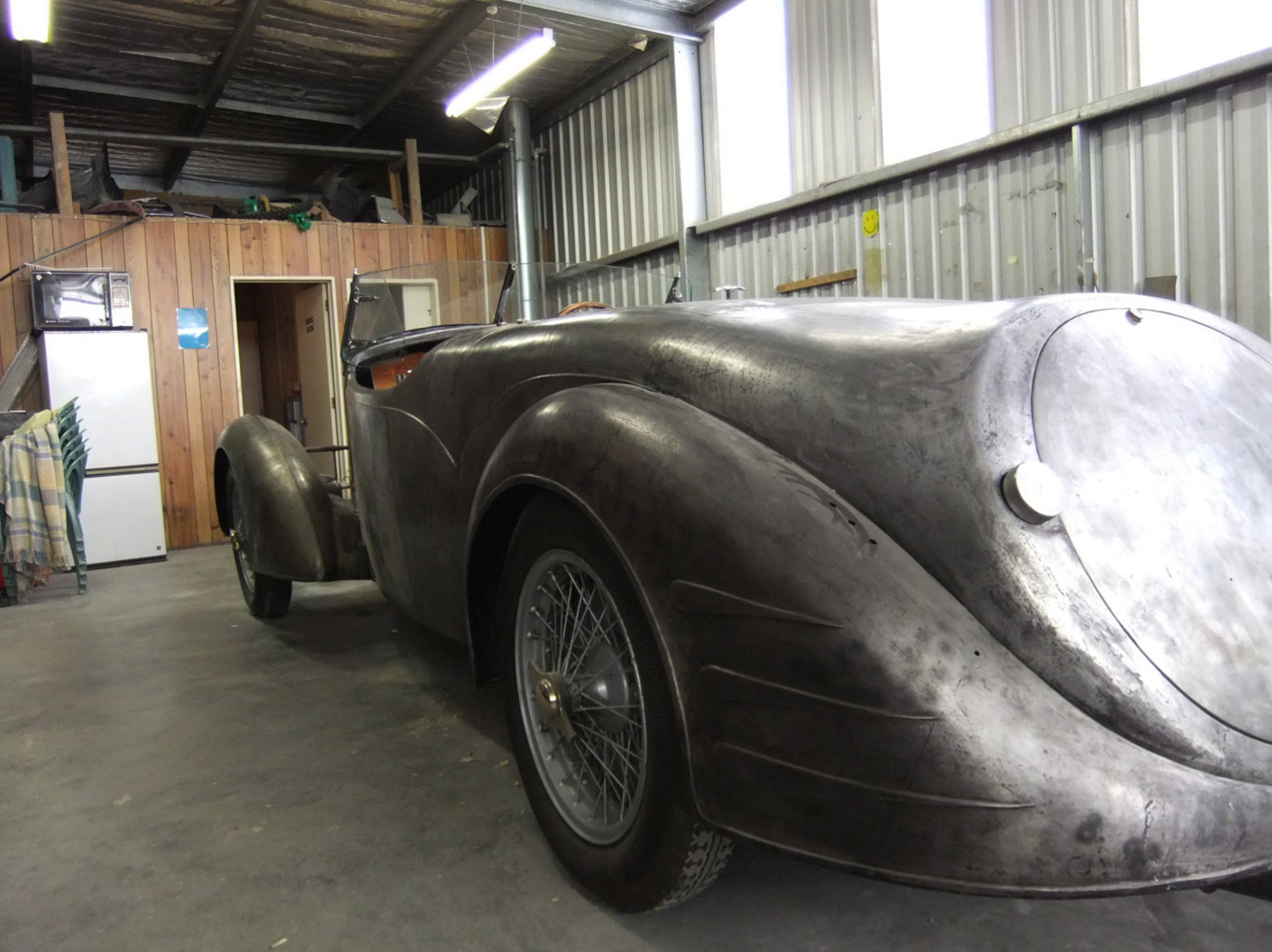
The vehicle is now under the proud ownership of Steve Lockwood, an Auckland businessman, whose intentions for the car are as noble as those of Bob Turnbull. The Bugatti will be offered on display around prominent New Zealand car museums so that all Kiwis could enjoy and learn about this unique vehicle, its provenance and the legend behind it – Bob Turnbull. Looking further afar, the car may be the subject of a book or more likely a movie about Turnbull’s Life, “New Zealand is a young country, it is a responsibility we all have to preserve our own history for our future generations!” says Steve.
This sale was managed by Waimak Classic Cars a classic car specialist based in Rangiora, North Canterbury. For further info please contact: [email protected] Tel : 033106485 Mob : 0211373776