New Zealand Classic Car goes searching for the finishing touches to a classic restoration
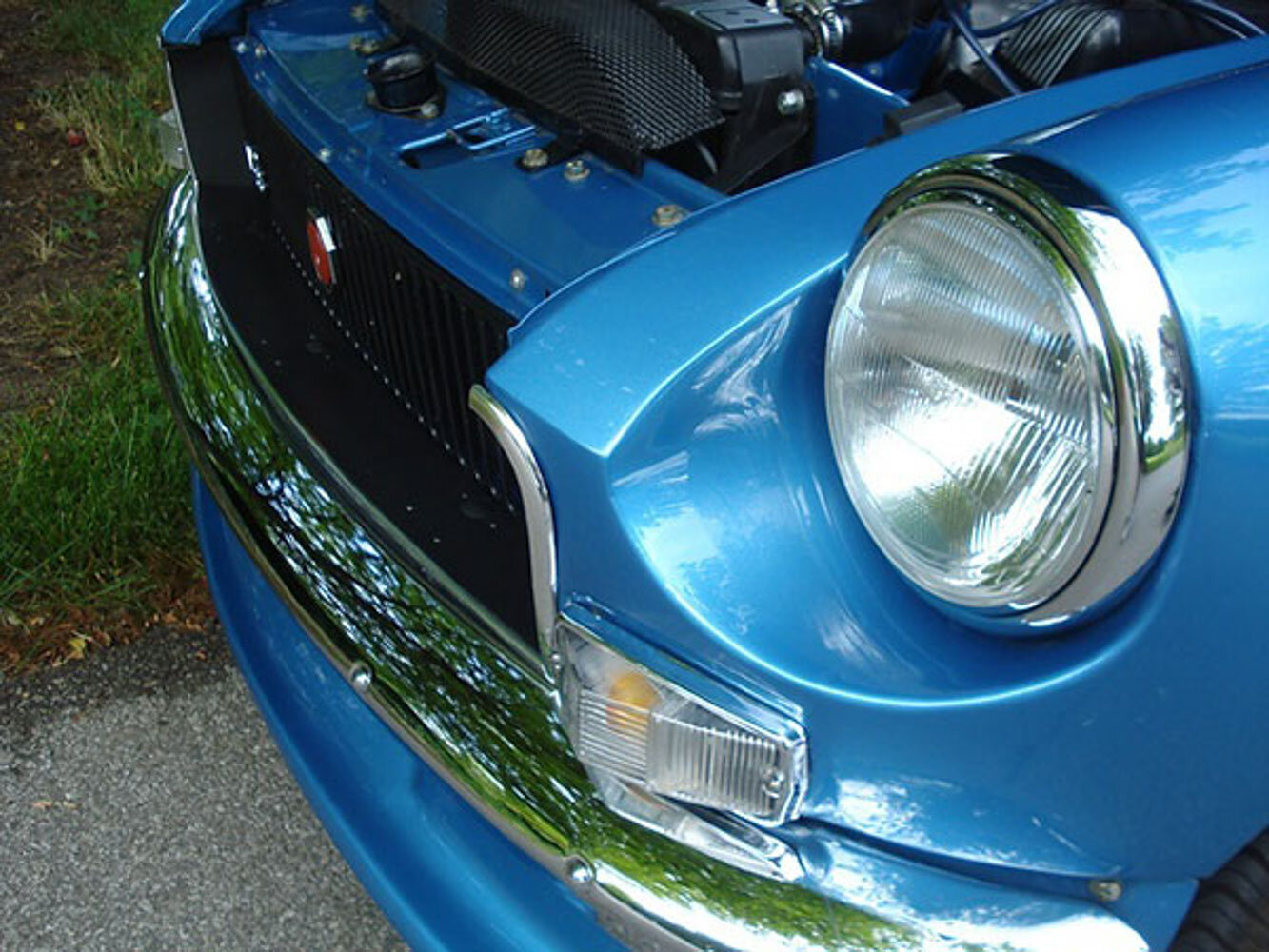
While they might seem like little jobs after a long restoration project, the final touches can involve some painstaking choices, especially if vintage parts have to be replaced with modern counterparts. When it comes to tyres, wheels, glass, and even wing mirrors, there’s often a dilemma between buying period-correct parts and modern reproductions.
Some aspects — tyres in particular — have improved significantly over the decades in a number of ways. Other final touches, such as the wing mirrors, are often altered for aesthetic purposes, but are just as important to the overall look of a car. Ultimately, the final touches need to reflect the purpose of the build. An owner aiming for a period-correct restoration is going to have different concerns to someone creating the ultimate restomod. So, here are a few things that need to be kept in mind while adding the last little garnishes to a long-term rebuild.
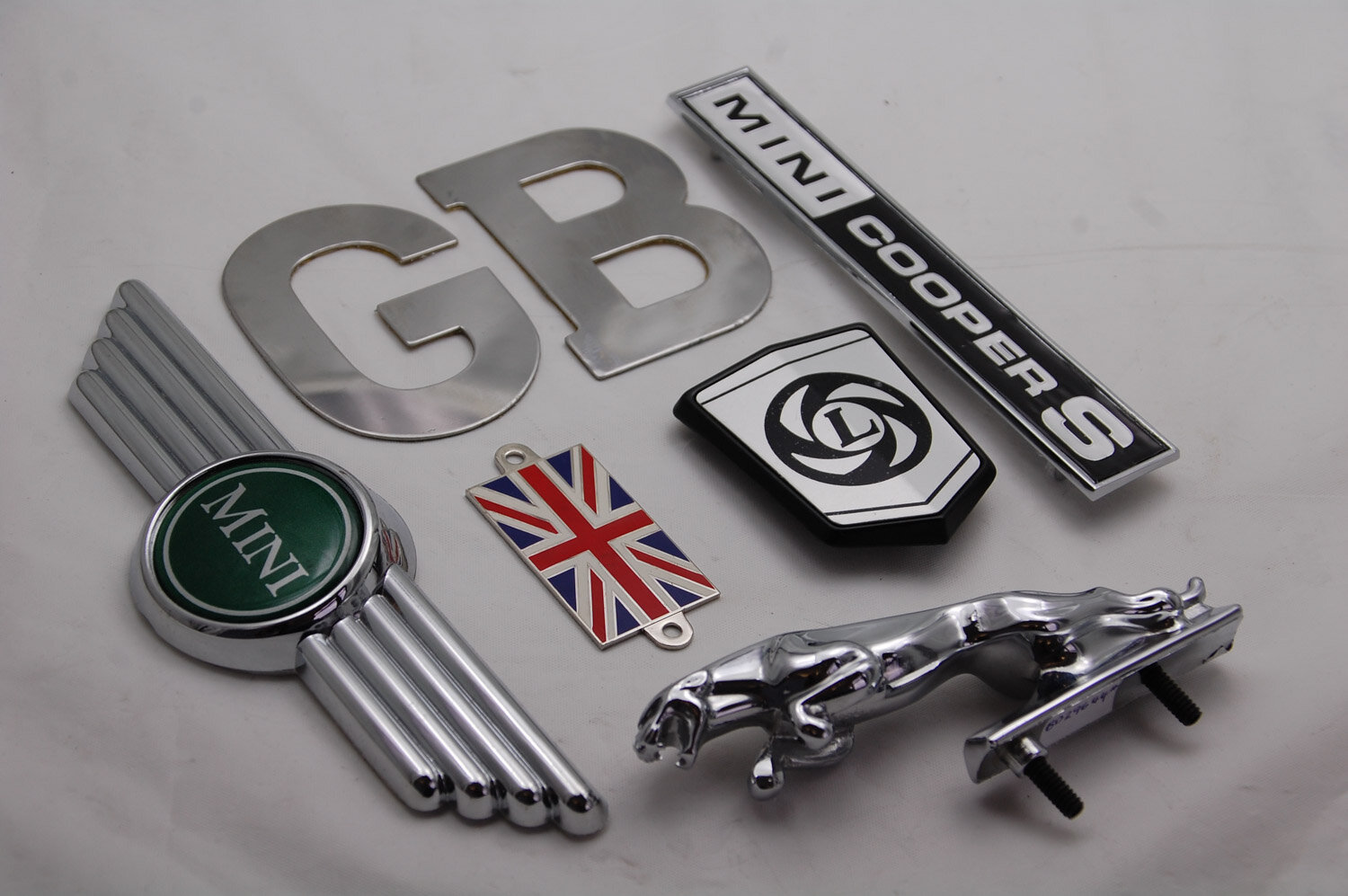
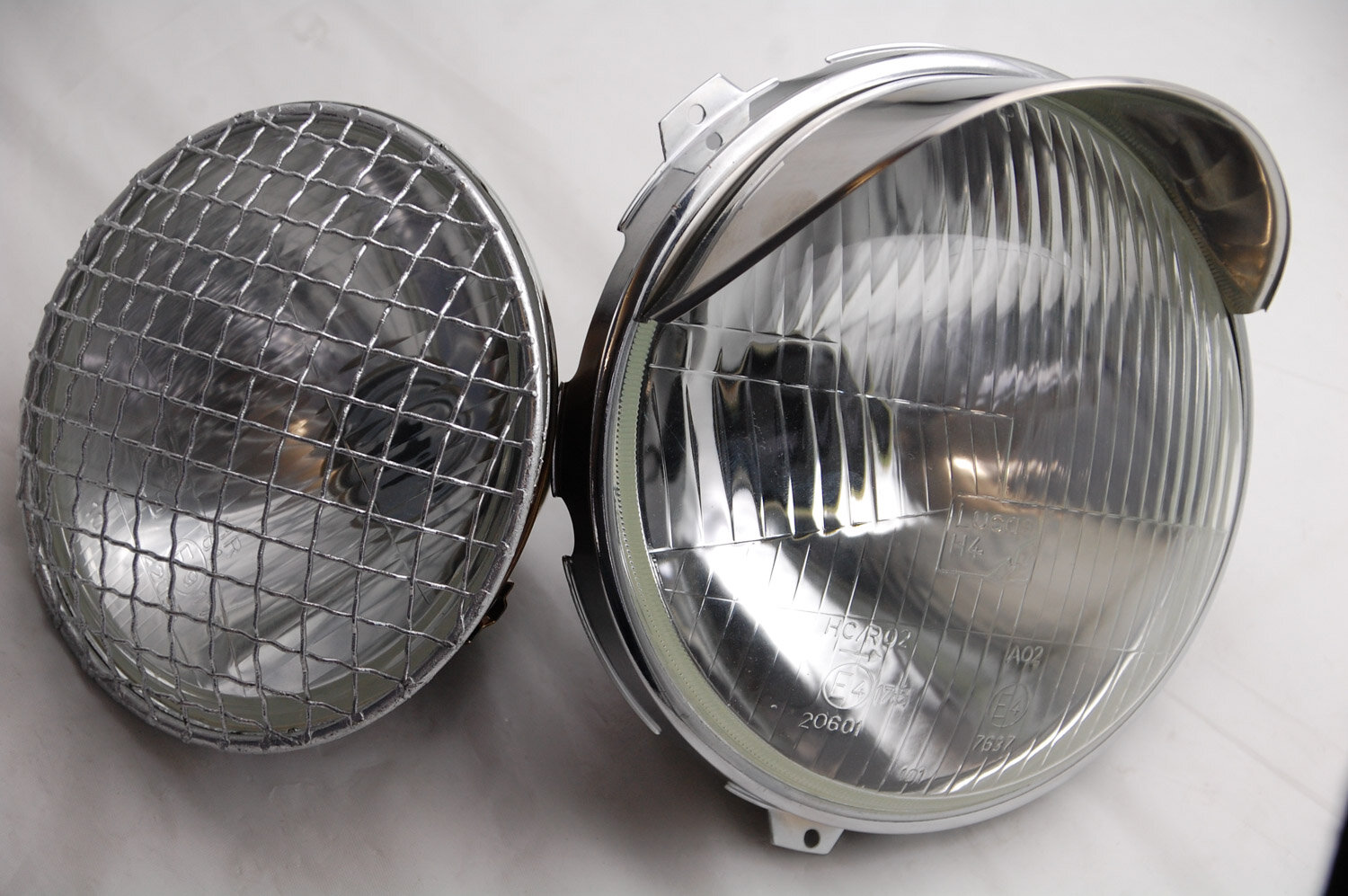
The smaller outer accessories, or brightwork, range from the essential to the cosmetic, but all have a significant effect on the way a car looks at the end of a restoration. Hawkswood Classics in Auckland is a good place to look for final touches such as badges, mirrors, and lamps. Hawkswood’s Louis Prouting says the company specializes in new parts for classic British cars, in particular, with everything from the aforementioned brightwork and service parts to high-quality upgrade kits in stock online.
“There is a high demand for these parts, largely due to the fact that we are a nation of car lovers who enjoy driving their cars — not just wrapping them up in cotton wool,” Louis explains.
This desire by Kiwis to get their machines out of garages and onto the open road means there’s a pretty constant demand for parts, happily matched by a reliable supply. Louis finds this balance results in fair prices.
this balance results in fair prices.
“Most of the parts are still quite easy to get, and we find that most of the common cars are having just about every part reproduced now,” he says. “Cost wise, it’s often much cheaper than what you’d pay for a common, modern Japanese car.”
Not only is New Zealand a country where people ensure that their cars are driven, it’s a place where people also tinker with the appearance and overall look of their vehicles. Louis finds that it’s this tinkering with the little details that most people are comfortable with, when it comes to DIY.
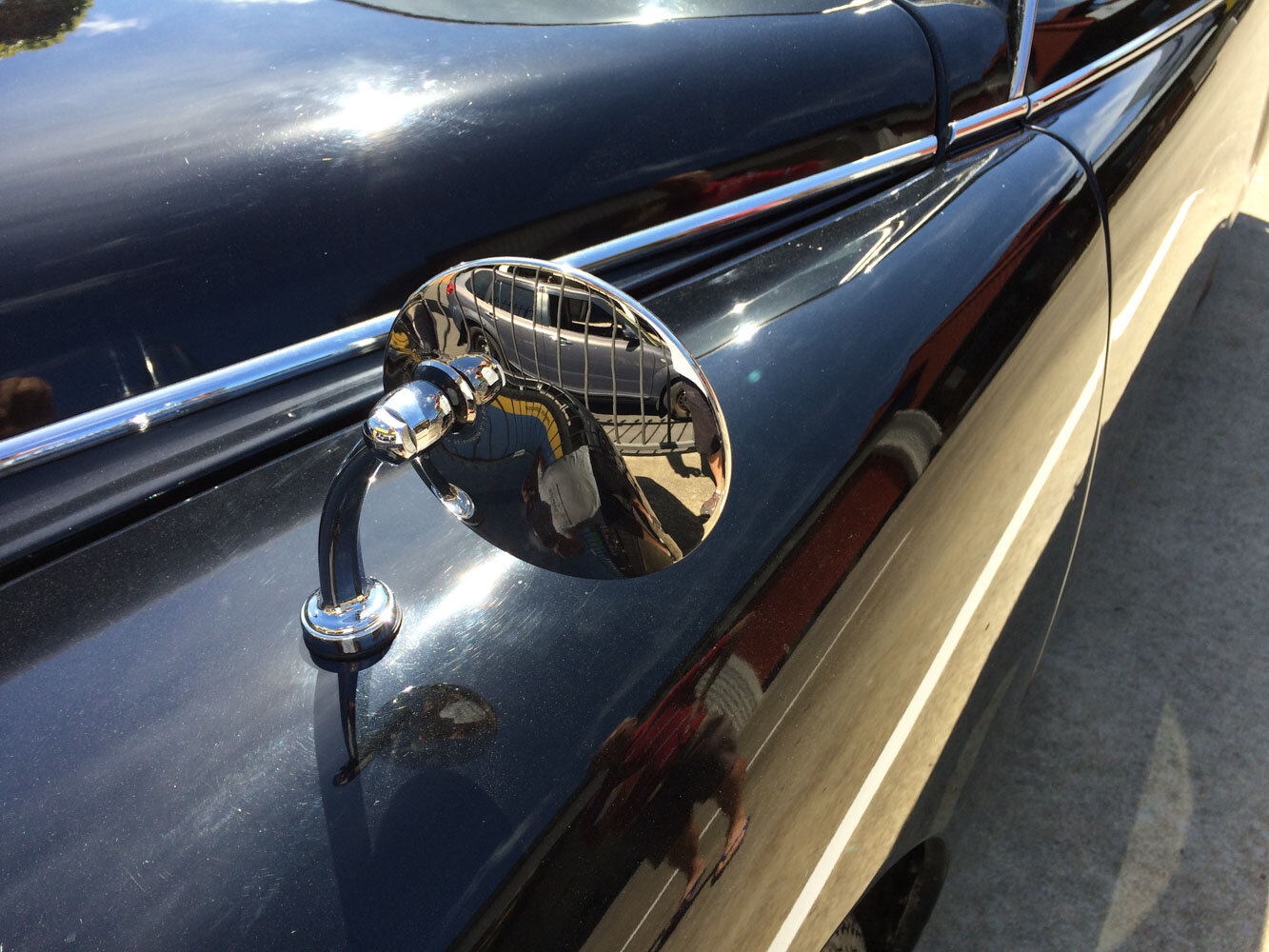
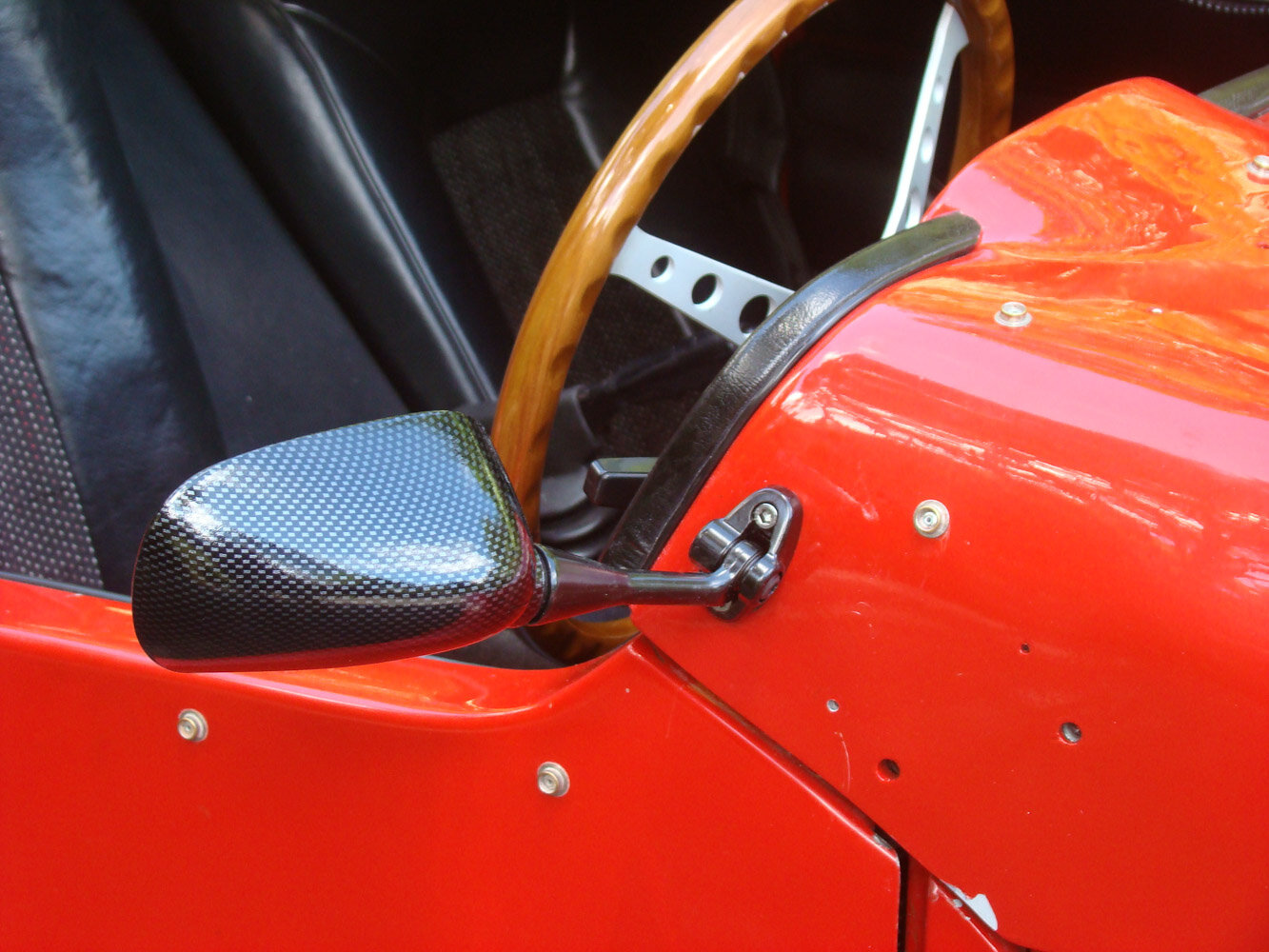
“We often find customers wanting help with the little things — from what kind of mirror they should fit to their car, to which set of points they will need. I think this is because a lot of people are only brave enough to ‘tinker’ with their cars, and will hand them over to a professional for more major work.
“We love this, though! We are all car enthusiasts, and everyone does enjoy a good bit of tinkering. There’s nothing like standing back at the end of the day and looking at the beautiful set of mirrors you’ve just fitted. That’s what it’s all about.”
Andy Simmers from Classic Car Accessories in Wanaka says it’s up to the owner but he advises there are occasions on which modern reproductions are a much better option.
“It often depends on taste but also on the budget of a customer when it comes to how faithful they want to be to sticking with OEM parts,” Andy says. “In some cases, ‘new old stock’ rubber seals and wiper blades should be avoided, as older rubber will harden and be inflexible and ineffective.
“Ignition products have also been popular for a number of years. Many owners move to electronic ignition by either replacing their old distributors or converting their points distributors by installing an ignition conversion kit.”
Louis says it’s important to think through a modern update, especially if the vehicle is going to be used often and in a range of conditions. With modern replacements being built with an authentic look and feel in many cases, they can be an excellent option for classics that aren’t cooped up in a garage.
“We often recommend upgrading a few key parts, such as brakes, cooling, suspension, and headlamps — especially on a car that sees a lot of use. We sell high-quality kits for most cars that use modern technology to help enhance the performance of these parts,” Louis explains.
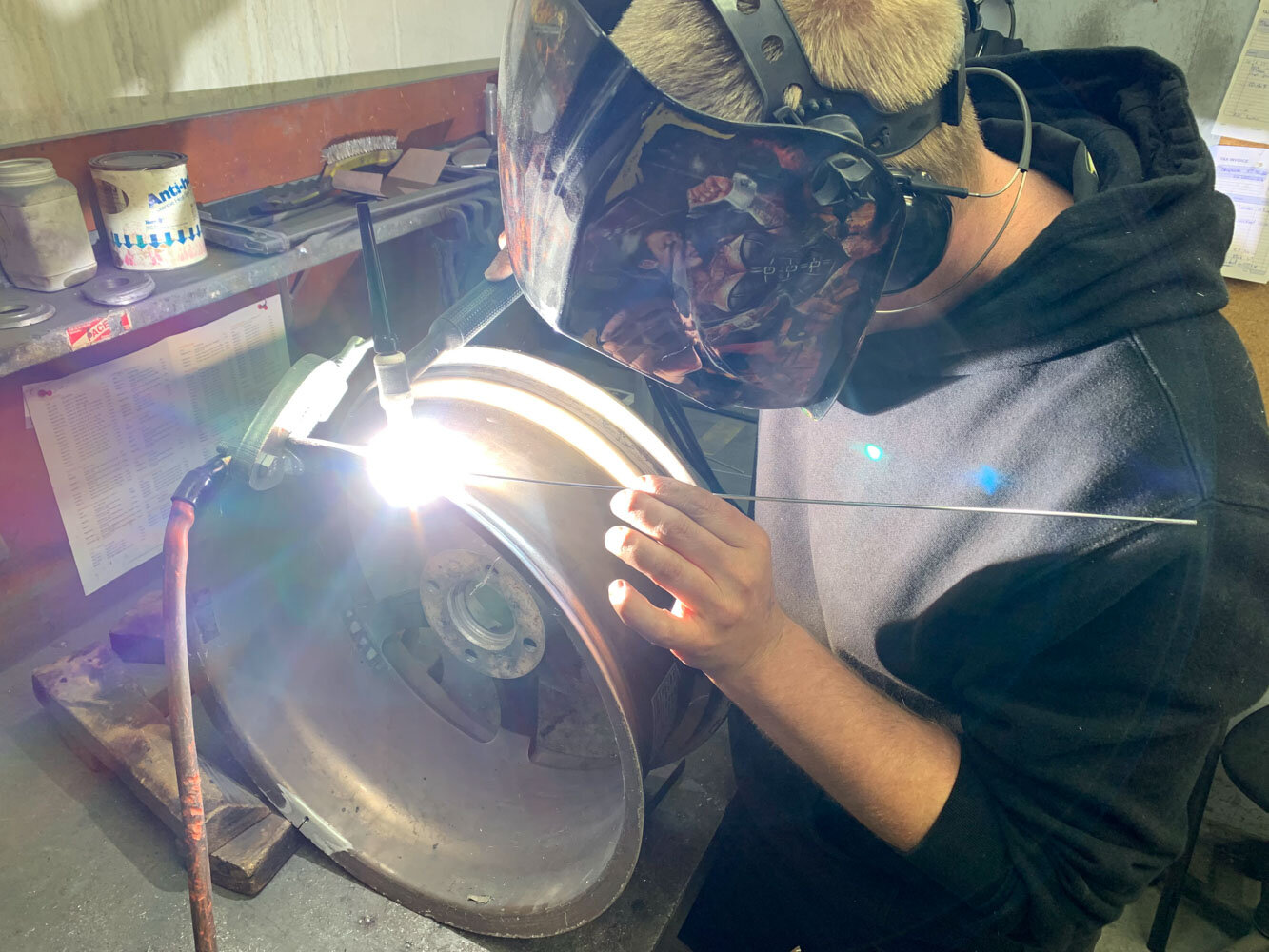
Not all exterior elements will necessarily need replacing when it comes to tidying up a vehicle. Take wheels, for example. Whether they are original items or aftermarket replacements, it’s often possible to repair damage.
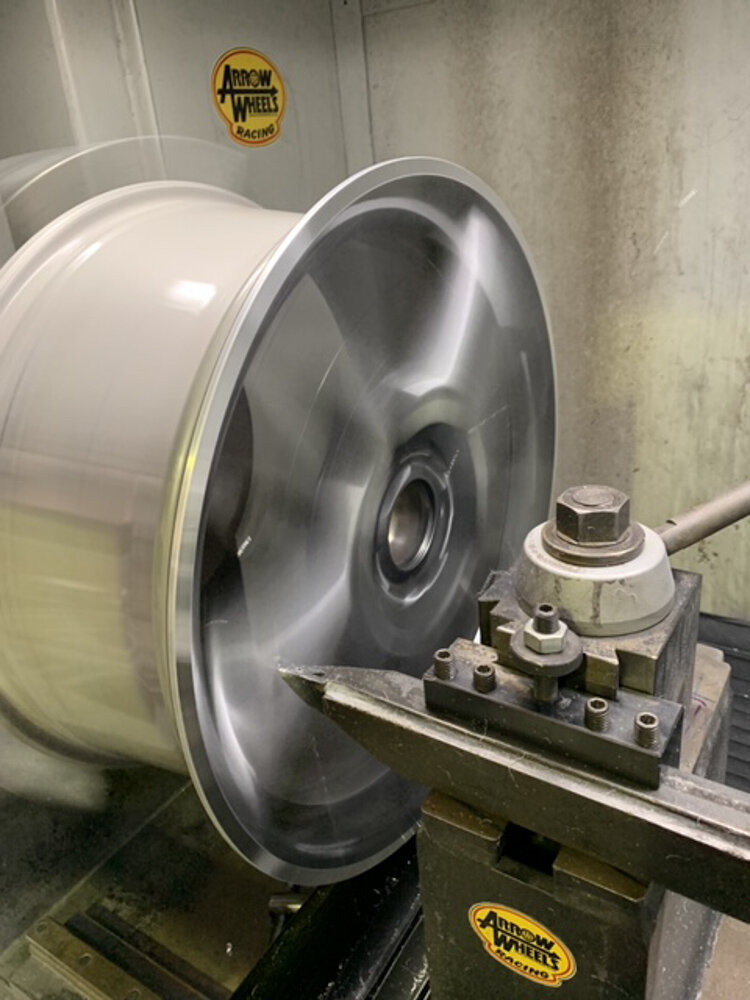
Lance Bell from Arrow Wheels in Auckland specializes in the engineering around wheels and problem solving. The shop has been running for 38 years, and is staffed by people who, Lance says, have a lot of experience within the Arrow Wheels culture.
“We can do a full refurbishment and repair on alloy, magnesium, and steel wheels, including cracks, dents, gouges, and painting the wheels,” Lance explains. “We build road and race wheels, so repairs are done in the same way. Safety is always a major factor.
“The one thing unique between classic and modern wheels is that the older wheels tend to be a lot thicker and a lot more solid. When you’re repairing, there’s some good product to work with.”
If a wheel can’t be repaired, either due to a crack or other major damage, Lance and his team make custom wheels from a range of patterns in a varied set of sizes.
“We custom manufacture three-piece modern wheels to suit any car, from 13 to 17 inches in diameter, and 3 to 18 inches in width.”
Of course, the decision to repair or replace an item is also influenced by availability. Andy notes that popular classics have significant support from retailers and manufacturers.
“The UK suppliers we’re agents for have a range of items to suit the popular model vehicles like Ford Escorts, MGBs, Jaguar E-Types, and Mk2s, etc,” he says. “If you have a less popular brand or model, it can be very difficult to get reproduction or good original parts like body panels, or engine heads and blocks.”
In the case of window glass, it can be impossible to correct scratches and pitting acquired over years of wear, so it’s often worth tracking down replacement options. Get in touch with car clubs, too. Some glass was fitted to several different cars, even from different manufacturers, so that might give you other options. If you are doing new glass, new seals should surely be on the purchase list.
Replacing screens can open the door to some other worthwhile modern kit. Older cars can benefit from heated-screen options or electric wiper motors to replace the vacuum type. Driving uphill can slow vacuum-powered wipers almost to a halt. Both upgrades are worthwhile safety improvements.
While some people will say “Don’t sweat the little things,” these final small stages — from mirrors to tyres to glass — can have a big impact on a final restoration. It’s not all about presentation. Modern additions improving performance, reliability, and comfort can all add to the joy you get from using your newly restored classic.
As always, by having the right idea and taking the time to listen to experts and consider the options they offer, there’s plenty of opportunity to ensure that the final touches are the some of the most valuable.