I have attended nearly every Ellerslie Intermarque Concours d’Elegance and Classic Car Show since my birth. I’m not that old so it may not seem to be a huge achievement, but I assure you it feels like I’ve been a part of it all for a lifetime. My father used to take my brother and me along to the events and we would gaze at the cars that he’d previously told us all about. Some of which we had models or posters of, and some we never thought we would see in the flesh. I remember seeing a set of 8-Series BMWs and thinking how incredible the design was. I would see the new Lotus Elise and be amazed at how a tiny package could outperform greats. It was Concours that kept me coming back, and kept me enthused every year to go to ‘that show with the best cars’. This year, movie cars was the theme, and it had me excited.
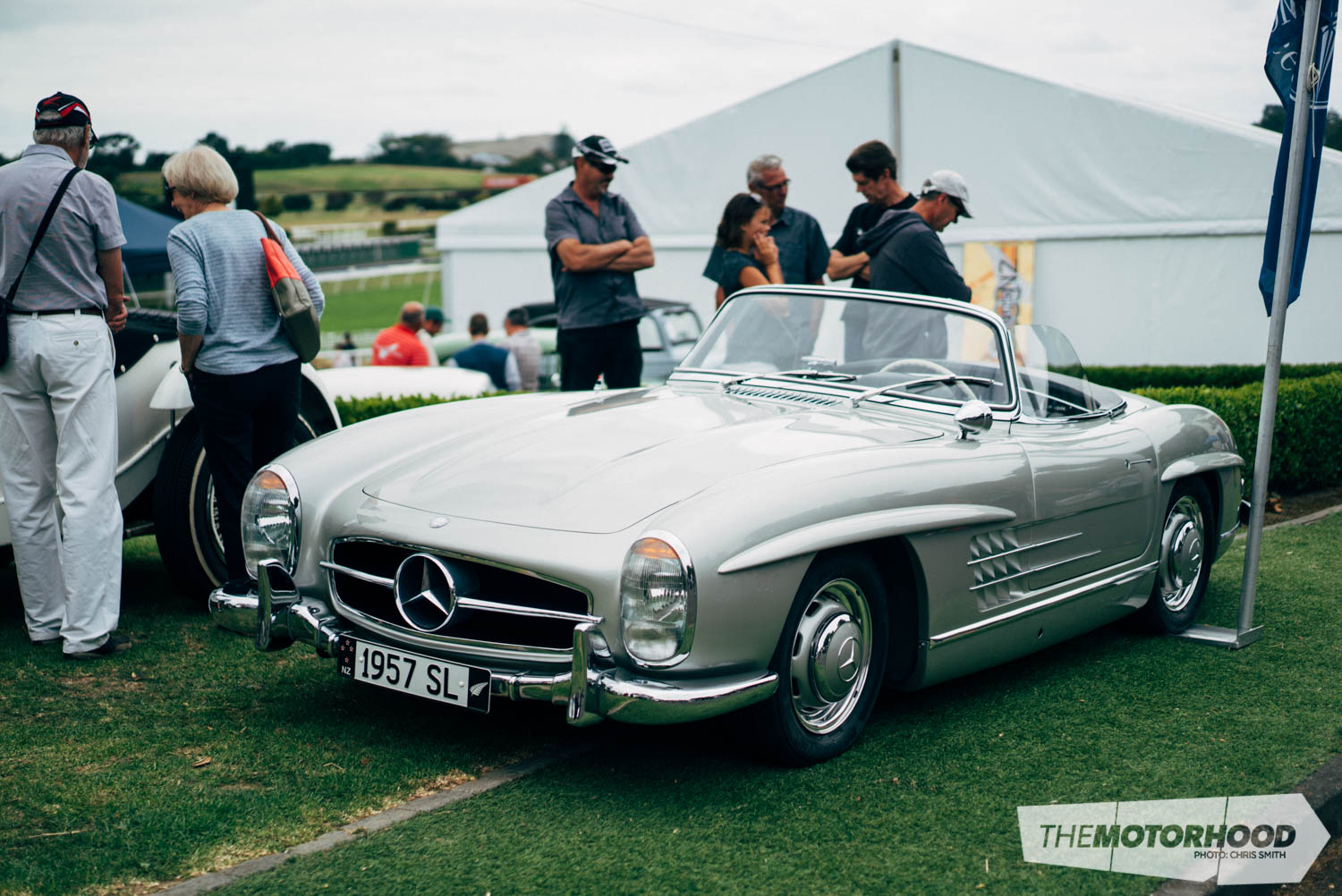
In the early days of going to Concours I couldn’t really tell you what most of these cars were. It was a process of remembering certain elements and parts that made them noticeable. I could sit and gaze at a car and realize that it was the one my dad had as a model, much like the 300SL in the photo above.
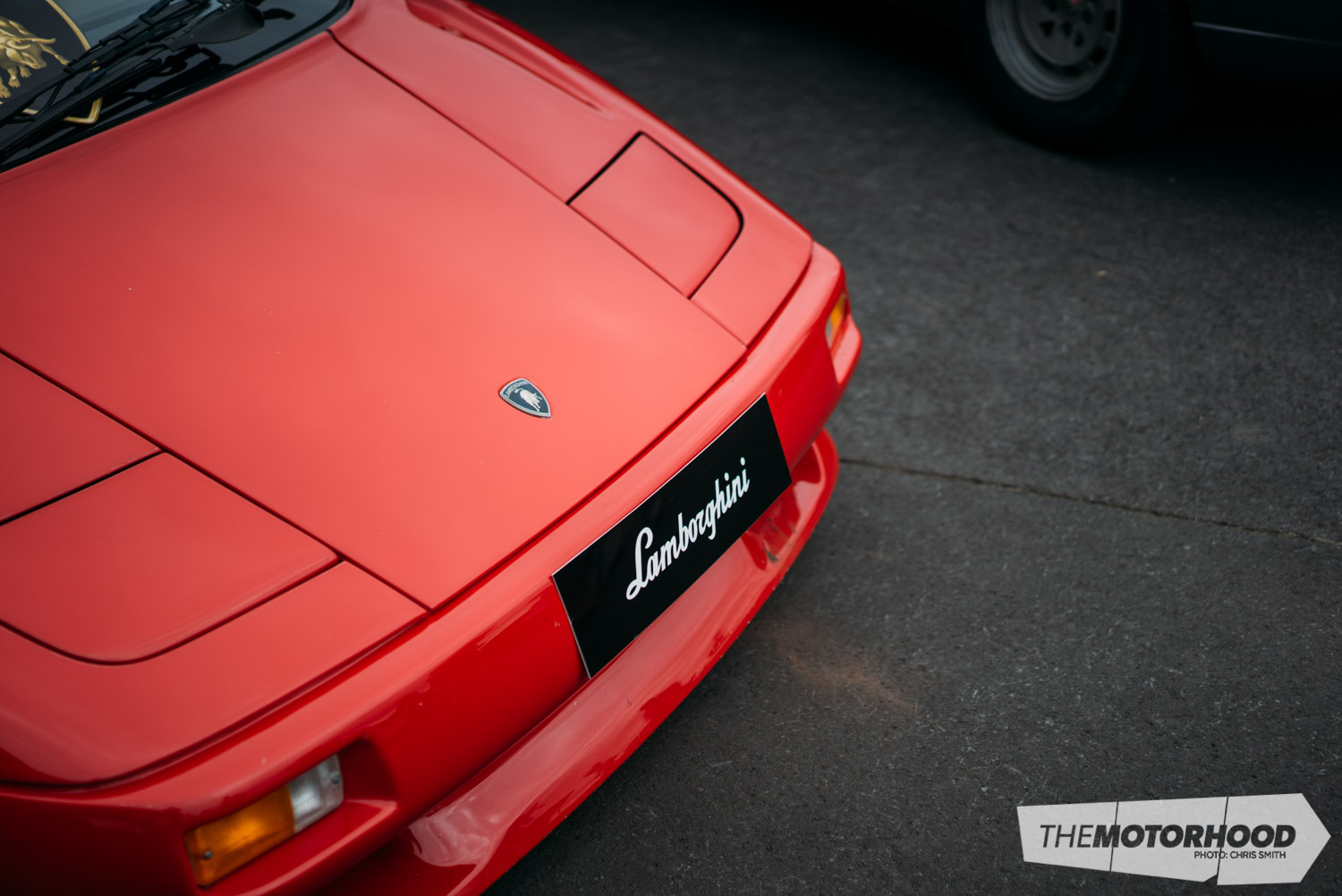
I think I built one of these Lamborghinis as a kid. I used to buy the model kits, put them together, and recreate the cars that I had learnt about in books. Concours as a whole serves as a trigger for nostalgia for myself and no doubt many others.
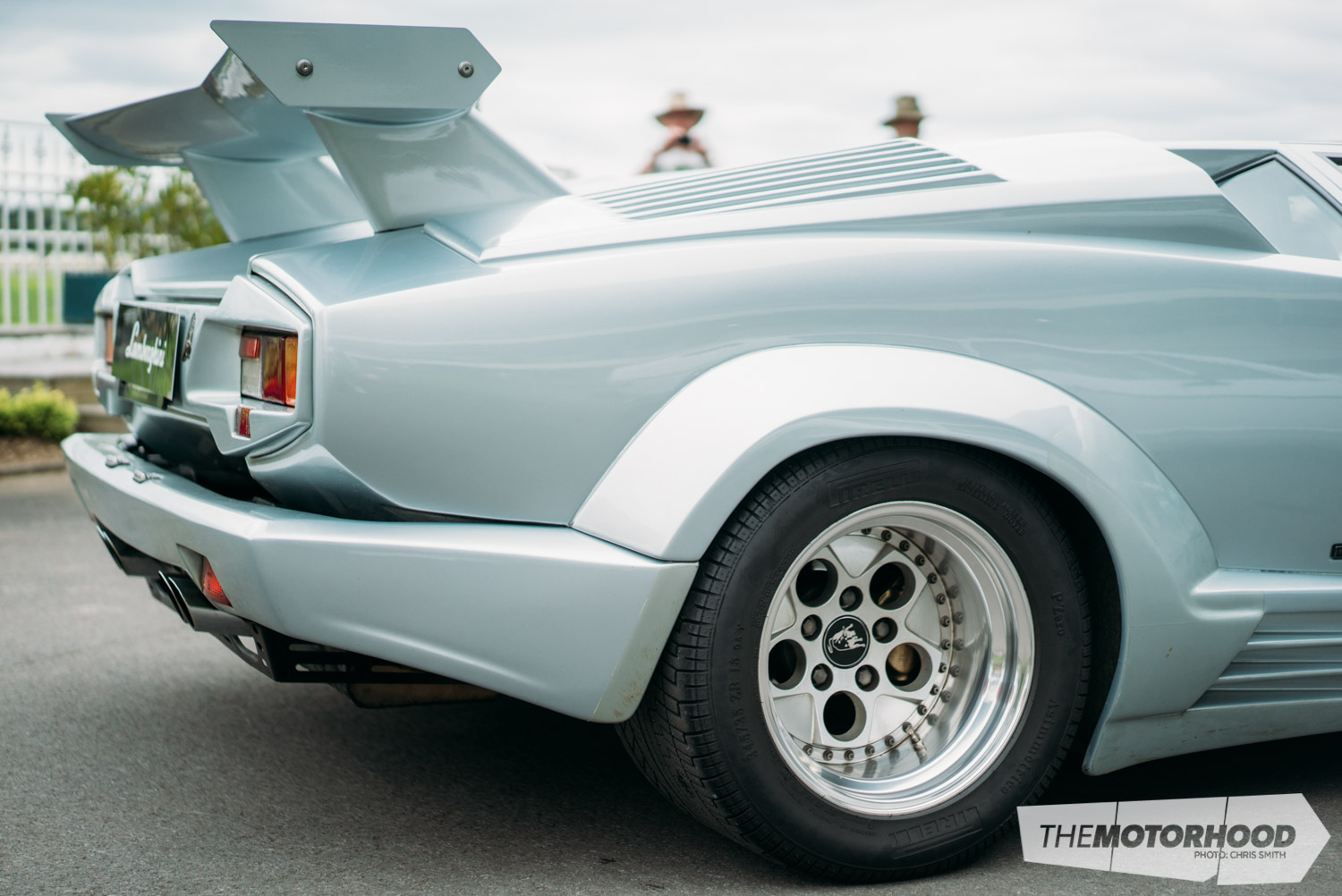
Nowadays, I’m more obsessed with seeing three-piece wheels like these, and how they’re fitted and made to work with the car. This model is the 25th anniversary edition of the Lamborghini Countach — and only 657 were ever made. I still feel that the Diablo and the Countach are two of Lamborghini’s best-looking cars, and they perfectly sum up the times in which they were built.
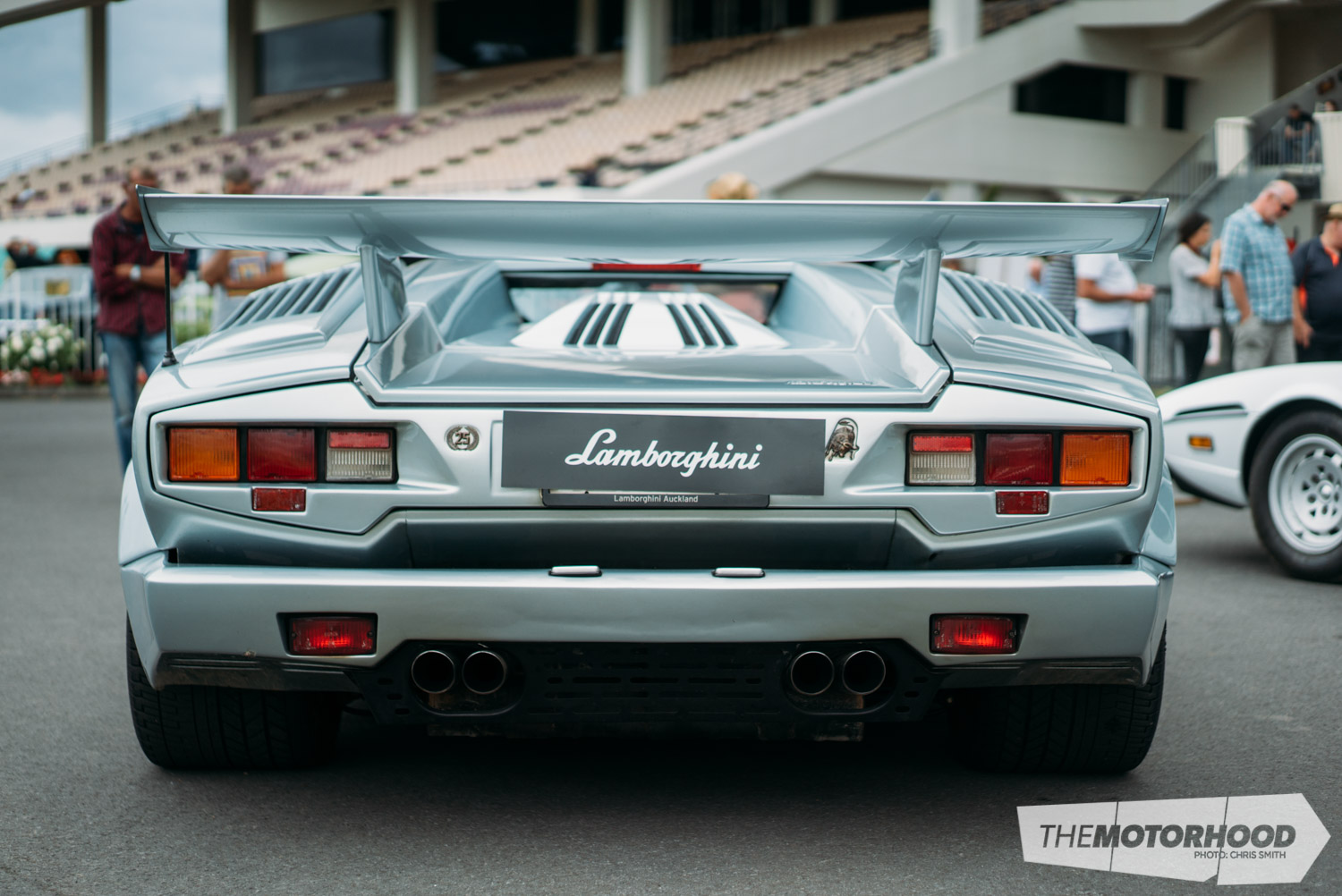
With that era being associated with yuppies and the ’80s culture, it’s no wonder the movie theme was carried across to the Lamborghini section. Sadly, a real 25th anniversary Countach was used in The Wolf of Wall Street film. I say sadly because they crashed the front end in one of the scenes.
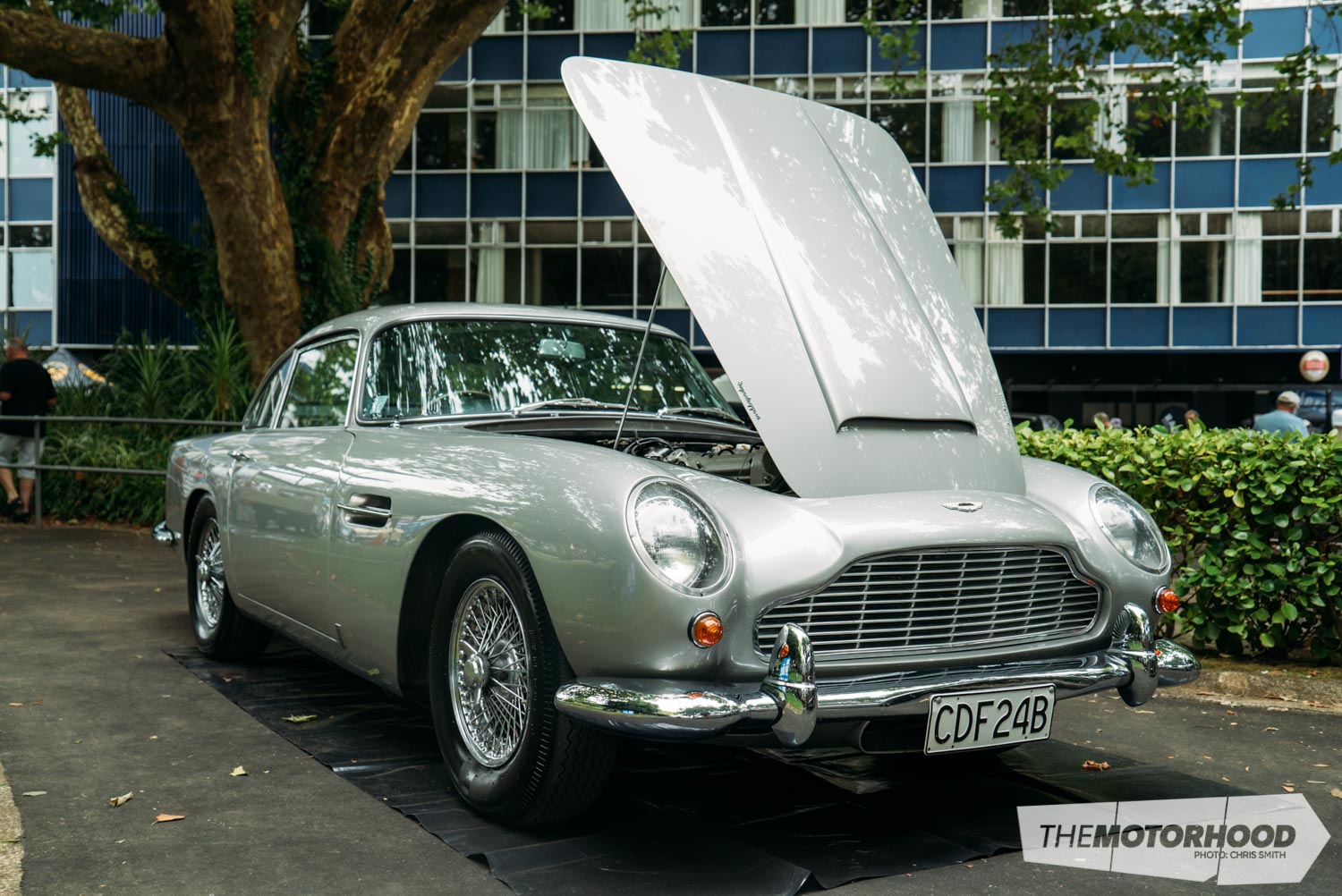
This 1964 DB5 Superleggera is much like the car that featured in the James Bond film Goldfinger. The DB5 has always been a true collector’s piece, with some going as far as stealing the James Bond prototype car, which has never been seen again.
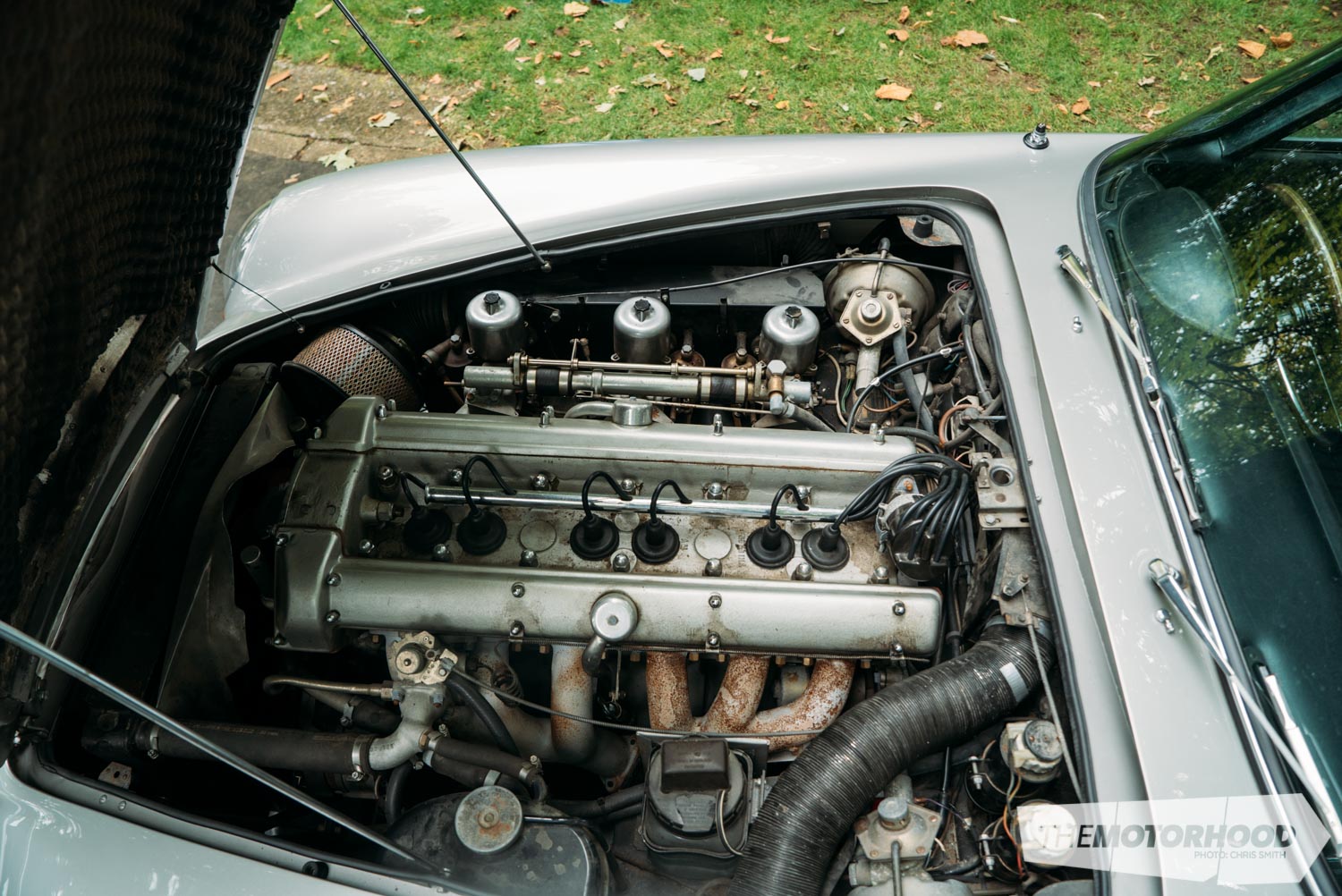
This car however was not like the stolen Bond car. This car is a survivor, and rightfully so. I’m unsure on the history and how it ended up this way, but to say that the car looks untouched would be an understatement. It’s nice to see a car that is still in amazing condition and hasn’t (yet) undergone the treatment that many of the others have.
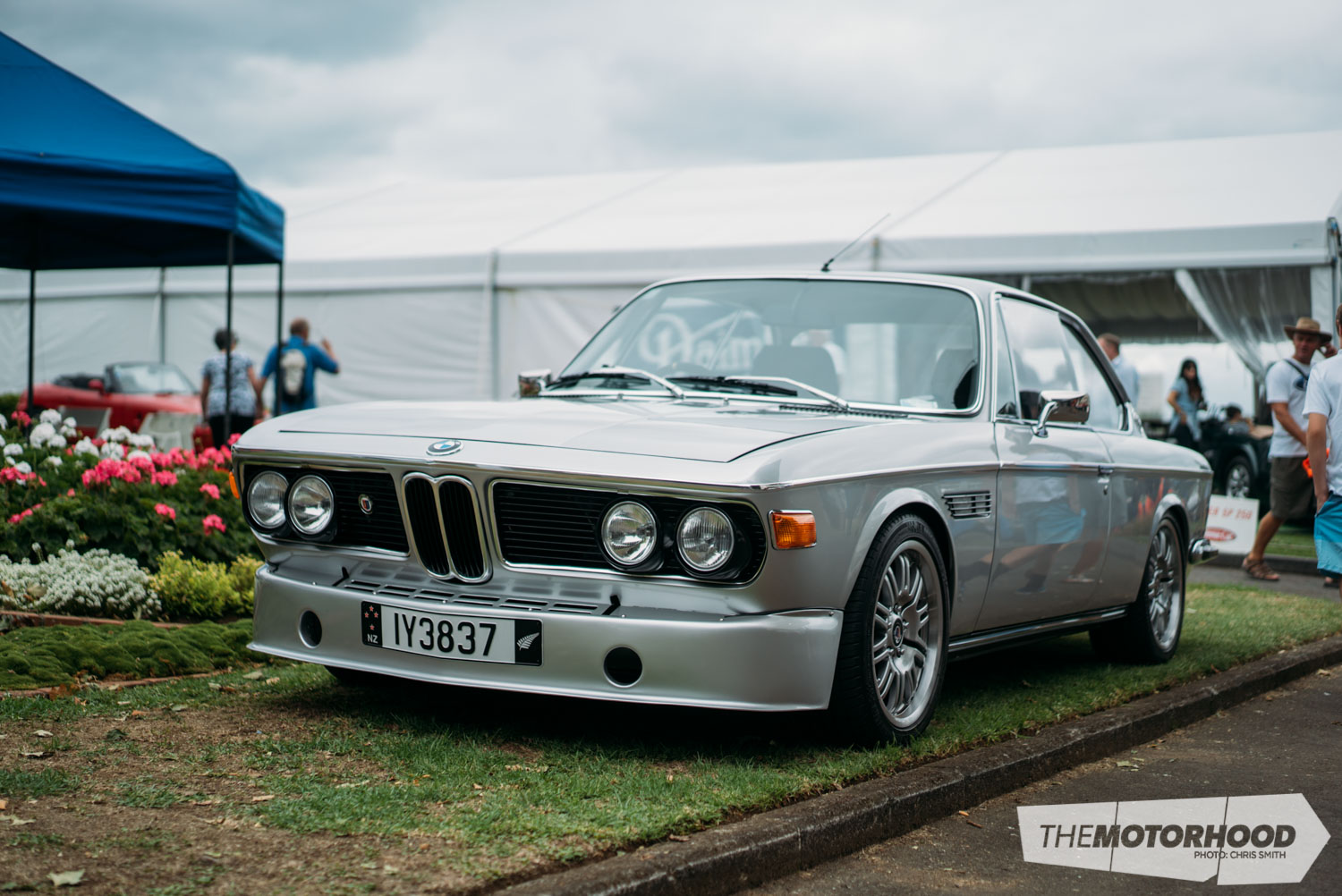
An all-time classic, and one that shocked the racing world in its ‘Batmobile’ form, the BMW 3.0CSL is a car that shows the best of an era, and is possibly one of BMW’s best design efforts. Many would love to see the car recreated for a modern day anecdote, but there’s something timeless about the car that could never be replicated.
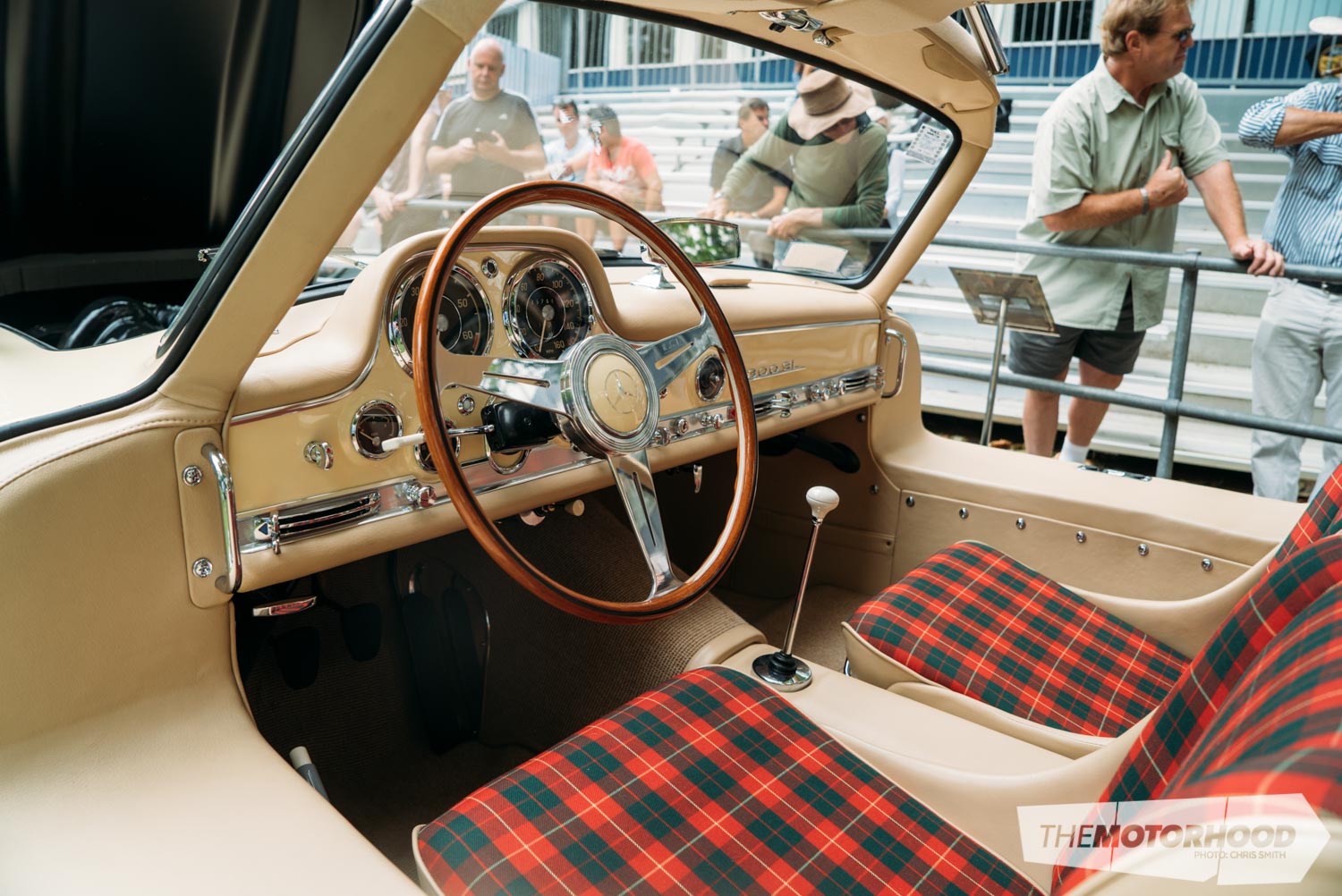
The dear in deer. I dare say that this car is possibly one of the nicest cars in the country, let alone this part of the world. Stitched in deer leather, the interior is as smooth and creamy as the matching exterior. It’s incredible to see a masterpiece come alive to the extent that it must be insured as an art piece rather than a car.
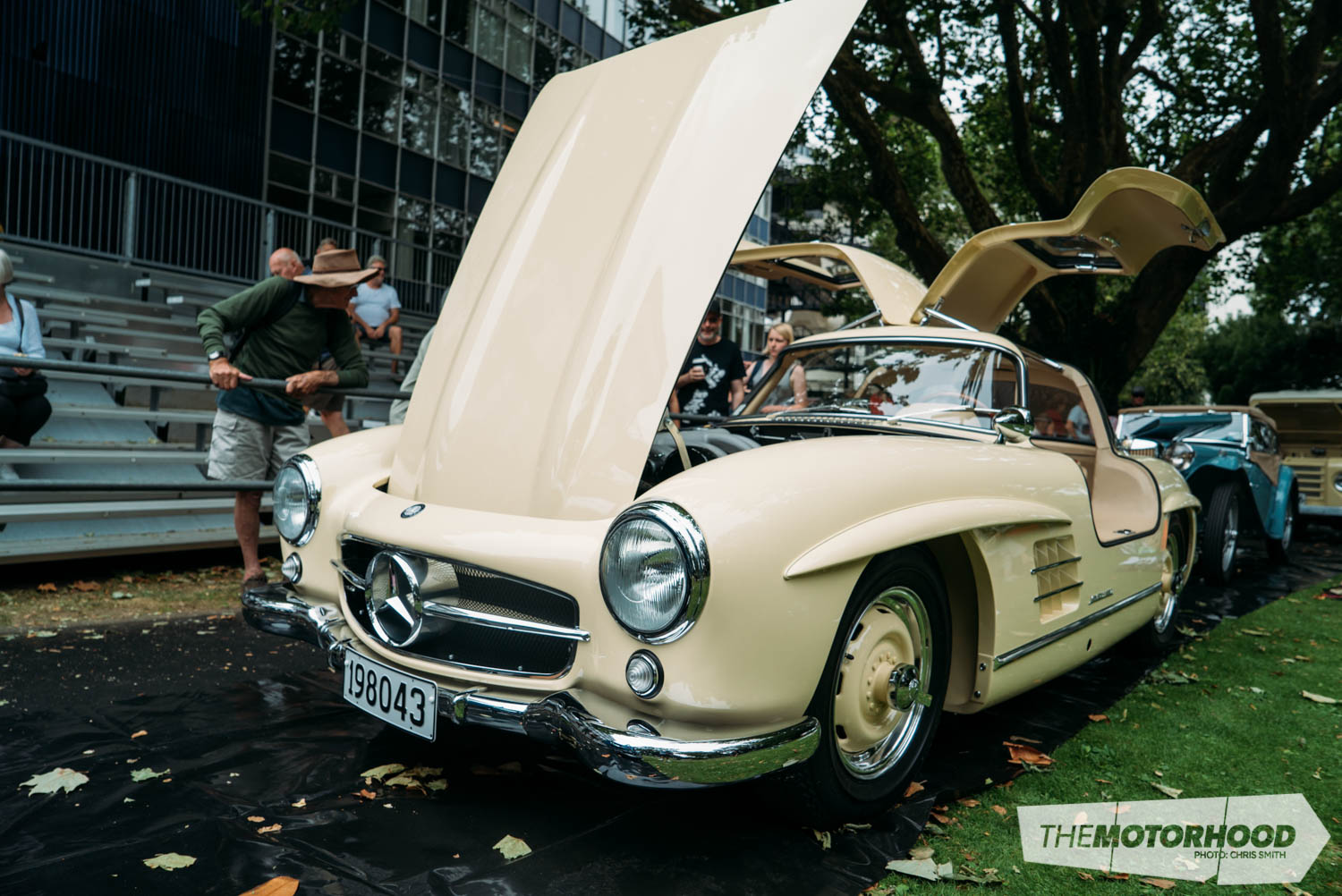
Much like that of a rare bird, the car is nearly extinct. There were only 29 made in the first place, and the alloy-body Mercedes Benz 300SL seen above has been restored back to its original look — tartan interior and all. It’s not known how many alloy bodies are left but with only 29 starters, one can only hope that many are being kept as well as the one above.
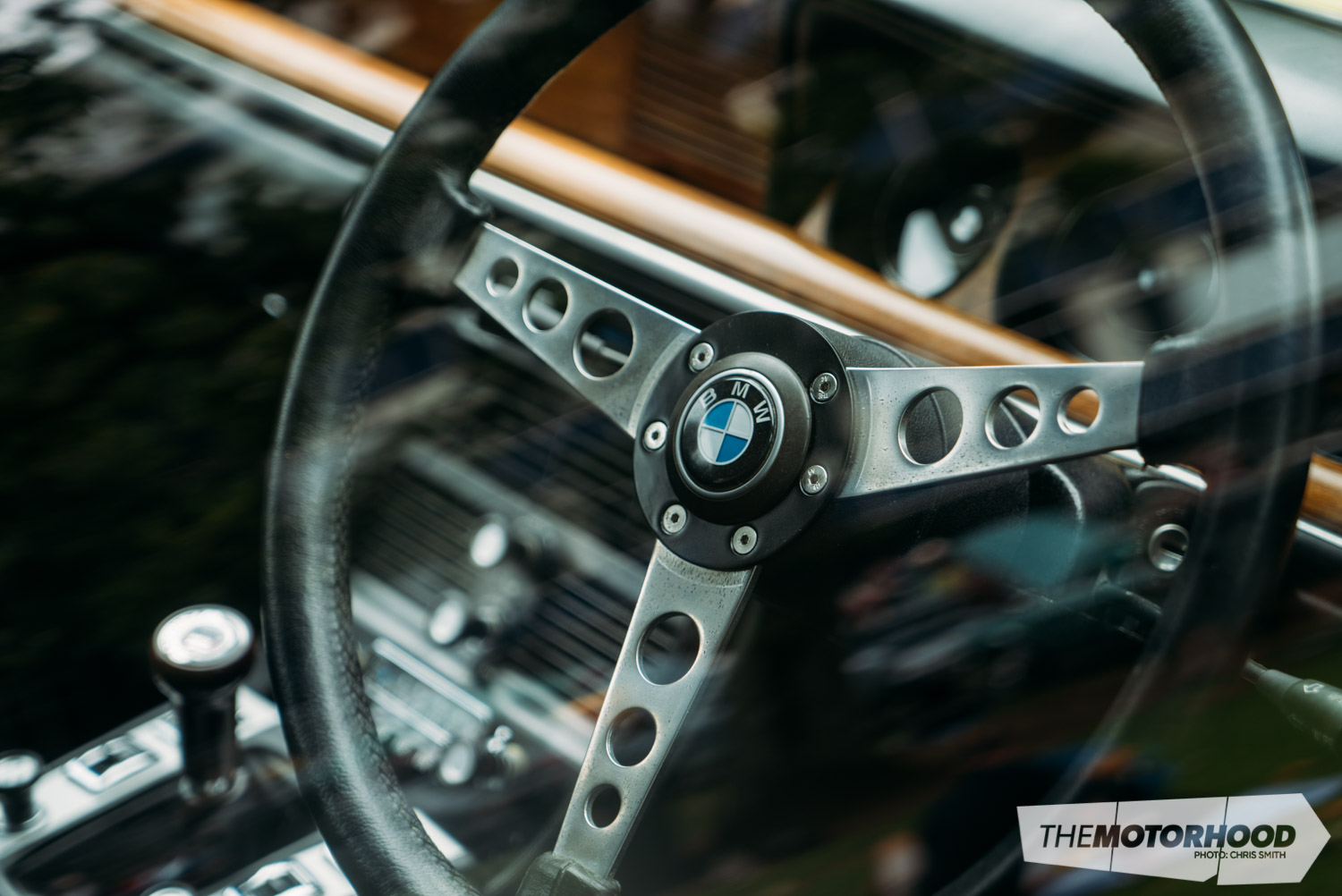
Taking a step forward towards the cars, the interior of these rides needs to be mentioned. The steering wheel of a BMW 3.0CSL can be used as an example of taste and clarity when it comes to the design aesthetic of a ’70s BMW. The wheel is very simple and yet so timeless, much like the exterior of the car.
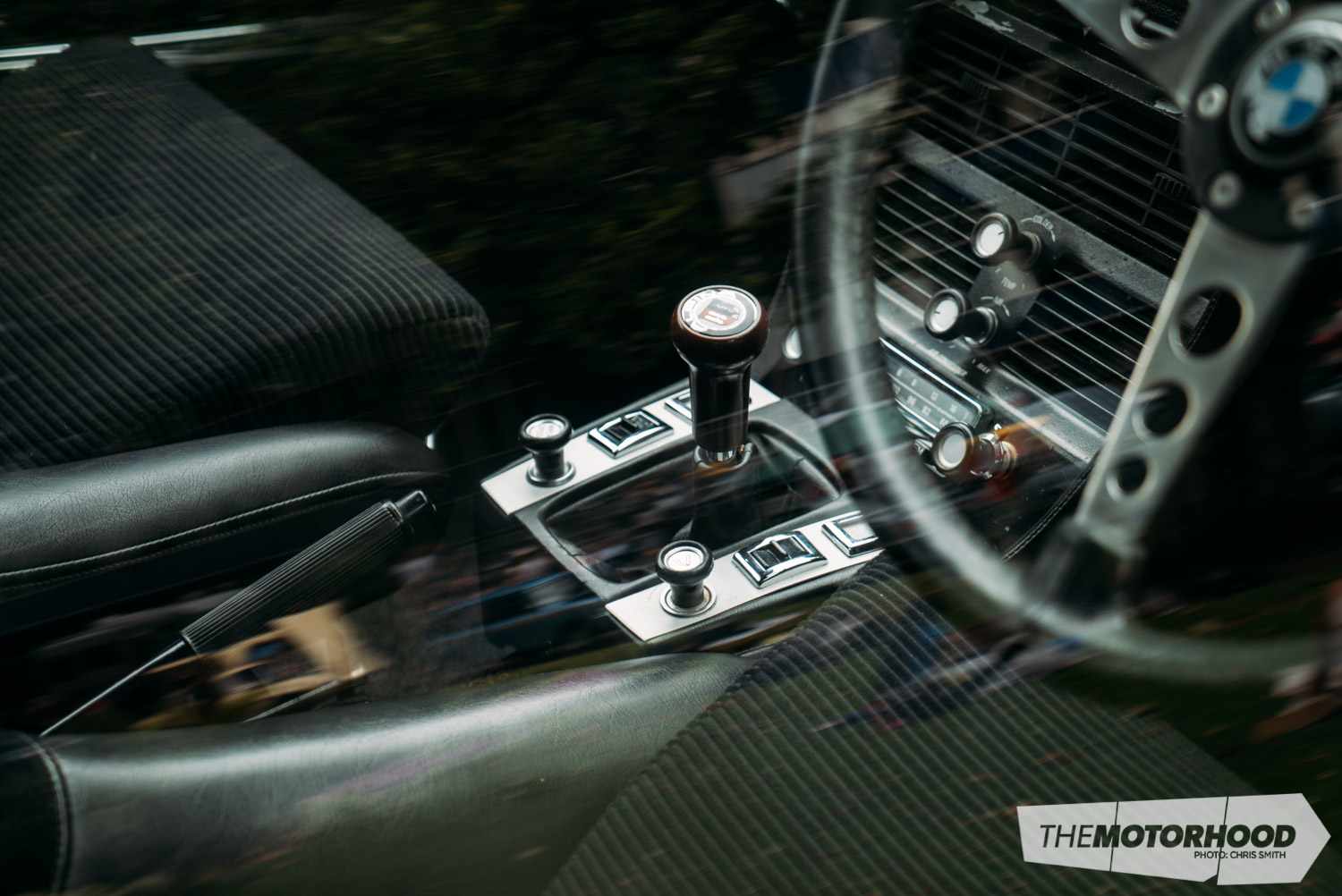
I’d go so far as to say that it’s sad that we’ve progressed away from such designs and onto more plastic, complicated digital styles. You simply can’t deny the power of the simplistic ’70s dash design that was produced throughout many countries and seen in many styles of cars. The BMW 3.0CSL had an interior that is still relevant yet is on a whole other level.
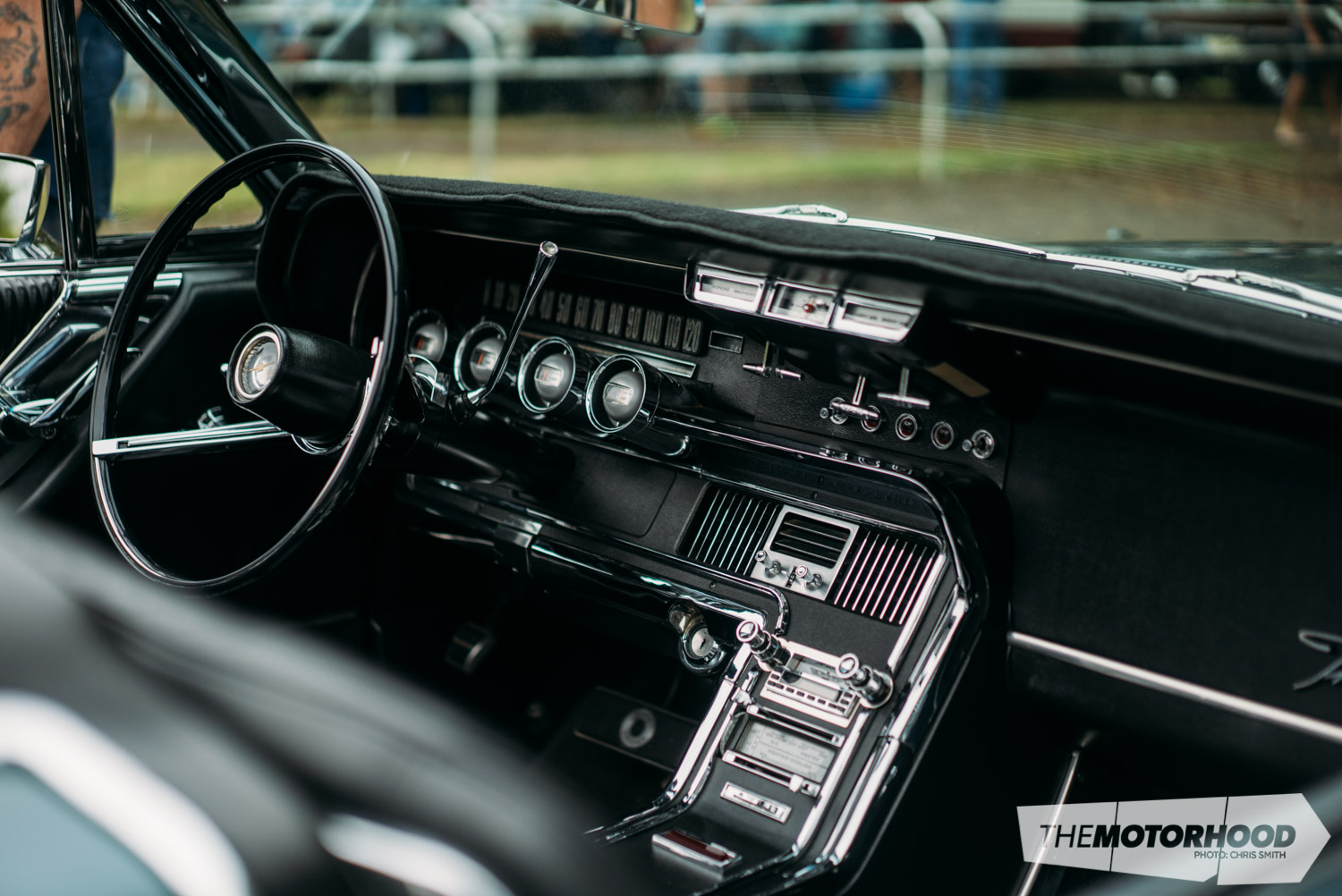
We can jump back 10 years prior to see how much has evolved and changed since the release of the 3.0CSL and its design styling. The effort that goes into maintaining these cars is simply incredible. One would find it hard to believe it didn’t roll straight off the factory line.
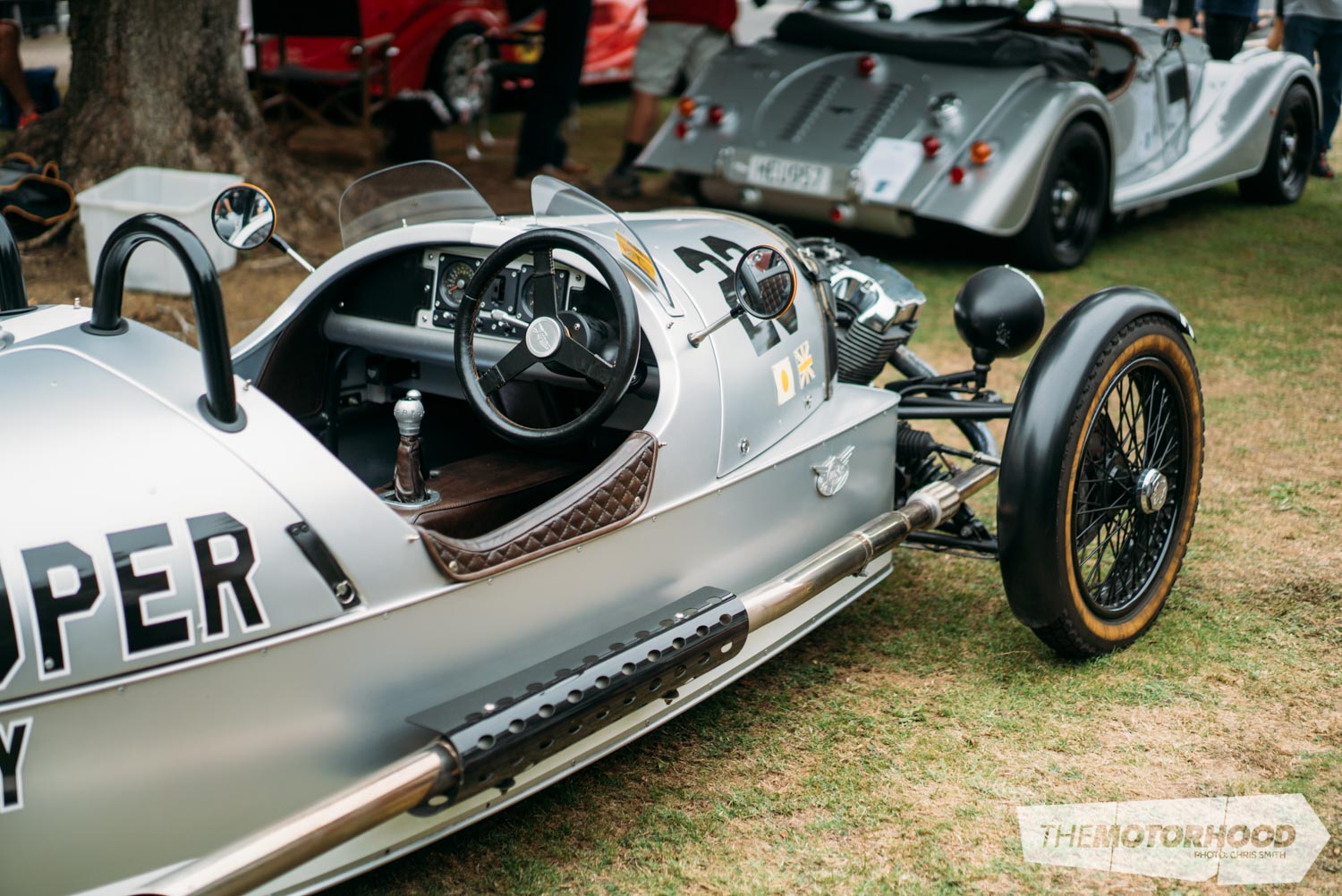
But where am I going with all of this? The Morgan. The one car manufacturer that stuck to its roots and has continued manufacturing cars out of wood for a little over 100 years. An odd, but awesome, collaboration happened between English clothing brand Superdry and Morgan in order to create this momentous three-wheeler. The gear knob and steering wheel both contain excerpts of Superdry branding.
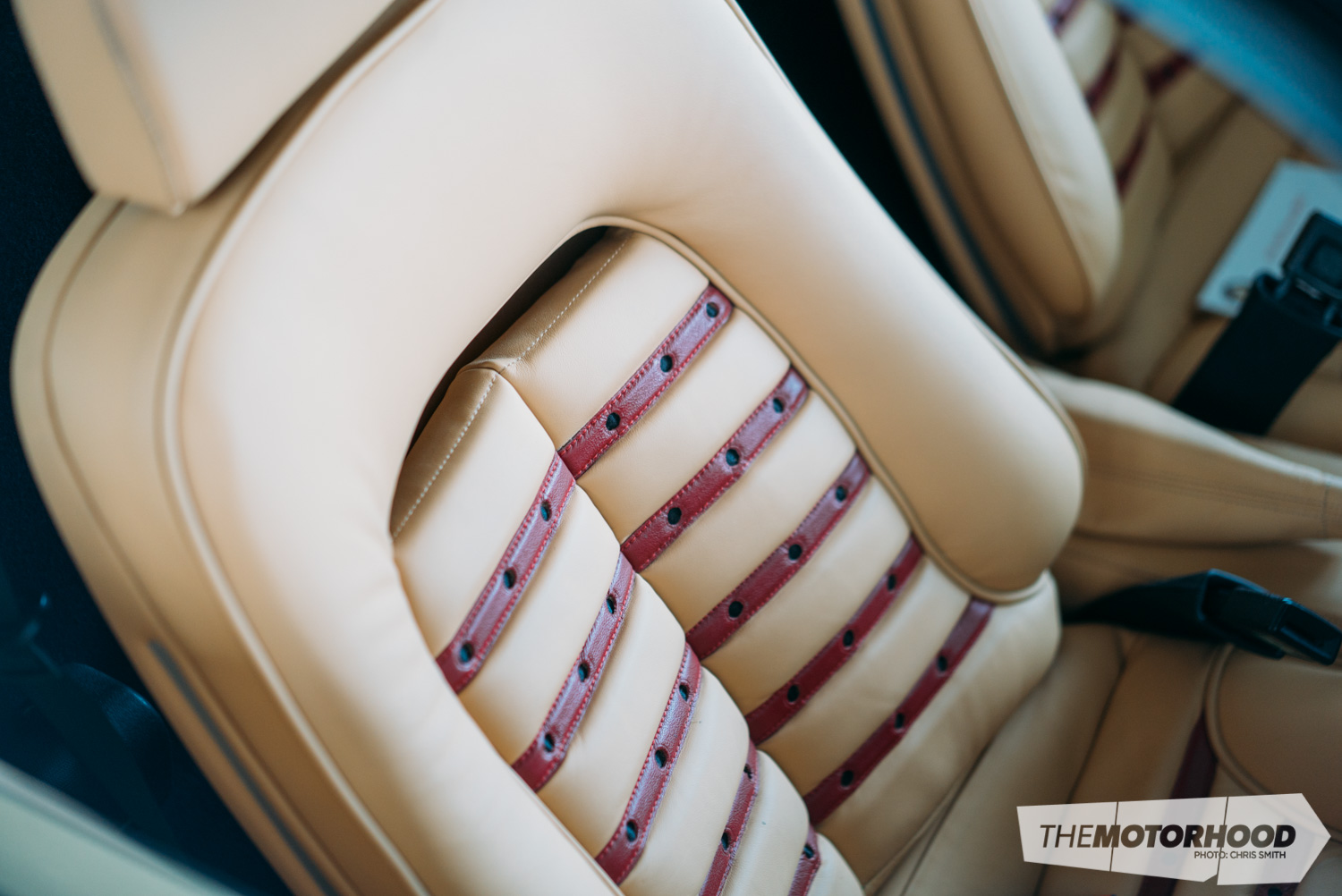
Dapper springs to mind when looking at the interior of a perfect classic such as a Ferrari. The simple eluded touches of red leather mix well with the beige leather to create a subtle, yet dapper, combination.
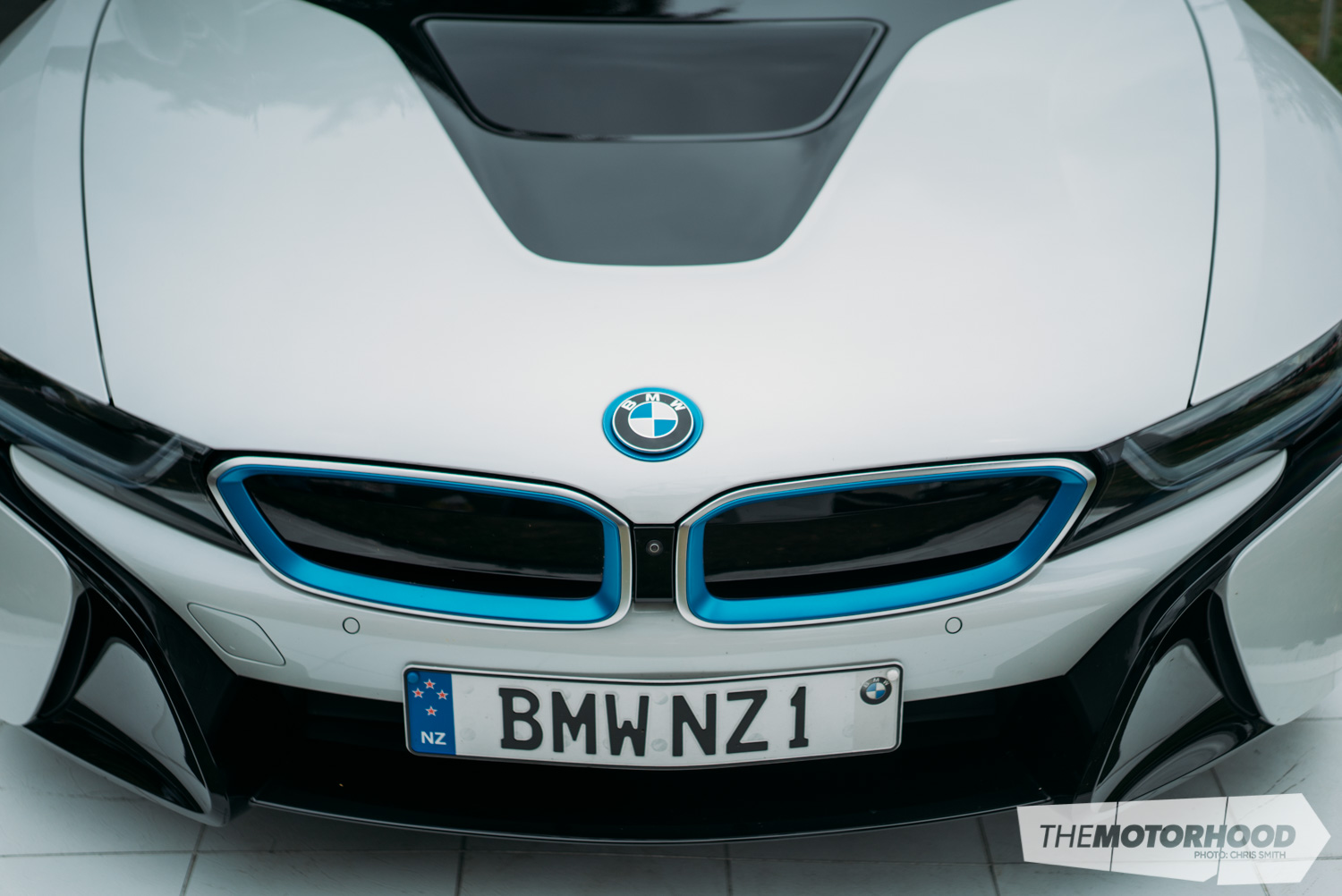
Seeing the i8 is somewhat odd. In the last 10 years car design hasn’t changed a lot and has generally revolved around the same ideas. Many brands copy each other and piggyback each other’s concepts to create cars that often look very familiar. However BMW have really outdone themselves with the new ‘i’ range of cars. The design is leaps and bounds ahead of other manufacturers, and hopefully will set the standard for designs to come.
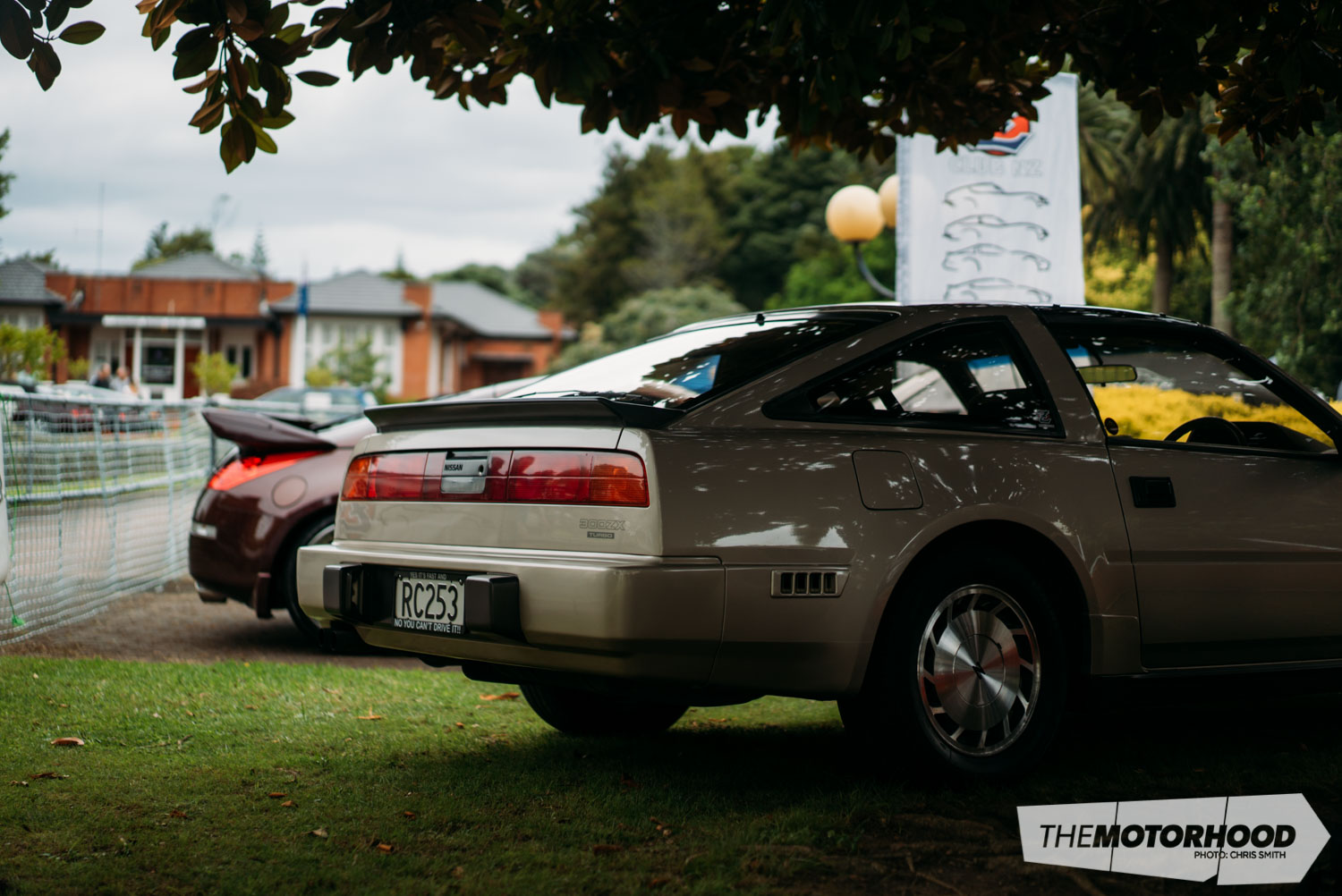
I’m going to do the unexpected and leave the final car as a Japanese car. The 300ZX was a change of pace for Nissan and lead them onto some high-performance and innovative car designs. With a near night-rider / Trans-Am influence, the 300ZX is on its way to becoming a classic.