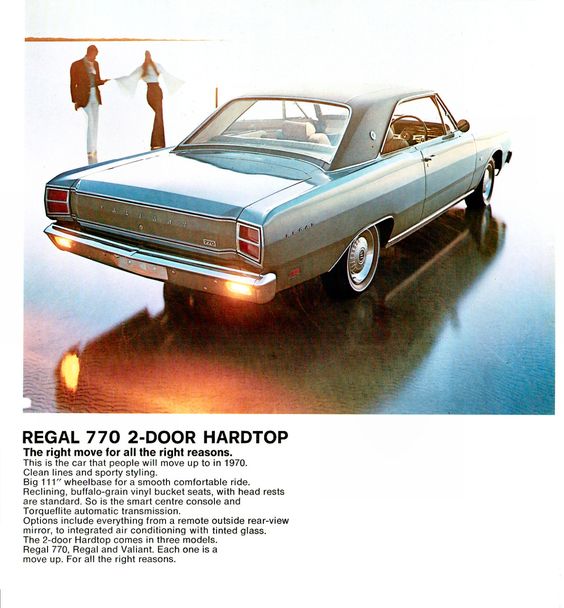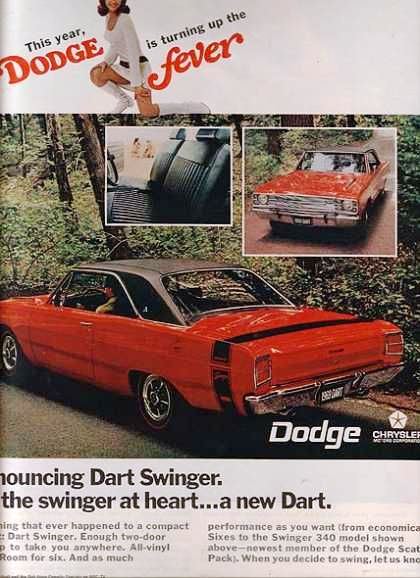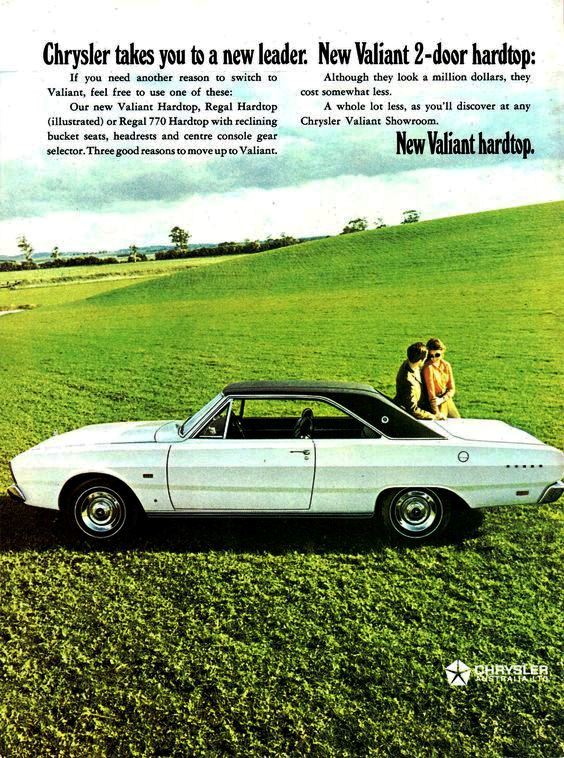
Other Australian cars of the era, especially the performance versions, hit the big time a while ago. Now the classic lines and quirky details of this once-popular family car are developing a strong following of their own. The hardtop coupe shows them off best
By Quinton Taylor
Australia’s motoring scene in the ’60s acquired its own muscle-car culture just as it had in the US. Winning at Bathurst saw the big brands do battle with bigger engines and more horsepower, producing a long tail of very capable road cars for the Australian consumer.
Ford kicked off the power race and set the performance bar in Australia with its V8-powered Falcon XR GT and Fairlane models of 1966. Its Futura two-door hardtop of 1965 was a looker, but it was never built with high performance in mind. It would be 1972 before Ford caught up in the performance coupe stakes with its XA coupe and big V8 options of 1972.
Traditionally, the most conservative of the big three — GM-Holden, Ford, and Chrysler Australia — Chrysler Australia looked hard into its parent’s US model line-up for a quick response, and towards the impending challenge of GM-Holden’s Monaro coupe.
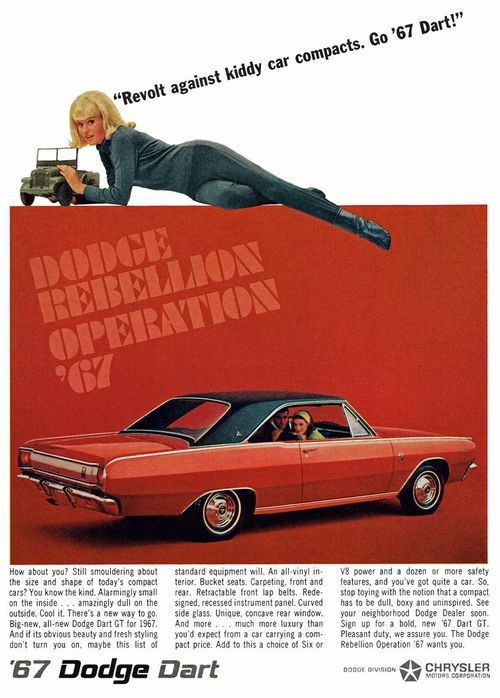
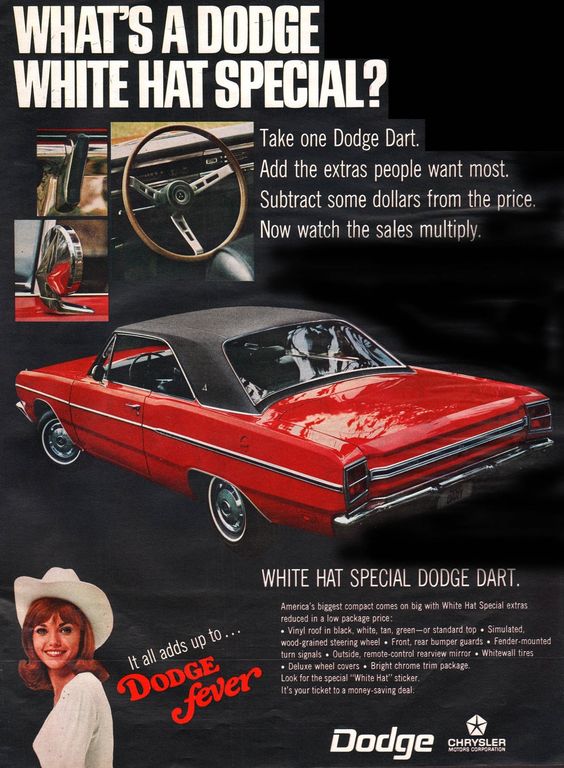
Chrysler Australia found the answer in the ‘A’ body two-door Dodge Dart platform, which it adapted with its own Valiant front clip, along with a host of Australian-made components.
Wheels magazine named the 1967 VE Valiant series as its ‘Car of the Year’. The vehicle was also a sales success, with more than 64,000 sold, including more than 5000 utes, taking Chrysler to around 13 per cent of the market share — similar to its standing in the US.
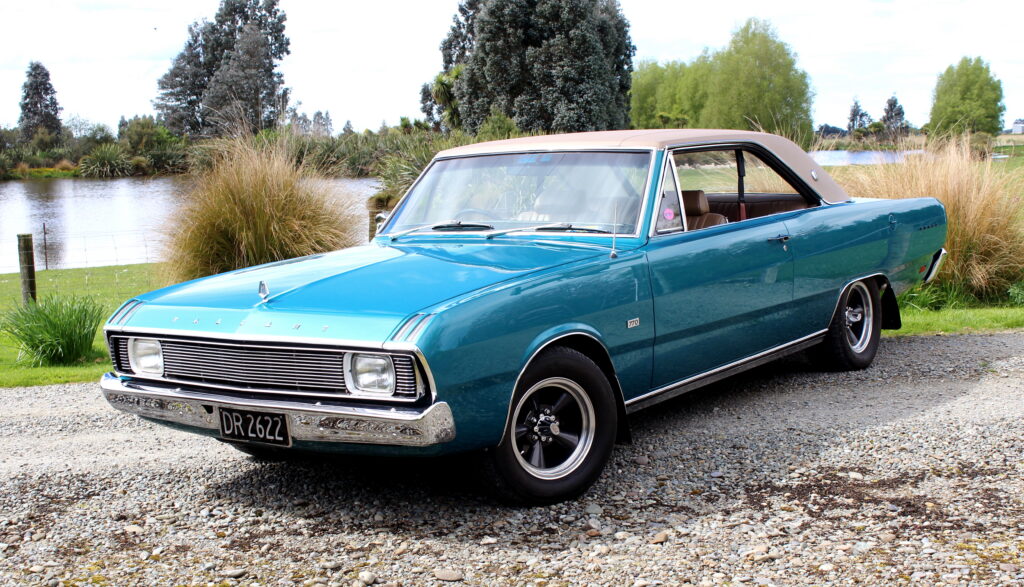
Chrysler’s golden years
That same year, Chrysler opened a new engine plant in Lonsdale, taking local content close to 95 per cent. Chrysler Australia boss, David Brown, and chief engineer, Roy Rainsford, were involved in the development of the Chrysler Valiant in the US from the outset, and played an important role in the further development of southern hemisphere versions.
Destined for assembly in South Africa, Australia, and New Zealand, Valiants were also sold in some Asian markets. In fact, Chrysler became Australia’s second largest vehicle exporter. Brown was also instrumental in setting up the assembly of the all-Australian VH in South Africa, switching it from Canadian supply to sourcing all components from Australia.
However, we’re getting ahead of ourselves. In mid-1969, Chrysler brought out the sporty four-door VF Valiant Pacer, powered by a high-performance slant six, with beefed-up suspension, a four-speed gearbox, tachometer, and a tasty red and black grille with special body stripes. The hardtop two-door body was introduced the same year. It was the longest two-door car ever produced in Australia. The competition was turning to V8s but the stopgap Pacer was considerably cheaper and still pretty fast, seeing off 0–60mph in 10.4 seconds.
The following year, Chrysler made a Pacer version of the new VG hardtop model with a range of performance modifications. The same year also saw a significant development for Chrysler Australia in the introduction of the ‘Hemi Six’ engines. These ranged in size from 215ci (3700cc), to 245ci (4015cc), and to the ultimate 265ci (4342cc) for the Regal versions. The best known of them all, the 265 Hemi six-pack race engines, would finally put the company on an equal racetrack footing with its rivals. Chrysler eventually came up with the ultimate Monaro competitor in 1971, with the release of the aforementioned VH model Valiants and the all-Australian Charger.
To add piquancy to the Hemi-Six flavour, Chrysler brought in none other than Stirling Moss to promote the new range of Australian engines. Chrysler added to the deal with a special A81 option ‘Stirling Moss Special’ edition. Just 100 automatic and 100 manual transmission examples of this special hardtop were assembled by Chrysler. Few remain today, and these command high prices.
It had cost the company more than a A$30 million to develop the Hemi-Six engine — which apparently is not a true Hemi design but close enough to get away with being called one — but its sporting prowess created a legend, making it a big-six engine as Aussie as shrimps on a barbie.
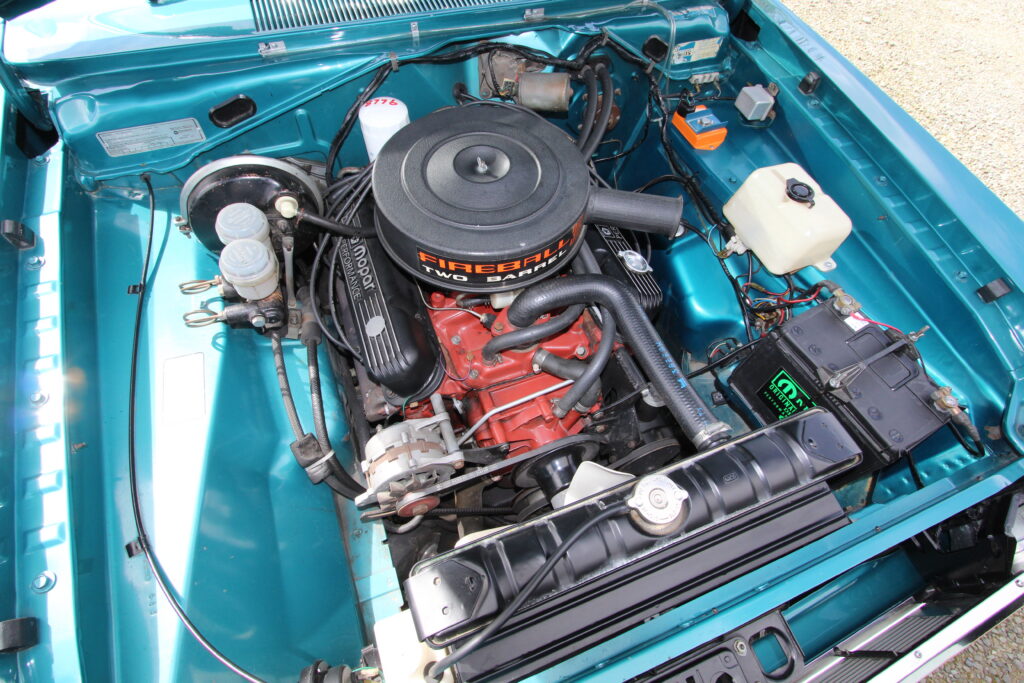
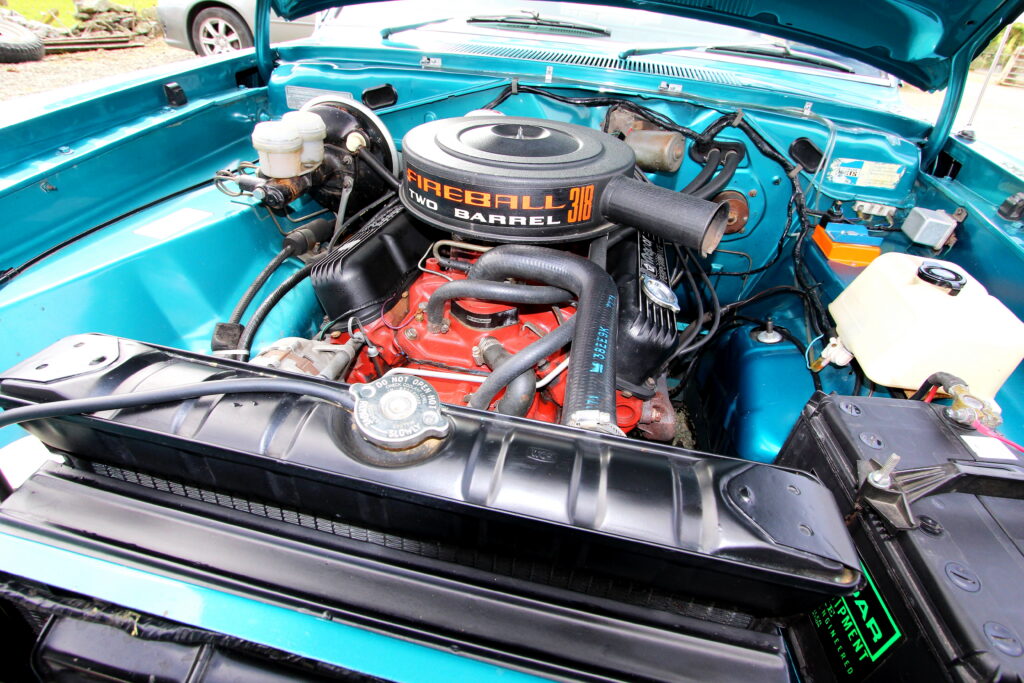
There was also a V8 if you wanted one. Disc brakes (front) were fitted standard to 318ci ‘Fireball’ V8-powered coupes — a good safety move for these big cars with top speeds approaching 200kph. This reliable engine was in production from 1964 to 2003 in many guises: in cars, trucks, boats, and farm machinery. I recall it powering top-of-the-range JI Case combine harvesters, that familiar exhaust beat hammering away at your right elbow!
Todd Motors assembled Valiants in New Zealand, but the two-door hardtop was brought in from Australia, already built up. The hardtop would soldier on until 1974 in the shape of an even larger VH body until falling sales saw it withdrawn.
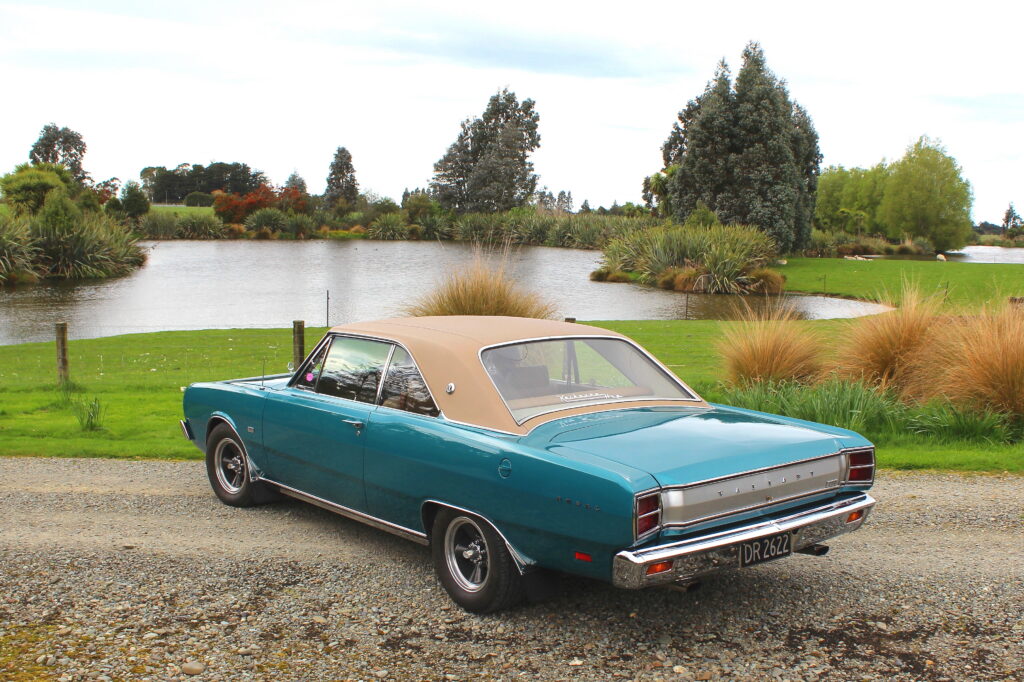
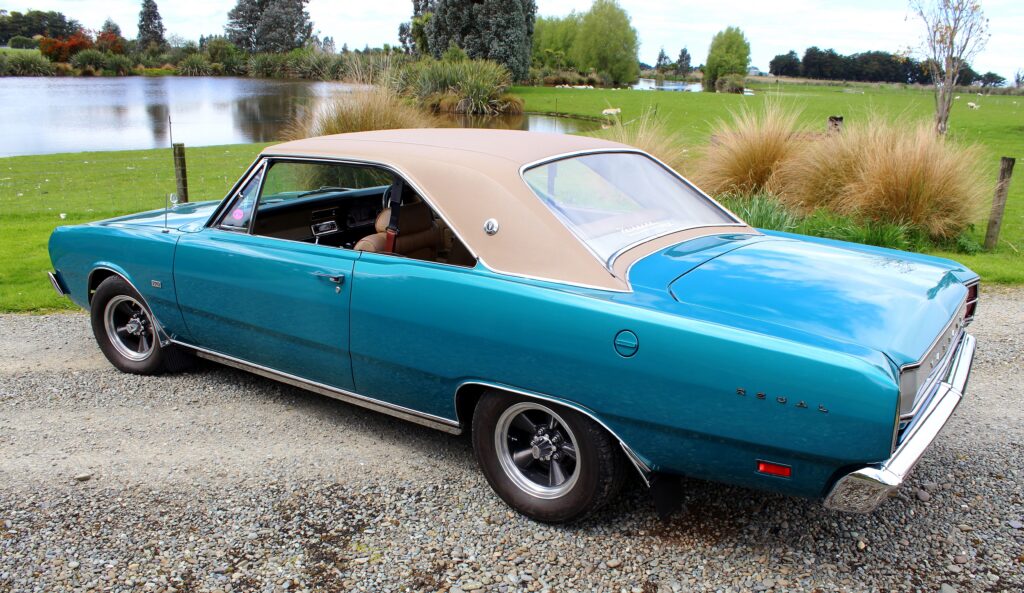
At home in the south
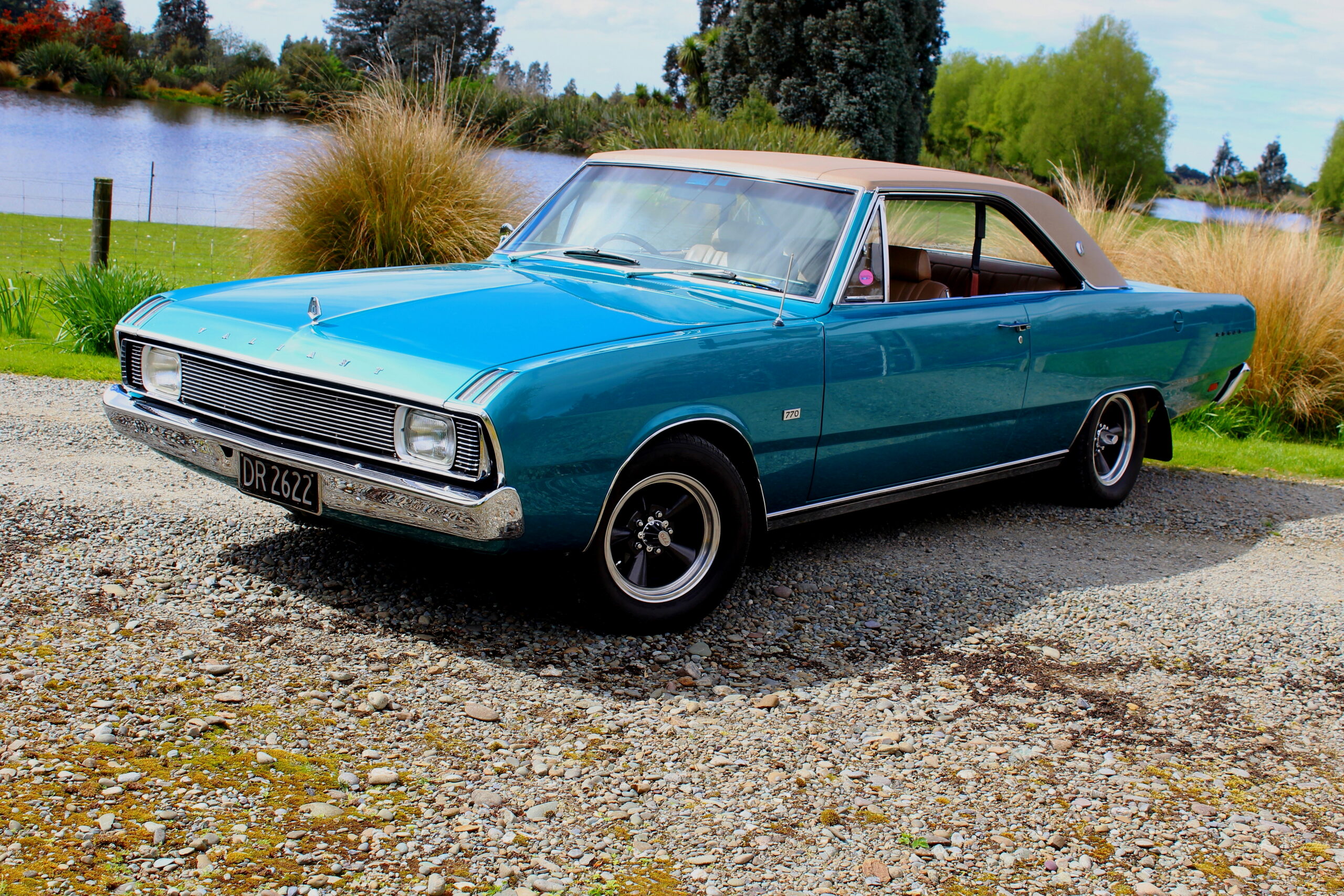
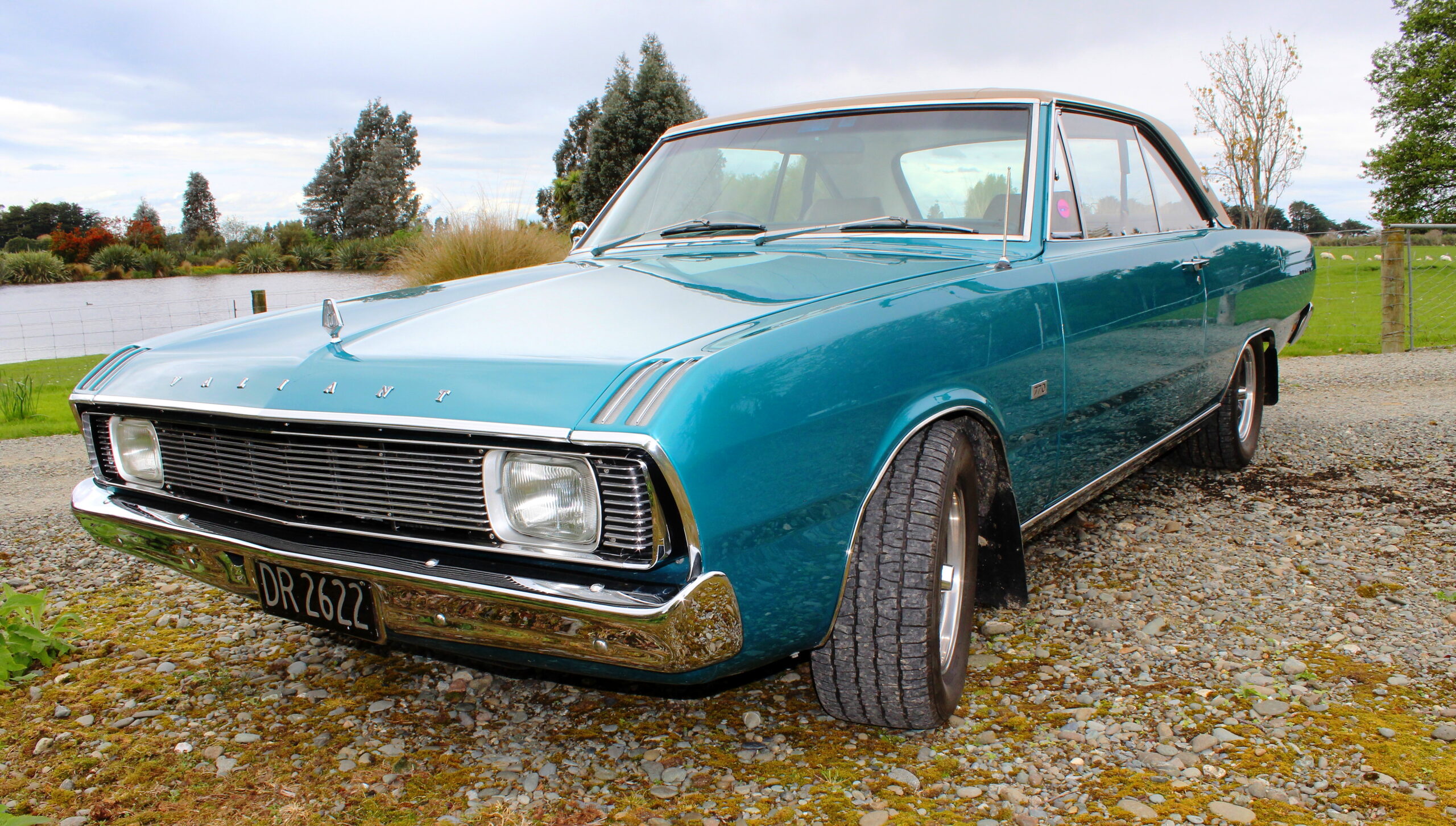
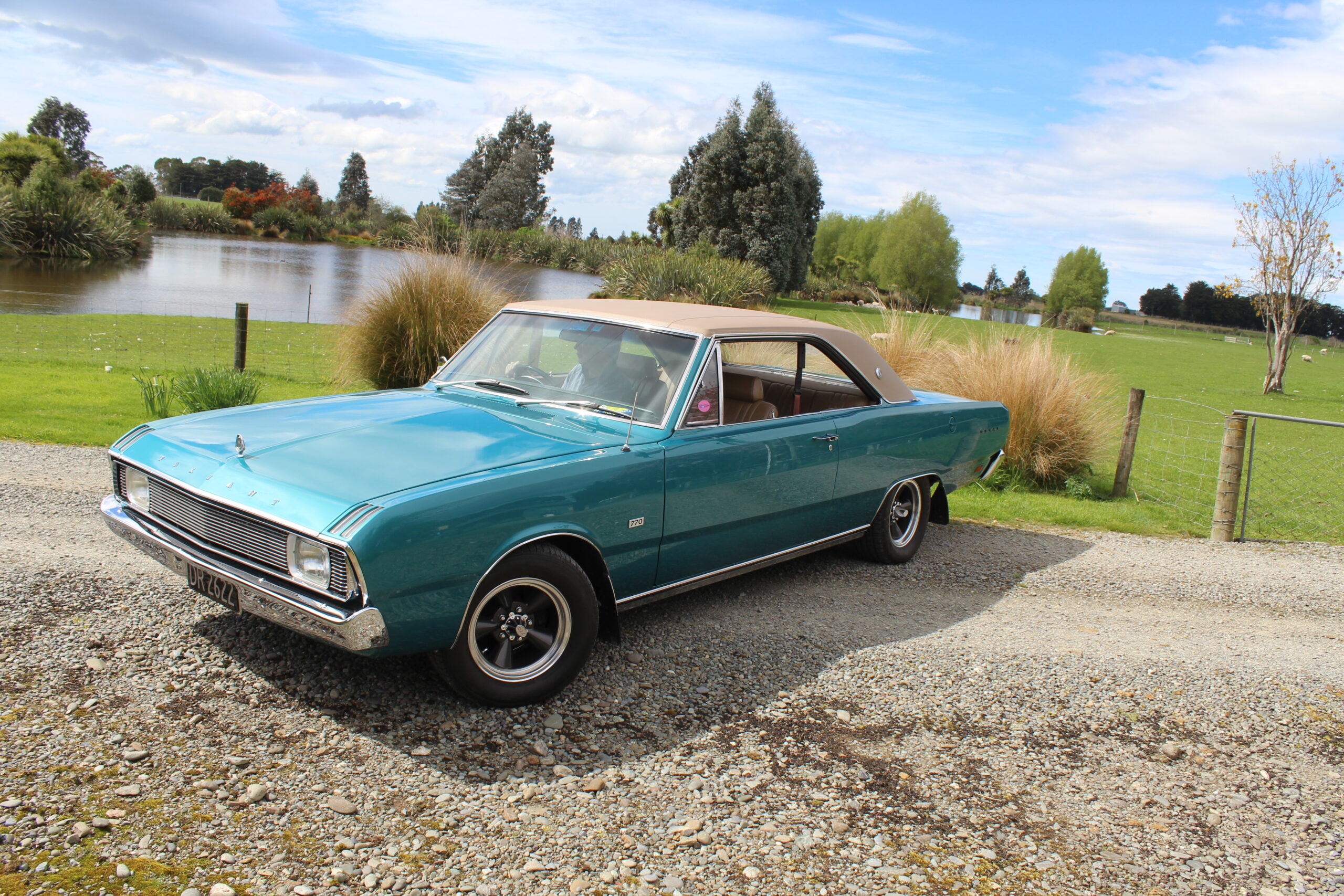
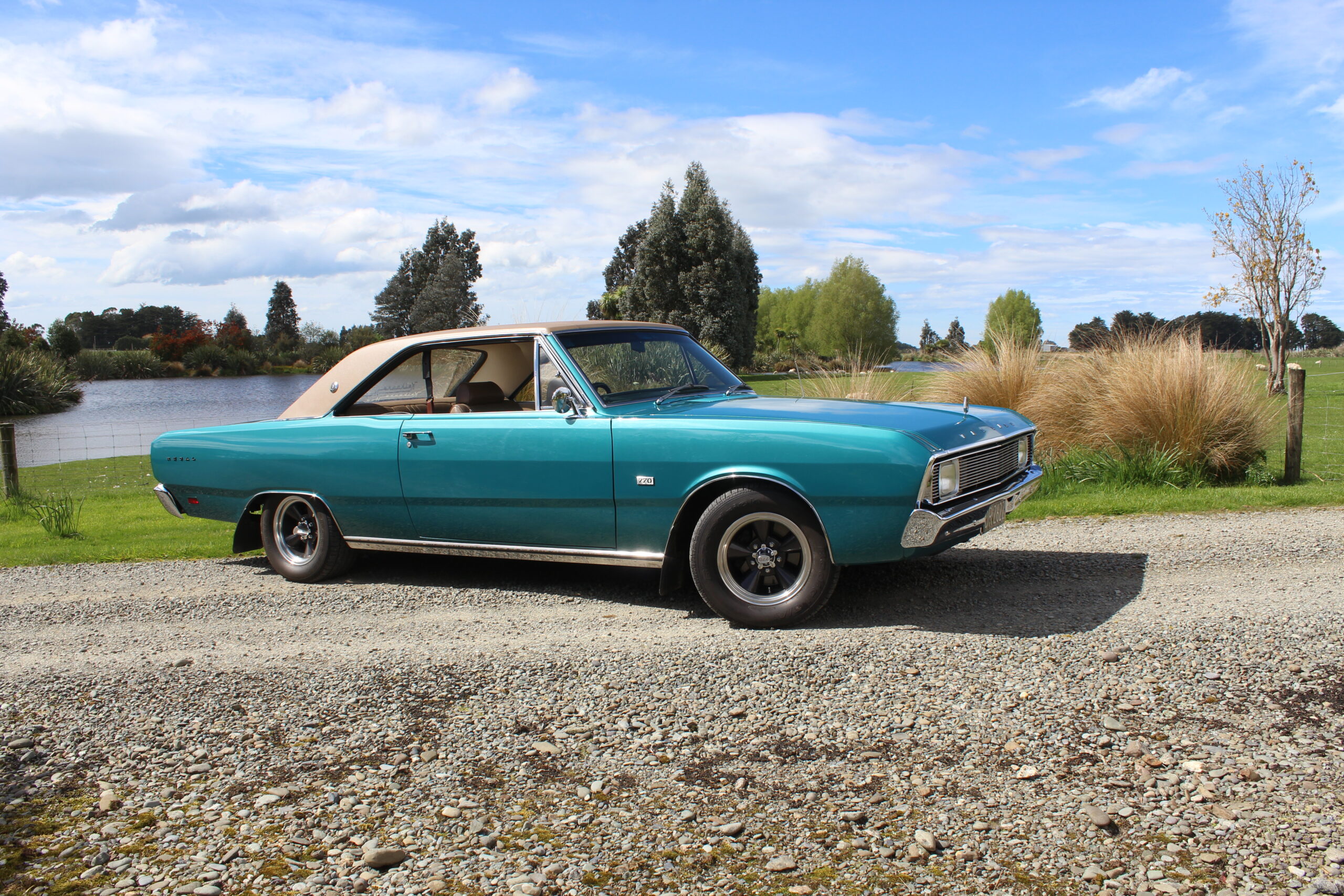
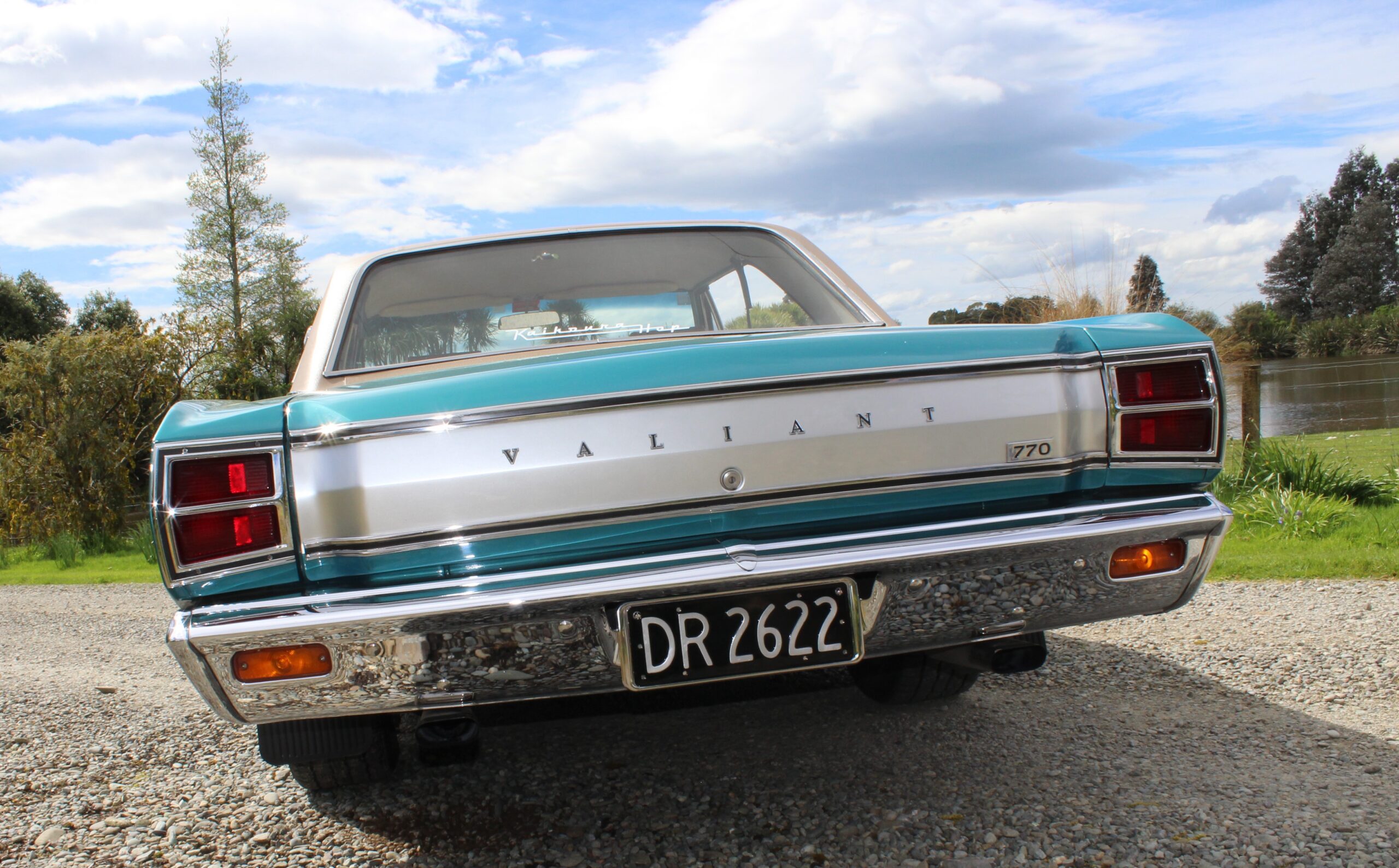
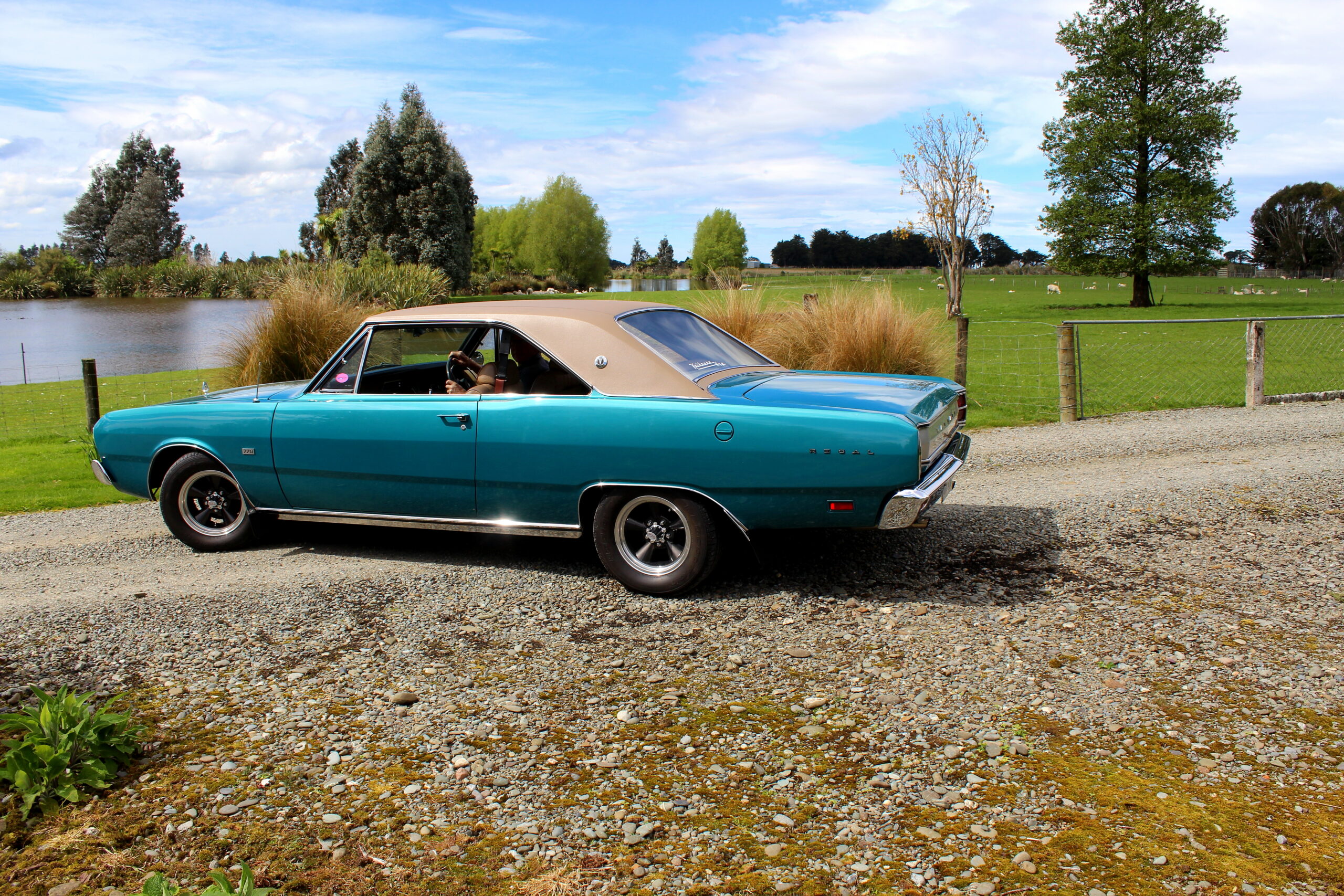
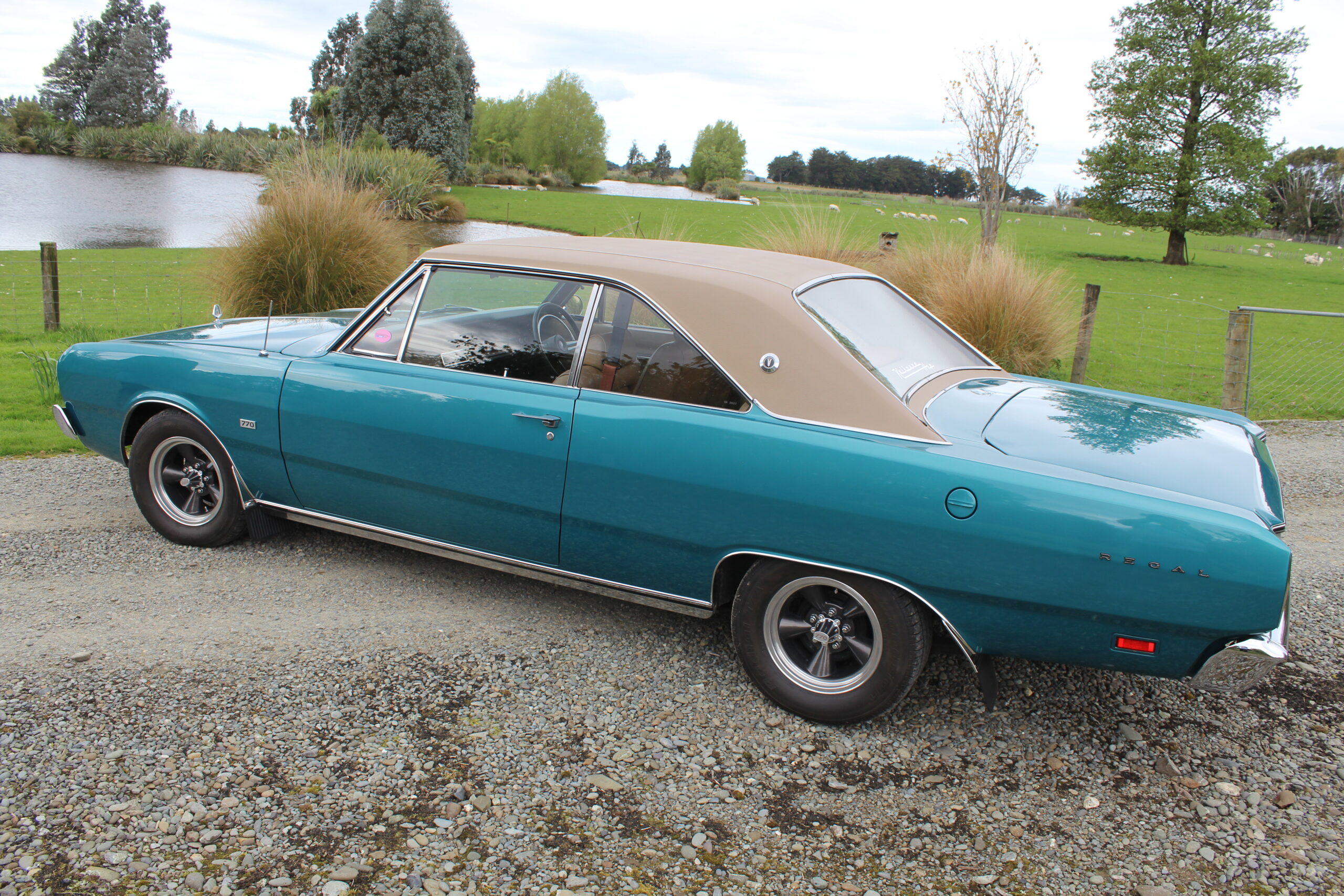
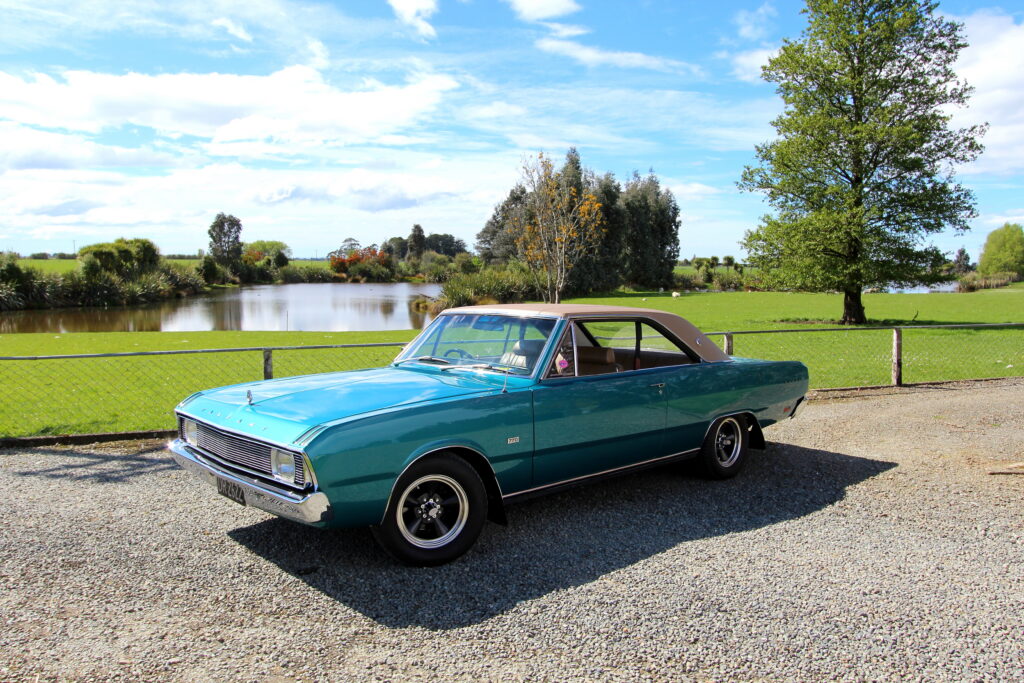
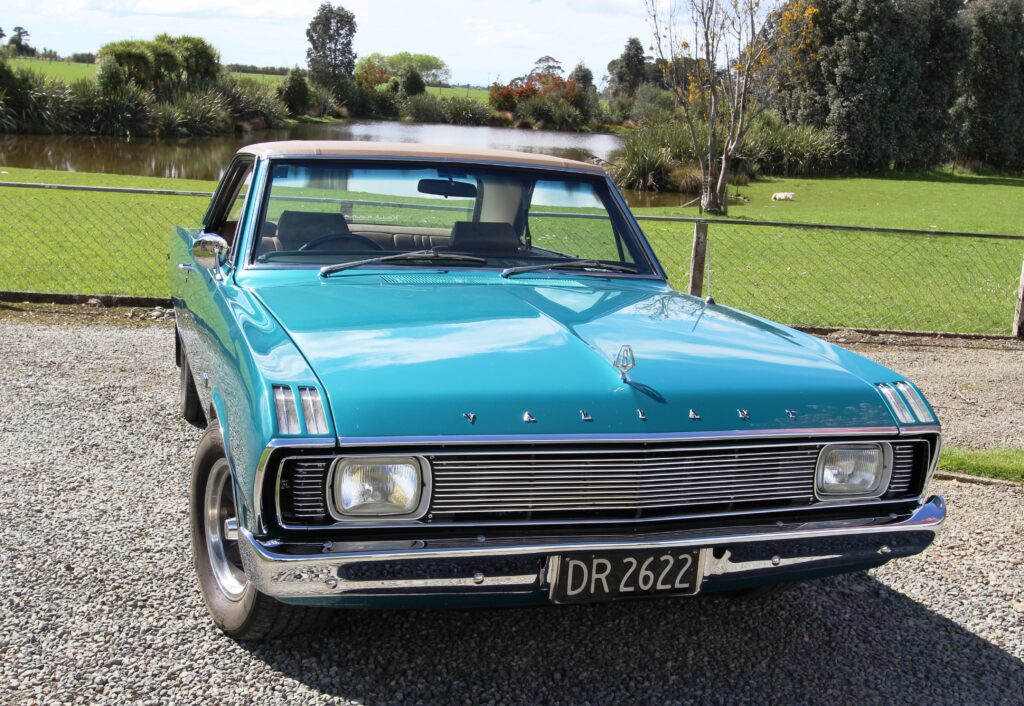
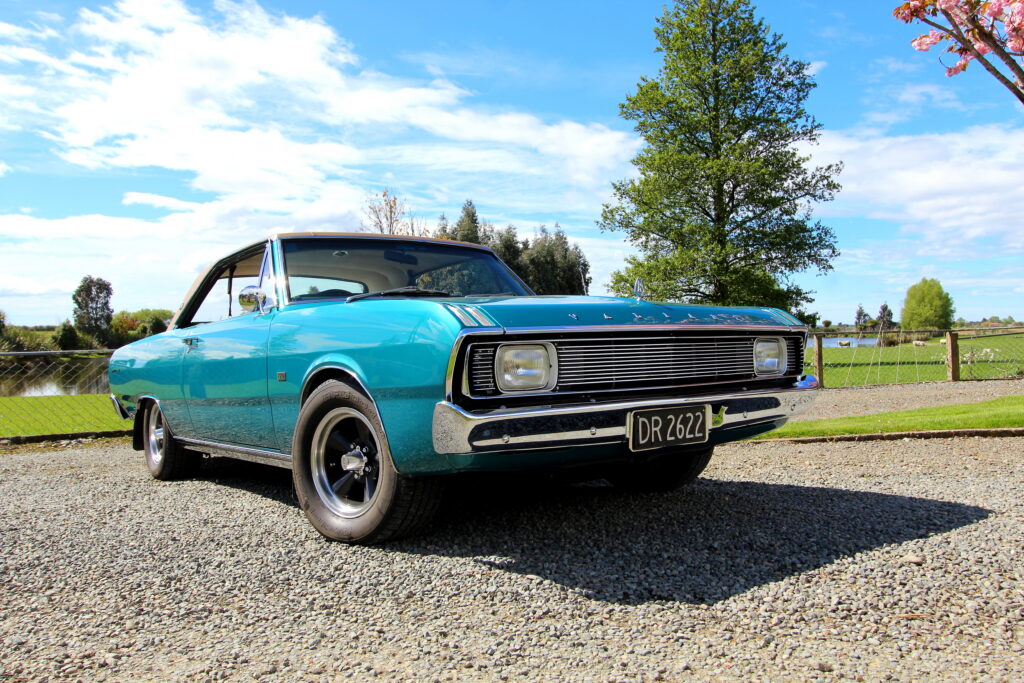
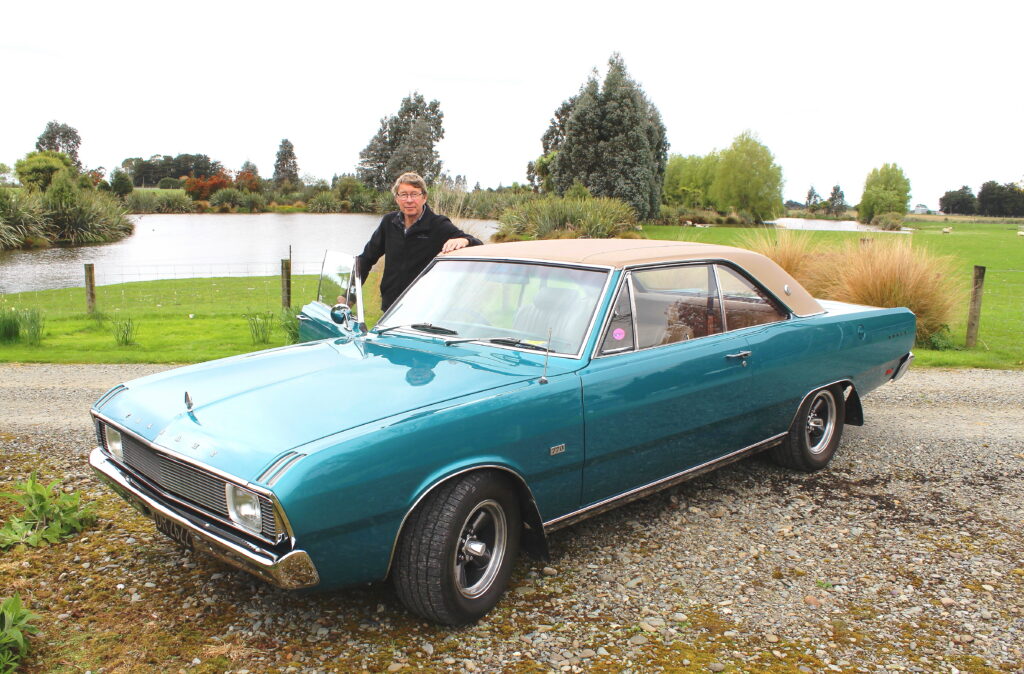
I first saw our feature car, a 1970 V8-powered Regal 770 hardtop, towing a trailer carrying the tidy Ford Anglia classic racing saloon in Broadspeed racing colours that has featured in these pages. The coupe is comparatively rare here, which means anyone contemplating purchasing one of these big two-doors is sure to see prices continue to climb. The later Charger has claimed much of the Aussie Chrysler limelight, but the simpler and classier lines of this car, which appeared dated soon after its introduction, now have a more timeless appeal.
Former owner, Balclutha motor engineer, Mike Verdoner, remembers the car well. He believes it came from Dunedin originally.
“I’m not sure about the car’s history, but I bought it off its owner at Kaitangata. Unusually, it was advertised in the local newspaper, the Clutha Leader, which was a surprise as these usually go for a lot more money on the internet. I had it for quite a few years. It needed a little bit of work to tidy it up, so I had to decide whether to spend the money on it to do it up, which could have been twenty grand. Its value at the time was not like it is now, so I sold it to Ewan. It’s probably now worth three or four times what I sold it for.”
Freshened and fettled
Ewan says it was in tidy order but needed some TLC to get it into top condition, and he set about getting trusted tradespeople to work.
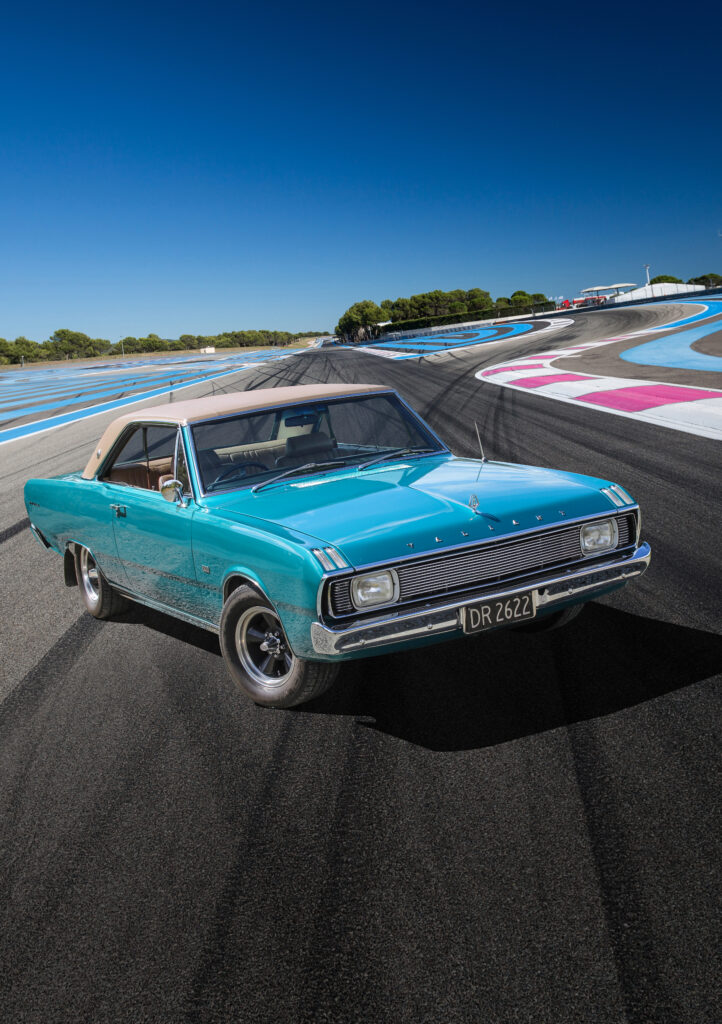
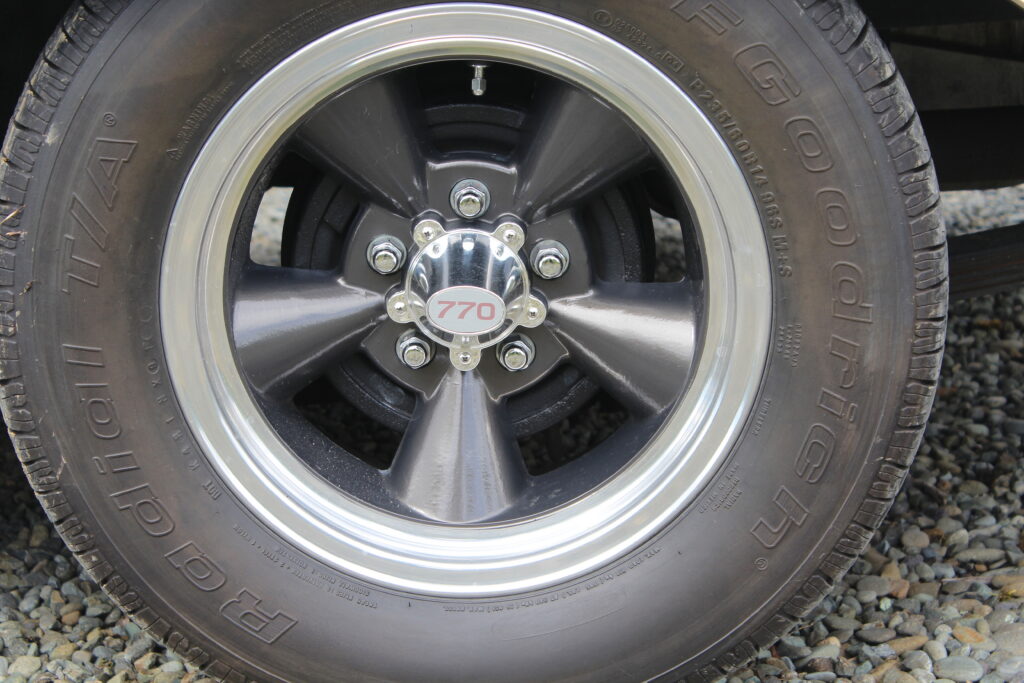
“I found a set of late-’60s Hustler alloy wheels at a wreckers in Christchurch and took them to Elite Wheels in Christchurch, where they were restored. Back home, Dallas Ryan did all the panel work, and then it was off to [automotive painter] Howard Kingsford-Smith in Invercargill to be repainted in its factory Crystal Turquoise metallic.”
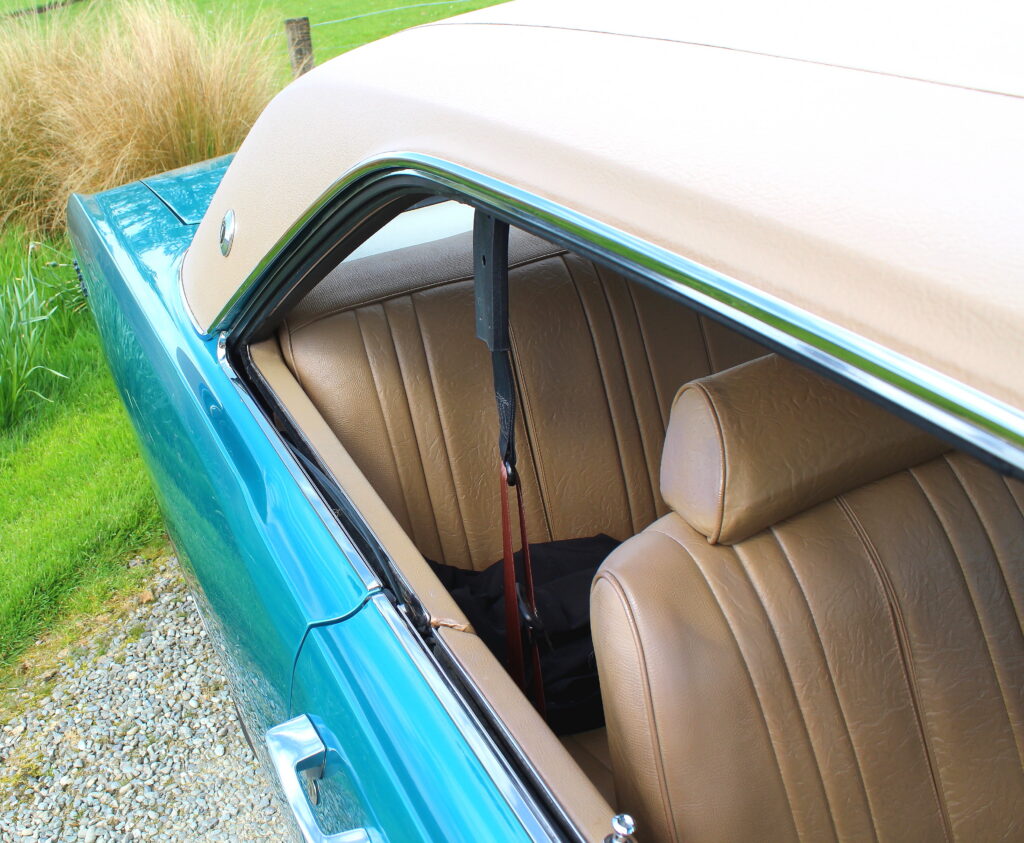
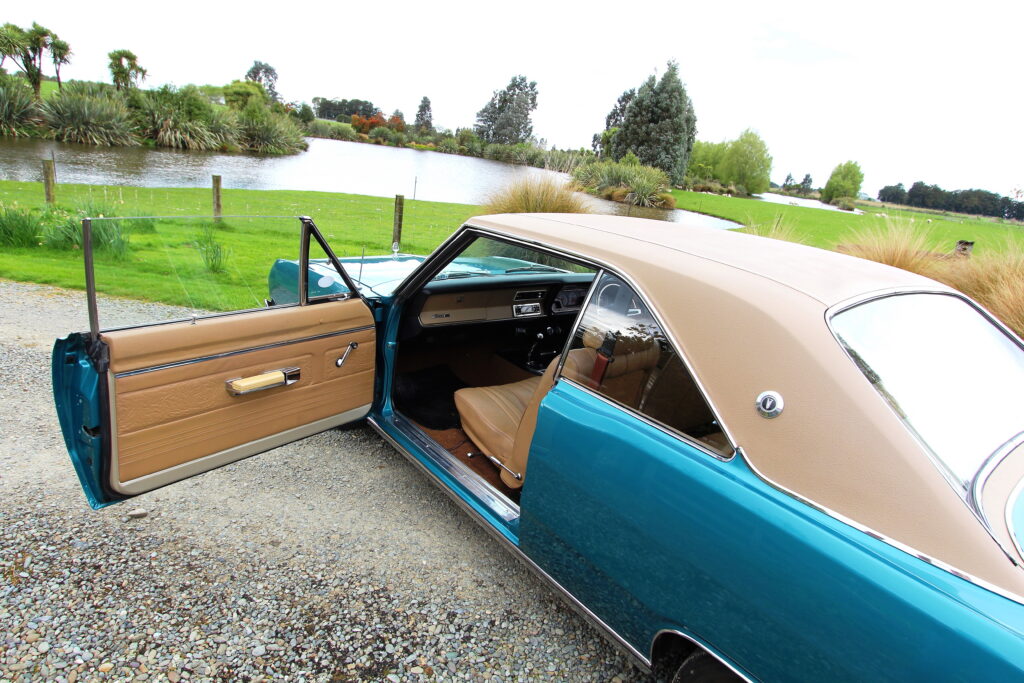
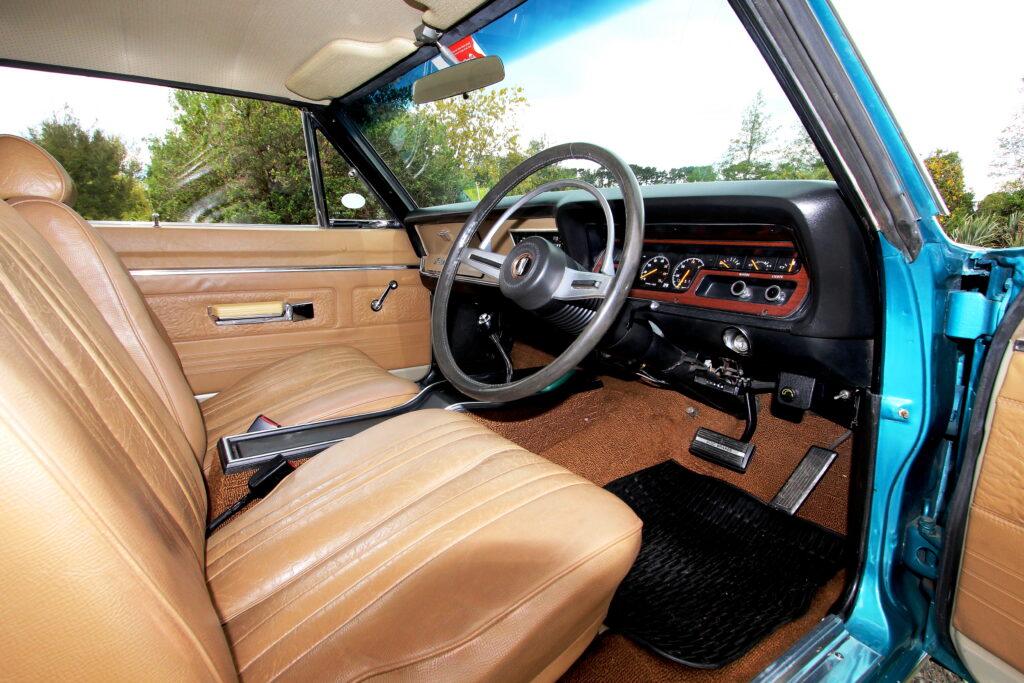
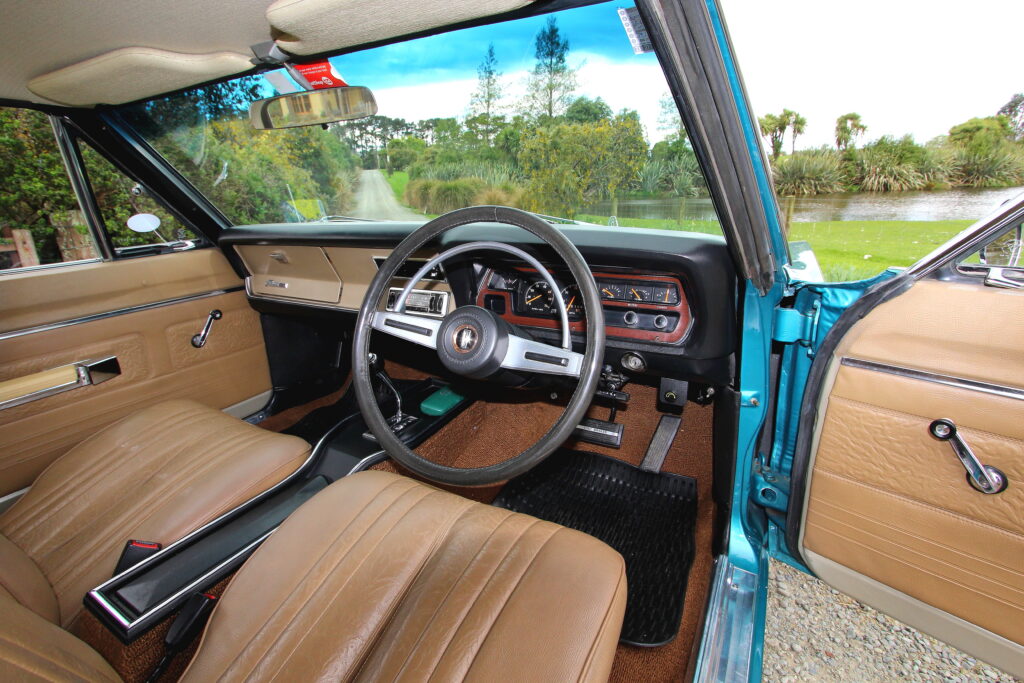
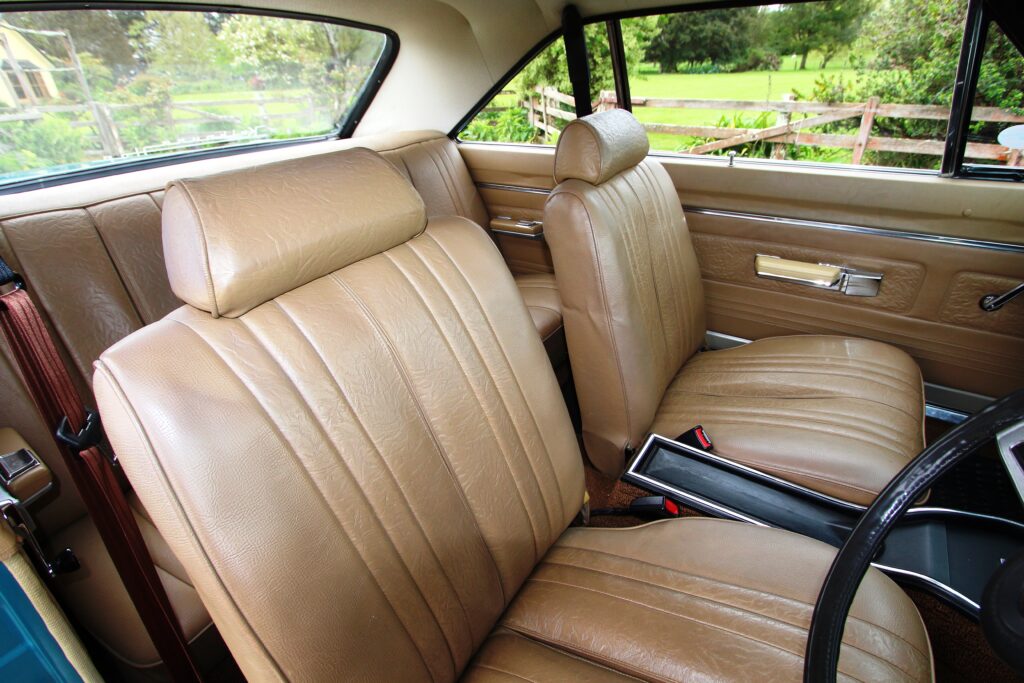
With its panels now gleaming, it was time to tend to the vinyl roof and interior trim, which was just starting to show its age. Door cards were redyed, and then it was on to those big, distinctive seats. Chrysler offered a high-grade vinyl material at the time called ‘Buffalo Grain’.
“I took it into Darryl Butson at Classic Autotrim, Invercargill, and Darryl redyed the vinyl roof and took all the seat covers off and redid the stitching,” Ewan explains. “The seat centres are pleated, and the stitching had come apart, so Daryl found some material reasonably close to it, then redyed the front seats. The rear seat was full of cigarette burns, and I was quite amazed at how square pieces were added into the holes, then a special stuff was brushed over, and you couldn’t see the repair.”
When Ewan bought the car, it had logged just 112,000km. The present tally is 137,000 km, after trips towing the Ford Anglia to Highlands Motorsport Park in Cromwell and Teretonga Park Raceway for motor racing events. After one trip, the V8 motor started to misbehave and was losing some radiator coolant.
“I decided to freshen up the cylinder heads after one trip to Cromwell. A head gasket was showing signs of leaking, and the engine had got quite hot heading home down through the gorge, so I decided to do both heads. It was worth doing as it made it go a lot nicer.”
The coupe now does around 2000km a year — except for the year the couple toured the South Island, about five years ago. Ewan and Susan are keen Ford Model A collectors, and Ewan was surprised to find they clocked up more kilometres in the Model As than in the coupe.
“Susan has a book in each of the Model As. The coupe has never been out of the South Island. On the South Island trip, we went up to Karamea and then back down the east coast, and recorded 2800km. That was quite a long trip.”
On a trip to Adelaide, Ewan managed to pick up quite a few items to enhance the car’s appearance, along with some parts he got from the US.
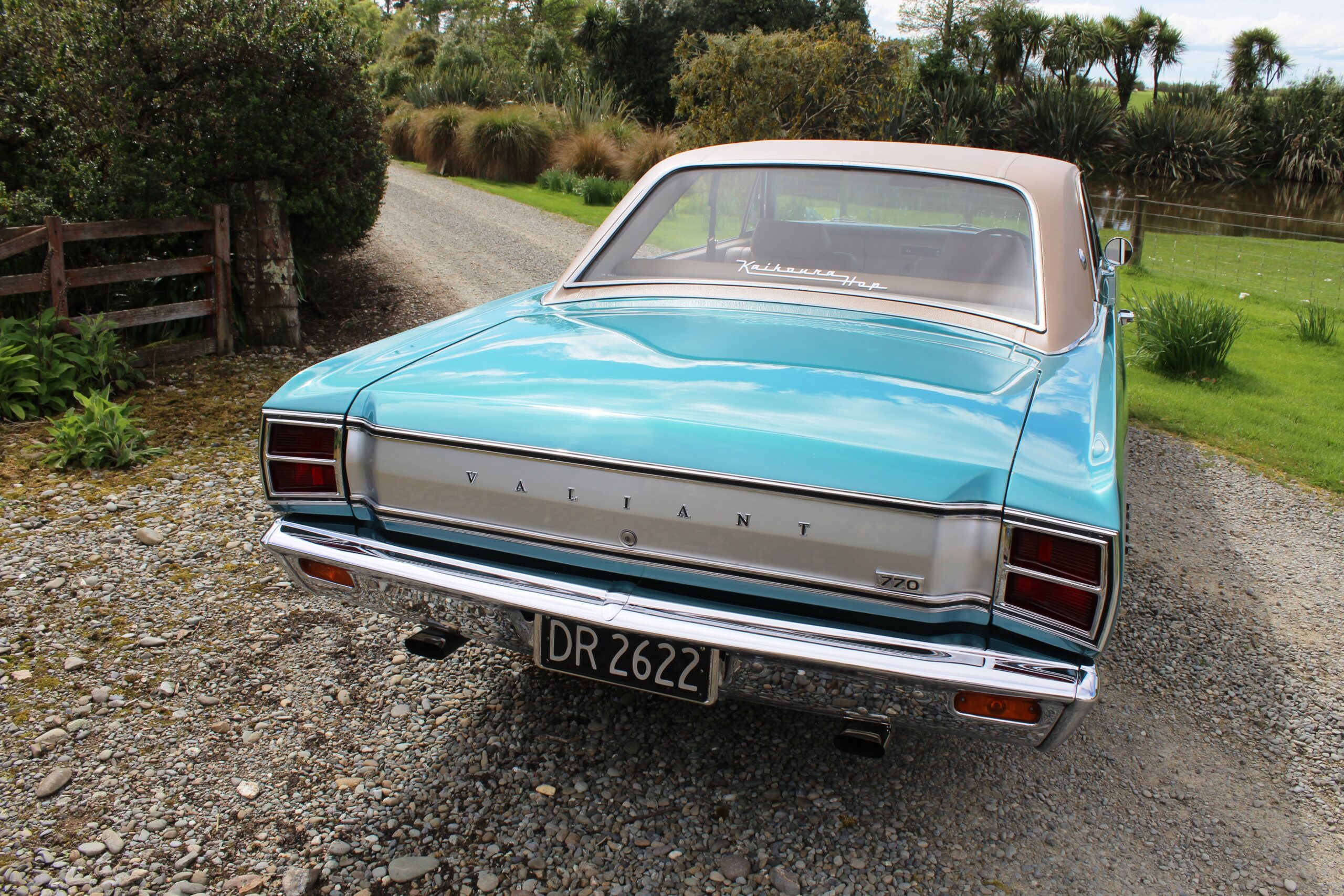
“You pay a lot of money to buy stuff for it here. I managed to get new repro tail-light bezels from Australia. They were the only items of brightwork that needed to be replaced. I bought new lenses for the rear tail lights, too. The old ones had gone opaque and didn’t look good with the car freshened up. I also bought new ‘toaster’ lenses for the front side lights.”
Many will remember how cool the Valiant’s side lights looked, mounted under see-through slots in the sloping leading edge of each front wing. The concave rear windscreen, which curves up to its top edge, is another distinctive feature of the VE-VG series.
Eating the blacktop
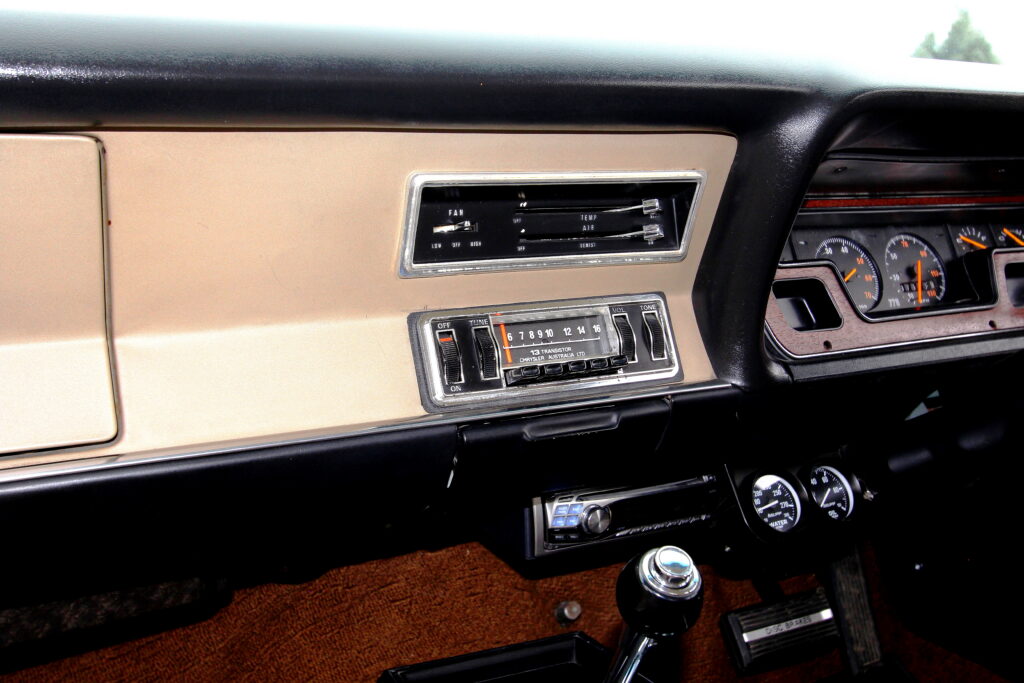
The massive doors, at over a metre in length each, swing out to reveal plenty of headroom and legroom for five adults and, being pillarless, the cope provides quite an all-round view. A good set of dash gauges is fitted, with the addition of a rev counter, while the centre-dash-mounted Chrysler radio still works well.
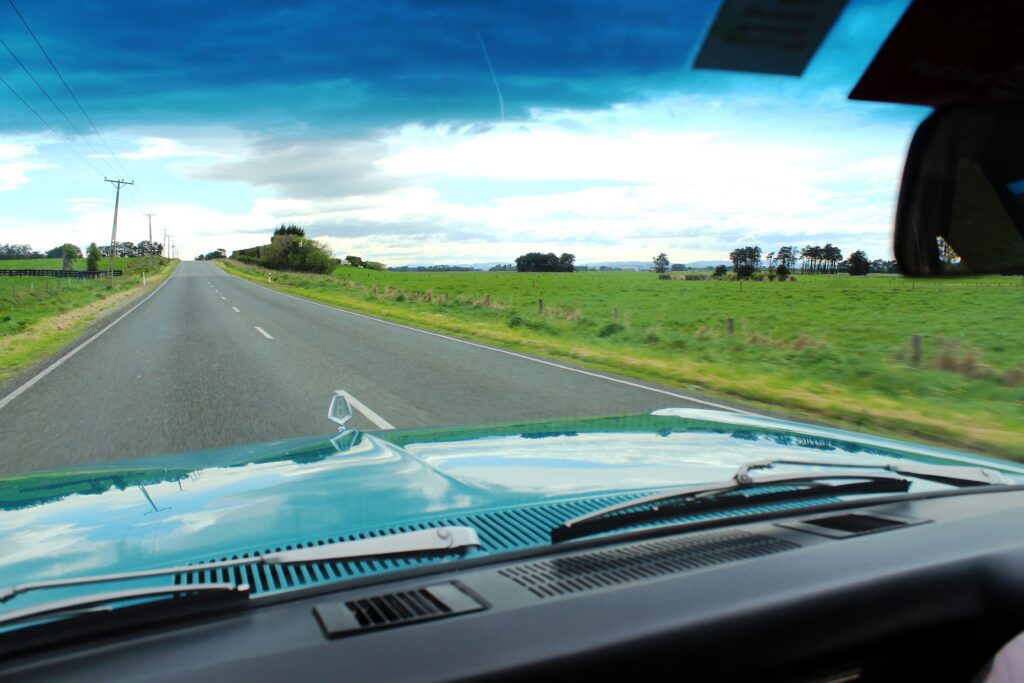
We encountered a mixed bag of weather on the day I went to look over the car, but when the sun eventually appeared, we were cruising in the coupe, relaxing in big armchairs with more than enough legroom. It’s not hard to see why Chrysler Australia chose to market such a big car for the country’s long roads. It’s interesting to note Chrysler went even bigger with the VH, which was apparently 127mm wider. Power steering helps with easy cruising, but if you want to wind down the window to enjoy the view, you have to go manual again, which nowadays feels like a treat.
On an undemanding open road, the car is in the zone, and 100kph is achieved with a muted burble at around 2800rpm — although Ewan describes the 20mpg fuel consumption as “not ideal”. The 318 V8 powers Australia’s biggest-ever coupe down the road with ease, and I note Ewan delights in pushing it hard into corners. Hang on a minute. They weren’t supposed to do that! The simple answer — and no surprise — is that Ewan likes to tinker with suspensions, just as he has done with his Ford Anglia racing car.
“I’ve added a heavier sway bar. It corners OK for a big car.”
Ewan has definitely found a ‘keeper’ in this coupe.
“I won’t be selling this car for a very long time; we enjoy it too much.”
Current market expectations
They might not have been Bathurst race contenders, but the hardtops introduced Antipodes buyers to the pace and power of American coupes with their own Aussie flavour. As a restoration project, they provide a few challenges with numerous parts being incompatible with other Australian Chrysler Valiants. Many parts can be sourced from the USA.
Fair condition: A$15,000
Good: AU$35,000
Excellent: AU$45,000, and more for top condition restored cars
Source: Unique Cars Buyer’s Guide (Australia)
CHRYSLER VALIANT REGAL 770 HARDTOP – Specifications
Manufacturer: Chrysler Australia
Engine: 318ci (5210cc) ‘Fireball’, 90-degree V8, water-cooled, iron-block, cast-iron ‘wedge’ cylinder heads with two valves per cylinder, centre ‘V’ camshaft, pushrod operated valves, compression ratio: 9.2:1
Bore x Stroke: 3.91-inch (99.31mm) X 3.31-inch (84.07mm)
Power: 230bhp (172kW) @ 4400rpm
Torque: 340ft·lbs (461Nm) @ 2400rpm
Fuel system: Carter two-barrel carburettor
Transmission: 904 TorqueFlite Automatic, three-speed
Steering: Recirculating ball, worm, power steering
Brakes: Disc front, FD50 booster, ventilated two-piston callipers with 11-inch (279.4mm) discs; drum rear, 9-inch (228.6mm)
Suspension: Front sub-frame: independent torsion bars to double wishbone, non-parallel control arms, sway bar and telescopic shock absorbers; rear: driven live axle, leaf springs, telescopic shock absorbers
Tyres: Hustler alloys fitted, normally steel wheels — usually 14-inch 5.5J with 6.95 X 14 four-ply, or 185 X 14 radials; feature car fitted with Goodrich T/A 235/60 X R14 radials
Weight: 1413kg ( automatic)
Wheelbase: 2919mm
Front track: 1471mm
Rear track: 1425mm
Length: 5075mm
Width: 1770mm
Performance: 0–100kph, 8.5sec; standing quarter-mile: 15.8sec; top speed: 121mph (194kph)
Fuel Consumption: 14.6mpg (19.3l / 100km), 68litre fuel tank
Price new: AU$4000
Total made: Approximately 8000 VF-VJ hardtops