Rotary racing, Kiwi style
We check out the Mazda’s racing form in New Zealand
By Gerard Richards
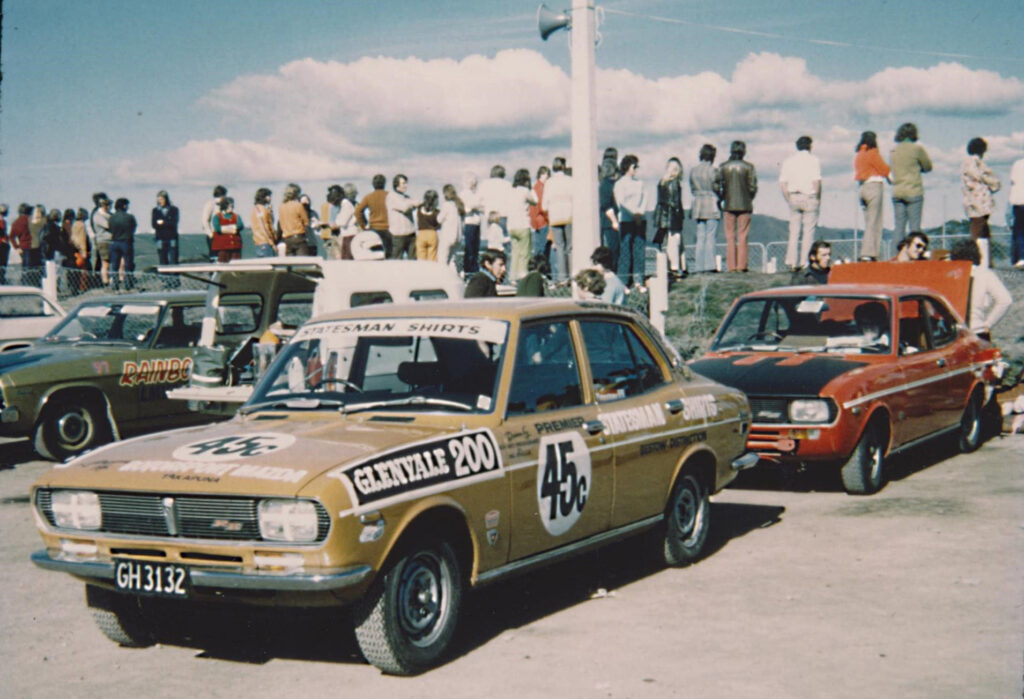
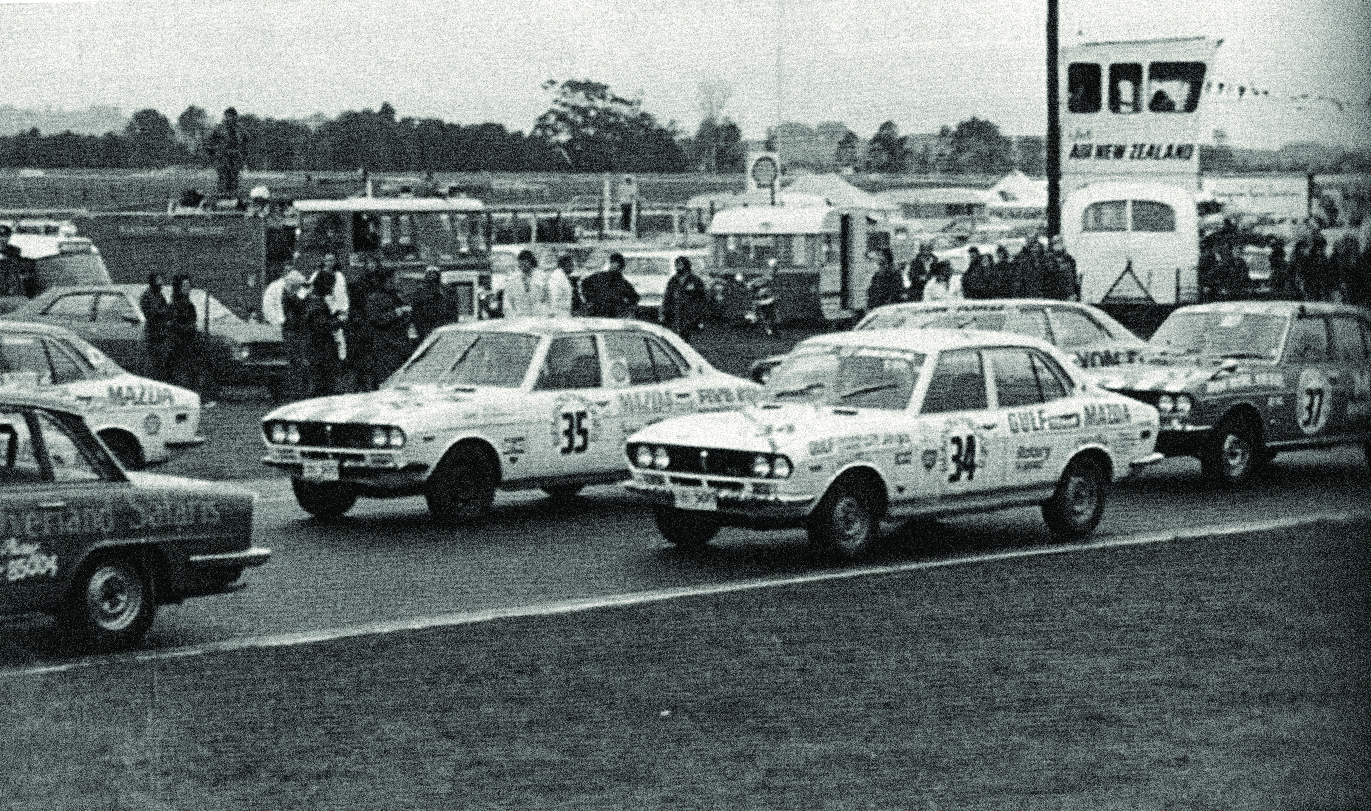
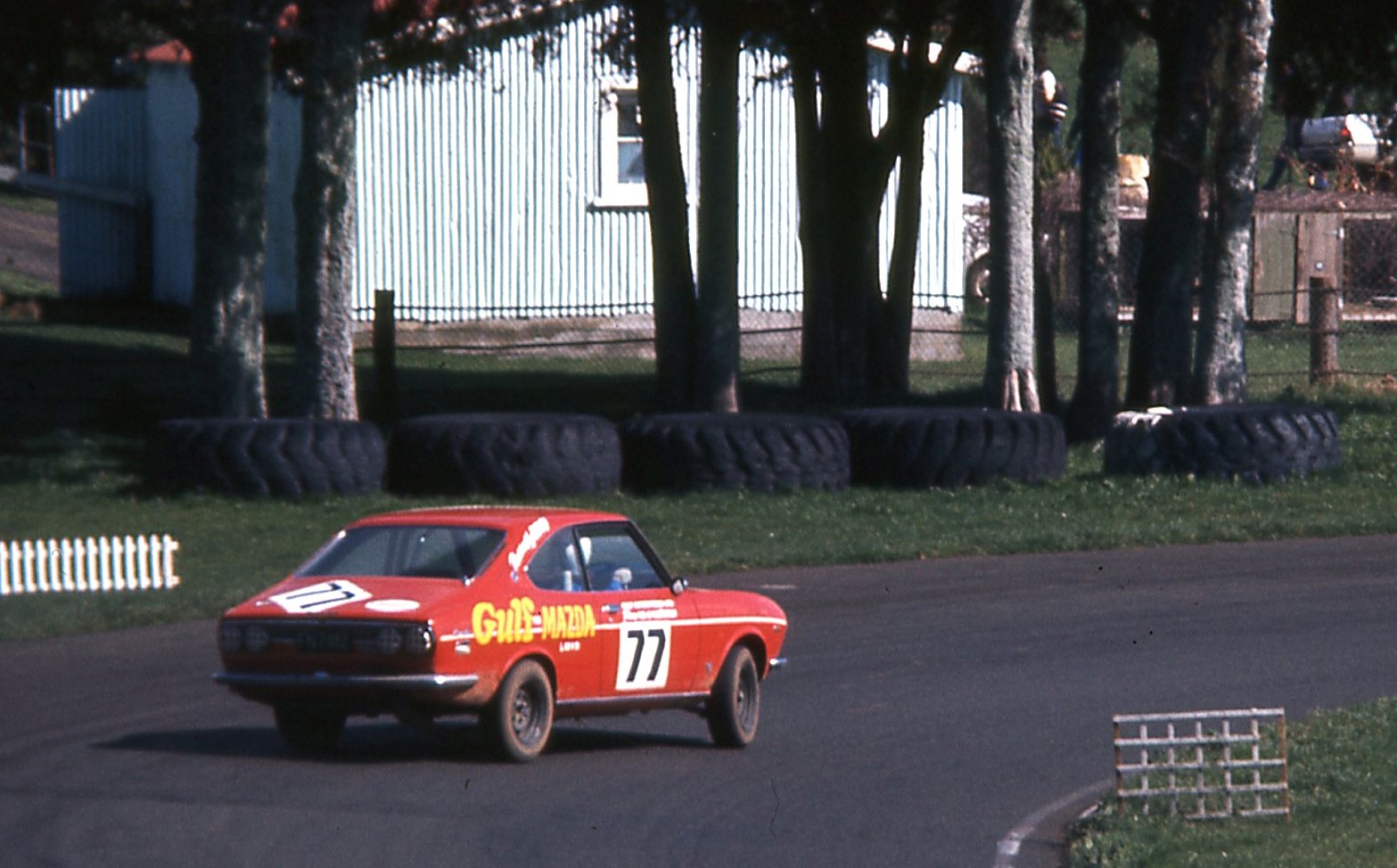
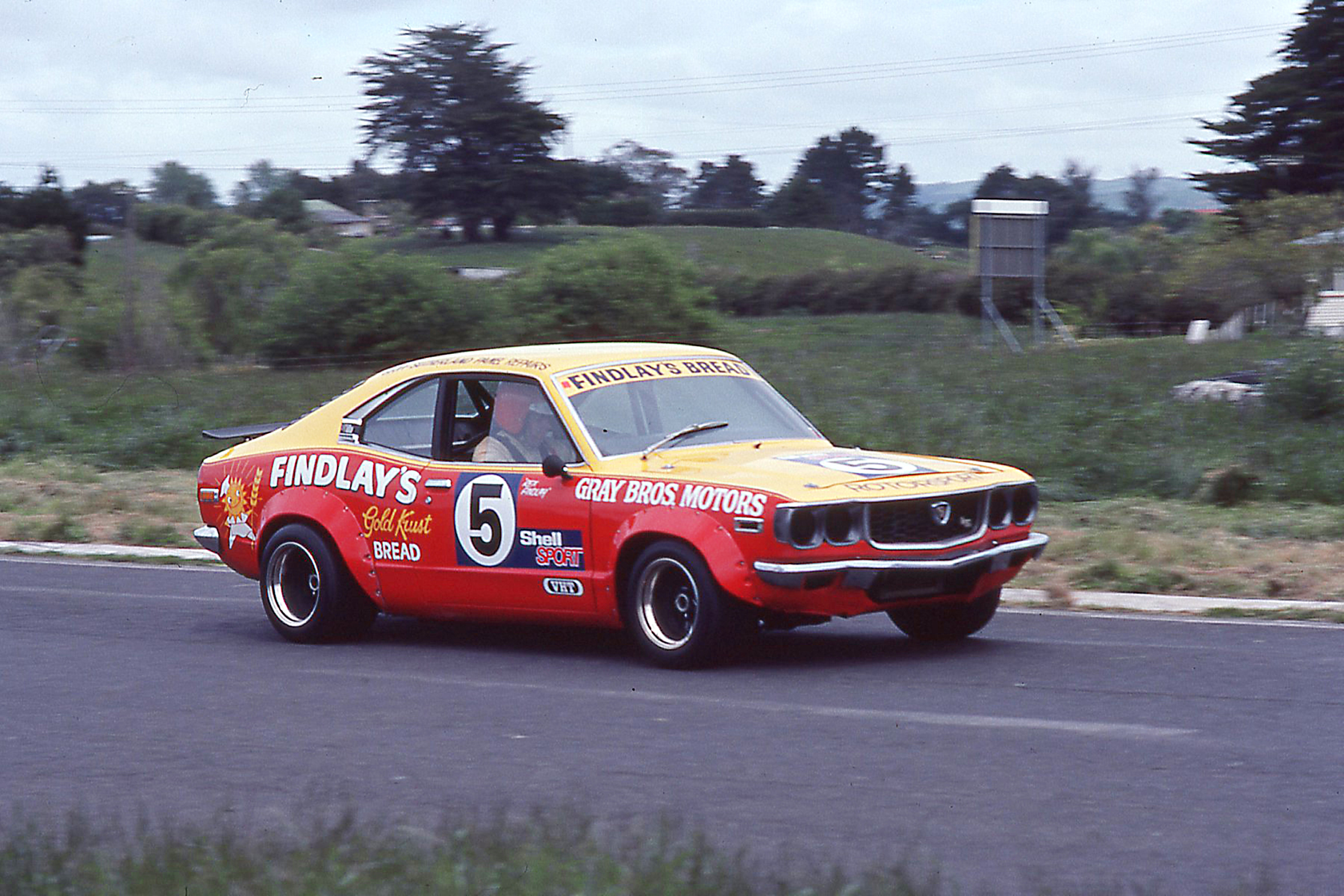
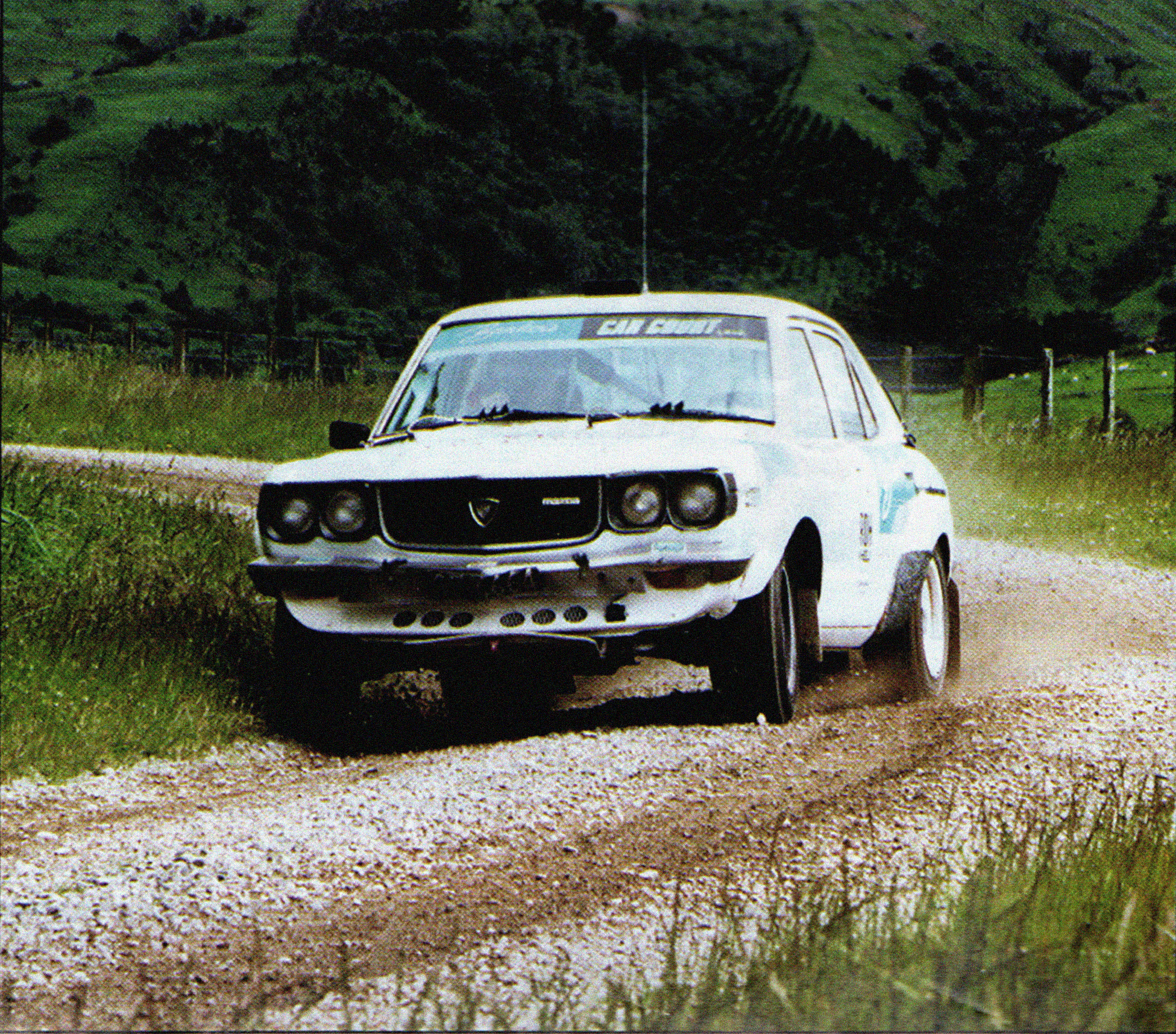
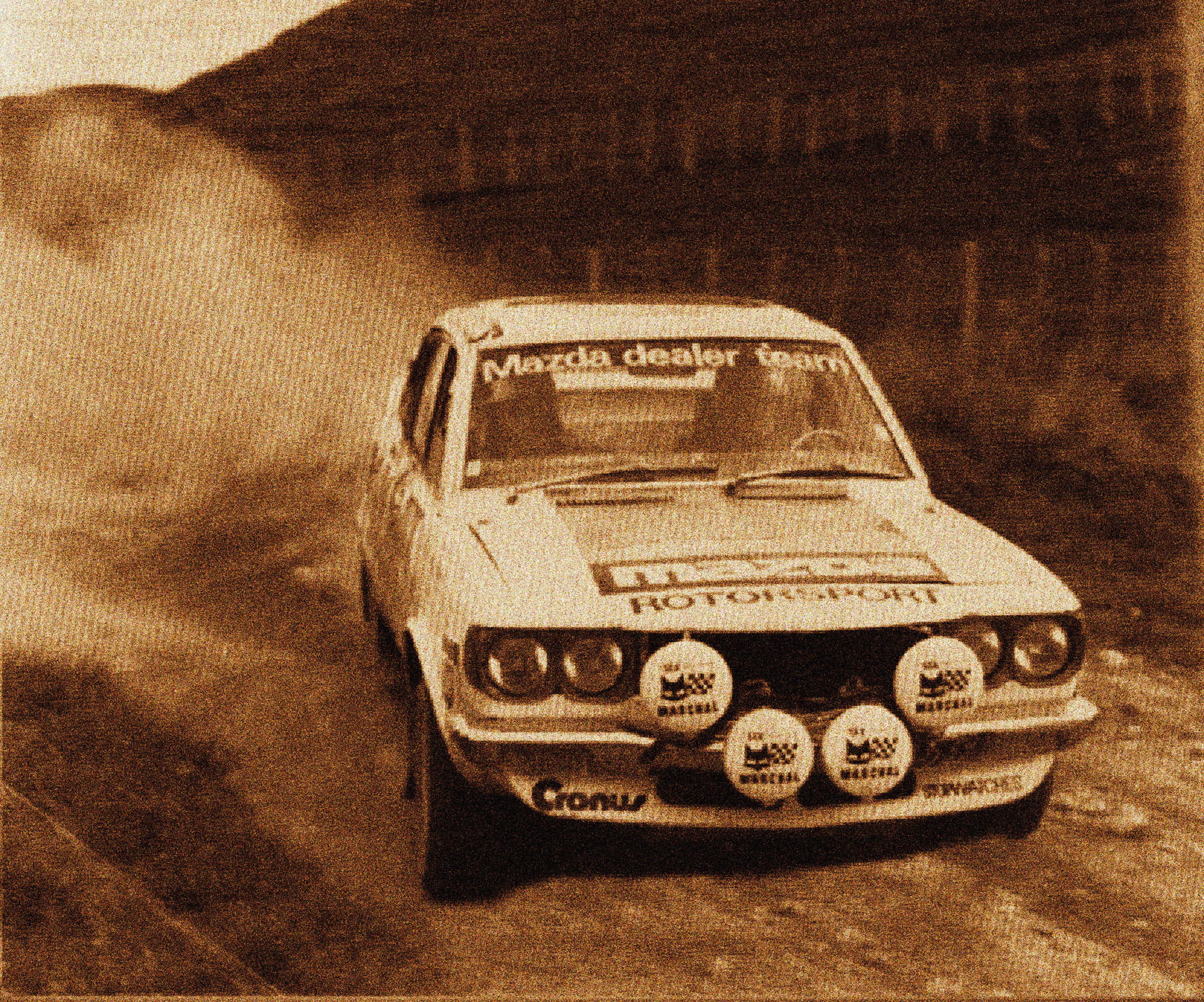
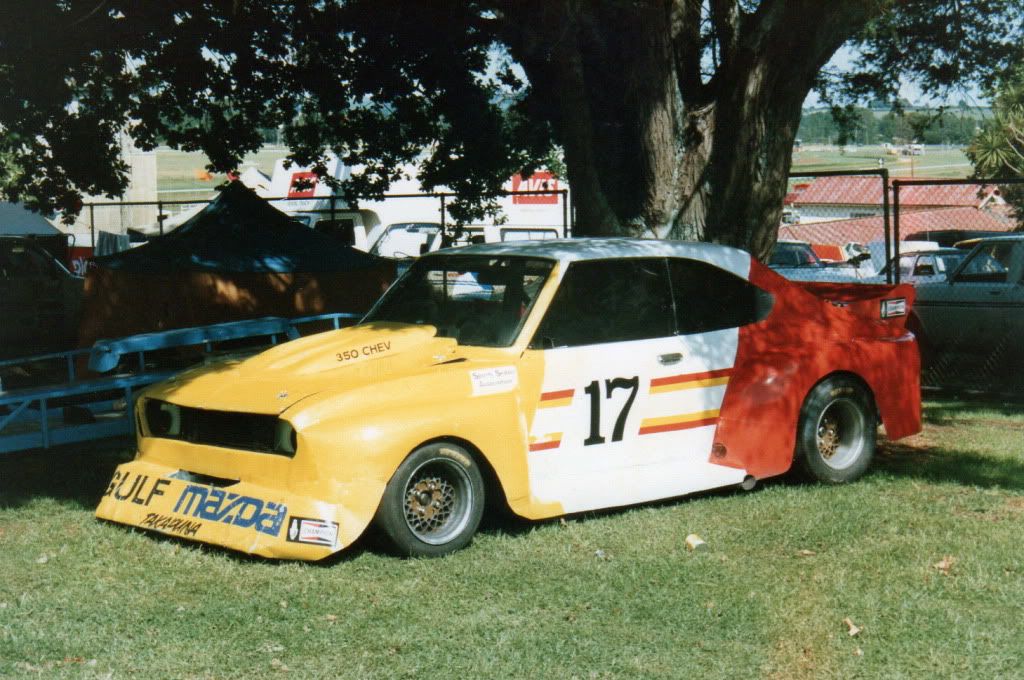
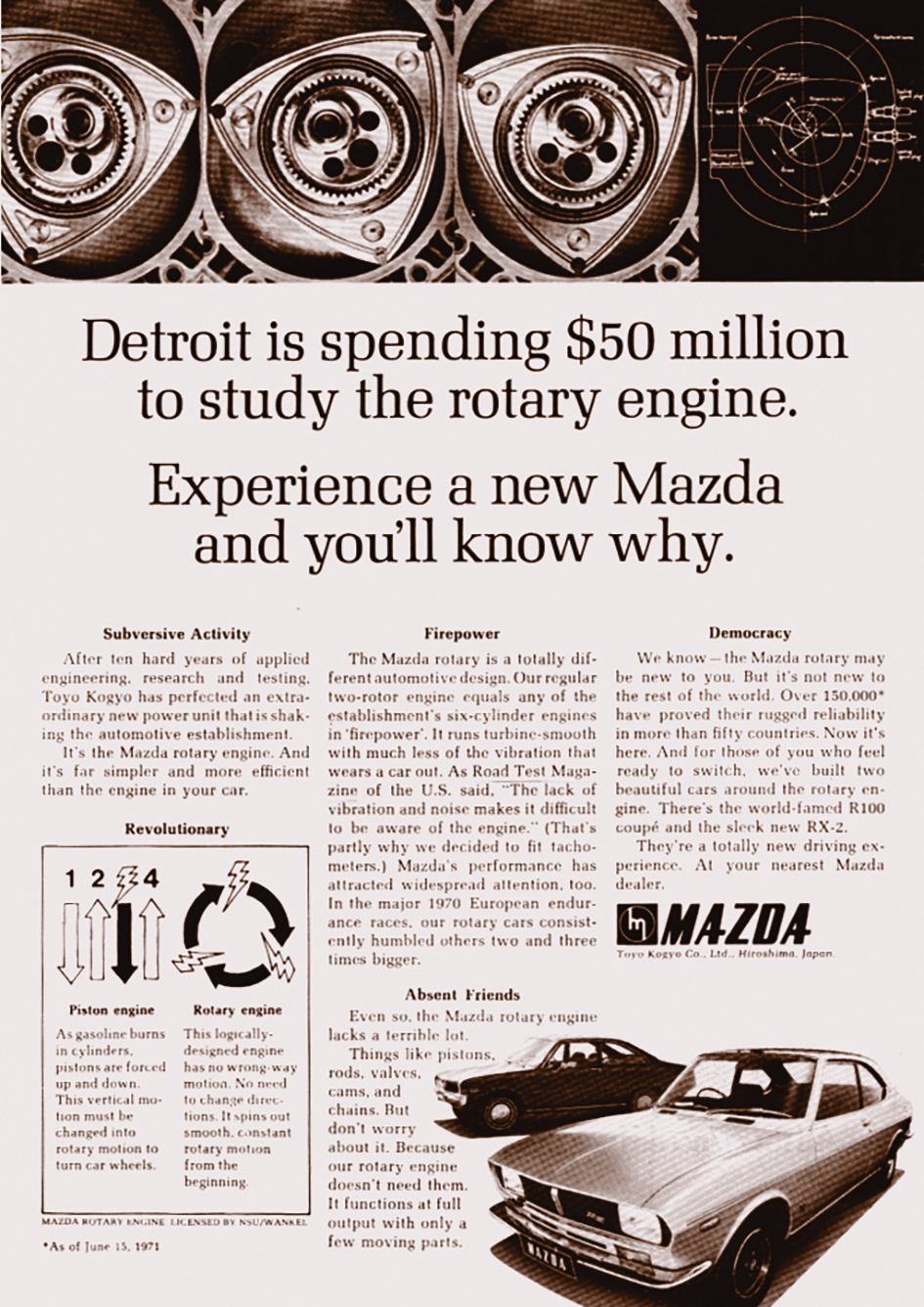
Both Rod Millen and Ron Kendall were rotary racing kings, emanating from the North Shore of Auckland, where I grew up. And the ultimate rotary techno guru was Bill Shiells, who developed the engine into a rocket ship while working out of Gulf Mazda in Takapuna from 1969, and later in his own business, Rotorsport. He began to extract some phenomenal horsepower from the enigmatic rotary engine. Bill was one of the first to race the Mazda RX-2 Coupe in 1971 and achieved immediate success, causing others to sit up and take notice, particularly the North Shore’s racing elite. They included Robbie Francevic, Rod Millen, Ron Kendall, John Woolf, John Le Feuvre, and Rex Findlay.
This all came about as a result of Bill working on Frank Radisich’s McLaren M10A Formula 5000 single seater in Sydney, during the 1971 Tasman Championship series. He operated out of a workshop there, with NSU Ro80 and Mazda rotary franchises. Bill got the opportunity to test drive a Mazda Capella RX-2 Rotary demonstrator (there were hardly any Mazda rotaries in NZ at this time) and was blown away by the performance. He had a specialist tuning background with Jaguar engines, so his impression of the Mazda rotary engines’ potential was well-founded.
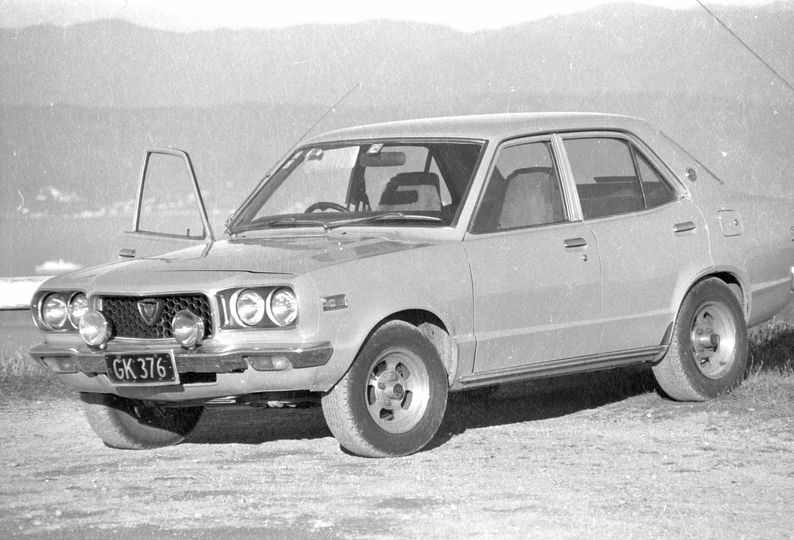
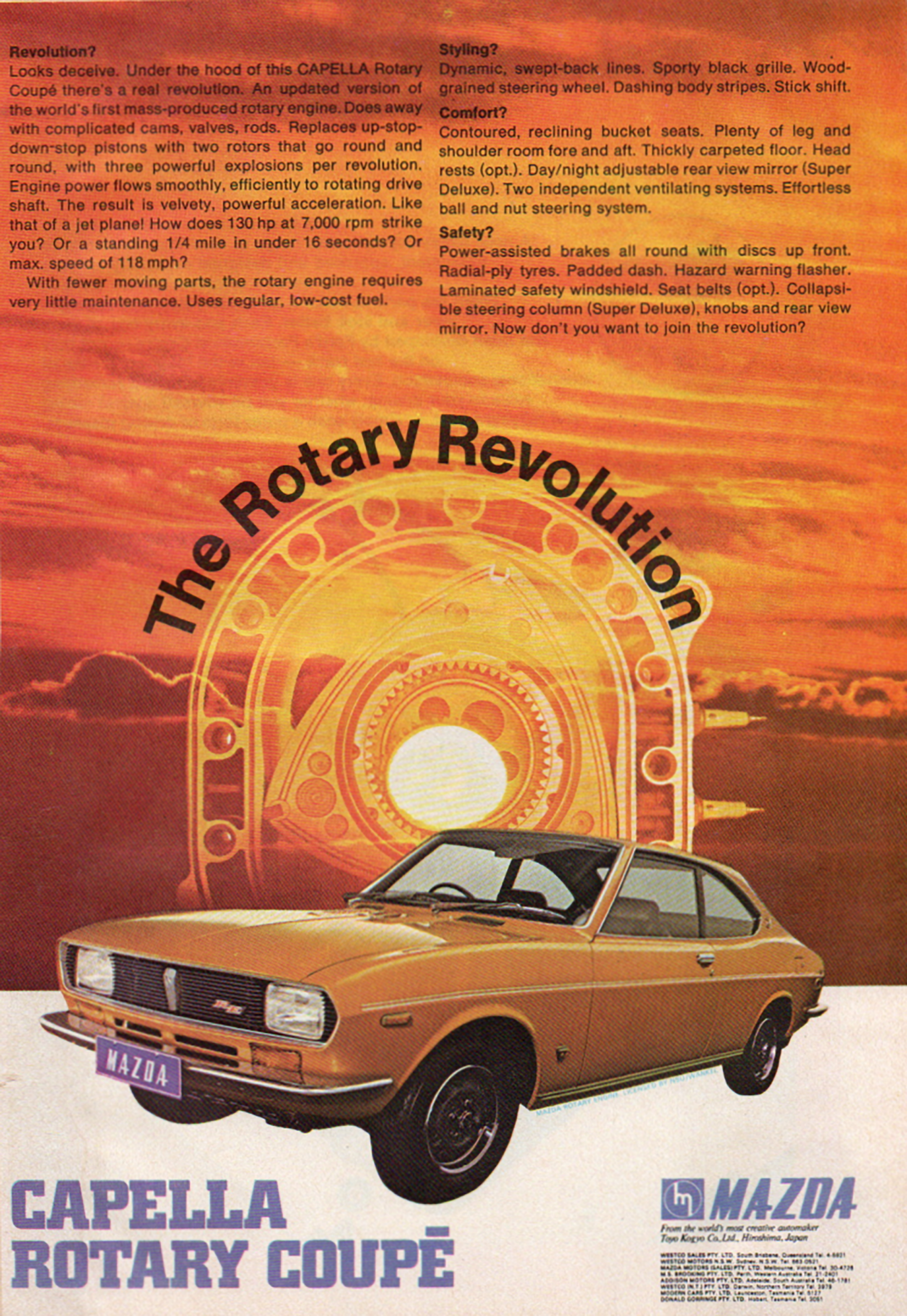
On his return to New Zealand later in 1971, Bill bought a Mazda Capella RX-2 from one of the first shipments into the country. He was already working for Gulf Mazda in Takapuna’s North Shore from 1969, but at that stage only tuning their conventional engines. (There were very few of the original production R100 Mazda Familia Coupes 1969-71 imported into NZ)
With his acquisition of one of the first two Capella Rotary Coupes in the country, he prepared his car for an assault on the Castrol GTX production saloon series, where it had an immediate impact.
With a long career of racing cars and motorbikes back to 1946, Bill undertook the driving duties of the first successful Mazda Rotary to race in New Zealand, along with Merv Neill in a sister car. He was a spectacular driver and his debut fourth outright in the 1971 Glenvale 100 at Bay Park set the scene for many other giant killing displays against the Vs. (The first documented rotary to compete in NZ in any form of racing was driven by Feo Stanton, one of the original Bay Park Raceway developers and promoters. He had specially imported a R100 Mazda Rotary Coupe and ran it in a minor club sprint at Bay Park in 1970.)
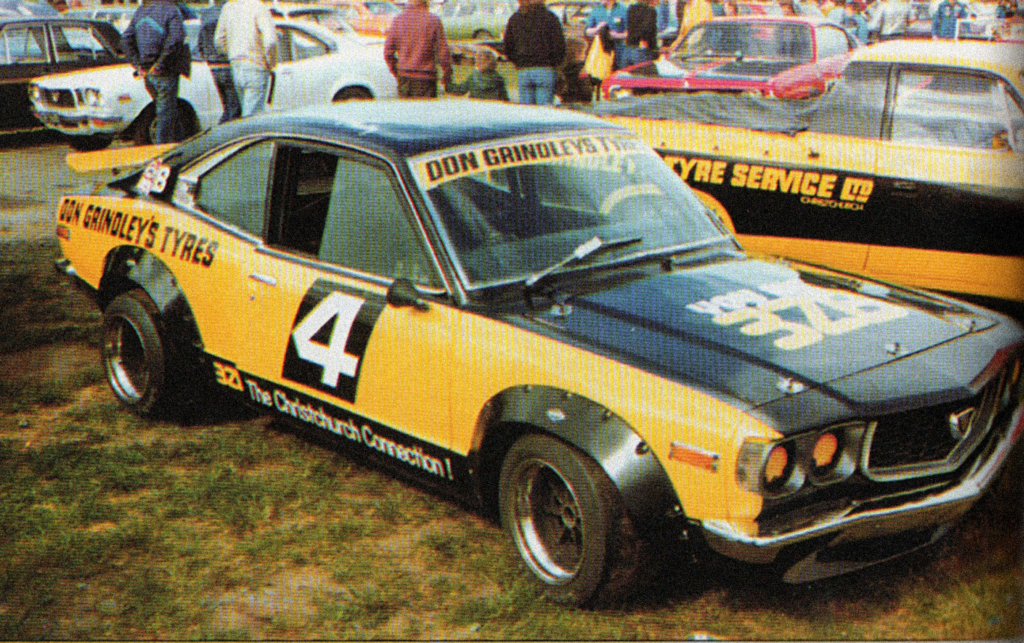
The North Shore Racing Mafia
However, Bill’s key contribution to Mazda’s illustrious motorsport successes in New Zealand was ultimately his skill in developing the rotary engine’s potential and producing bulletproof, power factory racing engines for frontline racers. Once he set up Rotorsport in Wairua Road, Takapuna, Auckland — independently from Gulf Mazda — he was able to devote all his energy to this end.
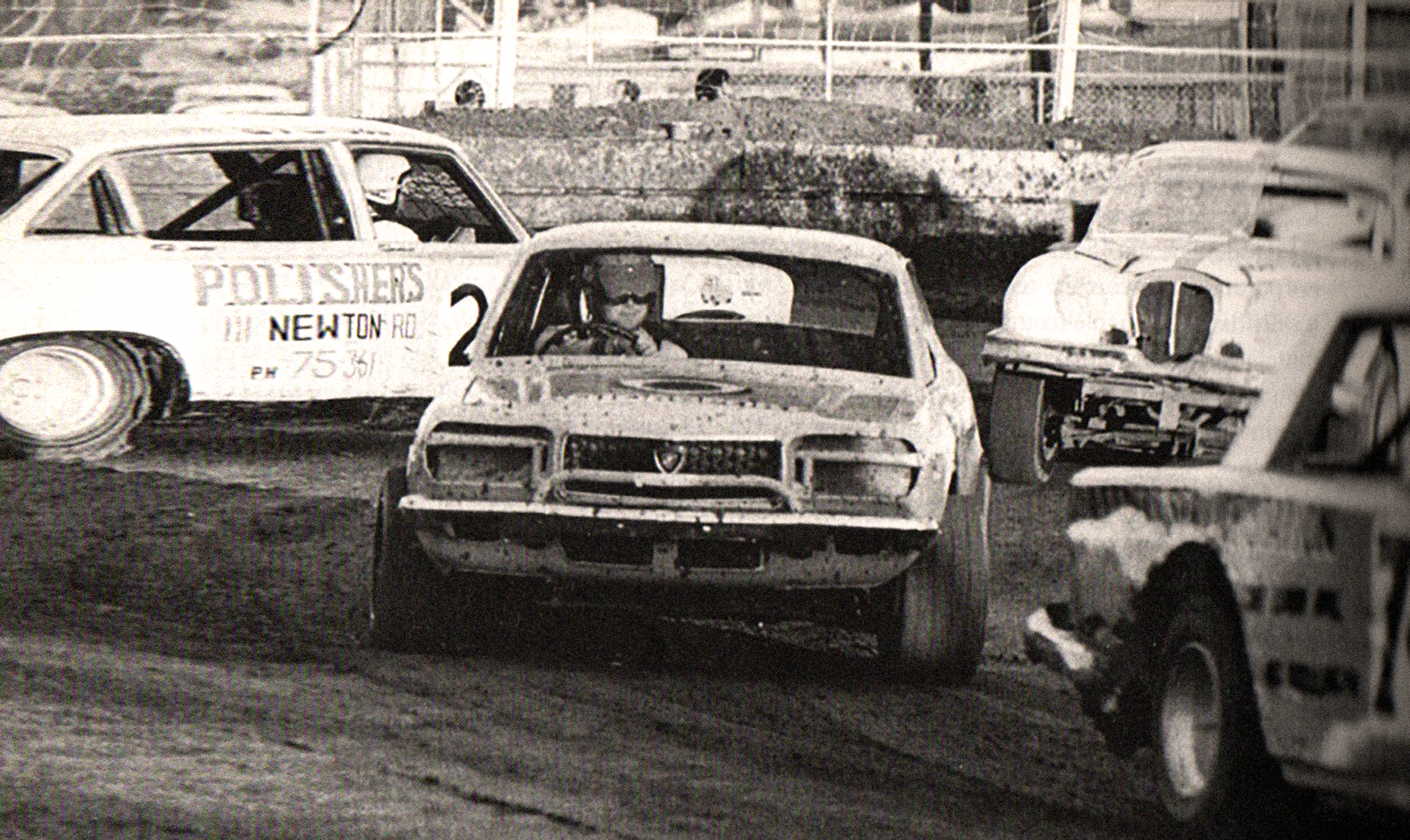
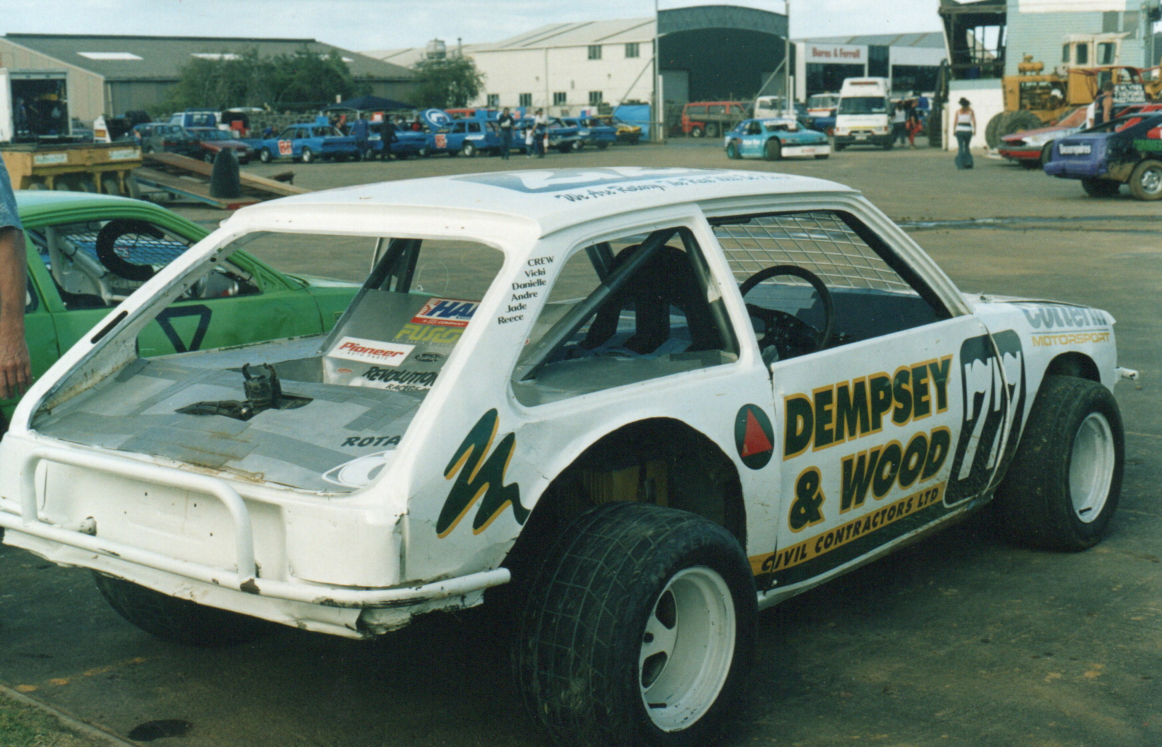
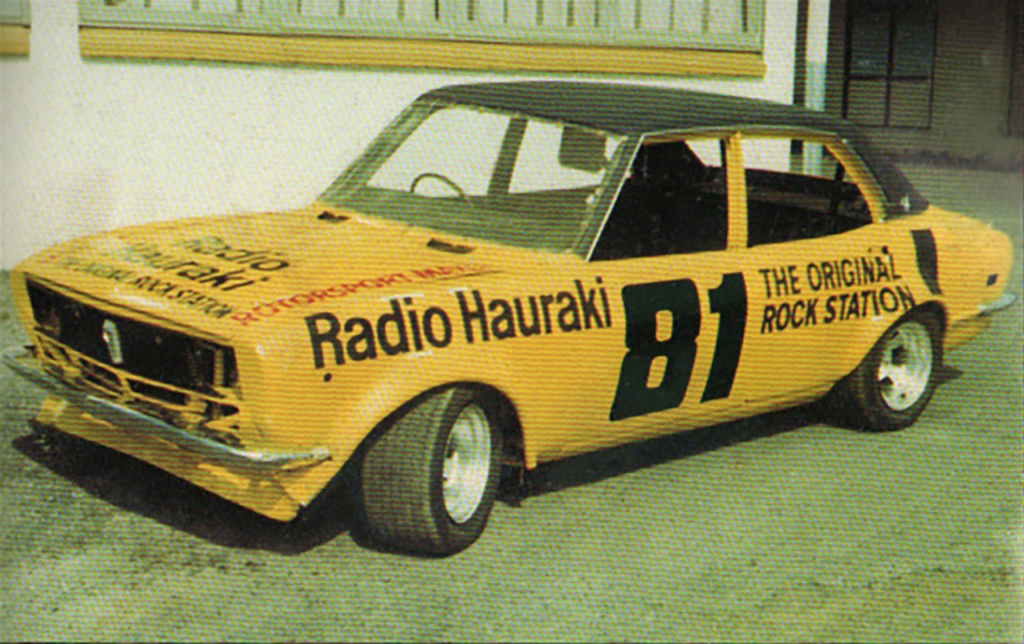
Ron Kendall, Waikaraka Speedway (Auckland) dirt track saloon superstar, referred to the enclave centred around Bill Shiells’ rotary racing development workshop as the “North Shore Racing Mafia”.
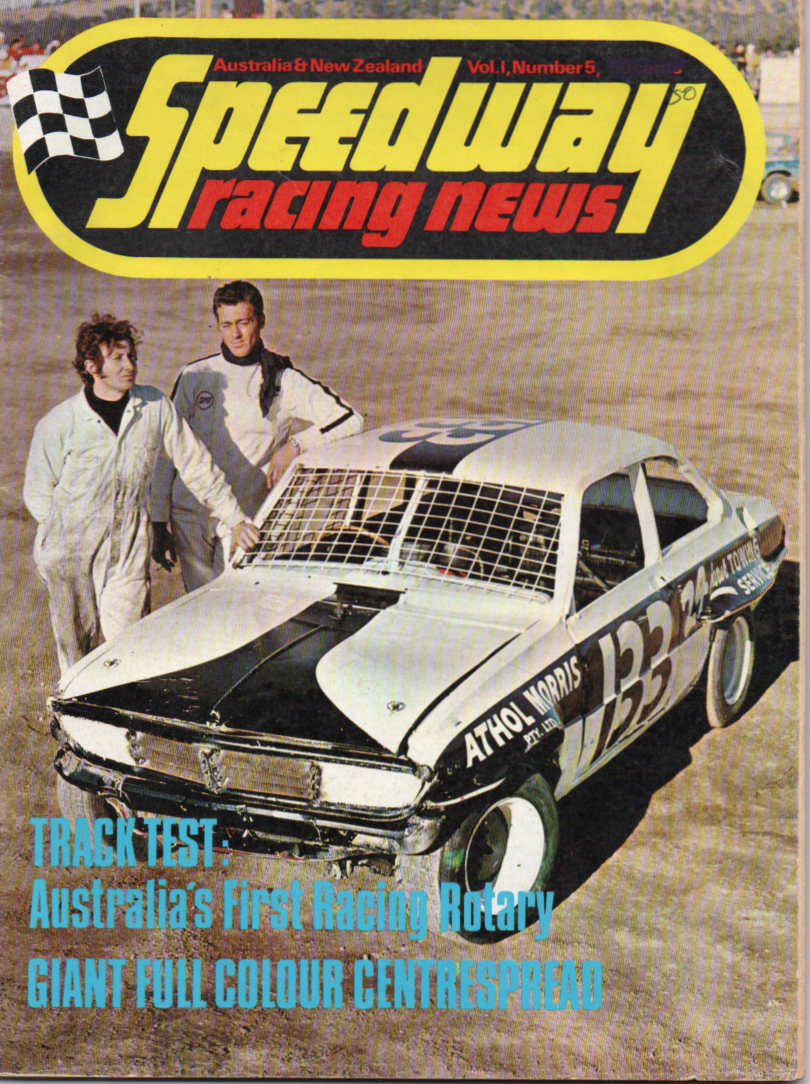
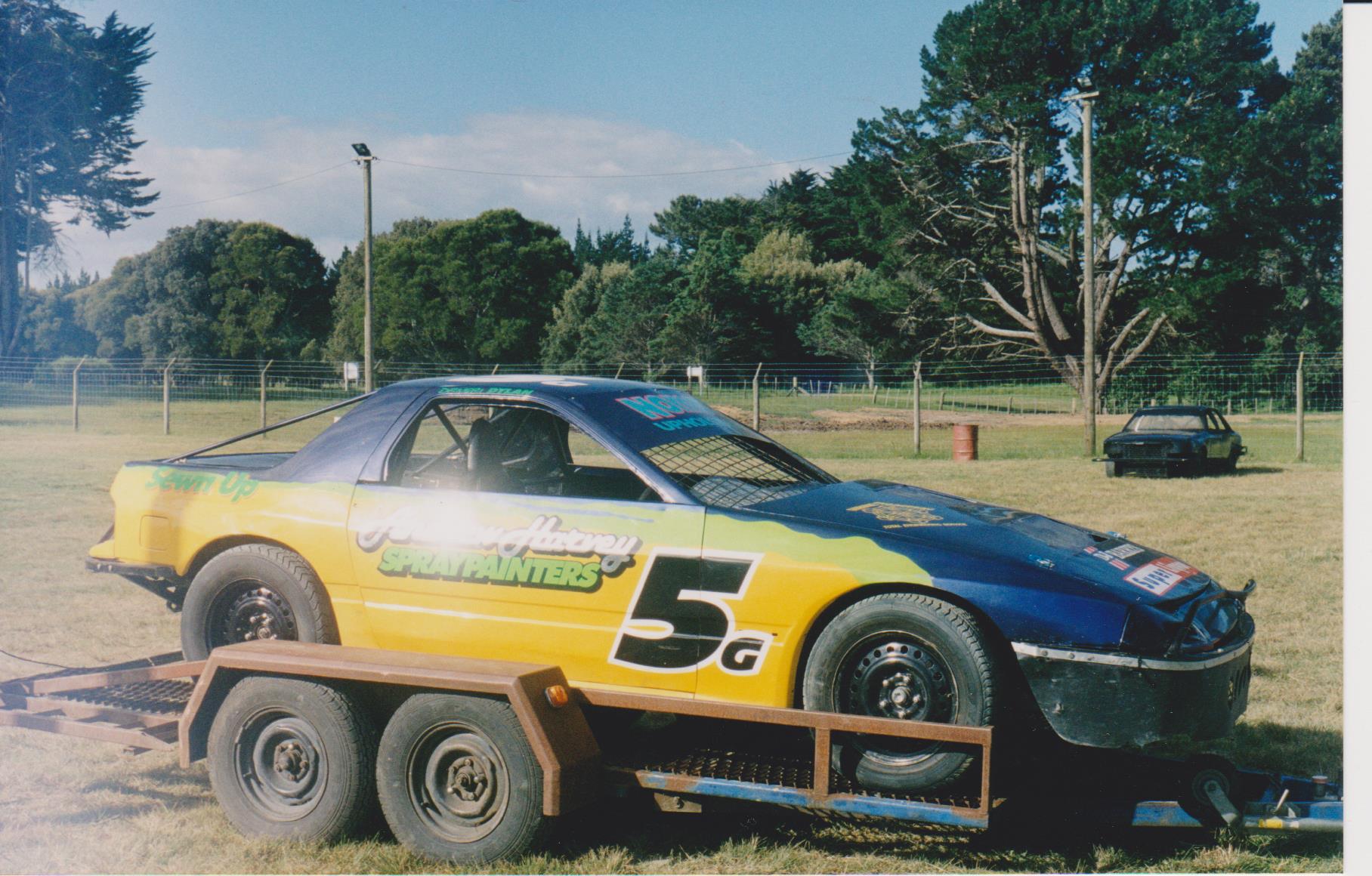
Both Kendall and Rod Millen were to win national titles in their respective classes. Ron Kendall won the NZ Dirt Track Speedway Saloon title with his Radio Hauraki sponsored Mazda RX-2 sedan, with a Shiells-built 400hp peripheral port 13B motor, at Stratford Speedway, on 1 February, 1975. Rod Millen was to have multiple NZ Rally Championship successes with his Shiells-built 13B rotary Mazda RX-3, from 1975 to 1977.
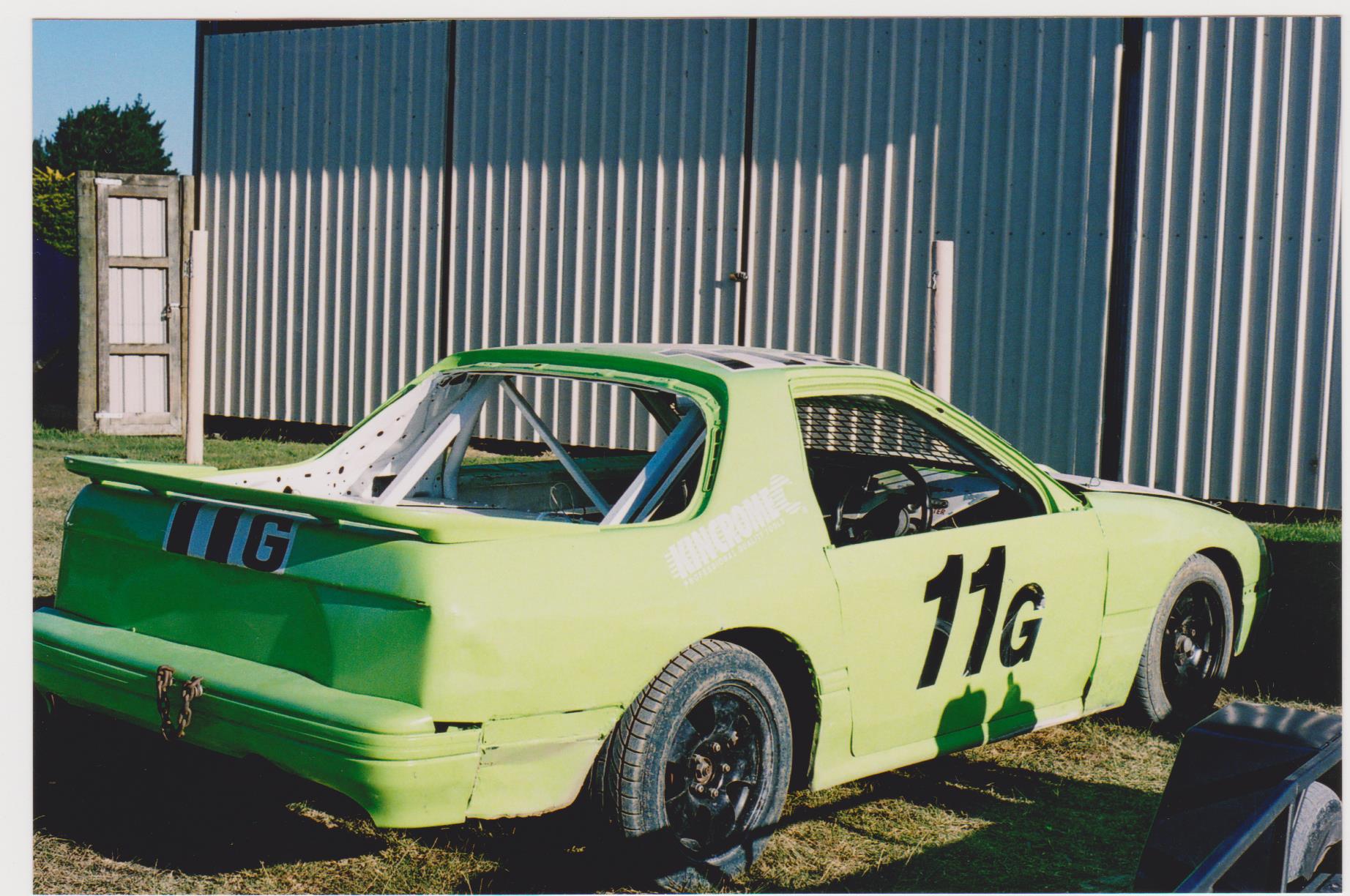
Other drivers who achieved success with Mazda rotary power on both asphalt and dirt included Possum Bourne, Rob Gerrard, Angus Hyslop, Neil Allport, Brian Gray, Bill Russell, Wayne Jones, Tony Rutherford, Dave Browne, and Don Grindley, to name but a few.
Despite it not being a Kiwi Mazda victory, it would be a travesty of justice not to mention the Mazda rotaries’ crowning motorsport triumph — outright victory in the 1991 Le Mans 24 Hour classic. That year, Mazda achieved the seemingly impossible with their Mazda 787B, powered by the R26B four-rotor engine, vanquishing all the traditional heavyweights of Jaguar, Porsche, and Mercedes.
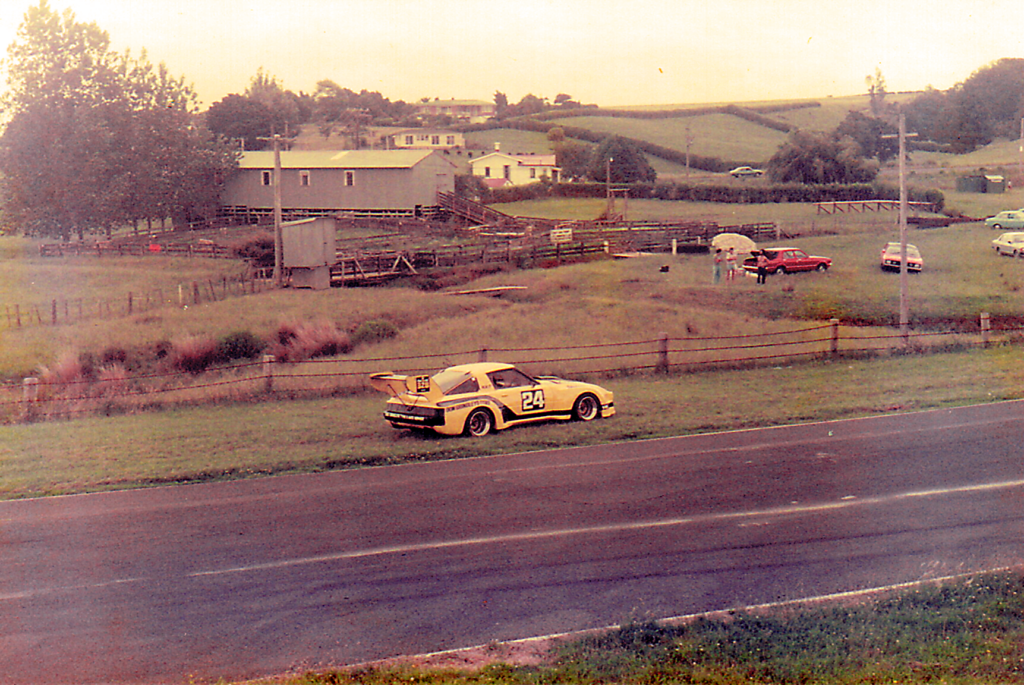
The shining light
As you may know, the name Mazda was coined in October 1931. The spelling comes from the Zoroastrian god of harmony, light, and wisdom, Ahura Mazda. The parent company, Toyo Kogyo Co. Ltd, was originally a cork manufacturer founded in 1920. It launched a tricycle truck in 1931 called the Mazda-Go, which was partly named after company principal Jujiro Matsuda — which in Japan is pronounced very much like ‘Mazda’. How could they resist?
In 1969, Steel Brothers assembly plant in Christchurch was approached to assemble Mazda B1500 utilities. The plant was already assembling other makes, including Toyota, and was further extended to accommodate this. Later that year, the first 400 completely knocked down (CKD) Mazda 1500 light commercial kits arrived. The completed utes retailed for $2678 in cab/chassis format. John O’Hara, overseeing their assembly, recalled, “At first the only way to sell these vehicles was by doing farm demonstrations for reluctant farmers. But when they saw how handy the vehicles actually were, the word spread.” It has to be remembered, there was a lot of resistance to buying Japanese products at the time. This was partly due to memories of World War II, and also the perceived view regarding quality. Mazda utility acceptance paved the way for the introduction of Mazda saloons, also in 1969, when a few completely built up (CBU) 1200cc four-door sedans arrived, retailing for $2482.
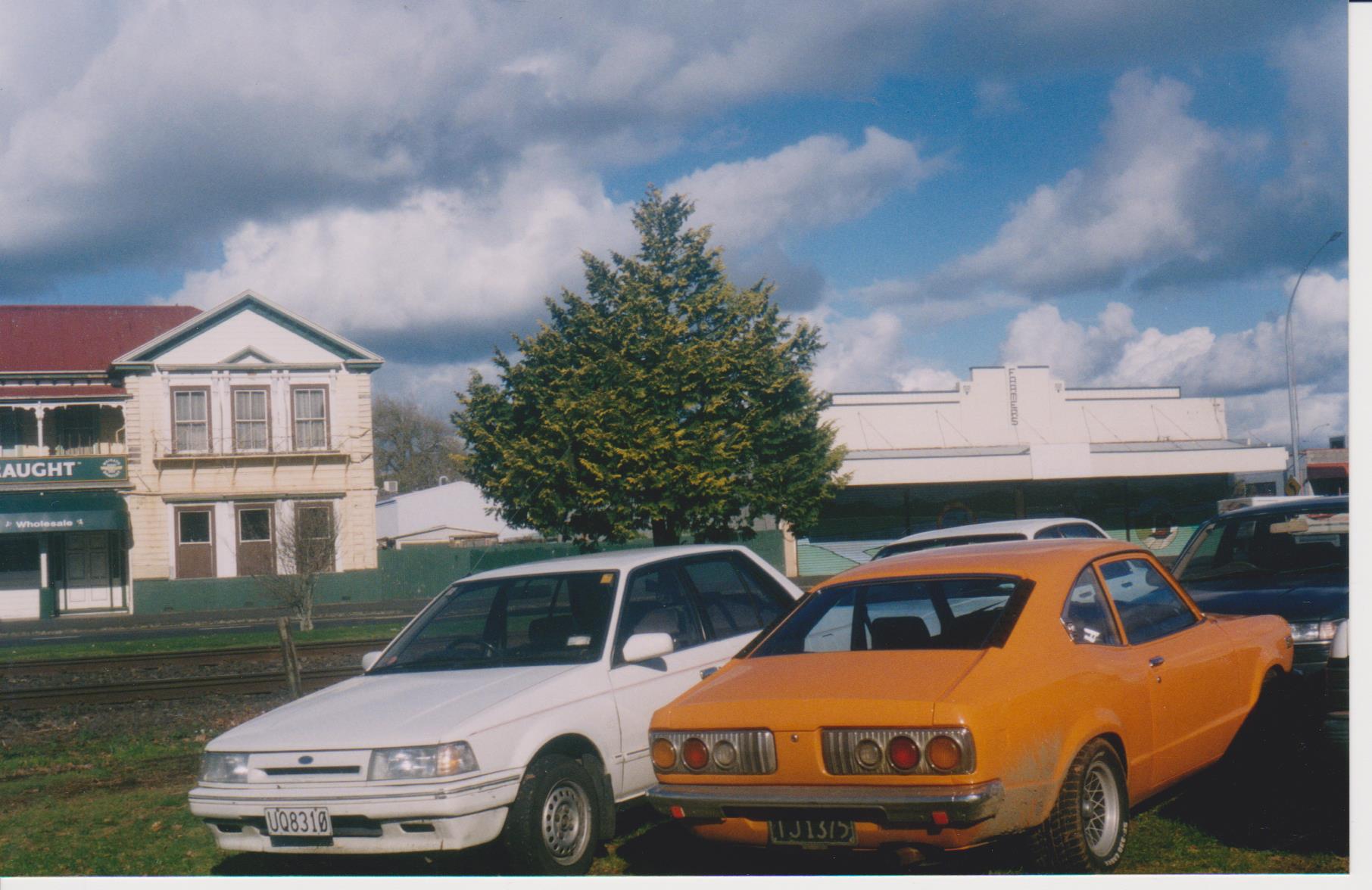
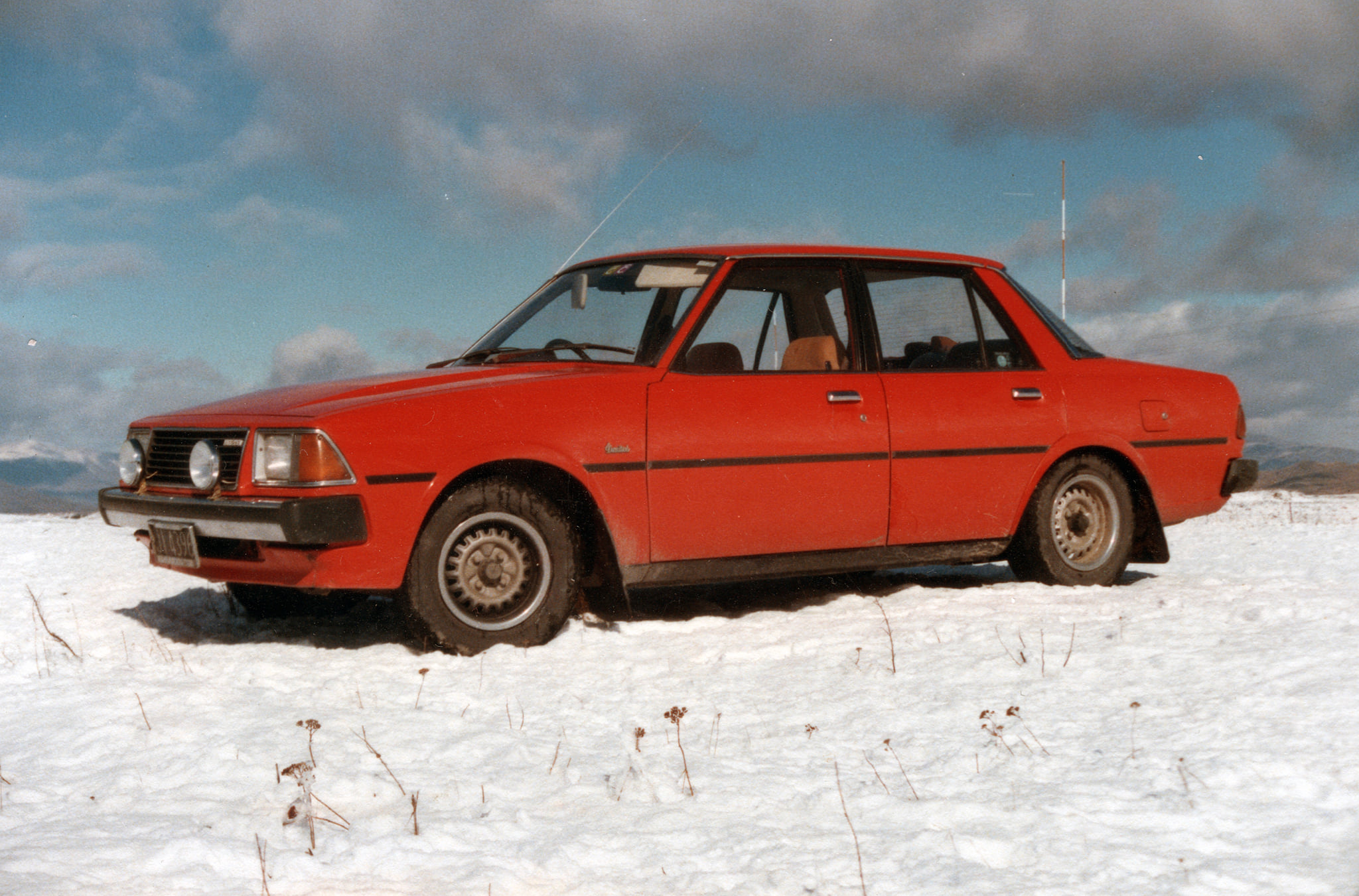
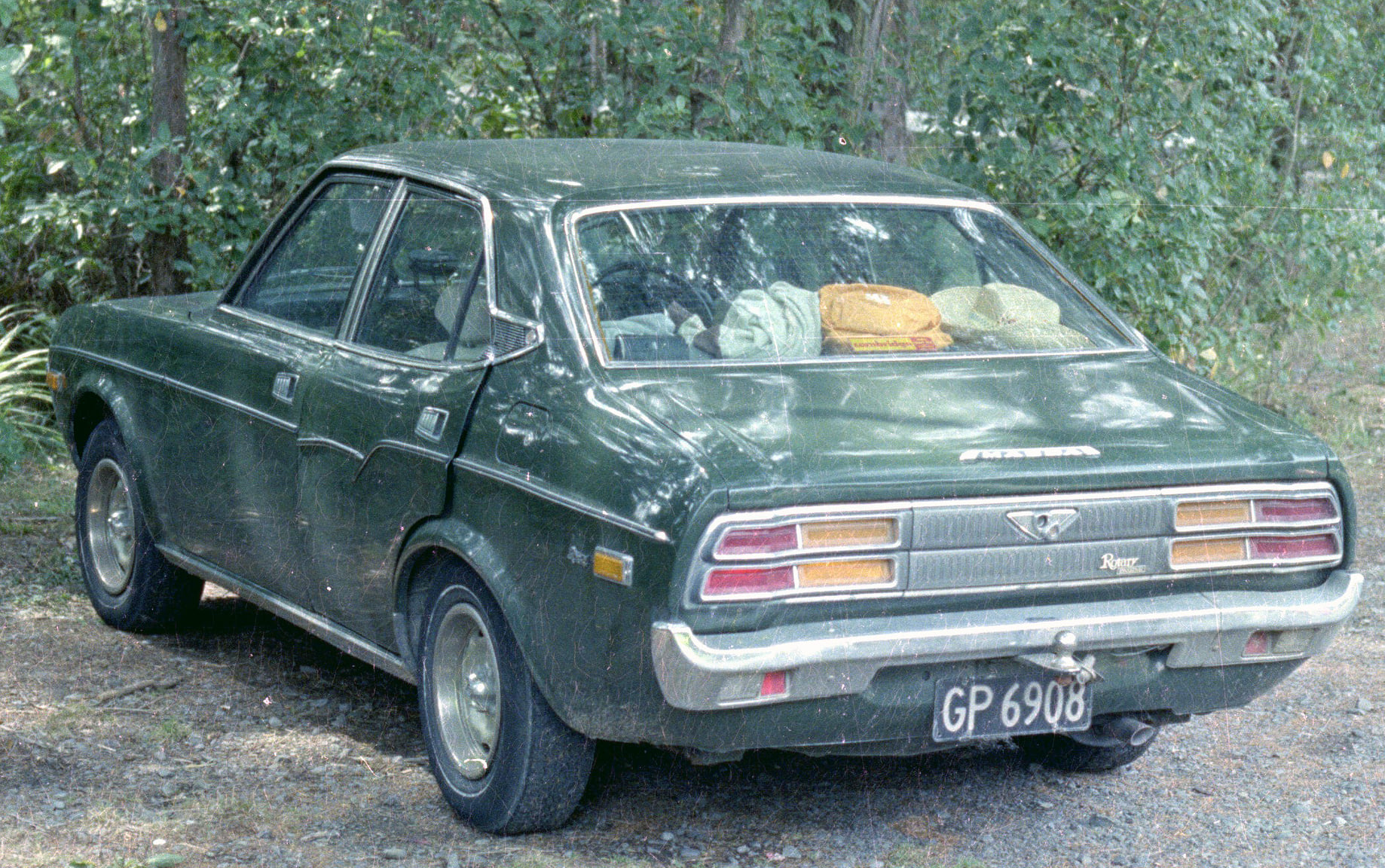
In 1970, Mazda Japan agreed to supply rotary models for export to NZ. In October of that year, three orange and three red model S122 series Capella RE Super De Luxe models arrived. However, it is thought that very few 1969-71 Mazda R100 Familia Coupes were imported into New Zealand.
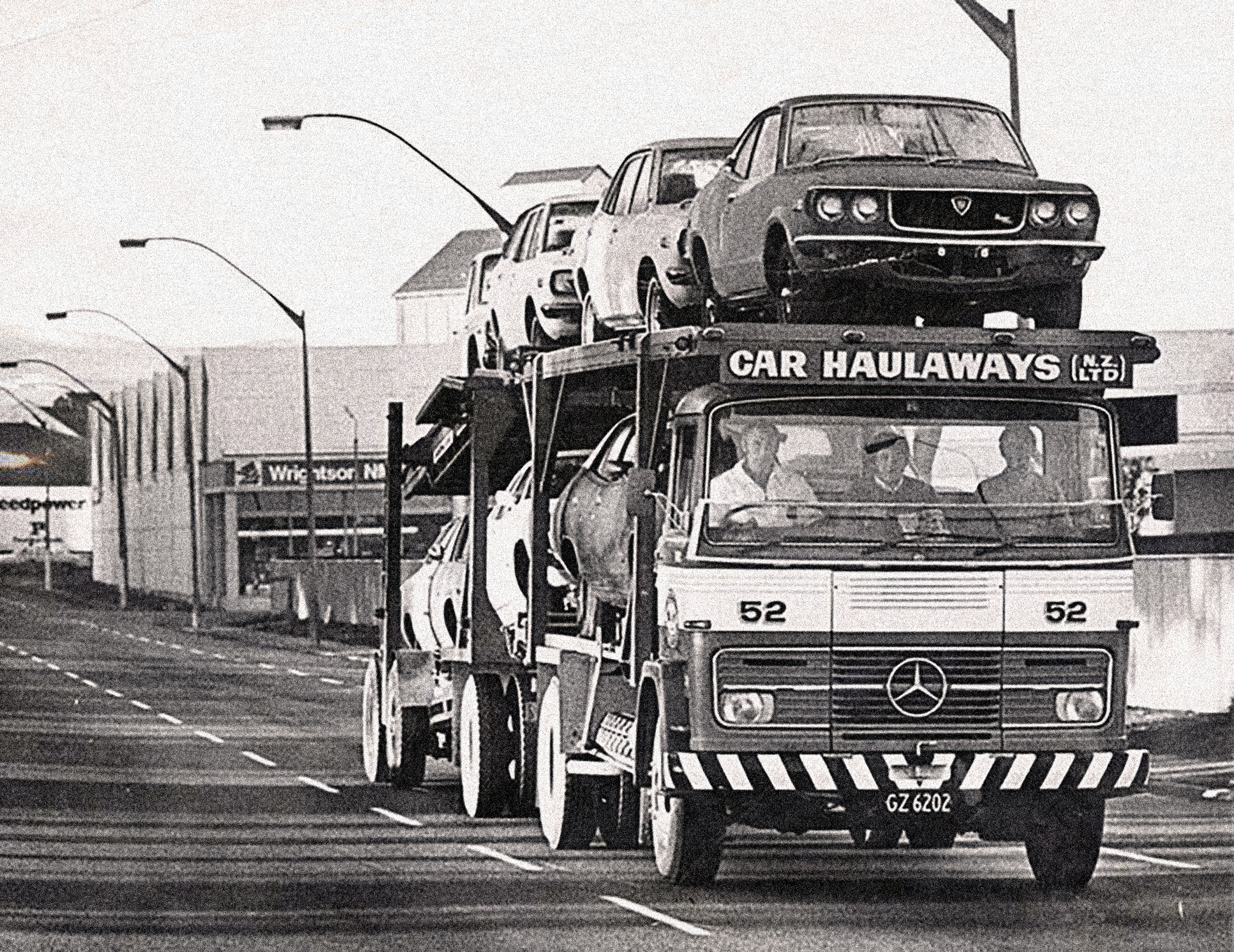
There was a major shortage of new cars in the period of 1971-73. Robin Vernon, who worked at Motor Holdings’ plant at Otahuhu, remembered the yard at the assembly plant for Mazda, Fiat, and others was full of cars with various problems, preventing their sale. “These included Mazda RX-2s, 616s, Fiats, and Datsun 180B coupes, which were waiting for one part or another, or had bad paint.” His first priority on taking over management was to shift them on. An arrangement was struck with the dealers that they assumed responsibility for the rectification of the issues. The franchises were clamoring for the cars and readily agreed. He reported the vehicles “Disappeared quick smart …”
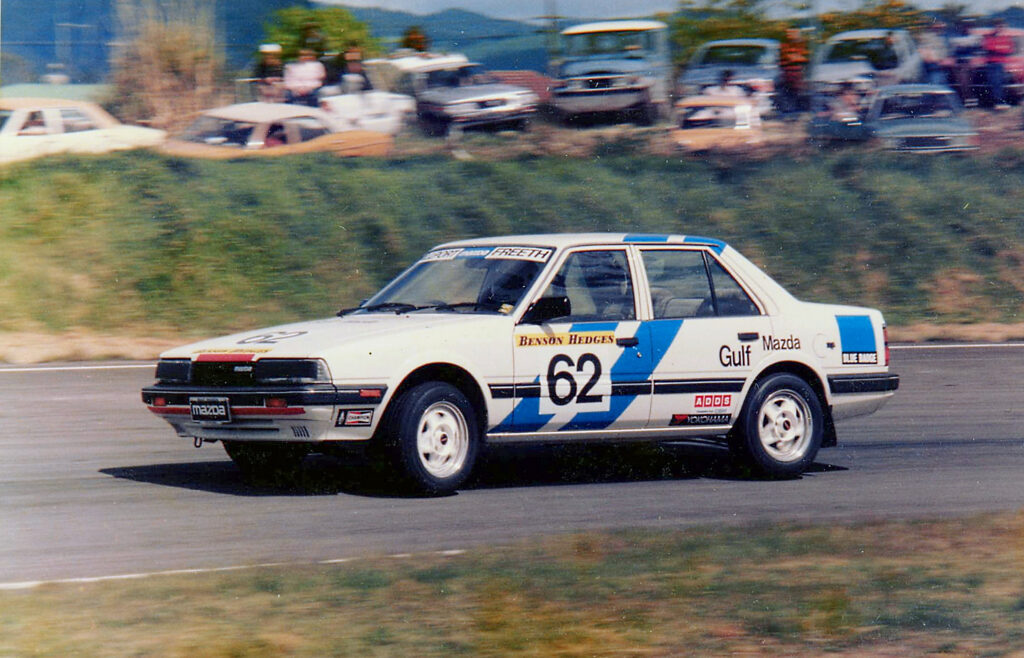
Completely knocked down, and wet
Another major issue was waterlogged cases containing the CKD car component kits at the bottom of the Otahuhu plant yard. Jenny Foster, who worked there, remembers, “Panels emerging from the cases were red with rust.” The problem was worse with Fiats, but it affected Mazda as well. “The only solution was hand sanding, and then the paint would go on.” In this way, she says, “The rust would, sort of, all be removed.” In Mazda’s defence, though, they were the first to put in an ‘electrostatic’ dip at their Sylvia Park body preparation plant around this time.
Foster also reports on another assembly tactic of the time. “The trick of the old vinyl roof manoeuvre. If there were too many dents in the roof — and we did this on Skodas, and on Mazda RX-2s and 121s, I think it was — they’d go, ‘Well that’s too ripply, let’s put a vinyl roof on.’ You didn’t get this as an option, it was there to cover the dents.” Note: there doesn’t appear to have been a plant that didn’t resort to the vinyl roof trick.
By 1973, the old order was changing dramatically. The traditional big cars of Australian origin, and the declining quality of the English offerings, had opened the door to the Japanese invasion of well-designed and built, reliable, and economical cars. That year, Mazda built 1945 new cars and 509 utilities.
1974: Mazda continued gaining market share. With some import restrictions relaxed, Mazda imported 2075 CBU vehicles from Japan, in addition to the 616s, RX-2s, and 808s being assembled at Otahuhu.
1975: At the mid ’70s mark, Japanese cars accounted for 27 percent of all new car sales, UK-sourced vehicles 51 percent, and Australian 16 percent.
1976: Mazda started assembly of the very stylish rotary, and conventional power 929 sedan and station wagon, giving them entry into the medium-size passenger market. There was a general downturn in the economy at this time, due to loss of traditional UK markets for our primary products, under the Muldoon government and all brands suffered a downturn in sales.
1977: The introduction of the rear drive 626 into production at Motor Bodies, Otahuhu. Various industrial and shipping problems, which plagued the era, meant that the production target of 31 vehicles a day fell well short of this mark. Operating dual assembly lines, which was something of a revelation on the NZ scene at the time, 323s and B-Series utes were on one, and the 626s on the other.
At the 10-year mark of 1979, Mazda NZ had sold 25,000 new cars locally. They had the best-selling ute in the B1600 for the past five-plus years. The breakdown of sales included 7600 utes, 4240 929s, and 1897 RX-2 saloons and coupes.
Front drive and front rank
Mazda launched the new front-drive 626 Mazda in July 1982. It was a standout car of the time, with the best fit-out available locally, with cruise control and other features, including a five-door hatch.
The year 1983 was a watershed for Mazda when Ford took a controlling shareholding in the Japanese parent company. Everything that came after this, in the period to the end of local assembly with Mazda (and all the other car companies) in 1998, was largely facilitated by Ford. The arrangement was that Mazda still designed their own cars and Ford picked which ones they took on as ‘badge engineered’ cars for their own release, both brands saving on development costs. This new restructure was to reduce the local independence of NZ input in the Mazda product for local release. I guess you could call it rationalisation, but many local employees were to lose their jobs. It’s interesting to note that the Mazda version seemed to have the better reputation of the two.
There was one high spot before automotive cloning descended in force — the locally developed and assembled sporting 1.5-litre version of the Mazda 323, the three-door GT. This was launched in 1984 alongside a unique RWD version of the 323 station wagon. There was a 1.5 Ford Laser Twin Carb sporty version too.
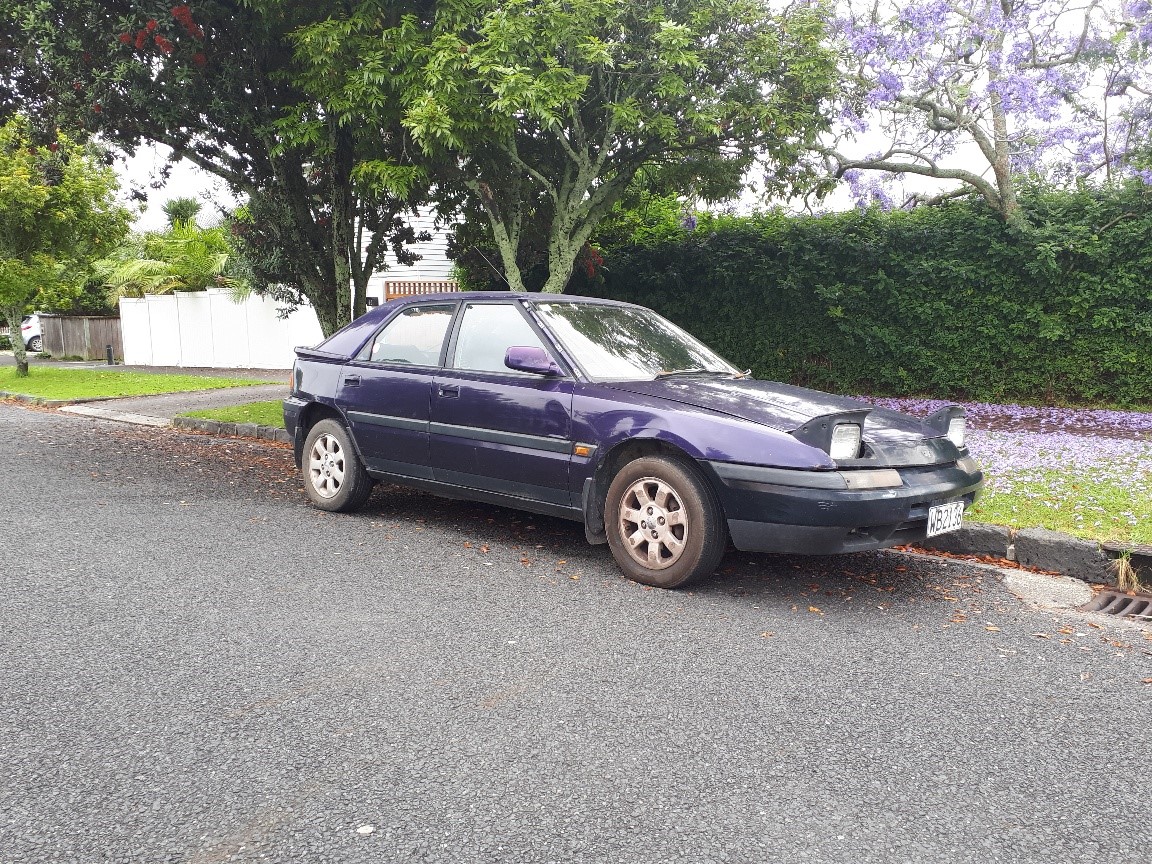
Of course, what eventuated long term were the identical cars of the Mazda 626 V6/Ford Telstar, similar versions, and the equivalent Mazda 323 Familia/Ford Laser. Same cars, slightly different minor cosmetic differences and badges, and identical engineering.
Ford began selling down its shareholding in 2008 and sold its last shares in 2015, although they continued to co-operate, notably in this market on the Ford Ranger/ Mazda BT-50 — until the release of the third-gen BT-50, which is now a collaboration with Isuzu.
Gerard would like to acknowledge the help he got in the writing of the NZ racing rotary history and the Mazda car assembly here from these publications:
Mazda Rotary Down Under: Thirty Years of Competition Success in NZ, by CJ Denby, published by Christopher John Denby, 2002.
Assembly: New Zealand car production 1921-98, by Mark Webster, published by Reed Publishing, 2002)